Uncovering The Future Of Esports: A Generation’s Question
By Tom Seest
At HowDoYouGame, we help people who love board games by collating information and news about games.
Be sure to read our other related stories at HowDoYouGame to learn more about games.
Why Gen X Still Wonders If Esports Can Go Mainstream Like Football
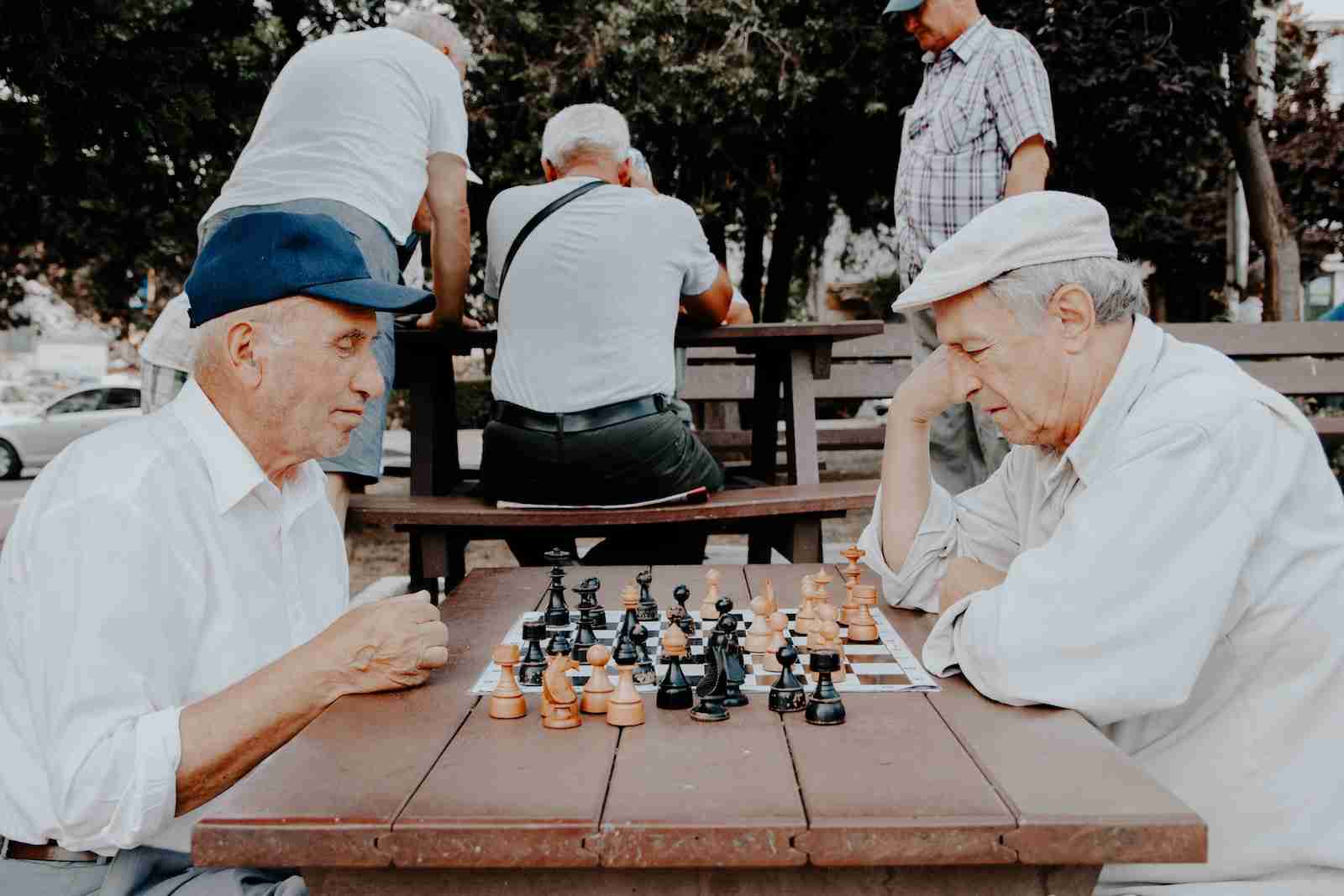
When you think of football, a vivid tableau unfolds: a packed stadium, the cheer of fans, and the collective anticipation electrifying the air. It’s a visceral experience that hooks you right in the gut. Now, juxtapose that with esports, where thousands gather in sprawling arenas, armed with controllers and a fierce competitive spirit. Both worlds share the same thrilling essence: the games. Yet, there’s an intriguing question lingering in the minds of Generation X: can esports capture that same fervor and, ultimately, go mainstream like football?
There’s a palpable nostalgia among Gen Xers, a yearning for community. As kids, we gathered with friends on Friday nights for backyard football games that instilled teamwork and rivalry. We connected over weathered playbooks and echoed cheers. But as the digital age surged forth, young players took to screens, honing their skills in virtual combat rather than on grassy fields. Here lies an emotional chasm for those who grew up amid the tactile sensations of sporting culture.
The rational side of us weighs the evidence. Industry reports indicate that esports have exploded in popularity, with viewership rivaling that of traditional sports. More than just a trend, this phenomenon represents a shift in how we engage with competition. Yet, the ethical concerns arise: are we losing something fundamental? Kids today may connect over Fortnite, but what of the health benefits of fresh air and physical activity? We struggle to reconcile the screens with our own childhoods, caught between progress and nostalgia.
Crafting a narrative that bridges this divide can inspire connection. Billions are already being invested in esports, with seasoned athletes and celebrities jumping into this realm. Their authority lends credence to the potential of esports. Imagine a time when esports headlines appear alongside football scores in your morning paper—a time when the local stadium turns not only into a football field but also a vibrant arena for digital champions.
As the world changes and merges, we find ourselves at a crossroads. Generation X has the power to shape this new cultural landscape. Instead of dismissing esports, let’s embrace the evolution, foster conversations, and build connections within these diverse communities. After all, in both football and esports, it’s about camaraderie, competition, and a shared love for the game—however you choose to play it.

Why Gen X Still Wonders If Esports Can Go Mainstream Like Football
Why Gen X Still Wonders If Esports Can Go Mainstream Like Football
- Football evokes powerful emotions: vibrant stadiums, cheering fans, and collective anticipation.
- Esports similarly draws large crowds, creating a competitive spirit among players with controllers in hand.
- Generation X feels nostalgia for community-focused activities, reminiscing about childhood football games.
- The rise of esports raises questions about their mainstream potential compared to traditional sports like football.
- Esports viewership has surged, indicating a shift in how competition is experienced and consumed.
- Concerns exist regarding the health benefits of physical activity versus engaging in digital gaming.
- Generation X has a key role in shaping the cultural landscape, encouraging connections between traditional sports and esports.

Why Gen X Still Wonders If Esports Can Go Mainstream Like Football
Table Of Contents
- Why Gen X Still Wonders If Esports Can Go Mainstream Like Football
- What Emotions Do We Associate with Traditional Sports Versus Esports?
- How Does the Rise Of Esports Reflect Changing Cultural Values?
- Can Esports Foster Community In the Same Way As Local Football Games?
- What Evidence Exists That Esports Can Draw As Many Fans As Football?
- How Do Generational Perceptions Influence the Acceptance Of Esports?
- Are We Overlooking the Important Narratives Within Esports History?
- How Do Esports Impact Youth Identity Compared to Traditional Sports?
- Conclusion
- Other Resources
- Glossary Of Terms
- Other Questions
- Haiku
- Poem
- Checklist
What Emotions Do We Associate with Traditional Sports Versus Esports?
When we think about traditional sports, images of roaring crowds, the scent of popcorn wafting through a packed stadium, and the palpable tension of a last-second play come to mind. These are the moments that capture our hearts, ignite our passions, and make our pulses race. It’s not just about the games; it’s about a shared experience. A small-town football fan, clad in team colors, knows the thrill of a hard-earned victory and the deep sorrow of a gut-wrenching defeat. Traditional sports weave us into the fabric of our communities, creating bonds over victory and loss, kindling friendships built on loyalty and shared moments.
Contrast this with esports, a realm that feels both revolutionary and familiar. Imagine the thrill of a championship match played not in a stadium, but streamed live to millions around the globe. Players, not just athletes in jerseys but often everyday individuals, command the screen with complex strategies and commands, captivating audiences who tune in for marathon sessions of gameplay. This digital arena offers its own unique emotional beats—the soft click of a mouse, the audiovisual symmetry of skillful gameplay, and the heart-stopping tension in a close match. Both realms evoke strong emotions, fostering communities that thrive on shared passion, whether standing under stadium lights or gathered in virtual chat rooms.
Rationally speaking, the appeal of both forms of competition lies in their core purpose: to challenge ourselves, to test our limits, and to embrace the concept of teamwork. Traditional sports teach discipline and resilience, while esports innovates through strategy and adaptability, advancing the very definition of competition.
Ethically, we face the question of inclusivity and accessibility. Traditional sports often cater to those with physical prowess, while esports welcomes diverse talents, offering pathways for anyone with a connection to a computer and the will to succeed. The narrative these games tell—of struggle, commitment, and the pursuit of greatness—paints an inspiring picture that resonates universally.
Finally, let’s not underestimate the social connections forged in both arenas. From local gyms to online forums, each offers a community brimming with support and camaraderie. Whether it’s high-fiving a stranger after a game or forming an online guild, the joy of connection in both traditional sports and esports helps us feel anchored in our shared human experience. So whether you find yourself draped in a team’s colors or glued to a live stream, one thing is clear: the emotions stirred by these powerful games are universally understood and deeply felt.

What Emotions Do We Associate with Traditional Sports Versus Esports?
What Emotions Do We Associate with Traditional Sports Versus Esports?
- Traditional sports evoke strong emotions through shared experiences, thrilling victories, and gut-wrenching defeats.
- They create bonds within communities, fostering friendships based on loyalty and collective moments.
- Esports, while revolutionary, shares familiar emotional beats, drawing audiences through live-streamed gameplay.
- Competitors in esports often captivate viewers with complex strategies and skills, redefining the role of the athlete.
- Both sports realms promote personal growth through challenges, teamwork, and resilience.
- Esports offer inclusivity and accessibility, accommodating diverse talents compared to traditional sports.
- Social connections formed in both environments, whether in physical or virtual settings, enhance the sense of community.

What Emotions Do We Associate with Traditional Sports Versus Esports?
How Does the Rise Of Esports Reflect Changing Cultural Values?
In a world where the traditional landscapes of entertainment and competition are evolving faster than ever, the rise of esports shines a light on the shifting cultural values that define us. These aren’t just games; they’re the new arenas where friendship, strategy, and skill collide in a vibrant display of human ingenuity. Picture a young gamer, eyes alight with determination, fingers dancing across a keyboard with a grace akin to a seasoned athlete. Here, in the virtual arenas, they’re not just playing; they’re connecting—bridging gaps between cultures, time zones, and different walks of life.
From a rational standpoint, the growth of esports is hard to ignore. Industry reports forecast revenues in the billions, drawing in sponsors and investors alike. It’s more than just entertainment; for many, it’s a viable career path, encouraging young people to pursue their passions with zeal and dedication. The skills honed in these digital battlegrounds—critical thinking, teamwork, quick decision-making—are the tools of modern success. They redefine what it means to be competitive, showing that victory can emerge from collaboration, not just individual prowess.
Despite this surge, there’s an ethical conversation worth having. Is it responsible to nurture an environment where screen time dominates? The answer lies in balance. Esports promotes inclusivity, offering a platform where anyone, regardless of physical ability or background, can find community. Here, merit transcends circumstance, and that’s a value we ought to champion.
If you doubt the authenticity of this movement, consider the power of a single narrative. Just a few years back, gamers were often relegated to the sidelines, misunderstood and dismissed. Now, they’re forging careers, becoming role models, and leading change in their communities. Stories of young champions overcoming adversity to find their voice on these digital stages inspire countless others. When a teen from a small town wins a championship, it reverberates in the hearts of dreamers everywhere—reminding us that greatness is achievable, no matter where you start.
As esports continue to grow, they offer us not just entertainment but a reflection of our changing values: inclusivity, perseverance, and the courage to adapt to new challenges. This isn’t merely a trend; it’s a movement, and it’s inviting all of us to be part of the story. So, whether you’re a gamer or an observer, take a moment to appreciate the cultural revolution in motion. Excitement is in the air; it’s time to engage and embrace this new paradigm.
How Does the Rise Of Esports Reflect Changing Cultural Values?
How Does the Rise Of Esports Reflect Changing Cultural Values?
- The rise of esports reflects shifting cultural values, emphasizing friendship, strategy, and skill.
- Industry reports predict sizable revenue growth in esports, attracting sponsors and defining it as a viable career.
- Esports cultivates critical skills such as teamwork, quick decision-making, and modern competitiveness.
- There is an ongoing ethical discussion regarding the impact of screen time, highlighting the need for balance.
- Esports promotes inclusivity, providing a platform for individuals from diverse backgrounds and abilities.
- Gamers are gaining recognition as role models, inspiring others through their success stories and overcoming adversity.
- The growth of esports symbolizes a cultural revolution, inviting everyone to engage and adapt to new challenges.

How Does the Rise Of Esports Reflect Changing Cultural Values?
Can Esports Foster Community In the Same Way As Local Football Games?
When you think of a sun-soaked Saturday afternoon at the local football field, the sights and sounds paint a vivid picture: the cheer of spectators, the crackling of an old radio bringing the game to life, and the unmistakable camaraderie growing stronger with each play. We find ourselves part of something larger—our local community, echoing with passion and purpose. Now, fast forward to the digital landscape, where the bright lights may be replaced with glowing screens, but the essence of connection remains. Esports can foster community in ways that rival those cherished local football games.
Imagine a night filled with laughter and high-fives, albeit around a TV instead of a bleacher. Friends gather not just to watch games but to engage in a rivalry, to cheer for their team, and share in the collective highs and lows of victory and loss. The thrill is palpable. A flick of a controller or a keystroke has the power to unite people from all walks of life, creating a tapestry of diverse backgrounds that can blend into a mesmerizing community.
Esports doesn’t merely attract the hardcore gamers; it extends a welcoming hand to those who’ve never played a single game in their lives. The magic lies in its accessibility—anyone with an internet connection can tune in. Think of it as an open invitation, rather than an exclusive club. The ethical appeal is stark; we can forge relationships based on mutual respect and understanding, regardless of skill level, all while enjoying the universal language of competition.
Rationally speaking, esports promotes teamwork and strategic thinking, echoing the very elements we see on the football field. Online platforms offer live commentary, fostering spontaneous discussions and shared experiences that compel participants to engage deeply. Through chat rooms and forums, aspiring players and seasoned veterans alike can forge connections that transcend the screen, becoming mentors and friends.
Consider the emotional undercurrents too—players rally to support one another during tournaments, striking at the heart of resilience, grit, and perseverance. Everyone can root for an underdog story, a comeback kid; just like cheering for your town’s beloved team in a tight match.
Ultimately, the hope is to create a network that resonates—where friendships flourish, values are shared, and shared victories feel just as triumphant as any goal scored on a local football pitch. The digital realm offers its own brand of community, echoing the essence of spirit, support, and togetherness found in those sun-soaked games. By embracing both, we can cultivate a rich ecosystem of connectivity that transcends boundaries, leaving us all just a little more united.

Can Esports Foster Community In the Same Way As Local Football Games?
Can Esports Foster Community In the Same Way As Local Football Games?
- Analog football games foster community spirit through cheering crowds and shared experiences.
- Esports creates similar connections in a digital landscape, retaining the essence of camaraderie.
- Friends gather to enjoy esports, engaging in rivalries and sharing moments regardless of physical presence.
- Esports is accessible to all, welcoming newcomers and creating bonds based on respect and understanding.
- Promotes teamwork and strategic thinking, analogous to traditional sports, through dynamic online interactions.
- Supports emotional connections during tournaments, echoing the resilience and excitement of local sports events.
- Encourages a network of friendships and shared victories, fostering unity across diverse backgrounds.
Can Esports Foster Community In the Same Way As Local Football Games?
What Evidence Exists That Esports Can Draw As Many Fans As Football?
What evidence exists that esports can draw as many fans as football? Well, let’s plumb the depths of what we know. Picture this: stadiums filled to the brim, faces illuminated by the glow of screens, hearts pounding as the victory anthem plays. Whether it’s a football field or an online arena, the thrill of competition transcends boundaries in ways that resonate deeply with us all.
The numbers tell a compelling story, too. According to recent studies, esports viewership has soared to over 450 million globally, outpacing traditional sports like baseball and hockey. Let that sink in. Games that were once a pastime are now global spectacles, drawing in audiences comparable to some of the most-watched football matches. When you consider the average age of esports viewers—many of whom are millennials and Gen Z—the sheer potential of this demographic is staggering. They’re not just spectators; they’re engaged, passionate, and ready to champion their favorite teams.
But let’s not get lost in the stats. What truly sets esports apart is its inclusivity. No need for a grand athletic stature or elite training regime here; anyone with a controller can join the fray. This democratization of competition is powerful, opening up avenues for connection that go far beyond mere fandom. Esports fosters community in a way that feels real and tangible, giving rise to friendships that emerge in chat rooms and forums alike—communities built on shared excitement, laughter, and occasionally, heartfelt disappointments.
Ethically, we’re witnessing a shift. Esports champions diversity and promotes values like teamwork and strategy—qualities that sports fans cherish. The narratives that unfold in live tournaments mimic the classic underdog stories we’ve celebrated in football. Viewers are emotionally invested, rooting for their heroes to triumph against the odds, whether it’s a seasoned team battling an unexpected challenger or a newcomer finding their footing in a lofty arena.
And let’s not forget the cultural impact. As gaming evolves, it finds itself embedded in conversations about the future of entertainment—shaping how we interact with both technology and each other. The Twitch streams, YouTube highlights, and social media buzz surrounding esports are a testament to a culture in motion. This isn’t just a fleeting trend; it’s a movement that invites us all to partake in something extraordinary.
As we stand at this crossroads, it’s important to recognize that regardless of who wins the hearts of fans, we are all part of a shared experience—one that can inspire, uplift, and unite us, both in front of a screen and in life.

What Evidence Exists That Esports Can Draw As Many Fans As Football?
What Evidence Exists That Esports Can Draw As Many Fans As Football?
- Esports viewership has surpassed 450 million globally, rivaling traditional sports like baseball and hockey.
- The demographics of esports viewers predominantly include millennials and Gen Z, offering significant engagement potential.
- Esports promotes inclusivity, allowing anyone to participate regardless of physical ability or training.
- It fosters community through shared experiences in chat rooms and forums, creating friendships and connections.
- Esports emphasizes values like diversity, teamwork, and strategy, mirroring the emotional narratives found in traditional sports.
- Gaming is reshaping discussions about the future of entertainment and how we engage with technology and each other.
- This cultural movement invites everyone to partake in a shared experience that can inspire and unite.

What Evidence Exists That Esports Can Draw As Many Fans As Football?
How Do Generational Perceptions Influence the Acceptance Of Esports?
When we talk about esports, we’re diving into a world where the generational divide widens with every pixel, but to truly grasp this phenomenon, we must first unpack the very essence of what games represent across different age groups. For some, playing games is merely a pastime—a diversion from reality. But for younger generations, these games are gateways to connection, creativity, and competition. This disparity in perception isn’t just a matter of preference; it’s a reflection of how our society has evolved, driven by technology, culture, and community.
You see, the older crowd, steeped in memories of outdoor play and analog interactions, often views esports with skepticism. They question the validity of competitors who engage in virtual contests rather than traditional sports, pondering whether these “athletes” truly exhibit the same levels of discipline and teamwork. Yet, if we strip away the stigma, we find similarities aplenty: the fierce determination, strategic thinking, and collaborative skills that define both realms of engagement. Here lies an opportunity—a chance to bridge the gap through dialogue rooted in mutual respect and understanding.
As we stand at the intersection of technology and tradition, we see the convergence of values. Esports fosters inclusiveness, allowing players from diverse backgrounds to come together, united by a shared passion. It teaches important life lessons, like resilience in defeat and the thrill of victory. And amid this evolution, social acceptance grows, slowly paving the way for families to watch championships as they would a Super Bowl, rallying around a screen, snacks in hand, cheering for their favorite teams. Imagine the conversations that spark from these experiences—a chance for parents and children to bond over their shared enthusiasm.
To dismiss esports outright is to overlook a massive cultural shift that speaks to the heart and soul of young people today. By acknowledging and understanding these generational perceptions, we can cultivate a space where both traditional and digital athletes are celebrated. Let’s take action to foster this connection—to invite every generation into the dialogue, crafting a shared narrative that respects the past while embracing the future. After all, in the grand game of life, isn’t it best when we all play together?
How Do Generational Perceptions Influence the Acceptance Of Esports?
How Do Generational Perceptions Influence the Acceptance Of Esports?
- Esports create a widening generational divide, representing different perceptions across age groups.
- Younger generations view games as avenues for connection and creativity, while older generations see them as mere pastimes.
- Older individuals often express skepticism towards esports, questioning the legitimacy of virtual competition compared to traditional sports.
- Despite differences, esports and traditional sports share traits like determination, strategic thinking, and teamwork.
- Esports promote inclusiveness, bringing together players from diverse backgrounds and teaching life lessons like resilience and the joy of victory.
- Social acceptance of esports is increasing, with families gathering to watch competitions, similar to traditional sports events.
- Understanding generational perceptions of esports can foster dialogue, celebrating both traditional and digital athletes in a shared narrative.

How Do Generational Perceptions Influence the Acceptance Of Esports?
Are We Overlooking the Important Narratives Within Esports History?
Esports has rapidly evolved from niche interest to global phenomenon, captivating millions around the world. Yet, as we marvel at the bright lights and grand stages, we risk overlooking the deeper stories woven within the fabric of competitive gaming. These aren’t just games; they are a testament to ambition, resilience, and the pursuit of excellence that resonates with anyone who has ever strived for greatness.
Consider the individuals behind the headsets—players, coaches, and even fans who pour their heart and soul into this vibrant community. Each narrative tells of sacrifice, of young gamers honing their skills through late nights and relentless practice, often at the expense of social outings or conventional educational paths. It’s a profound reminder that behind every victory and loss lies a deeply human story filled with dreams, setbacks, and the drive to succeed. This pursuit mirrors the journey of athletes across all disciplines; it’s a collective experience that stirs the gut and inspires respect.
Yet, our attention often drifts toward the glitzy allure of sponsorships and celebrity athletes. While these headlines capture our attention, the bedrock of esports—its grassroots movements and the perseverance of often-overlooked players—merit equal recognition. The local tournaments that sprouted in basements and community centers laid the foundation for the titan we see today. Recognizing these stories invites us to appreciate the ethical dimensions of competition, reinforcing values of teamwork, dedication, and community support that can uplift us all.
Our growing fascination with esports also demands a critical perspective—the authority to interrogate the narratives that come to light. The triumphs, yes, but also the struggles, both personal and societal. It’s crucial for us to listen to the voices of diversity within esports, ensuring that everyone has a place in this evolving saga. The stories of marginalized groups breaking barriers can provide role models for future generations, encouraging inclusivity and a deeper connection among gamers from all walks of life.
As we engage with esports, let’s dig deeper. Let’s celebrate not only the champions but also the unsung heroes. There’s a compelling narrative waiting to unfold—one that transcends the digital realm and speaks to the resilient spirit of humanity. Let’s not overlook it. Let’s embrace it. After all, these games are more than just entertainment; they are a reflection of our shared struggles, victories, and the indomitable human spirit.

Are We Overlooking the Important Narratives Within Esports History?
Are We Overlooking the Important Narratives Within Esports History?
- Esports has evolved from a niche interest to a global phenomenon, captivating millions worldwide.
- Behind the scenes, players, coaches, and fans contribute deeply to the community, sharing stories of ambition and resilience.
- Younger gamers often sacrifice social lives and traditional education in pursuit of their gaming goals.
- Local tournaments laid the groundwork for the esports industry, emphasizing the importance of grassroots movements.
- Esports should be viewed critically, considering both triumphs and struggles, including diversity and inclusivity.
- The narratives of marginalized groups can inspire future generations, promoting a sense of community among gamers.
- Esports is more than entertainment; it embodies shared human experiences of struggle, victory, and the indomitable spirit.

Are We Overlooking the Important Narratives Within Esports History?
How Do Esports Impact Youth Identity Compared to Traditional Sports?
Esports have become a remarkable phenomenon, morphing from niche activities into a vibrant subculture that captivates youth around the globe. Unlike traditional sports, where physical prowess often takes center stage, esports offer a different canvas for self-discovery and identity formation. The appeal is undeniable—these are not just games; they are entire worlds where young people can express their creativity, forge friendships, and confront challenges head-on.
Picture a teenager, headset snug, eyes locked on the screen. In the heat of competition, they’re not just playing; they’re part of something larger. Each match is a narrative featuring heroes and villains, triumphs and defeats. In these digital arenas, the stakes feel just as high as those in a physical football field, allowing players to experience the thrill of victory alongside the agony of defeat. This shared experience fosters a sense of belonging that can sometimes elude youth in the more traditional spheres of sports.
Let’s engage the mind for a moment. Studies suggest that the strategic and analytical skills honed during gameplay can lead to improved problem-solving abilities in real-life situations. While critics might argue that esports cultivate unhealthy habits, the truth is—they also promote teamwork, adaptability, and resilience. These virtues carry weight in both virtual and real-world interactions. The logic is clear: if a game fosters critical thinking in youth, we should embrace it rather than dismiss it outright.
Ethically, we must consider the inclusivity esports inherently offer. No longer are the barriers of entry defined by physical attributes or geographic limitations. A child with a physical disability can still dominate in the digital arena, leveling the playing field and encouraging a wider variety of participants. This democratization resonates on a social level, creating communities that celebrate diversity rather than stifle it.
But let’s not skirt around the gut impact. The rush of a well-timed play, the heartbreak of a near win—these emotions matter. They shape us and mold our psyche. Connections formed behind screens can lead to lifelong friendships and support networks. Through both triumphs and setbacks, young players learn vital lessons about themselves and each other.
So, as parents, educators, and mentors, the challenge lies in recognizing the value in these interactions. Instead of mere idle games, let’s see the pathways to identity, camaraderie, and personal growth. Not all battles are fought on fields of grass; some are won within the pixelated confines of a screen, and that’s a reality worth appreciating.

How Do Esports Impact Youth Identity Compared to Traditional Sports?
How Do Esports Impact Youth Identity Compared to Traditional Sports?
- Esports have evolved from niche activities into a vibrant subculture, engaging youth globally.
- Unlike traditional sports, esports provide a platform for self-discovery and identity formation.
- Playing esports fosters a shared experience of competition, camaraderie, and storytelling.
- Gameplay develops strategic and analytical skills, improving real-life problem-solving abilities.
- Esports promote teamwork, adaptability, and resilience, valuable traits in both virtual and real worlds.
- They offer inclusivity by leveling the playing field for participants regardless of physical abilities.
- Connections formed in esports can lead to lifelong friendships and support networks, enriching personal growth.

How Do Esports Impact Youth Identity Compared to Traditional Sports?
Conclusion
As we navigate the crossroads of tradition and innovation, the question lingers: can esports evolve into a phenomenon as deeply ingrained in our culture as football? Understanding this potential requires a heartfelt examination of what sports—both traditional and digital—mean to us. For Generation X, the essence of football is steeped in community, nostalgia, and the visceral thrill of real-world connections. Friday night games taught us about teamwork, competition, and the joy of gathering with friends. Yet, as the digital age has risen, the younger generation has found its own unique friendships and rivalries in esports, embracing the camaraderie of online gaming.
Rationally, it’s clear that esports has taken the world by storm. With viewership numbers that rival traditional sports, they represent more than just a passing trend; they embody a cultural shift towards inclusive competition that values strategy and agility. The ethical considerations arise when we reflect on the physicality of traditional sports versus the digital realm. While there’s no substitute for fresh air and physical activity, the accessibility of esports democratizes competition, allowing anyone—even those typically marginalized by physical limitations—to join in.
At this pivotal moment, we must engage in a narrative that intertwines both worlds. Stories from the grassroots level of gaming reveal a rich tapestry of struggle, resilience, and triumph that echoes the experiences of any athlete. Generational perceptions can shift; rather than dismissing esports as mere entertainment, we can embrace their ability to teach vital life lessons in discipline, adaptability, and community building.
Moreover, we cannot overlook the importance of community in both sports. As local football games foster a sense of belonging, esports create virtual spaces where diversity flourishes and connections blossom across borders and backgrounds. Picture families gathering around screens to cheer for their favorite teams, transforming the competitive arena into a communal experience.
Ultimately, esports symbolize an evolving cultural narrative—a challenge to all generations to engage, understand, and appreciate the intricacies of this new arena. It’s time to recognize that whether on a football field or in a digital landscape, the driving forces of passion, camaraderie, and growth remain constant. So let’s not just watch the evolution; let’s participate in forging a shared future where the love for the game—however it’s played—is deeply felt. Whether it’s cheering in a stadium or tuning into a live stream, we are all part of this thrilling chapter—one that beckons us to embrace the diversity of competition and connection alike.

Conclusion
Conclusion:
- The potential of esports to become a cultural staple comparable to football is under scrutiny.
- Generation X associates football with community, nostalgia, and real-world connections.
- Younger generations cultivate friendships and rivalries in the world of esports, creating a unique online camaraderie.
- Esports have gained significant viewership and represent a cultural shift towards inclusive competition, valuing strategy and agility.
- Esports democratize competition, allowing individuals with physical limitations to participate, contrasting the physicality of traditional sports.
- Grassroots stories from gaming illustrate resilience and triumph, akin to traditional athletic experiences.
- Both esports and traditional sports foster community and belonging, encouraging diverse connections in a digital landscape.

Conclusion
Other Resources

Other Resources
Here is a list of other resources you can review online to learn more:
- Champions of Midgard
- Alderac Entertainment Group
- Dominion
- Tabletop Gaming News
- Gaming Rules!
- IGN
- The Guardian
- Lucky Duck Games
- 7 Wonders Duel
- The Broken Meeple
- Pinochle
- Mombasa
- Clank!: A Deck-Building Adventure
- Tasty Minstrel Games
- The Crew: The Quest for Planet Nine
- Horrible Guild
- The Castles of Burgundy
- Rising Sun
Use This Prompt To Get More Resources With Your Favorite Online AI Tool: Please provide me with a list of online articles with their URLs in a bulleted list that I can read regarding Why Gen X Still Wonders If Esports Can Go Mainstream Like Football

Other Resources
Glossary Terms
Why Gen X Still Wonders If Esports Can Go Mainstream Like Football – Glossary Of Terms
1. Esports: Competitive video gaming at a professional level, often organized into leagues and tournaments.
2. Generation X (Gen X): Demographic group born approximately between 1965 and 1980, known for their independence and adaptability.
3. Mainstream: The prevailing trend or dominant culture within a society, often referring to popular acceptance or interest.
4. Football: A widely popular sport globally, especially American football, which represents a cultural touchstone for many generations.
5. Cultural Acceptance: The process by which a group or activity becomes widely recognized and accepted within a society.
6. Viewership: The number of people watching a particular event or program, which is a key metric for the popularity of esports.
7. Sponsorship: Financial support from companies to esports teams or events in exchange for advertising and brand exposure.
8. Marketing: Activities aimed at promoting products or services, essential for growing esports’ presence in the market.
9. Media Coverage: The extent to which esports are reported on and discussed in traditional and digital media.
10. Audience Demographics: Statistical data relating to the characteristics of viewers, such as age, gender, and interests, important for understanding esports’ reach.
11. Competitive Scene: The environment surrounding esports tournaments and competitions, influencing player engagement and investment.
12. Streaming Platforms: Online services that allow users to watch content live or on demand, such as Twitch or YouTube Gaming, vital for esports visibility.
13. Player Base: The community of individuals who actively participate in or follow a specific game or genre of esports.
14. Revenue Model: The way organizations monetize esports, including ticket sales, merchandise, advertising, and sponsorship.
15. Game Titles: Specific video games that form the basis of competitive play in esports, like League of Legends or Dota 2.
16. Skill Development: The process of improving abilities and strategies in gaming, crucial for success in competitive esports.
17. Tournament Structure: The organization and rules governing esports competitions, including formats like single elimination or round-robin.
18. Community Engagement: The involvement of fans and players in discussions, events, and activities related to esports, influencing its growth.
19. Skill Gap: The difference in abilities between novice and professional players, often influencing the accessibility of esports.
20. Franchise Models: Business structures where teams operate within a specific league, similar to traditional sports franchises.
21. Crossover Appeal: The potential for esports to attract interest from fans of traditional sports, fostering broader acceptance.
22. Fan Experience: The overall enjoyment and interaction that fans have with esports events, impacting attendance and viewership.
23. Digital Realm: The online environment where esports thrive, encompassing gaming platforms, social media, and streaming services.
24. Professionalization: The process through which esports evolves into a recognized profession with structured careers and standards.
25. Cultural References: Mentions or portrayals of esports in popular culture, influencing public perception and interest.
26. Diversity: The variety of participants and audiences within esports, including players from various backgrounds and communities.
27. Legacy Games: Established games that have significantly shaped the esports landscape, often serving as benchmarks for success.
28. Event Production: The organization and execution of esports tournaments, involving logistics, technology, and entertainment aspects.
29. Brand Loyalty: The tendency of players and fans to remain committed to specific games, teams, or franchises.
30. Future Trends: Predictions regarding the direction and evolution of esports, including technological advancements and societal acceptance.

Glossary Of Terms
Other Questions
Why Gen X Still Wonders If Esports Can Go Mainstream Like Football – Other Questions
If you wish to explore and discover more, consider looking for answers to these questions:
- What are the main differences in emotional engagement between traditional sports and esports?
- How do financial investments in esports compare to those in traditional sports?
- What are the health implications of participating in esports compared to traditional sports?
- What cultural factors contribute to the rise of esports among younger generations?
- How do different demographics perceive the legitimacy of esports as a sport?
- What role do technology and social media play in the growth of esports?
- How can universities and schools integrate esports into their programs or curricula?
- What are the potential long-term effects of esports on youth socialization and mental health?
- How does the accessibility of esports impact participation rates compared to traditional sports?
- What stories from the early days of esports are important to the overall narrative of its growth?
- How do national and international esports competitions compare to traditional sports events in terms of organization and viewership?

Other Questions
Haiku
Why Gen X Still Wonders If Esports Can Go Mainstream Like Football – A Haiku
In screens, worlds collide,
Communities take flight,
New games, hearts unite.

Haiku
Poem
Why Gen X Still Wonders If Esports Can Go Mainstream Like Football – A Poem
In stadiums, cheers of victory rise,
With passion igniting under wide-open skies.
Yet, in shadows of the digital turf,
A new line forms, challenging our mirth.
Gen X, caught in nostalgic embrace,
Yearns for the dances of a communal space.
From grassy fields where the spirit was strong,
To virtual battles where they now belong.
With numbers that swell like the tides of the sea,
Esports emerge, a fresh symphony.
Viewers and players, united they stand,
In worlds crafted deftly by keyboard and hand.
Oh, the ethics of play, the health we protect,
In a universe vast, respect we must reflect.
Accessibility reigns, diverse players unite,
In this digital realm, everyone shines bright.
A teenager’s victory echoes the past,
Where lessons in life are encapsulated fast.
Strategy tested, creativity flows,
In pixels and dreams, a new culture grows.
Let’s bridge the divide with conversations clear,
As screens become stages, let’s hold them dear.
For in both the fields of football and screens,
Are bonds that nurture our collective dreams.
So raise a controller, or a foam finger high,
Celebrate the champions beneath the sky.
In sport, in gaming, in every embrace,
We find human connection, our shared, sacred space.

Poem
Checklist
Why Gen X Still Wonders If Esports Can Go Mainstream Like Football – A Checklist
Esports and Traditional Sports: A Checklist for Embracing the Future
Emotional Appeals
_____ Reflect on personal memories of traditional sports: How did they shape your social connections?
_____ Consider the thrill and camaraderie present in esports events: What emotions do these experiences evoke?
_____ Identify the narratives within esports that inspire resilience and determination: Who are the unsung heroes?
Rational Appeals
_____ Review statistics on esports viewership: How does it compare to traditional sports?
_____ Examine the skills fostered by esports: What critical thinking and teamwork opportunities do they provide?
_____ Analyze the economic impact of the esports industry: What are the projections for growth and career possibilities?
Ethical Appeals
_____ Discuss the inclusivity of esports: How do they provide opportunities for diverse talents?
_____ Address concerns about screen time versus physical activity: What balance can be struck for youth well-being?
_____ Reflect on the importance of recognizing grassroots movements within esports: Who benefits from community support?
Authority Appeals
_____ Look into endorsements and investments from prominent figures in sports and entertainment: What credibility do they lend to esports?
_____ Follow stories of successful esports players: How can their journeys serve as role models?
_____ Seek guidance from educators on the cognitive benefits of esports: What do experts say about their impact on youth?
Narrative Appeals
_____ Share stories of players overcoming odds in esports competitions: What can these narratives teach us?
_____ Create personal or community narratives that bridge the gap between traditional and digital sports: How can common ground be found?
_____ Encourage conversations that highlight the parallels between the excitement of physical and digital competitions: What stories resonate most with you?
Social Appeals
_____ Join local or online communities that celebrate both traditional and esports: How can shared experiences enhance your perspective?
_____ Engage with family and friends in discussions about esports: What opportunities exist for bonding around shared interests?
_____ Attend or support local esports events: How can participating in such events foster a sense of belonging and connection?
This checklist can help individuals and communities explore the dynamic relationship between esports and traditional sports, fostering deeper connections and understanding as we navigate this evolving landscape.

Checklist
At HowDoYouGame, we help people who love board games by collating information and news about games.
Be sure to read our other related stories at HowDoYouGame to learn more about games.