Revitalizing Daily Tasks For Elderly Joy
By Tom Seest
At HowDoYouGame, we help people who love board games by collating information and news about games.
Be sure to read our other related stories at HowDoYouGame to learn more about games.
How Can Turning Chores Into Games Spark Excitement for Seniors?
When you think about chores, the word “exciting” probably doesn’t come to mind. But what if I told you that turning those mundane tasks into games could ignite a spark of enthusiasm, especially for seniors? That’s right! Let’s talk about gamification—a fancy word that means taking routine activities and transforming them into engaging challenges that motivate us to participate.
Imagine a sunny Saturday morning. The sun is shining, the birds are chirping, and there’s a laundry pile that looks like it could rival Mount Everest. Now, instead of dreading the chore, how about making it a fun competition? You could time how fast a senior can sort colors from whites, awarding points for speed and accuracy. Add a little playful pressure by introducing a friendly wager: the winner gets to choose the next family movie! Suddenly, the thought of tackling that pile becomes an adventure rather than just another chore added to the list.
The beauty of gamification lies in its ability to tap into our natural competitive spirits, no matter our age. For seniors who might feel isolated or stuck in a dull routine, turning chores into games can reinvigorate their sense of purpose. It’s not merely about the task at hand; it’s about the camaraderie that forms through shared experiences. Whether it’s racing to finish a garden cleanup or seeing who can vacuum the most rooms in record time, these little competitions foster connections and create memories.
Moreover, the benefits stretch beyond mere enjoyment. Studies have shown that engaging in playful activities stimulates the mind, enhances focus, and promotes physical movement. For seniors, this can lead to improved cognitive function and better overall health. Grab a few household items and invent quirky challenges: how many dishes can be washed in under three minutes? Or, how quickly can you assemble a jigsaw puzzle?
So the next time you find yourself staring down a list of chores, don’t let the monotony set in. Transform them into games that light up the room and bring everyone together. In doing so, you’ll not only spark excitement but also create opportunities for laughter, connection, and—most importantly—joy. After all, who would have thought that cleaning could turn into a highlight of the week? Remember, it’s all about reimagining the everyday into something downright enjoyable!

How Can Turning Chores Into Games Spark Excitement for Seniors?
How Can Turning Chores Into Games Spark Excitement for Seniors?
- Gamification can transform mundane chores into engaging challenges, especially for seniors.
- Example: Turning laundry sorting into a competition with points and friendly wagers.
- This approach taps into competitive spirits, making chores feel like an adventure.
- Fostering camaraderie through shared experiences can help combat feelings of isolation.
- Engaging in playful activities stimulates the mind, enhances focus, and promotes physical movement.
- Inventing quirky challenges can improve cognitive function and overall health in seniors.
- Reimagining chores as games creates opportunities for joy, laughter, and connection.

How Can Turning Chores Into Games Spark Excitement for Seniors?
Table Of Contents
- How Can Turning Chores Into Games Spark Excitement for Seniors?
- What Are Effective Games To Make Chores Fun For Seniors?
- How Can I Incorporate Teamwork In Chore Games For Seniors?
- How Can I Adapt Games For Seniors With Varying Mobility Levels?
- What Types Of Chores Are Best Suited For Gamification With Seniors?
- How Can I Track Progress In Chore Games For Seniors?
- How Can I Engage Reluctant Seniors In Chore-Based Games?
- What Rewards Can Motivate Seniors To Participate In Chore Games?
- Conclusion
- Other Resources
- Glossary Of Terms
- Other Questions
- Haiku
- Poem
- Checklist
What Are Effective Games To Make Chores Fun For Seniors?
Let’s talk about chores. To some, they’re a necessary evil; to others, they’re a means to an end. But what if we could spin those dull tasks into something captivating? Enter the world of gamification — the art of turning the mundane into the memorable. Here’s how to give chores a facelift that’ll not only inspire, but also invigorate the spirit of our treasured seniors.
First off, a little healthy competition goes a long way. Consider organizing a “Chore Challenge.” This can be as simple as setting a timer for 15 minutes and seeing who can clear the most clutter within that time. The thrill of racing against the clock can add a playful edge, and believe me, laughter tends to echo when everyone’s in on it. Plus, a little rivalry can encourage seniors to engage more actively in tasks they might otherwise avoid. A point system can further enhance this excitement; the winner at the end of the week could get a small prize or even the bragging rights around the dinner table.
Next up is the “Chore Bingo” game. You simply create a bingo card filled with common household tasks — from washing the dishes to dusting the shelves. As tasks are completed, they can cross them off. When someone completes a row, they shout “Bingo!” and bask in the glow of victory. This can add a community feel, especially if they’re all working together, sharing stories and even reminiscing as they tick off tasks.
Then there’s the classic “Guess the Chore” game. Have one person describe an uncompleted task using only hints or clues, while others guess what it is. This not only sparks interactive conversations, but also helps seniors engage their cognitive skills. Perhaps it’s the dusting that’s been sorely neglected, or the ever-elusive laundry basket – point is, they get to put their heads together and share a laugh.
Lastly, incorporate some music into the mix. Create a “Chore Playlist” filled with their favorite tunes and let the music lead the way. Dancing and singing while completing chores might sound silly, but it’s a brilliant way to elevate moods and even improve mobility.
Incorporating these engaging games can make chores not just bearable, but downright enjoyable. For seniors, the key is to transform the stereotype of tedious work into moments of laughter, camaraderie, and purpose. After all, who said chores have to be boring?

What Are Effective Games To Make Chores Fun For Seniors?
What Are Effective Games To Make Chores Fun For Seniors?
- Chores can be transformed from dull tasks into engaging activities through gamification.
- Consider organizing a “Chore Challenge” with a timer to create competition and laughter.
- A point system can enhance excitement, with incentives like small prizes for winners.
- Create a “Chore Bingo” game with a bingo card of household tasks to promote engagement and storytelling.
- Play “Guess the Chore,” where participants provide hints for unfinished tasks, sparking interaction and cognitive engagement.
- Incorporate music with a “Chore Playlist” to elevate moods and encourage movement while doing chores.
- Transforming chores into fun activities can lead to enjoyment and a sense of purpose for seniors.

What Are Effective Games To Make Chores Fun For Seniors?
How Can I Incorporate Teamwork In Chore Games For Seniors?
When it comes to helping seniors tackle everyday chores, gamification is a game-changer. Why not transform mundane tasks into engaging activities that foster camaraderie? With a sprinkle of creativity, you can turn the simple act of cleaning or organizing into a fun-filled adventure that promotes teamwork and connection.
First up, let’s create a collaborative environment. Instead of individuals buzz-sawing through their chore lists, encourage group activities where seniors can work together on tasks. Picture a lively scene: one senior dusts the shelves while another sorts through old magazines, all while chatting and sharing stories reminiscent of days gone by. Teamwork unfolds naturally when chores are approached as a shared endeavor, fostering not just productivity but also solidifying friendships.
Next, set goals and rewards. Just like in those competitive games that get your heart racing, introduce a point system. Assign points for completed chores, and when a certain threshold is reached, offer a small reward. It could be as simple as a special dessert at lunch or an extra hour of their favorite show. This introduces accountability and a sense of achievement, and who wouldn’t love that? Individuals are motivated to pitch in, knowing that teamwork makes the dream work.
Furthermore, consider themed chore days. Create events around specific chores, like ‘Garden Day’ or ‘Living Room Revamp.’ Involve everyone in the planning stages, allowing them to make suggestions on what to tackle. This not only gives everyone a stake in the game but also makes them feel valued. Splitting tasks based on strengths can enhance participation; let the green thumbs take charge of planting while the crafty ones organize decorations. These moments of collaborating through chores can reignite that spark of purpose and enthusiasm.
Lastly, remember the importance of recognition. Highlight individual contributions during group gatherings. A simple ‘thank you’ or acknowledging that someone really shone in a particular chore is all it takes to reinforce the bond that teamwork creates. Celebrate progress, share laughs, and cultivate a sense of community.
Incorporating teamwork into chore games for seniors is not just about getting the work done; it’s about nurturing relationships, building self-worth, and infusing joy into daily activities. So roll up your sleeves, gather your group, and turn those chores into a delightful experience that everyone will look forward to!

How Can I Incorporate Teamwork In Chore Games For Seniors?
How Can I Incorporate Teamwork In Chore Games For Seniors?
- Gamification transforms mundane chores into engaging activities for seniors.
- Encourage collaborative environments where seniors work together on tasks.
- Set goals and rewards with a point system to motivate participation.
- Create themed chore days to involve everyone in planning and execution.
- Split tasks based on individual strengths to enhance participation.
- Acknowledge individual contributions to reinforce teamwork and community.
- Focus on nurturing relationships and infusing joy into daily activities.
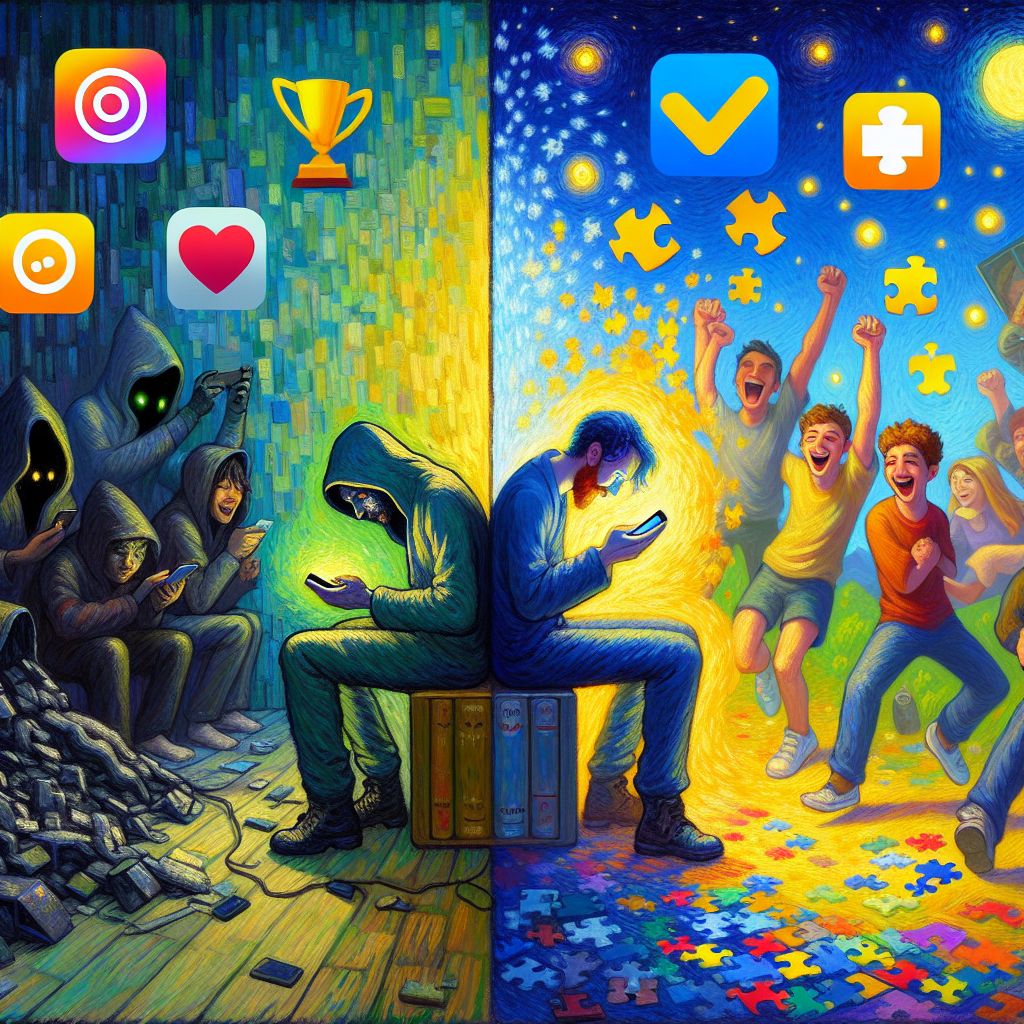
How Can I Incorporate Teamwork In Chore Games For Seniors?
How Can I Adapt Games For Seniors With Varying Mobility Levels?
When it comes to keeping our seniors engaged, it’s essential to recognize that one size does not fit all. As caregivers, friends, or simply concerned family members, we need to adopt a mindset rooted in the rich potential of gamification — that art of turning an activity into a game — which can be a powerful tool in adapting games for seniors with varying mobility levels.
First off, let’s talk about the importance of understanding mobility. Not all seniors can get up and dance a jig; some may be confined to a chair or even a bed. The key here is to modify games in such a way that everyone can participate, irrespective of their physical capabilities. For instance, if you’re playing a classic game like Bingo, consider introducing an electronic version that allows players to click buttons instead of marking cards by hand. This small tweak brings an element of accessibility while keeping the core excitement intact.
Then there’s the concept of creating a sensory-rich environment. For those less able to move around, sensory stimulation — colors, sounds, and textures — can elevate their experience. Think about using oversized, brightly colored game pieces for board games. You might even incorporate tactile elements, like fabrics and textures, that those with limited sight can feel and connect with during the activity. This is where gamification shines, allowing you to engage all the senses while promoting social interaction.
Don’t overlook the value of technology. Many seniors may feel isolated and disconnected, so incorporating virtual elements through tablets or smartphones can create a connected community. Online trivia games or digital puzzle-solving can be played alongside others, encouraging friendly competition without the need for physical exertion. Plus, voice-activated devices can give everyone a fair chance to participate.
It’s also wise to keep the competitive spirit alive but in a gentle manner. Instead of placing undue pressure on just winning or losing, focus on collaborative games where participants work together to achieve a common goal. This promotes camaraderie, engages minds, and fosters that sense of community that we all crave.
In essence, adapting games for seniors isn’t merely about adjusting the rules; it’s about creating an inclusive atmosphere where everyone can join, engage, and yes, even have a little fun while staying mindful of varying mobility levels. By embracing gamification, we can ensure that everyone, regardless of their physical limitations, can partake in the joy of play.

How Can I Adapt Games For Seniors With Varying Mobility Levels?
How Can I Adapt Games For Seniors With Varying Mobility Levels?
- Understanding that engagement for seniors requires tailored approaches, as “one size does not fit all.”.
- Recognizing the importance of adapting games to accommodate varying mobility levels, such as introducing electronic versions of traditional games.
- Creating a sensory-rich environment enhances experiences for seniors with limited mobility through elements like colors, sounds, and textures.
- Utilizing technology to connect seniors through virtual activities, such as online trivia and digital puzzles.
- Encouraging gentle competition by promoting collaborative games that focus on teamwork rather than simply winning or losing.
- Fostering an inclusive atmosphere where all seniors can engage and enjoy the joy of play, regardless of physical limitations.
- Embracing gamification as a means to enhance social interaction and community among seniors.

How Can I Adapt Games For Seniors With Varying Mobility Levels?
What Types Of Chores Are Best Suited For Gamification With Seniors?
When it comes to getting seniors engaged in daily chores, gamification can be a powerful tool. Let’s be clear: pitching chores as games doesn’t mean we diminish the value of the tasks at hand. Instead, it creates a sense of purpose and fun that can motivate them to do what needs to be done—without the usual pushback. But what types of chores are best suited for this approach?
To start, think about the classic tasks that often evoke a groan or an eye-roll. If you can turn these mundane chores into a game, you’re already ahead of the curve. Take gardening, for instance. You can set up a friendly competition to see who can plant the most flowers in a day or who can identify the most types of plants in their garden. Add checkpoints for watering or weeding, and suddenly, a routine task becomes a spirited event, complete with a scoreboard!
Next up is organizing the home. Everyone has that one closet or space that resembles a Bermuda Triangle of misplaced items. By gamifying this task, seniors can tackle it with gusto. Create challenges based on time limits—who can sort through an entire box of old photos the fastest or find ten items to donate? Not only does it make the task less daunting, but it also gives them a sense of accomplishment as they declutter and reclaim their space.
Let’s not overlook the kitchen either. Cooking can be a great chore to gamify. How about a “Master Chef” challenge where seniors prepare a simple dish and then share the results? You could even introduce themes, like who can come up with the healthiest recipe using the ingredients available. This not only promotes creativity in the kitchen but also highlights the importance of nutrition—a win-win if I’ve ever seen one.
Household chores, such as vacuuming or dusting, can be infused with some competition too. Use a timer to see who can clean a room the fastest, or create a scavenger hunt where seniors earn points for finding and dusting off hidden treasures around the house. That way, what often feels like a tiresome task turns into an entertaining way to wake up those cleaning muscles.
Gamification isn’t just a gimmick; it’s a smart way to reinvigorate everyday tasks that might otherwise feel tedious. The key is to keep it light and fun while ensuring that each task is meaningful. When seniors see progress, they feel empowered, and that’s a reward worth celebrating.

What Types Of Chores Are Best Suited For Gamification With Seniors?
What Types Of Chores Are Best Suited For Gamification With Seniors?
- Gamification can enhance seniors’ engagement in daily chores by adding a sense of purpose and fun.
- Transform mundane tasks, like gardening, into competitive games to motivate participation.
- Organizing can be gamified by setting challenges with time limits to tackle clutter.
- Cooking can be made enjoyable through themed challenges such as a “Master Chef” experience.
- Household chores like vacuuming can incorporate competition, using timers or scavenger hunts.
- Gamification makes tedious tasks feel less daunting and promotes a sense of accomplishment.
- Keeping the approach light and fun ensures tasks remain meaningful, empowering seniors and celebrating their progress.

What Types Of Chores Are Best Suited For Gamification With Seniors?
How Can I Track Progress In Chore Games For Seniors?
When it comes to senior living, the everyday grind can sometimes feel like a chore, pun intended. But thanks to the rise of gamification, we’re transforming the mundane into something downright engaging. So, how can you effectively track progress in these chore games for seniors, turning what once felt burdensome into a rewarding experience?
First off, let’s talk about setting clear objectives. Think of it like a roadmap. When people know where they’re headed, they’re more likely to reach their destination. Set specific goals for each chore game, whether that’s completing a certain number of tasks each week or achieving a particular point threshold. Utilizing a simple checklist can provide that immediate visual feedback. Nothing beats the satisfaction of crossing something off the list!
Now, let’s take it a step further with digital tools. Many apps are designed to help seniors track their progress in a way that feels more like a game than a chore. These apps often come with point systems, badges, and even friendly competitions among family or friends. When you introduce friendly rivalry into the mix, you’re not just tracking progress; you’re fostering a sense of community and fun!
But let’s not forget about the physical realm. A classic chore chart on the fridge might just be the ticket. Each time a task is completed, a star or sticker gets added. This instant visual reinforcement not only helps track progress, but also builds a sense of accomplishment that can brighten anyone’s day. Plus, it’s a great way to spark conversations and celebrations around small victories.
Progress tracking is also about reflection. Encourage seniors to take a few moments each week to review their achievements. Whether it’s through a simple conversation or a journaling exercise, reflecting on what was accomplished not only solidifies those milestones but also reinforces the idea that every little effort counts.
And here’s a pro tip: gamification isn’t just about competition; it’s about enjoyment. Encourage creativity! Incorporate themes or seasonal tasks that align with holidays or events. These little touches can jumpstart enthusiasm and make tracking progress all the more enjoyable.
The core of tracking progress in chore games for seniors lies in engagement. With the right approach, we can turn chores into accomplishments, and everyday tasks into enjoyable adventures. Now, that’s something worth celebrating!

How Can I Track Progress In Chore Games For Seniors?
How Can I Track Progress In Chore Games For Seniors?
- Gamification transforms mundane senior chores into engaging activities.
- Set clear objectives for each chore game to provide a roadmap for success.
- Utilize simple checklists for immediate visual feedback and satisfaction.
- Digital tools and apps with point systems and badges make tracking progress fun.
- Physical chore charts with stickers or stars provide instant visual reinforcement.
- Encourage reflection on accomplishments to reinforce the significance of small efforts.
- Incorporate creative themes and seasonal tasks to enhance enjoyment in progress tracking.

How Can I Track Progress In Chore Games For Seniors?
How Can I Engage Reluctant Seniors In Chore-Based Games?
Engaging reluctant seniors in chore-based games takes a bit of creativity and a lot of heart. Let’s face it, getting someone to trade their favorite armchair for a dust rag can be as challenging as convincing a cat to take a swim. But here’s where gamification comes into play. Imagine turning everyday chores into fun challenges that spark a little competition, camaraderie, and maybe even a few laughs along the way.
First off, we should consider what drives the seniors in our lives. It might be health, companionship, or simply a need for activity. Tap into this motivation by creating games that suit their interests and abilities. For instance, if your senior loves gardening, you could turn weeding or planting into a points-based competition. Set a timer, challenge them to see how many weeds they can pull before the buzzer goes off, and reward points for each task completed. That gives the mundane a boost of excitement, and who doesn’t love a little friendly rivalry?
Next, think about collaboration. Many seniors find themselves isolated or lacking interaction with others. Chore-based games can foster social connections by bringing people together. Form teams for group tasks or partner up for buddy challenges. You could even host a “cleaning party” where seniors can join forces, trade stories, and tackle chores while keeping the mood light. The key is to make it feel less like a chore and more like an adventure.
Another critical factor to consider is adaptability. Not all seniors are created equal, and not every game will resonate with everyone. Be flexible. If you notice someone struggling with a game, don’t hesitate to pivot or modify the rules. Provide various levels of difficulty or alternative tasks that still keep the spirit of the game intact. The goal is to ensure everyone feels included and valued, not sidelined or frustrated.
Lastly, don’t forget the power of recognition and positive reinforcement. Celebrate achievements, no matter how small. A simple high-five, a sticker chart, or even lighthearted awards can make all the difference. Make it clear that the journey, the effort, and the shared experience matter more than the outcome.
By embracing gamification and focusing on enjoyment rather than obligation, we can transform mundane chores into engaging activities that not only invigorate our seniors but also enrich our connections with them. So roll up your sleeves and dive in—there’s a world of possibilities waiting to be explored together!

How Can I Engage Reluctant Seniors In Chore-Based Games?
How Can I Engage Reluctant Seniors In Chore-Based Games?
- Engaging seniors in chore-based games requires creativity and empathy.
- Gamification can turn everyday chores into fun challenges, fostering competition and camaraderie.
- Identify seniors’ motivations such as health, companionship, or activity to tailor games to their interests.
- Chore-based games can enhance social connections by forming teams or hosting communal activities.
- Be adaptable; modify games to suit varying abilities and ensure all participants feel included.
- Use recognition and positive reinforcement to celebrate achievements and efforts, regardless of outcomes.
- Transforming mundane chores into engaging activities can benefit both seniors and their caregivers.

How Can I Engage Reluctant Seniors In Chore-Based Games?
What Rewards Can Motivate Seniors To Participate In Chore Games?
When it comes to engaging seniors in chore games, the secret sauce often lies in something you might not expect: a good dose of gamification. Now, before you roll your eyes or dismiss the idea as mere child’s play, think about what makes games so compelling. It’s not just about winning but also about earning rewards and recognition, no matter your age.
Imagine a world where completing a simple chore—like sweeping the floor or organizing a bookshelf—earns points that can be traded for tangible rewards. Whether it’s a delicious treat, a fun outing, or even a premium for a special service, the prospects of rewards can transform mundane tasks into exciting challenges. Simply put, when seniors know that a chore could lead to an afternoon of ice cream or a movie night, suddenly the appeal of a chore game kicks into overdrive.
Moreover, incorporating elements of competition can spice things up. Friendly rivalries among family members or friends give a whole new meaning to “who can clean the fastest.” Just think about how much more enthusiastic someone would be about sorting laundry if they know their effort might rank them at the top of a weekly leaderboard. It can be as simple as a gold star sticker for their chore chart or bragging rights for those who finish early. Those little nudges can elicit an unexpected burst of motivation!
Social connectivity plays a crucial role as well. Creating opportunities for seniors to interact and compete with peers or family members adds an enriching layer to the experience. A shared laugh over a chore game can foster companionship and strengthen relationships. And hey, let’s face it, what’s a chore game without a little bit of good-natured banter?
Lastly, consider the psychological aspect. Many seniors seek purpose and accomplishment, so framing chore games as a way to contribute to the household or community can enhance their sense of value. Recognizing their hard work, celebrating their successes, and communicating how these tasks improve their environment can be just as motivating as any reward.
Ultimately, it’s about finding the right blend of motivation, fun, and camaraderie. So, roll up those sleeves, toss your inhibitions aside, and transform those household chores into something worth participating in—a game that turns work into play!

What Rewards Can Motivate Seniors To Participate In Chore Games?
What Rewards Can Motivate Seniors To Participate In Chore Games?
- Engaging seniors in chore games benefits from gamification, fostering enjoyment and motivation.
- Completing simple chores can earn points for tangible rewards, making tasks more appealing.
- Incorporating competition and rivalries can enhance enthusiasm for chores, such as through leaderboards.
- Using incentives like gold star stickers or bragging rights can boost motivation in seniors.
- Social connectivity enriches the chore game experience by encouraging interaction with peers and family.
- Framing chores as a means of contributing to the household enhances seniors’ sense of purpose and accomplishment.
- The right mix of motivation, fun, and camaraderie can turn household chores into enjoyable games.

What Rewards Can Motivate Seniors To Participate In Chore Games?
Conclusion
In a world where chores often evoke dread, it’s time for a revolution—a revolution of joy, laughter, and connection. You see, the art of transforming everyday tasks into games—what some call gamification—can breathe new life into the mundane, especially for our beloved seniors. Imagine this: the sun is shining; laundry awaits, and instead of a sigh, there’s a collective spark of excitement. Time one of your seniors as they race to sort laundry—that’s not just a chore, that’s a mini-Olympics right in your living room!
Gamifying chores plays to our competitive spirits, whether young or elderly. When you turn tasks into engaging challenges, suddenly cleaning, organizing, or gardening becomes a shared endeavor filled with camaraderie and connection. It’s not just about the work that needs doing; it’s about the laughter that springs from spirited competition—who can vacuum the most rooms in under ten minutes? Or a friendly “Chore Bingo” where everyone gets to shout triumphantly when they hit a row!
The beauty here isn’t just in the fun; it’s about creating a sense of purpose and community. Many seniors can feel isolated or trapped in routines, but with a little creativity, chores can invite renewed vigor. From setting fun milestones to encouraging teamwork, these games build friendships, and spark joy. We’re talking about laughter shared over dust and jigsaws, about making memories instead of burdening ourselves with tedious tasks.
When you consider the benefits, it gets even better. Research supports the idea that playful engagement counters cognitive decline, ensuring that seniors not only stay active but also stay sharp. Activities like “guess that chore” or creating a chore-themed playlist can keep things fresh. Movement isn’t just healthy; it’s incredibly enjoyable when paired with the right tunes.
So, as you look at that seemingly endless list of chores, remember: transformation is possible. You don’t have to simply get through the day; you can invigorate it. Incorporate games that encourage myriad participation, adapting them for varying mobility levels to ensure everyone can join the fun.
In closing, let’s take cleaning and organizing back from the grasp of monotony. Rediscover the joy in what once felt like a burden. The next time you dive into chores, bring the spirit of competition and joy along for the ride. Not only will you lighten the load, but you’ll find that the journey becomes a delightful adventure worth celebrating. Who would’ve thought that scrubbing floors could actually become the highlight of the week? So, let’s get those duster feather boas swinging and dive into the delightful world of chore games!

Conclusion
Conclusion:
- A revolution of joy, laughter, and connection can transform chores into games for seniors.
- Gamification turns mundane tasks into engaging challenges, fostering camaraderie and friendly competition.
- Activities like racing to sort laundry or playing “Chore Bingo” create excitement and shared experiences.
- Chores can combat isolation in seniors, promoting a sense of purpose and community through creativity.
- Research indicates that playful engagements help counter cognitive decline and keep seniors active and sharp.
- Adapting games for various mobility levels ensures participation and enjoyment for everyone involved.
- Transforming chores into fun activities can turn routine tasks into delightful adventures worth celebrating.

Conclusion
Other Resources

Other Resources
Here is a list of other resources you can review online to learn more:
- Discord
- Dungeon Lords
- Days of Wonder
- Cribbage
- Grail Games
- GameSpot
- Rummy
- Pinochle
- Mindclash Games
- Dominion: Intrigue (Second Edition)
Use This Prompt To Get More Resources With Your Favorite Online AI Tool: Please provide me with a list of online articles with their URLs in a bulleted list that I can read regarding How Can Turning Chores Into Games Spark Excitement for Seniors?

Other Resources
Glossary Terms
How Can Turning Chores Into Games Spark Excitement for Seniors? – Glossary Of Terms
1. Chores: Routine tasks or duties typically associated with household maintenance and upkeep.
2. Gamification: The process of incorporating game-like elements (points, rewards, competition) into non-game contexts to enhance motivation and engagement.
3. Motivation: The internal or external drive that prompts individuals to take action, particularly in completing tasks.
4. Engagement: The degree of attention and involvement an individual has in an activity, making it more enjoyable and interactive.
5. Reward System: A structured plan designed to provide incentives (such as points, treats, or privileges) for completing chores, making them more appealing.
6. Point System: A method of tracking accomplishments where participants earn points for completing chores, fostering a sense of achievement.
7. Competition: A friendly rivalry that can be introduced among seniors to encourage participation in chores, often enhancing excitement and energy.
8. Teamwork: Collaborative efforts between individuals to complete chores, promoting social interaction and camaraderie among seniors.
9. Challenges: Specific tasks or missions that add an element of fun and can be tailored to the abilities of seniors, making chores more appealing.
10. Themes: Thematic ideas (e. g. , pirates, superheroes) can be used to create a narrative around chores, making them more engaging.
11. Physical Activity: Exercises and movements that can be incorporated into chore completion for added health benefits and enjoyment.
12. Social Interaction: Opportunities for seniors to connect and communicate with others while working together on chores, improving mental health.
13. Routine: A regular schedule of chores that can be transformed into games to make them less monotonous and more enjoyable.
14. Creativity: The use of imaginative ideas to turn everyday chores into fun games, enhancing the overall experience for seniors.
15. Goal Setting: The process of defining specific, measurable objectives related to chore completion, encouraging focus and achievement.
16. Feedback: Communication about performance in the games, serving to encourage and guide seniors in their chore-related activities.
17. Adaptation: Modifying chores to fit the capabilities and interests of seniors, ensuring all participants can engage in the games.
18. Rewards: Tangible or intangible benefits given for completing chores, adding a layer of motivation for seniors.
19. Goal-Oriented Tasks: Chores that have clear outcomes, making it easier for seniors to see their progress and success.
20. Incentives: Additional benefits or bonuses offered to seniors for participating in chore gaming, promoting greater involvement.
21. Fun Factor: The element of enjoyment and amusement that is infused into chore completion through games and activities.
22. Collaboration: Working together with others during chores, leading to enhanced social bonds and increased enjoyment.
23. Skill Enhancement: The opportunity for seniors to develop new or improve existing skills while performing chores in a playful manner.
24. Memory Stimulation: Games that prompt seniors to recall past experiences related to chores, aiding cognitive function.
25. Problem-Solving: The mental skills required to overcome challenges presented in chore games, promoting critical thinking.
26. Time Management: The ability to effectively plan and execute chore completion within a defined timeframe, often enhanced through gameplay.
27. Physical Adaptations: Adjustments made to games or chores to accommodate different physical abilities, ensuring inclusivity.
28. Emotional Well-being: The positive impact on mental health and mood that can result from engaging in enjoyable chores and games.
29. Routine Variation: Changing up the usual chores to create new games, maintaining interest and excitement among seniors.
30. Celebration: Acknowledging achievements and milestones reached in chore games, enhancing the sense of accomplishment and happiness.

Glossary Of Terms
Other Questions
How Can Turning Chores Into Games Spark Excitement for Seniors? – Other Questions
If you wish to explore and discover more, consider looking for answers to these questions:
- What are some examples of chore-based games specifically designed for seniors?
- How can gamification improve the mental health of seniors?
- What safety precautions should be taken when engaging seniors in chore games?
- How can caregivers be trained to implement these gamification strategies effectively?
- What supplies or materials are needed to set up chore games for seniors?
- Are there any recommended resources or tools for tracking progress in chore games?
- How can I tailor the gaming experience to suit different personality types among seniors?
- What impact does social interaction during chore games have on seniors’ overall well-being?
- Can technology play a role in gamifying chores for seniors?
- If so, how?
- What kind of feedback do seniors generally give about their experiences with gamified chores?

Other Questions
Haiku
How Can Turning Chores Into Games Spark Excitement for Seniors? – A Haiku
Chores can weigh us down,
Games ignite joy and laughter,
Seniors thrive with play.

Haiku
Poem
How Can Turning Chores Into Games Spark Excitement for Seniors? – A Poem
In daily tasks that once felt grim,
Lies the spark of joy, a chance to brim.
With laughter and cheer, we turn the grind,
Into playful games that lift the mind.
A mountain of laundry, a daunting plight,
Becomes a race in the morning light.
Sorting colors, swift and true,
A friendly wager—who picks the next film to view?
Turn chores to treasures, ignite their souls,
With “Chore Bingo,” let teamwork unfold.
Tales shared, memories spun,
As tasks are conquered, together as one.
In gardens, kitchens, or dust-clad rooms,
A “Master Chef” contest banishes glooms.
Points and rewards, laughter in the air,
As we dance and sing, wiping away the despair.
For every move, let progress shine bright,
A chart on the fridge, each task a delight.
Celebrate wins, from small to grand,
For in each chore, they find a hand.
With kindness and smiles, engage the shy,
For even the reluctant can learn to try.
Adjust the games, let all take part,
In this joyous venture, it’s a caring art.
So here’s to the seniors, and games we will play,
Transforming the mundane, brightening the day.
With every sweep and every cheer,
We breathe in the joy, as connections appear.
Here’s to the laughter, the bonds we create,
In the simple act of chores, we celebrate.
For when tasks become games, and joy takes the helm,
We find that together, we flourish, we dwell.

Poem
Checklist
How Can Turning Chores Into Games Spark Excitement for Seniors? – A Checklist
Engagement Strategies:
_____ Identify Interests: Determine individual interests of seniors to tailor games around activities they enjoy (e. g. , gardening, cooking).
_____ Set Goals: Establish clear, achievable objectives for each chore game.
_____ Create a Collaborative Environment: Encourage teamwork by planning group tasks or pair-ups.
_____ Be Flexible: Adapt games based on seniors’ abilities, offering various levels of difficulty.
Game Ideas:
_____ Chore Challenge: Set a timer and see who can complete the most tasks in a specific timeframe.
_____ Chore Bingo: Prepare bingo cards featuring common household chores; cross off tasks as they are completed.
_____ Guess the Chore: One person gives hints about a chore, while others guess it, promoting interaction and cognitive engagement.
_____ Chore Playlist: Make a playlist of seniors’ favorite songs to listen to while completing chores.
Tracking Progress:
_____ Use a Checklist: Provide a visual checklist to track completed tasks, providing satisfaction as seniors cross off items.
_____ Digital Tools: Explore apps that offer gamification features such as point systems and badges to keep engagement high.
_____ Physical Reward Charts: Create a visible reward chart (e. g. , sticker or star chart) for completed tasks.
_____ Weekly Reflection: Encourage seniors to reflect on their achievements weekly to reinforce their progress.
Motivational Rewards:
_____ Incorporate Tangible Rewards: Offer small prizes or treats that can be earned through completing chores.
_____ Celebrate Progress: Recognize achievements, no matter how small, with high-fives, stickers, or verbal praise.
_____ Organize Friendly Competitions: Encourage playful rivalries within family or community to enhance motivation.
_____ Focus on Purpose: Communicate the importance of their contributions, allowing seniors to see the impact of their efforts.
Adapting for Mobility:
_____ Consider Mobility Levels: Adapt games to involve seated or less physically demanding options for seniors with mobility limitations.
_____ Use Technology: Introduce electronic games or apps that allow for participation without physical strain.
Using this checklist, caregivers and family members can create enjoyable and engaging chore games that not only help with daily tasks but also foster joy, connection, and a sense of achievement for seniors.

Checklist
At HowDoYouGame, we help people who love board games by collating information and news about games.
Be sure to read our other related stories at HowDoYouGame to learn more about games.