Unleashing Confidence: The Impact Of Competitive Challenges
By Tom Seest
At HowDoYouGame, we help people who love board games by collating information and news about games.
Be sure to read our other related stories at HowDoYouGame to learn more about games.
Can Competitive Challenges Boost Confidence In Older Adults?
As we age, the specter of self-doubt can creep in quietly, casting long shadows over accomplishments and aspirations. However, take a moment to consider the power of gamification: transforming mundane tasks into playful challenges. This approach can be especially impactful for older adults seeking to rekindle that spark of confidence.
Imagine a group of retirees gathered in a sun-kissed community center, armed not with bingo cards but with smartphones and the latest health tracking apps. They’re not just walking; they’re competing. Who can take the most steps this week? Who can try a new recipe that incorporates a rainbow of vegetables? Through friendly rivalry and tangible goals, these programs turn ordinary activities into exciting competitions. The result? A hearty dose of motivation and a much-needed boost in self-esteem.
Why does gamification work so effectively in this stage of life? It taps into a basic human drive: the desire to do better and be better. Competition, when wrapped in a fun package, can push older adults beyond their perceived limits. Whether it’s joining a local walking group or participating in an online trivia contest, the challenge can energize individuals and remind them of their capabilities.
Furthermore, these competitive endeavors foster camaraderie. Picture these older adults sharing their victories, laughing over their losses, or giving each other friendly nudges to step up their game. A sense of community blossoms, and with it, the realization that they are not alone in this arena. Social engagement is crucial at any age, and when competition is involved, the bonds formed can bolster confidence even more.
Moreover, these engaging activities can serve as a counterbalance to the challenges that often accompany aging. Incorporating competition—whether it’s on the basketball court or the puzzle board—challenges older adults to confront barriers they may have long succumbed to. It builds resilience and encourages a mindset that values growth over decline.
In this ever-evolving landscape of aging, let’s embrace the notion that competition can be a friend rather than a foe. Through gamification, older adults are reminded that they still possess a wealth of potential, capable of facing challenges with gusto and grace. After all, it’s not just about winning or losing; it’s about recognizing that the game is still on, and you’re still a player.

Can Competitive Challenges Boost Confidence In Older Adults?
Can Competitive Challenges Boost Confidence In Older Adults?
- Self-doubt can affect older adults, overshadowing their accomplishments and aspirations.
- Gamification turns mundane tasks into engaging competitions, boosting confidence.
- Retirees use health tracking apps not just for exercise, but for friendly competition.
- Competitive activities drive motivation and enhance self-esteem among older adults.
- Competition satisfies the human desire for improvement and helps individuals surpass limits.
- Engaging in competitive activities fosters community and social connections, reducing isolation.
- Gamification provides a pathway to face challenges of aging, promoting resilience and growth.
Can Competitive Challenges Boost Confidence In Older Adults?
Table Of Contents
- Can Competitive Challenges Boost Confidence In Older Adults?
- How Can Competitive Activities Be Tailored For Older Individuals?
- What Types Of Competitive Challenges Are Suitable For Older Adults?
- How Do Social Interactions In Competitions Impact Older Adults?
- Can Regular Competition Improve Mental Health In Seniors?
- How Can Caregivers Encourage Older Adults To Engage In Competition?
- What Are The Risks Of Competition For Older Adults?
- How Do Competitive Experiences Affect Self-Esteem In Seniors?
- Conclusion
- Other Resources
- Glossary Of Terms
- Other Questions
- Haiku
- Poem
- Checklist
How Can Competitive Activities Be Tailored For Older Individuals?
When it comes to competitive activities for older individuals, the term “one size fits all” doesn’t apply. Just like a well-tailored suit, these activities need to be customized for the unique needs and abilities of older adults. This isn’t about dumbing things down; it’s about smartening things up and maximizing enjoyment and engagement.
First off, let’s talk about history. Older adults often bring a well-rounded knowledge base to the table—some might say they have wisdom tempered by experience. This opens the door to competitive activities that channel their strong cognitive skills. Trivia games, for instance, not only provide a chance for healthy competition but tap into that rich reservoir of knowledge. With a sprinkle of gamification—a way to make activities more engaging through game-like elements—these trivia contests can become quite the engaging showdown. Picture it: a spirited match where participants earn points not just for correct answers but also for creativity and teamwork, turning an ordinary afternoon into something lively.
Next, let’s discuss physical activities. The idea that older individuals can’t participate in high-energy competitive sports is a misconception that deserves a kick in the shin. Instead, think along the lines of modified games like chair volleyball, where players can still enjoy a touch of spirited competition without risking injury. Here, gamification plays a key role again, providing levels or challenges that vary based on ability. By breaking activities down into manageable sections, older adults can feel accomplished and motivated to keep coming back.
Then, there’s social interaction—crucial for maintaining mental well-being. Competitive activities can be a fantastic avenue for building social connections. Consider organizing community tournaments where everyone is welcome, and the emphasis is on participation rather than winning. We can mix in elements like team challenges, where mixed-age teams encourage younger participants to learn from their older counterparts, and vice versa. It’s a win-win if you ask me.
Lastly, adaptability is the name of the game. Whether it’s adjusting the rules, incorporating assistive devices, or even choosing activities that can be enjoyed indoors or outdoors, flexibility ensures that competitive fun doesn’t turn into competitive frustration.
So, the next time you think about competitive activities for older individuals, remember: it’s all about personalization, respect for experience, and embracing that spirit of friendly competition. After all, age is just a number, but joy? That’s ageless.

How Can Competitive Activities Be Tailored For Older Individuals?
How Can Competitive Activities Be Tailored For Older Individuals?
- Competitive activities for older adults should be tailored to their unique needs and abilities.
- Older individuals possess valuable life experience, making them well-suited for cognitively engaging activities like trivia games.
- Incorporating gamification in trivia contests can enhance enjoyment and competition among participants.
- Modified physical activities, such as chair volleyball, allow older adults to compete in a safe manner.
- Social interaction through competitive activities helps maintain mental well-being and fosters community bonds.
- Elements like team challenges in community tournaments can bridge generational gaps and encourage learning.
- Flexibility and adaptability in rules and activity choices are key to ensuring positive experiences without frustration.
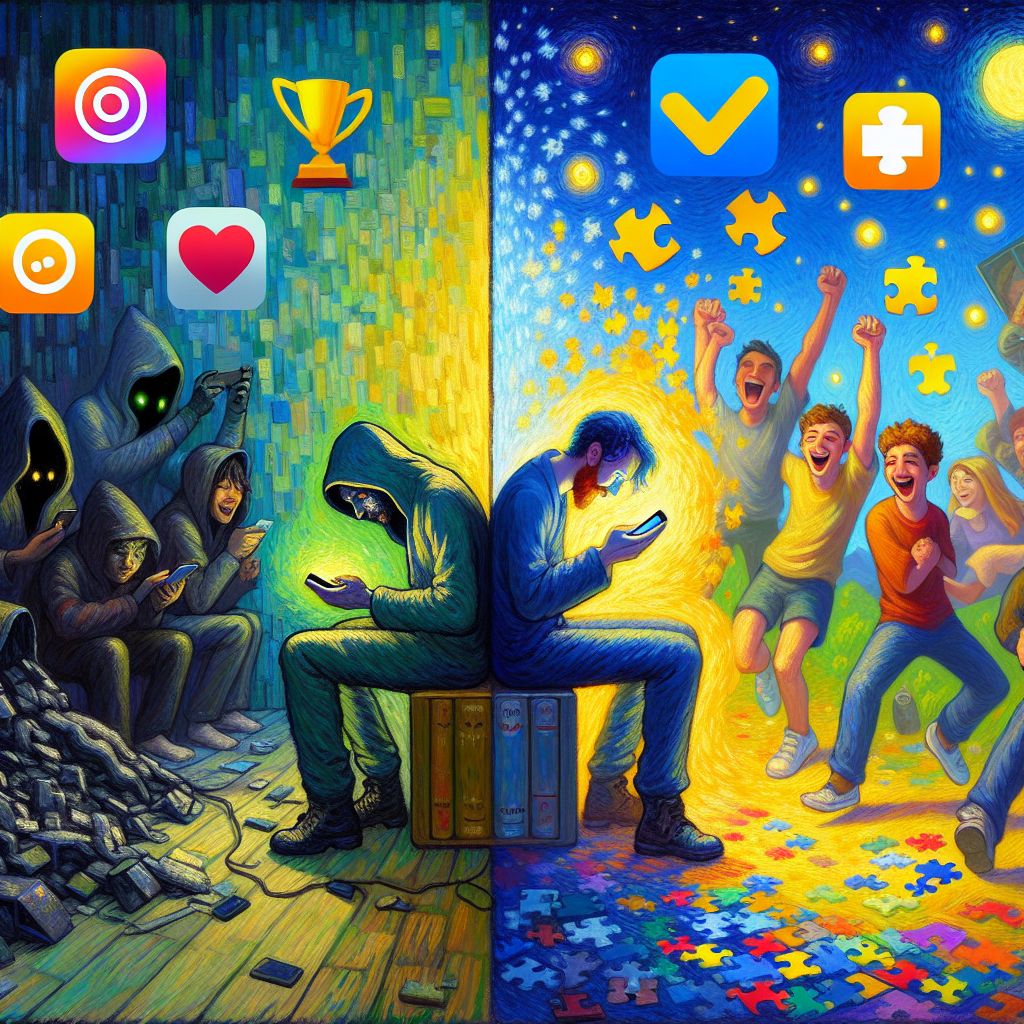
How Can Competitive Activities Be Tailored For Older Individuals?
What Types Of Competitive Challenges Are Suitable For Older Adults?
When it comes to keeping older adults engaged, nothing brings out the spirited enthusiasm like a good ol’ competitive challenge. But let’s face it: not all competitions are created equal, especially when you’re looking at a demographic that has a lifetime of experience under its belt. So, what types of competitive challenges are suitable for older adults? Let’s dig in.
First up, think about the concept of gamification. Now, before you roll your eyes at the thought of turning serious activities into games, hear me out. By incorporating elements of games—like points, levels, and rewards—activities become more enjoyable and motivating. This means older adults can engage in everything from trivia contests that exercise their cognitive skills to physical challenges that keep them moving without feeling like they’re training for the Olympics.
Consider team-based games that foster a sense of community. Bowling leagues, bocce ball, or even bridge clubs can provide a competitive edge while encouraging social interaction. It’s not just about winning; it’s about the laughter, camaraderie, and shared experiences that come with battling it out on the lanes or around the card table. These types of contests can keep spirits high while also offering a sense of purpose and belonging.
For those who enjoy a bit more cerebral stimulation, puzzles and strategy games can serve as excellent competitive challenges. Think along the lines of chess tournaments or crossword competitions. These activities promote critical thinking and stimulate the mind, all while creating an enjoyable sense of rivalry. Plus, they can often be adapted to different skill levels, making them inclusive and accessible.
Don’t underestimate the power of fitness challenges, either. Yoga competitions, walking clubs, or even lighthearted dance-offs can not only motivate movement but also improve overall health. Let’s be real—staying active is crucial at any age, and gamifying fitness makes it easier to lace up those sneakers and join in.
Lastly, virtual competitions have emerged as a frontier that shouldn’t be ignored. Online platforms allow older adults to connect, compete, and engage without the barriers of physical presence. From virtual trivia to online gaming communities, the options are endless, allowing folks to challenge their wits and reflexes from the comfort of their living rooms.
So there you have it—whether they’re throwing a ball, solving a puzzle, or virtually competing against friends, older adults have a wealth of competitive challenges designed just for them. And the best part? It’s all about fostering connection, fun, and a little healthy rivalry. That’s a win-win situation if you ask me!

What Types Of Competitive Challenges Are Suitable For Older Adults?
What Types Of Competitive Challenges Are Suitable For Older Adults?
- Competitive challenges can significantly engage older adults.
- Gamification, incorporating game elements like points and rewards, makes activities enjoyable and motivating.
- Team-based games, such as bowling and bridge, foster community and social interaction.
- Puzzles and strategy games, like chess tournaments, promote critical thinking and are accessible to different skill levels.
- Fitness challenges, including yoga and walking clubs, motivate movement and improve health.
- Virtual competitions allow older adults to connect and engage online, providing endless options for competition.
- Overall, these challenges foster connection, fun, and healthy rivalry among older adults.

What Types Of Competitive Challenges Are Suitable For Older Adults?
How Do Social Interactions In Competitions Impact Older Adults?
When you think of competition, images of athlete duels and high-stakes showdowns likely come to mind. But let’s pull back the curtain on a different kind of competition—the kind that older adults engage in, whether it’s a spirited game of bingo, a friendly round of golf, or even the rising trend of gamification activities designed for all ages. These experiences not only sharpen the mind but also serve as a vital lifeline, stitching together the fabric of social interactions crucial for older adults.
Now, take a moment to consider the role of community. As we age, social circles can sometimes shrink, leaving a void where meaningful interactions used to thrive. Competitions, however, bring people together. This unifying power can’t be overstated; it’s like throwing a match onto a pile of twigs—it ignites connections that spark joy, laughter, and camaraderie. These gatherings provide not just an excuse to engage but also a platform for older adults to rediscover their zest for life. They become the champions of their own moments, breaking free from the stereotypes often associated with aging.
But let’s dive deeper into the concept of gamification. This approach, which infuses competitive elements into everyday activities, has gained serious traction among older populations. Think of it as leveling up life’s standard play. By introducing scoreboards, achievement badges, or even friendly rivalries into activities like puzzles or exercise classes, older adults experience incentives that encourage participation and bolster engagement. Those little victories, whether it’s solving a difficult crossword or finishing a yoga class, contribute not just to mental stimulation but also to a sense of achievement that transcends age.
The effects are profound. As older individuals immerse themselves in these competitive dynamics, they often find a renewed purpose. Frequent interactions foster relationships that can counteract loneliness, provide support, and even enhance emotional well-being. In a world that often overlooks the capabilities of older adults, these social competitions challenge misconceptions and validate their experiences.
So, the next time you stumble upon a community tournament or a game night at a local center, remember that this isn’t just about winning or losing. It’s about connection. It’s about laughter echoing off walls. It’s about proving, once again, that age is merely a number and that the spirit of competition can keep us all young at heart.
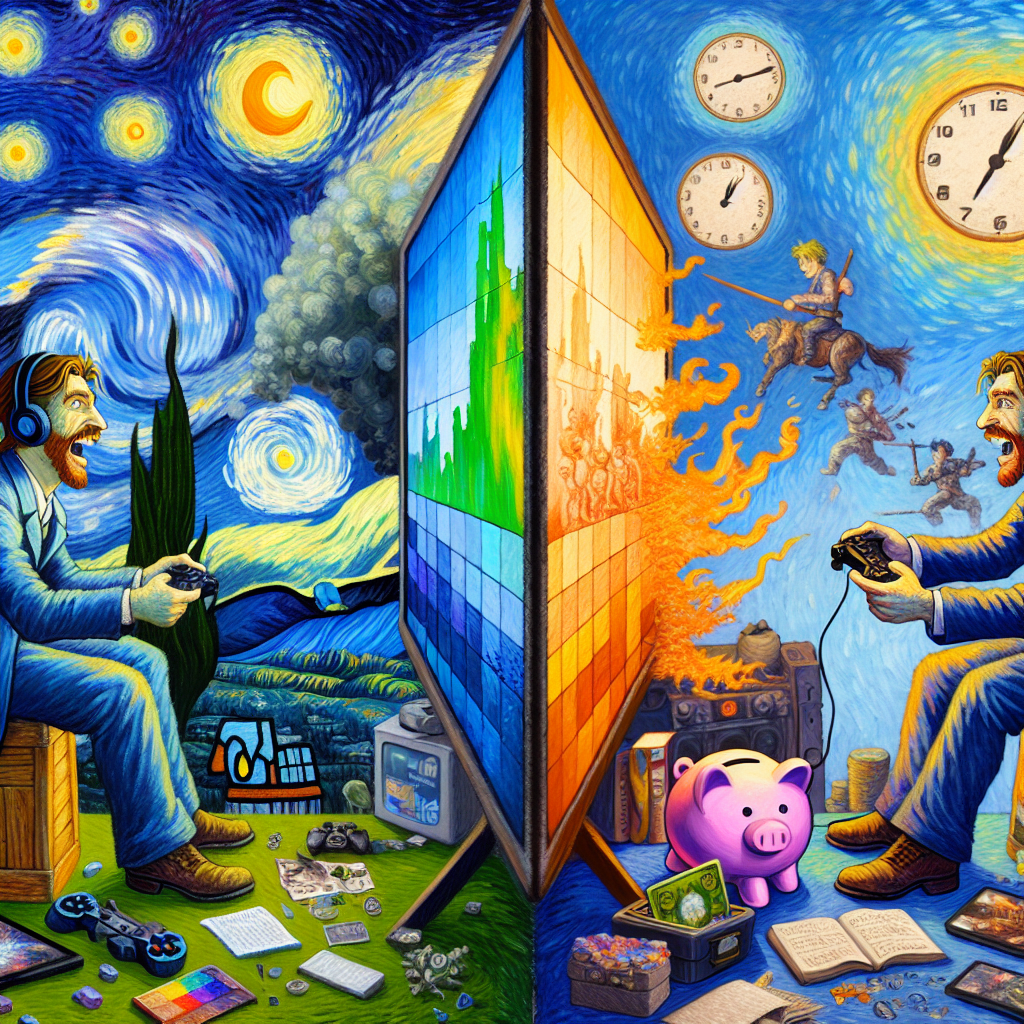
How Do Social Interactions In Competitions Impact Older Adults?
How Do Social Interactions In Competitions Impact Older Adults?
- Competition among older adults includes activities like bingo, golf, and gamified experiences.
- These activities sharpen the mind and enhance social interactions, which are vital for older adults.
- Community competitions can counteract the shrinking social circles often experienced with aging.
- Such events ignite connections, promoting joy, laughter, and camaraderie among participants.
- Gamification introduces competitive elements into everyday activities, encouraging involvement in tasks like puzzles and exercise.
- Participating in competitive aspects leads to feelings of achievement and mental stimulation for older adults.
- Community games help challenge stereotypes about aging and validate the experiences of older individuals.

How Do Social Interactions In Competitions Impact Older Adults?
Can Regular Competition Improve Mental Health In Seniors?
In the golden years of life, when many might expect a slower pace, we’re seeing a thrilling trend emerge among seniors: the rise of regular competition. And I’m not talking about the cutthroat world of bingo at the local community center. I’m talking about a fresh approach to engagement, one that weaves a little bit of fun into the fabric of daily life—gamification.
Now, on the surface, adding layers of competition to activities sounds like a recipe for stress. But in reality, when done right, it can become a lifeline for mental well-being. Picture this: a group of seniors gathering for a game not just for the sheer joy of it, but for the brain workouts that come with strategizing, problem-solving, and even a dash of friendly rivalry. When these bright minds engage in such “games,” the benefits are twofold. They’re sharpening cognitive skills while simultaneously enriching their social networks. Both are essential ingredients for a life well-lived.
What’s fascinating about this gamified approach is how it mimics the challenges of our youth—those times when competition revolved around mastering a skill, achieving a goal, or, let’s be honest, just trying to not be the last one picked in dodgeball. This vibrant re-introduction of competition often inspires a sense of purpose, as seniors find themselves striving toward winning or improving against their peers. It invigorates the spirit.
Consider activities like trivia nights, card games, or even competitive exercise classes. These regular competitions not only bolster memory and agility but also foster camaraderie. As seniors pit their mental prowess against each other, they create bonds and build community, which are vital for emotional health. The laughter, the shared stories, and even the lighthearted banter breathe life into what can sometimes feel like a monotonous routine.
Let’s not ignore the science behind this. Studies show that regular mental engagement through competitive activities reduces the risk of cognitive decline and enhances emotional resilience. It’s not just about keeping busy; it’s about integrating joy and excitement into everyday living.
So, as we explore this fascinating intersection of aging and competition, let’s embrace the potential that regular friendly rivalry has to improve mental health in seniors. After all, life doesn’t stop being fun just because the years accumulate; in fact, for many, that’s when the party really starts.

Can Regular Competition Improve Mental Health In Seniors?
Can Regular Competition Improve Mental Health In Seniors?
- Growing trend among seniors towards regular competition and gamification in daily activities.
- Competitive activities provide enjoyment and mental stimulation, benefiting cognitive skills.
- Engagement through games enhances social networks, which is crucial for a fulfilling life.
- Gamification mimics youthful competitive experiences, instilling a sense of purpose in seniors.
- Activities like trivia, card games, and competitive exercise classes foster camaraderie.
- Research indicates that regular mental engagement reduces cognitive decline and boosts emotional resilience.
- Embracing friendly rivalry promotes joy and excitement, making later years vibrant and fun.

Can Regular Competition Improve Mental Health In Seniors?
How Can Caregivers Encourage Older Adults To Engage In Competition?
When it comes to engaging older adults in a little healthy competition, caregivers have a vital role to play. The key lies in understanding that competition doesn’t always have to look like a cutthroat contest; it can be a playful, spirited way to brighten someone’s day. Gamification is one approach that helps make this process not just effective, but also fun and relatable.
So, what exactly is gamification? Simply put, it’s the incorporation of game elements into non-game contexts to boost participation and motivation. Think of the way you might earn points or badges in a video game; now apply that idea to everyday activities. Caregivers can create friendly competitions that allow older adults to engage on their terms, whether it’s through board games, trivia quizzes, or even simple household tasks turned into a race!
Start small. A caregiver might set up a weekly ping-pong session in the community center or even bring the competition to the living room with a classic game of cards. The goal is to infuse a sense of purpose and excitement into these interactions. Give every participant a little scoreboard—perhaps just a piece of paper with checkboxes. Celebrate the small victories; even if someone scores a single point, it’s worth a cheer! The focus here isn’t on who wins or loses; it’s about cultivating a spirited atmosphere where everyone feels included.
Moreover, including technology can expand the horizon of competition for older adults. Tablets and smartphones can host many apps that blend friendly competition with cognitive engagement, whether it’s through bingo, puzzles, or trivia games. By familiarizing older adults with these tools, caregivers not only stimulate interest but also enhance their digital literacy. Who says competition is just for the young? When treated with respect and enthusiasm, older adults can show a fierce and joyful competitive spirit.
Lastly, remember that the essence of competition should always be about connection. It isn’t solely about scoring points or winning a prize; it’s about shared laughter and stories. Personalize the competitions to tap into the memories and experiences that resonate with older adults—whether that’s reliving their glory days in sports or testing their knowledge on those classic movies they cherish. When a caregiver fosters that environment, you’re not just encouraging competition; you’re enriching lives and strengthening bonds. So gear up, get creative, and watch those competitive fires ignite!

How Can Caregivers Encourage Older Adults To Engage In Competition?
How Can Caregivers Encourage Older Adults To Engage In Competition?
- Caregivers play a vital role in engaging older adults through healthy competition.
- Competition can be playful and uplifting rather than cutthroat.
- Gamification involves incorporating game elements to enhance participation and motivation.
- Friendly competitions can be organized using board games, trivia, and modified household tasks.
- Start with small activities, such as ping-pong or card games, to create excitement and purpose.
- Using technology like tablets and smartphones can enhance cognitive engagement through various games.
- The essence of competition should focus on connection, shared experiences, and creating joyful memories.

How Can Caregivers Encourage Older Adults To Engage In Competition?
What Are The Risks Of Competition For Older Adults?
When we think about competition, it’s easy to envision a vibrant athletic arena or a high-stakes boardroom. But for older adults, the stakes can be quite different, and the landscape of competition isn’t always as glamorous as it seems. Sure, competition has its perks—there’s a certain thrill in testing your mettle against others. But let’s talk turkey about the potential risks that come with crossing the finish line a little too eagerly.
First and foremost, we have the physical toll. Many seniors are eager to join in activities that stimulate the mind and body. Whether it’s joining a local bowling league or engaging in a healthy chat about their newest collectible, some form of competition can be invigorating. However, over-exertion can lead to injuries, and one wrong move may be a slippery slope. Think about it: a friendly game of pickleball can quickly shift from fun to failed balance if not approached cautiously. And let’s not forget that fact that the older body may not bounce back like it used to.
Then we have mental strain. Competitions often come with that gnawing sense of pressure to perform. The thrill of victory can be exhilarating, but let’s be honest: not everyone can take the heat. Those who are accustomed to competing may find themselves grappling with anxiety and stress, feeling the weight of expectations like a lead balloon. When the scoreboard is the star of the show, it can lead to feelings of inadequacy when things don’t go as planned.
Another risk rests in the social dynamics. Competition can stir up rivalries that were maybe better left dormant. When your neighbor suddenly becomes your fiercest competitor on the bingo board, it can lead to uncomfortable tensions. The social fabric that binds these groups might fray, leading to divisiveness rather than camaraderie. That’s a high price to pay for a trophy—one that can leave behind a bitter aftertaste.
And let’s not ignore the role of gamification in modern competition, which can bring an addictive quality that pulls older adults into the fray without a second thought. While some aspects of gamification can be entertaining and rewarding, they can also obscure the line between healthy engagement and compulsion.
Ultimately, while competition can offer opportunities for growth and connection, it’s essential for older adults to approach it with their eyes wide open. Balancing the spirit of competition with awareness of its potential risks is the best way to ensure that the games remain joyous rather than jeopardizing well-being.

What Are The Risks Of Competition For Older Adults?
What Are The Risks Of Competition For Older Adults?
- Competition for older adults differs significantly from traditional contexts like sports or business.
- Physical toll: Over-exertion in activities can lead to injuries, especially for seniors whose bodies may not recover as quickly.
- Mental strain: The pressure to perform can cause anxiety and feelings of inadequacy in older adults.
- Social dynamics: Rivalries can emerge, creating tensions and potential divisiveness in communities.
- Gamification: The addictive nature of modern competition can lead older adults into unhealthy levels of engagement.
- While competition has benefits, older adults should be mindful of the associated risks.
- Balancing competitive spirit with awareness of risks can help keep activities enjoyable and safe.

What Are The Risks Of Competition For Older Adults?
How Do Competitive Experiences Affect Self-Esteem In Seniors?
When we think about competition, images of youthful athletes battling it out on a playing field often come to mind. However, the spirit of competition doesn’t check IDs at the door; it’s a universal element of the human experience that can ignite passion and purpose at any age. For seniors, engaging in competitive experiences—whether in sports, games, or community events—can be a powerful boost for self-esteem, much like a warm cup of coffee on a chilly morning.
Now, let’s talk about the role of gamification. You know, the practice of transforming ordinary activities into engaging, game-like experiences. It’s not just for tech-savvy youngsters; gamification has found its way into senior programs as well. Imagine a group of seniors bonding over a lively game night where friendly rivalries spark laughter and joy. This kind of structured fun often encourages seniors to step outside their comfort zones, embrace challenges, and relish the thrill of friendly competition.
When seniors participate in these activities, several things happen. First, they experience a sense of accomplishment, which is nothing short of vital in maintaining a healthy self-esteem. Winning or even just doing well in a game can cultivate a feeling of worthiness—an affirmation that they still have something to contribute. The psychological impact of these accomplishments can be profound; with each slight victory, their confidence grows, reinforcing a positive self-image.
Moreover, these competitive experiences aren’t just about the end result; they’re also about the journey. The camaraderie built through competition—shared laughter, cheers, and sometimes groans—fosters social connections. Engagement with others reduces feelings of isolation and loneliness, which are common hurdles for many seniors. Ultimately, as their social circles expand and deepen, so too does their sense of belonging, intertwining with that newfound self-esteem in ways that are enriching and uplifting.
Let’s not forget, failure is a part of competition too, and learning how to handle setbacks is equally critical for personal growth. For seniors, grappling with the occasional loss can be a lesson in resilience, providing a chance to reflect on their strengths and areas for improvement. Just as young athletes are taught to shake off a loss and keep going, seniors can learn to do the same, reinforcing their self-worth no matter the circumstances.
In essence, competitive experiences—boosted by the elements of gamification—create opportunities for seniors to thrive, reminding them that they’re far from finished. They are continually writing their own stories, and each competition is just another chapter waiting to be explored.

How Do Competitive Experiences Affect Self-Esteem In Seniors?
How Do Competitive Experiences Affect Self-Esteem In Seniors?
- Competition is a universal experience, fostering passion and purpose in seniors.
- Engaging in competitive activities can significantly boost seniors’ self-esteem.
- Gamification transforms regular activities into engaging, game-like experiences for seniors.
- Participation in competitions fosters a sense of accomplishment and worthiness.
- These experiences encourage social connections, reducing feelings of isolation and loneliness.
- Handling failures in competition teaches resilience and personal growth for seniors.
- Competitive experiences remind seniors that they are still active participants in their own lives.

How Do Competitive Experiences Affect Self-Esteem In Seniors?
Conclusion
You know, when we think about aging, we often picture slower paces, quieter rooms, and, let’s face it, a few more cups of decaf coffee. But here’s a thought: what if, right under our noses, there lies a powerful antidote to the creeping self-doubt and isolation that can sometimes accompany those golden years? That’s where competitive challenges enter the stage, and folks, they’re stepping into the spotlight in ways we never imagined.
Picture this: a lively group of seniors, smartphones in hand, tracking their steps like avid athletes. Suddenly, a simple stroll transforms into a friendly competition, motivating each member to lace up their shoes and hit the pavement—not just because they want to, but because they want to win. This isn’t just a game; it’s a life-affirming boost. By gamifying ordinary tasks, we give older adults a chance to tap into their competitive spirit. It’s a powerful reminder that competition isn’t reserved for the young; it thrives at every age.
But wait, there’s more. Beyond the physical perspiration, these friendly rivalries foster relationships. That sense of camaraderie is just as crucial as the points on the scoreboard. In fact, community engagement and shared experiences help alleviate feelings of loneliness, turning a simple game into a vibrant social gathering. After all, who wouldn’t enjoy a hearty laugh over a misplayed trivia answer or a friendly nudge from a fellow competitor? It’s through these connections that older adults rediscover their zest for life and boost their self-esteem.
Now, let’s not forget that competition can also challenge the preconceived hurdles of aging. It encourages resilience, providing opportunities to tackle obstacles that might have felt insurmountable. Whether it’s joining a walking group or participating in a trivia showdown, these activities empower older individuals to focus on growth, not decline.
As caregivers, here’s the deal: it’s all about tailoring those competitive experiences. Understanding the unique abilities and interests of each individual is key, ensuring that the spirit of competition remains fun and inviting, rather than intimidating. When approached thoughtfully, the risks can be minimized, while the rewards—mental stimulation, social interaction, and enhanced self-esteem—skyrocket.
So let’s embrace this notion: competition isn’t merely a game; it’s a chance for older adults to step into the arena, lace up their shoes, and claim their spot as the champions of their own lives. Because as it turns out, the game is still on, and they’re still in the race.

Conclusion
Conclusion:
- Aging often brings self-doubt and isolation, but competitive challenges can be a powerful antidote.
- Engaging in friendly competition motivates seniors to be active and boosts their spirits.
- Gamifying tasks allows older adults to connect with their competitive spirit at any age.
- Friendly rivalries foster relationships, reducing feelings of loneliness and bringing joy.
- Competition encourages resilience and helps seniors tackle perceived obstacles.
- Caregivers should tailor competitive experiences to suit the individual’s abilities and interests.
- Embracing competition enables older adults to reclaim their lives as active participants.

Conclusion
Other Resources

Other Resources
Here is a list of other resources you can review online to learn more:
- Tantrum House
- Wingspan
- Roll for the Galaxy
- The Crew: The Quest for Planet Nine
- Matagot
- LiveJournal
- Pinochle
- Rising Sun
- Cardboard Republic
Use This Prompt To Get More Resources With Your Favorite Online AI Tool: Please provide me with a list of online articles with their URLs in a bulleted list that I can read regarding Can Competitive Challenges Boost Confidence In Older Adults?

Other Resources
Glossary Terms
Can Competitive Challenges Boost Confidence In Older Adults? – Glossary Of Terms

Glossary Of Terms
Other Questions
Can Competitive Challenges Boost Confidence In Older Adults? – Other Questions
If you wish to explore and discover more, consider looking for answers to these questions:
- What specific gamification techniques can be used for older adults?
- How do different types of competition affect different individuals?
- What are some success stories of older adults engaging in competitive challenges?
- How can we measure the impact of competition on self-esteem in older adults?
- Are there age-related considerations for physical competitions?
- What role does technology play in facilitating competitive activities for seniors?
- How can communities promote competitive activities among older adults?
- What precautions should be taken to ensure safety during competitive activities?
- What are effective strategies for fostering social connections through competition?
- How can caregivers tailor competitive experiences to individual interests and abilities?
- What are some examples of competitive activities that can double as social events?
- Can competition have negative effects on older adults, and if so, what are they?
- What research exists on the psychological benefits of competition for seniors?
- How can older adults deal with feelings of inadequacy that competition might bring?
- What role do volunteer opportunities play in fostering competition among seniors?

Other Questions
Haiku
Can Competitive Challenges Boost Confidence In Older Adults? – A Haiku
Games ignite the spark,
Older hearts compete with joy;
Life’s purpose reborn.

Haiku
Poem
Can Competitive Challenges Boost Confidence In Older Adults? – A Poem
As the sun sets on the golden days,
With shadows of doubt that weave through the haze,
A spark ignites in a playful embrace,
Through competition’s dance, they find their place.
Retirees gather, no bingo in hand,
Smartphones and tracking, a challenge so grand.
With steps counted proudly, they stroll side by side,
In the warmth of community, they take the stride.
Gamified moments bring laughter and cheer,
With trivia nights, friendships blossom here.
Physical prowess in modified play,
Chair volleyball – the fun finds its way.
Camaraderie blooms in the spirit of sport,
In laughter and stories, they build a strong fort.
Bonding through challenges, both new and old,
Reminded of strength that can never be sold.
Yet caution we take for the heart and the mind,
For competition’s thrill might tear at the kind.
In over-exertion, a slip and a fall,
Pressures may rise, but together, they’ll call.
Each game a mosaic, each loss a fine thread,
The journey of growth, not just winning ahead.
Resilience as power, from loss they can glean,
In the game of the years, they’ll learn how to glean.
So let’s cheer for the seniors, with spirits so bright,
In contests of wit, they reclaim their light.
For in every challenge, new life they unfurl,
In competition’s embrace, they still own the world.

Poem
Checklist
Can Competitive Challenges Boost Confidence In Older Adults? – A Checklist
1. Assess Individual Abilities and Interests
_____ Conduct a needs assessment to understand the preferences and capabilities of older adults.
_____ Identify hobbies or pastimes that may resonate with the individuals.
2. Choose Appropriate Competitive Activities
_____ Select activities that match physical and cognitive abilities (e. g. , trivia games, chair volleyball).
_____ Incorporate a variety of games to address different interests (e. g. , puzzles, card games, indoor/outdoor sports).
3. Implement Gamification Strategies
_____ Introduce points, levels, or rewards for engagement in competitive activities.
_____ Utilize technology (e. g. , apps for trivia or fitness challenges) to enhance engagement and fun.
4. Foster a Positive Competitive Environment
_____ Emphasize participation and fun rather than winning or losing.
_____ Celebrate small victories and encourage supportive interactions among participants.
5. Encourage Social Interaction
_____ Organize community events or tournaments that invite social participation.
_____ Create mixed-age teams to foster interaction and learning opportunities across generations.
6. Ensure Safety and Adaptability
_____ Modify activities to suit physical limitations and prevent injuries (e. g. , chair modifications, adjusting game rules).
_____ Be flexible and ready to adapt activities based on participant feedback and needs.
7. Promote Regular Engagement
_____ Set a schedule for regular competitive activities to establish routine and anticipation.
_____ Introduce themed events or challenges to keep engagement fresh and exciting.
8. Monitor Mental Health and Well-Being
_____ Check in with participants regarding their enjoyment and any stress or anxiety related to competition.
_____ Provide support and encouragement for those struggling with feelings of inadequacy or pressure.
9. Gather Feedback and Tips for Improvement
_____ Encourage participants to share their experiences and suggestions after activities.
_____ Regularly review and adjust the competitive offerings based on participant feedback.
10. Cherish the Journey
_____ Remind participants that every competition offers opportunities for growth and connection.
_____ Foster an environment where laughter, stories, and shared experiences are celebrated.
By using this checklist, caregivers and facilitators can enhance the experience of competitive activities for older adults, contributing to their confidence, mental well-being, and social connections.

Checklist
At HowDoYouGame, we help people who love board games by collating information and news about games.
Be sure to read our other related stories at HowDoYouGame to learn more about games.