Fusing Generations: The Evolution Of Gaming Passion
By Tom Seest
At HowDoYouGame, we help people who love board games by collating information and news about games.
Be sure to read our other related stories at HowDoYouGame to learn more about games.
Gen X Grew Up on Street Fighter, Gen Z Grew Up on Elden Ring
When it comes to the classic battle of generations, Gen X and Gen Z stand on opposing sides of a digital arena. For those of us raised on the gritty pixelated streets, Street Fighter was more than just a game; it was a rite of passage, a salve for the daily grind. The thrill of facing down a friend or rival, hand poised on the joystick, ready to unleash a fiery Hadouken or a devastating Sonic Boom—these moments became our first tastes of competition that mimicked the high stakes of life itself.
Contrast that with Gen Z, who navigated their formative years in the sprawling, intricate world of Elden Ring. Crafted by the legends of game design, it presents a challenge not just in combat, but in exploration, morality, and resilience. Each battle against an unyielding boss calls on players to summon not just skill, but a rich tapestry of strategy and instinct. It’s engaging at an intellectual level; every death serves as a lesson, forging a fierce sense of perseverance.
The emotional connection to these games is profound. For Gen X, Street Fighter was a shared experience, a cultural phenomenon that brought friends together in cramped living rooms and neon-lit arcades. For Gen Z, Elden Ring is a solitary journey through an expansive world, but one peppered with shared stories—from obscure tips posted on forums to enthusiastic livestreams where victories and defeats alike are celebrated. Both generations found community through these virtual avatars, creating bonds that transcend screens.
Ethically, both games wrestle with themes of honor, bravery, and duty, though they manifest differently. Street Fighter taught us to stand tall, to respect our opponents while yearning for the top spot. Meanwhile, Elden Ring delves into the gray areas of morality, where every action bears consequence, forcing players to think through their choices—echoing the complexities of adult life in ways we might not have fully grasped at that young age.
Ultimately, generations may differ in their gaming experiences, but the emotions, lessons, and connections fostered through these beloved titles remain remarkably consistent. They invite us to dive deeper, reminding us that whether through physical combat or epic quests, the true battle lies in the journey itself, leading us toward growth, understanding, and community in our ever-evolving world of games.

Gen X Grew Up on Street Fighter, Gen Z Grew Up on Elden Ring
Gen X Grew Up on Street Fighter, Gen Z Grew Up on Elden Ring
- Gen X and Gen Z represent contrasting eras in the gaming landscape.
- Street Fighter was a rite of passage for Gen X, immersing players in competitive thrill.
- Elden Ring offers Gen Z complex challenges that engage them intellectually and morally.
- Gen X’s experience with Street Fighter fostered camaraderie in shared spaces like living rooms and arcades.
- Gen Z experiences Elden Ring as a solitary journey, enriched by shared online stories and livestreams.
- Both games explore themes of honor and morality, reflecting the complexities of adult life.
- The fundamental emotions and lessons of gaming, such as growth and community, remain consistent across generations.

Gen X Grew Up on Street Fighter, Gen Z Grew Up on Elden Ring
Table Of Contents
- Gen X Grew Up on Street Fighter, Gen Z Grew Up on Elden Ring
- What Childhood Memories Do You Associate with Street Fighter?
- How Do Video Games Shape Our Identities Across Generations?
- Do You Think Gaming Connects Or Divides Different Age Groups?
- How Has the Evolution Of Gaming Affected Storytelling In Our Lives?
- What Values Do Both Street Fighter and Elden Ring Teach Us Today?
- In What Ways Do Video Games Reflect Our Societal Challenges and Hopes?
- What Role Do Iconic Characters Play In Our Understanding Of Bravery?
- Conclusion
- Other Resources
- Glossary Of Terms
- Other Questions
- Haiku
- Poem
- Checklist
What Childhood Memories Do You Associate with Street Fighter?
What childhood memories do you associate with Street Fighter? For many of us, this isn’t just a question; it’s a ticket straight back to those sun-soaked afternoons, where time seemed to stretch like the world’s most iconic combo. Picture a group of neighborhood kids huddled around a flickering screen, the cacophony of button mashing echoing off the walls. The air was thick with competition, laughter, and anticipation, capturing the essence of camaraderie that transcended mere pixels on a screen.
Games like Street Fighter weren’t just a pastime—they were shared experiences that stitched together friendships. The thrill of pitting your skills against a rival, selecting your favorite character, and feeling the rush of adrenaline as you executed a perfect Shoryuken or a devastating Hadoken shaped our childhoods in ways far deeper than any classroom lesson. Those moments fostered a sense of belonging and achievement, filled with vibrant characters who manifested our dreams of heroism and victory. Each match was a mini-drama, rife with tension and triumph that taught us about sportsmanship and resilience.
Ethically, there was an unspoken agreement between players: respect your opponent, learn from your defeats, and celebrate your victories with grace. We realized early on that losing was just a stepping stone to mastering our craft—enhancing not just our gaming prowess but also our capacity to handle setbacks in life. We weren’t just button mashers; we were budding strategists, navigating the complexities of competition and collaboration.
Consider the social impact as well. How many friendships were forged in the heat of battle, how many bonds strengthened over the competition? Street Fighter was a common language spoken in living rooms and arcades alike, where rivalries sparked debates, and teams were formed. The nostalgia runs deep, and it is woven into our identity—who we were, who our friends were, and how we challenged one another to be better.
So, what do those childhood memories associate with Street Fighter mean to you? They are fragments of a time gone by, echoing the laughter, the rivalries, the lessons learned, and the connections made. As we reflect on those years, let’s celebrate the power of those moments. Let’s hold onto the spirit of competition and friendship that makes our journey so rich, reminding us that life, much like Street Fighter, is worth playing with everything we’ve got.

What Childhood Memories Do You Associate with Street Fighter?
What Childhood Memories Do You Associate with Street Fighter?
- Street Fighter evokes nostalgic memories of childhood, highlighting sun-soaked afternoons with friends.
- It fostered camaraderie through shared experiences and the excitement of competition.
- The thrill of battles, character selection, and executing moves like Shoryuken defined our early gaming experiences.
- Each match represented a learning opportunity for sportsmanship, resilience, and handling setbacks.
- Players developed strategies and a sense of respect for opponents, learning to appreciate both wins and losses.
- Friendships were forged and bonds strengthened through the gameplay, creating lasting connections.
- Nostalgia for Street Fighter reflects deeper identity connections, celebrating the spirit of competition and friendship in life.
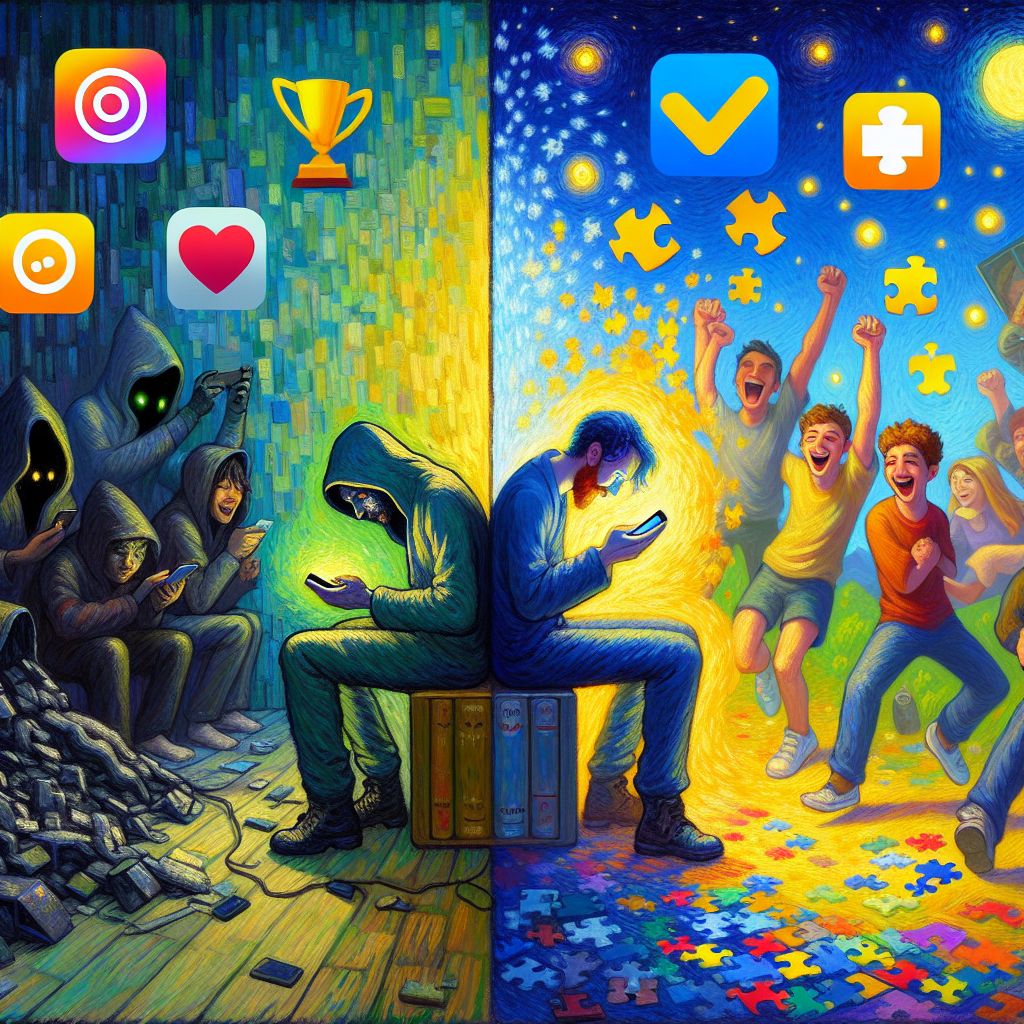
What Childhood Memories Do You Associate with Street Fighter?
How Do Video Games Shape Our Identities Across Generations?
In a world where the lines between reality and virtual experiences blur, video games are more than mere entertainment; they are tapestries woven from the threads of our identities. Generations of gamers have plugged in, sat down, and explored fantastical worlds that not only challenge their skills but also reflect their values, struggles, and even their dreams. These games hold a mirror up to society, revealing what we cherish and what we fear, encapsulating the essence of who we are and who we aspire to be.
Consider the emotional journeys within these interactive narratives. There’s a profound connection that occurs when a player steps into the worn shoes of a character facing insurmountable odds. Whether it’s defending a pixelated kingdom or navigating the complexities of friendship and loss, these experiences resonate deeply. They remind us that the triumphs and pitfalls we encounter in our own lives can often mirror those in-game. In this way, games teach resilience, empathy, and the oft-overlooked art of vulnerability, challenging our perceptions and encouraging personal growth.
From a rational perspective, the logic and strategy embedded in game design cultivate critical thinking skills. Players learn not only to react but to anticipate and adapt—a mental agility that serves well beyond the screen. It’s not just about conquering the next level; it’s about decoding the challenges that life throws our way. As generations evolve, this intellectual engagement becomes a communal language, connecting players of all ages through shared experiences. The stories told in games become vessels for knowledge, showcasing the wisdom that transcends time.
Ethically, video games prompt discussions around morality, choice, and consequence. Every decision a character makes sends ripples throughout the narrative, marking the distinction between right and wrong in a way that reflects our own judgment. This quality instills a sense of responsibility in players, a lesson that extends beyond the realm of pixels.
In essence, the communal aspect of gaming fosters a social bond, uniting friends and strangers alike. Together, they forge alliances and build bridges across generational divides—sharing laughter, strategies, and heartfelt moments. As we gather around screens or in virtual meeting places, we shape not just our identities, but also the identities of those who come after us. Video games do more than entertain; they empower us to explore who we are, both individually and collectively, crafting a legacy that resonates through generations.

How Do Video Games Shape Our Identities Across Generations?
How Do Video Games Shape Our Identities Across Generations?
- Video games are intertwined with our identities, reflecting values, struggles, and aspirations.
- Interactive narratives foster emotional connections, resonating with players’ own life challenges.
- Games teach resilience, empathy, and the art of vulnerability, promoting personal growth.
- Game design enhances critical thinking and problem-solving skills essential beyond gaming.
- The gaming community shares experiences that connect players of all ages through storytelling.
- Video games prompt ethical discussions about morality, choice, and consequences.
- Gaming fosters social bonds, uniting individuals across generations and shaping collective identity.

How Do Video Games Shape Our Identities Across Generations?
Do You Think Gaming Connects Or Divides Different Age Groups?
When you think about gaming, you might picture someone hunched over a screen, immersed in a digital universe while the world outside fades into a blur. But peel back the layers, and you’ll find that games are not just a pastime; they’re a bridge across generational divides. The essence of gaming lies not merely in winning or losing but in the connections it fosters, sometimes in the most unexpected ways.
Many of us can recall a time when we huddled around a television, controllers in hand, with our families. Those evenings spent battling foes or racing against one another weren’t just about the games; they were about laughter, banter, and creating memories that outlasted any high score. As these shared experiences unfold, they tap into something deeply human: the desire to connect. Whether you’re six or sixty, gaming offers an invitation to join a collective adventure, where age becomes secondary to shared enthusiasm.
Rationally speaking, gaming has evolved into a multi-billion dollar industry, uniting people from various walks of life. Research shows that over 70% of American households engage in gaming, a fact that defies stereotypes. This widespread participation is, in fact, a testament to gaming’s unique ability to pull people together. It’s not unusual to see grandparents teaming up with grandchildren to tackle quests. This interaction can break down the barriers that often exist in our fast-paced lives.
Ethically, games can raise awareness around significant issues, sparking conversations that might not occur otherwise. Narrative-driven games often tackle themes of empathy, resilience, and morality, acting as a catalyst for dialogue between generations. When a young adult helps an older player navigate the complexities of a narrative, it opens a space for deeper understanding and perspective-sharing.
Socially, gaming creates communities that transcend demographics. From online forums to local gaming clubs, players form friendships that, while built in the digital realm, often spill into the real world. These interactions help validate that no matter the age, there is common ground, providing comfort in shared experiences.
So, the next time you wonder whether gaming connects or divides, remember that each game is a story waiting to unfold, and every player is a potential friend. As we level up in our understanding, let’s choose connection over division. After all, isn’t life itself the ultimate game?
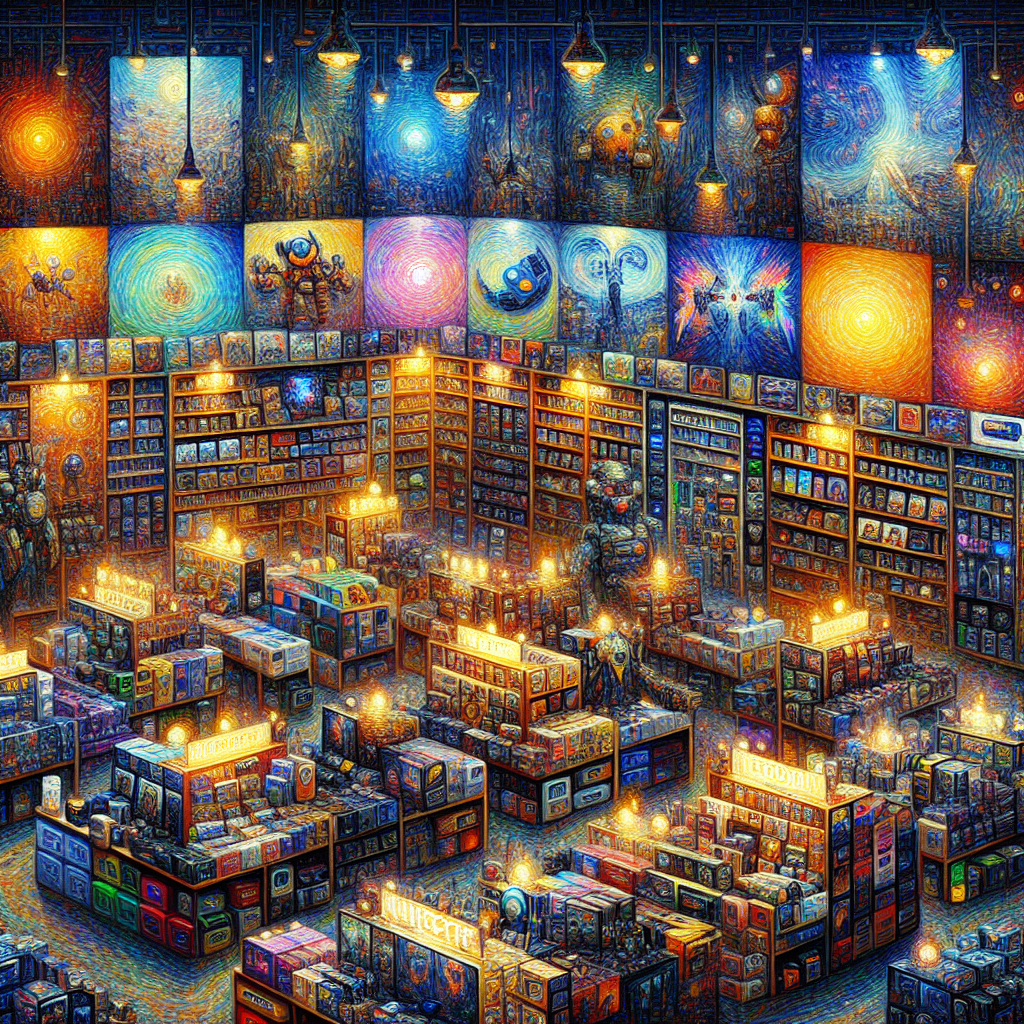
Do You Think Gaming Connects Or Divides Different Age Groups?
Do You Think Gaming Connects Or Divides Different Age Groups?
- Gaming serves as a bridge across generational divides, fostering connections beyond just playing.
- Shared gaming experiences with family create lasting memories filled with laughter and camaraderie.
- Over 70% of American households participate in gaming, highlighting its widespread appeal across different demographics.
- Grandparents and grandchildren often team up for gaming, breaking down generational barriers.
- Narrative-driven games tackle important themes and encourage dialogue on empathy, resilience, and morality.
- Gaming communities form friendships that transition from the digital world to real-life interactions.
- Each game offers a story and potential friendships, promoting connection and understanding over division.

Do You Think Gaming Connects Or Divides Different Age Groups?
How Has the Evolution Of Gaming Affected Storytelling In Our Lives?
In the grand tapestry of human experience, storytelling has always woven its threads tightly into our lives. Now, enter the realm of games—an evolution that has not only changed how we engage with narratives but also how we perceive our own stories. Games aren’t just a pastime; they’re a powerful medium that immerses us in worlds where our decisions shape our destinies. They provoke emotions, ignite imaginations, and challenge us to confront our values and beliefs.
Consider this: you’re not just a passive observer; you’re the protagonist. In games, your choices matter. The weight of moral dilemmas in a branching narrative can evoke profound reflections on ethical living. You might find yourself questioning what heroism really means or how far you would go to protect someone you care about. It’s an invitation to dive deep into the human experience, to explore our tragedies and triumphs in a setting that feels both exhilarating and real.
Think about the last time you played a game that moved you. Maybe it was a moment of triumph when you overcame seemingly insurmountable odds, or perhaps it was a heart-wrenching decision that left you breathless. Those experiences stick with you; they engage your head as you analyze the storyline, tug at your heart with emotional depth, and sometimes even make your stomach churn with tension. It’s this interplay of feeling and thought that makes gaming unique.
The stories we encounter in games resonate beyond the screen. They foster connection among players—whether huddled together in a living room, strategizing in online forums, or sharing emotional insights on social media. Such engagement forms a community where tales of victory, defeat, and everything in between are shared, celebrated, and mourned. It reshapes how we communicate, how we share, and ultimately, how we connect on a human level.
Games are not simply entertainment; they are a mirror reflecting our own lives, our struggles, and our aspirations. They teach us resilience, empathy, and the importance of community—lessons we’ve been yearning to learn. Embrace this evolution and let it inspire a richer understanding of yourself and what it means to be part of a larger narrative. In every pixel and every story, there lies a heartbeat that connects us all.

How Has the Evolution Of Gaming Affected Storytelling In Our Lives?
How Has the Evolution Of Gaming Affected Storytelling In Our Lives?
- Storytelling has deep roots in human experience, now evolving through games.
- Games transform engagement with narratives, making players active protagonists.
- Player choices in games provoke reflections on moral dilemmas and ethical living.
- Gaming experiences can evoke strong emotions, combining thought and feeling.
- Stories in games foster connections among players and create communities.
- Games serve as mirrors reflecting our lives, struggles, and aspirations.
- They teach valuable lessons about resilience, empathy, and community connection.

How Has the Evolution Of Gaming Affected Storytelling In Our Lives?
What Values Do Both Street Fighter and Elden Ring Teach Us Today?
When we dive into the world of games like Street Fighter and Elden Ring, it’s easy to see them as mere entertainment. But beneath the flashy graphics and button-mashing mayhem lies a treasure trove of values that speak directly to our human experience. These games don’t just entertain; they teach resilience, determination, and respect—the very principles we need to thrive in our daily lives.
Street Fighter reminds us that the road to mastery is ripe with challenges. Each round pits you against not just an opponent, but also your own limitations. Every defeat is an opportunity to learn. This reinforces an essential truth: failure is not the end, but a stepping stone. The heartache of loss is a universal experience, and in navigating it, we forge our strength. When we stand back up, we not only evolve as players but also as people—challenging ourselves to improve, to grow, and to never back down.
Elden Ring deepens this notion, introducing vast landscapes where every corner has a story to tell, every enemy a lesson. It encourages exploration and curiosity, inviting players to venture into the unknown. This mirrors life’s own uncertainties and the inevitable hurdles we face. The game teaches that perseverance pays off, urging us to keep going even when we’re weary. There’s a battle within us all—the conflict between embracing comfort and facing adversity. Each time we push through in Elden Ring, we’re reminded that courage often demands stepping beyond our comfort zones.
Moreover, both games emphasize respect—not just for opponents, but also for ourselves. The competition in Street Fighter fosters camaraderie among players, highlighting the importance of sportsmanship. Winning is sweet, but the value of a well-fought match is sweeter. In the world of Elden Ring, every character has its own narrative, urging players to see beyond the surface and recognize the humanity in every encounter.
At their core, these games reflect life’s grand tapestry. They teach us that every battle we face, whether virtual or real, shapes who we are. They encourage us to forge connections with those around us, to learn from each other, and to press forward even when the odds seem insurmountable. So, as we plug into these worlds, let’s take those lessons to heart—and in doing so, let’s conquer not just our enemies on-screen but the challenges that await us off-screen as well.

What Values Do Both Street Fighter and Elden Ring Teach Us Today?
What Values Do Both Street Fighter and Elden Ring Teach Us Today?
- Games like Street Fighter and Elden Ring offer more than entertainment; they convey valuable life lessons.
- Street Fighter teaches resilience through challenges and emphasizes that failures are opportunities for growth.
- The game reinforces the idea that loss is a universal experience that can strengthen players personally and as gamers.
- Elden Ring encourages exploration and perseverance, highlighting the importance of facing life’s uncertainties and hurdles.
- Both games promote respect for oneself and for opponents, emphasizing sportsmanship and the value of camaraderie.
- Characters in Elden Ring have their own stories, reminding players of the humanity in every encounter.
- Ultimately, these games reflect life’s complexities, encouraging connections and the courage to confront challenges.

What Values Do Both Street Fighter and Elden Ring Teach Us Today?
In What Ways Do Video Games Reflect Our Societal Challenges and Hopes?
Video games have evolved far beyond mere entertainment; they serve as mirrors, reflecting the societal challenges and dreams we grapple with every day. Think about it: each pixel, each story arc, conveys something deeper about who we are and what we aspire to be. They present not just a space for escapism, but a rich tapestry that showcases our collective struggles and victories.
Consider the heart. Many games revolve around loss, resilience, and the pursuit of justice. They tell tales of characters who face insurmountable odds, evoke empathy, and challenge players to see the world through someone else’s eyes. Whether it’s the quest to overcome personal demons or the fight against an oppressive regime, these narratives resonate deeply. Players connect emotionally with these stories because they reflect our triumphs and our tragedies, pushing us to confront the very issues that plague our society—inequality, bullying, and mental health struggles.
On a rational level, video games invite players to think critically. They often require strategy, foresight, and ethical decision-making. In titles that explore moral dilemmas, gamers must weigh their choices against the greater good, offering a unique opportunity to engage with complex societal issues. These moments of critical reflection inspire conversations around ethics and responsibility, urging us to become more thoughtful citizens in our own communities.
Yet, the authority of video games also stems from the diverse voices behind them. Developers and storytellers from different backgrounds infuse their experiences into the mechanics and themes of their games, giving rise to narratives that highlight the multifaceted nature of human existence. This diversity fosters social connection, uniting players from all walks of life around shared joys and challenges. Whether it’s standing up against tyranny or fostering friendship in an expansive online universe, games cultivate communities that can inspire real-world action.
Ultimately, video games have the power to foster hope. They provide a canvas where players can envision a better world—one where cooperation triumphs over conflict, and understanding reigns supreme. Each game is a call to arms, an invitation to participate in the narrative of change. So, when you pick up a controller, remember: you’re not just playing a game; you’re stepping into a conversation about who we are and who we want to become. Together, let’s unlock the potential within these virtual realms to inspire a brighter future for us all.

In What Ways Do Video Games Reflect Our Societal Challenges and Hopes?
In What Ways Do Video Games Reflect Our Societal Challenges and Hopes?
- Video games reflect societal challenges and aspirations, serving as mirrors of our daily lives.
- Many games focus on themes of loss, resilience, and justice, evoking empathy and understanding.
- Players connect emotionally with narratives, confronting issues such as inequality and mental health.
- Games encourage critical thinking, requiring strategy and ethical decision-making on complex societal dilemmas.
- Diverse developers contribute unique perspectives, creating multifaceted narratives that resonate with varied audiences.
- Video games foster social connections, uniting players in shared struggles and communities.
- Ultimately, they inspire hope and invite players to envision a better world and engage in conversations about change.

In What Ways Do Video Games Reflect Our Societal Challenges and Hopes?
What Role Do Iconic Characters Play In Our Understanding Of Bravery?
Iconic characters in literature, film, and folklore serve as powerful symbols of bravery, shaping our understanding of what it means to be courageous in a world rife with challenges. They weave through our minds like threads in a tapestry, illustrating not just the act of bravery itself, but the nuanced choices that define it. Think of Frodo, standing against darkness; think of Atticus Finch, who symbolizes moral fortitude in the face of societal injustice. These characters invite us into their struggles, offering a mirror to reflect our own dilemmas and aspirations.
At the heart of their narratives, we find the emotional engagements that make bravery relatable. Who among us hasn’t felt the weight of fear, yet pushed forward anyway? These heroes face insurmountable odds, yet emerge not just triumphant, but transformed. Their journeys resonate deeply within us, compelling us to not only understand bravery as an isolated act of valor but as a complex dance of fear, sacrifice, and the pursuit of something greater than oneself. We can’t help but feel that if they can confront their own dragons, perhaps we can too.
Rationally, iconic characters teach us valuable lessons about the essence of bravery. It isn’t always about grand gestures or dramatic sacrifices; sometimes, it’s simply about making the right choice when the easy one beckons. This critical thinking elevates our understanding and redefines what it means to be brave. It spurs us to act, pushing us towards heroic choices in our daily lives, whether that means standing up for a friend or challenging the status quo.
On an ethical plane, these characters challenge us to reflect on our principles. They embody the idea that true bravery is often tied to standing firm in one’s convictions, even when it’s unpopular or uncomfortable. They compel us to aspire toward the highest standards of character— urging us to question: What would we do if faced with similar dilemmas?
Socially, our connection to these figures infuses our understanding with a sense of camaraderie. When we share stories of bravery, whether through conversation or in shared experiences like games, we cultivate a community that encourages and emboldens one another to embrace our own challenges. These characters act as teachers, instilling trust and confidence in our capacity to rise to the occasion.
In essence, they remind us that bravery isn’t just about the absence of fear; rather, it’s about acceptance, resilience, and ultimately, taking that leap of faith when it matters most.

What Role Do Iconic Characters Play In Our Understanding Of Bravery?
What Role Do Iconic Characters Play In Our Understanding Of Bravery?
- Iconic characters in literature, film, and folklore symbolize bravery and illustrate the complexities of courage.
- They invite reflection on personal dilemmas, showcasing emotional engagements that make bravery relatable.
- These heroes face overwhelming challenges and emerge transformed, representing bravery as a journey rather than a singular act.
- Lessons from these characters redefine bravery as making the right choice, not just dramatic actions.
- They challenge us to stand firm in our convictions, especially when it’s uncomfortable or unpopular.
- Sharing stories of bravery fosters a sense of community, encouraging mutual support in facing challenges.
- Bravery is ultimately about acceptance, resilience, and taking leaps of faith when needed, rather than the absence of fear.
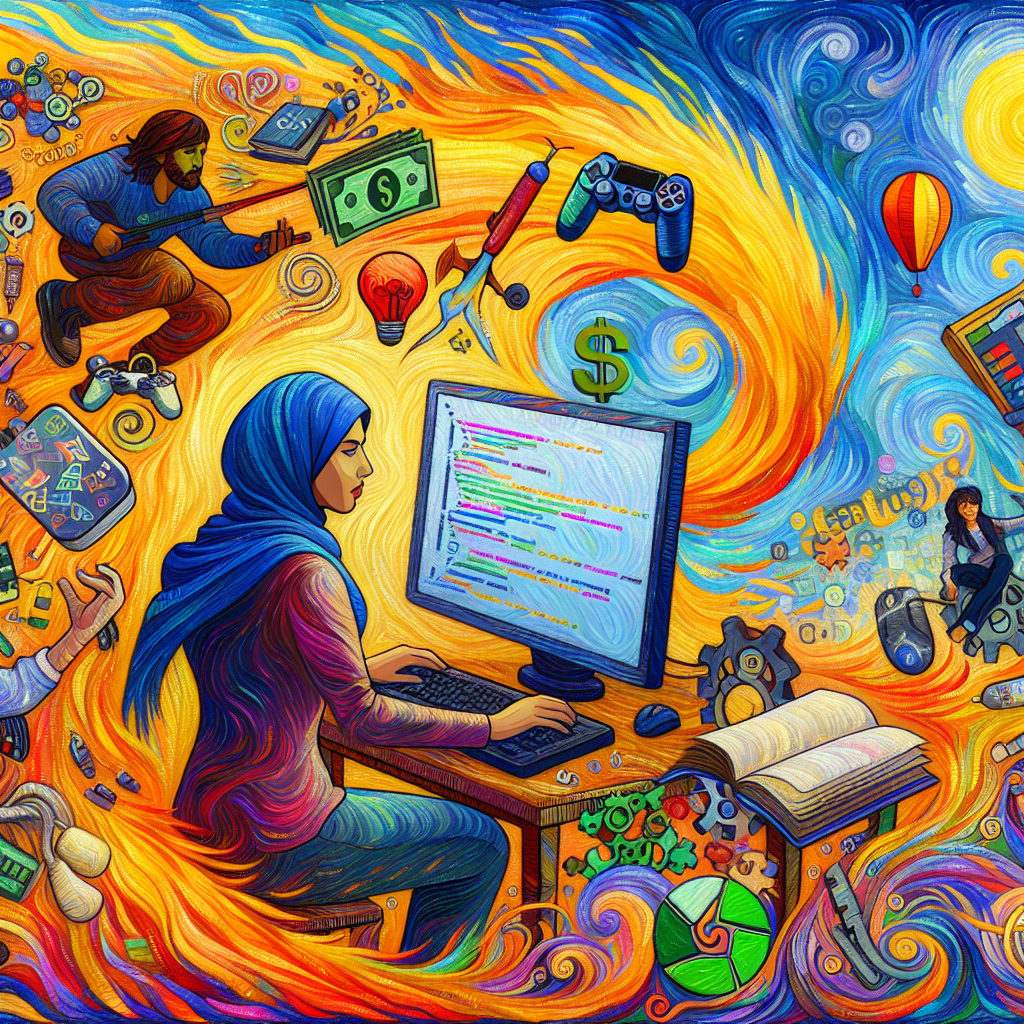
What Role Do Iconic Characters Play In Our Understanding Of Bravery?
Conclusion
Video games are more than just a pastime; they are rich narratives that reflect our values, struggles, and communal experiences across generations. Gen X, with their fond memories of Street Fighter, and Gen Z, immersed in the sprawling worlds of Elden Ring, face off in a vibrant digital arena where lessons extend beyond the screen. Street Fighter didn’t just teach us about competition—it ingrained resilience and respect for our opponents. Each match was a profound microcosm of life’s ups and downs, filled with camaraderie forged in the heat of battle and the laughter shared among friends. These memories weave together the fabric of our youth, inviting nostalgia and shaping our identities as individuals and community members.
On the flip side, Elden Ring expands on these teachings, propelling players into vast worlds where choices matter and every defeat is a chance for growth. It fosters strategic thinking, emphasizing that perseverance is key. Both games delve into ethics, where players navigate challenges that mirror real-life dilemmas. They compel us to think deeply about our choices, urging us to understand honor and consequence and how they play out in our lives.
The notion of gaming as a bridge between generations speaks to our innate desire to connect. It breaks down barriers—whether through family gaming nights or online communities—where friendships blossom over shared quests and victories. The industry’s evolution showcases how these interactions transcend age: everyone can lift each other up in this shared journey of discovery.
Games challenge us to confront societal issues, reflecting our hopes and fears within their narratives. They inspire dialogue in ways traditional media often cannot, tackling themes such as empathy and resilience that resonate personally and communally. The voices behind the games, diverse and multifaceted, deepen the narratives, inviting engagement from all walks of life.
Ultimately, video games remain powerful mediums that sketch the landscapes of our identities and values. They remind us that life, like the games we play, is about the journey—rich with lessons in bravery, honor, and connection. As we navigate our own quests, whether through pixelated battles or the challenges of everyday life, these values persist, urging us to harness the strength we find not just in competition, but in collaboration. So plug in, immerse yourself, and remember that the true essence of gaming is about forging bonds, pursuing growth, and facing challenges together, ensuring that our legacy as players—and as people—continues to thrive.

Conclusion
Conclusion:
- Video games serve as rich narratives reflecting societal values, struggles, and communal experiences across generations.
- Generational differences are highlighted through games like Street Fighter for Gen X and Elden Ring for Gen Z, showcasing the lessons learned in competitive gaming.
- Street Fighter teaches resilience and respect through personal interactions and camaraderie, transforming gaming into a profound reflection of life’s ups and downs.
- Elden Ring emphasizes strategic thinking and growth through player choices, reinforcing the importance of perseverance and ethical reflection.
- Gaming acts as a bridge across generations, fostering connections through shared experiences and community engagement.
- Video games confront societal issues, encouraging dialogue around themes like empathy and resilience, often more effectively than traditional media.
- Ultimately, the essence of gaming lies in collaboration and growth, illustrating that life’s true journey is about forming bonds and overcoming challenges together.

Conclusion
Other Resources

Other Resources
Here is a list of other resources you can review online to learn more:
- Space Cowboys
- Nürnberger-Spielkarten-Verlag (NSV)
- Arkham Horror (Third Edition)
- Dead of Winter: The Long Night
- Cool Mini or Not (CMON)
- VK
- Mage Knight Board Game
- Mayfair Games
- Arkham Horror: The Card Game
- Amigo
- MailChimp
- Flying Frog Productions
- Eldritch Horror
- Terraforming Mars
- The Secret Cabal Gaming Podcast
- Gloom
- Roxley Games
Use This Prompt To Get More Resources With Your Favorite Online AI Tool: Please provide me with a list of online articles with their URLs in a bulleted list that I can read regarding Gen X Grew Up on Street Fighter, Gen Z Grew Up on Elden Ring

Other Resources
Glossary Terms
Gen X Grew Up on Street Fighter, Gen Z Grew Up on Elden Ring – Glossary Of Terms
1. Generation X: Individuals born approximately between 1965 and 1980, known for experiencing the shift towards technology and changing social norms.
2. Generation Z: Individuals born roughly from 1997 to 2012, characterized by their digital nativity and social activism.
3. Street Fighter: A classic fighting video game franchise that debuted in 1987, noted for its iconic characters and competitive gameplay.
4. Elden Ring: An action role-playing video game released in 2022, known for its expansive open world and rich storytelling, co-created by Hidetaka Miyazaki and George R. R. Martin.
5. Nostalgia: A sentimental longing for the past, often associated with cultural artifacts that evoke personal memories.
6. Pixel Art: A form of digital art where images are created using small, square pixels, reminiscent of early video game graphics.
7. RPG (Role-Playing Game): A genre of video games where players assume the roles of characters and engage in a narrative-driven experience.
8. Multiplayer: A gaming mode that allows multiple players to participate simultaneously, fostering competition or collaboration.
9. Combo Moves: A series of successive actions performed in fighting games that result in a more powerful attack or special move.
10. Open World: A game design concept where players can explore a large, interconnected environment without linear restrictions.
11. PVP (Player vs Player): A gaming format where players compete against each other rather than against computer-generated enemies.
12. Lore: The backstory and world-building elements that enrich the narrative of a game, often conveyed through dialogue and items.
13. Franchise: A series of related products, including sequels or spin-offs, often centered around a common theme or characters.
14. Fighting Game: A genre of video games focused on hand-to-hand combat between characters, depicting competitive matchups.
15. Character Design: The creative process of developing a video game character’s appearance, personality, and background.
16. Game Mechanics: The rules and systems that govern gameplay, influencing how players interact with the game world.
17. Visual Style: The artistic aesthetic that defines the look of a game, which can range from realistic to stylized or abstract.
18. Community: The group of players who engage with a game, often forming social connections, sharing strategies, and creating content.
19. Speedrun: A playthrough of a game aimed at completing it as quickly as possible, often showcasing advanced techniques.
20. Boss Battle: A significant encounter with a powerful enemy, often requiring specific strategies to defeat.
21. Easter Eggs: Hidden features or references within a game, usually included for entertainment or to reward exploration.
22. Indie Game: A video game created by individuals or small teams, independent of major publishers, often emphasizing creativity and innovation.
23. DLC (Downloadable Content): Additional content for a game that can be purchased and downloaded, often expanding the game’s narrative or features.
24. Skill Tree: A visual representation of a character’s abilities and potential upgrades, enabling players to customize their gameplay style.
25. Open Beta: A testing phase for a game where the public can play and provide feedback before its official release.
26. Customization: The process of altering or personalizing a character’s appearance or abilities to fit player preferences.
27. Sandbox: A game design model that provides players with tools and freedom to create their own content and experiences.
28. Game Engine: A software framework used for building and developing video games, providing tools for graphics, physics, and user input.
29. Crafting System: A gameplay mechanic that allows players to create items or equipment using resources gathered in the game world.
30. Achievement: A reward or recognition given to players for completing specific challenges or milestones within a game.

Glossary Of Terms
Other Questions
Gen X Grew Up on Street Fighter, Gen Z Grew Up on Elden Ring – Other Questions
If you wish to explore and discover more, consider looking for answers to these questions:
- What are the defining characteristics of Gen X and Gen Z gaming experiences?
- How did the gaming technology evolve from Street Fighter to Elden Ring?
- What specific lessons did players learn from their experiences with Street Fighter and Elden Ring?
- How do gaming communities differ between Gen X and Gen Z?
- What role does nostalgia play in the gaming experiences of different generations?
- How have societal issues been addressed in video games over the years?
- What impact do video games have on mental health and well-being across generations?
- In what ways can gaming promote empathy and understanding among diverse age groups?
- How do multiplayer games foster relationships compared to single-player experiences?
- What are some notable examples of games that address moral dilemmas and ethical issues?
- How do iconic characters influence players’ values and beliefs about bravery?

Other Questions
Haiku
Gen X Grew Up on Street Fighter, Gen Z Grew Up on Elden Ring – A Haiku
Generations collide,
Pixels tell our tales of strength—
Brave, we stand as one.

Haiku
Poem
Gen X Grew Up on Street Fighter, Gen Z Grew Up on Elden Ring – A Poem
In pixelated realms where legends brawl,
Two generations hear the gaming call.
Gen X in arcades with Street Fighter’s flame,
Found friendship and grit in the thrill of the game.
Fists flew like dreams in each match made real,
Every defeat a lesson, every victory a seal.
Together in laughter, in living rooms tight,
Those sun-soaked battles became our guiding light.
Gen Z ventures forth in Elden Ring’s might,
Where courage and choice shape their way through the night.
A world vast and daunting, yet rich in the fray,
Each death a teacher to guide them each day.
Step by step through these storied rounds,
Resilience blooms where connection abounds.
Street Fighter’s respect for the rivals we meet,
Elden Ring’s gray morals lay life at our feet.
From console to culture, the lessons persist,
In every encounter, the bonds that we twist.
As pixels unite us, each challenge we face,
In the heart of the game lies our shared human grace.
Through battles and quests, our identities form,
In joy and in sorrow, we weather each storm.
Embrace every pixel, each story’s refrain,
For gaming is life, and each struggle, a gain.
So let us connect, across ages and screens,
In this vast universe where possibility gleans.
The journey, the friendships, the lessons we glean,
In the heart of the game, we find what we mean.

Poem
Checklist
Gen X Grew Up on Street Fighter, Gen Z Grew Up on Elden Ring – A Checklist
Checklist: Harnessing Gaming Experiences for Personal Growth and Connection
Emotional Appeals
_____ Reflect on your childhood memories associated with gaming. What emotions do they evoke?
_____ Identify key moments from games that taught you resilience and perseverance. Recall how these moments impacted your life.
Rational Appeals
_____ Analyze how gameplay mechanics in titles like *Street Fighter* and *Elden Ring* encourage strategic thinking.
_____ Consider how gaming has fostered critical thinking skills in your daily decisions.
Ethical Appeals
_____ Examine the moral dilemmas presented in games. How do they challenge your values and ethical beliefs?
_____ Identify one lesson about respect and sportsmanship you’ve learned from gaming. How do you apply it in real life?
Authority Appeals
_____ Research the influence of game developers from diverse backgrounds. How do their stories shape the narratives within games?
_____ Discuss the impact of iconic characters on your understanding of bravery and empathy.
Narrative Appeals
_____ Create a storytelling space within your gaming community. Share your favorite gaming narratives and how they resonate with societal challenges.
_____ Write a brief reflection on how a game has mirrored your personal experiences or societal issues.
Social Appeals
_____ Engage with friends or family about their gaming experiences. How can shared gameplay strengthen your bonds?
_____ Join an online gaming community or local group. What stories can you share that highlight the power of gaming to connect people?
Practical Application
_____ Plan a gaming night focused on collaboration and teamwork. What are some goals you want to achieve together?
_____ Set personal growth goals based on lessons learned from gaming experiences. How can you incorporate these lessons into everyday life?

Checklist
At HowDoYouGame, we help people who love board games by collating information and news about games.
Be sure to read our other related stories at HowDoYouGame to learn more about games.