The Silent Toll Of Inflating Gaming Expenses
By Tom Seest
At HowDoYouGame, we help people who love board games by collating information and news about games.
Be sure to read our other related stories at HowDoYouGame to learn more about games.
From Arcade Quarters to Battle Passes – the Cost Creep In Gaming
Imagine a Saturday afternoon, the sounds of laughter echoing through a brightly lit arcade. Kids huddled around the latest extravagant games, pouring quarters into machines like eager treasure hunters, each coin igniting a world of adventure. A simple moment of joy, transformed by a modest investment—and that’s where the heart of gaming began. Those joyful days painted a picture of gaming as an affordable escapade, a way to bond with friends, sharpen skills, and lose oneself in fantastical narratives.
Fast forward to today’s gaming landscape, where the thrill of exploration often comes with a bewildering price tag. As games evolve, we find ourselves navigating a labyrinth of microtransactions, subscription fees, and expensive battle passes. What was once a straightforward $1 per game has morphed into a complex tapestry of financial commitment. It feels almost as if our nostalgia has been capitalized on, and the essence of fun is now measured against a ledger of costs rather than the simplicity of play.
With every new title released, the emotional ties to our favorite games become tangled with financial implications. Players grapple with the heart-wrenching reality that progression often hinges on money rather than skill. For every joyous victory, there seems to be a nagging voice urging you to spend just a little more to unlock that cool skin or access the next thrilling chapter. This can provoke an internal struggle: are we truly playing for enjoyment, or merely becoming cogs in a monetized machine?
Yet, amidst this rising tide of cost creep, we cling to the core of gaming—the camaraderie, the shared stories, the moments of triumph. The ethical dilemma of spending becomes a personal journey, reflecting our values and priorities. Is it right to extend our financial reach for digital possessions, or should we prioritize experiences over pixels? It’s a conversation worth having, both as individuals and as a community.
We have the power to shape the future of gaming. By discussing these issues publicly, we can hold creators accountable. Let’s adapt our spending habits and advocate for transparency. Together, we can help steer the ship back toward that exhilarating arcade spirit, ensuring that the joy of gaming remains accessible for generations to come.

From Arcade Quarters to Battle Passes – the Cost Creep In Gaming
From Arcade Quarters to Battle Passes – the Cost Creep In Gaming
- Arcades once offered simple, affordable joy, allowing players to bond and immerse themselves in adventures.
- Today’s gaming landscape features complex pricing with microtransactions, subscription fees, and battle passes.
- The nostalgic experience of straightforward gaming has shifted to a focus on financial investment.
- Players often feel pressured to spend money for progression, blurring the lines between enjoyment and monetization.
- As financial implications increase, personal values and priorities are challenged regarding spending in gaming.
- A community conversation is needed to explore the ethics of spending on digital experiences versus real-world values.
- By advocating for transparency and adjusting spending habits, players can help maintain the joy of gaming for future generations.

From Arcade Quarters to Battle Passes – the Cost Creep In Gaming
Table Of Contents
- From Arcade Quarters to Battle Passes – the Cost Creep In Gaming
- What Memories Do You Cherish From Your Childhood Gaming Days?
- Are You Aware Of How Much You Spend on Gaming Each Month?
- How Do You Feel When You See a New Game Priced At $70?
- What Do You Think the Impact Of Microtransactions Is on Young Gamers?
- How Can We Balance Fair Pricing While Enjoying Innovative Gaming?
- Are Game Developers Responsible for the Rising Costs We Face Today?
- What Stories Do Your Favorite Games Tell About Modern Challenges?
- Conclusion
- Other Resources
- Glossary Of Terms
- Other Questions
- Haiku
- Poem
- Checklist
What Memories Do You Cherish From Your Childhood Gaming Days?
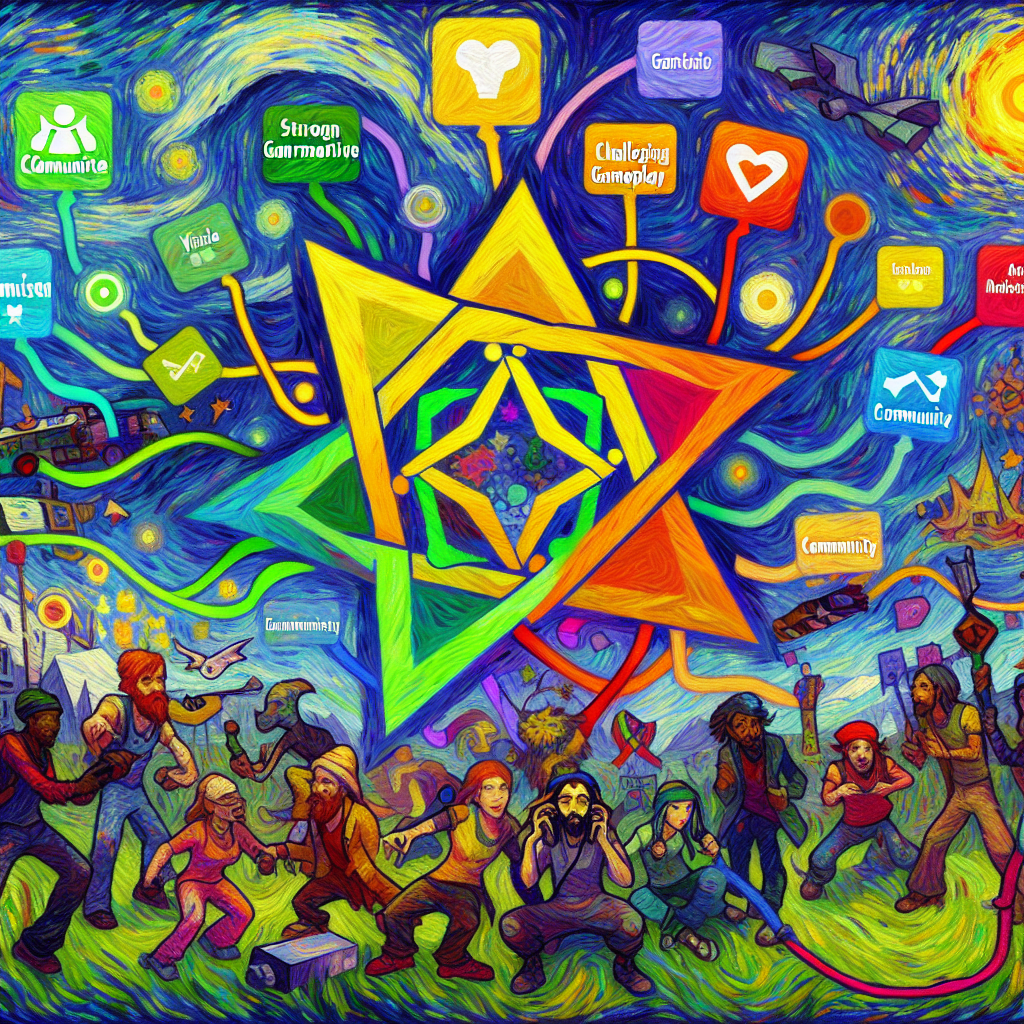
There’s something profound about those days spent immersed in the pixelated worlds of childhood games. Each victory and defeat holds echoes of laughter and friendship, building a tapestry of memories that warms the heart and lights up the mind. These games weren’t just a means of passing time; they were pivotal experiences that shaped who we are today. Whether you were steering a go-kart around a digital track or solving puzzles inside a fantasy realm, each moment offered lessons far beyond the screen.
Think back to the friendships formed over a shared console. It wasn’t just about the games; it was about collaboration, competition, and connection. Those long weekends, where the sun set and rose without you noticing, became cherished chapters in the book of your early life. The thrill of victory tasted sweet, but the bonds forged while tackling that nearly impossible level? That was the ultimate reward. Such experiences reflect the essence of teamwork and resilience, teaching us the value of working together to overcome obstacles—a lesson just as relevant today as it was back then.
As you reminisce about those gaming adventures, consider the ethical implications of the time spent devoted to these virtual escapes. They encouraged creativity and problem-solving, fostering skills that endure into adulthood. The narrative woven through our gaming stories reflects challenges faced and the thrills of conquering them, reshaping our understanding of grit and perseverance. You learned not only from the games but from the stories they told, living out challenges that mirrored our everyday lives and ignited our imaginations.
And let’s not forget the salty bite of defeat, a gut-check moment that still resonates. Each failure steered us toward growth, igniting a fire in our belly to try again. Those experiences taught us that every setback is simply a setup for a comeback, reminding us that life, much like the games we cherished, is a series of challenges awaiting our courage.
So, when you look back on those formative gaming days, embrace the nostalgia. Those memories are not just echoes of joy; they’re lifelong lessons, comforting reminders that we have the strength to face life’s obstacles. As you nurture those cherished memories, stay connected with the community—after all, we are all part of this shared journey. Embrace the stories, the victories, and the friendships forged in the pixelated crucible of childhood gaming.
What Memories Do You Cherish From Your Childhood Gaming Days?
What Memories Do You Cherish From Your Childhood Gaming Days?
- Childhood gaming experiences were profound, fostering laughter, friendship, and warm memories.
- Games provided pivotal experiences that contributed to personal growth and identity.
- Friendships formed over gaming were based on collaboration, competition, and connection.
- Long gaming weekends created cherished life chapters that highlighted teamwork and resilience.
- Gaming adventures encouraged creativity, problem-solving, and valuable life skills.
- Defeats in games taught lessons in growth, resilience, and the importance of comebacks.
- Nostalgia for these experiences serves as a reminder of strength and the value of community.

What Memories Do You Cherish From Your Childhood Gaming Days?
Are You Aware Of How Much You Spend on Gaming Each Month?
Let’s take a moment to dig into the wallet and talk about something a lot of folks don’t like to think about—how much we’re really spending on gaming each month. Sure, we all love the thrill of those epic quests, the camaraderie of multiplayer battles, and the sweet satisfaction of leveling up. But at what cost?
Imagine sitting down with your favorite game, each pixel drawing you into a world where anything is possible. There’s a reason it feels so good; it taps into our need for connection, achievement, and sometimes, simply an escape from the daily grind. But here’s the catch: those digital adventures come with a price tag, and if we’re not careful, that little number can balloon faster than the final boss’s health bar.
Let’s get real for a moment. The games that captivate us often include a slew of microtransactions, subscription fees, and premium content that can quietly chip away at our monthly budgets. It’s easy to overlook this—the dopamine hit from a victory or a purchase can cloud our judgment. But stand back for a second and think: wouldn’t you like to navigate your financial landscape with the same skills and strategies you use in your favorite RPG?
This isn’t just about dollars and cents; it’s an ethical responsibility, too. How often do we consider the implications of our spending on the community around us? Are we supporting developers who prioritize quality and creativity, or are we pouring money into games that rely on profit over passion? As gamers, we have the power to demand better from the industry. We can choose to support those who genuinely invest in creating meaningful experiences instead of cash grabs.
And let’s not forget the social aspect. Gaming is a shared experience—how do your spending habits affect your friends and family? Are we setting a good example, or are we inadvertently encouraging a cycle of excess?
So, take a moment to reflect. Consider tracking your monthly gaming expenditures. Calculate what you’re spending, set a limit, and be mindful of where your hard-earned money is going. It’s not just about maintaining a budget; it’s about reclaiming control over your passion. After all, gaming should enrich our lives, not drain our resources. Choose wisely, play responsibly, and remember that true adventure starts with confidence in our choices.

Are You Aware Of How Much You Spend on Gaming Each Month?
Are You Aware Of How Much You Spend on Gaming Each Month?
- Reflect on monthly gaming expenses, including microtransactions, subscription fees, and premium content.
- Recognize the emotional connection to gaming, as it fulfills needs for achievement and social interaction.
- Understand that spending on games can escalate quickly, similar to a final boss battle.
- Consider ethical implications of gaming purchases on the community and the industry.
- Support developers who prioritize quality and creativity over profit-driven models.
- Think about how personal spending habits affect friends and family, setting an example for responsible gaming.
- Track gaming expenditures, set spending limits, and reclaim control over financial decisions related to gaming.

Are You Aware Of How Much You Spend on Gaming Each Month?
How Do You Feel When You See a New Game Priced At $70?
Ah, the thrill of spotting a brand-new game priced at $70. It’s a moment laced with anticipation and excitement. You can almost feel the pulse of your heartbeat quicken as your eyes graze the sleek cover art—an invitation to a new world, brimming with adventure and challenge. Yet, as you reach for your wallet, a nagging thought creeps in: Is this worth it? That’s a fair question, and one that transcends mere dollars and cents.
Picture this: you’ve just settled down after a long week, the weight of life’s responsibilities clinging to your shoulders. You’re ready to escape into a digital realm, to forge legends, build empires, or strategize victories. But is a $70 ticket to fantasy justified? From an emotional standpoint, games reach us deep within—they connect to memories of childhood, camaraderie with friends, and moments of sheer joy. They shape our stories and allow us to share laughter and tears with those we care about.
Now, let’s explore the head space. A $70 price tag can trigger considerations about value—production quality, the hours of entertainment, and the creativity poured into developing the experience. Gaming isn’t just a fleeting pastime; it’s an investment in creativity, technology, and storytelling. When you hear about some games taking years to develop, populated by teams of skilled artisans, it makes you stop and reconsider whether that $70 might just be a ticket to something that could enrich your life, even if only for a weekend.
Then there’s the gut feeling, the notion of fairness. Is it ethical for developers to charge such prices? On one hand, they deserve fair compensation for their hard work, especially in an industry where innovation and creativity flourish. On the other hand, one wonders about accessibility for all—will this price point shut out passionate gamers who can’t afford to pay up?
Finally, consider the community aspect. When you buy that $70 game, you’re not just purchasing a product; you’re voting to support a culture of creativity, investment, and innovation. You’re joining a collective journey—a shared experience with fellow players who seek the same thrill of adventure. So, the next time you see that price tag, don’t just glance at the number; contemplate the stories, the connections, and the world waiting within.

How Do You Feel When You See a New Game Priced At $70?
How Do You Feel When You See a New Game Priced At $70?
- Spotting a new game priced at $70 brings excitement and anticipation.
- Games provide an emotional escape, connecting us to childhood memories and friendships.
- The $70 price tag raises questions about production quality and the value of entertainment.
- Investing in games is investing in creativity, technology, and storytelling.
- There is a debate about the ethics of game pricing versus accessibility for gamers.
- Purchasing a game supports a culture of creativity and innovation within the gaming community.
- Think beyond the price—consider the experiences and connections that come with the game.

How Do You Feel When You See a New Game Priced At $70?
What Do You Think the Impact Of Microtransactions Is on Young Gamers?
When we talk about the impact of microtransactions on young gamers, we wander into a complicated realm filled with layers of emotion, logic, and ethics. These digital breadcrumbs, meant to enhance gameplay, have morphed into a double-edged sword. At their best, microtransactions can add flair to the games they love; at their worst, they can feel like a thinly veiled attempt to siphon away hard-earned money from impressionable minds.
Let’s consider the heart. Picture a young gamer, eyes wide in wonder as they navigate a fantastical realm, slaying dragons or rescuing their friends. Now, imagine the gut punch they feel when they realize that to unlock that epic armor or that flashy new character, they have to hand over their allowance or, worse, their parents’ hard-earned cash. It’s easy to dismiss these transactions as just the way things are, yet it’s essential to recognize the emotional bond kids form with their games. Their passion is real, making them ripe targets for a business model that often prioritizes profits over player experiences.
Now, let’s engage the head. Statistically, a staggering percentage of young players are spending money on in-game purchases, leading to a growing trend of impulse buying driven by FOMO—the fear of missing out. This phenomenon taps into their social circles, where trends like exclusive skins or powerful boosters can literally elevate a gamer’s status among their peers. What’s being sold is not just a virtual item, but status, recognition, and community belonging.
Yet, when we pivot to the ethical lens, a more significant concern arises: How do we protect the integrity of play? Should gaming companies prioritize profit over the well-being of young players? It’s a valid question. Many of us remember when gaming was about skill, creativity, and camaraderie, not just cash.
From an authoritative standpoint, experts argue that fostering an environment of transparency and fair play can lead to healthier gaming habits. This idea casts a shadow over exploitative practices and challenges the industry’s responsibility to create environments conducive to genuine engagement without falling into the traps of manipulation.
Ultimately, in an era where games hold immense sway over our youth, it’s our shared duty—consumers, developers, and parents alike—to advocate for healthier practices. We can nurture a community that values creativity, resilience, and fair play, rather than one that merely commodifies our passions. It’s time to restore balance, where games are once again about joy, challenge, and, above all, connection.

What Do You Think the Impact Of Microtransactions Is on Young Gamers?
What Do You Think the Impact Of Microtransactions Is on Young Gamers?
- The impact of microtransactions on young gamers is a complex issue with emotional, logical, and ethical layers.
- Microtransactions can enhance gameplay, but they also risk exploiting impressionable players financially.
- Young gamers often feel disappointment when they realize they need to spend money to obtain desired game items or features.
- There is a significant trend of young players spending money on in-game purchases, driven by FOMO (fear of missing out).
- Microtransactions can create a sense of status and belonging within gaming communities, tying purchases to social recognition.
- Ethically, there’s an ongoing debate on whether gaming companies should prioritize player well-being over profit.
- Consumers, developers, and parents must advocate for healthier gaming practices that emphasize creativity and fair play.

What Do You Think the Impact Of Microtransactions Is on Young Gamers?
How Can We Balance Fair Pricing While Enjoying Innovative Gaming?
It’s a wild time to be a gamer. The landscape is shifting beneath our feet faster than a speedrun champion breezing through a level, but we’re all part of this exhilarating ride. Gaming isn’t just a hobby; it’s a culture, an escape, and for many, a way of life. As the pixelated worlds expand and the innovations keep coming, we stand at a crossroads: how do we ensure that the games we cherish remain accessible while also fueling the creativity that drives them?
When we think of innovation, we often picture dazzling graphics or groundbreaking mechanics, but let’s not forget the foundation—fair pricing. If the games we adore become prohibitively expensive, we risk losing a generation of players who lack the means to participate in this digital revolution. That’s where balance steps in, a delicate act akin to tightrope walking between passion and practicality. Imagine a world where you can dive into an awe-inspiring new release without scanning your bank account first, where value and enjoyment walk hand-in-hand.
This balance doesn’t just touch the pocketbook; it resonates with our collective consciousness. Gamers value fairness. We cherish transparency from developers and publishers. Fair pricing isn’t just a business model; it’s a commitment, an ethical promise to respect the time and money that players invest. Trust is built when developers listen to their community, when they keep the dialogue open and prioritize value over profit.
But it’s not just about the individual experience; it’s about the community. In an age where gamers unite across continents, ensuring fair prices for games fosters inclusivity. Imagine the camaraderie of millions traversing these digital realms, not divided by price tags but joined by a shared passion.
While dollars and cents weigh heavy on the heart, it’s the stories we forge while playing that truly matter. When we invest in gaming that respects our resources, we create not just pixels on a screen but connections that last beyond the final credits. So, as we stand on this precipice of gaming innovation and fair pricing, let’s advocate for an industry that values us as much as we value it. Together, we can elevate this vibrant community, ensuring that every gamer, regardless of their means, can revel in experiences that resonate deeply, collectively, and joyfully.

How Can We Balance Fair Pricing While Enjoying Innovative Gaming?
How Can We Balance Fair Pricing While Enjoying Innovative Gaming?
- The gaming landscape is rapidly evolving, creating an exhilarating experience for players.
- Gaming is not merely a hobby but a cultural phenomenon and a way of life for many.
- Maintaining a balance between game accessibility and creativity is crucial for the industry.
- Fair pricing is essential to prevent the exclusion of players due to high costs.
- Transparency and fairness in pricing foster trust between gamers and developers.
- Inclusive pricing promotes community unity among gamers across different regions.
- Investing in respectful gaming creates lasting connections and enhances the overall experience.

How Can We Balance Fair Pricing While Enjoying Innovative Gaming?
Are Game Developers Responsible for the Rising Costs We Face Today?
In the intricate world of games, where creativity meets cutting-edge technology, it’s easy to feel lost in the whirlwind of rising costs. Many players begin to wonder—who’s to blame? The truth may not be as black and white as it seems. Game developers often find themselves at the crossroads of passion and pressure. With each project, they strive to craft intricate experiences that not only entertain but also resonate with our very souls.
Let’s take a step back. Imagine the last time you lost yourself in a game. The thrill of discovery, the excitement of overcoming obstacles—these moments are priceless. Yet, behind every epic story and breathtaking graphic lies a team of dedicated individuals working tirelessly, often sacrificing their health and personal lives for the sake of delivering something extraordinary. The stories they weave require time, talent, and resources, an intricate balance of art and science. As the workforce behind these titles grows, so do their needs and expectations.
From an ethical standpoint, it’s crucial to remember that developers are not just nameless entities; they are often your neighbors, friends, and fellow gamers. They share our love for this medium, pouring their hearts into each pixel and narrative. When costs rise due to labor concerns, inflation, or the need for cutting-edge tech, it’s not just the game’s price tag that increases. It’s a reflection of the industry’s growth and the challenges it faces. They’re working hard behind the scenes to keep pace with an ever-evolving digital landscape, ensuring that every player has an unforgettable journey.
Now, let’s consider the broader implications. We, as a community, play a part in this dynamics. Our support for innovative gameplay and willingness to invest in quality can motivate developers to push boundaries. Consider it a partnership, where our enthusiasm can spur them on to create the next generation of experiences that enrich our lives.
So, next time you look at the price of a game, think about its journey—the sleepless nights, the creative challenges, and the relentless pursuit of perfection. It’s about more than just dollars and cents; it’s about passion, dedication, and a collective dream shared between developers and players alike. By understanding this, we can forge a connection that elevates the gaming experience, reminding us that we’re all in this together, championing creativity in a rapidly changing world.

Are Game Developers Responsible for the Rising Costs We Face Today?
Are Game Developers Responsible for the Rising Costs We Face Today?
- Game development is a blend of creativity and technology, leading to rising costs that leave players questioning the reasons behind them.
- Developers balance passion and pressure, striving to create immersive experiences that resonate with players.
- Behind every game lies a dedicated team who often sacrifices personal well-being to deliver extraordinary products.
- As workforce demands increase, so do the expectations and resources required to bring creative projects to life.
- Developers are individuals within the community, passionate gamers themselves who invest their hearts into their work.
- The rising costs reflect industry growth, labor issues, and the need for advanced technology, impacting game pricing.
- Community support and investment in quality encourage developers to innovate and push boundaries, enhancing the gaming experience for everyone.

Are Game Developers Responsible for the Rising Costs We Face Today?
What Stories Do Your Favorite Games Tell About Modern Challenges?
In the vast landscape of gaming, there’s a unique power in storytelling that transcends pixels and code. When you immerse yourself in these digital worlds, you find narratives that speak directly to our collective experiences today. Games are no longer mere entertainment; they are mirrors reflecting the trials we face as a society. Each quest, every conflict, yanks at the heartstrings and resounds in the gut, echoing our daily struggles with identity, purpose, and connection.
Consider for a moment the protagonists in your favorite games. They navigate a chaotic world rife with challenges and ethical dilemmas. These characters are not just avatars; they embody the resilience we all wish to have. When they confront adversity—be it a dystopian regime, the loss of loved ones, or battling inner demons—they resonate with our modern challenges: job insecurity, mental health issues, and feelings of isolation. As you guide them through perilous landscapes, you can’t help but reflect on your own journey.
Think of the choices you face in these narratives, the moral quandaries that push you to choose between right and wrong. Those decisions are a test, nudging at your conscience and forcing you to contemplate your values and beliefs. This isn’t just gameplay; it’s a moment to engage with your own ethical compass. As you align with these heroes, you cultivate not only an understanding of their struggles but also a deeper connection to your own experiences and the world around you.
Moreover, the community built around these games is thriving. Online networks connect players from all walks of life, fostering friendships and support systems that mirror real-world connections. In these virtual spaces, players share their stories, their challenges, and their triumphs, creating a communal sense of belonging. This camaraderie speaks to our fundamental need for connection, turning solitary players into a united front against societal challenges.
So the next time you dive into your favorite game, take a moment to appreciate the rich tapestry of stories unfolding. They aren’t just pixels dancing on a screen—they’re narratives woven from the fabric of our lives, filled with trials, heroism, and the unyielding quest for hope and understanding. In engaging with these tales, we not only find entertainment but also a vital sense of trust, confidence, and the call to action that resonates deeply within us all.

What Stories Do Your Favorite Games Tell About Modern Challenges?
What Stories Do Your Favorite Games Tell About Modern Challenges?
- Storytelling in games transcends traditional entertainment, reflecting societal challenges and collective experiences.
- Protagonists in games embody resilience, resonating with our struggles such as job insecurity and mental health issues.
- Choices in games present moral dilemmas that encourage players to contemplate their own values and beliefs.
- Engaging with game narratives helps players connect with their own experiences and the world around them.
- Online gaming communities foster friendships and support systems that mirror real-world connections.
- Players share their stories and challenges, creating a sense of belonging within the gaming community.
- Games serve as narratives woven from real-life experiences, offering hope, understanding, and a call to action.

What Stories Do Your Favorite Games Tell About Modern Challenges?
Conclusion
Gaming has always been more than just a pastime; it embodies a culture laden with nostalgia, camaraderie, and lessons that transcend mere entertainment. Remember the joy of sliding quarters into arcade machines, where every coin opened up new worlds without the worry of a hefty price tag? Those simpler days shaped a vibrant community built on shared experiences, skill, and friendship. But here we are today, immersed in a landscape where gaming has morphed into a financial labyrinth of microtransactions, subscription models, and pricey battle passes. It’s essential to step back and reflect on what this cost creep means for us as individuals and a community.
At the heart of this phenomenon lies a gut-check moment. Are we still gaming for the genuine thrill of challenge and achievement, or have we become mere players in a monetization machine? These escalating costs raise questions about our priorities, ethics, and even our responsibilities as consumers. When we spend to unlock that flashy new armor or gain an edge in competition, we must consider what we’re sacrificing in terms of creativity, connection, and even our financial well-being.
From an ethical standpoint, we cannot ignore the role of the developers behind these games. They pour their lives into crafting immersive experiences, often facing immense pressure. Supporting them should go hand-in-hand with advocating for fair pricing and transparent practices. We hold the power to influence the industry, ensuring our favorite games remain accessible and infused with passion rather than profit motive.
Engaging in meaningful conversations about spending habits can reshape the narrative. We can choose to support developers who prioritize quality experiences over cash grabs. This isn’t just about personal finances; it’s about nurturing a community where gamers unite to celebrate creativity while holding each other accountable.
So what can we do? Let’s track our monthly gaming expenditures and engage in discussions about fair pricing and accessibility. Embrace the shared stories of triumph and adversity that dwell in our favorite narratives. Let’s cherish the lessons from both our childhood gaming adventures and our current experiences, reminding ourselves that the connection forged in gaming is what we value most. Together, we can revitalize that classic arcade spirit—ensuring the joy of gaming remains a vibrant part of our lives for generations to come. It’s time to reclaim our passion, to play wisely, and to promote a culture steeped in heartfelt connection, creativity, and ethical choice.

Conclusion
Conclusion:
- Gaming is not just a pastime, but a culture filled with nostalgia and shared experiences.
- Past arcade experiences fostered a vibrant community built on friendship and skill.
- Today’s gaming landscape includes microtransactions, subscription models, and costly battle passes.
- We must reflect on the implications of rising costs and our priorities as gamers.
- Supporting game developers while advocating for fair pricing is essential to maintaining quality experiences.
- Engaging in discussions about spending habits can help shape a healthier gaming community.
- By tracking expenses and valuing connection, we can revitalize the spirit of classic gaming for future generations.

Conclusion
Other Resources
Other Resources
Here is a list of other resources you can review online to learn more:
- Android: Netrunner
- Pandemic Legacy: Season 1
- Board Game Atlas
- Atlas Games
- Wizards of the Coast
- Stonemaier Games
- Castles of Mad King Ludwig
- Magic: The Gathering
- Pandasaurus Games
- Imperial Settlers
- Asyncron
- MailChimp
- Boardgames.com
- North Star Games
- Z-Man Games
- Victory Point Games
Use This Prompt To Get More Resources With Your Favorite Online AI Tool: Please provide me with a list of online articles with their URLs in a bulleted list that I can read regarding From Arcade Quarters to Battle Passes – the Cost Creep In Gaming

Other Resources
Glossary Terms
From Arcade Quarters to Battle Passes – the Cost Creep In Gaming – Glossary Of Terms
1. Arcade Quarters: Coins used to play games in arcade machines, symbolizing the traditional pay-per-play model of gaming.
2. Battle Pass: A system allowing players to earn exclusive in-game rewards through gameplay over a season, often requiring an upfront purchase.
3. Microtransactions: Small purchases made within a game, often for cosmetic items or enhancements, that can accumulate significant costs over time.
4. DLC (Downloadable Content): Additional content for a game that can be downloaded, often requiring purchase beyond the base game price.
5. Freemium Model: A business model offering a basic game for free while charging for premium features or content.
6. Loot Boxes: Virtual items containing random rewards that players can purchase or earn, often compared to gambling.
7. Pay-to-Win: A game design where players can gain significant advantages through monetary purchases, impacting game balance.
8. Season Pass: A set of downloadable content packages purchased in advance, providing access to all future content for a season.
9. Subscription Model: A payment system where players pay a recurring fee for access to a game or service, common in MMORPGs.
10. Free-to-Play (F2P): A marketing strategy where players can access the game for free, often supplemented by in-game purchases.
11. Value Proposition: The perceived benefit or value players receive in exchange for spending money on game-related purchases.
12. In-Game Currency: Virtual money used within a game to purchase items or services, which can often be bought with real currency.
13. Skin: Cosmetic customization options for characters or items that do not affect gameplay but are sold for monetary gain.
14. Game Monetization: Strategies developers use to generate revenue from a game, including sales, microtransactions, and advertisements.
15. Event-Driven Content: Temporary content or features introduced to coincide with holidays or special events, often requiring extra spending.
16. Player Retention: Strategies used by game developers to keep players engaged and encourage continued spending.
17. Virtual Goods: Non-physical items purchased within a game, often including cosmetics, upgrades, or conveniences.
18. Early Access: A model that allows players to purchase and play a game while it is still in development, often at a discounted price.
19. Grind: The act of repetitively completing tasks in a game to earn in-game rewards, sometimes leading to monetization pressure.
20. Backlash: Negative reactions from players toward monetization practices perceived as exploitative or unfair.
21. Economic Model: The framework through which a game generates revenue, influencing how players interact with the game.
22. Customization: The ability for players to modify or personalize their gaming experience, often incentivized by in-game purchases.
23. Exclusive Content: Unique items or experiences available only to paying players, often used to incentivize purchases.
24. Frequent Updates: Regular additions or changes to a game to maintain player interest and justify ongoing spending.
25. Access Controls: Mechanisms in place that limit access to certain game features or content unless certain conditions are met, usually involving payments.
26. Community Feedback: Input from players regarding game design and monetization that can influence future updates or changes.
27. Virtual Economy: The economic system within a game, including supply and demand for in-game items and currency.
28. Game Length: The duration of time for which players engage with a game, potentially influenced by monetization strategies.
29. Psychological Manipulation: Tactics employed to encourage players to spend more money, exploiting behavioral triggers and uncertainties.
30. Market Segmentation: Dividing players into groups based on spending habits or preferences to tailor monetization strategies effectively.

Glossary Of Terms
Other Questions
From Arcade Quarters to Battle Passes – the Cost Creep In Gaming – Other Questions
If you wish to explore and discover more, consider looking for answers to these questions:
- What are the historical changes in gaming costs over the years?
- How do microtransactions affect player satisfaction and enjoyment?
- What strategies can gamers employ to manage their gaming expenses?
- How do different gaming platforms influence pricing strategies?
- What role does nostalgia play in the pricing of modern games?
- How do game developers determine the pricing of new releases?
- What ethical considerations should be made regarding in-game purchases?
- How do gaming companies justify the rising costs?
- What impact do subscription services have on the overall cost of gaming?
- How can players advocate for fair pricing in the gaming industry?
- What alternatives exist for gamers who cannot afford the high costs?
- What lessons can be learned from gaming experiences related to handling money?
- How do cultural perceptions of gaming influence pricing models?
- What are the potential long-term effects of rising gaming costs on the industry?
- How can the gaming community come together to push for transparency from developers?

Other Questions
Haiku
From Arcade Quarters to Battle Passes – the Cost Creep In Gaming – A Haiku
Arcade joy turned steep,
Costs erode the fun we crave,
Seek balance, hold fast.

Haiku
Poem
From Arcade Quarters to Battle Passes – the Cost Creep In Gaming – A Poem
In the arcade’s glow, where laughter soared,
A quarter each crafted worlds we adored.
Pixels danced, friendships forged in delight,
Gaming was joy, pure and light.
Yet time has twisted the threads of the game,
From simple pleasures to profit’s acclaim.
Microtransactions, the price tags inflate,
What was once fun now feels like a weight.
Each battle pass tempting, each skin just a cost,
We ponder our joy and how much it’s lost.
Are we masters of play, or pawns in a scheme,
Just cogs in the wheel of a monetized dream?
Nostalgia whispers of days filled with cheer,
When skill triumphed over wallets, drawing us near.
But now choice and fairness weave ethical rights,
In the game of our lives, we must seek the lights.
Developers toil, pouring passion in strife,
Crafting stories that mirror this complex life.
In quests for meaning, we find what we seek—
Connection and courage when the going gets bleak.
As communities gather, transcending the screen,
Through shared tales of triumph, our hearts intervene.
Let’s advocate for value, for fun that is true,
A world where the game belongs just to you.
Reclaiming our joy, let us boldly engage,
In narratives rich that define every age.
Together, we’re stronger—let’s lift our choice high,
For gaming’s our canvas—let dreams never die.

Poem
Checklist
From Arcade Quarters to Battle Passes – the Cost Creep In Gaming – A Checklist
Gaming Costs & Community Impact Checklist
Emotional Appeals
_____ Reflect on your childhood gaming memories: What values and lessons did they foster?
_____ Consider the emotional connections you forge through gaming experiences with friends and family.
_____ Identify personal gaming moments that brought you joy or a sense of achievement.
Rational Appeals
_____ Track your monthly gaming expenses. Are there hidden costs (microtransactions, subscriptions)?
_____ Analyze the price of new games: Does their quality and content justify the costs?
_____ Evaluate the balance between spending and enjoyment: Are you getting your money’s worth?
Ethical Appeals
_____ Reflect on the ethical implications of spending on digital items: Is it fair to prioritize pixelized possessions over life experiences?
_____ Consider how your gaming habits affect your community and the gaming industry at large.
_____ Advocate for transparency from developers: Are you supporting ethical practices in gaming?
Authority Appeals
_____ Research industry trends on pricing and microtransactions: What are experts saying about their impact?
_____ Look for reviews and feedback from trusted gamers or professionals regarding game quality and pricing.
_____ Engage with gaming communities discussing ethical concerns and industry practices.
Narrative Appeals
_____ Recall stories or lessons from your favorite games that mirrored real-life challenges: What do they teach you?
_____ Share personal narratives of triumph, failure, or connection experienced through gaming.
_____ Capture the essence of gaming as a bonding experience: How have these stories shaped your relationships?
Social Appeals
_____ Discuss your thoughts on gaming costs with friends: How do your spending habits align or differ?
_____ Join gaming communities to advocate for fair pricing and responsible spending.
_____ Foster connections with other gamers who share similar values regarding the accessibility of gaming experiences.
Practical Tips
_____ Set a monthly budget for your gaming expenses and stick to it.
_____ Evaluate and limit microtransactions in your gaming routine.
_____ Prioritize supporting games and developers that promote fair pricing and meaningful content.

Checklist
At HowDoYouGame, we help people who love board games by collating information and news about games.
Be sure to read our other related stories at HowDoYouGame to learn more about games.