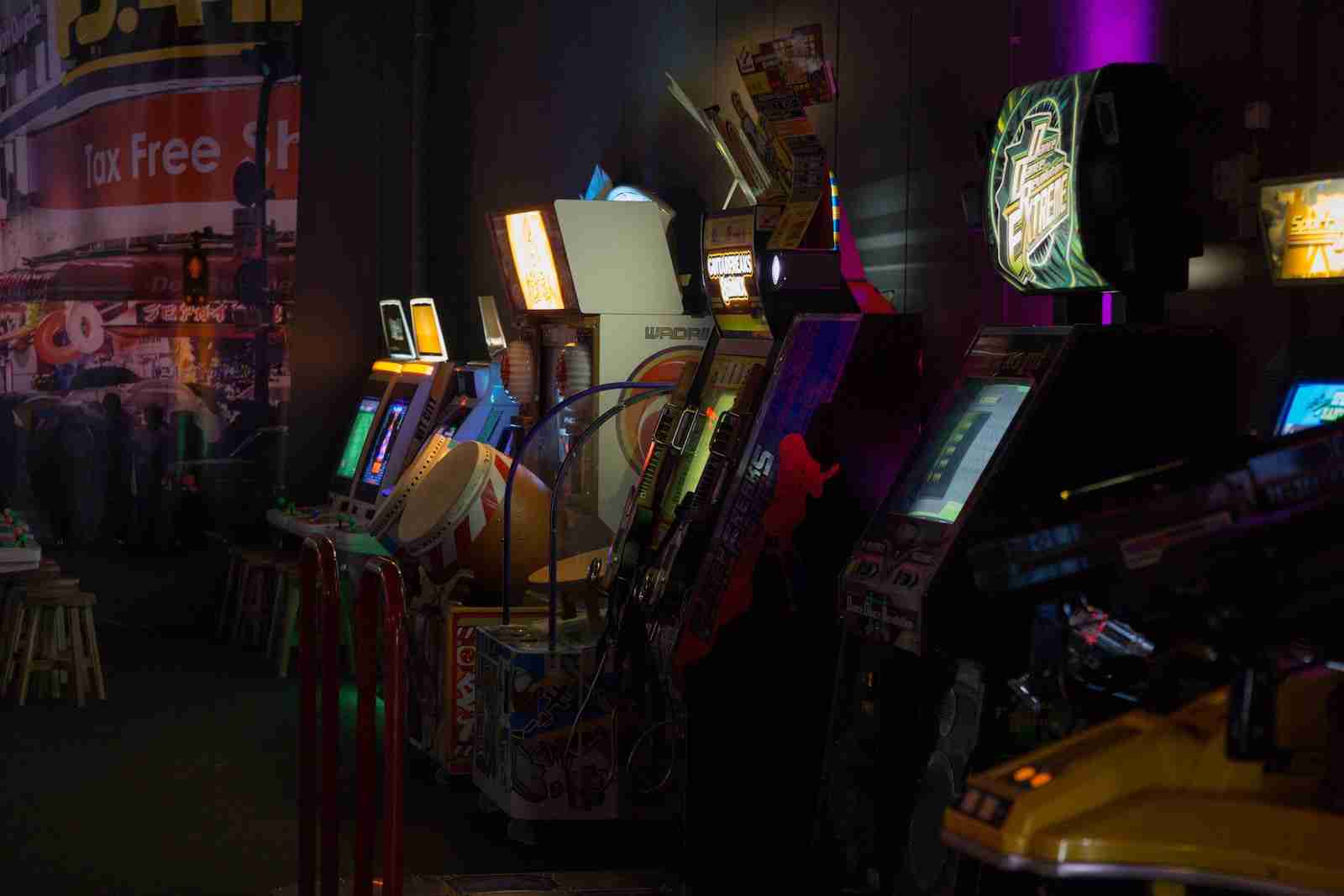
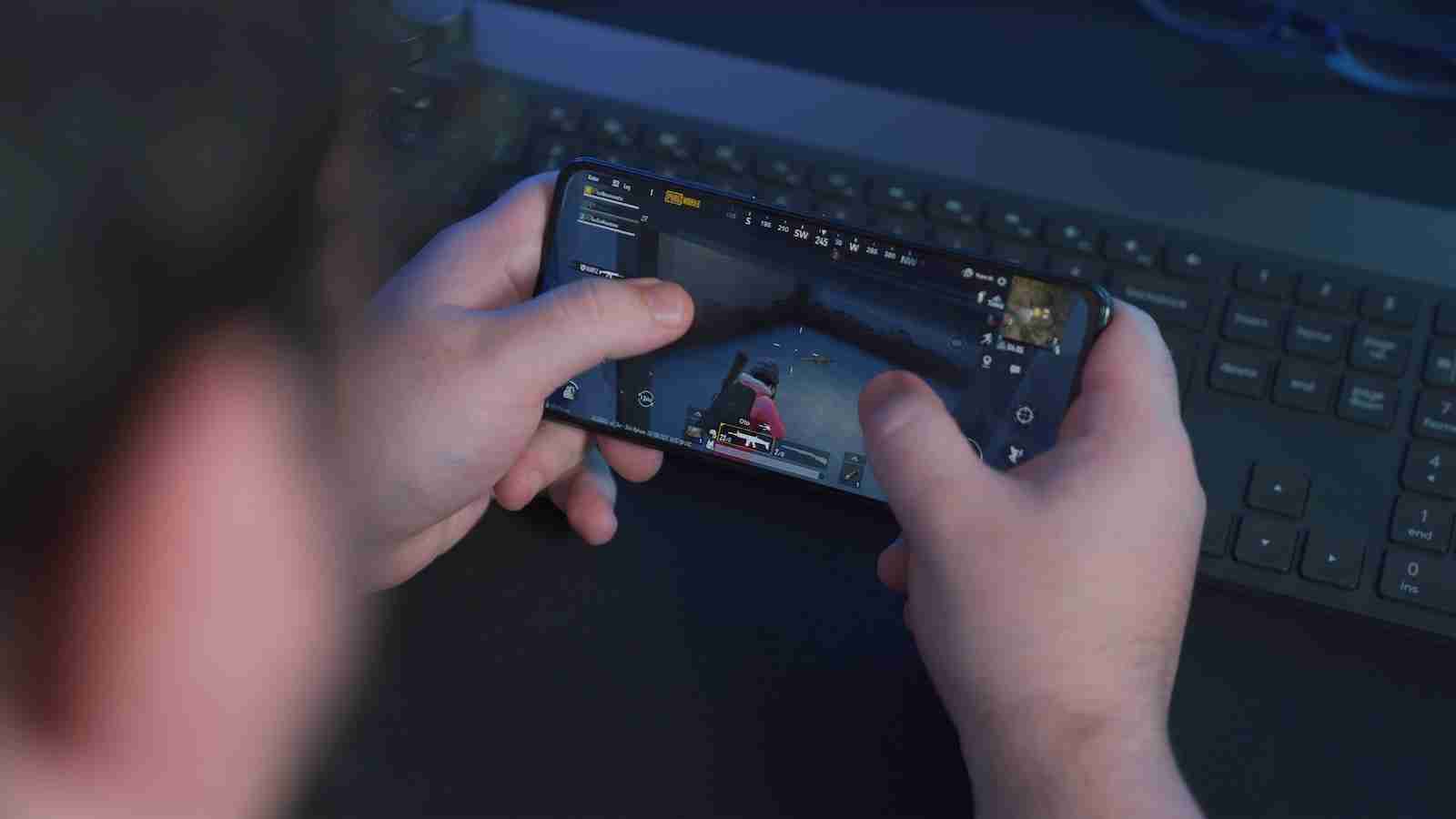
Leveling Up: Gaming As A Lifeline For Youth In Crisis
By Tom Seest
At HowDoYouGame, we help people who love board games by collating information and news about games.
Be sure to read our other related stories at HowDoYouGame to learn more about games.
Could Gaming Be a Balm for Young Hearts Facing Life’s Crises?
In a world that often feels heavy with uncertainties and challenges, the idea of escape can sometimes seem like folly—yet, what if that escape could lead to growth? For many young hearts grappling with life’s crises, gaming isn’t just a pastime; it’s a lifeline. Imagine gamification not merely as a trendy buzzword but rather as a bridge leading directly to the skills and resilience they might need in the real world.
Think back to those childhood days where every challenge came with a power-up or a checkpoint. Now, picture that transformed into a digital universe where navigating through obstacles isn’t merely for the sake of entertainment, but is, in fact, a way to instill that very sense of achievement we all crave. In these virtual landscapes, every level achieved can translate into newfound confidence. Each quest completed fosters a sense of purpose, steering gamers to believe that triumph is, indeed, attainable—even when life feels overwhelming.
What happens when a young adult finds themselves trapped in the cycle of anxiety or worry? Enter the world of gaming, where through gamification, they tackle problems headfirst, strategizing and learning as they progress. Think of it as training wheels for adulthood—a safe space to fail, learn, and try again without the harsh consequences often found in reality. It’s beautiful to witness how this digital framework can engender healthy coping mechanisms, encouraging collaboration, enhancing focus, and even fostering emotional intelligence.
Now, let’s get real. We’re not saying gaming is a miracle cure—far from it. But there’s a special camaraderie that bubbles up in the gaming community. Those late-night sessions with friends—whether virtually or in the same room—create bonds stronger than those forged over a cup of coffee or even during a two-hour movie.
For every young person out there facing life’s every twist and turn, consider embracing the world of gaming not just as a retreat but as a tool—one that teaches resilience, teamwork, and problem-solving. Let’s shine a light on the potential within these pixelated realms. The next time you see someone absorbed in their gameplay, remember, they might just be building a better version of themselves. So why not join them? You might discover that behind every screen is a journey just waiting to unfold.

Could Gaming Be a Balm for Young Hearts Facing Life’s Crises?
Could Gaming Be a Balm for Young Hearts Facing Life’s Crises?
- The concept of escape through gaming can lead to personal growth for young individuals facing life’s challenges.
- Gamification serves as a bridge to develop essential skills and resilience needed in real life.
- Gaming creates a sense of achievement, translating into newfound confidence for players.
- It provides a safe space for young adults to tackle anxiety and learn from failures without harsh consequences.
- Gaming fosters healthy coping mechanisms, collaboration, focus, and emotional intelligence.
- The camaraderie formed in gaming communities can create strong bonds among friends.
- Embracing gaming can be a valuable tool for resilience, teamwork, and problem-solving in young people’s lives.

Could Gaming Be a Balm for Young Hearts Facing Life’s Crises?
Table Of Contents
- Could Gaming Be a Balm for Young Hearts Facing Life’s Crises?
- Could Gaming Provide Emotional Support During Tough Times?
- How Can Games Help Build Resilience In Young Players?
- What Role Does Community Play In Gaming For Youth?
- Are There Specific Games That Promote Healing And Growth?
- How Can Gaming Mitigate Feelings Of Loneliness In Young People?
- What Are The Psychological Benefits Of Gaming For Young Hearts?
- Can Gaming Serve As A Healthy Escape From Reality?
- Conclusion
- Other Resources
- Glossary Of Terms
- Other Questions
- Haiku
- Poem
- Checklist
Could Gaming Provide Emotional Support During Tough Times?
Imagine this: Week after week, the weight of the world rests heavy on your shoulders—a relentless cycle of stress, anxiety, or maybe even heartbreak. Life throws curveballs that leave you feeling a bit lost, like a ship adrift in a tempest. Now, picture a world where, instead of spiraling down that dark rabbit hole, you can pick up a controller and dive into a realm of imagination and possibility. That’s where the idea of gamification enters the scene.
Gamification, in its essence, is about taking elements of gameplay—the fun, the challenges, the rewards—and weaving them into our lives, even outside of traditional gaming. It transforms mundane tasks into engaging activities, breathing life into them like a spark igniting kindling. When you’re navigating the choppy waters of emotion, incorporating this playful spirit can help create a sense of control, a feeling that you’re steering your ship in the right direction again.
Let’s face it: We could all use a healthy distraction sometimes. Gaming offers an immersive escape, a chance to reset our minds while engaging with vibrant characters and rich environments. The worlds we explore in these virtual experiences aren’t just about high scores or leveling up; they become a safe harbor. Whether you’re blazing through epic quests with friends or solving puzzles that demand your cleverest strategies, each moment spent gaming can build a bridge back to enthusiasm and well-being.
Moreover, let’s not downplay the value of social connections that come with gaming. The communities you join, the friendships you forge, and even the strangers you team up with—these relationships are vital, especially on tough days. They remind you that you’re not alone in this. When the weight of day-to-day life feels too heavy, gaming provides a unique opportunity to share laughs, tackle challenges together, and even find comfort in camaraderie.
So, the next time life drags you down, think about reaching for that controller. It’s not just a tool for entertainment; it can also be a lifeline, a way to reclaim some joy amid the chaos. Embrace the power of gamification, and explore how this captivating universe can offer a bit of emotional support during the storms—because sometimes, all we need is a different kind of adventure to remind us how resilient we truly are.

Could Gaming Provide Emotional Support During Tough Times?
Could Gaming Provide Emotional Support During Tough Times?
- Gamification involves integrating game elements like challenges and rewards into everyday life.
- It transforms mundane tasks into engaging activities, creating a sense of control and direction.
- Gaming provides a healthy distraction and an immersive escape from stress and heartache.
- Virtual worlds serve as safe harbors, facilitating both fun and well-being.
- Gaming fosters social connections, forming friendships and communities that offer support.
- Engaging in gaming can serve as a lifeline to reclaim joy during tough times.
- Embracing gamification can provide emotional support and resilience amidst life’s challenges.

Could Gaming Provide Emotional Support During Tough Times?
How Can Games Help Build Resilience In Young Players?
Let’s face it; life isn’t always a walk in the park. It’s often a rugged trail filled with bumps, potholes, and unexpected detours. So, how can we equip our young players to navigate this challenging landscape? Enter the world of games—yes, those colorful, animated worlds that draw our kids in and keep them glued to the screen. But beyond the flashy graphics and catchy tunes, there lies something truly transformative: gamification.
Gamification isn’t just a buzzword; it’s a powerful tool that taps into the innate love of challenge and achievement that lies in all of us—especially young minds eager to explore their limits. When kids engage in games, they learn to confront obstacles head-on. Whether it’s solving intricate puzzles, strategizing a winning approach, or battling fierce opponents, they’re practicing resilience. Every setback in a game isn’t just a moment of frustration; it’s a learning opportunity disguised as a defeat.
Imagine a young player facing a seemingly impossible level. They try again and again, refining their methods, adapting strategies, and rallying their focus just to finally conquer that challenge. With each successful attempt, they don’t just feel satisfaction—they build confidence, realizing that persistence pays off. This is resilience in action, a powerful lesson that can translate far beyond the digital realm, into school, friendships, and ultimately, life itself.
In this space, failure is just a stepping stone. It teaches our kids that falling down isn’t the end of the journey; rather, it’s an essential part of growth. Through gamification, they learn to embrace challenges and celebrate progress, reminding them that every bit of effort counts.
Furthermore, games often foster social connections that are vital for resilience. Whether teaming up to defeat a common enemy or collaborating to solve a problem, these shared experiences cultivate a sense of community and support. Understanding that they’re not alone in their struggles—both in games and in life—can empower young players to face adversity with a trusty support system.
So, the next time you see your child engrossed in a game, remember that they’re not just zoning out. They’re building resilience, one level at a time, and learning vital skills that will serve them throughout their lives. Encourage that journey, because in the end, it’s about so much more than just playing a game; it’s about preparing them to thrive in the real world.

How Can Games Help Build Resilience In Young Players?
How Can Games Help Build Resilience In Young Players?
- Life can be challenging, often resembling a rugged trail filled with obstacles.
- Gamification is a transformative tool that engages kids and helps them navigate challenges.
- In games, children confront obstacles, learn resilience, and see setbacks as learning opportunities.
- Repeated attempts to conquer game challenges build confidence and demonstrate the value of persistence.
- Failure in games is a stepping stone to growth, teaching kids that effort is essential for progress.
- Games foster social connections, providing a sense of community and support among players.
- Engaging in games equips children with vital skills that prepare them to thrive in real life.

How Can Games Help Build Resilience In Young Players?
What Role Does Community Play In Gaming For Youth?
When you think about gaming, you might picture young players glued to their screens, lost in a world of avatars and quests. But let’s pause and take a closer look. Beneath the surface of those flashing graphics and virtual battles lies an intricate web of community. And that’s where the real magic happens.
At its core, gaming isn’t just about leveling up or collecting the latest loot—it’s about connection. Whether it’s playing with friends across the street or teaming up with players from different continents, gaming serves as a social bridge. For many youths, these digital communities provide a sense of belonging that they might not find elsewhere. Imagine entering a game, and suddenly, you’re part of something larger—a family of players strategizing together, celebrating triumphs, and tackling challenges hand in hand. This camaraderie can be profoundly enriching, transforming solitary gaming into a shared adventure.
Moreover, the concept of *gamification* plays a crucial role here. In simple terms, it’s the application of game-like elements in non-gaming contexts to encourage engagement. Think tasks that reward progress or challenges that encourage teamwork. In gaming communities, this translates to everything from participating in friendly competitions to earning rewards for collaboration. It fosters motivation, creativity, and even accountability. Through these interactions, youths learn to navigate social dynamics, problem-solve, and communicate—skills that are invaluable in the real world.
But what truly sets gaming communities apart is the spirit of support and encouragement that thrives within them. In a challenging world, finding a place where someone’s got your back can make all the difference. Whether you’re a newbie struggling to grasp the mechanics or a seasoned player crafting your strategies, you’re bound to find friends who will guide you, cheer you on, and even lend a hand during tough times. Every match, every quest becomes a shared journey, reinforcing bonds that often transcend the game itself.
While there are discussions about the impact of gaming on youth, let’s not forget the power of community. It’s where friendships blossom, skills are honed, and memories are made. So, the next time you see a young gamer at their screen, remember: they’re likely not just playing games; they’re building relationships, learning skills, and engaging in a world that’s far more significant than the pixels on display. That’s the beauty of community in gaming. It’s more than just play; it’s an education in connection, resilience, and teamwork.

What Role Does Community Play In Gaming For Youth?
What Role Does Community Play In Gaming For Youth?
- Gaming is often perceived as a solitary activity, but it fosters a rich sense of community.
- The core of gaming lies in connection, allowing players to form bonds with others locally and globally.
- Digital communities provide youths with a sense of belonging that may be missing in other areas of life.
- Gamification in gaming encourages engagement through tasks that reward progress and promote teamwork.
- Players develop crucial social skills, including communication, problem-solving, and accountability, through gaming experiences.
- The supportive nature of gaming communities helps players, whether they’re novices or experts, navigate challenges together.
- Ultimately, gaming offers an education in connection, resilience, and teamwork, enriching players’ real-world experiences.

What Role Does Community Play In Gaming For Youth?
Are There Specific Games That Promote Healing And Growth?
Are There Specific Games That Promote Healing and Growth?
Ah, the world of gaming—where reality dims and adventure beckons. But don’t let the flashy graphics and pulsating soundtracks fool you. Beneath the surface of pixelated landscapes and epic quests lies a treasure trove of healing possibilities. Yes, I’m talking about the undeniable impact that certain games can have on our emotional and mental well-being, and it all revolves around a little concept called gamification.
Now, you might be thinking, “Games? Healing? Really?” But hold on a second—let’s explore this idea a bit more. At its core, gamification is about infusing the principles of game design into scenarios that might not seem all that thrilling. Think of it as turning the mundane into the extraordinary. In the realm of therapy and personal growth, that can be revolutionary. Wouldn’t it be something to harness the engaging power of a game to navigate through life’s challenges?
Take community-driven games, for example. Titles like “Journey” or “Stardew Valley” encourage social connection and teamwork. Imagine tending to a thriving farm alongside other players from around the world. Not only do you cultivate crops, but you also cultivate friendships and a sense of belonging. That’s right; life lessons and emotional healing can sprout from pixels if you let them. When we dive into these virtual worlds, we often find ourselves facing real-world reflections of resilience, empathy, and cooperation.
And let’s not forget the ever-evolving landscape of serious games, specifically designed to aid in mental health recovery, addiction rehabilitation, or even post-traumatic stress. These games can gently guide players through rigorous processes of self-discovery and emotional regulation—turning those seemingly daunting tasks into achievable challenges, complete with rewards for progress.
What’s more, the impact doesn’t stop at emotional well-being. Studies show that engaging with specific games can boost cognitive functions, enhance problem-solving skills, and even improve multitasking abilities. This holistic approach is increasingly important in a world that demands adaptability and resilience.
So, whether you’re picking up a virtual sword in a fantasy realm or cultivating crops in a quaint village, remember that games can be powerful allies in your journey of healing and growth. They offer a safe space to explore feelings, tackle challenges head-on, and foster connections with others, all while turning the process into something downright fun. Grab that controller, open your heart, and embrace the power of play; your inner warrior is waiting!

Are There Specific Games That Promote Healing And Growth?
Are There Specific Games That Promote Healing And Growth?
- Gaming offers emotional and mental healing possibilities through gamification.
- Gamification transforms mundane tasks into engaging experiences, beneficial for therapy and personal growth.
- Community-driven games like “Journey” and “Stardew Valley” promote social connection and teamwork.
- These games can teach life lessons and foster emotional healing through virtual interactions.
- Serious games are designed to assist with mental health recovery and personal challenges.
- Engaging in specific games can improve cognitive functions, problem-solving skills, and multitasking.
- Games provide a safe space for emotional exploration, tackling challenges, and forming connections.

Are There Specific Games That Promote Healing And Growth?
How Can Gaming Mitigate Feelings Of Loneliness In Young People?
When we think of gaming, many of us conjure images of kids huddled in dark rooms, glued to screens, immersed in virtual worlds. But what if I told you that those same activities are often the lifeline for many young people grappling with feelings of loneliness? It’s a surprising reality, and it’s worth exploring how gaming can bridge the gap of isolation.
At its core, gaming offers a unique form of social interaction that transcends traditional boundaries. Think of it as a digital community gathering—where the boundaries of geography, social status, and even personality fade away. Players can connect with others, engage in shared experiences, and build camaraderie through teamwork. Gamification is a big part of this; it infuses ordinary tasks with a sense of purpose and achievement. Young individuals are not merely sitting behind screens; they’re navigating quests, solving puzzles, and collaborating with others, all while earning rewards that can boost their self-esteem and sense of belonging.
But the benefits go beyond mere connection. Gaming provides a safe space for young people to express themselves. In a world where social interactions can feel daunting, stepping into a character can be liberating. It allows them to explore their identity, confront challenges, and erupt in self-expression without the judgment that may come in a face-to-face setting. This sense of freedom fosters authenticity and can give rise to deeper connections with like-minded players.
Moreover, many games are inherently collaborative. Whether it’s raiding dungeons in an MMORPG or strategizing in a competitive shooter, young people learn teamwork, adapt to varying social dynamics, and develop communication skills—real-life skills that translate outside of the gaming realm. They become part of a narrative that provides a sense of agency, which is crucial when confronting the often overwhelming feelings of isolation.
Of course, moderation is key. Like anything worthwhile, it’s essential to balance gaming with other aspects of life. Yet, it is clear that for many, gaming isn’t just an escape; it’s a lifeline. It transforms feelings of loneliness into bonds of friendship, turning solitary quests into collaborative adventures. So next time you see someone engrossed in their game, remember: they may just be connecting in ways that enrich their lives and combat the shadows of isolation. Encouraging young people to embrace this communal activity could lead to lasting connections and a more fulfilling existence. After all, in the world of gaming, loneliness doesn’t stand a chance against a good party.

How Can Gaming Mitigate Feelings Of Loneliness In Young People?
How Can Gaming Mitigate Feelings Of Loneliness In Young People?
- Gaming serves as a lifeline for many young people experiencing loneliness.
- It offers a unique form of social interaction that transcends traditional boundaries.
- Players can connect, engage in shared experiences, and build camaraderie through teamwork.
- Gaming provides a safe space for self-expression and identity exploration.
- Collaborative games help young people develop teamwork and communication skills.
- Moderation in gaming is essential to maintain balance in life.
- Encouraging gaming as a communal activity can foster lasting connections and reduce feelings of isolation.

How Can Gaming Mitigate Feelings Of Loneliness In Young People?
What Are The Psychological Benefits Of Gaming For Young Hearts?
Let’s take a moment to dive into a world that many of us know—where pixels dance on screens, and adventure beckons from every corner. Gaming, often viewed through a lens of skepticism, is, in fact, a treasure chest bursting with psychological benefits for our younger generation.
First off, let’s discuss the power of gamification. This isn’t just a buzzword thrown around in boardrooms; it’s rooted in the way our brains process rewards and accomplishments. Think about it: every time a young gamer levels up or completes a challenging quest, their brain releases a little cocktail of joy-inducing chemicals. What seems like a simple victory in a digital realm reinforces resilience, determination, and a sense of achievement. These moments teach players that persistence pays off, a life lesson that transcends the screen and seeps into their everyday lives.
Moreover, gaming fosters a sense of community. In today’s interconnected world, many young hearts are finding kinship in virtual realms that might seem foreign to some of us seasoned folks. Whether they’re strategizing in a battle room or forming alliances in a sprawling fantasy world, they are honing social skills that are crucial in the real world. Friendships formed in these spaces often provide mutual support, a sense of belonging, and a safe haven where they can express themselves without judgment.
An overlooked benefit of gaming is its ability to cultivate creativity. Many games immerse players in rich narratives filled with intricate lore and imaginative worlds. Young minds are not just passive consumers but active architects of their own experiences. They are building stories as they navigate challenges, teaching themselves to think critically and solve problems in innovative ways. This creative spark is something that can ignite passions beyond the screen, influencing everything from career choices to day-to-day hobbies.
Lastly, let’s not forget about emotional regulation. In the heat of battle or amidst the pressure of time-sensitive decisions, young gamers learn to cope with stress, handle disappointment, and bounce back from defeat. They’re practicing resilience in a safe environment—an essential skill that will serve them well in life’s unpredictable journey.
So, the next time you hear a young one excitedly chatter about their latest gaming adventure, remember: behind that enthusiasm lies growth, connection, and a healthy dash of creativity. Embrace it; encourage it. After all, there’s a lot more to gaming than meets the eye.

What Are The Psychological Benefits Of Gaming For Young Hearts?
What Are The Psychological Benefits Of Gaming For Young Hearts?
- Gaming offers numerous psychological benefits for the younger generation.
- Gamification reinforces resilience, determination, and a sense of achievement through reward-based experiences.
- It fosters a sense of community, helping young people develop vital social skills and friendships.
- Gaming cultivates creativity as players engage with rich narratives and problem-solving scenarios.
- Young gamers become active participants, building stories and critical thinking skills.
- Through gaming, players practice emotional regulation and resilience in a safe environment.
- Overall, gaming positively influences personal growth, connection, and creativity beyond the screen.

What Are The Psychological Benefits Of Gaming For Young Hearts?
Can Gaming Serve As A Healthy Escape From Reality?
Ah, gaming. For some, it’s nothing more than a pastime—flashing screens, epic quests, and the occasional “game over” screen. But for others, it can serve as a much-needed getaway from the everyday grind. Let’s take a moment to peel back the layers of this digital universe and see if we can find a glimmer of truth in the pixels.
First, let’s acknowledge the very essence of gaming: it’s a form of escape, a portal that transports us to lands where dragons fly and heroes rise. But it’s not just about slaying monsters or collecting coins; gaming introduces us to something profound—gamification—the art of turning mundane tasks into exhilarating challenges. Have you ever wondered why tasks in our daily lives often feel more daunting than battling a fierce enemy in a game? It’s because, in gaming, every victory—no matter how small—is celebrated. Want to clean your room? Why not put a timer on it and treat it like a boss fight? The sense of accomplishment is identical, and you might even find some joy in it.
It’s easy to point fingers at gaming and label it as a distraction, but what about the genuine connections we foster while playing? Think about the nights spent teaming up with friends online, strategizing, laughing, and even commiserating when things don’t go according to plan. Those moments form bonds deeper than many we encounter in our day-to-day lives. In a world where loneliness can feel overwhelming, the shared experience of gaming fosters camaraderie and understanding.
Still, the question lingers: is this escapism healthy? When approached in moderation, gaming allows us to recharge, to step away from the weight of responsibilities and dive into worlds where the stakes, while high, don’t carry the same consequences as our real lives. It can be a powerful release, one that not only entertains but also sharpens our problem-solving skills and resilience.
So, can gaming serve as a healthy escape? Absolutely—but it’s up to each individual to embrace it wisely. Remember, the objective isn’t just to escape reality; it’s to return rejuvenated, brimming with the confidence and clarity to tackle our everyday quests. Don’t underestimate the value of finding joy, even in a digital landscape. After all, if a bit of adventurous distraction helps us face reality head-on, then perhaps it truly is a noble pursuit.

Can Gaming Serve As A Healthy Escape From Reality?
Can Gaming Serve As A Healthy Escape From Reality?
- Gaming serves as an escape from everyday life, allowing players to experience epic adventures and challenges.
- It introduces gamification, transforming mundane tasks into engaging challenges that celebrate victories.
- Playing games fosters genuine connections with others, creating bonds through shared experiences and teamwork.
- Despite being viewed as a distraction, gaming can combat loneliness and promote camaraderie.
- When approached in moderation, gaming can be a healthy way to recharge and relieve stress.
- It sharpens problem-solving skills and resilience, aiding personal growth while offering entertainment.
- Gaming is a noble pursuit when enjoyed wisely, helping individuals return to reality rejuvenated and motivated.

Can Gaming Serve As A Healthy Escape From Reality?
Conclusion
Conclusion: Leveling Up in Real Life Through Gaming
Now, let’s take a step back and examine what we’ve uncovered about gaming and its unexpected potential as a lifeline for our youth in crisis. We live in times where uncertainty looms large, and young hearts are up against challenges that seem insurmountable. So, what if, just what if, the very worlds we sometimes dismiss as mere distractions could actually serve as powerful tools for resilience, social connection, and personal growth?
Gaming offers an alluring escape, but it’s more than just pixels on a screen; it acts as a training ground for life’s challenges. Every quest completed, every level achieved, isn’t just about high scores, but about instilling a sense of achievement and confidence that can be carried beyond the digital realm. Those late-night gaming sessions? They’re likely not just about beating the next boss — they’re opportunities to foster camaraderie, collaboration, and emotional intelligence among peers.
And let’s not forget the power of community that gaming cultivates. This isn’t just a group of players operating in isolation; it’s a vibrant network where friendships blossom and support flows freely—a critical lifeline when isolation can feel like a heavy cloak. In a world filled with noise and distraction, gaming provides an avenue for young individuals to connect deeply and authentically, forming bonds that often stand the test of time.
But hold on! We’re not saying gaming is the panacea for all youth-related woes. Moderation is key; we need to ensure that while players are leveling up in their virtual worlds, they are also engaging with life beyond the screen. It’s about harnessing the skills learned during gameplay—resilience, teamwork, and problem-solving—and applying them to the tapestry of real life.
So, the next time you see a young person engrossed in their game, don’t roll your eyes or think it’s just idle time. Recognize that they might very well be honing skills that’ll help them navigate the complexities of adulthood. Encourage them to embrace these digital adventures, as they just might teach valuable lessons cloaked in fun and excitement.
In essence, as our youth navigate the rocky waters of today’s world, gaming could be more than a mere escape; it might just be the ship that leads them toward personal discovery and emotional healing. So, let’s lift that controller and dive into this rich universe of potential—because sometimes, all a young heart needs is a little play to find its way.

Conclusion
Conclusion:
- Gaming serves as an unexpected lifeline for youth facing crisis and uncertainty.
- It offers more than just escape; it acts as a training ground for resilience, social connection, and personal growth.
- Achievements in gaming boost confidence and foster a sense of accomplishment that translates to real life.
- Gaming cultivates community, providing friendships and support that combat isolation.
- While beneficial, moderation is essential to balance gaming with real-life engagement.
- Encourage youth to embrace gaming, as it may help develop crucial life skills like teamwork and problem-solving.
- Ultimately, gaming may assist young individuals in personal discovery and emotional healing during challenging times.

Conclusion
Other Resources

Other Resources
Here is a list of other resources you can review online to learn more:
- PC Gamer
- Small World
- Odnoklassniki
- Piatnik
- Tzolk’in: The Mayan Calendar
- Alchemists
- Paizo Publishing
- Osprey Games
- Kemet
Use This Prompt To Get More Resources With Your Favorite Online AI Tool: Please provide me with a list of online articles with their URLs in a bulleted list that I can read regarding Could Gaming Be a Balm for Young Hearts Facing Life’s Crises?

Other Resources
Glossary Terms
Could Gaming Be a Balm for Young Hearts Facing Life’s Crises? – Glossary Of Terms
1. Balm: Something that soothes or comforts; in this context, gaming is presented as a source of emotional relief for young people in distress.
2. Coping Mechanism: Strategies or activities employed to manage stress, anxiety, or emotional pain, with gaming being one potential outlet.
3. Virtual Reality (VR): A computer-generated environment that can simulate physical presence in real or imaginary worlds, often used in gaming to provide immersive experiences.
4. Escapism: A psychological retreat from real-world issues through entertainment, including video games, which can provide temporary relief from emotional struggles.
5. Social Interaction: Direct communication and engagement with others, often enabled through online multiplayer games, allowing young people to connect and share experiences.
6. Community: A group of individuals with shared interests, such as gamers who support each other, fostering a sense of belonging and understanding.
7. Resilience: The ability to recover quickly from difficulties, which can be enhanced through the encouragement and problem-solving scenarios encountered in games.
8. Emotional Regulation: The ability to manage and respond to emotional experiences, which gaming can help develop by offering alternative ways to process feelings.
9. Narrative Therapy: A therapeutic approach that uses storytelling to help individuals construct meaning from their experiences, similar to immersive storylines in video games.
10. Gamification: The application of game design principles in non-game contexts; in mental health, it can engage youth in therapeutic activities by making them more enjoyable.
11. Role-Playing Games (RPGs): A genre of games that allows players to assume characters and make choices that affect story outcomes, aiding emotional escapism and exploration.
12. Stress Relief: Activities that reduce tension and anxiety; gaming can be a tool for relaxation and distraction from stressful situations.
13. Friendship Formation: The development of social bonds through gaming platforms, offering support systems for young individuals in crisis.
14. Adaptability: The ability to adjust to new conditions, which gaming scenarios often require players to develop as they navigate challenges.
15. Therapeutic Gaming: The use of video games to achieve therapeutic goals, serving as an innovative method for mental health support.
16. Mindfulness: A mental practice that promotes awareness and presence; some games incorporate elements that encourage focus and calming of the mind.
17. Emotional Escape: The process of distancing oneself from negative feelings through enjoyable experiences in gaming.
18. In-game Rewards: Positive reinforcement elements found in games (like achievements) that can boost self-esteem and provide motivation.
19. Cognitive Skills: Mental capabilities, such as problem-solving and critical thinking, which can be enhanced through strategic gaming experiences.
20. Peer Support: Emotional and social assistance from friends or peers, often facilitated through shared gaming experiences.
21. Therapeutic Alliance: A collaborative relationship between a therapist and client; gaming can simulate similar bonds in peer interactions.
22. Digital Detox: A period during which individuals intentionally refrain from using digital devices, striking a balance against excessive gaming.
23. Character Development: The way characters evolve in games, mirroring personal growth and resilience in players’ lives.
24. Altruism: The selfless concern for the well-being of others, often found in cooperative games where players must work together.
25. Narrative Engagement: The involvement in a story-driven game that captivates attention and can help process emotional experiences.
26. Simulations: Games that replicate real-life scenarios, providing lessons and coping strategies that can translate to real-world situations.
27. Isolation Relief: The use of gaming to combat feelings of loneliness by connecting with others in a virtual space.
28. Therapeutic Play: Structured forms of play used as a therapeutic tool, games are adaptable to encourage emotional exploration and expression.
29. Youth Well-being: The overall mental and emotional health of young individuals, which can potentially be supported through gaming experiences.
30. Empathy Development: The enhancement of understanding and compassion for others’ feelings, a skill often cultivated in narrative-driven or multiplayer games.

Glossary Of Terms
Other Questions
Could Gaming Be a Balm for Young Hearts Facing Life’s Crises? – Other Questions
If you wish to explore and discover more, consider looking for answers to these questions:
- What are the best games for emotional healing and growth?
- How does gaming foster teamwork and cooperation among players?
- Are there any studies supporting the psychological benefits of gaming?
- Can gaming help with anxiety and stress management in young people?
- What types of games are most effective for building resilience?
- How can parents support their children’s gaming habits?
- What guidelines should be followed to ensure healthy gaming habits?
- Are there specific communities within gaming that promote inclusivity and support?
- How can gaming be used as a tool for education and skill development?
- What challenges do young gamers face in online communities?

Other Questions
Haiku
Could Gaming Be a Balm for Young Hearts Facing Life’s Crises? – A Haiku
Gaming offers light,
In dark realms of youth’s anguish—
Hope in every quest.

Haiku
Poem
Could Gaming Be a Balm for Young Hearts Facing Life’s Crises? – A Poem
In Pixels We Find Resilience
In a world weighed down by burdens heavy,
Young hearts seek solace, a refuge steady.
Where chaos reigns and doubts entwine,
Gaming opens portals, bright worlds that shine.
Not mere distraction, but pathways unfold,
Through challenges faced, young souls grow bold.
Every quest a lesson wrapped in delight,
Power-ups granted in the digital night.
Camaraderie forged in the heat of the game,
Friendships blossoming, never the same.
Across distant lands, together they strive,
In teamwork and laughter, they truly thrive.
Each level a triumph, each setback a chance,
To learn, to adapt, to join in the dance.
With every defeat, resilience takes flight,
Training wheels for life, shining paths in sight.
Gamifying moments, igniting the mundane,
Turning tasks into treasures, banishing pain.
With creativity blooming like flowers in spring,
In stories and battles, young minds start to sing.
A realm for expression, where judgment melts away,
In avatars crafted, their true selves can play.
Navigating emotions, they learn to cope,
Building a world where they dare to hope.
So let’s honor the pixels, the joy they bestow,
For in gaming’s embrace, young spirits can grow.
Not just a pastime, but a lifeline, it seems,
Where trials become triumphs, and hearts chase their dreams.
As we peek through the screen, let’s understand,
Behind every controller lies a youthful band.
Together they conquer, together they heal,
In the magic of gaming, the heart learns to feel.

Poem
Checklist
Could Gaming Be a Balm for Young Hearts Facing Life’s Crises? – A Checklist
Checklist: Embracing Gaming as a Lifeline for Youth in Crisis
1. Recognize the Role of Gaming:
_____ Understand that gaming can serve as a safe space for young individuals to explore challenges.
_____ Acknowledge that gaming can foster resilience and create opportunities for emotional growth.
2. Explore Gamification:
_____ Identify how gamification techniques can transform mundane tasks into engaging activities.
_____ Use gaming principles to encourage perseverance and strategy in daily challenges.
3. Build Healthy Coping Mechanisms:
_____ Encourage participation in games that promote problem-solving and collaboration.
_____ Consider games that encourage emotional regulation and stress management.
4. Find Community Connections:
_____ Seek out gaming communities for your youth that promote connection and camaraderie.
_____ Support engagements in games that enable teamwork and shared experiences.
5. Balance Gaming with Real Life:
_____ Establish boundaries to ensure gaming serves as a healthy escape rather than an all-consuming activity.
_____ Encourage a balance between gaming, social interactions, and other responsibilities.
6. Reflect on Emotional Well-being:
_____ Monitor how gaming impacts emotional states and social interactions over time.
_____ Discuss experiences and feelings related to gaming to foster understanding and emotional literacy.
7. Identify Games that Promote Healing:
_____ Look for games specifically designed for emotional growth or therapeutic purposes (e. g. , Journey, Stardew Valley).
_____ Engage in discussions about the lessons learned from in-game experiences that can be applied to real life.
8. Encourage Creative Expression:
_____ Promote games that stimulate creativity and allow for narrative building and personal storytelling.
_____ Inspire youth to draw comparisons between gaming experiences and real-life challenges.
9. Focus on Social Skills Development:
_____ Encourage playing multiplayer or cooperative games that require communication and teamwork.
_____ Use gaming as a platform to teach conflict resolution, empathy, and support.
10. Provide Guidance and Support:
_____ Be available for discussions about gaming experiences, ensuring a supportive environment for sharing thoughts.
_____ Share your own gaming experiences to build rapport and understanding about its significance.
By utilizing this checklist, you can help guide young gamers towards using gaming as a constructive outlet, fostering resilience, social connections, and emotional well-being during life’s challenges.

Checklist
At HowDoYouGame, we help people who love board games by collating information and news about games.
Be sure to read our other related stories at HowDoYouGame to learn more about games.