Escaping Reality: The Dangers Of Overindulging In Gaming
By Tom Seest
At HowDoYouGame, we help people who love board games by collating information and news about games.
Be sure to read our other related stories at HowDoYouGame to learn more about games.
Are You Guilty Of Letting Games Replace Real Life Problem Solving Experiences?
Are You Relying on Games Instead of Real-Life Solutions?
Look around. When was the last time you watched a friend or family member tackle a problem without pulling out a device or diving into a game? It seems we’ve entered an era where gamification has infiltrated every corner of our lives. Tasks that once required our sweat, ingenuity, and a bit of grit have been transformed into point-scoring missions or levels to conquer. While there’s no denying that games can sharpen our skills and spark our imaginations, let’s take a moment to reflect: Are we letting these digital distractions siphon off the rich, rewarding experiences of real-world problem-solving?
Picture this: You’re hosting a dinner party, and the main course is a flop. Instead of transforming that culinary catastrophe into an opportunity to learn, many might reach for a game that mimics the cooking experience, boosting their ego with virtual success. And while that’s undeniably engaging, think about what’s lost. Real-life hiccups provide invaluable lessons about resilience, creativity, and adaptation—qualities that video games can’t replicate in their pixelated worlds.
Yes, games can encourage critical thinking and strategy, but they lack the tactile feedback of navigating a messy kitchen or the emotional weight of facing disappointed guests. When life throws challenges our way, there’s an opportunity to innovate and grow—not just in that moment, but in ways that can redefine how we approach future obstacles.
The heart of problem-solving lies in the unpredictable, messy, and often imperfect nature of reality. The next time you find yourself veering toward a game for an escape, pause. Consider the riches that come from facing your challenges head-on. Embrace trials as teaching moments. By stepping away from the screen, you not only promote resilience within yourself, but you also set an example for others.
Let’s reconnect with the tangible world around us. The satisfaction of crafting a solution in our own lives, whether it’s fixing a leaky faucet, mediating a family disagreement, or quietly overcoming self-doubt, is far more rewarding than any leaderboard.
So, the next time you encounter a hurdle, ask yourself: Is this a moment for gamification or a chance to grow? Choose to engage with your challenges—and discover the deep satisfaction that comes from real-world problem solving. It’s those unpolished moments that shape us into resourceful individuals, ready to tackle whatever life throws our way.

Are You Guilty Of Letting Games Replace Real Life Problem Solving Experiences?
Are You Guilty Of Letting Games Replace Real Life Problem Solving Experiences?
- Gamification has become prevalent in everyday life, influencing how we approach problem-solving.
- Many people now use games as distractions instead of tackling real-life challenges, undermining learning opportunities.
- Real-life problems offer invaluable lessons in resilience, creativity, and adaptation that games cannot replicate.
- Engaging directly with challenges allows for personal growth and innovation.
- Experiences in reality provide tangible rewards that surpass virtual achievements, such as fixing a leaky faucet or mediating conflict.
- Embracing real-world challenges promotes resilience and sets a positive example for others.
- Consider whether to gamify a situation or face it directly for the opportunity to grow and learn.

Are You Guilty Of Letting Games Replace Real Life Problem Solving Experiences?
Table Of Contents
- Are You Guilty Of Letting Games Replace Real Life Problem Solving Experiences?
- What Are The Effects Of Gaming On Real-Life Problem-Solving Skills?
- How Do Games Influence Our Decision-Making Abilities?
- Can Gaming Enhance Cognitive Functions Relevant To Problem Solving?
- Are You Spending More Time Gaming Than Solving Real-Life Issues?
- What Are The Signs That Gaming Is Replacing Real-Life Interactions?
- How Can We Balance Gaming And Real-Life Problem-Solving Activities?
- What Strategies Can Help In Reducing Gaming Addiction?
- Conclusion
- Other Resources
- Glossary Of Terms
- Other Questions
- Haiku
- Poem
- Checklist
What Are The Effects Of Gaming On Real-Life Problem-Solving Skills?
When you think about gaming, what comes to mind? Flashy graphics? Epic quests? Maybe it’s just an escape from reality for a few hours. But buried beneath those pixelated landscapes and adrenaline-pumping challenges lies something far more significant: the potential to sharpen our real-life problem-solving skills. Don’t underestimate this phenomenon; it’s more than just a pastime—it’s a training ground.
At its core, gaming often employs a concept known as gamification. This is where elements of game design—like rewards, challenges, and scoring—are applied to everyday tasks or problems. Think about it. When you’re in a game, you’re constantly adapting, strategizing, and finding solutions to overcome obstacles. Whether it’s navigating treacherous terrains or outsmarting opponents, each session teaches us valuable lessons about resilience and critical thinking.
Now, picture a scenario: you’re stuck on a particularly tough level, your character is in dire straits, and the clock is ticking. Instead of throwing your controller in frustration (and trust me, we’ve all been there!), you pause. You assess the situation. You think about your past experiences, the strategies that worked—or failed—before. You’re actively analyzing, predicting outcomes, and experimenting with various approaches until you find the right solution. That’s not just gaming—it’s problem-solving at its finest.
But how does this play out when the console is off? Those same skills transfer beautifully to real life. Whether you’re tackling a work project with multiple deadlines or navigating the complexities of personal relationships, the strategic mindset you cultivated while gaming kicks in. You become adept at weighing different options, anticipating consequences, and adjusting your tactics to reach your goals. In short, you learn to think on your feet, to be adaptable, and resilient.
And here’s the kicker: it’s not just for the hardcore gamers among us. Casual players can also reap these benefits. So, the next time you find yourself immersed in a game, don’t dismiss it as mere leisure. Practice patience, embrace creativity, and challenge yourself. You’re not just playing; you’re preparing—arming yourself with tools that can transform how you approach life’s intricate puzzles. So game on and elevate those problem-solving skills! The rewards might just surprise you.

What Are The Effects Of Gaming On Real-Life Problem-Solving Skills?
What Are The Effects Of Gaming On Real-Life Problem-Solving Skills?
- Gaming sharpens real-life problem-solving skills, serving as a training ground.
- Gamification applies game design elements like rewards and challenges to everyday tasks.
- Players develop resilience and critical thinking through strategic gameplay.
- Experiencing challenges in games promotes active assessment and problem-solving.
- Skills acquired in gaming translate well to real-life scenarios, such as work projects and personal relationships.
- Both hardcore and casual gamers can benefit from enhanced adaptability and resilience.
- Engaging in games prepares players to tackle life’s challenges with creativity and patience.

What Are The Effects Of Gaming On Real-Life Problem-Solving Skills?
How Do Games Influence Our Decision-Making Abilities?
We’ve all been there—fingers on the keyboard, sweat trickling down our brows, engrossed in a virtual world where every choice carries weight. Think about it: whether you’re dodging pixelated meteors or strategizing in a heated multiplayer battle, games have a unique way of sharpening our decision-making abilities. They make us think on our feet, adapt, and reevaluate our strategies in mere seconds. Sounds intense, right? Well, grab a chair and settle in because it’s about to get interesting.
Games, in their various forms, tap into something known as gamification. This isn’t just a buzzword tossed around by tech enthusiasts; it’s a principle that permeates our everyday lives. You see it in everything from fitness apps rewarding you for hitting your step goal to workplace training modules that turn learning into a competitive quest for virtual trophies. Why does this matter? Because it fundamentally shifts the way we approach problems in both play and reality.
Consider a role-playing game where you face a moral dilemma—do you save the village from monsters or pursue personal glory? The decisions you make in the game reflect the weight of choices we encounter in real life. The beauty of this is how games cultivate a mindset loaded with empathy, strategy, and consequence. Each virtual challenge fine-tunes our ability to analyze outcomes, weigh risks, and make lateral moves under pressure, which is invaluable during real-world situations like negotiating a job offer or making that big purchase.
Have you ever noticed how that rush from leveling up spills into your everyday life? Suddenly, tackling tasks like filling out your taxes or negotiating with a vendor feels less daunting. It’s all about harnessing that spirit of play—viewing obstacles as levels to be conquered rather than mountains to scale.
In a world where information overload can leave us paralyzed, games bubble up as a fantastic training ground. They invite our inner competitive spirit to rise and remind us that decision-making doesn’t have to be intimidating or monotonous. Instead, it can be a thrilling adventure, packed with lessons and reflections that shape the way we approach life’s challenges. Next time you find yourself lost in a game, remember: you’re not just battling pixels; you’re honing skills that could help you ace your next big decision. So, dive in. Who knows what you’ll learn about yourself along the way?

How Do Games Influence Our Decision-Making Abilities?
How Do Games Influence Our Decision-Making Abilities?
- Games enhance decision-making abilities, requiring players to think quickly and adapt strategies.
- Gamification applies to various aspects of daily life, such as fitness apps and workplace training.
- Choices in games reflect real-life dilemmas, fostering empathy and strategic thinking.
- Playing games helps players analyze outcomes, weigh risks, and make decisions under pressure.
- Experiencing achievements in games can make daunting tasks, like taxes, seem more manageable.
- Games serve as effective training grounds that encourage a competitive spirit and dynamic problem-solving.
- Engagement in gaming can lead to self-discovery and the development of important life skills.

How Do Games Influence Our Decision-Making Abilities?
Can Gaming Enhance Cognitive Functions Relevant To Problem Solving?
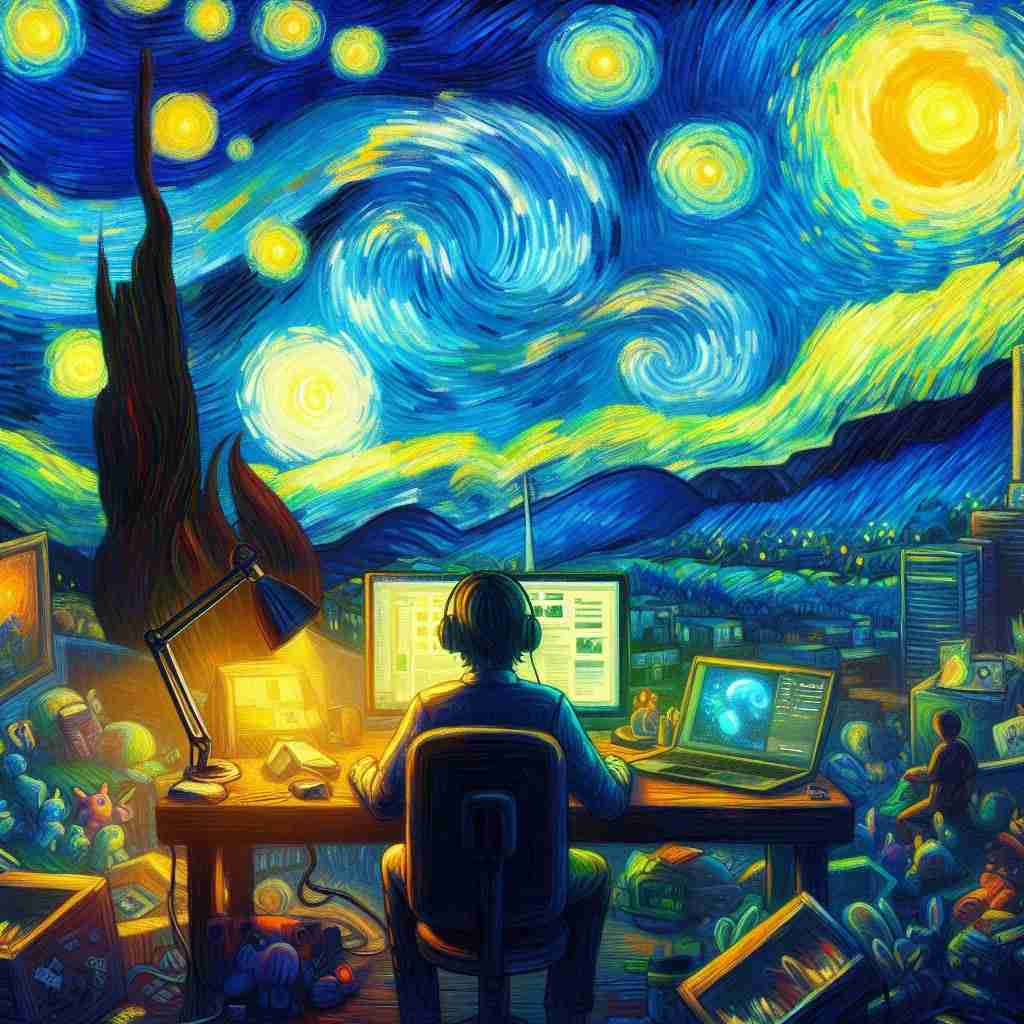
We’ve all seen it, right? That stereotype of gamers, hunched over their consoles, eyes glued to the screen, while the outside world buzzes by. But let’s peel back that layer for a moment. What if I told you that, tucked away behind all that pixelated action, there lies a unique opportunity for growth in skills we use every day—especially problem-solving? In a world where we face complex challenges on a regular basis, the art of gamification could just be the spark we need to ignite our cognitive abilities.
Think about it: when you dive into a game, whether it’s a mystical adventure or a fast-paced strategy showdown, you’re not just mindlessly tapping buttons. You’re engaging in a series of challenges and decisions. Your brain is firing on all cylinders as you assess situations, weigh risks, and calculate your next move. Suddenly, problem-solving isn’t just something you do in a dull meeting at work; it becomes an interactive experience filled with adrenaline and purpose.
By integrating gamification into our daily lives, we tap into this vast reservoir of potential. Imagine approaching a logistical nightmare or a work project with the same tenacity and creativity you bring when embarking on your in-game quests. Whether it’s figuring out the optimal route to save your resources or solving a complex puzzle, gaming can reshape how we think and respond to obstacles. You’re not just playing; you’re practicing the mental gymnastics that transfer beautifully into real-world situations.
Moreover, research has supported what many of us have felt in our gut: that gaming can enhance cognitive functions. From improving memory retention to sharpening attention skills, these virtual experiences train our brains in ways traditional methods often can’t match. They encourage persistence, adaptability, and lateral thinking—all vital assets for any problem-solver.
So, let’s break free from the stigma. Embracing gamification isn’t just “playing around” — it’s an engaging way to foster skills that will serve us long after we’ve logged off. The next time you find yourself drawn to a game, remember: you’re not only honing your ability to conquer imaginary realms; you could very well be sharpening tools that will help you navigate the complexities of everyday life. So why not grab that controller and get to work? Your brain might just thank you for it!
Can Gaming Enhance Cognitive Functions Relevant To Problem Solving?
Can Gaming Enhance Cognitive Functions Relevant To Problem Solving?
- The stereotype of gamers involves being isolated and focused solely on screens.
- Gamification offers opportunities for developing everyday skills, particularly in problem-solving.
- Engaging in games involves tackling challenges and making decisions, enhancing cognitive engagement.
- Applying gamification in daily tasks can lead to more creative and tenacious problem-solving approaches.
- Research shows that gaming enhances cognitive functions like memory retention and attention skills.
- Gaming fosters persistence, adaptability, and lateral thinking, which are essential for effective problem-solving.
- Embracing gamification can help develop skills that are useful beyond gaming, aiding in real-life challenges.

Can Gaming Enhance Cognitive Functions Relevant To Problem Solving?
Are You Spending More Time Gaming Than Solving Real-Life Issues?
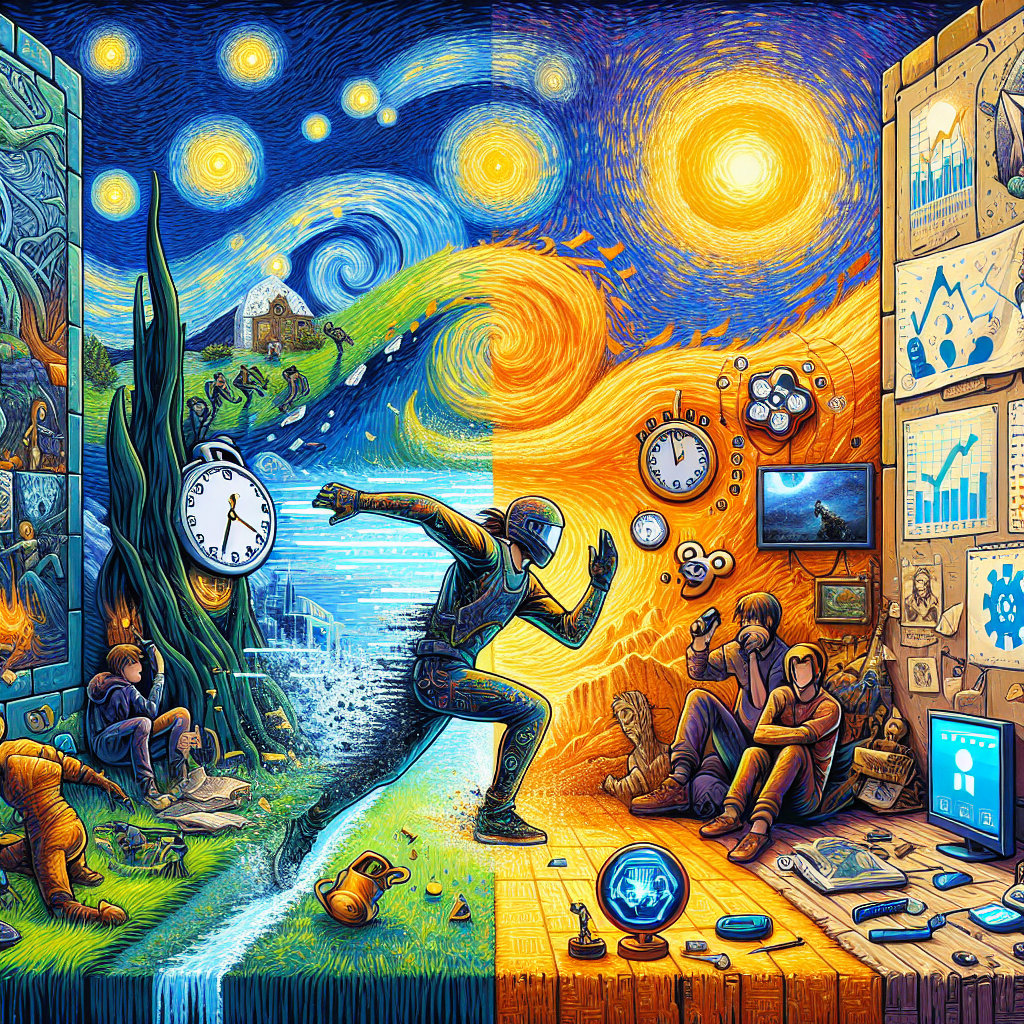
Let’s get real for a moment. We live in a world where the line between reality and virtual escapism has become as blurry as a half-remembered dream. Gamification—turning everyday tasks into games to motivate us—has infiltrated our lives, and while it can be a powerful tool for productivity, the danger lies in letting it overshadow our real-world responsibilities.
Sure, those digital achievements make you feel great. Leveling up, collecting achievements, and earning virtual currencies can be addictively satisfying. But when was the last time you felt that same rush after crossing off tasks from your to-do list? The thrill of accomplishment is universal, whether it’s defeating a digital dragon or tackling a pile of laundry. The problem arises when we get so far into the game that we forget to press pause on our lives.
Ask yourself: how many hours did you spend gaming this week? And more importantly, what could you have done with that time? Maybe you’ve got a friend who needs help with a move, or perhaps it’s time to reconnect with a family member. There are real-life quests waiting for you—challenges that won’t just fill your time, but also fill your soul with purpose and meaning.
It’s easy to justify endless gaming sessions. After all, those bright visuals and immersive storylines are designed to keep us hooked. But here’s the kicker: true fulfillment doesn’t come from pixels on a screen; it comes from real experiences, from relationships nurtured, and from challenges met head-on.
You have the power to change the game. Look for ways to harness that gamification mindset in real life. Set tangible goals: maybe it’s running that 5K, learning a new skill, or simply getting out into nature. Create personal milestones and reward yourself along the way—because just like in gaming, it’s those small victories that build momentum.
It starts with one step. Choose one real-life issue you’ve been procrastinating on. Make a plan, then tackle it like you would a final boss in your favorite game. You’ll be surprised at how much more fulfilling it is to conquer challenges in the real world, where every victory leaves a lasting impact. So, how about it? Trade in some gaming time for living time. You might find the greatest adventure isn’t found on a screen, but right in front of you.
Are You Spending More Time Gaming Than Solving Real-Life Issues?
Are You Spending More Time Gaming Than Solving Real-Life Issues?
- The boundary between reality and virtual escapism has blurred due to gamification in everyday life.
- Digital achievements can be addictively satisfying, but they shouldn’t overshadow real-world responsibilities.
- It’s essential to reflect on the time spent gaming and consider what could have been accomplished instead.
- Real-life challenges and quests can provide deeper fulfillment than virtual accomplishments.
- True fulfillment stems from real experiences, relationships, and overcoming tangible challenges.
- Utilize a gamification mindset to set real-life goals and reward yourself for achieving them.
- Taking action on procrastinated tasks can lead to more meaningful and fulfilling experiences.

Are You Spending More Time Gaming Than Solving Real-Life Issues?
What Are The Signs That Gaming Is Replacing Real-Life Interactions?
Picture this: you’re sitting in a room filled with people, yet the crackling of excitement and laughter is drowned out by the soft glow of your best friend’s screen. It’s a scene many of us know well—a gathering where everyone’s present but no one is really there. This is the paradox of modern times, where the lines between our virtual and physical worlds have blurred. But how do you know when gaming has started to replace those real-life interactions that are vital for our well-being?
First off, let’s talk about time. If you find yourself spending late nights leveling up or grinding through quests while your friends are trying to make plans for a get-together, you might just be leaning too heavily on gamification. Sure, it feels thrilling to chase that next achievement or unlock a new skin, but at what cost? When the excitement of virtual victories starts overshadowing real-world friendships, it’s a red flag.
Next, consider your conversations. Are your discussions becoming increasingly centered around game mechanics or the latest patch notes rather than life updates or shared experiences? While bonding over gaming can be fun, if your interactions slip into a never-ending cycle of stats and strategies, it might be time to step back and engage the world beyond the screen. Authentic connections thrive on varied topics, and it’s healthy to mix in some laughter, nostalgia, or even just daily gripes.
Another sign is the decreasing effort put into face-to-face interactions. If you find it easier to text your buddy a meme than to suggest grabbing coffee, chances are you’re entranced by the immediacy of gaming. Virtual chats can’t replace the warmth of seeing someone smile or the spontaneity of a well-timed laugh. There’s a richness to real-life connections that no chat box can replicate.
Finally, let’s reflect on your emotional state. Do you feel more alive during a raid than you do during a walk in the park? If your gaming highs start coming at the expense of joy in tangible experiences, you may need to recalibrate your priorities.
Life has plenty of challenges, both in-game and out. Embrace the thrill of the virtual world while remembering that the greatest adventures often happen beyond the confines of your screen—those are the moments that truly matter. So grab a friend, put down the controller, and step back into the vibrant world that awaits. You just might rediscover what you’ve been missing.

What Are The Signs That Gaming Is Replacing Real-Life Interactions?
What Are The Signs That Gaming Is Replacing Real-Life Interactions?
- The scene of gatherings filled with people, yet distracted by screens represents the paradox of modern interaction.
- Excessive late-night gaming at the expense of real-life plans may indicate an unhealthy reliance on virtual achievements.
- Conversations dominated by game mechanics rather than shared life experiences can signal a drifting away from authentic connections.
- A preference for texting memes instead of engaging in face-to-face interactions shows a diminishing effort in nurturing real relationships.
- Feeling more joy from gaming than from real-life experiences suggests a need to reevaluate priorities and emotional well-being.
- While gaming can be thrilling, true adventures and meaningful moments usually occur beyond the screen.
- Encouragement to reconnect with friends and the physical world is essential for rediscovering what truly matters in life.

What Are The Signs That Gaming Is Replacing Real-Life Interactions?
How Can We Balance Gaming And Real-Life Problem-Solving Activities?
Let’s be honest: gaming is more than just a pastime; it’s an experience that many of us cherish. The thrill of the chase, the rush of solving puzzles, and the satisfaction of leveling up can provide an escape that feels refreshing in our day-to-day grind. But as enticing as this digital world can be, it’s crucial to find a balance that keeps us rooted in reality. After all, life’s greatest challenges can often feel like the ultimate game—one where the stakes matter, the levels are unpredictable, and the rewards are just as gratifying, if not more so.
One way we can find this balance is by leveraging the concept of gamification. This is where the fun of gaming can cross over into our daily tasks and responsibilities. Picture this: you’re faced with a to-do list that stretches longer than a quest log in your favorite RPG. Instead of dragging your feet, why not treat those mundane chores as mini-games? Set timers, create challenges for yourself, and reward yourself for reaching those milestones. By introducing game-like elements into real-life problem-solving, those tasks can transform from a tedious obligation into an adventure worth tackling.
And let’s not forget about teamwork—the social aspect of gaming can seamlessly blend with collaborative problem-solving. Arranging a weekend project with friends, framed like a co-op mission, adds an element of camaraderie and excitement to the work at hand. You’ll be amazed at how much more you can accomplish when you apply that energy and creativity, turning ordinary projects into shared experiences. It fosters not just accountability but also innovation, as different perspectives and ideas come together to tackle challenges.
Remember, it’s not about abandoning our beloved games but about integrating them into a life where both gaming and real-world problem-solving can coexist. Balance doesn’t mean strict limits; it’s about fluidity. It’s understanding that gaming isn’t just a distraction; it’s a source of inspiration that can empower us to take on the very challenges we face in our lives.
So the next time you’re ready to dive into your favorite virtual world, take a moment to think about how those skills and that thrill can serve you just as effectively in the real world. After all, both realms offer opportunities to learn, grow, and thrive. You’ve got this—let’s level up together!

How Can We Balance Gaming And Real-Life Problem-Solving Activities?
How Can We Balance Gaming And Real-Life Problem-Solving Activities?
- Gaming is more than a pastime; it’s a cherished experience that provides an escape from daily life.
- Finding a balance between gaming and reality is essential to maintaining well-being.
- Gamification can transform mundane tasks into engaging mini-games by setting challenges and rewards.
- Collaboration in gaming can enhance teamwork in real-life projects, making them more enjoyable and productive.
- Integrating gaming elements into problem-solving fosters creativity and accountability in groups.
- Balance in life involves fluidity between gaming and real-world responsibilities, not strict limits.
- Skills gained from gaming can be effectively applied to real-world challenges, promoting growth and learning.

How Can We Balance Gaming And Real-Life Problem-Solving Activities?
What Strategies Can Help In Reducing Gaming Addiction?
What Strategies Can Help in Reducing Gaming Addiction?
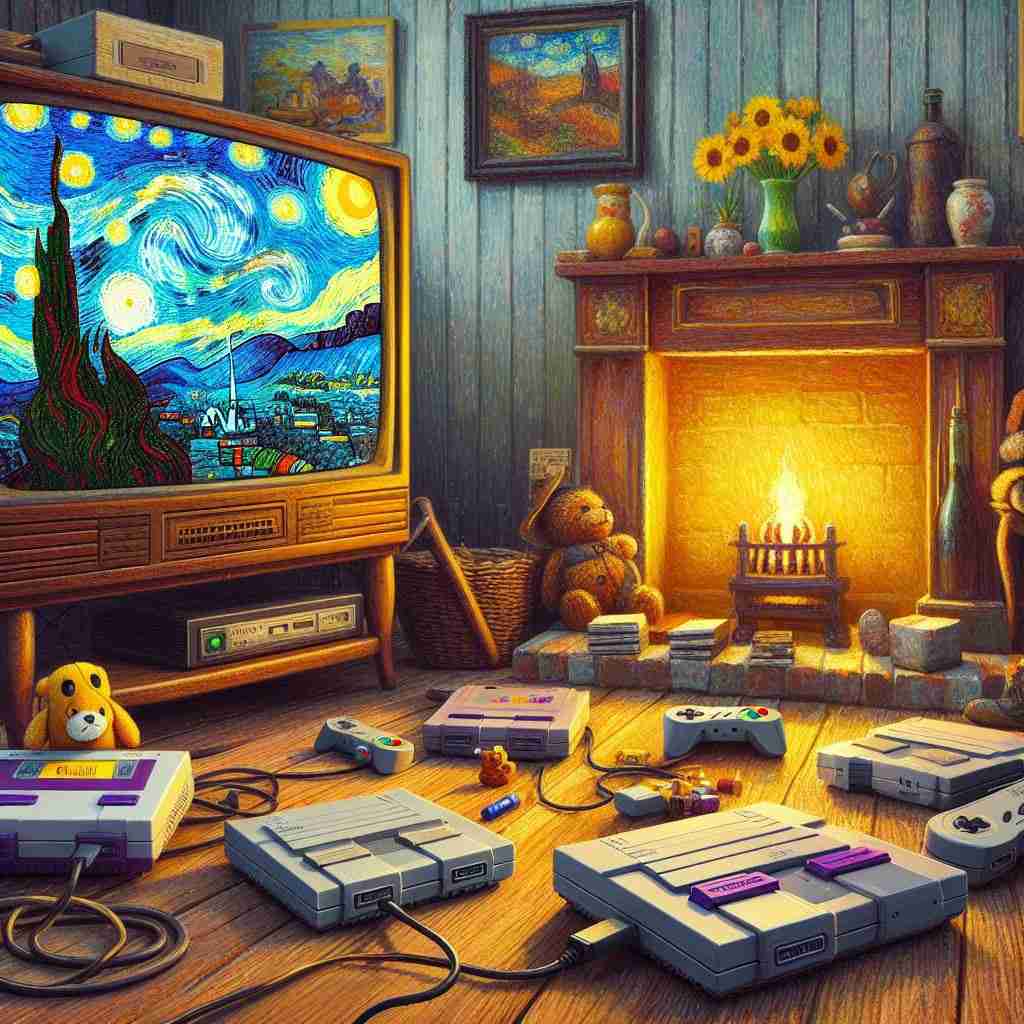
We live in a world where the allure of glowing screens and immersive stories can sometimes overshadow the necessities of life. While gaming offers an escape and a connectedness that many crave, it can also become an all-too-easy trap. Recognizing the signs is the first step, but what can we do to effectively reduce gaming addiction? Let’s take a step back and explore some practical strategies that might just make a world of difference.
First things first, it’s essential to cultivate a balanced routine. This doesn’t mean ditching the games entirely but incorporating other hobbies that spark joy or offer a unique challenge, like gardening, cooking, or reading. Each of these activities not only promotes mental engagement but also allows us to connect with others—both offline and in real life—which can be a refreshing alternative to pushing buttons in front of a screen.
Next, let’s talk about setting limits. Think of it like a game itself. Implementing structures around gaming time can function almost like a quest. Start with a clearly defined time for gaming that fits into your weekly schedule. With that framework, you can enjoy your favorite pastime without it spiraling out of control. By approaching gaming with intention, you’ll be playing within a realm of control instead of becoming part of a never-ending story.
Have you ever heard of gamification? Yes, that same engaging mechanic can also be applied here—but in reverse. Turn saving time and practicing moderation into a rewarding game. Create challenges for yourself: reward yourself with treats or time spent gaming based on successful days of restraint. This fun twist can add motivation while reminding you that there’s life outside those screens.
Another key strategy is to foster connections in person. Gaming can sometimes breed isolation, so make a concerted effort to get together with friends or family outside the virtual realm. Socializing in the real world can provide the same sense of community that online gaming does, and it’s often richer and more fulfilling.
When it comes to combating gaming addiction, just remember: it’s not about abolishing what you enjoy—it’s about finding a healthy way to enjoy it. Take action, embrace balance, and trust that you hold the controller of your life. With a solid plan, healthier habits can develop, leading to a happier, more connected existence. Here’s to taking charge!
What Strategies Can Help In Reducing Gaming Addiction?
What Strategies Can Help In Reducing Gaming Addiction?
- Recognize the signs of gaming addiction as the first step towards addressing it.
- Cultivate a balanced routine by incorporating other enjoyable hobbies like gardening, cooking, or reading.
- Set limits on gaming time by creating a structured schedule to prevent uncontrolled gameplay.
- Use gamification to turn moderation into a rewarding challenge, incentivizing successful restraint.
- Foster in-person connections to combat the isolation that can come from excessive gaming.
- Understand that reducing gaming isn’t about giving it up completely, but about finding a healthy balance.
- Take action and embrace healthier habits for a more fulfilling and connected life.

What Strategies Can Help In Reducing Gaming Addiction?
Conclusion
As we navigate this brave new world of gaming, it’s vital to reflect on our relationship with these digital distractions. Sure, games can be fun, even educational, but let’s not allow them to take the place of the invaluable life lessons that come from tackling problems head-on in the real world. Think about it: when was the last time you faced a hiccup in the kitchen and didn’t reach for a gaming device, opting instead to turn that culinary catastrophe into a moment of creativity and growth? Every challenge in life—be it fixing a leaky sink or mediating a disagreement—offers a rich opportunity to cultivate resilience and adaptability. These are skills that video games, no matter how engaging, simply can’t replicate.
Now, I’m not here to vilify gaming. Some studies suggest that gaming can improve our cognitive functions, enhance decision-making skills, and sharpen our problem-solving abilities. But it’s a different game when we let these experiences eclipse the real-life adventures waiting just outside our screens. The thrill of leveling up in a game is great, but the joy of overcoming real-life hurdles is where true fulfillment lies. It’s about finding a balance between the pixels and the tangible messiness of life.
So, the next time you find yourself zoning out with a controller in hand, ask yourself if this is a moment meant for virtual victories or an opportunity to take the reins of your own life. Imagine tackling everyday tasks with the same energy and creativity that you exhibit in your favorite games. Turning mundane chores into mini-challenges has the potential to bring a newfound sense of vitality into your daily routine.
Let’s strive to reconnect with the world around us—and with each other. Whether you’re helping a neighbor, spending quality time with loved ones, or simply addressing a nagging issue in your life, the realities and rewards of authentic problem-solving are rich in ways that pixelated victories cannot match. Remember, life isn’t just about achieving the next high score; it’s about making informed decisions, learning, growing, and finding joy in the unpolished moments that define our humanity. So, put down that controller, step into the real world, and rediscover the challenges and victories that lie in wait. After all, the greatest adventures are often found outside the screen.

Conclusion
Conclusion:
- Reflect on our relationship with gaming as digital distractions.
- Games can be fun and educational, but should not replace real-life problem-solving experiences.
- Life challenges provide opportunities to develop resilience and adaptability, skills that games cannot replicate.
- Gaming can improve cognitive functions and decision-making skills, but should not eclipse real-life adventures.
- Finding a balance between gaming and real-life experiences is crucial for fulfillment.
- Transforming everyday tasks into mini-challenges can enhance our daily routine.
- Authentic problem-solving offers rich rewards that surpass the satisfaction of gaming achievements.

Conclusion
Other Resources

Other Resources
Here is a list of other resources you can review online to learn more:
- Great Western Trail
- Hanabi
- Kingdom Death: Monster
- Gaia Project
- Serious Poulp
- Euchre
- Boardgames.com
- Tantrum House
- Cardboard Republic
- Star Wars: Rebellion
Use This Prompt To Get More Resources With Your Favorite Online AI Tool: Please provide me with a list of online articles with their URLs in a bulleted list that I can read regarding Are You Guilty Of Letting Games Replace Real Life Problem Solving Experiences?

Other Resources
Glossary Terms
Are You Guilty Of Letting Games Replace Real Life Problem Solving Experiences? – Glossary Of Terms
1. Gaming Addiction: A behavioral condition characterized by excessive playtime that disrupts daily life, responsibilities, and mental health.
2. Virtual Reality (VR): A simulated experience that can mimic or enhance the real world, often used in gaming to create immersive environments.
3. Problem Solving: The process of finding solutions to difficult or complex issues; can involve logical reasoning, creativity, and critical thinking.
4. Game Mechanics: The rules and systems that govern gameplay, including point scoring, player actions, and challenges.
5. Engagement: The level of involvement and interest a player has in a game, which can impact their focus and willingness to tackle real-world problems.
6. Task Switching: The act of alternately focusing on different tasks or activities; frequent switching can reduce overall productivity and efficiency.
7. Simulation Games: A genre of games designed to simulate real-world activities or environments, providing players with a practice ground for skills.
8. Gamification: The application of game-like elements in non-game contexts, such as education or productivity tools, to increase engagement and motivation.
9. Cognitive Load: The total amount of mental effort being used in the working memory, which can affect problem-solving capabilities when overloaded.
10. Critical Thinking: The objective analysis and evaluation of an issue in order to form a judgment; essential for effective real-life problem solving.
11. Social Comparison: The act of evaluating one’s abilities and accomplishments in relation to others, often amplified by online gaming communities.
12. Reward Systems: Incentives within games (such as points or achievements) that can influence player behavior and motivation.
13. Digital Detox: A period during which an individual refrains from using electronic devices to foster a break from digital life and restore balance.
14. Real-Life Skills: Abilities gained through direct experience and practice in everyday situations, which can be crucial for personal and professional success.
15. Collaborative Play: A gaming format where players work together to achieve common objectives, simulating teamwork and communication skills.
16. Flow State: A mental state of complete absorption and optimal performance in an activity, often sought in both gaming and problem-solving.
17. Behavioral Conditioning: A learning process in which behaviors are reinforced through rewards or punishments, commonly seen in gaming scenarios.
18. Digital Literacy: The ability to effectively and critically navigate, evaluate, and create information using digital technologies.
19. Emotional Resilience: The capacity to recover from setbacks and adapt well to change, a skill that can be hindered by excessive gaming.
20. Attention Span: The length of time a person can concentrate on one task; gaming can either enhance or diminish this attribute depending on the context.
21. Escape Mechanism: Using gaming as a way to avoid facing real-life problems or emotional distress, potentially leading to unhealthy coping strategies.
22. Decision Fatigue: The decreased quality of decisions made after a long session of decision-making, a phenomenon that can occur in both gaming and real life.
23. Strategic Thinking: The ability to devise plans that account for various factors and contingencies, crucial in both gaming and real-world scenarios.
24. Virtual Teams: Groups of people who collaborate online, often formed for gaming but applicable to remote work and project management scenarios.
25. Responsibility: The state or fact of being accountable for something, which can diminish if gaming is prioritized over real-life obligations.
26. Motivation: The initiative or drive to engage in tasks; can be influenced by gaming experiences, either positively or negatively.
27. Distraction: An interruption that diverts attention away from primary tasks or responsibilities; gaming can serve as both a productive and unproductive distraction.
28. Skill Transfer: The ability to apply knowledge or skills gained in one area (like gaming) to another (such as real-life challenges).
29. Self-Regulation: The ability to manage one’s emotions, thoughts, and behaviors in the face of temptations and impulses, often challenged by gaming.
30. Time Management: The process of planning and exercising conscious control over how much time to spend on specific activities, which can be negatively impacted by excessive gaming.

Glossary Of Terms
Other Questions
Are You Guilty Of Letting Games Replace Real Life Problem Solving Experiences? – Other Questions
If you wish to explore and discover more, consider looking for answers to these questions:
- What are the potential long-term effects of excessive gaming on mental health?
- How can one recognize the early signs of gaming addiction?
- What specific problem-solving skills can be developed through gaming?
- Are there particular types of games that enhance real-life problem-solving more than others?
- How can we measure the impact of gaming on real-life decision-making abilities?
- What role do social interactions in gaming play in real-life relationships?
- How can families encourage healthy gaming habits in children?
- What strategies exist for integrating gaming into educational settings?
- Can gaming be effectively used in therapeutic settings to improve problem-solving skills?
- How do different demographics engage with gaming, and what implications does this have for problem-solving skills?

Other Questions
Haiku
Are You Guilty Of Letting Games Replace Real Life Problem Solving Experiences? – A Haiku
Screens glow in dark rooms,
Real worlds fade in game’s embrace—
Balance brings true joy.
Haiku
Poem
Are You Guilty Of Letting Games Replace Real Life Problem Solving Experiences? – A Poem
Gaming’s Glimmer and the Grit of Life
In worlds of pixels where we play,
A maze of quests, we lose our way,
With glowing screens, we oft forget
The real-life trials that shape our breath.
Once, we sought solutions with hands stained and worn,
Navigating hurdles, through successes, we’d learn.
Yet now, as games entangle our days,
The rich tapestry of life slowly decays.
For when the dinner flops and guests await,
We grab a controller to escape our fate.
But amidst the laughter and the kitchen’s rough fight,
Lie lessons of grit that fire our might.
Games may refine our minds to strategize,
Teaching us resilience, quick to analyze.
But can they instill the warmth of a friend,
Or the joy of a hug as we make amends?
So pause, dear player, consider the cost,
Of moments unclaimed, of connections all lost.
For the thrill of a leaderboard can’t touch the heart,
Like the beauty of presence, the art of the part.
Embrace the challenges, let life be the game,
Craft goals and milestones, light passions aflame.
Step into each problem, engage with your fears,
For the victories are sweeter when shared with loved peers.
Let gaming inspire the path that you tread,
But balance the joy with the life that’s ahead.
There’s richness in struggle, in mess, and in fight—
So put down the controller, and step into light.
A world awaits, vibrant and clear,
Where moments are treasures and loved ones draw near.
Trade pixels for passion, for laughter, and grace—
In the game of real life, there’s no higher place.

Poem
Checklist
Are You Guilty Of Letting Games Replace Real Life Problem Solving Experiences? – A Checklist
Checklist: Balancing Gaming and Real-Life Problem Solving
Assess Your Gaming Habits
_____ Track your gaming time for one week.
_____ Reflect on how much time you spend on real-life activities versus gaming.
_____ Identify recurring patterns of excessive gaming.
Recognize Signs of Excessive Gaming
_____ Note if gaming is preferred over socializing with friends and family.
_____ Evaluate how often game discussions overshadow personal updates in conversations.
_____ Monitor your emotional state: Are you happier while gaming than during real-life activities?
Set Boundaries for Gaming
_____ Designate specific gaming hours in your weekly schedule.
_____ Create a timer for gaming sessions, and stick to it.
_____ Limit gaming during weekdays to encourage real-life responsibilities.
Integrate Gamification Techniques
_____ Turn mundane tasks into mini challenges (e. g. , set time limits for chores).
_____ Reward yourself for completing real-life goals with small treats or gaming time.
_____ Utilize a point system for accomplishing non-gaming activities.
Engage in Real-Life Problem Solving
_____ Choose one task you’ve been procrastinating on and develop a plan to tackle it.
_____ Approach everyday challenges with the same mindset you use for gaming (strategizing, adapting, and overcoming).
_____ Share your problem-solving experiences with friends or family for accountability.
Foster In-Person Connections
_____ Plan regular meet-ups with friends or family.
_____ Engage in group activities that do not involve screens (e. g. , sports, board games, outdoor adventures).
_____ Volunteer or participate in community events to build connections outside the gaming world.
Explore Alternative Hobbies
_____ Identify at least three non-gaming hobbies you’d like to pursue.
_____ Schedule time for these activities each week.
_____ Try new hobbies that promote creativity and problem-solving, like cooking or gardening.
Develop a Balanced Routine
_____ Create a daily schedule that includes a mix of gaming, responsibilities, and leisure activities.
_____ Allocate time for self-reflection on your daily activities.
_____ Ensure daily physical activity or outdoor time is part of your routine.
Monitor Your Progress
_____ Reflect weekly on how you feel about the balance between gaming and real-life activities.
_____ Adjust your routine based on feelings of fulfillment and productivity.
_____ Celebrate small victories in improving your real-life problem-solving skills.
Remain Flexible and Adaptable
_____ Allow room for spontaneous activities or changes in your schedule.
_____ Be willing to adjust your gaming habits as needed for your well-being.
_____ Remember that finding balance is an ongoing process and requires self-compassion.
By using this checklist, you can create a more fulfilling and balanced life that embraces both the joy of gaming and the value of real-world problem-solving experiences!

Checklist
At HowDoYouGame, we help people who love board games by collating information and news about games.
Be sure to read our other related stories at HowDoYouGame to learn more about games.