The Unintended Consequences Of Score-Oriented Gaming
By Tom Seest
At HowDoYouGame, we help people who love board games by collating information and news about games.
Be sure to read our other related stories at HowDoYouGame to learn more about games.
Is Focusing on Scores Reducing Enjoyment for Senior Gamers?
In the world of gaming, there’s a fine line between playing for pleasure and playing for points. As the industry evolves with an increasing emphasis on gamification—a term that conjures images of rewards, badges, and leaderboards—many seasoned gamers are finding themselves caught in a paradox. They’ve spent decades reveling in digital adventures, wandering vast landscapes, and slaying monsters purely for the joy it brings. Yet, in this age of competitive play, a troubling trend is emerging: the frantic focus on scores might be overshadowing that cherished enjoyment.
Picture a gamer who once chuckled at the absurdity of a glitch or savored the narrative of a well-crafted quest. Now, they find themselves relentlessly grinding through levels, not because they want to, but because the allure of the highest score has taken precedence. The thrill of exploration is replaced by the cringeworthy rush to achieve. They’re trapped in a mindset where every moment is measured in points instead of shared experiences. While gamification certainly adds layers of depth and engagement to many games, it risks transforming a communal pastime into a solitary race for validation.
This change doesn’t just impact our gaming experiences—it alters the very fabric of social connections we build within those virtual worlds. There’s something uniquely fulfilling about teaming up with friends to conquer a raid or collaborate on solving a puzzle. Those moments of laughter and collective triumph are easily overshadowed by the relentless pursuit for a top-tier score. As players become hyper-focused on their rankings, the camaraderie that once flourished in guilds and clans begins to dim.
What’s perhaps most disconcerting is the age demographic that feels this pressure most acutely. Senior gamers, who once relished gameplay as a source of joy and creativity, often feel the weight of competition heavier each passing year. The irony is that many of these players have the wisdom to appreciate the beauty of gaming—not as a race to the top but as a medium for self-expression and creativity.
It may be time for all of us to step back, breathe, and remember what drew us to gaming in the first place. Let’s not forget that gaming can do more than just tally scores; it can provide a space for joy, imagination, and connectivity. Perhaps it’s time we shift the narrative from points on a screen back to shared laughs and epic tales. After all, isn’t that what gaming was always meant to be?

Is Focusing on Scores Reducing Enjoyment for Senior Gamers?
Is Focusing on Scores Reducing Enjoyment for Senior Gamers?
- The gaming industry is increasingly emphasizing gamification, focusing on rewards and scores.
- Many seasoned gamers are experiencing a paradox, shifting from playing for joy to chasing points.
- The thrill of exploration and narrative enjoyment is being replaced by a grind for high scores.
- Gamification risks turning a communal activity into a solitary race for validation.
- Social connections within gaming are affected as players prioritize rankings over collaboration.
- Senior gamers feel the pressure of competition more acutely, despite valuing creativity in gameplay.
- It’s important to remember gaming’s potential for joy, imagination, and shared experiences beyond scores.

Is Focusing on Scores Reducing Enjoyment for Senior Gamers?
Table Of Contents
- Is Focusing on Scores Reducing Enjoyment for Senior Gamers?
- Is Scoring The Main Reason Seniors Play Video Games?
- How Do Scores Impact Enjoyment For Senior Gamers?
- Do Senior Gamers Prioritize Achievement Over Enjoyment?
- How Can Game Design Cater To Enjoyment For Seniors?
- What Alternative Metrics Can Enhance Gaming For Seniors?
- Are There Specific Genres That Seniors Enjoy More?
- How Important Are Casual Gaming Experiences For Seniors?
- Conclusion
- Other Resources
- Glossary Of Terms
- Other Questions
- Haiku
- Poem
- Checklist
Is Scoring The Main Reason Seniors Play Video Games?
As we dive into the world of seniors and their affinity for video games, it’s important to peel back the layers of this growing trend. Sure, we might envision the stereotypical image of an elderly person gaming away in a cluttered basement, but the reality is far more nuanced. So, is scoring really the main reason seniors play video games? Let’s take a closer look.
First off, we can’t ignore the allure of gamification. This concept has crept into every corner of our lives, transforming mundane tasks into engaging experiences. For seniors, simple daily challenges—like remembering to take medication or keeping up with exercise routines—can be infused with a sense of purpose when framed as a game. Thus, the competitive spirit isn’t just about points; it’s about enhancing their daily lives.
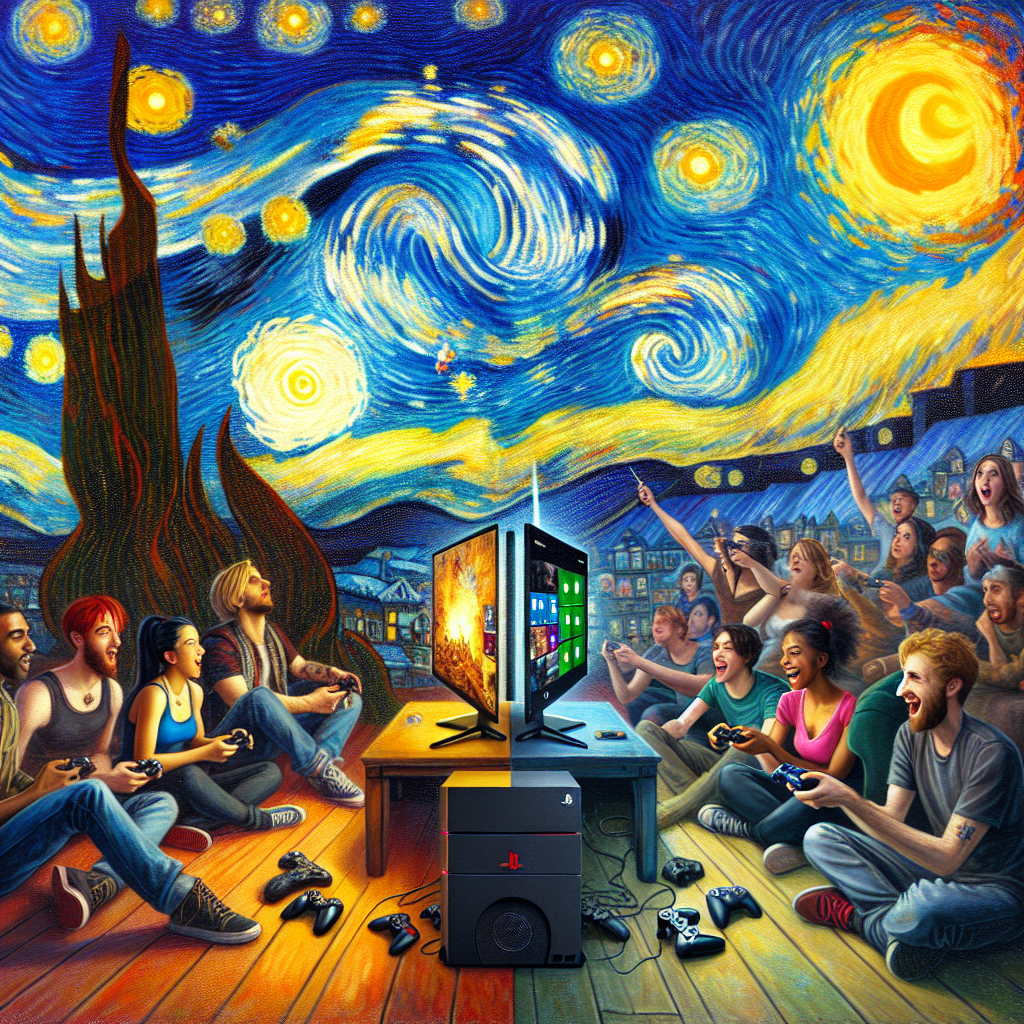
The social element can’t go unacknowledged. Imagine a group of seniors gathered around a console, each one battling it out on the screen or teaming up to defeat a virtual foe. This camaraderie fosters connections, often bridging generational gaps. It’s not just about high scores; it’s about shared laughs and memories that last a lifetime. For many, these moments become a highlight of their day, weaving a thread of social interaction into their lives—a necessity, especially when isolation can loom large.
Now, let’s talk cognitive health. Believe it or not, gaming can be a mental gym for the elderly. Many games require strategic thinking, memory retention, and problem-solving skills. And while these tasks may often lead to higher scores, the deeper value lies in keeping the mind sharp. Engaging with complex scenarios and navigating virtual worlds can contribute to emotional well-being, offering a sense of accomplishment that rises far above the digits on a scoreboard.
Lastly, let’s not forget the sheer joy of play. Seniors, just like anyone else, crave escapism. Video games offer vast landscapes and narratives that allow them to venture into adventures they may not experience in real life. Sometimes, the thrill of exploration or simply enjoying a captivating story overshadows the need for competition, turning the experience into a fulfilling pastime rather than a quest for points.
So, while scoring might be a part of the equation, it’s clear that seniors engage with video games for a variety of reasons—social interaction, mental stimulation, and pure enjoyment all play their role. After all, gaming isn’t just about winning; it’s ultimately about living, experiencing, and connecting.
Is Scoring The Main Reason Seniors Play Video Games?
Is Scoring The Main Reason Seniors Play Video Games?
- Seniors’ engagement with video games goes beyond the stereotype of gaming in isolation.
- Gamification transforms mundane tasks into engaging experiences for seniors, adding purpose to daily activities.
- Video games foster social connections among seniors, bridging generational gaps through shared experiences.
- Cognitive health benefits arise from gaming, as it requires strategic thinking, memory retention, and problem-solving.
- Engaging with video games helps keep seniors’ minds sharp, contributing to emotional well-being.
- Video games provide an escape, allowing seniors to explore vast landscapes and narratives they may not experience in real life.
- Overall, seniors play video games for social interaction, mental stimulation, and enjoyment, rather than just scoring points.

Is Scoring The Main Reason Seniors Play Video Games?
How Do Scores Impact Enjoyment For Senior Gamers?
Gaming is a phenomenon that’s not exclusive to the young crowd anymore. As the years roll on, we see a growing community of senior gamers diving into the digital realms that once seemed tailor-made for a different generation. When you think about it, it makes perfect sense. Just like any other pastime, gaming provides an escape, a challenge, and perhaps most importantly, a way to connect. Yet, here’s an interesting question: How do scores impact enjoyment for our seasoned players?
First off, let’s talk about gamification. It’s a term that’s taken the world by storm—turning mundane tasks into thrilling competitions. For seniors, that element can add a layer of excitement to their gaming experience. Imagine a retired teacher competing in a trivia game, not just for bragging rights, but for the sheer joy of beating their personal best. Those scores can ignite a spark of competitiveness that many didn’t realize still flickered within them. Every point earned or level conquered becomes a badge of honor, reminding them of their strategic thinking and mental agility.
But let’s not kid ourselves—scores aren’t just numbers. They tell a story. For seniors, these metrics often provide validation. As we age, many of us grapple with feelings of diminishing relevance, but in the gaming sphere, a score is proof that the mind is still sharp, the reflexes still swift. Each victory, no matter how insignificant it may seem to outsiders, is a triumph worth celebrating. It’s about confidence, reminding them that they can still learn, adapt, and excel—proof that enjoyment can be rooted in achievement.
On the flip side, there are challenges. With some games stacking the odds in favor of younger players, frustration can creep in. This poses an essential question about balance: how to maintain that competitive spark without it becoming a source of stress? For seniors, it may be beneficial to seek games that focus on enjoyment over competition, where scores serve as a guide rather than a goal.
It’s clear that while scores can enhance enjoyment for senior gamers, the real treasure lies in the experience itself. Whether pursuing high scores or simply enjoying the narrative, what matters most is participation. Senior gamers prove that age is just a number—and that life, like gaming, is about the joy of the journey, not just the score.

How Do Scores Impact Enjoyment For Senior Gamers?
How Do Scores Impact Enjoyment For Senior Gamers?
- Gaming is increasingly popular among seniors, breaking the stereotype of it being exclusively for younger generations.
- Provides an escape, challenge, and connection, making it a meaningful pastime for older adults.
- Gamification adds excitement, encouraging competitiveness in seniors, illustrated by personal achievements like beating best scores.
- Scores serve as validation, helping seniors feel relevant and capable, boosting confidence and mental agility.
- While scores are important, they can also lead to frustration, especially when younger players have an advantage.
- Seniors might benefit from games focused on enjoyment, where scores serve as guidance rather than ultimate objectives.
- The overall experience of gaming is what matters most, emphasizing participation and the joy of the journey over competition.

How Do Scores Impact Enjoyment For Senior Gamers?
Do Senior Gamers Prioritize Achievement Over Enjoyment?
When you think about gaming, the first image that probably springs to mind is a room darkened by the glow of a screen, fingers dancing over controls, and perhaps an auditory backdrop of triumphant music or pixelated explosions. But for senior gamers, there’s another layer to this world—a complex tapestry woven with threads of achievement, nostalgia, and perhaps a little healthy competition. The question stands: do senior gamers prioritize achievement over enjoyment?
In the twilight of life, many seniors find themselves pursuing activities that were once mere hobbies, but gaming adds a new dimension. It’s not just about having a good time anymore; it’s about goals, scores, and leveling up in ways they may not have experienced in their earlier playing days. The phenomenon of *gamification* has taken root in various aspects of life—be it health, education, or personal development—and it’s no different in gaming.
Imagine a seasoned player tackling a challenging puzzle game, their brow furrowed in concentration. They’re not merely pushing buttons; they’re engaged in a dance of intellect and dexterity, pitting their mental acuity against the game’s coded challenges. The satisfaction that comes from conquering those hurdles can be an enticing lure, far stronger than the ephemeral thrill of simply enjoying a game for its visuals or storyline. For these seniors, achievement becomes a badge of honor, a way to measure their skills and continue the fight against age.
Now, this doesn’t mean that enjoyment takes a backseat. For many older gamers, the social aspect of video games—sharing laughs with friends in a multiplayer environment or reliving fond memories through nostalgic titles—can be as gratifying as any leaderboard ranking. Yet, the balance shifts; as one matures, the stakes change. The rush of completing a mission or attaining a rare trophy can eclipse the simple joy of play.
What emerges is an intricate dance, where achievement and enjoyment intertwine but often lean toward the former. Senior gamers embrace that challenge, seeking a sense of purpose and accomplishment that may feel increasingly elusive in other areas of life. So, while the younger crowd may revel in the fun of gaming, many seniors find richness not just in the experience itself but in the victories earned along the way. In a way, it’s a reminder that the spirit of competition transcends age, and the pursuit of achievement can spark joy at any stage of life.

Do Senior Gamers Prioritize Achievement Over Enjoyment?
Do Senior Gamers Prioritize Achievement Over Enjoyment?
- Senior gamers experience a complex gaming world filled with achievement, nostalgia, and competition.
- For many seniors, gaming goes beyond mere enjoyment, incorporating goals, scores, and leveling up.
- The concept of *gamification* influences senior gaming, reflecting its presence in various life aspects.
- Achievement can become a badge of honor for seniors, allowing them to measure their skills and defy age.
- Social interactions, such as multiplayer experiences and nostalgic games, also provide significant enjoyment for senior gamers.
- The balance between achievement and enjoyment often leans towards the former as seniors mature.
- Seniors find purpose and satisfaction in the challenges and victories that gaming presents, demonstrating that competition transcends age.

Do Senior Gamers Prioritize Achievement Over Enjoyment?
How Can Game Design Cater To Enjoyment For Seniors?
When it comes to game design for seniors, the primary goal should be crafting experiences that resonate with their preferences and needs. Imagine a world where play isn’t just reserved for the young, but a rich, engaging avenue for folks who’ve amassed a lifetime of stories and wisdom. This is where the art of gamification comes into play—not merely as a flashy buzzword but as a genuine tool for enhancing enjoyment and interaction in ways that speak directly to an older audience.
First and foremost, let’s talk about simplicity. Many seniors appreciate straightforward mechanics that don’t require an extensive instruction manual or hours of practice to grasp. Designers should prioritize intuitive gameplay, where the rules are clear, and the learning curve is gentle. This isn’t about dumbing things down; it’s about creating a welcoming space where players can thrive without unnecessary frustration. When enjoyment becomes the cornerstone of design, everyone wins.
Then there’s the emotional aspect. Games should evoke feelings of nostalgia, tapping into memories that can spark joy and connection. Think about the influence of familiar themes and aesthetics, elements that can embroider the game with sentimentality. For instance, incorporating puzzles that resemble classic board games or trivia that highlights past decades can generate a sense of belonging and camaraderie. Such emotional ties not only enrich the experience but also encourage social engagement—another pivotal element in enhancing enjoyment for seniors.
Let’s not overlook the importance of social connections. Designing games that encourage group play can be incredibly beneficial. This can involve cooperative missions or friendly competition, fostering environments where relatives and friends can gather, share laughter, and challenge one another. Creating opportunities for real-time interaction taps into the intrinsic human desire for community, all while providing stimulating fun.
Accessibility is another crucial pillar of senior game design. Whether it’s through adaptive controls, clear visuals, or versatile platforms, developers must strive to eliminate barriers that could deter participation. Everyone should be able to play without feeling overwhelmed by complicated settings or designs that ignore their unique needs.
In essence, catering game design to seniors calls for a deliberate blend of simplicity, emotional connection, social interaction, and accessibility. By integrating these components with the principles of gamification, we can create experiences that not only entertain but also enrich the lives of seniors—proving that age is just a number when it comes to the joy of play.

How Can Game Design Cater To Enjoyment For Seniors?
How Can Game Design Cater To Enjoyment For Seniors?
- Craft game experiences that resonate with seniors’ preferences and needs.
- Focus on simplicity with intuitive gameplay and clear rules for easy understanding.
- Evoking nostalgia through familiar themes and aesthetics to enhance emotional connections.
- Encourage social connections by designing games for group play and interaction.
- Ensure accessibility with adaptive controls, clear visuals, and versatile platforms.
- Blend simplicity, emotional connection, social interaction, and accessibility in game design.
- Demonstrate that age is just a number when it comes to the joy of play through meaningful game experiences.

How Can Game Design Cater To Enjoyment For Seniors?
What Alternative Metrics Can Enhance Gaming For Seniors?
In a world where digital entertainment often overlooks the golden years, there lies a remarkable opportunity to bridge the gap between gaming and senior citizens. While traditional gaming often flaunts high scores, intricate levels, and competitive leaderboards, there are alternative metrics that can breathe life into gaming for seniors. Enter the concept of gamification, a transformative approach that reshapes the gaming landscape to make it more engaging for mature audiences.
Imagine a game where the thrill of conquering a dungeon gives way to the joy of social interaction. For seniors, the idea of gaming can extend beyond mere entertainment; it can become a platform for connection and mental stimulation. By incorporating elements of gamification, developers can create experiences that reward not just skill but also engagement, participation, and community interaction.
Take, for example, a simple app where seniors can engage in daily trivia challenges. Instead of rigid point systems, we can introduce personalized achievements—earning badges for engaging with friends or completing a streak of daily quizzes. This approach targets intrinsic motivation, encouraging seniors to keep playing not just for victory but for enjoyment and connection.
Moreover, metrics that track cognitive engagement and emotional well-being can offer invaluable insights. Who cares about kill ratios when you can celebrate the joy of remembering a favorite song or story? By focusing on milestones like “Days Active” or “Moments of Laughter,” gaming becomes less about competition and more about personal growth and shared experiences.
By leveraging alternative metrics, we give seniors a reason to engage with technology rather than shying away. Mindfulness is a critical component here—games designed to promote relaxation or cognitive exercises can provide not only entertainment but also therapeutic benefits. Incorporating pacing metrics can also allow seniors to play at their own speed, fostering a truly inclusive gaming environment.
This is more than just a win for the gaming industry; it’s a chance to enrich lives, encourage relationships, and promote mental sharpness among seniors. In doing so, we transform the perception of gaming, molding it into a valuable tool that truly resonates with older adults. Instead of merely keeping score, let’s start keeping memories, connections, and joy—after all, life should be one grand adventure at any age.

What Alternative Metrics Can Enhance Gaming For Seniors?
What Alternative Metrics Can Enhance Gaming For Seniors?
- The gaming industry has an opportunity to engage senior citizens by bridging the gap between traditional gaming and their needs.
- Gamification can reshape gaming to make it more appealing, focusing on social interaction and mental stimulation.
- Seniors can benefit from games that reward engagement and participation rather than just skill, fostering community interaction.
- Examples like trivia challenge apps can introduce personalized achievements to motivate seniors through connection and enjoyment.
- Alternative metrics can emphasize cognitive engagement and emotional well-being, celebrating personal milestones rather than competition.
- Mindfulness and therapeutic benefits can be incorporated into games, allowing seniors to play at their own pace for a more inclusive experience.
- This approach enriches lives, enhances relationships, and promotes mental sharpness, transforming gaming into a valuable tool for older adults.

What Alternative Metrics Can Enhance Gaming For Seniors?
Are There Specific Genres That Seniors Enjoy More?
When it comes to understanding the entertainment preferences of seniors, one might think the choices would be simple or predictable. Yet, delve a little deeper, and you’ll find an intricate landscape filled with nostalgia, humor, and a surprising touch of gamification. Yes, you heard me right—gamification. It’s not just for kids holed up in their game rooms, but a concept that’s sneaking its way into the lives of seniors, hooking them with the thrill of competition and interaction.
Seniors often gravitate towards genres that bring a sense of familiarity and comfort, like classic movies, family drama, and good old-fashioned comedies. These genres, often reminiscent of their younger days, provide not just entertainment but also a glimpse back into a world they knew well. They appreciate stories that tug at the heartstrings or tickle the funny bone, transporting them through time while remaining relevant to their current lives.
But here’s where it gets interesting: more and more, platforms are incorporating elements of gamification into the viewing experience. Imagine this: a streaming service that not only offers classic films but also encourages viewers to participate in challenges or quizzes about the movie they just watched. It’s like adding a dash of friendly competition to the mix, prompting conversations and reminiscences among viewers, thus creating an engaging experience beyond passive consumption.
For many seniors, this is not just about enjoying a story; it’s about stimulating the mind and staying socially engaged. Board games, trivia nights, and interactive shows allow them to connect with family and friends or even new acquaintances in retirement communities. The result is a vibrant tapestry of interaction, reminiscence, and, most importantly, joy.
Furthermore, genres that proudly showcase history—think documentaries or biographical films—have found a loyal audience among older adults. These stories often resonate deeply, as they provide rich context to the world they’ve lived through.
So whether it’s a classic drama that resonates with life’s trials or a quirky comedy that elicits laughter, today’s seniors are redefining what entertainment looks like for them. They dive into their chosen genres with a spirit that is both reflective and aspirational, driven by their unique journey of life and the thrill of engagement that gamification can provide. In this ever-evolving media landscape, seniors remain not just viewers but proud participants in a narrative all their own.

Are There Specific Genres That Seniors Enjoy More?
Are There Specific Genres That Seniors Enjoy More?
- Seniors’ entertainment preferences are complex, filled with nostalgia, humor, and gamification elements.
- Common genres include classic movies, family dramas, and comedies that evoke familiarity and comfort.
- These genres transport seniors to their past while remaining relevant to their current lives.
- Streaming platforms incorporate gamification to enhance viewer engagement through challenges and quizzes.
- Seniors seek not just entertainment, but also mental stimulation and social interaction through games and trivia.
- Documentaries and biographical films resonate deeply with seniors, providing rich historical context.
- Today’s seniors redefine entertainment, participating actively in their viewing experiences with reflective and aspirational approaches.

Are There Specific Genres That Seniors Enjoy More?
How Important Are Casual Gaming Experiences For Seniors?
When you think about gaming, your mind might drift to the high-stakes world of console clashes or competitive online battles. But let me tell you, there’s a whole other side to gaming that often gets overlooked, especially when it comes to the senior crowd. Casual gaming experiences have emerged as a veritable lifeline, bridging the gap between connection, engagement, and entertainment. The beauty of it lies in the subtleties of what we often call “gamification.”
Now, gamification isn’t just a fancy buzzword thrown around in marketing meetings. It’s about injecting elements of play and competition into everyday activities, making the mundane a little more exciting—even for those of us who have traded the hustle of the workplace for the quietude of retired life. For seniors, the world of casual gaming opens up a plethora of pathways to social interaction, cognitive stimulation, and even physical coordination.
Think about it. When a senior engages in a simple game on their tablet or smartphone, they aren’t just killing time—they’re navigating challenges, solving puzzles, and maybe even making new friends in the virtual realm. This form of play doesn’t demand hours of commitment but instead invites little bursts of joy throughout the day. It offers the flexibility to engage at one’s own pace, which can be incredibly empowering.
Moreover, games designed specifically for seniors often include easy-to-navigate interfaces and adjustable difficulty levels. This thoughtful design acknowledges that play should not feel burdensome, but rather uplifting. That’s where the magic of gamification truly shines: it encourages seniors to challenge themselves while providing a sense of achievement that’s so often missing in the later stages of life. Nothing boosts the spirit quite like saying, “I did that!” after mastering a new game.
More importantly, in an age where isolation can be a common struggle for many seniors, these casual games act as a unique form of social glue. Online leaderboards and cooperative games foster a community atmosphere that transcends geographic boundaries. Whether it’s competing with family members or sharing tips with friends, gaming facilitates connections that enrich lives.
So, let’s not overlook the significance of these casual gaming experiences for our older generations. They’re not just games; they’re opportunities for connection, exploration, and joy that can infuse life with a little more enthusiasm, one game at a time.

How Important Are Casual Gaming Experiences For Seniors?
How Important Are Casual Gaming Experiences For Seniors?
- Casual gaming offers a unique side of gaming, particularly valuable for seniors.
- It enhances connection, engagement, and entertainment through “gamification.”.
- Gamification involves adding play elements to everyday activities, making them more exciting.
- Seniors benefit from cognitive stimulation, social interaction, and physical coordination through casual games.
- Games designed for seniors feature user-friendly interfaces and adjustable difficulty levels.
- Casual games foster social connections through online leaderboards and cooperative play.
- These gaming experiences provide opportunities for joy, exploration, and community for older adults.

How Important Are Casual Gaming Experiences For Seniors?
Conclusion
As we draw our focus back from the scoreboard, it’s time to take a hard look at the real essence of gaming, especially for our esteemed senior players. The digital landscapes we all cherish, filled with laughter and adventure, seem to be morphing into battlegrounds of competition where the thrill of the game is overshadowed by an unyielding quest for points and leaderboard status. But let’s not forget the true spirit of gaming—the joy it brings, the stories shared, and the friendships formed amidst the virtual chaos.
Seniors, those wise mentors of our gaming journeys, have often embraced games not only to challenge themselves but to indulge in the sheer enjoyment of exploration and creativity. Yet, as the gaming world shifts towards a relentless drive for high scores and competitive status, we find that this trend may inadvertently squeeze the joy out of what was once a communal pastime. It’s disheartening to witness the laughter over glitches or the thrill of collaboration fade into a frantic grind towards unattainable scores.
Let’s take a moment to celebrate the elements that truly matter: camaraderie, mental engagement, and joy. Senior gamers often play not just for competition; they seek connection, a way to bridge generational gaps, stimulate their minds, and reminisce about the adventures of their younger days. Gaming shouldn’t demand frantic competition but rather encourage shared experiences that promote community and spark laughter.
So what can we do to calibrate our gaming compass? We must spotlight the beauty of creative game design that cultivates simplicity and accessibility. It’s time to bring casual gaming experiences into the limelight, allowing seniors to engage at their own pace, savoring achievements that go beyond mere points. By shifting from score-oriented metrics to alternative measures that prioritize enjoyment and community connection, we ensure that achieving personal milestones becomes an enriching experience rather than a pressure-filled obligation.
At the end of the day, let’s embrace the notion that gaming is about living fully, building connections, and savoring the stories that unfold along the way. Whether embarking on new adventures or lounging in familiar terrains, senior gamers should always have the opportunity to remember why they picked up that controller in the first place. After all, life—much like gaming—should be an epic journey of joy, not just a game of scores. So, let’s gear up and get back to what truly matters: laughter, imagination, and those unforgettable moments that make gaming an age-defying delight.
Conclusion
Conclusion:
- Gaming transcends mere competition; it embodies joy, storytelling, and friendship.
- Seniors engage in gaming for exploration and creativity, not just competitive scores.
- The shift towards high scores and competition is diminishing the joy of gaming.
- Camaraderie, mental engagement, and enjoyment are core elements of gameplay for seniors.
- Casual gaming experiences should be highlighted, offering a relaxed pace for seniors.
- Shifting focus from score-oriented metrics to enjoyment and community connection is crucial.
- Gaming should be about building connections and savoring experiences, not just chasing scores.

Conclusion
Other Resources

Other Resources
Here is a list of other resources you can review online to learn more:
- Grail Games
- Tantrum House
- War of the Ring (Second Edition)
- Gaia Project
- Telegram
- Gaming Rules!
- Board Game Quest
- Board Game Atlas
- Eurogamer
Use This Prompt To Get More Resources With Your Favorite Online AI Tool: Please provide me with a list of online articles with their URLs in a bulleted list that I can read regarding Is Focusing on Scores Reducing Enjoyment for Senior Gamers?

Other Resources
Glossary Terms
Is Focusing on Scores Reducing Enjoyment for Senior Gamers? – Glossary Of Terms
1. Achievement: A successful completion of a task or goal in a game, often represented by a score or medal.
2. Gamification: The application of game-design elements in non-game contexts to enhance engagement and motivation.
3. Intrinsic Motivation: The drive to engage in an activity for its own sake, rather than for some external reward.
4. Extrinsic Motivation: The drive to perform an activity to earn a reward or avoid punishment, such as high scores or prizes.
5. Senior Gamers: Individuals, typically aged 50 and above, who engage in video games as a form of entertainment.
6. Score: A numerical representation of a player’s performance in a game, often affecting ranking and progression.
7. Competitive Spirit: The natural inclination to compete and strive to outperform others, which may impact game enjoyment for some.
8. Casual Gaming: Games designed for a broad audience that require minimal investment of time and effort, focusing on enjoyment.
9. Social Interaction: The engagement between players through communication or collaboration, often enhancing the gaming experience.
10. Game Mechanics: The rules and systems that define how a game operates, influencing player engagement and enjoyment.
11. Feedback Loop: A system where outputs from a game reinforce a player’s actions, influencing their experience and enjoyment.
12. Flow State: A mental state where a person is fully immersed and focused on the task at hand, often seen in enjoyable gaming experiences.
13. Burnout: A state of emotional, physical, and mental exhaustion often caused by prolonged stress or pressure, including in gaming.
14. Barriers to Entry: Factors that make it difficult for new or senior gamers to start playing a game, potentially limiting enjoyment.
15. Game Design: The process of creating the content and rules of a game, which can significantly affect enjoyment.
16. Retention Rate: The percentage of players who continue to play a game over a certain period, indicating overall enjoyment and satisfaction.
17. Stress Management: Techniques and strategies used to cope with gaming stress, which can affect enjoyment and focus on scores.
18. Adult Gaming Culture: The social norms and expectations surrounding gaming among older adults, influencing their experience.
19. Accessibility Features: Options in games that help make them playable for people with different needs, potentially increasing enjoyment.
20. Nostalgia: A sentimental longing for the past, which can enhance enjoyment for senior gamers through familiar gaming experiences.
21. Trophy Systems: Reward mechanisms in games that incentivize achievements, sometimes leading to a focus on scores.
22. Quality of Life Improvements: Adjustments made in games that enhance player experience without focusing solely on scores or competition.
23. Multiplayer Experience: Gaming with others, which can either increase enjoyment through social interaction or create competition.
24. Satisfaction: A feeling of fulfillment that can arise from experiencing games, sometimes diminished by a focus on scores.
25. Escapism: A form of entertainment that allows players to temporarily escape reality, often contributing to game enjoyment.
26. Replay Value: The likelihood that a game will be played again, often tied to enjoyment levels rather than score performance.
27. Player Agency: The degree of control a player has over their actions and decisions within a game, affecting the sense of enjoyment.
28. Community Engagement: The involvement with other players and communities that can enhance or detract from enjoyment depending on focus.
29. Negative Reinforcement: The process where a behavior is strengthened by the removal of negative outcomes, influencing game participation.
30. Game Longevity: The duration for which a game remains popular and engaging, influenced less by scores and more by overall player enjoyment.

Glossary Of Terms
Other Questions
Is Focusing on Scores Reducing Enjoyment for Senior Gamers? – Other Questions
If you wish to explore and discover more, consider looking for answers to these questions:
- What specific games do senior gamers prefer and why?
- How does gaming help improve cognitive function in seniors?
- What are the potential drawbacks of score-oriented gaming for seniors?
- How can friends and family facilitate a positive gaming experience for seniors?
- What role does nostalgia play in seniors’ gaming choices?
- Are there health benefits associated with gaming for seniors?
- How do online communities impact senior gamers’ experiences?
- What accommodations can game developers offer to make gaming more accessible for seniors?
- How can gaming be integrated into seniors’ daily routines for better engagement?
- What insights do senior gamers have about the future of gaming?

Other Questions
Haiku
Is Focusing on Scores Reducing Enjoyment for Senior Gamers? – A Haiku
Scores may dim the light,
Joy in gaming lost, replaced.
Remember the thrill.

Haiku
Poem
Is Focusing on Scores Reducing Enjoyment for Senior Gamers? – A Poem
In pixelated realms where legends roam,
Senior gamers find their cherished home.
Once lost in quests, with laughter and lore,
Now scores loom heavy, they seek joy once more.
The thrill of a glitch, the tale well-spun,
Replaced by a race for points to be won.
Connectivity fades as competition reigns,
Friendships once forged, now tethered by chains.
Yet still, in their hearts, they remember the fun,
A digital landscape where joy is not shunned.
With wisdom acquired through decades of play,
They long for the magic of spontaneous sway.
In simple design, an invitation awaits,
To step back from scores and embrace open gates.
For many a senior, a game sparks delight,
In laughter shared daily, in late-night fights.
Gamification calls, yes, it adds some allure,
But let not the rush make their spirits unsure.
Camaraderie blooms in games played as a team,
Where laughter and memories intertwine like a dream.
So let’s reimagine this world that they crave,
With paths rich in stories, where connections can save.
Achievements are sweet, but the joy they impart
Is found in the moments, the bonds of the heart.
For gaming’s a canvas, a vessel of mirth,
That proves a new chapter can blossom with worth.
From pixels to purposes, let’s shift the terrain—
For joy in each journey is what we must gain.
Through waves of nostalgia, they navigate deep,
In this grand adventure, no age is too steep.
So let’s bring back the laughter, the tales spun anew,
For gaming’s not just about scores—it’s about you.

Poem
Checklist
Is Focusing on Scores Reducing Enjoyment for Senior Gamers? – A Checklist
1. Reflect on Personal Motivation:
_____ Identify what draws you to gaming: Is it competition, social interaction, or storytelling?
_____ Acknowledge the balance between achieving high scores and enjoying the game.
2. Choose the Right Games:
_____ Look for games that offer straightforward mechanics and easy-to-understand rules.
_____ Identify genres that resonate with you, such as puzzle games, trivia, or cooperative adventures.
3. Prioritize Social Interaction:
_____ Engage with games that promote multiplayer experiences or cooperative missions.
_____ Schedule gaming sessions with family or friends to enhance connection and shared experiences.
4. Focus on Mental Engagement:
_____ Select games that challenge your cognitive skills, such as strategy or problem-solving games.
_____ Celebrate personal achievements, like completing a challenging level, to boost confidence.
5. Embrace Nostalgia:
_____ Find games that evoke memories of past experiences or familiar themes.
_____ Explore retro games or games based on classic board games or puzzles.
6. Advocate for Accessibility:
_____ Seek out games that offer adjustable difficulty levels, clear visuals, and user-friendly interfaces.
_____ Be proactive in expressing needs for adaptive controls or simplified game mechanics.
7. Seek Alternative Metrics:
_____ Look for games that reward participation and engagement rather than just high scores.
_____ Focus on milestones like “Moments of Laughter” or “Days Active” to gauge enjoyment.
8. Incorporate Mindfulness in Gaming:
_____ Explore games designed to promote relaxation, such as meditative puzzles or casual explorations.
_____ Allow yourself to play at a comfortable pace, prioritizing enjoyment over competition.
9. Engage with Casual Gaming:
_____ Try casual games on smartphones or tablets that allow for flexible engagement.
_____ Participate in short gaming sessions throughout the day for a quick mental boost.
10. Stay Open to New Experiences:
_____ Experiment with different genres and styles of games, beyond your usual preferences.
_____ Connect with seniors in gaming communities to share experiences and recommendations.
By focusing on these aspects, senior gamers can enhance their enjoyment, foster connections, and reignite the pure joy of gaming.

Checklist
At HowDoYouGame, we help people who love board games by collating information and news about games.
Be sure to read our other related stories at HowDoYouGame to learn more about games.