Level Up Your Critical Thinking: Overcoming The Video Game Challenge
By Tom Seest
At HowDoYouGame, we help people who love board games by collating information and news about games.
Be sure to read our other related stories at HowDoYouGame to learn more about games.
Are Video Games Hindering Your Problem Solving Abilities?
Let’s take a moment to step back and consider the world of video games. Shimmering screens, epic quests, and virtual adventures can be incredibly captivating. Many of us have spent hours, maybe even days, leveling up, gathering loot, and completing meticulously designed challenges. But amidst this digital escapade, a pressing question lingers: is all this gamification—yes, that’s the fancy term for incorporating game elements into non-game contexts—actually spoiling our real-world problem-solving skills?
Imagine you’re playing a game where the primary objective is to navigate through a labyrinth of challenges. You find yourself solving puzzles, strategizing in intense battles, and making decisions at lightning speed. In those moments, your brain is buzzing away, unlocking pathways you didn’t even know existed. Sounds fantastic, right? It’s like a gym workout for your mental muscles.
However, here’s the kicker. While these games can boost cognitive capabilities in specific scenarios, they can also create a rather narrow focus. Imagine stepping out of your glittering virtual paradise and into the messy, chaotic world of reality—unexpected problems, unforeseen consequences, and no reset button! That’s where some gamers encounter the slippery slope. The skills honed in the game may not translate well to real-life situations where the outcomes aren’t neatly packaged in levels or stages.
You see, the well-crafted designs of many games often provide instant gratification—complete a quest, score points, and watch those numbers soar. But in real life, the problems we face may be more like old, creaky puzzles missing a few pieces. This juxtaposition can leave us stumped, unable to apply the quick thinking we mastered in our digital playground.
So, what do we do? First, let’s acknowledge that video games aren’t inherently evil; they’ve got potential. If we’re intentional about how we engage with them, we can harness that gamification to enhance our problem-solving skills rather than hinder them. Next time you log into that gaming world, take a moment to reflect—how can you apply your in-game strategies to the bumpy road of everyday challenges?
It’s about balance. Like any tool, video games can be beneficial or a crutch depending on how we wield them. So go ahead, enjoy the thrill of the quest, but remember to step back into reality now and then. It’s where the real adventure unfolds.

Are Video Games Hindering Your Problem Solving Abilities?
Are Video Games Hindering Your Problem Solving Abilities?
- Video games provide captivating experiences through shimmering screens and immersive quests.
- Gamification involves incorporating game elements into non-game contexts.
- While playing games can enhance cognitive skills, they may also narrow focus in real-world problem-solving.
- Real-life situations often lack the structure and instant gratification found in games.
- Skills developed in gaming may not easily transfer to the complex scenarios of everyday life.
- Video games have potential benefits, but intentional engagement is necessary to harness them effectively.
- Finding balance between gaming and real-life challenges is crucial for meaningful development.

Are Video Games Hindering Your Problem Solving Abilities?
Table Of Contents
- Are Video Games Hindering Your Problem Solving Abilities?
- Are Video Games Affecting Cognitive Skills And Problem-Solving?
- Do Video Games Improve Or Hinder Critical Thinking Skills?
- How Do Different Genres Of Games Impact Problem-Solving Abilities?
- Can Video Games Enhance Creativity While Solving Problems?
- Are There Positive Effects Of Gaming On Real-Life Problem Solving?
- How Do Gaming Experiences Differ In Learning And Problem Resolution?
- Do Excessive Gaming Habits Lead To Reduced Problem-Solving Skills?
- Conclusion
- Other Resources
- Glossary Of Terms
- Other Questions
- Haiku
- Poem
- Checklist
Are Video Games Affecting Cognitive Skills And Problem-Solving?
Are Video Games Affecting Cognitive Skills and Problem-Solving?
Let’s dive into a world where the joystick is your compass, and the screen is your map. Video games have often been criticized for promoting a sedentary lifestyle, but hang on just a minute. Have you ever stopped to think about the mental gymnastics that come with navigating through a challenging quest or a strategy-laden battle? There’s a certain kind of magic in the pixels—one that many of us might overlook in the quest for more “traditional” pursuits.
Take a moment to consider the concept of gamification. Yes, that buzzword we hear tossed around in meetings and classrooms alike, but it’s not just a corporate gimmick. Gamification harnesses the intrinsic motivation that games provide and channels it into learning and improvement. When applied to real-world skills, this approach often encourages critical thinking and enhances problem-solving abilities—essentially transforming mundane tasks into engaging challenges.
Picture this: you’re knee-deep in a high-stakes game, surrounded by virtual warriors, with challenges that require sharp reflexes, quick decision-making, and a knack for strategy. Every level you conquer sharpens your cognitive skills, builds your capacity to evaluate risks, and hones your ability to multitask. Research shows that gamers often excel in areas like spatial awareness and pattern recognition. So next time you find yourself lost in a detailed RPG or sweating through a nail-biting FPS, remember, you’re not just playing; you’re training your brain.
Moreover, let’s not forget that video games provide unique social platforms. Collaborating with friends—whether they’re sitting next to you in the living room or halfway across the globe—fosters teamwork and enhances communication skills. Learning how to work together to achieve a common goal is an invaluable skill, one that transcends the screen and seeps into our everyday lives.
So, rather than shunning video games as mere distractions, let’s give credit where it’s due. They can be powerful tools for cognitive development and problem-solving. They teach us lessons about persistence and adaptability, whether we’re tackling a mythical beast or navigating a complex challenge in our jobs. Next time you pick up that controller, know that you’re not just having fun—you’re also sharpening your skills for whatever comes next, both in the digital realm and beyond. Embrace the experience. Let those skills flourish!

Are Video Games Affecting Cognitive Skills And Problem-Solving?
Are Video Games Affecting Cognitive Skills And Problem-Solving?
- Video games have been criticized for promoting a sedentary lifestyle, but they also engage cognitive skills.
- The concept of gamification transforms motivation from games into tools for learning and skill enhancement.
- Playing video games encourages critical thinking and improves problem-solving abilities.
- Video games help sharpen cognitive skills such as risk evaluation, multitasking, spatial awareness, and pattern recognition.
- Gaming fosters unique social platforms that enhance teamwork and communication skills.
- Video games teach valuable lessons about persistence and adaptability applicable to real-life challenges.
- Engaging with video games can be both fun and beneficial for cognitive development and skill sharpening.

Are Video Games Affecting Cognitive Skills And Problem-Solving?
Do Video Games Improve Or Hinder Critical Thinking Skills?
Picture this: You’re sitting in a coffee shop, watching a group of teenagers huddled around a gaming console. Their fingers dance over controllers, their faces a mix of concentration and excitement. It’s a digital symphony, and every button click feels like a note in a composition of strategy. In this moment, it’s easy to dismiss them as just kids playing games—but what if I told you that this seemingly frivolous pastime might be sharpening their critical thinking skills?
Welcome to the world of gamification, where the principles of game design are applied to real-world challenges. Whether it’s solving complex puzzles to advance through levels or strategizing with teammates to conquer virtual battles, games are no longer just about the high score. They’re about learning, adapting, and thinking critically under pressure. The challenges presented in these digital realms force players to analyze situations, contemplate consequences, and make decisions in the blink of an eye.
But let’s not kid ourselves—it’s more than mere fun. While some argue that video games can be mind-numbing distractions, countless studies suggest otherwise. They advocate that gaming can lead to improvements in problem-solving abilities and adaptive thinking. When players encounter obstacles, they aren’t merely tossing a virtual grenade and hoping for the best; they’re engaged in a mental chess match. Every choice matters, and each failure is an opportunity to recalibrate strategies and rethink approaches. It’s a sandbox of cognitive development.
Now, don’t think you need a Ph.D. in game design to appreciate this. Remember when you were a kid, navigating the complexities of life without a roadmap? Well, video games offer a similar terrain, filled with lessons on teamwork, resourcefulness, and perseverance. Kids today have a unique platform to harness those skills—a space that encourages trial and error, where risks can lead to rewards, and where creativity is not just welcomed, but essential.
So, the next time you find yourself questioning whether video games improve or hinder critical thinking, consider this: Are we merely looking at the surface, or are we diving into the rich, multifaceted experiences that games provide? From the virtual fields of battle to the intricate puzzles waiting to be solved, the world of gamification may just hold the key to developing the thinkers of tomorrow. Are we ready to embrace this change? Let’s take a leap, and see where it leads.

Do Video Games Improve Or Hinder Critical Thinking Skills?
Do Video Games Improve Or Hinder Critical Thinking Skills?
- Watching teenagers play video games reveals a mix of concentration and excitement.
- Gamification applies game design principles to real-world challenges, enhancing critical thinking.
- Games require players to analyze situations and make quick decisions, fostering cognitive skills.
- Contrary to the belief that gaming is distracting, studies show it can improve problem-solving abilities.
- Players engage in strategic thinking, recalibrating approaches after failures.
- Video games teach valuable life skills like teamwork, resourcefulness, and perseverance.
- Exploring the deeper experiences of gaming may reveal its potential to develop future critical thinkers.

Do Video Games Improve Or Hinder Critical Thinking Skills?
How Do Different Genres Of Games Impact Problem-Solving Abilities?
How Do Different Genres of Games Impact Problem-Solving Abilities?
Ah, the world of gaming — a vibrant universe where adventure meets intellect, and leisure time can transform into a powerful tool for honing your noggin. You might be surprised to realize that, like a multifaceted diamond, each genre of game offers unique benefits for your problem-solving abilities. It’s not just a pastime; it’s a training ground for your brain!
Let’s start with puzzles and strategy games — the cerebral heavyweights of the gaming world. Imagine yourself faced with a complex riddle or a strategic showdown. Here, gamification comes into play, turning what could easily be boredom into a challenge. You strategize and think critically for every move. These games encourage you to break problems down into manageable pieces, fostering an analytical mindset that translates effortlessly into real-life situations. Whether it’s planning a project or negotiating a deal, these genres sharpen your ability to analyze the landscape and devise effective solutions.
Now, if you turn your attention to role-playing games (RPGs), you’ll see a different yet equally impactful approach. In RPGs, you often embody a character with specific strengths and weaknesses, navigating through intricate narratives and moral dilemmas. This requires an understanding of character dynamics and consequences of choices, stirring emotional engagement. That sense of personal investment pushes your problem-solving skills to new heights as you navigate complex relationships and plot challenges. It isn’t just about kicking down doors; it’s about weighing options and thinking ahead. By working through these scenarios, you cultivate empathy, emotional intelligence, and decision-making capabilities.
Then we have action games — the fast-paced thrill-seekers in the gaming landscape. While they might seem like pure adrenaline, these games actually enhance your situational awareness and quick thinking. You might find yourself in the middle of a chaotic battlefield, needing to make split-second decisions. This genre can translate into real-world scenarios where quick problem-solving is key. Think of it as training in agility and adaptability. The pressure forces you to prioritize and execute solutions under stress, a skill invaluable in everyday life.
So whether you’re solving that tricky puzzle, strategizing your next big move, role-playing your way through moral complexity, or blitzing through an action-packed scenario, every gaming genre offers a fresh lens on problem-solving. Embrace the variety and let gaming be more than just playtime. Let it inspire confidence in your abilities to tackle whatever life throws your way!

How Do Different Genres Of Games Impact Problem-Solving Abilities?
How Do Different Genres Of Games Impact Problem-Solving Abilities?
- Gaming serves as a dynamic platform for enhancing problem-solving skills, transforming leisure into intellectual training.
- Puzzles and strategy games foster an analytical mindset by breaking problems into manageable pieces, improving real-life project planning and negotiation skills.
- Role-playing games (RPGs) develop emotional intelligence and decision-making by navigating complex narratives and moral dilemmas, enhancing empathy and character dynamics understanding.
- Action games enhance situational awareness and quick thinking, requiring split-second decision-making in chaotic environments.
- Each game genre offers unique approaches to problem-solving abilities, from critical thinking to emotional engagement.
- Gaming encourages players to embrace challenges and cultivate confidence in their problem-solving capabilities.
- Exploring different genres promotes adaptability and helps players tackle various real-world scenarios effectively.

How Do Different Genres Of Games Impact Problem-Solving Abilities?
Can Video Games Enhance Creativity While Solving Problems?
Let’s take a moment to consider something we all know: life can sometimes feel like a series of puzzles waiting to be solved. Whether it’s figuring out how to balance a budget or navigating a complex work project, we often find ourselves wrestling with challenges that don’t come with a clear instruction manual. But what if I told you that somewhere in the digital realm, there’s a treasure trove of experiences designed to sharpen our problem-solving skills and fuel our creativity? Enter the world of video games.
Now, before you roll your eyes and dismiss this notion as mere wishful thinking, hear me out. Video games, particularly those that embrace gamification—where game mechanics blend with non-game contexts—can transform mundane challenges into engaging, interactive experiences. Think about it: when was the last time you tackled a tough assignment or chore that felt as thrilling as defeating a boss in your favorite game? In the gaming world, each victory—no matter how small—provides a rush, ignites our competitive spirit, and nudges us toward innovative thinking.
But it goes deeper. Video games often place players in environments that require them to think on their feet, adapt to new situations, and brainstorm unique solutions. For instance, consider those puzzles where you might need to build a bridge or create an elaborate plan to outsmart opponents. These scenarios push you to step outside the box, encouraging a mindset that thrives on exploration and experimentation. And let’s not forget about the social component—many games are designed for collaboration, allowing players to share ideas and strategies, which can spark new ways of thinking.
It’s not just about entertainment; it’s about honing skills that translate directly to the real world. Solving a virtual problem often requires the same analytical thinking and creativity necessary in everyday situations. So, the next time you sit down to play, don’t feel guilty about your gaming time. Embrace it! Treat it as an opportunity to exercise your mind, nurture your creativity, and become a better problem solver.
Before long, you might find yourself stepping back from the screen with a fresh perspective, ready to tackle your next real-world challenge with newfound confidence. So go ahead, grab that controller, and let’s get to work—because who knew that a little bit of fun could lead to some serious problem-solving prowess?

Can Video Games Enhance Creativity While Solving Problems?
Can Video Games Enhance Creativity While Solving Problems?
- Life often presents challenges reminiscent of puzzles needing solutions.
- Video games, especially those that incorporate gamification, enhance problem-solving skills and creativity.
- Experiencing thrills in games can motivate tackling real-life tasks with the same enthusiasm.
- Video games encourage players to adapt and brainstorm unique solutions in dynamic environments.
- Many games foster collaboration, promoting the sharing of ideas and strategies among players.
- Gaming helps develop analytical thinking and creativity, both important in everyday life.
- Engaging with video games can lead to improved confidence in solving real-world challenges.

Can Video Games Enhance Creativity While Solving Problems?
Are There Positive Effects Of Gaming On Real-Life Problem Solving?
Are There Positive Effects of Gaming on Real-Life Problem Solving?
Let’s take a moment to consider the world of gaming—not the stereotype of lazily sitting on a couch, snacks in hand, but rather the vibrant realm of complex challenges, strategy, and relentless problem-solving. It’s easy to forget that the digital landscapes we navigate are not just distractions; they can be fertile ground for developing skills that translate into our everyday lives.
Think about it: every time you dive into a game, you’re immersing yourself in a universe where creativity and logic dance hand in hand. Whether you’re rescuing a digital kingdom or collaborating with friends to defeat a boss, each quest is essentially a giant puzzle. You assess obstacles, strategize your moves, and adapt to ever-changing circumstances. This is active problem-solving in its purest form, and truth be told, it’s as thrilling as it is educational.
Many modern games employ gamification—a tactic that incorporates game-like elements into non-game contexts. Just imagine how companies are utilizing this in the workplace! Gamification transforms mundane tasks into exciting challenges. Want to boost your productivity? Some organizations are now structured in a way that encourages competition, rewards achievement, and fosters collaboration—all stemming from gaming principles. For instance, turning performance goals into a point system can make the workplace less drudgery and more dynamic. You’re not just working; you’re playing a game.
Moreover, gaming has a knack for building resilience and adaptability. When players encounter failure—as they inevitably do—they learn to analyze what went wrong, adapt their strategies, and try again. This is a crucial skill both on-screen and off. In real life, obstacles and setbacks can feel insurmountable. But when you approach them like you would a Level 10 dungeon, you cultivate a mindset of persistence. Each failure becomes a stepping stone rather than a stumbling block.
So next time you find yourself immersed in a game, remember—it’s not just about defeating enemies or leveling up. It’s about enhancing your ability to tackle real-life problems with confidence and creativity. Games teach us that every challenge is an opportunity to learn, adapt, and ultimately succeed. So, whether you’re a casual player or a seasoned gamer, embrace that experience. Find ways to apply it in your daily life, and watch as it transforms not only your gaming but also your approach to real-world challenges. It’s time to turn the controller into a catalyst for growth!

Are There Positive Effects Of Gaming On Real-Life Problem Solving?
Are There Positive Effects Of Gaming On Real-Life Problem Solving?
- Gaming provides opportunities for complex challenges and strategic problem-solving.
- Every game immerses players in creative and logical thinking, evaluating obstacles and strategizing moves.
- Gamification in workplaces transforms mundane tasks into exciting challenges and boosts productivity.
- Modern games encourage competition, reward achievements, and foster collaboration based on gaming principles.
- Gaming builds resilience by teaching players to analyze failures and adapt their strategies.
- This mindset of persistence cultivated in gaming can be applied to overcoming real-life obstacles.
- Games enhance the ability to tackle real-world problems with confidence, encouraging learning and adaptation.
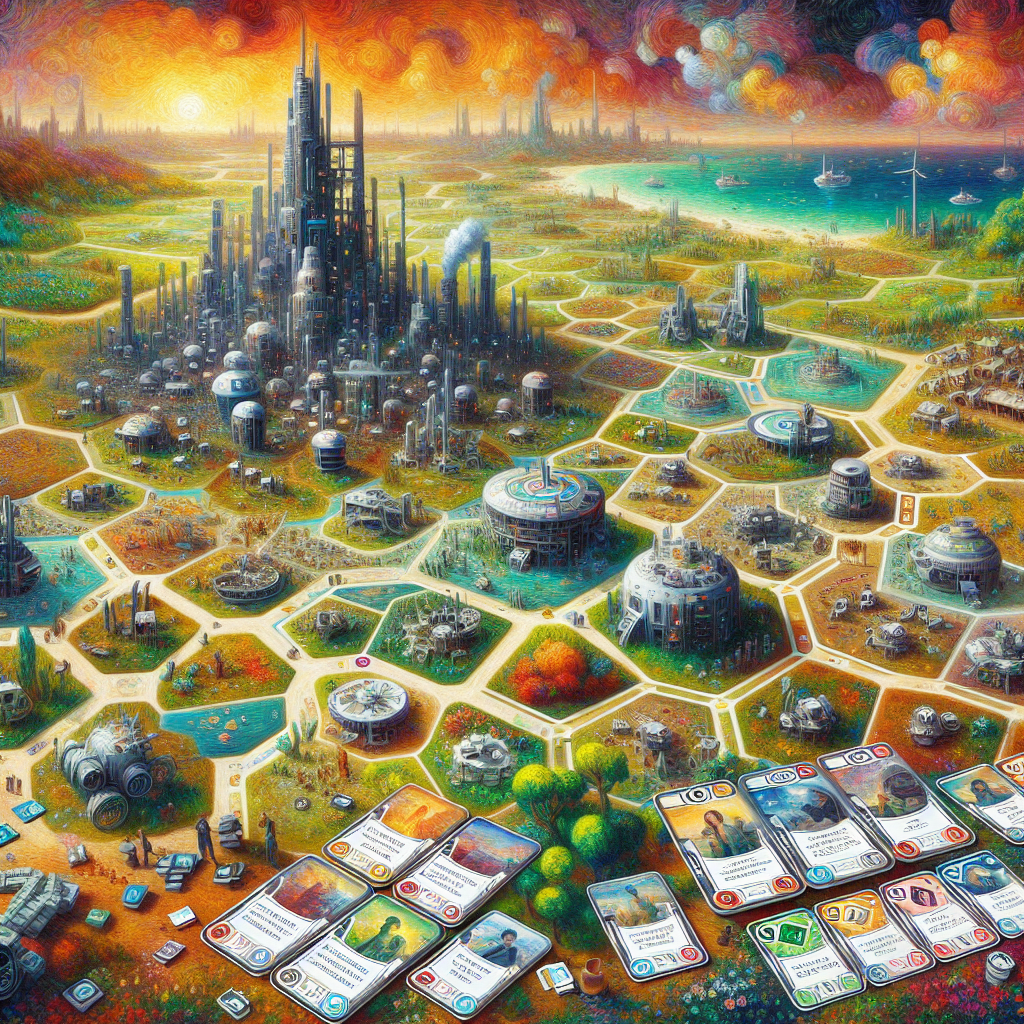
Are There Positive Effects Of Gaming On Real-Life Problem Solving?
How Do Gaming Experiences Differ In Learning And Problem Resolution?
How Do Gaming Experiences Differ in Learning and Problem Resolution?
Let’s face it—gaming isn’t just for giggles anymore. Those of us who grew up with a joystick in one hand and a sense of adventure in the other know that there’s something deeper at work in the gaming world. We’ve all seen that spark of creativity when someone takes on a challenge in a game. There’s a rhythm to it, a dance between thought and action, where learning becomes natural and problem resolution feels less like a chore and more like a quest.
Let’s start with gamification. This term may sound like a buzzword tossed around in boardrooms, but at its core, it’s about applying game-like elements to non-game contexts. Picture this: you’ve got a workplace scenario where employees are locked in a battle with mundane tasks. Now, throw in some points, badges, and leaderboards, and suddenly, the same tedious work transforms into an exciting competition. The essence of gamification is to ignite that drive within us, turning everyday tasks into engaging challenges. This isn’t just play; it’s a pathway toward productivity and skills development.
Now consider the learning aspect. In gaming, every quest, every level achieved, and every enemy defeated is a building block in a larger structure of understanding. Challenges force players to think critically and adapt their strategies. Just think about how we’ve all faced a particularly tough boss fight and had to hone our skills, learn from our mistakes, and come back stronger. This is profound—gaming teaches us resilience, encourages us to confront challenges head-on, and nurtures a growth mindset in a way that traditional education often struggles to match.
When it comes to problem resolution, look no further than those player-versus-environment moments. A puzzle in a game is not just an obstacle; it’s an invitation to think outside the box. Developers design these experiences to foster creative solutions, rewarding players who dare to experiment and explore. That’s a powerful sentiment to carry over into our everyday lives: the idea that we are equipped with the tools to tackle the hurdles we face, whether they’re in a game or in our personal or professional journeys.
So here’s the challenge: embrace that spirit of gaming. Recognize that learning and problem-solving don’t have to be dull or intimidating. Whether you’re sprinting through an open world or navigating life’s challenges, every experience shapes you. Dive in, experiment, learn, and most importantly, let the gamification of life lead you to new heights!

How Do Gaming Experiences Differ In Learning And Problem Resolution?
How Do Gaming Experiences Differ In Learning And Problem Resolution?
- Gaming has evolved beyond entertainment to enhance creativity and problem-solving skills.
- Gamification applies game-like elements to non-game contexts, making mundane tasks engaging through points, badges, and leaderboards.
- In gaming, each achievement contributes to a broader understanding, reinforcing critical thinking and strategy adaptation.
- Players develop resilience and a growth mindset by overcoming challenges in games, which traditional education struggles to foster.
- Puzzles in games encourage creative problem-solving and experimentation, extending valuable skills to real-life challenges.
- Embracing the gaming spirit can make learning and problem-solving more enjoyable and less intimidating.
- Every gaming experience provides opportunities for growth and learning, influencing both personal and professional journeys.

How Do Gaming Experiences Differ In Learning And Problem Resolution?
Do Excessive Gaming Habits Lead To Reduced Problem-Solving Skills?
Do Excessive Gaming Habits Lead to Reduced Problem-Solving Skills?
Let’s get straight to the point: gaming has become a colossal force in our lives. Whether you’re commandeering a digital spaceship or navigating tricky quests in fantastical lands, the immersive nature of gaming is undeniably captivating. But here’s a question that nudges us all: could spending hours glued to the screen be affecting our ability to solve real-world problems?
Now, before you grab your controller in protest, consider this—many games utilize a concept known as *gamification*. It’s the process of taking mundane tasks and wrapping them up in exciting, game-like challenges. Now, that’s ingenious! It can turn even the most boring homework assignment into an elusive quest for treasure. But what happens when this tendency to turn everything into a game translates to how we approach everyday challenges?
Imagine a group of friends in the midst of an intense gaming session. They’re problem-solvers by nature, figuring out the best way to tackle the next level. They strategize, communicate, and adapt—skills that are crucial in the real world. But when that same energy is confined to a game, and the bulk of their critical thinking is spent on virtual objectives, does it stifle their ability to tackle life outside the pixelated world?
There’s no denying that gaming can enhance certain cognitive skills, like spatial awareness and quick decision-making. Yet, is it possible that excessive gaming turns that mental agility into a double-edged sword? As players dive deeper into this digital realm, they might find themselves equipped to solve problems within the game. However, that immersive experience can also lead to a hindrance, reducing the motivation and energy required to face real-life challenges head-on.
But fear not! There’s a way to flip the script. Create balance and set boundaries. Use that captivating allure of gaming for something greater. Expand your horizons. Try out escape rooms, logic puzzles, or even group problem-solving activities with friends. This way, you’ll not only develop your problem-solving skills but also bridge your gaming passion with tangible, real-world applications.
After all, the next time you power up, think about how to apply those strategic skills beyond the screen. Your brain is a tool—treat it that way! Embrace the challenge, and you’ll find your ability to tackle problems will level up in no time.

Do Excessive Gaming Habits Lead To Reduced Problem-Solving Skills?
Do Excessive Gaming Habits Lead To Reduced Problem-Solving Skills?
- Gaming has become an integral part of modern life, offering immersive experiences.
- Gamification can turn mundane tasks into engaging challenges, influencing problem-solving approaches.
- While gaming fosters skills like strategizing and communication, it may also restrict problem-solving abilities in real-world scenarios.
- Excessive gaming can enhance cognitive skills but may reduce motivation and energy to address real-life challenges.
- To find balance, it’s essential to set boundaries around gaming and seek alternative problem-solving activities.
- Engaging in escape rooms, logic puzzles, or group activities can help link gaming skills to real-world applications.
- Players should aim to channel their strategic skills from gaming to improve their real-life problem-solving capabilities.

Do Excessive Gaming Habits Lead To Reduced Problem-Solving Skills?
Conclusion
As we conclude our journey through the captivating landscape of video games and their impact on our problem-solving abilities, let’s take a moment to reflect on the dual-edged sword that gaming presents. You see, video games have become a prominent fixture in our modern lives, not just as a pastime but as a complex tapestry of opportunities for mental growth and challenge. The thrill of engaging quests, the rush of overcoming daunting obstacles, and the camaraderie shared with friends are experiences that can unlock a treasure trove of cognitive benefits.
But let’s not kid ourselves; this digital playground can also lead us into a bit of a cognitive conundrum. Sure, gaming can enhance skills like quick decision-making, strategic planning, and even creativity, as players are often tasked with analyzing situations and thinking outside the box. Nonetheless, if we’re not careful, we risk becoming so engrossed in these pixelated adventures that the skills we cultivate within those confines don’t translate to the messy reality we face outside the screen. Real-life problems are rarely neatly packaged with a score tally, and the stakes often feel a bit higher.
So, what’s the takeaway? It’s all about balance. Embrace the excitement of gaming as a tool for sharpening your mind, but remember to step back into reality from time to time. Take those strategies learned in the heat of virtual battle and apply them to the challenges that life throws your way. Engage in activities that foster real-world problem-solving, whether that means collaborating with others in person or diving into goals that represent your aspirations.
As with any tool, it’s how we wield it that determines its impact. Harness the brain-boosting benefits of games, but don’t let them be your only source of intellectual exercise. Dive into puzzles, engage in conversations, explore new hobbies—let those experiences further expand your problem-solving prowess. The gaming realm is exhilarating, but life’s lessons often come from the unpredictable pathways we navigate outside of it.
So here’s to gaming: may it enrich our critical thinking and creativity, but may we also step boldly into the messy, unpredictable adventure that is real life. After all, the ultimate game isn’t just about scoring points—it’s about leveling up as individuals ready to conquer any challenge the world throws our way. Game on!

Conclusion
Conclusion:
- Video games offer cognitive benefits such as enhancing problem-solving abilities and mental growth.
- Engaging quests and challenges in games can lead to skills like quick decision-making, strategic planning, and creativity.
- There is a risk that skills developed in gaming may not translate to real-life problems, which are often more complex.
- Finding a balance between gaming and real-life problem-solving is crucial for personal development.
- Apply gaming strategies to real-world challenges and engage in activities that promote real-life problem-solving.
- It’s important to utilize gaming as a brain-boosting tool while also exploring other intellectual exercises.
- The ultimate goal is to enhance critical thinking and creativity while being prepared to face life’s unpredictable challenges.

Conclusion
Other Resources

Other Resources
Here is a list of other resources you can review online to learn more:
- Cephalofair Games
- GamesRadar+
- Love Letter
- Flickr
- Dead of Winter: The Long Night
- Tichu
- What’s Your Game?
- Canasta
- Dominion: Prosperity (Second Edition)
Use This Prompt To Get More Resources With Your Favorite Online AI Tool: Please provide me with a list of online articles with their URLs in a bulleted list that I can read regarding Are Video Games Hindering Your Problem Solving Abilities?

Other Resources
Glossary Terms
Are Video Games Hindering Your Problem Solving Abilities? – Glossary Of Terms
1. Problem Solving: The process of finding solutions to difficult or complex issues, often requiring critical thinking and analytical skills.
2. Cognitive Skills: Mental processes that include attention, memory, reasoning, and problem-solving capabilities.
3. Video Games: Digital games played on consoles, computers, or mobile devices, often requiring player interaction and strategy.
4. Critical Thinking: The objective analysis and evaluation of an issue to form a judgment, often essential in problem-solving contexts.
5. Multitasking: The ability to manage multiple tasks or demands simultaneously, which can be affected by video game engagement.
6. Strategy Games: A genre of video games that require players to plan and make tactical decisions to achieve objectives.
7. Puzzle Games: Games designed to test and enhance players’ problem-solving skills through challenges and brain teasers.
8. Skill Development: The process of improving abilities and competencies, which may be influenced by gaming experiences.
9. Attention Span: The length of time an individual can concentrate on a task without becoming distracted, potentially impacted by gaming habits.
10. Cognitive Load: The total amount of mental effort being used in the working memory, which can be influenced by the complexity of video games.
11. Hand-Eye Coordination: The ability to synchronize visual perception with physical movement, often enhanced by action-oriented video games.
12. Feedback Mechanisms: Systems within games that provide players with information on their performance, which can aid or hinder learning processes.
13. Immersion: The experience of being deeply engaged or absorbed in a game, which can distract from encompassing broader problem-solving skills.
14. Social Interaction: The process of engaging with others, which can occur in multiplayer games; influences collaboration and communication skills.
15. Gaming Addiction: A behavioral condition characterized by excessive gaming that interferes with daily aspects of life, including problem-solving abilities.
16. Decision-Making: The cognitive process of choosing a course of action from multiple alternatives, often exercised in gaming scenarios.
17. Simulation Games: Games that replicate real-world activities, helping players practice real-life problem-solving strategies in a controlled environment.
18. Learning Transfer: The application of skills or knowledge acquired in one context to another, including how gaming experiences can translate to real-world problem-solving.
19. Spatial Awareness: The ability to understand and remember the physical relationship between objects; often enhanced through gaming.
20. Task Complexity: The intricacy of tasks that can influence the effectiveness of one’s problem-solving abilities, which may vary between video gaming and real-life scenarios.
21. Goal-Setting: The process of establishing objectives, which is a common feature in many video games that may encourage strategic problem-solving.
22. Behavioral Skills: Techniques that help individuals navigate social and emotional interactions, potentially influenced by multiplayer gaming experiences.
23. Pattern Recognition: The ability to identify and analyze patterns in data or behavior, a skill often utilized in puzzle and strategic games.
24. Distraction: External stimuli that divert attention away from tasks, which excessive gaming can exacerbate.
25. Time Management: The process of planning and controlling how much time to spend on specific activities, which can be a challenge for frequent gamers.
26. Emotional Regulation: The ability to manage and respond to emotional experiences, which can be influenced by gaming stress and competitive environments.
27. Collaborative Skills: The abilities necessary to work effectively with others toward shared goals, increasingly developed in team-based or co-operative games.
28. Neuroplasticity: The brain’s ability to reorganize itself by forming new neural connections, influenced by experiences, including gaming.
29. Resource Management: The planning and controlling of resources (like time, money, or physical goods) often learned through strategy games.
30. Game Design: The process of creating a game, which can incorporate elements that enhance or inhibit problem-solving, depending on the intended learning outcomes.

Glossary Of Terms
Other Questions
Are Video Games Hindering Your Problem Solving Abilities? – Other Questions
If you wish to explore and discover more, consider looking for answers to these questions:
- What are the long-term effects of gaming on cognitive development?
- How can I balance gaming with real-life problem-solving skills?
- Can specific game genres develop different problem-solving abilities?
- What are the most effective video games to enhance critical thinking?
- Are there studies that support the positive effects of gaming on intellectual skills?
- How can parents help children use gaming positively?
- What strategies can gamers employ to apply skills learned in video games to real life?
- Do multiplayer games have different cognitive effects compared to single-player games?
- Is there a difference in the effects of casual gaming versus competitive gaming?
- How can the principles of gamification be applied outside of gaming?
- What are some real-world scenarios where gaming strategies can be effective?
- Are there age-related differences in how gaming affects problem-solving abilities?
- How do social interactions in games influence real-life communication skills?
- What potential negative impacts can arise from excessive gaming when it comes to problem-solving?
- Are video game developers aware of the educational potential of their designs?
- How do experts suggest overcoming the negative effects of gaming on problem-solving?

Other Questions
Haiku
Are Video Games Hindering Your Problem Solving Abilities? – A Haiku
Virtual worlds entice,
Puzzles tighten, skills refined—
Balance keeps us free.

Haiku
Poem
Are Video Games Hindering Your Problem Solving Abilities? – A Poem
In the Realm of Pixels: A Balancing Act
In a world where screens ignite our minds,
Adventures await, with treasures to find.
Video games thrill, with quests to embark,
But do they dim our problem-solving spark?
A labyrinth’s challenge, a maze of delight,
Quick decisions made in the heat of the fight.
Cognitive workouts, like gyms for the brain,
Yet outside those borders, can we still reign?
For life’s riddles loom like old puzzles askew,
No resets, no save points — just us breaking through.
With instant rewards and points soaring high,
Can we face the real world when the pixels run dry?
But hold on a moment, for lessons do bloom!
Collaboration fosters bonds that consume.
Gamification sprinkles magic on tasks,
Turns drudgery to quests — critical thinking it basks.
Puzzles or strategy, RPGs or fast pace,
Each genre a mentor, each challenge a race.
From empathy gained to quick thinking unveiled,
A training ground painted with lessons detailed.
Yet beware of excess, for balance is key,
When gaming becomes all, what then shall we see?
A push and a pull, can we find the right lane?
Utilize skills learned, let not our growth wane.
So level up wisely, embrace both the thrill,
Explore new horizons, let your passions fulfill.
From the realm of the game back to life’s bumpy road,
Harness your strengths and share the load.
With joy in each quest, and lessons to glean,
Video games flourish in a life’s vibrant scene.
Inner adventurers ready to strive,
In this balancing act, we truly thrive.

Poem
Checklist
Are Video Games Hindering Your Problem Solving Abilities? – A Checklist
Checklist: Level Up Your Critical Thinking Skills
This checklist will help you harness the cognitive benefits of video games while ensuring they enhance rather than hinder your problem-solving abilities.
1. Game Selection
_____ Choose games that encourage problem-solving (e. g. , strategy games, puzzle games).
_____ Try role-playing games (RPGs) for their narrative complexity and ethical scenarios.
_____ Include action games to improve quick decision-making and situational awareness.
2. Balanced Gaming Time
_____ Set a daily or weekly limit on gaming time to prevent excessive play.
_____ Schedule breaks to reflect on your gameplay and its real-world applications.
3. Mindful Gaming
_____ Ask yourself how in-game strategies can apply to real-life challenges during gameplay.
_____ Reflect post-game: What problem-solving skills did you use? How can they translate to real situations?
4. Engagement with Others
_____ Participate in multiplayer games to foster teamwork and communication skills.
_____ Discuss strategies and decisions with friends after sessions to enhance learning.
5. Skill Translation
_____ Identify specific problem-solving techniques used in games (e. g. , strategizing, adapting to challenges).
_____ Create scenarios in real life where you can apply these gaming techniques.
6. Gamification in Daily Tasks
_____ Incorporate game-like elements into mundane tasks (e. g. , setting goals, using reward systems).
_____ Turn learning objectives or work projects into engaging challenges.
7. Experimentation and Exploration
_____ Engage in activities that encourage creativity and exploration, such as escape rooms or logic puzzles.
_____ Challenge yourself with new types of games that push your cognitive boundaries.
8. Failure Management
_____ Keep a positive mindset toward failure in both games and real life.
_____ Analyze failures in games to identify what you can do differently next time.
9. Physical Activity
_____ Balance gaming with physical activities to maintain overall cognitive health.
_____ Explore games that incorporate physical movement (e. g. , VR games, dance games).
10. Personal Reflection
_____ Regularly assess your gaming habits and their impact on your problem-solving skills.
_____ Document experiences where gaming directly influenced your approach to a real-life problem.
Take these steps to level up not just in your gaming, but in your day-to-day problem-solving skills!

Checklist
At HowDoYouGame, we help people who love board games by collating information and news about games.
Be sure to read our other related stories at HowDoYouGame to learn more about games.