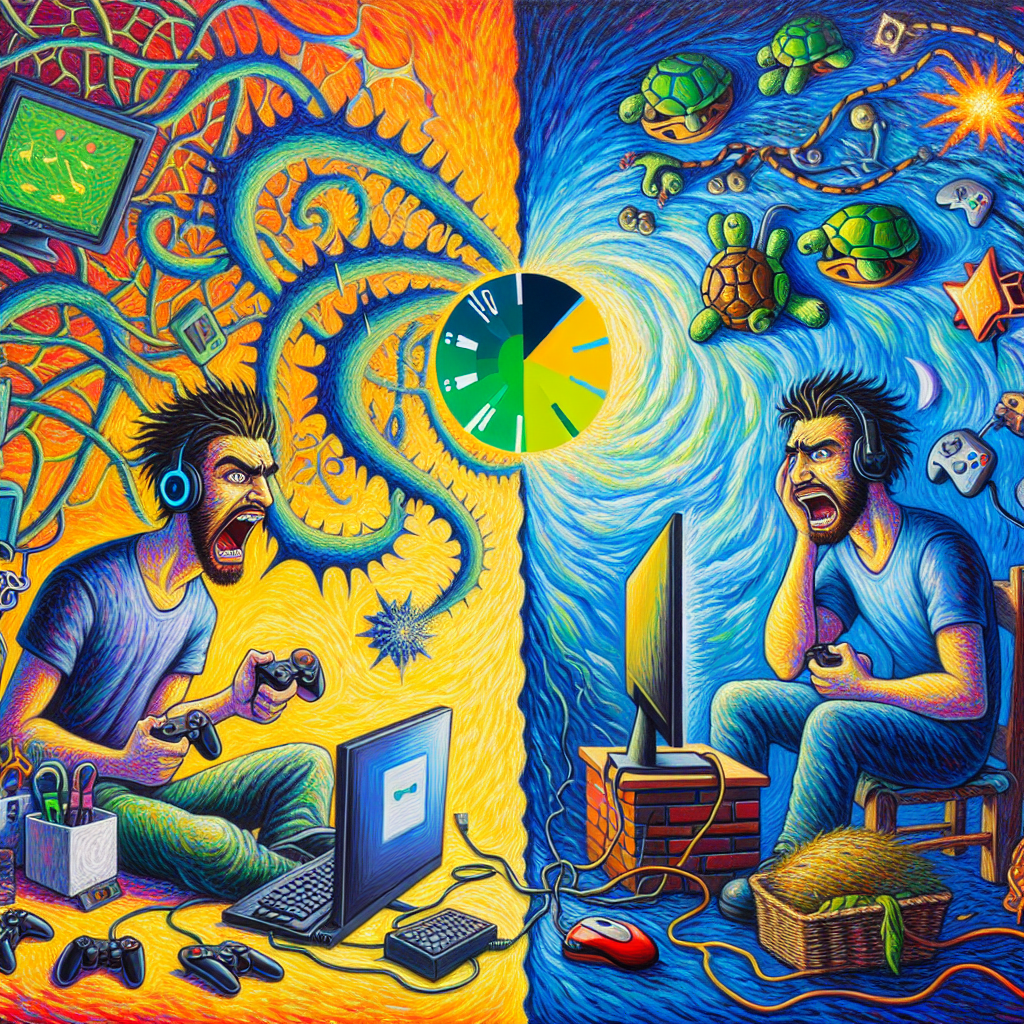
The Psychology Behind In-Game Purchases
By Tom Seest
At HowDoYouGame, we help people who love board games by collating information and news about games.
Be sure to read our other related stories at HowDoYouGame to learn more about games.
Why Gamers Keep Paying for Extras In Video Games
There’s an undeniable allure to the world of video games. They transport us to realms where we can escape reality, become heroes, and forge connections with people from across the globe. Yet, as we revel in these digital adventures, a curiosity lingers: why do so many players willingly fork over extra cash for additional content?
The heart of the matter lies in the emotional bond gamers form with their experiences. When you invest countless hours into a game, it becomes part of your story—a tapestry woven with triumphs and challenges. Adding perks, skins, or expansions feels less like a purchase and more like nurturing a relationship. It’s a way of saying, “I believe in this journey.” Whether it’s experiencing a gripping narrative or conquering a formidable foe alongside friends, these extras deepen the immersion. They enhance the sense of belonging to something much larger than ourselves.
But venture a little deeper, and you’ll discover the rational side of the equation. Gamers often weigh the value of their purchases, considering how much joy or utility they’ll derive from an item. If that new character skin adds a dash of flair or a bittersweet melody pulls at the heartstrings in a game, isn’t it worth a few extra bucks? For many, it’s not an expense; it’s an investment in their happiness—a way to enhance the escapades they cherish and the memories they create.
Then there’s the ethical appeal. Game developers pour their hearts and souls into crafting these digital realms, and supporting them isn’t just a transaction. It’s a vote of confidence in their craft—a nod to the artists pushing boundaries to deliver experiences that resonate with our very essence. By investing in these extras, we’re all saying, “We appreciate what you do, and we want more.”
Socially, it’s an engagement tool. With every new battle pass or avatar, players enter a shared narrative where they can proudly display their achievements among friends. This camaraderie—this sense of belonging—fuels a cycle of participation and passion. It’s a dance where everyone has a part to play, forging connections that transcend screens and pixels.
Ultimately, the extra purchases we make are about so much more than pixels on a screen. They’re a celebration of community, emotion, and the joy of sharing adventures with others on a grand scale. It’s not just about playing a game; it’s about living a life, one quest at a time.

Why Gamers Keep Paying for Extras In Video Games
Why Gamers Keep Paying for Extras In Video Games
- Video games offer an escape from reality and foster global connections.
- Players often spend extra on content due to emotional bonds with their gaming experiences.
- Investing in game enhancements is seen as nurturing a relationship rather than a mere purchase.
- Gamers assess the joy and utility from their purchases, viewing them as investments in happiness.
- Supporting developers through purchases is a way to show appreciation for their craft and creativity.
- Extra content serves as a social engagement tool, enhancing camaraderie among players.
- Overall, additional purchases highlight community, emotion, and shared adventures in gaming.

Why Gamers Keep Paying for Extras In Video Games
Table Of Contents
- Why Gamers Keep Paying for Extras In Video Games
- What Drives Gamers to Invest In In-Game Purchases?
- How Do Microtransactions Affect Gameplay Experience?
- Can Paying for Extras Enhance Emotional Connection to a Game?
- Is It Ethical for Companies to Charge for Additional Content?
- How Do Developers Justify the Costs Of In-Game Extras?
- What Role Does Nostalgia Play In Purchasing Behavior?
- Are Gamers Aware Of the Hidden Costs Of Free-To-Play Models?
- Conclusion
- Other Resources
- Glossary Of Terms
- Other Questions
- Haiku
- Poem
- Checklist
What Drives Gamers to Invest In In-Game Purchases?
There’s a moment in almost every gamer’s journey when they wrestle with an irresistible urge to make that purchase inside the game. You’re navigating a virtual world, invested in characters that feel as real as friends you’ve known for years. The graphics pull you in, the story captivates you, and just as your heart races climbing that virtual mountain, there’s an enticing offer for an upgrade waiting at the summit. It’s tempting—add a sword that glows, a legendary outfit, or perhaps extra lives. You pause and think, what drives this impulse?
Let’s peel back the layers. Firstly, let’s talk about the emotional pull. Games today are immersive experiences, often serving as outlets for our stress or platforms for social connection. Who hasn’t felt the thrill of a well-timed victory or heartbreak over a lost battle? In a world where victories can feel scarce, spending a little money on that next upgrade can seem like a shortcut to satisfaction, a way to elevate our experience. Emotional investment is the fuel that drives the desire for more.
Then comes the rational side—a calculated decision. Players often weigh their options. An item that unlocks new abilities, for instance, might improve gameplay or enhance engagement with friends. Simple mathematics: more fun = more time spent in a game = a worthwhile investment in an experience that brings joy. Plus, the sense of achievement tied to these purchases adds a layer of satisfaction that extends beyond the screen. When you earn something, even if it’s virtual, it feels justified.
Ethically speaking, there’s a conversation to be had about the nature of these transactions. Developers pour countless hours into crafting captivating experiences. It’s not just play; it’s artistry. Investing in games supports creators who dedicate their lives to bringing these worlds to life. You’re not just buying a shiny new outfit; you’re cheering on a vibrant community of storytellers and craftsmen.
And let’s talk scene: gaming cultivates a social space where shared experiences thrive. Imagine sitting with friends, all decked out in digital armor, laughing over in-game antics, trading tips on who spent the most wisely. It’s a conversation starter—a connection forged not just through gameplay, but through collective investment.
The allure of in-game purchases is about more than just pixels; it speaks to the heart, engages the intellect, and stirs the gut. It mirrors real-life decisions, embodying a desire for achievement, community, and the simple joy of journeying through immersive worlds together.

What Drives Gamers to Invest In In-Game Purchases?
What Drives Gamers to Invest In In-Game Purchases?
- Gamers often feel an irresistible urge to make in-game purchases during their gaming journey.
- Emotional investment plays a significant role, as games serve as outlets for stress and social connections.
- Players rationally weigh the benefits of upgrades, viewing them as worthwhile investments in fun and joy.
- Purchasing items can enhance gameplay and provide a sense of achievement, adding satisfaction beyond the screen.
- Ethically, spending on games supports developers who create immersive experiences and artistic worlds.
- Gaming fosters a social space that encourages shared experiences and connections among players.
- The appeal of in-game purchases reflects a desire for achievement, community, and enjoyment in virtual worlds.

What Drives Gamers to Invest In In-Game Purchases?
How Do Microtransactions Affect Gameplay Experience?
Microtransactions—those tiny financial transactions in games—have become a massive part of our gaming landscape. At first glance, they can seem like harmless add-ons, cosmetic trinkets that let players customize their avatar or speed up progress. But peel back that shiny veneer, and you’ll find a complex web of emotions, ethics, and community dynamics shaping our gameplay experience.
Consider the heart of a gamer. When you dive into a game, it’s about more than just leveling up or acquiring loot; it’s about immersion, connection, and shared stories with friends. Microtransactions can disrupt this emotional journey. Imagine grinding for hours, only to see someone else flaunting exclusive gear they purchased. The joy of earning it through skill transforms into envy—or worse, exclusion. You might find yourself weighing your time against your wallet, battling the temptation to buy your way to a better experience.
From a rational standpoint, one must ponder the impact of these microtransactions on gameplay balance. Games engineered to encourage in-game spending often skew the fairness meter. Players who pay might bypass challenging content, while those who don’t are left chasing unattainable goals. This raises questions about meritocracy in virtual spaces. Should our skills dictate our success, or should our wallets hold that power? A healthy gaming ecosystem thrives on the principle that skill and effort matter, and this should promote trust between developers and players.
Now let’s touch on ethics. When gameplay is designed to squeeze more dollars from players, it can feel insidious, increasingly so as you see your friends struggling with the pressure to keep up. There’s a moral dimension. Shouldn’t everyone have the same opportunity to enjoy gaming’s rewards without shelling out real-world cash? This call for fairness can unite player communities, fostering discussions that drive ethical consumption in gaming.
Finally, when microtransactions blur the lines of community, it’s up to players to stand together against disparities that divide. The narrative formed in lobbies and forums, filled with shared victories and frustrations, is the lifeblood of gaming culture. It’s essential that, as players, we collectively voice our values and expectations for a gaming experience that celebrates skill and camaraderie over cash. It encourages a culture of empowerment where connection and collaboration take precedence, rallying us to seek games that honor our passion rather than monetize it.

How Do Microtransactions Affect Gameplay Experience?
How Do Microtransactions Affect Gameplay Experience?
- Microtransactions have become a significant aspect of modern gaming, often seen as harmless enhancements.
- They can disrupt the emotional connection gamers have by introducing envy and exclusion among players.
- Microtransactions can unbalance gameplay, benefiting players who spend money at the expense of those who do not.
- This raises ethical questions about meritocracy in games versus financial power.
- The pressure to spend can create insidious dynamics, affecting player enjoyment and fairness.
- Players can unite to demand fairness and ethical practices in gaming consumption.
- Community and shared experiences are vital, encouraging a gaming culture that values skill over spending.

How Do Microtransactions Affect Gameplay Experience?
Can Paying for Extras Enhance Emotional Connection to a Game?
Imagine sinking into your favorite chair after a long day, the glow of your screen lighting up the room, a cosmos of digital landscapes unfurling before you. Games have a unique way of pulling us in, echoing our emotions and calling us to connect. But have you ever wondered if paying for extras can deepen that bond? It’s a question worth pondering, one that dances in the space between simple enjoyment and true emotional engagement.
Consider this: when you invest in that shiny new expansion pack or a carefully crafted avatar skin, you’re not just throwing money at pixels; you’re making a commitment. You’re saying, “I believe in this experience.” That commitment can enhance your emotional connection. Your characters become friends, and every mission takes on the weight of personal significance. This isn’t just a game anymore; it’s part of your identity, your story.
Now let’s use our heads. The gaming industry has transformed dramatically, and ethical conversations around microtransactions have arisen. It’s not merely a ploy to squeeze more pennies from players; it can be an opportunity to enrich your journey within the game. When you pay for extras, you’re often unlocking deeper narratives and richer worlds. This could lead you to experiences that resonate profoundly, enhancing your enjoyment and offering new perspectives.
But it’s not all about money or ethics. It’s also about community. Games bring people together, and when you engage in this way, you create shared experiences with friends and fellow gamers. Picture your gaming squad strategizing over a new map, each voice adding texture and excitement. When it’s clear that everyone has invested, the bond strengthens – you’re not just playing; you’re creating a shared history comparable to sitting around a campfire, swapping tales and laughing at inside jokes.
Let’s not forget the stories we weave. Maybe that extra $10 meant unlocking a quest that resonates with your life or offers a narrative that moves you. The thrill of discovery ignites your passion, binding you to a world that feels just a little bit more alive.
So, while the cost of those extras might seem steep at times, the real treasure lies in the connections they foster. Dive in, explore, and let your wallet reflect your commitment. Because when you invest in games, you’re not merely purchasing content; you’re nurturing an emotional connection that could last a lifetime.

Can Paying for Extras Enhance Emotional Connection to a Game?
Can Paying for Extras Enhance Emotional Connection to a Game?
- Games create immersive experiences, enhancing emotional connection.
- Investing in expansions or skins signifies a commitment to the gaming experience.
- This investment can make characters feel like friends and missions personally significant.
- Microtransactions can unlock deeper narratives and richer game worlds.
- Engagement in gaming fosters community and shared experiences among players.
- Purchasing extras may unlock quests or narratives that resonate with players’ lives.
- Ultimately, the connections fostered through gaming investments can be more valuable than the cost of extras.

Can Paying for Extras Enhance Emotional Connection to a Game?
Is It Ethical for Companies to Charge for Additional Content?
As we navigate the landscape of modern entertainment, the question of ethics in charging for additional content becomes a heated debate, igniting thoughts and feelings that reach far beyond the simple exchange of cash for access. Think about the games we love—those moments when we lose ourselves in captivating worlds, engaging narratives, and thrilling competition. It’s a connection that sparks joy and excites the imagination. But what happens when companies stand at the gate, demanding an extra toll for the same thrill we’ve already invested our time—and often our hearts—in?
At first glance, the idea of paying for additional content seems rational. A game is a product, and products incur costs—development, graphics, programming, the list goes on. Companies argue they need to maintain quality and fund future innovations. However, when we pull at that thread, it unravels into a more complex tapestry. Who truly benefits from this extra cost? While companies might claim it fosters creativity and value, consumers often feel more like cash cows than partners in an experience. This disconnect challenges our ethical compass.
Picture your favorite game—immersed in its world, you laugh with friends and confront challenges side by side. That unity isn’t just pixels on a screen; it’s a shared journey. When a company charges for extra content, it puts a price tag on what we’ve built together, often alienating fans in the process. Every additional charge feels like a step away from that camaraderie; a reminder of the profit-driven motives overshadowing the shared joy.
Socially, we’re all part of a larger community of players. Each of us has a voice, and that voice can shift the tides. It’s vital to stand together and hold companies accountable. If charging for additional content diminishes the spirit of gaming—transforming it from a passionate pursuit to a mere transaction—a louder, collective voice can encourage change. It’s about trust, not just in the brands we support but in the very experience that bonds us.
So, when weighing the ethics of additional content fees, let’s engage our hearts, heads, and guts. By advocating for fairness and transparency, we can reshape the narrative of gaming—ensuring it remains a beloved sanctuary for all, not merely a marketplace where joy comes at a price. Stand up, speak out, and remember: together, we have the power to influence the future of our favorite pastimes.

Is It Ethical for Companies to Charge for Additional Content?
Is It Ethical for Companies to Charge for Additional Content?
- The ethics of charging for additional content in modern entertainment ignites debate, highlighting emotions beyond cash exchange.
- Many consumers feel they have invested their time and emotions, making additional costs feel exploitative.
- While companies justify extra charges to maintain quality and fund innovation, it often alienates consumers who feel undervalued.
- Charging for extra content can undermine the sense of community and shared experiences among players.
- Players have a collective voice that can hold companies accountable for their pricing practices.
- The shift from gaming as passion to mere transaction jeopardizes trust between consumers and brands.
- Advocating for fairness and transparency can help preserve the joy and integrity of gaming experiences.

Is It Ethical for Companies to Charge for Additional Content?
How Do Developers Justify the Costs Of In-Game Extras?
In the vibrant world of games, where countless hours of effort and creativity converge, developers often find themselves at a crossroads when it comes to the costs of in-game extras. Why should players invest a bit more in additional content, when they could easily feel satisfied with a base game? The answer lies not just in numbers, but in a narrative that connects developers with their audience on deeply personal levels.
From a head perspective, think about the colossal resources that go into creating immersive experiences. Developers aren’t merely crafting pixels and polygons; they’re building entire universes, rich in detail and interactivity. Consider the investment—years of training, coding, and refining the craft. This labor of love is what transforms bare bones into breathtaking environments, narrative arcs, and compelling gameplay. The additional costs for extras are often justified by this foundation. It allows creators to continue evolving their masterpieces and introduces players to continuous engagement. After all, what makes a game truly great is not just a singular experience but the limitless possibilities that evolve with every patch and update.
From an ethical viewpoint, developers strive to honor the players’ commitment. By providing in-game extras, they are offering choices that enhance enjoyment rather than mandating purchases to unlock content. When you buy that new skin or extra level, you’re not just spending money; you’re supporting an ecosystem that values creativity and innovation. This exchange fosters a culture of respect—players feel valued, knowing they play a role in a cycle of continuous improvement.
Additionally, it’s about authority. The voices within the community—streamers, influencers, and fellow players—often champion these extras, sharing experiences and success stories that boost confidence in purchases. The greater you feel connected, the more likely you are to support developers, knowing that your contributions lead to better gaming experiences for everyone involved.
At the gut level, it’s time to think back on the moments spent immersed in these worlds, the friendships forged, and the triumphs celebrated. Supporting developers through in-game extras isn’t just about dollars and cents; it’s about ensuring the heartbeats of these passionate creators continue to pump life into the beloved games that define our shared adventures. Investing in extra content isn’t just a purchase; it’s a participation in a larger journey, one where every player, every developer, and every story matters.

How Do Developers Justify the Costs Of In-Game Extras?
How Do Developers Justify the Costs Of In-Game Extras?
- Developers face a dilemma regarding the cost of in-game extras versus player satisfaction with base games.
- Creating immersive games requires extensive resources, including years of training and development.
- Additional costs for extras are justified by the effort put into creating rich game experiences and ongoing engagement.
- In-game extras enhance enjoyment without mandating purchases, fostering a culture of respect between players and developers.
- Community voices, including streamers and influencers, help validate the purchase of in-game extras and build confidence.
- Supporting developers through in-game purchases contributes to a cycle of creativity and innovation within the gaming ecosystem.
- Investing in extra content is a participation in a shared journey, enriching the gaming experience for everyone involved.

How Do Developers Justify the Costs Of In-Game Extras?
What Role Does Nostalgia Play In Purchasing Behavior?
Nostalgia, that powerful, bittersweet feeling that tugs at our hearts, can influence our purchasing behavior more than we often realize. It’s that warm glow we get when we think about simpler times, whether it’s the scent of a favorite childhood dish simmering on the stove or the sound of an old song that brings back memories of summer nights spent with friends. Companies have learned to harness this emotional connection, weaving threads of nostalgia into their marketing strategies. Why? Because appealing to our fond memories can transform a mundane shopping trip into a journey—one where we reconnect with our past and rediscover pieces of ourselves.
Consider the games we played as children: the joy of winning, the camaraderie with friends, the thrill of competition. Brands tap into those memories, offering products that remind us of those carefree days. Think of a classic board game hitting the shelves again, not just as a product but as a portal back in time, inviting us to gather our loved ones around the table once more. This isn’t just selling; it’s an invitation to relive cherished moments and foster connections that transcend the years.
But it’s not just about warm feelings; there’s a rational underpinning to nostalgia. Studies have shown that when a person feels nostalgic, they are more likely to spend money. This suggests that nostalgia isn’t merely an emotional response; it’s a powerful motivator. Brands that successfully evoke these feelings can command loyalty, creating communities around shared experiences and collective memories. When we emotionally invest in a brand that resonates with our past, we feel a sense of belonging and assurance; we trust it.
Let’s not forget the ethical dimension, too. When companies authentically connect with our nostalgia—respecting the memories they evoke while not exploiting them—they gain our respect and loyalty. Consider a brand that championed environmental sustainability, guiding us back to simpler and better choices, while also helping us preserve the world for future generations. That’s purchasing behavior that feels not only right, but vital.
Next time you find yourself reaching for a nostalgic item, remember: it’s not just a trend; it’s an experience wrapped in memories and emotional ties. So go ahead, embrace that nostalgia—it’s a powerful force that can lead to delightful discoveries and, perhaps, a little piece of home, wherever you are in life.

What Role Does Nostalgia Play In Purchasing Behavior?
What Role Does Nostalgia Play In Purchasing Behavior?
- Nostalgia influences purchasing behavior by evoking warm memories from the past.
- Companies incorporate nostalgia in marketing to create emotional connections and enhance shopping experiences.
- Brands use nostalgic elements, such as classic games, to remind consumers of carefree childhood days.
- Nostalgia can drive consumer spending and brand loyalty by fostering a sense of belonging.
- Brands that authentically connect with nostalgia, while respecting the memories they evoke, earn consumer respect and loyalty.
- Ethical marketing that promotes sustainability in nostalgic contexts resonates well with consumers.
- Engaging with nostalgic items offers not only a trend but a meaningful experience tied to emotional memories.
What Role Does Nostalgia Play In Purchasing Behavior?
Are Gamers Aware Of the Hidden Costs Of Free-To-Play Models?
In the world of gaming, the allure of “free” is hard to resist. We see it splashed across banners and in the app stores, beckoning us with the promise of adventure without any upfront cost. Yet beneath this glittering façade lies a truth that many gamers overlook. The price tag might be absent, but the hidden costs are lurking just below the surface, ready to pounce on our wallets and our peace of mind.
Consider the last time you dove into a new title. You were swept away by the vibrant graphics and engaging gameplay, perhaps feeling a rush of nostalgia or excitement similar to childhood days spent in front of the screen. But then, like an unexpected turn in a gripping plot, the game nudges you toward in-game purchases. These microtransactions, often cleverly disguised, can lead us down a rabbit hole of spending. One more weapon, one more life, just a little boost to enhance the experience—who hasn’t felt that temptation?
As we click “buy” and watch our digital investments stack up, it’s essential to pause and reflect. Are we truly aware of what we’re paying? Not just in dollars and cents, but in terms of our time, our enjoyment, and our overall well-being? Many players ask themselves, “Is it worth it?”—and that’s a pivotal question. We find ourselves entrusting our time and money to these virtual worlds, hoping they deliver on their promises of thrills and camaraderie. But at what cost?
Ethically, we must also consider the impact of these practices on each other. The gaming community thrives on shared experiences and fair play. When some players feel pressured to spend in order to keep up, it creates an environment that diminishes the joy and inclusiveness that gaming should embody.
It’s time to bring awareness to these hidden traps. Recognizing the true cost of free-to-play games is not just a matter of personal responsibility; it’s about fostering a healthy gaming culture. By understanding the financial implications and advocating for transparency, we can support fair access to experiences that unite us, rather than divide us with a cash-driven divide.
The next time you load up a free game, take a moment. Ask yourself if that thrill is worth the risk of overextending. As the saying goes, “Nothing comes for free.” Let’s navigate this digital frontier together with our eyes wide open, ready to enjoy all the adventures that don’t leave us adrift in a sea of hidden costs.

Are Gamers Aware Of the Hidden Costs Of Free-To-Play Models?
Are Gamers Aware Of the Hidden Costs Of Free-To-Play Models?
- “Free” games appeal to gamers but often conceal hidden costs.
- In-game purchases can lead to unexpected financial burdens.
- Players may question if the enjoyment gained is worth the spending.
- Gaming should foster shared experiences, but spending pressures can alienate players.
- Awareness of these pitfalls promotes a healthier gaming culture.
- Understanding financial implications is crucial for a fair gaming community.
- Reflect on the true cost of free games to avoid overextending yourself.

Are Gamers Aware Of the Hidden Costs Of Free-To-Play Models?
Conclusion
Gaming isn’t just a pastime; it’s a journey that intertwines our emotions, aspirations, and memories. When gamers reach into their pockets for those coveted in-game extras, they’re not merely purchasing upgrades or cosmetic skins—they’re investing in their stories. Each pixel holds the weight of countless hours spent exploring new worlds, defeating formidable foes, and sharing laughter with friends across the globe. That emotional investment transforms a game into something profoundly personal, more akin to nurturing a relationship than making a transaction.
Rationally, it makes sense to enhance experiences we cherish. If an item brings joy or amplifies gameplay, why wouldn’t we consider that an investment in happiness? Gamers often formulate a cost-benefit analysis: does that new skin elevate my gameplay or deepen my narrative? For many, the answer is a resounding yes. This perspective shifts spending from a mere expense to a meaningful contribution toward joy and satisfaction.
Ethically, supporting game developers through these purchases fosters a shared appreciation for the artistry involved. Developers pour their hearts into crafting immersive experiences, and by investing in their creations, players advocate for the ongoing evolution of the very games they love. It’s a relationship built on trust and respect, where each purchase signifies confidence in the craftsmanship behind the screen.
Socially, the act of purchasing extras serves to strengthen community bonds. Each upgrade or seasonal pass isn’t just a discrete item; it becomes part of a larger narrative that players share. As friends compare achievements or flaunt their latest acquisitions, a sense of camaraderie flourishes, binding players together with common goals and shared history.
Yet, the world of microtransactions brings its challenges. The joy of gaming can be compromised when players feel the pressure to keep pace with those who spend freely. This dynamic calls for our collective voice, advocating for fairness in gaming so that skills, rather than wallets, dictate success.
Ultimately, every dollar spent in a game is more than currency; it’s a thread in the fabric of a vibrant community. It’s about crafting memories, forging friendships, and exploring fantastical realms that make life richer. So the next time you consider reaching for your wallet, remember: you’re not just buying content; you’re participating in an adventure that resonates at the core of who we are as gamers. Embrace it, and let your engagement tell a story worth sharing.

Conclusion
Conclusion:
- Gaming intertwines our emotions, aspirations, and memories, making it a personal journey rather than just a pastime.
- Purchasing in-game extras is seen as an investment in players’ unique stories, rather than mere transactions.
- Gamers conduct cost-benefit analyses to determine if enhancements contribute to their joy and gameplay experience.
- Supporting game developers through purchases fosters appreciation for their artistry and encourages game evolution.
- Purchasing extras strengthens community bonds and enhances the shared narrative among players.
- The rise of microtransactions poses challenges, as it can pressure players to spend in order to compete.
- Every dollar spent in gaming contributes to crafting memories, friendships, and enriching life experiences.

Conclusion
Other Resources

Other Resources
Here is a list of other resources you can review online to learn more:
- Android: Netrunner
- Star Wars: Rebellion
- 7 Wonders Duel
- White Goblin Games
- Google My Business
- IELLO
- Arcane Wonders
- Flickr
- Poker
- Eldritch Horror
- Space Cowboys
- Concordia
- Mayfair Games
- GeekWire
- The Dice Tower Podcast
- Dominion: Intrigue (Second Edition)
- Fantasy Flight Games
Use This Prompt To Get More Resources With Your Favorite Online AI Tool: Please provide me with a list of online articles with their URLs in a bulleted list that I can read regarding Why Gamers Keep Paying for Extras In Video Games

Other Resources
Glossary Terms
Why Gamers Keep Paying for Extras In Video Games – Glossary Of Terms
1. Microtransactions: Small, ongoing purchases made within a game for virtual goods or advantages.
2. DLC: Downloadable Content; additional content sold separately from a game, often including new levels, characters, or features.
3. Cosmetic Items: Non-essential in-game items, such as skins or outfits, that alter the appearance but not gameplay functionality.
4. Pay-to-Win: A model where players can gain competitive advantages through monetary purchases, often criticized for inequality.
5. Loot Boxes: Virtual items containing random rewards, often purchasable with real money or in-game currency, leading to a gambling-like experience.
6. Season Pass: An upfront purchase that grants access to multiple expansions or DLCs released over a certain period.
7. Subscription Model: A payment system where players pay a recurring fee for ongoing access to the game and its content updates.
8. In-game Currency: Virtual money used to buy items or enhancements within the game, which can sometimes be purchased with real money.
9. FOMO: Fear of Missing Out; the anxiety players feel regarding limited-time offers or exclusive items, prompting additional purchases.
10. Game Economy: The balance and system within a game that governs how resources, currencies, and items interact.
11. Player Engagement: The ongoing commitment of players to participate in a game, often driven by content updates and exclusive offers.
12. Value Proposition: The perceived benefit or value of a purchase relative to its cost, influencing the decision to buy.
13. Content Updates: Regular refreshes of additional game material, keeping players interested and often encouraging further spending.
14. Community Engagement: Interaction among players and developers that fosters loyalty and can drive in-game purchases through social influence.
15. Customization: The ability for players to modify their characters or environments, often leading to purchases of unique items.
16. Limited-Time Offers: Sales or promotions that last for a short period, creating urgency for players to spend money quickly.
17. Game Sense of Progression: The feeling of advancement within a game, often enhanced by purchasing upgrades or content.
18. Enhancement Items: Purchasable tools or resources that improve character abilities or gameplay efficiency.
19. Exclusive Content: Unique or time-sensitive content available only to players who make specific purchases.
20. Brand Loyalty: The tendency of players to repeatedly buy content from their favorite game developers or franchises.
21. Game Mechanics: The rules and systems that govern gameplay, including features that may encourage spending.
22. Psychological Pricing: Pricing strategies designed to make purchases seem more appealing, such as using lower price points or bundles.
23. Predatory Practices: Business tactics that exploit players’ behaviors or vulnerabilities, often associated with microtransactions.
24. Social Pressure: Influence from peers that encourages players to make purchases to keep up with friends or competitors.
25. Content Bloat: The excessive amount of purchasable content that can overwhelm players, influencing their spending habits.
26. Competitive Edge: The advantage a player may gain over others by acquiring superior items or capabilities through spending.
27. User Experience (UX): The overall satisfaction and enjoyment a player derives from interacting with a game, which can be enhanced by purchasable content.
28. Retention Rates: The percentage of players who continue to play a game over time, heavily influenced by content updates and purchase options.
29. Gamification: The application of game mechanics in non-game contexts to engage users, often seen in monetization strategies.
30. Satisfaction Loop: The cycle of earning rewards and spending them, reinforcing the desire to continue making purchases for ongoing gratification.

Glossary Of Terms
Other Questions
Why Gamers Keep Paying for Extras In Video Games – Other Questions
If you wish to explore and discover more, consider looking for answers to these questions:
- What are some common types of in-game purchases that players typically buy?
- How do different gaming genres influence players’ willingness to make in-game purchases?
- Are there specific demographics or age groups more likely to spend on in-game extras?
- What impact do in-game purchases have on player satisfaction and retention rates?
- Do players feel pressured to make in-game purchases to remain competitive?
- How have developers responded to criticisms about the ethics of in-game purchases?
- What role does peer influence play in gaming purchases?
- Are there long-term effects of frequent microtransactions on player behavior?
- How can gamers protect themselves from overspending on in-game content?
- What strategies do players use to justify their spending on in-game extras?
- How do game reviews and community feedback influence purchasing decisions?
- What alternatives exist for gamers who want to enjoy a game without making additional purchases?
- What are some examples of games that have successfully integrated microtransactions without harming the player experience?

Other Questions
Haiku
Why Gamers Keep Paying for Extras In Video Games – A Haiku
Pixels spark our dreams,
Investing in shared stories—
Hearts bound by the quest.

Haiku
Poem
Why Gamers Keep Paying for Extras In Video Games – A Poem
In realms of pixels, where dreams take flight,
Gamers embark on quests, both day and night.
Yet beneath the joy of each dazzling screen,
Lies a deeper tale of what truly is seen.
Emotions entwined in digital embrace,
A bond with each character, each virtual space.
Every purchase, an echo of trust and delight,
A pathway to stories where friendships ignite.
Rational minds weigh the joy found within,
“For a few extra coins, is my happiness sin?”
Yet every upgrade, a thread in life’s weave,
A celebration of moments, the dreams we believe.
Ethics whisper softly about the artists behind,
Creators and dreamers, their passions aligned.
Supporting their vision, we nurture the spark,
In a game’s vibrant world, leaving a mark.
Microtransactions, a web we must tread,
Where fairness is questioned and envy can spread.
Yet united, we stand as one gaming crowd,
Voicing our values, resilient and proud.
Nostalgia dances like shadows of old,
Reminders of joy, childhood stories retold.
In each click of “buy,” we connect with the past,
Unraveling memories, ensuring they last.
But beware the allure of “free” that can bind,
The hidden costs lurking, a trap for the blind.
Time and well-being, the price we must weigh,
As we navigate realms where our hearts often play.
So let’s celebrate gaming, a community vast,
Where every investment can build bridges that last.
With eyes wide and open, let’s journey as one,
For in every adventure, our stories are spun.

Poem
Checklist
Why Gamers Keep Paying for Extras In Video Games – A Checklist
Checklist for Understanding and Engaging with In-Game Purchases
Heart (Emotional Appeal)
1. Reflect on your personal gaming journey: How has your connection to games enriched your life?
2. Consider the joy and excitement that in-game extras can bring: What moments stand out as particularly memorable?
3. Acknowledge the emotional investment you make in virtual characters and stories: How do these experiences resonate with your own life?
Head (Rational Appeal)
1. Evaluate the perceived value of in-game purchases: Does the enjoyment outweigh the cost?
2. Analyze how additional content can enhance gameplay: What benefits do you gain from items or expansions?
3. Understand the balance of spending versus time spent in the game: Are microtransactions improving your experience or causing frustration?
Gut (Ethical Appeal)
1. Contemplate the ethics of supporting developers through purchases: Are you comfortable investing in their creative work?
2. Assess the fairness of microtransactions in relation to skill vs. spending: Does your enjoyment come from gaming skill or from paying for advantages?
3. Reflect on the collective responsibility of the gaming community: What role can you play in advocating for fair gaming practices?
Practical Tips for Gamers
1. Set a budget for in-game purchases to avoid overspending: What’s a reasonable amount you can allocate monthly?
2. Stay informed about the impact of free-to-play models: Are you aware of the hidden costs associated with these games?
3. Engage in discussions with fellow gamers about their experiences with in-game purchases: What insights can you gain from the community?
Social Appeal
1. Share your gaming experiences and in-game purchases with friends: How do these conversations enhance your social connections?
2. Join gaming communities or forums to exchange tips and opinions about purchases: What knowledge can you gain from others’ experiences?
3. Celebrate achievements and milestones in-game with friends: How can shared experiences deepen your bonds?
Authority and Narrative
1. Follow trusted sources, such as game developers and content creators, for insights on monetization practices: Who do you respect in the gaming community?
2. Listen to podcasts or read articles discussing the psychology of gaming and spending: How can understanding the industry’s trends enrich your perspective?
3. Reflect on personal stories shared by gamers who have benefited or felt burdened by microtransactions: What lessons can you learn from their experiences?
Engage with this checklist to foster deeper connections and responsible participation in the vibrant world of gaming.

Checklist
At HowDoYouGame, we help people who love board games by collating information and news about games.
Be sure to read our other related stories at HowDoYouGame to learn more about games.