
Connecting Gamers Across Generations: Uniting Hearts, Minds, And Controllers
By Tom Seest
At HowDoYouGame, we help people who love board games by collating information and news about games.
Be sure to read our other related stories at HowDoYouGame to learn more about games.
Why Cross-Platform Play Feels Like the Lan Party Upgrade for Gen X
Gather ’round, folks, because we’re diving deep into the nostalgia that is cross-platform play. For those of us sporting a few gray hairs—often referred to as Gen X—it’s a seismic shift that feels as revolutionary as the LAN parties of our youth. Remember those days? Gathering with friends in a dimly lit basement, the fragrance of pizza mingling with the scent of excitement, a cacophony of laughter and frantic button mashing filling the air. We didn’t just play games; we forged connections, built rivalries, and created memories against the backdrop of pixelated worlds.
Now, hop into the present day, where cross-platform play acts as the ultimate bridge to that cherished experience. It’s more than just a technical advancement. It’s an invitation to rekindle friendships long lost to the passing years. Picture this: Your old pals are now scattered across various consoles, perhaps sipping coffee in the Midwest or unpacking boxes in the Pacific Northwest. But with a simple connection, you can team up against virtual foes, strategize in real-time, and once again share those bursts of laughter that have become harder to come by.
From a rational standpoint, this isn’t just sentimental fluff. The capacity to engage with a broader community enhances the gaming experience exponentially. It’s a game-changer—pun intended—broadening the network of players you can interact with, enriching your gameplay through diverse strategies and fresh perspectives. It’s like reigniting that competitive hunger; each match is not just about winning but reconnecting, learning, and growing together.
Ethically, we’re tapping into an inclusive spirit. Cross-platform play stands as a testament to the idea that gaming isn’t just a solo voyage or a console war; it’s a shared journey. Every teammate, regardless of their choice of hardware, should be welcomed into the fold. It’s about breaking down barriers, forging alliances, and building a community that thrives on collaboration rather than division.
As we connect through these thrilling digital escapades, we feel that same camaraderie, that same palpable energy that once fueled our LAN parties. The heart swells with connection, the head buzzes with the thrill of competition, and the gut rumbles with anticipation. So, gear up, players—this isn’t just a new chapter in gaming; it’s a revival of what made us love it in the first place. Let’s embrace this evolution, reforge those bonds, and bring the spirit of LAN parties back to life, one cross-platform game at a time.

Why Cross-Platform Play Feels Like the Lan Party Upgrade for Gen X
Why Cross-Platform Play Feels Like the Lan Party Upgrade for Gen X
- Cross-platform play evokes nostalgia reminiscent of LAN parties from the past.
- It rekindles friendships that may have faded over time by allowing old friends to connect, regardless of their console.
- The ability to play together enhances the gaming experience by broadening interaction and strategies.
- Cross-platform play promotes inclusivity and breaks down barriers among players across different platforms.
- It transforms gaming from a solitary pursuit into a shared journey, fostering collaboration.
- Players can experience the same camaraderie and excitement that made LAN parties enjoyable.
- This evolution in gaming represents a revival of the connections and joy that gaming once brought.

Why Cross-Platform Play Feels Like the Lan Party Upgrade for Gen X
Table Of Contents
- Why Cross-Platform Play Feels Like the Lan Party Upgrade for Gen X
- What Nostalgic Memories Do You Associate with Lan Parties?
- How Has Gaming Culture Evolved Since the Lan Party Era?
- Can Cross-Platform Play Rekindle the Spirit Of Gaming Camaraderie?
- What Challenges Do Gamers Face with Fragmented Ecosystems Today?
- How Does Cross-Platform Play Promote Inclusivity Among Gamers?
- Does Cross-Platform Play Enhance Competition Or Cooperation In Gaming?
- How Can Gaming Communities Foster a Positive Environment for All?
- Conclusion
- Other Resources
- Glossary Of Terms
- Other Questions
- Haiku
- Poem
- Checklist
What Nostalgic Memories Do You Associate with Lan Parties?
What Nostalgic Memories Do You Associate with LAN Parties?
When you think back to those turbulent days of youthful camaraderie, it often revolves around a single shared experience: LAN parties. Whether it was that rickety old basement or a friend’s cluttered living room, each location held the essence of adventure, excitement, and a camaraderie that felt unbreakable. The rhythmic hum of computers booting up, mixed with the sporadic laughter and good-natured trash talk, created an atmosphere that could only be crafted in those fleeting moments when friends gathered over games, engulfed in a spirited competition.
Imagine the smell of pizza wafting through the air, mixed with the unmistakable scent of energy drinks – gallons of them, if we’re being honest. It was more than just sustenance; it was fuel for those marathon sessions that stretched into the early dawn. These gatherings weren’t merely about playing games; they forged bonds, cementing friendships through late-night discussions about strategy, the thrill of victory, or the agony of defeat.
And let’s talk about the games themselves. The adrenaline that surged during a heated round of capture the flag or the collective gasp as one of you narrowly escaped the enemy’s clutches is a memory carved into the fabric of your being. Every keystroke echoed with the promise of glory, yet it was the shared experience of triumph and despair that stitched your stories together. Standing shoulder-to-shoulder, you weren’t just gamers; you were a tribe united by a common goal.
In those moments, ethics and trust flourished. You quickly learned the value of teamwork, the importance of communicating effectively, and the ethics of fair play. These weren’t just lessons taught in textbooks; they were half-remembered mantras gained in the heat of battle. As you would lean over your friend’s shoulder to offer advice, or rally the group for an impromptu strategy session, you grasped a simple truth – you could achieve more together than alone.
And let’s not forget the sensation of late-night snacks shared over glowing screens, laughter spilling into the night, forging memories that will never fade. In an era of isolation, these gatherings stood as a testament to human connection, a reminder that joy is often found in shared experiences. So, as you reminisce about those days, perhaps it’s time to revive those memories. Reach out, reconnect, and bring those joyful gatherings back to life. The nostalgia is waiting; all it needs is you to reignite the spark.

What Nostalgic Memories Do You Associate with Lan Parties?
What Nostalgic Memories Do You Associate with Lan Parties?
- LAN parties were a unique shared experience filled with camaraderie and adventure.
- The atmosphere was lively, with the sounds of computers, laughter, and friendly competition.
- Food, like pizza and energy drinks, fueled marathon gaming sessions into the early morning.
- These gatherings strengthened friendships through discussions about strategy and shared victories and defeats.
- The excitement of gameplay, including intense moments like capture the flag, created lasting memories.
- Participants learned valuable lessons in teamwork, communication, and the ethics of fair play.
- These nostalgic gatherings emphasize the importance of human connection and shared experiences.

What Nostalgic Memories Do You Associate with Lan Parties?
How Has Gaming Culture Evolved Since the Lan Party Era?
In the early 2000s, the LAN party wasn’t just a gathering; it was a rite of passage. Friends piled into basements and living rooms, the air thick with the smell of pizza and soda, as they transformed ordinary spaces into virtual battlefields. The halo of flickering screens illuminated faces filled with tension and laughter, as camaraderie fueled every game played. There was a tangible thrill in setting up those cables, sharing headphones, and experiencing that first rush of adrenaline when you outsmarted your opponent or teamed up for a spectacular victory. Those moments were woven into the very fabric of our social lives, proof that we were both individuals and part of something larger.
Fast forward to today, and the landscape of gaming culture has morphed in ways both exhilarating and daunting. Online platforms have swapped the fizzy clatter of game controllers for a more solitary experience, yet they also foster a global community, turning local gatherings into international alliances. Gamers unite not by the proximity of physical presence but by the common threads of shared passion. While you might not be shoulder to shoulder with friends, you’re thousands of miles apart, rallying together to conquer challenges and achieve incredible feats. There’s an elegance in this vast connection; it allows unheard voices to flourish and diverse cultures to share their stories through games.
Yet, as we revel in the depth of virtual friendships, let’s not forget the ethical implications this evolution brings. Issues of online toxicity, inclusivity, and mental health have emerged as significant concerns that demand our attention. We owe it to ourselves, and to each other, to cultivate a community that thrives on respect, empathy, and understanding. It mirrors the very ethos we clung to in those energetic LAN parties. To onboard newcomers with kindness and provide a safe space to explore their passions is not just noble but necessary.
As we plunge deeper into this digital age, the narrative of gaming continues to unfold, inviting each of us to pick up the controller, to join forces, and to elevate not only our gameplay but also the collective experience. It’s about carving out a future where games serve as a bridge rather than a barrier, reaching out to fellow gamers with a sense of purpose, trust, and a steadfast commitment to nurturing a vibrant community.
How Has Gaming Culture Evolved Since the Lan Party Era?
How Has Gaming Culture Evolved Since the Lan Party Era?
- LAN parties in the early 2000s symbolized community and camaraderie among friends.
- Gatherings transformed ordinary spaces into virtual battlegrounds, filled with excitement and laughter.
- Setting up for games fostered a thrill, creating memorable moments of victory and teamwork.
- Today’s gaming culture has shifted to online platforms, fostering global communities instead of local gatherings.
- Virtual friendships bring diverse cultures together, allowing unheard voices to share their stories.
- Current challenges include online toxicity, inclusivity, and mental health, which require attention and action.
- The future of gaming should focus on building a respectful and nurturing community that encourages collaboration.
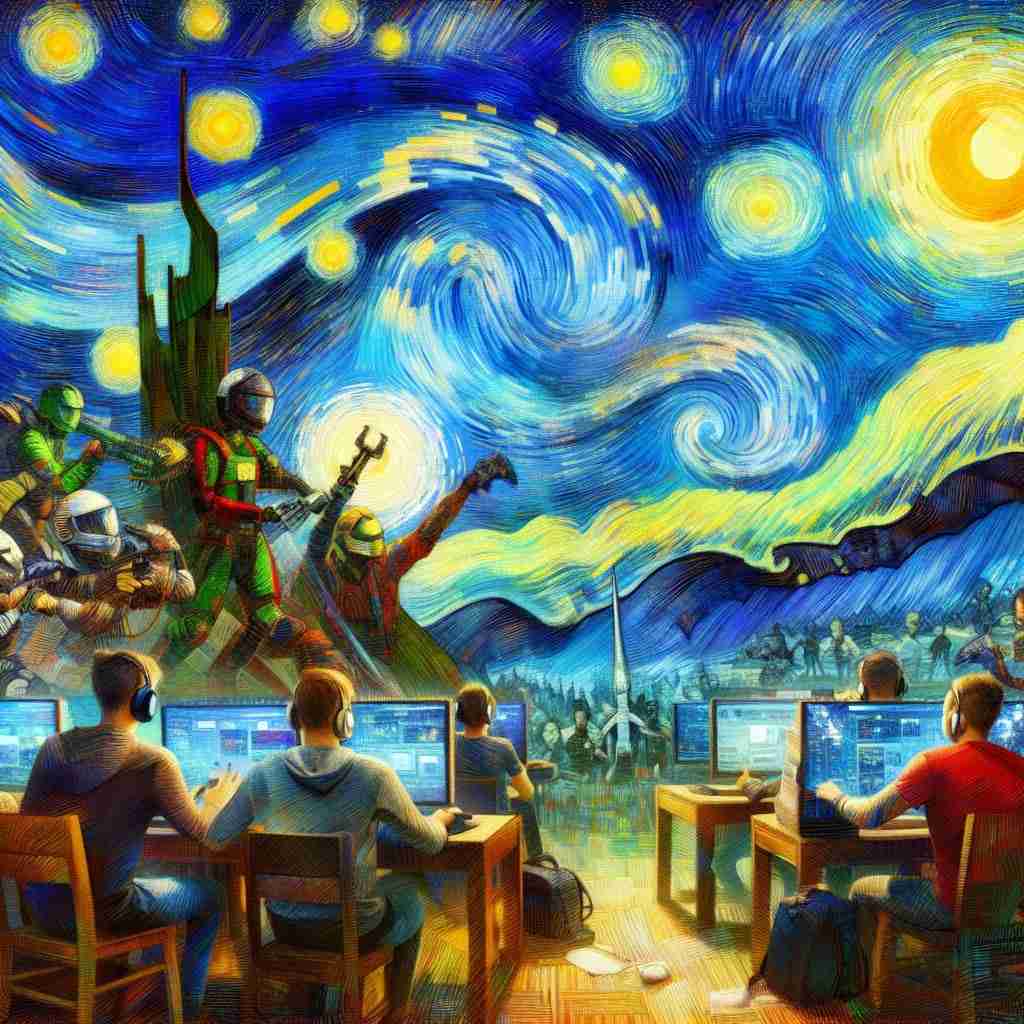
How Has Gaming Culture Evolved Since the Lan Party Era?
Can Cross-Platform Play Rekindle the Spirit Of Gaming Camaraderie?
In a world increasingly divided by screens and distances, the idea of cross-platform play stands as a beacon of hope, a bridge that reconnects players through the timeless magic of camaraderie. Games have always captivated our hearts, acting as vessels for storytelling and creativity. They usher us into alternate worlds where our shared humanity shines brighter than the pixels on the screen. Collaborating with friends, whether they’re on a console, PC, or mobile device, gives us a sense of belonging that transcends mere competition.
Imagine the laughter echoing through a living room as a group of friends, each clutching their devices, find themselves working together to tackle a virtual dragon. The spirit of teamwork fosters bonds, etching memories that linger long after the last pixel vanishes. It’s in those moments that we realize the true power of games: they unite us. By embracing cross-platform play, developers are not just widening the playing field; they’re rekindling connections that many thought were lost to time and technological divide.
Rationally, it makes sense. The gaming industry is evolving, and the demographics of players are changing rapidly. Encouraging cross-platform interactions not only broadens market reach but also aligns with an ethical responsibility to foster inclusivity. Every gamer deserves a chance to join in, regardless of their choice in hardware. When players can easily connect, it cultivates friendships that might have sprouted online, blossoming into real-life connections.
We’ve all been captivated by stories of unlikely alliances formed during late-night gaming sessions or spontaneous matches that turned into weekend-long adventures. Community-driven events, customized experiences, and communal challenges can inspire awe, reminding us that at our core, we are all storytellers wanting to share our narratives, laughter, and triumphs.
Moreover, the social dynamics offered through cross-platform play instigate collaboration over isolation. When you see friends dive into a game together, a chorus of voices united in victory and defeat, you can feel the warmth that only a shared experience can provide. Trust is built with every team effort, and confidence soars with every accomplishment.
Cross-platform play isn’t just about the games. It’s about reigniting the spirit of camaraderie, forging connections across diverse landscapes, and reminding us all why we fell in love with gaming in the first place—to share, to create joy, and to unite. As we step into this new era, let’s embrace the journey, together.

Can Cross-Platform Play Rekindle the Spirit Of Gaming Camaraderie?
Can Cross-Platform Play Rekindle the Spirit Of Gaming Camaraderie?
- Cross-platform play reconnects players and fosters camaraderie in a divided world.
- Games serve as storytelling vessels and alternate realities that enhance our shared humanity.
- Collaborative gameplay enhances a sense of belonging beyond competition.
- Developers embracing cross-platform play rekindle connections across technological divides.
- Encouraging inclusivity in gaming broadens market reach and benefits all players.
- Shared gaming experiences create lasting friendships and community-driven events.
- Cross-platform interactions reignite camaraderie and remind us of the joy of gaming.

Can Cross-Platform Play Rekindle the Spirit Of Gaming Camaraderie?
What Challenges Do Gamers Face with Fragmented Ecosystems Today?
In today’s gaming landscape, players find themselves navigating a labyrinth of fragmented ecosystems that can feel as daunting as climbing a mountain with shifting terrain. Gone are the days when you could plug in and play with friends on a single platform. Now, gamers are faced with an overwhelming arsenal of hardware, subscription services, and exclusive titles that create a divide more pronounced than a Grand Canyon crevice.
Imagine a seasoned gamer, ready to immerse themselves in the latest must-play release, only to discover it’s locked behind an ecosystem wall that requires a new console, a separate account, and a hefty subscription fee. Frustration sets in, and what should have been a chance for joy morphs into a bitter reminder of how fragmented the gaming experience has become. Each choice made with excitement can turn into a complicated web that leaves you feeling isolated.
The rational mind knows this landscape is driven by competition. Companies are vying for our dollars, and exclusivity can pad their coffers. But at what cost? Gamers are not mere wallets; they are communities, families, and friendships proudly bound by shared experiences. Nothing digs deeper than the emotional wounds of being excluded from gaming nights, unable to jump into chat sessions, or missing those epic multiplayer battles. The ethical dilemma emerges—is profit worth the price of camaraderie?
The stories we hear from players often echo one profound truth: gaming is about connection. Whether it’s huddling around a screen with friends or joining online clans from different corners of the world, together we forge bonds that can withstand the test of time. Yet, this rich social fabric is unraveled by restrictions and barriers that should have no place in a world built on shared passion.
As gamers, we have the power to inspire change. By voicing concerns, supporting cross-platform play, and backing companies that prioritize community over exclusivity, we can reclaim the joy of gaming. The heartache of fragmentation may weigh heavy, but let’s transform that frustration into a rallying cry for unity. When we stand together, we can chart a new course—a landscape where every gamer, regardless of their platform, feels welcomed and valued. The future of gaming should not be a solitary path but a vast, inclusive journey for all.

What Challenges Do Gamers Face with Fragmented Ecosystems Today?
What Challenges Do Gamers Face with Fragmented Ecosystems Today?
- Gamers now navigate a complex landscape of fragmented ecosystems.
- The joy of gaming is often hindered by requirements for new consoles, accounts, and subscription fees.
- Competition and exclusivity in gaming can lead to feelings of isolation among players.
- Gaming is fundamentally about connection, but barriers threaten this sense of community.
- Players can inspire change by advocating for cross-platform play and supporting community-focused companies.
- Frustrations from fragmentation can be transformed into a collective call for unity in gaming.
- The goal is to create an inclusive gaming environment where all players feel welcomed and valued.

What Challenges Do Gamers Face with Fragmented Ecosystems Today?
How Does Cross-Platform Play Promote Inclusivity Among Gamers?
When you think about it, gaming isn’t just a way to kill time; it’s a bridge—a bridge that connects people across vast distances, differing backgrounds, and unique experiences. Cross-platform play is the lifeblood of that connection. It’s the undeniable reality that when players from PlayStation, Xbox, and PC can team up in their favorite games, barriers crumble. Those barriers were once made of brand loyalty and exclusivity, but with cross-platform capabilities, we’re witnessing a cultural shift that champions inclusivity in ways that matter.
Consider this: you’re settling down for a Friday night with your best friend, but they’re on a different console. In the past, that meant game night was canceled, but now? It means that all it takes is a few clicks to unite. Cross-platform gaming brings diverse gamers together to tackle challenges side by side. This isn’t just theory; it’s a lived experience for millions. Feel the adrenaline as you strategize with your buddy from across the country, or share laughs with someone you’ve never met, but whose enthusiasm mirrors your own.
We’re not just taking turns playing games; we’re forging connections that echo beyond the screen. It represents a pivotal change, where your ability to bond with others isn’t dictated by the platform you play on. Cross-platform play does more than broaden the player base—it cultivates a community, a family rooted in collaboration, empathy, and shared triumphs. It nudges the industry in a direction that prioritizes people over profit, ensuring everyone has a seat at the gaming table.
This isn’t just a trend; it’s a movement—an ethical stance that declares every gamer’s voice matters, regardless of their gaming hardware. It’s a call to action for developers and players alike: let’s assume a responsibility to foster environments that are welcoming to all.
Together, we can dismantle the notion that gaming is siloed and exclusive. With every successful raid and completed quest, we’re not merely achieving goals within our favorite games; we’re building bridges that remind us we are part of something greater—a tapestry woven from different lives, perspectives, and dreams, united by our love for games. As we embrace cross-platform play, let’s remember that every connection made is a testament to the power of inclusivity, ensuring that no gamer is left behind.

How Does Cross-Platform Play Promote Inclusivity Among Gamers?
How Does Cross-Platform Play Promote Inclusivity Among Gamers?
- Gaming serves as a bridge connecting people across distances, backgrounds, and experiences.
- Cross-platform play eliminates barriers of brand loyalty and exclusivity, promoting inclusivity.
- Players can unite for game night regardless of console, enhancing social interactions.
- The experience of strategizing and collaborating with diverse players fosters connections beyond the screen.
- Cross-platform gaming cultivates a community focused on collaboration, empathy, and shared achievements.
- It represents a movement that prioritizes inclusivity and acknowledges every gamer’s voice, regardless of hardware.
- By embracing cross-platform play, gamers contribute to a tapestry of diverse perspectives united by their passion for games.

How Does Cross-Platform Play Promote Inclusivity Among Gamers?
Does Cross-Platform Play Enhance Competition Or Cooperation In Gaming?
In the realm of gaming, the dawn of cross-platform play is akin to a bridge that connects diverse islands of competition. Imagine for a moment: you’re standing on one side of a canyon, joystick in hand, while friends on the other side—each with their gaming console or PC—are ready to face off in the battle arena. This isn’t just about pixels; it’s about people, joy, and the spirited challenge that forms, pulling you together into a shared experience.
Games, by their very nature, are built on the foundations of competition. But cross-platform play ignites something deeper—an alliance, a camaraderie that transcends hardware. Your rival today could be your ally tomorrow, as friendships blossom over victories and defeats alike. This fusion of competition and cooperation sets the stage for something beautiful: a community that thrives on diversity, learning from each other’s strengths and weaknesses.
Addressing the head, one can’t help but think of the countless hours spent mastering intricate strategies, honing skills, and developing a sense of fair play. The best rivalries challenge us to be our best selves, pushing us to adapt and innovate. When every match unearths new tactics and creative solutions, players become more than skilled individuals; they transform into thinkers, strategists, and leaders. Moreover, the ethical dimension of inclusivity fosters an environment where everyone has a seat at the table, regardless of their platform preference. Each player’s unique journey contributes to a richer, more varied gaming landscape.
When we talk about connection, we also touch on stories. Every game played is a personal narrative woven with laughter, frustration, and triumph. Sharing these experiences across platforms cultivates an ethos of respect and understanding. As you emerge victorious, a simple “good game” exchanged transcends the screen, reinforcing the notion that while we compete, we are still part of the same united front.
Finally, consider the profound impact on our social fabric. In a world often divided by differences, which platform a person chooses should not determine their experience. By embracing cross-platform play, gamers collectively redefine competition—not as a sterile matchup of ones and zeros, but as a vibrantly human experience that cultivates trust, confidence, and a sense of belonging, making every victory not just a personal triumph but a shared celebration.

Does Cross-Platform Play Enhance Competition Or Cooperation In Gaming?
Does Cross-Platform Play Enhance Competition Or Cooperation In Gaming?
- Cross-platform play connects diverse gaming communities, enabling competition between different consoles and PCs.
- It fosters camaraderie and alliances among players, turning rivals into allies through shared experiences.
- Competition and cooperation blend to create a thriving, diverse gaming community that learns from each other.
- Players enhance their skills and strategies while developing a sense of fair play in competitive environments.
- Inclusivity ensures everyone has a place in the gaming landscape, enriching experiences for all players.
- Each game played contributes to personal narratives, fostering respect and understanding among competitors.
- Cross-platform play redefines gaming as a human experience, building trust, confidence, and a sense of belonging.

Does Cross-Platform Play Enhance Competition Or Cooperation In Gaming?
How Can Gaming Communities Foster a Positive Environment for All?
In the realm of gaming, where virtual worlds burst with vibrant color and pixelated adventure, lies a powerful opportunity to foster community and connection. Games are more than mere pastimes; they are gateways to relationships, arenas for competition, and canvases for shared experiences. But, as we log countless hours in these digital landscapes, we also carry the responsibility of shaping our communities. It’s about creating a space where every player feels valued, respected, and welcome.
Imagine a gamer—perhaps a young ten-year-old or a seasoned veteran—who joins a new online match. They’re brimming with excitement yet tinged with apprehension. How we, as a community, respond to these individuals matters. A kind word, a helpful tip, or a moment of patience can transform hesitation into confidence. These small gestures aren’t just niceties; they’re the very building blocks of an inclusive environment. When players feel respected and acknowledged, they’re much more likely to extend the same warmth to others, creating a ripple effect that can resonate far beyond a single game.
The heart of community is empathy. When we sit down with our controllers, we must remind ourselves that behind every avatar is a real person with feelings and aspirations. It’s essential to honor the diverse backgrounds and experiences that each player brings to the table. If we can cultivate an atmosphere of understanding, we can break down barriers and foster friendships that go beyond the screen.
Moreover, we have to think critically about our cultural norms within gaming. Toxic behaviors such as harassment or exclusion only serve to alienate individuals and fracture communities. Instead, we can champion accountability. Players and streamers alike have an ethical obligation to call out negative conduct, support one another, and promote healthy competition. When leaders in the gaming space take a stand, it sets the example for others, creating a culture of respect that encourages all voices to be heard.
Let’s face it: gaming is a collective journey. It’s about sharing victories and defeats, forging alliances, and learning together. So, let’s pledge to be more than just players; let’s be mentors, allies, and friends. Together, we can create an environment that not only enhances our gaming experience but enriches our lives and strengthens our communities, one match at a time. Whether it’s in the midst of an epic battle or a quiet moment of exploration, let’s choose positivity and connection, forging bonds that make the gaming experience all the more rewarding.

How Can Gaming Communities Foster a Positive Environment for All?
How Can Gaming Communities Foster a Positive Environment for All?
- Gaming offers a significant opportunity to build community and connections among players.
- Games serve as platforms for relationships, competition, and shared experiences, requiring responsibility in community shaping.
- Small gestures of kindness can help newcomers gain confidence and foster inclusivity within the gaming space.
- Empathy is crucial; recognizing the real people behind avatars contributes to a positive gaming environment.
- Acknowledging diverse backgrounds and experiences strengthens community bonds and fosters friendships beyond the screen.
- Addressing toxic behaviors is essential; accountability promotes respect and encourages healthy competition.
- Gaming should be a collective journey, where players act as mentors and allies to create positive, enriching experiences.

How Can Gaming Communities Foster a Positive Environment for All?
Conclusion
Cross-platform play stands as a powerful equivalent to the vibrant LAN parties of yesterday, resonating particularly with those of us who came of age during the golden age of gaming. It’s easy to get lost in the nostalgia—the memory of gathering with friends in dim basements, surrounded by the exhilarating chaos of screens glowing and laughter ringing out. Those days were more than just shared gameplay; they were communal experiences that cemented friendships. Fast forward to today, and cross-platform capabilities breathe life back into that camaraderie, offering a unique opportunity to reconnect with friends scattered across various gaming platforms.
Imagine this: your childhood buddies, now distant both geographically and through console wars, are just a click away. No longer must you choose between exclusivity and connection; everyone can jump into the same virtual arena, bringing with them diverse skills and strategies. From a rational perspective, this is a monumental shift. It enhances gaming not only by widening our playing fields but enriching our experiences through collaboration—a vital element that should resonate with every player.
This shift isn’t purely a technical advancement; it heralds an evolution in gaming philosophy. The ethics behind cross-platform play emphasize inclusivity, challenging the notion that loyalty to a brand should dictate who you can game with. Instead, it promotes a culture of unity, where every player is welcomed irrespective of their hardware choice. Such inclusivity isn’t just good practice; it produces a richer gaming community where everyone wins—emotionally, socially, and competitively.
Think of the impact this has on our social fabric. Cross-platform play creates bonds forged through shared laughter and struggles against virtual foes. These connections could spark friendships in the real world that extend beyond the screen. We learn not just to play better but to understand and appreciate diverse perspectives—a crucial evolution in a society often divided by superficial boundaries.
So, let’s embrace this revival of the spirit that initially drew us into gaming. Reignite the bonds of friendship, forge new memories, and welcome the opportunity to come together in this digital age. The magic of gaming lies in its ability to unite us across differences, and as we strap on our headsets and fire up our consoles, let’s remember: gaming is more than a past time. It’s a thrilling journey, and together, we can redefine what it means to play—one cross-platform game at a time.

Conclusion
Conclusion:
- Cross-platform play revives the spirit of traditional LAN parties, appealing to nostalgic gamers.
- It fosters communal experiences, allowing friends to reconnect regardless of gaming platform.
- This evolution enhances collaboration and enriches the gaming experience through diverse skills.
- It promotes inclusivity, challenging brand loyalty and welcoming all players.
- Cross-platform capabilities strengthen social bonds and can lead to real-world friendships.
- Players learn to appreciate diverse perspectives, reflecting a societal evolution towards unity.
- Embracing cross-platform gaming can redefine the meaning of play and enhance community connections.

Conclusion
Other Resources

Other Resources
Here is a list of other resources you can review online to learn more:
- Boardgames.com
- Flickr
- Eclipse
- Blogger
- Ravensburger
- Victory Point Games
- Carcassonne
- Ticket to Ride
- 7 Wonders Duel
- Terra Mystica
- Magic: The Gathering
- Line
- Gaia Project
- Race for the Galaxy
- Fluxx
- Kosmos
- Flying Frog Productions
Use This Prompt To Get More Resources With Your Favorite Online AI Tool: Please provide me with a list of online articles with their URLs in a bulleted list that I can read regarding Why Cross-Platform Play Feels Like the Lan Party Upgrade for Gen X

Other Resources
Glossary Terms
Why Cross-Platform Play Feels Like the Lan Party Upgrade for Gen X – Glossary Of Terms
1. Cross-Platform Play: The ability for players on different gaming platforms (like consoles and PCs) to play together in the same game environment.
2. LAN Party: A gathering of gamers who connect their computers or consoles to a local network to play multiplayer video games together.
3. Gen X: Individuals born between 1965 and 1980, known for experiencing the rise of video gaming and technology.
4. Multiplayer: A gaming mode that allows multiple players to participate in a game simultaneously, either cooperatively or competitively.
5. Gaming Ecosystem: The combination of hardware, software, and communities that interact in the gaming experience.
6. Community: A group of players who share interests in gaming and often interact socially, both online and offline.
7. Retro Gaming: Playing video games from previous generations, typically those released during the ’70s, ’80s, and ’90s.
8. Nostalgia: A sentimental longing for the past, particularly related to experiences and events from one’s youth, including early gaming experiences.
9. Connectivity: The ability to connect gaming devices to the internet or each other for online play and communication.
10. Social Interaction: Interaction among players that enhances the gaming experience through teamwork, competition, and communication.
11. Game Engine: The underlying software framework that allows game developers to create and build video games.
12. User Interface (UI): The means by which a player interacts with a game, including menus, controls, and information displays.
13. Server: A powerful computer that hosts game sessions, allowing multiple players to connect and play together online.
14. Cross-Generation: Compatibility between different generations of gaming consoles, allowing players to play together regardless of their device’s model.
15. Matchmaking: The process of pairing players together in online multiplayer games, often based on skill level and preferences.
16. Cooperative Play: A mode in which players work together to achieve a common goal within the game, rather than competing against each other.
17. Competitive Play: A gaming mode where players compete against each other, often involving ranked matches or tournaments.
18. In-Game Communication: Features that allow players to communicate with each other during gameplay, including voice chat and text chat.
19. Gaming Culture: The social practices, behaviors, and norms associated with playing video games, often shaped by community interactions.
20. Digital Distribution: The delivery of games and software through online platforms instead of physical media, facilitating easier access for players.
21. Patch: An update to a game that fixes bugs, introduces new content, or improves performance.
22. Esports: Competitive video gaming at a professional level, often involving organized tournaments and leagues.
23. Modding: The practice of modifying a game by adding or changing content, often driven by community creativity and engagement.
24. Accessibility: The effort to make video games playable to a wider audience, including those with disabilities.
25. Cloud Gaming: A technology that allows players to stream games over the internet rather than requiring powerful local hardware.
26. Mobile Gaming: Playing video games on mobile devices, which has become increasingly popular and widely accessible.
27. Ownership: The debate surrounding digital rights and ownership of games in an increasingly online and subscription-based economy.
28. Platform Exclusivity: When a game is only available on a specific gaming platform, limiting its accessibility to players on other systems.
29. Game Pass: A subscription service that allows players access to a library of games for a set monthly fee.
30. Hyperconnectivity: The state of being constantly connected through digital devices, enhancing social interactions in gaming.

Glossary Of Terms
Other Questions
Why Cross-Platform Play Feels Like the Lan Party Upgrade for Gen X – Other Questions
If you wish to explore and discover more, consider looking for answers to these questions:
- What are the historical roots of LAN parties?
- How has technology influenced the evolution of gaming camaraderie?
- What psychological effects do online gaming communities have on players?
- What are some recent success stories of cross-platform play?
- How do different gaming platforms affect player experiences and interactions?
- What steps can developers take to enhance cross-platform play features?
- What are the most popular games supporting cross-platform play?
- What measures can be taken to reduce toxicity in gaming communities?
- How can gaming conventions or events embody the spirit of LAN parties?
- What role does social media play in modern gaming interactions?
- How can parents help their children navigate online gaming communities responsibly?
- What future trends can we anticipate in cross-platform gaming and collaboration?
- How do cultural differences influence gaming habits and preferences across the globe?

Other Questions
Haiku
Why Cross-Platform Play Feels Like the Lan Party Upgrade for Gen X – A Haiku
Gaming connects us still,
Old friends unite once again—
Nostalgia reborn.

Haiku
Poem
Why Cross-Platform Play Feels Like the Lan Party Upgrade for Gen X – A Poem
Gather ‘round, dear gamers, let’s take a trip back,
To days in dim-lit basements, where laughter filled the crack.
Pizza-scented air, with controllers in our hands,
We built our bonds through victories, in those pixelated lands.
Cross-platform play, a bridge spanning time and space,
Rekindles fading friendships, offers a warm embrace.
No longer hindered by the choice of our machines,
We unite to face the foes, fulfill shared hopes and dreams.
Feel the thrill of diversity, every player brings their flair,
Together we rise in competition, in strategies we share.
With every match, we learn and grow, our spirits intertwine,
A dance of camaraderie, a blend of yours and mine.
Ethical inclusion thrives, as barriers fall away,
In this vast gaming tapestry, every voice gets to play.
Let’s celebrate our differences, let kindness be our creed,
For in the world of gaming, every heart is what we need.
Amidst the shadows of isolation, let connection be our guide,
For gaming is a journey best shared, not set aside.
So lift your controllers high, let the laughter echo clear,
In this realm we’ve forged together, we’ll stand and persevere.
Let’s reclaim the spirit old, where joy and trust abound,
Uniting across platforms, our shared passion knows no bounds.
Join hands, compete, cooperate, embrace this vibrant quest,
For in this gaming universe, together we are blessed.

Poem
Checklist
Why Cross-Platform Play Feels Like the Lan Party Upgrade for Gen X – A Checklist
Checklist for Embracing Cross-Platform Play: Uniting Gamers Across Generations
Emotional Appeals (Heart)
_____ Reflect on your favorite LAN party memories and the friendships built during those times.
_____ Set a goal to reconnect with old gaming friends through cross-platform play.
_____ Share moments of joy and laughter with fellow gamers to nurture emotional connections.
_____ Create a gaming night tradition that celebrates camaraderie and shared experiences.
Rational Appeals (Head)
_____ Explore the benefits of cross-platform play in enhancing gameplay and strategy diversity.
_____ List the advantages of joining a broader community of gamers across different platforms.
_____ Research gaming platforms that support cross-play and identify games you can enjoy together.
_____ Analyze how cross-platform play can improve your gaming skills through exposure to different play styles.
Ethical Appeals (Gut)
_____ Commit to promoting inclusivity in gaming by welcoming players regardless of their platform.
_____ Advocate for fair play and ethical behavior in digital interactions to foster a positive community.
_____ Reflect on the importance of teamwork and collaboration in gaming, and practice these values.
_____ Support game developers and communities that prioritize cross-platform play and inclusivity.
Authority Appeals
_____ Follow industry leaders and influential gamers who advocate for cross-platform gaming.
_____ Attend webinars or discussions on the evolution of gaming and the power of community.
_____ Read articles, studies, or books that delve into the impact of cross-platform play on player engagement.
Narrative Appeals
_____ Share your gaming journey and how LAN parties shaped your love for gaming.
_____ Encourage others to recount their own gaming stories, fostering a community narrative.
_____ Participate in or create online forums to discuss significant gaming experiences and their impact on relationships.
Social Appeals
_____ Join gaming groups that focus on cross-platform play to connect with like-minded individuals.
_____ Organize or participate in community events that promote cooperation among diverse gamers.
_____ Volunteer to help newcomers in online gaming spaces by offering guidance and support.
_____ Use social media to celebrate your cross-platform gaming successes and encourage others to join.
Practical Action Steps:
_____ Schedule regular gaming sessions with friends across different platforms.
_____ Create a playlist of games that support cross-platform play for varied gaming experiences.
_____ Utilize voice or video chat platforms to recreate the LAN party feel while gaming remotely.

Checklist
At HowDoYouGame, we help people who love board games by collating information and news about games.
Be sure to read our other related stories at HowDoYouGame to learn more about games.