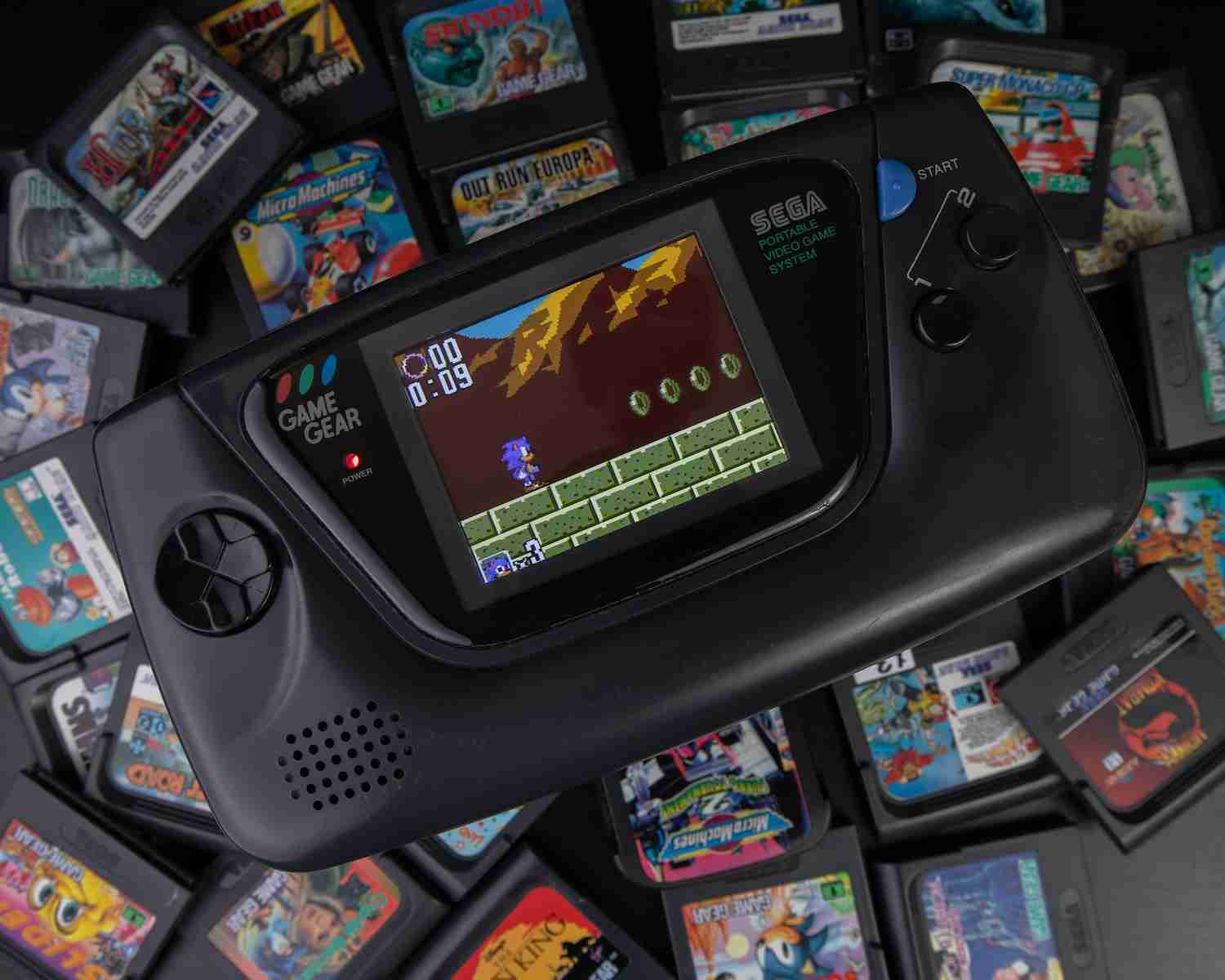
The Quest For Authenticity In Gaming: Boomers’ Battle Against Ai
By Tom Seest
At HowDoYouGame, we help people who love board games by collating information and news about games.
Be sure to read our other related stories at HowDoYouGame to learn more about games.
Why Boomers Are Wary Of AI Taking Over Human Storytelling In Games
Imagine a cozy living room filled with laughter and clatter, where family and friends gather around to share epic tales of heroism, love, and loss—all unfolding in the vibrant universe of games. It’s where the power of storytelling transcends screens, etching memories into the very fabric of our lives. But now, as technology races ahead, a nagging question claws at the hearts of many older generations: Is AI really capable of capturing the essence of human storytelling in games, or are we risking the soul of our narratives?
For Boomers, the concern isn’t just about ones and zeros; it’s personal. It’s about those nights spent around a tabletop, where the glow of candlelight danced on faces, where a shared adventure brought strangers together—each story a reflection of our human experience. There’s a gut-level fear that AI, while efficient, lacks the rich tapestry of emotion woven into a human heart. Those irreplaceable quirks—like the laugh that escapes when a dice roll goes awry or the heartfelt camaraderie shared over gaming triumphs—are what create community.
Rationally speaking, AI can analyze data, optimize outcomes, and craft narrative arcs, but can it genuinely understand the weight of a soldier’s sacrifice or the bittersweet nature of love? When we think of ethics in storytelling, it begs us to wonder: Whose stories are being told? Are we ready to cede our voices, our shared humanity, to a machine designed to compute but not to feel?
We need to remember that storytelling is a craft, nurtured through experience and vulnerability. Those narratives that resonate most deeply are often born from real-life struggles, triumphs, and the human propensity for empathy. As we engage with new technologies, we must not forget the lessons passed down from the storytellers of yesteryear—the elders who taught the measure of a good story and the art of a well-timed punchline.
So, as we navigate this new frontier, let’s remain open yet cautious, ensuring that the future of storytelling in games honors the essence of what makes us human. Together, we can advocate for narratives that empower creativity and spark connection, ensuring that AI serves as a partner, not a replacement, in our quest for genuine storytelling.

Why Boomers Are Wary Of AI Taking Over Human Storytelling In Games
Why Boomers Are Wary Of AI Taking Over Human Storytelling In Games
- Cozy living rooms serve as the backdrop for storytelling in games, creating lasting memories among family and friends.
- Concerns arise from older generations about AI’s ability to capture the essence of human storytelling.
- Personal connections and emotional experiences are integral to shared gaming adventures.
- While AI excels at data analysis and narrative structure, it struggles to grasp deep human emotions.
- Ethical questions emerge regarding whose stories are represented in AI-driven narratives.
- Storytelling is a craft deeply rooted in human experience and empathy, not just computational efficiency.
- As technology advances, it is crucial to ensure AI supports rather than replaces authentic human storytelling.

Why Boomers Are Wary Of AI Taking Over Human Storytelling In Games
Table Of Contents
- Why Boomers Are Wary Of AI Taking Over Human Storytelling In Games
- What Emotional Experiences Do We Lose When AI Tells Our Stories?
- How Does AI Change the Way We Connect with Characters In Games?
- Are We Losing Our Humanity In Storytelling By Relying on Algorithms?
- Why Do We Trust Human Storytellers More Than AI-Generated Narratives?
- How Can We Ensure Ethical Storytelling When AI Takes the Lead?
- What Role Does Nostalgia Play In Our Resistance to AI In Gaming?
- How Can AI-Generated Stories Impact Our Sense Of Community In Gaming?
- Conclusion
- Other Resources
- Glossary Of Terms
- Other Questions
- Haiku
- Poem
- Checklist
What Emotional Experiences Do We Lose When AI Tells Our Stories?
As we sit in the theater of our minds, headphones on, captivated by the polished production of an AI-generated story, a nagging question hangs in the air. What emotional experiences do we lose when machines retake the storyteller’s mantle? When we think about the stories that shape our lives, it’s not just the plot twists that draw us in; it’s the raw connection between the storyteller and the audience. Those moments devoted to laughter, anguish, and triumph are where we find meaning—and those nuances are precisely what bytes and algorithms cannot replicate.
In today’s world, where we grapple with the blending of life and technology, the allure of AI in story crafting is undeniable. It’s exciting to imagine tales spun from pure logic, executed with flawless precision. But let’s pause for a moment and consider the depth of the human experience that could fall through the cracks when these tales aren’t grounded in genuine emotion. Can a machine invoke the trembling joy of a toddler’s first steps or the heartbreak of losing a loved one? Can they accurately depict the fear or anxiety we feel when facing life’s hurdles? These emotional layers are the secret sauce that makes our stories worth telling.
We gather for games of storytelling around campfires, at dinner tables, and in coffee shops, eager to share our adventures, our victories, and our failures. Each narrative serves as a mirror, urging us to reflect upon our own truths. The ethical dilemma arises when we rely on AI to conjure this intimacy. The very essence that makes our experiences uniquely ours—the messiness, the flaw, the authentic voice—may lose ground to glossy perfection and automated efficiency.
As we let the curtain rise on a world increasingly dominated by AI, let’s challenge ourselves to take back the reins of our narratives. The stories we tell should be etched with heart and shaped by lived experiences. Yes, AI can be a tool, but it must accentuate—not replace—the human experience, inviting us to feel, to connect, and to grow through our narratives. So, let’s engage in the timeless art of storytelling, cherishing its most vulnerable and raw aspects. Embrace the stories that warm your soul, ignite your imagination, and remind us all that the most powerful stories are the ones born from the depths of our shared humanity.

What Emotional Experiences Do We Lose When AI Tells Our Stories?
What Emotional Experiences Do We Lose When AI Tells Our Stories?
- AI-generated stories captivate, but may lack emotional depth.
- The connection between storyteller and audience is vital for meaning.
- AI offers excitement with logical, precise storytelling.
- Emotional experiences like joy and heartbreak may be lost with AI.
- Storytelling encapsulates human truths and personal reflections.
- Relying on AI for intimacy risks losing the essence of unique human experiences.
- AI can enhance storytelling, but should never replace the human touch.

What Emotional Experiences Do We Lose When AI Tells Our Stories?
How Does AI Change the Way We Connect with Characters In Games?
There was a time when games were a simple escape—a pixelated hero dashing across the screen, a series of predetermined paths and outcomes lining the journey. Fast forward to now, and artificial intelligence has morphed our relationship with in-game characters into something far deeper, more complicated, and undeniably human.
Imagine stepping into a game world where the characters aren’t just scripted responses but living, breathing entities—flawed and relatable. Suddenly, the stakes feel real; decisions become weighty and far-reaching. AI breathes life into these characters, enabling them to evolve based on your choices, interactions, and even emotional states. It’s not just about navigating quests; it’s about forging connections, creating alliances, and sometimes enduring heartbreak. These characters reflect our own triumphs and failures, revealing truths about ourselves through their journeys.
From a rational standpoint, consider how AI enriches character development. With sophisticated algorithms, characters can learn from previous encounters, displaying growth or regression in ways we would expect from anyone in our lives. This fosters a narrative that encourages us to invest our time and emotions. Each choice we make can lead to entirely different results, not only shaping the storyline but also altering our interaction with others, both in-game and in the real world. Have you ever felt a twinge of guilt for betraying a character only to realize that your decision mirrored a past experience? That’s powerful storytelling.
Ethically, we also must recognize the responsibility game developers hold. Creating AI-driven characters brings both the potential for enriching narratives and the risk of reinforcing negative stereotypes. Games are a powerful medium for empathy, and with great power comes great responsibility; developers must craft characters that challenge societal norms rather than replicate them.
In our interconnected world, games are a shared experience, a conversation starter among friends, families, and even strangers. When we share our stories about the characters we’ve met, it binds us together, forging connections through shared struggles and victories. The next time you pick up a controller, remember the characters are more than just pixels—they are reflections of our own stories, resonating with our hearts, challenging our minds, and echoing through our society. So, jump in, embrace the adventure, and let those connections unfold in ways you never imagined.
How Does AI Change the Way We Connect with Characters In Games?
How Does AI Change the Way We Connect with Characters In Games?
- Games have evolved from simple escapes with pixelated heroes to complex worlds enriched by artificial intelligence.
- AI enables in-game characters to act as living entities, creating deeper and more relatable interactions.
- Player decisions carry weight, impacting both character development and narrative outcomes based on choices and emotions.
- Characters can exhibit growth or regression, fostering meaningful narratives that engage players emotionally.
- Game developers face ethical responsibilities in creating AI-driven characters, needing to avoid reinforcing negative stereotypes.
- Video games serve as shared experiences, promoting connections and conversations among players about their journeys.
- Characters in games reflect personal stories and societal truths, making them integral to the player’s emotional experience.

How Does AI Change the Way We Connect with Characters In Games?
Are We Losing Our Humanity In Storytelling By Relying on Algorithms?
As we sit around campfires of the digital age—tethered to screens and scrolling through endless recommendations—it’s easy to get lost in the maze of numbers and trends. We’ve traded heartbeats for algorithms, and in doing so, we might be losing something vital: our humanity in storytelling. Picture this: stories handed down through generations, rich with grit and raw emotion, crafted not just to entertain, but to connect us. Now, compare that to a list of games designed to keep you engaged for just enough time to earn ad revenue. Think of those classic tales that bound us together, stories that didn’t just inform our imagination but shaped our very souls.
Algorithms can analyze patterns, generating endless narratives to maximize engagement, but can they deliver the heart? Are we allowing data points to outline our dreams, dictating what we consume rather than inspiring what we create? A cold calculation lacks the warmth of human experience—the laughter, tears, struggles, and triumphs that resonate deep in our guts. When we lean too heavily on technology, do we risk turning stories into mere commodities, stripped of their emotional depth?
But let’s be rational here. There’s no denying the efficiencies that technology brings to the storytelling landscape. It curates content that resonates with our tastes and preferences, and by that logic, it should enhance our experience. Yet, when does optimization become standardization? The romance of storytelling should not be written off to mere algorithms like an imposed formula. We must question: at what cost do we gain convenience?
Ethically, we must uphold the principle that stories should challenge our perspectives and stir our souls, not merely cater to our whims. We are social creatures, after all, yearning to connect. Real narratives inspire communities, fostering dialogues that algorithms simply can’t facilitate. We create memories with those tales—stories that remind us of our shared humanity, reflect our triumphs and tribulations, and echo our innermost fears and joys.
So, let’s stand up for storytelling that unites us, that inspires action, that touches our hearts, heads, and guts. The next time you’re nestled in front of a glowing screen, take a moment. Choose to engage with stories that matter. Be a storyteller, not just an audience. Seek out those narrations that call for the human spirit, reclaiming a tapestry rich with authenticity amid the glossy sheen of algorithms. Together, we can ensure the essence of humanity remains vibrant in every tale we tell.

Are We Losing Our Humanity In Storytelling By Relying on Algorithms?
Are We Losing Our Humanity In Storytelling By Relying on Algorithms?
- Digital storytelling risks losing human connection amidst algorithms and trends.
- Traditional tales convey deep emotions and foster community, contrasting with modern engagement-driven content.
- Algorithms can analyze patterns but often lack the emotional depth and warmth of human experiences.
- Heavy reliance on technology may commodify storytelling, stripping it of its essence.
- Technology offers efficiencies, curating content according to personal preferences, but raises questions about standardization.
- Stories should challenge perspectives and inspire connections rather than merely catering to audience whims.
- We must engage with meaningful narratives, reclaiming authenticity in storytelling to preserve our shared humanity.

Are We Losing Our Humanity In Storytelling By Relying on Algorithms?
Why Do We Trust Human Storytellers More Than AI-Generated Narratives?
There’s something innately human about storytelling that transcends mere words; it’s a dance of emotions, experiences, and values passed down through generations. Think about the last time someone shared a tale that sent shivers down your spine or made you laugh until your sides hurt. It’s those raw, unfiltered moments that bind us together, drawing a line from one heart to another. When we hear a story told by a human, we connect to the very essence of our own humanity—a shared laugh, a tear, a knowing nod.
Now, let’s consider the alternative. Artificial intelligence can churn out narratives with precision, crafting sentences with impeccable grammar and syntax, but there’s a crucial component missing: life lived. AI may analyze data and spit out a plausible story, but it can’t infuse it with the smell of fresh coffee brewing on a winter morning or the ache of loss felt at a family gathering. It lacks the gut-wrenching depth and warmth of a storyteller who’s been there, felt that, and is willing to share those experiences with us.
Moreover, we tend to view human storytellers as authority figures in their own right. They carry with them the weight of experience—stories forged from battles lost and won, lessons learned in the trenches of life. When we hear from someone who has faced adversity, we trust their narrative because it resonates with our own struggles and triumphs. It’s this ethical connection that prompts us to lean in closer, our curiosity piqued, our feelings validated.
In a world bombarded by data and distraction, the stories we share become touchstones of identity and meaning. We want to believe in the authenticity of the tale being spun, and that’s a currency that no algorithm can replicate. We gravitate toward the imperfections—those little stumbles and heartfelt pauses that remind us of our shared vulnerabilities as humans navigating this chaotic existence.
So the next time you find yourself wrapped up in a good story, recognize that it’s not just about the plot or the characters. It’s about connection, empathy, and the profound understanding that binds us all together in this chaotic game of life—the ultimate storytelling arena. Let’s cherish those who share their narratives with us, knowing that they craft worlds to help us make sense of our own.

Why Do We Trust Human Storytellers More Than AI-Generated Narratives?
Why Do We Trust Human Storytellers More Than AI-Generated Narratives?
- Storytelling is a fundamental aspect of humanity, conveying emotions and values across generations.
- Personal stories create deep connections through shared experiences, laughter, and understanding.
- Artificial intelligence can generate narratives but lacks the lived experience and emotional depth of human storytellers.
- Human storytellers are seen as authority figures, drawing from their personal battles and life lessons.
- The authenticity of a narrative resonates with listeners, as it reflects their own struggles and triumphs.
- In a distracting world, shared stories serve as important touchstones of identity and meaning.
- A good story is about more than just plot; it encompasses empathy and connection among individuals navigating life.

Why Do We Trust Human Storytellers More Than AI-Generated Narratives?
How Can We Ensure Ethical Storytelling When AI Takes the Lead?
In a world where artificial intelligence is becoming our leading storyteller, it’s crucial to pause and reflect on the heart of the matter. How can we ensure that these algorithms, built on lines of code and data, maintain the human touch that connects us? We’re not just programming machines; we’re entrusting them with the narratives of our lives—our triumphs, our struggles, and our shared experience as a community. This isn’t just about machine accuracy; it’s about preserving the essence of storytelling, a tradition that has bound us together for millennia.
Let’s engage our heads for a moment. AI can analyze mountains of data, identifying trends and patterns that humans might miss. It can create narratives faster than we can blink. But while efficiency is great, it raises a pressing question: Are these stories shaped by psychological understanding and empathy, or are they mere regurgitations of statistics and facts? Imagine a story crafted by AI that recounts the struggles of a child in a broken home; without understanding the emotional weight behind such experiences, the story risks becoming hollow. Ethical storytelling requires us to ensure that narratives originating from AI resonate deeply—echoing the heartbeats of real lives.
Now let’s dig into our gut feelings. We all know how it feels to encounter a compelling story; it stirs something inside us, igniting passion or empathy. But when we hear tales spun from data alone, there’s a disconnect that leaves us unfulfilled. We want to feel something. We need to feel something. That’s where our ethical responsibility emerges. Those of us harnessing AI’s potential must advocate for approaches that prioritize human values—compassion, integrity, and authenticity.
We must also form a community—a social fabric woven with our collective voices. It’s essential to engage with diverse storytellers, making sure that the AI we deploy learns from a tapestry of backgrounds. This inclusive dialogue fosters trust and makes it clear that while AI might lead the storytelling, it’s the human experience that must guide it.
In this brave new world, let’s take action. By establishing guidelines and frameworks that prioritize ethical practices in AI, we can assure that the stories told reflect our humanity. The next time you engage with a narrative spun by AI, ask yourself: Does it illuminate our experience, or does it merely recount our history? Let’s strive for stories that do more than inform—they must inspire, connect, and resonate.

How Can We Ensure Ethical Storytelling When AI Takes the Lead?
How Can We Ensure Ethical Storytelling When AI Takes the Lead?
- AI is increasingly becoming the primary storyteller, raising questions about preserving the human touch in narratives.
- While AI can analyze data and create stories quickly, we must ensure they convey psychological understanding and empathy.
- Ethical storytelling should resonate deeply with human experiences, avoiding mere regurgitation of facts.
- Compelling stories ignite passion and empathy, highlighting our ethical responsibility to prioritize human values in AI storytelling.
- Engaging diverse storytellers ensures AI learns from a wide array of backgrounds, fostering trust and authenticity.
- Establishing ethical practices and guidelines for AI storytelling is essential to reflect human experiences accurately.
- We should strive for AI-generated narratives that inspire, connect, and resonate with our shared humanity rather than just inform.

How Can We Ensure Ethical Storytelling When AI Takes the Lead?
What Role Does Nostalgia Play In Our Resistance to AI In Gaming?
Nostalgia, that warm and fuzzy blanket we wrap ourselves in during cold, uncertain times, plays a profound role in our resistance to AI in gaming. It’s not just a passing whim or a fleeting fancy; it’s an emotional bond with our history and experiences. Think back to the first time you held a game controller. Those early encounters—filled with discovery, camaraderie, and competition—taught us more than just how to win; they connected us to a community, to a shared culture, and to the thrill of the unexpected. It’s these moments that form a narrative thread in our lives, sewing together a patchwork of memories that can spark laughter, joy, and even bittersweet sorrow.
But nostalgia is a double-edged sword. It fosters resistance to AI because, deep down, we fear losing that human touch—the creativity, the spontaneity, and the unpredictable mischief that make gaming such a cherished escape. When we fire up a classic game, it’s not merely about pixels and polygons; it’s about reliving simpler times when victories came not from algorithms but from sheer will, skill, and a bit of luck. This sentimental pull tugs at our gut and raises an ethical question: should we sacrifice this joy for the convenience and precision that AI offers?
From an authority standpoint, successful games have always thrived on emotional connections. Designers often draw inspiration from the raw, untamed experiences that no line of code could replicate. When we resist AI, we’re not just clinging to a past; we’re advocating for an essence, a philosophy, that places human experience at the forefront rather than relegating it to the background.
Socially, our collective memories tie us together. We share stories of epic battles and cooperative triumphs, and that sense of shared identity gives us strength in a world increasingly influenced by technology. By standing firm in our nostalgia, we’re saying, “Hey, these moments matter. Let’s not trade them for sterile calculations.”
This isn’t just a battle of man versus machine; it’s a quest to preserve what makes gaming a cornerstone of our culture and a lifeline of friendship. If we can unite around our cherished memories and the values they represent, we might just find a middle ground—a place where AI enhances but never overshadows the very heart of what makes gaming meaningful.

What Role Does Nostalgia Play In Our Resistance to AI In Gaming?
What Role Does Nostalgia Play In Our Resistance to AI In Gaming?
- Nostalgia plays a significant role in our resistance to AI in gaming, providing emotional connections to our history and experiences.
- Early gaming experiences fostered community, culture, and shared thrills, creating lasting memories.
- Nostalgia raises ethical questions about sacrificing joy and human creativity for AI’s convenience and precision.
- Successful games thrive on emotional connections that AI cannot replicate, emphasizing the value of human experience.
- Collective memories and shared stories strengthen social bonds in an increasingly technological world.
- Resisting AI reflects our desire to preserve meaningful moments in gaming rather than trading them for sterile calculations.
- The quest is to find a balance where AI enhances gaming without overshadowing its core essence and cultural significance.

What Role Does Nostalgia Play In Our Resistance to AI In Gaming?
How Can AI-Generated Stories Impact Our Sense Of Community In Gaming?
In the vibrant realm of gaming, where the digital landscapes stretch far beyond our imagination, the introduction of AI-generated stories is like adding a new brushstroke to a masterpiece. Here we find ourselves not just playing Games, but participating in a living narrative that evolves with each interaction. Picture this: your favorite game isn’t just a series of levels or challenges; it’s a shared world where stories emerge from the collective experiences of players like you and me. The impact of this innovation touches our hearts, ignites our intellects, and stirs our very souls.
At its core, AI-generated storytelling fosters a profound sense of community. It invites players into a narrative tapestry woven from diverse perspectives; a patchwork of human experience that reflects our shared aspirations and struggles. This isn’t just storytelling; it’s a dialogue—a way for gamers to resonate with one another and find common ground amid the chaos of our busy lives. Players can now engage with plots that are not just crafted for consumption, but rather for connection—stories that allow us to see ourselves in the shoes of others, bridging the gap between virtual avatars and real individuals.
Rationally, the advancement of AI in this space empowers developers to create richer, more dynamic experiences that keep us coming back for more. The stories no longer stagnate; they flourish and evolve, mimicking the unpredictability of real life. This adaptive narrative structure allows players to chase their own versions of heroism, adventure, and camaraderie. Each session in these AI-generated worlds becomes a shared memory, reinforcing bonds around strategies, challenges, and triumphs.
Ethically, it prompts us to ponder how we navigate these digital spaces. As our communities grow, so does our responsibility to foster inclusivity and respect. The narratives crafted with AI can amplify marginalized voices and stories, creating a vibrant dialogue that honors diversity. It’s an ethical call to action for all of us: to engage thoughtfully, to cultivate environments where everyone’s story is valued.
Through shared narratives, we embrace a culture of support and authenticity, encouraging one another to step beyond our screens and forge genuine connections. After all, what makes a game truly great is not the graphics or mechanics, but the community that thrives within it. And as we carry these stories back into our lives, we inspire a movement—one that champions unity, understanding, and the undeniable power of storytelling in shaping our shared world.
How Can AI-Generated Stories Impact Our Sense Of Community In Gaming?
How Can AI-Generated Stories Impact Our Sense Of Community In Gaming?
- AI-generated stories enrich the gaming experience, creating evolving narratives rather than static levels.
- These stories foster a sense of community, weaving together diverse perspectives and shared experiences of players.
- AI storytelling facilitates dialogue between gamers, helping them find common ground in a busy world.
- Developers can create more dynamic experiences, allowing stories to evolve and mirror real-life unpredictability.
- The adaptive narratives enable players to pursue their own adventures and heroism, creating lasting shared memories.
- Ethically, AI-driven narratives encourage inclusivity and amplify marginalized voices, fostering diversity in gaming..
- The emphasis on shared narratives supports authentic connections among players, highlighting community over graphics and mechanics.

How Can AI-Generated Stories Impact Our Sense Of Community In Gaming?
Conclusion
The conversation around AI and storytelling in gaming isn’t just about technology; it’s a deeply personal reflection on what it means to be human. For many Baby Boomers, the concern over AI crafting narratives stems from cherished memories of gathering with friends or family around games—experiences rich with laughter, heartfelt emotions, and the unpredictability that only real human interactions can bring. These gatherings are more than mere entertainment; they forge connections that bind generations, as shared stories reflect our collective struggles, joys, and life lessons.
Rationally, one must weigh the benefits AI brings to the table: efficiency, data analysis, and the ability to create complex narratives. But can a machine truly grasp the emotional depth of a family’s loss or the unbridled joy of a first victory? The heart of storytelling is in its authentic emotional resonance, something that algorithms cannot replicate. As we integrate AI into our experiences, we must ask ourselves: What emotional layers do we risk losing? It’s a heavy responsibility to ensure that AI, while a useful tool, never overshadows the genuine human experience that lies at the core of compelling storytelling.
As we tread this new path, we should embrace storytelling as a vibrant, communal act. The tales we share should inspire empathy, foster understanding, and transcend mere entertainment; they need to spark conversation and connection among players. With AI capable of crafting narratives, we must advocate for stories that reflect the diverse tapestry of human experience rather than perpetuate uniformity through convenience. This is not just about preserving the past; it’s about responsibly forging a future where technology enhances our narratives without stripping their authenticity.
Nostalgia adds another layer to our resistance against AI—it’s an emotional touchstone that reminds us of simpler times and the joy of raw, un-refined experiences. Our shared gaming memories and the lessons learned resonate deeply within communities, challenging us to stand firm against a world increasingly dominated by sterile efficiency. By championing narratives grounded in human experience, we ensure that storytelling remains a triumph of the spirit, a celebration of our shared humanity, and a powerful connector in our increasingly fragmented world. As we venture into this exciting future, let us hold tight to the authentic voices and experiences that make our stories worth telling, ensuring they continue to stir our hearts, engage our minds, and keep our communities alive and thriving.

Conclusion
Conclusion:
- The conversation about AI in gaming storytelling reflects on humanity and personal connections, especially for Baby Boomers.
- Many hold cherished memories of gathering with loved ones around games, emphasizing human interaction and emotional depth.
- While AI offers benefits like efficiency and complex narrative creation, it struggles to capture authentic human emotions.
- As AI is integrated into storytelling, it is important to consider what emotional layers may be lost in the process.
- Storytelling should remain a communal act that inspires empathy, understanding, and connection among players.
- Nostalgia plays a role in resisting AI, reminding us of simpler times and the value of raw human experiences.
- Advocating for diverse narratives ensures technology enhances storytelling without compromising authenticity and community spirit.

Conclusion
Other Resources

Other Resources
Here is a list of other resources you can review online to learn more:
- Mayfair Games
- Root: The Riverfolk Expansion
- Cardboard Republic
- Dominion: Seaside (Second Edition)
- Keyflower: The Farmers Expansion
- Pinochle
- Wizards of the Coast
- How to Play Podcast
- Pandemic Legacy: Season 1
- Castles of Mad King Ludwig
- Z-Man Games
- Sushi Go!
- The Board Game Family
- Board Game Quest
- AEG (Alderac Entertainment Group)
- Solitaire
- Fantasy Flight Games
- Pandemic
- Poker
Use This Prompt To Get More Resources With Your Favorite Online AI Tool: Please provide me with a list of online articles with their URLs in a bulleted list that I can read regarding Why Boomers Are Wary Of AI Taking Over Human Storytelling In Games

Other Resources
Glossary Terms
Why Boomers Are Wary Of AI Taking Over Human Storytelling In Games – Glossary Of Terms
1. Boomers: Individuals born between 1946 and 1964, who grew up during a time of significant cultural and technological change.
2. AI (Artificial Intelligence): Advanced computer systems designed to perform tasks that typically require human intelligence, such as storytelling or decision-making.
3. Storytelling: The art of conveying events, experiences, or narratives through various mediums, including games, literature, and oral traditions.
4. Narrative: The structured account of events that form the basis of a story in games, encompassing plot, characters, and setting.
5. Immersion: The feeling of being fully engaged and absorbed in a game or narrative, often enhanced by storytelling techniques.
6. Interactivity: The quality of a game that allows players to influence the narrative and experience through their choices and actions.
7. Authenticity: The degree to which a story feels genuine or credible, often associated with human emotion and experience.
8. Cultural Context: The social, historical, and personal circumstances that shape a narrative, influencing how it is perceived and understood.
9. Emotional Resonance: The ability of a story to evoke feelings and connect with audiences on a personal level.
10. Character Development: The process through which characters in a narrative grow and change, often central to engaging storytelling.
11. Dialogue: The spoken exchanges between characters that advance the plot and reveal character traits and motivations.
12. User Agency: The capacity of players to make choices that affect the game’s outcomes, providing them with a sense of control over the narrative.
13. Game Mechanics: The methods and rules that govern player interaction within a game, impacting how stories are experienced.
14. Personalization: Tailoring stories or experiences to individual players based on their preferences or choices.
15. Alienation: A feeling of disconnect that may arise if players perceive AI-generated stories as lacking human touch or creativity.
16. Nostalgia: A sentimental longing for the past, often influencing Boomers’ perceptions of storytelling and games.
17. Creativity: The ability to generate novel ideas or content, often seen as a uniquely human trait in the realm of storytelling.
18. Automation: The use of technology to perform tasks without human intervention, raising concerns about the quality of storytelling in games.
19. Algorithm: A set of rules or calculations used by AI to generate content or make decisions within a game.
20. World-Building: The process of creating an engaging and believable game universe, which is crucial for effective storytelling.
21. Feedback Loop: A system where player choices can influence narrative outcomes, creating a dynamic storytelling experience.
22. Empathy: The capacity to understand and share the feelings of others, often considered essential for meaningful storytelling.
23. Ethics in AI: The moral implications of using AI in creative fields, including concerns over authorship, bias, and authenticity.
24. Generation Gap: The differences in values and attitudes between generations, affecting how Boomers and younger players view storytelling and technology.
25. Simulation: The imitation of real-world processes or scenarios in games, which can alter storytelling perceptions.
26. User Experience (UX): The overall experience a player has when interacting with a game, including how the story is presented and engaged with.
27. Tension: A narrative device that creates suspense and keeps players invested in the story, often seen as challenging to replicate with AI.
28. Themes: The underlying messages or central ideas presented in a story, influencing its depth and relevance to players.
29. Adaptability: The ability of a narrative to evolve based on player decisions, particularly important in interactive storytelling.
30. Critical Reception: How audiences and critics respond to a narrative, influencing its popularity and perceived quality, especially regarding AI-generated content.

Glossary Of Terms
Other Questions
Why Boomers Are Wary Of AI Taking Over Human Storytelling In Games – Other Questions
If you wish to explore and discover more, consider looking for answers to these questions:
- What specific aspects of human storytelling do Boomers feel are irreplaceable by AI?
- How can we measure emotional depth in stories told by AI compared to human storytellers?
- What examples exist of AI successfully capturing human emotions in narratives?
- How do different generations view the evolution of storytelling in gaming?
- Can AI-generated narratives incorporate cultural contexts effectively?
- What role do game developers play in balancing AI and human storytelling elements?
- How can community feedback shape the narratives created by AI in games?
- Are there any successful collaborations between AI and human storytellers in gaming?
- How does nostalgia influence gameplay and storytelling preferences across different generations?
- What guidelines can be established to ensure ethical storytelling with AI in the gaming industry?
- In what ways can AI enhance human creativity in narrative design?
- How can we encourage developers to prioritize emotional authenticity in AI storytelling?
- What potential risks does AI pose to the diversity of narratives in gaming?
- How does the perception of AI in storytelling differ between casual gamers and hardcore gamers?
- What measures can be taken to ensure AI respects the values of real-life human experiences in storytelling?

Other Questions
Haiku
Why Boomers Are Wary Of AI Taking Over Human Storytelling In Games – A Haiku
In warm circles we yearn,
Stories stitched by human hearts—
AI, stay the hand.

Haiku
Poem
Why Boomers Are Wary Of AI Taking Over Human Storytelling In Games – A Poem
In a cozy room aglow with laughter’s embrace,
Where friends gather ’round, time won’t erase,
Tales of glory, love, and battles fought,
The essence of storytelling, a treasure sought.
But now, as machines weave their intricate thread,
A question arises, filling hearts with dread:
Can AI capture the warmth of a tender glance,
Or the bittersweet ache in the dance of chance?
Rational minds may applaud the efficiency,
Yet the pulse of humanity stirs with deficiency.
For stories that matter are etched with pain,
Forged in the furnace of loss and gain.
Each character we meet should echo our soul,
Reflecting the journey, making us whole.
But algorithms may churn out tales polished and bright,
Stripping away depth, leaving shadows of light.
Nostalgia wraps us in memories so dear,
Of playful escapades that conquered fear.
These moments of joy shaped by human hands,
Forge bonds in our hearts, create lifelong strands.
Ethics beckon us, urging to stand tall,
To ensure our narratives honor us all.
For in the face of technology’s embrace,
We must rise as storytellers, fierce in our place.
Sharing adventures, our struggles, and dreams,
Connecting through dialogues, stitched at the seams.
Let’s not surrender our stories to mere numbers and codes,
But infuse them with life, as genuine ode.
In this union of hearts, mind, and gut,
Let’s champion a future where humanity struts.
Together, let’s craft our tales bold and free,
Guardians of storytelling—now and eternally.

Poem
Checklist
Why Boomers Are Wary Of AI Taking Over Human Storytelling In Games – A Checklist
Checklist: Ensuring Authenticity and Humanity in Storytelling with AI
Emotional Appeals
_____ Reflect on your own gaming memories. What stories or moments made you feel connected to others?
_____ Share a story that deeply resonates with you. How did it impact your relationships or community?
_____ Consider how AI-generated narratives might influence your emotional connection to characters. Are they capable of evoking genuine feelings?
Rational Appeals
_____ Evaluate the advantages of AI in enhancing storytelling. What efficiencies can AI bring without compromising depth?
_____ Analyze the potential pitfalls of relying too heavily on algorithms. At what point does optimization overshadow authenticity?
_____ Investigate examples of AI in storytelling that successfully blend technology with human emotion. What can we learn from these cases?
Ethical Considerations
_____ Discuss the ethical implications of AI in storytelling. Who’s voice is represented in AI-generated narratives?
_____ Advocate for the inclusion of diverse perspectives in AI storytelling. How can we ensure that all voices are honored?
_____ Formulate guidelines for ethical storytelling practices in AI. What principles should guide the development of AI narratives?
Authority and Expertise
_____ Seek out stories from experienced storytellers who share their gaming narratives. What insights can they provide about the human experience?
_____ Connect with game developers on the ethical responsibilities they hold. How can they ensure AI aids rather than replaces human creativity?
_____ Engage with experts who study the impact of AI on storytelling. What are their predictions for the future of human narratives?
Narrative and Community Engagement
_____ Share experiences from collaborative gaming sessions. How did storytelling enhance your sense of community?
_____ Create community forums to discuss the intersection of AI and storytelling. How can you contribute to these dialogues?
_____ Organize storytelling events that celebrate human narratives, inviting participants to share their own tales rather than relying solely on AI.
Social Connections
_____ Reflect on how gaming stories intertwine with collective cultural memory. What shared experiences have shaped your gaming community?
_____ Foster connections within your gaming circles by discussing the emotional and human aspects of storytelling.
_____ Encourage friends and family to reminisce about their favorite stories. How do these memories shape your discussions about AI and storytelling?
By working through this checklist, individuals can engage thoughtfully with the evolving landscape of storytelling in gaming and ensure that the human essence remains at the forefront of narratives, even in a world increasingly driven by AI.

Checklist
At HowDoYouGame, we help people who love board games by collating information and news about games.
Be sure to read our other related stories at HowDoYouGame to learn more about games.