Unlocking The Risks Of Over-Gamification For Seniors
By Tom Seest
At HowDoYouGame, we help people who love board games by collating information and news about games.
Be sure to read our other related stories at HowDoYouGame to learn more about games.
Can Over-Gamification Lead to Senior Burnout and Apathy?
In today’s digital landscape, the phrase “gamification” has become a buzzword, popping up in workplaces, schools, and even social platforms. At its core, gamification aims to inject the excitement of game mechanics into real-world tasks, making mundane chores feel more like a fun adventure. But here’s where things can get a bit tricky: when the scales tip too far, this seemingly harmless approach can morph into a recipe for burnout and apathy, particularly among seasoned professionals.
Picture your typical office space. Once upon a time, a reliable routine now finds itself overrun with badges, leaderboards, and points systems. While these features are designed to motivate, they can inadvertently create a culture where employees feel they are always “on.” Suddenly, instead of focusing on meaningful work, individuals become consumed by the desire to level up—reward systems dictate behavior. The sense of achievement derived from completing a task is swapped for the fleeting thrill of a digital badge. For many, this becomes exhausting.
And let’s face it: not everyone thrives under constant competition. For some individuals, especially those seasoned professionals who have been around the block a few times, this non-stop “game” becomes another chore—one that saps motivation instead of fueling it. When the excitement of gamification wears off and the gimmicks lose their charm, individuals may find themselves feeling more apathetic than excited. All of a sudden, the thrill of competition becomes a drag, and employees begin to feel like pawns on a board rather than valued team members.
This potential for burnout is compounded by the fact that traditional forms of acknowledgment—like a heartfelt thank you or a simple pat on the back—can get overshadowed by flashy digital accolades. The line between playful engagement and overwhelming pressure becomes blurred.
In a quest for productivity, we might just be forgetting the human element that brings value to our work. When the joy of the job fades behind the incessant demands of gamified systems, we risk breeding a workforce that is disengaged and apathetic. To harness the power of gamification without losing sight of our humanity, we must strike a balance—ensuring that the charm of gaming enhances our work, rather than transforms it into a relentless grind.

Can Over-Gamification Lead to Senior Burnout and Apathy?
Can Over-Gamification Lead to Senior Burnout and Apathy?
- Gamification is becoming a prevalent trend in various sectors, including workplaces and schools.
- It aims to make mundane tasks feel more engaging by incorporating game mechanics.
- Excessive gamification can lead to burnout and apathy among experienced professionals.
- Office environments increasingly rely on badges, leaderboards, and points systems, which can pressure employees to constantly perform.
- Not all individuals thrive in competitive settings; for some, gamification adds to their workload rather than motivates them.
- Traditional forms of appreciation can be overshadowed by digital rewards, blurring the line between fun engagement and pressure.
- To effectively leverage gamification, it’s crucial to maintain a balance that prioritizes human connection and engagement over mere productivity.

Can Over-Gamification Lead to Senior Burnout and Apathy?
Table Of Contents
- Can Over-Gamification Lead to Senior Burnout and Apathy?
- What Are The Signs Of Burnout In Seniors?
- How Does Gamification Engage Seniors?
- Are There Benefits Of Gamification For Seniors?
- What Balance Is Needed In Gamification For Seniors?
- How Can We Identify Over-Gamification In Seniors?
- What Strategies Can Reduce Senior Burnout From Gamification?
- Can Social Interaction Mitigate Gamification Fatigue?
- Conclusion
- Other Resources
- Glossary Of Terms
- Other Questions
- Haiku
- Poem
- Checklist
What Are The Signs Of Burnout In Seniors?
If you’ve had any experience with older adults, you know that life can sometimes feel like a game—only this time, the stakes are a bit higher, and the players have had a lifetime of challenges. Burnout in seniors isn’t always as visible as it is in younger folks, but it’s there, lurking just beneath the surface. Understanding the signs can be crucial to helping them regain their zest for life.
First off, let’s talk about the enthusiasm meter. When someone goes from being the life of the party to someone who barely wants to leave the house, it’s a red flag. You might say it indicates they are running on empty. Maybe they once relished in social gatherings, but now they’d prefer to binge-watch the same sitcom for the umpteenth time. This is not just a phase; it can be a sign of mental exhaustion.
Then there’s the physical aspect. There’s an undeniable connection between the mind and body, and when fatigue sets in, you can be sure it will manifest physically. Seniors experiencing burnout might complain of chronic headaches, fatigue, insomnia, or other health issues that seem to crop up out of nowhere. This isn’t just part of aging; it’s a warning shot that something is amiss.
Loss of interest in activities is another telltale sign. Consider someone who had a passion for gardening but now finds even the thought of pulling weeds to be an insurmountable task. Gamification in daily tasks—transforming chores into games or challenges—can sometimes help, but when even these strategies fail, you know it’s time to dig a little deeper.
Mental health changes also play a significant role. If you notice increased irritability or mood swings, pay attention. This can range from being more agitated than usual to simply withdrawing from daily interactions. These subtle shifts often go unnoticed, but they deserve our scrutiny and compassion.
Memory issues, such as forgetting important appointments or mixing up names, can also signify burnout. It’s not always a sign of dementia but can indicate they’re overwhelmed and struggling to keep up with daily demands.
Recognizing these signs is crucial in addressing senior burnout. If you suspect someone you love is experiencing these symptoms, it’s time to step in—perhaps by having a candid conversation or seeking professional help. Remember, just like in any game, it’s not just about winning; it’s about ensuring everyone gets the chance to play and enjoy themselves along the way.

What Are The Signs Of Burnout In Seniors?
What Are The Signs Of Burnout In Seniors?
- Burnout in seniors may not be as obvious as in younger individuals but can significantly affect their quality of life.
- A sudden drop in enthusiasm or social engagement may indicate burnout, as seniors lose interest in activities they once enjoyed.
- Physical symptoms such as chronic headaches, fatigue, and insomnia can manifest due to mental exhaustion in seniors.
- Loss of interest in hobbies or activities, like gardening, may suggest deeper issues, especially if gamification strategies fail.
- Mental health changes, including increased irritability or mood swings, can be subtle yet crucial signs of burnout.
- Memory issues, such as forgetting appointments or experiences, may indicate overwhelming stress rather than dementia.
- Recognizing these signs is essential; proactive conversations and professional help can support seniors in regaining their zest for life.

What Are The Signs Of Burnout In Seniors?
How Does Gamification Engage Seniors?
In recent years, gamification has emerged as a powerful tool, particularly when it comes to fostering engagement among seniors. Now, let’s break this down. Gamification isn’t just about putting a smiley face sticker on your bingo card or throwing in a few flashy graphics; it’s about using game-like elements to motivate and encourage participation in everyday activities. Think of it as a way to inject a little fun into the daily grind.
When you look at the senior population, there’s often a challenge in keeping their minds active and their spirits high. Many older adults face issues like isolation and cognitive decline. Here’s where gamification steps in like a trusty sidekick. By integrating game mechanics into various programs, whether it’s health apps or community activities, we tap into those intrinsic motivators that everyone—yes, even those with a few more candles on their birthday cake—appreciates.
Imagine a mobile app designed to promote physical activity—as mundane as it sounds, the trick is to turn it into a game. Incorporating leaderboards, challenges, and rewards can encourage seniors to get up and get moving. They’re not just walking; they’re competing with friends, earning points, and maybe even unlocking a new virtual badge. Suddenly, exercise transforms from a chore into an adventure, appealing to their competitive spirit and desire for social interaction.
On the cognitive front, gamification can boost memory and cognitive skills. Programs that utilize trivia, puzzles, or matching games provide mental stimulation. These tasks become more than just brain exercises; they morph into enjoyable activities that encourage seniors to engage and connect with their peers. The social aspect is key. When they are working together or challenging one another, it fosters camaraderie—something that makes life much richer.
Moreover, gamification allows for personalization. Everyone is different, and seniors can choose activities that resonate with their interests and capabilities. This autonomy can make all the difference—giving them a sense of control over their lives, which can often feel limited.
In essence, gamification isn’t just for the young and tech-savvy. It’s a bridge that connects seniors to a world of engagement, making life a bit more playful and a lot more fulfilling. With the right approach, we can create experiences that not only entertain but also empower the older demographic—after all, age is just a number, but engagement is ageless.

How Does Gamification Engage Seniors?
How Does Gamification Engage Seniors?
- Gamification is a tool that fosters engagement among seniors by using game-like elements.
- It helps combat issues like isolation and cognitive decline in the older adult population.
- Game mechanics can be integrated into health apps and community activities to motivate seniors.
- Mobile apps can turn mundane physical activities into competitive games through leaderboards and rewards.
- Gamification enhances cognitive skills via enjoyable brain exercises like trivia and puzzles.
- The approach promotes social interaction, fostering camaraderie among seniors through challenges.
- Personalization in gamified activities allows seniors to choose based on their interests and abilities, giving them a sense of control.

How Does Gamification Engage Seniors?
Are There Benefits Of Gamification For Seniors?
When you think of games, you might picture kids running around with controllers or staring at screens, right? But let’s take a moment to flip that notion on its head, particularly when it comes to our senior population. Enter the world of gamification—the process of applying game-design elements in non-gaming contexts. It’s not just for the young anymore; it’s an approach that’s finding its way into the lives of older adults in a big way, and the benefits are worth considering.
First off, let’s talk engagement. You see, one of the biggest challenges many seniors face is isolation. Loneliness can often creep in like a pesky fog, leading to a host of mental health issues. By introducing gamification elements in social interactions, we can spark motivation and encourage participation. Picture this: a group of seniors competing in a friendly game, where each point they earn isn’t just for bragging rights but also for prizes like gift cards or free lunches. The mere act of participating gets them out of the house and creates a sense of community.
Not only that, but gamification can also enhance mental acuity. Games designed for cognitive challenges—think puzzles and trivia—can keep the mind sharp. Seniors often face the fear of cognitive decline, but incorporating game-like features into activities can be a powerful antidote. They become problem-solvers, strategists, and even players working towards achieving goals, all while knowing they’re sharpening their minds.
Let’s not overlook physical activity. Many gamified programs focus on movement—like interactive fitness games or challenges that involve walking or dancing. Instead of viewing exercise as a chore, seniors can treat it like a game. Whether it’s achieving a certain number of steps or completing fun physical challenges, gamification puts a playful spin on something that can sometimes feel daunting.
Lastly, the feeling of accomplishment should not be underestimated. Earning badges or completing levels brings with it a rush of satisfaction. Age might bring some physical limitations, but the spirit of competition and drive to achieve can be healthy motivators.
In summary, the benefits of gamification for seniors extend well beyond mere entertainment. They promote socialization, mental sharpness, physical activity, and a sense of achievement. So, the next time you think about games, remember that they’re not just child’s play. They hold the potential to enrich lives, no matter the age.

Are There Benefits Of Gamification For Seniors?
Are There Benefits Of Gamification For Seniors?
- Gamification applies game-design elements in non-gaming contexts, benefiting seniors.
- It helps combat isolation and loneliness by encouraging social engagement through friendly competition.
- Participants can earn rewards, fostering community and motivation.
- Gamified cognitive activities, like puzzles and trivia, enhance mental acuity and address cognitive decline fears.
- Programs often incorporate physical activities, making exercise enjoyable and game-like.
- The sense of accomplishment from earning rewards and completing levels is a healthy motivator.
- Gamification’s benefits include improved socialization, mental sharpness, physical activity, and feelings of achievement for seniors.

Are There Benefits Of Gamification For Seniors?
What Balance Is Needed In Gamification For Seniors?
When it comes to gamification, the concept is simple: take the elements that make games engaging and sprinkle them into everyday activities to boost motivation and participation. But when we’re talking about seniors, the balance doesn’t just involve keeping things fun; it’s about tailering experiences that respect their unique challenges and abilities while still delivering enjoyment.
First off, let’s tackle the idea of complexity. Game mechanics often come loaded with flashy graphics and intricate narratives. But for seniors, overwhelming complexity can lead to frustration rather than engagement. A well-balanced approach should prioritize clarity. Tasks should be straightforward, with intuitive instructions that guide users seamlessly through their journey. The challenge lies in keeping them engaged without asking them to wade through a minefield of confusing options.
Next, consider the social aspect of gamification. Games, by their nature, often foster a sense of community. For seniors, integrating multiplayer elements or collaborative tasks can enhance their experience significantly. Feeling connected to others can have profound effects on mental and emotional well-being. However, striking the right balance is crucial—too much competition can cause undue stress. The focus should be on collaboration and shared achievements, ensuring that the gamified experience unites participants rather than pits them against each other.
Rewards are another critical piece of the gamification puzzle. Seniors often appreciate tangible accolades, whether that be points, levels, or even simple badges of acknowledgment. However, it’s essential to tailor these rewards to individual motivations. Some might find joy in earning a virtual trophy, while others might prefer receiving encouragement or recognition from their peers. Balancing intrinsic and extrinsic rewards can keep seniors motivated without making them feel like they’re competing with a leaderboard that feels out of reach.
Lastly, let’s not overlook the importance of trial and error. Acknowledging that it’s perfectly okay to fail can be liberating. Creating an environment where seniors can learn at their own pace, make mistakes, and still find joy in the process is vital. Balance here means providing room for exploration without the pressure of relentless competition.
In summary, the right balance in gamification for seniors means prioritizing simplicity, fostering social connections, customizing rewards, and encouraging exploration. When done right, gamification can not only enhance engagement but also improve quality of life for our beloved seniors—one level at a time.

What Balance Is Needed In Gamification For Seniors?
What Balance Is Needed In Gamification For Seniors?
- Gamification involves incorporating game elements into daily activities to enhance motivation and participation, especially for seniors.
- Complexity should be minimized; clear and straightforward tasks with intuitive instructions are essential to avoid frustration.
- Social interaction is important; integrating multiplayer elements fosters community and enhances emotional well-being.
- Collaboration should be prioritized over competition to create a supportive gamified experience for seniors.
- Rewards should be tailored to individual motivations, balancing intrinsic and extrinsic rewards to keep seniors engaged.
- Encouraging a trial-and-error approach allows seniors to learn at their own pace and enjoy the process without pressure.
- Properly implemented gamification can enhance engagement and improve the quality of life for seniors.

What Balance Is Needed In Gamification For Seniors?
How Can We Identify Over-Gamification In Seniors?
In a world that’s increasingly leaning on technology and game mechanics, gamification has found its way into the lives of many, including our seniors. Now, don’t get me wrong; enhancing engagement and motivation through gamification can be a win-win experience. But when the fun swings too far, we may find ourselves navigating the tricky waters of over-gamification. So how do we recognize the signs that this phenomenon has crossed the line, especially among our elderly population?
First, pay attention to engagement levels. When is the last time you took a look at how your loved one interacts with these gamified activities? If their enthusiasm morphs into obsession, it’s a red flag. That sustained fixation means that the intended benefits—from cognitive exercises to social connection—might be falling by the wayside. Look for signs of withdrawal or neglect of real-world relationships as that virtual leaderboard starts to dominate their thoughts.
Next, consider the impact on emotional well-being. If your senior seems more frustrated than fulfilled, it might be time to step back and reassess. Healthy competition can drive us, but when winning becomes the sole focus, we risk creating an environment where stress overshadows enjoyment. Emotional signals like irritability, anxiety, or unhappiness are significant indicators that the joy of gaming has been overshadowed by obsession.
Physical health is another cornerstone. If you see the beloved bingo nights or board games swapped out for hours of screen time, it’s time to intervene! Over-gamification often leads to sedentary behavior, causing not just a decline in physical fitness but also a decrease in mental stimulation that comes from hybrid activities.
Lastly, family dynamics often suffer when someone becomes too absorbed in game mechanics. If you find family gatherings reduced to snippets of conversation while a certain someone is glued to their device, something needs to change. Interaction with loved ones should never take a backseat to an online score.
To put it bluntly, gamification can be a double-edged sword. When it serves as a bridge, fostering connection and enjoyment, it’s a beautiful thing. But when it turns into an all-consuming obsession, it leads to negative consequences. Keeping an eye out for the aforementioned signs can help ensure that seniors are engaging in a balanced and healthy relationship with the gamified world, rather than getting lost in it.

How Can We Identify Over-Gamification In Seniors?
How Can We Identify Over-Gamification In Seniors?
- Gamification can enhance engagement and motivation for seniors, but over-gamification is a concern.
- Monitor engagement levels; obsession can indicate that intended benefits are being compromised.
- Watch for withdrawal from real-world relationships as virtual activities take precedence.
- Assess emotional well-being; frustration rather than fulfillment signals a need for reassessment.
- Be aware of physical health impacts; excessive gaming can lead to sedentary behavior and reduced stimulation.
- Family dynamics may suffer when a senior prioritizes gaming over family interactions.
- Identify signs of over-gamification to help seniors maintain a balanced and healthy relationship with technology.

How Can We Identify Over-Gamification In Seniors?
What Strategies Can Reduce Senior Burnout From Gamification?
Gamification can be a double-edged sword. On one hand, it turns mundane tasks into engaging activities, potentially breathing new life into the daily routines of our seniors. On the other, it can lead to something unexpected: burnout. That’s right. The very system meant to stimulate can sometimes overwhelm. So, the big question is, how can we strike a balance? Let’s dig in.
First and foremost, it’s essential to keep things simple. When it comes to gamification, complexity can be a menace. If seniors feel like they’re trying to decode a complex video game rather than enjoying a lighthearted challenge, they’ll likely retreat faster than a cat at bath time. Incorporating straightforward and clear objectives is key. Think of challenges that can be completed with minimal fuss; perhaps a daily puzzle or a walking challenge with a clear, manageable goal. Simplicity breeds comfort.
Next up: moderation. It’s all too easy for the gamified aspects of daily life to become overwhelming rather than uplifting. Elders should be encouraged to engage at a pace that feels right for them. Instead of being bombarded with daily challenges and constant notifications, a measured approach—one that allows seniors to opt-in rather than be thrust into the fray—can work wonders. Encourage breaks. Remind them that stepping back is just as valid as jumping in.
Then there’s community involvement. Cottoning to the idea of connection can do wonders for reducing feelings of isolation and stress. Gamification can cultivate social interaction, but make sure it’s framed in a way that fosters genuine camaraderie instead of competition. Activities that involve working together, whether it’s a gardening project or a group game night, can help pave the way for a more supportive environment. After all, collaboration can be a balm for the soul.
Lastly, let’s not forget the importance of feedback. Feedback isn’t just a pat on the back; it’s the compass that guides us through the maze. Providing seniors with opportunities to share how they feel about their gamified experiences is vital. Regular check-ins can shine a light on frustrations before they snowball into burnout.
In sum, reducing senior burnout from gamification packs a punch when approached with strategy. Simplicity, moderation, community, and feedback are the tools that can turn an exciting challenge into a rewarding journey, ensuring that engagement enhances life rather than complicates it.

What Strategies Can Reduce Senior Burnout From Gamification?
What Strategies Can Reduce Senior Burnout From Gamification?
- Gamification can increase engagement in mundane tasks for seniors but may also cause burnout.
- Simplicity is crucial; avoid complex gaming tasks that can confuse or frustrate seniors.
- Encourage a measured approach, allowing seniors to participate at their own pace.
- Foster community involvement to reduce feelings of isolation and stress through collaborative activities.
- Create a supportive environment by emphasizing genuine connection over competition.
- Provide regular feedback opportunities to monitor senior experiences and prevent frustrations from escalating.
- Strategies like simplicity, moderation, community, and feedback can transform gamification into a rewarding journey.

What Strategies Can Reduce Senior Burnout From Gamification?
Can Social Interaction Mitigate Gamification Fatigue?
In a world where digital interaction reigns supreme, the concept of gamification has taken off like a rocket, transforming mundane tasks into engaging challenges. But hold your horses! With all the bells and whistles that come with gamified experiences, there’s a flipside: gamification fatigue. Yes, that’s right. The very thing designed to energize us can sometimes leave us feeling more like a weary marathon runner than a sprightly athlete. So, can social interaction come to the rescue when we grow weary of our leaderboard-chasing pursuits?
The answer, surprisingly, is a resounding yes. Just think about it for a moment. Gamification works by tapping into our intrinsic desires for achievement, competition, and recognition. But when those elements fall flat, the charm of leveling up starts to wear off faster than a cheap pair of shoes on a gravel road. That’s where the power of social interaction steps in. It’s a refreshing jolt, a way to reinvigorate the gamified experience and fend off that all-too-familiar burnout.
Consider how engaging with others can add layers of complexity and enjoyment to a gamified task. When we connect, we share our victories, swap strategies, and commiserate about losses. Suddenly, the experience evolves from a solo race against the clock to a collaborative journey. Instead of staring at a screen in isolation, we’re exchanging stories, celebrating milestones, and even generating friendly rivalries. A boost in morale and motivation can arise just from hearing a buddy’s success story or cheering someone on as they tackle a tough level.
Moreover, the element of social interaction introduces accountability. When you know a friend is counting on you to reach a goal or to take part in a shared challenge, you’re far less likely to toss in the towel at the first sign of struggle. Instead, the camaraderie and shared experience become fuel that keeps the engine running, dragging us back into the fold of engagement.
While gamification has its merits, it’s the connections we forge along the way that truly make the journey worthwhile. So, if gamification fatigue has you down and out, look to your community. Engaging with others might be just the spark you need to reignite your passion and fill the gaps left by countless quest completions and trophy hauls.

Can Social Interaction Mitigate Gamification Fatigue?
Can Social Interaction Mitigate Gamification Fatigue?
- Gamification transforms mundane tasks into engaging challenges.
- Despite its benefits, gamification can lead to fatigue and disengagement.
- Social interaction can rejuvenate the gamified experience.
- Engaging with others enables sharing of victories, strategies, and support.
- Collaboration turns solitary tasks into shared journeys, enhancing enjoyment.
- Social elements introduce accountability, motivating individuals to persist.
- Community engagement can reignite passion and overcome gamification fatigue.

Can Social Interaction Mitigate Gamification Fatigue?
Conclusion
Alright, folks, let’s wrap this up with a little dose of reality. Gamification has become the sweetheart of the digital age, promising to transform everything from mundane tasks to our daily routines into adventures teeming with points, badges, and competition. It sounds fantastic—who wouldn’t want to spice up their day-to-day with some playful elements? But here’s the kicker: when gamification goes overboard, especially for our beloved seniors, it can lead folks down the slippery slope of burnout and apathy.
Picture this: a once vibrant professional now feels drained, not from labor, but from incessant tracking and racing against invisible opponents in an endless competition. That’s a far cry from the simple joys of a thank you or a warm smile. This is the paradox of gamification—a system designed to foster engagement can just as easily drown out the human connection that fuels true motivation and fulfillment.
What can we do about it? Well, it starts with recognizing the signs of over-gamification: the sudden lack of enthusiasm for activities they once enjoyed, a jumble of health complaints, or disinterest creeping into their personal interactions. Underneath the shiny exterior of badges and leaderboards, we might just find our seniors feeling like pawns rather than players in the game of life.
So, what’s the antidote? It’s all about balance—simple, straightforward strategies that keep the fun intact without tipping into the realm of the exhausting. Think uncomplicated tasks rather than convoluted challenges, a slower pace of engagement, and magnifying the power of community. Encouraging real-world connections can be a game-changer, invigorating the experience with camaraderie rather than cutting competition.
At the end of the day, gamification isn’t the bad guy here; it’s how we wield it that makes all the difference. When done right—when it enhances our seniors’ lives without overshadowing their humanity—we unlock potential ready to be tapped. So let’s keep our eyes on the prize: meaningful engagement that enriches lives rather than complicates them. One thoughtful step at a time, we can transform the narrative from burnout to vibrant living, ensuring that every player, regardless of their age, gets a fair shot in this game called life.

Conclusion
Conclusion:
- Gamification has gained popularity in the digital age, aiming to transform mundane tasks into engaging experiences.
- Excessive gamification can lead to burnout and apathy, especially in seniors.
- Competitive tracking can drain energy, overshadowing simple joys and human connections.
- Signs of over-gamification include loss of enthusiasm for activities, health complaints, and disinterest in social interactions.
- The antidote lies in finding balance with simple tasks, a slower engagement pace, and fostering community connections.
- When utilized correctly, gamification can enhance seniors’ lives without compromising their humanity.
- Meaningful engagement is essential for transforming experiences from burnout to vibrant living for all ages.

Conclusion
Other Resources

Other Resources
Here is a list of other resources you can review online to learn more:
- Twilight Struggle
- Mayfair Games
- Forbidden Stars
- Nürnberger-Spielkarten-Verlag (NSV)
- Star Realms
- Cardboard Republic
- Flying Frog Productions
- Brass: Birmingham
- Descent: Journeys in the Dark (Second Edition)
Use This Prompt To Get More Resources With Your Favorite Online AI Tool: Please provide me with a list of online articles with their URLs in a bulleted list that I can read regarding Can Over-Gamification Lead to Senior Burnout and Apathy?

Other Resources
Glossary Terms
Can Over-Gamification Lead to Senior Burnout and Apathy? – Glossary Of Terms
1. Gamification: The application of game-design elements in non-game contexts to enhance engagement, motivation, and participation.
2. Over-Gamification: The excessive or misguided application of gamification techniques, potentially leading to negative outcomes.
3. Senior Burnout: A state of physical, emotional, and mental exhaustion specific to older adults due to prolonged stress and overcommitment.
4. Apathy: A lack of interest, enthusiasm, or concern, which can manifest as disengagement in daily activities and responsibilities.
5. Engagement: The emotional commitment and participation an individual has towards a task or organization.
6. Motivation: The reasons or goals that drive an individual to act or achieve certain objectives.
7. Intrinsic Motivation: Motivation driven by internal factors, such as personal satisfaction or interest in the task itself.
8. Extrinsic Motivation: Motivation that comes from external rewards, such as bonuses, praise, or points, offered for completing tasks.
9. Feedback Loops: Systems that respond to behaviors with consequences that can reinforce or discourage those behaviors, often used in gamification.
10. Game Mechanics: The rules and systems within a game that create an interactive experience, which can be applied to non-game environments.
11. Pointification: The practice of assigning points to tasks, which can oversimplify and commoditize complex activities.
12. Social Comparison: Evaluating oneself against others, which can be stimulated by leaderboard-type measures in gamified systems.
13. Digital Wellbeing: A holistic view of the positive and negative impacts of digital technology on users’ physical, mental, and emotional health.
14. Cognitive Load: The amount of mental effort being used in the working memory; excessive cognitive load can lead to fatigue or burnout.
15. Behavioral Economics: The field of study that examines the effects of psychological, social, and emotional factors on economic decisions and behaviors.
16. Resilience: The ability to recover from setbacks or adapt to significant stress, crucial for older adults facing burnout.
17. Flow State: The mental state of being fully immersed and engaged in an activity, ideally the opposite of apathy.
18. Gamified Learning: Incorporating game-like elements into educational contexts to enhance learning experiences and retention.
19. Mental Health: A person’s emotional, psychological, and social well-being, affecting how individuals think, feel, and act.
20. Task Saturation: A scenario where individuals are overwhelmed with tasks, often a consequence of poorly designed gamified systems.
21. User Experience (UX): The overall experience a person has when interacting with a product or system, including ease of use and emotional response.
22. Behavioral Fatigue: Diminished motivation to engage in previously rewarding activities due to repetitive or excessive demands.
23. Senior Engagement Programs: Initiatives designed to involve older adults in active participation within communities or organizations, sometimes using gamification.
24. Sustainability: The ability to maintain certain practices over time without negative impacts, relevant in the context of gamification for seniors.
25. Virtual Rewards: Digital incentives offered within gamified environments, which can be effective but may also create dependency on external validation.
26. Narrative Context: The story or theme within which gamified elements are situated, critical for enhancing engagement without overwhelming users.
27. Skill-Based Challenges: Gamification elements that require specific abilities, fostering a sense of accomplishment but may also lead to frustration.
28. Burnout Prevention: Strategies and practices aimed at reducing the risk of burnout, especially important in work and social contexts for older adults.
29. Mindfulness: The practice of being present and fully engaging in the moment, which can counterbalance the negative effects of over-gamification.
30. Ethics of Gamification: The moral implications and responsibilities of using gamification, particularly concerning vulnerable populations like seniors.

Glossary Of Terms
Other Questions
Can Over-Gamification Lead to Senior Burnout and Apathy? – Other Questions
If you wish to explore and discover more, consider looking for answers to these questions:
- What are the long-term effects of over-gamification on mental health in seniors?
- How can caregivers recognize when a senior is feeling burnt out from gamification?
- What specific gamification strategies can be beneficial for seniors, without leading to burnout?
- Are there particular types of games or activities that work best for senior engagement?
- How can family members support seniors who are struggling with gamification fatigue?
- What role does technology play in enhancing or hindering gamification for seniors?
- How can seniors balance gamified activities with other forms of engagement?
- What research exists about the effectiveness of gamification in improving seniors’ quality of life?
- How do cultural differences impact perceptions of gamification among seniors?
- What are some examples of successful gamification programs for seniors?

Other Questions
Haiku
Can Over-Gamification Lead to Senior Burnout and Apathy? – A Haiku
A game for our minds,
Can lead to weary hearts,
Balance is the key.
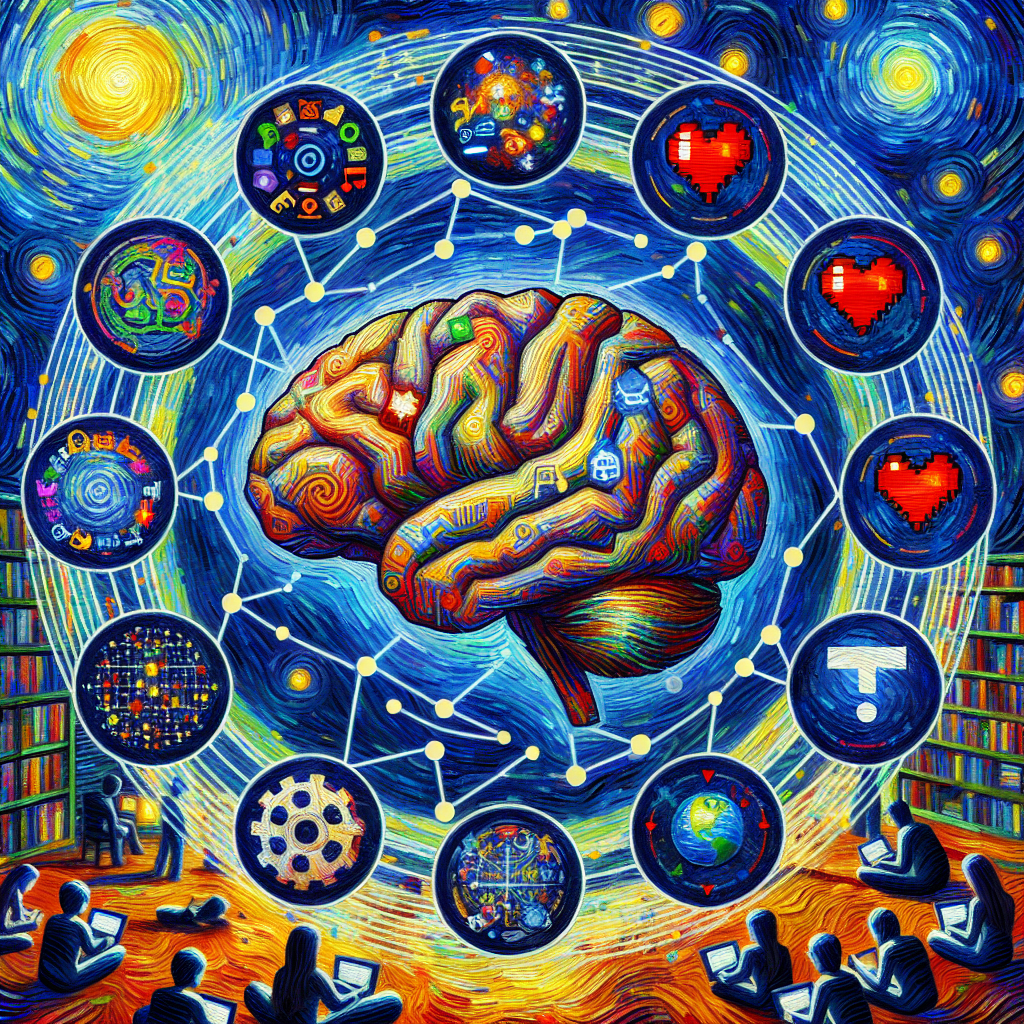
Haiku
Poem
Can Over-Gamification Lead to Senior Burnout and Apathy? – A Poem
In a world where games replace the grind,
Engagement sparks a lively mind,
Yet in the rush, beware the snare,
For over-gamification leads to despair.
What once was joy in tasks so drear,
Now turns to pressure, noise we hear.
Badges, points, a leaderboard chase,
Can steal the warmth of a human grace.
For seniors, who’ve weathered decades long,
Competition can feel like a bitter song.
With every challenge, the stakes rise high,
Yet some may find it easier to sigh.
As zeal turns to apathy, they stand apart,
From lively gatherings to a weary heart.
Signs of burnout quietly creep:
A loss of interest, and a spirit to leap.
But gamification offers a light,
When used with balance, it sparks delight.
Integrate fun in walks and games,
Rekindling friendships, lifting the flames.
Community weaving, connection divine,
Turns solitary journeys into paths that entwine.
Accountability blooms when we share our quest,
In laughter and rivalry, we find our best.
Simplicity, moderation, the keys to unlock,
A sprinkling of joy on life’s ticking clock.
So heed the signs, and find the way,
To play the game, while keeping the gray.
For life’s not just a scoreboard score,
But treasured moments, memories, and more.
In the dance of engagement, may we stride,
With compassion as our compass, let’s turn the tide.

Poem
Checklist
Can Over-Gamification Lead to Senior Burnout and Apathy? – A Checklist
Understanding Gamification in Seniors
_____ Educate yourself about the principles of gamification.
_____ Recognize the benefits of gamification for seniors (e. g. , enhanced engagement, social interaction, mental stimulation).
Identifying Signs of Over-Gamification
_____ Monitor engagement levels: Is the senior overly fixated on gamified tasks?
_____ Watch for withdrawal: Are they neglecting real-world relationships for virtual ones?
_____ Evaluate emotional well-being: Are they displaying irritability, frustration, or anxiety regarding game-related tasks?
_____ Assess physical activity: Is there a decline in physical movement due to excessive time spent on screens?
_____ Notice family dynamics: Is there diminished interaction with family due to their focus on gaming?
Strategies to Reduce Burnout
_____ Simplify tasks: Ensure gamified activities have clear and straightforward objectives.
_____ Encourage moderation: Promote a balanced schedule that allows for breaks and free time without gamification.
_____ Foster community: Integrate social interactions that encourage collaboration rather than competition.
_____ Solicit feedback: Regularly check in with the senior to understand their feelings about gamified experiences.
Enhancing Social Interaction
_____ Create group activities: Host events that incorporate gamification but emphasize teamwork, such as group games or challenges.
_____ Encourage sharing: Motivate seniors to talk about their gamified experiences and support each other’s goals.
_____ Celebrate milestones together: Recognize both individual and group achievements to strengthen community bonds.
Final Reflection
_____ Reassess gamification strategies regularly to ensure they align with the senior’s interests and capabilities.
_____ Keep the focus on enjoyment. Ensure that the gamified aspects of activities bring joy, rather than becoming an additional stressor.
Use this checklist to promote a healthier approach to gamification with seniors, ensuring their engagement remains positive and fulfilling while preventing burnout and apathy.

Checklist
At HowDoYouGame, we help people who love board games by collating information and news about games.
Be sure to read our other related stories at HowDoYouGame to learn more about games.