The Evolution Of Gaming: Uniting Generations Through Esports
By Tom Seest
At HowDoYouGame, we help people who love board games by collating information and news about games.
Be sure to read our other related stories at HowDoYouGame to learn more about games.
From Chess Tournaments to League Of Legends – Boomers Watching Esports
From the quiet ambiance of chess tournaments to the cacophony of League of Legends matchups, the world of competitive gaming has evolved into a vibrant canvas that paints the dynamics of our society. Once the domain of the studious and the introverted, games have broadened their audience, drawing in a generation that grew up with a joystick in one hand and a smartphone in the other.
What’s fascinating is the heart of the matter: these games aren’t just about pixels and polished graphics. They foster connection, inviting players and viewers alike into a community. With each click and keystroke, friendships are forged across continents, summoning a new sense of belonging. Grandma might be perplexed by the frenetic energy of a League of Legends stream, yet even she can appreciate the thrill of competition, reminiscent of her days watching chess masters duke it out over the board.
But this phenomenon isn’t just about nostalgia or juicy storylines. It invokes reason. Every match showcases strategy, intellect, and the impeccable timing of a well-executed play. It’s a cerebral exercise, requiring immense focus and critical thinking—traits that fueled success in the boardrooms of yesteryear. Watching a pro gamer pull off a dazzling maneuver is akin to witnessing a masterful chess strategy execute flawlessly. It’s an art form as much as it is a contest of wits, appealing to those who respect skill over luck.
At the same time, the ethical lens cannot be overlooked. Our society often vilifies gaming, arguing it breeds isolation and addiction. Yet, just look around. Schools now offer eSports programs, recognizing their potential to teach teamwork and resilience. These games bring together diverse audiences, transcending language barriers and cultural divides. Gaming isn’t just a pastime; it’s a new form of social interaction.
So here we are, Boomers and Millennials, gathered around screens that light our faces with excitement, learning from each other in ways that transcend generations. It’s not merely about watching others play; it’s about tuning into the essence of human endeavor, discovering the narratives that bind us together—across age, experience, and even geographical boundaries.
The next time you hesitate to embrace this modern age of competition, remember: these games, in all their diverse brilliance, are not just games. They are reflections of who we are and who we can become together. Let’s seize the opportunity, because trust me, folks—you won’t want to miss this show.

From Chess Tournaments to League Of Legends – Boomers Watching Esports
From Chess Tournaments to League Of Legends – Boomers Watching Esports
- The evolution of competitive gaming spans from chess to League of Legends, reflecting societal dynamics.
- Games have expanded their audience, attracting a generation familiar with technology.
- Competitive gaming fosters connections and community among players and viewers alike.
- Each match showcases strategy and critical thinking, similar to traditional games like chess.
- Concerns about gaming breeding isolation are countered by the rise of eSports programs in schools.
- Gaming transcends language and culture, serving as a new form of social interaction.
- The modern competitive landscape is a reflection of collective human endeavor, inviting participation across generations.

From Chess Tournaments to League Of Legends – Boomers Watching Esports
Table Of Contents
- From Chess Tournaments to League Of Legends – Boomers Watching Esports
- What Emotions Do Esports Evoke In Older Generations?
- How Do Baby Boomers View Strategy In Esports?
- Can Esports Be Compared to Chess In Complexity?
- What Ethical Concerns Arise with Esports and Gambling?
- How Has Viewing Esports Changed Social Interactions for Boomers?
- Do Boomers Feel Included In the Gaming Community?
- What Narratives Resonate with Older Audiences In Esports?
- Conclusion
- Other Resources
- Glossary Of Terms
- Other Questions
- Haiku
- Poem
- Checklist
What Emotions Do Esports Evoke In Older Generations?
What emotions do esports evoke in older generations? It’s a question that cuts deeper than you might think, threading its way through our hearts, sparking debates in our heads, and evoking gut-level reactions we often don’t see coming.
Picture this: An older man, perhaps a retired teacher, sitting in a worn-out recliner, eyes glued to a screen where avatars vie for supremacy. At first glance, it seems odd—why would he care about Games played for hours by young strangers? Yet, nestled within that screen lies a complex tapestry of connection, competition, and accomplishment. It’s a narrative that resonates with experiences etched in all our minds: the tensions of high school wrestling, community basketball games, or family poker nights. These memories hold emotional weight, igniting a longing for the camaraderie once experienced in those moments together.
As we peel back the layers, we see more than just pixels and points. To the untrained eye, esports may appear frivolous, but underneath lies a blend of strategy, teamwork, and perseverance. These traits are universal; they tap into values that older generations hold dear, weaving ethics of integrity and sportsmanship into the digital arena. When older individuals witness young players working together to overcome obstacles, they can’t help but feel a sense of pride—this is the next generation, adapting and thriving in an ever-changing world.
Moreover, there’s something both riveting and relatable about watching these young players pour their hearts into a championship match. For older viewers, witnessing genuine passion unlocks a treasure trove of emotions—from nostalgia for their own youthful days to respect for the dedication required to succeed. It’s a call to connect, a chance to bridge generational gaps through shared enthusiasm, maybe even leading to heartfelt conversations about personal ambitions, trials, and triumphs.
Consider, too, the community aspect that esports offers. Here’s an opportunity for parents and grandparents to engage with their loved ones in a meaningful way, to gather around the screen and share in moments of glory and defeat. These shared experiences can foster closer relationships, nurtured not only through memory but through action—discussions of strategies, laughter over blunders, and joy in victories, no matter how small.
In essence, the emotions stirred by esports challenge older generations to re-examine their perceptions of play. They encourage dialogue, connection, and a renewed appreciation for the spirited competition that binds us across ages. It’s time to put aside preconceptions and perhaps even embrace the unexpected—because who knows? There might be a heart-pounding moment just around the corner, waiting to ignite that familiar spark within us all.

What Emotions Do Esports Evoke In Older Generations?
What Emotions Do Esports Evoke In Older Generations?
- The question of what emotions esports evoke in older generations reveals complex feelings and connections.
- Older viewers may find themselves reminiscing about past experiences of competition and camaraderie, like high school sports or family games.
- Esports showcase universal values such as strategy, teamwork, and perseverance, resonating with older generations.
- Watching passionate young players can evoke nostalgia and admiration from older audiences.
- Esports create opportunities for family engagement and meaningful connections between generations through shared experiences.
- The emotions stirred by esports challenge older individuals to reconsider their views on play and competition.
- Engagement with esports can lead to unexpected positive experiences, bridging generational gaps and igniting shared enthusiasm.

What Emotions Do Esports Evoke In Older Generations?
How Do Baby Boomers View Strategy In Esports?
When you think about the world of esports, it’s easy to picture a bustling arena filled with excited fans, the glow of screens illuminating determined faces and passionate players. For many Baby Boomers, these games might seem like a foreign universe, but a closer look reveals a fascinating intersection of strategy and community that resonates deeply across generations.
It’s critical to understand that Baby Boomers have lived through waves of technological change, from landlines to smartphones. They’ve witnessed the shift from outdoor games to digital landscapes. With experience in both realms, they inherently appreciate the strategic elements of esports, much like the classic board games of their youth, where every move mattered and camaraderie was built through collaboration. Just as they once gathered around a Monopoly board, today’s esports fans congregate online, translating those same principles of teamwork and competition into dynamic environments that can rival any baseball diamond.
Every time a player picks up a controller, they engage in a battle of wits that echoes the mind games of chess or poker. This is where the rational appeal lies—the careful calculation of risk vs. reward. A Baby Boomer watching a championship match can recognize the strategic depth involved in selecting heroes, executing well-timed maneuvers, and outsmarting the opponent. It’s a cerebral dance, one that they can respect, even if they haven’t grasped every nuance yet.
But it’s more than just strategy; it’s about the narratives being forged. Behind every great esports match are stories of triumph, teamwork, and resilience. These tales are the lifeblood of the community, resonating with Baby Boomers who value hard work and perseverance. When they see an underdog rise to victory, it stirs those age-old instincts about facing challenges head-on, about betting on oneself—the ultimate American dream.
Moreover, ethics play a crucial role in the landscape of esports. Baby Boomers often emphasize fair play, integrity, and the importance of fostering positive environments. They can connect with the growing movement within esports to combat toxicity, promoting inclusivity and respect in gameplay.
As esports continue to evolve, engaging Baby Boomers in this vibrant culture offers an opportunity for connection. By understanding their perspectives, we enrich the community as a whole, blending experience with innovation. Whether you’re a seasoned veteran or a curious newcomer, there is a seat at this vibrant table for everyone.

How Do Baby Boomers View Strategy In Esports?
How Do Baby Boomers View Strategy In Esports?
- Esports is a vibrant world, blending strategy and community that resonates with different generations, including Baby Boomers.
- Baby Boomers have witnessed significant technological changes, appreciating the strategic elements of esports similarly to classic board games.
- The dynamics of competition in esports parallel traditional games, fostering teamwork and camaraderie in both settings.
- Every esports match involves strategic thinking, akin to chess or poker, highlighting a careful calculation of risk vs. reward.
- The narratives of triumph, teamwork, and resilience in esports resonate with Baby Boomers, reflecting values of hard work and perseverance.
- Ethics in esports, including fair play and combating toxicity, align with Baby Boomers’ emphasis on positive environments and inclusivity.
- Engaging Baby Boomers in esports culture enriches the community, welcoming diverse participants and blending experience with innovation.

How Do Baby Boomers View Strategy In Esports?
Can Esports Be Compared to Chess In Complexity?
As we dive into the world of competitive gaming, it’s easy to see some parallels with the traditional game of chess. Both are arenas where strategy reigns and mental fortitude counts for more than brute strength. But what about complexity? While many people might scoff at the notion that esports can match the timeless elegance of chess, let’s unpack that a bit.
At first glance, chess is a masterpiece of mental gymnastics. Each piece moves with purpose, representing the delicate interplay of power, strategy, and sacrifice. The beauty of a well-executed strategy can send chills down your spine, evoking emotions that rival those felt in the heat of battle during an esports tournament. Yet in the vibrant arena of competitive gaming, we find a different kind of complexity—a whirlwind of ever-shifting tactics and real-time decision-making that demands both creativity and discipline.
Think about the connection forged during a high-stakes match. Spectators are not just passive observers; they’re engaged, cheering on their favorites, their hearts pounding in unison with the players’ actions. That emotional rollercoaster is reminiscent of a chess match, where one wrong move can cost you victory. But in esports, the layers of complexity multiply exponentially. We’re talking about multi-dimensional strategies where hundreds of inputs must be processed simultaneously. Each game is a new challenge, much like a chess player facing an opponent with a unique style.
Rationally, we can observe that both games require intense dedication, whether it’s a young athlete training for hours to improve their skill set or a chess master perfecting their strategies over countless matches. From an ethical standpoint, both arenas foster values of respect, sportsmanship, and perseverance. Just like in chess clubs across the world, esports communities unite diverse audiences, breaking down barriers and creating connections that are both thrilling and profound.
While the chessboard may be static, esports embodies a living, breathing world that challenges our adaptability and encourages teamwork. This rapid evolution allows us to connect with something larger than ourselves—the transformative power of games. By engaging in esports, we embrace a future where strategy meets innovation and passion fuels collaboration.
So, as we weigh the merits of complexity in games, let’s celebrate not just who plays them, but how they unite us. Chess ignites the intellect, while esports enlivens the spirit. Both are worthy of our admiration and respect, underscoring the diverse tapestry of human expression through competition. Embrace it, and let yourself be inspired.

Can Esports Be Compared to Chess In Complexity?
Can Esports Be Compared to Chess In Complexity?
- Both competitive gaming and chess emphasize strategy and mental strength over brute force.
- Chess is an intricate game of strategy, showcasing purpose, power, and sacrifice among pieces.
- Esports offers a different complexity with real-time tactics and decision-making, requiring creativity.
- High-pressure matches in both arenas create strong emotional connections between players and spectators.
- Each esports game presents unique challenges, similar to a chess player facing diverse opponents.
- Both games demand intense dedication and foster values like respect, sportsmanship, and perseverance.
- Esports evolve constantly, promoting adaptability and teamwork while helping to unite diverse communities.

Can Esports Be Compared to Chess In Complexity?
What Ethical Concerns Arise with Esports and Gambling?
Esports and gambling—two worlds colliding in a whirlwind of excitement and risk. At first glance, it might seem harmless. After all, we’re talking about games, right? But peel back that shiny surface, and you’ll find a murky pool of ethical concerns that tug at the heartstrings, spark the intellect, and provoke a visceral reaction.
Picture a young gamer, eyes glued to the screen, fingers dancing over the keyboard. The thrill of competition fuels their passion, but there’s another layer lurking beneath. With every click and keystroke, the temptation to gamble can seep in, often disguised as harmless fun. Yet as more players in the esports arena come to recognize the opportunity for profit, we must ask: at what cost? It’s a difficult position: the very passion that ignites their spirit can also lead them down a path of potential addiction.
Let’s engage the head for a moment. The statistics are staggering. Research shows that young people are more likely to gamble if they have access to esports betting. The lure of easy money is hard to resist, but the reality can be harsh. Many are unprepared for the emotional rollercoaster that gambling can bring—losses that extend beyond just money. While we’ve built a treasure chest of potential, we’ve also got to consider the moral implications. Are we exploiting the very dreams we’ve fostered in our youth?
Now, let’s appeal to the gut, our instinct. Imagine a community where your neighbor or friend finds themselves entangled in a web of gambling debts, all because of a well-placed bet on their favorite esports team. The devastation ripples outward, affecting families, friendships, and social circles. It’s not just about loss; it’s about loss of trust and connection.
These concerns raise not just ethical flags, but societal ones as well. In an era where we value authenticity, can we truly align ourselves with an industry that overlooks the potential harm to its most passionate players? We must foster a dialogue, championing responsibility in a world that is far too quick to embrace commercialization.
Ultimately, the call to action is clear: stand up, speak out, and safeguard the integrity of the games we love. Let us nurture our communities—after all, the stakes involve more than just money; they encapsulate passion, dreams, and the very essence of who we are.

What Ethical Concerns Arise with Esports and Gambling?
What Ethical Concerns Arise with Esports and Gambling?
- Esports and gambling intersect, creating excitement but also ethical concerns.
- The thrill of competition in gaming can intertwine with the temptation to gamble.
- Many young gamers may be drawn into gambling, risking addiction in pursuit of profit.
- Research indicates that accessibility to esports betting increases gambling likelihood among youth.
- Gambling can bring emotional turmoil, leading to losses that extend beyond finances.
- Community impacts are profound, as gambling debts can strain personal relationships and social ties.
- There is a need for responsible dialogue to protect the integrity and passion of gaming communities.

What Ethical Concerns Arise with Esports and Gambling?
How Has Viewing Esports Changed Social Interactions for Boomers?
Esports are often thought of as the realm of the young. However, when Boomers tune in to these high-stakes competitions, it opens new gateways for social interaction that many may have thought were closed off with age. Gone are the days when barriers kept generations apart; instead, we’re witnessing a remarkable convergence where games serve as a common passion igniting conversations and relationships.
Imagine a Boomer settling into their favorite armchair, a bowl of popcorn at hand, eyes glued to the screen. They see bright colors, frenetic movement, and hear the raucous cheers of fans. This isn’t merely digital noise; it’s a world where strategy and quick decision-making reign. For many Boomers, the television has shifted from family sitcoms to live streams of League of Legends or Dota 2, inviting them to engage with the narratives created by skilled players. It’s a refreshing take on competition, delivering excitement and a sense of community without the demands of physical exertion.
This newfound interest isn’t just about watching; it invites Boomers into conversations with younger family members and friends. Suddenly, they’re not just the spectators at the family gathering; they’ve got a stake in the game. Picture a grandfather and grandson huddled together, dissecting the latest match, clashing opinions sparking lively debates. That shared experience enriches relationships, forging connections that might have otherwise remained tenuous.
Moreover, these interactions are not merely for entertainment; they hold a mirror to important life lessons—teamwork, perseverance, and the thrill of victory, but also the sting of defeat. Sharing moments of triumph or disappointment humanizes the experience, blending ethical lessons with a competitive spirit. When Boomers engage with the world of esports, they’re not just spectators; they become part of a larger narrative—one where age is simply a number, and interests become shared experiences.
Esports are bridging the generation gap, fostering connections that fundamentally reshape how Boomers engage with their loved ones and the world around them. They’re not just games; they’re vital threads weaving our social fabric tighter. So, grab that controller, join the conversation, and let the games begin. Because in every match, there’s an opportunity for connection, growth, and a fresh perspective on what it means to belong.

How Has Viewing Esports Changed Social Interactions for Boomers?
How Has Viewing Esports Changed Social Interactions for Boomers?
- Esports are traditionally viewed as activities for the young, yet Boomers are increasingly tuning in.
- This engagement opens new pathways for social interaction, reducing generational barriers.
- Boomers are shifting their viewing habits from sitcoms to live esports streams, such as League of Legends and Dota 2.
- Watching esports provides Boomers with a sense of community and excitement without physical demands.
- Their participation in esports discussions enhances relationships with younger family members.
- These interactions offer valuable life lessons like teamwork and perseverance through shared experiences.
- Esports serve to bridge the generation gap, reshaping how Boomers relate to loved ones and their social environment.

How Has Viewing Esports Changed Social Interactions for Boomers?
Do Boomers Feel Included In the Gaming Community?
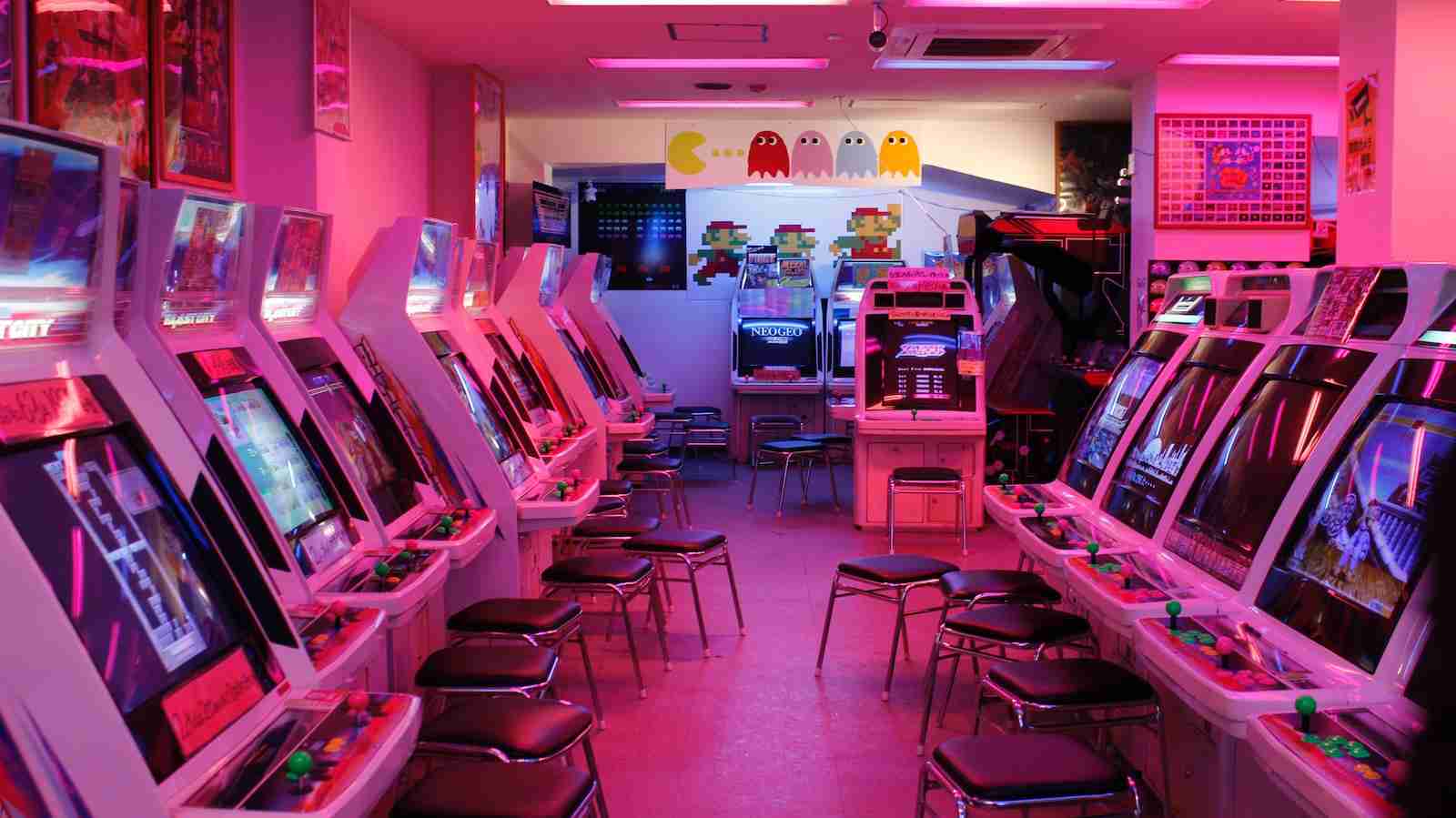
In a world where pixels and polygons form a tapestry of shared experiences, one question arises: Do Boomers feel included in the gaming community? It’s a perplexing paradox. Here we have a generation that grew up in the golden age of arcades, a time when the local pizza joint was a battleground for high scores and friendships were forged over shared adventures in 8-bit worlds. Yet today, many of them find themselves on the outside looking in, their voices drowned by the high-speed chatter of younger players.
Let’s face it: the gaming vernacular can feel like a private language. Abbreviations, memes, and inside jokes can alienate those unfamiliar with the latest trends. But before we dismiss Boomers as relics of a bygone era, consider this: behind every experienced gamer is a story worth telling. These are folks who know the value of a high score, who understand the thrill of competition and the joy of collaboration. They’ve traversed the digital landscapes of their youth, just as effectively as any Millennial or Gen Z player. When we think of inclusion, let’s remember that it’s rooted not just in the games themselves, but in the connections they foster.
Imagine Grandma, eyes bright with wonder as she navigates a sprawling fantasy world, or Dad commanding a virtual army with the same passion he brought to backyard baseball games. The laughter, frustration, and triumphs they experience are universal. The ethical responsibility to embrace diversity in gaming means welcoming those who paved the way for today’s digital playgrounds. As gaming continues to evolve, it’s crucial to hold the door open for everyone, regardless of age.
Listen closely, and you can hear the heartbeat of a community that thrives on shared joy—not just on winning but on connecting. Start conversations that include the Boomers; share games that resonate across generations. When doing so, you not only inspire trust but foster relationships that bridge any perceived divides. Gaming, at its core, is about camaraderie and adventure. Let’s ensure every generation can partake in that journey. After all, every player deserves a seat at the table. Whether they’re swinging a sword or butting heads in a strategic battle, inclusion isn’t merely a checkbox—it’s the essence of what makes gaming a vibrant, living community. Together, we can champion a culture that relaxes with open arms, inviting all who wish to game.

Do Boomers Feel Included In the Gaming Community?
Do Boomers Feel Included In the Gaming Community?
- The gaming community faces the question of whether Boomers feel included.
- Many Boomers, who grew up during the arcade era, feel excluded today.
- Gaming language can alienate those unfamiliar with current trends.
- Every experienced gamer, including Boomers, has valuable stories to share.
- Inclusion in gaming is about fostering connections across generations.
- Embracing diversity in gaming involves welcoming players of all ages.
- Conversations and games that resonate across generations can bridge divides.

Do Boomers Feel Included In the Gaming Community?
What Narratives Resonate with Older Audiences In Esports?
In the realm of esports, older audiences often find themselves at a crossroads, navigating the lively digital world with a nostalgic compass. What resonates deeply is the nuanced narrative that mirrors their own life experiences—a story that includes struggle, perseverance, and the unmistakable joy of connection. It’s more than just “Games”; it’s about the stories spun within them, the friendships forged, and the lessons learned that echo the trials of life.
Imagine an older player logging in, the familiar sounds of a game igniting a rush of memories. They remember the days spent in front of arcade machines or gathering with friends for local tournaments. These narratives are rife with emotion; tales of triumph over adversity, friendships that withstand the test of time, and moments of sheer exhilaration. This is the heart of gaming culture, where everyone can relate to the classic underdog story, regardless of age.
Rationality also comes into play when older audiences begin to see the impact these narratives can have on their lives. They seek a connection that offers a sense of belonging and validation. Engaging in esports can enhance cognitive skills, foster relationships, and even provide a sense of purpose. Overcoming challenges in a game mirrors overcoming challenges in real-life—making it a formidable platform for growth and resilience.
Ethically, it’s the responsibility of the esports community to ensure these narratives are inclusive and respectful. Showcasing the journeys of older gamers not only enforces a moral framework but also elevates representation. These players become role models for younger audiences, proving that passion knows no age.
Moreover, the authority of seasoned gamers sharing their stories adds another layer of intrigue. When an older player speaks about their journey, it resonates; their years of experience carve pathways through generational gaps. This authentic sharing builds trust and fosters connection.
Socially, communities form around these powerful stories, creating safe havens for camaraderie. Whether it’s strategizing over a game or reminiscing about past achievements, the bonds forged in these digital arenas often transcend the screen, leading to lasting friendships.
It’s the narratives of growth, resilience, and community that inspire older audiences to dive back into esports. They remind us all—and especially them—that age is just a number, and every game is a new chance to reconnect with the excitement of competition and the joy of shared victories.

What Narratives Resonate with Older Audiences In Esports?
What Narratives Resonate with Older Audiences In Esports?
- Older audiences in esports find resonance in narratives reflecting their own life experiences, including struggle, perseverance, and connection.
- Games evoke nostalgia, reminding older players of earlier experiences with arcade machines and local tournaments.
- The gaming culture embraces classic underdog stories that everyone can relate to, regardless of age.
- Engaging in esports enhances cognitive skills, fosters relationships, and provides a sense of purpose.
- It’s vital for the esports community to promote inclusive and respectful narratives that elevate the representation of older gamers.
- Seasoned gamers sharing their stories help bridge generational gaps and build trust within the community.
- Narratives of growth, resilience, and community inspire older audiences to reconnect with the excitement of competition and friendship in esports.

What Narratives Resonate with Older Audiences In Esports?
Conclusion
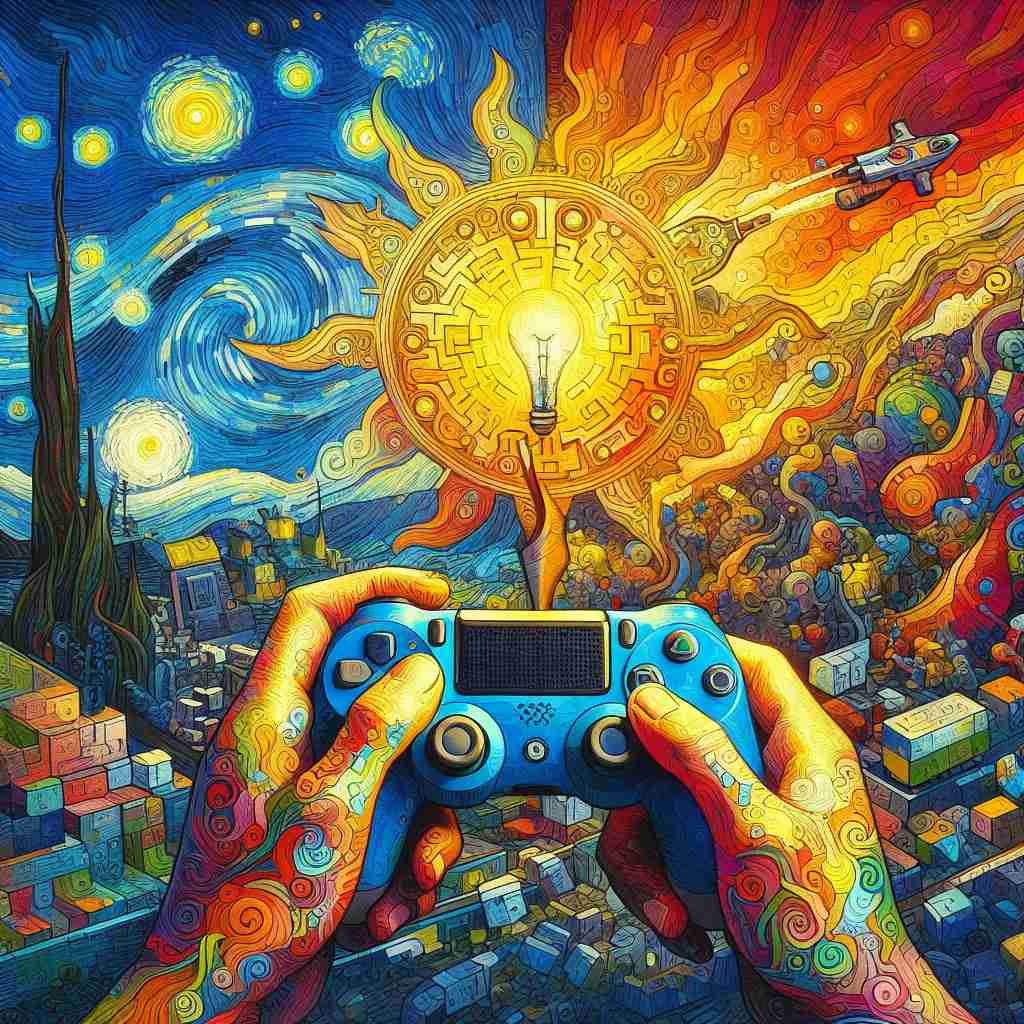
The evolution of gaming is a story worth diving into, especially as we bear witness to its ability to weave together the generations—from Boomers to Gen Z. The vibrancy of esports, once veiled by perceptions of isolation and frivolity, is now emerging as a powerful connector. Picture an older individual settling down for a match of League of Legends, eyes sparkling with intrigue. It’s a moment where nostalgia intertwines with a fresh embrace of new narratives—where the thrill of competition ignites vibrant conversations across age divides.
As we immerse ourselves in this world, we recognize that gaming encompasses much more than just pixels on a screen. It encapsulates deep emotional resonance—reminiscent of local chess tournaments or family game nights. Within esports lies a unique camaraderie, inviting everyone into an arena where strategies unfold just as they did around a game of Monopoly or a poker table. For Boomers, witnessing this dynamic dance of strategy and perseverance is not just a nostalgic trip; it’s a reaffirmation of values they hold dear. Here, we glimpse the art of critical thinking and teamwork and find echoes of our own life experiences.
But let’s address the elephant in the room: the ethical concerns surrounding gaming. The stigma that gaming fosters addiction or isolation seems to lose weight in the face of burgeoning esports programs within schools. These initiatives teach collaboration and resilience, reminding us that reality and play are often intertwined. Esports can serve as invaluable arenas for personal development, not just for the players but for the viewers who learn from the highs and lows of competition.
Moreover, these platforms forge connections, turning Boomers—and all of us—into active participants in a narrative about overcoming adversity. An older generation can root for the underdog, share in the thrill of a victory, and even have animated discussions about strategy with younger family members, thus enriching relationships and creating shared experiences.
As we embrace this modern era of competition, we should reflect on the importance of inclusivity within the gaming community. Each story, each match, is a reminder that gaming is not solely about winning, but about shared joy, learning, and connection. Every generation should feel empowered to engage, and as we move forward, this cultural shift in gaming shows promise not only for entertainment but as a bridge that brings us closer together. So, let’s pull up a chair, tune in, and experience this extraordinary show together—because there’s a seat for everyone at the gamer’s table.

Conclusion
Conclusion:
- The evolution of gaming connects generations from Boomers to Gen Z.
- Esports is transforming perceptions, emerging as a vibrant connector across age groups.
- Gaming offers deep emotional resonance, akin to traditional family games and tournaments.
- Esports fosters camaraderie and critical thinking, resonating with Boomers’ values of teamwork.
- Concerns about gaming addiction are countered by positive initiatives in schools that promote collaboration.
- Gaming encourages personal development and shared experiences among different generations.
- The gaming community must prioritize inclusivity, emphasizing joy, learning, and connection over competition.
Conclusion
Other Resources

Other Resources
Here is a list of other resources you can review online to learn more:
- Grail Games
- No Pun Included
- MailChimp
- Diigo
- Sushi Go!
- GMT Games
- YouTube
- AEG
- Serious Poulp
- Amigo Spiele
- Odnoklassniki
- Forbidden Stars
- Flickr
- Cranio Creations
- Scoop.It
- Meeple Mountain
- Wizards of the Coast
- Root: The Riverfolk Expansion
Use This Prompt To Get More Resources With Your Favorite Online AI Tool: Please provide me with a list of online articles with their URLs in a bulleted list that I can read regarding From Chess Tournaments to League Of Legends – Boomers Watching Esports

Other Resources
Glossary Terms
From Chess Tournaments to League Of Legends – Boomers Watching Esports – Glossary Of Terms
1. Esports: Competitive, organized video gaming, often featuring professional players and teams.
2. Boomers: Individuals born between 1946 and 1964, a generation that did not initially grow up with digital gaming.
3. Chess Tournament: A competitive event where players compete against each other in the game of chess, often with formal rules.
4. League of Legends: A popular multiplayer online battle arena (MOBA) game where teams compete to destroy each other’s base.
5. Spectator: An individual who watches esports events, often through online streams or live audiences.
6. Streaming: Broadcasting live video over the internet, commonly used in esports to share gameplay and tournaments.
7. Commentary: Live narration provided by analysts during esports events, helping viewers understand the game’s strategies and actions.
8. Metagame: The evolving tactics and strategies that players use in response to the current game environment and popular trends.
9. Skill Gap: The difference in ability levels between players or teams, impacting competition outcomes.
10. Twitch: A popular live streaming platform primarily used for gaming content, where esports events and streamers connect with audiences.
11. Multiplayer: A gaming format that allows multiple users to play together or against each other, often in real-time.
12. Game Mechanics: The rules and systems that govern how a game operates and how players can interact with it.
13. League: A structured competition format in esports, often featuring multiple teams competing over a season.
14. Team Composition: The selection and arrangement of characters or roles chosen by a team in games like League of Legends.
15. Patch Notes: Updates issued by game developers outlining changes to gameplay, often influencing strategies and player behaviors.
16. Ranking System: A method to classify players based on their performance in competitions, affecting matchmaking and league placements.
17. LAN (Local Area Network): An event format where players compete in-person at a designated venue, often for a more immersive experience.
18. Prize Pool: The total amount of money or awards available for distribution among contestants in an esports tournament.
19. Overwatch: Another popular multiplayer online shooter game, known for its team-based gameplay and diverse character roster.
20. Viewer Engagement: The interaction between esports content and the audience, including chat participation and social media discussions.
21. Replay Value: The degree to which a game can be played repeatedly and still provide an enjoyable experience.
22. Hardware: The physical components of a computer or gaming rig, crucial for performance in competitive gaming.
23. Coaching: The practice of training and strategizing with players to improve performance and teamwork in esports.
24. Apex Legends: A battle royale game that combines shooting with team dynamics, similar to League of Legends in its competitive structure.
25. Sponsorship: Financial backing provided by companies or brands to esports teams or events, often in exchange for advertising.
26. Fanbase: A community of supporters and followers dedicated to specific teams, players, or games within esports.
27. Clutch Play: An impressive and decisive action taken by a player in high-pressure situations, often leading to a game-winning moment.
28. Character Roster: The list of playable characters in a game, each with unique abilities affecting game strategies.
29. Esports Organization: A company that manages esports teams and players, involved in branding, sponsorships, and event management.
30. Digital Natives: Individuals who have grown up with technology and video games, often contrasting Boomers in their gaming familiarity and habits.

Glossary Of Terms
Other Questions
From Chess Tournaments to League Of Legends – Boomers Watching Esports – Other Questions
If you wish to explore and discover more, consider looking for answers to these questions:
- What specific strategies do older generations find appealing in esports?
- How do older viewers perceive the competitive nature of esports compared to traditional sports?
- What steps can game developers take to make esports more accessible to Boomers?
- How do Boomers engage with online gaming communities compared to younger gamers?
- What role does nostalgia play in attracting Boomers to esports?
- Are there any successful esports programs targeted specifically at older generations?
- How do generational differences in technology use affect Boomer participation in esports?
- What are the best esports games for Boomers to begin with?
- How do Boomers view the impact of esports on youth culture and education?
- What unique challenges do Boomers face when joining the esports community?
- How can family members facilitate discussions about esports with older relatives?
- What emotional benefits do Boomers derive from watching or playing esports?
- How can the esports industry better promote inclusivity for older gamers?
- What community events exist that cater specifically to gamers over 50?
- How has the portrayal of older gamers in esports media evolved over time?

Other Questions
Haiku
From Chess Tournaments to League Of Legends – Boomers Watching Esports – A Haiku
Generations converge,
Pixels spark connection’s flame,
Shared dreams bridge the gap.

Haiku
Poem
From Chess Tournaments to League Of Legends – Boomers Watching Esports – A Poem
In a world where screens glow bright,
From chessboards calm to the arena’s fight,
A tapestry woven with joy and strife,
Esports unite us, igniting life.
Boomers gaze, intrigued by the play,
The echoes of youth in the digital fray,
A thrill reminiscent of high school halls,
Where friendships bloom in victory’s calls.
With every keystroke, strategies unfold,
Cerebral dances, both brave and bold.
A chess-like grandeur, yet swift and wild,
Connects the seasoned and the youthful child.
Through pixels and passion, they bridge the divide,
Offering stories where memories abide.
Grandparents cheer for a counter’s embrace,
Finding connection in this thrilling space.
But lurking in shadows, ethics arise,
The gamble on dreams whispering lies.
Yet, within these games, values shine bright,
Teaching teamwork, resilience, and might.
As they gather, laughter fills the room,
Uniting the ages, dispelling the gloom.
For in every match, a heartbeat thrums,
In this vibrant community, together, we come.
So let’s join the game, let’s share the delight,
In the stories we forge, our spirits take flight.
Age is but a number in this grand quest we share,
In the world of esports, there’s room everywhere.
Poem
Checklist
From Chess Tournaments to League Of Legends – Boomers Watching Esports – A Checklist
Checklist for Embracing Esports Across Generations
Heart (Emotional Appeals)
_____ Reflect on personal stories of connection through gaming; how have games helped forge friendships or family bonds?
_____ Consider the emotions that arise when witnessing competition; how does it evoke nostalgia for past experiences of camaraderie?
_____ Engage in conversations about the excitement and thrill of live esports events with younger generations.
Head (Rational Appeals)
_____ Analyze the strategic elements of your favorite games; what similarities do you see with traditional games like chess or poker?
_____ Recognize the skills involved in esports, such as critical thinking and teamwork; how can these traits apply beyond gaming?
_____ Explore the narratives within esports that reflect values of resilience and perseverance; how does this relate to personal or professional challenges?
Gut (Visceral Appeals)
_____ Acknowledge any preconceived notions about gaming; how can you shift your perspective to appreciate the community aspect of esports?
_____ Identify any discomfort around the idea of gaming; what steps can you take to engage more comfortably with this world?
_____ Share your gut reactions to victories and defeats in esports; how do these moments resonate with your own life experiences?
Practical Steps (Categorical Actions)
_____ Engagement: Join discussions or watch esports with family members; share thoughts and strategies in real-time.
_____ Learning: Research local esports programs or clubs; consider participating or supporting initiatives that welcome diverse age groups.
_____ Connection: Reach out to younger gamers in your life; ask them about their favorite games and what draws them to the competitive scene.
Ethical Considerations (Integrity Appeals)
_____ Reflect on the ethical implications of esports and gambling; how can you promote responsible gaming within your community?
_____ Encourage a culture of inclusivity; advocate for recognizing contributions from older gamers in conversations about the future of esports.
Social Opportunities (Community Appeals)
_____ Participate in online gaming forums or local esports events; find ways to connect with others who share an interest in gaming.
_____ Share personal narratives that reflect your own gaming experiences; foster connections with others by discussing the impact of gaming on your life.
Authority (Expertise Appeal)
_____ Seek out seasoned gamers within your community; learn from their experiences and insights about bridging the generational gap in gaming.
_____ Follow reputable sources and discussions surrounding the ethics and impact of esports on society; stay informed about best practices in the gaming community.

Checklist
At HowDoYouGame, we help people who love board games by collating information and news about games.
Be sure to read our other related stories at HowDoYouGame to learn more about games.