


Connecting Through Tech: How Gen Z Gamers Forge Lasting Bonds
By Tom Seest
At HowDoYouGame, we help people who love board games by collating information and news about games.
Be sure to read our other related stories at HowDoYouGame to learn more about games.
From TikTok to Team Chat – Gen Z Gamers Stay Connected Everywhere
When you think of a gamer, what comes to mind? Perhaps a quiet video game room lit by the glow of a screen, a solitary figure immersed in a digital world. But for Gen Z, gaming has become a vibrant lifeline, weaving connections that span the globe. Every click and keystroke pulses with camaraderie, respect, and creativity. Across diverse platforms, from TikTok skits to team chat apps, they share more than just games; they share laughter, dreams, and a sense of belonging.
Can you hear the laughter echoing through Discord channels? Picture a group of friends strategizing their next big win in a battle royale, voices mixing with the thrill of anticipation and the thrill of competition. These moments encapsulate the essence of connection – a blend of friendly banter and fierce rivalry that builds community in a fast-paced, often disorienting world. They create shared experiences that transcend geography, uniting players who have never met in person, yet feel like lifelong friends.
This isn’t just play; it’s a powerful movement. In a digital age awash with noise, Gen Z gamers find solace in the camaraderie, forming bonds deeper than some traditional friendships. It’s about creating a safe space where they can express themselves authentically, appreciating each other’s quirks, skills, and unique perspectives. Ethical engagement emerges as they advocate for inclusivity and mutual respect within their communities, challenging outdated stereotypes and championing diverse voices in gaming.
Moreover, this generation’s penchant for creativity shapes their interactions. TikTok doesn’t just serve as a platform for entertainment; it’s a conduit for innovation. By crafting short, engaging content, they share game tips, celebrate victories, and even tackle life’s challenges with humor. It’s a marriage of entertainment and education, turning casual observers into passionate participants, each video a thread in a larger tapestry of experience.
The impact extends beyond the screen. These digital friendships foster resilience and support; when life gets tough, they rally together, offering encouragement and understanding. It’s a reminder that, even in virtual realms, vulnerability can forge the strongest connections.
This, my friends, is where the heart of gaming resides. It’s not merely about scoring points or leveling up; it’s about the relationships we build along the way. So next time you log in, remember: every game played, every chat had, is an opportunity to connect, inspire, and uplift.

From TikTok to Team Chat – Gen Z Gamers Stay Connected Everywhere
From TikTok to Team Chat – Gen Z Gamers Stay Connected Everywhere
- Gaming for Gen Z is a thriving lifeline, fostering global connections beyond mere play.
- Platforms like TikTok and Discord facilitate sharing experiences, laughter, and a sense of belonging.
- Friendly banter and competition in gaming build communities and unite players despite geographical distances.
- Gen Z gamers create safe spaces for authentic self-expression, fostering deeper bonds than traditional friendships.
- They advocate for inclusivity and respect, challenging stereotypes and uplifting diverse voices in gaming.
- TikTok serves as a hub for creativity, blending entertainment with educational content related to gaming.
- Digital friendships provide resilience and support, demonstrating that vulnerability can strengthen connections.
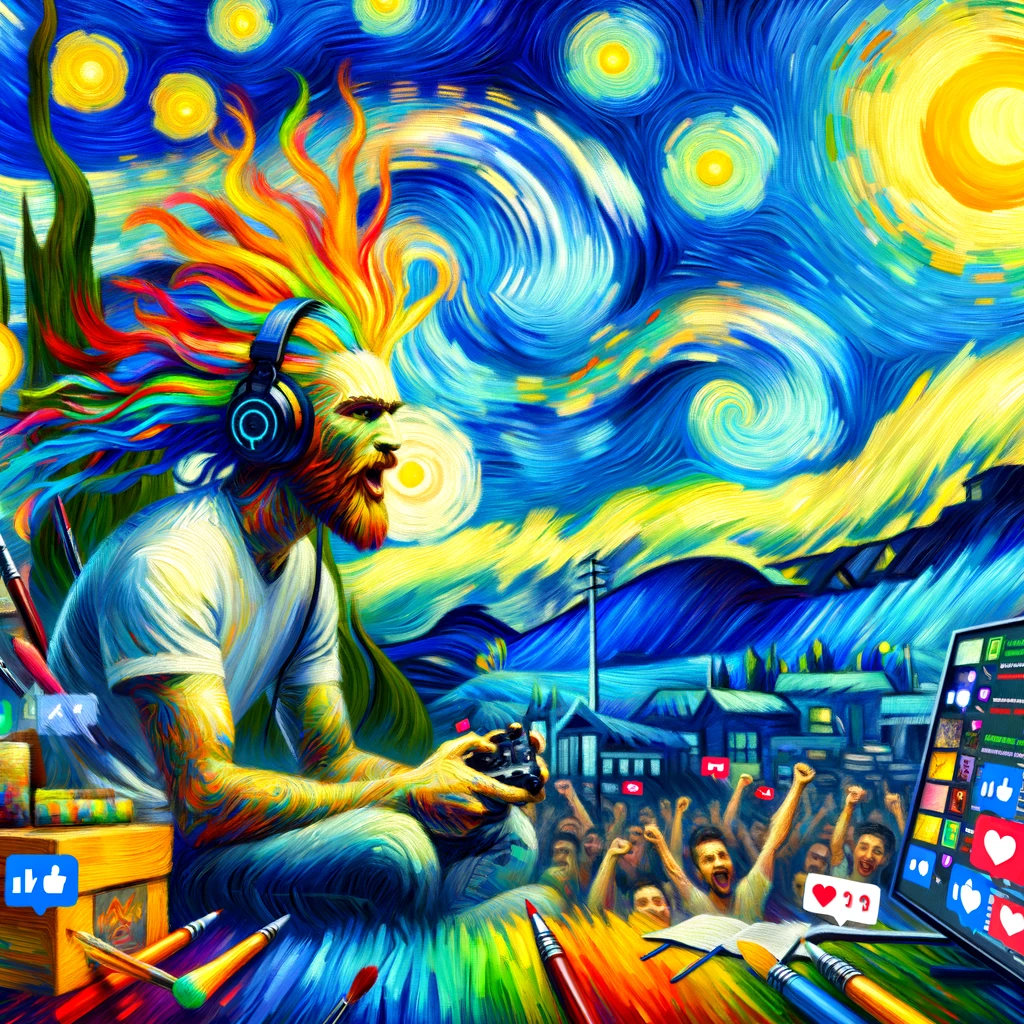
From TikTok to Team Chat – Gen Z Gamers Stay Connected Everywhere
Table Of Contents
- From TikTok to Team Chat – Gen Z Gamers Stay Connected Everywhere
- What Emotional Connections Do Gamers Build Through Online Platforms?
- How Do Gaming Chats Influence Teamwork and Collaboration?
- Is It Ethical to Share Gaming Experiences on Social Media?
- How Does TikTok Shape the Gaming Culture for Gen Z?
- Can Social Gaming Help Bridge the Gap Between Generations?
- How Are Gaming Trends Impacting Youth Mental Health Today?
- What Authority Figures Shape the Gaming Communities on TikTok?
- Conclusion
- Other Resources
- Glossary Of Terms
- Other Questions
- Haiku
- Poem
- Checklist
What Emotional Connections Do Gamers Build Through Online Platforms?
In the world of online gaming, connections form like threads in an intricate tapestry, weaving together the lives of individuals who may otherwise never meet. When players log into their favorite games, they step into a realm where barriers dissolve and empathy thrives. These are not just games; they are platforms where friendships blossom, alliances form, and heartfelt stories unfold.
Consider the intensity of a multiplayer session where every victory is shared and every failure is felt. The laughter that erupts after a well-executed strategy, or the collective groan following a devastating loss, resonates deeply within each player. These moments forge emotional bonds, creating a shared history that rivals the strongest of friendships built in the real world. The camaraderie fosters a sense of belonging, a reminder that even in an expansive universe of avatars, we are all navigating life together.
On a rational level, video games offer communities that are diverse and inclusive. Players from different cultures, backgrounds, and experiences bring their unique perspectives to the table. This symbiosis helps challenge stereotypes and cultivate understanding among those who may seem worlds apart. Real-world issues are discussed and debated, and empathy grows, revealing the extraordinary power of games to unite rather than divide.
Ethically, this online environment encourages values such as teamwork, resilience, and respect. Gamers learn to communicate effectively and support each other, honing skills that transcend the virtual landscape. The ethical framework of many games promotes fairness and accountability, inviting players to reflect on their actions and the impact they have on others.
Narratives built within these spaces are often as compelling as any bestseller. Players share their triumphs and defeats, weaving a story that is both personal and collective, illustrating life’s unpredictability through quests and missions. In doing so, they inspire others to share their own stories, creating an echo of vulnerability and strength.
Ultimately, gaming is more than escapism. It’s about nurturing connections that resonate long after the console is turned off. The friendships formed, the challenges faced together, and the shared laughter serve as reminders of our humanity—even in a digital space. So, next time you pick up that controller, remember; it’s not just a game. It’s a chance to build your very own community, one click at a time.

What Emotional Connections Do Gamers Build Through Online Platforms?
What Emotional Connections Do Gamers Build Through Online Platforms?
- Online gaming creates connections that bring together individuals from diverse backgrounds.
- Players experience empathy and forge emotional bonds through shared victories and losses.
- Multiplayer sessions foster a sense of belonging and camaraderie among players.
- Diverse communities within gaming challenge stereotypes and promote understanding.
- Gaming encourages teamwork, resilience, and respect, fostering effective communication skills.
- Narratives in games resonate with players, highlighting personal and collective stories.
- Ultimately, gaming transcends mere escapism by nurturing lasting connections and community.

What Emotional Connections Do Gamers Build Through Online Platforms?
How Do Gaming Chats Influence Teamwork and Collaboration?
In the digital realm of gaming, the hum of virtual chat echoes like the heartbeats of countless players, weaving a tapestry of voices that, together, foster teamwork and collaboration. Picture this: a squad of four, huddled around a screen, their fingers dancing across keyboards, eyes locked onto the unfolding chaos of a digital battlefield. Suddenly, the chat ignites with strategic banter, weaving tension into trust, and turning strangers into allies. It’s in these moments that games transcend mere entertainment—they become crucibles of connection.
It’s a wild ride that invites us to tap into something fundamental about human nature. We crave connection, and gaming chats give us a venue to express our thoughts, share strategies, and celebrate victories. As teams strategize in tandem, they learn to read not just the game ahead, but each other. This interplay—forging bonds over shared victories and defeats—shows us the transformative power of collaboration. Cue the heart; imagine the thrill of orchestrating a last-minute play that turns the tide, feeling the rush of exhilaration as a single chat message galvanizes the entire team.
Yet, let’s keep our feet on the ground and our heads in reality. It’s more than just banter; there’s a science behind it. Effective communication fosters a culture of accountability. When players share feedback, they’re more likely to iterate and improve, pushing each other toward excellence. These chats become the lifeblood of learning and development—players grow not just as individuals, but as cohesive units, elevating their collective performance. This rational viewpoint underscores the importance of communication in any collaborative effort, even beyond the screen.
Ethically, we must consider the words we choose. Gaming chats can build or break cultures—harnessing positivity and encouragement, or spiraling into toxicity. It is our responsibility as gamers to uplift each other, nourishing a supportive environment that reflects the values we hold dear. Let’s harness this power, shaping our virtual communities with integrity, because if we treat our teammates well, the rewards are boundless.
Finally, we’re not just gamers; we are a community—a network of diverse individuals united by passion. Each chat exchanged, every heads-up shared, builds that invisible thread of solidarity. So next time you log on to your favorite gaming platform, remember: every word counts. Embrace the conversations. Lead with empathy. In doing so, you’re not just playing a game; you’re fostering collaboration that extends far beyond the screen.

How Do Gaming Chats Influence Teamwork and Collaboration?
How Do Gaming Chats Influence Teamwork and Collaboration?
- Virtual chat in gaming fosters teamwork and collaboration among players.
- Strategic communication turns strangers into allies and elevates gameplay.
- Gaming chats provide a platform for players to share thoughts, strategies, and celebrate victories.
- Effective communication enhances accountability and promotes player development.
- Words in gaming chats can influence the culture, either positively or negatively.
- Gamers have a responsibility to create a supportive and encouraging environment.
- Every interaction in gaming builds community and strengthens solidarity among players.
How Do Gaming Chats Influence Teamwork and Collaboration?
Is It Ethical to Share Gaming Experiences on Social Media?
When you think about the act of sharing your gaming experiences on social media, consider the weight of that click. These games are more than just pixels and code; they are expansive worlds filled with stories, triumphs, and struggles that resonate deeply with us. Each time we press ‘post,’ we’re not merely broadcasting our latest achievements; we’re weaving a narrative that connects players across the globe.
Emotionally, these games touch on our very core. They spark joy, ignite competition, and remind us of our shared humanity. Maybe you’re celebrating a hard-fought victory in a multiplayer battle or reminiscing about a quiet moment in a sprawling role-playing game. Each story told celebrates our vibrant community, yet it also raises questions about privacy and the ethical implications of sharing.
Rationally speaking, when we share our gaming experiences, we participate in a knowledge exchange that benefits all. It informs others about game quality, strategies, and emotional journey, enhancing their experience and guiding newcomers who seek community. Sharing can foster solid bonds and offer support, inviting dialogue that may spark new friendships. This rational connection gives weight to our actions, hinting at a responsibility we bear when we engage in these interactions.
But let’s not forget the ethical dimensions. The choice to share is not just personal; it sits at a crossroads of individual expression and communal well-being. Are we respecting the boundaries of developers and other players, or are we crossing lines unwittingly? It’s vital to reflect on how our contributions affect the broader gaming landscape.
Authoritative voices in gaming often suggest that positive and constructive sharing can elevate the community. By promoting encouragement and healthy discourse, we can help cultivate an environment that thrives on trust. So, how do we gauge our impact? Perhaps it’s about striking a balance — sharing stories that celebrate success while also honoring the struggles, challenges, and even failures that shape us as players.
Navigating this digital realm invites us to contemplate our choices. While games unite us, how we share our experiences can define us. It’s more than just sharing; it’s about building a legacy of empathy, respect, and connection. So, let’s approach our gaming experiences on social platforms with an open heart, a thoughtful head, and a gut sense of responsibility. Let’s elevate our community, one post at a time.

Is It Ethical to Share Gaming Experiences on Social Media?
Is It Ethical to Share Gaming Experiences on Social Media?
- Sharing gaming experiences on social media carries significant emotional weight and promotes connection among players worldwide.
- Games evoke deep emotions and shared moments, highlighting the joy, competition, and humanity within the gaming community.
- Sharing experiences provides valuable insights into game quality, strategies, and emotional journeys, fostering knowledge exchange.
- Engaging in sharing can strengthen community bonds and create opportunities for dialogue and friendship.
- The act of sharing raises ethical questions regarding privacy, developer boundaries, and the impact on the gaming landscape.
- Constructive and positive sharing can cultivate a trusting and supportive community atmosphere.
- Approaching sharing with empathy, respect, and responsibility allows players to build a meaningful legacy within the gaming world.

Is It Ethical to Share Gaming Experiences on Social Media?
How Does TikTok Shape the Gaming Culture for Gen Z?
In a world where the complexity of life is often drowned out by noise, TikTok emerges as a vibrant arena, shaping the gaming culture for Gen Z in ways we never anticipated. Here, every swipe offers a window to a universe brimming with imagination, skill, and connection. The games they play today aren’t just pastimes; they’re the very fabric of their identity, interwoven with fierce camaraderie and the many stories that make them who they are.
Let’s talk about emotion. When Gen Z logs onto TikTok and sees their favorite streamers nailing a tough level or hilariously failing at an epic boss fight, they’re not just spectators—they feel every triumph and defeat. A triumphant headshot isn’t just a gaming highlight; it’s a shared exhale among friends. These moments forge unbreakable bonds, blending the competitive with the communal. Kids laugh, they weep, and through the cathartic lens of gaming, they find themselves. The game becomes a catalyst for conversation, a means to connect in ways that extend beyond screens.
Then there’s the logic. The algorithms, ruthlessly efficient in their understanding of what holds attention, make sure the most relevant and relatable content rises to the surface. This isn’t just entertainment; it’s a lifestyle, carefully curated. Those nostalgic games of yesteryear find a second life as influencers remix old classics, breathing new energy into the known. Gen Z absorbs this knowledge like a sponge, drawing from the vast tapestry of shared experiences. They learn tips, develop strategies, and understand gaming as not merely a competition, but an art form—each playstyle reflecting their unique fingerprint.
Ethically, the gaming culture on TikTok promotes inclusivity. Whether it’s cosplaying as beloved characters or showcasing indie games that might not get mainstream recognition, creators are opening doors, ensuring that everyone has a seat at the table. And as these voices rise, the chorus grows louder—a collective reminder that gaming transcends boundaries, nurturing inclusivity and diversity.
Finally, think about the future. As influencers champion underrepresented voices, they’re guiding Gen Z toward a more equitable gaming landscape. The essence of gaming—challenge and change—bumps against the world, urging players to embrace growth. TikTok doesn’t just document these changes; it drives them. This isn’t just a fleeting trend; it’s a revolution waiting to unfold right before our eyes, molding the very essence of a generation. So, grab the controller and let’s dive in—the game is just beginning.

How Does TikTok Shape the Gaming Culture for Gen Z?
How Does TikTok Shape the Gaming Culture for Gen Z?
- TikTok shapes gaming culture for Gen Z by providing a vibrant community filled with imagination, skill, and connection.
- Games are integral to Gen Z’s identity, fostering camaraderie and expressing their personal stories.
- Emotional connections arise from shared gaming experiences, creating laughter and tears, and forming strong bonds.
- The platform’s algorithms curate relevant content, making gaming not just entertainment but a curated lifestyle.
- Nostalgic games are reimagined by influencers, offering new energy and encouraging learning and strategic thinking.
- TikTok promotes inclusivity in gaming by highlighting diverse voices and indie games, fostering community participation.
- As influencers advocate for equity in gaming, TikTok drives a revolution, shaping the future of gaming culture for Gen Z.

How Does TikTok Shape the Gaming Culture for Gen Z?
Can Social Gaming Help Bridge the Gap Between Generations?
There’s an undeniable magic that happens when generations collide over a simple game. It’s more than just pressing buttons or rolling dice; it’s about connection. Picture it: a grandparent, once cloaked in the fog of a bygone era, leaning in to share a laugh with a grandchild who can barely remember a time before smartphones. In that moment, the divide of age evaporates, if only for a few hours.
Social gaming, whether it’s a round of trivia or an epic quest in a fantastical world, taps into the universal human desire for interaction. It’s not simply about winning or losing. It’s about sharing stories, reminiscing about life’s little victories, and learning from one another. Those moments of laughter and competition fuel deep connections that can bridge even the toughest generational gaps. It offers a chance to learn from each other’s experiences—taking wisdom from the elderly while providing fresh perspectives to the younger crowd—forming a new narrative that transcends the barriers of age.
Now, let’s think about the data for a moment, shall we? Studies reveal that collaborative gaming can enhance communication skills, improve empathy, and foster an understanding of diverse backgrounds. When families gather around a screen, or circle around a board, the potential for rich dialogue is immense. A teenager playing a co-op game with a retired parent is not only engaging in friendly competition; they’re building mutual respect, understanding, and laying the foundations for better familial relationships.
And there’s an ethics component here. When we take time to engage with our loved ones—especially those who have paved the way for us—we’re honoring their experiences and sacrifices. Encouraging older generations to join the fold creates a space where their voices are valued, where they can feel included rather than sidelined in an evolving digital landscape.
Let’s be real: in a world that seems to value speed and convenience, carving out time for connection is a radical act. It’s a conscious choice to prioritize relationships over screens and noise. So, whether it’s a classic card game or the latest multiplayer phenomenon, consider this: behind every game lies the potential for genuine connection. Go ahead, pick up the controller, shuffle the cards, and invite your loved ones in. Let’s break down those walls, one game at a time.

Can Social Gaming Help Bridge the Gap Between Generations?
Can Social Gaming Help Bridge the Gap Between Generations?
- Generational connections are enhanced through gaming, transcending age differences.
- Social gaming fosters interaction beyond winning or losing, promoting shared stories and experiences.
- Moments of laughter and competition build deep connections between generations.
- Collaborative gaming improves communication skills, empathy, and understanding of diverse backgrounds.
- Games create opportunities for richer dialogue and mutual respect in family relationships.
- Engaging older generations in gaming honors their experiences and fosters inclusion.
- Choosing to connect through games is a powerful act against a fast-paced, digital world.

Can Social Gaming Help Bridge the Gap Between Generations?
How Are Gaming Trends Impacting Youth Mental Health Today?
In today’s world, gaming isn’t just a pastime; it’s a lifeline for many young people. As we watch our youth navigate the vast landscapes of brilliant virtual realms, we must ask ourselves: How are these games shaping their minds and hearts? It’s a tough question, one that deserves our attention and care.
Let’s consider a teen, Emma, who finds solace in a multiplayer game after a long day at school. The laughter of friends echoing through her headphones feels like a hug when the world feels cold. Games can foster connections, offering a kind of camaraderie that transcends physical distance. For many, these digital landscapes are where friendships flourish, creating a sense of belonging that’s vital for mental health. They provide a space where risks can be taken, where victories can be celebrated, and where failures are simply the next stepping stone to success. Emotionally, this can be transformative; a mere escape can bloom into a supportive community.
Yet, as inviting as that world can be, it carries its shadows. The adrenaline rush from leveling up can quickly devolve into a stream of anxiety. When games become compulsive, they intertwine with self-worth and identity, leaving some young minds grappling with comparison and validation. The isolation that can come from too much screen time—while paradoxically connecting them to others—can also lead to loneliness and depression. It becomes imperative for parents, educators, and peers to foster dialogue about the impact of gaming on mental health.
From a rational standpoint, balance is key. Encouraging moderation in gaming can do wonders for emotional stability. It’s the old adage: everything in moderation. Set boundaries, but also create space for meaningful discussion about the feelings that arise in these immersive experiences. Encourage youth to talk about their gaming experiences—what they love, what’s challenging, and how it affects their emotions and relationships.
Becoming aware of the dual impact of games emphasizes the need for responsible engagement. There lies an opportunity: video games, when approached mindfully, can enhance cognitive skills and social connections, but unchecked, they can lead to turbulent waters. Together, let’s cultivate an environment where our youth can thrive in both their virtual adventures and the vibrant reality around them, forging resilience and hope within their hearts, guided by wisdom and compassion.

How Are Gaming Trends Impacting Youth Mental Health Today?
How Are Gaming Trends Impacting Youth Mental Health Today?
- Gaming has become a lifeline for many young people, shaping their minds and hearts.
- Multiplayer games provide solace and a sense of belonging, fostering connections and camaraderie.
- Games allow for risks, celebrations, and learning from failures, transforming mere escapism into supportive communities.
- However, gaming can also lead to anxiety and issues related to self-worth and identity.
- Excessive screen time may result in isolation, loneliness, and depression, highlighting the need for dialogue about gaming’s impact on mental health.
- Encouraging moderation and meaningful discussions about gaming experiences can promote emotional stability.
- Mindful engagement with video games can enhance cognitive skills and social connections, paving the way for resilience and hope.

How Are Gaming Trends Impacting Youth Mental Health Today?
What Authority Figures Shape the Gaming Communities on TikTok?
In the vibrant world of TikTok, where creativity pulses like a heartbeat, authority figures in gaming shape not just trends, but friendships, identities, and communities. Who are these guides in the digital wilderness? They come in many forms: seasoned gamers, beloved content creators, industry insiders, and even the passionate fans who create and curate inspiring narratives.
Take a moment to consider the seasoned gamer. They’ve sat through the frustrations of leveling up, faced the toughest bosses, and emerged with stories that resonate deeply. Like an experienced coach mentoring young athletes, they share their hard-won wisdom, offering strategy and guidance to those just starting out. This creates a bridge between generations, where the experienced impart knowledge to the eager. Across TikTok, these figures harness their gaming prowess, transforming what could be isolated gaming experiences into collective adventures.
And then there are the content creators, the charismatic souls who breathe life into games with their unique flair. With each TikTok, they create not just videos but a shared experience. Their laughs, excitement, and, yes, even their failures, invite viewers to connect on a personal level. They show us that gaming isn’t simply about winning or losing; it’s about the moments we share with others. When they try a new game and react with pure joy, or even frustration, their emotions are tangible. It’s relatable, making the viewer feel like a part of something much larger than themselves—a thriving community engaged in a shared passion.
Social connections thrive in this environment, where virtual friendships blossom over common interests. We find common ground as we laugh, cheer, and commiserate together. The ethical responsibility of these authority figures lies in their ability to foster inclusivity and camaraderie, helping to create spaces where everyone feels welcome. They build a culture of positivity, encouraging newcomers to step into the vibrant world of gaming without fear of judgment.
While skepticism may arise in any community, it’s crucial to develop trust in these voices. By being open, engaging, and authentic, authority figures foster a sense of confidence among followers. They remind us that no matter our skills or knowledge, every voice matters in this grand tapestry of gaming. And that, my friends, is the beauty of it all: a community built not just on games, but on shared human experience.

What Authority Figures Shape the Gaming Communities on TikTok?
What Authority Figures Shape the Gaming Communities on TikTok?
- Authority figures in gaming on TikTok shape trends, friendships, identities, and communities.
- Seasoned gamers act as mentors, sharing wisdom and strategies to bridge generational gaps in gaming.
- Content creators bring games to life with their charisma, creating shared experiences for viewers.
- Emotional engagement from content creators makes viewers feel part of a larger community passionate about gaming.
- Social connections fostered on TikTok encourage inclusivity and camaraderie among gamers.
- Trust is built in the community through the openness and authenticity of authority figures.
- The gaming community thrives on the shared human experience, valuing every individual voice.

What Authority Figures Shape the Gaming Communities on TikTok?
Conclusion
Understanding the digital landscape of gaming today reveals just how profound the connections forged within this realm can be. For Gen Z, gaming transcends mere entertainment—it’s a vital lifeline, a means to forge deep bonds and create lasting friendships across vast distances. With platforms like TikTok and team chats, these young gamers navigate a world filled with laughter, creativity, and shared experiences. Picture the camaraderie bubbling up in a Discord channel, where strategy and banter blend seamlessly—a testament to both competition and collaboration in the digital age.
This isn’t just about achieving high scores or leveling up; it’s about nurturing a sense of belonging. Gaming serves as an inclusive community where individuality is celebrated, and voices once marginalized are championed. This diverse environment dismantles stereotypes and cultivates empathy, enabling players to interact with others from various backgrounds, enriching their perspectives. The ethical implications here are significant; when gamers advocate for respect and inclusivity, they’re shaping a culture that echoes the values we hold dear in society.
Creatively, TikTok plays a pivotal role in reshaping gaming culture. With every video, players not only share their gaming journeys but also enrich the experiences of others, turning casual gamers into passionate participants. This dynamic platform encourages innovative storytelling and provides a canvas for collaboration, where strategies are shared, and life lessons are learned amidst the thrill of gaming.
Moreover, these digital friendships foster resilience. In a world where life’s challenges often loom large, the support garnered from online communities can be invaluable. The shared laughter following a glorious win, or the collective gasp after a narrow loss, illustrates how gaming fosters emotional connections that resonate deeply. These moments are powerful reminders that even in virtual spaces, our humanity shines through.
As we look toward the future, we must acknowledge the responsibility that comes with this digital connection. By prioritizing positive engagement and fostering open dialogues about mental health, we can ensure that gaming continues to be a source of joy, growth, and community. Let’s embrace the opportunity that every game offers—not just as players, but as creators of a supportive and inclusive culture. So, the next time you log in, remember: gaming is more than just a pastime; it’s a chance to celebrate our shared humanity. Each click and keystroke can help build a world where everyone belongs.
Conclusion
Conclusion:
- Gaming for Gen Z is a vital lifeline that fosters deep bonds and friendships over distances.
- Platforms like TikTok and Discord enhance the gaming experience through laughter, creativity, and shared moments.
- Gaming nurtures a sense of belonging, celebrating individuality and voices that were once marginalized.
- This diverse community helps dismantle stereotypes and cultivates empathy among players from different backgrounds.
- TikTok reshapes gaming culture through storytelling and collaboration, engaging casual gamers as active participants.
- Digital friendships in gaming foster resilience, providing support during life’s challenges and creating emotional connections.
- It is essential to prioritize positive engagement and open dialogues about mental health to maintain gaming as a joy-filled community.

Conclusion
Other Resources

Other Resources
Here is a list of other resources you can review online to learn more:
- Gloomhaven: Jaws of the Lion
- Gamewright
- Board to Death TV
- Cranio Creations
- Champions of Midgard
- Jumbo
- Istanbul
- Dominion: Prosperity (Second Edition)
- Pandemic Legacy: Season 1
- Codenames
- Eagle-Gryphon Games
- Asyncron
- Ravensburger
- The Board Game Family
- Hearts
- Fluxx
- Board Game Quest
Use This Prompt To Get More Resources With Your Favorite Online AI Tool: Please provide me with a list of online articles with their URLs in a bulleted list that I can read regarding From TikTok to Team Chat – Gen Z Gamers Stay Connected Everywhere

Other Resources
Glossary Terms
From TikTok to Team Chat – Gen Z Gamers Stay Connected Everywhere – Glossary Of Terms
1. Gen Z: The demographic cohort born between the late 1990s and early 2010s, known for their digital fluency and social media engagement.
2. Gaming Community: A collective of individuals who share an interest in video games, often interacting through various platforms for collaboration and feedback.
3. TikTok: A social media platform primarily for sharing short-form videos, popular among Gen Z for its creative and entertaining content.
4. Team Chat: A communication tool used by gaming teams and friends to coordinate and strategize during gameplay, often through platforms like Discord or WhatsApp.
5. Streaming: The live broadcasting of gameplay over the internet, allowing viewers to watch and interact with gamers in real-time.
6. Esports: Competitive gaming at a professional level, often involving organized tournaments, sponsorships, and substantial prize pools.
7. Content Creator: Individuals who produce online content, including gameplay videos, tutorials, or reviews, on platforms like YouTube or Twitch.
8. Memes: Humorous images, videos, or text that are shared and modified across the internet, often reflecting current cultural trends and gaming experiences.
9. Social Interaction: Engagement between users over digital platforms, crucial for maintaining relationships and building communities within the gaming world.
10. Cross-Platform Play: The ability for gamers on different consoles or devices to play together in the same game environment.
11. Discord: A communication platform popular among gamers that combines voice, video, and text chat for communities and teams.
12. Online Lobbies: Virtual spaces where gamers can gather to join games, chat, and organize play sessions before entering gameplay.
13. Influencers: Individuals who have the power to affect the purchasing decisions or behaviors of others due to their authority, knowledge, or relationship with their followers.
14. Virtual Reality (VR): A simulated experience that can mimic or create an entirely new environment, enhancing the interactive aspects of gaming.
15. Augmented Reality (AR): Technology that overlays digital information, such as images or sounds, onto the real world, used in games to enrich player experiences.
16. Microtransactions: Small purchases made in-game, allowing players to buy virtual goods or enhancements, commonly found in free-to-play games.
17. User-Generated Content (UGC): Content created by users, enhancing games through player-made levels, mods, or skins, often shared within a community.
18. Clans/Guilds: Groups formed within gaming communities for players to collaborate, compete, and socialize, often sharing resources and strategies.
19. Gaming Platforms: Various systems or services (like PC, console, or mobile) where gamers can access and play video games.
20. RPG (Role-Playing Game): A genre of games where players assume the roles of characters and engage in a narrative-driven experience, often featuring character development.
21. Battle Royale: A game mode where players compete in a last-man-standing format, often featuring a shrinking play area and resource gathering.
22. Avatar: A digital representation of a player within a game, customizable to reflect personal style or preferences.
23. Latency: The delay between player input and action occurring in-game, an important factor affecting gameplay experience, particularly in competitive settings.
24. Patch Notes: Updates released by game developers detailing changes, improvements, or fixes made to a game after patches or updates.
25. Skill-Based Matchmaking: A system that pairs players based on their skill levels, aiming to create balanced and competitive gameplay experiences.
26. Gameplay Mechanics: The rules and systems that define how a game operates, including movement, combat, and resource management.
27. Loot Boxes: Virtual items that players can purchase or earn and contain random rewards, often sparking debate over their impact on gaming.
28. Sponsorship: Financial support provided to players, teams, or content creators from companies in exchange for promotion and brand visibility.
29. Community Events: Organized gatherings or activities within gaming platforms to foster interaction and engagement among players.
30. Twitch: A streaming platform specifically for gamers, allowing users to broadcast live gameplay and interact with viewers through chat.

Glossary Of Terms
Other Questions
From TikTok to Team Chat – Gen Z Gamers Stay Connected Everywhere – Other Questions
If you wish to explore and discover more, consider looking for answers to these questions:
- What specific platforms do Gen Z gamers prefer for social interaction?
- How do gaming experiences differ across cultures in the Gen Z demographic?
- What are the most popular games among Gen Z gamers and why?
- How have gaming trends evolved with the rise of social media?
- What role do online communities play in mental health for Gen Z gamers?
- How can parents engage with their children in gaming to foster connection?
- What measures are being taken to promote inclusivity in gaming communities?
- How do gaming influencers impact the choices and behaviors of young players?
- What are the potential negative impacts of excessive gaming on youth?
- How can gaming be used as a tool for education and personal development?
- In what ways do gaming chats enhance relationships among players?
- How does TikTok promote new games and gaming trends among Gen Z?
- What ethical considerations should gamers keep in mind when sharing online?

Other Questions
Haiku
From TikTok to Team Chat – Gen Z Gamers Stay Connected Everywhere – A Haiku
Digital worlds collide,
Gen Z gamers connect deep,
Bonding heart to heart.

Haiku
Poem
From TikTok to Team Chat – Gen Z Gamers Stay Connected Everywhere – A Poem
In a world where screens glow and avatars dance,
Gen Z gamers forge connections, taking their chance.
Not just pixels and codes, but bonds that ignite,
In laughter and strategy, they find shared delight.
From TikTok’s short reels to Discord’s embrace,
Each keystroke a thread, weaving joy in this space.
They laugh and they lose, their triumphs resound,
A gathering of souls where true friendships are found.
In this vibrant arena, empathy blooms,
Across borders and cultures, breaking old tombs.
Gaming’s a canvas, creativity spills,
With diverse voices painting hopes and new thrills.
But as joy intertwines with shadows of doubt,
They wrestle with balance, what life is about.
For every high score there’s pressure and race,
Navigating identities, finding their place.
Yet here comes the wisdom, in teamwork they thrive,
Each chat and each moment, together they strive.
Authority shapes them, with mentors and peers,
Crafting a culture where inclusivity steers.
From grandparents to grandchildren, the gaps make they mend,
In shared moments of gaming, connections extend.
Through trials of quests and collective delight,
They cherish each story, navigating the night.
With heart, head, and gut, let’s step into play,
To uplift our communities, come what may.
Embrace the adventure that each game imparts,
For in pixels and laughter, we heal tender hearts.

Poem
Checklist
From TikTok to Team Chat – Gen Z Gamers Stay Connected Everywhere – A Checklist
Checklist for Connecting Through Gaming: Heart, Head, and Gut
Emotional Appeals
_____ Reflect on moments when gaming created laughter or joy with friends.
_____ Share a personal story of connection formed during a gaming session.
_____ Identify favorite games that evoke strong emotions and why.
Rational Appeals
_____ Consider how gaming has broadened your perspective on different cultures.
_____ List skills you’ve learned from gaming that apply to real-life situations (e. g. , teamwork, communication).
_____ Analyze the balance between screen time and real-world engagement.
Ethical Appeals
_____ Evaluate how you contribute to a positive gaming community.
_____ Make a commitment to prioritize inclusivity and mutual respect in gaming spaces.
_____ Reflect on the impact of your online sharing—are you mindful of privacy and ethics?
Authority Appeals
_____ Identify influential figures in gaming that inspire you—what can you learn from them?
_____ Follow a diverse set of content creators and engage with their communities.
_____ Mentor someone new to gaming; share tips and support their journey.
Narrative Appeals
_____ Write down a narrative about your journey as a gamer—what has it taught you about connection?
_____ Discuss a gaming experience that challenged you and how you overcame it.
_____ Use a game to bridge a conversation with someone from a different generation.
Social Appeals
_____ Create or participate in a community gaming event—online or offline.
_____ Share a recent gaming victory with your social media circle.
_____ Encourage family or friends to join you in a gaming session for shared bonding.
Practical Actions
_____ Schedule regular gaming times with friends to strengthen connections.
_____ Reflect weekly on the emotions and interactions your gaming experiences evoke.
_____ Foster discussions around the mental health impacts of gaming within your circle.

Checklist
At HowDoYouGame, we help people who love board games by collating information and news about games.
Be sure to read our other related stories at HowDoYouGame to learn more about games.




