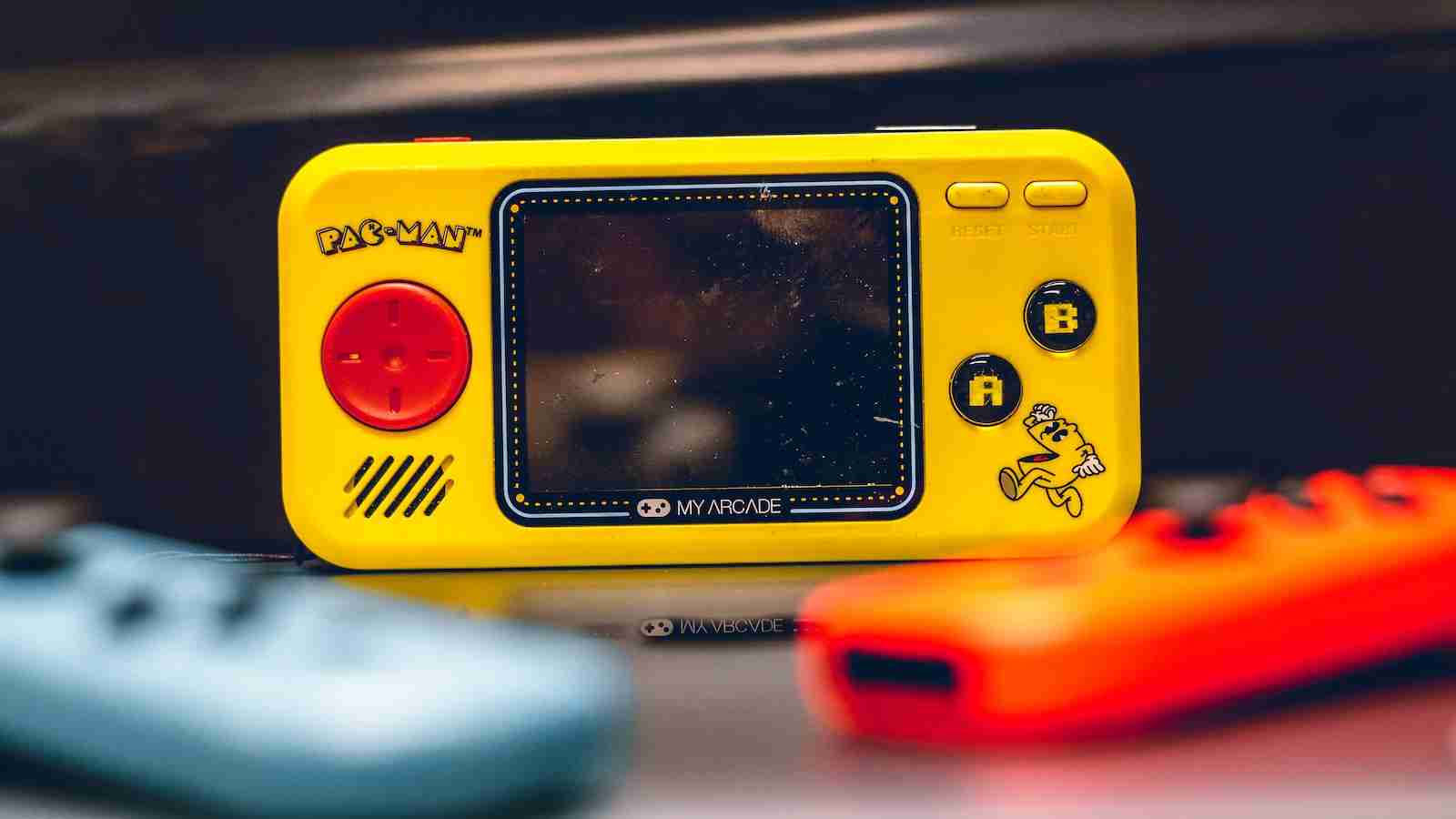
Leveling Up: The Impact Of Gaming On Life Skills
By Tom Seest
At HowDoYouGame, we help people who love board games by collating information and news about games.
Be sure to read our other related stories at HowDoYouGame to learn more about games.
Could Gaming Impede Your Life Skills Development?
Let’s be honest here: gaming has a grip on a whole generation. The bright screens, the immersive worlds, the thrill of leveling up—there’s no denying that the world of gaming creates an experience that’s hard to resist. But as with any powerful force, it’s vital to ask ourselves if it’s a boon or a burden when it comes to our real-life skills.
At its heart, gaming is about *gamification*, turning tasks into challenges that reward you with points and trophies. It’s a brilliant concept that has made learning more engaging and enjoyable. Yet here’s the kicker—while you’re busy racking up digital achievements and perfecting your gaming strategies, life on the outside may be passing you by. Are you honing your ability to navigate real relationships? Are you mastering the skills that make us successful in the workforce?
Imagine, for a moment, the hours you’ve dedicated to conquering that virtual world. Now, think about what those hours could have been spent on—cooking, fixing things around the house, or even learning a new instrument. Skills that don’t come with a high score or flashy graphics but are foundational in life.
It’s easy to lose sight of these things when you’re chasing the next quest. The “real world” can feel mundane compared to the adrenaline rush of gaming, but the truth is, life can be just as rewarding when you invest in it. The challenge is striking a balance—a harmony where gaming complements rather than consumes your potential.
So, what’s the solution? It’s not about abandoning games altogether; it’s about being mindful. Set boundaries—decide how many hours you’ll play each week. And during that time, challenge yourself to share your victories with friends, discuss strategies, and maybe even engage in a little competition that echoes real-world scenarios.
If you can take the excitement from the screen and channel it into tangible activities, you might find that the thrill of progression isn’t confined to the pixels of a game. Real-life victories can be even more rewarding, teaching you everything from time management to effective communication skills.
Remember: the next time you pick up that controller, pause for a moment and ask yourself—how can I translate this experience into something that enriches my life? There’s a world of opportunity waiting just beyond that screen. Grab it!

Could Gaming Impede Your Life Skills Development?
Could Gaming Impede Your Life Skills Development?
- Gaming captivates a generation with immersive experiences and leveling up.
- Gamification turns tasks into engaging challenges, making learning enjoyable.
- Excessive gaming may prevent the development of real-life skills and relationships.
- Time spent gaming could be used for life skills like cooking or music.
- Striking a balance is crucial for ensuring gaming complements life rather than consumes it.
- Set boundaries for gaming hours and engage in discussions about strategies with friends.
- Channel the excitement of gaming into real-life achievements to enhance personal growth.

Could Gaming Impede Your Life Skills Development?
Table Of Contents
- Could Gaming Impede Your Life Skills Development?
- How Does Gaming Affect Time Management Abilities?
- Can Gaming Create Unproductive Habits?
- Does Excessive Gaming Hinder Emotional Intelligence?
- Is There A Link Between Gaming And Poor Problem-Solving Skills?
- How Might Gaming Impact Teamwork And Collaboration Skills?
- Can Gaming Lead To Isolation From Real-World Interactions?
- Does Gaming Detract From Physical Activity And Health?
- Conclusion
- Other Resources
- Glossary Of Terms
- Other Questions
- Haiku
- Poem
- Checklist
How Does Gaming Affect Time Management Abilities?
Ah, gaming. It’s not just a pastime reserved for lazy afternoons or spirited nights with friends; it’s become a complex tapestry of challenges, achievements, and—yes—fundamentally, lessons in time management. If you ever thought gaming was merely mindless entertainment, get ready for a revelation, because those pixelated quests may hold valuable insights into how we juggle our responsibilities in real life.
Let’s face it: the world of gaming is a dynamic playground filled with deadlines, objectives, and the all-important countdowns. Enter the concept of gamification, the process of applying game-like elements to non-game contexts to engage and motivate people. Think about it—when you’re racing against the clock to gather supplies, conquer a dungeon, or ascend to the next level, you’re not just zoning out; you’re honing skills in prioritization, multitasking, and strategic planning. It’s like a crash course in effective time allocation, where every decision matters, and every second counts.
Players often find themselves in situations where they must weigh the importance of immediate tasks against long-term goals. Should I spend my resources on quick fixes, or should I hold out for something grander? This is a skill that transcends the screen and seeps into our everyday lives. How many of us can relate to racing against a deadline for a work project while tempting ourselves with brief distractions—be it social media, a snack, or, yes, another gaming session? Recognizing this pattern allows us to take control and improve our time management skills in the real world, making organization as engaging as leveling up in a beloved game.
But here’s where the rubber meets the road: gaming teaches us to fail and adapt. It’s all about trial and error, learning from mistakes, and systematically improving to achieve our goals. In the face of a daunting task list, we can channel that same resilience. When you feel overwhelmed by a mountain of to-dos, remember that those countless respawns and retries in your favorite game echo the journey of real-life challenges. Embrace that perspective!
So, what are you waiting for? Discover how those hours spent battling foes or strategizing with friends can actually enrich your ability to manage time effectively. Perhaps it’s time to gamify your own schedule, turning mundane tasks into quests worthy of a hero. Who knows? You might just come out the other side feeling more accomplished than ever.

How Does Gaming Affect Time Management Abilities?
How Does Gaming Affect Time Management Abilities?
- Gaming is more than entertainment; it offers valuable lessons in time management.
- The world of gaming involves deadlines, objectives, and countdowns, similar to real-life responsibilities.
- Gamification applies game-like elements to motivate and engage people in non-game contexts.
- Players develop skills in prioritization, multitasking, and strategic planning through gaming experiences.
- Gaming encourages balancing immediate tasks against long-term goals, a skill useful in everyday life.
- Failure and adaptation in gaming teach resilience that can be applied to real-world challenges.
- Consider gamifying your schedule to boost motivation and make mundane tasks feel rewarding.
How Does Gaming Affect Time Management Abilities?
Can Gaming Create Unproductive Habits?
Let’s be honest for a minute. Who among us hasn’t felt the enticing pull of a video game, lured in by promises of epic quests, hidden treasures, and a chance to be the hero of our own story? After a long day’s grind at work or the responsibilities of adulthood, the allure of a pixelated world can be downright irresistible. Yet, as we dive headfirst into these digital realms, there’s a nagging question that lingers in the back of our minds: Can gaming create unproductive habits?
At first glance, gaming can seem like an endless cycle of enjoyment and distraction. Developers have mastered the art of *gamification*, transforming mundane tasks into something that feels rewarding and invigorating. But there’s a flip side. For those of us who find ourselves logging more hours in a virtual world than our real lives, the pitfalls can start to pile up like unwashed laundry. One minute you’re strategizing how to defeat the ultimate boss, and the next, you’ve lost track of time and your laundry has evolved into its own ecosystem.
We’ve all seen it—those marathon gaming sessions that stretch late into the night, the growing collection of unfinished chores or disregarded plans with family and friends. While gaming can foster skill development and encourage teamwork, the danger lies in letting it bleed into the parts of our lives that are non-negotiable. Finding balance is akin to threading a needle; we can enjoy the thrill of a quest while still maintaining our responsibilities and relationships.
However, it’s not all doom and gloom. There’s a way to approach gaming that can enhance productivity instead of detracting from it. For instance, if you can set boundaries, like limiting playtime or using your gaming victories as motivation to tackle real-life tasks, then you’re engaging with these digital escapades in a way that fosters growth.
By recognizing the potential for gaming to become a double-edged sword, we can harness its motivational aspects without losing sight of what truly matters in our lives. So, the next time you pick up that controller, take a moment to assess not just what’s happening in the game, but what’s happening in your world. Connect, engage, and bring that spirit of adventure off the screen and into reality. The journey doesn’t have to stop at the game’s end.

Can Gaming Create Unproductive Habits?
Can Gaming Create Unproductive Habits?
- Video games attract players with promises of epic quests and heroism.
- Gaming offers an escape from daily responsibilities and can be extremely enticing.
- There is a risk of developing unproductive habits through excessive gaming.
- Developers use gamification to make mundane tasks feel rewarding, which can lead to lost time.
- Marathon gaming sessions can disrupt real-life responsibilities, such as chores and social plans.
- Setting boundaries and using gaming as motivation can enhance productivity instead of detracting from it.
- Recognizing gaming as a double-edged sword allows players to enjoy it while maintaining focus on real-life priorities.

Can Gaming Create Unproductive Habits?
Does Excessive Gaming Hinder Emotional Intelligence?
In today’s fast-paced world, gaming has become more than just a pastime; it’s a cultural phenomenon laden with potential and pitfalls alike. Gamification has permeated our lives, transforming everything from education to corporate training into engaging challenges designed to captivate our attention. But as we dive deeper into these virtual realms, a pressing question emerges: does excessive gaming hinder our ability to connect, understand, and empathize with others?
Think about the hours clocked in front of a screen, battling foes and levelling up. It’s a thrill—there’s no denying it! Yet, while you’re mastering the art of strategy or perfecting that next big move, what’s happening to the face-to-face interactions with friends, family, or even strangers? In a world where emotional intelligence—the ability to perceive, understand, and manage emotions—is paramount, we have to wonder if the exhilarating rush of virtual victories is inadvertently dulling our capacity for genuine human connection.
When we engage with the world through pixels and avatars, we may inadvertently miss out on the nuances of real-life interactions—the raised eyebrows, the quiver in the voice, the subtle gestures that speak volumes. Each emotional cue that accompanies a conversation is subtle yet crucial, a facet of the rich tapestry of human experience that can easily get lost amidst the clang of a virtual battle axe. And as our reliance on these digital environments grows, the risk of becoming emotionally ill-equipped correspondingly increases.
But don’t throw in the towel just yet! Gaming isn’t inherently bad. In fact, it can build some impressive skill sets. The key lies in moderation and balance. By consciously stepping away from the screen and taking time to engage in real-world interactions, we can harness the benefits of gaming while fortifying our emotional intelligence. Start small—share a meal with friends, join a community project, or engage in conversations that matter.
Remember, while games can teach us strategy and persistence, it’s the lived experiences and connections formed in the real world that fill the gaps in our emotional toolkit. So, let’s reconnect with one another, step out from behind that screen, and engage in a dialogue about what truly matters: understanding and empathizing with the people around us. After all, life is the ultimate game, and it’s one worth playing to the fullest.

Does Excessive Gaming Hinder Emotional Intelligence?
Does Excessive Gaming Hinder Emotional Intelligence?
- Gaming has evolved into a significant cultural phenomenon with both potential benefits and drawbacks.
- Gamification is transforming various fields, including education and corporate training, into engaging experiences.
- Excessive gaming may negatively impact our ability to connect with and empathize with others.
- Intense focus on gaming can lead to neglect of face-to-face interactions with friends and family.
- Emotional intelligence, crucial for understanding human interactions, may suffer due to immersion in virtual environments.
- Moderation in gaming is important; real-world engagement can enhance emotional intelligence and interpersonal skills.
- Real-life experiences and connections are essential for emotional growth, highlighting the importance of balancing gaming and real-world interactions.

Does Excessive Gaming Hinder Emotional Intelligence?
Is There A Link Between Gaming And Poor Problem-Solving Skills?
In today’s digital landscape, it seems that gaming has become the modern campfire—pulling us in with its flickering lights and offering a sense of adventure without ever leaving our couches. Some research suggests a connection between gaming and problem-solving skills, or the lack thereof, but let’s delve a bit deeper. The tales of high scores and epic quests often overshadow the nuances of gamification—that powerful tool where game elements are infused into everyday tasks to make them more engaging.
Think back to your last encounter with a puzzle, either in a video game or offline. Perhaps it was a brain-teaser that left you scratching your head or a side quest that seemed insurmountable. Gamification can actually enhance your ability to tackle such challenges. Through engaging narrative arcs, progressive levels, and reward systems, games coax us into exploring complex problems with a fresh perspective. When faced with a tough level, do we throw in the towel? More often than not, we hit reset and try again. This resilience, while fostered in virtual worlds, can translate into real-world problem-solving.
Now, before we jump headfirst into the debate about whether gaming cultivates or cripples our critical thinking, it’s essential to recognize the sheer variety of gaming experiences. Not all games are created equal. Some stretch our imaginations while others might contribute more to our procrastination than problem-solving prowess. The key is moderation and mindful selection of games that challenge us intellectually, encourage collaboration, and foster creativity.
In the hustle and bustle of life, it can be daunting to navigate obstacles. But consider harnessing the principles of gamification in your routine tasks. Transform looming chores into challenges. Set timers, stack rewards, and create lists like levels in a game. Invite a friend for a little competition to tackle tasks together. By flipping the script on mundane responsibilities, you might just discover that the mindset we adopt in gaming—one of perseverance and adaptability—can breathe new life into the problem-solving skills we need every day.
So, the next time you dive into a game, ask yourself: Am I just playing, or am I honing skills that will help me level up in real life? Because sometimes, those pixelated challenges might just prepare us for the boss battles waiting for us in the world beyond the screen.

Is There A Link Between Gaming And Poor Problem-Solving Skills?
Is There A Link Between Gaming And Poor Problem-Solving Skills?
- Gaming acts as a modern campfire, providing adventure and engagement from home.
- Research suggests a link between gaming and the enhancement of problem-solving skills.
- Gamification incorporates game elements into everyday tasks to make them more engaging.
- Games encourage resilience through engaging narratives, progressive levels, and reward systems.
- Not all games are beneficial; the variety of gaming experiences affects critical thinking differently.
- Incorporating gamification into daily tasks can make them more enjoyable and manageable.
- Consider whether gaming is simply entertainment or a way to develop real-life skills.

Is There A Link Between Gaming And Poor Problem-Solving Skills?
How Might Gaming Impact Teamwork And Collaboration Skills?
How Might Gaming Impact Teamwork and Collaboration Skills?
When most people think of gaming, they often imagine a solitary player lost in a digital world, navigating challenges and leveling up. But peel back the layers, and you’ll find something profoundly different: a rich tapestry of teamwork and collaboration that’s just waiting to be explored. Yes, you heard that right. In our ever-evolving landscape, gaming isn’t merely a pastime; it’s a powerful tool for fostering essential skills that can translate seamlessly into the real world.
Picture this: a group of friends huddled around a screen, or perhaps connected through headsets, strategizing how to conquer the latest virtual quest. Every player has a role, whether it’s the sharpshooter keeping watch or the healer ensuring everyone stays in fighting shape. Here’s where the magic of gamification comes into play. It transforms mundane tasks into exhilarating challenges, and suddenly, what could have been a dull exercise in coordination turns into a riveting experience where every voice matters.
Through these digital adventures, players learn to communicate effectively, rely on one another, and celebrate collective victories. They’re not just clashing swords or racing cars; they’re practicing essential skills like negotiation and conflict resolution. When a team faces an insurmountable challenge, it teaches them to step back, reassess, and adapt their strategies. And let’s not forget about the importance of trust. In many games, one wrong move can lead to disaster. Players quickly learn that success is a tapestry woven from the threads of shared responsibility and mutual support.
Moreover, as gaming communities expand across the globe, cultural exchanges flourish within these virtual realms. People from different walks of life come together to collaborate, fostering a sense of camaraderie that defies borders. They’re figuring out not just how to work together, but how to understand diverse perspectives—a skill that’s invaluable in today’s interconnected world.
So, the next time you see someone immersed in their game, don’t just dismiss it as mere entertainment. Recognize that those moments are, in fact, invaluable lessons in teamwork and collaboration. When the joystick clicks and the digital world lights up, remember that this isn’t just play; it’s preparation for real-life challenges. Embrace the notion that gaming can cultivate skills that are as essential as any academic pursuit. Dive in, and you might just find yourself sharpening the very skills you need to thrive in the real world.

How Might Gaming Impact Teamwork And Collaboration Skills?
How Might Gaming Impact Teamwork And Collaboration Skills?
- Gaming fosters essential teamwork and collaboration skills beyond solitary play.
- Players engage in strategic roles, enhancing coordination and communication.
- Gamification transforms mundane tasks into engaging challenges, valuing every player’s contribution.
- Participants practice negotiation and conflict resolution through digital experiences.
- Players learn to adapt strategies and build trust by relying on one another.
- Global gaming communities promote cultural exchanges and understanding of diverse perspectives.
- Gaming is invaluable preparation for real-life challenges, cultivating skills as essential as academic pursuits.

How Might Gaming Impact Teamwork And Collaboration Skills?
Can Gaming Lead To Isolation From Real-World Interactions?
Can Gaming Lead to Isolation From Real-World Interactions?
There’s no denying that gaming has a magnetic pull, drawing in players from every corner of the globe. You sit down, pop in your favorite game, and before you know it, hours have slipped away like sand through an hourglass. With gamification—where game mechanics are applied to real-world activities—coloring almost every aspect of life, it’s easy to get swept away in a quest that can feel more rewarding than a chat over coffee with a friend.
But let’s pause for a moment. There’s a flip side to that shiny coin. In our quest for virtual victories, we sometimes overlook a valuable truth: the humanness in human interaction. Yes, gaming can foster skills like teamwork and strategic thinking, but when does that passion begin to isolate us from the world outside our screens?
Think about it. When you’re deep into your favorite game, it’s easy to retreat into that virtual realm, shutting the door on face-to-face conversations and genuine connections. You’ve got guilds, teams, and online friends who seem just as lively as the folks down the street, but there’s a critical difference. Those virtual bonds, while meaningful, can’t quite match the warmth of a laugh shared in person or the comfort found in a friend’s presence during tough times.
Now, consider this: life is all about balance. We can celebrate the creativity and excitement of gaming and still carve out time for the real world. It’s about mindful engagement. So, the next time you find yourself ready to plop down with your controller, ask yourself—what’s happening outside? Who’s waiting for a call, a text, or even a knock at their door? Reaching out can lead to a refreshing connection that even the most immersive game can’t replicate.
So, embrace the fun of gaming, but don’t forget the power of a face-to-face conversation or a shared meal with friends and family. Look for ways to blend both worlds—perhaps invite a friend over for a gaming night or challenge them to a friendly competition outside. In doing so, you’ll not only enjoy the thrill of gaming but also nourish those vital social connections, reminding yourself that while leveling up is fun, the real reward lies in the people we journey with along the way.

Can Gaming Lead To Isolation From Real-World Interactions?
Can Gaming Lead To Isolation From Real-World Interactions?
- Gaming captivates players globally, leading to immersive experiences that can consume significant time.
- While gaming can enhance skills like teamwork and strategic thinking, it may also lead to social isolation.
- Deep engagement in games can cause players to neglect meaningful face-to-face interactions and connections.
- Virtual friendships, though valuable, often lack the depth and warmth of real-life relationships.
- Maintaining a balance between gaming and real-world interactions is crucial for overall well-being.
- Mindful engagement involves considering who might be waiting for your attention in the real world.
- Combining gaming with social activities, such as inviting friends over, can strengthen personal connections.

Can Gaming Lead To Isolation From Real-World Interactions?
Does Gaming Detract From Physical Activity And Health?
Let’s face it: we live in a world where gaming has become a colossal part of our daily lives. For many, it’s not just a pastime but a passion that ignites creativity and engagement. But as we sit on the couch with our controllers in hand, a nagging question hovers overhead: Does this beloved pastime siphon away our physical activity and compromise our health?
Now, I’m not here to demonize gaming. In fact, the concept of gamification—the integration of game mechanics into non-gaming contexts—has actually transformed various sectors. Imagine tackling a workout routine where achieving personal bests feels as rewarding as collecting achievements in your favorite game. That’s right, gamification can turn those mundane push-ups into a thrilling quest for glory! It’s all about how we approach the challenges we face.
Yet, there’s a fine line, isn’t there? While gaming can spur us into action, it’s all too easy to lose track of time. One minute, you’re conquering an alien planet; the next, you’ve logged three hours of screen time. The allure of an engaging story or heart-pounding action can leave even the best intentions in the dust while we forfeit our physical health. A sedentary lifestyle can creep up like a stealthy foe, impacting our fitness, posture, and overall well-being.
But here’s an empowering thought: Balance is key. And it’s within our reach. You don’t have to trade in your controller for a pair of running shoes to live a vibrant life. Instead, consider blending the worlds of gaming and fitness. Incorporate movement into your playtime! Whether it’s VR (virtual reality) that gets you on your feet, or challenges that reward you for stepping outside, there are endless ways to stay active while still enjoying the thrill of the gaming universe.
So, it’s not about vilifying gaming; it’s about inviting it into healthier habits. Set timers to remind yourself to move, engage in gaming with friends who share your health goals, or tackle virtual games that get your heart pumping. It’s all about creating a life where gaming fuels your passion, not your complacency. Remember, you’re the player in this grand game of life. Take control, make your moves, and let the adventure advance!
Does Gaming Detract From Physical Activity And Health?
Does Gaming Detract From Physical Activity And Health?
- Gaming has evolved into a significant part of daily life, often igniting creativity and engagement.
- Gamification can enhance non-gaming activities, making tasks like workouts feel more rewarding.
- There’s a risk of losing track of time while gaming, potentially leading to a sedentary lifestyle.
- Sedentary behavior can negatively affect fitness, posture, and overall health.
- Finding balance between gaming and physical activity is essential for a vibrant life.
- Incorporating movement into gaming can be achieved through VR and fitness challenges.
- Embrace gaming as a tool to promote healthy habits and engage with others who share similar goals.

Does Gaming Detract From Physical Activity And Health?
Conclusion
Conclusion: Leveling Up in Life Beyond the Screen
So, here we are: after diving headfirst into the vibrant world of gaming, we’ve uncovered both the thrills and the potential pitfalls lurking beneath those pixelated surfaces. Gaming, let’s admit it, is more than just a way to kill time; it’s a powerful force that can either propel us forward or hold us back when it comes to honing the life skills we all need to thrive in the real world.
Imagine the countless hours we dedicate to crafting the perfect character or grinding for that elusive achievement. While we may feel like champions inside our displays, it’s crucial to hit the pause button and reflect on the effects of our digital escapades. Are you fortifying relationships, mastering tasks essential for success, and nurturing skills that come with real-world interaction? Because if you’re racking up virtual trophies but letting life pass you by, you might want to rethink your strategy.
The truth is, balance is key. Embracing gaming doesn’t mean cutting ties with reality; it means smartly integrating both realms. Set boundaries for yourself. Challenge your gaming prowess in ways that echo life experiences—commune with friends about strategies, turn daily chores into game-style quests, or even dive into collaborative gameplay to sharpen your teamwork skills. The lessons learned in conquering a virtual world can be harnessed for triumph in the real one.
Let’s not forget the importance of emotional intelligence in our connections. While those gaming sessions foster teamwork and problem-solving, one should never underestimate the power of genuine human interaction. Taking time away from the screen to engage with others face-to-face can deepen our understanding and enrich our emotional toolkit.
Ultimately, gaming should enhance our lives, not hinder them. It’s not about dialing it down to zero; it’s about finding ways to level up outside the confines of a screen. The beauty lies in blending these two worlds, allowing gaming to sow the seeds of motivation and creativity in our real lives.
So, grab that controller, but don’t forget to look around. The real world, with its messy, intricate tapestry of relationships and skills, is waiting for you to engage. After all, life isn’t just a game—it’s the ultimate adventure, and every step you take toward living it fully can be as exciting as any quest you embark on in the digital realm. Get out there and conquer it!

Conclusion
Conclusion:
- Gaming is a powerful force that can enhance or hinder the development of essential life skills.
- It’s important to reflect on how gaming impacts real-world relationships and skills.
- Maintaining balance between gaming and real-life responsibilities is crucial.
- Engaging in collaborative gameplay can improve teamwork and social capabilities.
- Fostering emotional intelligence through face-to-face interactions is vital.
- Gaming should enhance life experiences, not replace them; aim to integrate both worlds.
- Life is the ultimate adventure; actively engaging in it can be as thrilling as gaming.

Conclusion
Other Resources

Other Resources
Here is a list of other resources you can review online to learn more:
- Ravensburger
- Odnoklassniki
- Agricola (Revised Edition)
- Codenames
- Google My Business
- Greater Than Games
- Cranio Creations
- GamesRadar+
- AEG
- EverythingBoardGames.com
Use This Prompt To Get More Resources With Your Favorite Online AI Tool: Please provide me with a list of online articles with their URLs in a bulleted list that I can read regarding Could Gaming Impede Your Life Skills Development?

Other Resources
Glossary Terms
Could Gaming Impede Your Life Skills Development? – Glossary Of Terms
1. Gaming
: Playing electronic or video games, often involving challenges, strategy, and competition.
2. Life Skills
: Abilities that enable individuals to effectively manage the demands and challenges of everyday life.
3. Cognitive Skills
: Mental capabilities such as thinking, reasoning, problem-solving, and decision-making.
4. Social Skills
: Abilities used to communicate and interact with others effectively, including empathy and conflict resolution.
5. Time Management
: The process of planning and controlling how much time to spend on specific activities.
6. Impulsivity
: The tendency to act on a whim, without considering the potential consequences.
7. Virtual Reality (VR)
: A simulated experience that can be similar to or completely different from the real world, often used in gaming.
8. Multiplayer Games
: Video games that allow multiple players to participate simultaneously, either cooperatively or competitively.
9. Addiction
: A psychological or physical dependence on a substance or activity, which can disrupt normal life functions.
10. Critical Thinking
: The ability to think clearly and rationally, understanding the logical connection between ideas.
11. Conflict Resolution
: The process of resolving a dispute or disagreement between parties.
12. Communication Skills
: The competency to convey information effectively and efficiently, both verbally and non-verbally.
13. Screen Time
: The amount of time spent using devices with screens, such as computers, tablets, and gaming consoles.
14. Emotional Intelligence
: The ability to understand and manage your own emotions, as well as the ability to understand the emotions of others.
15. Goal Setting
: The process of identifying specific objectives to achieve over a certain time period.
16. Dependency
: A reliance on gaming that can affect daily functioning and responsibilities.
17. Simulation Games
: Games that mimic real-world activities or systems, used often for entertainment or educational purposes.
18. Distraction
: Anything that diverts attention from tasks, leading to decreased productivity or focus.
19. Moderation
: The practice of avoiding extremes or excess, particularly in gaming to support balanced life skills development.
20. Behavioral Skills
: Actions that contribute to a person’s ability to relate and interact with others effectively.
21. Self-Discipline
: The ability to control one’s feelings and overcome one’s weaknesses, often crucial for effective time management.
22. Reward Systems
: Mechanisms in games that provide incentives (like points or levels) for achievements, which can affect motivation.
23. Social Isolation
: The state of being separate from others, which can be exacerbated by excessive gaming.
24. Stress Management
: Techniques and strategies to control and reduce stress, important for maintaining mental health.
25. Tech Literacy
: The ability to effectively use technology, which can be enhanced or hindered by gaming habits.
26. Creativity
: The ability to think outside the box and generate new ideas, which can be stimulated by gaming in some cases.
27. Resilience
: The capacity to recover quickly from difficulties, a crucial life skill that can be impacted by setbacks in gaming.
28. Accountability
: Being responsible for one’s actions, which can wane in environments heavily influenced by gaming.
29. Spatial Awareness
: The understanding of oneself in relation to the space around, often enhanced through certain gaming experiences.
30. Feedback
: Information provided about performance, essential for growth and improvement in both gaming and real-life skills.

Glossary Of Terms
Other Questions
Could Gaming Impede Your Life Skills Development? – Other Questions
If you wish to explore and discover more, consider looking for answers to these questions:
- What are the positive impacts of gaming on life skills development?
- How can gamers maintain a healthy balance between gaming and real-world activities?
- What strategies can be used to prevent gaming from becoming a distraction?
- Are there specific types of games that are more beneficial for life skill development?
- How can parents or guardians help children manage their gaming time?
- Can gaming be incorporated into educational settings to enhance learning?
- What role do social connections in gaming play on emotional intelligence?
- Are there statistics that link gaming to improved teamwork and collaboration skills?
- How can gamers utilize their gaming experiences to improve in real-world scenarios?
- What advice do experts have on finding joy in real-world interactions apart from gaming?

Other Questions
Haiku
Could Gaming Impede Your Life Skills Development? – A Haiku
Screens glow with delight,
Skills sharpen—balance the game;
Life’s quests wait outside.

Haiku
Poem
Could Gaming Impede Your Life Skills Development? – A Poem
In worlds where pixels flash and gleam,
A generation dives into the dream,
With endless quests and trophies to claim,
But pause and ponder: is it all just a game?
Bright screens can lure with their vibrant light,
While real-life skills fade into the night.
Do we master the art of true connection,
Or lose touch with life in our keen reflection?
Each level we conquer, each dungeon we plunder,
A chance to ask: is it magic or blunder?
Time slips away in a quest for the score,
While cooking, while fixing, what skills we ignore.
Gaming teaches time management, a lesson so wise,
Yet hours vanish like mist in the skies.
With courage we face each digital plight,
May we use that strength to manage our might.
But in this realm too, beware the snare,
For isolation looms in our urgent affair.
Friends return to friendships lost in the screen,
Where laughter and warmth feel distant, unseen.
Let teamwork unfold in the battles we fight,
Foster collaboration, bring chaos to light.
Across the globe, we unite and engage,
Like heroes in stories, we dance on the stage.
Yet caution, dear player, for balance is key,
In a world that spins fast, stay grounded like a tree.
Blend joy with action, let gaming inspire,
With movement, connection; let passion conspire.
So grab that controller, but step into the day,
Embrace all the moments—let not life decay.
A quest to fulfill, both in-game and out,
For life is the game, let’s play without doubt.

Poem
Checklist
Could Gaming Impede Your Life Skills Development? – A Checklist
Checklist: Balancing Gaming and Life Skills Development
Assess Your Gaming Habits
_____ Reflect on how many hours a week you spend gaming.
_____ Identify if gaming interferes with important real-life responsibilities.
Set Boundaries for Gaming
_____ Create a schedule that includes dedicated gaming time and personal/learning time.
_____ Limit gaming sessions to a certain number of hours per day.
Gamify Real-Life Tasks
_____ Transform mundane chores into engaging challenges (e. g. , timed cleaning sessions).
_____ Set small rewards for completing real-life tasks, similar to in-game achievements.
Enhance Social Connections
_____ Make time for face-to-face interactions with friends and family.
_____ Blend gaming with socializing by hosting game nights with friends.
Develop Emotional Intelligence
_____ Practice active listening in conversations to enhance empathy.
_____ Seek opportunities for real-world interactions that help you recognize emotional cues.
Work on Time Management Skills
_____ Use gaming strategies like prioritization and multitasking to handle real-life tasks.
_____ Implement a task management system (like lists or apps) to keep organized.
Engage in Physical Activity
_____ Incorporate movement into your gaming routine (e. g. , play VR games, take breaks to stretch).
_____ Set aside time for physical activities outside of gaming (e. g. , walking, sports).
Evaluate Problem-Solving Skills
_____ After gaming sessions, reflect on problem-solving strategies you used and how they apply to real life.
_____ Challenge yourself with puzzles or brain teasers outside of gaming to reinforce critical thinking.
Nurture Teamwork and Collaboration
_____ Participate in team-based gaming experiences and discuss group dynamics with fellow players.
_____ Join clubs or groups that involve collaborative projects to enhance teamwork skills.
Mindful Engagement
_____ Check in with your emotions before, during, and after gaming to assess your engagement level.
_____ Regularly evaluate your gaming habits to ensure they complement rather than hinder your life goals.
Balance Gaming with Other Interests
_____ List new skills or hobbies you’d like to explore outside of gaming.
_____ Allocate time each week to develop new interests (e. g. , cooking, learning an instrument).
By following this checklist, you can gain control over your gaming habits and ensure they positively influence your life skills development rather than impede it. Enjoy the thrill of gaming while enriching your real-world experiences!
Checklist
At HowDoYouGame, we help people who love board games by collating information and news about games.
Be sure to read our other related stories at HowDoYouGame to learn more about games.