Evolving Games: Embracing Ai Through Boomer’s Lens
By Tom Seest
At HowDoYouGame, we help people who love board games by collating information and news about games.
Be sure to read our other related stories at HowDoYouGame to learn more about games.
From Chess Computers to AI NPCS – the Boomer Perspective on Smarter Games
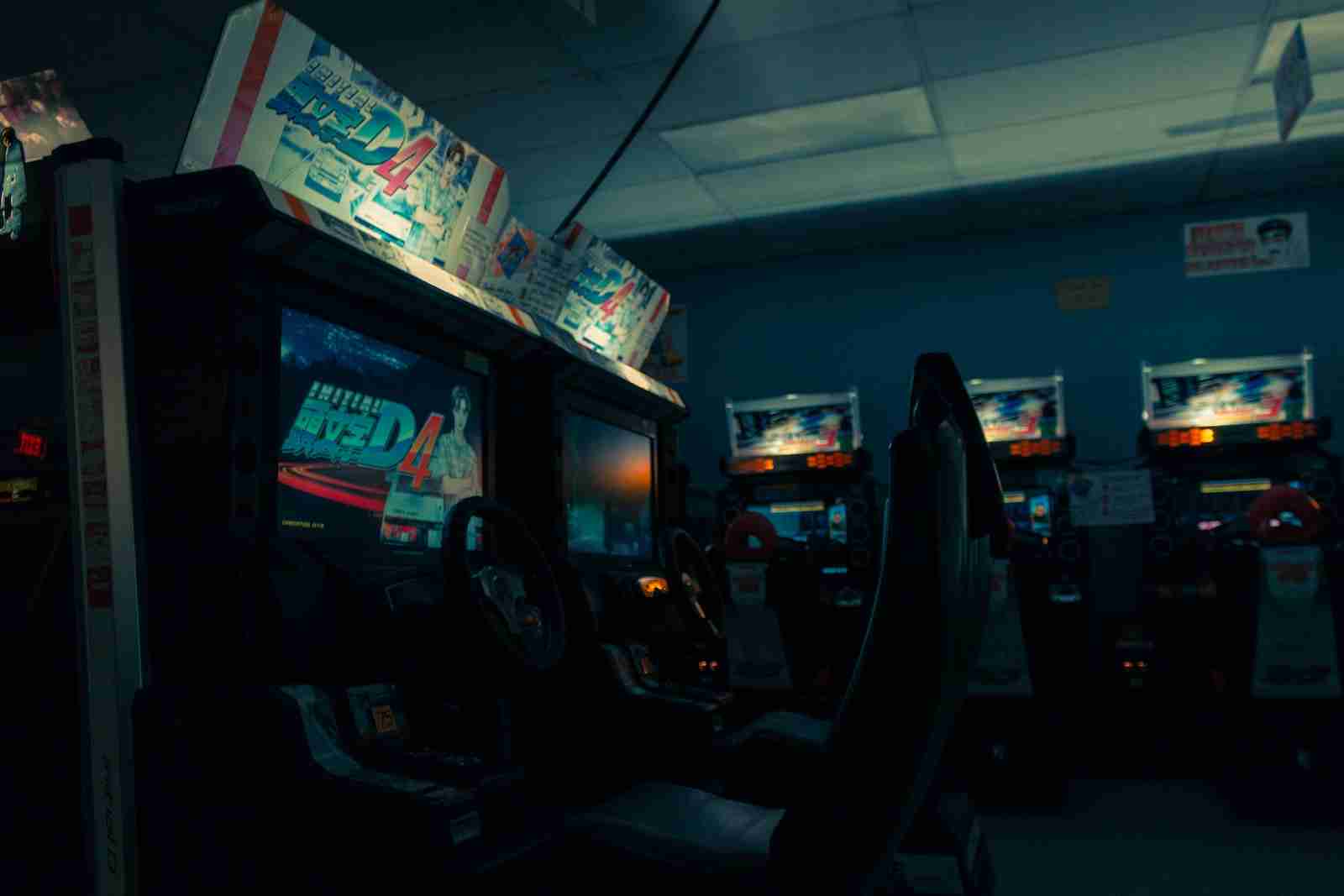
From the first moment when a humble wooden chess piece was pitted against a brilliant algorithm, the world of games began to shift beneath our feet. Suddenly, the competition wasn’t just about wits and wisdom; it evolved into a pulse-pounding showdown between man and machine—a dance of strategy played out on a digital stage. For many, especially those raised on the simplicity of checkers and the tactile joy of rolling dice, this evolution feels like a betrayal of our cherished past. But let’s take a moment to breathe, reflect, and appreciate the journey from the chessboard to today’s AI-powered myriad of games.
Imagine the sound of plastic hitting a tabletop, the anticipation in the air as you strategize against a friend. Those moments were rich with camaraderie, laughter, and sometimes even a smidgen of friendly rivalry. Now, with the rise of sophisticated AI NPCs—non-player characters that learn and adapt—games have transformed into something far more immersive. This isn’t just a change; it’s an invitation to deeper connections. Sure, the stakes feel different when you’re battling bots instead of buddies, but isn’t it thrilling to challenge a foe who can think three moves ahead, even if they’re not quite human?
Let’s not overlook the ethical dimension here. Games teach us about choice and consequence, reflection and growth. Modern AI offers a new kind of mentor, nudging players toward better decisions while modeling complex interactions that mirror real life. We learn resilience when we lose to an adaptive adversary, a lesson that echoes in the very fabric of our daily existence. It’s a beautiful paradox—computers, in their cold, calculated manner, encouraging us to feel, adapt, and evolve in ways we may never have imagined.
Now, consider this: the community that springs up around these offerings. When players share their triumphs over a cunning AI, they’re also sharing a piece of themselves. This newfound connection, forged in the crucible of competition, creates a broader conversation about skill, strategy, and societal impact. You see, games aren’t just about winning; they’re about growing together. The dialogue around AI in gaming is far more profound than many realize, and embracing it might just inspire the next generation to embrace the challenge with open hearts and eager minds.
As we navigate this brave new world of digital camaraderie, let’s cherish our roots while also welcoming the innovation. After all, the essence of games—whether it’s checking your rival mate or strategizing against an AI—remains the same: it’s about connection, growth, and the thrill of the experience. And that, my friends, is what makes each game worth playing.

From Chess Computers to AI NPCS – the Boomer Perspective on Smarter Games
From Chess Computers to AI NPCS – the Boomer Perspective on Smarter Games
- The introduction of AI into games marks a significant shift from traditional play, moving competition from human to machine.
- This evolution evokes mixed feelings for those who cherish classic games like checkers and dice.
- AI NPCs have transformed gaming into a more immersive experience, fostering deeper connections among players.
- Games today provide new ethical considerations, teaching players about choice, consequence, and personal growth.
- Competing against advanced AI helps players build resilience and adapt, reflecting real-life challenges.
- The community around gaming fosters discussions about skill, strategy, and the societal impact of AI.
- While embracing innovation, it’s essential to appreciate the roots of gaming, focusing on connection and growth.

From Chess Computers to AI NPCS – the Boomer Perspective on Smarter Games
Table Of Contents
- From Chess Computers to AI NPCS – the Boomer Perspective on Smarter Games
- What Memories Do You Have Of Playing Chess with Family?
- How Has Technology Changed Our Understanding Of Strategy?
- Do You Feel Nostalgia for the Games Of Your Youth?
- How Do AI NPCS Challenge Our Traditional Notions Of Competition?
- What Ethical Dilemmas Arise From AI In Gaming?
- Can Smarter Games Enhance Our Cognitive Skills and Creativity?
- How Do You Perceive the Role Of Authority In Game Design Today?
- Conclusion
- Other Resources
- Glossary Of Terms
- Other Questions
- Haiku
- Poem
- Checklist
What Memories Do You Have Of Playing Chess with Family?
There’s something about a chessboard that transcends generations, a simple checkered battlefield where family bonds are forged amidst kings, queens, and pawns. It’s not just a game; it’s an event, an experience, a rite of passage that often begins in the sparse light of a kitchen table or the cozy corners of a living room. Do you remember how it felt, your heart racing as you made your first bold move? The clatter of pieces sliding across wood, the scent of freshly brewed coffee blending with the anticipation hanging in the air.
Chess has a way of slowing time down, creating a rare moment where the chaotic world fades away. You could share laughs and secrets, find camaraderie in the face of defeat, and learn that every strategic blunder carries a lesson. Those family game nights weren’t just about winning or losing; they were about connecting. The laughter over blunders, the quiet murmurs of strategy, the playful taunts that drew you closer, binding you with invisible threads of memory.
Rationally, it’s clear that chess sharpens the mind, honing critical thinking and problem-solving skills. Yet, the heart knows that its true value is in the stories shared over the board. A father teaching his son to think three moves ahead, a sister reveling in her unexpected victory, a grandmother enjoying a quiet afternoon while reconnecting with her past. Each piece moved is a step deeper into a shared history, an unspoken promise that we are in this together, even when the pieces fall in different directions.
Ethically, the game teaches us sportsmanship, respect for opponents, and humility in both victory and defeat. We learn to appreciate not just the outcome but the struggle that precedes it. And aren’t those lessons essential in life? Who we are on that board often reflects who we can be off of it.
As you recall those golden afternoons spent in spirited contests, think about sharing this timeless tradition with someone new. Set up that chessboard once more, invite your child or grandchild to join, and pass down the invaluable memories and lessons that thrived in the spaces between those checkered squares. Because, after all, the greatest victories aren’t always tallied on a scoreboard, but rather, etched in the hearts of those we love.

What Memories Do You Have Of Playing Chess with Family?
What Memories Do You Have Of Playing Chess with Family?
- Chess transcends generations, serving as a battlefield where family bonds are forged.
- It’s more than a game; it’s an event that creates memorable experiences in cozy settings.
- Playing chess evokes emotions like excitement, anticipation, and nostalgia.
- Game nights foster connections through laughter, strategy discussions, and playful interactions.
- Chess sharpens the mind while also creating shared histories and life lessons.
- The game instills values like sportsmanship, respect, and humility, mirroring life’s challenges.
- Encourage passing this timeless tradition to future generations, highlighting its lasting impact on relationships.

What Memories Do You Have Of Playing Chess with Family?
How Has Technology Changed Our Understanding Of Strategy?
In the age of information, technology has become our compass, guiding us through the stormy waters of strategy. Once, we relied on instinct and experience, perhaps over a hearty meal with colleagues, gathering insights around a table. Those were the days when strategy was tied to the art of the deal, a handshake sealing promises. But today, we’re armed with data and algorithms, transforming the very essence of how we think about achieving our goals.
Imagine strategy as a game—one fraught with complexity and subtlety. The digital world serves up a dynamic arena, where each move can lead to exhilarating victories or humbling defeats. In this new landscape, we find ourselves not just players but also spectators, watching our decisions unfold. It’s like standing on the sidelines, rooting for the underdog while knowing they have a powerful playbook at their fingertips. The stakes are high, and the rules are constantly changing, but this is where innovation thrives.
What’s at play here? It’s the convergence of heart and mind. While numbers and metrics can give us a rational framework for decision-making, it’s our empathy and understanding that breathe life into these strategies. Technology has endowed us with insights that reveal who our customers are—what they crave, fear, and dream. By embracing their stories, we forge connections that transcend mere transactions.
Yet, there’s an ethical dimension to consider. In this digital age, the power lies in our hands, but it comes with a responsibility. Trust is earned, not bought, and authenticity becomes the currency of choice. We must navigate this landscape ethically, ensuring that data-driven strategies respect the individuals behind the numbers.
Envision a future where technology amplifies our capacity for genuine connection, enhancing our ability to strategize effectively. It’s not just about processing power; it’s about heart, creating real value for people. As we embrace this evolution, let’s remember—every strategic choice we make should resonate with the values we hold dear.
So, the next time you think about your place in this digital maze, remember: strategy isn’t just a game of numbers, it’s a game of people. And therein lies the real win. Embrace the evolution with open arms—trust in the technology, but never lose sight of the human spirit that drives it.

How Has Technology Changed Our Understanding Of Strategy?
How Has Technology Changed Our Understanding Of Strategy?
- Technology serves as a guiding compass in strategic decision-making.
- Strategic thinking has evolved from instinct and experience to data and algorithms.
- The digital world presents a complex game where each decision carries significant consequences.
- Combining data with empathy enriches strategies, fostering deeper connections with customers.
- Ethical considerations are crucial in the digital age, as trust and authenticity shape choices.
- Future strategies should amplify genuine connections, emphasizing values alongside technology.
- Recognize that strategy is ultimately about people, not just numbers; embrace the evolution ethically.
How Has Technology Changed Our Understanding Of Strategy?
Do You Feel Nostalgia for the Games Of Your Youth?
As you sit back and reminisce, there’s an undeniable warmth that washes over you, a gentle wave pulling you beneath the surface of time. The games of your youth were more than mere pastimes; they were milestones etched into the fabric of your identity. Who among us doesn’t feel that tug of nostalgia—those sun-soaked days spent outdoors, engaging in epic battles on makeshift fields, or gathering with friends around screens, waiting to embark on digital adventures? It’s a feeling that connects us deeply to our past and, in many ways, to each other.
Think about it. These games fostered friendships; they taught us the art of cooperation and the bitterness of loss. Each moment spent in play shaped our understanding of determination and resilience. The laughter echoing through backyards or gaming lounges wasn’t just noise; it was the soundtrack of our youth, an invaluable narrative that turned strangers into teammates and rivals into friends. When was the last time you shared a game-related memory? Chances are, you can recall each detail with surprising clarity, the sights, sounds, and even the smell of fresh-cut grass or popcorn.
Now, let’s get real. There’s something ineffably powerful about revisiting these games—not simply for the sake of nostalgia, but for what they represent. They are a bridge to our values, teaching us about fairness, integrity, and the sweet satisfaction of hard-earned victory. The connections built over those experiences remain credible, a tapestry woven from countless shared moments, each thread vibrant with lessons learned and laughter shared.
Socially, reflecting on the games of our youth allows us to find common ground with others who traveled similar paths. It’s a gateway to tribe-building in a complicated world. Bring up a favorite title or a cherished moment, and you’ll quickly realize how easily the conversation flows, lighting up faces and sparking debates. There is strength in these shared experiences—an invitation to reconnect and reminisce, weaving a rich dialogue that nourishes our hearts.
So, as you find yourself lost in that contemplative state, consider this: perhaps it’s more than just nostalgia; it can be a call to action. Relive those moments through gatherings with friends or introduce the next generation to the joy and life lessons embedded within those games. Reignite that spirit of play, foster connection, and give the past a chance to teach the future. The heart of it all lies not just in the games we played, but in the relationships we forged along the way.

Do You Feel Nostalgia for the Games Of Your Youth?
Do You Feel Nostalgia for the Games Of Your Youth?
- Nostalgia evokes warmth and connects us to the past and each other.
- Games of our youth were milestones in shaping our identity and friendships.
- They taught us cooperation, loss, determination, and resilience.
- The laughter and experiences shared during play formed invaluable narratives.
- Revisiting these games represents core values like fairness, integrity, and victory.
- Reflecting on these experiences fosters connection and conversation with others.
- Reliving and sharing these moments can reignite the spirit of play for future generations.

Do You Feel Nostalgia for the Games Of Your Youth?
How Do AI NPCS Challenge Our Traditional Notions Of Competition?
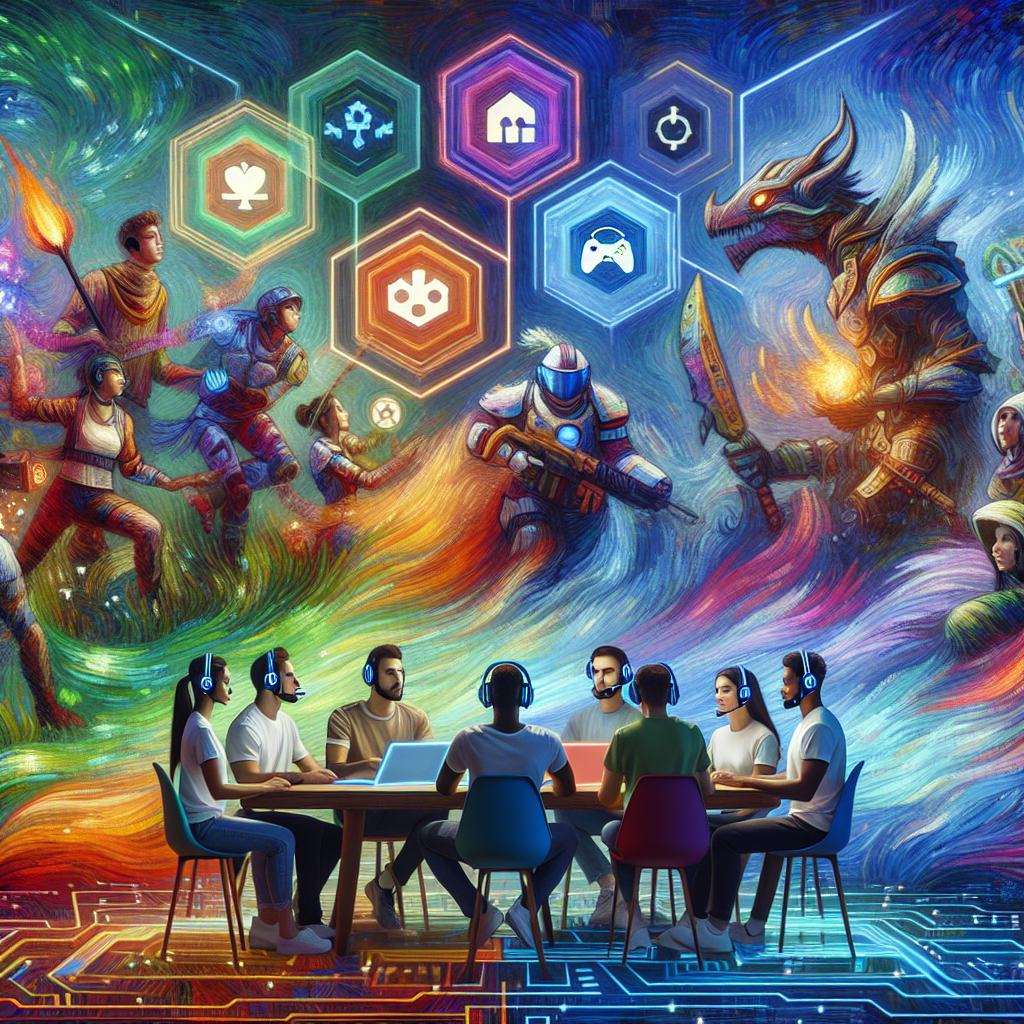
When we think about competition, we often picture athletes racing each other on a field or entrepreneurs battling to claim their corner of the market. But what if I told you that the traditional battlegrounds of competition are being reshaped by AI NPCs (non-playable characters) in the world of games? These clever algorithms are changing the very nature of how we engage with each other, our quests, and even our passions, nudging us toward a compelling reconceptualization of competition itself.
Imagine a scenario where an AI NPC adapts and evolves alongside you in your gaming journey. Instead of mindless obstacles, they become simulacra of tenacity, pushing you harder than you ever thought you could go. Every defeat serves not as a setback but as a springboard for growth, turning your struggles into lessons rather than disappointments. In this sense, these AI creations inspire not just a sense of rivalry but a genuine partnership in the pursuit of excellence. They listen, learn, and respond – not unlike a dedicated coach urging you to find that extra gear.
But let’s pivot to something that resonates on more than just a competitive level. We have always viewed competition through a lens of scarcity; there’s only so much glory, success, or popularity to go around. Yet, AI NPCs introduce a unique perspective: collaboration as competition. In a world where resources seem finite, these digital companions remind us that the real winner isn’t just the lone victor snatching a trophy; it’s a community thriving together, learning from each other, and redefining success. Their presence encourages an atmosphere where everyone can ascend the ladder, not at the expense of others, but alongside our peers.
Ethically speaking, this shift might challenge our human instincts, pushing us to reconsider what it means to compete. Shouldn’t the goal be to elevate everyone, rather than step on the backs of others? As we meld these AI counterparts into our gaming experiences, we forge connections that resonate beyond the screen, fostering a shared narrative that emboldens us. Each interaction becomes a testament to our potential, igniting a spark of empathy amidst the challenges.
Whether you’re a seasoned gamer or just dabbling, the AI NPCs invite us to reexamine our values and motivations. They remind us that while competition can be fierce, it can also foster empowerment, friendship, and growth. They don’t just challenge our skills; they invite us to rethink how we approach competition itself—transforming a simple game into an opportunity to evolve together.
How Do AI NPCS Challenge Our Traditional Notions Of Competition?
How Do AI NPCS Challenge Our Traditional Notions Of Competition?
- AI NPCs (non-playable characters) are reshaping traditional competition in gaming.
- These intelligent algorithms adapt and evolve alongside players, acting as partners in the pursuit of excellence.
- Every defeat in gaming becomes an opportunity for growth rather than a setback.
- AI NPCs foster a perspective of collaboration over scarcity in competition.
- Success is redefined as a communal achievement rather than a solitary victory.
- This shift encourages ethical considerations in competition, emphasizing elevation rather than exclusion.
- AI NPCs remind players that competition can foster empowerment, friendship, and personal growth.

How Do AI NPCS Challenge Our Traditional Notions Of Competition?
What Ethical Dilemmas Arise From AI In Gaming?
When you sit down to play your favorite games, the last thing on your mind might be the ethical dilemmas lurking behind the pixelated curtain. Yet, as the technology evolves, these dilemmas grow more pronounced, demanding our attention and action. At the heart of the matter is the profound question: What does it mean to create and interact with AI in a world where the stakes can feel so personal?
Imagine immersing yourself in a breathtaking virtual landscape, where the characters feel real, their emotions palpable. You grow attached to them, forging bonds that can affect your choices and even shape your identity. Here lies the crux: if these AI characters can elicit genuine emotions and empathy, shouldn’t they deserve ethical consideration? It’s not just a question of programming; it’s about recognizing the humanity we project onto them. With every decision you make, you are confronted with the stark reality that behind these lines of code is the potential for both beauty and exploitation.
Consider the implications of AI learning from your gameplay. It adapts, changes, and evolves based on your actions. This personalization enhances your gaming experience, but it raises ethical eyebrows. Who controls the narrative? When developers create AI that manipulates emotions or behaviors, are they doing so to enhance enjoyment, or are they crossing a line into emotional exploitation? This creates a gray area that can leave players feeling torn between their love for immersive experiences and their moral compass.
And then there is the issue of fairness. As AI-driven opponents become sophisticated, are we sure that our victories are won on merit, or are they simply the result of someone else’s clever algorithms? This introduces a social dimension; as we share our experiences with others, the lines blur between genuine skill and AI-assisted triumphs. Trust in the integrity of the game world could be undermined, impacting the very foundation of competitive play.
As we navigate these murky waters, it’s essential to advocate for responsible development and transparent practices in the gaming industry. By fostering a community that prioritizes ethical considerations, we can help ensure that the games we love continue to enrich our lives without compromising our values. It’s a call to action that resonates deeply with gamers and developers alike, uniting us in our shared experience and encouraging us to demand a future where technology serves our best interests, rather than the other way around.

What Ethical Dilemmas Arise From AI In Gaming?
What Ethical Dilemmas Arise From AI In Gaming?
- Ethical dilemmas in gaming are becoming more prominent as technology evolves.
- AI characters can elicit genuine emotions, raising questions about their moral consideration.
- Players form attachments to AI characters, which can influence their decisions and identity.
- AI personalization enhances gameplay but raises concerns about emotional manipulation and exploitation.
- The sophistication of AI can blur the lines between skill and AI-assisted triumphs in competitive play.
- Advocating for responsible development and transparency in the gaming industry is essential.
- Gamers and developers should unite to promote ethical considerations in gaming technology.
What Ethical Dilemmas Arise From AI In Gaming?
Can Smarter Games Enhance Our Cognitive Skills and Creativity?
When we think about games, a familiar image bubbles up: laughter shared over the kitchen table, fierce competition on the playground, or the quiet thrill of puzzle-solving in a virtual world. But what if I told you that these playful activities do much more than entertain? These seemingly simple games can forge connections, sharpen our minds, and ignite our creativity in profound ways.
Let’s take a moment to reflect. Have you ever felt that rush of satisfaction after solving a challenging puzzle? That spark of inspiration when navigating a complex strategy game? It’s no coincidence. Cognitive research has shown that engaging in games positively impacts our executive functions—those essential skills that help us plan, focus, and reason. Feelings of triumph and accomplishment propel us to tackle real-world problems with newfound determination and creativity. Games can rewire our brains, offering pathways to innovative thinking.
Imagine a child, immersed in a video game, learning to strategize with friends online or experimenting with complex narrative designs. They are not just playing; they are becoming adaptable problem solvers, constantly evolving with every new challenge. This story is about investing in potential—a potential that wears many hats, from a future engineer pondering design to a budding artist exploring new realms of creativity. Games have the power to mold the minds of tomorrow.
But let’s not forget about the ethical heartbeat of this conversation. As we cheer on these cognitive benefits, we must also foster environments that encourage collaboration and camaraderie. Games that emphasize teamwork—where communication and empathy are key—can create social bonds that ripple beyond the screen. They cultivate a sense of community, teaching us about trust and the intricacies of human relationships in a digital world.
Moreover, consider the authority figures in our lives: educators, parents, mentors—many are now recognizing the importance of incorporating gaming into learning. By championing games and embracing their educational potential, they signal a shift in how we perceive knowledge acquisition. This isn’t just about having fun; it’s about nurturing skills that matter, skills that can carry us through life’s trials.
In a world increasingly defined by rapid change and complex challenges, games provide a lifeline. They are not merely distractions; they are instruments of growth, fostering the cognitive skills and creativity essential for navigating life. Let’s not just play; let’s engage, learn, and inspire each other through the transformative power of games.

Can Smarter Games Enhance Our Cognitive Skills and Creativity?
Can Smarter Games Enhance Our Cognitive Skills and Creativity?
- Games promote connections, sharpen our minds, and ignite creativity beyond mere entertainment.
- Engaging in games positively impacts executive functions, enhancing skills like planning, focus, and reasoning.
- Feelings of achievement from games can inspire problem-solving in real-world scenarios.
- Children playing video games develop their adaptability and problem-solving skills in dynamic environments.
- Collaborative games foster teamwork, communication, and empathy, building social bonds that extend beyond the game.
- Educators and mentors increasingly recognize the educational value of games, shifting perceptions of learning.
- In a rapidly changing world, games are valuable tools for cognitive growth and creative exploration.

Can Smarter Games Enhance Our Cognitive Skills and Creativity?
How Do You Perceive the Role Of Authority In Game Design Today?
The world of game design is a reflection of our society, a microcosm where authority takes on many forms, shapes, and even shades of gray. In today’s landscape, authority is not merely a top-down concept; it’s evolving into a collaborative dance between designers, players, and publishers. Picture this: a team of developers passionately crafting an immersive experience where their voices meld together, creating a narrative that resonates deeply with players. This isn’t just about creating games; it’s about fostering connections.
Authority in game design has transitioned from a singular dictatorship to a diverse tapestry of experiences. It’s about listening to the community as much as leading it. As designers, when you open your ears to the feedback and stories from players, you build a bridge—one that brings trust and a sense of belonging. Imagine the excitement of players seeing their experiences and struggles reflected back at them. They don’t just play the game; they become part of its heartbeat.
When developers elevate their gaze and consider ethical implications, they deepen this connection. It’s not just a question of what’s permissible, but what’s truly right. Today’s audience is informed and engaged, ever more critical of the stories we tell and the worlds we create. Designing games with a moral compass not only enriches gameplay but fosters a sense of community that respects diverse perspectives. It’s about accountability, both to yourself as a creator and to those who pick up the controller.
Furthermore, authority can inspire action. When we think of leaders in the industry, we think of visionaries who challenge the status quo and innovate for the better. Each game is an opportunity to spark dialogue. Discussions around identity, morality, and societal issues often find their way into the narratives we construct. When players engage with these themes, they not only reflect on their own lives but are also encouraged to take action beyond the screen.
In a world where authority isn’t a chain of command but a shared responsibility, game design becomes a powerful tool for change. By embracing this collaborative vision, we step into a future where every player’s voice matters, and every game is not just a game, but an experience that nurtures understanding, empathy, and connection. It’s time to rally around this ethos, where we design not just for play, but for purpose.

How Do You Perceive the Role Of Authority In Game Design Today?
How Do You Perceive the Role Of Authority In Game Design Today?
- Game design reflects society and showcases various forms of authority.
- Authority is evolving into a collaborative relationship among designers, players, and publishers.
- The creative process is about fostering connections and building trust between designers and players.
- Listening to community feedback enhances the game experience and encourages player involvement.
- Designing with ethical implications enriches gameplay and respects diverse perspectives.
- Games serve as platforms for discussions on identity, morality, and societal issues, inspiring players to take action.
- Collaborative game design transforms games into meaningful experiences that promote understanding and empathy.

How Do You Perceive the Role Of Authority In Game Design Today?
Conclusion
The evolution of gaming has been nothing short of remarkable, taking us from the humble chessboard to a realm where AI NPCs challenge our perceptions of competition and connection. For those of us from the Boomer generation, it’s a journey that stirs nostalgia but also invites us to rethink our cherished memories and the lessons they impart. Picture the countless evenings spent strategizing with family, where simple moves on a board ignited laughter, rivalry, and growth. These moments weren’t just about winning; they were built on the bonds formed through shared experiences. Now, as technology forges new paths, we find ourselves at a crossroads—the traditional game has transformed into something altogether different yet equally valuable.
Enter sophisticated AI NPCs, akin to digital co-pilots that adapt and grow alongside us. Rather than diminishing the thrill of competition, they elevate it by unearthing deeper connections within our gaming communities. Victory becomes more than an isolated triumph; it is a collaborative journey we share with each other and our AI companions. The ethical considerations of this evolution challenge us, prompting us to reflect on the humanity we project onto these digital counterparts while ensuring our gaming experiences are rooted in integrity. Beyond the screen, these developments invoke a broader social dialogue about trust and fairness, compelling us to advocate for responsible design that enriches our communities.
Moreover, the cognitive benefits of gaming cannot be overlooked. Engaging with these modern games not only sharpens our minds but also nurtures creativity and adaptive problem-solving. As we realize the profound impact of games on shaping skills essential for surviving and thriving in a complex world, we must embrace a vision where play becomes a vehicle for personal and communal growth.
In this brave new world, interwoven with tradition and technology, let’s celebrate our roots while embracing the next chapter of gaming. The essence remains unchanged: it’s about connection, growth, and the thrill of shared experiences. As we pass down our gaming legacies to younger generations, we ignite the flame of imagination and camaraderie, fostering relationships that extend far beyond the game. In every move, every challenge, and every victory, we find not just players but a community united by the joy of the game. So let’s roll up our sleeves and dive into this evolving landscape, inviting everyone to join the fun while keeping our spirits high and our values at the forefront.

Conclusion
Conclusion:
- The evolution of gaming has shifted from traditional board games to advanced AI-driven experiences.
- For the Boomer generation, this transition evokes nostalgia and prompts reflection on past experiences and lessons.
- Modern gaming emphasizes not just competition but also the bonds formed through shared experiences and collaboration.
- Sophisticated AI NPCs enhance the gaming experience by fostering deeper connections within communities.
- The evolution raises ethical questions about the humanity projected onto digital characters and the integrity of gaming practices.
- Gaming offers cognitive benefits, including improved creativity and problem-solving skills, essential for navigating a complex world.
- As we celebrate gaming’s roots, we must foster imagination and camaraderie while advocating for responsible design in the evolving landscape.

Conclusion
Other Resources

Other Resources
Here is a list of other resources you can review online to learn more:
- Dominion
- Blogger
- Eldritch Horror
- Diigo
- Pinochle
- Piatnik
- The Dice Tower
- The Game Boy Geek
- Clans of Caledonia
- Mastodon
- The Gallerist
- Plaid Hat Games
- Magic: The Gathering
- Rummy
- Amigo Spiele
- Imperial Settlers
- Cosmic Encounter
- Power Grid
Use This Prompt To Get More Resources With Your Favorite Online AI Tool: Please provide me with a list of online articles with their URLs in a bulleted list that I can read regarding From Chess Computers to AI NPCS – the Boomer Perspective on Smarter Games

Other Resources
Glossary Terms
From Chess Computers to AI NPCS – the Boomer Perspective on Smarter Games – Glossary Of Terms
1. AI (Artificial Intelligence): Technology that simulates human intelligence in machines, enabling them to perform tasks like problem-solving and learning.
2. NPC (Non-Player Character): A character in a game that is not controlled by a player, often designed to advance the story or provide challenges.
3. Algorithm: A set of instructions or rules designed for problem-solving or processing data, crucial in game development and AI behavior.
4. Chess Engine: A computer program that analyzes chess moves and positions, using advanced algorithms to evaluate potential outcomes.
5. Machine Learning: A subset of AI that involves teaching machines to learn from data and improve their performance over time without explicit programming.
6. Game Theory: A mathematical framework for analyzing competitive situations where the outcome depends on the actions of multiple agents.
7. Procedural Generation: A technique used in game design where content is generated algorithmically rather than manually, creating unique experiences.
8. Real-time Strategy (RTS): A genre of games where players manage resources and command units in real-time to defeat opponents.
9. Behavioral AI: AI that simulates human-like behavior and decision-making in NPCs, enhancing realism and engagement in games.
10. Pathfinding: The process of determining the optimal route for an AI character to navigate a game environment.
11. Game Development: The process of creating and designing video games, involving programming, art, sound, and storytelling.
12. Open-world: A game design style that allows players to explore a vast, interactive environment without fixed paths.
13. Augmented Reality (AR): Technology that overlays digital content onto the real world, often enhancing gaming experiences.
14. Virtual Reality (VR): Immersive technology that simulates physical presence in a virtual environment, providing interactive gaming experiences.
15. Dynamic Difficulty Adjustment: A feature that modifies the game’s difficulty in response to the player’s skill level to enhance engagement.
16. User Interface (UI): The means by which players interact with a game, including menus, buttons, and HUD elements.
17. Experience Points (XP): A gaming metric used to quantify a player’s progress, which often leads to unlocking new skills or levels.
18. Level Design: The process of creating engaging and interactive game environments that challenge players and enhance gameplay.
19. Immersion: The sensation of being deeply engaged or absorbed in a game, often enhanced by realistic graphics and storytelling.
20. Replayability: The likelihood that a game will be played multiple times due to different experiences or outcomes.
21. Esports: Competitive gaming at a professional level, often featuring organized tournaments and large audiences.
22. Skill-Based Matchmaking: A system that pairs players of similar skill levels in competitive games to ensure fair challenges.
23. Loot Box: A virtual item in games that players can purchase or earn, containing random rewards.
24. Sandbox Game: A type of game that allows players to explore and create freely within a contained environment, often with no specific objectives.
25. DLC (Downloadable Content): Additional content for a game that can be downloaded after the initial purchase, often expanding gameplay.
26. Community Management: The practice of interacting and engaging with a game’s player base to maintain a positive community atmosphere.
27. Smart AI: Advanced artificial intelligence that can adapt to player behavior, making NPC interactions more unpredictable and realistic.
28. Game Mechanics: The rules and systems that guide player interaction within a game, influencing gameplay style and experience.
29. Multiplayer: A gaming mode that allows multiple players to participate in the same game environment simultaneously.
30. Beta Testing: A phase in game development where a limited release of the game is tested by players to identify bugs and gather feedback before full release.

Glossary Of Terms
Other Questions
From Chess Computers to AI NPCS – the Boomer Perspective on Smarter Games – Other Questions
If you wish to explore and discover more, consider looking for answers to these questions:
- What role did nostalgia play in shaping our gaming experiences?
- How does the evolution of AI in games compare to past technological advancements?
- What examples exist of AI NPCs enhancing player experience in modern games?
- How can we balance traditional gaming with the rise of digital counterparts?
- What impact does AI have on community dynamics within gaming?
- How have player expectations changed with the introduction of AI-driven gameplay?
- What are the potential psychological effects of interacting with AI in gaming?
- How do we define fairness in competition when AI characters are involved?
- What steps are developers taking to address ethical concerns surrounding AI in gaming?
- How can game designers enhance player empathic skills through AI integration?

Other Questions
Haiku
From Chess Computers to AI NPCS – the Boomer Perspective on Smarter Games – A Haiku
Old games ignite hearts,
New AI sparks deeper ties;
From past, growth emerges.

Haiku
Poem
From Chess Computers to AI NPCS – the Boomer Perspective on Smarter Games – A Poem
From wooden pieces upon the board,
To algorithms that think and explore,
The game has shifted, evolved, transformed,
Where human connection once was the core.
In the glow of screens, we find new foes,
AI NPCs challenge with a keen, clever pose.
Each move lays bare our strengths, our flaws,
Yet teaches us lessons beyond mere applause.
Remember the laughter, the strategy shared,
Family gatherings where victories dared.
Though nostalgia tugs at our hearts, so true,
Embrace the innovations, the old and the new.
In battles of wits with a digital friend,
We learn of resilience, of how to amend.
An ethical compass emerges, as we train,
To consider our choices, to grow from the pain.
As we explore this landscape so vast,
Technology guides us, but anchors our past.
With each puzzle we solve, new skills ignite,
Creating connections that shimmer with light.
Authority shifts, becomes more than a reign,
A chorus of voices, a quest to explain.
In every design, let empathy lead,
For the games we create should plant kindness as seed.
So let us play on, with hearts opened wide,
With laughter and learning, all side by side.
For in every challenge, in losses and wins,
Lie the stories of growth, where our journey begins.

Poem
Checklist
From Chess Computers to AI NPCS – the Boomer Perspective on Smarter Games – A Checklist
Checklist for Embracing the Evolution of Games
Emotional Appeals
_____ Reflect on your favorite game memories with family and friends.
_____ Share a personal story about a game that impacted your relationships.
_____ Create a gathering with loved ones to play a classic game.
Rational Appeals
_____ Explore the cognitive benefits of playing strategy games.
_____ Analyze how technology is shaping modern gaming strategies.
_____ Challenge yourself with a new game that utilizes AI NPCs.
Ethical Appeals
_____ Consider the moral implications of AI in gaming. Is current game design respecting player experience?
_____ Engage in discussions about fairness in competition and the role of AI.
_____ Advocate for transparency in game development regarding AI interactions.
Authority Appeals
_____ Follow leaders in the gaming community who are focusing on ethical game design.
_____ Seek recommendations from educators on games that enhance learning.
_____ Attend forums or workshops led by industry experts on the future of gaming.
Narrative Appeals
_____ Write down a favorite game memory and the emotions attached to it.
_____ Share a story about how a game taught you a valuable life lesson.
_____ Discuss how games have evolved from your childhood to present day.
Social Appeals
_____ Connect with online communities to share experiences with new AI NPC games.
_____ Start conversations with peers about the games that shaped your childhood.
_____ Create a social media post encouraging others to reflect on their gaming history.
Practical Actions
_____ Set a goal to introduce a friend or family member to a game from your youth.
_____ Organize a game night featuring both classic and AI-driven games.
_____ Keep a journal tracking your thoughts on gaming experiences and their impacts on your life.

Checklist
At HowDoYouGame, we help people who love board games by collating information and news about games.
Be sure to read our other related stories at HowDoYouGame to learn more about games.