Unveiling The Impact Of Digital Gaming On Analytical Skills
By Tom Seest
At HowDoYouGame, we help people who love board games by collating information and news about games.
Be sure to read our other related stories at HowDoYouGame to learn more about games.
Can Digital Gaming Cultivate Analytical Skills Or Just Mask Deficiencies?
When you think about gaming, the first thing that usually pops into your head is the whirlwind of flashing lights, adrenaline-fueled battles, or maybe even those hours lost in intricate storylines. But let’s hit the brakes for a second and dive deeper. The question isn’t just whether gaming is fun—it’s whether it can genuinely help us grow our analytical skills or simply pull the wool over our eyes when it comes to real-world challenges.
Imagine a world where gamification—the application of game principles in non-game contexts—becomes the secret sauce to unlocking our hidden potential. It’s all around us, subtly shaping the way we learn, work, and interact with each other. In fact, it’s become quite the buzzword. But here’s where things get tricky: while the mechanics of gaming can reinforce strategic thinking, problem-solving, and analytical capabilities, there lurks another angle to consider. Are we really cultivating those skills, or are we just masking deficiencies with flashy rewards and badges?
Picture this: a group of friends huddled around a tablet, passionately strategizing how to conquer the latest puzzle game. They dissect each move, consider the consequences, and adjust their plan based on the outcomes. In that moment, they aren’t just playing. They are engaging in critical thinking, risk assessment, and collaborative problem-solving—all invaluable skills. This is where gamification shines. It encourages players to step up and tackle challenges head-on, simulating experiences that might improve our decision-making processes in the real world.
But it’s a double-edged sword. If we become overly reliant on the instant gratification that gaming provides, we might just be wearing blinders to our faults. The shiny leaderboard and rapid rewards can easily distract us from deeper issues that need addressing. Real analytical skill goes beyond just gaming accomplishments; it demands patience, perseverance, and an understanding of context—qualities that require practice in the messy, unpredictable playground of life itself.
So, what’s the takeaway? Engage with digital gaming as a tool for growth, but don’t let it become your crutch. Dive into those virtual worlds, but don’t forget that the true challenge lies outside the screen. Work on developing your skills in the real world, and use gaming as a stepping stone—because the most valuable lessons often come from stumbling through the messy bits of reality, not just by tapping your fingers on a device.
Can Digital Gaming Cultivate Analytical Skills Or Just Mask Deficiencies?
Can Digital Gaming Cultivate Analytical Skills Or Just Mask Deficiencies?
- Gaming often evokes images of excitement, challenges, and complex narratives.
- Gamification applies game principles to real-world settings, influencing learning and interaction.
- While gaming can enhance strategic thinking and problem-solving, it may also mask underlying deficiencies.
- Players engage in critical thinking and collaboration through gameplay, developing valuable skills.
- Overreliance on gaming rewards can distract from addressing deeper personal issues.
- Real analytical skills necessitate patience and practice outside of gaming environments.
- Utilize gaming as a tool for growth, but prioritize skill development in the real world.

Can Digital Gaming Cultivate Analytical Skills Or Just Mask Deficiencies?
Table Of Contents
- Can Digital Gaming Cultivate Analytical Skills Or Just Mask Deficiencies?
- Are Analytical Skills Improved By Gaming?
- Do Different Game Genres Impact Skill Development?
- Can Gaming Replace Traditional Learning Methods?
- How Do Games Challenge Our Problem-Solving Skills?
- What Role Does Collaboration In Gaming Play?
- Are There Any Downsides To Gaming For Skills Development?
- Do Casual Games Provide Educational Benefits?
- Conclusion
- Other Resources
- Glossary Of Terms
- Other Questions
- Haiku
- Poem
- Checklist
Are Analytical Skills Improved By Gaming?
Let’s take a moment to unpack something that often doesn’t get the credit it deserves: gaming. Now, before you roll your eyes and think about your neighbor’s kid glued to the screen, let’s pause and dig deeper. The truth is, gaming, when approached mindfully, can be more than just a diversion; it can be a powerful tool for enhancing our analytical skills.
Think about it. Many games today employ a concept called gamification—yes, that’s a fancy term, but it boils down to using game-like elements in non-game contexts to engage and motivate us. You’ve likely seen this in apps that reward you for completing tasks or learning new skills. But what happens when we apply this same concept directly in gaming? Suddenly, those screen time hours transform into opportunities for growth.
Consider a strategy-based game. Players are constantly evaluating situations, predicting outcomes, and making decisions under pressure. It’s like a miniature version of life’s bigger puzzles, all wrapped up in an enticing package. You want to win? You’d better develop your ability to think critically, analyze information, and adjust your strategy on the fly. These skills don’t just magically evaporate when the console shuts down; they seamlessly integrate into everyday life, from problem-solving at work to navigating tricky social situations.
But let’s get real for a second. Not every game will cultivate these abilities. It’s about the choices we make—the games we engage with and the intentions we bring to the experience. Are you diving into worlds that challenge your mind? Are you strategizing, collaborating, and thinking critically, or simply mashing buttons? Finding games that stimulate brain activity can be the key to leveling up your analytical prowess.
And here’s the best part: it’s not just about honing skills for the sake of academia or work. This journey can inspire creativity, boost confidence, and foster persistence. Each level you conquer, each enemy you outsmart, serves as little triumphs that whisper, “You did that. You can do more.”
So, whether you’re a seasoned gamer or someone who’s just curious about diving in, consider how the right game can sharpen your analytical skills. Get in there, make mistakes, learn from them, and let each digital challenge guide you toward becoming a more versatile thinker. After all, life’s a game, too—so why not play it well?

Are Analytical Skills Improved By Gaming?
Are Analytical Skills Improved By Gaming?
- Gaming can enhance analytical skills when approached mindfully.
- Gamification involves using game-like elements in non-game contexts to engage and motivate individuals.
- Strategy-based games require players to evaluate situations, predict outcomes, and make decisions under pressure.
- Critical thinking, problem-solving, and adaptability skills developed in gaming can be applied to real-life situations.
- The effectiveness of gaming in skill development depends on the choices made and intentions brought to the experience.
- Engaging with challenging games can inspire creativity, boost confidence, and foster persistence.
- Embracing gaming can help individuals become more versatile thinkers in both digital and real-world contexts.

Are Analytical Skills Improved By Gaming?
Do Different Game Genres Impact Skill Development?
Let’s face it: we live in a world where gaming stretches far beyond mere entertainment; it’s like a gym for the mind. Each genre of video game is a unique obstacle course that challenges not only your reflexes but your mental acumen and emotional resilience. You might be surprised to discover that the very games we throw in the “just for fun” category could be secretly shaping our skills in ways we’ve never imagined.
Now, let’s take a look at a few genres and what they might offer. Role-playing games (RPGs), for example, pull you into expansive stories, demanding you to strategize and make decisions that can impact the in-game world. As you navigate through quests, you’re essentially honing your critical thinking and problem-solving skills, often without even realizing it. Combine that with a good dose of gamification—the process of turning activities into game-like experiences—and you’ve got a fun way to develop empathy and social skills, especially if you’re diving into multiplayer scenarios.
Then, there are first-person shooters (FPS), where the action is fast and the stakes are high. In these games, your hand-eye coordination and reflexes are put to the test. But it’s not just about firing weapons; it’s about teamwork and communication. As you band together with teammates to achieve a common goal, you’re also training up your cooperation muscles, learning that sometimes, victory is a group effort.
On the flip side, simulation games can transport you to an entirely different world. From city-building strategies to farming and everything in between, these genres encourage patience and planning. Plus, they provide a safe space to make mistakes, further emphasizing resilience and adaptability—two skills that come in handy whether you’re tending to a virtual farm or navigating real-life challenges.
Ultimately, when we consider how different game genres affect skill development, it’s like piecing together a mosaic. Each tile represents a unique skill, and while some genres may seem purely entertaining, they’re actually laying the groundwork for skills we can carry into our everyday lives. So, the next time you dive into that engaging game, remember: you’re not just playing; you’re developing skills that might help you tackle whatever life throws your way. Embrace the opportunity, learn, and level up—both in-game and in life.

Do Different Game Genres Impact Skill Development?
Do Different Game Genres Impact Skill Development?
- Gaming goes beyond entertainment; it serves as a mental workout.
- Different genres challenge reflexes, mental acuity, and emotional resilience.
- Role-playing games (RPGs) enhance critical thinking and problem-solving through strategic decision-making.
- Gamification in multiplayer scenarios fosters empathy and social skills.
- First-person shooters (FPS) test hand-eye coordination, teamwork, and communication skills.
- Simulation games promote patience, planning, resilience, and adaptability through safe trial and error.
- Engaging in games develops valuable life skills, emphasizing the importance of learning both in-game and in real life.

Do Different Game Genres Impact Skill Development?
Can Gaming Replace Traditional Learning Methods?
When we think of education, our minds often drift back to the classroom experience—desks in a neat row, textbooks piled high, and a teacher’s voice echoing the same age-old lessons. But let’s be real: how many of us learned better with a textbook than we did while trying to level up in our favorite game? The idea of gamification is a game-changer, and it’s time we embrace it.
Gamification takes the familiar elements of game design—like scoring points, competing for rewards, and even the thrill of unlocking new challenges—and applies them to learning. Think about it: in a world where attention spans are fleeting and distractions abound, the chance to engage someone with interactive, immersive experiences is paramount. We’re talking about harnessing that same passion for gaming to make learning not just effective, but downright enjoyable. And who knows? Those game developers might just be some of our greatest educators.
Imagine a classroom where students embark on quests, earn badges for completing projects, and collaborate in teams to solve problems. Instead of dreading tests, they dive into challenges that could lead to real-world applications. Curiosity doesn’t just thrive; it flourishes, breathing life into the age-old concept of education. This isn’t just a theoretical exercise; it’s about tapping into an innate desire to explore, compete, and conquer.
But let’s not throw the baby out with the bathwater. Traditional methods have their merits—there’s something to be said for structured learning and the tried-and-true methods of educators past. The key isn’t to discard one for the other but to blend them into a hybrid approach that suits today’s learners. Imagine a scenario where students alternate between the rigors of a classic lesson and the excitement of a digital quest. It’s like giving them the best of both worlds.
Skeptics will wonder if this is all flash without substance. I get it—but let’s not forget this: at its core, any effective learning experience hinges on connection. Whether through a beloved game or a passionate teacher, the foundation remains the same. When we can connect, inspire, and engage learners, we’re not merely filling heads with knowledge; we’re igniting a spark that could lead to innovation, exploration, and even change in the world.
So, as we stand at this crossroads of gaming and traditional learning, let’s dare to explore uncharted territory. Let’s inspire a generation to not just accept learning but to thrive within it—one epic adventure at a time.

Can Gaming Replace Traditional Learning Methods?
Can Gaming Replace Traditional Learning Methods?
- Education often evokes traditional classroom experiences with desks, textbooks, and lectures.
- Gamification incorporates game design elements like scoring, rewards, and challenges into the learning process.
- Interactive and immersive experiences can enhance engagement and make learning enjoyable.
- Classrooms can transform into environments where students earn badges, collaborate, and tackle real-world challenges.
- A hybrid approach blending traditional methods with gamified experiences caters to modern learners.
- Effective learning depends on connection, whether through games or passionate teachers.
- Embracing the fusion of gaming and education can inspire learners to thrive in their educational journeys.

Can Gaming Replace Traditional Learning Methods?
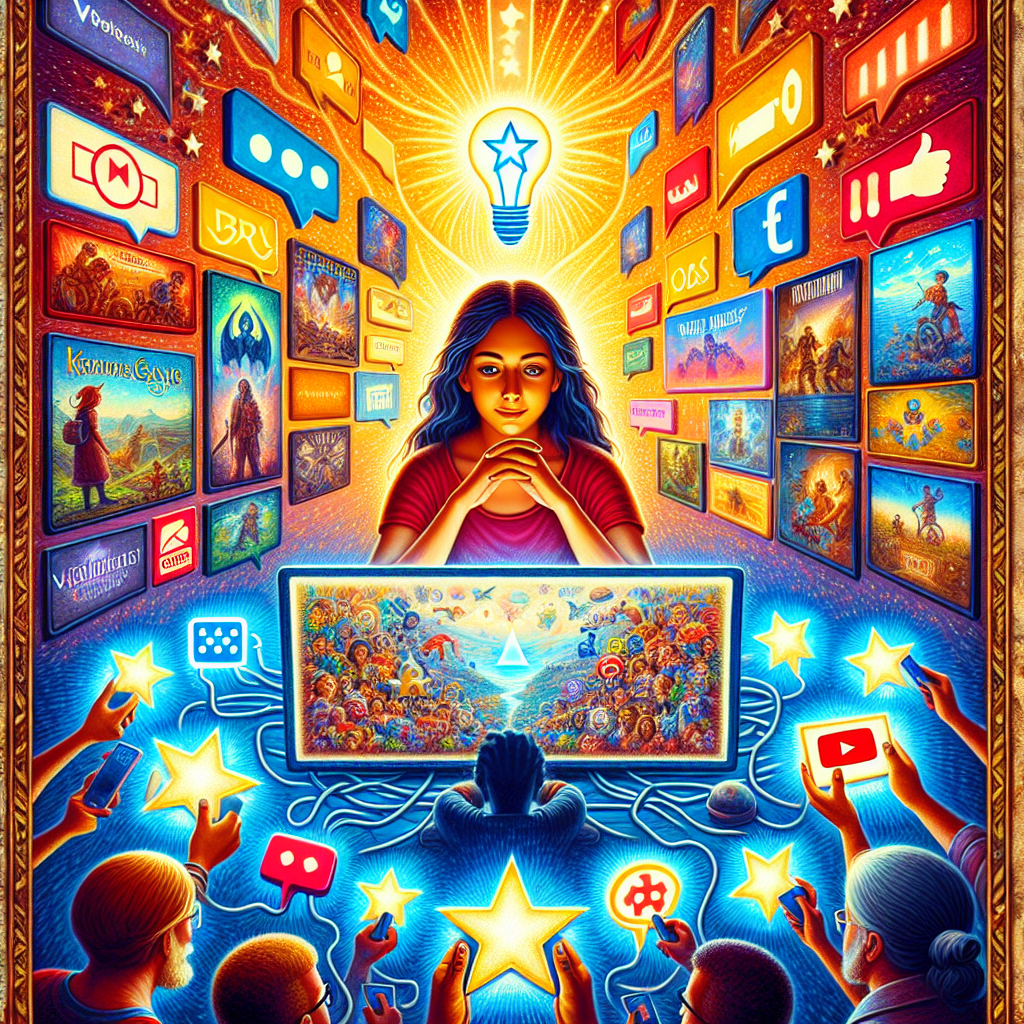
How Do Games Challenge Our Problem-Solving Skills?
Let’s take a moment to think about all those hours we’ve spent diving deep into our favorite games. Whether it’s navigating a treacherous dungeon, solving intricate puzzles, or persuading a seemingly uninterested character, games serve as more than just a form of entertainment—they often act as virtual classrooms, teaching us how to think on our feet. Have you considered how the process of playing can sharpen our problem-solving skills in ways that everyday life sometimes can’t?
At the heart of this experience is gamification—the art of taking the elements that make games appealing and applying them in real-world contexts. When you face a challenge in a game, it’s rarely straightforward. You might find yourself piecing together clues, negotiating with other players, or strategizing your next move under pressure. Each decision counts, and your success hinges on the choices you make. This immersive engagement fosters a unique environment for honing your problem-solving abilities.
Think about your own experiences. Ever found yourself stuck in a particular level and had to brainstorm three different approaches to tackle that challenge? Maybe you walked away, grabbed a snack, and returned with fresh eyes that suddenly found the solution you had been missing. That creative leap isn’t just limited to the virtual realm; it’s a skill we can transfer to real life. From tackling a complex project at work to figuring out how to fix a leaky faucet, the same problem-solving skills can be employed in various domains.
Moreover, let’s not forget about the social aspect of gaming. Multiplayer environments challenge us to communicate, collaborate, and even negotiate with others to achieve a common goal. They teach us the importance of listening and adapting our strategies based on feedback—something that can be invaluable in both personal relationships and professional settings.
So, the next time you dive into a game, remember it’s more than just pixels on a screen. It’s a playground for your mind—a space where you can embrace challenges, develop strategies, and unleash your creativity. Emphasizing that exploration and embracing failure can often lead to the most satisfying breakthroughs. So, go ahead, challenge those virtual dragons and puzzles! You’ll likely find that your newfound problem-solving prowess will find a way back into your everyday life, making you a more confident, adaptable thinker in every situation.

How Do Games Challenge Our Problem-Solving Skills?
How Do Games Challenge Our Problem-Solving Skills?
- Gaming immerses players in problem-solving scenarios that enhance critical thinking skills.
- Gamification applies appealing game elements to real-world challenges, making them engaging.
- Players develop creativity by brainstorming various approaches to overcome in-game obstacles.
- Skills learned in gaming, such as strategizing and decision-making, are transferable to real-life situations.
- Multiplayer gaming fosters communication, collaboration, and negotiation skills among players.
- Engaging with games provides a safe space for experimentation and learning from failure.
- Playing games can boost confidence and adaptability in both personal and professional settings.
How Do Games Challenge Our Problem-Solving Skills?
What Role Does Collaboration In Gaming Play?
Let’s face it: gaming is more than just a solo endeavor. Sure, we’ve all had our moments of blissful isolation, fighting off virtual dragons or solving complex puzzles in the comfort of our own minds. But when you think about it, the magic often happens when we join forces. Collaboration in gaming is like adding gas to an engine—it fuels both the experience and our relationships.
When we talk about collaboration, we’re delving into the beautiful concept of teamwork. It’s about strategizing, communicating, and sometimes even compromising. Whether you’re forming a guild to take down that pesky raid boss or teaming up with friends for a cooperative mission, collaboration transforms gaming from a solitary venture into a shared adventure. The best moments often come from unexpected teamwork—those times when we rally together, combining our diverse skills to overcome challenges. It’s like a well-rehearsed dance, each player executing their moves, leading to a spectacular finale.
Now, let’s not overlook the power of gamification here. It isn’t just a buzzword tossed around in boardrooms or classrooms. In gaming, it’s the backbone of collaborative experiences. From leveling up together to unlocking achievements as a group, gamification integrates competition and camaraderie. Together, friends or even strangers unite under a common goal, making the journey itself rewarding. Celebrate those achievements, whether it’s completing a tricky quest or simply surviving a long session of gameplay. Those moments create a tapestry of shared experiences that deepen connections.
Moreover, collaboration isn’t confined to just the mechanics of gameplay; it seeps into our real lives. Gamers learn skills like communication, problem-solving, and resilience—all critical attributes that transfer to any aspect of our daily lives. Need to brainstorm ideas at work? Teamwork in gaming can provide a masterclass in collaboration. Facing a challenge in life? Draw on that sense of community when the going gets tough.
By engaging in collaborative gaming, we build bridges with others, crafting relationships and memories that may last a lifetime. So, whether you’re a hardcore gamer or just hopping into the arena for fun, remember that the experience becomes richer and more fulfilling when shared. It’s not just about winning but about the bonds we forge along the way. So gather your friends, create those teams, and immerse yourselves in the thrilling world of collaboration. You’re in for an unforgettable ride.

What Role Does Collaboration In Gaming Play?
What Role Does Collaboration In Gaming Play?
- Gaming is often a shared experience that enhances both gameplay and relationships.
- Collaboration in gaming involves teamwork, strategizing, communicating, and compromising.
- Unexpected teamwork leads to memorable moments and challenges overcome together.
- Gamification in games fosters collaboration and builds camaraderie among players.
- Shared achievements, like completing quests, enhance connections and enrich the gaming experience.
- Collaboration develops real-life skills such as communication, problem-solving, and resilience.
- Engaging in collaborative gaming creates lasting bonds and memories, making the experience more fulfilling.
What Role Does Collaboration In Gaming Play?
Are There Any Downsides To Gaming For Skills Development?
As we dive into the world of gaming and its potential for skills development, it’s easy to get swept up in the excitement of gamification—the process of applying game-design elements to non-game contexts. Although the bells and whistles of leveling up and earning badges can create a rush similar to crossing the finish line, it’s essential to take a moment and consider the flip side of the coin.
Now, don’t get me wrong; I’m all for leveraging the adrenaline and fun of video games to sharpen our skills. However, there are some downsides to this approach that deserve a good, hard look. For starters, the thrill of competition can overshadow the educational aspect. In the heat of battle, where the virtual stakes seem sky-high, the focus can shift from genuine skill development to mere point accumulation. Some players may become so engrossed in chasing that next achievement that they gloss over the real learning moments hidden in the experience. If the aim is to acquire a skill—be it problem-solving or teamwork—it is critical not to lose sight of the journey just because the rewards are shiny.
Moreover, there’s a risk of dependency on gamification itself. Users might get so wrapped up in that immediate feedback loop that they struggle when faced with real-world scenarios that don’t offer instant rewards. Think about it: when was the last time a problem in the workplace can be solved with a single button press? When you step away from the screen, it can be quite a jolt to realize that grit and patience come without cheat codes.
Let’s not forget the importance of social interaction—the human touch can sometimes be lost in the glow of a gaming headset. While many games encourage teamwork, online interactions often lack the depth and nuance of face-to-face communication. Building relationships and collaborating effectively in real time is a crucial life skill, and relying solely on a screen for connections can leave players feeling isolated and unprepared.
So, while the allure of gaming for skills development is undeniably strong, it’s essential to navigate these waters wisely. Balance is key. Use this powerful tool to enhance your real-world abilities, but don’t forget to keep your feet firmly planted on solid ground. Engage in real experiences outside the console, connect with others, and embrace the beautiful messiness of learning in real life.

Are There Any Downsides To Gaming For Skills Development?
Are There Any Downsides To Gaming For Skills Development?
- The excitement of gamification can effectively apply game-design elements to non-game contexts.
- While gamification can enhance skill development, it may also overshadow genuine educational experiences.
- Competition can shift focus from learning to mere point accumulation and achievement chasing.
- Dependency on gamification may hinder performance in real-world scenarios lacking instant rewards.
- Social interaction in gaming often lacks depth compared to face-to-face communication.
- Building relationships and collaborating in real life are crucial skills that may be neglected.
- Balancing gaming with real-life experiences is essential for holistic skill development.

Are There Any Downsides To Gaming For Skills Development?
Do Casual Games Provide Educational Benefits?
Let’s face it—life can sometimes feel like walking through a never-ending line at the DMV. We all have responsibilities piling up like laundry on a Sunday afternoon. But in the midst of all this seriousness, casual gaming has crept in as a welcome distraction. However, the question remains: Can these lighthearted games actually teach us something? Spoiler alert: They just might.
Imagine a world where learning isn’t drudgery but a thrilling quest. Enter gamification—transforming mundane tasks into engaging challenges. Picture yourself mastering a new language not through endless flashcards but while fending off dragons or building empires. Those games aren’t just fluff; they’re designed to make you think, strategize, and, above all, learn in a way that feels almost effortless.
Take puzzle games, for instance. They offer not just entertainment but also an unexpected boost to your cognitive abilities. While figuring out how to slide tiles into place or connect dots, you immerse yourself in critical thinking and problem-solving. You’re not just passing time; you’re sharpening your mind. It’s no wonder that educators are starting to incorporate these principles into classrooms, using the appeal of casual gaming as a gateway to enhanced learning experiences.
And let’s not overlook the world of trivia games. Remember when you were convinced you’d never remember all those state capitals or historical dates? But with apps and games making it all so competitive and engaging, most players find themselves recalling facts with surprising ease. The element of competition adds an extra layer of motivation. Your friend’s high score might just be the nudge you need to learn a few more fun facts about ancient civilizations.
The beauty of casual games lies in their simplicity. There’s no elaborate setup; just you, your device, and a moment’s peace amidst the chaos of everyday life. These games remind us that learning doesn’t always have to happen within the confines of a textbook or a lecture hall. Instead, it can happen in a cozy corner of your favorite café or on a quiet evening at home.
So, next time you pick up your phone or tablet, consider diving into a casual game. You might just find that amidst the fun, there lies a hidden trove of knowledge waiting for you. Embrace the unexpected learning journey; it may just be the refresh you need—and maybe, just maybe, you’ll come away a little wiser in the process.

Do Casual Games Provide Educational Benefits?
Do Casual Games Provide Educational Benefits?
- Life often feels burdensome, but casual gaming provides a necessary distraction.
- Gamification transforms mundane tasks into engaging and enjoyable learning experiences.
- Puzzle games enhance cognitive abilities through critical thinking and problem-solving.
- Educators are increasingly using gaming principles to create enhanced learning opportunities.
- Trivia games make learning competitive and engaging, helping players recall facts easily.
- Casual games require minimal setup, allowing learning to occur anywhere and anytime.
- Engaging in casual games can reveal unexpected knowledge and refresh your perspective.

Do Casual Games Provide Educational Benefits?
Conclusion
Alright, folks, here’s the scoop. In the world of digital gaming, it’s easy to get lost in the hype of flashing screens and adrenaline spikes, but when the controllers are set down and the virtual worlds fade away, what do we really have? Can gaming sharpen our analytical skills, or are we simply using it as a distraction from our shortcomings? Let’s untangle this knot.
Digital gaming, when approached with intention, has the potential to be a mighty tool for enhancing our problem-solving and analytical capabilities. Think about the strategic planning that unfolds when a group tackles a challenging game together. Players engage in critical thinking, assess risks, and collaborate to devise winning strategies—all of which are skills that translate into the real world. Essentially, we may find that our virtual escapades reflect the messy, unpredictable playground of life itself, encouraging us to take a mindful approach to both.
But let’s not kid ourselves; it’s a double-edged sword. While the thrill of winning and leveling up can be intoxicating, excessive reliance on this instant gratification could lead to a dangerous disconnect from reality. Success in the virtual arena doesn’t necessarily mean you’ve developed the patience or perseverance required to navigate life’s real challenges. Gamification can motivate and engage, transforming mundane tasks into exciting quests, yet it can also mask vulnerabilities that desperately need attention.
Moreover, game genres play a significant role in this development. RPGs foster strategic thinking, while FPS games require quick reflexes and teamwork. Casual games offer intellectual stimulation disguised as lighthearted fun. But, always remember, no single game type holds the monopoly on skill development. The key lies in the choices you make—choosing games that challenge your mind rather than serving as mere distractions.
And while gaming can indeed supplement traditional learning methods, let’s advocate for a balanced approach. The classroom experience, with its structure and guidance, still holds merit, and when combined with the engaging nature of games, we can harness the best of both worlds.
So, how do we fully utilize gaming’s potential? Engage with it mindfully. Dive into virtual battles, but remember that the true conquests occur outside the screen—in every failure, every lesson learned, and every real-life interaction. Embrace both the challenges and the triumphs, exploring a world where gaming isn’t just a pastime but a stepping stone toward critical thinking and growth. Life is the ultimate game—play it well, learn from it, and let those analytical skills blossom in the real world.

Conclusion
Conclusion:
- Digital gaming can enhance problem-solving and analytical skills when approached intentionally.
- Engagement in challenging games fosters critical thinking, risk assessment, and collaboration.
- While gaming can provide instant gratification, excessive reliance on it may lead to disconnect from real-life challenges.
- Different game genres develop various skills: RPGs for strategic thinking, FPS for quick reflexes, and casual games for light intellectual fun.
- The choice of games matters; select those that challenge the mind instead of serving as distractions.
- A balanced approach combining gaming with traditional learning enhances educational outcomes.
- Mindful engagement with gaming can lead to personal growth and the development of critical thinking skills applicable to real life.

Conclusion
Other Resources

Other Resources
Here is a list of other resources you can review online to learn more:
Use This Prompt To Get More Resources With Your Favorite Online AI Tool: Please provide me with a list of online articles with their URLs in a bulleted list that I can read regarding Can Digital Gaming Cultivate Analytical Skills Or Just Mask Deficiencies?

Other Resources
Glossary Terms
Can Digital Gaming Cultivate Analytical Skills Or Just Mask Deficiencies? – Glossary Of Terms
1. Analytical Skills: The ability to interpret, compare, and evaluate information critically to solve problems and make decisions.
2. Cognitive Development: The construction of thought processes, including remembering, problem-solving, and decision-making.
3. Engagement: The emotional and intellectual involvement of a player in a game, contributing to performance and learning.
4. Gamification: The application of game-design elements in non-game contexts to encourage user engagement and problem-solving.
5. Problem-Solving: The process of identifying solutions to complex or challenging situations, often integral to gameplay.
6. Simulation: A method of training or education using virtual environments that replicate real-world processes and challenges.
7. Critical Thinking: The objective analysis of facts to form a judgment, often necessary for successful gameplay and decision-making.
8. Immersion: The state of being deeply engaged or absorbed in a game, which can enhance learning and skill development.
9. Skill Transfer: The application of skills learned in one context (like gaming) to another context (real-life scenarios).
10. Player Agency: The degree of control and decision-making power a player has within a game, influencing skill development.
11. Reinforcement Learning: A type of machine learning related to how players learn from the outcomes of their actions in a gaming environment.
12. Adaptive Learning: A personalized learning approach that adjusts the difficulty and type of tasks based on a player’s performance.
13. Strategic Thinking: The ability to plan and anticipate challenges ahead, important for both gaming and real-world problem-solving.
14. Feedback Loops: Systems where actions lead to responses, allowing players to learn from mistakes and improve performance.
15. Distraction: An unintended consequence of gaming, where engagement with games may detract from other essential learning activities.
16. Skill Gap: The difference between existing skills and those required for a particular task or job, which gaming may mask rather than address.
17. Social Learning: Learning that occurs through social interaction, which can happen in multiplayer gaming scenarios.
18. Adaptive Difficulty: A gaming mechanic designed to adjust the challenge level based on player skill and progress.
19. Motivation: The willingness of individuals to engage in an activity, influenced by game mechanics and rewards.
20. Dispositional Skills: Inherent abilities and traits such as persistence and adaptability that can be enhanced through gaming.
21. Neuroplasticity: The brain’s ability to reorganize itself by forming new neural connections, influenced by activities like gaming.
22. Flow State: A mental state where a person is fully immersed and focused on an activity, often achieved during engaging gameplay.
23. Multitasking: The ability to manage multiple tasks at once, which some studies suggest can be improved through specific types of gaming.
24. Game-Based Learning: An educational approach that uses gaming principles to enhance learning experiences and outcomes.
25. Behavioral Modification: The use of various techniques to change behavior, which some games may inadvertently promote or inhibit.
26. Executive Function: A set of mental skills that include working memory, flexible thinking, and self-control, which gaming can help develop.
27. Validation: The process of confirming the effectiveness of digital gaming as a tool for improving analytical skills.
28. Learning Outcomes: The demonstrated results of learning experiences, which can be evaluated through game performance.
29. Digital Literacy: The ability to effectively use digital tools and technologies, an essential skill that can be cultivated through gaming.
30. Inclusivity: The principle of designing games that accommodate diverse players, encouraging a wider range of analytical skill development.

Glossary Of Terms
Other Questions
Can Digital Gaming Cultivate Analytical Skills Or Just Mask Deficiencies? – Other Questions
If you wish to explore and discover more, consider looking for answers to these questions:
- What specific analytical skills can be developed through gaming?
- Are there particular game genres that are more effective for skill development?
- How do different age groups benefit from gaming in terms of analytical skills?
- Can gaming lead to long-term improvements in real-life problem-solving abilities?
- What evidence exists to support the claim that gaming enhances analytical skills?
- Are there specific games that are recommended for cultivating analytical skills?
- What are the potential negative effects of excessive gaming on analytical skills?
- How can educators effectively integrate gaming into traditional learning environments?
- What role do different platforms (mobile, console, PC) play in skill development through gaming?
- How can parents help their children leverage gaming for educational purposes?
- Does competition in gaming help or hinder skill development?
- Can casual games be considered educational tools, and if so, how?
- How can players balance gaming with real-world skill development?
- What are the best practices for mindful gaming to enhance learning?

Other Questions
Haiku
Can Digital Gaming Cultivate Analytical Skills Or Just Mask Deficiencies? – A Haiku
Gaming builds the mind,
Skills sharpened, but beware—
Real life calls us back.

Haiku
Poem
Can Digital Gaming Cultivate Analytical Skills Or Just Mask Deficiencies? – A Poem
Gameplay of the Mind
In realms where flashing lights ignite,
Adrenaline fuels, and stories take flight,
Lies a question vast and deep:
Can gaming wake skills from their sleep?
With challenges wrapped in strategic threads,
Gamification whispers where learning spreads.
Puzzle-solving minds in teams unite,
Engaging in battles, embracing the fight.
Yet, amidst the lure of instant gain,
We ponder the knowledge concealed by the game.
Is skill enhanced, or is it disguise,
The quick rewards closing our eyes?
An RPG beckons—a story profound,
Critical thoughts in quests abound.
A dance of cohesion in multiplayer fights,
Communication blooms, illuminating nights.
Simulation teaches with patience and grace,
Navigating mistakes in a virtual space.
Each genre a pathway, a puzzle to unfold,
A mosaic of talents, both new and old.
But tread with care on this pixelated ground,
For balance of methods must surely be found.
Too much reliance on screens can mislead,
As learning requires a different breed.
Embrace the joy of casual play,
Where languages blossom, and facts find their way.
Not every game wears the cloak of a chore;
Learning can flourish, unlocking a door.
So choose your adventures, both real and confined,
For life’s complex game sharpens heart and mind.
In the messy playground where true lessons wait,
Gather the skills before it’s too late.

Poem
Checklist
Can Digital Gaming Cultivate Analytical Skills Or Just Mask Deficiencies? – A Checklist
Checklist: Enhancing Analytical Skills Through Digital Gaming
This checklist is designed to help you reflect on your gaming habits and how they can contribute to your analytical skills development.
Reflective Questions
1. Game Genre Selection
_____ Are you choosing games that challenge your critical thinking (e. g. , strategy, RPG, puzzle)?
_____ Do you explore different genres to see how they influence your skill development?
2. Intentional Engagement
_____ Are you playing with the intent to improve your analytical skills?
_____ Do you approach gaming tasks with a strategy, such as planning moves and predicting outcomes?
3. Social Interaction & Collaboration
_____ Are you engaging with multiplayer games to foster teamwork and communication skills?
_____ Do you collaborate with others to solve challenges or complete objectives?
4. Emphasis on Problem-Solving
_____ Are you consciously applying problem-solving techniques learned in games to real-life situations?
_____ Do you seek feedback from others in-game and apply that to improve your decision-making?
5. Gamification in Everyday Tasks
_____ Can you identify areas in your daily life where gamification could enhance your learning or productivity?
_____ Are you using game-like elements (e. g. , setting goals, tracking progress) to motivate yourself outside of gaming?
6. Balance with Traditional Learning
_____ Are you balancing gaming with traditional educational methods for a comprehensive learning experience?
_____ Do you recognize the benefits of integrating gaming experiences with real-world challenges?
7. Mindful Gaming Practices
_____ Are you mindful of how intense gaming sessions affect your perspective on patience and long-term goals?
_____ Do you take breaks to reflect on lessons learned from gaming experiences?
8. Casual Gaming as a Learning Tool
_____ Are you exploring casual games that promote cognitive skills without high-pressure environments?
_____ Have you noticed improvements in your problem-solving abilities through engaging with casual games?
Action Items
_____ Set Goals: Identify one or two specific analytical skills you want to improve through gaming (e. g. , strategy, critical thinking).
_____ Track Your Learning: Maintain a log of what skills you notice improving after gaming sessions.
_____ Diversify Your Games: Commit to trying a new genre each month to expand your skill set.
_____ Connect and Collaborate: Organize a gaming session with friends where collaborative problem-solving is the focus.
_____ Apply Skills in Real Life: Take time to apply lessons learned from gaming to a real-world challenge, like a work project or personal goal.
Final Thought
Remember, gaming can be a powerful tool for skill enhancement, but balance is key. Use gaming as a stepping stone to develop your analytical skills while also embracing the messy, real-world challenges for true growth.

Checklist
At HowDoYouGame, we help people who love board games by collating information and news about games.
Be sure to read our other related stories at HowDoYouGame to learn more about games.