Escaping Reality: The Dark Side Of Gaming
By Tom Seest
At HowDoYouGame, we help people who love board games by collating information and news about games.
Be sure to read our other related stories at HowDoYouGame to learn more about games.
Could Games Be The Wrong Refuge From Emotional Struggles?
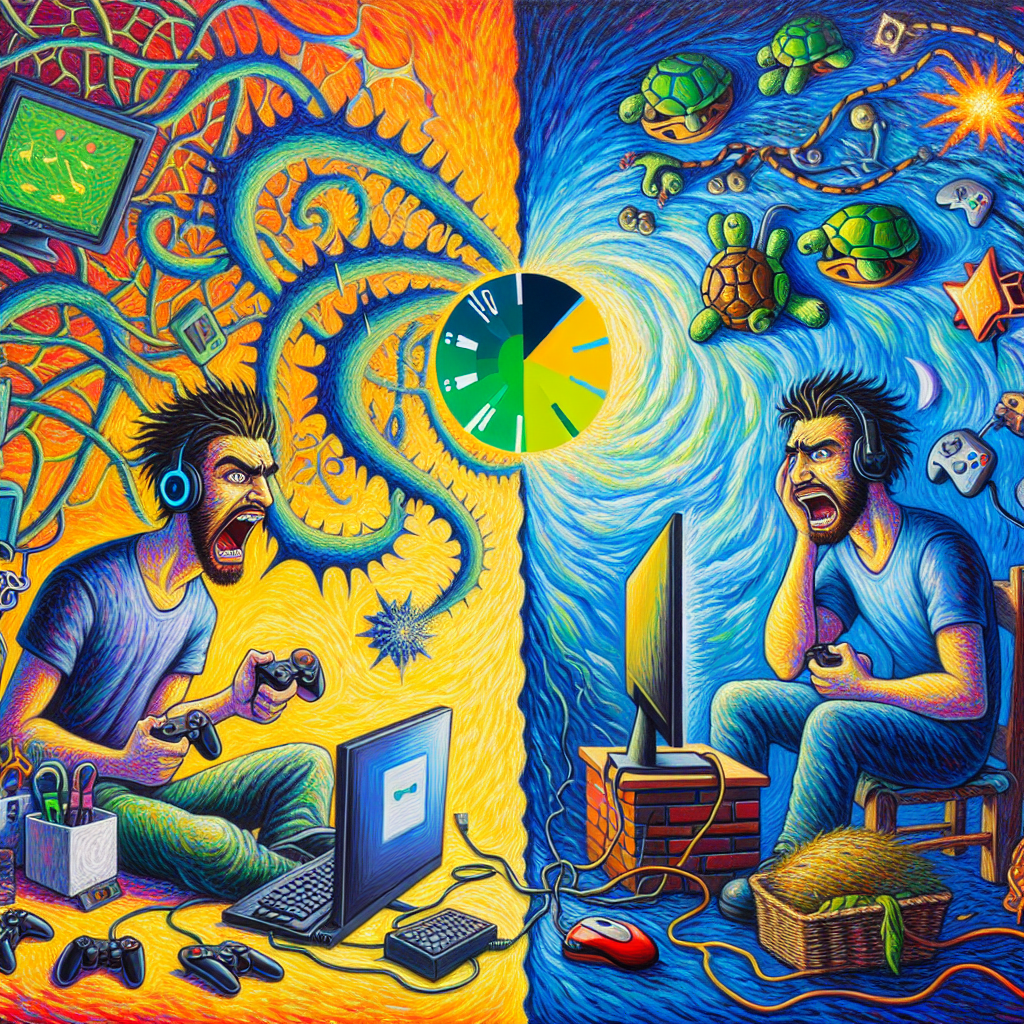
Let’s face it: life can be messy. It throws challenges at us when we least expect it and, sometimes, the weight of emotional struggles feels like trying to swim upstream in a raging river. So, it’s no wonder we often turn to games, those digital escapes where we can lose ourselves in alternate realities, racking up points and achievements that feel oh-so-satisfying. But are we really solving anything, or are we just getting really good at gamification — turning our lives into a never-ending series of tasks and levels to conquer?
Now, don’t get me wrong; games can be a lot of fun. They provide a brief respite from our worries, a chance to connect with others or even compete in ways that can feel fulfilling. They hold a certain charm, an allure that draws us in and keeps us playing. But while we’re busy slaying dragons and racing towards that next big reward, what are we neglecting in our real lives? Think about it: when was the last time you paused a game to genuinely dig into an issue stirring in your heart or mind?
Many of us find comfort in retreating into the virtual world, but this kind of escape can become a slippery slope. It’s like wrapping a cozy blanket around ourselves, only to realize it’s trapping us, limiting our engagement with the world around us. Is it wise to build our lives on the quick feedback loops of games while ignoring the deeper, more complex emotional landscapes that lie outside our screens?
Instead of relying solely on these digital refuges, let’s consider balancing our gaming experiences with genuine human connection. Finding a friend to talk to, engaging in a hobby that promotes creativity, or simply taking a walk can provide the emotional support we really need. It’s about reorienting ourselves — taking a step back to evaluate whether our go-to coping mechanism is constructive or simply a distraction.
So, perhaps it’s time for reflection. Next time you boot up your game, ask yourself: Am I really taking a break, or am I avoiding something important? Remember, it’s okay to seek refuge, but let’s not forget the messy, beautiful world waiting outside that screen.

Could Games Be The Wrong Refuge From Emotional Struggles?
Could Games Be The Wrong Refuge From Emotional Struggles?
- Life presents unexpected challenges and emotional struggles, akin to swimming against a strong current.
- Games offer a digital escape, allowing players to immerse themselves in alternate realities and gain satisfaction through points and achievements.
- While fun and engaging, gaming can lead to neglecting real-life issues that require attention and introspection.
- Escaping into virtual worlds can limit engagement with the outside world, akin to being trapped in a cozy blanket.
- It’s crucial to balance gaming with genuine human connections and engaging in creative hobbies or outdoor activities.
- Self-reflection is vital: assess whether gaming serves as a constructive break or a means to avoid important emotional issues.
- Remember to embrace the complexities of real life and not lose sight of the world beyond the screen.

Could Games Be The Wrong Refuge From Emotional Struggles?
Table Of Contents
- Could Games Be The Wrong Refuge From Emotional Struggles?
- Could Games Distract From Facing Emotional Issues?
- Are Games A Safe Escape?
- Can Gaming Worsen Mental Health Problems?
- How Do Games Affect Emotional Well-Being?
- Are Gamers Prone To Emotional Challenges?
- Do Games Provide False Comfort?
- Can Gaming Lead To Addiction Issues?
- Conclusion
- Other Resources
- Glossary Of Terms
- Other Questions
- Haiku
- Poem
- Checklist
Could Games Distract From Facing Emotional Issues?
Let’s take a moment to step back and think about the role games play in our lives. Whether it’s a late-night marathon of your favorite video game or a competitive board game with friends, we often turn to play for a rush of excitement and escape. There’s a buzz about gamification these days, as it morphs mundane tasks into thrilling challenges. But here’s the kicker: while games can bring joy and camaraderie, they can also create a diversion from the tougher stuff we often avoid—our emotional issues.
Picture this: you’ve had a long day. Stress is weighing on your shoulders like a heavy backpack, and the last thing you want to do is confront it. Instead, you slip into the realm of games, where the only objective is to level up, defeat a boss, or solve puzzles. In that digital sanctuary, reality fades. You’re invincible. It’s fun, no doubt. But here’s where we start to tread a fine line. When does that fun become a veiled attempt to dodge the life lessons and hard emotions stewing underneath?
You might be nodding along, thinking, “I know what you mean.” We’ve all felt that pull, that urge to retreat into a virtual world instead of dealing with the wrestle of our feelings. So, let’s get real for a minute. We’re all human, navigating our own labyrinths of emotional complexity. It’s okay—more than okay—to enjoy gaming as a reprieve. But there’s a caveat we can’t overlook: seeking distraction can become a way of life if we’re not careful. Instead of thriving in the real world, we can easily end up existing behind screens, all the while our emotions pile up like laundry waiting to be folded.
The good news? Recognizing this pattern is the first step toward turning the tide. Consider this: the very same gamification that helps you conquer digital quests can be applied to your real life. Start small. Set goals for yourself, whether that’s addressing a nagging worry or having a difficult conversation. Infuse a little competition in your own life, challenge yourself to face those feelings, and level up your emotional health. Games might provide a temporary respite, but let’s not forget—they can also inspire you to take control and write your own narrative.
Could Games Distract From Facing Emotional Issues?
Could Games Distract From Facing Emotional Issues?
- Games offer excitement and escape from daily stresses, providing joy and camaraderie.
- Gamification turns mundane tasks into thrilling challenges, creating a buzz around the concept.
- While enjoyable, games can serve as a distraction from confronting emotional issues.
- Retreating into gaming can impede personal growth by avoiding life lessons and emotional complexities.
- It’s important to balance enjoyment of games with awareness of their potential to facilitate avoidance.
- Recognizing the pattern of distraction is the first step toward addressing underlying emotions.
- Gamification techniques can be applied in real life to set goals and improve emotional health.

Could Games Distract From Facing Emotional Issues?
Are Games A Safe Escape?
When you think about it, life can often feel like a roller coaster, full of ups, downs, and unexpected loops. It’s no wonder so many people seek refuge in the world of games. But let’s take a moment to peel back that shiny curtain and explore why this escape can be not only safe but also surprisingly beneficial.
You see, games have evolved—a far cry from just mindless distractions. Today, they’re rooted in something called gamification. This concept isn’t just about scoring points or leveling up; it taps into fundamental human desires: achievement, mastery, and connection. Through gamification, mundane tasks are transformed into engaging experiences, making every little victory feel monumental. Whether you’re climbing a leaderboard or simply solving a puzzle, that rush of accomplishment can be intoxicating.
Have you ever settled in for a gaming session after a long day, escaping the cacophony of responsibilities? That click of a controller or the swipe on a screen can transport you from the hustle and bustle of reality into vibrant new worlds. It’s almost like slipping into a favorite pair of boots—comfortable and familiar. And while some critics might suggest that games could encourage avoidance behavior, the reality is often more nuanced.
Games can provide structure and purpose. They allow us to articulate our goals in real time, whether we’re collaborating with friends in a fierce quest or overcoming difficult challenges solo. It fosters not just creativity but also resilience, teaching us that failure is just a stepping stone toward success.
Now, I’m not saying that gaming is without its pitfalls. Like anything, it requires balance. The key lies not in surrendering to the digital realm but leveraging it to enhance our lives. When approached with mindfulness, gaming can become a powerful tool for connection and self-discovery. It’s all about finding that sweet spot—choosing games that challenge your thinking, stimulate your creativity, and keep you plugged into the community around you.
So, the next time you pick up that controller or delve into a mobile game, take a moment to appreciate what you’re doing. It’s more than just a pastime; it’s a safe escape that can sharpen your mind, reinforce social bonds, and ultimately, enrich your life in ways you might not even realize. Embrace the adventure—it’s waiting for you to take that leap.

Are Games A Safe Escape?
Are Games A Safe Escape?
- Life can feel like a roller coaster with ups, downs, and unexpected loops, leading many to seek refuge in gaming.
- Games have evolved beyond mindless distractions to incorporate gamification, tapping into human desires for achievement, mastery, and connection.
- Gamification transforms mundane tasks into engaging experiences, making victories feel monumental.
- Gaming provides an escape from daily responsibilities, transporting players into familiar and vibrant worlds.
- Games offer structure and purpose, articulating goals while fostering creativity and resilience through challenges.
- While gaming has potential pitfalls, a balanced approach can enhance life, fostering connection and self-discovery.
- Gaming is more than a pastime; it sharpens the mind, reinforces social bonds, and enriches life in significant ways.

Are Games A Safe Escape?
Can Gaming Worsen Mental Health Problems?
Let’s talk about gaming. It’s hard to ignore its presence in our lives. From the flashy graphics to the intense narratives, video games can be a great escape—a digital wonderland where anything is possible. But amidst all the fun and excitement lies a question that’s creeping into the conversation: Can gaming worsen mental health problems?
Picture this: You’re on a marathon gaming session, completely absorbed in a sprawling quest or an adrenaline-pumping shooter. It’s exhilarating, and for a while, the outside world fades into the background. Yet, at what point does that escape become an issue?
While gamification—the integration of game mechanics into real-life scenarios—can motivate us to achieve certain goals, sometimes it can come with unintended consequences. The structured rewards, leveling up, and competitive spirit can be intoxicating. For someone grappling with anxiety or depression, the game can become a refuge, a place where control feels attainable. But here’s the catch: When that digital world starts to feel like the only one you can thrive in, it might be time to hit the brakes.
Gaming isn’t intrinsically bad; it’s about how we engage with it. If you’re noticing that video games are your primary interaction with the world, it might be worth stepping back. Are they replacing face-to-face conversations or deepening connections? Have you traded in your chance to go outside for another round in a virtual arena? Those are the questions that can offer clarity.
Moreover, not all gaming experiences are created equal. Some games invite collaboration and communication, while others can lead to isolation. Recognizing the difference is paramount. The key is balance. Whether it’s scheduling time to game or establishing boundaries with yourself or your loved ones, taking proactive steps can help ensure that gaming remains a source of enjoyment rather than a crutch.
At the end of the day, gaming is like any other pastime. Done right, it can be enriching and fun; but left unchecked, it can turn into a slippery slope. If you or someone you know is struggling, reach out. Remember—there’s a world outside of those pixels, and sometimes, stepping outdoors might be the best power-up of all.

Can Gaming Worsen Mental Health Problems?
Can Gaming Worsen Mental Health Problems?
- Gaming is a prevalent part of modern life, offering escapism through engaging graphics and narratives.
- The line between enjoyable gaming and negative impact on mental health can be blurry, especially when gaming becomes excessive.
- Gamification can motivate goal achievement, but it may also lead to unintended consequences like dependency.
- For individuals with anxiety or depression, gaming can provide a sense of control, but reliance on it may indicate a need for a balance.
- Consider the quality of gaming experiences; some promote social interaction, while others may lead to isolation.
- Establishing boundaries and scheduling game time can help maintain gaming as a positive pastime.
- Seeking help and stepping outside for real-life interactions can be beneficial for mental health and well-being.

Can Gaming Worsen Mental Health Problems?
How Do Games Affect Emotional Well-Being?
Understanding the Emotional Impact of Games
In a world where the touch of a screen is becoming more common than a warm handshake, games—both digital and physical—have woven themselves into the very fabric of our everyday lives. Whether it’s a friendly round of poker in your living room or an epic quest in a digital realm, games have an uncanny way of connecting us, cheering us on, and even helping us cope with life’s ups and downs. So, let’s dive into how these experiences might genuinely affect our emotional well-being.
Imagine a time when you sat down with friends and played a board game. Laughter filled the room, competitive spirits flared, and before long, you forgot about the stresses of the day. Games, at their core, offer a mini-vacation from reality. This is where the concept of gamification comes in. When game elements are introduced into everyday tasks—whether it’s trying to finish your laundry before the timer goes off or collecting digital badges for walking a certain number of steps—they transform mundane chores into something enjoyable. It’s a nudge, a push that gets us not just moving but also smiling.
Now, consider video games. They’re not just about winning. Many of these virtual worlds challenge us to think critically, work with a team, and face challenges we might avoid in real life. A well-crafted narrative can evoke emotions ranging from joy to heartbreak, teaching us resilience and empathy. Just think about it: have you ever felt a twinge in your heart while watching a character make a tough choice? In those moments, we connect, not just with the digital avatars but with our own human experiences.
But let’s clarify something important: games aren’t a cure-all. Like anything in life, moderation is key. Too much screen time can lead to isolation, while a balance can foster emotional health. That’s the beauty of games. They can be a tool for connection when used wisely but can also become a barrier if we let them consume our time.
The next time you pick up that controller or shuffle those cards, remember: games can be gateways to emotional growth, pathways to connect with others, and opportunities for joy. So, whether you’re battling dragons or strategizing your way to victory, embrace the magic. The benefits of games extend far beyond mere entertainment; they foster connection and resilience in an ever-changing world.

How Do Games Affect Emotional Well-Being?
How Do Games Affect Emotional Well-Being?
- Games, both digital and physical, play a significant role in our everyday lives, connecting us and helping us cope with challenges.
- Playing board games can provide a temporary escape from reality, offering laughter and joyful interactions with friends.
- The concept of gamification turns mundane tasks into enjoyable activities, motivating us to be more productive.
- Video games promote critical thinking, teamwork, and resilience, often evoking strong emotions through their narratives.
- While games can enhance emotional well-being, moderation is crucial to avoid potential isolation or negative impacts from excessive screen time.
- Games can serve as tools for connection, emotional growth, and happiness when used purposefully.
- The benefits of games extend beyond entertainment, contributing to resilience and social connections in a rapidly changing world.

How Do Games Affect Emotional Well-Being?
Are Gamers Prone To Emotional Challenges?
Are Gamers Prone to Emotional Challenges?
Let’s take a moment to step off the gaming battlegrounds and dive into the emotional landscape that often runs parallel. For many of us, our screens are not just gateways to other worlds but also mirrors reflecting a slice of who we really are. You may have noticed that captivating element in gaming called “gamification,” where everyday tasks are transformed into engaging challenges. This concept isn’t limited to just gameplay; it spills into our daily lives, stirring motivation and, surprisingly, emotional responses.
Picture this: you’re navigating your character through a treacherous dungeon, each quest demanding skill and strategy. Along the way, you celebrate victories and endure defeats, both of which can resonate deeply. It’s thrilling, isn’t it? But when the game pauses, those same highs and lows linger, sometimes leading to emotional challenges. Let’s be clear: engaging with such intense narratives can amplify feelings of triumph and despair, just like life outside the screen. The more you feel, the more you may find yourself grappling with the emotional outcomes of these experiences.
But here’s where the silver lining shines. Recognizing these emotional challenges can set you on a path to growth. Think of it like leveling up in a game. Just as your character gains experience points after facing obstacles, you too can become more resilient after navigating your feelings. Embracing those emotions—fear, joy, frustration—can be empowering. They’re part of your narrative, crucial to your development as a player in the grand game we call life.
Now, let’s not forget the camaraderie that gamers often cultivate. Finding yourself in a community that shares your passions can serve as a safety net during emotional turmoil. You’re not alone in feeling excitement when you conquer a difficult boss or disappointment when a favorite game disappoints. This connection allows for open discussions about mental health, transforming the enigmatic world of gaming into a nurturing ground for emotional support.
So, the next time you log in or switch on that trusty console, remember: it’s not just about defeating foes or gaining achievements. Embrace the emotional spectrum that comes with the experience. Recognizing and validating your feelings can foster resilience and inspire positive action in both gaming and life. After all, just like any good story, it’s how you navigate each challenge that enriches your journey. Keep playing, keep feeling, and who knows? You may just unlock a new level of emotional intelligence.

Are Gamers Prone To Emotional Challenges?
Are Gamers Prone To Emotional Challenges?
- Gaming serves as both an escape and a reflection of our emotional selves.
- Gamification transforms everyday tasks into engaging challenges, influencing emotional responses.
- Victory and defeat in games can enhance real-life emotions, leading to emotional challenges.
- Recognizing emotional struggles can promote personal growth and resilience, similar to leveling up in games.
- Emotions such as fear, joy, and frustration are integral to personal development and the gaming experience.
- Camaraderie within gaming communities provides emotional support and encourages discussions about mental health.
- Experiencing a range of emotions in gaming is a vital part of both the gaming journey and life itself.

Are Gamers Prone To Emotional Challenges?
Do Games Provide False Comfort?
In an age where our lives are often governed by screens, it’s no surprise that we turn to video games as a refuge from reality. Engaging in a virtual world can feel like donning a suit of armor, where each victory offers a rush of dopamine that lingers long after the console is powered down. But here’s the kicker—are we just playing ourselves into a state of comfort while dodging the real-world challenges that require our attention?
Let’s take a moment to consider gamification. This term, which you may have heard tossed around liberally, refers to the application of game-design elements in non-gaming contexts. It’s that little jolt of excitement you feel when accomplishing a mundane task through a point system or leveling up your productivity. Sure, gamification can be a fun propeller, nudging us to tackle our to-do lists with a sense of play. But let’s also face the facts: what happens when the game ends? When the excitement fades and we’re left staring at our unfinished business?
Human beings are hardwired to seek comfort. Whether it’s the online fantasy world or the quick hit of satisfaction that comes from firing up a game, the allure of relief is potent. Yes, games can provide a much-needed escape, but they can just as easily become a smokescreen that hides our struggles. The challenge arises when we allow our digital triumphs to substitute for real-world victories. It’s easy to rack up those in-game achievements while the dishes pile up in the sink, the workout routine gets put on pause, or that looming deadline starts to feel like a monster waiting for a brave soul.
So what’s the solution? It doesn’t take a gamer guru to understand this simple idea: balance is key. Embrace your joyous foray into the realm of gaming, but recognize that it should never stand in for genuine personal growth. Instead of seeking solace purely through digital landscapes, consider translating that sense of achievement back into your life. Prioritize real-world accomplishments with the same vigor you show for finishing that latest quest.
In short, play your games, but don’t let them play you. Harness their appeal—not as a distraction, but as a tool to inspire action. After all, every victory can bring us closer to the life we truly want to live, if we dare to step out of the screen.

Do Games Provide False Comfort?
Do Games Provide False Comfort?
- Video games offer an escape from reality, providing a rush of dopamine through virtual victories.
- The concept of gamification applies game-design elements in non-gaming contexts, making mundane tasks more engaging.
- While gamification can motivate task completion, it raises concerns about unfinished real-world responsibilities.
- Comfort-seeking behaviors may lead to using games as a smokescreen for avoiding real-life challenges.
- Digital achievements should not replace genuine personal growth and accomplishments.
- Finding a balance is essential: enjoy gaming but prioritize real-world achievements.
- Use the appeal of games as a tool for inspiration and motivation to tackle real-life goals.

Do Games Provide False Comfort?
Can Gaming Lead To Addiction Issues?
Let’s talk about gaming—a pastime millions enjoy, whether it’s a quick round of solitaire on a rainy afternoon or the latest and greatest first-person shooter. It’s fun, immersive, and sometimes, it feels like the best escape from the daily grind. But, as with many things in life, moderation is key. So how do we walk that fine line between enjoyment and the potential for addiction?
First, let’s understand that gaming is designed to be compelling. With principles of *gamification* weaving their way into every new release, developers know how to keep players engaged. By incorporating challenges, rewards, and dynamic stories, games create an environment that can quickly draw us in. It’s like a fine meal; the first bite is delicious, and soon you find yourself digging deeper, craving those virtual victories. But what happens when that craving becomes an insatiable hunger?
Many gamers report an overwhelming sense of satisfaction from leveling up or completing quests. It’s an exhilarating feeling, and while that rush can be rewarding, it can also lead to players spending hours, then days, lost in the gaming world. The risk here isn’t just about time; it’s about what gets sacrificed in the process. Relationships? Responsibilities? Mental health? Suddenly, that carefree escape can morph into a heavy burden.
Here’s the deal: it’s not about vilifying gaming or calling it an enemy. It’s about understanding ourselves. Recognizing when play becomes a compulsion opens the door to healthier habits. Like a good friend, gaming can lift you up, but if it’s starting to pull you down, it’s worth asking some tough questions. Can I set boundaries? Am I prioritizing this over my well-being? What do I enjoy about gaming, and can I find balance in my life?
If you find yourself nodding and thinking, “That sounds familiar,” know you’re not alone. Acknowledging the potential for addiction isn’t a sign of failure; it’s a courageous step toward better understanding yourself. Trust in the process of reflection, and give yourself permission to engage with gaming on your terms. Remember, gaming can be an amazing companion—just make sure it’s not the only one you’ve got. Embrace the adventure, but don’t forget to explore the world around you, too.

Can Gaming Lead To Addiction Issues?
Can Gaming Lead To Addiction Issues?
- Gaming is a widely enjoyed pastime that provides fun and escape from daily life.
- Moderation in gaming is crucial to prevent potential addiction.
- Game developers use *gamification* to keep players engaged through challenges and rewards.
- Players often experience satisfaction from leveling up and completing quests, but this can lead to excessive gaming.
- The risks of excessive gaming include sacrificing relationships, responsibilities, and mental health.
- It’s important to recognize when gaming becomes a compulsion and to set personal boundaries.
- Acknowledging the potential for addiction is a step towards healthier gaming habits and self-understanding.

Can Gaming Lead To Addiction Issues?
Conclusion
Conclusion: Embracing the Balance of Gaming and Reality
Alright, folks, here’s the crux of the matter: life is a tricky business, loaded with emotional ups and downs that can feel overwhelming. Enter gaming—the sanctuary where we can slip into alternate realities, conquer challenges, and feel a rush of accomplishment. It’s tempting, for sure. Who wouldn’t want to slay dragons or unlock achievements instead of facing the laundry pile that’s become your Everest? But let’s hit pause for a moment.
While games can offer a delightful escape and a sense of camaraderie, there’s a crucial question we must ask ourselves: Are we genuinely processing our emotions, or are we merely sidestepping them with a joystick? It’s all too easy to lose track of reality when we embrace the digital world, inadvertently neglecting the messy but beautiful aspects of our lives waiting for us outside the screen.
Here’s the deal: while the gaming world is a thrilling refuge, it’s vital to ensure it doesn’t become a permanent hideaway. Instead of allowing distraction to become our default mode of operation, we owe it to ourselves to take a hard look at our emotional landscapes. Think of it as leveling up in real life—setting personal goals, having tough conversations, or seeking out genuine connections with those around us. Just as we strategize in games, we should craft our real-life quests that challenge us to engage with our feelings, push through discomfort, and grow as individuals.
And let’s not forget the communal power that gaming can offer. The friendships, support, and shared experiences in gaming communities can cultivate meaningful conversations about mental health. Talking with fellow gamers about our struggles can transform the gaming experience from a solitary escape into a vibrant network of support.
So, the next time you console up and dive into a virtual world, take a beat. Ask yourself: am I really taking a well-deserved break, or am I dodging something important? Remember, it’s perfectly okay to use games as a coping mechanism—but let’s make sure they don’t act as a smokescreen for the challenges we need to confront. After all, there’s a whole, messy, exhilarating world waiting out there for us to explore, filled with opportunities for real growth. So grab that controller, enjoy your gaming adventures, but keep it balanced—your best self is out there, waiting to be discovered outside the pixels.

Conclusion
Conclusion:
- Life is filled with emotional ups and downs, making it easy to seek escape in gaming.
- Gaming can provide a sanctuary to experience alternate realities and accomplishments.
- It’s important to evaluate whether we are processing our emotions or avoiding them through gaming.
- While gaming is enjoyable, it should not become a permanent escape from reality.
- We should engage with our real-life emotional challenges and personal growth.
- Gaming communities can foster meaningful conversations about mental health and support.
- Strive for balance by enjoying gaming while actively confronting life’s challenges.

Conclusion
Other Resources

Other Resources
Here is a list of other resources you can review online to learn more:
- Forbidden Stars
- Dominion: Intrigue (Second Edition)
- Asmodee
- Concordia
- Eurogamer
- Mindclash Games
- Threads
- Tom Vasel’s The Dice Tower
Use This Prompt To Get More Resources With Your Favorite Online AI Tool: Please provide me with a list of online articles with their URLs in a bulleted list that I can read regarding Could Games Be The Wrong Refuge From Emotional Struggles?

Other Resources
Glossary Terms
Could Games Be The Wrong Refuge From Emotional Struggles? – Glossary Of Terms
1. Addiction: A compulsive need to engage in a behavior, often resulting in negative consequences, such as neglecting personal relationships or responsibilities.
2. Coping Mechanism: Strategies or behaviors that individuals use to manage stress, anxiety, or other emotional struggles, which can be healthy or unhealthy.
3. Escapism: The tendency to seek distraction and relief from unpleasant realities, often through activities such as gaming, literature, or movies.
4. Game Addiction: A behavioral addiction characterized by excessive gaming to the detriment of one’s personal, social, or occupational life.
5. Emotional Regulation: The ability to manage and respond to emotional experiences in a healthy manner, influencing how individuals cope with stress and challenges.
6. Mental Health: A state of well-being in which individuals can cope with stress, realize their potential, and contribute to their community.
7. Virtual Reality (VR): A simulated experience that can be similar to or completely different from the real world, often used in gaming to enhance immersion.
8. Interpersonal Relationships: Connections and interactions between individuals, which can be affected positively or negatively by gaming habits.
9. Social Isolation: A condition in which an individual lacks social contacts and engagements, which can arise from excessive gaming or other activities.
10. Stress Relief: The process of reducing stress through various techniques, including leisure activities, exercise, relaxation, or gaming.
11. Behavioral Health: The relationship between behaviors and health, encompassing mental health and substance use issues.
12. Self-Esteem: One’s sense of personal value or self-worth, which can be impacted by gaming outcomes and social comparisons within gaming communities.
13. Game Design: The art and science behind creating games, including mechanics, storytelling, and user experience, which can influence players’ emotional engagement.
14. FOMO (Fear of Missing Out): The anxiety that an exciting experience may be happening elsewhere, often intensified in gaming communities and social platforms.
15. Gaming Community: Groups of individuals brought together by shared interests in games, which can provide support but also contribute to negative social dynamics.
16. Onboarding: The process of introducing new players to a game, which can shape their initial experience and emotional attachment.
17. Reward System: Mechanisms in games that provide players with incentives for achieving goals, potentially creating feelings of accomplishment or dependence.
18. Distraction: A temporary diversion from negative emotions or thoughts, which gaming can provide but may not resolve underlying issues.
19. Aggression: Hostile behavior that may increase in individuals who engage excessively in competitive gaming, sometimes linked to emotional struggles.
20. Psychological Safety: The feeling of security in sharing one’s thoughts and feelings without fear of negative consequences, which can be absent in some gaming environments.
21. Gamer Identity: The sense of self that develops around being a gamer, which can influence self-esteem and social perception.
22. Immersion: The degree to which a player feels absorbed in a game, which can serve as a refuge from reality but may also lead to neglect of real-life issues.
23. Achievement Unlocked: A term commonly used in gaming to signify completing specific criteria, which can affect emotional fulfillment but may not translate to real-life success.
24. Simulation: A representation of real-life processes, often used in games to offer experiences that can either provide escape or lead to unrealistic expectations.
25. Multiplayer Dynamics: The interactions and relationships that develop between players in multiplayer games, which can impact social skills and emotional health.
26. Therapeutic Gaming: The use of games as a tool in therapy, helping to address emotional challenges in a controlled, engaging environment.
27. Narrative Therapy: A therapeutic approach that uses storytelling, which can parallel game narratives, focusing on personal identity and coping strategies.
28. Digital Detox: A conscious effort to reduce time spent on digital devices, including gaming, aimed at improving mental health and relationships.
29. Mindfulness: The practice of being present and fully engaging in the moment, which can be hindered by excessive gaming and distraction.
30. Resilience: The ability to bounce back from adversity, which can be strengthened through healthy coping mechanisms but might be undermined by avoiding emotional struggles through gaming.

Glossary Of Terms
Other Questions
Could Games Be The Wrong Refuge From Emotional Struggles? – Other Questions
If you wish to explore and discover more, consider looking for answers to these questions:
- What are the signs that gaming is becoming a distraction from real life?
- How can one maintain a healthy balance between gaming and real-life responsibilities?
- What alternatives exist for coping with emotional struggles besides gaming?
- Are certain types of games more likely to lead to emotional neglect than others?
- What strategies can be used to leverage gaming for personal growth?
- How does social gaming compare to solo gaming in terms of emotional impact?
- Can playing games with friends alleviate emotional struggles more effectively than playing alone?
- What are some accessible ways to seek help for emotional issues instead of gaming?
- How can one identify when gaming becomes a form of avoidance?
- What are the long-term effects of excessive gaming on mental health?
- Do age and demographic factors influence how gaming affects emotional well-being?
- Can game design choices contribute to emotional attachment or detachment?
- How can one incorporate elements of gamification into their daily routine for improvement?
- What role does the gaming community play in supporting mental health?
- Are there any research studies on the psychological effects of gaming?

Other Questions
Haiku
Could Games Be The Wrong Refuge From Emotional Struggles? – A Haiku
Digital worlds call,
Escaping life’s heavy weight—
Balance is the key.

Haiku
Poem
Could Games Be The Wrong Refuge From Emotional Struggles? – A Poem
Escaping Into Play
In a world where life’s a tangled maze,
Emotions swirl in a tumultuous haze,
We seek refuge in games, our digital space,
Where dragons are slain and we quicken our pace.
Yet what do we gain from this pixelated flight?
Is it solace found—or a veiled, fleeting light?
With screens as our shields, we level each quest,
But sidestepping sorrows is never true rest.
For every high score we earn with delight,
We risk losing touch with the world’s tangled plight,
While laughter can echo in multiplayer cheer,
What of the burdens we bury in fear?
So pause, dear gamer, and ponder your role,
In the rhythm of life, let balance unfold,
Seek out the friendships that nourish your soul,
And nurture your heart beneath armor and scroll.
Gamify struggles, let them lead you to heal,
Turn tasks into challenges, make every wound real,
Find strength in connection, in laughter, in tears,
For the game of our lives is the journey of years.
Let gaming inspire you, lift spirits with cheer,
But don’t let it dim the bright world that is near,
When the end credits roll and the screen fades to black,
Remember, true victory is found in the act.
So cherish the moments within realms we create,
While never forgetting to participate,
For life’s messy beauty awaits your embrace,
Outside the bright pixels, in the real, wondrous space.

Poem
Checklist
Could Games Be The Wrong Refuge From Emotional Struggles? – A Checklist
Checklist: Navigating Gaming and Emotional Well-Being
1. Assess Your Gaming Habits
_____ How many hours do you spend gaming per week?
_____ Do you prioritize gaming over personal relationships or responsibilities?
_____ Are you gaming as a way to escape from real-life issues?
2. Reflect on Emotional Triggers
_____ What emotions are you trying to escape from while gaming (stress, anxiety, sadness)?
_____ Have you noticed a correlation between your gaming sessions and your emotional state?
3. Encourage Real-Life Connections
_____ Are you maintaining regular contact with friends and family outside of gaming?
_____ Have you set aside time for social activities that don’t involve screens?
4. Balance Gaming with Real-Life Engagement
_____ Are you incorporating hobbies, exercise, or creative activities into your routine?
_____ How often do you take breaks from screens to engage with the physical world?
5. Set Personal Goals
_____ Have you set any real-life goals that mirror the achievements you seek in games?
_____ Can you infuse elements of gamification (reward systems, challenges) into your daily tasks to motivate yourself?
6. Monitor Your Emotional Health
_____ Are you aware of any changes in your mood or mental well-being linked to your gaming?
_____ Have you taken the time to address unresolved feelings or conflicts that may arise while gaming?
7. Establish Boundaries
_____ Do you have set limits on your gaming time?
_____ Are you comfortable saying no to additional gaming if it sacrifices important real-life activities?
8. Seek Help When Needed
_____ Are you willing to reach out for support if gaming becomes too overwhelming or affects your mental health?
_____ Have you considered talking to a friend, family member, or professional if you’re grappling with emotions related to gaming?
9. Recognize the Signs of Addiction
_____ Are you aware of any compulsive behaviors that disrupt your daily life?
_____ Have you experienced negative consequences in relationships or responsibilities due to excessive gaming?
10. Practice Mindfulness
_____ Are you making a conscious effort to evaluate your feelings when you game?
_____ Have you tried engaging in mindfulness practices to enhance your awareness and emotional control while playing?
Use this checklist as a tool to reflect on your gaming habits and emotional well-being. Remember, balance is key!

Checklist
At HowDoYouGame, we help people who love board games by collating information and news about games.
Be sure to read our other related stories at HowDoYouGame to learn more about games.