
Balancing Independence And Unity In Senior Communities
By Tom Seest
At HowDoYouGame, we help people who love board games by collating information and news about games.
Be sure to read our other related stories at HowDoYouGame to learn more about games.
Is Encouraging Competition Undermining Community for Seniors?
As we peel back the layers of modern society’s obsession with competition, particularly in the realm of senior living, it’s worth pausing to reflect on what we’re trading away in the name of progress. Sure, the idea of gamification—the integration of game-like elements into everyday activities—can spark excitement and challenge. It’s all the rage, and who could blame us? After all, a little friendly competition seems harmless at first glance, right? Yet, as we dive deeper, we might just find that what scores points on a leaderboard might be costing us dearly in community connection.
When we sprinkle a little gamification on senior activities, we often envision vibrant environments buzzing with energy—a place where scores are tallied, rewards are given, and everyone is cheered on for pushing their limits. But therein lies a conundrum: What about those who aren’t as swift or savvy? In a race to the top of the point system, could we be inadvertently sidelining the very folks we aim to uplift? The thrill of competition, while invigorating for some, can morph into a daunting barrier for others. Suddenly, instead of fostering camaraderie, the atmosphere turns into a pressure cooker where the joy of participation takes second place to the anxiety of performance.
We’ve often heard that it takes a village, and for seniors, that village is founded more on emotional support than on rank. For many, the social bonds forged through shared experiences are the lifeblood of their daily existence. Rather than competing for top marks in a trivia game, wouldn’t it be more enriching to simply enjoy the stories that spiral out of those games? Behind every score is a person—a life rich with experiences, laughter, and, yes, challenges. By putting competition on a pedestal, we might be glossing over the real power of connection.
So, as we tread this fine line between encouraging spirited rivalry and nurturing community, let’s tread carefully. We must ask ourselves: Are we igniting passion or igniting anxiety? Is the scoreboard reflecting growth, or is it just a way to keep us constantly chasing after the fleeting promise of recognition? Community should not be a contest; it should be a sanctuary where every participant feels valued, cherished, and, most importantly, connected. In the world of seniors, perhaps it’s time to focus less on winning and more on belonging.

Is Encouraging Competition Undermining Community for Seniors?
Is Encouraging Competition Undermining Community for Seniors?
- Modern society is increasingly obsessed with competition, especially in senior living.
- Gamification can spark excitement but may come at the cost of community connection.
- Senior activities often prioritize scoring and rewards, potentially sidelining those who struggle.
- Competition can create a pressure-filled environment, diminishing the joy of participation.
- Strong social bonds among seniors are vital and stem from shared experiences rather than competition.
- The focus on winning may overshadow the importance of connection and belonging.
- Community should prioritize valuing and cherishing every participant over competition.
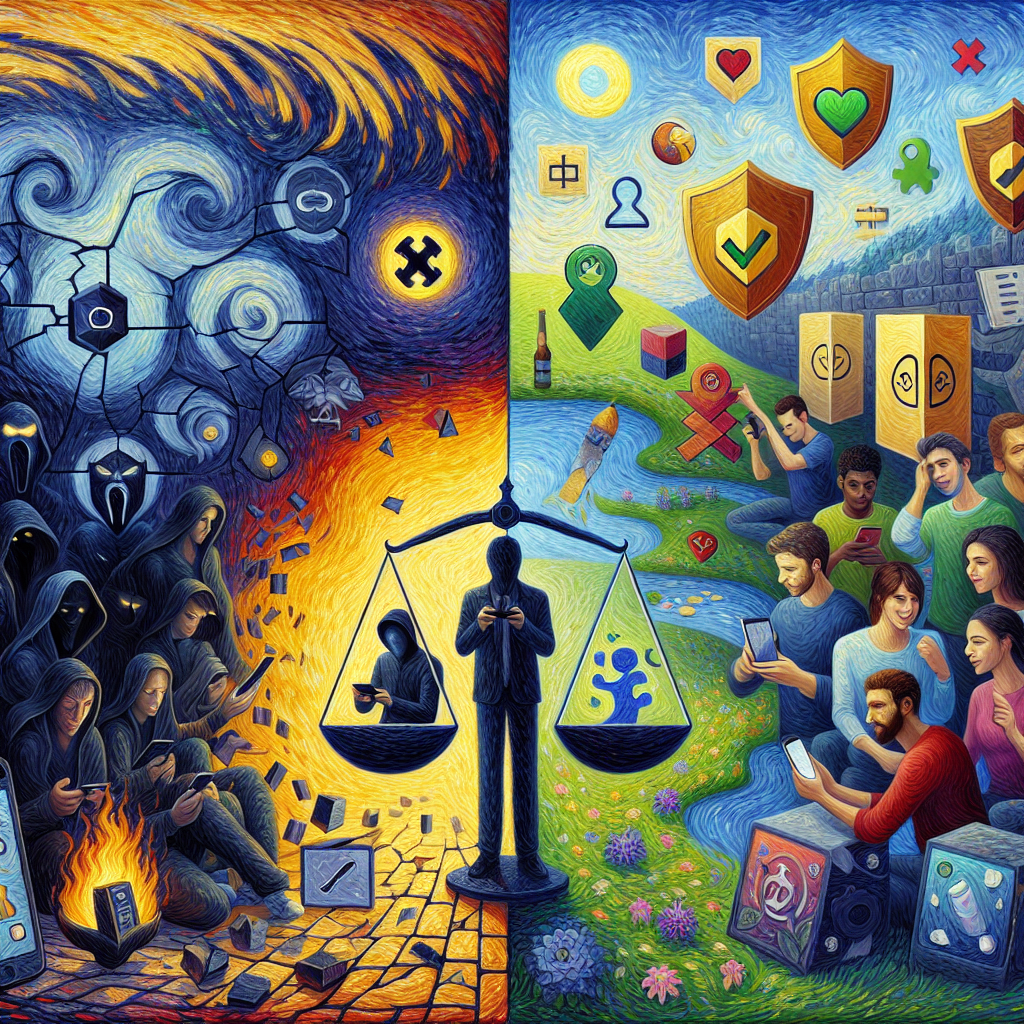
Is Encouraging Competition Undermining Community for Seniors?
Table Of Contents
- Is Encouraging Competition Undermining Community for Seniors?
- How Does Competition Impact Social Connections?
- Are Community Activities Overshadowed By Competitive Events?
- Can Friendly Competition Enhance Or Harm Social Bonds?
- What Role Do Senior Centers Play In Fostering Community?
- How Do Different Cultures View Competition Among Seniors?
- Is Competition Affecting Mental Health In Older Adults?
- Are There Alternatives To Competition For Senior Engagement?
- Conclusion
- Other Resources
- Glossary Of Terms
- Other Questions
- Haiku
- Poem
- Checklist
How Does Competition Impact Social Connections?
In the grand tapestry of human interaction, competition wields a powerful needle that stitches together relationships, sometimes with surprising results. On one hand, competition can drive people apart, creating friction where camaraderie once flourished. Look at any sports team—individuals driven to outperform each other may find themselves tangled in a web of resentment, as the thrill of winning overshadows the fruits of companionship. Yet, equally, competition can foster a profound sense of unity among those who share a common goal, often because it requires cooperation beyond mere rivalry.
Take a moment to ponder the phenomenon of gamification. In today’s digital age, the infusion of game mechanics into everyday activities has made competition a more accessible and engaging element of life. From fitness apps that pit friends against each other in step count battles to loyalty programs that reward the most dedicated patrons with points and perks, gamification transforms mundane tasks into spirited contests. This, in turn, can breathe new life into social connections, giving friends and colleagues an incentive to interact more frequently, even if the underlying motivation is a little tantalizingly selfish—like chasing that next reward or leveling up.
However, let’s not kid ourselves. The competition has its downsides. When relentless ambition takes precedence over collaboration, the atmosphere can quickly sour. Relationships might turn transactional; bonds built on shared victories could fray under the weight of jealousy or rivalry. It’s a delicate dance between progress and partnership, and finding that sweet spot often requires a conscious effort.
Some of the best moments in life arise from competitive endeavors that encourage teamwork rather than tearing individuals apart. Picture a community charity event that encourages friendly competition through fundraising. Here, participants can harness their competitive spirit for a greater good, igniting a sense of belonging and shared purpose. It’s a reminder that competition doesn’t have to be a zero-sum game.
Competition is a double-edged sword. It can isolate or connect us—sometimes both at once. Like any tool, it requires thoughtful application. When wielded wisely, competition enriches social connections, fostering an environment where individuals can both strive for personal excellence and celebrate one another’s achievements. Striking that balance is where the real magic lies. After all, the fight for the top is often more enjoyable when you have an ally by your side.
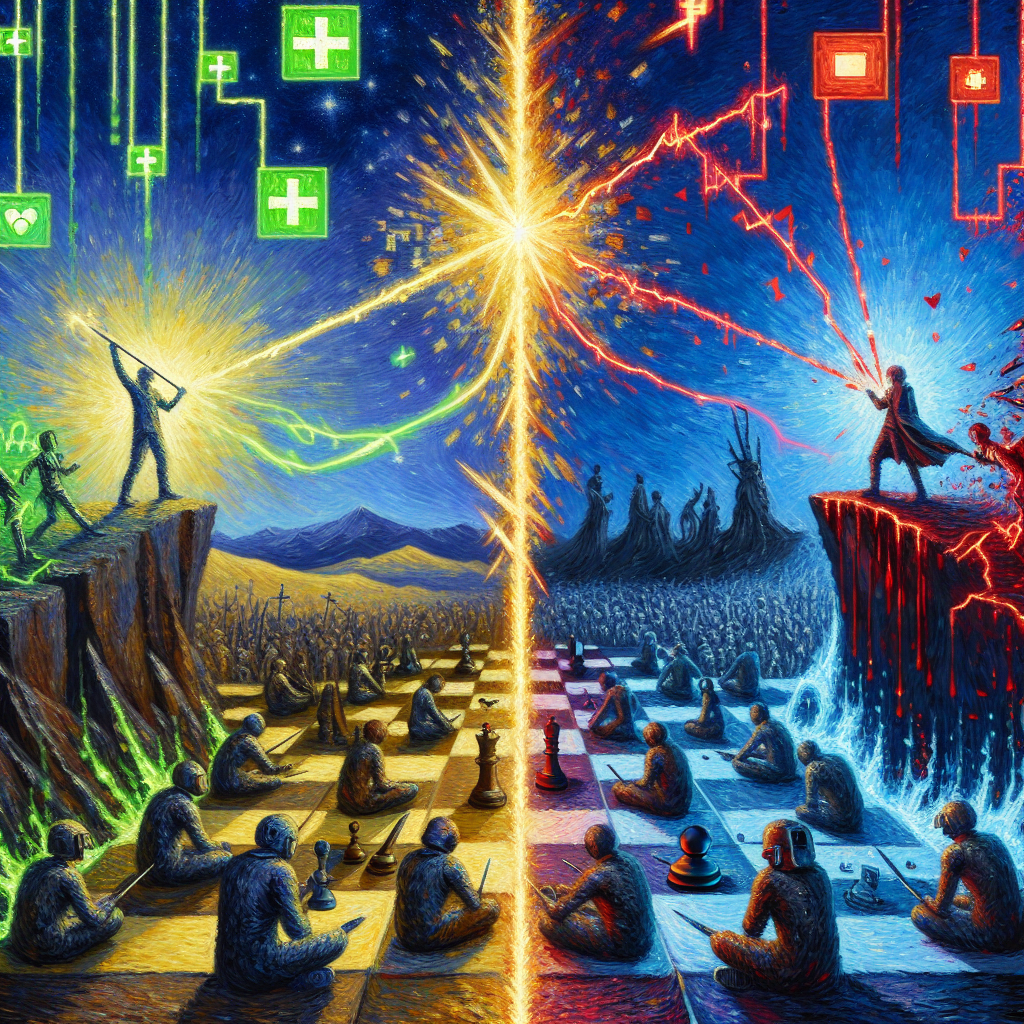
How Does Competition Impact Social Connections?
How Does Competition Impact Social Connections?
- Competition can simultaneously drive people apart and foster unity within relationships.
- In sports, the pursuit of winning can lead to resentment, overshadowing teamwork.
- Gamification introduces competition into everyday activities, enhancing social interactions.
- Competitive elements in fitness apps and loyalty programs create incentives for engagement.
- Relentless ambition can sour relationships, making them transactional rather than collaborative.
- Friendly competition, like in charity events, can harness competitive spirits for communal benefits.
- When applied thoughtfully, competition can enrich social connections and foster personal excellence.

How Does Competition Impact Social Connections?
Are Community Activities Overshadowed By Competitive Events?
In our fast-paced, achievement-oriented society, it’s easy to overlook the simple, unadorned joy of community activities. While competitive events attract roaring crowds and flashing lights, it’s worth pausing to ask: what about the neighborhood potlucks, book clubs, or local charity runs? Those gatherings, often deemed “too low-key” or “not serious enough,” possess an understated charm that offers a different type of fulfillment.
Consider gamification, the rising trend that injects the essence of game mechanics into everyday life. We see it everywhere, from fitness apps that reward users for achieving milestones to educational tools designed to engage students through levels and points. On one hand, this approach has undeniably fostered enthusiasm, driving people to push their limits and compete against each other. The thrill of standings, leaderboards, and badges can transform mundane tasks into challenges reminiscent of competitive sports. Yet, in this race for points and prizes, we may be losing sight of something profoundly valuable: the power of participation.
Community activities thrive on collaboration. They are a celebration of shared interests where everyone, regardless of skill level, can contribute and connect. Think about a community garden. There are no medals for growing the biggest tomatoes, no accolades for having the finest daisies. Instead, there’s the satisfaction of digging in the dirt alongside neighbors – sharing stories, laughter, even a few tomatoes after the harvest. Here’s where the real victory lies: a shared experience, fostering bonds that competitive events often can’t replicate.
This isn’t to say competition doesn’t have its place—it certainly does. The thrill of competition can spur innovation and drive individuals to excel. However, when we prioritize competitive events to the detriment of community activities, we miss out on a fundamental human experience: togetherness. As we scroll through social media filled with snapshots of medals, trophies, and competitions, let’s not forget the quiet victories taking place in our neighborhoods. The satisfaction of organizing a community clean-up, the joy of a shared meal, or the laughter during a trivia night holds an irreplaceable essence that transcends mere competition.
In an age increasingly dominated by gamification and competition, perhaps it’s time to recalibrate our values. Let’s celebrate our community gatherings—not as a sideline to competition, but as the main event. After all, it’s the uncompetitive moments that often lead to the most lasting memories.

Are Community Activities Overshadowed By Competitive Events?
Are Community Activities Overshadowed By Competitive Events?
- Community activities provide an understated charm and fulfillment, often overlooked in favor of competitive events.
- Gamification enhances daily tasks by adding game mechanics, driving enthusiasm and competition through rewards and achievements.
- Despite its benefits, a focus on competition may overshadow the value of participation in community activities.
- Shared interests in community gatherings foster collaboration and connection among participants of all skill levels.
- Real victories in community activities lie in shared experiences, like gardening together, rather than competition and accolades.
- While competition can drive innovation and excellence, it’s crucial not to prioritize it over community-building activities.
- Recalibrating our values may encourage celebrating community gatherings as significant, creating lasting memories beyond competition.

Are Community Activities Overshadowed By Competitive Events?
Can Friendly Competition Enhance Or Harm Social Bonds?
In a world that seems to be constantly evolving, the idea of friendly competition has become an integral part of our social fabric. It finds its way into everything from workplace dynamics to recreational sports leagues. But what happens when we dive into the waters of competition? Can a little rivalry actually strengthen the bonds between us, or could it cause more damage than we realize?
Let’s start by recognizing that competition, when approached with the right mindset, can lead to what’s often referred to as gamification. This concept takes the elements of game design—challenges, rewards, and even a bit of fun—and applies them to everyday situations. Picture your office group deciding to race to complete a project with cheerful stakes involved, like buying lunch for the winner or getting first dibs on snacks at the next meeting. Suddenly, that mundane task transforms into an exciting challenge, and who knows? You might just find yourself bonding over shared struggles and victories.
However, tread carefully. The line between friendly and fierce can often blur. When competition takes on an aggressive tone, instead of fostering camaraderie, it can lead to envy, resentment, and even sabotage. You might experience this firsthand if colleagues start throwing around veiled comments about your success or minimizing your contributions. It changes the atmosphere from supportive to hostile faster than you can say “team player.”
The key to Harnessing the positive aspects of competition lies in choosing activities that genuinely bring people together. Think of team sports, fundraiser challenges, or volunteering projects that pit groups against one another in a fun, constructive way. When everyone is on board for a friendly tug-of-war, the result is not just about winning or losing; it becomes an opportunity to create memories, build trust, and reinforce social bonds.
So, can friendly competition enhance or harm social bonds? The answer likely lies somewhere in the gray area. It can indeed create the perfect backdrop for collaboration and growth, enriching relationships rather than eroding them. But only if everyone involved is aware of their intentions and willing to keep the spirit of competition light. It’s the stories we share, the laughter we create, and the connections we foster that will determine whether those bonds grow stronger or fall apart.

Can Friendly Competition Enhance Or Harm Social Bonds?
Can Friendly Competition Enhance Or Harm Social Bonds?
- Friendly competition is a key aspect of modern social interaction, affecting various areas from workplaces to sports.
- Approaching competition with a positive mindset can lead to gamification, making tasks more engaging and fun.
- Examples of friendly competition in the workplace include project races with fun stakes that promote collaboration.
- However, competition can shift from friendly to hostile, leading to negative outcomes like envy and sabotage among colleagues.
- Choosing activities that foster genuine connection, such as team sports or group challenges, can enhance social bonds.
- Friendly competition has the potential to promote collaboration and growth, enriching relationships when intentions align.
- The strength of social bonds in competition is determined by shared experiences, laughter, and the overall spirit involved.

Can Friendly Competition Enhance Or Harm Social Bonds?
What Role Do Senior Centers Play In Fostering Community?
In a world that seems intent on isolating us, senior centers stand as bastions of community and connection. These establishments aren’t just buildings filled with bingo cards and shuffleboard tables; they’re lively hubs that breathe life into the golden years of our seniors. The role they play in fostering community is profound, touching on everything from social engagement to emotional well-being.
Picture this: a group of seniors gathered around a table, laughter echoing through the hall as they engage in game after game of cards or trivia. It’s more than just entertainment—it’s a prime example of how gamification can transform everyday interactions into something meaningful. By incorporating games and structured activities, senior centers stimulate not only the minds of the participants but also their desire to come together. The excitement of competition, whether in a light-hearted game of chairs or a trivia showdown, provides a canvas for companionship that can often be overlooked in later life.
As folks approach retirement age, many fear the proverbial “empty nest” syndrome. But senior centers flip that script, crafting an environment that encourages participation and community involvement. Classes in arts and crafts, fitness, and cooking aren’t just about acquiring new skills; they’re about fostering friendships and camaraderie. Each workshop serves as a platform where individuals bond over shared interests, and often, friendships blossom in ways that might not have been possible otherwise.
Moreover, these centers become essential resources, providing not only activities but also information on health services and social support. They offer a safety net for seniors venturing out into the world, teaching them how to navigate through the complexities that come with aging. It’s about empowerment—guiding seniors to take ownership of their lives while enriching the community in the process.
The beauty of senior centers lies in their ability to break down barriers. No longer are seniors relegated to silent voices; they are vibrant participants in the fabric of the community. From potluck dinners to holiday feasts, these gatherings help weave connections that transcend age, reminding everyone that while the years may stack up, the joy of community is ageless. Embracing the spirit of togetherness, senior centers create not just a meeting place, but a home—one where laughter is encouraged, stories are shared, and bonds are formed, leaving an indelible mark on the entire community.

What Role Do Senior Centers Play In Fostering Community?
What Role Do Senior Centers Play In Fostering Community?
- Senior centers foster community and connection for seniors.
- They serve as lively hubs for social engagement and emotional well-being.
- Gamification, through games and structured activities, encourages interaction and companionship.
- Programs in arts, crafts, fitness, and cooking promote skill acquisition and friendship.
- Senior centers provide essential resources for health services and social support.
- They empower seniors to navigate aging complexities and take ownership of their lives.
- These centers create a sense of home, promoting laughter, storytelling, and lasting bonds.

What Role Do Senior Centers Play In Fostering Community?
How Do Different Cultures View Competition Among Seniors?
When it comes to the subject of competition among seniors, it’s fascinating to witness how cultures perceive, embrace, or even sidestep this age-old concept. In some places, competition is seen as a vibrant tapestry weaving together the lives of older adults, while in others, it may evoke sentiments of rivalry better left to the youth.
In Japan, for example, the idea of “shikata ga nai,” or “it cannot be helped,” runs deep within the cultural psyche. This isn’t to say that competition is absent; rather, it’s nuanced. Older adults often engage in competitive activities—be it in Kanjō (Japanese calligraphy) classes or local bonsai gardening clubs—but these are often framed as opportunities for growth rather than outright rivalry. It’s a gentle gamification of life; seniors may track their progress in art or gardening not just to win but to improve their skills, inspire others, and foster community bonds.
Contrast this with the American approach, where competition can often take center stage. In various retirement communities, from active lifestyle resorts in Florida to senior leagues playing slo-pitch softball in the Midwest, competition thrives. Scoring a few more points in a game of pickleball or outwitting a fellow bridge player at the cards table not only keeps the brain sharp but also builds camaraderie. The attitude here is refreshingly straightforward—getting older doesn’t mean slowing down. If anything, it’s a license to zestfully embrace all those competitive urges that were stifled during the nine-to-five grind.
Meanwhile, in Scandinavian countries, there’s a more cooperative stance on aging. Social welfare systems promote a sense of community and mutual support rather than highlighting competition. Senior activities often center around collaborative games—think of curling, where strategy and teamwork take precedence over the individual glory of victory. These cultures employ a different sort of gamification, where skills are sharpened through collective engagement rather than head-to-head matchups.
Even in places where competition isn’t openly embraced, there’s a distinct undercurrent of it. In India, for instance, seniors engage in card games and chess, but the spirit is more about the shared experience of play, rather than striving to win. Victory is sweet but secondary to the laughter, banter, and stories exchanged around the table.
In short, competition among seniors is as varied as the cultures themselves. It’s not merely about who’s best or who can keep up; it’s about the spirit of engagement and the joy that comes from being actively involved in life—each culture finding its unique means to celebrate the golden years with a touch of playful rivalry.

How Do Different Cultures View Competition Among Seniors?
How Do Different Cultures View Competition Among Seniors?
- Competition among seniors varies widely across cultures, with some embracing it and others sidestepping the concept.
- In Japan, the idea of “shikata ga nai” reflects a nuanced view of competition, often seen in activities like calligraphy and bonsai gardening that focus on personal growth and community bonds.
- American seniors thrive on competition in retirement communities, engaging in activities like pickleball and bridge to stay active and foster camaraderie.
- Scandinavian cultures promote cooperation among seniors, with activities emphasizing teamwork, such as curling, rather than individual competition.
- In India, while card games and chess involve competition, the focus is primarily on shared experiences and social interaction rather than winning.
- Overall, senior competition reflects cultural values, emphasizing engagement and joy in life rather than mere rivalry.
- Cultures celebrate seniority with unique forms of playful rivalry, showcasing diverse approaches to aging and competition.

How Do Different Cultures View Competition Among Seniors?
Is Competition Affecting Mental Health In Older Adults?
When you think about competition, you might picture vibrant contests filled with fierce athletes, or maybe even the cutthroat world of corporate ladders. But when we look at older adults, the context shifts significantly. The notion of competition in this demographic isn’t about glory or accolades; it’s more about maintaining relevance and connection in a rapidly changing world. Enter gamification—a rising trend that turns everyday activities into races, challenges, or achievements. While it sounds harmless and fun, we need to take a closer look at its effects on mental health.
For older adults, social engagement can sometimes grow scarce. Isolation is a common struggle, and the impact of feeling disconnected cannot be underestimated. In this landscape, gamification can serve as a double-edged sword. On one hand, it provides an avenue for seniors to engage with peers in a way that’s exciting and interactive. A friendly competition may rekindle a sense of purpose, enabling individuals to challenge their capabilities and improve cognitive function while having fun. It’s like a workout for the brain and a chance to relive that youthful spirit.
However, here’s where the waters get murky. If competition fosters feelings of inadequacy—especially when it comes to comparing skills, abilities, or achievements—it can lead to anxiety and frustration. In a world where everyone is vying for attention, older adults might feel left behind or outpaced. When the game becomes more about competition than camaraderie, it’s easy to see why some could view gamification as a source of strain, rather than a blessing.
Let’s not forget the critical aspect of pressure. While some thrive under competitive circumstances, others may crumble. The need to always ‘keep up’ can exacerbate feelings of self-doubt and isolation. Mental health is delicate, and introducing competition into the lives of older adults needs to be approached with care.
So, is competition affecting mental health in older adults? Here’s the kicker: it depends on the context. When managed properly, friendly rivalry has the potential to stimulate mental prowess and foster social bonds. But without the right environment or mindset, it can become a harmful agent. The balance lies in recognizing the individual needs and experiences of older adults—a reminder that, in the game of life, sometimes the best victories are those that help us connect, not compete.

Is Competition Affecting Mental Health In Older Adults?
Is Competition Affecting Mental Health In Older Adults?
- Older adults face a unique context of competition focused on maintaining relevance and connection.
- Gamification transforms everyday activities into engaging competitions, which can be beneficial for mental health.
- Social engagement for seniors can be scarce, leading to feelings of isolation.
- Friendly competition can enhance cognitive function and provide a sense of purpose.
- However, competition may foster inadequacy, triggering anxiety and frustration among older adults.
- Pressure from competition can worsen feelings of self-doubt and isolation in some individuals.
- The impact of competition on mental health depends on the context, requiring careful management to ensure it promotes connection rather than strain.

Is Competition Affecting Mental Health In Older Adults?
Are There Alternatives To Competition For Senior Engagement?
When we talk about engaging seniors in various activities, we often get boxed into a corner labeled “competition.” It’s the age-old notion that stakes must be high—prizes, trophies, and glory. But let me tell you, there are alternatives to competition that can foster engagement without pitting one senior against another.
One of the best alternatives is gamification. Now, before you nod off thinking of complicated spreadsheets and corporate jargon, stick with me. Gamification is simply the idea of incorporating game-like elements into regular activities. Imagine a community where seniors gather not to outshine each other but to work together. You may have a bingo game that doesn’t just focus on winning but rather includes creative twists—like assigning points for participation, teamwork, or even helping others out. This refocuses the energy from individual victories to community success.
We all crave connection, and including collaborative challenges in your program can harness that desire. Think of a gardening project where seniors work as a team to grow vegetables. The goal isn’t just to yield a bountiful harvest but to build camaraderie along the way. Each time they check on their plants, they could earn “achievement badges” relevant to gardening. It’s not about who can grow the biggest tomato; it’s about celebrating everyone who contributed, no matter how small.
Moreover, the use of technology can make these activities more engaging. Mobile games designed for seniors can allow them to interact with friends or family remotely, tailoring their experience to their own skill level. And with online leaderboards that reward personal growth rather than cutthroat competition, seniors can celebrate their own achievements while still feeling part of a larger community.
We must also recognize that engagement comes not from competition but from meaningful experiences. Activities that promote learning—a cooking class, craft lessons, or even exploring a new hobby—allow seniors to engage without the pressure to outperform someone else.
So, let’s hang up the notion that competition needs to be the centerpiece of senior engagement. By embracing alternative approaches like gamification and collaborative activities, we can create a thriving community where every participant feels valued, appreciated, and—most importantly—connected.

Are There Alternatives To Competition For Senior Engagement?
Are There Alternatives To Competition For Senior Engagement?
- Engaging seniors often associates with competition, but alternatives exist that foster engagement without rivalry.
- Gamification involves adding game-like elements to regular activities, promoting teamwork over individual wins.
- Community activities, such as collaborative gardening projects, can focus on camaraderie rather than competition.
- Achievements can be recognized through badges for participation and teamwork, emphasizing community success.
- Technology, like mobile games for seniors, enhances engagement by allowing remote interaction with friends and family.
- Activities that promote learning—such as cooking classes or crafts—engage seniors without competitive pressure.
- Shifting focus from competition to meaningful experiences creates a thriving community where everyone feels valued and connected.

Are There Alternatives To Competition For Senior Engagement?
Conclusion
As we conclude our exploration into the intersection of competition and community in senior living, it’s crucial to remember that navigating this landscape requires a thoughtful balance. We live in a world obsessed with competition, often framed as a vehicle for growth, motivation, and social interaction. However, for our seniors, this competitive spirit can sometimes stand in stark contrast to the very essence of community that we hope to foster.
The integration of gamification—often touted as the next big trend—has its merits, breathing life into mundane activities. It can spark excitement and engagement, but we must be wary of the potential downsides. While a leaderboard might ignite a fire in some, it can also serve as a stark reminder of inadequacies for others. The thrill of competition can easily morph into an anxiety-ridden pressure cooker, overshadowing the joy of participation and connection.
In the heart of every community, especially among seniors, lies an unquenchable thirst for camaraderie. It isn’t necessarily scores on a board that people seek, but rather the richness of shared experiences, friendships, and mutual support. We often forget that behind every point earned in a trivia game is a person with a lifetime of stories and wisdom to share—an untapped reservoir of connection that can’t be quantified by mere numbers.
So, as we strive to ignite passion within our senior communities, let’s be mindful of how we frame these interactions. Are we creating an environment that values the collective over the individual? Are we promoting a culture where each participant feels not only invited but also celebrated, regardless of their ranking? A thoughtful approach would encourage engagement that isn’t predicated on one’s ability to outperform others but on the fundamental need to belong.
Ultimately, what we need is a shift in focus. Rather than accolades and trophies, let’s crow about the moments shared and connections formed. Community activities should be the main event, not merely a warm-up for competition. If we can embrace mindful engagement—those communal gardens, the laughter over card games—then we’ll cultivate an atmosphere that recognizes competition not as a necessity, but as a delightful option that exists alongside the richer tapestry of connection. In doing so, we uphold the true spirit of community: one where everyone can thrive, feel valued, and, most importantly, belong.
Conclusion
Conclusion:
- Navigating the intersection of competition and community in senior living requires a thoughtful balance.
- Competition is often viewed as a driver for growth, but it can conflict with the essence of community for seniors.
- Gamification can enhance engagement, but it also carries risks, such as creating anxiety and overshadowing enjoyment.
- Community among seniors thrives on shared experiences and friendships rather than competition or scores.
- It’s essential to frame interactions in a way that values community and collective experiences over individual achievement.
- The focus should shift from competition to celebrating shared moments and connections within the community.
- By fostering mindful engagement, we can create an atmosphere where everyone feels valued and has a sense of belonging.

Conclusion
Other Resources

Other Resources
Here is a list of other resources you can review online to learn more:
- Geek and Sundry
- Viticulture Essential Edition
- Power Grid
- Plaid Hat Games
- Greater Than Games
- The Game
- Clank!: A Deck-Building Adventure
- Solitaire
- Pearl Games
Use This Prompt To Get More Resources With Your Favorite Online AI Tool: Please provide me with a list of online articles with their URLs in a bulleted list that I can read regarding Is Encouraging Competition Undermining Community for Seniors?

Other Resources
Glossary Terms
Is Encouraging Competition Undermining Community for Seniors? – Glossary Of Terms
1. Competition: The rivalry among individuals or groups to achieve a desired goal, often measured in terms of performance or success.
2. Community: A group of individuals who share common interests, values, or goals, fostering a sense of belonging and support among its members.
3. Seniors: Individuals, typically aged 60 and older, often who are retired or approaching retirement, facing unique social and health considerations.
4. Isolation: A state in which an individual feels disconnected from others, which can negatively impact mental and physical health, especially in seniors.
5. Collaboration: Working together towards a common goal, emphasizing teamwork and mutual support instead of rivalry.
6. Well-being: A holistic concept encompassing physical, mental, and social health, vital for seniors to lead fulfilling lives.
7. Social Engagement: Participation in various social activities that encourage interaction and connection among individuals, promoting a sense of belonging.
8. Peer Relationships: Interactions and connections formed with individuals of similar age or life stage, important for emotional support and companionship.
9. Loneliness: A subjective feeling of disconnection or lack of companionship, often exacerbated in competitive environments where collaboration is minimized.
10. Civic Engagement: Active participation in community activities and decision-making, fostering a sense of responsibility and belonging among seniors.
11. Community Resources: Services and amenities available to seniors that promote social interaction, including community centers, clubs, and support groups.
12. Empowerment: Encouraging individuals to take control of their own lives and promote their own needs and desires, often associated with community-building efforts.
13. Generational Divides: Differences in attitudes, values, and behaviors between younger and older generations, which can affect community dynamics.
14. Interdependence: A relationship where individuals rely on one another for support and resources, fostering stronger community ties.
15. Policy Advocacy: Efforts to influence legislation and policies that affect the quality of life for seniors, focusing on community and cooperation over competition.
16. Support Networks: Groups of individuals who provide emotional, social, or practical support to one another, essential for senior well-being.
17. Inclusivity: Creating environments where all individuals feel welcomed and valued, crucial for building strong communities.
18. Skill Sharing: The practice of seniors exchanging skills and knowledge, promoting collaboration and minimizing competitive pressures in community settings.
19. Mental Health: Emotional and psychological well-being, which can be adversely affected by both isolation and excessive competition among seniors.
20. Volunteerism: Participation in unpaid work for the benefit of the community, fostering a sense of purpose and connection among seniors.
21. Social Capital: The networks of relationships among people who live and work in a particular society, enabling society to function effectively.
22. Ageism: Prejudice or discrimination based on a person’s age, which can hinder community building and promote unhealthy competition.
23. Fostering Relationships: Encouraging the development and maintenance of personal connections, essential for creating thriving communities.
24. Cohesion: The degree of unity and interconnection among members of a community, which can be weakened by competitive dynamics.
25. Life Satisfaction: A measure of well-being that reflects an individual’s self-reported assessment of their life’s quality, often influenced by social connections.
26. Community Events: Organized activities that bring people together, providing opportunities for social interaction and collaboration among seniors.
27. Resilience: The ability to adapt and bounce back from challenges, often supported by strong communities and social networks.
28. Access to Resources: The availability of essential services and amenities that promote quality of life, which can be compromised in overly competitive environments.
29. Trust: The reliance on the integrity and ability of others within a community, fundamental for the establishment of supportive relationships.
30. Holistic Approach: A strategy that considers the interconnectedness of mental, physical, and social health, important for addressing the challenges faced by seniors.

Glossary Of Terms
Other Questions
Is Encouraging Competition Undermining Community for Seniors? – Other Questions
If you wish to explore and discover more, consider looking for answers to these questions:
- What are the benefits of non-competitive activities for seniors?
- How can senior communities integrate both competition and collaboration effectively?
- What specific examples are there of successful non-competitive programs for seniors?
- How do different personality types in seniors respond to competition?
- What role does technology play in creating community among seniors?
- How can families support seniors in fostering community connections?
- What research exists on the mental health effects of competition on seniors?
- How can senior centers measure the success of community engagement activities?
- What are some best practices for designing inclusive activities for seniors?
- How can competition be tailored to avoid creating anxiety in seniors?

Other Questions
Haiku
Is Encouraging Competition Undermining Community for Seniors? – A Haiku
In vibrant spaces,
Joy blooms in shared moments,
Unity thrives here.

Haiku
Poem
Is Encouraging Competition Undermining Community for Seniors? – A Poem
In communities where age weaves grace with care,
A question emerges—do we dare compare?
As competition sparks, excitement may rise,
Yet bonds may be frayed, and connection may die.
Gamification shines with its gleaming allure,
Yet behind that bright sparkle, the heart’s less secure.
A leaderboard tallies who wins and who fails,
While moments in togetherness quietly pales.
The thrill of a game, a spirit so bright,
Can morph into pressure, cramping the light.
For not all can race; not all feel the zest—
What once was to cherish, now feels like a test.
“A village,” they say, is what we design,
Where stories unfold and laughter entwines.
Yet the focus on winning builds walls tall and wide,
Turning friendship to rivalry, casting warmth aside.
When cultures collide, their approaches lay bare,
In Japan, camaraderie whispers with care.
While America cheers, a true zest for the game,
Some cling to their victories, others feel shame.
Through gardens of laughter, we plant and we grow,
In potlucks and book clubs, new friendships bestow.
Breaking down barriers, we weave a strong quilt,
In the fabric of life, it’s connection we built.
So let’s shift the focus from points to embrace,
Rediscover the joy in each heartbeat and face.
For in sharing our moments, our laughter, our tears,
Lies the essence of thriving in these golden years.
Community thrives when together we stand,
Not on points or titles, but the touch of a hand.
In the dance of the ages, let cooperation lead,
For belonging brings peace, and connection is the seed.

Poem
Checklist
Is Encouraging Competition Undermining Community for Seniors? – A Checklist
1. Assess the Role of Competition
_____ Evaluate how competition is introduced in community activities.
_____ Consider whether competition enhances or detracts from social connections.
2. Foster Inclusive Activities
_____ Design activities that encourage participation from all skill levels.
_____ Prioritize community gatherings (potlucks, book clubs) over competitive events.
3. Encourage Teamwork and Collaboration
_____ Implement group activities that require cooperation (e. g. , community gardening).
_____ Promote team-based competition where the focus is on shared goals.
4. Avoid High-Pressure Situations
_____ Refrain from creating environments where performance anxiety is prevalent.
_____ Minimize the focus on individual achievement in favor of community success.
5. Integrate Gamification Wisely
_____ Utilize gamification to increase engagement without sidelining participants.
_____ Consider point systems for participation and collaboration rather than only performance.
6. Explore Cultural Perspectives
_____ Study how different cultures view competition and implement those insights.
_____ Adapt community activities to reflect a blend of competition and collaboration.
7. Monitor Mental Health Impacts
_____ Observe participants for signs of anxiety or frustration related to competition.
_____ Provide support for individuals struggling to keep up with competitive aspects.
8. Encourage Networking and Bonding
_____ Create opportunities for seniors to share stories and experiences (e. g. , story circles).
_____ Host events that celebrate knowledge and skill sharing rather than competition.
9. Implement Positive Reinforcement
_____ Recognize contributions and achievements through praise and rewards for all participants.
_____ Focus on collective milestones to reinforce community bonds.
10. Promote Lifelong Learning
_____ Offer educational classes and workshops that emphasize learning over winning.
_____ Encourage seniors to try new hobbies or skills without the pressure of competition.
11. Gather Feedback Regularly
_____ Regularly solicit feedback from seniors about their experiences with competition.
_____ Adjust community programs based on the sentiments and suggestions of participants.
12. Create a Supportive Environment
_____ Develop a culture of appreciation and support within the community.
_____ Encourage friendships and bonds that extend outside of organized activities.
Use this checklist to assess and enhance the balance between competition and community in your senior living space, fostering an environment where everyone feels valued and engaged.

Checklist
At HowDoYouGame, we help people who love board games by collating information and news about games.
Be sure to read our other related stories at HowDoYouGame to learn more about games.