Uncovering The Real Impact Of MMO Addiction
By Tom Seest
At HowDoYouGame, we help people who love board games by collating information and news about games.
Be sure to read our other related stories at HowDoYouGame to learn more about games.
Can MMO Time Sinks Derail Your Life Goals?
In the world of gaming, there’s an undeniable allure to those vast, sprawling landscapes filled with quests and camaraderie. Games have evolved into intricate ecosystems where players can immerse themselves for hours on end. The undeniable thrill of accumulating achievements, defeating fearsome bosses, and leveling up can feel like a second job—one that, unlike the grind of daily life, seems to provide its own rewards with every little victory. But what happens when this virtual world starts to overshadow our real-life ambitions?
Let’s take a moment to examine the impact these immersive experiences can have on our life goals. Picture this: it’s the weekend, the sun is shining, and there’s a world outside begging for your attention. Yet, instead of engaging with reality, you find yourself glued to the screen, chasing after that elusive legendary item that grants you bragging rights in the online universe. Suddenly, your plans to tackle that fitness goal or learn a new skill fade into the background, sacrificed on the altar of gaming allure.
Balancing gaming with real-life aspirations can be a tricky proposition. While there’s no denying the joy and social connections that come from games, they can also create a time sink so deep that you forget about your other responsibilities. The hours spent raiding dungeons or crafting intricate strategies can easily pile up, transforming what was once leisure into a formidable barrier between you and your ambitions.
And it’s not just about lost hours; it’s about missed opportunities. Friends may start to wonder where you’ve gone while you’re off collecting virtual trophies. The hobbies and experiences you once cherished might also slip through your fingers, slowly replaced by a quest for resources in a digital realm.
So, the question remains: Can MMO time sinks derail your life goals? Absolutely, they can, if you let them. It’s essential to reflect on the reasons you play and to carve out boundaries. The challenge lies in ensuring that your virtual achievements don’t come at the expense of your real-world dreams. Remember, while these games can be exhilarating and rewarding, they should supplement your life—not replace it. It’s all about finding that balance, where games are a compliment to your life’s narrative, rather than the headline act. Balancing your passions and responsibilities is key, and once you find that sweet spot, there’s no reason both worlds can’t coexist harmoniously.

Can MMO Time Sinks Derail Your Life Goals?
Can MMO Time Sinks Derail Your Life Goals?
- Gaming offers immersive experiences with expansive landscapes, quests, and social connections.
- The thrill of achievements and leveling up can feel rewarding, resembling a second job.
- Excessive gaming can overshadow real-life ambitions and responsibilities.
- Engaging in games may result in neglecting fitness goals and personal growth activities.
- Time spent gaming can create a barrier to pursuing hobbies and connecting with friends.
- It’s vital to reflect on gaming motivations and set boundaries to maintain balance.
- Finding harmony between gaming and real-life goals allows both to coexist positively.

Can MMO Time Sinks Derail Your Life Goals?
Table Of Contents
- Can MMO Time Sinks Derail Your Life Goals?
- What Are MMO Time Sinks And How Do They Affect Us?
- Do MMOs Consume A Lot Of Your Free Time?
- How Can Excessive Gaming Impact Personal Relationships?
- Are There Strategies To Balance Gaming And Life Commitments?
- What Signs Indicate That Gaming Is Becoming A Problem?
- How Can I Set Healthy Boundaries With MMO Gaming?
- Can I Enjoy MMOs Without Sacrificing My Life Goals?
- Conclusion
- Other Resources
- Glossary Of Terms
- Other Questions
- Haiku
- Poem
- Checklist
What Are MMO Time Sinks And How Do They Affect Us?
In the vast and often sprawling worlds of massively multiplayer online games, players quickly discover that time is not just a resource; it’s a currency. To put it bluntly, MMO developers have become remarkably adept at crafting time sinks. Now, you might be wondering, what is a time sink? Think of it like this: it’s any activity within a game designed intentionally to require a significant investment of your time, often without a clear, immediate reward.
Let’s take a step back and examine why these games employ time sinks. At their core, MMOs are about engagement and immersion. Developers know that if players invest their time, they’re more likely to stick around. Raids, grind quests, crafting materials—it all adds up to those hours lost in front of a screen. We’re talking about endless farm runs where you gather resources that you may or may not need, or the long grind of leveling up a character that feels like a second job.
But here’s where it gets interesting: these games are designed to offer just enough gratification to keep us hooked. You slay a dragon, complete a quest, and before you know it, you’re gearing up for the next big challenge. However, that sense of achievement can be elusive, wrapped in layers of tasks and hurdles that might stretch for weeks, even months. What you feel during those times is a cocktail of triumph mingled with a twinge of frustration.
The psychological impact of these time sinks can’t be overstated. They encourage a kind of commitment that shapes our gaming habits. We trade hours of our lives for that flashy new sword or the prestige of hitting level 50. The games provide social interaction, community, and a sense of belonging—elements that enhance the appeal. Yet, when you look at the clock and realize you’ve been at it for half a day, you start to wonder where the time went.
So what’s the bottom line? MMO time sinks can be a double-edged sword. They can draw us in, provide memorable experiences, and foster community. Still, they can also ensnare us in a cycle of endless grinding and goal chasing, leading us to reflect on the balance between virtual achievements and real-world responsibilities. What seems like innocent entertainment can quickly morph into an obligation, especially if we forget that life outside the screen is often a more rewarding quest.

What Are MMO Time Sinks And How Do They Affect Us?
What Are MMO Time Sinks And How Do They Affect Us?
- MMO time sinks are activities designed to require significant time investment without immediate rewards.
- Developers use time sinks to enhance player engagement and immersion in the game.
- Examples of time sinks include raids, grind quests, and resource gathering.
- Players experience a mix of achievement and frustration from these prolonged tasks.
- Time sinks shape gaming habits by encouraging commitment for rewards like new gear or leveling up.
- They offer social interaction and community, enhancing the overall gaming experience.
- Time sinks can lead to a conflict between virtual achievements and real-world responsibilities.

What Are MMO Time Sinks And How Do They Affect Us?
Do MMOs Consume A Lot Of Your Free Time?
When you dive into the world of MMOs, or massively multiplayer online games, you’re hitting the proverbial jackpot for immersive entertainment. These games are like a black hole of engagement, pulling you into a universe filled with epic quests, mythical creatures, and social interactions that rival real-life friendships. But here’s the rub: they can consume a hefty chunk of your free time.
Picture this: you sit down for what you think will be a quick gaming session. Maybe you’re just going to quest for an hour or so, but before you know it, those minutes have morphed into hours. Gives new meaning to the phrase “time flies when you’re having fun,” doesn’t it? The careful orchestration of daily objectives, loot hunting, and crafting can shift your priorities faster than you can level up your character.
We’re talking about games designed with a layered complexity that rewards commitment and persistence. Developers have crafted these virtual spaces to entice you, with everything from beautiful graphics to intricate storylines and expansive worlds teeming with activities. All of this is precisely what hooks players and keeps them coming back for more. And let’s not underestimate the social dynamic—teaming up with buddies to tackle a dragon or engage in heated PvP battles can create bonds that last beyond the pixelated screens.
However, it’s easy to overlook how these experiences siphon away your time. What starts as an innocent weekend grind can become a full-fledged lifestyle before you even realize it. Instead of catching up on that book you’ve been meaning to read or taking a stroll outside, there’s a good chance you might find yourself sorting through inventory or planning your next raid.
This isn’t to discount the joy and community that come with MMOs—far from it. They offer escapism and a chance to experience things that might be impossible in daily life. Still, you must navigate that razor-thin line between enjoyment and obsession. Finding a balance is crucial because, while battling monsters and leveling up is thrilling, it’s vital to remember that life outside of those digital realms is waiting for you. Whether it’s family, friends, or just some quiet reflection, there’s a whole world beyond your computer screen that deserves your attention.

Do MMOs Consume A Lot Of Your Free Time?
Do MMOs Consume A Lot Of Your Free Time?
- MMOs offer immersive entertainment, engaging players with epic quests and mythical creatures.
- Players often start with the intention of short gaming sessions, which can easily extend into hours.
- The layered complexity of MMOs rewards commitment and persistence, shifting players’ priorities.
- Beautiful graphics, intricate storylines, and expansive worlds captivate players and encourage repeat engagement.
- Social dynamics, like teaming up for quests or PvP battles, can forge strong friendships among players.
- MMOs can consume significant free time, pulling attention away from other activities or responsibilities.
- Finding balance is essential to enjoying MMOs while also cherishing real-life relationships and experiences.

Do MMOs Consume A Lot Of Your Free Time?
How Can Excessive Gaming Impact Personal Relationships?
In the grand theater of life, finding a balance between passion and duty can often feel like playing a game yourself. For many, video games are a captivating escape, a thrill that pulls them into another world where they can be heroes or strategists. But when the controller turns into a lifeline, the consequences can ripple outward, impacting personal relationships in ways we might not initially recognize.
Let’s face it: engaging in games for hours on end can feel intoxicating. The gaming landscape has evolved into a vibrant tapestry of multiplayer worlds and intricate narratives, pulling players deeper into their virtual realities. Yet, this allure poses a threat to the real-world connections that sustain us. When a player is knee-deep in their latest quest or caught up in a competitive matchup, the outside world can fade away. Friends, family, and even partners may find themselves sitting on the sideline, yearning for attention that is too often misplaced.
As relationships begin to fray at the edges, communication can become a casualty of this digital obsession. The more face-to-face interactions that are sacrificed for the latest game release, the more difficult it becomes for loved ones to feel valued. Without that important dialogue, misunderstandings can flourish, leading to increased tension and feelings of neglect. The empathy required to build and maintain relationships starts to dwindle away, replaced by a reliance on avatars and online personas.
Moreover, consider the physical space we occupy in our relationships. When one partner vanishes into the depths of a virtual ocean or the labyrinth of a digital battlefield, are they still present at the family dinner table? Are they available for a heart-to-heart when life’s more challenging questions arise? Or are they too busy scoring points or dodging virtual bullets? The divide grows, and before long, the once-shared laughter over game nights can turn into a battlefield of resentment.
There’s no denying the appeal of engaging in games – they offer excitement and camaraderie, especially with friends within that digital realm. But fostering personal relationships calls for active participation and presence in real life. It’s a careful balancing act. So, as you dive deep into those digital adventures, don’t forget to occasionally glance up. Reach out, reconnect, and nurture the bonds that matter. After all, the ultimate prize in life doesn’t lie in high scores or epic loot drops; it’s in meaningful connections with the people who matter most.

How Can Excessive Gaming Impact Personal Relationships?
How Can Excessive Gaming Impact Personal Relationships?
- Finding balance between passion (gaming) and duty can feel like a game itself.
- Video games serve as an escape, allowing players to become heroes or strategists.
- Extended gaming sessions can negatively impact personal relationships, as players become engrossed in virtual worlds.
- Communication often suffers as gamers prioritize gameplay over face-to-face interactions with loved ones.
- As empathy wanes, misunderstandings grow, leading to feelings of neglect among friends and family.
- Physical presence in relationships diminishes when one partner is absorbed in gaming, affecting shared experiences.
- Prioritizing real-life connections is essential; the ultimate prize lies in meaningful relationships, not just gaming achievements.
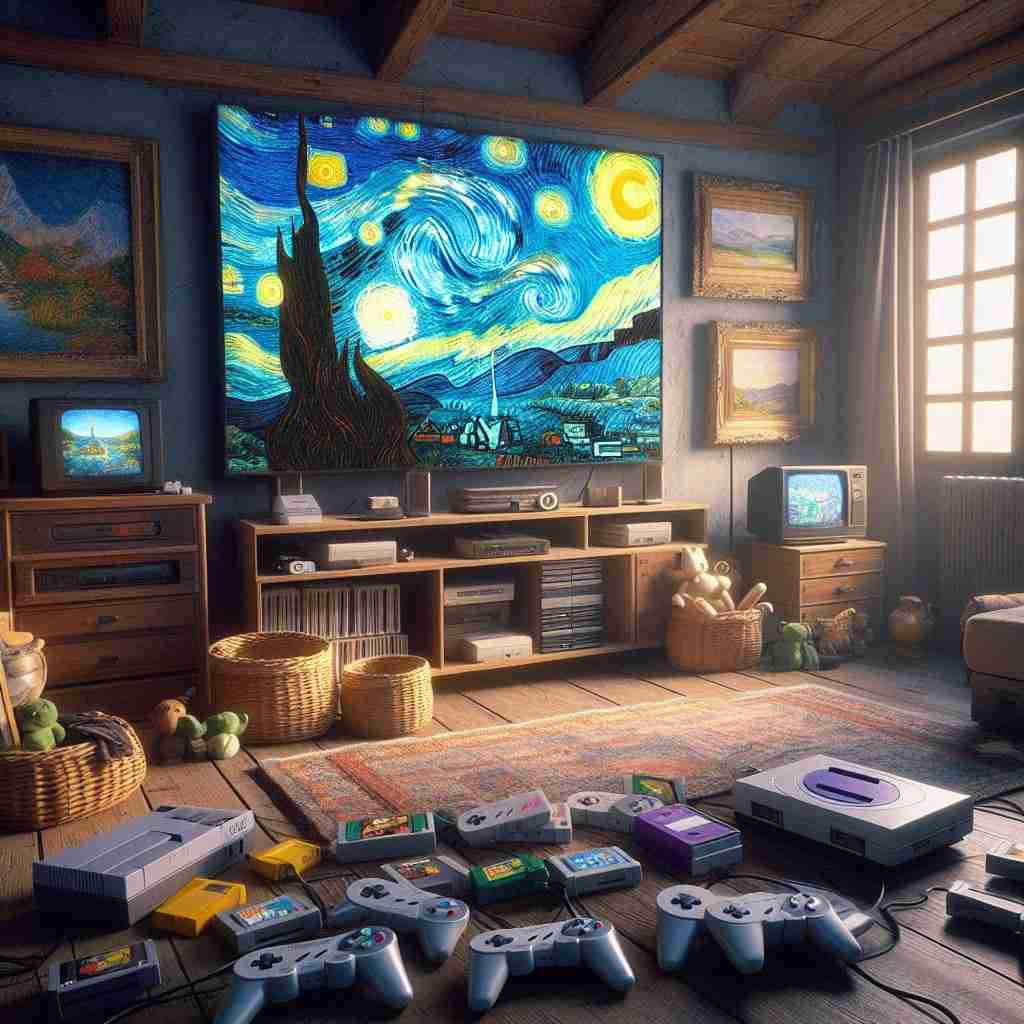
How Can Excessive Gaming Impact Personal Relationships?
Are There Strategies To Balance Gaming And Life Commitments?
Balancing gaming with real-life commitments can often feel like walking a tightrope—thrilling, but sometimes pretty precarious. Life has a way of throwing responsibilities at you, be it work, family, or those endless to-do lists that seem to grow before your very eyes, yet the allure of video games can be equally demanding. The good news is, with a little bit of strategy, you can find a way to enjoy both worlds without either crashing down around you.
Let’s start with setting some boundaries. Just as you wouldn’t set a fire in a crowded theater, you shouldn’t let gaming disrupt your daily responsibilities. Establishing clear time slots for playing games can help ensure that you engage without letting it become an all-consuming hobby. Maybe that means cutting down your playtime during the busy week and reserving weekends for marathon sessions. Setting a timer or using calendar alerts can also keep you from getting lost in virtual worlds when you really should be folding laundry or hitting the gym.
Next, prioritize your commitments. Make a list—seriously, get out a pen and paper—and rank your tasks from most to least important. Tackling smaller jobs before diving into games can provide a sense of accomplishment and even justify a few hours of game time. If you clear your plate of responsibilities, you’ll enjoy gaming more without the nagging feeling of things left undone.
Another handy trick? Combine your gaming with other life activities. Invite friends over for a game night, or join an online group where you can play together while catching up. This turns gaming into a social event rather than a solitary escape, allowing you to engage with your friends and family. Just because you’re playing games doesn’t mean you can’t nurture those precious relationships.
Finally, remember to listen to yourself. Gaming should be fun, not an obligation. If you’re finding gaming is eating into personal relationships or work, it may be time to reassess. Ask yourself if you’re enjoying it or if the balance has tipped too far—there’s nothing wrong with stepping back to recalibrate.
It’s about finding that sweet spot. So gear up, take the reins, and keep your life commitments on track while still enjoying the thrill of the game. With a little patience and planning, you can have your cake and eat it too—or in this case, play your games and still tackle life’s challenges head-on.

Are There Strategies To Balance Gaming And Life Commitments?
Are There Strategies To Balance Gaming And Life Commitments?
- Balancing gaming with real-life commitments can be challenging due to responsibilities like work and family.
- Establish clear boundaries for gaming time to prevent it from disrupting daily responsibilities.
- Prioritize commitments by ranking tasks, completing smaller jobs before gaming to enhance enjoyment.
- Combine gaming with social activities, such as game nights, to engage with friends and family.
- Listen to your feelings about gaming; it should be enjoyable, not an obligation.
- Reassess gaming habits if they interfere with personal relationships or work commitments.
- With patience and planning, you can effectively balance gaming with life’s challenges.

Are There Strategies To Balance Gaming And Life Commitments?
What Signs Indicate That Gaming Is Becoming A Problem?
In a world teeming with distractions, games have become a double-edged sword, providing both exhilarating escapes and potential pitfalls. Identifying when gaming transitions from a harmless hobby to a problem can be tricky, yet there are certain signs that serve as red flags.
The first, and perhaps the most alarming, is behavioral change. If the person who once engaged in face-to-face conversations now prefers to communicate solely through in-game chat, that’s a signal. It’s one thing to enjoy games; it’s another when they replace cherished relationships. When family dinners and outings are consistently sidelined in favor of clearing another level or battling in a virtual arena, it’s time to assess the priorities.
Another significant indicator is the impact on daily responsibilities. When games begin to take precedence over work, school, chores, or even basic self-care, we’ve reached a critical juncture. Imagine a scenario where homework is repeatedly postponed for just one more round or where overdue bills languish unpaid because gaming consumed the evening. That’s not just passion; it’s an unhealthy obsession.
The emotional response to gaming is another telltale sign. If a once engaging leisure activity turns into a source of frustration or aggression when things don’t go as planned, that’s a problem. Games are meant to provide joy, not induce anxiety or anger. Similarly, if someone becomes irritable when asked to take a break or to engage in other activities, it can indicate a dependency that borders on unhealthy.
Lastly, consider the realm of physical health. A clear sign that gaming is morphing into a problem is when sedentary behavior leads to a decline in physical well-being. Weight gain, poor posture, or extended periods of inactivity can all disrupt a person’s overall health. A little gaming is good for the mind, but too much can anchor you to the couch and dim the light of vitality.
So, as you bound through those digital worlds, keep an eye out for these signs. Enjoyment shouldn’t come at the expense of real-life connections, responsibilities, or personal well-being. Recognizing when gaming becomes a problem is key to balancing play with life’s essential duties—a dance that requires awareness and, occasionally, a willingness to step back.

What Signs Indicate That Gaming Is Becoming A Problem?
What Signs Indicate That Gaming Is Becoming A Problem?
- Games can provide exciting escapes but also present potential pitfalls in life.
- Behavioral changes, such as preferring in-game chat over face-to-face communication, are red flags.
- Consistent neglect of family time and relationships in favor of gaming should prompt reassessment of priorities.
- When gaming overshadows work, school, chores, or self-care, it signals an unhealthy obsession.
- A negative emotional response to gaming, such as frustration and irritability, is another indicator of a problem.
- Physical health declines, evidenced by weight gain and inactivity, can reflect an excessive gaming habit.
- Recognizing signs of problematic gaming is essential for maintaining balance between play and everyday responsibilities.

What Signs Indicate That Gaming Is Becoming A Problem?
How Can I Set Healthy Boundaries With MMO Gaming?
MMO gaming can be an exhilarating journey, a world filled with epic quests, formidable enemies, and the camaraderie of fellow players that stretches to every corner of the globe. But like any adventure, it comes with its own set of challenges—namely, finding that sweet spot where fun doesn’t drain your life like a lowly health potion in a loot box. It’s about establishing healthy boundaries that ensure the gaming experience remains enjoyable without overshadowing the other critical aspects of your life.
Start by defining your priorities. Make a list of the things that matter most in your life—family, work, hobbies, or even those household chores you keep putting off. Once you have that laid out, you can start to slot your gaming time into this broader context. Remember, games are meant to be a source of enjoyment, not a competing force vying for your attention. Reserve specific hours for gaming, and be unapologetic about it. Trust me, it’s like setting a timer on that particularly taxing encounter boss; you can only give it your all for so long before fatigue sets in.
Next, communicate your gaming schedule to your friends and family. If they understand when you’re diving into those digital worlds, they’ll know not to expect you for dinner or to take care of that pesky insurance paperwork. This also works the other way around; if your mates are in a raid that’s gone on far too long, it’s perfectly okay to say, “Hey, I’ll catch you all after I handle my responsibilities.”
Accountability can be a powerful tool in keeping yourself in check. Consider journaling how much time you spend gaming versus other leisure activities or responsibilities. It should be an enlightening experience—in a glorious “You mean I spent three hours on that raid last night instead of hitting the gym?” kind of way. Sometimes, seeing the numbers can motivate you to re-evaluate how you invest your time.
Lastly, always remember that gaming is just that—gaming. There’s a vast world beyond your screen, filled with intimate connections, fresh air, and sometimes, even real-life adventure. The digital realms we immerse ourselves in should complement, not replace, the rich tapestry of life outside the game. Embrace the fun, but don’t forget to step back and reclaim your time when needed. After all, it’s the balance that makes it all worthwhile.

How Can I Set Healthy Boundaries With MMO Gaming?
How Can I Set Healthy Boundaries With MMO Gaming?
- MMO gaming offers excitement and camaraderie but can challenge life balance.
- Define personal priorities (family, work, hobbies) to contextualize gaming time.
- Reserve specific hours for gaming and remain firm on that schedule.
- Communicate your gaming schedule to family and friends to manage expectations.
- Accountability through journaling gaming time versus other activities can provide insights.
- Remember that gaming should complement real life, not replace it.
- Embrace gaming while ensuring to reclaim personal time for a healthy balance.

How Can I Set Healthy Boundaries With MMO Gaming?
Can I Enjoy MMOs Without Sacrificing My Life Goals?
In a world where digital realms beckon us with endless quests and vibrant landscapes, one pressing question remains: Can you dive into those MMOs (Massively Multiplayer Online games) without sacrificing your life goals? The short answer is a resounding yes, but let’s unpack that with a bit of realism, shall we?
First off, let’s acknowledge the undeniable allure of these games. The moment you log in, you’re met with a community of like-minded adventurers and an array of captivating quests. The sense of achievement that comes from slaying a dragon or completing a challenging raid can be intoxicating. However, that doesn’t mean you have to throw your responsibilities out the window. In fact, managing your time effectively can allow you to enjoy these games while still staying on track with your personal and professional aspirations.
Think of your life as a grand MMORPG of its own, where you’re the hero shaping your destiny. Just as you wouldn’t raid without a well-thought-out strategy, you shouldn’t approach your real life without a plan. Start by setting clear priorities. Make a list of your goals—what do you want to accomplish in your career, your relationships, or your hobbies? Understanding this will help you allocate your time wisely.
Incorporate gaming as a reward, not a replacement. Treat it like a well-deserved break after a productive day. This way, when you log into your favorite game, it feels like an earned accolade rather than procrastination. Remember, balance is key; allocate specific times for gaming alongside your life goals. Also, consider how you can integrate gaming into your social life. Playing with friends can enhance both your virtual and real-world connections.
Don’t forget, enjoying games doesn’t have to mean endless hours of commitment. You can play in short spurts or set specific game nights. Just as in any good quest, a little planning goes a long way. The battles of the virtual world can wait while you conquer those tasks in the real world.
Ultimately, the journey in life and gaming is about finding that sweet spot where both can coexist. So gear up, set your goals, and dive into those MMOs with confidence—because with the right mindset, you can have your cake and eat it too.

Can I Enjoy MMOs Without Sacrificing My Life Goals?
Can I Enjoy MMOs Without Sacrificing My Life Goals?
- MMOs offer a captivating experience with community, quests, and a sense of achievement.
- It is possible to enjoy MMOs without sacrificing personal and professional life goals.
- Manage your time effectively to balance gaming and responsibilities.
- Set clear priorities and identify your personal and career goals.
- Incorporate gaming as a reward after accomplishing tasks, not as a replacement for them.
- Play with friends to enhance real-world connections and gaming enjoyment.
- Short gaming sessions or specific game nights can help maintain balance and commitment.

Can I Enjoy MMOs Without Sacrificing My Life Goals?
Conclusion
As we draw this exploration of MMO time sinks to a close, let’s clear the air and hit the pause button for a moment of reflection. We’ve all felt the pull of those fantastical realms, where quests and camaraderie can sweep us off our feet and anchor us to our screens for hours. But what’s the real price of that pull? Like a gripping novel or an ice cream sundae, life’s best experiences come with limits. Excessive gaming can become a sneaky thief, robbing us of time and, quite frankly, derailing our life goals faster than a dragon swoops down for a feast.
Picture this: the sun is shining, a world of possibilities awaits outside, yet here you are, glued to your screen, chasing a pixelated dream. It’s easy for those fleeting rewards to blind you to the ticking clock and the obligations waiting in the wings. Friends start sliding into that “Where have you been?” zone, hobbies fade into distant memories, and the fitness goals you once championed? Well, they’re probably gathering digital dust alongside your in-game trophies. So the million-dollar question remains: Can these time sinks take you off the path to your goals? Absolutely, if you allow them to.
The beauty of gaming lies in its ability to enrich our lives, but moderation is the secret ingredient. It’s about finding that balancing act where gaming complements your life’s narrative instead of stealing the show. Set boundaries, hold yourself accountable, and give priority to responsibilities before diving headfirst into those dungeons. Your virtual victories shouldn’t come at the expense of real-world connections, jobs, or dreams.
Engage in open conversations with loved ones about your gaming habits. That way, you’re not just winning in the game but also fostering that camaraderie outside the digital landscape. Remember, life is the ultimate MMORPG, a grand adventure full of quests waiting to be conquered. The skills that make you a powerhouse in an MMO—strategy, time management, and social interaction—are the same ones that will serve you well in life.
So gear up, players. Gamers, it’s time to embrace the challenge ahead, one where gaming doesn’t overshadow responsibility but rather complements a fulfilling life. Let’s keep the joy of the quest alive without losing sight of the epic adventure called real life. Your high scores in life will be the real ones worth achieving. Play hard, but play smart!

Conclusion
Conclusion:
- MMO gaming can be immersive, but it’s important to reflect on its real-life costs.
- Excessive gaming can detract from personal goals and responsibilities.
- Finding a balance between gaming and real-life activities is crucial.
- Set boundaries and priorities to ensure gaming complements rather than dominates your life.
- Engage in discussions with loved ones about your gaming habits for better support.
- The skills learned in gaming can benefit real-world interactions and tasks.
- Strive for a fulfilling life where gaming is a part of the adventure, not the entirety of it.

Conclusion
Other Resources

Other Resources
Here is a list of other resources you can review online to learn more:
- What’s Your Game?
- Miniature Market
- Clank!: A Deck-Building Adventure
- Smash Up
- Cyclades
- Pegasus Spiele
- Hive
- GameSpot
- Memoir ’44: Pacific Theater
- Level 99 Games
Use This Prompt To Get More Resources With Your Favorite Online AI Tool: Please provide me with a list of online articles with their URLs in a bulleted list that I can read regarding Can MMO Time Sinks Derail Your Life Goals?

Other Resources
Glossary Terms
Can MMO Time Sinks Derail Your Life Goals? – Glossary Of Terms
1. MMO (Massively Multiplayer Online): A type of video game that allows a large number of players to interact in a virtual world simultaneously.
2. Time Sink: Activities that consumes a significant amount of time, often resulting in diminished productivity in other areas of life.
3. Life Goals: Long-term aspirations or objectives an individual wishes to achieve, such as career advancement, personal development, and maintaining relationships.
4. Addiction: A behavioral condition characterized by compulsive engagement in a particular activity, often leading to negative consequences.
5. Gaming Balance: The practice of managing game time to ensure it does not interfere with personal responsibilities and goals.
6. Displacement Activity: An activity that people engage in to avoid chasing important goals, often stemming from procrastination.
7. Social Interaction: Engagement and communication with other players in an MMO, which can provide both community and distraction from real-life interactions.
8. Escapism: The tendency to seek distraction and relief from unpleasant realities, often through immersive entertainment like MMOs.
9. Character Progression: The advancement of a player’s in-game character, often a key motivation in MMOs that can lead to time sinks.
10. Achievement System: In-game milestones or accomplishments that players strive to reach, potentially leading to extended playtime.
11. Raid: A large-scale event in an MMO where players collaborate to defeat powerful enemies, often requiring significant time commitments.
12. FOMO (Fear of Missing Out): Anxiety that an individual may miss out on rewarding experiences or events, driving them to play longer.
13. Real-Life Responsibilities: Obligations such as work, family, and self-care that can be overshadowed by excessive gaming.
14. Time Management: Techniques and strategies employed to effectively allocate time for various activities, including gaming and personal responsibilities.
15. Virtual Economy: The in-game system of currency and trade that can entice players to spend more time in the game.
16. Game Mechanics: Rules and systems within the game that encourage player engagement, including rewards and progression pathways.
17. Daily Quests: Routine tasks in an MMO that encourage players to log in daily, potentially enhancing time commitment.
18. Burnout: A state of physical and emotional exhaustion from overindulgence in gaming, which can lead to decreased enjoyment.
19. Social Support: The emotional and practical assistance from friends and family that can help individuals balance MMO playing with real-life responsibilities.
20. Identity Formation: The development of a player’s sense of self and belonging through their gaming experiences and social connections.
21. Skill Acquisition: Gaining new skills or abilities within the game, which may require significant time investment.
22. Progressive Dissonance: The conflict arising from valuing game success over real-life achievements, leading to a potential derailment of life goals.
23. Short-Term Rewards: Immediate benefits received from gaming, such as level-ups or loot, which can reinforce prolonged play.
24. Mental Health: The psychological state of an individual that can be positively or negatively influenced by gaming habits.
25. Support Groups: Communities that assist individuals in addressing gaming addiction and help balance life commitments.
26. Notification Fatigue: The overwhelming amount of alerts from games that can distract and lead to excessive check-ins or gameplay.
27. Social Capital: The benefits gained from building relationships and a network of friends in-game, which can lead to spending more time offline.
28. Multitasking: The ability to engage in multiple activities simultaneously, often blurring the line between gaming and life responsibilities.
29. Retention Strategies: Methods used by game developers to keep players engaged, which can exacerbate time sinks.
30. Quality of Life: A measure of an individual’s well-being and life satisfaction that can be negatively impacted by excessive gaming.

Glossary Of Terms
Other Questions
Can MMO Time Sinks Derail Your Life Goals? – Other Questions
If you wish to explore and discover more, consider looking for answers to these questions:
- What are the long-term effects of MMO addiction on mental health?
- How can I recognize if I’m addicted to gaming?
- Are certain demographics more susceptible to MMO time sinks?
- What role does game design play in creating time sinks?
- How can I discuss my gaming habits with friends and family?
- What are some healthy gaming habits to adopt?
- Can taking breaks from gaming improve my real-life relationships?
- What resources are available for someone struggling with gaming addiction?
- How do I know if I’m finding the right balance between gaming and real life?
- Are there specific games that are more likely to create time sinks than others?
- What alternative activities can I engage in instead of gaming?
- How can I stay motivated to pursue my life goals while gaming?
- What are the signs that my gaming is negatively affecting my health?
- How does online community engagement in MMOs impact social skills in real life?

Other Questions
Haiku
Can MMO Time Sinks Derail Your Life Goals? – A Haiku
Gaming beckons us
With quests but hides life’s true paths;
Balance is the key.

Haiku
Poem
Can MMO Time Sinks Derail Your Life Goals? – A Poem
In digital realms where heroes roam,
A siren’s call to leave our home,
With quests adorned in thrill and might,
We chase the legends through the night.
Battles fought and trophies won,
Yet outside, life waits with the sun;
Fitness dreams, lost in the grind,
Real ambitions left behind.
Time, a currency in this grand design,
Hours slip by like whispers of time.
Friends fade away as screens glow bright,
Connections fray, slipping out of sight.
MMO worlds—a captivating trap,
Where joy can blend into a gap.
Responsibilities fade, and duties stall,
In the allure of the virtual call.
But balance, dear traveler, is key,
Set your limits, let life be.
Prioritize tasks, let gaming inspire,
Fuel your passions, ignite the fire.
For in this dance of duty and play,
Both worlds can thrive, come what may.
Reclaim time lost in the virtual chase,
Find harmony in life’s vast space.
So delve into quests, but glance around,
Life’s greatest treasures are often found.
With joy in your heart and goals in sight,
Adventure awaits beyond the night.

Poem
Checklist
Can MMO Time Sinks Derail Your Life Goals? – A Checklist
1. Reflect on Your Gaming Habits
_____ Assess how much time you currently spend on MMOs each week.
_____ Identify if gaming affects your daily responsibilities or personal goals.
2. Set Clear Boundaries
_____ Define specific days and hours for gaming, ensuring they don’t interfere with important tasks.
_____ Create timers or alerts to remind you when it’s time to take a break.
3. Prioritize Responsibilities
_____ Make a list of your daily responsibilities and rank them by importance.
_____ Complete essential tasks before diving into gaming sessions.
4. Combine Gaming with Social Activities
_____ Plan game nights with friends or family to enhance socialization while enjoying your hobby.
_____ Engage in games that promote teamwork and collaboration.
5. Communicate Your Gaming Schedule
_____ Inform family and friends of your gaming times to manage expectations and responsibilities.
_____ Stay open to adjusting your gaming schedule when personal commitments arise.
6. Monitor Your Emotional and Physical Well-being
_____ Pay attention to your feelings while gaming—do you feel joy or frustration?
_____ Watch for signs of sedentary behavior impacting your health (e. g. , posture, weight gain).
7. Balance Gaming and Self-Care
_____ Allocate time for physical activities and hobbies outside of gaming.
_____ Schedule regular breaks during long gaming sessions.
8. Use Gaming as a Reward
_____ Treat gaming as a reward for completing daily responsibilities or achieving small goals.
_____ Implement a system where gaming time is contingent on accomplishments in real life.
9. Reflect on Your Goals
_____ Regularly revisit and assess your personal and professional goals.
_____ Adjust your gaming schedule or habits based on progress toward these goals.
10. Recognize Signs of Problematic Gaming
_____ Identify changes in behavior, such as neglecting responsibilities or relationships due to gaming.
_____ Note if gaming becomes a source of distress or affects mood when interrupted.
By using this checklist, you can enjoy your gaming experience while ensuring that your life goals and responsibilities remain at the forefront.

Checklist
At HowDoYouGame, we help people who love board games by collating information and news about games.
Be sure to read our other related stories at HowDoYouGame to learn more about games.