Wake Up Call: The Impact Of Gaming Marathons On Your Sleep
By Tom Seest
At HowDoYouGame, we help people who love board games by collating information and news about games.
Be sure to read our other related stories at HowDoYouGame to learn more about games.
Will Gaming Marathons Wreck Your Sleep Schedule?
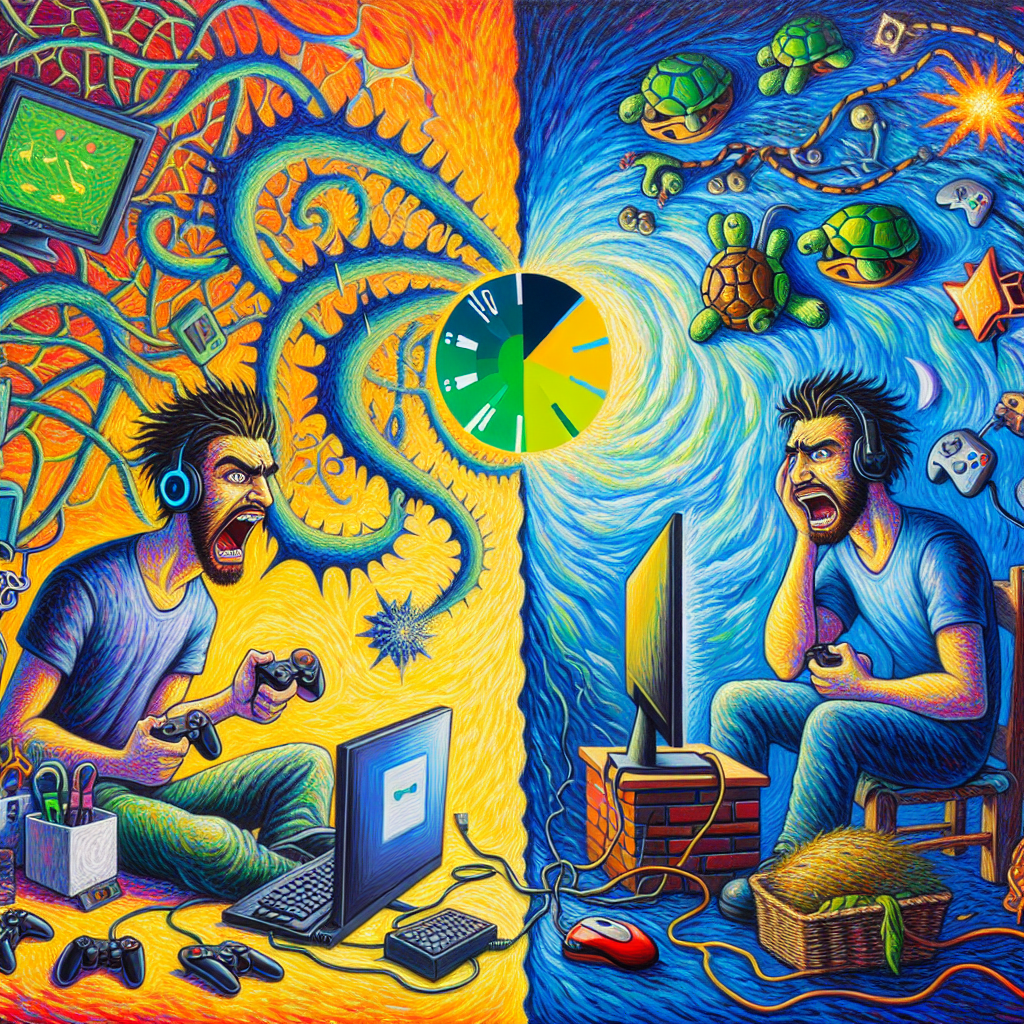
Picture this: the sun has long dipped below the horizon, and that familiar blue glow of the screen casts an otherworldly light in an otherwise dark room. You’ve got snacks scattered around like battlefield debris, and your chair? Well, let’s say it’s been molded to fit your form after countless hours of loyal service. This is the life of a gamer, steeped in strategy and camaraderie, but at what cost?
Ah, the lure of games. They are a siren call that can pull you in deeper than you ever imagined. You promise yourself just one more level, just one more quest, and before you know it, the clock’s striking three in the morning. But it’s not just a few late nights here and there; it’s a full-blown marathon—a test of wills against your own body and, yes, your sleep schedule.
Now, let’s break it down: your body, that finely tuned machine, is operating on a cycle known as circadian rhythm. This biological clock governs when you feel alert and when you feel like a sack of potatoes. Every hour spent logging onto games and dodging sleep is an hour in direct opposition to that rhythm. The vibrant colors and thrilling sounds of your favorite games stimulate the brain, releasing dopamine and keeping you alert when all your body wants is some shut-eye. This is where the trouble begins.
Now, I’m not saying gaming is all bad. Far from it! It can be a bonding experience, a way to connect with friends near and far, and even a creative outlet. However, if gaming marathons become a frequent ritual rather than an occasional indulgence, you may find those acts of joy turning into a raucous carnival of sleep deprivation.
Sleep deprivation doesn’t play favorites; it can lead to an array of issues, both mental and physical. Memory problems, increased irritability, and sluggishness during the day can all take a toll on your quality of life. So, while chasing the next victory, remember to check your watch. Your gaming victories will still be there tomorrow, but your health? Well, that’s a different ballgame altogether.
Balance is key. Enjoy your games, relish in the victories and epic tales, but don’t forget that enough rest is essential to be the hero in your own life.

Will Gaming Marathons Wreck Your Sleep Schedule?
Will Gaming Marathons Wreck Your Sleep Schedule?
- The gaming experience creates a captivating environment with snacks and personalized seating.
- Gamers often find themselves absorbed, leading to late-night play sessions and sleep deprivation.
- Gaming disrupts the body’s circadian rhythm, affecting alertness and sleep patterns.
- The stimulation from games triggers dopamine release, keeping players awake despite fatigue.
- While gaming can enhance social connections and creativity, excessive play can lead to negative health effects.
- Sleep deprivation can result in mental and physical issues, such as memory problems and irritability.
- Finding a balance between gaming and rest is essential for maintaining overall health and well-being.

Will Gaming Marathons Wreck Your Sleep Schedule?
Table Of Contents
- Will Gaming Marathons Wreck Your Sleep Schedule?
- What Effects Do Gaming Marathons Have On Sleep Quality?
- How Do Late-Night Gaming Sessions Disrupt Circadian Rhythms?
- Can Gaming Lead To Insomnia Or Sleep Deprivation?
- What Are The Signs Of Poor Sleep Due To Gaming?
- How Can Long Gaming Sessions Impact Mental Health?
- What Strategies Can Help Maintain A Healthy Sleep Schedule?
- Are Some Games More Likely To Disrupt Sleep Than Others?
- Conclusion
- Other Resources
- Glossary Of Terms
- Other Questions
- Haiku
- Poem
- Checklist
What Effects Do Gaming Marathons Have On Sleep Quality?
When it comes to the great pastime of gaming, the thrill of competition and the allure of immersive storytelling can easily lead to evenings—nay, entire weekends—lost in the glow of a screen. But let’s be candid. There’s a flip side to those all-night gaming marathons that can leave one feeling not quite like a hero upon logging off. And that side, friends, is sleep quality.
First things first, jumping into these epic gaming sessions means we frequently sacrifice rest on the altar of high scores and virtual camaraderie. While we might think cranking out just one more level won’t hurt us, the reality is that the quest for digital achievement often comes at the expense of our z’s. Research shows that prolonged exposure to screens—especially when you’re fully immersed in engrossing games—can just as easily keep you on high alert as it will draw you into the story. Your brain gets fired-up with the action unfolding before you, leading many gamers to find themselves tossing and turning long after the console is off.
Let’s not forget the physical effects, either. Those marathon sessions often lead to erratic sleep schedules. We’ve all been there: one late-night raid turns into an early morning grind, leaving you wide awake at 3 AM, staring at the ceiling wondering why you ever thought this was a good idea. Suddenly, your internal clock is thrown for a loop, and good luck trying to get back into that rhythm. When you finally do manage to sleep, it’s often a restless affair—half-remembered dreams of Quest Items and side missions that leave you feeling more exhausted than refreshed.
Moreover, gaming can trigger anxiety or excitement, emotions that very much inhibit a decent night’s sleep. Heart rates soar during fierce competition, and the adrenaline high can linger long after the gaming chair has been pushed away. Physical repercussions come to the forefront, too, with gamers often finding themselves entangled in poor posture or cramming into awkward positions for hours on end—making it no surprise that back and neck pain can also play a role in sleep disruption.
In short, the allure of gaming marathons might be powerful, but they can leave you fighting a losing battle for good sleep quality. Novice or seasoned player, it’s vital not just to keep an eye on those stats, but also on the hours ticking away as the sun rises. Balance, as in all things, is key. After all, even the most epic adventures deserve a good night’s sleep.

What Effects Do Gaming Marathons Have On Sleep Quality?
What Effects Do Gaming Marathons Have On Sleep Quality?
- Gaming offers competition and storytelling but can lead to lost weekends in front of screens.
- Prolonged gaming sessions often sacrifice sleep for the sake of scoring and camaraderie.
- Research indicates that immersive gaming can keep players on high alert, disrupting sleep patterns.
- Erratic sleep schedules can result from late-night gaming marathons.
- After gaming, players may experience restless sleep filled with dreams related to the game.
- Gaming can trigger anxiety and excitement, further inhibiting restful sleep.
- Maintaining balance between gaming and sleep is essential for overall health and performance.

What Effects Do Gaming Marathons Have On Sleep Quality?
How Do Late-Night Gaming Sessions Disrupt Circadian Rhythms?
In the age of the digital revolution, many folks find themselves drawn into the colorful allure of video games. Those immersive experiences turn night into day, with players often losing track of time as they navigate through fantastical realms and intricate plots. While the thrill of victory and the camaraderie of team play can be intoxicating, this binary ballet comes with a price—one that hits hard when the dawn breaks.
When the sun dips below the horizon, our bodies are equipped with a built-in clock, called the circadian rhythm, that regulates our sleep-wake cycles. It’s a finely-tuned melody, orchestrating the ebb and flow of our hormones, body temperature, and even our alertness. However, late-night gaming sessions interject a heavy bass line into this symphony. The bright screens and stimulating gameplay send signals to our brains that it’s time to keep the party going, snapping us into an alertness that does not play nice with our natural rhythms.
One of the biggest culprits in this late-night saga is the blue light emitted by screens. This light tricks our brains into thinking it’s still daylight. As players delve deeper into their virtual exploits—whether battling opponents or solving puzzles—their bodies suppress melatonin production, the hormone that signals it’s time to sleep. The result? It can take hours to wind down after shutting down the console, leaving players groggy and irritable when morning arrives.
But it’s not just the late nights that disrupt our biological clock. The high-stakes element of games creates an adrenaline rush, further complicating the path to restful sleep. The heart races, tensions peak, and before you know it, sleep becomes an elusive dream. With each late-night session, the cycle continues, leading to chronic fatigue and potential health issues down the road.
This disruption doesn’t just impact the individual gamer; it reverberates through daily life, affecting work performance, relationships, and overall wellness. Endless late-night raids might create legendary stories among friends, but the aftermath can leave a trail of missed appointments and strained interactions. What’s the point of conquering virtual foes if you can’t face the real-world challenges that await at dawn?
So, the next time you settle in for a marathon gaming session, consider giving your circadian rhythm a fighting chance. The virtual world will still be there in the morning—just hopefully, so will you.

How Do Late-Night Gaming Sessions Disrupt Circadian Rhythms?
How Do Late-Night Gaming Sessions Disrupt Circadian Rhythms?
- The digital revolution has made video games increasingly alluring, often causing players to lose track of time.
- Circadian rhythms regulate our natural sleep-wake cycles, which can be disrupted by late-night gaming.
- Bright screens and stimulating gameplay can trick our brains into thinking it’s still daylight, inhibiting melatonin production.
- Late-night gaming leads to difficulty winding down, causing grogginess and irritability the next day.
- The adrenaline rush from high-stakes gaming further complicates the transition to restful sleep.
- Disruptions to sleep can impact work performance, relationships, and overall wellness.
- Players are encouraged to consider their circadian rhythm, as the virtual world will remain available in the morning.

How Do Late-Night Gaming Sessions Disrupt Circadian Rhythms?
Can Gaming Lead To Insomnia Or Sleep Deprivation?
Ah, the world of gaming – a realm where fantastical battles rage, high scores are shattered, and virtual conquests beckon players to venture just one more level or a few more matches. But, as enjoyable as these digital escapades can be, they come with a price. Sleep, the elusive friend, often finds itself distant and neglected amid the siren call of intense gameplay.
Let’s start by recognizing that games can be particularly addictive. They’re designed to hook players, drawing them into immersive environments filled with compelling narratives and challenges. You know how it goes: the clock strikes midnight, and suddenly, you’re staring at the screen like it’s your long-lost buddy, completely oblivious to the time that’s passed. This phenomenon, often referred to as gaming addiction, can swiftly tip the scales from harmless fun to detrimental habits, pushing unhealthy patterns that may lead to insomnia or sleep deprivation.
When the mind is engaged in a high-stakes game, adrenaline spikes, and the senses are heightened. This is where things start to spiral. Engaging in fast-paced, thrilling gameplay just before bed activates the brain in a way that’s hard to unwind from. Our bodies are wired to respond to excitement; hence, when the last boss is defeated, it’s often difficult to transition smoothly into a state of relaxation. Instead, players may find themselves replaying strategies or rehashing victories, a mental loop that makes sleep feel like an unattainable goal.
Moreover, the blue light emitted from screens can also contribute to this modern conundrum. Studies have shown that blue light interferes with the production of melatonin, the hormone responsible for regulating sleep. So, not only are you engaged in a riveting digital duel, but you’re simultaneously bathing your brain in light that sends confusion right through the circadian rhythm. It’s a double whammy, keeping the gamer’s mind scrambling into the early hours.
Yet it’s not just the late-night sessions that are problematic. Regular gaming, when it leads to a lifestyle of disrupted sleep patterns, can result in chronic sleep deprivation. This is no laughing matter; the repercussions of lost Z’s can spill over into everyday life, affecting mood, focus, and overall health.
In a nutshell, while gaming can be a delightful escape, it carries the potential for sleepless nights and tired days. So, dear gamers, as you pick up that controller for one last round, remember to keep an eye on the clock and your well-being. After all, no victory is worth losing the rest of your life over a few extra lives.

Can Gaming Lead To Insomnia Or Sleep Deprivation?
Can Gaming Lead To Insomnia Or Sleep Deprivation?
- Gaming offers immersive environments and compelling narratives that can lead to addictive behavior.
- Gaming addiction can lead to unhealthy patterns, including insomnia and sleep deprivation.
- Engaging in fast-paced gameplay before bedtime activates the brain, making relaxation difficult.
- Players often replay strategies or victories in their minds, hindering their ability to fall asleep.
- Blue light emitted from screens disrupts melatonin production, further complicating sleep issues.
- Regular gaming can result in chronic sleep deprivation, affecting mood, focus, and overall health.
- It’s important for gamers to monitor their gaming habits to ensure their well-being and sleep quality.

Can Gaming Lead To Insomnia Or Sleep Deprivation?
What Are The Signs Of Poor Sleep Due To Gaming?
Ah, the world of gaming—where pixelated realms come alive, and the hours seem to vanish into thin air. For many, it’s a beloved pastime, a way to unwind after a long day. But amid the excitement and achievements, there lies a hidden danger: poor sleep. Sure, a little late-night gaming can be harmless, but when the games become an all-consuming force, signs of poor sleep start to creep in like an unwelcome guest.
First and foremost, let’s talk about the most obvious indicator. If you find yourself tossing and turning, unable to get comfortable because your mind keeps replaying that last boss battle or the next strategy to achieve victory, that’s a red flag. Your brain is in overdrive, still lost in the virtual world instead of drifting into the restful embrace of sleep.
Then, there’s the physical toll. If you’re waking up with a headache or feeling groggy like you’ve just run a marathon—albeit one where you merely sat on your couch—it’s a sign that your sleep cycle has been disrupted. A lack of quality rest leads to fatigue that doesn’t magically vanish after consuming copious amounts of caffeine. Speaking of which, if your love for those energy drinks feels more like dependency these days, it’s not just your thumbs that are suffering; your sleep is likely paying the price.
Mood swings are another telltale sign. Have you found yourself snapping at friends or family over trivial matters? Irritability can often stem from sleepless nights caused by extended gaming sessions. When the virtual world replaces real-life connections, it becomes easy to lose touch with the folks around you.
Don’t forget about the long game—long-term effects can sneak up when you least expect them. If you notice that your focus is waning during the day or you can’t seem to retain information like you once did, you may be experiencing cognitive decline due to inadequate rest. Your brain craves downtime just as much as it craves those exhilarating gaming highs.
In a nutshell, while it’s great to conquer new levels and explore expansive worlds, be wary of the signs that gaming might be stealing away your sleep. A little balance ensures that you can continue enjoying your games without wrecking your Zzz’s. Play smart, sleep well.

What Are The Signs Of Poor Sleep Due To Gaming?
What Are The Signs Of Poor Sleep Due To Gaming?
- Gaming can be a beloved pastime, offering relaxation and excitement.
- Poor sleep can be a hidden danger associated with excessive late-night gaming.
- Tossing and turning while replaying game strategies is a sign of poor sleep.
- Physical symptoms like headaches and grogginess can indicate disrupted sleep cycles.
- Increased dependency on energy drinks may signify negative effects on sleep quality.
- Mood swings and irritability can stem from sleepless nights due to extended gaming sessions.
- Long-term effects include cognitive decline and waning focus, emphasizing the need for balance.

What Are The Signs Of Poor Sleep Due To Gaming?
How Can Long Gaming Sessions Impact Mental Health?
In a world where the digital arena has become a familiar battleground for leisure and camaraderie, gaming has undoubtedly woven itself into the fabric of our daily lives. Yet, as we nestle into our chairs for those extended gaming sessions, it’s essential to consider the toll that prolonged exposure to screens and simulated environments can take on our mental health.
Games, while often a source of joy, also come with a double-edged sword. On one side, they can foster social interaction and provide an engaging escape. Many players connect with friends and strangers alike, forming communities built around their shared love of gaming. This collective experience can enhance feelings of belonging and reduce feelings of loneliness. However, the darker side of these extended escapades can lead to issues that are anything but trivial.
Long gaming sessions can disrupt sleep patterns, often leading to sleep deprivation. When the lights dim and the screens flicker, it’s all too easy to lose track of time. Instead of drifting off to restful slumber, countless players find themselves drawn deeper into fantastical worlds, sacrificing much-needed rest for “just one more level.” This lack of sleep doesn’t just leave you groggy; it can amplify feelings of anxiety and irritability, creating a vicious cycle.
Moreover, the addictive nature of many games can lead to emotional distress. As players deeply invest in virtual achievements and progress, failures—be they a lost game or a setback in character development—can provoke real-world stress and disappointment. This blurring of lines between game and reality can skew perceptions and, at times, alter mood states drastically.
Additionally, physical health isn’t the only casualty of extended gaming; social skills can also suffer. When gaming monopolizes time that could be spent fostering face-to-face relationships, isolation can set in. The world outside the glowing screen starts to shrink, leaving individuals feeling disconnected from reality and those around them.
Ultimately, the balance between enjoyment and excess is crucial. Pressure to compete or achieve within the gaming realm can overshadow the fundamental purpose of relaxation and recreation. So as we dive headlong into our digital adventures, let’s take a step back now and then—because after all, no game is worth sacrificing our peace of mind.

How Can Long Gaming Sessions Impact Mental Health?
How Can Long Gaming Sessions Impact Mental Health?
- The digital gaming landscape has become an integral part of daily life, offering both leisure and social interaction.
- Games can foster connections and communities, reducing loneliness and enhancing a sense of belonging.
- Extended gaming sessions can lead to disrupted sleep patterns and sleep deprivation, increasing anxiety and irritability.
- The addictive nature of games can cause emotional distress from real-world implications of virtual achievements.
- Time spent gaming may hinder the development of social skills, leading to feelings of isolation.
- Balancing enjoyment and excess is essential to maintaining the recreational purpose of gaming.
- It’s important to take breaks and prioritize mental well-being over the pressures of gaming competition.

How Can Long Gaming Sessions Impact Mental Health?
What Strategies Can Help Maintain A Healthy Sleep Schedule?
When it comes to maintaining a healthy sleep schedule, we’re not just talking about counting sheep or relying on herbal tea to do the trick. No, my friends, maintaining a solid shuteye regimen is more of a lifestyle choice than a one-off solution. Here are some effective strategies to help you hit that elusive sleep jackpot without resorting to the nightly roulette of tossing and turning.
First off, let’s talk about consistency. Just like a worker bees returning to the hive, your body craves routine. Strive to go to bed and wake up at the same time every day, even on weekends. It may feel like a bit of a grind at first, but your body will appreciate this predictability. It’s all about finding the sweet spot of circadian rhythm regulation—like tuning a finely crafted instrument for a perfect symphony.
Now, let’s address the elephant in the room: screens. We’re so used to immersing ourselves in screentime—be it games, social media, or binge-watching the latest show—which can throw a wrench in our sleep plans. Aim to carve out an hour before bed where you disconnect from all that digital chaos. Instead, consider reading a good old-fashioned book or perhaps engaging in a relaxing hobby. Your brain deserves a break from the glowing blue light, and this time off can allow your mind to ease into sleep.
Don’t underestimate the impact of your environment, either. Transform your bedroom into a sanctuary that promotes rest. Invest in blackout curtains, consider a white noise machine, or simply keep the thermostat set to a comfortable temperature. A clean, quiet, and dark space can work wonders for your ability to drift off. After all, a cluttered room leads to a cluttered mind, and nobody wants that when they’re trying to catch some z’s.
Finally, let’s not forget the importance of physical activity. Regular exercise can be a game-changer for improving sleep quality, as long as you don’t treat it like an endurance sport right before bed. Aim for that sweet spot of moving your body during the day, which can leave you feeling pleasantly tired come nightfall.
In summary, it’s all about creating the right conditions for sleep. Embrace a routine, disconnect from screens, curate a cozy environment, and get some exercise in. Keep it simple, stay committed, and you’ll find yourself resting easier—like a kid finally winning that game they’ve been playing for ages.

What Strategies Can Help Maintain A Healthy Sleep Schedule?
What Strategies Can Help Maintain A Healthy Sleep Schedule?
- Maintaining a healthy sleep schedule is a lifestyle choice, not just a quick fix.
- Consistency is key; go to bed and wake up at the same time daily, even on weekends.
- Limit screen time an hour before bed to avoid disrupting your sleep.
- Create a restful bedroom environment with blackout curtains and a comfortable temperature.
- A clean and quiet space promotes better sleep and reduces mental clutter.
- Engage in regular physical activity, but avoid exercising right before bedtime.
- Creating the right conditions for sleep will help you rest easier and improve sleep quality.

What Strategies Can Help Maintain A Healthy Sleep Schedule?
Are Some Games More Likely To Disrupt Sleep Than Others?
As we navigate through the digital jungle that is modern gaming, a troubling question lingers: Are some games more likely to disrupt sleep than others? The answer, much like the games themselves, is complex and layered. There’s a distinct difference between a head-to-head match in a fast-paced shooter and the slow, contemplative exploration of a narrative-driven RPG.
When you dive into a session of high-octane action games, with those pulsating soundtracks and addictive gameplay loops, the adrenaline can kick in hard. Your heart races, your palms get sweaty, and before you know it, hours have slipped by like sand in an hourglass. These types of Games often feature intense competitiveness, rewarding quick reflexes and strategic thinking under pressure. The thrill of victory or the agony of defeat can easily keep you glued to the screen well into the night. It’s a far cry from the relaxing, mellow vibes of certain puzzle or simulation games that invite you to unwind. You might imagine there’s a stark contrast, but both worlds have their merits and their pitfalls.
Take role-playing games, for instance. Often, these Games invite you into expansive universes filled with rich stories and character-driven narratives. While you might think they provide a more peaceful escape, many gamers find themselves consumed by quests and character development. Suddenly, it’s 3 a.m., and you’re on the verge of a major in-game transformation or about to defeat the final boss. The promise of personal progression can be just as intoxicating as any frantic fire-fight.
Now, let’s not forget about the rise of mobile Gaming. Those little devices are designed for convenience but can be just as disruptive. A few minutes of casual gaming can spiral into hours of mindless scrolling or match-3 puzzles that just won’t let you go.
In short, whether you’re racing cars, conquering kingdoms, or fishing in serene lakes, the key lies in awareness. The type of Games you choose to indulge in can vastly impact your sleep habits. Balancing your gaming habits with good sleep hygiene can make all the difference. So, next time you find yourself in a late-night standoff with your console or handheld, consider what it’s costing you—not just in terms of lost sleep, but your overall well-being.

Are Some Games More Likely To Disrupt Sleep Than Others?
Are Some Games More Likely To Disrupt Sleep Than Others?
- The impact of games on sleep varies based on the type and intensity of gameplay.
- High-octane action games can trigger adrenaline, causing prolonged gaming sessions.
- Competitive gameplay rewards quick reflexes, leading to late-night gaming.
- Role-playing games weave rich narratives, making it easy to lose track of time.
- Mobile games, while convenient, can lead to extensive gaming beyond intended limits.
- Awareness of gaming habits is essential for maintaining healthy sleep patterns.
- Balancing gaming with good sleep hygiene is crucial for overall well-being.

Are Some Games More Likely To Disrupt Sleep Than Others?
Conclusion
As we wrap up our deep dive into the world of gaming marathons and their impact on sleep, let’s take a moment to reflect on the intricate dance between passion and balance. We all know the scene: the glow of the screen illuminating a late-night session, snacks within arm’s reach, and the promise of “just one more game” echoing louder than the ticking clock. It’s tempting to let the thrill of competition and immersive storytelling take over, but here’s the kicker—what good is conquering a digital realm if it costs you your sleep?
The harsh reality is that nights spent gaming often wreak havoc on our precious sleep schedules. The body runs on the circadian rhythm, a master clock that dictates when we operate at our best. But slap a glowing screen in front of us, especially with its blue light stimulating the brain, and suddenly getting a good night’s rest becomes about as likely as finding a four-leaf clover in a field of grass. Sleep deprivation can lead to a host of issues, from irritability and sluggishness to impaired cognitive function. And make no mistake—poor sleep can turn even the most enjoyable gaming experiences into a long-term battle with fatigue and mental health hurdles.
Now, let’s revisit the good news. Gaming, when approached with mindfulness, can be a way to bond with friends and engage creatively. The key is finding that delicate balance. Set boundaries, establish a gaming curfew, and allow time for winding down. Trade some late-night sessions for a good book or a relaxing pre-sleep ritual that sets you up for restful Z’s.
As we venture into the land of pixels, remember that victory in the virtual world doesn’t need to come at the cost of your health. Those marathons can be fun, but they should not turn into sleepless marathons. So, my fellow gamers, let’s keep that control pad in one hand and the commitment to wellness in the other. After all, the true hero’s journey includes mastering not just the game, but also the art of rest. So play smart, sleep well, and remember, tomorrow’s quests will still be there waiting when you wake up!

Conclusion
Conclusion:
- Gaming marathons can disrupt sleep schedules, impacting physical and mental well-being.
- The circadian rhythm regulates optimal functioning, but blue light from screens can hinder sleep quality.
- Sleep deprivation leads to irritability, sluggishness, and impaired cognitive function.
- Poor sleep can transform enjoyable gaming experiences into struggles with fatigue and mental health.
- Gaming can foster friendships and creativity when approached mindfully.
- Establishing boundaries, such as a gaming curfew and pre-sleep rituals, promotes better sleep.
- Balancing gaming and rest ensures health while enjoying the virtual world.

Conclusion
Other Resources

Other Resources
Here is a list of other resources you can review online to learn more:
- MailChimp
- Huch!
- Google Business Profile
- Beasts of War
- The Board Game Family
- Power Grid
- Keyforge
- GameNight!
- Keyflower: The Farmers Expansion
- Gloom
Use This Prompt To Get More Resources With Your Favorite Online AI Tool: Please provide me with a list of online articles with their URLs in a bulleted list that I can read regarding Will Gaming Marathons Wreck Your Sleep Schedule?

Other Resources
Glossary Terms
Will Gaming Marathons Wreck Your Sleep Schedule? – Glossary Of Terms
1. Gaming Marathon: An extended period of continuous video gaming, often lasting several hours or even days, typically for competition, fun, or fundraising.
2. Sleep Cycle: The natural progression through different stages of sleep, including REM (Rapid Eye Movement) and non-REM stages, that repeats multiple times during the night.
3. Circadian Rhythm: The internal biological clock that regulates sleep-wake cycles, influencing alertness and sleepiness throughout a 24-hour period.
4. Sleep Deprivation: A condition resulting from inadequate sleep, leading to physical, mental, and cognitive impairments.
5. Fatigue: A state of physical and mental exhaustion often resulting from prolonged periods of activity, including lack of sleep.
6. Melatonin: A hormone produced by the pineal gland that regulates sleep-wake cycles and is often associated with promoting sleep.
7. Sleep Hygiene: A set of practices and habits that promote good quality sleep, such as maintaining a regular sleep schedule and creating a restful environment.
8. Insomnia: A sleep disorder that involves difficulty falling asleep, staying asleep, or waking too early, often resulting from stress or lifestyle choices.
9. Blue Light: Light emitted from digital screens, which can interfere with the production of melatonin and disrupt sleep patterns.
10. Sleep Architecture: The structure and pattern of sleep cycles and stages a person experiences during a night’s sleep.
11. Impact of Gaming: The effects that video games can have on individuals, including physical, psychological, and social outcomes related to health, behavior, and sleep.
12. Sleep Bank: A concept that allows individuals to “store” sleep by accumulating extra sleep hours, which can be beneficial in recovery from sleep deprivation.
13. Stimulants: Substances, such as caffeine or certain energy drinks, that can enhance alertness and energy levels, potentially disrupting normal sleep habits.
14. Sleep Latency: The time it takes to fall asleep after turning off the lights and trying to sleep, which can be prolonged due to gaming.
15. Naps: Short periods of sleep taken during the day, which can help mitigate sleep deprivation but may interfere with nighttime sleep if taken excessively.
16. Alertness: The state of being awake and responsive to stimuli, which can be influenced by gaming, sleep quality, and overall health.
17. Physical Health: The overall well-being of the body, which can be negatively affected by poor sleep resulting from gaming marathons.
18. Mental Health: The emotional and psychological well-being, which can be impacted by sleep disturbances and excessive gaming.
19. Procrastination: The act of delaying or postponing tasks or responsibilities, which may lead to extended gaming sessions and disrupted sleep.
20. Sleep Quality: A measure of how restorative sleep is, impacting factors like duration, regularity, and sleep disturbances.
21. Stress: A physical or emotional response that can affect sleep patterns and lead to increased gaming as a coping mechanism.
22. Social Isolation: The condition of being cut off from social interactions, often exacerbated by excessive gaming, which can negatively impact mental health and sleep.
23. Cognitive Function: The mental processes involved in gaining knowledge and comprehension, which can be impaired by lack of sleep associated with gaming.
24. Neurotransmitters: Chemicals in the brain that transmit signals between neurons, playing a role in regulating sleep and wakefulness.
25. Virtual Environment: The digital space created by video games that engages players, potentially leading to extended play sessions.
26. Environmental Stressors: Factors in a person’s surroundings, such as noise or light, that can disrupt sleep quality during or after gaming.
27. Addictive Behavior: Compulsive engagement in gaming that disrupts other life activities, including sleep.
28. Homeostatic Sleep Drive: The body’s natural physical need for sleep that builds up the longer a person stays awake.
29. Sleep Disorders: Medical conditions affecting the quality or quantity of sleep, which can be worsened by habits related to gaming.
30. Recovery Sleep: Additional sleep taken to make up for lost sleep, often needed after a gaming marathon to restore well-being.
These terms provide a comprehensive overview of the complexities surrounding gaming marathons and their potential effects on sleep schedules.

Glossary Of Terms
Other Questions
Will Gaming Marathons Wreck Your Sleep Schedule? – Other Questions
If you wish to explore and discover more, consider looking for answers to these questions:
- What are the long-term effects of sleep deprivation caused by gaming marathons?
- Are there specific gaming genres that are worse for sleep quality?
- How can gaming influence mental health in children and adolescents?
- What are some tips for gamers to reduce the impact of late-night sessions on sleep?
- Is there a recommended time limit for gaming sessions to avoid sleep disruption?
- How do gaming-related stress and anxiety manifest in daily life?
- What role does caffeine consumption play in gaming and sleep patterns?
- Can gaming have any positive effects on sleep quality or relaxation?
- What changes can be made to the gaming environment to promote better sleep?
- Are there alternative activities or hobbies that can help balance gaming and sleep?
- How does the social aspect of gaming affect sleep habits?
- What strategies can gamers use to combat gaming addiction that disrupts sleep?
- How does the content of a game (e.g., violence, intensity) affect sleep quality?

Other Questions
Haiku
Will Gaming Marathons Wreck Your Sleep Schedule? – A Haiku
Gaming marathons call,
Sleep lost in bright screens’ embrace,
Balance, rest, win all.

Haiku
Poem
Will Gaming Marathons Wreck Your Sleep Schedule? – A Poem
In the glow of screens where adventures bloom,
Fingers dance on keys, banishing all gloom.
With snacks as fuel and laughter the prize,
Yet time slips away beneath starlit skies.
A siren call whispers, “Just one more quest,”
As morning creeps in, your health put to the test.
Through vibrant battles and epic tales’ spin,
The clock strikes three, yet your journey’s not in.
Circadian rhythms, a bio-clock’s song,
Tuned to ebb and flow, where we truly belong.
But bright screens disrupt, turning day into night,
Messing with melatonin, disrupting our flight.
Sleep deprivation? An insidious fiend,
It saps motivation, turns dreams into schemed.
Irritation and fog as reality bends,
Chasing glory in games, yet losing our friends.
Yet hope isn’t lost; balance beckons anew,
Set aside the controller, find rest to pursue.
For moments of triumph may fade with fatigue,
In the struggle for victory, let sleep’s call intrigue.
So as you embark on each digital thrill,
Remember your body seeks rest to fulfill.
Craft a sanctuary, embrace nightly grace,
For even the fiercest must pause in the race.
Through laughter and quests, let joy seamlessly blend,
And discover in slumber, your true self can mend.
For life’s more than levels or late-night pursuits—
A hero in gaming must nourish their roots.

Poem
Checklist
Will Gaming Marathons Wreck Your Sleep Schedule? – A Checklist
Before Gaming
1. Set a Time Limit: Decide in advance how long you’ll play and stick to it.
2. Schedule Breaks: Plan regular breaks every hour to stretch and step away from the screen.
3. Create a Gaming Environment: Ensure your gaming area is comfortable and free of distractions.
During Gaming
4. Hydrate Wisely: Limit caffeine and sugary snacks to prevent energy crashes and sleep disruptions.
5. Monitor Screen Brightness: Use blue light filters or reduce brightness to lessen screen impact on sleep.
6. Avoid Late-Night Intense Games: Opt for less stimulating games (e. g. , puzzle games) in the evening.
After Gaming
7. Establish a Wind-Down Routine: Spend 30-60 minutes doing relaxing activities (reading, meditating) before bed.
8. Limit Screen Exposure: Avoid screens for at least one hour before sleep to help your brain switch off.
9. Reflect on Game Experience: Take a moment to unwind and clear your mind of gaming thoughts.
Consistent Sleep Practices
10. Maintain a Regular Sleep Schedule: Go to bed and wake up at the same time every day, including weekends.
11. Create a Restful Environment: Keep your bedroom dark, quiet, and cool to promote better sleep quality.
12. Incorporate Physical Activity: Aim for regular exercise during the day to help improve overall sleep quality.
Signs to Watch For
13. Monitor Your Mood: Keep an eye out for increased irritability or mood swings as indicators of sleep deprivation.
14. Check Physical Symptoms: Be mindful of headaches, grogginess, or fatigue when waking up, as signs of poor sleep.
15. Evaluate Your Sleep Quality: Notice how your gameplay affects your sleep patterns and overall mental health.
Personal Reflection
16. Assess Gaming Habits: Reflect on how your gaming choices affect your sleep and well-being—are certain games more disruptive?
17. Adjust as Needed: Be willing to change your gaming schedule or habits to prioritize your health and rest.
By following this checklist, you can enjoy gaming while also taking care of your sleep and overall well-being. Balance is key!
Checklist
At HowDoYouGame, we help people who love board games by collating information and news about games.
Be sure to read our other related stories at HowDoYouGame to learn more about games.