
Unlocking Critical Thinking Through Gaming
By Tom Seest
At HowDoYouGame, we help people who love board games by collating information and news about games.
Be sure to read our other related stories at HowDoYouGame to learn more about games.
Can Essential Life Problem Solving Skills In Kids Stem From Gaming?
Imagine your child sitting in front of a screen, fingers flying across a controller, and a look of intense concentration on their face. When you think of gaming, you might picture mindless button-mashing or a world where kids are trapped in virtual escapism. But what if I told you that, beneath the surface, those colorful worlds and immersive narratives are cultivating essential life skills? That’s right—gamification, designed cleverly to engage players, can teach our kids problem-solving abilities that extend beyond the screen.
As children maneuver through complex challenges in their favorite games, they’re not just playing for points or virtual trophies. They’re processing information, strategizing moves, and adapting to new obstacles—skills that mirror real-life scenarios. Think of a child navigating a maze in a dungeon crawler. Each twist and turn requires quick thinking, planning, and sometimes, a little trial and error. These moments are akin to a mini boot camp for the brain. The sooner kids get comfortable facing challenges, the better prepared they’ll be to tackle life’s other twists and turns.
Now, let’s get real for a second. Gone are the days when gaming was dismissed as a mere pastime. The idea of gamification has entered the mainstream, evolving into a tool that educators and developers wield to make learning engaging and effective. Consider how many apps are designed to turn mundane tasks into exciting quests that captivate young minds. When kids link fun and problem-solving, learning naturally becomes an adventure rather than a chore.
By integrating this playful approach into everyday learning, we can empower our kiddos to view challenges as opportunities for growth rather than roadblocks. Just like a hero in a game learns to wield new skills, our children can develop resilience and critical thinking that will serve them well in any aspect of life.
So the next time you catch your child immersed in their latest game, don’t underestimate the power of those digital landscapes. Instead of waving the red flag, take a moment to appreciate the cognitive workouts they are getting. Encourage them to share their gaming experiences, and you may just find yourself inspired by their strategic thinking. After all, if video games can be both entertaining and educational, why not embrace their potential? Let’s champion this new frontier and turn screen time into skill time.

Can Essential Life Problem Solving Skills In Kids Stem From Gaming?
Can Essential Life Problem Solving Skills In Kids Stem From Gaming?
- Gaming can cultivate essential life skills in children beyond entertainment.
- Children develop problem-solving abilities through gaming’s complex challenges.
- Games encourage quick thinking, planning, and adaptability in real-life scenarios.
- The concept of gamification has evolved into a mainstream educational tool.
- Engaging games make learning feel like an adventure rather than a chore.
- By embracing challenges, children can build resilience and critical thinking skills.
- Encouraging kids to share their gaming experiences can enhance strategic thinking.

Can Essential Life Problem Solving Skills In Kids Stem From Gaming?
Table Of Contents
- Can Essential Life Problem Solving Skills In Kids Stem From Gaming?
- What Problem-Solving Skills Can Kids Learn From Gaming?
- How Does Gaming Improve Critical Thinking In Children?
- Are There Specific Games That Enhance Life Skills For Kids?
- What Role Does Teamwork In Gaming Play In Problem Solving?
- Can Gaming Help Kids Deal With Real-Life Challenges Effectively?
- How Do Different Game Genres Impact Skill Development In Youth?
- What Age Group Benefits The Most From Problem-Solving Games?
- Conclusion
- Other Resources
- Glossary Of Terms
- Other Questions
- Haiku
- Poem
- Checklist
What Problem-Solving Skills Can Kids Learn From Gaming?
Let’s face it: gaming isn’t just a pastime; it’s a vibrant universe where young minds can navigate challenges, make choices, and build skills that go well beyond the screen. Whether they’re racing through a pixelated world or strategizing to conquer a virtual enemy, kids are often deep in a whirlpool of decision-making and creative problem-solving. That’s where gamification—a concept increasingly threaded into learning—makes its grand entrance, transforming mundane tasks into engaging quests.
Imagine your child immersed in a game where they have to gather resources to build their stronghold or negotiate peace between two factions. Sounds like a wild ride, right? But behind the colorful graphics and cool soundtracks, there’s a treasure trove of life skills being developed. The strategic thinking involved in planning their next moves, evaluating risks, and adapting to unforeseen challenges fosters critical problem-solving skills. Every dilemma faced in a game becomes a microcosm of larger life challenges—learning to pivot when things don’t go according to plan.
But let’s not kid ourselves—these skills extend far beyond the digital realm. The resourcefulness gained through gaming can translate directly into real-life situations. Have you ever watched a child sit back, assess their surroundings, and work through a problem? That’s not just instinct; that’s a skill honed from countless virtual escapades. They learn to break down complex scenarios into manageable pieces, often devising innovative solutions while collaborating with peers and teammates. This cooperation and communication form the backbone of teamwork, a vital skill in any endeavor they pursue.
Moreover, failing is an essential part of the gaming experience. Kids are never punished for falling short; instead, they’re encouraged to learn from their mistakes and try again. That willingness to experiment, iterate, and grow is invaluable—a mindset that fosters resilience and confidence in tackling future challenges. When kids realize that failure isn’t the end of the world but rather a stepping stone to success, they build a lifelong habit of perseverance.
So the next time your child logs on to their favorite game, consider it more than just screen time. Embrace the learning happening behind the pixels. Engage in conversation about strategies they’re employing, challenges they’re navigating, and victories they’re celebrating. Because in those moments lies a rich tapestry of problem-solving skills that will serve them not just in gaming, but in the vast game of life ahead.

What Problem-Solving Skills Can Kids Learn From Gaming?
What Problem-Solving Skills Can Kids Learn From Gaming?
- Gaming is not merely a pastime; it fosters decision-making and problem-solving skills in children.
- Gamification transforms everyday tasks into engaging quests, enhancing interest and motivation in learning.
- In games, children learn strategic thinking, risk evaluation, and adaptation to challenges, mimicking real-life situations.
- Skills developed through gaming, such as resourcefulness and problem breakdown, are applicable in real-world scenarios.
- Teamwork and communication are reinforced through collaborative gameplay, vital for future endeavors.
- Failing in games encourages a growth mindset, teaching kids resilience and the importance of learning from mistakes.
- Engaging with children about their gaming experiences can highlight valuable problem-solving skills relevant to life.

What Problem-Solving Skills Can Kids Learn From Gaming?
How Does Gaming Improve Critical Thinking In Children?
When you think of gaming, what often comes to mind? Bright colors, catchy sounds, maybe even a little dose of competition? But there’s more lurking beneath the surface of those pixelated worlds, especially when it comes to critical thinking. It’s a powerful, often overlooked tool in childhood development that deserves a closer look. Now, you might be wondering, how does this all tie together? Let’s break it down.
Imagine a child navigating through an intricate maze in a video game. Every turn presents new challenges: a sneaky enemy lurking around a corner, a rickety bridge threatening to collapse, or a puzzling riddle that needs solving. Here’s where gamification steps in, transforming what could be a mundane learning experience into an adventure worthy of exploration. When kids are engaged in gaming, they’re not just playing for fun; they are learning to formulate strategies, anticipate outcomes, and develop a keen sense of judgment as they make split-second decisions.
Consider, too, the cooperative experiences found in many modern games. Friends banding together to tackle a boss? That’s more than just a digital display of teamwork; it’s a lively workshop for communication and collaboration. Children learn to articulate their thoughts, negotiate strategies, and think on their feet—a critical skill set that carries over into daily life. The conversations that erupt during these gaming sessions? Those aren’t just garbage chat; they’re the building blocks of negotiation and problem-solving, concepts that will serve these kids well as they mature.
Another fascinating aspect of gaming involves the element of consequence. Decisions matter, and they have a ripple effect. When a child realizes that a poorly executed plan can lead to failure—be it the loss of a game or a missed opportunity to achieve a goal—they begin to understand the importance of evaluating their choices. This isn’t just theoretical knowledge; it’s hands-on learning that encourages responsibility and fosters confidence. It’s the essence of critical thinking in action.
So, what’s the takeaway? Encouraging your child to delve into the world of gaming can unlock remarkable avenues of growth. It’s not all about scoring points; it’s about honing the skills they’ll need to navigate the complex world beyond the screen. In fostering an environment where gaming is valued not just for entertainment but as an educational springboard, you’re sparking a journey of exploration and innovation. Trust that every quest, every level, and every challenge is a step toward developing a sharpened, critical mind—and isn’t that worth celebrating?

How Does Gaming Improve Critical Thinking In Children?
How Does Gaming Improve Critical Thinking In Children?
- Gaming encompasses bright colors, catchy sounds, and competition but also facilitates critical thinking in childhood development.
- Children navigating video game mazes face challenges that engage them in strategic thinking and decision-making.
- Gamification transforms mundane learning into exciting adventures, helping kids formulate strategies and anticipate outcomes.
- Cooperative gaming experiences teach children essential communication and collaboration skills as they negotiate strategies with peers.
- Consequence management in games instills a sense of responsibility and encourages children to evaluate their choices.
- Encouraging children to engage with gaming can enhance their critical thinking skills and prepare them for real-world challenges.
- Valuing gaming as an educational tool can spark exploration, innovation, and personal growth in children.

How Does Gaming Improve Critical Thinking In Children?
Are There Specific Games That Enhance Life Skills For Kids?
When it comes to developing life skills in children, few things engage a young mind quite like games. We’ve all seen the captivated look on a kid’s face when they’re lost in play, and that’s the magic of gamification. Let’s dive deeper into how certain games can pack a punch in teaching essential skills while being as fun as a playground full of swings.
Consider strategy-based board games like “Settlers of Catan” or “Ticket to Ride.” These aren’t just cardboard and plastic; they are lessons in negotiation, critical thinking, and resource management—skills that are indispensable in the real world. Kids learn to formulate strategies, adapt to changing circumstances, and even navigate the sometimes murky waters of diplomacy with their peers. Plus, they come away with a sense of accomplishment when they beat their friends, even if it means a well-placed trade or a surprise victory.
Then there’s the vast universe of video games. Titles that require teamwork, like “Overwatch” or “Minecraft,” can turn kids into effective collaborators. They must communicate, delegate tasks, and support each other to achieve a common goal. Through this, they build social skills and learn the importance of working together—virtues that transcend the digital realm and foster friendships in real life.
Let’s not forget about games that encourage creativity, like “Lego” or “Animal Crossing.” These platforms allow children to express themselves in ways traditional learning methods often overlook. They learn to problem-solve on the fly, redesign their environments, and think outside the box, embracing innovation and resilience. Every victory in these games motivates them to keep experimenting, and that persistence is a valuable life lesson in itself.
Now, it’s easy to see gaming solely as a leisure activity. However, when approached with an eye for learning and intentionality, these experiences can become powerful tools for skill enhancement. So, if you’re a parent, don’t shy away from the world of games. Instead, lean in! Choose those that align with life skills you’d like to nurture in your child.
In short, the right games can teach kids more than just how to roll a die or navigate a pixelated world. They help shape tomorrow’s adults, building resilience, creativity, teamwork, and problem-solving skills along the way. So gear up, get the game pieces out, and let those lessons unfold!

Are There Specific Games That Enhance Life Skills For Kids?
Are There Specific Games That Enhance Life Skills For Kids?
- Games are a powerful tool for developing life skills in children, engaging their minds effectively.
- Strategy-based board games like “Settlers of Catan” and “Ticket to Ride” teach negotiation, critical thinking, and resource management.
- Video games requiring teamwork, such as “Overwatch” and “Minecraft,” foster collaboration and communication skills.
- Creative games like “Lego” and “Animal Crossing” promote self-expression, problem-solving, and innovation.
- Gaming can be more than leisure; with intentionality, it can enhance essential life skills.
- Parents are encouraged to select games that align with the life skills they wish to nurture in their children.
- The right games help build resilience, creativity, teamwork, and problem-solving skills, shaping future adults.

Are There Specific Games That Enhance Life Skills For Kids?
What Role Does Teamwork In Gaming Play In Problem Solving?
Teamwork in gaming is like the secret sauce that spices up the whole experience. It’s more than just a bunch of individuals sitting down with controllers; it’s about harnessing collective strengths to overcome challenges that would daunt even the most seasoned solo players. When you gather a group of friends or strangers online to tackle a raid, solve a puzzle, or outsmart an opponent, you’re not just playing a game. You’re entering a dynamic arena of gamification, where each player has a role to play and goals to achieve.
Imagine this: You and your team are faced with a complex mission, one that requires strategy, creativity, and a dash of improvisation. As you brainstorm different approaches, you quickly realize that the best solutions often come from collaboration. Someone might offer an unconventional idea, while another might bring a unique skill to the table. When those ideas mesh, they create a robust problem-solving environment. It’s in these virtual trenches that you learn that two heads—or, in this case, six—are better than one.
But let’s not overlook the invaluable life lessons tucked within all this pixelated fun. In a gaming setting, you often find yourself confronting unexpected dilemmas that require swift adjustments. Maybe a strategy that looked flawless on paper flops in real time. Perhaps your team’s healer suddenly runs out of resources or the enemy throws a curveball. The beauty lies in your ability to regroup, communicate, and adapt. This creates an almost instinctive habit of problem-solving, preparing you for real-world challenges that demand quick thinking and effective teamwork.
And here’s the kicker: the camaraderie formed through these gaming escapades can transcend the screen, forging connections that extend into everyday life. You’ve shared victories, defeats, and everything in between. This bond fosters trust and the belief that together, you can devise innovative solutions to whatever life throws your way.
So whether you’re traversing a treacherous fantasy realm or strategizing over a battle map, remember that the true essence of gaming lies in teamwork. It’s not just about the games we play; it’s about the skills we hone and the relationships we build. Embrace that connection, and you’ll find that the group effort can lead to some of the most rewarding triumphs both in-game and beyond.

What Role Does Teamwork In Gaming Play In Problem Solving?
What Role Does Teamwork In Gaming Play In Problem Solving?
- Teamwork in gaming enhances the overall experience, going beyond individual gameplay.
- Collaborative efforts help overcome challenges that may be difficult for solo players.
- Gaming fosters a dynamic environment where players have specific roles and goals.
- Best solutions often arise from teamwork, combining different skills and ideas.
- Players learn to adapt and problem-solve in response to unexpected challenges.
- Camaraderie developed in gaming can lead to meaningful real-life connections.
- Teamwork not only improves gaming skills but also nurtures relationships and quick thinking applicable in everyday life.

What Role Does Teamwork In Gaming Play In Problem Solving?
Can Gaming Help Kids Deal With Real-Life Challenges Effectively?
Imagine this: a young gamer, controller in hand, navigating through sprawling virtual worlds, dodging obstacles while collecting treasure. Shifting through levels not only brings excitement but teaches resilience, problem-solving, and teamwork—skills that are more valuable than any digital loot. In a world where challenges can feel insurmountable, gaming emerges as a surprisingly effective training ground.
Now, let’s talk gamification. It’s a fancy buzzword, but at its core, it’s about turning tasks—mundane or overwhelming—into engaging, rewarding experiences. Think about it: your child levels up in a game for every small achievement, whether they’re defeating a monster or building a virtual empire. Each challenge faced and conquered builds confidence, a necessary trait when the real world hits hard. When kids can see progress—be it gaining skills in a game or mastering a new concept in school—they learn that persistence pays off.
Consider also the crucial life lesson of teamwork. Many games require players to join forces, strategizing and collaborating to defeat enemies or complete quests. This reflects real-life scenarios, where cooperation and communication are key to overcoming daily struggles. In an age where social interactions can become indirect or even digital, gaming fosters face-to-face connections, developing empathy and camaraderie.
Ever watch a kid immersed in multiplayer mode? The laughter, the banter, the shared victories—these moments teach invaluable social skills. They learn to celebrate not just their successes, but the collective triumphs of their peers. Such experiences can bridge gaps in confidence, creating a strong foundation for tackling real-world hurdles.
However, let’s not overlook the importance of balance. Parenting in the digital age requires guidance. While games offer incredible opportunities for growth, it’s our job to refine those lessons and apply them to reality. Encourage your kids to share their gaming experiences with you. Discuss the skills they’ve learned and how they can translate that to facing their own challenges, whether it’s dealing with school pressures, friendships, or personal goals.
So, yes, gaming can be an effective ally in helping kids navigate real-life challenges. With the right balance and guidance, those virtual experiences transform into practical life skills. It’s about turning playtime into preparation for the great challenges ahead. Give them the tools, and watch how they thrive.

Can Gaming Help Kids Deal With Real-Life Challenges Effectively?
Can Gaming Help Kids Deal With Real-Life Challenges Effectively?
- Young gamers develop valuable skills such as resilience, problem-solving, and teamwork while navigating virtual worlds.
- Gamification converts mundane tasks into engaging experiences, motivating kids through small achievements, like leveling up in games.
- Seeing progress in games reinforces the lesson that persistence leads to success, applicable in real-world challenges.
- Many games promote teamwork, teaching cooperation and communication skills essential for overcoming daily struggles.
- Multiplayer interactions foster social skills and empathy, as kids learn to celebrate collective successes alongside their peers.
- Parents play a crucial role in guiding children to apply lessons from gaming to real-life situations, encouraging discussions about their experiences.
- With appropriate balance and support, gaming can serve as an effective tool for equipping kids with practical life skills for future challenges.

Can Gaming Help Kids Deal With Real-Life Challenges Effectively?
How Do Different Game Genres Impact Skill Development In Youth?
How Do Different Game Genres Impact Skill Development in Youth?
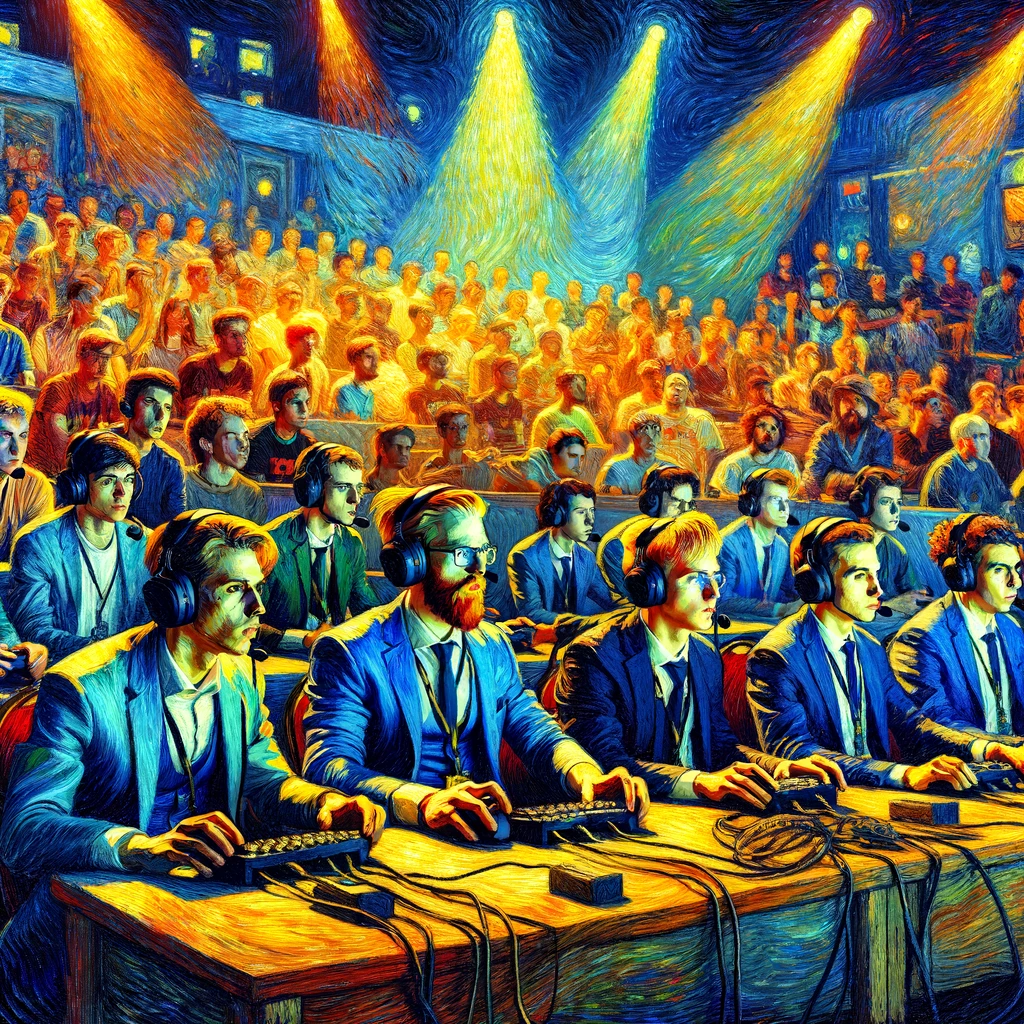
When we think about video games, it’s easy to slip into the stereotype of a kid sprawled on a couch for hours, controller in hand, blissfully unaware of the world around them. But just beneath that surface lies a veritable treasure trove of skill development waiting to be explored. The genre of the game greatly influences what kinds of skills young players are building while they engage in this modern “play.”
Take strategy games, for example. These titans of tactical thinking require players to plan, prioritize, and pivot on a dime. They teach kids valuable lessons in resource management and critical thinking. Gamification, in this genre, transforms an academic concept into an engaging challenge, inviting youth to navigate increasingly complex scenarios. Picture a child orchestrating their team to victory in a historical battle or guiding a colony through harsh conditions. There’s a real sense of accomplishment that comes from overcoming obstacles—analogous not only to winning a game but to surmounting life’s challenges.
Then there are role-playing games (RPGs), which open the door to empathy. Here, players step into the shoes of varied characters, making choices that could alter the course of the story. They learn the value of perspective as they respond to dilemmas and interact with others. Youth are taught to weigh consequences, nurture relationships, and think critically about moral complexity. Informal lessons on community and cooperation blossom naturally, creating a space where compassion is a necessary tool, not just an option.
Adventure games, often filled with puzzles and quests, evoke creativity while demanding perseverance. Kids might find themselves scratching their heads over a particularly tricky riddle, yet every win—no matter how small—encourages tenacity. The blend of exploration and mentorship woven through these experiences fosters a sense of confidence and independence.
And we can’t overlook simulation games, where the principles of real-world mechanics are at play. Here, young minds grapple with everything from building cities to running farms. This genre invites them to innovate, strategize, and execute plans—a formidable foundation for future problem-solving skills.
So, the next time you see a child engaged in a video game, take a moment to recognize the skills they are cultivating. The world of digital play isn’t merely escapism; it’s a dynamic arena for developing critical life skills. By encouraging diverse gaming experiences, we can help our youth sharpen their toolkit for navigating the complexities of the real world.

How Do Different Game Genres Impact Skill Development In Youth?
How Do Different Game Genres Impact Skill Development In Youth?
- Video games offer significant opportunities for skill development in youth beyond mere entertainment.
- Strategy games enhance resource management, critical thinking, and tactical planning abilities.
- Role-playing games (RPGs) foster empathy, perspective-taking, and moral reasoning through character-driven narratives.
- Adventure games encourage creativity and perseverance by involving players in puzzles and quests.
- Simulation games teach real-world mechanics and problem-solving through activities like city-building and farming.
- Different game genres provide diverse experiences that help youth build essential life skills.
- Promoting varied gaming experiences can better equip young individuals to navigate real-world challenges.
How Do Different Game Genres Impact Skill Development In Youth?
What Age Group Benefits The Most From Problem-Solving Games?
When you think about problem-solving games, you might picture a group of kids huddled around a screen, engaged in the latest puzzle or strategy adventure. But here’s the kicker—these games don’t just belong to the younger crowd. People of all ages have something to gain from the thrill of gamification, whether you’re a restless teenager or a seasoned professional. So, let’s break it down.
First off, let’s talk about the young ones—kids and teenagers. This age group thrives on interaction, and problem-solving games are a treasure trove of opportunities to refine critical thinking skills. These games not only hone their cognitive abilities but also provide a platform for social development. Kids learn to collaborate, negotiate, and face challenges together, all while having a blast. The beauty of it? They don’t even realize they’re learning! Every level they conquer boosts their confidence, nurturing a problem-solving mindset that will benefit them for years ahead.
Now, if we pivot to young adults, the college crowd and early-career professionals. This group is in the thick of finding their place in the world, and problem-solving games can serve as an unlikely ally. The skills they develop from these games—like strategic thinking, resource management, and creative problem resolution—translate seamlessly into both academic and professional settings. Plus, with the pressures of adulthood looming large, engaging in this type of gamification offers a much-needed escape, allowing them to unwind while still sharpening their minds.
But wait, there’s more! Let’s not overlook the middle-aged crowd and beyond. Adults often have a wealth of experience, but they can also get stuck in ruts. Enter problem-solving games, which can invigorate those well-established cognitive pathways and build new ones. Engaging in such mental exercises can stave off cognitive decline, sharpen memory, and boost overall brain function. And who wouldn’t want that? The beauty of it all is that there’s no age limit to improvement. There’s always room to grow and learn.
In a world that often values youth, it’s easy to overlook the wealth of knowledge and perspective offered by older adults. So, whether you’re young, just starting your journey, or well into your golden years, let it be known: problem-solving games have something special for everyone. Dive in and experience the transformative power of play!

What Age Group Benefits The Most From Problem-Solving Games?
What Age Group Benefits The Most From Problem-Solving Games?
- Problem-solving games benefit people of all ages, not just kids and teenagers.
- Children and teenagers improve critical thinking, collaboration, and social skills through engaging gameplay.
- These games boost confidence and foster a long-term problem-solving mindset in young players.
- Young adults can enhance strategic thinking and resource management skills, which are valuable in academic and professional settings.
- Problem-solving games offer a healthy escape for young adults facing the pressures of adulthood.
- Middle-aged and older adults can benefit from cognitive stimulation, enhancing memory and brain function.
- There is no age limit to learning and improvement, making problem-solving games valuable for everyone.

What Age Group Benefits The Most From Problem-Solving Games?
Conclusion
Conclusion: Gaming—A Gateway to Essential Life Skills
Alright, folks, let’s cut through the pixelated haze and get down to brass tacks: gaming isn’t just some mindless escapade for your kids; it’s a goldmine for developing essential life problem-solving skills. Picture this: your child, controller in hand, navigating through a virtual world filled with challenges. It might seem like just a fun distraction, but what’s really happening is akin to a mental gym workout. Every time they confront a complex scenario, they’re stacking valuable skills like resilience, strategic thinking, and teamwork—all while having a blast.
You’ve got your classic dungeon crawlers and strategic board games that mold young minds into adept planners and negotiators. When kids are elbow-deep in these fantastical quests, they’re learning to pivot when plans go awry and to communicate effectively with peers—a treasure trove of critical thinking and collaboration skills that transfer seamlessly into the real world.
But here’s where it gets even more interesting: ‘gamification’ has crept into education itself, transforming mundane tasks into thrilling mini-adventures. Suddenly, learning isn’t a slog; it’s an engaging quest. This connection between gaming and problem-solving empowers our kids to see challenges as opportunities rather than roadblocks. Ask them about their latest game, and you may witness a spark of strategic thought you never knew was there.
Let’s not ignore the beauty of failure either; it’s perhaps one of the most valuable lessons embedded in gaming. Kids are encouraged to experiment, iterate, and learn from their missteps. This fosters resilience, ensuring they grasp that failure is just a stepping stone to success, a fundamental lesson for life beyond the screen.
The important takeaway? Next time your child is deep in their gaming world, take a moment to appreciate the cognitive workout they’re getting. Engage with them about their experiences, their strategies, and the challenges they faced. In doing so, you’re not just sharing in their fun; you’re reinforcing their learning.
So here’s the bottom line: embrace the transformative power of gaming. It’s time we reframe our thinking about screen time. If video games can simultaneously entertain and educate, why not harness that potential to equip our kids for the grand adventure of life? Because in a world that’s constantly evolving, those gaming skills might just be the keys they need to succeed.

Conclusion
Conclusion:
- Gaming serves as a valuable platform for developing essential problem-solving skills in children.
- Engaging in complex scenarios during gaming helps kids build resilience, strategic thinking, and teamwork.
- Classic games cultivate critical planning and negotiation abilities among young players.
- ‘Gamification’ in education transforms learning into exciting experiences, encouraging engagement.
- Gaming helps children view challenges as opportunities rather than obstacles.
- Failure in games teaches kids resilience, emphasizing that mistakes are a part of the learning process.
- Parents are encouraged to engage with their children’s gaming experiences to reinforce the skills they are developing.

Conclusion
Other Resources

Other Resources
Here is a list of other resources you can review online to learn more:
- Geek and Sundry
- Portal Games
- Ticket to Ride
- Ars Technica
- Medium
- What’s Your Game?
- Grail Games
- Leder Games
- Gaia Project
- Board Game Quest
Use This Prompt To Get More Resources With Your Favorite Online AI Tool: Please provide me with a list of online articles with their URLs in a bulleted list that I can read regarding Can Essential Life Problem Solving Skills In Kids Stem From Gaming?

Other Resources
Glossary Terms
Can Essential Life Problem Solving Skills In Kids Stem From Gaming? – Glossary Of Terms
1. Problem-Solving: The process of identifying a problem and finding effective solutions to overcome challenges.
2. Critical Thinking: The ability to analyze information and make reasoned judgments, often used in decision-making processes.
3. Cognitive Development: The growth of thought processes and intellectual skills, including reasoning, problem-solving, and understanding.
4. Game-Based Learning: An educational approach that incorporates games to enhance learning and reinforce skills through interactive play.
5. Strategic Thinking: The ability to plan and think ahead to achieve specific objectives, often utilized in complex game scenarios.
6. Collaboration: Working together with others towards a common goal, which can be fostered in multiplayer gaming environments.
7. Adaptability: The ability to adjust one’s strategies or approach in response to changing situations, a skill often honed in dynamic game settings.
8. Resilience: The capacity to recover from setbacks or challenges, a trait that can be strengthened through gaming experiences.
9. Game Mechanics: The rules and systems that govern how a game operates, which often influence problem-solving strategies within the game.
10. Simulation: A method of training or education that imitates real-world processes, allowing players to practice problem-solving in a risk-free environment.
11. Feedback Loop: The process of receiving information about one’s actions to improve future performance, often present in gaming scenarios.
12. Skill Transfer: The ability to apply learned skills or knowledge from gaming to real-life situations, enhancing problem-solving abilities.
13. Motivation: The internal drive that compels individuals to engage in tasks, which can be influenced by the rewarding aspects of games.
14. Sandbox Environment: An open-world game design aspect that allows players to explore and experiment freely, encouraging creative problem-solving.
15. Questing: Engaging in goal-oriented tasks or missions in games, which can develop a sense of purpose and focus in problem-solving.
16. Scenario Analysis: The practice of assessing different potential outcomes in a given situation, often used in strategy-based gaming.
17. Resource Management: The skill of efficiently using limited resources to achieve objectives, a common challenge in various games.
18. Role-Playing: A gaming format where players assume roles of characters, enhancing empathy and understanding through different perspectives.
19. Persistence: The quality of continuing to strive towards a goal despite challenges, a trait often cultivated in challenging game environments.
20. Impulse Control: The ability to regulate immediate reactions, a skill that can be refined through the rule-based nature of games.
21. Multiplayer Dynamics: The social interactions and strategies involved when playing games with multiple players, promoting teamwork and problem-solving.
22. Spatial Awareness: Understanding and conceptualizing the relationships between objects in space, a skill often enhanced through gaming.
23. Goal Setting: The process of identifying specific objectives to achieve, which can be practiced and learned in gaming scenarios.
24. Creativity: The ability to think outside the box and develop innovative solutions, a skill nurtured in open-ended gameplay.
25. Visual Processing: The capability to interpret visual information, crucial in many games that require navigation and strategy.
26. Contextual Learning: Acquiring knowledge in the context of its application, as seen in gameplay scenarios that mirror real-life challenges.
27. Deconstruction: The analysis of a problem by breaking it down into smaller parts to better understand and solve it, a method used in strategic games.
28. Perseverance: Continued effort and determination in the face of difficulty, often trained through repeated attempts in challenging gameplay.
29. Emotional Intelligence: The ability to recognize and manage one’s emotions and those of others, enhanced through social interactions in games.
30. Feedback Mechanism: Systems in gaming that provide players with information on their performance, guiding them to improve problem-solving strategies.

Glossary Of Terms
Other Questions
Can Essential Life Problem Solving Skills In Kids Stem From Gaming? – Other Questions
If you wish to explore and discover more, consider looking for answers to these questions:
- What specific life skills can gaming help develop in children?
- Are there any studies that support the benefits of gaming for problem-solving skills?
- How much gaming is considered healthy or beneficial for children?
- What role should parents play in their children’s gaming experiences?
- Can gaming be beneficial for children with learning disabilities or challenges?
- How do educational games compare to traditional learning methods in fostering these skills?
- What are some examples of games that are specifically designed for skill development?
- How can parents encourage their children to apply skills learned from gaming to real-life situations?
- Do certain gaming genres promote problem-solving skills more effectively than others?
- What precautions should parents take when allowing their children to play video games?
Other Questions
Haiku
Can Essential Life Problem Solving Skills In Kids Stem From Gaming? – A Haiku
Gaming teaches much,
Critical skills crafted well—
Life’s maze becomes clear.

Haiku
Poem
Can Essential Life Problem Solving Skills In Kids Stem From Gaming? – A Poem
In pixelated realms where heroes rise,
Children sit absorbed, eyes wide with surprise.
Fingers dance on controllers, their minds set to roam,
Through dungeons of challenge, they find a new home.
Not mere escapes from the world so mundane,
But lifeskills forged in a digital domain.
From mazes to puzzles, each twist is a test,
In the quest for solutions, they strive for their best.
Every obstacle faced, every monster confined,
A lesson in strategy, decision-making refined.
They learn that each setback is not the end line,
In failure, they find a spark for the climb.
Gamification transforms tasks once so dull,
Into quests that ignite, making learning more full.
Negotiation, teamwork—skills they acquire,
As they band with their friends, building bonds that inspire.
Exploring new worlds teaches empathy clear,
In role-playing stories, they step into fear.
Navigating choices, consequences weigh,
Molding critical thinkers in a playful sway.
So next time you see them lost in their screens,
Know it’s more than distraction; it’s honing their means.
For in every adventure, there lies a grand arc,
Transforming mere play into life’s vital spark.
Embrace this new frontier, let their passions take flight,
Turn gaming to learning, and watch futures ignite.
Through every level conquered, there’s wisdom to glean,
In the vast game of life, they’ll master the scene.

Poem
Checklist
Can Essential Life Problem Solving Skills In Kids Stem From Gaming? – A Checklist
Checklist for Parents: Unlocking Critical Thinking Through Gaming
This checklist serves as a guide for parents who want to encourage essential life problem-solving skills in their children through gaming. As you explore the intersection of gaming and skill development, consider the following points:
Understanding the Benefits of Gaming
_____ Recognize gaming as a learning tool: Understand that gaming can foster problem-solving skills that are applicable in real life.
_____ Identify cognitive skills being developed: Look for instances where your child navigates challenges, strategizes, and adapts within games.
_____ Appreciate the importance of trial and error: Acknowledge that failing in a game can be a valuable learning experience.
Encouraging Productive Gaming Habits
_____ Encourage discussion about games: Ask your child to share their gaming experiences and the strategies they employed.
_____ Promote teamwork: Encourage games that involve collaboration with peers to bolster communication and teamwork skills.
_____ Balance gaming with real-life challenges: Guide discussions on how skills learned in games can apply to school, friendships, and other real-life scenarios.
Choosing the Right Types of Games
_____ Select strategy-based games: Choose games like “Settlers of Catan” or “Ticket to Ride” that emphasize negotiation and resource management.
_____ Incorporate teamwork-oriented games: Play games like “Overwatch” or “Minecraft” that require collaboration and communication.
_____ Provide creative outlets through games: Encourage games that allow for creative expression, such as “Lego” or “Animal Crossing. ”
Skills Development Focus
_____ Focus on critical thinking: Choose games that require planning, evaluating risks, and decision-making.
_____ Highlight resilience in gaming: Confirm that your child understands the value of persistence and learning from mistakes.
_____ Encourage exploration and creativity: Select games that inspire innovative problem-solving and critical thinking.
Assessing Impact on Real Life
_____ Discuss how gaming affects social skills: Reflect on how multiplayer gaming fosters empathy, communication, and camaraderie.
_____ Monitor changes in attitude toward challenges: Observe if your child approaches real-life problems with the problem-solving mindset developed through gaming.
_____ Encourage reflection: After gameplay, engage your child in conversations about the lessons they learned and how they can apply them outside of gaming.
By utilizing this checklist, parents can turn gaming from a simple pastime into a powerful developmental tool, helping their children cultivate the critical life skills necessary for tackling the challenges of the real world.

Checklist
At HowDoYouGame, we help people who love board games by collating information and news about games.
Be sure to read our other related stories at HowDoYouGame to learn more about games.