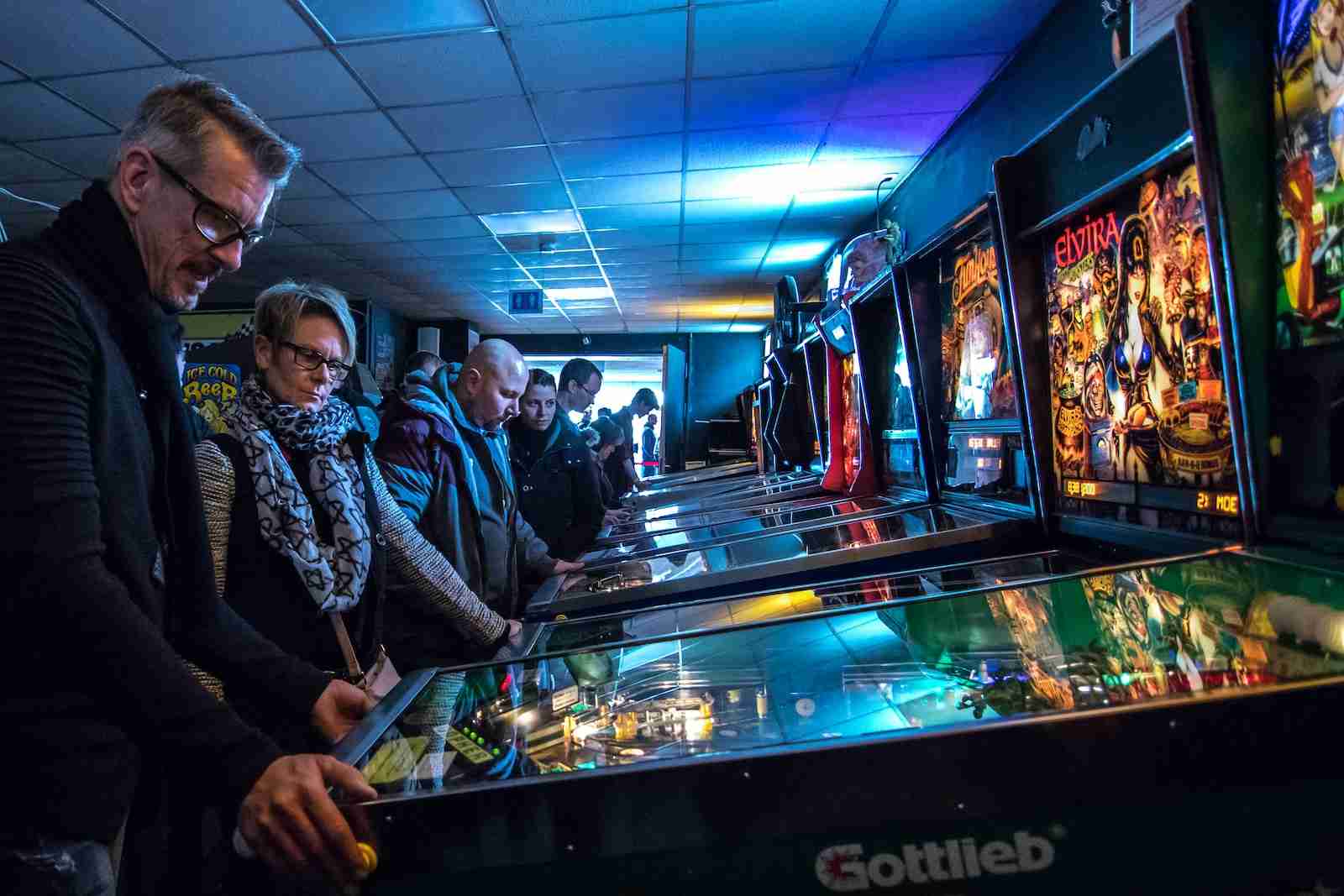
Level Up: How Video Games Improve Conflict Resolution
By Tom Seest
At HowDoYouGame, we help people who love board games by collating information and news about games.
Be sure to read our other related stories at HowDoYouGame to learn more about games.
Are Video Games a Pathway to Better Conflict Resolution Skills?
In today’s fast-paced world, we often look for unconventional ways to sharpen our skills—especially when it comes to resolving conflicts. Enter the realm of video games. Now, before you start conjuring up images of frantic button-mashing and wild animations, consider this: gaming isn’t just a form of entertainment; it can be a brilliant tool for personal growth, particularly in conflict resolution.
Picture yourself in a multiplayer game, facing off against not just an opponent, but a challenge that requires strategy, empathy, and collaboration. As you navigate through intricate scenarios, you’re not just playing a game but training yourself to understand diverse perspectives. And that’s where gamification comes into play. Gamification is the process of applying game-like elements to non-game settings. Think of it as adding a sprinkle of fun to learning or problem-solving.
Let’s break this down. In a role-playing game, for instance, you might have to negotiate peace between warring factions. Each choice you make could either bring about harmony or escalate tensions. Suddenly, you’re not just playing a character; you’re developing your ability to communicate effectively, navigate difficult conversations, and consider the emotions of others—all key components of successful conflict resolution.
Moreover, these virtual scenarios often mirror real-life situations. Imagine transferring those skills to your workplace, where a heated debate over project directions feels more like a boss battle in a video game. The thrill of the challenge can show you that resolution isn’t an insurmountable wall but rather a series of jumps, ladders, and perhaps a few power-ups that you can learn to navigate.
What truly excites me about the prospect of improving conflict resolution through gaming is the sense of community it fosters. Gamers around the world unite over shared challenges and triumphs. This bridge-building is essential; we naturally gravitate toward collaboration when we share a common objective, learning that resolution often comes as a team effort.
Now, I’m not saying you have to dive headfirst into the latest RPG. It might be a simple puzzle game, or even a strategy app on your phone. The key is to embrace the idea that these playful experiences can ignite meaningful growth. So, plug in, level up, and watch how those virtual victories translate into real-world skills. After all, isn’t living a better life the ultimate quest for all of us?

Are Video Games a Pathway to Better Conflict Resolution Skills?
Are Video Games a Pathway to Better Conflict Resolution Skills?
- Video games serve as an unconventional tool for personal growth, especially in conflict resolution.
- Engaging in multiplayer games requires strategy, empathy, and collaboration, enhancing understanding of diverse perspectives.
- Gamification applies game-like elements in non-game settings, adding fun to learning and problem-solving.
- Role-playing games promote effective communication and negotiation skills through scenario-based choices.
- Skills developed in gaming can be transferred to real-life situations, like workplace conflicts.
- Gaming fosters a sense of community, encouraging collaboration over shared challenges and objectives.
- Even simple games can promote meaningful personal growth and improve real-world conflict resolution skills.

Are Video Games a Pathway to Better Conflict Resolution Skills?
Table Of Contents
- Are Video Games a Pathway to Better Conflict Resolution Skills?
- Are Video Games Effective In Teaching Conflict Resolution Skills?
- How Can Cooperative Gaming Improve Teamwork Among Players?
- What Types Of Video Games Are Best For Learning Conflict Resolution?
- Do Role-Playing Games Enhance Empathy And Understanding In Players?
- How Do Competitive Games Influence Conflict Management Strategies?
- Can Video Games Simulate Real-Life Conflict Scenarios Effectively?
- What Role Does Game Design Play In Conflict Resolution Training?
- Conclusion
- Other Resources
- Glossary Of Terms
- Other Questions
- Haiku
- Poem
- Checklist
Are Video Games Effective In Teaching Conflict Resolution Skills?
Picture this: You’re sitting in a cozy living room, video game controller in hand, immersed in a world where challenges arise at every turn. Just as you navigate treacherous terrains or defeat formidable foes, a narrative unfolds that teaches more than just button-mashing dexterity. Enter the realm of gamification—an ingenious method of transforming learning into something enjoyable and engaging. But here’s the real question: can video games genuinely impart life skills, specifically conflict resolution?
Let’s be honest. We all encounter conflicts in daily life—whether at work, home, or in a friendly game of Monopoly that takes a sudden, competitive turn. Now, imagine honing those vital conflict resolution skills while slaying dragons or strategizing your way to victory in an epic online multiplayer game. Surprising, isn’t it? Research suggests that many video games are designed not merely for entertainment but also for educational benefits, turning abstract concepts of conflict and resolution into tangible gameplay experiences.
In a world where relationships are often strained, the ability to resolve disputes with empathy and creativity is invaluable. Through collaborative quests or competitive match-ups, players learn to navigate tense situations that reflect real-life challenges. They brainstorm solutions, negotiate peace treaties, and sometimes even recognize when it’s best to walk away. Consider the cooperative multiplayer games, where teamwork is the name of the game. Players must communicate effectively, form strategies, and bolster each other’s strengths—all while handling the inevitable “Oops! I didn’t mean to blow up that bridge!” moments.
And let’s not overlook the underlying lesson in resilience; video games often encourage players to try again after failure, fostering a mindset that views conflict not as an endpoint but as a path to learning. When you think about it, this mirrors the everyday reality of conflict resolution. After all, the ability to adapt, listen, and find common ground is crucial both on the virtual battlefield and in life.
So, as we find ourselves increasingly surrounded by digital landscapes, let’s embrace this opportunity. Gamification, when wielded thoughtfully, can be a powerful tool not only to entertain but to equip us with the skills we need to navigate the sometimes murky waters of human interaction. So grab that controller and let the games begin—who knows, you might just level up in more ways than one!

Are Video Games Effective In Teaching Conflict Resolution Skills?
Are Video Games Effective In Teaching Conflict Resolution Skills?
- Gamification transforms learning into enjoyable and engaging experiences through video games.
- Video games can impart essential life skills, particularly in conflict resolution.
- Players encounter and practice navigating conflicts similar to real-life situations, enhancing skills.
- Collaborative and competitive gameplay fosters communication, strategy development, and teamwork.
- Video games promote resilience by encouraging players to try again after failure, viewing conflict as a learning path.
- The ability to adapt, listen, and find common ground is crucial both in games and real-life interactions.
- Thoughtful use of gamification can equip individuals with vital interpersonal skills amid digital landscapes.

Are Video Games Effective In Teaching Conflict Resolution Skills?
How Can Cooperative Gaming Improve Teamwork Among Players?
When you think of video games, what pops into your mind? A pixelated hero zipping through a colorful landscape, perhaps? Or maybe it’s a solo player conquering realms, revolving around tightly-knit narratives and tantalizing upgrades. But let me share a little secret: there’s a whole world of cooperative gaming that can do wonders for your teamwork skills, and it’s anything but solitary.
Gamification, the art of applying game-like elements in non-game contexts, has seeped into various aspects of our lives. Companies use it to motivate employees, educators to engage students, and community organizations to bring people together. Much of this successful gamification stems from its roots in cooperative gaming, where players must unite to achieve a common goal. Whether transversing dangerous landscapes or strategizing their way to victory, teamwork becomes essential. This is where the good stuff happens.
Think back to those late nights spent rallying with friends over online platforms, the snacks long gone, the focus entirely honed in. You quickly realize that navigating your digital combat zone requires communication, planning, and a pinch of trust. That’s right – trust. You’ve got to rely on your teammates’ skills and instincts, as much as they lean on yours. When the stakes are high and the stakes are shared among a bunch of avatars, real cooperation blooms.
But this isn’t just a fanciful escape; it’s a training ground for life. Cooperative gaming encourages you to listen actively, to adapt, and to understand the strengths and weaknesses of others. How often in our daily lives do we get that chance? From workplace projects to community events, these skills are as transferrable as they come.
Consider yourself standing shoulder to shoulder with someone in a thrilling moment, strategizing how to overcome an obstacle. That very connection fosters a sense of belonging, camaraderie, and teamwork. When you step away from the screen, those lessons don’t just fade away; they linger, influencing how you engage with those around you. It’s like practicing a skill on the field before the big game, putting you ahead when real-life challenges arise.
So, why not dive into the world of cooperative gaming? Approach it with an open heart and a teamwork mindset, and you just might uncover not just a game, but a powerful tool designed to enhance your ability to work side by side with others in every aspect of life. Who knows? You might find that the invaluable skills you pick up in those digital realms serve you just as well in the real world.

How Can Cooperative Gaming Improve Teamwork Among Players?
How Can Cooperative Gaming Improve Teamwork Among Players?
- Video games encompass more than just solo play; cooperative gaming enhances teamwork skills.
- Gamification is utilized in various fields to motivate and engage, drawing from cooperative gaming principles.
- Playing online with friends fosters essential skills like communication, planning, and trust.
- Cooperative gaming serves as a life training ground, encouraging adaptability and understanding of others’ strengths and weaknesses.
- Experiences in cooperative gaming promote a sense of belonging and camaraderie among players.
- Lessons from gaming persist beyond the screen, influencing real-life interactions and challenges.
- Engaging in cooperative gaming can enhance one’s ability to collaborate effectively in various life situations.
How Can Cooperative Gaming Improve Teamwork Among Players?
What Types Of Video Games Are Best For Learning Conflict Resolution?
What Types of Video Games Are Best for Learning Conflict Resolution?
Let’s talk about the world of video games—a realm where pixels become playgrounds and the virtual meets the visceral. Now, before you think this is just a screed on how to beat your buddy at the latest shooter, let’s dive deeper. There’s a whole universe of gaming out there tailored to promote learning—specifically, the art of conflict resolution.
First up, we’ve got role-playing games (RPGs). Imagine stepping into the shoes of a character faced with moral dilemmas and tough choices. These games often force you to navigate through complex relationships and difficult negotiations. Games like *Mass Effect* or *The Witcher* put players at the helm of their actions, where every decision can create ripples throughout the storyline. The lessons learned here, about empathy and the consequences of choices, are not just for fun—they’ve got real-life applications.
Then, consider strategy games. Titles such as *Civilization* or *StarCraft* elevate conflict resolution to a grand scale. Players must engage in diplomacy, trade, and war, often having to negotiate with other factions to ensure their survival. It’s like a mini United Nations in your living room, where discussion, compromise, and sometimes a little friendly betrayal, are essential to success. The beauty of these games lies in their emphasis on strategic thinking and collaboration—qualities that will serve players well beyond the screen.
Let’s not forget about cooperative multiplayer games. Think of titles like *Overcooked* or *Among Us*. Here, teamwork is crucial. You and your friends must work together, often under pressure, to achieve a common goal. The chaos of trying to cook a meal while shouting at your teammates or figuring out who the imposter is can mirror real-life conflict scenarios beautifully. You learn to communicate, negotiate, and sometimes even compromise to handle the task at hand.
Lastly, there’s the concept of gamification itself. This approach transforms everyday activities into game-like experiences—completing tasks, earning badges, or leveling up your skills. Imagine taking mundane meetings or workshops and injecting them with elements of gaming. This not only makes learning more engaging but also allows for practical application of conflict resolution techniques in a fun environment.
The best type of game for learning about conflict resolution is one that resonates with you. Find something that sparks your interest, engages your mind, and has a splash of fun. Because when it comes to understanding conflict—whether in games or in life—there’s no better teacher than experience. So gear up, players! The path to becoming a conflict-resolution champion awaits, one game at a time!

What Types Of Video Games Are Best For Learning Conflict Resolution?
What Types Of Video Games Are Best For Learning Conflict Resolution?
- Video games can effectively promote learning, specifically in conflict resolution.
- Role-playing games (RPGs) like *Mass Effect* and *The Witcher* involve moral dilemmas and complex relationships, teaching empathy and decision-making.
- Strategy games such as *Civilization* and *StarCraft* emphasize diplomacy, trade, and negotiation, fostering strategic thinking and collaboration.
- Cooperative multiplayer games like *Overcooked* and *Among Us* require teamwork and communication, mimicking real-life conflict scenarios.
- The concept of gamification turns everyday activities into engaging, game-like experiences, enhancing learning and application of conflict resolution techniques.
- The best games for learning conflict resolution are those that spark interest and engage players effectively.
- Experience is the best teacher when it comes to understanding conflict, both in games and in life.

What Types Of Video Games Are Best For Learning Conflict Resolution?
Do Role-Playing Games Enhance Empathy And Understanding In Players?
Do Role-Playing Games Enhance Empathy and Understanding in Players?
Let’s face it: we live in a world that often feels more divided than connected. But here’s a glimmer of hope nestled in the pages of a rulebook or the glowing screen of a gaming console. Role-playing games (RPGs) have emerged as an intriguing vehicle for fostering empathy and understanding among players. How does this happen, you ask? Well, through the magic of gamification, players are invited to step into the shoes of characters who may have entirely different backgrounds, experiences, and motivations.
Imagine gathering around a tabletop with friends, the air filled with laughter, friendly banter, and maybe even a sprinkle of good-natured rivalry. Your character—a brave knight, a cunning rogue, or a wise bard—embarks on a quest that challenges not just their skills but also their moral compass. As the plot unfolds, you’re faced with choices that don’t just impact the game, but also open a dialogue about ethics, responsibility, and human connection. By role-playing as beings unlike ourselves, we cultivate a deeper appreciation for different perspectives. Suddenly, life’s complexities come alive in a way that a textbook or lecture never could.
Consider how, during a game, you’re not just rolling dice but also rolling with the punches of another’s story. That tension when a party member makes a self-sacrificing choice can mirror dilemmas we face in real life. We become emotionally invested. Those moments bridge the gap between the gaming realm and our everyday realities. It’s not merely about winning or leveling up; it’s about learning to navigate the tangled web of human emotions and relationships, reinforcing what it means to be part of a community.
Now, picture this: you’ve just completed a campaign, and around the table, there’s a palpable sense of camaraderie. You didn’t just slay dragons or solve mysteries; you uncovered layers of humanity in your fellow players as well. With respect and understanding cultivated through shared experiences, you become more equipped to tackle the challenges of the outside world with compassion.
So, whether you’re well-versed in the realm of RPGs or a newcomer drawn in by curiosity, know this: embracing these immersive narratives is a step toward enhancing your empathy, understanding, and connection with others. It’s time to roll those dice, step into another life, and discover how deep the well of human experience can truly run.

Do Role-Playing Games Enhance Empathy And Understanding In Players?
Do Role-Playing Games Enhance Empathy And Understanding In Players?
- RPGs can foster empathy and understanding among players in a divided world.
- Players step into the shoes of diverse characters, experiencing different backgrounds and motivations.
- Game scenarios encourage discussions about ethics, responsibility, and human connection.
- Role-playing allows players to appreciate various perspectives beyond traditional learning methods.
- Emotional investment in characters’ dilemmas reflects real-life complexities and relationships.
- Shared gaming experiences build camaraderie and a deeper understanding of fellow players.
- Engaging in RPGs enhances empathy and connection, promoting compassionate interactions in the real world.
Do Role-Playing Games Enhance Empathy And Understanding In Players?
How Do Competitive Games Influence Conflict Management Strategies?
Let’s face it: life isn’t just one linear path. It’s more like a sprawling game board, filled with twists, turns, and unexpected challenges. Just like in competitive games, we often find ourselves navigating through not-so-friendly territories. But even in the heat of competition, we encounter lessons on conflict management that can be surprisingly insightful.
Consider gamification, for instance. It’s a buzzword you’ll hear thrown around these days, but at its core, it’s about applying game-like elements to everyday situations to make them more engaging. Imagine dealing with conflicts at work, a neighborhood spat, or even those heated discussions at home. Instead of viewing these moments as battles to win, what if we viewed them through the lens of a game? Competitive games teach us how to strategize, negotiate, and cooperate—all essential skills for smoothing out conflicts in real life.
When we engage in competitive environments, we’re often pushed to make quick decisions, assess our resources, and adapt our strategies. This is where the magic happens. We learn to focus not just on the end goal, but on the journey it takes to get there. You can’t always charge in like a bull; sometimes, the smartest move is to take a step back and consider your opponent’s perspective. By channeling that competitive spirit constructively, we can turn conflict into collaboration.
Think of it this way: every disagreement has the potential to be a learning opportunity. Just like in a game, each player brings their unique strengths to the table. Learning to listen and truly understand those differences can help us find common ground. And when that happens, the stakes of the conflict no longer feel so high. Instead of fighting over whose “team” is right, we begin to appreciate the diversity of ideas that can enrich our decision-making processes.
Now, I know what you might be thinking: “Great, but how do I actually apply this?” Start small. Next time a conflict arises, take a moment to think: “What if this were a game?” Shift your mindset, embrace the challenge, and be willing to step back. You’ll soon realize that conflicts become less daunting when viewed as opportunities for growth and collaboration rather than battles to be won. Embrace this idea, and not only will you find more effective strategies for conflict management, but you’ll also build stronger connections with those around you.

How Do Competitive Games Influence Conflict Management Strategies?
How Do Competitive Games Influence Conflict Management Strategies?
- Life is non-linear and resembles a sprawling game board filled with challenges.
- Gamification applies game-like elements to everyday situations for more engagement.
- Conflicts can be viewed as opportunities for strategizing, negotiating, and cooperating.
- Competitive environments teach us to make quick decisions and adapt strategies.
- Every disagreement is a learning opportunity, where unique strengths contribute to solutions.
- Shifting the mindset to view conflicts as games can reduce their perceived stakes.
- Embracing this approach leads to better conflict management and stronger relationships.

How Do Competitive Games Influence Conflict Management Strategies?
Can Video Games Simulate Real-Life Conflict Scenarios Effectively?
Let’s take a moment to dive into the world of video games, those wondrous realms where we hone our skills, uncover stories, and sometimes, just blow off a bit of steam. But beyond the high scores and virtual triumphs, there’s a compelling question looming over our screens: can these digital universes simulate real-life conflict scenarios effectively?
When you think about it, video games have this incredible knack for gamification—a fancy term that essentially means turning tasks or challenges into something engaging through game-like elements. Imagine stepping into the shoes of a strategist navigating a battlefield, or a detective piecing clues together; the stakes feel real even if you’re lounging in your pajamas. This is no mere entertainment; it’s a playful way to learn, adapt, and problem-solve.
Now, I’ve seen firsthand how these simulations can resonate with an individual’s personal experience. Ever tried to uncover a solution in a tense standoff in a game? It’s not too far removed from navigating honest disagreements in our own lives. From figuring out the best way to communicate in high-pressure situations to strategizing with a team during an intense mission, the parallels are astonishing. There’s a reason why conflict resolution workshops often borrow elements from gaming—they work!
Moreover, the emotional connections forged through these experiences are powerful. Every failed attempt, every lesson learned, it all builds up resilience and quick thinking. Players often develop a toolkit of approaches, equipping them with skills they can transfer to the real world. It’s like training for a marathon by running through the city’s streets, but instead, you’re sprinting through pixelated landscapes, learning to navigate obstacles along the way.
Sure, video games might not cover every nuance of real-life conflict, and we’d all agree that there’s a vast difference between swapping grenades with online friends and genuinely confronting a real-world issue. Nonetheless, they provide a unique sandbox for exploration. They encourage us to think on our feet, collaborate with others, and face challenges head-on.
So, the next time you’re immersed in a game, remember: you’re not just passing time with pixels and sounds. You’re sharpening your reflexes, exploring dynamics, and yes, preparing yourself for the complexities of life outside your console. Engage with it; take those lessons, because you never really know when you’ll need to draw on your virtual experiences to tackle life’s real conflicts.

Can Video Games Simulate Real-Life Conflict Scenarios Effectively?
Can Video Games Simulate Real-Life Conflict Scenarios Effectively?
- Video games provide a space for skill development, storytelling, and stress relief.
- The concept of gamification effectively engages players in real-life conflict scenarios.
- Gaming simulations can mirror personal experiences, particularly in conflict situations.
- Games help players learn communication and teamwork under pressure.
- Through failures and lessons in games, players build resilience and problem-solving skills.
- While games don’t replicate every aspect of real-life conflict, they offer valuable exploration opportunities.
- Engagement in gaming can enhance real-world reflexes and prepare players for complex life challenges.

Can Video Games Simulate Real-Life Conflict Scenarios Effectively?
What Role Does Game Design Play In Conflict Resolution Training?
Picture this: a room full of people, each with their own opinions, ideas, and, yes, frustrations. Now imagine them navigating these differences not through heated debates or awkward silences, but through a game. Enter the realm of game design, where conflict resolution takes on a whole new dimension. This isn’t just about rolling dice or scoring points; it’s about harnessing the power of gamification to turn potentially tense situations into opportunities for collaboration and understanding.
Gamification brings a fresh approach to the often daunting task of resolving conflicts. By framing real-world scenarios as games, participants can engage in a safer, more playful environment. It’s amazing how a little competition can lighten the mood and foster camaraderie among teammates who might otherwise find themselves at odds. Imagine those same individuals, initially wary of each other, transforming into allies as they work through challenges in a fun, engaging manner. That’s the magic at play in thoughtfully designed conflict resolution games.
But what does effective game design look like in this context? It’s about creating scenarios that mirror real-life conflicts but are de-dramatized by the game structure. Think role-playing exercises where participants adopt different perspectives, forced to step into ‘enemy’ shoes. By doing so, they naturally cultivate empathy and find common ground—all while having a blast. This innovative approach encourages participants to think critically, strategize, and communicate, all while infusing a little joy into what can often feel like an uphill battle.
Moreover, the rewards system inherent in gamification can guide participants toward better conflict resolution outcomes. Who doesn’t love a little friendly competition? By earning points or badges for cooperative behavior or creative problem-solving, individuals will be more inclined to embrace collaborative tactics rather than fall back on divisive ones. It’s like rewarding folks for playing nicely on the playground, only now, that playground is a space for tackling real-life issues.
The intersection of game design and conflict resolution training isn’t just about making things more enjoyable; it’s about cultivating skills that are essential for all of us. When conflict arises—and let’s be honest, it will—the ability to engage with others, to listen and to collaborate, becomes invaluable. So, let’s embrace the game, roll with the punches, and turn those conflicts into opportunities for growth and understanding. After all, it beats screaming at each other, doesn’t it?

What Role Does Game Design Play In Conflict Resolution Training?
What Role Does Game Design Play In Conflict Resolution Training?
- Conflict resolution can be transformed through game design, turning tense situations into collaborative opportunities.
- Gamification provides a playful environment, encouraging participants to engage in a friendly, competitive manner.
- Thoughtfully designed games can help participants foster camaraderie and transform adversarial relationships into alliances.
- Effective game design mirrors real-life conflicts while making them less dramatic through game structure.
- Role-playing exercises encourage empathy by allowing participants to adopt different perspectives.
- The rewards system in gamification motivates cooperative behavior and creative problem-solving.
- Utilizing game design in conflict resolution builds essential skills like listening, collaboration, and critical thinking.

What Role Does Game Design Play In Conflict Resolution Training?
Conclusion
Well folks, let’s take a step back and look at this remarkable universe we’ve wandered into—one where video games go from the confines of our living rooms to the thriving arenas of personal development and conflict resolution. In this journey, we’ve uncovered a truth that may surprise the skeptics: video games are not just a digital playground; they are potent weapons in our arsenal for managing life’s inevitable disagreements.
Imagine this: an online multiplayer game, where instead of merely flinging pixels at enemies, you’re strategizing to overcome challenges with your teammates. Do you see that? It’s not unlike life itself. Every match teaches players invaluable lessons about empathy, teamwork, and communication. Gamification—don’t let that fancy word throw you—simply adds a layer of engagement to potentially dry scenarios, like resolving disputes. It transforms conflict into collaboration, turning thumb-stabbing competitions into communal problem-solving.
Now, think about role-playing games (RPGs) for a moment. These immersive experiences are designed to thrust you into the shoes of diverse characters and navigate moral quandaries that require compassion and understanding. Those moments when you must choose between victory and moral obligation? They leave a mark, reinforcing your ability to see the world through someone else’s lens. That’s where the real magic happens. It mirrors the messy, complex nature of human experience; if you can negotiate peace among warring factions in a game, imagine how that skill translates to negotiating with a coworker or a family member.
Then there are strategy games that elevate this even further. They demand negotiation, creativity, and sometimes, a touch of betrayal. These circumstances echo the high-stakes negotiations that pepper our everyday lives. You really learn how to navigate those choppy waters when a mishap can turn your whole game upside down.
But let’s not forget the community aspect. Gamers unite across continents, joining forces to tackle shared challenges. The camaraderie developed through shared victories and even defeats fosters a collaborative spirit that extends far beyond the screen.
So I say, whether you’re new to gaming or a seasoned player, embrace the opportunity to grow alongside those digital avatars. Level up not just in your high scores, but in your capacity to handle the messy world of human interaction. Dive deep into the pixelated wisdom these games offer. After all, living a better life—with kindness, empathy, and understanding—is a quest worth embarking on. Who knows, you just might emerge not just as a player, but as a true champion of conflict resolution. Now, let’s plug in and get started!

Conclusion
Conclusion:
- Video games extend beyond entertainment, serving as tools for personal development and conflict resolution.
- Online multiplayer games promote empathy, teamwork, and communication through strategic collaboration.
- Gamification enhances engagement in conflict scenarios, turning competition into problem-solving.
- Role-playing games (RPGs) immerse players in moral dilemmas, fostering compassion and understanding.
- Strategy games teach negotiation and creativity, mirroring real-life high-stakes situations.
- The gaming community builds camaraderie among players, fostering a spirit of collaboration beyond the game.
- Engaging with video games can improve interpersonal skills and promote a kinder, more empathetic approach to life.

Conclusion
Other Resources

Other Resources
Here is a list of other resources you can review online to learn more:
Use This Prompt To Get More Resources With Your Favorite Online AI Tool: Please provide me with a list of online articles with their URLs in a bulleted list that I can read regarding Are Video Games a Pathway to Better Conflict Resolution Skills?
Other Resources
Glossary Terms
Are Video Games a Pathway to Better Conflict Resolution Skills? – Glossary Of Terms
1. Conflict Resolution: The process of resolving a dispute or disagreement between two or more parties through negotiation, mediation, or other means.
2. Diplomacy: The art of conducting negotiations and maintaining relationships between parties, often used in video game settings to resolve conflicts peacefully.
3. Critical Thinking: The ability to analyze information logically and make informed decisions; an essential skill developed in many strategy-based video games.
4. Cooperation: Working together with others towards a common goal; frequently crucial in multiplayer video games where players must collaborate to succeed.
5. Social Skills: Abilities related to communication, interaction, and relationship-building, which can be enhanced through social interactions in video games.
6. Teamwork: Collaborative efforts among individuals to achieve shared objectives, often highlighted in team-based video games.
7. Role-Playing Games (RPGs): A genre of video games where players assume the roles of characters; often features narrative conflict and resolution elements.
8. Emotional Intelligence: The ability to understand and manage one’s emotions and the emotions of others, which can be fostered through character-driven narrative games.
9. Negotiation: The discussion aimed at reaching an agreement; a common component in games where players must find compromises to resolve conflicts.
10. Strategy Games: Games that require players to plan and make decisions to overcome obstacles; they often involve conflict resolution through strategic thinking.
11. Simulation Games: Games that replicate real-world processes or environments, which often include conflict scenarios that require resolution skills.
12. Peer Mediation: A conflict resolution process where peers help each other to settle disputes, a model mirrored in cooperative video game experiences.
13. Feedback: Information about reactions to a player’s actions, which can aid in understanding the impact of decisions made during conflicts.
14. Narrative Conflict: A story-based conflict presented in games, requiring players to navigate through choices that influence resolution outcomes.
15. Behavioral Skills: Skills that encompass how a player interacts with others, particularly in resolving disagreements in gaming scenarios.
16. Character Development: The process by which characters evolve over time, often influenced by conflict scenarios, teaching players to navigate interpersonal dynamics.
17. Consequences: The outcomes of decisions made during gameplay, which can serve as lessons in the importance of conflict resolution choices.
18. Adaptability: The ability to adjust one’s approach in response to evolving situations, crucial in dynamic gaming environments that feature changing conflicts.
19. Conflict Sensitivity: Awareness of underlying tensions in social interactions, which can be honed through playing games with complex social dynamics.
20. Interpersonal Communication: The exchange of information between players, essential for effective teamwork and conflict resolution in gaming.
21. Gamification: The application of game-design elements in non-game contexts, which can be used to teach conflict resolution in educational settings.
22. Cognitive Skills: Mental processes involved in gaining knowledge and comprehension, which can be enhanced through problem-solving in games.
23. Dilemma: A situation in which a difficult choice must be made, often presented in games that challenge players’ conflict resolution abilities.
24. Inclusive Play: Game experiences designed to be accessible and considerate of diverse backgrounds, promoting effective resolution strategies in a variety of contexts.
25. Mentorship: Guidance offered from experienced players to newcomers, helping them navigate conflict resolution within games.
26. Competitive Play: Gaming that focuses on winning against opponents, which can teach players about conflict negotiation and sportsmanship.
27. Crisis Management: The ability to handle and resolve unexpected conflicts effectively, a skill that can be developed in high-stakes gaming scenarios.
28. Ethical Decision-Making: Choosing actions based on moral principles, often explored in narrative-driven games where choices lead to conflict resolutions.
29. Game Mechanics: The rules and systems that define how a game operates, which can frame how conflicts are approached and resolved within the game.
30. Peer Interaction: Engagement between players that can foster communication skills and strategies for resolving conflicts, an integral part of multiplayer gaming.
These terms highlight various aspects of how video games can serve as a platform for developing and practicing conflict resolution skills.

Glossary Of Terms
Other Questions
Are Video Games a Pathway to Better Conflict Resolution Skills? – Other Questions
If you wish to explore and discover more, consider looking for answers to these questions:
- What specific video games are recommended for conflict resolution training?
- Are there any research studies supporting the effectiveness of video games in improving conflict resolution skills?
- How do different genres of games compare in teaching conflict resolution?
- What are some real-life examples of people improving their conflict resolution skills through gaming?
- Can playing video games have negative effects on interpersonal skills?
- How do age and experience level affect the skill development from video games?
- Are there any particular features in video games that enhance the learning of conflict resolution?
- How can parents and educators incorporate video games into conflict resolution training for children?
- What role do online communities play in enhancing conflict resolution skills among gamers?
- How can gaming companies design games specifically for developing conflict resolution skills?

Other Questions
Haiku
Are Video Games a Pathway to Better Conflict Resolution Skills? – A Haiku
Gaming shapes our minds,
Conflict turned to teamwork deft;
Quest for peace begins.

Haiku
Poem
Are Video Games a Pathway to Better Conflict Resolution Skills? – A Poem
Level Up in Understanding: The Art of Conflict through Play
In pixel worlds where shadows play,
And heroes strive through night and day,
A humble quest, not just for fun,
Can turn to lessons, when all is done.
With joystick poised, you face the foe,
But deeper themes begin to flow—
Through squad and strife, through wins and fights,
You learn that peace can shine as bright.
In dungeons dark, where choices beckon,
Each move reveals a vital lesson:
Empathy grows in the tales we weave,
By stepping in another’s shoes, believe.
From mobs of pixels, to quests of lore,
Gamers unite, and together explore,
How conflict’s not a wall to climb,
But a riddle wrapped in space and time.
Strategize like rulers bold,
In games like *Civ*, where stories unfold,
Learn teamwork’s grace as you cook and race,
In *Overcooked* chaos, find your place.
The battles we face aren’t just for screen glow,
But mirrors reflecting the lives that we know;
In heated debates, just like a game,
The stakes feel less when we learn not to blame.
So grab that controller, embrace the delight,
Level up your skills, seek truth in the fight,
For the greatest quest lies beyond the arcade,
In forging connections, and in bonds that we’ve made.
With every encounter, that’s where we grow—
Navigating life’s labyrinth, we better our flow,
For in this grand tapestry, we each have a thread,
And through playful adventures, we find common ground instead.

Poem
Checklist
Are Video Games a Pathway to Better Conflict Resolution Skills? – A Checklist
Checklist: Level Up Your Conflict Resolution Skills Through Gaming
This checklist aims to guide you in effectively using video games to develop your conflict resolution skills.
Understanding the Basics
_____ Recognize that video games can serve as tools for personal growth.
_____ Familiarize yourself with the concept of gamification in non-game contexts.
Choose the Right Games
_____ Explore Role-Playing Games (RPGs): Look for games like *Mass Effect* or *The Witcher* that emphasize moral choices and empathy.
_____ Engage with Strategy Games: Titles such as *Civilization* or *StarCraft* encourage negotiation and collaboration.
_____ Try Cooperative Multiplayer Games: Play games like *Overcooked* or *Among Us* to practice teamwork and communication under pressure.
_____ Consider Game Design Elements: Pay attention to games that incorporate educational elements focused on conflict resolution.
Skills Development
_____ Focus on Communication: Actively listen to teammates and adapt your strategies based on collective input.
_____ Practice Negotiation: Use in-game scenarios to brainstorm solutions and consider other players’ perspectives.
_____ Build Empathy: Step into characters’ shoes to understand diverse backgrounds and motives.
_____ Learn Resilience: Embrace failure in games as a learning opportunity, reinforcing a growth mindset.
Applying Skills to Real Life
_____ Use gaming scenarios to practice de-escalation techniques in real-world conflicts.
_____ Reflect on gaming experiences to identify transferable skills for workplace conflicts or personal disagreements.
_____ Engage in role-playing exercises in real-life situations to cultivate empathy and collaborative problem-solving.
Community and Teamwork
_____ Participate in team-based gaming sessions to develop trust and camaraderie among players.
_____ Join gaming communities or groups that focus on cooperative play to enhance your conflict resolution experiences.
Monitor Your Progress
_____ Keep a journal of your experiences with gaming and the conflict resolution skills you’ve developed.
_____ Set specific goals for improving your skills, such as navigating a tough conversation or collaborating on a project.
_____ Seek feedback from peers or group members about your conflict management in both gaming and real-life scenarios.
Continuous Learning
_____ Stay open to new gaming experiences that challenge your conflict resolution abilities.
_____ Reflect on past conflicts and consider how gaming could provide alternative approaches to resolving disputes.
_____ Share your gaming insights with others, fostering a community focused on skill development.
Conclusion
_____ Embrace the journey of personal growth through gaming and recognize the power of conflict resolution in enhancing your relationships and teamwork both online and offline.
By utilizing this checklist, you will not only enhance your gaming experience but also carry valuable skills into real-life interactions! Happy gaming!

Checklist
At HowDoYouGame, we help people who love board games by collating information and news about games.
Be sure to read our other related stories at HowDoYouGame to learn more about games.