
Unlocking Children’s Problem-Solving Potential Through Gaming
By Tom Seest
At HowDoYouGame, we help people who love board games by collating information and news about games.
Be sure to read our other related stories at HowDoYouGame to learn more about games.
Are Games The Key to More Convenient Problem Solving for Children?
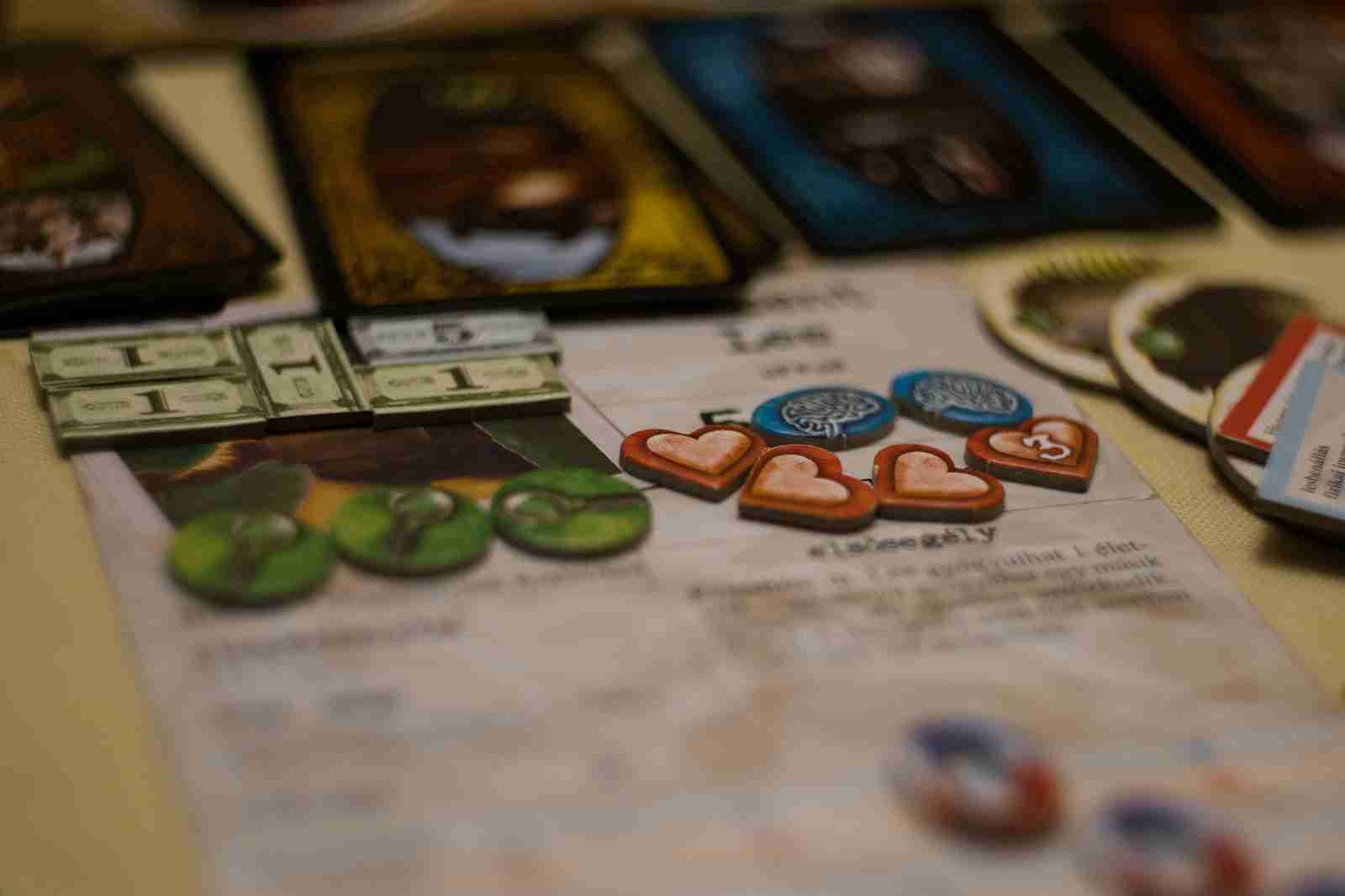
Picture this: a group of kids clustered around a table, laughter mixing with the sound of dice rolling and cards shuffling. They’re not just playing games; they’re solving problems, honing their critical thinking skills, and, believe it or not, preparing for future challenges. This is where gamification enters the scene. It’s more than just a buzzword—it’s a clever strategy for transforming learning into something engaging and, dare I say, fun.
Let’s face it: traditional problem-solving methods can be as exciting as watching paint dry. When kids are presented with a dull worksheet or a rigid math problem, their eyes glaze over faster than you can say “division.” But toss them into the world of games—be it board games, video games, or even simple puzzles—and suddenly, that same concentration translates into dynamic problem-solving skills. Why? Because games create a safe space for trial and error, where failure isn’t the end of the world. It’s all part of the adventure.
With gamification, children learn to think critically, strategize, and make decisions that carry real weight—without the fear of real-world consequences. Take a classic game like Monopoly. It teaches kids about money management, negotiation, and the importance of a well-laid plan. They learn to adapt, think ahead, and face challenges head-on, all while having a great time. The lessons learned through these games often stick with them longer than anything that comes from a textbook.
Moreover, consider team-based games where collaboration reigns supreme. Here, children not only learn to solve problems but also how to communicate effectively, listen intently, and work in harmony with others. In today’s world, where teamwork is a cornerstone of both personal and professional success, these skills are indispensable.
So, how can you, as a parent or educator, harness this potential? Start looking for opportunities to integrate games into your teaching toolkit. Consider game nights, strategic play, or even educational apps that pad their learning with a healthy dose of competition and fun.
Games aren’t just a pastime—they can be a gateway to more convenient problem solving for children. By embracing gamification, we give kids the tools they need to tackle life’s obstacles with confidence, creativity, and perhaps a little laughter along the way. After all, every great journey begins with a single roll of the dice.

Are Games The Key to More Convenient Problem Solving for Children?
Are Games The Key to More Convenient Problem Solving for Children?
- Children engage in problem-solving and critical thinking through games, making learning enjoyable.
- Traditional methods can be unengaging, but games foster concentration and dynamic problem-solving skills.
- Games provide a safe space for trial and error, teaching kids that failure is part of the learning process.
- Classic games like Monopoly impart valuable lessons on money management, strategy, and adaptability.
- Team-based games enhance collaboration, communication, and listening skills, essential for success in modern life.
- Parents and educators can integrate games into learning through game nights, strategic play, or educational apps.
- Embracing gamification equips children with confidence, creativity, and problem-solving tools for future challenges.

Are Games The Key to More Convenient Problem Solving for Children?
Table Of Contents
- Are Games The Key to More Convenient Problem Solving for Children?
- What Types Of Games Enhance Problem-Solving Skills In Children?
- How Do Board Games Encourage Critical Thinking Among Kids?
- Can Video Games Improve Cognitive Abilities And Decision-Making?
- What Role Do Puzzles Play In Developing Problem-Solving Strategies?
- Do Competitive Games Enhance Motivation And Perseverance In Kids?
- How Can Games Be Integrated Into Traditional Learning Environments?
- What Are The Potential Drawbacks Of Using Games For Problem-Solving?
- Conclusion
- Other Resources
- Glossary Of Terms
- Other Questions
- Haiku
- Poem
- Checklist
What Types Of Games Enhance Problem-Solving Skills In Children?
Now, let’s talk about a little magic called gamification. It’s a fancy term for turning activities into games, but don’t let that scare you off. The beauty of gamification is that it transforms the mundane into the captivating. Think about it: when children approach a problem like it’s a hero’s quest, they engage in a world of creativity and curiosity. By incorporating game-like elements—like point systems, challenges, and rewards—learning becomes a thrilling adventure rather than a chore.
First up, puzzles and logic games are your best friends. From jigsaw puzzles to Sudoku, these activities demand more than just a flick of the wrist; they require strategic thinking and patience. When kids assemble that last piece of the puzzle, something extraordinary happens: they realize they can conquer challenges, both on and off the table. It’s a small victory that builds their confidence like a well-placed trophy on a shelf.
Next, let’s give a nod to engaging board games. You’ve probably seen the classic Monopoly or maybe even the exhilarating strategy of Settlers of Catan. These games encourage children to think ahead, anticipate opponents’ moves, and adapt their strategy. As they roll the dice, they also roll with the punches of defeat and victory, learning to rebound and rethink. It’s all about growing that mental toolkit, and what better way than to have fun while doing it?
Don’t overlook the brilliant world of video games, either. Yes, you heard me right! Many video games emphasize problem-solving skills through immersive narratives and intricate challenges. Games that involve building strategies and navigating multiple scenarios encourage children to think critically. They must learn to gather resources and make decisions that affect the game’s outcome, all while having a great time.
Finally, let’s not forget the power of role-playing games (RPGs), where storytelling and teamwork reign supreme. When kids take on roles and work together towards a common goal, they’re not just playing—they’re learning to communicate, collaborate, and think outside the box. These skills are invaluable in life, whether they’re figuring out how to solve daily dilemmas or encountering larger challenges down the road.
In essence, the games that enhance problem-solving skills in children are those that challenge, engage, and inspire them to explore new avenues. So, gather around, roll those dice, and dive into the world of gamification. Who knew that sharpening minds could be so much fun?

What Types Of Games Enhance Problem-Solving Skills In Children?
What Types Of Games Enhance Problem-Solving Skills In Children?
- Gamification transforms mundane activities into engaging games, promoting creativity and curiosity.
- Puzzles and logic games help children develop strategic thinking and patience while building confidence.
- Board games like Monopoly and Settlers of Catan encourage children to think ahead and adapt strategies.
- Video games foster problem-solving skills through immersive narratives and intricate challenges.
- Role-playing games (RPGs) enhance teamwork, communication, and outside-the-box thinking skills.
- Games that challenge and inspire children encourage exploration and mental growth.
- Engaging in gamification makes learning fun and sharpens problem-solving skills.

What Types Of Games Enhance Problem-Solving Skills In Children?
How Do Board Games Encourage Critical Thinking Among Kids?
Gather ‘round the table, folks! If there’s one thing that’s as timeless as a family recipe, it’s the joy of playing board games. But let’s peel back the curtain a bit—these aren’t just games for passing the time; they are powerful tools that can spark critical thinking skills in our kids. Think of it as a clever mix of fun and education, or as I like to call it, gamification in action.
Now, I know what you’re thinking: “Isn’t that just child’s play?” Well, it might look like a casual afternoon of rolling dice, but when you dig a little deeper, you realize there’s a whole world of decision-making, strategy, and even social interaction waiting to unfold. Every time kids make a move, whether it’s positioning a token, blocking an opponent, or deciding whether to strike a bargain, they’re flexing those brain muscles in ways that text books can’t quite replicate.
Take Monopoly, for example. It’s a game where kids learn about resource management, negotiation, and even a dash of economics—all while competing for that coveted Park Place. Sure, they might get a bit grumpy when they land on Boardwalk with a hotel, but in that moment of adversity, they’re learning resilience. They’re learning how to adapt their strategies on the fly and make calculated risks. Those lessons aren’t confined to the game board; they carry over to everyday situations, giving them confidence to take on real-world challenges.
Then there are cooperative games where everyone must work towards a common goal. This kind of play fosters communication and teamwork, skills that are absolutely essential as they navigate friendships and group dynamics. They develop the ability to listen, strategize together, and compromise—the building blocks of critical thinking.
And let’s not forget the sheer joy of imagination and creativity that board games invoke. Each story and theme opens up discussions, imaginative play, and even philosophical questions. “What would you do in that scenario?” becomes a gateway for deeper conversations, connecting our kids not just with the game, but with each other.
So, the next time you pull out that dusty old board game, remember you’re not just passing the time. You’re paving the way for critical thinking and problem-solving skills that will serve them well into adulthood. Who knew that simply rolling the dice could lead to learning that lasts a lifetime? Now, gather the family, set the pieces, and let the games begin!

How Do Board Games Encourage Critical Thinking Among Kids?
How Do Board Games Encourage Critical Thinking Among Kids?
- Board games are not just for fun; they are effective tools for developing critical thinking skills in children.
- They encourage decision-making, strategy, and social interaction to enhance cognitive abilities.
- Games like Monopoly teach kids about resource management, negotiation, and resilience in adversity.
- Cooperative games promote communication and teamwork, essential skills for navigating friendships.
- Board games stimulate imagination and creativity, fostering deeper discussions and connections.
- Playing board games helps children build problem-solving skills that benefit them in real-world situations.
- Engaging in these games creates enjoyable family bonding time while encouraging lifelong learning.

How Do Board Games Encourage Critical Thinking Among Kids?
Can Video Games Improve Cognitive Abilities And Decision-Making?
Imagine standing on the sidelines of a bustling, surreal digital marketplace. Neon lights flash, sounds mingle, and characters weave in and out of your view, each one a potential ally or an adversary. This isn’t just a virtual escapade; it’s a training ground for your brain. You might be surprised to learn that there’s genuine evidence piling up suggesting that video games can sharpen your cognitive abilities and enhance decision-making skills. Yes, I said video games!
Let’s take a moment to really digest this concept. Gamification—the application of game-design elements in non-game contexts—has snuck into various corners of our lives. In this tech-filled era, organizations have begun to leverage these principles not just to entertain, but to engage. They transform dull training modules into compelling quests, prompting learners to solve puzzles and make strategic choices, all within a fantastical framework. When the stakes feel real, even if they’re digital, our brains ignite in previously unexplored ways.
Consider the quick-thinking hero navigating through a maze of enemies. Every choice they make—every left turn or sudden jump—requires them to process information rapidly. Those reflexes? They’re not just flashy character traits; they translate into sharper reaction times and improved multi-tasking in the real world. Studies suggest that gamers often excel in tasks requiring visual attention and spatial reasoning. You may find that the next time you’re juggling multiple priorities or trying to think on your feet, you can draw on those virtual encounters as your marching orders.
Moreover, video games encourage risk assessment and strategic planning. Players learn to weigh costs against benefits—when to strike and when to retreat—a dynamic not so different from real-life decision-making situations. The emphasis on environment, outcome, and influence is not merely theoretical; it’s a skill honed through practice, repetition, and, yes, fun!
So, the next time you sit down in front of your console or computer, remember: you’re not just having an escapade. You’re shaping your mind in fascinating ways. Embrace the idea that improving cognitive abilities through video games isn’t just a sweet-smelling fantasy; it’s a reality worth diving into. Whether you’re a casual gamer or a seasoned warrior, your journey might just lead you to newfound strengths in life you never knew you had. So grab that controller and start making some decisions—your brain might just thank you!

Can Video Games Improve Cognitive Abilities And Decision-Making?
Can Video Games Improve Cognitive Abilities And Decision-Making?
- Video games serve as a training ground for cognitive abilities and decision-making skills.
- Gamification applies game-design elements in non-game contexts to engage people in various activities.
- Organizations use gamification to transform training modules into compelling quests for learners.
- Video games enhance quick thinking, improving reaction times and multi-tasking in real-world scenarios.
- Studies indicate that gamers excel in tasks requiring visual attention and spatial reasoning.
- Playing video games promotes risk assessment and strategic planning, relevant to real-life decision-making.
- Engaging with video games can lead to improved cognitive abilities and uncovering new strengths.

Can Video Games Improve Cognitive Abilities And Decision-Making?
What Role Do Puzzles Play In Developing Problem-Solving Strategies?
Whether it’s a jigsaw puzzle scattered across the dining room table or a brain-bending Sudoku waiting patiently in the morning paper, puzzles are more than just a pastime; they’re a training ground for your mind. Think about it: when we dive into these challenges, we’re not just whiling away the hours; we’re honing valuable problem-solving strategies that can carry over into all areas of life.
Puzzles ignite the spirit of gamification, making complex problems feel like exciting challenges rather than intimidating hurdles. When you engage with the pieces, whether they’re numbers, words, or images, something magical happens. Each piece is a stepping stone towards not just completing a task but developing a skill set that flourishes in various scenarios. There’s a reason people say that solving puzzles is like flexing a muscle—each time you work your way through one, you build mental strength and resilience, preparing yourself for whatever life throws your way.
Take a moment to reflect on your past experiences with puzzles. Have you ever encountered one that seemed impossible at first? Perhaps you walked away frustrated only to return later, armed with a fresh perspective. That little moment of clarity is a testament to how puzzles teach us to embrace failure as part of the process. Every wrong move is a stepping stone towards the right answer. In this world, perseverance and adaptability become your greatest allies.
Engaging with puzzles also teaches us about strategy. Often, you need to plan several moves ahead, much like a chess player orchestrating a cathedral of moves to outsmart an opponent. This kind of forward-thinking fosters a mindset that can be applied to everything from managing personal finances to tackling complex workplace projects. As you learn to anticipate obstacles and visualize paths, you begin to build a toolkit of problem-solving strategies that equip you for real-world challenges.
Moreover, remember that anyone can be a problem solver; you don’t have to be a genius to master the art of puzzles. With practice and a spirit of exploration, you can unlock mental pathways that lead to innovative solutions in your daily life. So go on, unravel those puzzles, and watch as you transform not just your leisure time but your entire approach to problem-solving. The journey may be challenging, but the rewards are well worth the time spent deciphering the clues—one piece at a time.

What Role Do Puzzles Play In Developing Problem-Solving Strategies?
What Role Do Puzzles Play In Developing Problem-Solving Strategies?
- Puzzles serve as a mental training ground, enhancing problem-solving skills applicable in daily life.
- Engaging with puzzles transforms complex problems into enjoyable challenges, fostering a gamified mindset.
- Solving puzzles builds mental strength and resilience, preparing individuals for life’s challenges.
- Puzzles encourage embracing failure and perseverance as essential components of the learning process.
- Strategic thinking is developed through puzzles, aiding in planning and anticipating future obstacles.
- Anyone can become a skilled problem solver with practice and a willingness to explore.
- Engaging with puzzles enriches leisure time and enhances overall problem-solving approaches.

What Role Do Puzzles Play In Developing Problem-Solving Strategies?
Do Competitive Games Enhance Motivation And Perseverance In Kids?
Do Competitive Games Enhance Motivation and Perseverance in Kids?
Picture this: a group of children huddled around a game console, their eyes wide with excitement, fingers poised and ready. In that moment, they are not just playing a game; they are embarking on a quest that challenges their abilities, sparks their imaginations, and fosters an atmosphere of healthy competition. Welcome to the world of competitive gaming—a universe where gamification takes center stage, transforming leisure into a powerful catalyst for motivation and perseverance.
Gamification, at its core, is the process of adding game-like elements to activities that may otherwise feel mundane. Think of it as a secret ingredient that spices up the recipe of learning. When kids engage in competitive games, they are not only vying for victory but also learning vital life skills along the way. The thrill of competition ignites their passion and drives them to push their limits. Each challenge faced, each level conquered, whispers a powerful message: “You’ve got this!”
Now, let’s talk about perseverance. It’s the ability to stick with a task, even when the going gets tough—a quality every parent and mentor hopes to nurture in their children. Competitive games often require players to tackle a series of obstacles, and with each setback, there lies a choice: wallow in defeat or rise to the occasion. With each retry, kids develop resilience. They’re not just gaming; they are learning to embrace failure as a stepping stone rather than a stumbling block. They become familiar with hard work, dedication, and the sweet taste of success that comes from not giving up.
Imagine the conversations around your dinner table: “I was stuck on that level for hours, but I finally figured it out!” Or, “I didn’t win this time, but I’m going to practice so I can do better next time!” These dialogues are pure gold, showcasing a willingness to engage with challenges head-on—a vital trait that extends beyond the screen and into the classroom and beyond.
So, as parents, why not harness the power of competitive games? Encourage your kids to dive into challenges and embrace the lessons that come from both victory and defeat. Gamification isn’t just about leveling up in a game; it’s about equipping our children with motivation and perseverance that will serve them well in all aspects of life. After all, the journey to success is often paved with a little friendly rivalry and a whole lot of grit. Let’s spark that fire!

Do Competitive Games Enhance Motivation And Perseverance In Kids?
Do Competitive Games Enhance Motivation And Perseverance In Kids?
- Competitive gaming fosters excitement and challenges children’s abilities.
- Gamification adds game-like elements to mundane activities, enhancing motivation.
- Engaging in competitive games helps kids learn vital life skills.
- Perseverance is developed as kids face and overcome obstacles in games.
- Children learn to embrace failure as a stepping stone to success.
- Conversations about gaming challenges reflect a growth mindset and resilience.
- Encouraging competitive gaming helps equip children with motivation and perseverance for life.

Do Competitive Games Enhance Motivation And Perseverance In Kids?
How Can Games Be Integrated Into Traditional Learning Environments?
Let’s get down to brass tacks. When we talk about integrating games into traditional learning environments, what we’re really doing is unlocking a new level of engagement for both educators and students. Picture this: a classroom where excitement mingles with learning, where the age-old mantra of “sit still and listen” transforms into “let’s roll up our sleeves and dive in.” Sounds inviting, doesn’t it?
At the heart of this transformation is something we like to call gamification. It’s not just a buzzword; it’s a straightforward strategy that adds a sprinkle of fun to the structured world of education. Imagine educators crafting lessons infused with game mechanics—students earn points for participation, compete in friendly quizzes, or embark on exploratory challenges, earning badges along the way. The classroom becomes a dynamic arena where every student can find their place and shine, each challenge igniting their desire to learn.
You might wonder how this all translates to tangible outcomes. The connection is clear: when students are engaged, they absorb information better, think critically, and develop valuable skills. Take a math lesson, for example. Instead of rote memorization of equations, you introduce a competitive quiz game. Suddenly, those numbers and formulas transform into swords and shields in an epic battle against math monsters. Kids aren’t just learning; they are actively problem-solving and collaborating—skills they’ll carry into adulthood.
It goes beyond just games, though. It’s about building a culture of inclusivity and motivation within the learning environment. By integrating gamified elements, you’re fostering a safe space where students feel inspired to take risks, make mistakes, and celebrate their progress. They’ll find confidence not only in their academic pursuits but also in their personal growth—making each small victory an encouragement to tackle the next challenge.
So, how do we start? Begin by collaborating with your fellow educators—brainstorm ways to incorporate game-like elements into existing curricula or create entirely new projects that harness students’ interests. The beauty of this journey lies in its flexibility; you can scale it up or down according to your students’ needs and the subjects at hand.
Remember that education isn’t a one-size-fits-all endeavor. By harnessing the power of gamification, we’re not just teaching facts; we’re cultivating lifelong learners ready to tackle whatever the world throws their way. Let’s bring that spark of playfulness into the classroom and watch students thrive like never before!

How Can Games Be Integrated Into Traditional Learning Environments?
How Can Games Be Integrated Into Traditional Learning Environments?
- Integrating games into traditional learning enhances engagement for educators and students.
- Gamification introduces fun into education through game mechanics like points and badges.
- Lessons can transform into dynamic experiences, encouraging active participation and problem-solving.
- Engaged students absorb information better and develop critical thinking and collaboration skills.
- Gamified elements foster a culture of inclusivity, motivating students to take risks and celebrate progress.
- Collaboration among educators is key to integrating game-like elements into curricula.
- By embracing gamification, we cultivate lifelong learners ready for real-world challenges.

How Can Games Be Integrated Into Traditional Learning Environments?
What Are The Potential Drawbacks Of Using Games For Problem-Solving?
Let’s face it: the world is increasingly enamored by the idea of gamification. You know the drill—turning serious matters into games seems like a surefire way to engage people and make them excited about tackling challenges. But just like that shiny new tool in your garage that looks great but has its pros and cons, not all that glitters is gold when it comes to using games for problem-solving.
First off, let’s talk about motivation. Sure, a bit of competition can spark enthusiasm and drive engagement. But what happens when the novelty wears off? If folks participate in a game just for the sake of a prize or bragging rights, they may lose sight of the actual problem they’re solving. Instead of genuinely focusing on solutions, their attention can drift to the scoreboard, reducing the effort they put into meaningful problem-solving. Ever seen someone so fixated on winning that they forget why they started playing in the first place? Yeah, it can happen.
Then there’s the issue of oversimplification. Games often thrive on simplified mechanics—rules that are clear-cut and predictable. Yet real-life issues are messy, complex, and often intertwined with an incredible amount of variables. Relying too heavily on game-based frameworks might lead teams to overlook crucial nuances and context that are essential for addressing the problem effectively. It’s like trying to solve a puzzle without all the pieces; you may think you’re getting somewhere, but you’re left with glaring gaps that could undermine your entire effort.
Moreover, we have to consider inclusion. Not everyone is comfortable or familiar with gaming concepts, and there’s a chance that some individuals might feel alienated or disengaged when problem-solving methods lean too heavily on game elements. If a person finds themselves lost in the virtual noise while everyone else races ahead, the very tools designed to foster teamwork could end up creating divides instead.
Lastly, let’s not forget the power dynamics that can emerge. In a game, the louder voices often dominate. This can drown out valuable perspectives, particularly from those who might naturally be more reserved. Losing out on diverse input can be detrimental, especially when solving complex problems requires a breadth of ideas and insights.
So, while gamification can be a powerful tool, it’s essential to tread carefully. Recognizing these potential drawbacks doesn’t mean we throw the baby out with the bathwater. Instead, it calls for a balanced, thoughtful approach that hones in on what really matters: clarity, inclusion, and a genuine commitment to solving the problem at hand. The next time you find yourself reaching for a game to tackle a serious challenge, take a moment to think—are you really playing to win… or playing to learn?

What Are The Potential Drawbacks Of Using Games For Problem-Solving?
What Are The Potential Drawbacks Of Using Games For Problem-Solving?
- Gamification is increasingly popular for engaging people in problem-solving.
- Motivation can be a double-edged sword; competition may distract from the actual problem.
- Oversimplification occurs when complex issues are reduced to simplified game mechanics.
- Relying heavily on games may overlook crucial nuances and context in real-life problems.
- Inclusion is a concern, as not everyone is comfortable with gaming concepts, potentially causing disengagement.
- Power dynamics can emerge, with louder voices overshadowing valuable insights from more reserved individuals.
- A balanced approach to gamification is essential, focusing on clarity, inclusion, and genuine problem-solving commitment.

What Are The Potential Drawbacks Of Using Games For Problem-Solving?
Conclusion
As we wrap up this exploration of how games can unlock children’s problem-solving potential, let’s take a moment to appreciate the powerful connections we’ve uncovered between play and learning. Remember those images of kids gathered around a table, snacks and laughter filling the air, as they roll dice and strategize like little generals? That’s not just child’s play; it’s the future of learning.
In a world where traditional education often feels like a drawn-out slog through memorization and worksheets, games offer a refreshing alternative. They create vibrant, engaging environments where critical thinking, resilience, and teamwork can flourish. Kids aren’t just playing; they’re embracing challenges as opportunities to learn, adapt, and overcome—a skill set that can pave the way for lifelong success.
Take Monopoly for example. While it might seem like a simple board game, it’s really a mini MBA in money management and negotiation power. Kids learn financial literacy, strategic planning, and even about the emotional ups and downs of competition. And that’s just one shining example. From puzzles that promote logical reasoning to video games that encourage quick thinking and decision-making, the diversity of gaming experiences provides a wide array of cognitive benefits.
Let’s not overlook the social aspect of gaming either. Team-based games promote effective communication and cooperation—skills that are essential not just on the playground, but throughout life. Working together towards a common goal fosters a sense of connection and empathy among peers, something that is crucial in our increasingly interconnected world.
However, it’s essential we approach gamification with a balanced mindset. Sure, these tools can engage and inspire, but we must also be mindful of potential pitfalls like oversimplification and exclusion. Not every child will resonate with gaming, and ensuring that all voices are heard in the process is paramount.
So, how do we capitalize on this gaming goldmine? Simple. Make it a staple in learning environments—be it at home or in the classroom. Let’s embrace the spirit of play, integrate it into lessons, and encourage exploration through games that challenge and captivate.
In conclusion, games hold the key not just to making learning more enjoyable, but to equipping our children with the problem-solving tools they’ll need to navigate life’s many challenges. Let those dice roll and the games begin—our kids’ greatest adventures await just ahead! After all, when it comes to learning, who says you can’t have a little fun along the way?

Conclusion
Conclusion:
- Games foster powerful connections between play and learning, offering an engaging alternative to traditional education.
- They create vibrant environments for critical thinking, resilience, and teamwork, equipping children with lifelong skills.
- Board games like Monopoly teach financial literacy, strategic planning, and emotional coping skills through competition.
- Gaming experiences promote cognitive benefits, from logical reasoning in puzzles to quick decision-making in video games.
- Team-based games enhance communication and cooperation, fostering empathy and connection among peers.
- Approaching gamification with balance is crucial, ensuring inclusivity and recognizing that not all children resonate with games.
- Integrating games into learning environments can enrich education and make learning enjoyable, paving the way for adventure and growth.

Conclusion
Other Resources

Other Resources
Here is a list of other resources you can review online to learn more:
- Clans of Caledonia
- The Castles of Burgundy
- Eagle-Gryphon Games
- Capstone Games
- GameSpot
- Hive
- Spirit Island
- Scoop.It
- Board Game Atlas
Use This Prompt To Get More Resources With Your Favorite Online AI Tool: Please provide me with a list of online articles with their URLs in a bulleted list that I can read regarding Are Games The Key to More Convenient Problem Solving for Children?

Other Resources
Glossary Terms
Are Games The Key to More Convenient Problem Solving for Children? – Glossary Of Terms
1. Active Learning: A learning approach where children engage directly with the material, often through hands-on activities, including games.
2. Cognitive Development: The process of growth in a child’s ability to think and understand, often enhanced by problem-solving games.
3. Critical Thinking: The ability to analyze situations and make reasoned judgments, commonly practiced through strategic games.
4. Collaboration: Working together with others to solve problems or complete tasks, a skill often fostered in multiplayer games.
5. Engagement: The level of interest and motivation a child has while playing a game, which can lead to deeper learning experiences.
6. Game Mechanics: The rules and systems that govern how a game functions, contributing to its effectiveness in teaching problem-solving.
7. Intrinsic Motivation: Motivation that comes from within a child, often sparked by the enjoyment of playing games rather than external rewards.
8. Learning Objectives: The specific goals that educators aim to achieve through game-based learning, such as enhancing problem-solving skills.
9. Metacognition: Awareness and understanding of one’s own thought processes, encouraged through reflective gameplay.
10. Persistence: The quality of continuing to work on a problem despite challenges, a trait often developed through gameplay experiences.
11. Problem-Solving Skills: The ability to identify, analyze, and solve problems, which can be practiced through various game scenarios.
12. Role-Playing Games (RPGs): Games where players assume the roles of characters, fostering creativity and collaborative problem-solving.
13. Simulation: A type of game that imitates real-world processes, allowing children to experiment and learn through gameplay.
14. Social Skills: Skills that facilitate interaction and communication with others, often enhanced through team-based games.
15. Strategy Games: Games that require planning and foresight, helping children develop logical thinking and decision-making skills.
16. Play-Based Learning: An educational approach that incorporates play as a fundamental part of the learning process, particularly through games.
17. Feedback Loop: The process of receiving information about performance, which is essential for learning and improvement in gaming.
18. Trial and Error: A problem-solving method involving testing different approaches until a solution is found, common in many games.
19. Digital Games: Games played on electronic devices, offering new ways for children to engage with learning materials.
20. Gamification: The application of game-design elements in non-game contexts to enhance motivation and engagement in learning.
21. User Interface (UI): The means by which a player interacts with a game, affecting how easily they can engage in problem-solving tasks.
22. Spatial Awareness: Understanding the relationship between objects in space, often improved through puzzle and platform games.
23. Creativity: The ability to generate novel ideas and solutions, stimulated by open-ended gameplay experiences.
24. Time Management: The ability to plan and control how much time to spend on specific activities, often critical in time-based games.
25. Rule-Based Learning: Learning that occurs through understanding and applying rules, essential in many strategic games.
26. Resilience: The capacity to recover quickly from difficulties, developed through facing challenges in games.
27. Emotional Intelligence: The ability to recognize and manage one’s own emotions and the emotions of others, honed through interactive gameplay.
28. Scaffolding: Providing support while a child learns new skills, which can be implemented in game design to aid problem-solving.
29. Game-Based Learning: An educational approach that uses games as a tool for learning, promoting engagement and interaction.
30. Peer Learning: Learning that occurs through collaboration with peers, often enhanced by cooperative gaming experiences.

Glossary Of Terms
Other Questions
Are Games The Key to More Convenient Problem Solving for Children? – Other Questions
If you wish to explore and discover more, consider looking for answers to these questions:
- What specific problem-solving skills can children develop through gaming?
- How can parents and educators identify games that promote learning?
- Are there age restrictions on certain games that might impact their effectiveness?
- How can competitive games be balanced with collaborative learning experiences?
- What evidence supports the claims that games improve cognitive abilities?
- How can games be effectively integrated into online learning environments?
- What types of puzzles are most beneficial for children’s problem-solving development?
- How do cultural differences influence the types of games children enjoy and benefit from?
- Are there particular video games that are widely recognized for their educational value?
- How can parents monitor their children’s gaming habits to ensure a positive experience?
- What alternatives exist for children who may not enjoy traditional forms of gaming?
- How important is the role of adult facilitation while children are learning through games?
- What strategies can educators use to effectively implement gamification in the classroom?
- Can overexposure to gaming lead to negative consequences in problem-solving skills?
- What approaches can be used to keep children engaged without overstimulation from games?

Other Questions
Haiku
Are Games The Key to More Convenient Problem Solving for Children? – A Haiku
Games unlock the door,
Kids solve and strategize,
Fun fuels their bright minds.

Haiku
Poem
Are Games The Key to More Convenient Problem Solving for Children? – A Poem
In the Realm of Play: A Journey to Solve
In circles round the game-strewn table,
Laughter twinkles, joy is stable,
With dice that roll and cards that shuffle,
Kids embrace the playful ruffle.
Gone are worksheets, dull and bleak,
In games, they find the skills they seek.
A realm where trials birth their fight,
Through failure’s art, they learn to write.
Puzzles twist, and logic thrives,
Each piece a step where cleverness jives.
With every win and every loss,
They build their grit, their minds embossed.
Board games foster strategy bright,
Negotiation and delight in sight,
Monopoly’s lessons, not just for fun,
Teach resource management, one by one.
In pixels and paths, video games lead,
Cognitive boosts, quick decisions speed.
Heroes on quests, they calculate and plan,
Building skills that help them stand.
Yet caution peeks from shadows cast,
For games can simplify too fast.
What seems like play may lead astray,
If winning becomes the only way.
So let us blend this crafted art,
Gamify with wisdom; that’s where we start.
In classrooms bright, where learning sways,
Engagement dances in endless ways.
Embrace the laughter, the fun, the thrill,
In every challenge, climb each hill.
As children play through trials and cheer,
They’ll solve life’s puzzles, year by year.

Poem
Checklist
Are Games The Key to More Convenient Problem Solving for Children? – A Checklist
Checklist: Enhancing Problem-Solving Skills in Children through Games
1. Identify Game Types
_____ Explore puzzles and logic games (e. g. , jigsaw puzzles, Sudoku)
_____ Introduce engaging board games (e. g. , Monopoly, Settlers of Catan)
_____ Consider video games that promote critical thinking (e. g. , strategy games)
_____ Incorporate role-playing games (RPGs) for storytelling and teamwork
2. Gamify Learning Environments
_____ Integrate game mechanics into lesson plans (e. g. , points, challenges)
_____ Organize game nights or strategic play sessions
_____ Use educational apps with competitive elements
3. Encourage Critical Thinking
_____ Discuss in-game decisions and strategies with children
_____ Highlight the lessons learned from both wins and losses
_____ Promote open-ended discussions about scenarios encountered in games
4. Balance Competition and Collaboration
_____ Encourage participation in both competitive and cooperative games
_____ Foster communication and teamwork in group game settings
_____ Reflect on the value of collaboration in achieving common goals
5. Nurture Motivation and Perseverance
_____ Emphasize learning from failures and setbacks in games
_____ Celebrate small victories and progress in both games and real-life tasks
_____ Encourage children to set new challenges after overcoming obstacles
6. Monitor Potential Drawbacks
_____ Ensure the focus remains on learning rather than just winning
_____ Avoid oversimplifying complex real-world problems through games
_____ Be aware of inclusivity; provide alternative activities for non-gamers
_____ Encourage participation from quieter individuals to balance team dynamics
7. Engage in Reflection
_____ Discuss personal growth and skills gained from games
_____ Reflect on how game play translates to real-world problem-solving
_____ Adjust approaches based on feedback and observed engagement levels
8. Keep it Fun!
_____ Infuse humor and creativity into game sessions
_____ Rotate games to maintain interest and engagement
_____ Incorporate themes that resonate with children’s interests
By implementing this checklist, parents and educators can effectively harness the power of games to enhance children’s problem-solving skills, making learning a fun and engaging adventure!

Checklist
At HowDoYouGame, we help people who love board games by collating information and news about games.
Be sure to read our other related stories at HowDoYouGame to learn more about games.