The Allure Of Pay-Once, Play-Forever Gaming
By Tom Seest
At HowDoYouGame, we help people who love board games by collating information and news about games.
Be sure to read our other related stories at HowDoYouGame to learn more about games.
Why Millennials Long for Pay Once, Play Forever Gaming Again
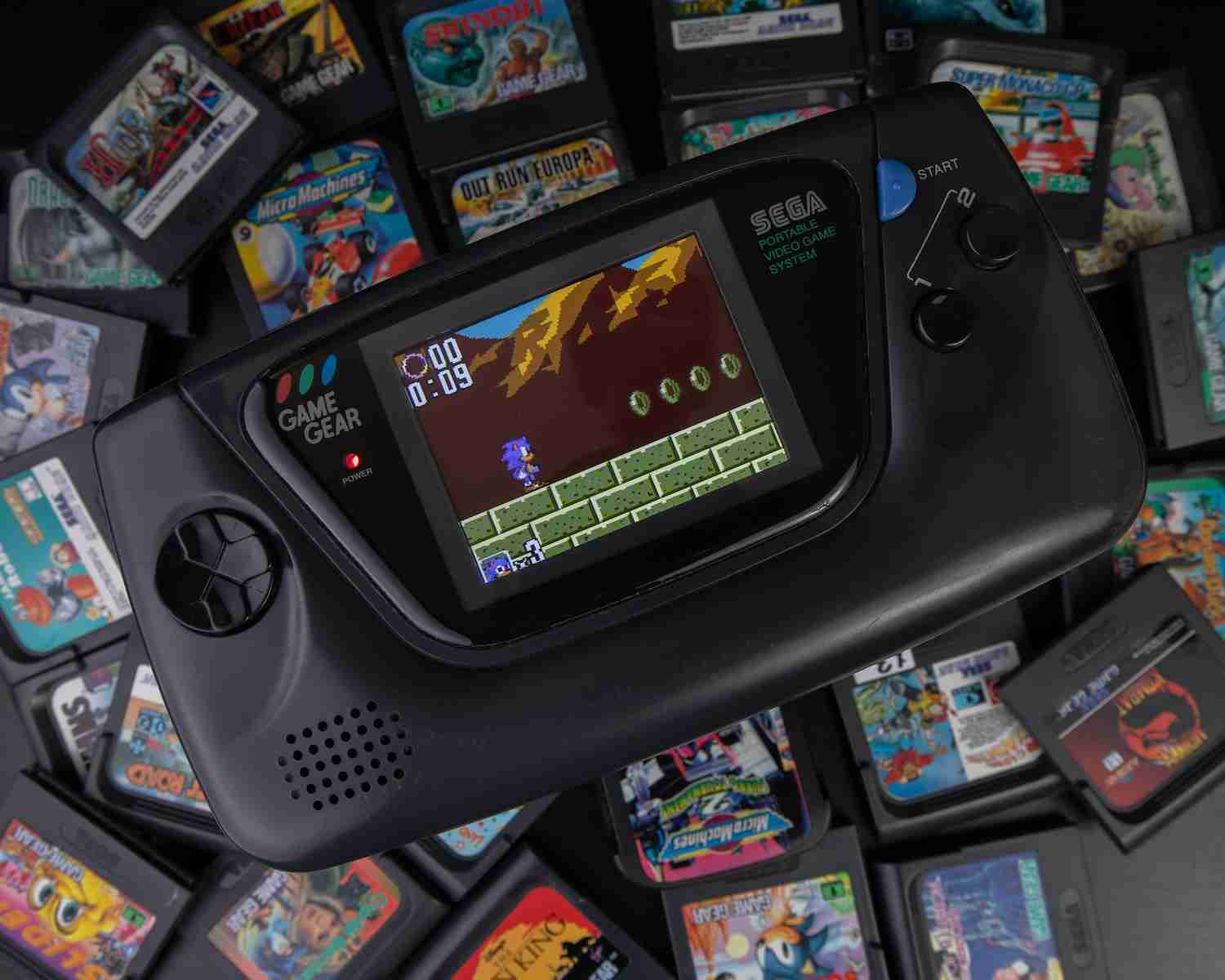
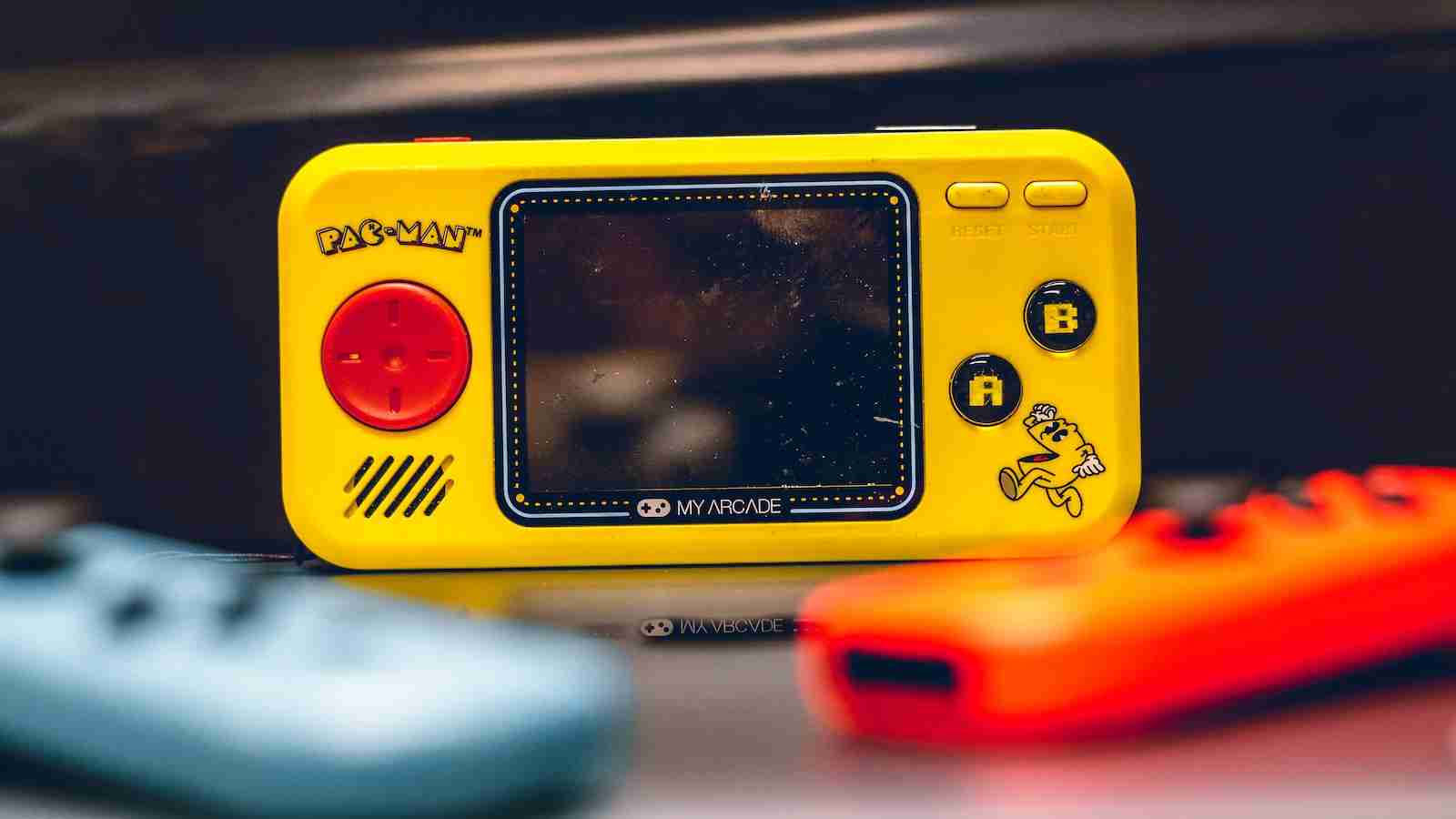
When you think back to those late-night gaming marathons, it’s hard not to feel a twinge of nostalgia. There was something special about the days when you paid a modest fee and dove headfirst into expansive worlds, with the simple mantra: “Pay once, play forever.” Some argue it was a golden age of gaming—a time free from the relentless chatter of in-game purchases and subscriptions that linger like an unwelcome relative. And who can blame Millennials for pining for that simpler way of life? Those games weren’t just pastimes; they forged friendships, sparked creativity, and gave us our first taste of adventure.
Consider the emotional bond that developed over shared experiences. Whether you were rallying with friends against a digital dragon or simply exploring barren landscapes together, those moments were built on connection. The stories we crafted became part of our identity, shaping who we were as individuals in a rapidly evolving world. As the grind for high scores and leaderboards faded away, we found solace in the fact that our investment in time and money meant we could always return for just one more quest.
Now, as the gaming landscape shifts beneath our feet, many of us wrestle with the ethical dilemma of how our leisure time is monetized. Should entertainment serve to enrich our lives or deplete our wallets? It’s a question that resonates across generations, but Millennials, in particular, feel the weight of it. Our trust in the integrity of the gaming industry has been shaken. The allure of “free-to-play” has morphed into a cycle of endless spending, where the thrill fades into a grind, and what was once a joy becomes a source of frustration.
At the heart of it all lies a collective yearning for authenticity. We want experiences that honor our time, our money, and our commitment to creativity. And let’s face it: in an age where everything seems disposable, returning to the simplicity of paying once and reaping enjoyment forever feels like a rebellion against a transient culture. We crave stability in a constantly shifting landscape. Companies that respect this desire have the opportunity to foster loyalty and trust in a community that dreams of rediscovering joy in play. A rallying cry to simplify gaming might just be the catalyst for change we’re all waiting for. So, let’s stand together in this nostalgic quest—because perhaps the future of gaming rests in honoring the past.

Why Millennials Long for Pay Once, Play Forever Gaming Again
Why Millennials Long for Pay Once, Play Forever Gaming Again
- Late-night gaming marathons evoke feelings of nostalgia for simpler times.
- The phrase “Pay once, play forever” symbolizes a golden age free from in-game purchases and subscriptions.
- Gaming created connections, friendships, and adventures that shaped identities.
- Shared experiences in gaming fostered emotional bonds and collective stories.
- Millennials feel the ethical dilemma of monetizing leisure time, questioning if entertainment enriches lives or depletes wallets.
- There is a yearning for authenticity and stability in gaming, contrasting with the transient nature of modern culture.
- A call for simpler gaming experiences may foster loyalty and change in the industry while honoring the past.
Why Millennials Long for Pay Once, Play Forever Gaming Again
Table Of Contents
- Why Millennials Long for Pay Once, Play Forever Gaming Again
- What If Gaming Could Take Us Back to Simpler Times?
- How Does Nostalgia Shape Our Gaming Choices?
- Can a One-Time Payment Offer True Freedom In Gaming?
- What Ethical Implications Arise From Microtransactions In Games?
- How Do We Balance Joy and Investment In Our Gaming Experiences?
- What Stories Do Our Favorite Games Tell About Our Generation?
- Can We Trust Developers to Respect Our Spending Choices?
- Conclusion
- Other Resources
- Glossary Of Terms
- Other Questions
- Haiku
- Poem
- Checklist
What If Gaming Could Take Us Back to Simpler Times?
What if gaming could bridge the gap between our frenetic present and a past filled with simpler joys? Imagine a world where games don’t just entertain but become a vessel for nostalgia, inviting us to relive the uncomplicated moments of our childhood. These experiences have a way of resonating deeply, tugging at the heartstrings and reminding us of a time when the biggest worry was which neighborhood friend would join us for an afternoon of adventures.
Picture a quaint, pixelated town where the sun shines a bit brighter, and the characters you meet embody the warm spirit of camaraderie. These games could serve as a refuge, a place where the pressures of modern life fade away. It’s rational, too; studies show that nostalgia can reduce stress and enhance emotional resilience. By revisiting familiar landscapes and echoing memories, we can reinforce our sense of belonging and community—values that may feel elusive today.
Ethically, fostering a culture of simple, meaningful gaming experiences aligns with our collective yearning for connection. In an era dominated by hyper-realism, there’s a call to action for developers to craft spaces that emphasize storytelling, friendship, and creativity rather than the relentless chase for competitive greatness. After all, isn’t that what gaming should be about? We should rally behind games that inspire a collective spirit, appreciating the genuine relationships fostered over a shared experience.
Consider the power of storytelling: weaving tales that resonate not just at a surface level but also echo our life experiences. As we engage with these narratives, we don’t just see characters on a screen; we see ourselves reflected back. We laugh, cry, and feel as if we’re right back in those backyard games, hiding from monsters behind bushes or racing along the sidewalk on our rusty bikes.
What if we chose to invest our time in gaming experiences that celebrate these simple pleasures? Together, we can endorse a movement towards games that honor the essence of human connection, drawing us together around shared experiences that remind us all of our humanity. Let’s reclaim the joy of gaming—after all, it’s not merely about escaping reality; it’s about finding common ground in our stories and rekindling the warmth of simpler times.
What If Gaming Could Take Us Back to Simpler Times?
What If Gaming Could Take Us Back to Simpler Times?
- Gaming can serve as a bridge between our hectic present and a simpler, joyful past.
- Games have the potential to evoke nostalgia, allowing players to relive cherished childhood moments.
- Revisiting these experiences can reinforce a sense of belonging and community in today’s fast-paced world.
- Nostalgic gaming experiences can reduce stress and enhance emotional resilience.
- There is a call for developers to create meaningful games that prioritize storytelling, friendship, and creativity.
- Stories in games can provide reflections of our own lives, fostering deep emotional connections.
- By endorsing games that celebrate simple pleasures, we can reconnect with our shared humanity and joy.

What If Gaming Could Take Us Back to Simpler Times?
How Does Nostalgia Shape Our Gaming Choices?
Nostalgia, that warm embrace of memory, has a powerful way of shaping our gaming choices. Think back to the first time you gripped a controller, the visceral thrill of jumping into a pixelated world. Those early games weren’t just pastimes; they were gateways to adventure, where friendships were forged, and imaginations soared. As we age, the scent of those memories lingers, influencing the games we choose even decades later.
When you revisit those old titles, it’s more than a simple trip down memory lane—it’s a reconnection with the person you once were. Communities form around these shared experiences. Remembering the countless hours spent strategizing with friends over a classic console or bonding over a co-op quest brings a sense of belonging that’s hard to replicate in today’s fast-paced, high-definition gaming environment. Those moments forged bonds that still matter, like the camaraderie that arises from recalling a particularly challenging boss battle or a hilarious gaming mishap.
Yet, nostalgia isn’t just an emotional hangover; it serves a more profound purpose. It invites us to question the choices we make in a marketplace flooded with new releases. We find ourselves returning to those cherished titles not simply out of habit but because they align with our values and principles. They remind us of simpler times, when a game could transport us anywhere without complex mechanics or endless monetization. Ethically, we crave experiences that reflect who we are at our core, not just what’s trending on social media.
Moreover, there’s an authority in nostalgia that commands respect. Game designers today often tap into this wealth of collective memory, drawing on the aesthetics, mechanics, and storytelling styles of the past. By reimagining beloved classics for a new generation, they’re not just cashing in; they’re honoring the legacy that shaped today’s gaming landscape.
At its core, nostalgia weaves together heart, head, and gut—prompting us to engage in meaningful narratives that resonate with our past while challenging us to connect with others who share our passions. So, the next time you find yourself scrolling through options, consider reaching for that game that brings a smile to your face. After all, in a world full of choices, sometimes it’s those cherished memories that guide us home.

How Does Nostalgia Shape Our Gaming Choices?
How Does Nostalgia Shape Our Gaming Choices?
- Nostalgia strongly influences gaming choices, connecting us to our past experiences with games.
- Early gaming experiences created lasting bonds, friendships, and a sense of adventure.
- Revisiting old games allows reconnection with our former selves and the community built around these experiences.
- Nostalgia encourages us to reflect on our values and choices in a crowded marketplace of new game releases.
- It evokes a desire for simpler gaming experiences, free from complex mechanics and monetization pressures.
- Game designers utilize nostalgia by reimagining classics, honoring the legacy that influences modern gaming.
- Nostalgia engages our emotions, inviting meaningful narratives and connections with others who share our passions.

How Does Nostalgia Shape Our Gaming Choices?
Can a One-Time Payment Offer True Freedom In Gaming?
Imagine a world where gaming isn’t about grinding for hours to earn virtual coins or unlocking endless upgrades, but a space where you pay once and immerse yourself completely. The one-time payment model invites us to rethink our experience with games. It aims to strip away the frustration of microtransactions and paywalls, presenting a straightforward option that many of us crave in a landscape increasingly cluttered with ads and endless purchases.
This approach resonates deeply, tugging at our emotional strings. Picture yourself diving into the latest RPG, free from the nagging thought that you’ve got to shell out more cash to enjoy all aspects of the game. It’s akin to the feeling of unwrapping a long-awaited gift, only to find it truly delivers on its promise. Just like that perfect holiday, where no extra fees dampen your spirit. It allows for genuine enjoyment without the underlying pressure of continuous spending.
On a rational level, it makes sense. Consider this: a one-time payment means you manage your gaming budget effectively, ensuring that every dollar you spend translates directly into uninterrupted playtime. No hidden fees, no surprise costs lurking behind a pixelated curtain. You know exactly what you’re getting into, and that transparency builds trust. When developers invest in crafting a well-rounded experience and trust their audience enough to present an all-inclusive offer, they’re sending a message that they value players over profit margins.
Then there’s the ethical dimension: it’s about fairness and equality. Everyone can access the same content without being nickeled and dimed, leveling the playing field in a community that thrives on shared experiences. Gaming shouldn’t feel like a chore, or a race where only those with the deepest pockets win. The one-time payment model cultivates camaraderie and inclusivity—reminding us that everyone should have a place at the gaming table, where skill, not spending power, shines.
From an authority viewpoint, industry veterans have seen the benefits of this model. The emergence of successful franchises embracing a single purchase option demonstrates not only viability but, most importantly, player satisfaction.
In a world increasingly driven by commerce, a simple, honest approach to gaming can feel revolutionary—a pledge to prioritize enjoyment and eliminate the distractions that erode our passion. It’s not just about gaming; it’s about rediscovering the joy and freedom we all seek, in the world of gaming and beyond.

Can a One-Time Payment Offer True Freedom In Gaming?
Can a One-Time Payment Offer True Freedom In Gaming?
- The one-time payment model offers a gaming experience free from microtransactions and paywalls.
- This approach allows players to fully immerse themselves in games without financial pressure or frustration.
- A single payment enhances budget management, translating directly into uninterrupted playtime and builds transparency and trust.
- The model promotes fairness, giving everyone equal access to game content and fostering a sense of community.
- It emphasizes skill over financial investment, creating a more inclusive gaming environment.
- Industry veterans support the one-time payment model, noting its success and the satisfaction it brings to players.
- This approach champions enjoyment and rediscovery of passion in gaming, steering away from commercial distractions.

Can a One-Time Payment Offer True Freedom In Gaming?
What Ethical Implications Arise From Microtransactions In Games?
Microtransactions in games stir up a complex brew of ethical implications that merit our attention, not just as players, but as people navigating a digital landscape rife with choices. Imagine settling into a new game, heart racing with that familiar thrill, only to see a tempting array of purchases beckoning from the screen. What starts as a harmless fun can quickly morph into a maze of pressures that can affect our wallets and our well-being.
At the heart of this discussion lies a question many of us have wrestled with: Is it fair? As players sink countless hours into immersive worlds, we can’t help but feel an emotional tug. Developers create these fantastical realms—sweat and tears tucked between code lines—and then turn to us at the end, asking for more. It’s a tough pill to swallow when we realize that something as simple as a costume or an upgrade might carry unspoken implications, especially if it feels like a paywall preventing deeper engagement with the game.
On a more rational note, studies have illuminated how microtransactions can exploit behaviors and vulnerabilities, particularly in younger players. The thrill of the game can morph into a constant chase for the next virtual fix, nudging some into financial peril. Parents, guardians, and adult players may find themselves wrestling with guilt as they balance enjoyment with the obvious ethical concerns. Who is liable when play crosses from casual to compulsive? The conversation gets sticky, and it should matter to us.
As society evolves alongside the gaming industry, we crave connection and ethics to ground us in our experiences. We want to feel that developers aren’t just cashing in on our passion; we want to trust that what we engage with reflects values that align with our own. Responsibility is a two-way street—while players should educate themselves and foster self-control, developers must tread thoughtfully.
Perhaps the most heartening approach is encouraging a dialogue; forming communities that discuss these implications helps us all navigate uncharted territories. Engaging with our fellow gamers strengthens bonds and inspires action—whether that’s advocating for fairer practices or supporting games that prioritize holistic player experiences over profit.
As we dive headfirst into these digital landscapes, let’s encourage integrity, empathy, and mindfulness—because games should be about adventure, expression, and connection, not a battleground of ethical dilemmas.

What Ethical Implications Arise From Microtransactions In Games?
What Ethical Implications Arise From Microtransactions In Games?
- Microtransactions in games raise significant ethical concerns that affect both players and society.
- What starts as harmless fun can quickly lead to financial pressure and impact well-being.
- Players often struggle with fairness, feeling emotional ties to the immersive worlds created by developers.
- Microtransactions can exploit behavioral vulnerabilities, particularly among younger players, leading to compulsive spending.
- There is a growing need for trust and ethical alignment between players and developers in the gaming industry.
- Fostering dialogue and community discussions can help navigate the complexities of microtransactions.
- The focus should be on creating games that prioritize adventure and connection over profit-driven practices.
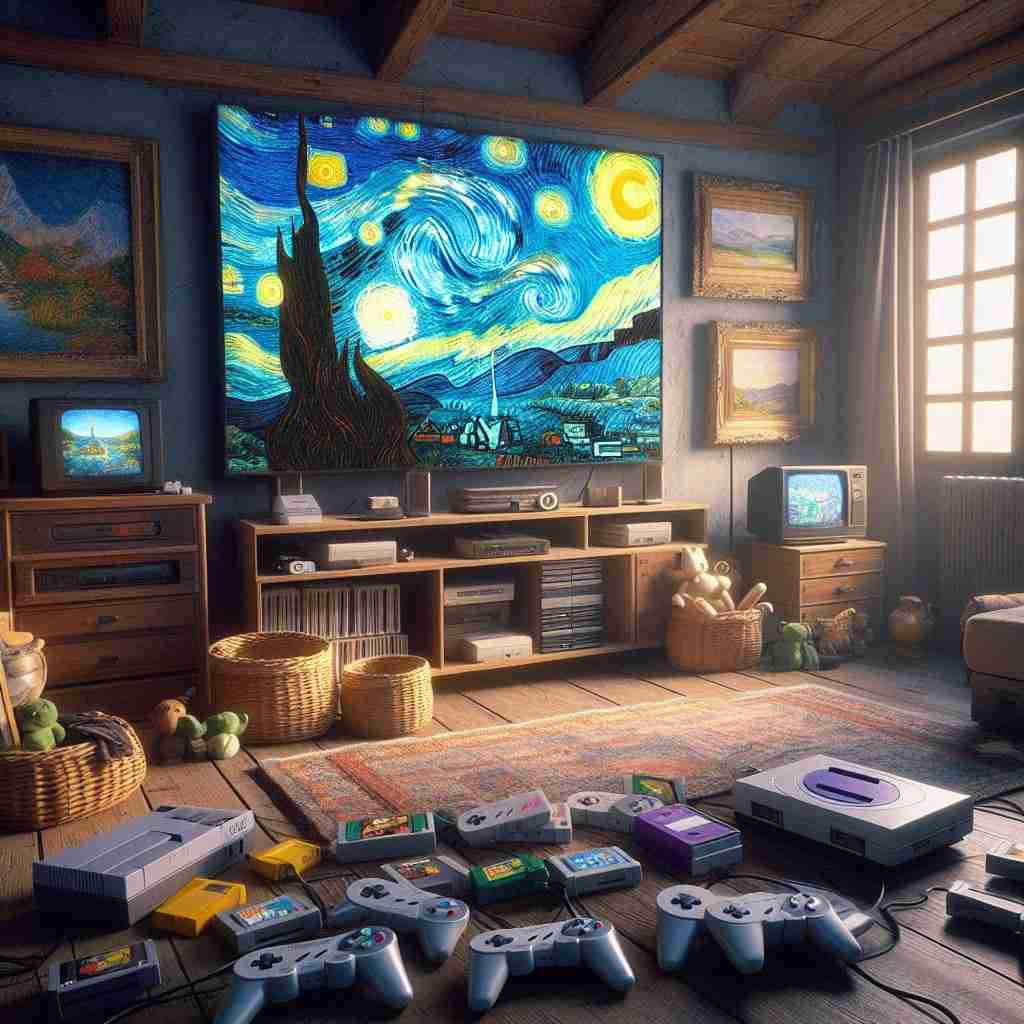
What Ethical Implications Arise From Microtransactions In Games?
How Do We Balance Joy and Investment In Our Gaming Experiences?
In the realm of gaming, we often find ourselves navigating a delicate dance between joy and investment, like tightrope walkers balancing above a deep abyss. Games have a way of inviting us into worlds where anything is possible, igniting our imaginations with vivid narratives and breathtaking visuals. But within this inviting landscape lies the question: how much of ourselves should we invest in these experiences, and at what cost?
Think for a moment about what draws you into a game—the exhilarating rush of competition, the camaraderie of multiplayer quests, or perhaps the solace of an expansive solo adventure. These experiences offer an escape, a reprieve from the mundane routines of everyday life. It’s tempting to lose oneself in the allure of a virtual existence, but it’s essential to pause and consider the balance. Each hour spent gaming is an investment, not only of time but of mental and emotional currency.
We’ve all heard the stories: devoted players clocking in thousands of hours, becoming experts in their chosen games. This level of engagement is impressive, and it often results in deep knowledge and skill development. However, there’s also a shadow side. Too much investment can lead to isolation, neglect of responsibilities, or a disconnect from the real world that nurtures our spirits. Striking that balance isn’t just a personal endeavor; it’s a shared responsibility among players and the gaming community.
As we engage with these digital realms, let’s advocate for a mindset that encourages healthy boundaries. Consider your choices: Are you engaging with games to enhance your life, to connect with fellow players, or merely to escape from it? That distinction can radically shift how we approach our gaming experiences.
So, the next time you power up your console or log onto your favorite online community, ask yourself how you can seek joy without sacrificing your well-being. Celebrate the victories, the friendships forged, and the stories shared, but do so with a mindful heart. Let’s create a gaming culture that champions not just high scores, but rich lives—reminding ourselves that while games can captivate and entertain, it’s the balance we find in our real lives that ultimately defines our happiness.

How Do We Balance Joy and Investment In Our Gaming Experiences?
How Do We Balance Joy and Investment In Our Gaming Experiences?
- The gaming experience invites players into imaginative worlds full of engaging narratives and visuals.
- Players must consider the investment of time and emotional energy in gaming, balancing it with real life.
- Many gamers accumulate thousands of hours, gaining skills but risking isolation and neglect of real-world responsibilities.
- Striking a balance in gaming is a shared responsibility within the gaming community.
- Players should assess their motivations for gaming—whether for enhancement, connection, or escape.
- Mindful gaming practices can lead to richer experiences and maintain well-being.
- A healthy gaming culture should prioritize not just achievements but also real-life balance and happiness.

How Do We Balance Joy and Investment In Our Gaming Experiences?
What Stories Do Our Favorite Games Tell About Our Generation?
What stories do our favorite games tell about our generation? When we fire up our consoles or log into our favorite platforms, we’re not just staring at pixels; we’re diving into narratives that mirror our hopes, dreams, and struggles. These games are more than mere entertainment; they’re a reflection of who we are. They narrate the triumphs of teamwork in “Among Us”, showcasing our instincts to collaborate amidst chaos. They explore the depths of moral choices in “The Last of Us”, pushing us to confront ethical dilemmas that shape our identities.
Think about the landscapes we traverse, whether they’re post-apocalyptic ruins or realms bursting with life. Our games echo the world outside our window—a world marred by division yet unified by storytelling. We lose ourselves in these character arcs, connecting with heroes who confront their fears, grapple with loss, or struggle for justice. They inspire us to face our own challenges and find courage in the face of adversity, which resonates deeply during these times when uncertainty looms larger than ever.
The narratives we immerse ourselves in also offer a space for reflection. They bring us face to face with the values we hold dear. In countless quests and epic sagas, we’re reminded that resilience and empathy are not just necessary traits in a game; they are vital to navigating our lives. Ethical dilemmas force us to confront our values head-on, inspiring meaningful discussions with friends and online communities about what it means to be human.
Moreover, as we gather with friends—whether in living rooms or virtual lobbies—we bond over shared experiences. The laughter, the victories, and even the defeats create connections that transcend the screen. This shared journey helps shape our collective identity as a generation characterized by adaptability and camaraderie.
These stories, woven into the very fabric of gameplay, push us to act, to engage with our world actively, and to find meaning in both our victories and setbacks. So next time you sit down to play, take a moment to appreciate the tales that unfold. They tell us not just who we are, but who we can aspire to be, urging us to elevate our narratives and the stories we share with one another.

What Stories Do Our Favorite Games Tell About Our Generation?
What Stories Do Our Favorite Games Tell About Our Generation?
- Video games reflect our generation’s hopes, dreams, and struggles, serving as more than just entertainment.
- Games like “Among Us” highlight teamwork and collaboration amid chaos.
- “The Last of Us” confronts players with moral choices that shape their identities.
- Game landscapes mirror the world’s complexities, capturing division and unity through storytelling.
- Character arcs inspire players to face their own challenges and find courage in adversity.
- Games provide a space for reflection on values like resilience and empathy, fostering discussions on what it means to be human.
- Shared gaming experiences create connections among friends, shaping our collective identity defined by adaptability and camaraderie.

What Stories Do Our Favorite Games Tell About Our Generation?
Can We Trust Developers to Respect Our Spending Choices?
When you take a hard-earned dollar and swap it for a shiny new game, what you’re really buying isn’t just a digital experience; it’s a promise. The developers, with their countless hours of code and creativity, vow to deliver something that resonates with us—an adventure, a narrative, an escape. But as we scroll through the endless list of choices, a nagging question creeps in: Can we trust them to respect our spending choices?
Let’s face it—every time we hit that purchase button, we’re not just investing in pixels and polygons. We’re placing our faith in a team we may never meet, relying on their ethics and integrity to steer our experiences. Behind every flashy marketing campaign lies a human story—a developer dreaming of creating something profound, while battling the pressure of financial returns and market demands.
It’s easy to feel drawn to the latest title adorned with glowing reviews and breathtaking trailers. It’s a thrill that commands our attention and, inevitably, our wallets. But every choice we make reflects more than just a moment’s joy; it echoes in our communities and among our friends. We share our experiences, our disappointments, and our triumphs with others, shaping social trends and the future of gaming itself. If we become apathetic consumers, we may inadvertently foster a culture where developers might prioritize profit over passion.
Yet amid the chaos of marketing strategies and in-app purchases, there exists a glimmer of hope—a growing movement among developers who genuinely value their players. These creators are sons and daughters, friends and neighbors, striving to craft experiences that enrich our lives rather than drain our pockets. They share in our frustrations, understanding that our time and money are not just commodities, but precious resources we choose to spend on things that leave us transformed or enlightened.
So the next time you’re about to click “buy,” take a moment. Consider not just the product but the entire ecosystem that surrounds it. Engage with developers, support those who prioritize integrity, and be part of a larger conversation that holds creators accountable. By making informed choices, we shape the future of gaming, ensuring it honors our trust and values our spending. Let’s demand that the promise they make is one worth keeping—because in the end, it’s about more than just games; it’s about community, connection, and creating a world where every choice matters.

Can We Trust Developers to Respect Our Spending Choices?
Can We Trust Developers to Respect Our Spending Choices?
- Purchasing a game is more than just buying a digital experience; it’s a promise from developers.
- Consumers place their trust in developers’ ethics and integrity with every purchase.
- Flashy marketing often conceals the human stories and challenges faced by game developers.
- Every gaming choice impacts communities and shapes social trends in the gaming sphere.
- Consumer apathy may lead to a culture prioritizing profit over passion in game development.
- There’s a movement among some developers focused on valuing players and creating enriching experiences.
- Informed purchasing choices can hold creators accountable and shape the future of gaming positively.

Can We Trust Developers to Respect Our Spending Choices?
Conclusion
Nostalgia flows through gaming like an electric current, connecting past to present with a powerful charge that resonates deeply. For Millennials, the joy of “Pay once, play forever” gaming isn’t just a fond memory; it’s a heartfelt reminder of a time when digital worlds offered genuine escape without the pressure of ongoing payments. Those nights spent at the console or glued to the screen weren’t just about pixels—they fostered friendships and sparked creativity, shaping formative identities in an era defined by connection.
Yet today’s landscape is laden with ethical quandaries. As we’ve transitioned from the purity of solo adventures to the commercially-driven model of constant microtransactions, many feel a collective disillusionment. Can we trust an industry that increasingly monetizes every aspect of our leisure? The shift from meaningful engagement to endless spending has changed how we experience joy, revealing a craving for authenticity in our gaming pursuits. When entertainment becomes a drain on our wallets rather than an enriching experience, it challenges the very essence of why we play.
At a time when living authentically has become increasingly elusive, the call for a return to simpler gaming models feels revolutionary. Imagine returning to a space where every dollar spent translates to lasting happiness, bypassing the endless grind for upgrades or pay-to-win obstacles. This isn’t merely a nostalgic whim; it speaks to a fundamental need for fairness and accessibility. When games foster inclusion, where everyone can partake without financial barriers, it cultivates a thriving community based on skill and shared experience rather than deep pockets.
Moreover, as we immerse ourselves in today’s gaming narratives, we’re reminded that they mirror our own struggles and triumphs. They beckon us to reflect, not just on our game choices but on our lives. These stories transcend entertainment; they help define and mold us as a generation—teaching resilience, empathy, and the importance of connection.
The game industry is at a crossroads, urging players to advocate for integrity, creativity, and respect for their choices. We hold the power to champion games rich with narrative depth and authentic engagement. Every buying decision we make echoes in the gaming community, shaping not only our experiences but the culture around us. Let’s come together, not just as gamers but as a collective force for change, ensuring that our voices demand the authenticity and joy we yearn for in gaming. In rediscovering simpler practices, we pave the way for a future that honors our past while enriching our present. Together, let’s reclaim the joy we all deserve.

Conclusion
Conclusion:
- Nostalgia in gaming connects past and present, evoking deep emotional resonance.
- Millennials cherish the “Pay once, play forever” gaming model, reflecting on genuine escapism and friendship.
- Today’s gaming landscape raises ethical concerns due to the prevalence of microtransactions and monetization.
- The shift from meaningful engagement to constant spending diminishes joy and authenticity in gaming experiences.
- A call for simpler gaming models emphasizes fairness, accessibility, and community inclusion over financial barriers.
- Gaming narratives resonate with personal struggles, fostering resilience, empathy, and connection among players.
- Players are encouraged to advocate for integrity and creativity in the gaming industry, shaping a more enriching future.

Conclusion
Other Resources

Other Resources
Here is a list of other resources you can review online to learn more:
- The Board Game Family
- Star Realms
- Poker
- GameSpot
- Tumblr
- Hans im Glück
- War of the Ring (Second Edition)
- Boardgames.com
- The Opinionated Gamers
- Fields of Arle
- Hive
- Dominion (Second Edition)
- Munchkin
- Twilight Struggle
- Eagle-Gryphon Games
- Plurk
- Huch!
- Eldritch Horror
- Hanabi
- The Resistance: Avalon
Use This Prompt To Get More Resources With Your Favorite Online AI Tool: Please provide me with a list of online articles with their URLs in a bulleted list that I can read regarding Why Millennials Long for Pay Once, Play Forever Gaming Again

Other Resources
Glossary Terms
Why Millennials Long for Pay Once, Play Forever Gaming Again – Glossary Of Terms
1. Pay Once, Play Forever: A gaming model where players make a single purchase for lifetime access to a game, eliminating further payments or subscriptions.
2. Millennials: Individuals born roughly between 1981 and 1996, often characterized by their familiarity with technology and digital platforms.
3. Nostalgia: A sentimental longing for the past, particularly regarding the games and experiences that shaped Millennials’ childhoods.
4. Digital Distribution: The delivery of games and software through the internet, often reducing the need for physical copies.
5. Microtransactions: Small purchases made within a game for additional content, which can lead to frustration among players seeking straightforward purchasing options.
6. Freemium Model: A pricing strategy where the base game is free, but additional content or features require payment, often criticized for its monetization tactics.
7. Game Design: The process of creating the content and rules of a game, focusing on player engagement and enjoyment.
8. User Experience (UX): The overall experience a player has with a game, encompassing interface design, gameplay mechanics, and engagement.
9. Retention Rates: The percentage of players who continue engaging with a game over time, which can be affected by monetization strategies.
10. Community Engagement: The ways in which players interact with each other and the game developers, fostering a sense of belonging and loyalty.
11. Single-Player Experience: Games designed for one player, allowing for deep storytelling and immersive worlds, often preferred by nostalgic gamers.
12. Replayability: The degree to which a game can be played multiple times with enjoyment, often linked to well-designed gameplay and narratives.
13. Game Mechanics: The rules and systems that govern gameplay, impacting player interaction and strategy.
14. Content Updates: Regularly released new material for a game, such as expansions or patches, which can enhance longevity without additional purchase.
15. Simplicity: A design philosophy that emphasizes straightforward gameplay and mechanics, appealing to players seeking uncomplicated gaming experiences.
16. Value Proposition: The perceived worth of a game relative to its cost, influencing purchasing decisions for Millennials.
17. Indie Games: Independently developed games that often focus on innovative concepts and storytelling, frequently resonating with Millennial nostalgia.
18. Game Porting: The process of adapting a game for different platforms, allowing access for a broader audience.
19. Augmented Reality (AR): Technology that overlays digital content onto the real world, enhancing gameplay experiences in unique ways.
20. Virtual Reality (VR): Immersive technology that creates interactive simulated environments, often seen as a future direction for gaming.
21. Cross-Platform Play: The ability to play a game across multiple gaming systems or devices, fostering inclusive multiplayer experiences.
22. Subscription Services: Models where players pay a recurring fee for access to a library of games, often critiqued by those preferring the pay-once model.
23. Gaming Culture: The shared practices, beliefs, and values that shape the community and experience around gaming.
24. Platform Exclusivity: Restricting a game to one specific platform, which can frustrate players who prefer flexibility in their gaming choices.
25. Content Creator: Individuals who produce and share gaming-related content, often influencing community opinions and trends.
26. Challenge Modes: Special game features designed to test player skills, which can increase engagement and replayability.
27. Game Mods: User-created alterations to a game’s content, allowing for personalized experiences and extended gameplay.
28. Emotional Investment: The connection players develop with characters and stories in games, enhancing overall enjoyment.
29. Multiplayer Gaming: Games that allow multiple players to interact simultaneously, often fostering competitive or cooperative experiences.
30. Legacy Games: Classic or older games that maintain a loyal following, often evoking nostalgia among Millennials.

Glossary Of Terms
Other Questions
Why Millennials Long for Pay Once, Play Forever Gaming Again – Other Questions
If you wish to explore and discover more, consider looking for answers to these questions:
- What are some examples of popular pay-once, play-forever games that Millennials cherish?
- How has the introduction of microtransactions changed the gaming experience?
- What are the psychological effects of gaming nostalgia on players?
- How can game developers create meaningful experiences without relying on microtransactions?
- What role does community play in shaping our gaming preferences?
- How do different gaming platforms handle pay-once models versus free-to-play models?
- What measures can players take to avoid overspending on in-game purchases?
- How do stories in video games reflect societal changes and values over time?
- What are some strategies for maintaining a healthy balance between gaming and real life?
- How do we build trust with game developers amidst prevalent monetization strategies?

Other Questions
Haiku
Why Millennials Long for Pay Once, Play Forever Gaming Again – A Haiku
Nostalgia calls back,
Games of old, where joy once lived—
Pay once, play forever.

Haiku
Poem
Why Millennials Long for Pay Once, Play Forever Gaming Again – A Poem
In the glow of screens, where memories gleam,
Millennials yearn for a simpler dream,
A time when joy in gaming came at a cost,
Pay once, play forever, a treasure not lost.
The late-night quests in pixelated lands,
Crafted friendships and adventures, hand in hand,
Each victory shared, each story unfurled,
Echoes of childhood in this vast, digital world.
But times have shifted, and choices entangle,
Microtransactions, with pressure to dangle,
A chase for the coins, a grind never-ending,
What was once true joy feels now like pretending.
Ethics arise in a landscape that grates,
Should leisure enrich us or dig deeper fates?
In nostalgia’s embrace, we find strength anew,
Clinging to moments that feel real and true.
Imagine a game where the joy is restored,
A single payment, its value adored,
No hidden fees lurking, just pure, heartfelt play,
In this simple rebellion, we find our way.
Stories of heroes in quests intertwine,
Reflecting our hopes, our struggles, our design,
Through laughter and losses, we bond and we share,
In a community woven with the fabric of care.
So let’s rally together, let’s raise up our voice,
For games that remind us, we always have choice,
Trust in the creators who cherish our time,
To craft worlds that uplift us—a vision sublime.
In the balance of joy and investment we tread,
Seeking connection where empathy spreads,
For gaming transcends mere escape from the grind,
It’s an embrace of our humanity, forever aligned.

Poem
Checklist
Why Millennials Long for Pay Once, Play Forever Gaming Again – A Checklist
Checklist for Embracing Pay-Once, Play-Forever Gaming
1. Emotional Connection
_____ Reflect on your favorite gaming memories. What moments evoke nostalgia?
_____ Recall friendships or experiences that gaming has fostered.
_____ Identify games that made you feel truly immersed and connected.
2. Rational Evaluation
_____ Consider the total cost of games with microtransactions. How does it affect your budget?
_____ List pros and cons of pay-once versus free-to-play models.
_____ Do research on the benefits of one-time payment systems.
3. Ethical Considerations
_____ Assess the fairness of microtransactions. Are they worth the extra cost?
_____ Identify games that prioritize ethical monetization practices.
_____ Advocate for transparency from developers. Engage with gaming communities on ethical discussions.
4. Authority Recognition
_____ Seek out and support developers known for fair practices and integrity.
_____ Research industry trends and insights on gaming monetization.
_____ Foster conversations with authoritative voices on responsible gaming.
5. Narrative Appreciation
_____ Identify games that resonate with your life experiences or values.
_____ Share narratives from games that inspired you to reflect on your own beliefs.
_____ Discuss with friends how gaming stories have shaped your generation.
6. Social Engagement
_____ Join online communities to share experiences and foster connections over gaming.
_____ Organize gaming sessions that celebrate pay-once titles with your friends.
_____ Advocate for a gaming culture that promotes inclusivity and communal joy.
7. Mindful Play
_____ Set boundaries for your gaming time to ensure a balanced lifestyle.
_____ Reflect on your gaming motivations—are they for joy, connection, or escape?
_____ Engage in dialogue about gaming habits with peers to foster healthy gaming culture.
8. Trust Building
_____ Research developers’ reputations regarding player treatment and spending respect.
_____ Engage with developers through social platforms to voice your values.
_____ Make informed purchasing decisions, supporting those aligning with your beliefs.
This checklist serves as a guide to reconnect with the essence of gaming while navigating the modern landscape. Embrace the joys of gaming with intention and accountability!

Checklist
At HowDoYouGame, we help people who love board games by collating information and news about games.
Be sure to read our other related stories at HowDoYouGame to learn more about games.