Unleashing The Power Of Gaming For Future Innovators
By Tom Seest
At HowDoYouGame, we help people who love board games by collating information and news about games.
Be sure to read our other related stories at HowDoYouGame to learn more about games.
Will Gaming Shape The Problem Solvers Of Tomorrow?
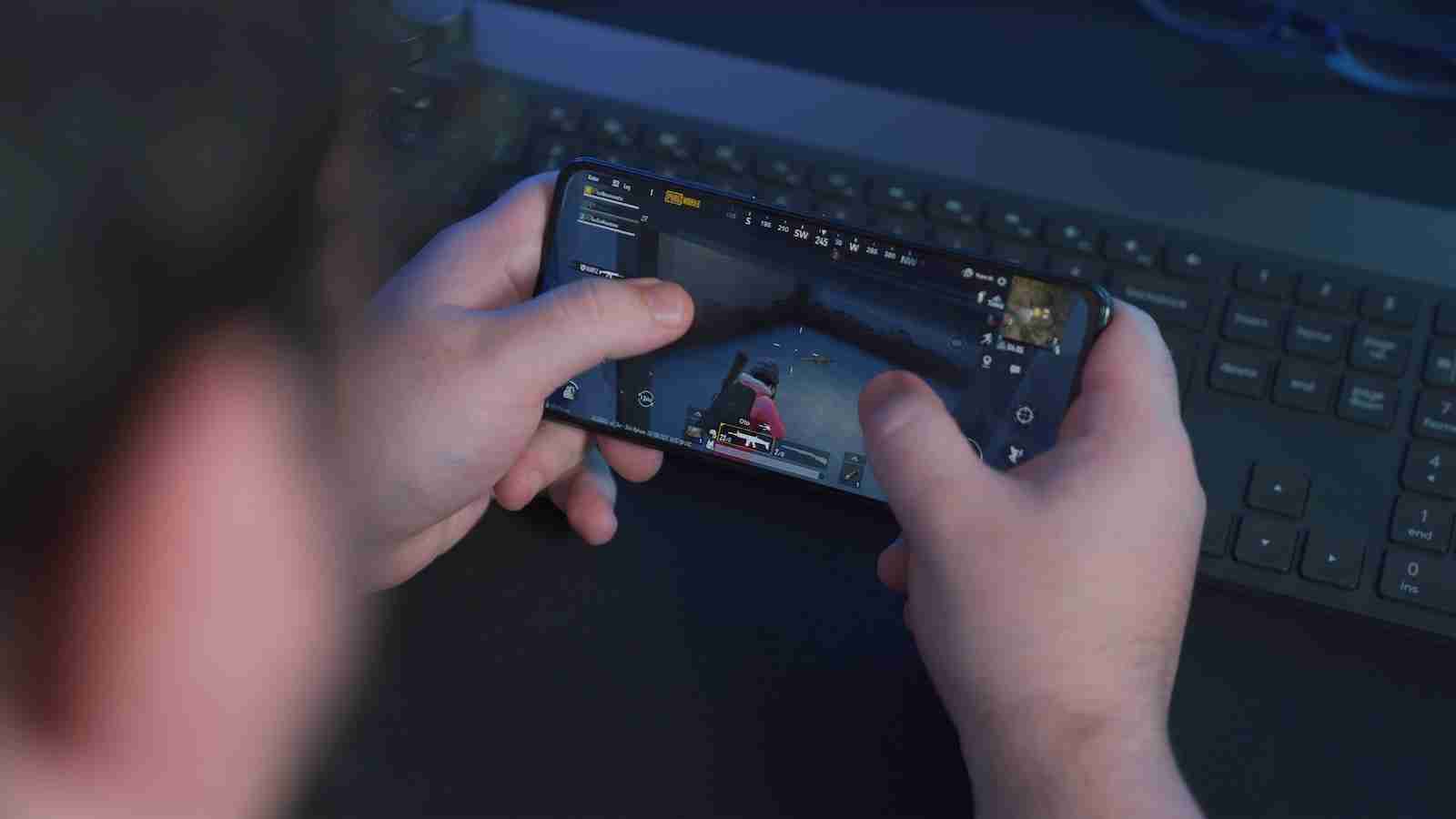
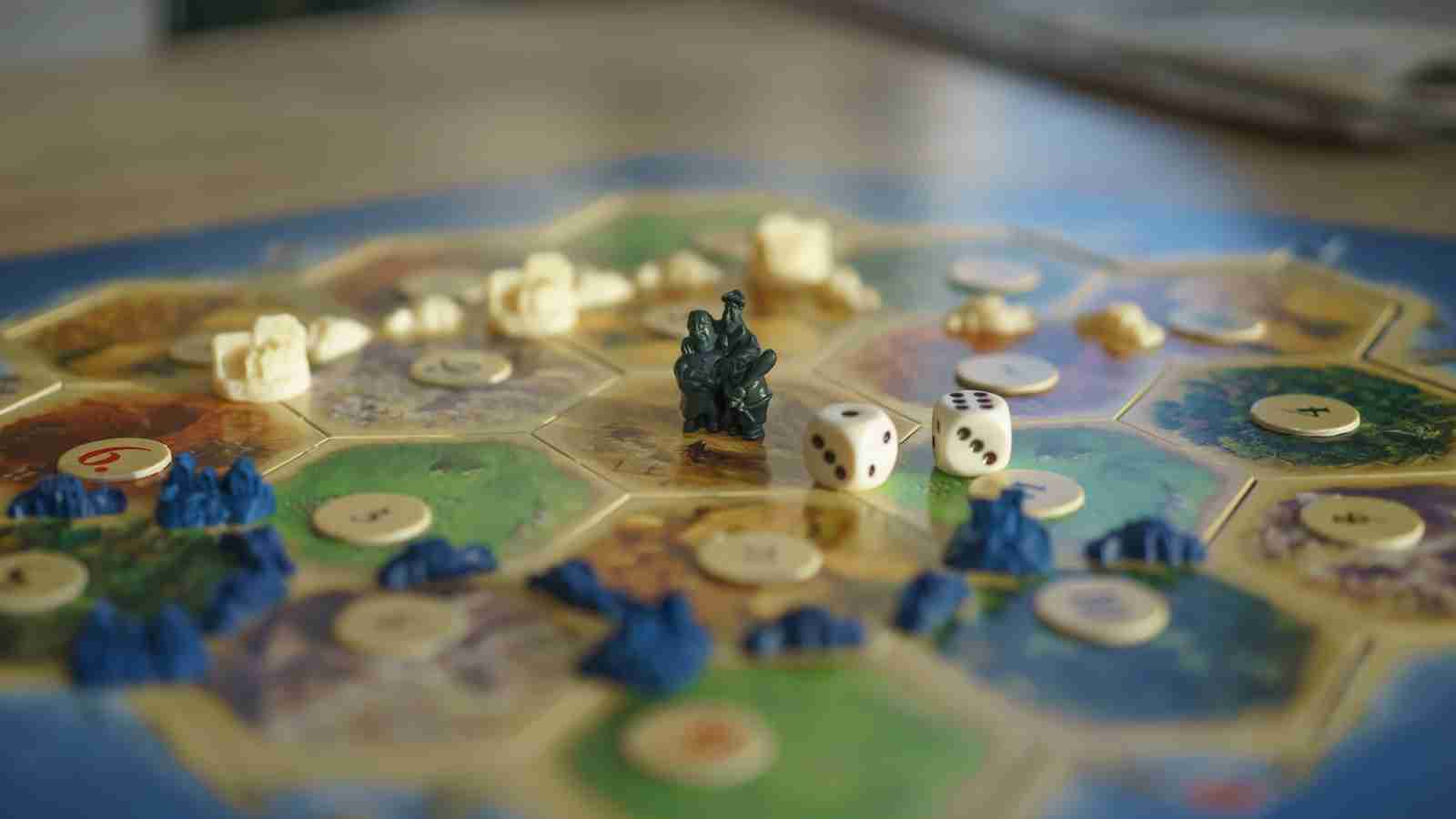
When you hear the word “gaming,” what springs to mind? Perhaps it’s the exhilarating rush of defeating a virtual dragon or conquering the final level of a challenging puzzle game. But beneath all that pixelated glory and the controller in your hands lies a treasure trove of skills being honed—skills that could very well shape the problem solvers of tomorrow.
Welcome to the world of gamification, where the principles of game design are woven into everyday experiences. It’s not just about earning points on a leaderboard or collecting digital badges. It’s about engaging with complex challenges in an environment that encourages innovation and collaboration. Imagine a classroom where students are solving real-world problems by diving into a simulation that requires critical thinking, strategic planning, and team effort. Sounds a little more compelling than memorizing facts from a textbook, doesn’t it?
Now, let’s take a moment to relate this to our daily lives. Think about the last time you faced a problem, big or small. You probably didn’t sit back and wait for a solution to magically appear. Instead, you learned, adapted, and approached it head-on—just like a gamer maneuvering through obstacles to unlock the next level. The reality is, gaming nurtures a growth mindset. It teaches resilience, creative problem-solving, and often, the importance of working with others to reach a common goal.
With the rise of gamification in education, we’re witnessing a shift. No longer are we confined to traditional methods that can feel a bit stale and uninspiring. Instead, we’re embracing a model that cultivates engagement and genuine enthusiasm. This is where the future’s problem solvers will thrive, in environments that teach them to navigate challenges with curiosity and tenacity.
And, trust me, these principles extend beyond the digital realm. It’s about adopting a playful curiosity in tackling the complexities of life. Whether you’re a student, an engineer, a parent, or just someone trying to find the best way to overcome a challenge, remember: the problem solvers of tomorrow will be those who dare to think differently, learn through play, and embrace the gamified elements of life. So, take that leap! Who knows where your next challenge might lead when you infuse a bit of playfulness into the process?

Will Gaming Shape The Problem Solvers Of Tomorrow?
Will Gaming Shape The Problem Solvers Of Tomorrow?
- Gaming involves more than entertainment; it develops valuable skills for future problem solvers.
- Gamification integrates game design principles into everyday experiences to enhance learning.
- Educational environments that use gamification focus on solving real-world problems through simulations.
- Experiences in gaming promote resilience, creative problem-solving, and teamwork.
- The rise of gamification in education represents a shift from traditional, uninspiring methods.
- Curiosity and the willingness to learn through play are essential for navigating challenges in life.
- Embracing gamified principles encourages innovative thinking and adaptability in various roles.

Will Gaming Shape The Problem Solvers Of Tomorrow?
Table Of Contents
- Will Gaming Shape The Problem Solvers Of Tomorrow?
- Will Gaming Enhance Critical Thinking Skills In Players?
- How Can Gaming Promote Teamwork And Collaboration?
- What Role Does Game Design Play In Problem-Solving?
- Can Gaming Improve Creativity And Innovation In Solutions?
- How Do Games Teach Resilience In Overcoming Challenges?
- In What Ways Can Gaming Provide Real-World Problem-Solving Skills?
- Are There Specific Genres Of Games That Foster Problem-Solving?
- Conclusion
- Other Resources
- Glossary Of Terms
- Other Questions
- Haiku
- Poem
- Checklist
Will Gaming Enhance Critical Thinking Skills In Players?
Let’s face it—when you hear the word “gaming,” you might picture a teenager in a dark basement, eyes glued to the screen, hands furiously tapping away. But here’s the kicker: gaming isn’t just about pixelated adventures or racing against the clock. It’s increasingly being recognized as a powerful tool for sharpening critical thinking skills. Yes, you heard that right! Gamification, or the incorporation of game-like elements in non-game contexts, has made its way into classrooms, workplaces, and even everyday life.
Think about it: every time you strategize to outsmart an opponent in a multiplayer game or solve a complex puzzle to advance to the next level, you’re not just killing time. You’re exercising your brain in ways that would make any educator proud. These virtual environments demand quick thinking, logic, and—most importantly—problem-solving skills. Who knew that navigating a fantasy realm or managing a city could be more than just thrilling? It can be a trial ground for our mental faculties.
Now, take a moment to reflect on a strategy game you enjoy. When you first dive in, the rules may seem complex—overwhelming, even. But as you play, you start piecing it together. You learn from your mistakes and make strategic decisions based on previous experiences. Much like life, right? You engage in critical analysis, weighing your options carefully while also anticipating your opponent’s next move. That’s pure critical thinking in action, my friend.
The beauty of gaming lies in its adaptability. It’s not simply about winning or losing; it’s about the journey itself. Gamification transforms mundane tasks into challenges, making every achievement feel rewarding. It pushes individuals to think outside the box, to take calculated risks, and even to collaborate with others for a shared objective.
In our fast-paced world, it’s easy to dismiss gaming as just a pastime for kids, but take a closer look. This immersive experience can cultivate valuable skills that extend beyond the screen and into real-life scenarios. So, the next time someone raises an eyebrow at your gaming habits, feel free to stand your ground. Embrace it! It just might be paving the way for sharper, keener, and more critical thinkers among us. Let’s harness the power of gaming and turn it into something truly transformative.
Will Gaming Enhance Critical Thinking Skills In Players?
Will Gaming Enhance Critical Thinking Skills In Players?
- Gaming is often stereotyped as an activity for teenagers in isolation.
- It is increasingly recognized as a valuable tool for enhancing critical thinking skills.
- Gamification applies game-like elements to education, workplaces, and everyday tasks.
- Strategizing in games fosters quick thinking, logic, and problem-solving abilities.
- Players engage in critical analysis and learn from their experiences and mistakes.
- Gaming transforms mundane activities into engaging challenges that encourage creativity and collaboration.
- Overall, gaming can cultivate valuable real-life skills, making it more than just a simple pastime.

Will Gaming Enhance Critical Thinking Skills In Players?
How Can Gaming Promote Teamwork And Collaboration?
How Can Gaming Promote Teamwork and Collaboration?
In a world that can feel increasingly disconnected, gaming offers an intriguing remedy to build bridges, foster relationships, and promote teamwork. When we think of video games, we often conjure images of lone adventurers battling evil dragons or mastering intricate puzzles. But dig a bit deeper, and you’ll find a realm that thrives on collaboration, collective strategy, and, yes, the magical world of gamification.
At its core, gamification takes the principles of gaming—like rewards, challenges, and competition—and translates them into everyday life. This clever concept is popping up everywhere, from corporate training sessions to educational environments. Why? Because when people engage in gamified experiences, they are often more invested, more motivated, and quite frankly, more fun-loving.
Consider those multiplayer online games that have captured the hearts of millions. Think about the thrill of teamwork when you and your friends devise a plan to conquer a formidable boss or complete a demanding mission. Each player brings their strengths to the table, whether it’s a keen strategic mind, sharpshooting skills, or spell-casting prowess. The beauty of these experiences is that they rely on communication and collaboration. One misstep can disrupt the entire operation, but together, you’ll learn to adapt and overcome.
When it comes to fostering trust, there’s something incredibly powerful about shared digital ventures. Players quickly learn that cooperation is key; your success often hinges on the team’s ability to work seamlessly together. This is where real lessons in problem-solving and management arise. It’s about figuring out who excels in certain tasks, who can step up under pressure, and how to navigate the inevitable challenges that arise when working with others.
In this modern age, those gaming skills are more applicable than you might think. Businesses are increasingly leaning on these lessons, implementing gamification in training to strengthen collaboration among employees. This isn’t just about winning points or leveling up; it’s about building a culture rooted in teamwork, where mutual respect and trust can flourish.
So next time you see someone engrossed in a game, remember: beneath the surface, they might just be honing their ability to work with others, adapt to challenges, and ultimately, forge connections in a way that translates beyond the screen. It’s a powerful reminder that the spirit of collaboration is not just found in the boardroom, but can thrive wherever we are willing to play together.

How Can Gaming Promote Teamwork And Collaboration?
How Can Gaming Promote Teamwork And Collaboration?
- Gaming serves as a remedy for disconnection by fostering relationships and teamwork.
- Gamification incorporates gaming principles into everyday life, enhancing engagement and motivation.
- Multiplayer online games emphasize teamwork, requiring collaboration and strategic planning.
- Effective communication is vital in gaming, where each player’s strengths contribute to success.
- Shared gaming experiences build trust and teach problem-solving and management skills.
- Businesses utilize gamification to enhance collaboration and cultivate a culture of teamwork.
- Playing games can enhance skills that translate to real-life teamwork and adaptability.

How Can Gaming Promote Teamwork And Collaboration?
What Role Does Game Design Play In Problem-Solving?
Let’s take a moment to appreciate the intricate dance of game design and problem-solving. At first glance, these two might seem worlds apart—game design is all about entertainment, while problem-solving is oftentimes tied to overcoming hurdles in our everyday lives. But dive a little deeper, and you’ll discover they share a common thread: they both require creativity, strategy, and an understanding of human behavior.
Now, why should we talk about this connection? Well, think about those moments in a game where you’re stuck on a level, grappling with a challenge that seems insurmountable. You might feel the pressure to quit, but then you remember all the hours you’ve invested. So what do you do? You strategize. You experiment. You adapt. This is precisely the same mindset we can apply to real-life problems. Game designers embed layers of complexity into their gameplay—that’s what keeps players engaged, after all. This intentional complexity mimics the obstacles we face in reality, prompting us to develop resilience and resourcefulness.
Let’s not overlook the concept of gamification—a tool that game designers wield to enhance engagement and improve outcomes. By transforming a mundane task into an interactive experience, they turn drudgery into a challenge. Whether it’s converting chores into a point-scoring activity or using progress charts like levels in a game, gamification encourages us to tackle problems dynamically. It plays on our intrinsic desire for achievement, making the journey enjoyable rather than laborious.
So, how can this be applied to our everyday lives? Think of any problem—big or small—and consider the parallels with a game. Start by breaking it down: what are your objectives? What obstacles stand in your way? How do you create levels of success, celebrating small wins as you progress? Embracing a game-like mentality can empower you to approach life with curiosity and tenacity.
At the end of the day, it’s about understanding that each setback is merely another level waiting to be conquered. It’s easy to feel like a lone warrior battling the tides of adversity, but remember: the strategies ingrained in game design are your allies. They remind us that every complex situation is just a series of smaller challenges. And with that mindset, you’re not just a problem-solver; you’re a player in the grand game of life.

What Role Does Game Design Play In Problem-Solving?
What Role Does Game Design Play In Problem-Solving?
- Game design and problem-solving share a common thread of creativity, strategy, and understanding human behavior.
- Players often grapple with challenges in games, prompting strategic thinking and adaptability which mirrors real-life problem-solving.
- Game designers incorporate layers of complexity to engage players, mimicking real-world obstacles that foster resilience and resourcefulness.
- Gamification transforms mundane tasks into interactive experiences, enhancing engagement and improving outcomes.
- This approach encourages viewing tasks as challenges, tapping into our intrinsic desire for achievement.
- Applying a game-like mentality helps break down problems, establishing objectives and celebrating small wins as progress is made.
- Setbacks can be seen as levels to conquer, with strategies from game design serving as allies in navigating life’s complexities.

What Role Does Game Design Play In Problem-Solving?
Can Gaming Improve Creativity And Innovation In Solutions?
Can Gaming Improve Creativity and Innovation in Solutions?
When we think about gaming, it’s easy to pigeonhole it as mere entertainment—a way to escape into fantastical worlds or compete for high scores. But what if I told you that those very pixels on the screen might be catalyzing something much bigger? It’s true! Games, especially when designed with a strategic approach called gamification, can serve as powerful tools for fostering creativity and driving innovative solutions in everyday life.
Imagine a classroom transformed into a vibrant landscape of challenges, quests, and rewards. Gone are the days of tedious lectures; now, students are engaged in a quest for knowledge that beckons them to think critically and solve problems. By integrating gamification into environments like this, we’re tapping into something fundamental—human nature’s innate love of play. This playful engagement evokes a sense of exploration, pushing individuals to approach challenges with a fresh lens.
But it doesn’t stop at education. Think about the workplace. Businesses are increasingly adopting gamified strategies to ignite passion and collaboration among their teams. Whether it’s a friendly competition to innovate a product or a quest to solve a long-standing issue, gamification can transform mundane tasks into motivating experiences. When employees feel like they’re part of a game, they become more invested in their roles and more likely to contribute innovative ideas. This isn’t just about boosting morale; it’s about unlocking creative energy that can lead to groundbreaking solutions.
And here’s the kicker—gaming doesn’t just enhance creativity; it encourages collaborative problem-solving. By fostering an environment where trial and error is not only accepted but celebrated, individuals learn to embrace failure as a stepping stone rather than a roadblock. This mindset shift is crucial in any innovative pursuit. Imagine a team brainstorming new solutions with the same excitement and possibilities as strategizing for a game level—dynamic, inspiring, and driven by the thrill of discovery.
So, whether you’re a student, a professional, or just someone looking to inject a little creativity into your daily routine, consider how the world of gaming and gamification can elevate your thinking. Embrace the fun, dive into that social element, and watch as your capacity for innovation expands. After all, the next great idea you’re seeking might just be waiting for you within the vibrant worlds of play.

Can Gaming Improve Creativity And Innovation In Solutions?
Can Gaming Improve Creativity And Innovation In Solutions?
- Gaming is often viewed as mere entertainment, but it can foster creativity and innovation.
- Gamification transforms environments like classrooms into engaging experiences filled with challenges and rewards.
- This approach taps into the innate human love for play, encouraging critical thinking and problem-solving.
- In the workplace, gamified strategies promote passion and collaboration among teams, making tasks more motivating.
- When employees view their roles as part of a game, they contribute more innovative ideas and become more invested.
- Gaming encourages collaborative problem-solving and embraces failure as a learning opportunity, essential for innovation.
- By integrating gaming elements into daily routines, individuals can enhance their creativity and discover new ideas.

Can Gaming Improve Creativity And Innovation In Solutions?
How Do Games Teach Resilience In Overcoming Challenges?
Let’s talk about games. No, not the ones you’d plop down on the couch to play while munching chips, but the kind that mirror life. You see, when we talk about gamification—turning everyday activities into fun, engaging challenges—it’s not just about high scores or flashing lights. At its core, it’s about resilience and learning how to overcome obstacles.
Think back to a game you loved as a kid. You probably dove into a world where the stakes felt sky-high. Every jump you missed and every enemy you defeated wasn’t just a part of the game; it was a lesson in grit and determination. Those virtual trials serve as a pressure cooker for real-life agony and triumph. They battle-test your patience and resolve, teaching you that failure isn’t the end but rather the beginning of something new.
In a well-crafted game, every setback is designed to push you further. You get knocked down, you respawn, and you try again. Each failure brings you closer to success, fostering a sense of resilience. You learn to adapt, strategize, and collaborate. Whether you’re solving a puzzle with friends or crafting your own strategy to conquer a formidable boss, every experience chisels away at your ability to rise from the ashes of defeat.
Let’s draw parallels to our own lives. Think about that job you didn’t get, the relationship that fell apart, or the goal you didn’t achieve. Each obstacle is its own version of a game level, testing your mettle and determination. Just like in gaming, overcoming these challenges requires a mindset shift. You have to embrace the struggle, recognizing that just like every game has its final boss, so too do the greatest challenges of life.
So why not let games inspire your approach to real-world challenges? Use that gamified mindset to reframe setbacks as stepping stones. Download that metaphorical game controller and get ready to face life with a renewed sense of purpose and resilience. After all, every time you hit restart, you’re not just trying again; you’re leveling up in the game of life. Embrace it, because every challenge is an opportunity dressed in disguise, waiting for you to rise to the occasion.

How Do Games Teach Resilience In Overcoming Challenges?
How Do Games Teach Resilience In Overcoming Challenges?
- Gamification transforms everyday activities into fun, engaging challenges that teach resilience.
- Childhood games often present high-stakes situations that mirror real-life trials, imparting lessons in grit.
- Setbacks in games are designed to foster growth; failure leads to greater persistence and learning.
- Successful gaming experiences promote adaptation, strategy, and collaboration in solving challenges.
- Life obstacles resemble game levels, requiring determination and a positive mindset to overcome.
- Embrace challenges using a gamified mindset to see setbacks as opportunities for growth.
- Each restart in the game of life represents a chance to level up and improve resilience.
How Do Games Teach Resilience In Overcoming Challenges?
In What Ways Can Gaming Provide Real-World Problem-Solving Skills?
Let’s take a moment to dive into the world of gaming, but not just for the thrill or escapism it can offer. No, we’re here to discover how gaming isn’t just a pastime; it’s a playground for honing real-world problem-solving skills. Picture this: you’re in the heat of battle in a multiplayer online game. Your team is counting on you. The clock is ticking, and decisions need to be made fast. This isn’t just about winning or losing; it’s about strategizing under pressure, thinking critically, and communicating effectively. In this way, gaming weaves a tapestry of skills that we can carry into our everyday lives.
Now, let’s get real for a moment. The concept of gamification—that is, applying game principles to non-game contexts—has snuck into various sectors, like education and business. This isn’t just a gimmick; it’s a blueprint for engagement. Think about it: when was the last time you genuinely wanted to complete a task? When the stakes were high in a game, you didn’t just grind through it; you relished the challenge. The thrill ignited your passion, turning mundane tasks into meaningful missions. That’s what gamification does—it transforms dull assignments into interactive experiences that require analytical thinking and creativity.
But it’s not all about competition. Cooperative gameplay teaches us the value of teamwork and collaboration. You might be controlling a mage, while your friend is a healer. Each role has its strength, but success hinges on how well you work together. What you learn from coordinating your strategies can translate directly into the workplace or community projects. Suddenly, you’re not just solving problems; you’re doing it with a team that trusts you, and you trust them.
And let’s not forget resilience. Gamers often face setbacks—be it a failed mission or an unexpected plot twist. But what do we do? We regroup, reassess, and try again. That tenacity is invaluable in real life, where challenges come at us from every angle.
So, the next time you think about binging on a game, remember: you’re not just amassing points or uncovering new levels; you’re hardwiring your brain for success in the outside world. Embrace that connection between gaming and practical skills. After all, the world needs problem-solvers, and the seeds of greatness could very well be planted in a virtual universe.

In What Ways Can Gaming Provide Real-World Problem-Solving Skills?
In What Ways Can Gaming Provide Real-World Problem-Solving Skills?
- Gaming cultivates real-world problem-solving skills beyond mere entertainment.
- Players develop critical thinking, strategy, and effective communication under pressure.
- Gamification applies game principles to various fields like education and business, enhancing engagement.
- Challenges in gaming create a passion for completing tasks, transforming dull activities into meaningful experiences.
- Cooperative gameplay emphasizes teamwork and collaboration, skills that are transferable to real-life projects.
- Gamers learn resilience by overcoming setbacks and regrouping after failures.
- Engaging in gaming connects players with valuable skills that contribute to real-world success.

In What Ways Can Gaming Provide Real-World Problem-Solving Skills?
Are There Specific Genres Of Games That Foster Problem-Solving?
When we think about games, the first thing that usually pops into our minds may be the thrill of competition or the joy of escapism. But dig a little deeper, and you’ll discover a treasure trove of intellectual nuggets waiting to be unearthed. Among the myriad of genres out there, some are particularly adept at cultivating our problem-solving skills. So, let’s roll up our sleeves and explore the world of gamification in a way that’s not just fun but also profoundly rewarding.
First on the list are puzzle games. You know the ones: those brain-bending challenges that have you moving shapes, matching colors, or finding hidden objects. Think of classics like Tetris and Candy Crush. These games don’t just tease the mind with delightful visuals—they require strategy, foresight, and an understanding of patterns to succeed. Engage with them regularly, and you’ll start noticing a shift in how you tackle challenges in daily life. It’s like taking a mental cardio workout that leaves you sharper and more agile.
Next, let’s chat about strategy games. Titles like Starcraft or Civilization serve up complex dilemmas that demand tactical thinking and planning. Whether you’re building an empire or engaging in war, the difference between victory and defeat often hinges on your ability to analyze the situation, anticipate opponents’ moves, and adapt almost in real-time. This isn’t just about achieving high scores; it’s about honing critical thinking that transcends the digital battlefield and seeps into your everyday decisions.
Then there are role-playing games (RPGs). Not only do they unravel captivating narratives, but they also immerse players in rich worlds where each choice matters. In these immersive landscapes, you’re not just a passive participant—you’re the hero! Choices you make affect the story’s outcome and often involve complex moral dilemmas. Navigating these intricate plots enhances emotional intelligence and judgment, skills you can carry beyond the screen.
Lastly, let’s not forget about simulation games. They recreate real-world systems and scenarios, encouraging players to manage resources, solve crises, and build sustainable environments. Whether it’s running a city in SimCity or balancing the ecosystem in a farming simulator, these games teach valuable lessons about interconnectivity and cause-and-effect reasoning.
So, whether you’re a casual player or a die-hard gamer, remember that within these genres lies an opportunity to develop problem-solving prowess. Embrace the games that speak to you, and who knows? You might just find yourself leveling up in more ways than one.

Are There Specific Genres Of Games That Foster Problem-Solving?
Are There Specific Genres Of Games That Foster Problem-Solving?
- Games provide intellectual benefits beyond just competition and escapism.
- Puzzle games like Tetris and Candy Crush enhance problem-solving skills through strategy and pattern recognition.
- Strategy games such as Starcraft and Civilization cultivate critical thinking and tactical planning.
- Role-playing games (RPGs) involve players in complex narratives where choices impact the story and develop emotional intelligence.
- Simulation games recreate real-world scenarios to teach resource management and cause-and-effect reasoning.
- Engaging with these game genres can improve cognitive abilities applicable in everyday life.
- Players are encouraged to explore games that resonate with them for personal growth and skill development.

Are There Specific Genres Of Games That Foster Problem-Solving?
Conclusion
Conclusion: The Game is On for Tomorrow’s Problem Solvers
Alright, folks, let’s hit pause on the consoles and take a look at the bigger picture. Gaming isn’t just a hobby; it’s a transformative tool that has the potential to mold tomorrow’s innovators. When you think about it, the skills embedded in gaming—from critical thinking to resilience—are the bedrock of effective problem-solving in our rapidly changing world. We’re living in a time where the lines between play and practicality are blurring, and that’s a beautiful thing.
Think about it: in the world of gaming, you’re not just tapping buttons; you’re navigating intricate challenges that echo the problems we face every day. Whether you’re strategizing in a multiplayer battlefield or piecing together a puzzle, every decision counts. It’s real-time problem-solving at its finest. This kind of engagement fosters a growth mindset, encouraging us to adapt, collaborate, and even thrive in the face of failure. In short, gaming is a training ground for resilience—a place where setbacks are merely setups for future success.
And let’s not forget the magic of gamification. We’re seeing it everywhere, from classrooms to corporate boardrooms. By infusing traditional learning and working environments with game-like elements, we’re turning mundane tasks into exciting quests that require creative solutions. People are more engaged, more motivated, and—let’s be honest—more likely to enjoy the process of tackling tough challenges. Just think about the potential: students who learn to solve real-world problems through gameplay and employees who innovate as a team through shared challenges.
It’s also essential to recognize that not all games are created equal. Certain genres, like puzzle games or role-playing games, are particularly adept at sharpening our problem-solving swords. They require strategic thinking, adaptability, and above all, teamwork. The beautiful irony here is that while you might be glued to the screen, you’re also cultivating skills that transfer seamlessly into your real life.
So, as you embark on your next gaming session, remember that you’re not just leveling up in a digital world. You’re also equipping yourself with invaluable skills that will shape how you confront life’s hurdles. Embrace your inner gamer! Let playfulness and curiosity guide you through the complexities of the day-to-day. In doing so, you’ll not only become a master problem-solver, but also inspire those around you to do the same. Game on, problem solvers of tomorrow!

Conclusion
Conclusion:
- Gaming serves as a transformative tool that molds tomorrow’s innovators.
- Skills gained from gaming, such as critical thinking and resilience, are crucial for effective problem-solving.
- Gaming involves navigating challenges that parallel real-world problems, fostering real-time problem-solving skills.
- The engagement from gaming encourages a growth mindset, adaptability, collaboration, and thriving in the face of failure.
- Gamification turns mundane tasks in education and workplaces into engaging quests that enhance motivation and creativity.
- Certain game genres, like puzzle and role-playing games, are particularly effective at sharpening problem-solving abilities and promoting teamwork.
- Embracing gaming can equip individuals with invaluable skills for tackling real-life challenges while inspiring others to do the same.

Conclusion
Other Resources

Other Resources
Here is a list of other resources you can review online to learn more:
- Plurk
- Level 99 Games
- Pandemic Legacy: Season 2
- Root: The Riverfolk Expansion
- Matagot
- Huch!
- PC Gamer
- Hans im Glück
- Scoop.It
- Roll Player
Use This Prompt To Get More Resources With Your Favorite Online AI Tool: Please provide me with a list of online articles with their URLs in a bulleted list that I can read regarding Will Gaming Shape The Problem Solvers Of Tomorrow?

Other Resources
Glossary Terms
Will Gaming Shape The Problem Solvers Of Tomorrow? – Glossary Of Terms
1. Gamification: The application of game-design elements and principles in non-game contexts to enhance engagement and motivation.
2. Critical Thinking: The ability to analyze and evaluate an issue in order to form a judgment, often encouraged through strategic gaming.
3. Problem Solving: The process of finding solutions to difficult or complex issues, often practiced through interactive gameplay.
4. Simulation: An imitation of a real-world process or system that allows players to experiment and learn through virtual scenarios.
5. Collaboration: Working together with others to achieve a common goal, a skill honed through multiplayer gaming environments.
6. Cognitive Skills: Mental abilities that include learning, memory, perception, and reasoning, which can be enhanced by playing strategy games.
7. Adaptability: The capacity to adjust to new conditions, often developed through gameplay where situations can change rapidly.
8. Persistence: The ability to continue striving toward a goal despite challenges, a quality fostered through overcoming game obstacles.
9. Strategic Thinking: The skill of planning or directing systemic actions to achieve an objective, often integrated into gameplay mechanics.
10. Digital Literacy: The ability to find, evaluate, and communicate information in various digital formats, increasingly necessary in gaming contexts.
11. Creativity: The ability to come up with new and innovative ideas, encouraged by games that require players to design or build.
12. Feedback Loops: Processes in which the outputs of a system are circled back as inputs, allowing players to learn and refine strategies.
13. Scaffolding: Instructional techniques that provide support to learners, gradually removing it as they gain independence, akin to levels in games.
14. User Experience (UX): The overall experience a player has while interacting with a game, influencing engagement and learning opportunities.
15. Role-playing: A game type where players assume the roles of characters in a fictional setting, enhancing empathy and decision-making skills.
16. Interactivity: The degree to which a player can influence the game environment or narrative through their actions.
17. Virtual Reality (VR): A simulated experience that can create immersive environments, offering unique problem-solving scenarios for players.
18. Augmented Reality (AR): Technology that overlays digital information onto the real world, enhancing learning and problem-solving experiences.
19. Game Mechanics: The rules and systems that define how a game operates, shaping player engagement and challenge levels.
20. Social Learning: Learning that occurs in a social context, facilitated by multiplayer games where players share knowledge and strategies.
21. Decision-Making: The cognitive process of making choices by identifying a decision, gathering information, and assessing alternatives.
22. Flow State: A mental state of complete immersion and focus, often achieved during challenging gameplay, fostering optimal learning experiences.
23. Transknowledge: Knowledge gained in one context that can be transferred to solve problems in another, enhanced through gaming experiences.
24. Intrinsic Motivation: The internal drive to engage in an activity for its own sake, often cultivated through rewarding gaming experiences.
25. Community Engagement: Involvement in collaborative activities with others, encouraged through online gaming and social platforms.
26. Ethical Reasoning: The ability to analyze and make decisions based on moral principles, often presented in narrative-driven games.
27. Complex Problem Solving: Tackling multifaceted challenges that involve many interrelated factors, often mirrored in strategy games.
28. Narrative Design: The structuring of a story within a game, which can enhance player engagement and provide context for problem-solving.
29. Time Management: The ability to use one’s time effectively, a skill often developed through games that require strategic planning and prioritization.
30. E-Sports: Competitive gaming events where players face off in organized matches, promoting teamwork, strategy, and high-level problem solving.

Glossary Of Terms
Other Questions
Will Gaming Shape The Problem Solvers Of Tomorrow? – Other Questions
If you wish to explore and discover more, consider looking for answers to these questions:
- What specific skills can gaming develop that are applicable in real-life problem-solving?
- How does gamification differ from traditional teaching methods?
- What evidence supports the idea that gaming improves critical thinking skills?
- Are there studies linking gaming with enhanced teamwork in professional settings?
- How does gaming impact the motivation of students and employees?
- What age groups benefit most from gaming in terms of problem-solving skills?
- How can educators effectively incorporate gaming into their curricula?
- What challenges might institutions face when implementing gamification strategies?
- Are there potential downsides to gamification in education or workplaces?
- How can parents support their children in developing problem-solving skills through gaming?
- What role do online communities play in enhancing problem-solving through gaming?
- Can non-digital games also contribute to developing problem-solving skills?
- How do different gaming genres impact the development of specific problem-solving abilities?
- Are there notable examples of individuals who have applied gaming skills to real-world problems?
- What future trends in gaming might further enhance its role in problem-solving education?

Other Questions
Haiku
Will Gaming Shape The Problem Solvers Of Tomorrow? – A Haiku
Gaming shapes the mind,
Fellowship and grit emerge—
Play unlocks the way.

Haiku
Poem
Will Gaming Shape The Problem Solvers Of Tomorrow? – A Poem
In the Realm of Play: A Poetic Reflection
In a world of pixels bright and bold,
Where dragons roar and adventures unfold,
Lies a treasure beyond mere delight—
Skills that ignite the mind’s inner fight.
Through games’ embrace, we grasp and learn,
As critical thinking starts to burn.
No longer confined to textbooks gray,
We solve real problems in a vibrant play.
Imagine a class where quests await,
Where teamwork’s forged, and minds navigate.
From multiplayer realms to strategic designs,
Collaboration blooms, as each player aligns.
With every failure, we rise anew,
A digital phoenix, resilient and true.
In challenges faced within the game,
We master our fears, and conquer our shame.
Puzzle pieces sliding, a dance of the mind,
Strategy woven, the sharpest you’ll find.
In RPGs where choices weave fate,
Innovation flourishes—imagination’s plate.
Simulation games, where worlds we create,
Teach us the balance of nature and fate.
Through trials and triumphs, our spirits ignite,
Gamified journeys, transforming our plight.
So embrace the fun, let the pixels inspire,
For within every challenge lies the heart’s fire.
The problem solvers, the dreamers of tomorrow,
With a playful approach, they’ll conquer all sorrow.
In life’s gaming, let wisdom ring true,
For every quest taken, brings growth anew.
Dive boldly, let curiosity unfurl,
In this grand game of life—let’s build a better world.

Poem
Checklist
Will Gaming Shape The Problem Solvers Of Tomorrow? – A Checklist
Checklist: Unleashing the Power of Gaming for Future Innovators
This checklist is designed to help you harness the valuable skills learned through gaming, both in personal development and problem-solving. Use it as a guide to maximize your experience and growth in various aspects of life!
1. Identify Your Gaming Goals
_____ Define what skills you want to improve (e. g. , critical thinking, collaboration, resilience).
_____ Set specific objectives for your gaming sessions (e. g. , complete a challenging task, work with a team).
2. Choose the Right Games
_____ Explore puzzle games to enhance strategic thinking and problem-solving (e. g. , Tetris, Candy Crush).
_____ Engage in strategy games to develop tactical planning (e. g. , Starcraft, Civilization).
_____ Consider role-playing games (RPGs) for emotional intelligence and decision-making (e. g. , The Witcher, Final Fantasy).
_____ Try simulation games to learn about resource management and real-world problem-solving (e. g. , SimCity, Farming Simulator).
3. Gamify Everyday Challenges
_____ Use game principles (scorekeeping, rewards) to turn mundane tasks into fun challenges.
_____ Celebrate small victories to keep motivation high.
4. Foster Collaboration and Teamwork
_____ Play multiplayer games that require teamwork and communication.
_____ Reflect on group gaming experiences to identify personal strengths and weaknesses in teamwork.
5. Embrace a Growth Mindset
_____ Reframe failures in gaming as learning opportunities.
_____ Adapt strategies based on past experiences.
6. Incorporate Creativity in Problem-Solving
_____ Use gaming scenarios to brainstorm innovative solutions to real-life problems.
_____ Experiment with different approaches instead of sticking to traditional methods.
7. Reflect on Your Gaming Experience
_____ Keep a journal to record lessons learned from gameplay.
_____ Assess how gaming strategies can apply to real-life challenges.
8. Share and Collaborate with Others
_____ Discuss gaming experiences with peers to foster learning and exchange ideas.
_____ Participate in gaming communities to expand your network and knowledge base.
9. Maintain Balance
_____ Set limits on gaming time to ensure a healthy balance with other responsibilities and activities.
_____ Explore non-gaming activities that encourage similar skills (e. g. , puzzles, team sports).
10. Continue Learning
_____ Stay updated on new games and gamification trends that can enhance your skills.
_____ Explore educational resources that connect gaming principles to personal and professional development.
By following this checklist, you can leverage gaming as a powerful tool for enhancing your abilities and preparing yourself as a problem solver in the future. Happy gaming!

Checklist
At HowDoYouGame, we help people who love board games by collating information and news about games.
Be sure to read our other related stories at HowDoYouGame to learn more about games.