Level Up Your Problem-Solving Skills With Gaming
By Tom Seest
At HowDoYouGame, we help people who love board games by collating information and news about games.
Be sure to read our other related stories at HowDoYouGame to learn more about games.
Will Gaming Boost Your Problem-Solving Speed?
In recent years, the conversation about gaming and cognitive skills has become as heated as a summer’s day on an Arizona blacktop. By now, many folks have probably heard the idea that gaming could give your brain a workout. But what’s the real scoop? Can those hours spent mastering video game levels actually boost your problem-solving speed? Let’s dive into the pixels and see what’s there.
First off, let’s acknowledge that gaming isn’t just about mindlessly shooting aliens or racing cars down virtual highways. It’s an interaction-driven experience. When you’re in the thick of it, you’re faced with decisions at a breakneck pace. You’re not just reacting—you’re strategizing, planning, and improvising. Some studies suggest that certain genres, especially action and puzzle games, can hone your ability to process information quickly, adapt to changing scenarios, and think critically. All those frantic button mashes and joystick twists might just sharpen your mental faculties like a well-honed tool in a craftsman’s shed.
But hold on a second—this isn’t a one-sided argument. Critics of gaming often raise a brow at its potential benefits. They highlight concerns about screen time, social interactions, and the risk of addiction. The idea that you could trade hours of productive work for time spent in a fantastical realm raises questions. Is the cognitive boost worth it, or are we trading our clear-headedness for dopamine hits from leveling up?
Furthermore, context matters—a lot. The gaming environment is crucial. Engaging with multiplayer games that require teamwork can hone your collaboration skills and develop your ability to solve problems collectively. In contrast, a solitary, mind-numbing marathon session might lead you to a pixelated abyss where your problem-solving skills go to hibernate.
Ultimately, the verdict isn’t black and white—it’s more like a grayscale mosaic. If you approach gaming with intention and an eye toward skill development, it can undoubtedly be a tool in your cognitive toolbox. Just like I often say in discussions about anything from trades to tech: It’s not just what you do; it’s how you do it. So, whether you’re on a podcast discussing the deeper implications of gaming or diving headfirst into a boss battle, be aware of the potential—both good and bad—of your gaming habits. Embrace the challenge, but know when to step back and recharge your real-world batteries.

Will Gaming Boost Your Problem-Solving Speed?
Will Gaming Boost Your Problem-Solving Speed?
- The debate over the cognitive benefits of gaming has intensified in recent years.
- Gaming is an interaction-driven experience requiring quick decision-making, strategizing, and improvisation.
- Studies suggest that certain genres, especially action and puzzle games, can enhance information processing, adaptability, and critical thinking skills.
- Critics argue against gaming, citing concerns like excessive screen time, social isolation, and addiction risks.
- The gaming environment plays a crucial role; multiplayer games can improve collaboration and collective problem-solving.
- The impact of gaming on cognitive skills is nuanced, depending on intentional engagement and skill development.
- Awareness of both the positive and negative effects of gaming habits is essential for maintaining a healthy balance.

Will Gaming Boost Your Problem-Solving Speed?
Table Of Contents
- Will Gaming Boost Your Problem-Solving Speed?
- What Cognitive Skills Can Gaming Improve For Problem-Solving?
- How Does Gaming Enhance Critical Thinking Abilities?
- Can Video Games Help With Real-Life Problem-Solving Scenarios?
- Are There Specific Genres Of Games That Boost Problem-Solving Skills?
- How Do Puzzle Games Affect Mental Agility And Speed?
- Is There Scientific Evidence Linking Gaming To Quicker Thinking?
- What Role Does Teamwork In Gaming Play In Problem-Solving?
- Conclusion
- Other Resources
- Glossary Of Terms
- Other Questions
- Haiku
- Poem
- Checklist
What Cognitive Skills Can Gaming Improve For Problem-Solving?
Let’s get one thing straight: video games aren’t just a way to pass the time or a way for couch potatoes to fill their hours. Nope, in reality, gaming can act as a veritable training ground for a suite of cognitive skills that are essential for everyday problem-solving. Think of it as a gym for your brain. When you boot up that console or fire up your PC, you’re not just entering a digital world. You’re immersing yourself in a landscape that challenges you to think critically, strategize, and adapt on the fly.
First up is critical thinking. Games present scenarios that require players to analyze situations rapidly. Whether it’s navigating a complex puzzle or making snap decisions under pressure, these situations force players to weigh options and consider consequences. In essence, you’re honing the skill of assessing risks and benefits, which is pivotal when encountering real-life dilemmas.
Then we have strategic planning. Many games incorporate elements of strategy that demand foresight. Players must not only consider immediate actions but also the long-term implications of their choices—much like a chess match where every move matters. This kind of thinking translates seamlessly to problem-solving situations outside the game, whether it’s planning a project at work or mapping out your career path.
Let’s not overlook resource management. Many games require players to allocate limited resources wisely, teaching valuable lessons in budgeting time, energy, and other assets. When you juggle these elements effectively in a game, you develop a skill set that applies directly to managing your life or tackling logistical challenges in the real world.
Lastly, there’s the all-important survival skill known as adaptability. The gaming environment is ever-changing. Obstacles appear without warning, and strategies need to shift rapidly to accommodate new challenges. This resilience is crucial in problem-solving scenarios where flexibility and the ability to pivot can make the difference between success and failure.
So, the next time you dive into your favorite game, remember: you’re not just there for the fun. You’re sharpening your mind and preparing yourself for the hurdles life throws your way. Sounds a lot like work, doesn’t it? Yet, it’s wrapped in the guise of play. That’s the power of gaming—transforming leisure time into a crucible for growth in cognitive skills. It might even make you a more adept problem-solver, both in and out of the virtual arena. And that’s a victory worth celebrating.

What Cognitive Skills Can Gaming Improve For Problem-Solving?
What Cognitive Skills Can Gaming Improve For Problem-Solving?
- Video games serve as a training ground for essential cognitive skills, similar to a gym for the brain.
- Critical thinking is enhanced as players analyze situations, weigh options, and assess risks under pressure.
- Strategic planning is vital, with players considering the long-term implications of their choices.
- Resource management skills are developed as players allocate limited resources effectively.
- Adaptability is cultivated, as gaming environments require players to shift strategies to overcome unexpected challenges.
- Engaging in video games sharpens the mind and prepares individuals for real-life problem-solving hurdles.
- The experience of gaming transforms leisure time into an opportunity for cognitive growth and improved problem-solving abilities.

What Cognitive Skills Can Gaming Improve For Problem-Solving?
How Does Gaming Enhance Critical Thinking Abilities?
In the world we inhabit today, gaming has become more than just a way to pass time—it’s a potent tool for developing critical thinking abilities. Exploring the intricacies of various game mechanics can lead to a whole new appreciation for the cognitive processes that fuel our decision-making. Imagine, if you will, the average gaming session; it’s not merely about button-mashing and flashy graphics but rather an intricate dance of strategy, foresight, and adaptability.
First off, let’s talk about problem-solving. All the best games throw players into a world filled with challenges that demand quick and thoughtful resolution. Players must analyze situations, weigh their options, and predict outcomes. Whether it’s a puzzle to solve in a role-playing game, or a tactical conundrum to navigate in real-time strategy scenarios, each decision is a building block. You could almost think of it as a podcast where each episode is a different challenge, and the payoff depends on your ability to think critically and act decisively.
Moreover, many games require collaboration, necessitating communication and teamwork. Engaging with others in an online multiplayer scenario fosters discussions about strategies and tactics. Players must articulate their ideas clearly, listen to feedback, and adapt their approach based on group dynamics. This social aspect sharpens not just individual thought processes but also trains players to consider multiple perspectives when making decisions—skills that are invaluable in any team-oriented environment.
Then there’s the element of risk assessment. Good gamers are constantly weighing the risk versus reward. Do you charge into battle, or do you bide your time and wait for the right moment? This is critical thinking. As you dive into battles or navigate complex game worlds, you learn to evaluate outcomes and adapt to the ever-changing landscape of possibilities.
Finally, let’s not overlook the sheer volume of information gamers are faced with. Juggling character stats, resources, and in-game lore sharpens cognitive abilities and memory retention. It’s like tuning into an engaging podcast that challenges your intellect while keeping you entertained.
So, the next time you sit down to play your favorite game, remember: you’re not just having fun. You’re honing critical thinking skills that can serve you well beyond the virtual world. Whether you’re strategizing with friends or plotting your next move solo, gaming has a way of turning complex challenges into opportunities for growth. So, grab that controller—and let the thinking begin!

How Does Gaming Enhance Critical Thinking Abilities?
How Does Gaming Enhance Critical Thinking Abilities?
- Gaming serves as a powerful tool for developing critical thinking abilities.
- Game mechanics promote an appreciation for the cognitive processes involved in decision-making.
- Problem-solving is central to gaming, requiring players to analyze situations and predict outcomes.
- Collaborative gameplay fosters communication, teamwork, and consideration of multiple perspectives.
- Risk assessment is a crucial aspect of gaming, teaching players to weigh risk versus reward.
- Gamers manage vast amounts of information, enhancing cognitive abilities and memory retention.
- Playing games provides opportunities for growth in critical thinking skills beyond the virtual world.

How Does Gaming Enhance Critical Thinking Abilities?
Can Video Games Help With Real-Life Problem-Solving Scenarios?
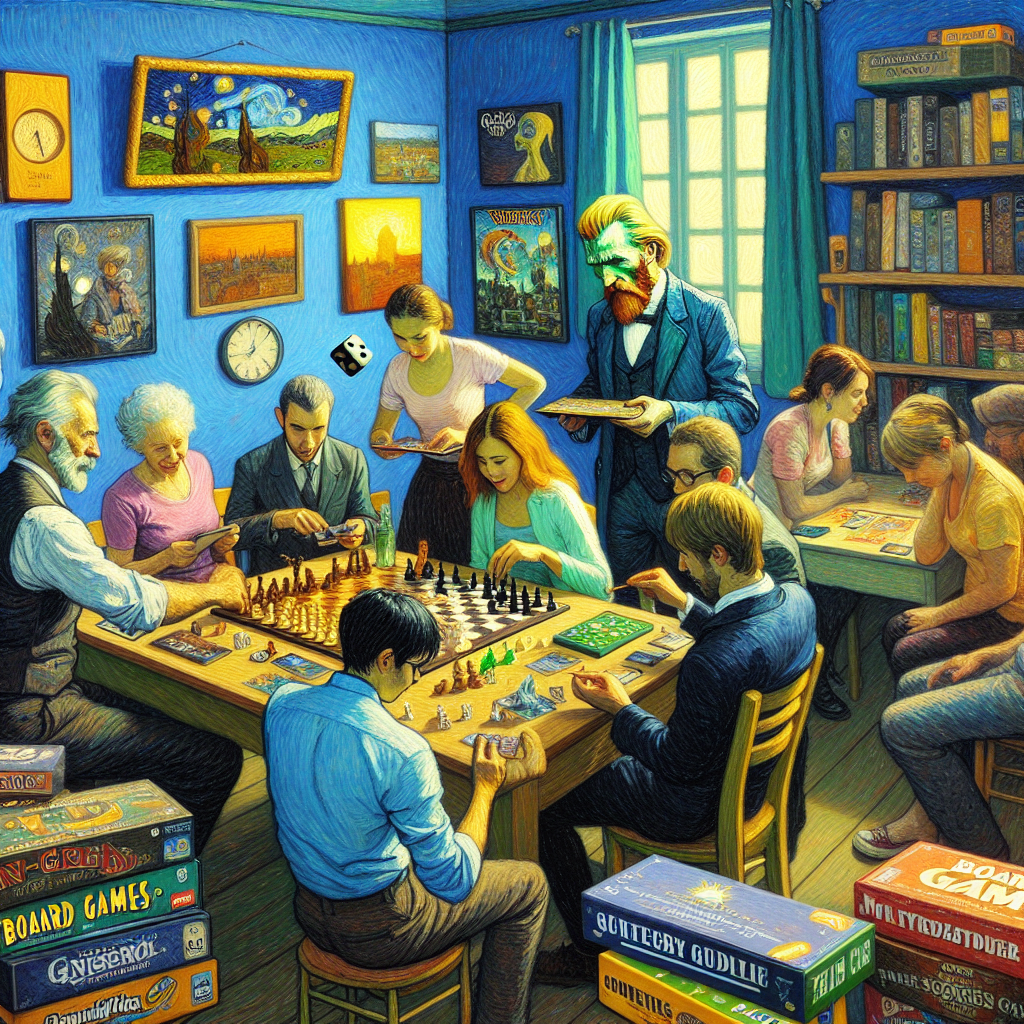
In today’s world, it seems like everyone and their grandmother is glued to a screen, fingers flying over buttons as they immerse themselves in digital realms filled with quests, monsters, and challenges. While some folks dismiss video games as mere distractions, there’s a growing body of evidence suggesting that these interactive experiences might be teaching us a thing or two about tackling real-life problems. If you’re skeptical, consider this a gentle nudge to take a closer look.
At the heart of many video games lies a core principle: problem-solving. Whether it’s strategizing in a real-time tactics game, unraveling complex puzzles in an adventure title, or coordinating with teammates in an online multiplayer environment, these virtual escapades are breeding grounds for cultivating critical thinking skills. Players often find themselves confronted with scenarios that require quick decision-making, creative strategies, and adaptability—skills that translate seamlessly into the unpredictable landscape of everyday life.
Think about it: when you’re deep in a game, faced with an uncertain situation, you can’t simply throw your hands up and walk away. You roll up your sleeves and figure out a way through. This might involve experimenting with different approaches, learning from your mistakes, and devising a plan based on the information available at that moment—a skill that comes in handy when the stakes are much higher in real-world scenarios.
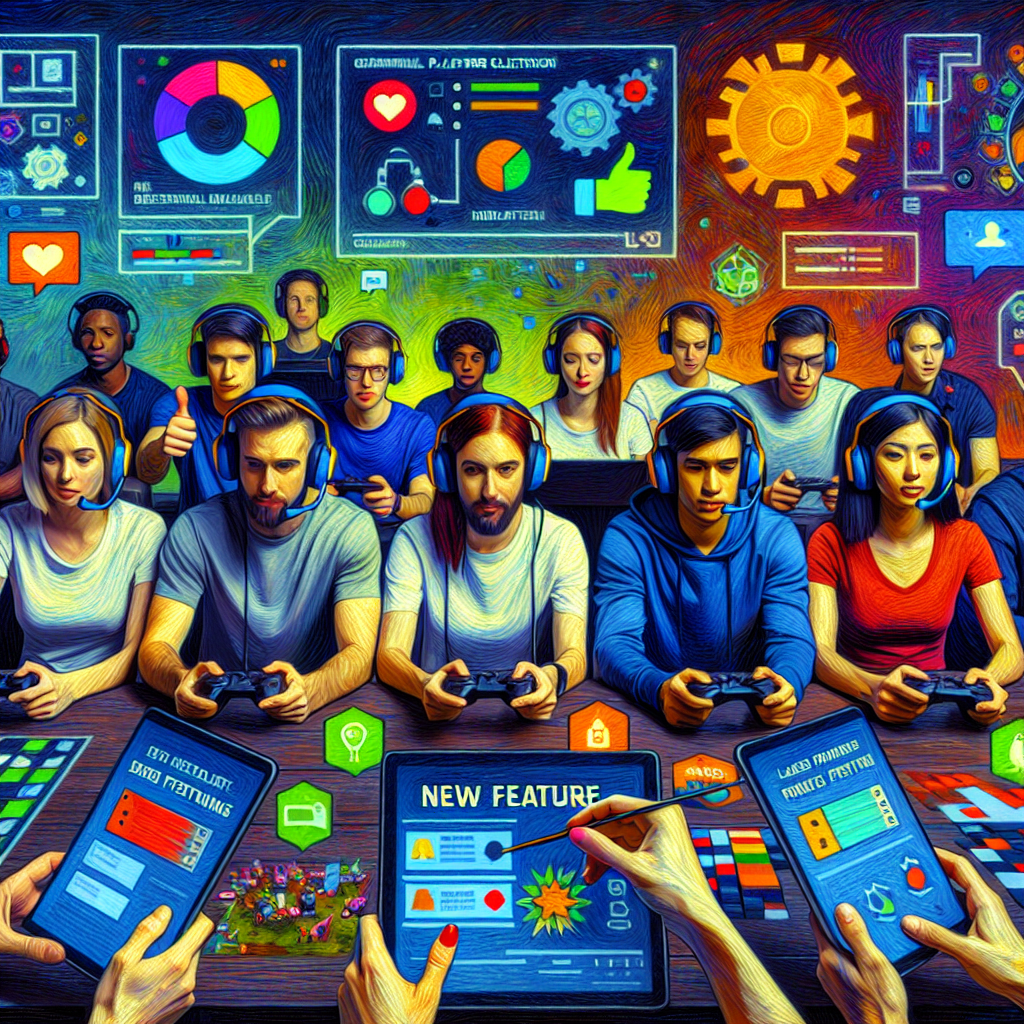
A podcast discussing this very phenomenon recently highlighted how certain games encourage players to think critically, collaborate, and communicate effectively. In cooperative games, for instance, players must work together to achieve a shared goal, pooling their strengths and compensating for each other’s weaknesses. Sounds a lot like a good ol’ team project at work, right?
Moreover, video games often present challenges that mirror those we face outside of the gaming world. Whether it’s managing resources, overcoming obstacles, or negotiating with others, the lessons learned in-game can be invaluable. Those who dive into these virtual experiences may find themselves better prepared for the complexities of daily life.
So, the next time you hear someone scoff at video games as frivolous, consider that beneath the surface level of fun lies a training ground for real-world problem-solving. Embrace this modern phenomenon as not just entertainment, but as a potential stepping stone to success in tackling life’s many challenges.
Can Video Games Help With Real-Life Problem-Solving Scenarios?
Can Video Games Help With Real-Life Problem-Solving Scenarios?
- Video games immerse players in digital realms with quests, monsters, and challenges.
- Evidence suggests that video games can teach important real-life problem-solving skills.
- Core principles of many games focus on cultivating critical thinking and quick decision-making.
- Players learn to adapt and devise strategies, skills applicable in everyday situations.
- Cooperative games emphasize collaboration and effective communication among players.
- Video games present challenges similar to real-world issues like resource management and negotiation.
- Video games should be viewed as valuable training grounds for real-world problem-solving, not just entertainment.
Can Video Games Help With Real-Life Problem-Solving Scenarios?
Are There Specific Genres Of Games That Boost Problem-Solving Skills?
When you consider the world of gaming, you might picture a vast landscape filled with fantastical creatures, high-octane races, and epic battles. What you might not realize is that nestled within this diverse universe lies a treasure trove of opportunities to sharpen your problem-solving skills. So, let’s dive into the genres of games that can transform your leisure time into mental gymnastics.
First up, we have the puzzle genre. Think of classic titles like “Tetris” or newer hits such as “Portal.” These games are the intellectual equivalent of a workout session for your brain. Players are confronted with challenges that require them to think logically, strategize, and adjust to variables. It’s all about recognizing patterns and optimizing moves, and those skills transition well into real-life problem-solving scenarios.
Then there’s the realm of strategy games. Titles like “Civilization” or “StarCraft” will not only entertain but also force you to take a step back and think critically about your next move. Designing your civilization or outmaneuvering opponents requires players to assess risks and rewards systematically. You’re not just pushing buttons; you’re crafting plans and adapting as the game evolves, much like solving a complex issue in the workplace.
Role-playing games (RPGs) also deserve a mention. Games like “The Witcher” and “Final Fantasy” immerse you in rich narratives where decisions matter. Players must weigh options, understand character motivations, and foresee the consequences of their actions. These elements cultivate a level of analytical thinking that can boost one’s ability to solve problems in everyday life, from negotiating deadlines to managing interpersonal conflicts.
Lastly, let’s not overlook the emerging world of simulation games. Titles like “The Sims” or “Factorio” place players in environments where they must manage resources and make strategic decisions to achieve specific objectives. The challenge of balancing multiple factors and anticipating outcomes fosters a practical approach to problem-solving that can be incredibly valuable in real-life situations.
The medium of gaming is not just about escape; it is a powerful tool for mental development. Whether tuning into a podcast about gaming strategies or diving straight into gameplay, you’ll likely find that the right genre of games can sharpen your wits and enhance your ability to tackle challenges in various aspects of life. So, put on those headphones, grab that controller, and let the problem-solving begin!

Are There Specific Genres Of Games That Boost Problem-Solving Skills?
Are There Specific Genres Of Games That Boost Problem-Solving Skills?
- Gaming offers opportunities to enhance problem-solving skills across various genres.
- Puzzle games like “Tetris” and “Portal” require logical thinking and pattern recognition.
- Strategy games, such as “Civilization” and “StarCraft,” encourage critical assessment of risks and rewards.
- Role-playing games (RPGs) like “The Witcher” and “Final Fantasy” involve decision-making and understanding consequences.
- Simulation games, including “The Sims” and “Factorio,” focus on resource management and strategic decision-making.
- The gaming medium serves as a tool for mental development, aiding in real-life problem-solving.
- Engaging with the right game genres can enhance one’s ability to tackle various challenges.

Are There Specific Genres Of Games That Boost Problem-Solving Skills?
How Do Puzzle Games Affect Mental Agility And Speed?
When it comes to the world of mental exercise, puzzle games are akin to the gym membership for your brain. We often hear people dismiss these games as little more than easy entertainment or time wasters, but the truth is that their impact on mental agility and speed goes far deeper. If you’ve ever spent a frenzied hour trying to piece together a crossword or battle through a Sudoku, you might not realize you were giving your cognitive faculties a rigorous workout.
The reality is, engaging in these mental challenges helps build neural connections—those tiny pathways that connect different parts of your brain. Just like lifting weights strengthens muscle fibers, solving puzzles encourages the brain to light up in areas responsible for logic, reasoning, and problem-solving. Each time you confront a tricky conundrum or navigate a complex maze in a game, you’re not just idling away your free time; you’re honing your ability to think critically and make swift decisions.
Moreover, there’s a certain satisfaction that comes from conquering a difficult puzzle. This sense of accomplishment fires up the reward centers in our brains, releasing dopamine and creating a desire to tackle even more challenging puzzles. Over time, this can lead to improved cognitive speed—an essential skill in today’s fast-paced world where decisions must often be made in the blink of an eye.
To put it plainly, puzzle games are more than mere distractions; they’re brain boosters, helping us navigate the twists and turns of everyday life with a bit more finesse. The best part? You don’t need a degree in neuroscience to reap these benefits. Anyone can dive into a “What’s the difference?” game or fire up a trivia app on their phone, and the beauty of it is that they can do so amidst the chaos of life—the kitchen table, waiting in line, or lounging on the couch.
So, whether you’re a seasoned puzzle aficionado or a newbie just getting started, consider this your call to action. Embrace those brain teasers and immerse yourself in the challenge. Just remember: each twist and turn of the puzzle is a chance to sharpen your mind, boost your agility, and keep your mental gears running smoothly. And who knows? You might just impress your friends with your newfound speed in solving everyday dilemmas. Now that’s a win-win situation!

How Do Puzzle Games Affect Mental Agility And Speed?
How Do Puzzle Games Affect Mental Agility And Speed?
- Puzzle games serve as a gym membership for the brain, enhancing mental agility and speed.
- Engaging in puzzles builds neural connections, strengthening areas responsible for logic and problem-solving.
- Solving puzzles hones critical thinking and decision-making abilities.
- Conquering difficult puzzles releases dopamine, boosting satisfaction and motivation for tackling more challenges.
- Regular puzzle engagement can improve cognitive speed, which is essential in a fast-paced world.
- Puzzle games are accessible to everyone, requiring no special training or expertise.
- Embracing brain teasers can enhance mental sharpness and impress others with improved problem-solving skills.

How Do Puzzle Games Affect Mental Agility And Speed?
Is There Scientific Evidence Linking Gaming To Quicker Thinking?
In the ever-evolving landscape of leisure activities, video gaming stands out as one of the most contentious topics. Among the chatter in various forums and a multitude of podcast discussions, the correlation between gaming and cognitive enhancement often takes center stage. Now, let’s delve into the thick of it and see what the research truly says about whether gaming can indeed sharpen our mental faculties.
First off, we must embark on this expedition armed with an understanding of what “quicker thinking” really encompasses. It’s not about rushing through decisions without considering the consequences; rather, it’s about the ability to process information rapidly and react efficiently. This is where video games, particularly those that challenge players to think strategically or react in real time, come into play.
Several studies have surfaced in recent years, and they lend some credibility to the notion that gaming can enhance cognitive skills. For instance, research published in the journal *Nature* reported that players of certain action games showed improved visual attention and spatiotemporal reasoning. This means that gamers, who navigate bustling virtual environments and react to fast-moving events, may actually train their brains to process visual data more efficiently. Some podcast experts even suggest that these skills might translate to real-world tasks, from driving to playing sports.
However, it’s not all sunshine and rainbows. Critics argue that while gamers may showcase improved reaction times and enhanced skills in specific areas, these benefits can be limited. For instance, the gains seen in one environment may not directly apply to another—think of it like being an expert at playing chess but struggling to play a game of checkers. It’s also essential to acknowledge that excessive gaming can come with its own set of drawbacks, including increased screen time leading to physical and mental health issues.
Moreover, a nuanced perspective is needed. The right kind of game at the right amount might just be the key. Action-oriented games may promote sharper reflexes, while puzzle and strategy games could bolster problem-solving skills. So, before you toss aside your controller in frustration or guilt, it might be worth considering how your gaming habits fit into the bigger picture of cognitive development.
The evidence linking gaming to quicker thinking is worthy of respect but deserving of context. As with many things in life, balance is critical—whether you’re slaying monsters in a digital realm or engaging in the complexities of our everyday existence.

Is There Scientific Evidence Linking Gaming To Quicker Thinking?
Is There Scientific Evidence Linking Gaming To Quicker Thinking?
- Video gaming is a contentious topic in discussions about leisure activities and cognitive enhancement.
- “Quicker thinking” refers to the ability to process information rapidly and react efficiently, not hasty decision-making.
- Some research, including studies published in *Nature*, suggests that action games improve visual attention and spatiotemporal reasoning.
- Skills developed in gaming may have real-world applications, such as driving and sports performance.
- Critics argue that benefits of gaming may be limited to specific contexts, akin to expertise in one game not translating to another.
- Excessive gaming can lead to negative physical and mental health issues from increased screen time.
- The right type and amount of gaming can enhance cognitive skills; balance is key to maximizing benefits.

Is There Scientific Evidence Linking Gaming To Quicker Thinking?
What Role Does Teamwork In Gaming Play In Problem-Solving?
In the realm of gaming, the power of teamwork often makes the difference between victory and defeat, and it’s here that the intricate art of problem-solving flourishes. Imagine a group of players plunging into a digital battleground, navigating challenges that seem insurmountable alone. Suddenly, a light bulb flickers on: each member brings a unique skill set, and together they can concoct solutions that would otherwise remain hidden in the shadows.
This dynamic interplay mirrors the working world, where collaboration is crucial for tackling complex issues. Just like the contributors to your favorite podcast, players must communicate, strategize, and pivot as new obstacles arise. The conversation within the game—not unlike the banter found in your go-to audio series—is essential. It keeps everyone aligned, fostering an environment where innovative ideas can thrive.
Consider a team in a cooperative game, where each player assumes a specific role. Maybe one is a sharpshooter, adept at picking off threats from a distance, while another excels in healing comrades, ensuring the group remains in fighting shape. Yet, without clear communication and a collective mindset, each player risks failing to fulfill their potential. That’s where teamwork transforms into a vessel for problem-solving.
As players face challenges and share their insights, they develop not just strategies to navigate the immediate obstacles but also a broader understanding of their roles within the group. Learning how to recognize each other’s strengths and weaknesses can turn a ragtag bunch into a well-oiled machine. Each player’s unique perspective contributes to a richer understanding of the game’s mechanics and promotes creative solutions.
Moreover, the thrill of gaming lies in its unpredictability. The unexpected curveballs, like a surprise ambush or a sudden change in the game’s rules, test a team’s ability to adapt. By collaborating, players hone their problem-solving skills, reacting to situations in real time, experimenting with various tactics, and learning from both success and failure.
While gaming may sometimes be viewed as mere entertainment, it serves as a powerful training ground for real-world skills—particularly in problem-solving through teamwork. When players unite with a common purpose, pooling their knowledge and ideas, they unlock the potential not just to conquer challenges but to forge lasting bonds that transcend the screen.

What Role Does Teamwork In Gaming Play In Problem-Solving?
What Role Does Teamwork In Gaming Play In Problem-Solving?
- Teamwork is essential in gaming, often determining victory or defeat.
- Players utilize unique skill sets to solve challenges collaboratively.
- Communication and strategy are key for successful problem-solving in both games and the workplace.
- Each player’s specific role in a game enhances teamwork and efficacy.
- Clear communication helps players recognize strengths and weaknesses, fostering a cohesive team.
- Unexpected game events challenge teams, promoting real-time problem-solving and adaptability.
- Gaming serves as a powerful training ground for real-world skills, fostering unity and collaboration.

What Role Does Teamwork In Gaming Play In Problem-Solving?
Conclusion
Ladies and gentlemen, let’s wrap this up nice and tight. It’s no secret that video games have earned both fierce advocates and vocal critics in recent years. But as Tom Seest’s exploration reveals, the conversation around gaming isn’t about whether it’s good or bad—it’s about understanding the nuanced truths in between. The reality is, gaming can play a significant role in honing essential problem-solving skills. Buttressed by studies, anecdotes, and plenty of passionate gamers, the evidence suggests that what may seem like mere fun is, in fact, an intricate dance of strategy, risk assessment, and adaptability—a mental dojo, if you will.
First off, those who dive into the pixelated worlds of puzzle and strategy games are engaging in exercises that build cognitive muscle. Every time you summon up a plan of attack against an in-game boss, or strategize over resource management, you’re not just playing; you’re effectively running laps around your brain, sharpening skills that are foundational for real-life problem-solving. That’s right! Your next office presentation might benefit from the same strategic planning you used to conquer your latest quest.
But let’s not skip over the social aspect. Multiplayer environments foster collaboration, nudging us toward teamwork as we pool our strengths to tackle challenges. Each gamer taps into their unique skills—just like on any good project team at work. There’s something undeniably powerful about speaking ideas into the void and iterating on them with others, where the combined effort often yields solutions that one mind alone might miss.
Now, I won’t lie; the potential downsides are real. But that’s life, isn’t it? It’s all about balance. Engage with gaming mindfully, and it can become a valuable ally in your quest for cognitive growth. So, whether you’re loading up a fast-paced shooter or grappling with a logic puzzle, remember—it’s about leveraging your time spent in the digital realm as a springboard for clearer thinking in the offline world.
So, the next time you’re about to cast aside your controller in shame, give it another thought. You might just be shaping yourself into a better critical thinker—one level at a time. Now, go forth, game on, and elevate your problem-solving prowess!

Conclusion
Conclusion:
- Video games spark debate with strong advocates and critics, emphasizing the need to understand the nuanced roles of gaming.
- Gaming can significantly enhance problem-solving skills through strategy, risk assessment, and adaptability.
- Puzzle and strategy games build cognitive abilities, making players better equipped for real-life challenges.
- Multiplayer environments promote collaboration, leveraging unique skills from each player to tackle problems effectively.
- The social aspect of gaming encourages idea-sharing and iteration, leading to solutions that may not be found individually.
- While acknowledging potential downsides, engaging with gaming mindfully can contribute to cognitive growth.
- Gamers can use their gaming experiences to become better critical thinkers, enhancing their problem-solving prowess.

Conclusion
Other Resources

Other Resources
Here is a list of other resources you can review online to learn more:
- Roxley Games
- Eagle-Gryphon Games
- Gloom
- Solitaire
- Space Cowboys
- Paizo Publishing
- Stonemaier Games
- Twilight Struggle
Use This Prompt To Get More Resources With Your Favorite Online AI Tool: Please provide me with a list of online articles with their URLs in a bulleted list that I can read regarding Will Gaming Boost Your Problem-Solving Speed?

Other Resources
Glossary Terms
Will Gaming Boost Your Problem-Solving Speed? – Glossary Of Terms
1. Cognitive Flexibility: The mental ability to switch between thinking about different concepts or to think about multiple concepts simultaneously.
2. Problem-Solving: The process of finding solutions to difficult or complex issues, often requiring critical thinking and adaptability.
3. Game Mechanics: The rules and systems that govern how a game functions, influencing player strategies and decisions.
4. Strategy Games: A genre of games that emphasizes skillful thinking and planning to achieve victory, often involving resource management and tactical decision-making.
5. Reaction Time: The time taken to respond to a stimulus, which can often be improved through gaming.
6. Spatial Awareness: The understanding of how objects relate to each other in space, important in many puzzle and action games.
7. Memory Retention: The ability to preserve and recall information, which can be enhanced by cognitive challenges presented in games.
8. Attention Concentration: The capacity to focus on a particular task or set of tasks, often tested and improved through high-intensity gaming sessions.
9. Multitasking: The ability to manage more than one task at a time, a skill often honed through fast-paced gaming scenarios.
10. Critical Thinking: The objective analysis and evaluation of an issue in order to form a judgment, a skill often enhanced by strategic gameplay.
11. Feedback Loops: Systems wherein outputs are circled back as inputs, often found in games where player decisions directly affect outcomes.
12. Simulation Games: Games that mimic real-world activities, helping players practice problem-solving in a controlled environment.
13. Real-Time Strategy (RTS): A genre of strategy games where players must make quick decisions in real-time rather than taking turns.
14. Puzzle Games: Games that require players to solve puzzles, which can enhance logical thinking and problem-solving efficiency.
15. Digital Literacy: The ability to effectively find, evaluate, and communicate information in digital formats, essential for navigating many modern games.
16. Exponential Learning: A learning curve that accelerates based on prior knowledge and engagement, often facilitated by gaming interactions.
17. Goal-Oriented Play: A gaming approach focused on achieving specific objectives, which can enhance planning and strategy.
18. Challenge-Based Learning: Learning through engagement with tasks that present challenges, often modeled in game levels.
19. Interactive Learning: Learning that occurs through active participation and engagement, highly prevalent in gaming environments.
20. Engagement: The level of interest and involvement a player has with a game, which can drive motivation and practice.
21. Task Saturation: A state wherein multiple tasks need simultaneous attention, a scenario commonly encountered in gaming.
22. Skill Acquisition: The process through which a player learns and develops skills, which can be beneficial for problem-solving applications.
23. Emotional Regulation: The ability to manage emotions, often enhanced by handling stress and challenges in gaming scenarios.
24. Game Theory: The study of strategic decision making, which is often applied in multiplayer and competitive gaming contexts.
25. Cognitive Load: The total amount of mental effort being used in the working memory, affected by the complexity of in-game tasks.
26. Adaptability: The ability to adjust to new conditions, which can be fostered through dynamic and changing gameplay scenarios.
27. Collaborative Play: Gaming that involves teamwork and cooperation among players, enhancing social skills and group problem-solving.
28. Learning Curve: The rate of a player’s progression through learning and mastering game mechanics or strategies over time.
29. Achievement Systems: Game structures that reward players for completing specific tasks or challenges, motivating engagement and improvement.
30. Neuroplasticity: The brain’s ability to reorganize itself by forming new neural connections, a potential benefit of engaging in gaming that challenges cognitive skills.

Glossary Of Terms
Other Questions
Will Gaming Boost Your Problem-Solving Speed? – Other Questions
If you wish to explore and discover more, consider looking for answers to these questions:
- What are the long-term cognitive benefits of gaming?
- How does gaming compare to other forms of mental exercises, like puzzles or reading?
- Are there age-related differences in how gaming affects problem-solving skills?
- How do different gaming platforms (console, PC, mobile) impact cognitive development?
- What are the potential negative effects of excessive gaming on mental health?
- Can gaming be used as a therapeutic tool for cognitive rehabilitation?
- How do multiplayer games impact collaboration and communication skills compared to single-player games?
- What specific mechanics in games contribute most to improving problem-solving skills?
- Are there any recommended gaming practices for maximizing cognitive benefits?
- How can parents balance gaming and other activities for their children?

Other Questions
Haiku
Will Gaming Boost Your Problem-Solving Speed? – A Haiku
Pixels flash and clash,
Games sharpen minds, strategize—
Play fuels quick thinking.

Haiku
Poem
Will Gaming Boost Your Problem-Solving Speed? – A Poem
In digital realms where pixels gleam,
A quest unfolds, a vivid dream.
Not mere distraction, nor mindless play,
But a training ground for minds all day.
Fast-paced moments, decisions to weigh,
With every challenge, strategy holds sway.
Action and puzzles, adventure in store,
Sharpening the brain, it craves ever more.
Critical thinking—a skill ignites,
In games, we learn to assess and take flights.
Resource management, planning ahead,
Each move we make, a path to tread.
Yet critics caution with a frowning face,
Of screen time lost in virtual space.
Balance is key, they advise with wise words,
As we navigate life, like flocks of wild birds.
Teamwork blooms in battles fought,
Collaboration’s essence, a lesson taught.
Voices unite, diverse strengths collide,
In synergy’s embrace, there’s nowhere to hide.
Puzzle games beckon, like weights at the gym,
A workout for brainwaves, take chances, take risks.
Logic and reasoning, blending with cheer,
Crafting skills that help us both far and near.
A world of potential, hidden in play,
Transforming leisure into skills for the fray.
So grab that controller, embrace the delight,
Level up your mind, soar to new heights!

Poem
Checklist
Will Gaming Boost Your Problem-Solving Speed? – A Checklist
1. Understand the Benefits of Gaming
_____ Recognize that gaming can enhance cognitive skills and problem-solving abilities.
_____ Acknowledge the distinctions between different types of gaming experiences (e. g. , solo vs. multiplayer).
2. Choose the Right Game Genres
_____ Explore puzzle games for logical thinking and strategy.
_____ Engage with strategy games to develop long-term planning and critical analysis.
_____ Play role-playing games (RPGs) to enhance decision-making and empathy.
_____ Try simulation games for real-life resource management skills.
3. Focus on Critical Thinking
_____ Analyze situations quickly during gameplay to improve decision-making skills.
_____ Weigh risk versus reward in game scenarios.
_____ Adapt strategies as you progress through challenges.
4. Enhance Collaboration Skills
_____ Participate in team-based games to improve communication and cooperation.
_____ Learn to articulate ideas clearly and listen to team members.
_____ Collaborate in multiplayer environments to strengthen collective problem-solving capacities.
5. Embrace Adaptability
_____ Train yourself to react and pivot strategies based on changing game dynamics.
_____ Experiment with different approaches to overcome in-game obstacles.
6. Practice Resource Management
_____ Develop skills in budgeting resources like time, energy, and in-game assets.
_____ Apply these management skills to real-life situations.
7. Limit Screen Time
_____ Set boundaries on gaming duration to avoid addiction.
_____ Balance gaming with other productive activities and real-world interactions.
8. Reflect on Gaming Experiences
_____ After a gameplay session, consider what skills and strategies you’ve learned.
_____ Discuss experiences with others to gain new perspectives on problem-solving.
9. Incorporate Puzzle Games
_____ Regularly engage in puzzle games to boost mental agility and speed.
_____ Select brain teasers and problem-solving games that fit into your daily routine.
10. Stay Informed
_____ Keep up to date with research on gaming and cognitive skills to understand their implications.
_____ Read articles or listen to podcasts that explore the connections between gaming and real-life skills.
11. Challenge Yourself
_____ Set specific goals or challenges within games to further enhance your skills.
_____ Track your progress in both gaming achievements and real-life problem-solving scenarios.
By following this checklist, you can harness the potential of gaming as a powerful tool for improving problem-solving skills and cognitive functions. Enjoy leveling up in both the virtual and real worlds!

Checklist
At HowDoYouGame, we help people who love board games by collating information and news about games.
Be sure to read our other related stories at HowDoYouGame to learn more about games.