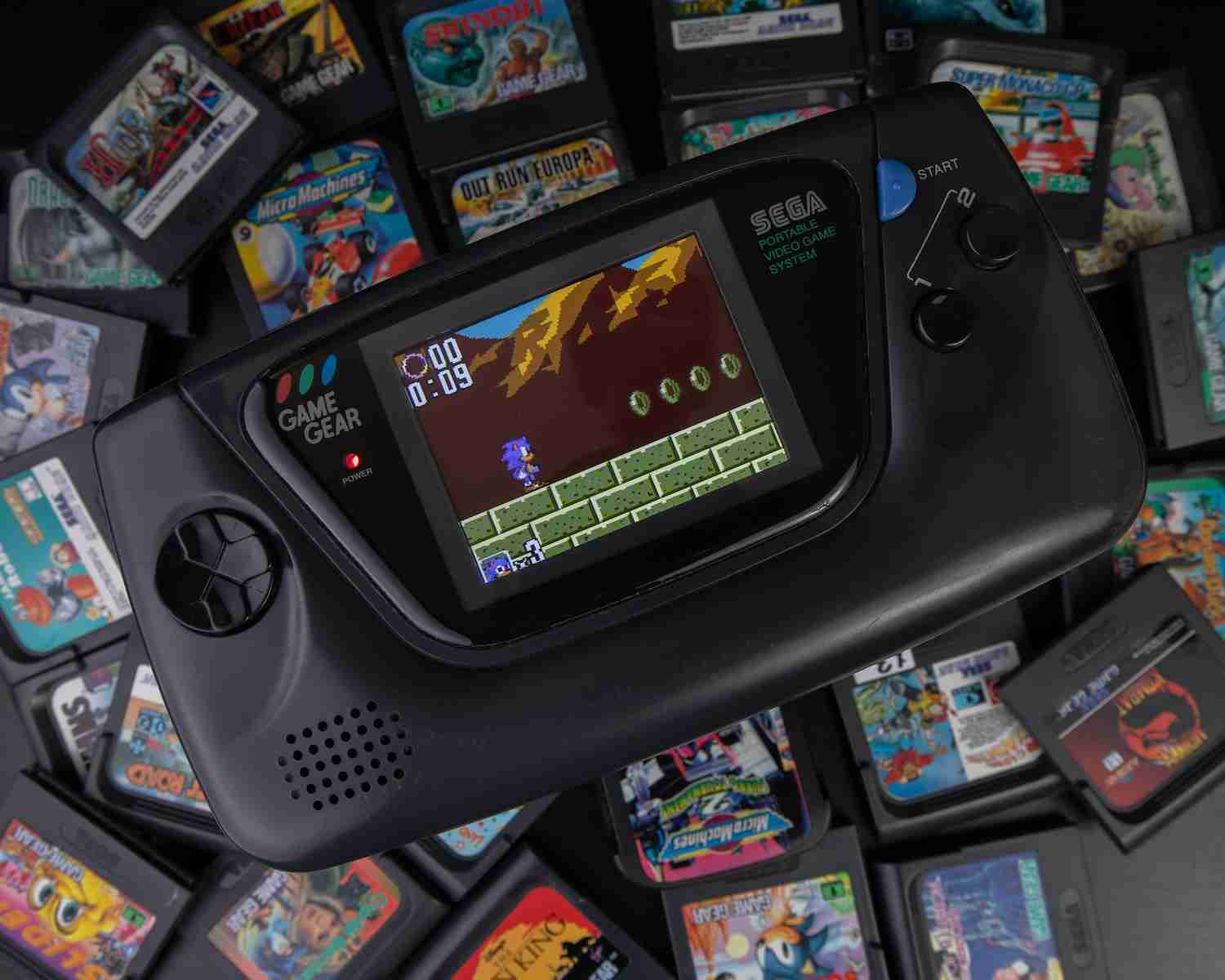
Gaming’s New Frontier: Pursuing Passion Over Tradition
By Tom Seest
At HowDoYouGame, we help people who love board games by collating information and news about games.
Be sure to read our other related stories at HowDoYouGame to learn more about games.
Why Gen Z Gamers Dream Of Going Pro More Than Going Corporate
In a world where the sound of clicking keys blends with the hum of excitement, many Gen Z gamers find themselves chasing a dream that feels as real as their next victory: the path to becoming a professional player. Staring into screens that flicker with potential, it’s hard not to reason that this realm offers much more than just leisure; it’s a canvas for ambition and a stage for stardom.
Consider the stories these young gamers carry. They pour countless hours into honing their skills, embodying their favorite characters while crafting their identities within these vibrant virtual landscapes. The thrill of competition, the camaraderie forged in battle, and the sheer joy of achieving new ranks create a powerful narrative reminiscent of the storied journeys of athletes—only this time, they wield controllers instead of bats or balls. This dream of going pro weaves a connection that resonates deeper than the corporate ladder ever could.
At the heart of it all, there’s an ethical angle worth pondering. Gamers are acutely aware of the stigma associated with their passion. Yet, they dive in headfirst, driven by a belief that their talents deserve recognition. Unlike traditional jobs that often feel like a one-way street, the gaming world offers a playground where the meritocracy thrives; skill trumps pedigree. This unrelenting pursuit of excellence breeds a sense of authenticity and trust that many corporate environments fail to deliver.
And let’s not forget the voice of authority echoing in this digital space: legends born from the very community they seek to join. Streamers and pros showcase the fruits of their labor, proving that it’s possible to transform passion into a sustainable career. Their journeys become beacons of hope, inspiring those who dream of redefining success on their terms.
Yet, the social appeal remains paramount. For Gen Z, it’s about belonging, not just to a family or a community, but to a movement that champions creativity, inclusion, and innovation. The thrill of grabbing an in-game trophy resonates beyond self, hinting at a place where they can contribute to something meaningful.
As they pause just before that crucial in-game decision, they don’t just see pixels; they see a future that feels both attainable and exhilarating. In this world, the idea of going pro doesn’t just represent a career choice; it epitomizes a lifestyle, a purpose—an invitation to dream.

Why Gen Z Gamers Dream Of Going Pro More Than Going Corporate
Why Gen Z Gamers Dream Of Going Pro More Than Going Corporate
- Gen Z gamers are pursuing the dream of becoming professional players, viewing gaming as more than just leisure.
- Many invest significant time in developing skills and crafting their identities within gaming communities.
- The competitive nature of gaming fosters camaraderie and a narrative akin to traditional athletes.
- Gamers face stigma but remain undeterred, believing their skills deserve recognition in a meritocratic environment.
- Successful streamers and pro players serve as inspirations, showcasing that passion can lead to sustainable careers.
- The social aspect of gaming connects Gen Z to a broader movement emphasizing creativity, inclusion, and innovation.
- For these gamers, going pro symbolizes not just a career, but a purpose and an invitation to pursue dreams.

Why Gen Z Gamers Dream Of Going Pro More Than Going Corporate
Table Of Contents
- Why Gen Z Gamers Dream Of Going Pro More Than Going Corporate
- Is the Gaming Industry a More Viable Path for Success?
- Can the Gaming Lifestyle Offer a Sense Of Belonging?
- How Do Skills Gained In Gaming Translate to Real-World Success?
- Is Financial Independence More Attainable Through Gaming Careers?
- How Do Family Values Influence Gaming Vs. Corporate Careers?
- Is There a Higher Risk-Reward Ratio In Choosing Gaming As a Career?
- How Do Workplace Cultures In Gaming Compare to Corporate Settings?
- Conclusion
- Other Resources
- Glossary Of Terms
- Other Questions
- Haiku
- Poem
- Checklist
Is the Gaming Industry a More Viable Path for Success?
When we think about the paths we traverse in life, we often ponder the importance of choices. The gaming industry is emerging as a vibrant landscape—where creativity meets technology—inviting individuals from all walks of life to explore new opportunities. This isn’t just about games; it’s about the potential for remarkable personal and professional growth.
Imagine a world where your passion for gaming transforms into a fulfilling career. Feel the thrill of not just playing games, but creating them, becoming a storyteller in a digital realm that captivates millions. The emotional connection we have with games is profound; they tell stories that resonate deeply, fostering friendship, competition, and even the occasional bout of nostalgia. It’s not just about hitting high scores; it’s about the shared experiences that unite us as a community.
From a rational perspective, the gaming industry is a multi-billion-dollar powerhouse that continues to expand. Job opportunities abound, from programming and graphic design to marketing and community management. The skills you hone in this industry are not mere bullets on a resume—they’re tools of the trade that can propel you into a dynamic future. The demand for fresh, innovative ideas is constant, and companies actively seek out individuals willing to break the mold.
Ethically, the gaming world is shifting towards inclusivity and representation, reflecting values many of us hold dear. The movement towards diverse narratives and characters empowers the voices of those who’ve often been sidelined. By joining this field, you’re not just making a living; you’re contributing to a culture that champions creativity and equality.
The authority of industry veterans reinforces that this is not just a fleeting trend. Success stories abound across various platforms, where people started as players and evolved into leaders. Their journeys show that while hard work is non-negotiable, the rewards can be immensely satisfying.
As we engage with gaming, we foster both personal growth and community strengthen. The social connections we build extend beyond screens—they translate into relationships that enrich our lives. So, when you consider your path forward, think deeply about the potential lying within this vibrant industry. It just might lead you to a place where your passion aligns perfectly with purpose, paving the way for a future filled with endless possibilities.

Is the Gaming Industry a More Viable Path for Success?
Is the Gaming Industry a More Viable Path for Success?
- The gaming industry offers a blend of creativity and technology, creating diverse opportunities.
- Transforming a passion for gaming into a career enables storytelling and connects with a wide audience.
- Games foster deep emotional connections, building communities through shared experiences.
- The industry is a multi-billion-dollar market with numerous job opportunities in various fields.
- Skills gained in gaming are valuable and help propel careers in dynamic and innovative environments.
- The shift towards inclusivity and representation in gaming empowers diverse voices and narratives.
- Success stories of players becoming leaders highlight the rewarding potential of hard work in this evolving industry.

Is the Gaming Industry a More Viable Path for Success?
Can the Gaming Lifestyle Offer a Sense Of Belonging?
The world of gaming is more than just a hobby; it’s a thriving community that offers a genuine sense of belonging. When you dive into these virtual realms, you don’t just encounter challenges and quests; you meet people from all walks of life, driven by shared passions. There’s something deeply fulfilling about gathering around a console or computer, immersed in Games that ignite laughter, competition, and camaraderie.
Imagine standing shoulder to shoulder with a group of strangers in a team-based game, strategizing to take down a common foe. The thrill of victory is sweet, but the bond forged in those moments resonates far beyond the screen. This is not just a diversion; it’s relationships built on trust and teamwork. These interactions offer a refreshing alternative to the isolation that many feel in the fast-paced world outside gaming.
Let’s think rationally for a moment. It’s easy to dismiss gaming as a frivolous interest. However, research shows that gaming can enhance social skills, help develop critical thinking, and even boost emotional intelligence. Gamers learn to communicate, adapt, and negotiate as they navigate complex narratives and dynamic gameplay. As players come together to tackle a shared mission, they discover that they’re not alone in their struggles—whether they’re facing an unyielding boss, crafting a strategy, or lounging in a virtual hangout.
On an ethical level, gaming fosters inclusivity. No matter who you are, where you come from, or what your abilities may be, there’s a game out there that welcomes you. Many gaming communities emphasize respect and support, encouraging connections that celebrate diversity and shared interests. This sense of belonging isn’t merely an escape; it’s a platform for understanding and acceptance.
The stories that unfold in gaming are as rich as any classic tale. A group of players may start as strangers, yet through trials and tribulations, they grow into a tight-knit family. These narratives echo our own lives—underscoring the profound truth that, amid life’s chaos, we all seek connection.
So, next time you pick up a controller or log into an online platform, remember: it’s not just about who wins or loses. It’s about building a community, fostering friendships, and finding a space where you truly belong. In a world that often feels fragmented, gaming is a bridge—a place where we can all come together, united by our passions and dreams.

Can the Gaming Lifestyle Offer a Sense Of Belonging?
Can the Gaming Lifestyle Offer a Sense Of Belonging?
- Gaming transcends being a hobby, offering a vibrant community that fosters a sense of belonging.
- Players connect with diverse individuals through shared passions, engaging in laughter, competition, and camaraderie.
- Team-based gaming cultivates trust and teamwork, creating lasting bonds beyond virtual interactions.
- Research supports the notion that gaming enhances social skills, critical thinking, and emotional intelligence.
- Gaming promotes inclusivity, welcoming individuals regardless of their background or abilities.
- In-game narratives reflect real-life connections, illustrating a universal desire for connection amidst chaos.
- Ultimately, gaming serves as a bridge, uniting people through shared interests and dreams in a fragmented world.

Can the Gaming Lifestyle Offer a Sense Of Belonging?
How Do Skills Gained In Gaming Translate to Real-World Success?
When we think of games, we often picture a screen-filled world where characters battle it out for virtual glory. But if we peel back the layers, we find that within every pixel lies a treasure trove of skills that can lead to real-world success. It’s not just about winning; it’s about the journey and the lessons learned along the way.
Take, for instance, the collaboration needed in multiplayer games. Players must work cohesively to achieve common objectives, learning to communicate effectively and leverage each other’s strengths. These experiences translate directly into the workplace. Imagine walking into an office where team dynamics thrive on collaboration, fueled by that same camaraderie found in a gaming environment. This isn’t just a theory; it’s a reality seen in companies that prioritize teamwork and creativity—where individuals who have honed these skills in games bring a competitive edge.
Consider resilience—the ability to bounce back from setbacks. In games, failure is part of the journey, teaching players to adapt, rethink strategies, and persist until they succeed. This tenacity is invaluable in the real world. Those who understand the importance of persistence in their virtual quests often carry that same grit into their careers, tackling challenges head-on and inspiring those around them.
Moreover, games often require quick decision-making under pressure. Whether it’s choosing the right armor in a fantasy quest or planning a strategy during a time-sensitive mission, these experiences cultivate critical thinking and problem-solving skills. Imagine facing a daunting project at work with a calm, strategic mindset fostered by navigating complex game scenarios. This ability separates the leaders from the followers, instilling confidence in oneself and inspiring trust in others.
Ethically speaking, many games emphasize the importance of play and fairness. Players learn to respect rules and the experiences of others, laying a foundation for integrity in real-life interactions. In an age where ethical dilemmas often cloud judgment, those nurtured in the world of gaming are more likely to navigate these murky waters with a strong moral compass.
In essence, the skills gained in games—resilience, collaboration, quick thinking, and integrity—do not just enhance our gaming experience but equip us for the challenges of everyday life. Embracing these lessons allows us to transform play into purpose, cultivating a generation ready to approach the world with a combination of heart, head, and gut. So let’s celebrate these skills and take our gaming lessons into the realm of reality, facing life’s adventure with newfound confidence and courage.

How Do Skills Gained In Gaming Translate to Real-World Success?
How Do Skills Gained In Gaming Translate to Real-World Success?
- Games teach valuable skills that contribute to real-world success beyond just winning.
- Multiplayer games foster collaboration and communication, skills that enhance teamwork in the workplace.
- Players learn resilience through failures in games, developing persistence that is crucial in professional environments.
- Quick decision-making in gaming scenarios cultivates critical thinking and problem-solving abilities.
- Many games emphasize ethics, helping players develop a moral compass and respect for fairness.
- The skills gained from gaming—resilience, collaboration, quick thinking, and integrity—prepare individuals for everyday challenges.
- Embracing gaming lessons can empower individuals to approach life with confidence and courage.

How Do Skills Gained In Gaming Translate to Real-World Success?
Is Financial Independence More Attainable Through Gaming Careers?
In a world increasingly defined by digital landscapes, the allure of financial independence through gaming careers isn’t just a lofty dream; it’s a tangible reality for many. Imagine the exhilaration of waking up not to an alarm clock but to your own ambition, diving into a universe where your passion for games ignites your bank account. It’s more than just play; it’s a livelihood built on creativity, strategy, and community.
Perhaps you’ve spent late nights glued to a screen, not just as a fan, but as a skilled player, dreaming of transforming your gaming prowess into income. It’s a notion that resonates deeply—there’s something ethical about pursuing what you love while also harnessing your talents to carve out a comfortable life. The gaming industry has exploded, creating platforms for streamers, eSports athletes, and content creators to monetize their skills, gain massive followings, and, yes, achieve financial independence.
The logic is sound: in today’s digital age, where entertainment is consumed at lightning speed, the gaming world stands as a beacon for anyone willing to take the plunge. You’re not just competing against others; you’re creating streams of revenue that can lead to meaningful growth. The financial paths within gaming aren’t carved from luck; they’re built on hard work and strategic thinking. Just like a well-developed character in your favorite game, the journey may have twists and turns, but each level achieved richens the experience.
The stories from those who’ve made it may just inspire you. Think of a humble gamer who, after years of dedication, built a career streaming their gameplay, turning viewers into a loyal community and building partnerships that generate significant income. These narratives aren’t just about success but also the relatable struggles and triumphs that come with this career choice. They exemplify that anybody with a passion for games can harness their potential to foster a fulfilling life.
As you contemplate your own journey, remember this: pursuing a gaming career can lead to more than just financial gain. It’s about crafting a life aligned with your passions, surrounded by a community that shares your interests. It’s an opportunity to reshape your future, armed with the knowledge that your dream can indeed become your reality. So, if you feel that stirring in your gut—that irresistible, burning desire—go ahead and chase it. The gaming world is waiting for you.

Is Financial Independence More Attainable Through Gaming Careers?
Is Financial Independence More Attainable Through Gaming Careers?
- The pursuit of financial independence through gaming careers is becoming a tangible reality for many.
- Pursuing a gaming career allows individuals to turn their passion into income and build a livelihood around creativity and community.
- Rapid growth in the gaming industry has created opportunities for streamers, eSports athletes, and content creators to monetize their skills.
- Success in gaming is achievable through hard work and strategic thinking rather than mere luck.
- Inspirational stories of gamers who have built careers through dedication highlight the relatable struggles and victories in this field.
- A career in gaming offers more than financial gain; it encourages living in alignment with personal passions and interests.
- The gaming world presents an exciting opportunity to reshape one’s future and pursue dreams actively.

Is Financial Independence More Attainable Through Gaming Careers?
How Do Family Values Influence Gaming Vs. Corporate Careers?
In the great tapestry of life, family values serve as the threads that weave individuals into strong, resilient beings. When it comes to the realms of gaming and corporate careers, these values can dictate the paths we choose and how we navigate them. Think about it: values such as teamwork, perseverance, and creativity often dominate the gaming landscape, shaping players into not just competitors, but storytellers and collaborators. Kids who grow up surrounded by the love of a family that celebrates challenge may find themselves drawn to games that foster teamwork, strategy, and problem-solving skills. These games, laden with colorful narratives and rich character arcs, teach lessons that transcend the screen.
On the other hand, those same children, perhaps steered by family aspirations or cultural pressures, may find themselves channeling their energies toward corporate careers, aiming instead for the solid ground of stability and respectability. Here, values manifest themselves in the boardroom—where resilience is often measured in hours worked and profits made. The corporate world offers a ladder to climb, each rung representing a sacrifice made for the wider family unit. Yet, there’s a disconnect. The analytical skills and creativity refined in gaming—skills that encourage bold thinking and problem-solving—can be smothered in a sea of bureaucratic red tape.
This sets the stage for a poignant transition: how can we reconcile the infectious joy of gaming with the serious ambitions of a corporate life? It’s simple yet profound. Embracing the core principles of gaming—collaboration, innovation, and ethical competition—can breathe new life into corporate environments. Imagine a workplace where the thrill of strategy games translates into collaborative projects that meld diverse perspectives for greater creativity. Companies that encourage such synergies are not just seen as forward-thinking; they become havens for talent, fostering a community that values both human connection and achievement.
Family values can become the bridge between these two worlds, guiding decisions around career paths while celebrating the lessons learned through gaming. The challenge is not to choose one over the other but to find a balance—a harmonious blend that allows individuals to thrive in both realms. By championing the values at home, we not only empower ourselves but also inspire future generations to pursue paths where passion meets purpose, perhaps discovering that the best of both worlds is within their reach.

How Do Family Values Influence Gaming Vs. Corporate Careers?
How Do Family Values Influence Gaming Vs. Corporate Careers?
- Family values weave individuals into strong, resilient beings, influencing their paths in gaming and corporate careers.
- Values like teamwork, perseverance, and creativity shape players into storytellers and collaborators.
- Children raised in supportive families may gravitate toward games that emphasize teamwork and problem-solving.
- Conversely, family aspirations might push children toward stable corporate careers focused on profits and respectability.
- The skills gained from gaming—creativity and analytical thinking—can be stifled in bureaucratic corporate environments.
- Embracing gaming principles like collaboration and innovation can enhance corporate culture and foster creativity.
- Finding a balance between gaming and corporate ambitions can empower individuals to pursue fulfilling paths that blend passion and purpose.

How Do Family Values Influence Gaming Vs. Corporate Careers?
Is There a Higher Risk-Reward Ratio In Choosing Gaming As a Career?
Gaming has evolved into a vast, multifaceted industry, promising excitement and the tantalizing possibility of fame and wealth, but it’s not all glitter and gold. When you consider choosing gaming as a career, you must weigh the risk-reward ratio carefully. Sure, there’s a thrill that comes with the idea of turning your passion for games into a paycheck, yet it’s vital to ground that dream in reality.
Take a moment to reflect on the stories of those who have taken the plunge. Many have spent years honing their craft, often pouring their souls into creating something truly special. These are artists, storytellers, and innovators who have transformed simple entertainment into profound experiences. Their narratives are rich with triumphs and setbacks alike—reminding us that while gaming can be an avenue for success, it doesn’t guarantee it. The depth of commitment required, the hours spent practicing—or, sometimes, simply failing—can make you question your dedication and purpose.
Now, let’s think critically. The gaming industry is competitive, and only a fraction of aspiring professionals manage to find stable footing. You’ll have to wrestle with long hours, tight deadlines, and the constant pressure to innovate your craft. Yet, this environment fosters growth and resilience. The same grit that allows you to climb through the ranks on a leaderboard can spark your journey through this demanding career. It’s a space where creativity meets business, and every win or loss offers a lesson.
Ethically, the allure of gaming also comes with responsibility. The games we create influence millions and can help shape our society. Engaging with these narratives offers players perspectives that challenge biases and expand horizons. If you step into this world, you’re wielding a tool that can bring people together or offer a voice to the voiceless. That’s not just a privilege—it’s an obligation.
Connecting with community matters too. The friendships forged and the networks built can be enriching, not just personally but professionally. Imagine sharing experiences and insights with like-minded individuals, collaborating to push the boundaries of what gaming can achieve. In pursuing this career, you invite a shared journey that broadens your understanding of the world.
So, does choosing gaming as a career hold a higher risk-reward ratio? Absolutely. But it’s a risk that pays off in ways far beyond financial gain—a chance to shape culture, engage creatively, and connect deeply with others through the very games that inspire us all.

Is There a Higher Risk-Reward Ratio In Choosing Gaming As a Career?
Is There a Higher Risk-Reward Ratio In Choosing Gaming As a Career?
- Gaming is a multifaceted industry offering excitement, fame, and wealth, but also comes with risks.
- A career in gaming requires careful consideration of the risk-reward ratio and grounding dreams in reality.
- Many successful individuals in gaming have spent years honing their craft, blending artistry and storytelling.
- The gaming industry is highly competitive, with long hours, tight deadlines, and the pressure to innovate.
- Creativity and business acumen are essential, where each win or loss provides valuable lessons.
- Games have the potential to influence society, challenge biases, and uphold ethical responsibilities.
- Building community and networking are crucial, enriching both personal and professional experiences in gaming.

Is There a Higher Risk-Reward Ratio In Choosing Gaming As a Career?
How Do Workplace Cultures In Gaming Compare to Corporate Settings?
When we talk about workplace cultures, it’s clear that the gaming industry and traditional corporate settings are like two sides of the same coin, yet they spin in entirely different ways. In the gaming world, passion reigns supreme. Picture a team of developers pouring heart and soul into their projects, a tight-knit group united by shared dreams and late-night pizza. This environment thrives on creativity and camaraderie, where ideas bounce around like characters in a multiplayer arena. The magic happens not just in the games they produce but in the bonds they forge.
Contrast that with the stifling halls of some corporate office, where creativity often takes a backseat to policies and procedures. Here, you might find long hours spent grinding through paperwork, while the soul of innovation is boxed away, left to collect dust. Sure, there’s stability in corporate life—benefits, paycheck, the whole nine yards—but at what cost? A thriving gaming studio feels electric; the pulse of passion resonates in every keystroke and conceptual sketch. It’s a shared mission, a quest, where every player contributes to a greater narrative.
Yet, it’s not just the innovation that sets gaming apart; it’s the ethical fabric woven into its culture. In gaming, inclusivity often plays a starring role. Many companies champion diversity, recognizing that multiple perspectives lead to richer storytelling and more engaging experiences. They see the value in every voice, akin to using different character classes to complement each other in a gaming strategy. Mark this down: diversity is not just a checkbox; it’s a catalyst for creativity.
There’s a certain gravity to the responsibility game developers carry. They create worlds that captivate and challenge millions, and with that comes the ethical duty to wield their influence wisely. Those moments when players connect on an emotional level? They matter deeply. These developers are the storytellers of our time, constructing narratives that can uplift or inspire change.
Then, let’s not overlook the social dynamics at play. In gaming studios, collaboration isn’t just encouraged; it’s celebrated. Engineers, designers, and voice actors come together to create something extraordinary. Meanwhile, many corporate environments can feel siloed, isolating teams rather than integrating them—a missed opportunity to foster trust and community.
So, what can corporate settings learn from the vibrant world of gaming? Embrace passion, uphold ethics, and cultivate connection. That’s how you cultivate a culture that invites everyone to play in the same game, a game that’s as old as time itself: the quest for belonging and contribution.

How Do Workplace Cultures In Gaming Compare to Corporate Settings?
How Do Workplace Cultures In Gaming Compare to Corporate Settings?
- The gaming industry and traditional corporate settings are fundamentally different in workplace culture.
- In gaming, passion and creativity thrive within tight-knit teams dedicated to their projects.
- Corporate environments often prioritize policies over innovation, leading to burnout and dissatisfaction.
- Inclusivity and diversity in gaming enhance storytelling and foster richer experiences.
- Game developers carry a significant ethical responsibility to create impactful narratives.
- Collaboration is celebrated in gaming studios, while corporate environments may lead to isolation.
- Corporate settings can learn from gaming by embracing passion, ethics, and connection to foster a sense of belonging.

How Do Workplace Cultures In Gaming Compare to Corporate Settings?
Conclusion
In the grand tapestry of our evolving society, Gen Z gamers are redefining aspirations, choosing the path of professional gaming over traditional corporate careers. For them, gaming isn’t merely a pastime; it is a canvas for their creativity, a proving ground for their talents, and a vibrant community brimming with potential. With every click of a mouse and flick of a controller, these players are crafting their identities in fantastical realms, driven by an ambition that transforms entertainment into a future filled with purpose.
The allure of going pro extends far beyond the thrill of virtual victory. It speaks to a deeper desire for belonging. In their quest, Gen Z finds camaraderie and solidarity—an antidote to the loneliness felt in a fast-paced, often disconnected world. Within this digital arena, young talents discover a meritocracy where skills reign supreme, overshadowing the traditional measures of success like pedigree or corporate status. This gaming landscape, rich with diverse narratives and representation, is where they see their aspirations validated.
Equally compelling is the emotional journey that many aspiring gamers undertake. They draw inspiration from the legends of their community—streamers and professional players who have turned their passion into prosperous careers. These narratives resonate and ignite hope, encouraging newcomers to pursue the idea that passion can lead to a fulfilling livelihood. The skills learned along the way—resilience, collaboration, and strategic thinking—translate seamlessly into the real world, challenging the notion that gaming is just a diversion.
However, the appeal of the gaming lifestyle encompasses more than just financial gain. It offers a chance for innovation and creativity, a space where one’s voice can find resonance amid diverse experiences. This journey is rooted in the very values they’ve learned at home: teamwork, creativity, and perseverance. These principles guide them not only to pursue their passion but also to forge connections that foster growth, opening the door to a future where their passion meets purpose.
Balancing the exhilarating risks of a gaming career with the security of a corporate environment ultimately leads to a reimagined notion of success. Gen Z gamers know that the pursuit of their dreams is not merely about economic stability but also about shaping a culture that emphasizes inclusivity, creativity, and genuine human connection. In embracing this ethos, they are not just chasing a dream; they’re leading a movement that blends tradition with innovation, inviting generations to redefine success on their own terms. So let them play, let them dream—because in the end, it’s not just about the game; it’s about shaping a legacy worth following.

Conclusion
Conclusion:
- Gen Z gamers are prioritizing professional gaming over traditional corporate careers, viewing gaming as a creative outlet and community.
- Gaming provides a sense of belonging and solidarity, countering feelings of loneliness in a fast-paced world.
- The gaming landscape promotes a meritocracy, valuing skills over traditional success measures like pedigree or corporate status.
- Aspiring gamers are inspired by successful streamers and players, fostering the belief that passion can lead to a fulfilling career.
- The journey of gaming instills skills like resilience, collaboration, and strategic thinking, applicable both in games and real-life scenarios.
- The gaming lifestyle encourages innovation and creativity while promoting teamwork and perseverance learned from home.
- Gen Z gamers are redefining success to emphasize inclusivity, creativity, and human connection, shaping a lasting legacy through their passions.

Conclusion
Other Resources

Other Resources
Here is a list of other resources you can review online to learn more:
- GeekDad
- Magic: The Gathering
- Hearts
- Pegasus Spiele
- Gloomhaven: Jaws of the Lion
- Bezier Games
- Level 99 Games
- Battlestar Galactica: The Board Game
- Cool Mini or Not (CMON)
- Nürnberger-Spielkarten-Verlag (NSV)
- Twilight Struggle
- Pandemic Legacy: Season 1
- Solitaire
- Portal Games
- Gamewright
- GamesRadar+
- The Mind
- The Dice Tower
Use This Prompt To Get More Resources With Your Favorite Online AI Tool: Please provide me with a list of online articles with their URLs in a bulleted list that I can read regarding Why Gen Z Gamers Dream Of Going Pro More Than Going Corporate

Other Resources
Glossary Terms
Why Gen Z Gamers Dream Of Going Pro More Than Going Corporate – Glossary Of Terms
1. Gen Z: The generation born roughly between 1997 and 2012, known for their digital fluency and engagement with technology.
2. Gamers: Individuals who actively play video games, often participating in various genres and platforms.
3. Going Pro: The pursuit of becoming a professional esports player, competing in tournaments and potentially earning a living from gaming.
4. Esports: Competitive video gaming at a professional level, encompassing organized tournaments and leagues.
5. Corporate Culture: The shared values, beliefs, and behaviors within a corporate environment, often associated with traditional business settings.
6. Influencers: Individuals who leverage social media platforms to impact their followers’ opinions and behaviors, often in the gaming community.
7. Streaming: Broadcasting gameplay live on platforms such as Twitch or YouTube, allowing audiences to watch and interact with gamers in real-time.
8. Content Creation: The process of producing and sharing digital content, including videos, blogs, and social media posts related to gaming.
9. Community: The group of gamers and fans that interact, support, and share experiences in gaming environments, both online and offline.
10. Accessibility: The ease with which individuals can access gaming and esports, including the availability of platforms and equipment.
11. Skill Development: The process of improving gaming abilities through practice, training, and competition.
12. Motivation: The internal and external factors driving individuals to pursue careers in gaming or esports rather than traditional corporate jobs.
13. Work-Life Balance: The equilibrium between professional responsibilities and personal life, often prioritized differently in gaming careers.
14. Authenticity: The quality of being genuine; an important trait valued by Gen Z that influences their career choices.
15. Innovation: The introduction of new ideas or methods in gaming technology, influencing Gen Z’s attraction to dynamic careers in the industry.
16. Networking: Building relationships within the gaming community, essential for career advancement and collaboration in esports.
17. Passion: A strong enthusiasm for gaming that drives many Gen Z individuals to consider pursuing it professionally.
18. Competition: The rivalry among gamers to achieve dominance in skill and performance, often a motivating factor for professional aspiration.
19. Diversity: The representation of various backgrounds, identities, and perspectives within the gaming community, increasingly valued by Gen Z.
20. Career Pathways: The various routes individuals can take to establish a career in gaming, including player, coach, analyst, and content creator.
21. Mental Health: The impact of gaming and corporate environments on psychological well-being, a concern highlighted by Gen Z preferences.
22. Work Ethic: The attitude and effort individuals apply to their career; often different in gaming versus traditional corporate roles.
23. Monetization: The methods by which gamers make money, including sponsorships, ad revenue, and tournament winnings.
24. Sustainability: The emphasis on long-term viability and ethical practices in the gaming industry, reflecting Gen Z values.
25. Adaptability: The ability to adjust to new technologies, trends, and environments, crucial for success in the fast-evolving gaming industry.
26. Personal Branding: The process of establishing an image or identity in the gaming space, important for professional growth and visibility.
27. Social Engagement: The ways in which gamers connect and communicate within online platforms, crucial for community building.
28. Interactivity: The level of engagement available in gaming experiences, fostering deeper connections with audiences.
29. Augmented Reality (AR): Technology that overlays digital information onto the real world, increasingly used in gaming experiences.
30. Virtual Reality (VR): Immersive technology that allows players to engage in a fully digital environment, enhancing gameplay and community interaction.

Glossary Of Terms
Other Questions
Why Gen Z Gamers Dream Of Going Pro More Than Going Corporate – Other Questions
If you wish to explore and discover more, consider looking for answers to these questions:
- What are the key skills necessary to succeed in the gaming industry?
- How can aspiring gamers start their journey toward becoming a professional player?
- What are the most popular career paths within the gaming industry?
- How do streaming and eSports contribute to the perception of gaming as a career?
- What challenges do Gen Z gamers face in pursuing professional gaming?
- How does the gaming community support its members in achieving their goals?
- What role does mental health play in the lives of professional gamers?
- How do companies in the gaming industry prioritize inclusivity and diversity?
- What ethical considerations should gaming professionals keep in mind?
- How does the financial potential of gaming careers compare to traditional corporate careers?
- What are the long-term prospects of gaming as a viable career option?
- How can parents support their children’s aspirations in gaming?
- What lessons from gaming can be applied to other industries?
- How significant is the impact of gaming communities on personal growth?
- What are the implications of virtual identities in gaming culture?

Other Questions
Haiku
Why Gen Z Gamers Dream Of Going Pro More Than Going Corporate – A Haiku
Chasing pixels bright,
Passion fuels the bold journey,
Fame’s quest over coins.

Haiku
Poem
Why Gen Z Gamers Dream Of Going Pro More Than Going Corporate – A Poem
In a world of flickering screens and endless quests,
Gen Z finds a dream, a passion that never rests.
Chasing glory with controllers, they rise and brave,
In vibrant realms, their identities they crave.
No more the corporate ladder’s sterile climb,
But a stage for stardom, where skill meets time.
Each click a heartbeat, each match a dance,
A community united, chasing every chance.
Stigma fades as they redefine success,
In the gaming arena, they find their quest.
Diverse tales and voices, forging bonds anew,
A culture of inclusion, where everyone breaks through.
With resilience as a banner, they craft their fate,
Navigating challenges, learning to be great.
In every loss, a lesson; in every win, a cheer,
Transforming play into purpose, they conquer fear.
The gaming world beckons; it whispers, “Take the leap,”
Where passion meets purpose, and joys run deep.
So when you ponder paths, know this is true:
In pixels and dreams, the future waits for you.
Embrace the journey, let your heart guide the way,
For in this vibrant space, together we play.
Seeking a life of meaning beyond the mere grind,
In the world of gaming, endless treasures you’ll find.

Poem
Checklist
Why Gen Z Gamers Dream Of Going Pro More Than Going Corporate – A Checklist
Checklist: Navigating the Path from Gamer to Professional
Heart Appeals
_____ Embrace Your Passion: Reflect on why gaming excites you and consider how you can turn that passion into a career.
_____ Storytelling Power: Acknowledge the narratives within games that resonate with you and explore how you can contribute your own stories to the gaming community.
_____ Cultivate Community: Seek out connections with fellow gamers, understanding that shared experiences can lead to lifelong friendships.
Head Appeals
_____ Evaluate Viability: Research career options within the gaming industry beyond just playing, such as game design, marketing, or community management.
_____ Skill Development: Identify key skills you’ve gained from gaming (collaboration, critical thinking) and consider how these apply to real-world scenarios.
_____ Financial Planning: Explore potential income streams in gaming, such as streaming or content creation, and analyze your financial goals.
Gut Appeals
_____ Take Calculated Risks: Assess your comfort level with risk by exploring the job market in gaming and weighing potential rewards against challenges.
_____ Balance Commitments: Consider how to integrate your passion for gaming with other life responsibilities, ensuring a healthy lifestyle.
_____ Follow Your Instincts: Trust your instincts when it comes to opportunities in the gaming industry; if something feels right, pursue it actively.
Ethical Appeals
_____ Champion Inclusivity: Commit to supporting diverse narratives and voices in gaming. Reflect on how your work can elevate marginalized perspectives.
_____ Contribute Responsibly: Understand the impact of your contributions to gaming and take responsibility for fostering positive experiences in the community.
Authority Appeals
_____ Learn from Professionals: Follow established gamers and industry leaders; study their paths to success for insights and inspiration.
_____ Seek Mentorship: Connect with professionals in the gaming industry for guidance and advice on navigating your career path.
Narrative Appeals
_____ Cultivate Your Journey: Document your gaming experiences and aspirations; treat your career path as an evolving story that deserves to be shared.
_____ Share Success Stories: Read and circulate inspiring stories of gamers who have transitioned to successful careers, illustrating the potential that lies in dedication and hard work.
Social Appeals
_____ Build a Support Network: Engage with online and local gaming communities for support and motivation.
_____ Participate in Events: Attend gaming conventions, tournaments, or meetups to network and showcase your skills.
_____ Celebrate Achievements: Acknowledge not just your victories, but also the accomplishments of fellow gamers as a way to foster a sense of community.
Use this checklist to guide your journey into the gaming profession, ensuring you engage with both the heart and mind while fostering a supportive and inclusive environment.

Checklist
At HowDoYouGame, we help people who love board games by collating information and news about games.
Be sure to read our other related stories at HowDoYouGame to learn more about games.