The Evolution Of Gaming: Uniting Gen Z Across Platforms
By Tom Seest
At HowDoYouGame, we help people who love board games by collating information and news about games.
Be sure to read our other related stories at HowDoYouGame to learn more about games.
Why Gen Z Gamers Don’t See a Divide Between PC and Console Anymore
When you sit down with a group of friends, virtual or not, the world fades away. It’s not about whether you’re wielding a joystick or clicking a mouse; it’s about the connection forged over shared experiences in those pixelated realms. For Gen Z gamers, this collective love for games transcends any artificial lines drawn between PC and console. It’s a remarkable shift that reflects a new understanding of community where camaraderie takes precedence over hardware preference.
This generation recognizes that gaming is about the joy of collaboration, the thrill of competition, and the vast stories that unfold on-screen. The distinctions of yesteryear seem outdated and irrelevant. Picture this: a group of friends huddled together, perhaps physically apart, yet unified through the shared thrill of a boss battle. The laughter, the cheers, and the moments of silence when the tension builds—these experiences consolidate the bond between players, regardless of the platform they’re on.
On a rational level, factors like performance and graphics have become secondary. Many gamers today are more excited about cross-platform play than the minutiae of specs or load times. It’s about accessibility. By embracing both platforms, the community blooms. Instead of arguing over which is superior, there’s an ethos emerging where inclusivity reigns. There’s a palpable excitement in sharing strategies and tips that span systems, fostering a culture of respect and learning.
This shift also speaks to deeper values. Ethics play a significant role in this transition. The idea of gatekeeping—a legacy of the past—is losing its grip. Today’s gamers champion diversity in gaming experiences, advocating for friendships that bridge divides created by technological preferences. There’s a sense of solidarity among gamers as they recognize that togetherness outweighs divisiveness.
What’s more, influencers and industry leaders are echoing this sentiment, championing an environment where platform loyalty is less about tribalism and more about shared passion for the art of gaming. The narratives we tell—about perseverance in overcoming challenges, joy in discovery, and the emotional highs and lows of gaming—become the threads that connect us.
So next time you dive into a game, remember: It’s not about the platform beneath your fingers but the journey taken with friends, the stories shared, and the memories made along the way. In a world where connectivity reigns supreme, Gen Z gamers have forged a path where it’s not about the gear—it’s about the heart behind the play.

Why Gen Z Gamers Don’t See a Divide Between PC and Console Anymore
Why Gen Z Gamers Don’t See a Divide Between PC and Console Anymore
- Gaming fosters a deep connection among friends, transcending the choice of platform.
- Gen Z gamers view collaboration and shared experiences as vital to gaming culture.
- Performance and graphics are secondary to the enjoyment of cross-platform play.
- The gaming community values inclusivity over competition between PC and console players.
- Today’s gamers champion diversity and reject the gatekeeping mindset of the past.
- Influencers and industry leaders promote a shared passion for gaming beyond platform loyalty.
- The focus is on the memories created and friendships formed during gaming experiences.

Why Gen Z Gamers Don’t See a Divide Between PC and Console Anymore
Table Of Contents
- Why Gen Z Gamers Don’t See a Divide Between PC and Console Anymore
- How Does Cross-Platform Play Impact Community Engagement Among Gamers?
- What Ethical Considerations Arise with Platform Exclusivity In Gaming?
- What Feelings Are Evoked When Switching Between PC and Console Gaming?
- How Can Understanding Gen Z Improve Marketing Strategies for Gaming?
- Why Do Gen Z Gamers Value Experiences Over Hardware Distinctions?
- What Does the Future Of Gaming Look Like for Gen Z Gamers?
- How Important Is Accessibility In Gaming for Gen Z?
- Conclusion
- Other Resources
- Glossary Of Terms
- Other Questions
- Haiku
- Poem
- Checklist
How Does Cross-Platform Play Impact Community Engagement Among Gamers?
In the world of gaming, where competition and camaraderie share the same digital space, cross-platform play emerges as a bridge to deeper community engagement among players. Picture this: a teenager on an Xbox, battling alongside a lifelong PC gamer, or a group of friends who can finally connect despite using different consoles. This evolution transforms what was once a solitary venture into a vibrant tapestry of shared experiences.
At its core, cross-platform play is about inclusion. It’s an understanding that games are more than just pixels and code—they are the very fabric of friendships, memories, and stories waiting to unfold. When barriers are removed, gamers are no longer confined to their respective silos. Suddenly, the joy of frantically negotiating tactics for a last-minute victory is shared far and wide, inviting diverse perspectives and strategies into the fold. This communal spirit encourages collaboration and fosters an environment where even the most novice gamers feel valued.
Rationally speaking, the concept of cross-platform play is backed by data showing increased player retention. When gamers can seamlessly join their friends regardless of hardware, they stick around longer. This not only strengthens relationships but also enhances the overall gaming ecosystem, making it richer and more rewarding for everyone involved. Gamers find themselves more motivated to engage with their favorite titles when they know their friends are just a click away.
Ethically, there’s a sense of responsibility among developers to cultivate inclusive gaming environments. By embracing cross-platform capabilities, they show a commitment to breaking down walls and encouraging a community that values collaboration over competition. When players feel respected and appreciated, they are more likely to support one another, leading to an ethical cycle of encouragement and growth.
Narratively, we can all relate to the thrill of unforgettable moments: the tension of a close match, the roar of laughter over a comical blunder, or the simple enjoyment of sharing a virtual world together. These narratives become even more powerful when shared across platforms, knitting players together in a way that transcends geographical and technological divides.
Ultimately, cross-platform play is not just a feature; it’s a call to action. The next time you decide to log into your favorite game, consider extending that invitation. Embrace the possibility of connection, and watch as the community around you flourishes. After all, when we come together, the game gets a whole lot more interesting—and who wouldn’t want more of that?

How Does Cross-Platform Play Impact Community Engagement Among Gamers?
How Does Cross-Platform Play Impact Community Engagement Among Gamers?
- Cross-platform play enhances community engagement in gaming, allowing players to connect regardless of their chosen hardware.
- This inclusion transforms gaming from a solitary activity to a collaborative experience filled with shared memories and friendships.
- Removing barriers enables gamers to work together, fostering diverse perspectives and strategies in gameplay.
- Data supports that cross-platform play increases player retention, as friends can join each other regardless of platform.
- Developers have a responsibility to create inclusive gaming environments by embracing cross-platform capabilities.
- Shared narratives and unforgettable moments deepen connections between players across different platforms.
- Cross-platform play is a call to action to embrace connection and community in gaming, enriching the overall experience.

How Does Cross-Platform Play Impact Community Engagement Among Gamers?
What Ethical Considerations Arise with Platform Exclusivity In Gaming?
When we dive into the world of games, we often forget that behind every immersive experience lies a complex web of decisions that influence not just our enjoyment but also the very essence of the gaming community. Platform exclusivity creates a landscape where ethics take center stage, raising questions that resonate in our hearts, minds, and guts. Picture yourself standing on a digital playground; you’re ready to join friends for a thrilling adventure, but wait—only some of you have access. Suddenly, the joy of gaming morphs into frustration, isolating players from one another based on corporate choices rather than skill or interest.
At its core, platform exclusivity breeds division. The very games that unite us can also tear us apart. We’ve seen it happen; factions emerge based on allegiances to different platforms. Gamers rally behind their systems, but deep down, many yearn for that shared experience we all crave. From childhood memories of gathering around a console to confront our opponents, the essence of gaming has always been about connection, yet exclusivity puts up barriers that hinder genuine interaction. This is not just about playing games—it’s about fostering community.
Moreover, there’s an ethical dilemma lurking in the shadows. When a company decides to lock away excellent content behind a paywall of exclusivity, what are they saying to the players? To casual fans hoping to dip their toes into a new universe? It begs the question—are we sacrificing accessibility for profit? That’s a weighty decision, and one that can have implications reaching far beyond boardroom strategies. The authority wielded by these giant corporations comes with the responsibility to ensure that every player, regardless of their chosen platform, can partake in the joy that gaming brings.
This battle rages not just in our minds but also in society as a whole. We live in an era that prizes inclusivity and collaboration. By locking players out of certain experiences, we’re weaving a narrative that contradicts these ideals. The dream of a unified gaming experience is far more appealing than the reality of fragmented communities battling for exclusivity. It’s up to us—both gamers and developers—to challenge these practices and champion a future where everyone can join in on the fun. So let’s advocate for an industry built on connection, not division, because when we stand together, we elevate the entire gaming experience.

What Ethical Considerations Arise with Platform Exclusivity In Gaming?
What Ethical Considerations Arise with Platform Exclusivity In Gaming?
- Gaming experiences are shaped by complex decisions affecting enjoyment and community.
- Platform exclusivity raises ethical questions and creates division among gamers.
- Access limitations isolate players based on corporate choices, not on skill or interest.
- Exclusivity obstructs genuine connections and the essence of gaming based on shared experiences.
- Locking content behind exclusivity paywalls questions the accessibility versus profit balance.
- This issue reflects broader societal values of inclusivity and collaboration.
- Gamers and developers must advocate for unity and connection in the gaming industry.

What Ethical Considerations Arise with Platform Exclusivity In Gaming?
What Feelings Are Evoked When Switching Between PC and Console Gaming?
When you dive into the world of gaming, switching between PC and console isn’t just about pixels and frames per second; it’s a journey, an evolution of the user experience that engages our hearts, heads, and guts. Each platform brings its unique flavor to the table, stirring up feelings that resonate on multiple levels.
Picture this: you’ve just come from a tense competition on your high-end PC, your fingers dancing over the keys with the precision of a concert pianist. The rush of victory runs through your veins, each victory echoing in your mind like the crescendo of a symphony. Now, you shift to console gaming, perhaps cozying up on the couch with friends gathered around. Suddenly, that solitary triumph morphs into a communal experience, laughter mingling with the thrill of cooperative play. This switch evokes camaraderie, igniting those shared feelings that remind us why we play games in the first place—connection.
On a rational level, it’s fascinating how the two platforms cater to different sensibilities. A PC gamer relishes customization, the intricate art of tweaking settings for that perfect balance of performance and aesthetics. In contrast, console gaming offers simplicity, an inviting space where the only challenge is the game itself, leaving behind the anxieties of technical setups. But let’s not forget the ethical angle: the gaming landscape is inclusive, welcoming all types of gamers. Whether you revel in your elaborate gaming rig or prefer the accessible allure of consoles, there’s no hierarchy here—the joy is in the games themselves.
Narratively, think of all the stories we experience, each one a thread that weaves through the tapestry of our gaming lives. From epic single-player sagas that draw you in for hours to heart-pounding multiplayer showdowns that keep you on the edge of your seat, both platforms offer a narrative richness that feeds our souls. And let’s talk about the social appeal: those late-night gaming sessions with friends, sharing triumphs and defeats, forging bonds that withstand the test of time.
So, as you shift from one gaming world to another, take a moment to appreciate the rich tapestry of emotions it evokes. There’s more to this transition than mere hardware; it’s a testament to the universal love for games and the connections they foster. By embracing both platforms, you amplify your gaming experience and keep that spark alive, igniting trust in the power of play and the narratives we create together.

What Feelings Are Evoked When Switching Between PC and Console Gaming?
What Feelings Are Evoked When Switching Between PC and Console Gaming?
- Switching between PC and console gaming enriches the user experience, engaging emotions on multiple levels.
- PC gaming delivers high precision and personalization, providing a solitary triumph, while console gaming fosters a communal atmosphere with friends.
- Both gaming platforms evoke feelings of camaraderie, reminding players of the fundamental connections that gaming fosters.
- PC gamers enjoy customization, while console players benefit from ease of use, highlighting the diversity in gaming preferences.
- The gaming world is inclusive, disregarding hierarchy as the joy lies in the games themselves, regardless of the platform.
- Narrative experiences range from epic single-player storylines to exciting multiplayer confrontations, enriching our gaming journeys.
- Embracing both platforms enhances the gaming experience and emphasizes the importance of connection and storytelling in play.
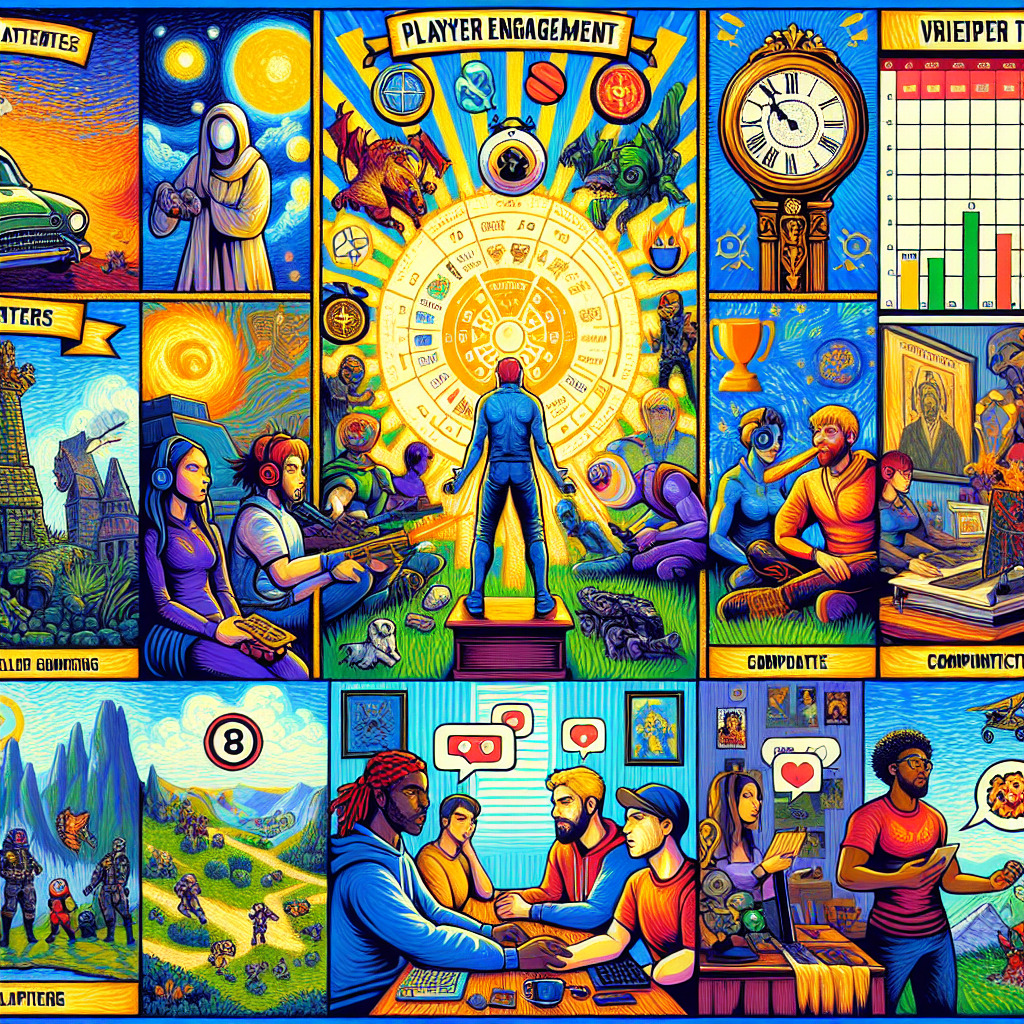
What Feelings Are Evoked When Switching Between PC and Console Gaming?
How Can Understanding Gen Z Improve Marketing Strategies for Gaming?
Understanding Gen Z is like unlocking a hidden level in the world of gaming—a level that offers not just rewards, but insights crucial for any successful marketing strategy. This generation, born into a world shaped by technology and social change, craves connection and authenticity. They don’t just want to play games; they want to feel involved in the story, to be part of a community where their voices are heard.
At the heart of this connection lies emotion—Gen Z values experiences that resonate on a personal level. Think of a favorite game that transports you into a different realm, where every choice and action has weight. Similarly, marketing strategies that weave emotional narratives can transform mere advertisements into powerful calls to action. By sharing stories of gamers, developers, or community achievements, marketers can create a bond that goes beyond consumerism. When a brand rallies behind causes that matter to Gen Z—like social justice and environmental sustainability—it builds trust and loyalty.
From a rational perspective, data speaks volumes. Gen Z is not as easily swayed by traditional ads; they seek out information, advice, and authentic reviews from online communities. Savvy marketers must harness this behavior by providing transparent, straightforward information about games, features, or in-game purchases. This respect for their intelligence cultivates a sense of empowerment, as they feel equipped to make informed choices.
Playing into ethical considerations is crucial. Gen Z has grown up amidst the conversations surrounding diversity and inclusion. They support brands that reflect these values, so a gaming company that showcases diverse characters, inclusive storylines, and equitable practices will resonate deeply. It’s not merely about ticking boxes; it’s about aligning the brand’s identity with the very beliefs that shape Gen Z’s lives.
Marketers also need to establish authority while fostering connection. When industry figures and influencers share their thoughts and experiences, it creates a layered dialogue, making consumers feel engaged and respected. Gamers today want to see themselves represented, not as mere players, but as integral components of the gaming ecosystem.
In a nutshell, understanding Gen Z and their gaming habits isn’t just a tactic for boosting sales; it’s a way to engage meaningfully. It’s about forging relationships that transcend the screen, tapping into emotions, fostering trust, and celebrating collective experiences. By embracing these principles, marketers can not only thrive but can also contribute to a gaming culture where everyone feels at home.

How Can Understanding Gen Z Improve Marketing Strategies for Gaming?
How Can Understanding Gen Z Improve Marketing Strategies for Gaming?
- Understanding Gen Z offers crucial insights for effective marketing strategies.
- This generation values connection, authenticity, and being part of a community.
- Emotionally resonant marketing narratives can transform ads into compelling calls to action.
- Gen Z seeks transparent information and authentic reviews rather than traditional advertising.
- Diversity and inclusion are essential; brands must align with these values to build trust.
- Industry figures and influencers can foster engagement and respect within the gaming community.
- Meaningful engagement with Gen Z strengthens relationships that enhance the overall gaming culture.

How Can Understanding Gen Z Improve Marketing Strategies for Gaming?
Why Do Gen Z Gamers Value Experiences Over Hardware Distinctions?
In a world where the dazzling allure of cutting-edge hardware can often overshadow the essence of gaming itself, there’s a remarkable truth emerging from the hearts of Gen Z gamers: they prioritize experiences over mere technological distinctions. Why is that? It’s not just about the latest graphics card or the most powerful console; it’s about the connections forged and the stories lived within the games.
Imagine the thrill of teaming up with friends in a virtual realm to conquer a challenge, the laughter echoing through headsets as victory dances are shared. These moments don’t just define gaming; they create memories that linger well beyond the screen. For Gen Z, it’s not merely about playing games; it’s about the relationships strengthened and the adventures shared. They recognize that a modest gaming setup can be a vessel for profound experiences, creating a bond that transcends the ephemeral allure of hardware.
Rationally, this ethos fosters a sense of community and inclusivity. Gen Z gamers often find themselves in diverse circles, where varied gaming experiences are celebrated rather than judged based on the specs of their systems. They understand that a $500 console can bring the same joy and connection as a $5,000 one. This mentality dismantles barriers, inviting gamers from all walks of life to join the fun, sharing laughter and stories around the same digital campfires.
Ethically, the trend towards valuing experiences over hardware aligns with a broader cultural shift—a rejection of exclusivity and elitism. In a world wrestling with issues of inequality and division, Gen Z champions unity through shared experiences. They’re not interested in flaunting expensive gear; they want to cultivate an environment where everyone feels welcome, empowered, and valued for the joy they bring.
The narrative is compelling: it’s not about who has the fanciest gear; it’s about the stories waiting to unfold within these expansive virtual landscapes. Each game is a canvas, painted with the vibrant colors of countless players’ experiences. This mindset not only invites others to join in but inspires confidence. It’s a call to action for gamers everywhere: embrace the joy of camaraderie, share the laughter, and build connections that last.
Ultimately, what Gen Z understands—more than any flashy new hardware—is that gaming is not a solitary journey but a vibrant tapestry woven together through shared experiences and the bonds we create along the way.

Why Do Gen Z Gamers Value Experiences Over Hardware Distinctions?
Why Do Gen Z Gamers Value Experiences Over Hardware Distinctions?
- Gen Z gamers prioritize experiences over cutting-edge hardware.
- Connections and stories are more important than the latest technology in gaming.
- Teaming up with friends creates unforgettable memories beyond the game.
- A modest gaming setup can facilitate profound experiences and bonds.
- Gen Z celebrates diverse gaming experiences instead of judging based on specs.
- They embrace inclusivity and unity through shared gaming experiences.
- Gaming is seen as a collaborative journey, emphasizing camaraderie and lasting connections.

Why Do Gen Z Gamers Value Experiences Over Hardware Distinctions?
What Does the Future Of Gaming Look Like for Gen Z Gamers?
What Does the Future of Gaming Look Like for Gen Z Gamers?
As the digital horizon stretches wide, Gen Z gamers are on the cusp of a revolution that will redefine their experience. Picture this: games morphing into dynamic ecosystems where creativity knows no bounds. Imagine a world where the boundaries between reality and virtual realms blur seamlessly, giving rise to immersive experiences that resonate on a personal level.
The future holds a promise of games that aren’t just about points or levels, but about building communities—places where friendships are forged and social connections deepen. This generation, accustomed to the immediacy of communication, will find solace in these interconnected worlds. A simple gaming session can become a backdrop for shared adventures, as players unite to face common foes or embark on collective quests. It’s like gathering around a fire — the stories told may occur in pixels, but the emotions are real.
There’s a rational side to this evolution, too. With advances in technology, think about the innovations that lie ahead: augmented reality allowing gameplay to spill into the real world, and artificial intelligence crafting stories that adapt to your choices. Games will become highly personalized, reflecting not only your preferences but your very essence. This customization invites each gamer to not just play, but to participate in a narrative that’s uniquely theirs—encouraging a deeper, more ethical engagement with the very content they consume.
But let’s not forget the larger implications. As Gen Z steps into roles of leadership and influence, their gaming habits will shape the industry itself. A generation that champions inclusivity will push for diversity in game design, ensuring representation speaks to every corner of the human experience. This isn’t just about entertainment; it’s a call to action. The games they support will lay down the ethical bedrock for future developers and storytellers alike.
So, what awaits in gaming’s future? It’s a landscape rich with potential, teeming with opportunities for growth and connection. The thrill of the unknown is enough to inspire trust in the journey ahead. As new advancements emerge, what will you do with this chance? The controllers are in the hands of the players; let’s make those experiences unforgettable. Forge connections, craft stories—together, let’s build a future where gaming is a shared journey, not just a solitary fight.

What Does the Future Of Gaming Look Like for Gen Z Gamers?
What Does the Future Of Gaming Look Like for Gen Z Gamers?
- Gen Z gamers are at the forefront of a revolution that will redefine gaming experiences.
- Games are evolving into dynamic ecosystems, fostering creativity and immersive experiences.
- Future games will focus on community building and deep social connections among players.
- Technological advancements, like augmented reality and artificial intelligence, will enhance gameplay personalization.
- Gen Z’s gaming habits will significantly influence industry standards, emphasizing inclusivity and diversity in game design.
- This movement is not just about entertainment; it’s a call for ethical considerations in gaming content.
- The future of gaming presents opportunities for growth, connection, and collective storytelling among players.

What Does the Future Of Gaming Look Like for Gen Z Gamers?
How Important Is Accessibility In Gaming for Gen Z?
When we talk about accessibility in gaming for Gen Z, it’s more than just a conversation about features; it’s a glimpse into a world where everyone belongs. Imagine a young gamer, excited to dive into the latest adventure, only to be met with barriers they can’t overcome. The thrill of gaming should be a shared experience, open to anyone eager to explore fantastical realms. This is where accessibility steps in, becoming not just a necessity but a moral imperative.
Think about the sheer diversity of the Gen Z crowd. This generation is known for championing inclusivity, pushing for a world that celebrates differences rather than sidelines them. When we make games more accessible, we’re not just adhering to a checklist; we’re actively cultivating a community where every voice matters and every player’s experience is validated. The investment in accessibility features, like color contrast adjustments or customizable controls, reflects a broader understanding that gaming isn’t just a pastime; it’s a powerful tool for connection, empathy, and personal expression.
Moreover, let’s consider the power of storytelling in games. Every time a player dives into a narrative, they’re not just interacting with graphics and code; they’re stepping into someone else’s shoes, living their triumphs and challenges. By integrating accessibility into games, developers allow a wider audience to share in these stories, fostering a community built on shared experiences, life lessons, and the kind of understanding that transcends superficial differences. It’s about crafting a narrative where everyone can participate, a narrative that reshapes what gaming looks like and who it includes.
On an ethical level, the industry holds a responsibility to create environments where no gamer feels excluded or unwelcome. This isn’t simply good business; it’s the right thing to do. When studios invest in accessibility, they’re saying, “We see you. You matter.” And in a world that often feels fragmented, that simple acknowledgment carries weight.
Accessibility in gaming isn’t just a trend; it’s a movement towards a more compassionate, understanding, and connected world. For Gen Z, these efforts are vital, igniting a spirit of collaboration and innovation that echoes far beyond the screen. It’s a wake-up call for everyone involved in gaming—players, developers, and industry leaders alike—to recognize the immense value of inclusivity. Together, let’s create a gaming landscape where everyone can play, thrive, and tell their own stories. Now that’s a game worth playing.

How Important Is Accessibility In Gaming for Gen Z?
How Important Is Accessibility In Gaming for Gen Z?
- Accessibility in gaming for Gen Z is about creating an inclusive environment where everyone can belong.
- This generation values inclusivity, advocating for features that celebrate differences rather than exclude players.
- Investing in accessibility features demonstrates that gaming is a powerful tool for connection and personal expression.
- Storytelling in games allows players to experience diverse narratives, fostering a community built on shared experiences.
- The gaming industry has an ethical responsibility to ensure all gamers feel included and welcomed, enhancing the overall gaming experience.
- Accessibility in gaming represents a movement towards a more compassionate and connected world for Gen Z and beyond.
- Collaboration among players, developers, and industry leaders is essential to create a gaming landscape where everyone can thrive.

How Important Is Accessibility In Gaming for Gen Z?
Conclusion
Gaming today isn’t just a pastime; it’s a thriving community where the lines between PC and console blur into obscurity. For Gen Z, it’s about the experience rather than the hardware. Imagine a group of friends, spread across different platforms, yet united in laughter and excitement as they tackle challenges together. This generation doesn’t differentiate based on whether a happiness is produced by a controller or a keyboard; they revel in shared adventures that foster connections and create lasting memories.
What’s truly remarkable is how this shift reflects a deeper ethos—one that champions inclusivity over exclusivity. Gone are the days when gamers felt the need to defend their choice of platform. They recognize that competition and camaraderie can coexist, enriching the gaming landscape. With the thrill of cross-platform play, the excitement of a shared victory becomes the common ground on which friendships thrive. Performance specs and load times fade into the background as the focus shifts towards accessibility, collaboration, and the sheer joy of playing together.
Ethically, this evolution signifies a powerful rejection of gatekeeping within gaming culture. Today’s gamers advocate for diversity and celebrate experiences that transcend technological divides. Influencers and industry leaders echo this sentiment, promoting unity among gamers and recognizing the importance of creating spaces where everyone feels welcome. It’s about diminishing barriers and weaving a narrative of connectivity, where shared stories and emotional highs bind players together.
Looking ahead, the future of gaming for Gen Z holds even greater promise. Imagine interactive experiences driven by augmented reality, AI, and unprecedented customization that cater uniquely to individual preferences while maintaining an emphasis on community. The demand for accessibility is critical, underscoring the imperative for inclusive environments that allow every player to engage fully. The gaming industry has a responsibility—one that goes beyond profit margins—to ensure that every voice is heard, every player valued.
As we navigate this exciting terrain, let’s embrace the ethos that fuels Gen Z—the belief that gaming is a shared journey. It’s not about the gear but the hearts behind the play. With the controllers in our hands and stories waiting to be told, let’s commit to creating a vibrant, connected world where everyone can join the adventure. After all, when we come together to celebrate this passion, the game gets a whole lot better—and that’s a movement worth playing for.

Conclusion
Conclusion:
- Gaming has evolved into a thriving community, blurring distinctions between PC and console use.
- For Gen Z, the focus is on shared experiences rather than the choice of gaming hardware.
- Friendship and camaraderie thrive through cross-platform play, with a shared joy in gaming achievements.
- This shift promotes inclusivity, moving away from the need to defend platform choices.
- Current gamers advocate for diversity and celebrate experiences that bridge technological divides.
- The future promises interactive experiences via augmented reality and AI, emphasizing community and accessibility.
- As gaming evolves, it’s essential to prioritize inclusivity, ensuring every player feels valued and heard.

Conclusion
Other Resources

Other Resources
Here is a list of other resources you can review online to learn more:
- GeekDad
- Love Letter
- Days of Wonder
- Watch It Played
- Renegade Game Studios
- YouTube
- The Game Boy Geek
- The Broken Meeple
- Space Cowboys
- Castles of Mad King Ludwig
- Alchemists
- Eldritch Horror
- Tumblr
- Dominion (Second Edition)
- Food Chain Magnate
- Horrible Games
- Roll for the Galaxy
Use This Prompt To Get More Resources With Your Favorite Online AI Tool: Please provide me with a list of online articles with their URLs in a bulleted list that I can read regarding Why Gen Z Gamers Don’t See a Divide Between PC and Console Anymore

Other Resources
Glossary Terms
Why Gen Z Gamers Don’t See a Divide Between PC and Console Anymore – Glossary Of Terms
1. Cross-Platform: Ability for players on different gaming platforms to play together in the same game environment.
2. Gen Z: Generation of individuals born approximately between the mid-to-late 1990s and early 2010s, known for their digital savviness.
3. Gamers: Individuals who engage in playing video games across various platforms and genres.
4. PC Gaming: Playing video games on personal computers, often associated with customizable hardware and graphics.
5. Console Gaming: Playing video games on dedicated gaming consoles like PlayStation, Xbox, or Nintendo Switch.
6. Cloud Gaming: Streaming games over the internet, allowing access without the need for high-end hardware.
7. Downloadable Content (DLC): Additional content for games that can be downloaded to enhance the gaming experience.
8. Esports: Competitive gaming at a professional level, often with large audiences and sponsorships.
9. Game Streaming: Live broadcasting of gameplay through platforms like Twitch and YouTube.
10. User-Generated Content: Content created by players themselves, often enhancing games and community engagement.
11. Community: A group of players who interact, share, and collaborate within a gaming environment.
12. Game Library: Collection of games available on a specific platform or account.
13. Microtransactions: Small purchases made within a game for additional content or features.
14. Inclusion: Emphasis on diverse and welcoming social dynamics within gaming spaces.
15. Portability: The ability to play games on the go, facilitated by hand-held devices and cloud solutions.
16. Social Gaming: Gaming activities that focus on interaction and cooperation among players.
17. Hardware: The physical components of gaming devices, such as consoles, PCs, and accessories.
18. Performance: The quality and responsiveness of a gaming system, particularly regarding frame rates and graphics.
19. Game Modes: Various ways to play a game, such as single-player, multiplayer, or co-op modes.
20. Game Development: The process of creating video games, involving design, programming, and testing.
21. Virtual Reality (VR): Immersive gaming experience using VR headsets to create simulated environments.
22. Augmented Reality (AR): Technology that overlays digital content onto the real world through devices like smartphones.
23. Narrative: The story or context that drives the gameplay and engages players emotionally.
24. Meta: The evolving strategies and interactions that define the optimal way to play a game in a competitive context.
25. FPS (Frames Per Second): A measure of how smoothly a game is displayed, impacting visual quality and responsiveness.
26. Indie Games: Independently developed video games, typically created by smaller teams or individuals.
27. Game Engine: Software framework used for building and developing video games.
28. Character Customization: Options allowing players to change the appearance or abilities of their in-game character.
29. Accessibility: Features that make games playable for individuals with various disabilities.
30. Gaming Culture: The shared practices, values, and community norms surrounding gaming and its players.

Glossary Of Terms
Other Questions
Why Gen Z Gamers Don’t See a Divide Between PC and Console Anymore – Other Questions
If you wish to explore and discover more, consider looking for answers to these questions:
- What specific changes have led to the perception shift among Gen Z gamers regarding PC and console gaming?
- How does cross-platform play enhance player retention and overall gaming satisfaction?
- What are the common ethical dilemmas faced by gamers due to platform exclusivity?
- What emotional responses do gamers experience when switching from PC to console and vice versa?
- How can gaming companies better engage with Gen Z to create successful marketing campaigns?
- What experiences do Gen Z gamers find most memorable, and how do they shape their gaming identity?
- What technological advancements are expected to emerge that could redefine gaming for future generations?
- What measures are being taken by the gaming industry to improve accessibility for all players?
- How do diverse gaming experiences contribute to the overall community culture in gaming?
- What role do influencers play in shaping the gaming preferences and culture of Gen Z?
- What are the implications of Gen Z’s values on the future of game design and storytelling?

Other Questions
Haiku
Why Gen Z Gamers Don’t See a Divide Between PC and Console Anymore – A Haiku
Unity in pixels,
Gaming’s heart beats strong and free—
Joy in shared journeys.

Haiku
Poem
Why Gen Z Gamers Don’t See a Divide Between PC and Console Anymore – A Poem
In pixelated realms where friendships bloom,
A generation rises, dispelling the gloom.
No more divide of console and PC,
Together as one, in gaming, we see.
With laughter and cheers, the battles unfold,
As stories connect us, their warmth to behold.
It’s not about specs, nor a high-end display,
But the heart of the play that leads us each day.
Barriers tumble, old rivalries fade,
In this new community, respect is displayed.
Gamers unite, sharing joy and strife,
Crafting a tapestry that colors our life.
Cross-platform dreams ignite shared delight,
Where novices and experts unite in the fight.
The thrill of connection brings purpose and pride,
As diverse paths converge, no one’s left outside.
Ethics of choice in a world so vast,
Accessibility’s call, a bridge to the past.
With voices united, let’s champion the cause,
For every player matters; their joy, our applause.
So gather your friends, let the adventures commence,
In a landscape of stories, rich in every sense.
The future of gaming, a journey we take,
Together in unity, for connection’s own sake.

Poem
Checklist
Why Gen Z Gamers Don’t See a Divide Between PC and Console Anymore – A Checklist
Gaming Inclusivity Checklist
Emotional Appeals
_____ Prioritize Shared Experiences: Focus on moments that foster connection and camaraderie among players, regardless of platform.
_____ Celebrate Success Together: Mark milestones and victories with friends in gaming sessions to strengthen relationships.
_____ Emphasize Storytelling: Share personal gaming stories that highlight emotional journeys and the lessons learned.
Rational Appeals
_____ Understand Cross-Platform Benefits: Recognize the advantages of playing across devices, such as increased player retention and community growth.
_____ Evaluate Game Performance Over Specs: Assess games based on user experience and enjoyment rather than solely on hardware capabilities.
_____ Encourage Data-Driven Choices: Utilize transparent information about games to guide informed decisions among players.
Ethical Appeals
_____ Advocate for Inclusivity: Support games that reflect diversity, ensuring that characters and narratives encompass a wide range of experiences.
_____ Challenge Platform Exclusivity: Promote access to games and features across platforms to combat division in the gaming community.
_____ Invest in Accessibility: Push for developers to include features that make games playable for everyone, reflecting a commitment to inclusivity.
Authority Appeals
_____ Engage with Industry Leaders: Follow influencers and game developers who advocate for community building over platform loyalty.
_____ Harvest Insights from Research: Utilize studies that highlight gaming trends to inform personal gaming practices or marketing strategies.
Narrative Appeals
_____ Share Compelling Stories: Highlight narratives that resonate with players, focusing on personal growth, teamwork, and shared challenges.
_____ Create a Unified Theme: Use themes of friendship, collaboration, and cross-platform experiences in discussions and promotions.
Social Appeals
_____ Foster Community Engagement: Encourage participation in forums and groups that celebrate shared gaming interests and achievements.
_____ Participate in Collaborative Events: Organize or join gaming events that bring together players from different platforms for a united experience.
_____ Support Diverse Gaming Circles: Value interactions with players from different backgrounds and preferences to expand the community network.
Utilize this checklist to navigate the evolving gaming landscape, focusing on creating inclusive, connected experiences that resonate deeply with all players.

Checklist
At HowDoYouGame, we help people who love board games by collating information and news about games.
Be sure to read our other related stories at HowDoYouGame to learn more about games.