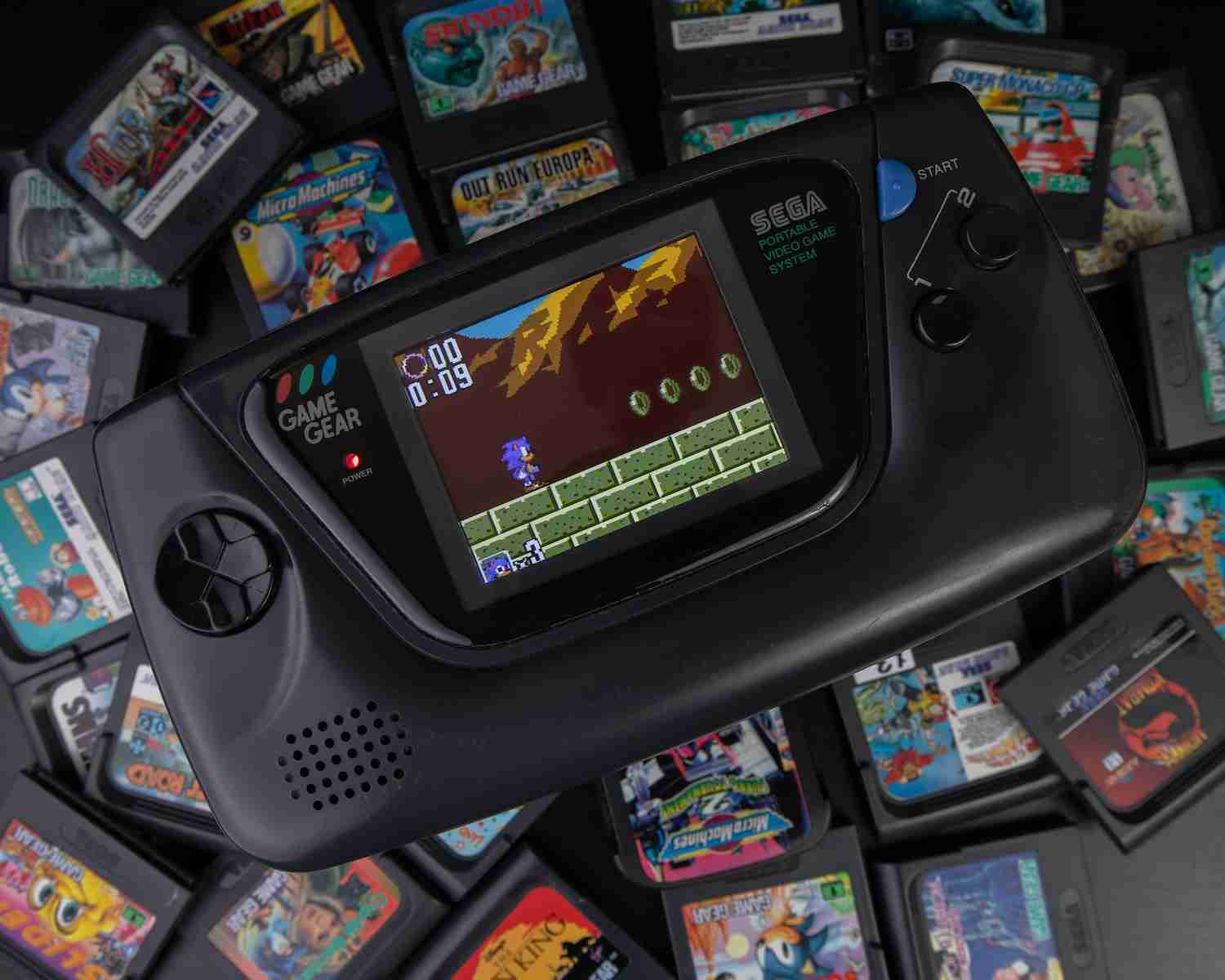
The Changing Face Of Gaming: Future Trends And Timeless Traditions
By Tom Seest
At HowDoYouGame, we help people who love board games by collating information and news about games.
Be sure to read our other related stories at HowDoYouGame to learn more about games.
Why Gen Z Ditches Consoles While Gen X Still Buys Them
For many in Generation Z, gaming is more than just a pastime; it’s a lifestyle. While Gen Xers might still reach for traditional consoles, the younger generation finds solace and community in a different realm. With smartphones and PCs at their fingertips, Gen Z opts for flexibility and variety. Let’s break it down like this: when you’ve grown up with an endless stream of content, why would you settle for a single platform?
Emotionally, the allure of games lies in connection. For Gen Z, every login is an invitation to join friends in fantastical worlds, battling together in ways their parents could only dream of in those arcade parlors of yesteryear. They’re not just playing; they’re creating memories, sharing experiences, and fostering friendships that often transcend geography. It’s about being part of a tribe, and for them, the gaming experience is richer when it’s shared.
Logically, consider the choices in front of them. The sheer volume of games available on platforms like PCs and mobile devices far surpasses what any console can offer. They have the freedom to explore indie titles and massive multiplayer universes alike, juggling everything from immersive storytelling to quick, casual matches. The convenience factor is hard to ignore, as they can dive into games on the go, during lunch breaks, or between classes.
From an ethical perspective, there’s a growing awareness among Gen Z about environmental sustainability and accessibility. Consoles require both production and energy, while many games on PCs can be played with far less. By prioritizing devices that harness existing resources, they feel they’re making a conscientious choice in an era where every action counts.
Influencers—trusted voices in their lives—further amplify this shift. They champion the latest trends, underscoring how gaming can evolve. Whether it’s live streaming on a popular app or showcasing new releases, these figures make gaming not just relatable but aspirational.
Socially, their landscape diverges from that of Gen X, which often treasured the notion of a home console as a family bonding tool. Gen Z’s gaming landscape is inherently connected; it’s a digital gathering place where everyone can join, regardless of where they are. It’s about choice, connection, and carving out a unique identity in a world that’s always moving forward.

Why Gen Z Ditches Consoles While Gen X Still Buys Them
Why Gen Z Ditches Consoles While Gen X Still Buys Them
- For Generation Z, gaming is seen as a lifestyle rather than just a hobby.
- Unlike Gen X, who prefer traditional consoles, Gen Z values flexibility with smartphones and PCs.
- Gaming allows Gen Z to connect with friends and create shared experiences, forming a sense of community.
- The vast number of games available on PC and mobile surpasses console offerings, providing more choices.
- Environmental consciousness drives Gen Z to prefer gaming on devices that utilize existing resources over consoles.
- Influencers play a significant role in shaping gaming trends, making it more relatable and aspirational for Gen Z.
- Gen Z’s gaming experience is characterized by connection and social interaction, differing from Gen X’s family-oriented approach.

Why Gen Z Ditches Consoles While Gen X Still Buys Them
Table Of Contents
- Why Gen Z Ditches Consoles While Gen X Still Buys Them
- What Emotional Connections Do Gamers Have with Their Consoles?
- Why Do Gen Z Consumers Prioritize Mobile Gaming Over Consoles?
- How Do Changing Technological Trends Impact Gaming Preferences?
- What Narrative Do Gen Z Gamers Tell About Their Gaming Experiences?
- Why Do Gen X Gamers Remain Loyal to Their Consoles?
- What Role Does Gaming Authority Play In Shaping Preferences?
- What Differences Exist In Gaming Habits Between Generations?
- Conclusion
- Other Resources
- Glossary Of Terms
- Other Questions
- Haiku
- Poem
- Checklist
What Emotional Connections Do Gamers Have with Their Consoles?
When you dive into the world of gaming, it’s more than just hitting the start button; it’s a significant emotional journey. For countless players, consoles become more than mere machines—they transform into essential companions, creating a bond that’s rooted deep within the heart. Picture this: a rainy afternoon, a worn-out controller in hand, as you embark on an epic journey through fantastical landscapes. With every quest you conquer, you’re not just winning games; you’re creating memories.
Consider the countless hours spent with friends, gathered around a screen, laughter echoing as you battle it out in a friendly rivalry. Those moments forge connections that transcend physical distance, weaving a fabric of friendship that often lasts a lifetime. It’s nostalgic. It’s real. And in a world where disconnection can feel all too common, what better way to build ties than through the shared experience of gaming?
From the thrill of victory to the lessons found in defeat, every session teaches us about strategy, cooperation, and resilience. Each pixelated adventure adds a chapter to our personal narratives, reinforcing a sense of identity and purpose. This is where the rational mind comes in: gaming isn’t just play. It’s a training ground for problem-solving, critical thinking, and teamwork. Each game offers a new challenge, inviting players to stretch their limits and inviting confidence to take root.
On a deeper ethical level, the gaming community has shown remarkable resilience and empathy. Gamers unite to support one another, fostering a culture of inclusion and encouragement. It’s not just about the screen or the console; it’s about creating spaces where everyone, regardless of background, can find acceptance. That social element is powerful, showing we are bound together by our passions, waiting for life’s next adventure to unfold.
Trust is born from authenticity; when we commit time and energy to the games and consoles we cherish, we invest in experiences that shape our lives. Every console carries stories—sometimes of triumph, other times of heartbreak, but always of journeying together. As you pick up that controller, remember: it’s not just about the next mission. It’s about the many memories you’ll forge along the way. Embrace that connection. After all, in the grand game of life, what counts most are the relationships we build, pixel by pixel.

What Emotional Connections Do Gamers Have with Their Consoles?
What Emotional Connections Do Gamers Have with Their Consoles?
- Gaming is an emotional journey, turning consoles into essential companions.
- Players create lasting memories through epic adventures and shared experiences.
- Friendships form around gaming, transcending physical distance and fostering connections.
- Each gaming session teaches valuable lessons in strategy, cooperation, and resilience.
- Gaming serves as a training ground for problem-solving, critical thinking, and teamwork.
- The gaming community promotes inclusion, empathy, and support among players.
- Investing in gaming experiences shapes our lives and forges meaningful relationships.

What Emotional Connections Do Gamers Have with Their Consoles?
Why Do Gen Z Consumers Prioritize Mobile Gaming Over Consoles?
When we look into the world of gaming through the eyes of Gen Z, it’s like peering into a bustling marketplace of creativity, connection, and discovery. These young consumers have made a conscious choice to embrace mobile gaming over traditional consoles, and the reasons for their preference run deep.
First and foremost, there’s a practicality to this shift. Mobile games fit into their lives seamlessly—think about it. Whether they’re waiting for a bus or simply unwinding after a long day, their gaming experience is right in their pocket. It’s about accessibility; with a smartphone, the freedom to engage in spirited competition or nuanced storytelling is just a tap away. Here, the brain lights up, processing a world of entertainment without needing to invest in expensive consoles or cumbersome setups—both financially and spatially.
But it’s not just about ease. The heart plays a huge role in this shift as well. Mobile gaming fosters connection, allowing players to maintain friendships and build new bonds, all while competing or collaborating in virtual landscapes. Imagine the joy of teaming up with friends from different corners of the globe in a single gaming session; those shared moments create memories that transcend distance and time. It’s not just a game; it’s a social lifeline, a way to feel connected when the world sometimes feels vast and isolating.
Ethically, consider the inclusivity that mobile platforms champion. They offer a level playing field, often breaking down the barriers that can come with console gaming—where price tags can be colossal and accessibility limited. Mobile gaming opens the door for diverse voices, storytelling, and experiences. For Gen Z, that feels right; they’re drawn to brands that mirror their values, where everyone can play, participate, and share.
From an authoritative standpoint, the stats don’t lie. A significant percentage of Gen Z identifies as gamers, but their gaming habits drastically differ from generations past. They are savvy, recognizing the power they hold as consumers in the vibrant marketplace of ideas and innovations.
It’s a compelling narrative—a story about who they are and what they value. In a smartphone-dominated era, gaming is more than entertainment—it’s a way of life. So, if you’re in the industry, consider this: understanding and respecting this evolution isn’t just essential; it’s a call to action. Embrace the change, connect with this generation, and foster an environment where both games and gamers can thrive.

Why Do Gen Z Consumers Prioritize Mobile Gaming Over Consoles?
Why Do Gen Z Consumers Prioritize Mobile Gaming Over Consoles?
- Gen Z embraces mobile gaming over traditional consoles for various deep-rooted reasons.
- Mobile games are practical and accessible, fitting seamlessly into their daily lives.
- This platform allows for connection, enabling players to maintain and build friendships.
- Mobile gaming provides a social lifeline, fostering shared experiences across distances.
- It champions inclusivity and diverse storytelling, appealing to Gen Z’s values.
- A significant percentage of Gen Z identifies as gamers, with distinct gaming habits compared to previous generations.
- Understanding this evolution in gaming culture is essential for industry stakeholders to thrive.

Why Do Gen Z Consumers Prioritize Mobile Gaming Over Consoles?
How Do Changing Technological Trends Impact Gaming Preferences?
As we blend our lives with technology, the world of games has morphed in ways that resonate with our deepest emotions, challenge our rational minds, and pull at our gut instincts. Imagine a child lighting up at the sight of a new virtual world. The connection between players and their avatars transcends mere entertainment; it’s a reflection of who we are or even who we aspire to be. This emotional tug of war is what developers tap into, crafting not just games, but experiences that evoke joy, frustration, camaraderie, and even loneliness.
From the pixelated landscapes of yore to the hyper-realistic realms of today, technological trends have shifted how we engage with these captivating games. The rise of virtual reality, for instance, invites players to step into a new dimension where they can smell the air, feel the ground beneath their feet, and fully immerse themselves in experiences that challenge both physical and mental boundaries. This isn’t just gaming; it’s a revolution of the senses. With the click of a button, a living room transforms into a battlefield, a serene landscape, or a bustling metropolis. Are we not right to crave such profound experiences? Our rational minds know that these games can bridge distances and foster bonds when real-life connection may falter.
There’s also a social aspect we cannot ignore. Multiplayer games have woven a tapestry of shared narratives, where friends and strangers alike can unite, strategizing and laughing through virtual challenges. It’s a reminder that, amidst our bustling lives, we seek community—the ethical responsibility of creators is to ensure inclusivity and respect within these spaces. Today’s gamers expect the stories we play to reflect the diversity of the human experience, ensuring everyone has a seat at the table.
The authority of game developers lies not just in the technology they wield but in their storytelling prowess—to create worlds that echo our realities, encapsulate our hopes, and echo our nightmares. In navigating these rapidly changing trends, it’s crucial we remain vigilant and discerning. How do we ensure these new technologies enhance our humanity rather than diminish it? As we embrace the evolution of games, let’s fight for a gaming culture that uplifts, inspires, and connects us all. With a heart open to adventure and a mind sharp with inquiry, the world of gaming awaits us—ready to shape our preferences, our friends, and even our futures.

How Do Changing Technological Trends Impact Gaming Preferences?
How Do Changing Technological Trends Impact Gaming Preferences?
- The integration of technology in gaming resonates with emotions, challenges rationality, and appeals to instincts.
- Players form deep connections with their avatars, reflecting their identities and aspirations.
- Technological advancements, such as virtual reality, immerse players in transformative experiences that engage the senses.
- Multiplayer games create shared narratives, fostering community among players in a digital space.
- Inclusivity and respect are ethical responsibilities of creators to reflect the diversity of the human experience in gaming.
- Game developers possess the power to craft stories that resonate with our realities, hopes, and fears.
- As gaming evolves, it’s vital to ensure that new technologies enhance our humanity rather than diminish it.

How Do Changing Technological Trends Impact Gaming Preferences?
What Narrative Do Gen Z Gamers Tell About Their Gaming Experiences?
The story of gaming for Gen Z is a rich tapestry of triumphs, challenges, and growth. It’s not just about “Games;” it’s about the connections they forge and the worlds they explore. For this generation, gaming transcends mere entertainment; it’s a sanctuary where they can share experiences and create memories that resonate deeply.
Picture this: A group of friends huddled around a screen, eyes wide with excitement, their laughter echoing off the walls. They’re not merely playing; they’re engaging in a social ritual, a dance of strategy and teamwork. In those moments, every headshot scored or level conquered becomes a stepping stone in a larger narrative of friendship and resilience. Gaming isn’t just a pastime—it’s where they hone skills that matter in their everyday lives, fostering critical thinking and teamwork that translate beyond the digital realm.
Yet, it’s essential to understand the ethical landscape in which Gen Z gamers navigate. They crave authenticity and inclusivity in the games they play. Millennials might have surfed the waves of patience, but this younger generation demands accountability from developers who create immersive worlds. If a game doesn’t reflect their values of diversity and acceptance, they’ll raise their voices. Apart from their storytelling prowess, Gen Z values a company’s ethical stance, reinforcing their belief that every choice counts.
The narratives they share are laced with vulnerability, showcasing struggles with anxiety, identity, and belonging. These gamers are not afraid to wear their hearts on their sleeves, turning their experiences into a call for empathy and understanding. When they share their stories on platforms like Twitch or YouTube, they not only entertain but also inspire countless others. Each story becomes a testament to resilience and hope, inviting others to connect and find their voice in a digital age.
And speaking of connection, social dynamics within gaming communities play a pivotal role in shaping these narratives. From building alliances in competitive matches to supporting each other through life’s ups and downs, they demonstrate that empathy can bloom in unexpected places. These stories resonate beyond the screen, creating a ripple effect that fosters a sense of belonging in an often disconnected world.
The narrative that Gen Z gamers tell about their gaming experiences is not just a story of play; it’s a story of humanity—one that invites all of us to listen, understand, and be inspired to connect.

What Narrative Do Gen Z Gamers Tell About Their Gaming Experiences?
What Narrative Do Gen Z Gamers Tell About Their Gaming Experiences?
- The story of gaming for Gen Z is rich in triumphs, challenges, and growth, emphasizing connections and exploration.
- Gaming serves as a sanctuary for Gen Z, allowing them to share experiences and create lasting memories.
- Friends engage in social rituals through gaming, fostering teamwork and critical thinking skills important in real life.
- Gen Z gamers prioritize authenticity and inclusivity, demanding accountability from developers regarding ethical practices.
- The narratives Gen Z shares often reflect struggles with anxiety, identity, and belonging, promoting empathy and understanding.
- Social dynamics within gaming communities foster support and alliances, enhancing a sense of belonging in a disconnected world.
- Overall, the experiences of Gen Z gamers highlight humanity and encourage connection and understanding across diverse audiences.

What Narrative Do Gen Z Gamers Tell About Their Gaming Experiences?
Why Do Gen X Gamers Remain Loyal to Their Consoles?
In a world overflowing with options, why do Gen X gamers remain fiercely loyal to their consoles? It’s a question that digs deep, stirring a complex brew of nostalgia, commitment, and identity. These consoles are more than mere machines; they are the tangible remnants of our formative years. They embody the evenings spent in cozy living rooms, surrounded by friends, laughing and competing over pixelated quests. Each console houses an archive of cherished memories, a digital scrapbook of triumphs and defeats that shaped who we are.
For many Gen X gamers, it’s about loyalty. In a fast-paced, ever-changing landscape, sticking with a beloved console feels like a steadfast commitment, like a reliable friend who never lets you down. This is not just about graphics or exclusive titles; it’s rooted in shared experiences and camaraderie. These consoles are the foundation of friendships forged in smoke-filled basements, where late-night tournaments turned into epic battles, and victories were celebrated like the Super Bowl.
From an intellectual perspective, the allure of familiarity plays a significant role. Gen X gamers have invested time and energy mastering their consoles. Learning the ins and outs, the hidden cheat codes, and the signature moves creates an intellectual bond that newcomers simply can’t replicate overnight. Why reinvent the wheel when the well-oiled machine already suits your every need?
Ethically speaking, there’s a satisfying integrity in sticking with what you know. In an age where new tech often promotes a “throwaway” culture, holding on to a console signifies a rejection of constant churn and a affirmation of thoughtful consumption. It’s a statement that resonates with values of durability and craftsmanship.
Socially, the console ecosystem fosters a sense of belonging. Gamers proudly wear their console loyalty like a badge, connecting with others over shared stories and laughter. This loyalty extends to communities and online forums, where Gen X gamers unite, reminiscing about experiences that defined their youth.
Ultimately, the fidelity that Gen X gamers exhibit isn’t merely about technology. It’s an emotional tether that links their past to the present, a steadfast companion in life’s journey. So, when the latest consoles hit the shelves, don’t be surprised if the faithful still line up, not for the next big thing, but for the cherished memories encapsulated in their beloved gaming machines.

Why Do Gen X Gamers Remain Loyal to Their Consoles?
Why Do Gen X Gamers Remain Loyal to Their Consoles?
- Gen X gamers’ loyalty to consoles stems from nostalgia, commitment, and identity.
- Consoles represent cherished memories of formative years filled with friendships and gaming experiences.
- Loyalty to a console is a steadfast commitment, akin to relying on a dependable friend.
- Familiarity with consoles creates an intellectual bond, making it easier to master and enjoy them.
- Sticking with a console signifies a rejection of a “throwaway” culture, promoting durability and thoughtful consumption.
- The console ecosystem fosters community, allowing gamers to connect over shared experiences and stories.
- Gen X gamers’ dedication is an emotional link between their past and present, transcending mere technology.

Why Do Gen X Gamers Remain Loyal to Their Consoles?
What Role Does Gaming Authority Play In Shaping Preferences?
In the vast universe of gaming, authority plays a pivotal role in shaping our preferences, guiding us through the kaleidoscope of choices that confront us at every turn. For many of us, games are not just a pastime; they’re a refuge, a place where our imagination knows no bounds. Yet within that sanctuary, the influence of impartial gaming authorities looms large.
Think about it: every time you dive headfirst into a new game, you’re driven by a yearning for connection–to the story, to the characters, and to the community that surrounds it. Gaming authorities help cultivate this landscape, weaving together the threads of what makes gaming enjoyable and memorable. They bridge the gap between developers and players, ensuring that the games we play are not only entertaining but also ethical and safe. In a world fraught with opportunity and, let’s be honest, some peril, these authorities stand as guardians, much like trusted guides in unknown territory.
When we talk about preferences, we’re discussing the emotional tug-of-war that occurs when you choose a game. Authority figures provide recommendations based on a wealth of knowledge. They distill the overwhelming sea of options, lending clarity to our decisions. It’s a rational safety net that empowers us to trust in the games that will resonate with us, pulling at our heartstrings, invoking laughter, or challenging our intellect. These recommendations are not merely words; they carry the weight of experience, the lessons learned from countless pixels and characters.
And let’s not forget the ethical considerations. It’s more than just fun and games; it’s about fostering a positive community. Gaming authorities ensure that titles uphold the values we hold dear. They advocate for diversity, inclusivity, and respect among players, creating a space where everyone can partake in the adventure without fear or prejudice.
There’s a narrative woven into every game, and gaming authorities don’t just shape preferences—they enrich our shared experience. They make it personal, relatable, something that invites community engagement. Imagine sharing that pivotal moment from your favorite game with a friend who has also received the “seal of approval” from these authorities. It forges bonds, wielding our collective memories and favorite adventures as the glue that holds us together.
In this interconnected world, let’s recognize the invaluable role gaming authorities play. They work tirelessly to guide us toward experiences that resonate with who we are, offering trust, confidence, and the encouragement to venture into the next great adventure waiting just beyond the screen.

What Role Does Gaming Authority Play In Shaping Preferences?
What Role Does Gaming Authority Play In Shaping Preferences?
- Gaming authorities significantly influence our gaming preferences and choices.
- Games serve as a refuge and a space for imagination, shaped by these authorities.
- They bridge the gap between developers and players, ensuring entertainment, ethics, and safety.
- Authority figures provide valuable recommendations based on extensive knowledge, simplifying decision-making.
- They promote ethical standards, advocating for diversity, inclusivity, and respect in the gaming community.
- Gaming authorities enhance our shared experiences, making them personal and relatable.
- They play an invaluable role in guiding players toward meaningful gaming adventures.

What Role Does Gaming Authority Play In Shaping Preferences?
What Differences Exist In Gaming Habits Between Generations?
In the great tapestry of human experience, gaming has woven itself into the very fabric of our lives, evolving with each passing generation. Picture a young child, eyes wide as they embark on their first digital adventure, joystick in hand—it’s a rite of passage that transcends mere entertainment. And yet, the way we engage with these games, this modern language, varies greatly between generations.
Consider the classic stalwarts—the Baby Boomers and Generation Xers—who remember a world where gaming was confined to arcade cabinets and home consoles. Their games were often solitary pursuits, digging deep into a pixelated landscape, where glory was found within four walls. These pioneers approached their gaming with a sense of curiosity and determination, carving out an identity in a primarily male-dominated space, reinforcing a narrative that gaming was not just for kids but for anyone willing to take the plunge.
Fast forward to Millennials and Gen Z, who inhabit a universe where connectivity reigns supreme. They dive into multiplayer experiences that extend across continents, forming alliances and rivalries with people they may never meet. Here, gaming isn’t just a hobby; it’s a social melting pot, a canvas for creativity, and a platform for expression. Digital worlds blur the lines of reality, creating a sense of belonging in spaces where traditional social structures can falter. Gaming is no longer a solitary endeavor but a rich tapestry of shared experiences.
Yet, these generational shifts don’t just reflect hobbies; they mirror our evolving values. Today’s gamers champion inclusivity and diversity, advocating for representation and equity within game design. There’s a palpable compassion in this generation’s approach, where a simple game can ignite social change, inspiring players to become active participants in the world around them.
As we examine these differences, it’s crucial to understand that gaming is more than just a pastime; it’s a cultural phenomenon that influences how we connect, heal, and grow together. Whether you’re an accomplished wizard casting spells or a casual farmer nurturing virtual crops, the heart of gaming resonates across generations—reminding us that, despite the nuances in our habits, we all engage with these digital narratives for the same fundamental reason: to escape, to connect, and to learn.
So, as we navigate this intricate landscape of gaming, let’s celebrate the diversity of our preferences while recognizing the shared joy that brings us all to the screen, urging us to keep playing, keep connecting, and keep evolving together.

What Differences Exist In Gaming Habits Between Generations?
What Differences Exist In Gaming Habits Between Generations?
- Gaming has become an integral part of human experience, evolving with each generation.
- Baby Boomers and Generation X experienced gaming primarily through arcade cabinets and home consoles, often as solitary pursuits.
- These early gamers carved out identities in a male-dominated space, redefining the narrative that gaming is not just for children.
- Millennials and Gen Z engage with gaming as a social experience, forming alliances and rivalries through multiplayer connectivity.
- This generation values inclusivity and diversity, advocating for representation and equity in game design.
- Gaming serves as a cultural phenomenon that influences connection, healing, and personal growth across generations.
- The shared joy of gaming transcends differences, reminding players of the fundamental reasons to escape, connect, and learn together.

What Differences Exist In Gaming Habits Between Generations?
Conclusion
As we step back and survey the gaming landscape, a vivid picture emerges, one that reflects both the passage of time and the shifting sands of generational preferences. The tug-of-war between Gen Z and Gen X typifies a broader narrative about how we connect, create, and engage with our digital worlds. For Gen Z, gaming isn’t just an escape; it morphs into a lifestyle that thrives on flexibility, creativity, and inclusivity. Their preferences are dictated by an insatiable appetite for variety—why be tethered to a console when the wide world of mobile games lies right in their pockets? Herein lies a deeper emotional connection, where shared gaming experiences foster friendships that cross continents, challenging the traditional notion of what it means to play.
Conversely, Gen X remains steadfast in their loyalty to consoles, a loyalty steeped in nostalgia and identity. These machines are not mere relics; they embody the laughter-filled evenings spent with friends, the late-night tournaments that solidified bonds, and the triumphs etched into memory. For them, the familiarity of a console echoes a sense of stability in an ever-evolving digital age—a steadfast friend that recalls simpler times. This devotion resonates on an ethical level, as it represents a counter-narrative to our throwaway culture, emphasizing sustainability and thoughtful consumption.
From a practical standpoint, Gen Z’s desire for accessibility can’t be ignored. They seek games that can effortlessly slip into busy schedules, while Gen X champions the deep, immersive experiences available only through their beloved systems. Yet, both generations convey a profound message: gaming is not merely about play but about forging connections and shared narratives.
As influencers shape the narrative around gaming, the industry’s authority figures bear the responsibility to cultivate spaces that reflect these evolving values—ensuring that diversity and inclusivity are woven into the very fabric of gameplay. When the digital realm becomes a sanctuary for personal growth and social interaction, it fosters a uniquely human experience that transcends the mere act of gaming.
Ultimately, as the boundaries between generations blur and technology propels us forward, one truth stands paramount: gaming unites us all. It’s about building a sense of community, sharing our narratives, and empowering each other as we navigate the colorful, complex tapestry of interconnected lives. So let’s embrace this rich evolution, recognizing that in this grand adventure, every pixel counts, every experience matters, and every player contributes to the vibrant narrative of gaming that shapes us today and beyond.

Conclusion
Conclusion:
- The gaming landscape reflects generational preferences, especially between Gen Z and Gen X.
- For Gen Z, gaming is a lifestyle characterized by flexibility, creativity, and inclusivity.
- Gen Z’s affinity for mobile gaming showcases their desire for variety and emotional connection.
- Gen X remains loyal to consoles, viewing them as nostalgic tools that symbolize friendship and stability.
- Gen Z seeks accessibility to integrate games into their busy lives, while Gen X values deep, immersive gaming experiences.
- Both generations highlight that gaming is about building connections and sharing narratives.
- The gaming industry must embrace diversity and inclusivity, reinforcing gaming as a space for personal growth and community.

Conclusion
Other Resources

Other Resources
Here is a list of other resources you can review online to learn more:
- Alchemists
- Race for the Galaxy
- Cephalofair Games
- Arkham Horror (Third Edition)
- Level 99 Games
- Beasts of War
- LiveJournal
- Concordia
- Geek and Sundry
- Horrible Games
- Clans of Caledonia
- Stonemaier Games
- Terraforming Mars
- Serious Poulp
- Bridge
- Mayfair Games
- Ravensburger
- Hanabi
- AEG
Use This Prompt To Get More Resources With Your Favorite Online AI Tool: Please provide me with a list of online articles with their URLs in a bulleted list that I can read regarding Why Gen Z Ditches Consoles While Gen X Still Buys Them

Other Resources
Glossary Terms
Why Gen Z Ditches Consoles While Gen X Still Buys Them – Glossary Of Terms
1. Gen Z: The generation born approximately between 1997 and 2012, known for digital nativity and a preference for mobile and online gaming.
2. Gen X: The generation born between 1965 and 1980, characterized by their adoption of early video game consoles and a strong nostalgia for that era.
3. Consoles: Dedicated gaming devices designed for video games, often seen as requiring significant investment in both hardware and game titles.
4. Mobile Gaming: Video games that can be played on smartphones or tablets, gaining popularity among younger gamers due to accessibility.
5. Streaming: The practice of playing games online without downloading them, often used in services like Xbox Game Pass or PlayStation Now.
6. Cloud Gaming: A technology allowing users to access and play games hosted on remote servers, bypassing the need for physical consoles.
7. Accessibility: The ease with which players can access gaming experiences, significantly influencing Gen Z’s preference for mobile and online platforms.
8. Social Media: Platforms such as Instagram, TikTok, and Twitter that influence gaming culture, community building, and discovery of new games.
9. Gaming Community: The social structures surrounding gaming, including online forums, multiplayer platforms, and content creation, particularly appealing to Gen Z.
10. Nostalgia: A sentimental longing for the past, influencing Gen X’s continued investment in traditional consoles due to their childhood experiences.
11. FOMO: “Fear of missing out,” a social pressure that drives younger generations to stay updated on the latest gaming trends and platforms.
12. Subscription Services: Models allowing gamers to access a library of games for a monthly fee, appealing to Gen Z’s preference for flexibility.
13. Microtransactions: Additional purchases within games that enhance gameplay, often criticized by older generations but popular among younger players.
14. Esports: Competitive gaming as a spectator sport, drawing significant attention from Gen Z, who engage both as players and viewers.
15. VR (Virtual Reality): An immersive gaming experience using specialized headsets, attracting interest but representing a different investment compared to consoles.
16. AR (Augmented Reality): Technology that overlays digital content onto the real world, evident in mobile games like Pokémon Go, popular with Gen Z.
17. Influencers: Individuals who impact gaming trends and product choices through social media, shaping the interests of younger generations.
18. Game Development: The process of creating video games, with a growing trend of indie developers appealing to both Gen Z’s tastes and budget.
19. Metaverse: A collective virtual space where gamers can interact, socialize, and create, appealing especially to Gen Z’s desire for immersive experience.
20. Engagement: The level of interaction and participation a game fosters, with Gen Z often favoring games that promote high engagement rates.
21. Instant Gratification: The preference for quick and immediate rewards in gaming, which aligns with the fast-paced lifestyle of younger generations.
22. Content Creation: The act of producing gaming-related media, such as live streams or video reviews, becoming a significant part of gaming culture.
23. Gamification: The integration of game-like elements in non-gaming contexts, enhancing user experience across various digital platforms.
24. Cross-Platform Play: The ability for players on different gaming devices to play together, favored by Gen Z for broadening multiplayer experiences.
25. Digital Distribution: Selling and acquiring games through online platforms rather than physical retail, increasingly preferred by younger gamers.
26. Game Longevity: The lasting appeal of a game, with Gen Z guiding preferences towards games with sustainable community support.
27. Replayability: The value of a game that can be enjoyed multiple times, significant for Gen Z’s preference for varied gaming experiences.
28. Diversity in Gaming: The emphasis on inclusive characters, stories, and developers, appealing to Gen Z’s broader cultural awareness.
29. Peer Influence: How friends and social networks impact gaming choices, significantly affecting Gen Z’s purchasing and gaming habits.
30. Sustainability: A growing consideration in consumer behavior, with younger generations increasingly valuing eco-friendly gaming practices and products.

Glossary Of Terms
Other Questions
Why Gen Z Ditches Consoles While Gen X Still Buys Them – Other Questions
If you wish to explore and discover more, consider looking for answers to these questions:
- What are the main gaming preferences of Gen Z compared to previous generations?
- How do emotional ties to gaming experiences differ across generations?
- What factors contribute to Gen Z’s choice of mobile gaming over console gaming?
- In what ways do technological advancements influence gaming habits and preferences?
- How does the gaming community contribute to the social experience for Gen Z gamers?
- What role do influencers play in shaping the gaming choices of younger generations?
- How do Gen X gamers perceive the shift toward mobile and PC gaming?
- What are the nostalgic elements that keep Gen X gamers loyal to their consoles?
- How do ethical considerations influence gaming trends among different generations?
- What are some notable narratives shared by Gen Z gamers in their gaming experiences?
- How do inclusivity and representation in games affect the gaming community’s dynamics?
- What types of games do Gen Z prioritize, and how does this reflect their values?
- How does the social aspect of gaming differ for Gen Z compared to Gen X?
- In what ways do gaming authorities impact consumer decisions across generations?
- What future trends can we expect in gaming based on current generational behaviors?

Other Questions
Haiku
Why Gen Z Ditches Consoles While Gen X Still Buys Them – A Haiku
Consoles fade, hearts soar,
Gen Z finds community,
Pixels weave rich tales.

Haiku
Poem
Why Gen Z Ditches Consoles While Gen X Still Buys Them – A Poem
In a world of pixels, where legends rise,
Gen Z forges paths beneath wide-open skies.
With smartphones in hand, they gather, they play,
Creating connections that brighten each day.
Gone are the consoles, relics of the past,
For flexibility calls, and they’re fading fast.
Games on the go, weaving tales rich and deep,
In virtual realms, their friendships they keep.
Remember the laughter in living rooms bright,
Gen X holds their controllers, a comforting sight.
Nostalgia binds them, in moments once shared,
Loyal to systems, memories declared.
Yet progress is beckoning, urging them on,
As technology dances from dusk until dawn.
With VR immersing and stories anew,
Each game a reflection of lives lived, it’s true.
Nurturing empathy, weaving bonds tight,
Across distant borders, their spirits take flight.
In a tapestry woven with values and dreams,
Inclusivity blossoms, bridging the seams.
So let’s not forget, in this gaming embrace,
That no matter the platform, the heart finds its place.
Through centuries shifting, from consoles to screens,
What matters is kindness in the spaces between.
For gaming, dear friends, is more than just play—
It shapes our connections, come night, come day.
In every adventure, a story to tell,
A journey of laughter, where all can dwell.

Poem
Checklist
Why Gen Z Ditches Consoles While Gen X Still Buys Them – A Checklist
Checklist: Understanding the Generational Shift in Gaming Preferences
Emotional Appeals
_____ Reflect on your personal gaming memories: What meaningful experiences have shaped your connection to gaming?
_____ Consider the friendships built through gaming: How have these relationships influenced your gaming journey?
_____ Identify the feelings you associate with gaming: Does it bring joy, nostalgia, or a sense of belonging?
Rational Appeals
_____ List the advantages of mobile gaming versus consoles: What features matter most to you?
_____ Analyze gaming trends: How have advancements in technology changed your preferences?
_____ Evaluate the breadth of gaming choices: Are you exploring indie games and new genres?
Ethical Appeals
_____ Reflect on sustainability: How important is environmental impact when choosing a gaming platform?
_____ Consider inclusivity in games: Do the games you play reflect values of diversity and acceptance?
_____ Think about the ethical responsibility of developers: How do you prioritize games that align with your values?
Authority Appeals
_____ Seek recommendations from trusted sources: Who or what influences your gaming choices?
_____ Stay informed about industry trends: Are you aware of how gaming authorities shape the gaming landscape?
_____ Engage with influential figures in gaming: Which personalities resonate with your gaming preferences?
Narrative Appeals
_____ Explore your gaming stories: What personal narratives do you create through your gaming experiences?
_____ Share your stories within the gaming community: How do your experiences foster connections with others?
_____ Document your growth through gaming: What skills and lessons have you learned on your gaming journey?
Social Appeals
_____ Connect with others in gaming communities: How do these spaces foster relationships and shared experiences?
_____ Participate in multiplayer experiences: How do you collaborate or compete with players around the world?
_____ Share your gaming achievements: How do your successes create a sense of belonging among peers?
Use this checklist to reflect on your gaming habits and preferences across generations, enhancing your understanding of the evolving gaming landscape.

Checklist
At HowDoYouGame, we help people who love board games by collating information and news about games.
Be sure to read our other related stories at HowDoYouGame to learn more about games.