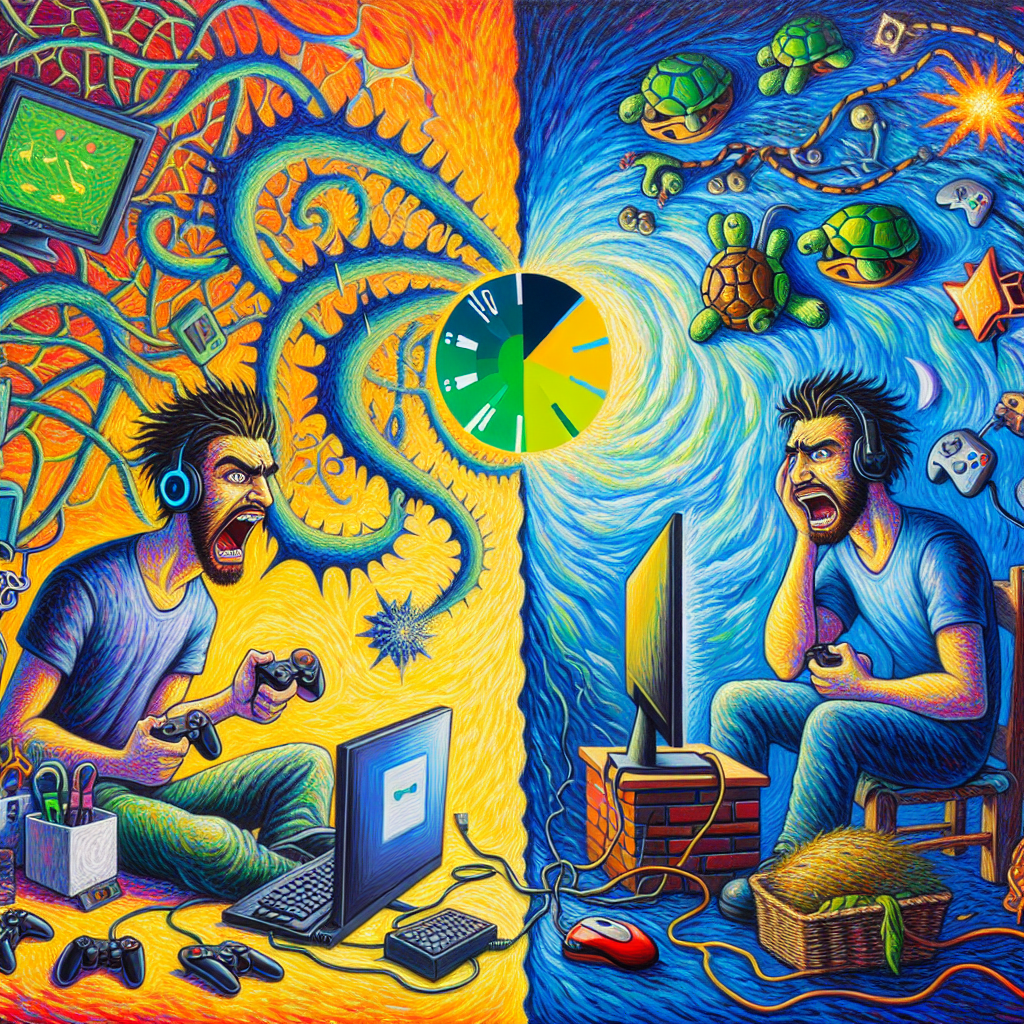
The Rise Of Esports: A Generation’s New Athletic Frontier
By Tom Seest
At HowDoYouGame, we help people who love board games by collating information and news about games.
Be sure to read our other related stories at HowDoYouGame to learn more about games.
Why Gen Z Considers Esports As Legitimate As Traditional Sports
When we talk about why Gen Z embraces esports with the same fervor as traditional sports, we see a fascinating tapestry woven from threads of passion, community, and evolution. This generation grew up in a world where competition isn’t just about a ball being kicked or a basket being made; it’s about the thrill of testing one’s mettle in the pixelated arenas of gaming. Let’s face it: every time they watch their favorite players compete on screen, it’s not just entertainment—it’s a rallying cry for camaraderie, perseverance, and achievement.
Games today are no longer solitary pursuits; they’re grand spectacles that have the ability to unite thousands, if not millions. Picture a stadium filled with fans, each person glued to their screen, their hearts racing with every clutch play and knock-out. This isn’t just fanfare; it’s a celebration of skill and strategy, where the best in the world rise through a rigorous hierarchy defined by dedication and talent. You see, these players are the modern-day gladiators, battling not in blood-soaked arenas, but in virtual worlds that demand just as much courage and discipline.
But it’s not merely the thrill of competition that resonates. In an age where social media fosters connection, esports offers a platform to interact, resonate, and share experiences. Fans aren’t just spectators—they’re integral participants in this evolving narrative. They cheer, they critique, and they bond over shared victories and defeats. This sense of belonging is palpable; it cultivates a tribe where individual stories merge into a collective identity, cherished like any dedicated sports fandom.
Ethically, there’s something powerful about acknowledging the skills and hard work of these athletes—yes, athletes—who have honed their craft through relentless practice. Just as we celebrate a football player for their agility or a basketball star for their precision, we must also recognize the monumental feats achieved in esports, where quick reflexes and mental strategies reign supreme.
As this generation embraces esports, they’re redefining what it means to be a fan, a player, and a community member. They foster a sense of connection that transcends the screen, challenging outdated norms of what “sports” can encompass. So next time you witness the fervor of a virtual showdown, remember that for Gen Z, these aren’t just games; they embody the heart and soul of a new age of competition that resonates deeply and widely. And that’s something worth cheering for.

Why Gen Z Considers Esports As Legitimate As Traditional Sports
Why Gen Z Considers Esports As Legitimate As Traditional Sports
- Gen Z embraces esports with comparable enthusiasm to traditional sports, driven by passion, community, and evolution.
- For Gen Z, competition is about testing skills in gaming, creating a rallying cry for camaraderie and achievement.
- Esports events are communal celebrations that unite fans and amplify the excitement of competition.
- Modern esports athletes are likened to gladiators, requiring courage and discipline in virtual arenas.
- Fans actively participate in the esports narrative through social media, bonding over shared experiences.
- Esports athletes deserve recognition for their skills, akin to traditional sports athletes, reflecting dedication in their craft.
- Gen Z is reshaping the definition of fandom and community, broadening the concept of what sports can entail.

Why Gen Z Considers Esports As Legitimate As Traditional Sports
Table Of Contents
- Why Gen Z Considers Esports As Legitimate As Traditional Sports
- How Does the Accessibility Of Esports Impact Its Appeal to Gen Z?
- In What Ways Do Esports Promote Community and Teamwork Among Players?
- Why Do Gen Z Players Feel More Represented In Esports Than In Sports?
- What Ethical Considerations Arise In the World Of Esports for Gen Z?
- What Role Do Social Media Platforms Play In Promoting Esports Culture?
- How Do Professional Gamers Serve As Role Models for Gen Z?
- Conclusion
- Other Resources
- Glossary Of Terms
- Other Questions
- Haiku
- Poem
- Checklist
How Does the Accessibility Of Esports Impact Its Appeal to Gen Z?
Esports has become a digital playground where Gen Z feels at home, and there’s no denying that accessibility plays a crucial role in this allure. Now, let’s dive into why this matters, peeling back the layers to find both the heart and the logic behind this phenomenon.
To start, consider the sheer variety of games available. From strategy to sports simulations, the options are as diverse as the players themselves. Each game represents a universe unto itself, a space where anyone can jump in, explore, and find their niche. This accessibility opens doors. It says, “Hey, you belong here,” inviting all players, regardless of skill level or background. For many young folks, this isn’t just about playing; it’s about belonging, a community where they can share victories and defeats alike. Capture that feeling, and you’ve struck gold.
Emotionally, think about the late-night gaming marathons, the adrenaline rushes during a clutch play, the laughter shared over a poorly timed joke in a voice chat. These experiences resonate deeply, forging connections that transcend the screen. Gen Z craves these moments of authenticity, where they can be themselves, let their guards down, and celebrate individuality. That’s richer than any virtual trophy.
But let’s not overlook the rational side. With affordable access to technology—whether it’s a console, PC, or a smartphone—almost anyone can jump into the esports realm. There are numerous platforms ready to facilitate play. This democratization means more voices and perspectives in the conversation. The barriers to entry crumble, fostering a landscape where everyone has a shot at greatness. This unfiltered potential grabs hold of the ambitious spirit found in Gen Z, motivating them to strive for excellence.
And ethically, there’s something powerful about competition grounded in skills. Esports champions rise based on merit, sometimes against all odds. This fosters a culture of respect, encouraging players to lift each other up rather than tear each other down. It’s inspiring, a collective narrative of resilience.
Then, there’s the social component. As youth gather in arenas—both physical and digital—there’s a palpable buzz. Friends connect, rivals interact, and possibilities emerge. Engagement feeds both confidence and camaraderie. Here, friendships blossom and networks expand, transcending geographical divides.
So, what happens when accessibility empowers young players? They no longer just spectate; they thrive, create, and collaborate, wielding the power of connection. Esports isn’t merely a hobby; it’s a movement, inviting Gen Z to take the reins in shaping its future.

How Does the Accessibility Of Esports Impact Its Appeal to Gen Z?
How Does the Accessibility Of Esports Impact Its Appeal to Gen Z?
- Esports has become a digital space where Gen Z feels comfortable and welcomed.
- The variety of games, from strategy to sports, offers many options for players of all backgrounds and skill levels.
- Gaming fosters a sense of belonging and community, where players share experiences and support each other.
- Deep emotional connections are formed through gaming experiences, providing authenticity and individual expression.
- Affordable technology and platforms lower barriers to entry, democratizing access to esports and encouraging diverse participation.
- Competition based on skill fosters respect and resilience among players, creating a positive cultural narrative.
- Accessibility allows young players to thrive and collaborate, transforming esports from a hobby into a significant movement.

How Does the Accessibility Of Esports Impact Its Appeal to Gen Z?
In What Ways Do Esports Promote Community and Teamwork Among Players?
Esports, at first glance, might seem like just a collection of games played in front of screens, but dig a little deeper, and you’ll discover something profoundly transformative. These virtual arenas foster a sense of community and teamwork that can rival the most cherished of traditional sports. Picture this: players from diverse backgrounds come together, united by their passion for a game. The collaborative spirit ignites as they strategize, communicate, and work tirelessly towards a common goal—winning. Beyond the scoreboard, it’s about shared experiences, the celebration of one another’s triumphs, and the lessons learned from defeats.
At its core, esports is a reflection of community values. When players log on to their respective platforms, they’re not just entering a digital battlefield; they’re stepping into a community where everyone has a role to play. Just like a perfectly executed play in a sports game, the success of a team hinges on the synergy between its members. This teamwork fosters respect, accountability, and resilience, mirroring life outside the screen where collaboration often leads to greater achievements.
In today’s world, where digital communication dominates, esports provides a safe haven for connection. For many, these games serve as a bridge to build friendships that transcend geographic boundaries, transforming strangers into teammates and eventually into lifelong friends. As players gather in online lobbies to gear up for an intense match, they’re not just strategizing; they’re sharing stories, dreams, and personal experiences. That emotional bond creates a community, where support often extends beyond the game, offering comfort during difficult times.
Moreover, as games evolve and industries grow, ethical considerations play an ever-growing role. Players and organizers are increasingly aware of the importance of inclusivity and respect. Tournaments today often spotlight diversity, promoting values that resonate with a broader audience, ensuring that every voice finds its place within this thriving landscape.
Think of the inspiring stories that emerge from esports—underdogs rising to the top, friendships forged in competition, and players working together to overcome personal and virtual challenges. Each story reinforces the idea that success is not just measured by victories but by the relationships forged and the community nurtured. In this vibrant world, we can all find common ground, proving that in the union of teamwork and community, we unearth the true power of connection, not just through games, but through shared humanity.

In What Ways Do Esports Promote Community and Teamwork Among Players?
In What Ways Do Esports Promote Community and Teamwork Among Players?
- Esports fosters a transformative sense of community and teamwork akin to traditional sports.
- Diverse players unite through their passion for games, strategizing and collaborating towards common goals.
- Success in esports relies on synergy among team members, promoting respect, accountability, and resilience.
- Esports provides a safe haven for connection, bridging friendships across geographic boundaries.
- Players share stories and personal experiences, creating emotional bonds and communities that extend beyond gaming.
- Inclusivity and respect are increasingly emphasized in the esports industry, highlighting diversity in tournaments.
- Inspiring stories of underdogs and friendships in esports showcase the importance of relationships and community.

In What Ways Do Esports Promote Community and Teamwork Among Players?
Why Do Gen Z Players Feel More Represented In Esports Than In Sports?
When you peel back the layers of why Gen Z players vibe more with esports than traditional sports, it quickly becomes clear: it’s about visibility, connection, and authenticity. In a world of curated highlights and polished images, esports presents a rawer, unfiltered version of competition. These are games that invite everyone to the table, no matter your background, identity, or ability. The relatable struggles, triumphs, and moments of camaraderie resonate deeply, like a powerful narrative that captures the essence of what it means to be part of a community.
Take a moment to consider the landscape of traditional sports. It often feels dominated by a select few—those with the right resources, connections, or sheer physical prowess. In contrast, esports levels that playing field. They say anyone can pick up a controller and start competing, but it goes beyond the hardware. It’s about the shared stories and values that resonate with young players. These are not just isolated individuals; they are part of a larger narrative that weaves through countless screens and connects hearts around the globe.
Emotionally, Gen Z players are drawn to the genuine friendships forged through gaming. Those cozy nights spent strategizing with friends over a headset, the thrills of a hard-fought victory shared with thousands in an online chat—these moments foster a sense of belonging that traditional sports often overlook. There’s comfort, safety, and camaraderie found in the pixelated landscapes of their beloved games.
From a rational standpoint, consider the sheer accessibility of esports. With a few clicks, anyone can dive into a game, watch live streams, or even learn from an expert. The knowledge is there, available at your fingertips. While immense barriers still exist in traditional sports, like expensive gear or access to facilities, esports democratizes competition in a way that aligns perfectly with Gen Z’s values of equity and inclusivity.
Ethically, the emphasis on community and support in gaming promotes a culture that values collaboration over competition. These young players grow up surrounded by narratives of teamwork and resilience, cultivating skills in communication and adaptability—an invaluable toolkit for navigating today’s complex world.
Ultimately, the soul of esports lies in its ability to engage—a web of interactions that invites even the most hesitant player to join the fray. And in the world of Gen Z, where the lines between digital and reality blur, it’s in these games that they find not only representation but also a connection that resonates deeply and authentically.

Why Do Gen Z Players Feel More Represented In Esports Than In Sports?
Why Do Gen Z Players Feel More Represented In Esports Than In Sports?
- Gen Z players are drawn to esports for its visibility, connection, and authenticity.
- Esports offers a raw, unfiltered competition that invites participation from diverse backgrounds.
- Unlike traditional sports, esports levels the playing field, allowing anyone to compete.
- Esports fosters genuine friendships and a sense of belonging through shared gaming experiences.
- Accessibility of esports enables easy participation, contrasting with barriers in traditional sports.
- Gaming emphasizes community and collaboration, cultivating teamwork and adaptability skills.
- Esports creates an engaging web of interactions that deeply resonates with Gen Z’s values.

Why Do Gen Z Players Feel More Represented In Esports Than In Sports?
What Ethical Considerations Arise In the World Of Esports for Gen Z?
In the bustling world of esports, it’s easy to get caught up in the adrenaline rush of competition, the thrill of a victory, and the camaraderie among players. But beneath the surface of these exciting games lies a mingling of ethical considerations that demand our attention, particularly for the Gen Z crowd that’s stepping into this digital arena.
Imagine young athletes, their fingers dancing across keyboards, their faces lit by screens, as they tirelessly chase championships. It paints a vivid picture—a story of dedication, teamwork, and the relentless pursuit of excellence. Yet, what happens when that passion is overshadowed by questionable practices? When the lines blur between competition and compromise, players are faced with choices that can alter the very fabric of their character.
Take a moment to reflect on the nuances of sponsorship deals that favor profit over integrity. Companies may dangle lucrative contracts that promise the world, yet come with a price: the pressure to endorse products or brands that don’t align with personal values. How does one reconcile the temptation of wealth with the principle of authenticity? It’s a gut-wrenching dilemma that echoes through locker rooms and chat channels alike.
Ethical gaming isn’t just a buzzword; it’s a call to action. Integrity in games starts with both players and fans holding each other accountable. Think about it: every match watched and every stream shared serves as an endorsement of the culture being built. It can either uplift the industry or allow it to decay. Every time a player chooses honesty over shortcuts, they ignite a ripple effect of inspiration among their peers, forging a new legacy.
Moreover, consider the issue of mental health. With the spotlight shining brightly on esports, Gen Z must confront the rising pressure and stress associated with constant performance and visibility. The weight of expectations can be overwhelming, and prioritizing mental well-being must become a collective goal. Encouraging open conversations about mental health can foster a supportive environment, enabling players to thrive without fear of stigma.
Transparency, respect, and authenticity should not merely be ideals but attainable realities in esports. Embrace the journey, recognizing that each choice matters. The next generation of gamers has the power to create a community defined not just by victories in games, but by victories of character—where ethical considerations don’t merely coexist with competition but thrive alongside it. Together, let’s build a future where integrity and passion go hand in hand, inspiring trust and confidence in every player, fan, and stakeholder in this exhilarating world.

What Ethical Considerations Arise In the World Of Esports for Gen Z?
What Ethical Considerations Arise In the World Of Esports for Gen Z?
- Esports is driven by competition and camaraderie, yet it involves ethical concerns, especially for Gen Z participants.
- Young athletes passionately pursue championships, but face dilemmas that may compromise their integrity.
- Sponsorship deals often prioritize profit over personal values, creating conflict between financial gain and authenticity.
- Accountability among players and fans is essential for promoting ethical gaming and building a positive culture.
- Mental health is a significant issue, as Gen Z grapples with the pressures of continuous performance and visibility.
- Transparency, respect, and authenticity are vital for nurturing a supportive esports community.
- The next generation of gamers has the potential to establish a legacy defined by character and integrity in addition to competitive success.

What Ethical Considerations Arise In the World Of Esports for Gen Z?
What Role Do Social Media Platforms Play In Promoting Esports Culture?
When you log onto social media, odds are you’re stepping into a vibrant arena pulsating with the heartbeat of esports culture. These platforms don’t just host highlight reels or tournament recaps; they serve as a gathering ground for gamers and fans alike, cultivating communities that transcend geographical boundaries. People from different walks of life bond over games, sharing strategies, celebrating victories, and even commiserating after a hard-fought loss. This sense of belonging is where the magic truly happens.
Social media is a powerful ally for players, teams, and influencers, amplifying voices that otherwise might remain unheard. A young streamer can go from relative obscurity to national recognition overnight, all thanks to a well-timed tweet or viral clip. This democratic nature of digital platforms empowers individuals to shape the narrative around esports culture, fostering a fresh environment where certain norms can be challenged and redefined. Suddenly, it’s not just about winning; it’s about connection, sharing stories, and inspiring others.
Think about it—when someone shares those thrilling moments, it’s more than just entertainment. It’s a representation of hard work, resilience, and community spirit. Each retweet, like, and comment serves to validate personal experiences and encourage others to dive into the world of competitive gaming. Here, emotional investment isn’t just a side note; it’s central to the experience. Players become heroes; their journey, a narrative with twists that mirror our own struggles and triumphs.
Not to mention, social media also plays the role of accountability. It invites ethical discussions around mental health in gaming, inclusivity, and sportsmanship, placing these issues front and center. As influencers share not just their successes but also their failures, the culture moves away from glorifying only the glamorous and begins to embrace the messy realities of gaming life.
The sense of community fostered through these platforms creates an emotional tapestry that reflects the gritty, hard-fought nature of competitive gaming. Esports isn’t just an industry; it’s a lifestyle shared by millions. So, whether you’re tuning in for the latest championship or simply scrolling through shared experiences, remember: you are part of something much bigger. Embrace it. It’s not just about games; it’s about the people who play them and the connections that come alive in every shared moment.

What Role Do Social Media Platforms Play In Promoting Esports Culture?
What Role Do Social Media Platforms Play In Promoting Esports Culture?
- Social media is a vibrant hub for esports culture, connecting gamers and fans across the globe.
- These platforms allow individuals to share strategies, celebrate victories, and bond over gaming experiences.
- Social media amplifies voices of players, teams, and influencers, enabling rapid recognition and growth.
- Connections made online emphasize storytelling, inspiration, and emotional investment in the gaming journey.
- The platforms promote accountability and discussions around mental health, inclusivity, and sportsmanship in gaming.
- Esports represents a lifestyle, highlighting the community spirit and grit of competitive gaming.
- Engaging with esports on social media means being part of a larger narrative that goes beyond just playing games.

What Role Do Social Media Platforms Play In Promoting Esports Culture?
How Do Professional Gamers Serve As Role Models for Gen Z?
In the heart of every professional gamer lies a story worth telling—a tale that resonates with the pulse of Gen Z. These individuals are not merely playing games; they are weaving a narrative of perseverance, teamwork, and relentless ambition. Picture a young player, hands wrapped around a controller, each keystroke echoing the promise of victory. The games they engage in transcend mere entertainment; they are a gateway to a world of strategic thinking, social interaction, and disciplined practice.
Consider the pressure these athletes face. They sit before glowing screens, competing not only against one another but against the very expectations of their peers and a curious world watching closely. Their lives are a compelling mix of triumph and failure, showcasing that both are intrinsic to success. It’s a lesson with deep roots in reality: every setback is a stepping stone, every defeat a chance to learn. For Gen Z, this resonates profoundly in an age where perfection is often mistakenly equated with value.
Ethically, these professionals champion values like sportsmanship and community building. They embody integrity in a digital realm often marred by toxicity and division, making responsible choices about their brand and engagement. When they advocate for mental health awareness, or foster inclusivity within online arenas, they lay a foundation of trust and authenticity. This is where the heart of their influence resides—a blend of compassion and commitment, gathering followers who aspire to be more than just spectators.
Moreover, the authority these gamers wield is something to behold. They are industry experts, navigating a landscape rife with innovation and competition. Each tournament, each live stream becomes an education, an opportunity for fans to glean insight from those who have mastered their craft. Through practical demonstrations of skill and strategy, they cultivate respect, fostering a sense of connection that motivates others to chase their dreams.
In this dynamic relationship, we find commonality; they remind us that we are all in this game called life, each searching for our own wins amidst the chaos. These gamers don’t just play—they inspire and ignite passion, showing that dedication, whether in gaming or everyday life, can lead to remarkable achievements. They stand as beacons of possibility—inviting a younger generation to dream, act, and become the architects of their futures. So, let their stories resonate within, inviting each of us to pick up our controllers and play.

How Do Professional Gamers Serve As Role Models for Gen Z?
How Do Professional Gamers Serve As Role Models for Gen Z?
- Professional gamers embody stories of perseverance, teamwork, and ambition that resonate with Gen Z.
- Their gaming experiences promote strategic thinking, social interaction, and disciplined practice.
- Gamers face pressures of competition and peer expectations, emphasizing that triumph and failure coexist.
- They champion sportsmanship and community building, emphasizing integrity in a toxic digital realm.
- By advocating for mental health and inclusivity, they cultivate a foundation of trust and authenticity.
- These gamers serve as industry experts, offering insights and education through their gameplay experiences.
- They inspire others to pursue their dreams and demonstrate that dedication can lead to remarkable achievements.

How Do Professional Gamers Serve As Role Models for Gen Z?
Conclusion
Esports has emerged as a legitimate frontier for competition, captivating a generation that values both connection and authenticity. For Gen Z, watching their favorite players compete is more than mere entertainment; it’s a powerful experience that embodies community, resilience, and the spirit of competition. In a world increasingly defined by shared digital experiences, these virtual battles act as modern-day arenas where skill and strategy reign supreme. The thrill of a decisive victory or a clutch play isn’t just a moment of excitement; it’s a visceral rallying cry that unites fans and players alike, transforming individual gameplay into a collective narrative of triumph.
The accessibility of esports is another significant factor in its appeal. With minimal barriers to entry, players from various backgrounds can find their niche and contribute to a thriving community. Whether it’s the thrill of strategizing with friends over a headset or the camaraderie experienced in an online lobby, these shared moments foster deep emotional connections. Here, players aren’t just battling for points; they celebrate one another’s journeys, building lasting friendships that transcend geographical divides.
But let’s not ignore the ethical considerations that accompany this dynamic landscape. As esports becomes a platform for representation, inclusivity rises to the forefront, breaking down traditional barriers prevalent in physical sports. Professional gamers serve as role models, facing enormous pressure while embodying resilience and integrity. They navigate the complexities of sponsorship and public scrutiny yet manage to emerge as figures advocating for mental health awareness and sportsmanship.
Moreover, social media plays an undeniable role in cultivating this environment. Platforms transform personal victories into collective celebrations, offering a stage where players can share stories and lessons learned. This rich tapestry of interaction strengthens the community and fosters transparency around mental health, inclusivity, and the values each player champions.
Essentially, the world of esports invites Gen Z to redefine what competition means. It encourages a spirit of collaboration rather than isolation, where everyone possesses the potential to rise, shine, and inspire. When the heart of competition beats in virtual arenas, the lessons extend far beyond the screen. They remind us all—players and fans alike—that the essence of sportsmanship, the thrill of teamwork, and the pursuit of excellence can flourish just as vibrantly in digital realms as they do in traditional arenas. Here lies an opportunity not just to play, but to engage and elevate the very fabric of what it means to be a part of a community, actively shaping the future of competition. So let’s celebrate the evolution, for in these games, we find a reflection of our shared humanity, the raw stories of struggle and triumph, and a generation unapologetically making its mark.

Conclusion
Conclusion:
- Esports captivates Gen Z, emphasizing connection and authenticity in competition.
- Watching esports is a communal experience, embodying resilience and the spirit of competition.
- Accessibility allows diverse backgrounds to participate and build emotional connections within the community.
- Esports platforms promote inclusivity and representation, breaking down barriers found in traditional sports.
- Professional gamers advocate for mental health awareness and sportsmanship while navigating public scrutiny.
- Social media amplifies personal victories and strengthens community through shared stories and values.
- Esports encourages collaboration over isolation, redefining competition and fostering a sense of community.

Conclusion
Other Resources

Other Resources
Here is a list of other resources you can review online to learn more:
- Spirit Island: Branch & Claw Expansion
- The Voyages of Marco Polo
- The Broken Meeple
- Eagle-Gryphon Games
- Ravensburger
- MailChimp
- Board Game Atlas
- Lucky Duck Games
- Mindclash Games
- Beasts of War
- Sirlin Games
- Fields of Arle
- Quined Games
- Terra Mystica
- Pandasaurus Games
- Mastodon
- Cryptozoic Entertainment
- Victory Point Games
Use This Prompt To Get More Resources With Your Favorite Online AI Tool: Please provide me with a list of online articles with their URLs in a bulleted list that I can read regarding Why Gen Z Considers Esports As Legitimate As Traditional Sports

Other Resources
Glossary Terms
Why Gen Z Considers Esports As Legitimate As Traditional Sports – Glossary Of Terms
1. Esports: Competitive video gaming played at a professional level, often involving organized tournaments.
2. Legitimacy: The quality of being accepted as authentic or valid; in this context, the recognition of esports as a genuine sport.
3. Generation Z (Gen Z): Individuals born roughly between 1997 and 2012, known for their digital nativity and engagement with technology.
4. Competitive Gaming: A form of gaming where players compete against each other, often in organized formats and leagues.
5. Tournaments: Structured competitions involving multiple teams or players aiming to win a championship.
6. Viewership: The audience or number of people who actively watch esports events and competitions.
7. Streaming: The process of transmitting live video content over the internet, often used for broadcasting esports events on platforms like Twitch.
8. Professional Players: Gamers who play video games competitively for a living, often representing teams or brands.
9. Sponsorship: Financial support provided by companies to esports teams or events in exchange for advertising and marketing exposure.
10. Community: A group of fans and players who engage with and support esports through forums, discussions, and social media.
11. Skill: The level of expertise and talent a player demonstrates in a particular game, often determining competitive success.
12. Game Titles: Specific video games that are played in esports competitions, such as League of Legends, Dota 2, and Fortnite.
13. Team Dynamics: The interpersonal relationships and communication patterns within a team, crucial for success in team-based esports.
14. Meta: The current state of gameplay strategy and character choices that are considered the most effective in competitive play.
15. Analysts: Experts who study gameplay strategies and provide insights and commentary during esports broadcasts.
16. Cultural Relevance: The significance and impact of esports within contemporary society, especially among younger audiences.
17. Accessibility: The ease with which players and fans can engage with esports, often facilitated by online platforms.
18. Diversity: The representation of various groups within esports, including gender, ethnicity, and gaming backgrounds.
19. Recognition: The acknowledgment and acceptance of esports by broader sports institutions and communities.
20. Social Media: Online platforms where esports content is shared and discussed, helping to build community and enhance engagement.
21. Skill-Based Gaming: Games that require talent, tactics, and strategic thinking, emphasizing the competitive nature of esports.
22. Fan Engagement: The interaction between esports fans and players or teams, including events, merchandise, and online forums.
23. Training Regimen: The structured practice schedules and activities that professional gamers follow to improve their skills.
24. Team Sponsorship: Financial and material support from brands aimed at promoting esports teams.
25. Mainstream Media: Traditional media outlets, such as television and news organizations, increasingly coverage of esports events.
26. Streaming Platforms: Online services that allow users to watch live or recorded gaming content, popularizing esports.
27. Career Opportunities: Various professional roles within the esports industry, from players to coaches and broadcasters.
28. Player Fanbase: The group of supporters and followers dedicated to individual esports players, mirroring traditional sports fandom.
29. Regulatory Bodies: Organizations that govern the rules and standards of esports competitions to ensure fairness and integrity.
30. Gaming Culture: The shared values, practices, and experiences of individuals who engage in video gaming and esports communities.

Glossary Of Terms
Other Questions
Why Gen Z Considers Esports As Legitimate As Traditional Sports – Other Questions
If you wish to explore and discover more, consider looking for answers to these questions:
- What specific games are most popular among Gen Z and why?
- How do esports viewership numbers compare to traditional sports?
- What are the potential mental health effects of playing esports on Gen Z players?
- How do sponsorship deals in esports differ from those in traditional sports?
- What initiatives are in place to promote inclusivity within esports?
- How has the portrayal of female gamers evolved in the esports landscape?
- What role do educational institutions play in the growth of esports?
- How do professional leagues in esports function compared to traditional sports leagues?
- What are the career opportunities available in the esports industry?
- How do social media platforms shape the narratives of esports players?
- What ethical dilemmas do esports players face regarding online behavior?
- How can parents support their children’s involvement in esports?
- What impact do esports have on youth culture and identity?
- How do streaming platforms influence the popularity of esports?
- What technological advancements are shaping the future of esports?

Other Questions
Haiku
Why Gen Z Considers Esports As Legitimate As Traditional Sports – A Haiku
Pixels dance on screens,
Unity in fierce battles;
Voices rise as one.

Haiku
Poem
Why Gen Z Considers Esports As Legitimate As Traditional Sports – A Poem
In a world where screens illuminate the dark,
Gen Z finds a sanctuary, igniting their spark.
Not just pixels, but arenas come alive,
Where passion and community thrive.
These warriors, in virtual fields, unite,
With strategy and skill, they engage in the fight.
Not mere games, but tales of grit and grace,
Modern gladiators, in this shared space.
Accessibility lays the groundwork to belong,
Diverse as the players, vibrant and strong.
Every click a chance to join the throng,
In laughter and failures, they find where they belong.
Camaraderie blooms in each match and play,
Friendships forged in victory’s sway.
As stories weave through both triumph and fall,
They learn life’s lessons—together, they stand tall.
Yet shadows persist, as ethics we face,
With pressure and choices that challenge our grace.
Honor in gaming, integrity’s song,
In every decision, the community grows strong.
Social media’s pulse drives the fervent embrace,
Connecting young souls across time and space.
Each tweet a reminder of struggles and dreams,
A tapestry woven through shared hopes and schemes.
Professional gamers, role models arise,
Inspiring the future with truth in their eyes.
They teach us that setbacks are part of the game,
Fueling ambition, igniting the flame.
So here’s to the players, the riff and the roar,
In this vibrant expanse, they’re so much more.
Together they redefine what it means to compete,
In the heart of esports, they find their heartbeat.

Poem
Checklist
Why Gen Z Considers Esports As Legitimate As Traditional Sports – A Checklist
Esports Engagement Checklist for Gen Z
Emotional Appeals
_____ Create Connection: Participate in gaming communities to foster friendships and shared experiences.
_____ Celebrate Triumphs: Share your victories, no matter how small, and encourage others to do the same.
_____ Prioritize Authenticity: Engage with your true self in online spaces, allowing for genuine connections to form.
Rational Appeals
_____ Enhance Skill Development: Dedicate time to practice and learn new strategies in your game of choice.
_____ Utilize Accessible Technology: Explore various platforms and games to find what resonates with you and is easy to access.
_____ Set Realistic Goals: Establish achievable milestones within your gaming journey for personal growth and satisfaction.
Ethical Appeals
_____ Promote Inclusivity: Advocate for diverse voices within the esports community, ensuring everyone feels welcome.
_____ Practice Good Sportsmanship: Encourage respectful and supportive behavior among players, both online and offline.
_____ Support Mental Health Conversations: Engage in discussions about mental well-being in gaming environments to create a more supportive community.
Authority Appeals
_____ Learn from the Pros: Watch tutorials or streams from professional gamers to gain insights and improve your gameplay.
_____ Follow Influential Figures: Connect with people in the esports scene who inspire you and align with your values.
_____ Educate Yourself on Industry Trends: Stay informed about the latest developments in esports to navigate and thrive in this field.
Narrative Appeals
_____ Share Your Journey: Document your experiences and challenges in gaming to connect with others on similar paths.
_____ Celebrate Team Stories: Engage with narratives of collaboration and teamwork within esports to understand the power of community.
_____ Highlight Personal Growth: Reflect on your journey in gaming and share how you’ve evolved through challenges and victories.
Social Appeals
_____ Join Local Esports Teams: Seek out or create opportunities to compete with others in your community.
_____ Engage with Online Platforms: Participate in social media discussions regarding esports to find your tribe.
_____ Organize or Attend Events: Get involved in local or virtual gaming events to meet fellow gamers and foster relationships.
This checklist can help guide Gen Z’s engagement with esports, ensuring they tap into the emotional, rational, ethical, authoritative, narrative, and social aspects that make this field vibrant and meaningful.

Checklist
At HowDoYouGame, we help people who love board games by collating information and news about games.
Be sure to read our other related stories at HowDoYouGame to learn more about games.