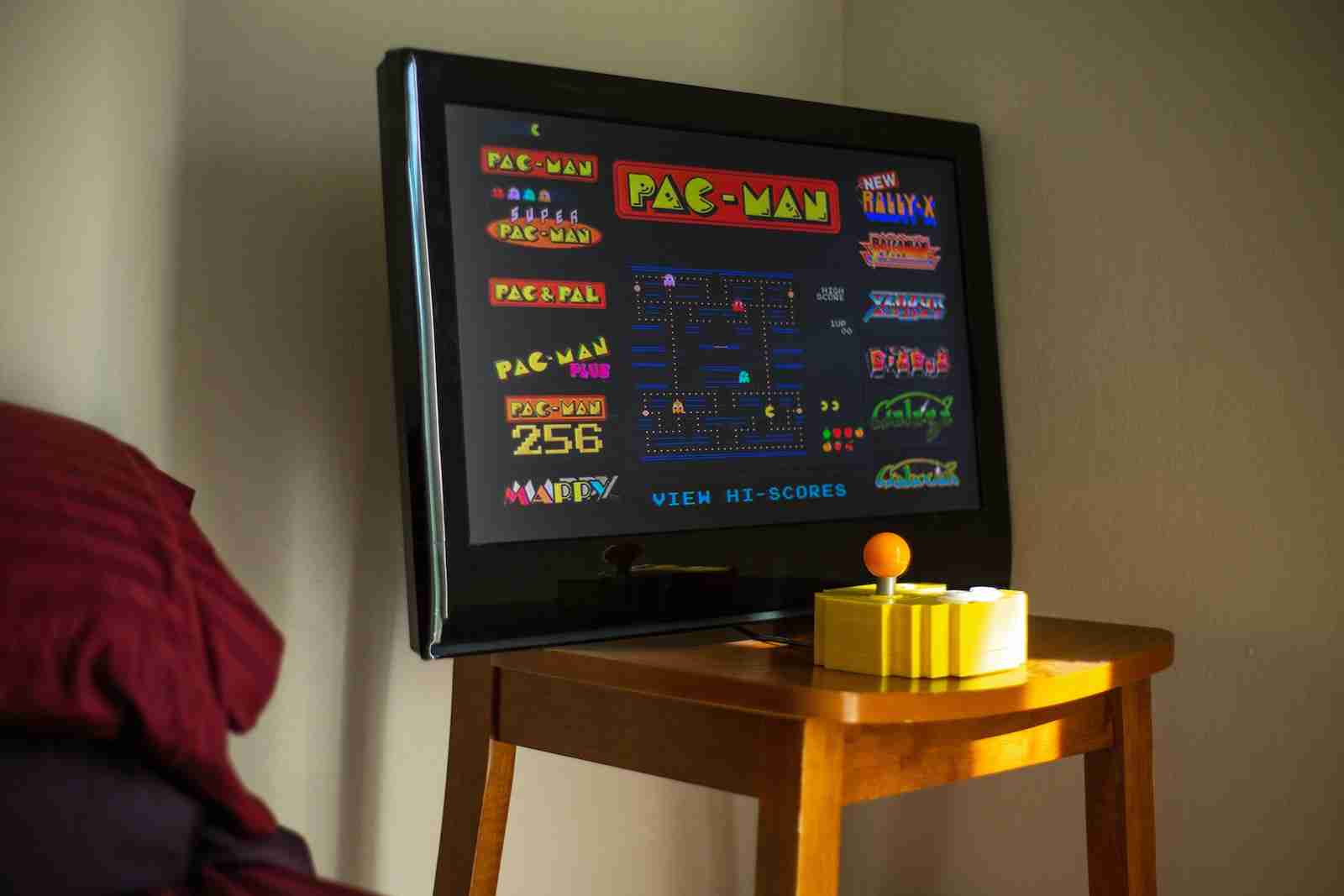
Unlocking The Ultimate Gaming Experience: The Evolution Of Cloud Gaming
By Tom Seest
At HowDoYouGame, we help people who love board games by collating information and news about games.
Be sure to read our other related stories at HowDoYouGame to learn more about games.
Why Cloud Gaming Feels Like Cable Tv for Video Games
In the evolving landscape of entertainment, cloud gaming has emerged as a tantalizing promise for gamers worldwide, yet it carries an undeniable weight reminiscent of the era of cable TV. Picture this: once upon a time, we were captivated by the notion of bundling our favorite channels, believing they’d address our every entertainment need. However, we quickly learned that with each package came restrictions, hidden fees, and a creeping sense of dissatisfaction. The excitement surrounding cloud gaming mirrors that initial allure; it offers an impressive library of games, accessible with a few clicks. But behind that shiny facade lies the same familiar frustration that plagued cable subscribers for years.
What pulls us in is not just the thrill of having a plethora of games at our fingertips, but the emotional connection we foster with them. We’ve shared experiences, forged friendships, and created lasting memories through immersive gameplay. Yet, with cloud gaming, that foundational experience can often feel diluted. Signal interruptions and latency issues disrupt our concentration and immersion, leading us to long for a return to something simpler, something tangible—a physical copy that we can hold and truly call our own.
Rationally speaking, we’re often drawn to the promise of savings and convenience, eliminating the need for bulky hardware and installation woes. But as we dive deeper, we find ourselves grappling with ethical concerns about data privacy and ownership. With each game stored in a cloud that could vanish at any moment, we question the security of our digital investments. How can we trust a system that treats our beloved games as mere data points rather than cherished artifacts?
On a societal level, there’s a collective unease. We hear stories of beloved titles being pulled from platforms overnight or inaccessible due to subscription shifts, reminding us of our cable days when a favorite channel could disappear just as quickly as it arrived. We long for the feeling of stability and ownership—the ability to play on our terms, not dictated by a service provider.
So, as we navigate this brave new world of cloud gaming, it’s essential to remember that while convenience is appealing, there’s no substitute for authenticity, connection, and control. It invites a call to action: let’s demand better, challenge the status quo, and ensure the gaming experience evolves into something that resonates not just in our heads but in our hearts and guts as well.

Why Cloud Gaming Feels Like Cable Tv for Video Games
Why Cloud Gaming Feels Like Cable Tv for Video Games
- Cloud gaming presents an enticing prospect for gamers, similar to the initial allure of cable TV.
- Despite the excitement, users face frustrations akin to hidden fees and restrictions associated with cable subscriptions.
- The emotional connection with games is crucial, but cloud gaming often dilutes this experience due to signal issues.
- While cloud gaming offers convenience and potential savings, concerns about data privacy and ownership arise.
- Players worry about losing access to games stored in the cloud, reminiscent of losing favorite TV channels.
- Societal unease persists due to sudden changes in game availability on platforms and subscription models.
- A call to action encourages the pursuit of authenticity and control in the gaming experience, challenging existing norms.

Why Cloud Gaming Feels Like Cable Tv for Video Games
Table Of Contents
- Why Cloud Gaming Feels Like Cable Tv for Video Games
- What Emotional Connections Do Gamers Lose with Cloud Gaming?
- How Does the Subscription Model Compare to Traditional Game Buying?
- Is Cloud Gaming Making Us More Reliant on Technology for Fun?
- Can the Environmental Impact Of Cloud Gaming Be Justified?
- What Ethical Considerations Arise From Data Storage In Cloud Gaming?
- How Can We Ensure Equal Access to Cloud Gaming Across Communities?
- Are We Sacrificing Quality for Convenience In Cloud Gaming?
- Conclusion
- Other Resources
- Glossary Of Terms
- Other Questions
- Haiku
- Poem
- Checklist
What Emotional Connections Do Gamers Lose with Cloud Gaming?
In the evolving landscape of gaming, where the thrill of the next big title is just a click away, it’s easy to forget what we stand to lose. Cloud gaming offers the tantalizing promise of instant access to an expansive library of titles, but it often comes at a far higher cost than mere dollars and cents. With each game streamed, we risk forging a connection to our play that feels more like a fleeting whisper in the wind rather than a resounding echo of passion and effort.
Think back to those moments of pure joy when you fought tooth and nail for that elusive achievement or strategically planned with friends late into the night. Those experiences were more than just pixels on a screen; they were shared stories that carved lasting memories into our lives. As gamers, our victories and defeats create a rich tapestry of emotional value interwoven with friendships and personal growth. Cloud gaming often strips away that depth, threatening to reduce cherished experiences to a hollow exchange—push a button, download, play. Where’s the heart in that?
From a rational standpoint, consider the palpable disconnect that arises when you trade your physical console for an ephemeral cloud service. Your console is an artifact of your journey, a culmination of achievements and nostalgia. When you relinquish that for a faceless platform, you risk losing more than just the hardware; you lose the tactile feel of your controller, the smell of fresh packaging, and the joy of a late-night gaming session in your cozy retreat. These are not just sentimental musings; they’re fundamental building blocks of our emotional engagement with games.
Ethically, we should ask ourselves: what kind of gaming experience are we endorsing? When we opt for cloud gaming, are we not also promoting a system that prioritizes convenience over genuine interaction? The quiet joy of gathering with a group of friends, sharing laughter and strategizing over a game’s nuances, is compromised when the connection relies solely on internet speed.
And let’s not forget the societal impact. As we shift towards a more digital, less physical realm, we may inadvertently sever bonds forged through shared experiences. Let’s hold onto the essence of what it means to be a gamer. Embrace the controller, the mess of wires, the game gathering dust on your shelf. It’s not just about playing; it’s about belonging, remembering, and truly connecting. In the grand scheme of life, each game isn’t just a pastime; it’s a piece of our shared narrative. Reclaim that bond.

What Emotional Connections Do Gamers Lose with Cloud Gaming?
What Emotional Connections Do Gamers Lose with Cloud Gaming?
- The rise of cloud gaming offers instant access to a vast library but at a potential emotional cost.
- Streaming games can create a fleeting connection to gameplay, diminishing the sense of passion and effort involved.
- Gaming experiences create lasting memories through achievements and social interactions with friends.
- Cloud gaming risks reducing rich, meaningful experiences to a simple transactional process.
- Physical consoles serve as artifacts of personal gaming journeys, holding emotional value beyond the games themselves.
- Choosing cloud gaming can promote convenience over genuine interaction, undermining the joy of shared gaming experiences.
- We must consider the societal implications of digital gaming, as it may weaken bonds formed through physical interactions.
What Emotional Connections Do Gamers Lose with Cloud Gaming?
How Does the Subscription Model Compare to Traditional Game Buying?
When we think about how we buy games, we often conjure images of standing in line at a store, eagerly anticipating the latest release, hard-earned cash in hand, ready to dive into a new world. Traditional game buying is more than a transaction; it’s an experience, rooted in excitement and the promise of adventure. However, there’s a new player on the scene: the subscription model. This approach is changing the way we engage with games, and it’s worthy of consideration.
At the heart of the subscription model is a simple truth: variety breeds excitement. Instead of shelling out for each game individually, subscribers gain access to a library of titles. It’s like opening a treasure chest of opportunities. Imagine the thrill of exploring new genres, testing obscure indie games, and even indulging in nostalgic classics—all at your fingertips. This model taps into our innate craving for adventure, allowing us to take risks without the financial burden. It’s a call to play without the pressure, to experiment without fear of buyer’s remorse, and to rediscover a joy in gaming that may have faded over time.
Yet, let’s not forget the rational side of our minds. It’s about value. With subscription services often priced lower than a single, new game, the economics make sense for many gamers. You can play a slew of titles, share the cost with friends, or even introduce your kids to gaming without breaking the bank. The savings can even allow you that one coveted purchase you had your eye on. You also gain the comfort of knowing you’re not just a purchase statistic—your support helps foster new and diverse games, contributing to a more vibrant gaming ecosystem.
We must consider the ethical aspect too. By opting for subscriptions, we support an industry that’s increasingly prioritizing innovation over mere profit margins. You’re backing companies that are investing in creativity and inclusiveness instead of pumping out sequels every year. This move reflects a growing consciousness among gamers who demand more from their entertainment—games that resonate, challenge, and delight.
Ultimately, whether you enjoy the thrill of a fresh release or the expansive embrace of a library, it’s about finding what speaks to you. Both models have merit, but as we edge into this new era of gaming, the subscription model offers a new kind of connection—one that translates into exploration, value, and a commitment to a gaming culture that thrives on diversity rather than just dollars.

How Does the Subscription Model Compare to Traditional Game Buying?
How Does the Subscription Model Compare to Traditional Game Buying?
- Traditional game buying is an immersive experience filled with excitement and anticipation.
- The subscription model offers a new way to engage with games by providing access to a vast library of titles.
- This model allows players to explore new genres, indie games, and nostalgic classics without financial pressure.
- Subscription services often provide better value, as they are typically cheaper than purchasing individual games.
- Supporting subscription models fosters innovation in the gaming industry, prioritizing creativity over profits.
- This approach aligns with gamers’ desires for diverse and meaningful experiences in gaming.
- Ultimately, both buying models have their benefits, but subscriptions offer a unique connection to gaming culture.

How Does the Subscription Model Compare to Traditional Game Buying?
Is Cloud Gaming Making Us More Reliant on Technology for Fun?
In a world where we can summon entire libraries of games with the stroke of a finger, it’s easy to marvel at the magic of cloud gaming. Yet, as we dive deeper into this digital wonderland, one simple question looms: are we losing the essence of fun in our reliance on technology?
Think about it. Does the thrill of conquering a challenging game still resonate when it comes without the sweat, the camaraderie, or the shared laughter with friends? Games once drew us together—around a console or a tabletop—fostering not just competition but genuine connection. Now, as we plop down with our devices, the joyous chaos of a friendly gathering gives way to solitary play. It’s a bittersweet trade-off, isn’t it? The comfort of being able to access any game we wish, any time, is enticing, yet what happens to the stories we used to share, the moments of triumph and defeat we experienced together?
It’s not just a question of convenience; it’s about our relationship with joy itself. When we rely solely on instant access to fun, we risk becoming passive consumers rather than active participants in our own lives. The thrill of figuring out a new game while sitting shoulder-to-shoulder with pals has a different flavor than simply streaming it from the clouds. This calls into question not just our choices but our very nature—are we willing to trade authentic experiences for the ease of technology?
Moreover, the ethical dilemma is palpable. As we embrace the shiny advantages of these new platforms, we must consider the impact on our social systems. Are we nurturing connections, or simply reinforcing isolation? The balance lies in recognizing that while technology can enhance our gaming experience, it should never replace the bonds we forge playing a round of Mario Kart or sharing tales of our RPG adventures over pizza.
So, as we stand at this crossroads, let’s take a moment to reflect. Can we embrace the convenience of cloud gaming while still cherishing the raw, unfiltered joy of gathering together? In a world increasingly steeped in virtual experiences, let’s not forget the beauty of human connection—because at the end of the day, true fun is about more than just games; it’s about living fully with others.

Is Cloud Gaming Making Us More Reliant on Technology for Fun?
Is Cloud Gaming Making Us More Reliant on Technology for Fun?
- Cloud gaming offers the convenience of accessing vast libraries of games at our fingertips.
- However, this technological reliance raises concerns about losing the essence of fun traditionally found in social gaming.
- Games used to foster camaraderie and connection through shared experiences, whether around a console or tabletop.
- Instant access to games can lead to solitary play, replacing joyous gatherings with solitary experiences.
- Relying solely on technology may turn us into passive consumers rather than active participants in our joy.
- The rise of cloud gaming presents an ethical dilemma regarding its impact on social connections and isolation.
- There is a need to balance technology’s benefits with the importance of maintaining human connections in gaming.

Is Cloud Gaming Making Us More Reliant on Technology for Fun?
Can the Environmental Impact Of Cloud Gaming Be Justified?
When we sit down to immerse ourselves in the world of games, there’s a magic that happens. The thrill of adventure, the camaraderie with friends, and the satisfaction of overcoming a challenge—all of it creates an escape that resonates deeply with us. Yet, lurking behind the immersive screens and vibrant graphics lies a question that gnaws at the edges of our conscience: can we justify the environmental impact of our beloved pastime?
At its core, gaming, like any form of entertainment, comes with a footprint. The data centers that support cloud gaming consume vast amounts of energy. They are humming giants, consuming electricity to deliver those breathtaking graphics and seamless streaming experiences. Each time we log in, connect, and dive into a virtual world, we fuel an ecosystem that demands resources. It’s a sobering reality; one that can grip our gut with a sense of responsibility.
But it’s not all doom and gloom. As we consider the environmental consequences, we’re also equipped with choices. Choosing to support companies that prioritize sustainability can make a difference. Many gaming companies are now investing in renewable energy solutions to power their data centers. This shift not only emboldens the gaming community as stewards of the planet but also aligns our passion for games with a sense of purpose that feels good.
Reflecting on how our choices influence the world resonates on both ethical and emotional levels. When we gather with friends online, sharing laughter and triumphs, we craft stories that contribute to the human experience. Those shared moments create a bond that transcends the physical space—contrasting sharply with the environmental toll that excessive energy consumption entails.
The question is whether we can align our love for gaming with an ethical responsibility to our planet. If we want the thrilling worlds of today to remain accessible for future generations, we must advocate for progress. We can be part of the conversation, demanding transparency and sustainability from those in authority.
Together, we can redefine what it means to be a gamer in the digital age. As we progress, the path to a more sustainable future is paved not just by our fingers tapping at screens but by our determination to foster connection, engage with the wider community, and make environmentally conscious choices. Let’s transform our passion for games into a force for good, ensuring that our shared love for adventure and storytelling can thrive in harmony with our planet.
Can the Environmental Impact Of Cloud Gaming Be Justified?
Can the Environmental Impact Of Cloud Gaming Be Justified?
- Gaming offers an escape and sense of adventure, but also poses environmental challenges.
- Data centers for cloud gaming consume large amounts of energy, impacting the environment.
- Choices matter; supporting companies that prioritize sustainability can mitigate negative effects.
- Many gaming companies are investing in renewable energy solutions for their operations.
- Online gaming fosters bonds and shared experiences, which contrasts with energy consumption issues.
- Gamers can align their passion with environmental responsibility by advocating for sustainability.
- Transforming gaming into a force for good requires community engagement and conscious decision-making.
Can the Environmental Impact Of Cloud Gaming Be Justified?
What Ethical Considerations Arise From Data Storage In Cloud Gaming?
When we talk about cloud gaming, we must recognize that it’s not just a technology, but a new terrain where ethical considerations loom larger than a pixelated villain in your favorite games. Every time you log in to play, your personal data—the very essence of your digital self—hangs in the balance. It’s easy to picture ourselves comfortably settled with our controllers, the excitement of immersive gameplay flowing through our veins. But behind those alluring graphics and seamless experience lies a web of ethical dilemmas that we must confront.
First, let’s consider data privacy. We each create a digital fingerprint with every game we play, every achievement we unlock, and every strategy we share. Now, what happens to that data? Is it stored securely, or does it become fodder for corporations to gobble up, dissect, and sell? The notion that our preferences and habits could be exploited raises a gut-wrenching question: Are we merely pawns in a larger quest for profit?
Next, add the element of inclusivity. Not everyone has equal access to the equipment or internet speed required for cloud gaming. This creates a digital divide, ensuring that not all players are on a level playing field. Some may find themselves left out, marginalized in a world where games should unite us. This stings not just for those who can’t join in but challenges our very moral compass as a society. Shouldn’t everyone have the opportunity to embark on epic quests and forge friendships, regardless of their background?
Now think about the environmental impact of cloud gaming. Data centers burn energy like they’re siphoning off the very lifeblood of our planet. For the eco-conscious gamer, this is a call to action. We must advocate for sustainable practices among those who wield the power of cloud infrastructure. Every time we hit that play button, we should be aware of what kind of world we are creating—not just for ourselves, but for future players yet to come.
As we navigate this brave new world of gaming, let’s commit to being more than mere consumers. Let’s engage in the conversation about ethical data storage and usage. Together, we can shape an industry that values our security, promotes inclusivity, and respects our planet. The power lies within us, the players, as we hold the controller and make choices that echo beyond the screen. The stories we tell today will create the games of tomorrow. Let’s craft them wisely.

What Ethical Considerations Arise From Data Storage In Cloud Gaming?
What Ethical Considerations Arise From Data Storage In Cloud Gaming?
- Cloud gaming presents not only technological advancements but also significant ethical considerations.
- Personal data collected during gameplay raises concerns about data privacy and exploitation by corporations.
- The issue of inclusivity emerges, as access to the necessary equipment and internet speeds is unequal among players.
- A digital divide exists, marginalizing some players and challenging societal values of equity and opportunity.
- The environmental impact of cloud gaming is substantial, with data centers consuming large amounts of energy.
- Players are encouraged to advocate for sustainable practices in the gaming industry to protect the planet.
- Players should engage in discussions about ethical practices, shaping an industry that respects security and inclusivity.

What Ethical Considerations Arise From Data Storage In Cloud Gaming?
How Can We Ensure Equal Access to Cloud Gaming Across Communities?
When it comes to cloud gaming, the idea of equal access should feel as natural as the air we breathe. Picture a young girl, sitting on her porch, her eyes glued to a friend’s smartphone screen, immersed in a virtual world where she can escape her circumstances. But what happens when that access is uneven? The thrill of games is lost in the shadows of inequality, leaving many yearning for connections they can’t tap into.
First, we need to acknowledge that not all communities have the same access to high-speed internet, the essential backbone of cloud gaming. It’s easy to assume everyone has pockets deep enough to afford premium service, yet for many, that’s simply not the case. This isn’t just a technical issue; it’s a human one. Children, teens, and adults in lower-income areas miss out on the chance to join the gaming community, enjoy educational resources, or connect with distant relatives through shared gaming experiences. What would you feel if your child was left out of their friends’ conversations, all due to a basic lack of access?
Consider the power of storytelling in games. They aren’t just a form of entertainment; they are bridges between cultures and communities, sparking empathy and understanding. Yet how can these narratives reach those who can’t join the conversation? The responsibility falls upon developers, tech giants, and governments alike to ensure that no community is left behind while innovation surges ahead. It’s an ethical imperative to debate: should we allow technology to flourish in silos or strive to widen the paths that lead to shared experiences?
This isn’t merely a tech challenge; it’s a moral one. When we come together to advocate for better infrastructure, subsidized access, and community initiatives, we’re laying the groundwork for a more inclusive society. We speak for those whose voices often go unheard, igniting hope and inspiring communities to engage.
So, here’s where we stand: equal access to cloud gaming isn’t just a lofty goal; it’s a tangible necessity. It requires collaboration, compassion, and commitment. Let’s rally together, championing initiatives that guide us toward a future where accessing cloud games is as easy as flipping a switch—no matter where you live. Together, we can erase the digital divide and foster a gaming landscape that invites everyone to play.

How Can We Ensure Equal Access to Cloud Gaming Across Communities?
How Can We Ensure Equal Access to Cloud Gaming Across Communities?
- Equal access to cloud gaming should be a fundamental goal, akin to natural rights.
- Many communities lack high-speed internet access, hindering their participation in cloud gaming.
- Lower-income individuals miss opportunities for gaming community engagement and educational resources.
- Games serve as powerful storytelling tools that foster empathy and cultural connections.
- Developers, tech companies, and governments must collaborate to ensure equitable access to gaming.
- Advocating for better infrastructure and subsidized access is a moral obligation to promote inclusivity.
- Achieving equal access to cloud gaming requires collective effort, compassion, and commitment from all stakeholders.

How Can We Ensure Equal Access to Cloud Gaming Across Communities?
Are We Sacrificing Quality for Convenience In Cloud Gaming?
In a world teeming with choices, cloud gaming stands as the shining beacon of convenience. Yet, as we push the limits of technology, it begs the question: Are we sacrificing quality on the altar of instant access? The siren call of playing the latest games from anywhere with just a click can make you feel like a kid in a candy store, but pause for a moment. Consider what’s at stake.
Picture yourself immersed in a sprawling virtual landscape, the colors vibrant, the sounds crisp, and the gameplay fluid. This is the joy of gaming—of losing yourself in a different realm. Now, think about the dreaded lag that strikes at the worst possible moment. The split-second delay can shatter the immersion, leaving your heart racing for all the wrong reasons. It’s not just a technical hiccup; it’s a disconnection from the experience, a betrayal to the art of gaming itself.
Rationally speaking, we often trade quality for convenience without even realizing it. The allure of playing on the sofa with just a controller in hand can eclipse the glaring reality. Subpar graphics, stuttering frames, and annoying latency become the unwelcome guests at our digital feast. There’s a reason we remember the thrill of that flawless, breathtaking graphics in our favorite games—they become part of our stories, the fabric of our lives.
Ethically, we must ask ourselves: What do we value more? The instant gratification of cloud gaming, or the integrity of the games we love? Major studios are shifting focus, pouring resources into streaming solutions, yet we must not forget the grassroots passion that once fueled the industry—a passion built on quality, craftsmanship, and artistic vision.
Imagine being part of a community that prioritizes integrity over convenience; one that rallies behind developers who are committed to delivering outstanding experiences. This isn’t just about individual preference; it’s about fostering a culture that respects the artistry behind games.
So let’s not shy away from raising our voices. Demand a balance. Advocate for innovation that honors quality while embracing convenience. After all, those mesmerizing virtual worlds deserve nothing less than our full attention, passion, and, yes, perhaps a bit of sacrifice for the sake of quality. Together, we can mold a gaming landscape where both convenience and quality coexist.

Are We Sacrificing Quality for Convenience In Cloud Gaming?
Are We Sacrificing Quality for Convenience In Cloud Gaming?
- Cloud gaming offers convenience but raises concerns about sacrificing quality for instant access.
- Immersive gaming experiences can be disrupted by lag, affecting player enjoyment and connection to the game.
- Many gamers unintentionally trade quality for the convenience of playing anywhere, leading to issues like poor graphics and latency.
- There’s a tension between the instant gratification of cloud gaming and the artistic integrity of traditional gaming experiences.
- Major studios are investing in streaming solutions, but the passion for quality and craftsmanship should not be forgotten.
- A community focused on prioritizing quality over convenience can support developers committed to outstanding gaming experiences.
- Advocating for a balance between convenience and quality can lead to a richer gaming landscape that respects the artistry of games.

Are We Sacrificing Quality for Convenience In Cloud Gaming?
Conclusion
Cloud gaming tantalizes with promises of endless choices and convenience, yet it also echoes the nostalgia of an era marked by cable TV’s frustrations. Remember the thrill of flipping through channels, convinced that each bundled package would meet your entertainment cravings? Those hopes quickly gave way to hidden fees and the disappointment of finding favorite shows yanked away without warning. Here we are again, drawn to cloud gaming’s allure—the vast library of games a few clicks away. But do we really know what we’re signing up for?
The emotional connections we forge in gaming—a late-night session with friends or the adrenaline rush of a hard-fought victory—can feel diminished in the cloud. With every game stored in an intangible realm, those tactile experiences seem to slip from our grasp, leaving behind a hollow exchange of mere play. As rational beings, we might be swayed by the economics of subscriptions, yet the gut-level yearning for ownership remains unanswered. Who wants to invest in a library that could disappear overnight, where beloved titles shift with the tides of subscription changes?
On a broader scale, the digital divide looms large. Not everyone has reliable access to fast internet, and the very essence of gaming—shared experiences, community connections—risk becoming stratified. Imagine your child yearning to join friends in epic battles, only to be sidelined by circumstances beyond their control. It’s a haunting thought that challenges our societal ethics, drawing lines of inclusion and exclusion.
Moreover, lurking behind the excitement are profound ethical concerns about data privacy. Are we mere commodities, our gaming habits harvested and sold for corporate gain? This is not just a conversation about games; it’s about our digital selves, our right to privacy, and the power dynamics at play.
Cloud gaming offers a chance for innovation, yet we must advocate for quality over mere convenience. Let’s discern between the fleeting thrill of streaming a game and the timeless joy of immersive play. When we demand better—better experiences, better practices, better access—we ensure that the essence of what it means to be a gamer doesn’t just survive but thrives in a landscape that respects our hearts, our wallets, and our connections. Embrace gaming not just as a source of entertainment, but as a shared journey—a collective narrative that we all deserve to be a part of, together.

Conclusion
Conclusion:
- Cloud gaming offers a vast array of choices and convenience, reminiscent of the frustrations once felt with cable TV.
- The excitement of gaming can be overshadowed by concerns about ownership and the risk of losing access to titles at any time.
- Emotional bonds formed through gaming experiences may feel diminished in a cloud-based environment.
- The digital divide raises concerns about unequal access to cloud gaming, affecting community and shared experiences.
- Ethical issues surrounding data privacy and the monetization of personal gaming habits are significant concerns.
- Advocating for quality gaming experiences is essential, prioritizing immersive play over mere convenience.
- Embrace gaming as a collective journey, ensuring that it enriches our shared narrative and respects our connections.

Conclusion
Other Resources

Other Resources
Here is a list of other resources you can review online to learn more:
- Cryptozoic Entertainment
- Terra Mystica
- Munchkin
- Eurogamer
- Pandemic
- Atlas Games
- Rummy
- The Game
- Great Western Trail
- Geek and Sundry
- Piatnik
- YouTube
- BoardGameGeek
- Meeple Mountain
- Root: The Riverfolk Expansion
- Sushi Go!
- Ravensburger
- 7 Wonders Duel
Use This Prompt To Get More Resources With Your Favorite Online AI Tool: Please provide me with a list of online articles with their URLs in a bulleted list that I can read regarding Why Cloud Gaming Feels Like Cable Tv for Video Games
Other Resources
Glossary Terms
Why Cloud Gaming Feels Like Cable Tv for Video Games – Glossary Of Terms
1. Cloud Gaming: A service allowing players to stream video games over the internet without needing powerful hardware, similar to streaming services for movies and TV shows.
2. Streaming: The process of transmitting data over the internet in real-time, enabling users to play games without local downloads.
3. Latency: The delay between a player’s action and the game’s response, crucial in cloud gaming for maintaining a smooth experience.
4. Bandwidth: The amount of data that can be transmitted over an internet connection in a given time, impacting the quality of cloud gaming.
5. Subscription Model: A payment structure where users pay a recurring fee for access to a library of games instead of purchasing them individually.
6. Library Access: The collection of games available to players through a cloud gaming service, often updated regularly.
7. Platform: The infrastructure or service providing cloud gaming, such as Google Stadia, Xbox Cloud Gaming, or NVIDIA GeForce NOW.
8. Device Compatibility: The ability of various devices (PCs, consoles, smartphones) to access cloud gaming services, similar to how cable TV works across different TVs.
9. Game Streaming Services: Platforms that allow players to play games directly from the cloud, eliminating the need for console or PC downloads.
10. Digital Rights Management (DRM): Technologies used to control how digital content is used and accessed, relevant in cloud gaming for protecting game licenses.
11. User Experience (UX): The overall experience a player has when using a cloud gaming service, including ease of use, interface design, and responsiveness.
12. Resolution: The clarity and detail of the displayed image in games; higher resolution provides a better visual experience, dependent on internet speed.
13. Middleware: Software that facilitates communication and data management between different software applications in cloud gaming.
14. Game Development: The process of creating and designing video games, which can significantly impact how well a game performs on cloud platforms.
15. ISP (Internet Service Provider): A company that provides internet access to consumers, crucial for the quality of cloud gaming experiences.
16. Server Farms: Large collections of servers used to host cloud gaming services, providing the computational power needed for game streaming.
17. In-game Purchases: Additional content or upgrades that players can buy within games, often supported by cloud gaming services.
18. Cross-platform Play: The ability for players on different gaming platforms to play together; often facilitated by cloud gaming.
19. Standard Definition (SD): A lower video quality setting that may be used in cloud gaming to reduce latency, particularly in slower internet connections.
20. High Definition (HD): A video quality setting that provides a clearer picture, often used in cloud gaming to enhance the visual experience.
21. 4K Gaming: Ultra high-definition gaming that provides a very high clarity, demanding significant bandwidth and powerful servers.
22. Remote Play: The ability to play games on different devices via cloud technology, offering flexibility similar to watching shows on various devices with cable TV.
23. Network Congestion: A reduction in network performance due to too many users being online, affecting cloud gaming quality.
24. Data Caps: Limits imposed by ISPs on the amount of data a user can consume; relevant for gamers streaming high volumes of game data.
25. Load Balancing: The distribution of workload across various servers to optimize performance and reduce latency in cloud gaming.
26. Input Lag: The delay between a player’s input and the on-screen action, critical in determining the responsiveness of cloud gaming.
27. Resolution Scaling: Adjusting the resolution of a game dynamically based on network conditions to maintain performance.
28. Game Library: The collection of titles available to subscribers on cloud gaming services, often encompassing various genres.
29. Personalization: Adaptation of gaming experiences based on user preferences, akin to tailored cable TV programming.
30. Market Competition: The rivalry among cloud gaming services and traditional gaming consoles, influencing pricing, game library offerings, and user experience.

Glossary Of Terms
Other Questions
Why Cloud Gaming Feels Like Cable Tv for Video Games – Other Questions
If you wish to explore and discover more, consider looking for answers to these questions:
- What are the specific challenges and frustrations faced by cloud gaming users?
- How do latency and signal interruptions affect the gaming experience?
- What measures can be taken to enhance data security in cloud gaming?
- Are there alternatives to cloud gaming that maintain physical ownership of games?
- What is the future of traditional gaming in light of cloud gaming advancements?
- How do subscription models impact game development and diversity in gaming?
- What steps can gamers take to advocate for sustainability in the gaming industry?
- How can cloud gaming platforms improve inclusivity and accessibility?
- What potential solutions exist to overcome the digital divide in gaming communities?
- How do different regions around the world experience cloud gaming differently?
- What ethical responsibilities do game developers have regarding user data?
- How is the gaming community addressing concerns over environmental impacts?
- What role does community play in shaping the direction of cloud gaming?
- Are there notable success stories of equitable access in cloud gaming?
- How can gamers balance convenience with the quality of their gaming experiences?

Other Questions
Haiku
Why Cloud Gaming Feels Like Cable Tv for Video Games – A Haiku
Clouds of gaming rise,
Ease veils connections lost deep,
Cherish the real play.

Haiku
Poem
Why Cloud Gaming Feels Like Cable Tv for Video Games – A Poem
In a world where pixels dance and games are streamed,
We chase the thrill of adventure, as if it were a dream.
Cloud gaming beckons with promises bold,
But beneath the surface lies the story untold.
Once we gathered ’round consoles, hearts intertwined,
Sharing laughter and victories, our spirits aligned.
Now, with just a click, we summon vast libraries,
Yet connections grow fleeting, like solitaires stolen from memories.
We yearn for the weight of a cartridge held tight,
For the joy of a packed room, igniting the night.
In the haze of convenience, true joy slips away,
Replaced by disconnect—what price do we pay?
The thrill of exploring not just for savings and ease,
But for stories that matter, for moments that tease—
Are we complicit in chains that tie us to screens?
Or can we reclaim the magic, nurture our dreams?
With data at risk, our privacy breached,
The cost of our fun becomes ever more leached.
As the digital divide pulls some into the cold,
Can we champion access, weave futures we hold?
For every spark of innovation whispers an ethical fight,
To balance our love for play with what feels right.
Let’s forge a new path that honors our past,
Where community thrives, and connections can last.
So amidst streams of convenience, let’s find our own way,
Advocating for quality in the games that we play.
Together we rise, hearts, heads, and guts,
To carve out a future where gaming truly cuts.

Poem
Checklist
Why Cloud Gaming Feels Like Cable Tv for Video Games – A Checklist
Cloud Gaming Checklist
Emotional Appeals
_____ Reflect on your most cherished gaming memories. How do they compare to the experience of cloud gaming?
_____ Consider the emotional connections you forge through gaming. Are they as strong with cloud-based titles?
_____ Contemplate the joy of shared gaming experiences. How can you create more moments that nurture those connections?
Rational Appeals
_____ Assess the cost-effectiveness of cloud gaming versus purchasing physical games. Does it provide the value you seek?
_____ Evaluate your internet reliability. Can you enjoy cloud gaming without frequent interruptions?
_____ Weigh the pros and cons of cloud dependency against traditional gaming. Are you okay with not having physical ownership of your games?
Ethical Appeals
_____ Examine your data privacy concerns. Are you comfortable with how your gaming data is being used?
_____ Advocate for sustainability practices in gaming companies. Do your favorite companies prioritize eco-friendly initiatives?
_____ Reflect on inclusivity in gaming. Are you supporting initiatives that promote equal access to technology for all communities?
Authority Appeals
_____ Stay informed about gaming industry trends and shifts. Are you aware of how subscription models affect game availability?
_____ Follow thought leaders in gaming sustainability. Whose insights resonate most with you?
_____ Participate in discussions about data privacy and ethics in gaming. Are you part of a community that holds companies accountable?
Narrative Appeals
_____ Share your personal gaming journey and how it has shaped your identity. How do those experiences influence your view on cloud gaming?
_____ Engage with stories of other gamers experiencing loss of access or connection due to cloud gaming. What lessons can you take from their narratives?
_____ Create new stories with friends in person or online. Are you setting aside time to reconnect through shared gameplay?
Social Appeals
_____ Foster community through gaming events or online meetups. Are you actively engaging with gamers who share your interests?
_____ Support local initiatives that aim to improve access to gaming resources. How can you contribute?
_____ Encourage healthy discussions around gaming habits with friends. Are you promoting balance between digital and real-world interactions?
Use this checklist to reflect on your gaming habits and engage thoughtfully with the evolving world of cloud gaming.

Checklist
At HowDoYouGame, we help people who love board games by collating information and news about games.
Be sure to read our other related stories at HowDoYouGame to learn more about games.