
Revolutionizing Senior Living Through Gamification
By Tom Seest
At HowDoYouGame, we help people who love board games by collating information and news about games.
Be sure to read our other related stories at HowDoYouGame to learn more about games.
What Insights Does Daniel Pink Offer for Gamifying Senior Living?
When it comes to the world of senior living, the term “gamification” often raises eyebrows. It’s a buzzword that suggests turning everyday experiences into engaging challenges. Yet, according to Daniel Pink, there’s more to it than just adding a points system. Pink dives into the psyche of motivation, and if we’re talking about seniors, understanding what drives them is key.
Picture this: a community where the residents aren’t just passing the time but are actively engaged in their daily lives. It’s not just about bingo nights and movie screenings; it’s about creating experiences that resonate with a deeper sense of purpose. One of Pink’s main insights is the importance of intrinsic motivation—the idea that people are driven by their own desire to learn, grow, and contribute, rather than external rewards alone. This notion can revolutionize senior living by crafting activities that tap into personal interests.
Think of it as building a bridge between current interests and future engagement. By incorporating elements of gamification, seniors can participate in activities that appeal to their passions, whether it’s gardening, storytelling, or even digital arts. When residents see the direct connection between what they love and the community activities available, they’re more likely to engage. Suddenly, a weekly gardening club isn’t just a club; it’s a chance to nurture creativity and teamwork, transforming the mundane into the meaningful.
Another pivotal concept from Pink is autonomy. When residents feel in control of their participation, it transforms the dynamic entirely. Imagine giving seniors the power to choose what type of activity they want to explore each month. Whether they want to dive into creative writing or engage in fitness challenges, autonomy gives them the reins. This sense of ownership encourages greater participation and fosters a vibrant community spirit, breaking down isolation barriers.
Lastly, connection is vital. Seniors thrive in environments where they feel part of something larger than themselves. By designing gamified experiences that promote teamwork—perhaps through team challenges or collaborative projects—residents can forge friendships and create bonds that last.
Incorporating Daniel Pink’s insights into gamifying senior living isn’t just about fun and games; it’s about fostering a thriving community where seniors feel motivated, engaged, and truly alive. The path to a fulfilling environment lies in understanding these core principles and applying them to create a culture of enthusiasm and vitality.

What Insights Does Daniel Pink Offer for Gamifying Senior Living?
What Insights Does Daniel Pink Offer for Gamifying Senior Living?
- The term “gamification” refers to turning everyday experiences into engaging challenges, especially in senior living.
- Daniel Pink emphasizes understanding intrinsic motivation, which is driven by personal desire to learn and contribute, not just external rewards.
- Creating meaningful community experiences ties current interests to future engagement, enhancing participation in activities.
- Incorporating gamification allows seniors to engage in activities aligned with their passions, fostering creativity and teamwork.
- Giving seniors autonomy in choosing activities promotes ownership and encourages greater engagement in the community.
- Connection is vital for seniors, and gamified experiences that emphasize teamwork can help forge lasting friendships.
- Applying Pink’s insights can transform senior living into a vibrant community where residents feel motivated and alive.
What Insights Does Daniel Pink Offer for Gamifying Senior Living?
Table Of Contents
- What Insights Does Daniel Pink Offer for Gamifying Senior Living?
- What Is Gamification And How Does It Apply To Senior Living?
- What Are The Main Motivations Identified By Daniel Pink?
- How Can Autonomy Improve Residents’ Experiences In Senior Living?
- What Role Does Mastery Play In Enhancing Senior Living Activities?
- How Can Purpose-Driven Activities Benefit Senior Living Residents?
- What Are Effective Examples Of Gamification In Senior Living?
- How Can Staff Be Trained To Implement Gamification Strategies?
- Conclusion
- Other Resources
- Glossary Of Terms
- Other Questions
- Haiku
- Poem
- Checklist
What Is Gamification And How Does It Apply To Senior Living?
Gamification is the art of taking something mundane, often overlooked, and injecting it with a little zest through game-like elements. It’s about nudging folks to engage, participate, and, dare I say, have a little fun in the process. Now, you might be wondering how this twist on playfulness finds its way into the world of senior living. Well, strap in, because it’s more impactful than you might think.
In senior living facilities, residents often face routines that can feel a bit monotonous—think of meals, exercises, and daily activities that start to blend together into one big blur. Enter gamification, stage left, to shake things up. Facilities are increasingly embracing this concept, turning traditional engagements into interactive experiences that encourage participation and foster a sense of community. Imagine incentivizing residents to complete daily check-ins using an app that tracks participation with points or badges. The result? A more vibrant social experience.
Picture an organized trivia night, but instead of just sitting back with a bowl of popcorn, residents compete against each other to answer questions about history, music, or their own lives. The stakes are low, but the excitement is high—prizes for winners, perhaps something as simple as a certificate, but it ignites that spark of competition, camaraderie, and cognitive engagement.
It’s about more than just fun and games, though. Gamification can provide enormous mental and physical benefits to seniors. By integrating challenges and objectives into their everyday lives, seniors are encouraged not just to participate but to thrive. This interplay of achievement and recognition can lead to improved cognitive function, better social bonds, and even a little bit of healthy competition—essential elements that can revitalize the spirit.
Technology plays a central role in this transformation. Through user-friendly apps and digital platforms, clinicians and caregivers can create gamified experiences tailored specifically to the needs and interests of their residents. It’s a bridge that connects nostalgia with modern twists, appealing to a generation of seniors who remember analog delights but are finding their footing in a digital world.
Gamification holds the promise of making senior living not just a place to reside but a vibrant community where every day is an adventure. So, whether it’s friendly competition over bingo or daily challenges to walk a few extra steps, gamification is proving that age is just a number—and there’s always room for a little more play in life.

What Is Gamification And How Does It Apply To Senior Living?
What Is Gamification And How Does It Apply To Senior Living?
- Gamification enhances mundane activities by incorporating game-like elements, encouraging engagement and enjoyment.
- In senior living facilities, routine activities can become monotonous, creating a need for interactive experiences.
- Facilities are adopting gamification to turn traditional engagements into community-building activities.
- Examples include using apps for daily check-ins with points or badges to create a more social atmosphere.
- Activities like trivia nights foster friendly competition and cognitive engagement among residents.
- Gamification offers mental and physical benefits, promoting participation, cognitive function, and social bonds.
- Technology enables tailored gamified experiences that connect seniors with both nostalgia and modern engagement.

What Is Gamification And How Does It Apply To Senior Living?
What Are The Main Motivations Identified By Daniel Pink?
When we talk about motivation, it’s easy to get lost in the weeds of complex theories and endless jargon. But let’s cut through the noise and get straight to the point, shall we? Daniel Pink, who has spent a good chunk of his life digging into what makes us tick, breaks it down into three main motivators that help us make sense of our desires and ambitions.
First up, we have autonomy. Think of it as the freedom to steer your own ship. In a world filled with bosses breathing down our necks, who wouldn’t want to be the captain of their own destiny? This motivation cracks open the idea that when individuals have the power to make choices about how they do their work, they’re not only happier but also more productive. Autonomy isn’t just a nice-to-have—it’s like the secret sauce for creativity and innovation. It’s where people take ownership, dive headfirst into their projects, and come up with solutions that would make any manager proud.
Next on the list is mastery. Now, this is about getting better at something that matters to you. It’s that relentless pursuit of skill and excellence. You’ve seen it, whether it’s someone mastering the fine art of woodworking or meticulously learning every note of their favorite song on the guitar. There’s a certain magic in the grinding process of becoming great—people dig it! Mastery gives us a sense of progress, feeds our ego, and lets us stretch our capabilities to new heights. It’s that feeling you get when you finally nail a tricky maneuver or complete a challenging task. Pure elation.
Lastly, we have purpose. Now this is where things get profound. Humans crave meaning, and when we align our individual goals with a larger cause, we tap into an endless reservoir of energy. Whether it’s contributing to the community, fighting for a cause, or developing something that can change lives, purpose is the driving force behind our actions. It connects us and makes the grind worth it. When your work resonates with your core values, that’s where the magic really happens.
So, there you have it: autonomy, mastery, and purpose. These are the cornerstones of what drives us forward, and understanding them can make all the difference in harnessing motivation—not just in work, but in life overall. Forget about the fancy charts and graphs; these fundamental truths resonate with all of us, deep down. Whether it’s in the office, on the job site, or in your own backyard, keep these ideas in mind, and you’re sure to find a spark that ignites your own drive.

What Are The Main Motivations Identified By Daniel Pink?
What Are The Main Motivations Identified By Daniel Pink?
- Motivation can be complex, but Daniel Pink simplifies it into three main motivators.
- Autonomy refers to the freedom to make choices and control one’s own work, leading to increased happiness and productivity.
- Autonomy fosters creativity and innovation as individuals take ownership of their projects.
- Mastery involves the continuous pursuit of skill and excellence, providing a sense of progress and achievement.
- Mastery evokes feelings of joy and accomplishment when overcoming challenges or mastering new skills.
- Purpose is the desire for meaning, aligning individual goals with larger causes, creating a powerful energy source.
- Understanding autonomy, mastery, and purpose can enhance motivation in both work and life.

What Are The Main Motivations Identified By Daniel Pink?
How Can Autonomy Improve Residents’ Experiences In Senior Living?
Let’s face it: as we age, we often find ourselves navigating peer pressure—not the kind that comes from high school hallways, but from the subtle expectations of family, friends, and sometimes even well-meaning staff. When residents in senior living communities are given a sense of autonomy, it shifts the entire experience from a hospital-like atmosphere to something that feels more like home. In this new framework, individuals are empowered to make choices that resonate with their preferences, and that can lead to greater happiness and satisfaction.
Imagine this scene: a community that offers a variety of engaging activities, but instead of dictating a schedule, they allow residents to choose what they want to participate in. This isn’t just a nice feature; it’s a revelation. It transforms the mundane into a vibrant, personalized lifestyle. If Mrs. Thompson decides she wants to join a painting class rather than watch another rerun of her favorite show, she’s not only exercising her right to choose but also tapping into her creative side. This kind of engagement is crucial, and it leads to a richer, more fulfilling life.
And that’s where gamification comes in. By integrating game-like elements into daily activities, communities can encourage participation while retains a sense of autonomy. Whether it’s through friendly competitions in trivia or even digital platforms that reward participation, gamification stimulates residents’ brains and inspires them to try new things. It makes participation feel less like a chore and more like a quest, where each choice contributes to a greater score—or simply a better day. Picture a bingo game that incorporates not just numbers, but also activities that reflect residents’ interests. They’re not just marking off squares; they’re charting their own course through a community brimming with possibilities.
When residents feel that their opinions matter and that their choices influence the day-to-day aspects of their lives, they cultivate a deeper connection to their surroundings. It’s a simple shift, but it’s one that nurtures dignity. And dignity can drive everything from mental health to social cohesion. When autonomy reigns, the common spaces of senior living become vibrant ecosystems of engagement, laughter, and even competition—all hallmarks of a life well-lived.
So, here’s the bottom line: autonomy is not just an ideal; it’s a necessity in senior living. It’s about more than just choices; it’s about building a life that resonates with who we are at our very core. And that, my friends, is a game worth playing.

How Can Autonomy Improve Residents’ Experiences In Senior Living?
How Can Autonomy Improve Residents’ Experiences In Senior Living?
- As we age, peer pressure evolves from high school dynamics to subtle expectations from family, friends, and staff.
- Providing seniors with autonomy transforms their living experience from institutional to home-like.
- Empowered choices lead to greater happiness and satisfaction for residents.
- A community offering activity choice fosters a vibrant, personalized lifestyle.
- Gamification of daily activities encourages participation while maintaining autonomy.
- Residents who feel their opinions matter develop deeper connections and a sense of dignity.
- Autonomy in senior living is essential for creating fulfilling, engaging communities.

How Can Autonomy Improve Residents’ Experiences In Senior Living?
What Role Does Mastery Play In Enhancing Senior Living Activities?
When it comes to senior living activities, the concept of mastery can play a pivotal role in transforming the way residents engage with their day-to-day lives. Mastery, simply put, is the sense of accomplishment that comes with honing a skill and truly mastering it. For seniors, this can create a ripple effect in their overall well-being, igniting a passion for learning and fostering social connections.
Imagine the sights and sounds of a bustling community center, where elderly residents gather not just to pass the time, but to participate in activities that bring them joy and satisfaction. Here, we see the essence of mastery at work. Take, for instance, arts and crafts. When a resident learns to paint, sculpt, or knit, they are not just filling their hours with idle behavior. They are honing their skills, feeling the joy of creation, and ultimately achieving a level of proficiency that makes those creations more than mere pastimes—they become sources of pride.
This is where gamification slides into the scene with an intoxicating blend of challenge and reward. By incorporating game-like elements into these activities—think point systems, friendly competitions, or even achievement badges—seniors can experience that thrill of mastery in a dynamic way. Gamification adds a layer of engagement, encouraging residents to strive for improvement while also ensuring that participation remains fun. It’s almost like the old-fashioned Saturday morning cartoons beckoning you to jump into the fray. Except this time, it’s not just a fictional world on the screen; it’s real life, and the stakes are higher than just a high score.
As seniors tackle new challenges—whether it’s mastering the art of digital photography, improving gardening techniques, or learning a new recipe—they experience the satisfaction of progression. They become part of a vibrant community, embracing challenges and supporting one another. The social interaction that results from collaborative activities fosters relationships that might just spark lifelong friendships.
Mastery shines brightly in senior living activities, enriching lives and establishing a deep-seated sense of accomplishment. When these activities are paired with gamification, they not only pique interest but also cultivate resilience and self-worth among seniors. The result? An environment that nurtures both personal growth and community spirit, proving that no matter your age, the pursuit of mastery can lead to a life that’s filled with purpose and connection.

What Role Does Mastery Play In Enhancing Senior Living Activities?
What Role Does Mastery Play In Enhancing Senior Living Activities?
- Mastery enhances engagement in senior living activities by fostering a sense of accomplishment.
- Residents participate in purposeful activities like arts and crafts, leading to joy and pride in their skills.
- Gamification introduces challenge and reward, incorporating elements like point systems and competitions.
- This dynamic approach encourages improvement while maintaining fun and engagement.
- New challenges, such as digital photography or gardening, provide satisfaction and a sense of progression.
- Collaborative activities promote social interaction, potentially leading to lifelong friendships.
- Overall, mastery and gamification enrich lives by cultivating resilience, self-worth, and community spirit.

What Role Does Mastery Play In Enhancing Senior Living Activities?
How Can Purpose-Driven Activities Benefit Senior Living Residents?
When we think about the golden years, we often picture leisurely afternoons spent napping or watching television. While there’s certainly a time and place for that, purpose-driven activities can breathe new life into senior living communities. They serve as a catalyst for engagement, connection, and growth—elements that are as essential in our elder years as they are at any stage of life.
First off, let’s consider the power of participation. Older adults, like anyone else, thrive when they feel that they are part of something meaningful. Purpose-driven activities—whether it’s gardening, volunteering, or engaging in creative arts—offer a profound sense of belonging. They provide not just a distraction from monotony, but an opportunity to make a contribution, however small. Such engagements showcase the idea that it’s never too late to pick up a paintbrush or lend a helping hand. Strong social ties formed through these activities combat feelings of loneliness, a common challenge in senior living, and they infuse vibrancy into daily routines.
But how do we encourage participation? Enter gamification. This innovative approach can transform even the simplest tasks into exciting challenges. Imagine a gardening club that doesn’t just plant flowers but assigns levels of expertise—different goals for novices and pros alike. Add a bit of friendly competition, rewards for accomplishments, and suddenly, a weekly watering session becomes an event. It engenders motivation and encourages residents to engage fully, harnessing that competitive spirit that can re-emerge with the right incentives. Gamified activities stimulate cognitive function, keeping the mind sharp and nimble. It’s about making movement and engagement enjoyable instead of obligatory.
Furthermore, purpose-driven activities aren’t solely about the ‘what’ but the ‘how.’ They often involve collaboration, creating opportunities for residents to work together toward common goals. This teamwork fosters camaraderie—a bunch of people laughing, planning, and engaging in something worthwhile. These social connections are vital. They underline the simple truth that we’re all in this together, no matter our age.
Infusing purpose-driven activities into senior living areas can revitalize the entire environment. They bring joy, foster relationships, and create an atmosphere where everyone has a role to play. The benefits extend far beyond the activities themselves; they resonate through friendships, memories, and the fulfillment that comes with a life well-lived. So, let’s find those purpose-driven pursuits, fire up the gamification, and get those engines running. After all, it’s never too late for a great adventure.

How Can Purpose-Driven Activities Benefit Senior Living Residents?
How Can Purpose-Driven Activities Benefit Senior Living Residents?
- Purpose-driven activities enhance engagement, connection, and growth in senior living communities.
- Participation in meaningful activities, like gardening or volunteering, fosters a sense of belonging and combats loneliness.
- Gamification transforms simple tasks into exciting challenges to motivate residents and stimulate cognitive function.
- Activities encourage collaboration, promoting teamwork and social connections among residents.
- Infusing purpose-driven activities revitalizes the living environment, bringing joy and fostering relationships.
- The benefits of purposeful engagement extend beyond the activities, creating lasting friendships and fulfillment.
- It’s never too late to embark on adventures through purpose-driven pursuits and gamified engagement.

How Can Purpose-Driven Activities Benefit Senior Living Residents?
What Are Effective Examples Of Gamification In Senior Living?
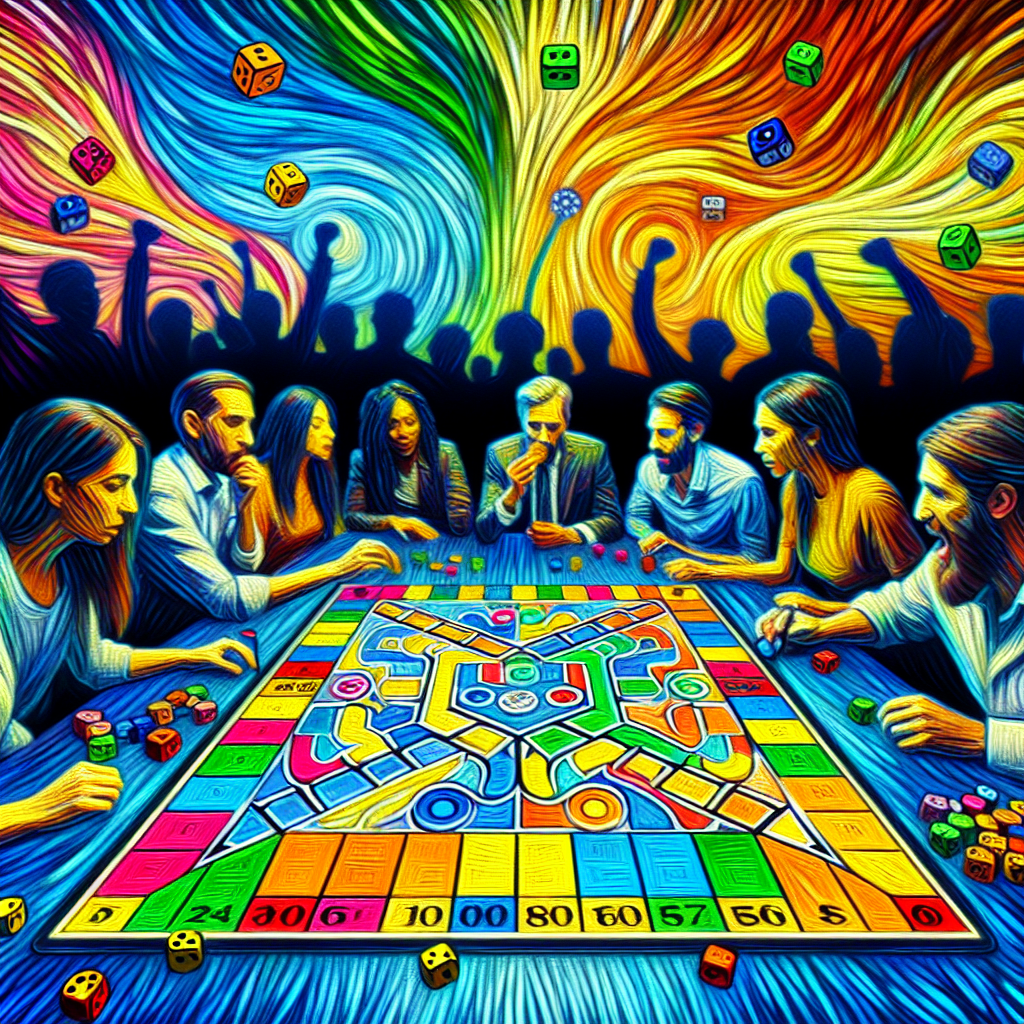
When it comes to senior living, the term “gamification” might sound like a buzzword concocted in a marketing meeting, but let’s dig a little deeper. At its core, gamification involves taking elements typically found in games—like points, challenges, and rewards—and applying them to everyday life to create engaging, motivating experiences. And let me tell you, this approach is not just some pie-in-the-sky idea; it’s happening all around us and making a real difference in the lives of seniors.
One remarkable example of gamification in senior living can be found in wellness programs. Picture this: residents at an assisted living facility are given fitness trackers that reward them with points based on their daily step count. Those points can be exchanged for prizes or even community recognition at a monthly gathering. This not only encourages physical activity but also fosters a sense of community among the residents. Everyone loves a little healthy competition, right?
Then there’s the digital world we live in today. Many senior communities are introducing engaging apps designed specifically for older adults. These apps offer brain games that challenge mental agility while keeping things fun. From trivia challenges to puzzle-solving, residents can compete against each other or collaborate in teams. It’s a fantastic way to keep those cognitive gears turning and stave off the all-too-common issue of isolation.
In another corner of senior living, we see gamification in social activities. Bingo nights have been jazzed up with more interactive elements. Instead of simply marking off numbers, residents might play a themed Bingo game that incorporates trivia about their favorite movies or local history. This not only keeps everyone entertained but sparks conversations and memories that enrich the collective experience.
And let’s not forget the gardening club in many senior communities. These clubs often transform into a friendly competition, where residents can track their plants’ growth and share tips on gardening techniques. It provides a tangible goal that yields both personal gratification and social interaction—two things we can’t get enough of.
When it boils down to it, the magic of gamification in senior living is that it takes ordinary moments and spices them up with creativity and engagement. From fitness to mental games to social gatherings, seniors are not just living; they’re thriving and having a little fun while they’re at it. That’s something we can all appreciate.
What Are Effective Examples Of Gamification In Senior Living?
What Are Effective Examples Of Gamification In Senior Living?
- Gamification in senior living uses game elements like points and rewards to enhance daily experiences.
- Wellness programs utilize fitness trackers to reward physical activity, promoting exercise and community engagement.
- Engaging apps for seniors offer brain games that encourage mental agility and reduce isolation.
- Interactive Bingo nights enhance social activities, incorporating themed games that spark conversation.
- Gardening clubs often turn into competitions, allowing residents to track plant growth and share tips.
- Gamification enriches ordinary moments, providing creativity and engagement in various activities.
- Overall, gamification supports seniors in thriving and enjoying their lives more fully.

What Are Effective Examples Of Gamification In Senior Living?
How Can Staff Be Trained To Implement Gamification Strategies?
Training staff to effectively implement gamification strategies can feel a bit like teaching a cat to fetch—not impossible, but certainly fraught with challenges. Gamification, or the application of game-design elements in non-game contexts, is about more than just slapping a podium at the front of the room, throwing on some virtual badges, and calling it a day. It requires a thoughtful approach that emboldens employees while simultaneously enhancing their engagement and productivity.
First, it’s essential to get everyone on the same page regarding what gamification truly means. A workshop can open the floodgates to creativity, illuminating how they can integrate game mechanics into their everyday tasks. Use real-world examples that resonate—think interactive leaderboards, point systems, and reward-based tasks. Let them see that gamification isn’t just a gimmick; it’s a way to cultivate a thriving atmosphere, turning mundane activities into engaging experiences.
Next, hands-on experience is invaluable. Rather than just lecturing about the benefits of gamification, let staff dive into the very strategies you want them to implement. Role-playing exercises can be effective. Consider simulations where they can experiment with designing game-like systems, allowing them to see firsthand what strategies work and which ones flop. Encourage trial and error; it’s during these iterations that the learning truly begins.
Feedback is another cornerstone of successful gamification implementation. Regularly scheduled team check-ins can serve as moments of reflection where employees can discuss successes and obstacles they’ve encountered. Celebrate the achievements, no matter how small, to boost morale and enthusiasm. This creates an environment where staff feel empowered to suggest improvements and be part of the gamification journey, reinforcing the idea that their contributions matter.
Lastly, keep the momentum going by continually offering education on new gamification techniques. Whether it’s through monthly training sessions or online platforms, staying current on the latest trends will ensure your team doesn’t stagnate and keeps the wheels of creativity turning. A thriving team environment can only flourish if the individuals feel inspired to innovate and push the boundaries.
Training staff to implement gamification strategies is not just about training; it’s about fostering an engaged workforce capable of transforming the workplace into a lively, productive playground. And that’s how you make work feel a little more like play.

How Can Staff Be Trained To Implement Gamification Strategies?
How Can Staff Be Trained To Implement Gamification Strategies?
- Implementing gamification strategies requires a thoughtful approach beyond just superficial elements like badges and podiums.
- Educate staff on the true meaning of gamification through workshops to foster creativity and integration of game mechanics in daily tasks.
- Use relevant real-world examples such as interactive leaderboards, point systems, and reward-based tasks to demonstrate the value of gamification.
- Provide hands-on experience through role-playing and simulations, allowing staff to experiment with gamification strategies.
- Encourage a culture of feedback through regular team check-ins to discuss successes, obstacles, and celebrate achievements.
- Maintain ongoing education about new gamification techniques through monthly training sessions or online platforms to keep the team inspired.
- Fostering an engaged workforce through gamification can transform the workplace into a lively and productive environment.

How Can Staff Be Trained To Implement Gamification Strategies?
Conclusion
Alright folks, let’s wrap this up! When we talk about gamifying senior living, we’re diving into a treasure trove of opportunities to reshape how our beloved older adults experience life in their later years. Daniel Pink offers us a powerful lens through which we can view motivation, suggesting that it’s not about rewards and points; rather, it’s about igniting a spark of intrinsic drive that connects to their personal passions. Picture it—a community bustling with activity, laughter, and a renewed sense of purpose. This isn’t just bingo and movie nights anymore; it’s about crafting engaging experiences that resonate, like sleigh rides down memory lane, making each day worthy of a “once upon a time.”
In this realm, autonomy is key. When seniors are granted the reins to choose their activities, their environment shifts from a mundane routine to a vibrant tapestry of choice. Imagine Mrs. Thompson deciding to join a pottery class instead of simply watching TV—suddenly, she’s not just passing the time; she’s reclaiming her identity through creative expression. With gamification intertwining this sense of choice, each day can become an adventure rather than a checkbox on a to-do list.
Then, we have mastery—the journey of honing a skill. It’s not just about looking back at memories but actively shaping new ones each day. Whether it’s through digital photography or mastering the art of cooking, the thrill of progress fosters connection and ignites friendships. And it’s in that collaboration and connection, whether through team challenges or shared initiatives, where community bonds flourish into something profound.
Let’s talk purpose. It’s the heartbeat of our existence, especially in senior living. Purpose-driven activities provide that sense of belonging, turning every little engagement into a significant contribution. The beauty of gamification is that it turns these activities from simple tasks into exciting challenges, ensuring that no resident feels left behind.
So, as we step back and look at the big picture, gamifying senior living isn’t merely about introducing play into the lives of our seniors; it’s about fostering an atmosphere where their vibrancy shines, driven by autonomy, mastery, and purpose. The insights from Daniel Pink are not just theoretical notions; they’re actionable strategies that hold the power to reshape the landscape of senior living. Let’s hand seniors the tools to rewrite their own stories, and watch the magic unfold. After all, life may slow down, but it certainly doesn’t have to stop.

Conclusion
Conclusion:
- Gamifying senior living creates opportunities to enhance older adults’ experiences.
- Motivation is driven by intrinsic passions, not just rewards and points, according to Daniel Pink.
- Activities should be engaging, like memorable experiences that evoke joy and purpose.
- Autonomy allows seniors to choose activities, transforming their routine into vibrant experiences.
- Mastery involves actively developing new skills, which fosters connections and friendships.
- Purpose-driven activities instill a sense of belonging and make engagements meaningful.
- Gamifying senior living encourages an atmosphere of vibrancy through autonomy, mastery, and purpose.

Conclusion
Other Resources

Other Resources
Here is a list of other resources you can review online to learn more:
Use This Prompt To Get More Resources With Your Favorite Online AI Tool: Please provide me with a list of online articles with their URLs in a bulleted list that I can read regarding What Insights Does Daniel Pink Offer for Gamifying Senior Living?

Other Resources
Glossary Terms
What Insights Does Daniel Pink Offer for Gamifying Senior Living? – Glossary Of Terms
1. Autonomy: The desire to have control over one’s own actions and decisions, which can enhance engagement in activities.
2. Mastery: The pursuit of continual improvement and the desire to become better at a skill, fostering motivation among seniors through gamification.
3. Purpose: A meaningful reason behind actions that can lead to higher engagement; in senior living, activities should align with residents’ values and goals.
4. Gamification: The application of game-design elements in non-game contexts to encourage participation and motivation.
5. Engagement: The emotional and intellectual commitment to activities; higher engagement levels can lead to improved well-being in seniors.
6. Feedback Loops: Mechanisms for providing regular feedback to individuals, which can motivate seniors by showing progress and areas for improvement.
7. Achievement: The act of accomplishing a goal, which can be reinforced through rewards and recognition in gamified settings.
8. Healthy Competition: Competing in a friendly and supportive manner that can enhance social interaction and engagement among seniors.
9. Social Interaction: Connections and communications between individuals; crucial in gamification to foster community and relationships in senior living.
10. Challenges: Task-based objectives that can be tailored to residents’ abilities, promoting engagement and sense of achievement.
11. Rewards: Incentives or recognition given for achieving goals; can be physical, social, or intrinsic to motivate seniors.
12. Points Systems: A gamification method where participants earn points for completing tasks, which can motivate seniors to engage in activities.
13. Leaderboard: A public display ranking participants based on their achievements; can foster motivation through friendly competition.
14. Storytelling: Utilizing narratives to create meaningful contexts for activities that resonate with seniors, enhancing engagement.
15. Digital Platforms: Online or app-based tools that can be used for gamified activities, allowing seniors to participate remotely or in a structured format.
16. Collaboration: Working together towards a common goal, which can be facilitated through gamified activities to enhance social bonds among seniors.
17. Intrinsic Motivation: Engaging in activities for their own sake, driven by personal growth and fulfillment rather than external rewards.
18. Extrinsic Motivation: Engaging in activities for external rewards such as prizes or recognition; important in creating initial interest in gamification.
19. Well-Being: The holistic state of health and happiness; gamification can improve overall well-being by fostering engagement.
20. Personalization: Tailoring activities to individual preferences and abilities, making them more relatable and enjoyable for seniors.
21. Activity Design: The process of creating engaging and stimulating tasks that can be gamified to capture seniors’ interest.
22. Sustainability: The ability to maintain engagement over time; necessary for long-term success of gamified activities in senior living.
23. Cognitive Engagement: Mental involvement in activities; gamification can stimulate cognitive functions through challenges and tasks.
24. Adaptive Learning: An approach where the pace and nature of activities are adjusted based on the learner’s performance and preferences.
25. Team Dynamics: The interactions and relationships among team members, important in creating collaborative gamified experiences.
26. Goal Setting: The process of establishing specific objectives, vital in gamification to give direction and purpose to activities.
27. Visual Progress Indicators: Graphical representations of progress, which can motivate seniors by making achievements visible.
28. Emotional Connection: The bond fostered between participants and activities; creating engaging experiences can enhance emotional ties in seniors.
29. Intergenerational Activities: Games or projects that involve multiple generations, helping to bridge gaps and enhance community in senior living.
30. Technology Integration: The incorporation of modern technological tools into gamification strategies to enhance participation and engagement among seniors.

Glossary Of Terms
Other Questions
What Insights Does Daniel Pink Offer for Gamifying Senior Living? – Other Questions
If you wish to explore and discover more, consider looking for answers to these questions:
- How do gamification strategies vary between different senior living communities?
- What are the potential challenges of implementing gamification in senior living?
- How does gamification impact the mental health of seniors?
- What types of activities are best suited for gamification in senior living?
- Can gamification be adapted for residents with cognitive impairments?
- What role does technology play in facilitating gamification for seniors?
- How can families engage with the gamified experiences of their loved ones?
- What metrics can be used to measure the success of gamification in senior living?
- Are there testimonials or case studies showcasing successful gamification in senior living?
- How can residents be involved in the design of gamified activities?
- What are some common misconceptions about gamification in senior settings?
- In what ways can gamification create intergenerational connections within communities?
- How do cultural differences influence the acceptance of gamification among seniors?
- What resources are available for staff to learn more about effective gamification strategies?
- How can gamification support the specific interests of individuals in senior living?

Other Questions
Haiku
What Insights Does Daniel Pink Offer for Gamifying Senior Living? – A Haiku
Seniors seeking joy,
Engaged through purpose and game,
Life blooms vibrant still.

Haiku
Poem
What Insights Does Daniel Pink Offer for Gamifying Senior Living? – A Poem
In halls where silence once would reign,
A spark ignites, dismissing pain,
Daniel Pink unveils a way,
To gamify each golden day.
Imagine laughter filling the air,
Where seniors bloom with tender care,
Not just bingo or bland routines,
But purpose found in vibrant scenes.
With threads of autonomy bright,
They choose their paths, regain the light,
From painting dreams to planting seeds,
Life’s canvas painted with their needs.
Mastery blooms through crafted quests,
In arts, in crafts, they find their zest,
Each small triumph, a step so grand,
A tapestry of skillful hands.
Community ties woven tight,
In shared endeavors, hearts take flight,
From trivia nights to gardens grand,
Together, they rise hand in hand.
Purpose whispers, “You belong,”
In every task, they find their song,
Through gamified joys, dull days erase,
Creating bonds in this warm embrace.
So let’s revolutionize their days,
With game-like elements that amaze,
In senior living, life’s not just survive,
With zest and joy, we thrive, we strive.
For each day holds a brand new chance,
To weave connection through joyful dance,
In playful pursuits, both near and far,
We find the magic—our guiding star.

Poem
Checklist
What Insights Does Daniel Pink Offer for Gamifying Senior Living? – A Checklist
Understanding Gamification in Senior Living
_____ Define gamification and its relevance to senior living.
_____ Identify elements that can be gamified (e. g. , activities, participation, social events).
Core Motivators for Engagement
_____ Emphasize Intrinsic Motivation: Focus on activities aligning with residents’ interests.
_____ Foster Autonomy: Allow residents to choose their activities and how they engage.
_____ Create opportunities for Mastery: Encourage skill development and personal achievement.
_____ Highlight the need for Purpose: Design activities that connect to meaningful goals or contributions.
Actionable Strategies for Implementation
_____ Integrate social connections through gamified team challenges or collaborative projects.
_____ Use technology (e. g. , apps, fitness trackers) to track participation and rewards.
_____ Organize gamified events (e. g. , trivia competitions, themed bingo).
_____ Encourage residents to share creative projects or hobbies in a competitive yet friendly setting.
Training Staff for Gamification
_____ Conduct workshops focused on the principles of gamification.
_____ Implement role-playing exercises to experience gamification strategies.
_____ Establish regular feedback sessions to discuss successes and areas for improvement.
_____ Offer ongoing education and updates on gamification techniques.
Creating a Vibrant Community
_____ Promote an environment where each resident feels valued and heard.
_____ Design activities that stimulate competition while respecting individual abilities.
_____ Maintain a culture of celebration for participation and achievements, no matter how small.
Enhancing Participation and Connection
_____ Identify ways to ensure all residents can engage in activities tailored to their preferences and abilities.
_____ Foster a sense of belonging through community-focused initiatives.
_____ Monitor and evaluate the effectiveness of gamified activities, adjusting based on resident feedback.
Overall Goals
_____ Aim to create a dynamic and engaging senior living environment through gamification.
_____ Focus on enhancing social bonds, improving cognitive function, and fostering a sense of purpose among residents.
This checklist can serve as a practical guide for anyone seeking to implement gamification strategies in senior living environments, drawing from the insights provided by Daniel Pink.

Checklist
At HowDoYouGame, we help people who love board games by collating information and news about games.
Be sure to read our other related stories at HowDoYouGame to learn more about games.