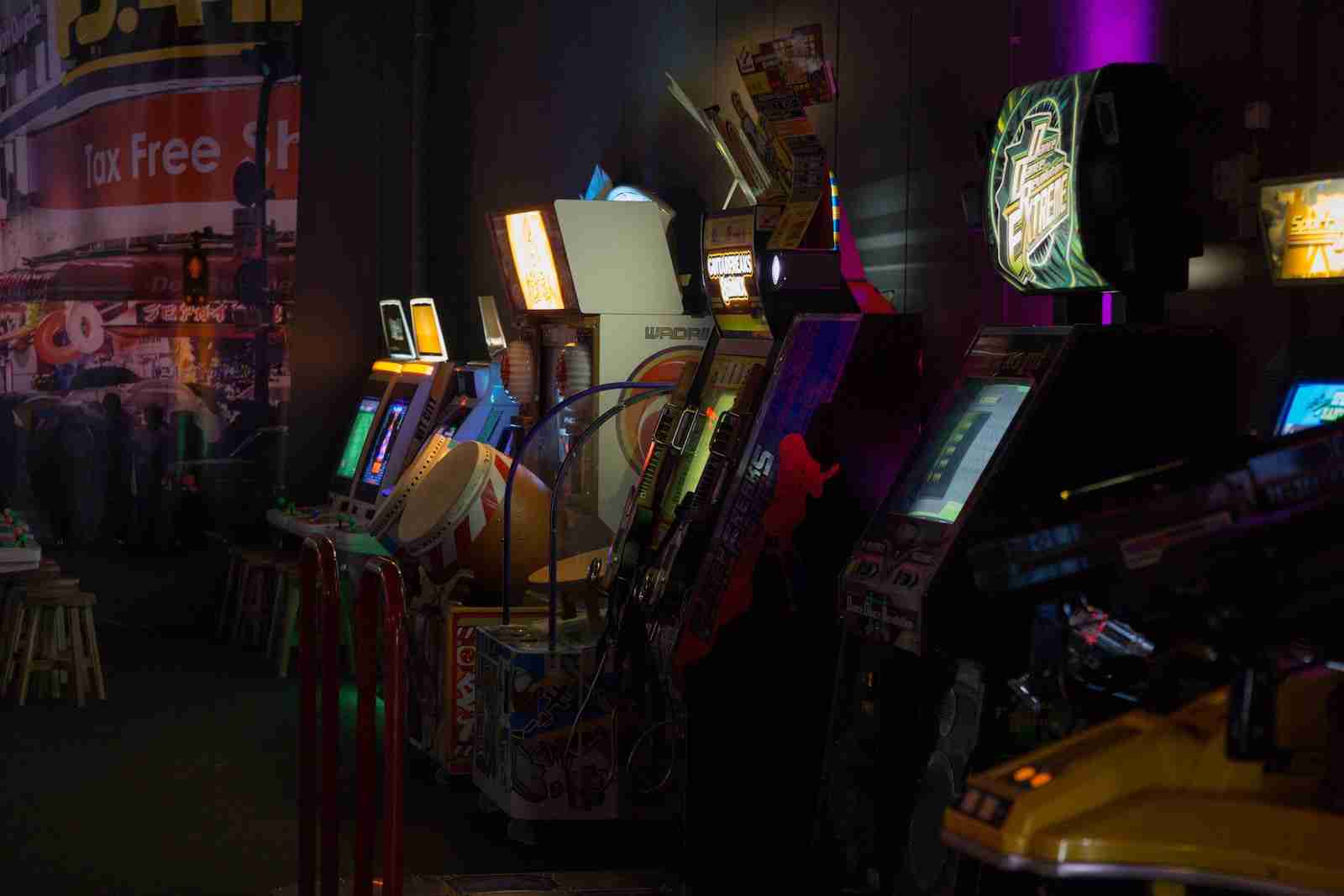
Unveiling The Unifying Force Of Vr Across Generations
By Tom Seest
At HowDoYouGame, we help people who love board games by collating information and news about games.
Be sure to read our other related stories at HowDoYouGame to learn more about games.
Vr Adoption – Why Gen X and Millennials Are the Bridge Between Boomers and Gen Z
In the world of virtual reality, we often find ourselves caught between two generations that seem worlds apart: Baby Boomers, with their memories of rotary phones and vinyl records, and Gen Z, who can hardly fathom life without a smartphone. But here, right in the middle, are Gen X and Millennials—the unsung heroes, the unexpected bridge connecting these disparate worlds. It’s a beautiful thing, really.
These two generations grew up in a time of rapid technological change, where the roar of the internet became a symphony of opportunity. They remember the evolution from dial-up tones to streaming everything while crafting a lifestyle fueled by adaptability and resilience. For Gen X, who often shoulder the burdens of caregiving for aging parents while hip-deep in raising their own children, and Millennials, many of whom are still navigating the rough waters of student debt and economic uncertainty, embracing VR is not merely a pastime but a lifeline.
Consider this: games that once brought friends together, whether in a basement or an arcade, now, with the help of VR, unite families scattered across the country. Imagine a grandmother in Omaha and her grandson in San Francisco bonding over a virtual game, sharing laughter and moments that transcend geographic boundaries. This is more than just gameplay; it’s connection—a lifeline that offers emotional richness and shared experiences.
Rationally, the technology represents a wondrous amalgamation of creativity and engineering that captivates hearts and minds. The ethical responsibility to usher in a tech-savvy future for younger generations is felt deeply by these middle siblings. They understand that with great power comes great responsibility; they’re not just consumers of technology, but stewards, ensuring VR is used to uplift rather than isolate.
Then there’s the influence of social interaction. Gen X and Millennials are filled with tales of community built on shared experiences, be it physical or virtual. They inspire trust because they understand both the perils and promises of new technology; it’s about engagement, understanding, and most importantly, growth.
We’re at a unique crossroads, and that’s what makes this such an exciting time. As we embrace VR, let’s celebrate the power of connection it offers. The potential isn’t just in the pixels on our screens; it’s in the enriched relationships we foster as we invite everyone—Boomers and Gen Z alike—into this shared digital playground. Together, let’s step boldly into this virtual frontier because this is more than technology; it’s the heartbeat of our collective humanity.

Vr Adoption – Why Gen X and Millennials Are the Bridge Between Boomers and Gen Z
Vr Adoption – Why Gen X and Millennials Are the Bridge Between Boomers and Gen Z
- The generational divide in virtual reality spans from Baby Boomers to Gen Z, with Gen X and Millennials serving as the connecting bridge.
- Gen X and Millennials experienced rapid technological change, facilitating adaptability and resilience.
- For these generations, embracing VR serves as a lifeline amidst challenges like caregiving and economic uncertainty.
- VR unites families across distances, creating shared experiences and emotional connections through gaming.
- These generations view themselves as stewards of technology, aiming to use VR to uplift rather than isolate.
- They possess a keen understanding of the balance between the perils and promises of new technology, fostering trust and growth.
- This moment represents an exciting crossroads, emphasizing the importance of connection and shared experiences in the VR landscape.

Vr Adoption – Why Gen X and Millennials Are the Bridge Between Boomers and Gen Z
Table Of Contents
- Vr Adoption – Why Gen X and Millennials Are the Bridge Between Boomers and Gen Z
- How Can Vr Unite Different Generations In Meaningful Ways?
- What Emotional Connections Can Vr Enhance Across Age Groups?
- Are Gen X and Millennials Equipped to Lead Vr Innovations?
- How Do Gen X and Millennials View the Value Of Immersive Experiences?
- How Can Vr Address the Unique Needs Of Boomers and Gen Z?
- How Might Vr Reshape Traditional Family Dynamics and Communication?
- Are We Ready to Trust Technology to Enhance Our Social Interactions?
- Conclusion
- Other Resources
- Glossary Of Terms
- Other Questions
- Haiku
- Poem
- Checklist
How Can Vr Unite Different Generations In Meaningful Ways?
Virtual reality is more than just a technological marvel; it’s a bridge that spans the generational divide, offering a unique platform for connection that resonates with our hearts, our minds, and our guts. Imagine grandparents donning VR headsets and stepping into the virtual world of their grandchildren’s favorite games. Suddenly, a shared experience unfolds—one that fosters understanding and promotes deeper family bonds.
The emotional impact of VR is tremendous. Think about the joy on a grandparent’s face as they explore a sun-soaked beach through the eyes of their grandchild. They might not understand the mechanics of the game, but they’ll feel the thrill of the adventure, the laughter, and the camaraderie. Those shared moments create a tapestry of memories that weave generations closer together.
From a rational standpoint, VR is an easy-to-use tool for breaking down barriers. It allows individuals of varying ages to engage in complex environments without the pressure of real-world limitations. Imagine a 70-year-old navigating an ancient Rome simulation, guided by a tech-savvy teenager. The shared learning experience promotes empathy and cultivates patience, reminding us that we all have something to offer, regardless of our age.
Ethically, embracing VR can shatter stereotypes. In a world where ageism can flourish, VR throws wide open the doors to truths that unite us as human beings. Engaging across generations in this digital landscape encourages conversation, challenge stereotypes, and evolve perceptions about aging and technology. It strikes at the heart of what it means to be part of a family and a community.
The authority of personal experiences reinforces VR’s potential. Many families who have dove headfirst into VR report transformations in their dynamics. Conversations flow more freely, and laughter fills the room as they share virtual adventures. These narratives become powerful testimonies that VR can serve as a catalyst for connection, encouraging more families to take the leap together.
Ultimately, virtual reality is an invitation—a call to action. It’s about forging connections that matter. It’s about seeing the world through different lenses and discovering that, at our core, we all crave understanding, adventure, and togetherness. So put on those headsets, embrace the games, and let the magic of VR bring us closer, one breathtaking experience at a time.

How Can Vr Unite Different Generations In Meaningful Ways?
How Can Vr Unite Different Generations In Meaningful Ways?
- Virtual reality (VR) serves as a bridge across generations, fostering connections among family members.
- Shared experiences in VR, such as grandparents playing their grandchildren’s favorite games, enhance family bonds.
- The emotional impact of VR allows individuals to experience adventures together, creating cherished memories.
- VR breaks down barriers, enabling people of different ages to navigate complex environments collaboratively.
- Engagement in VR can challenge ageism, fostering conversations and evolving perceptions about aging and technology.
- Families using VR often report improved dynamics, with more open communication and shared laughter.
- Ultimately, VR invites us to explore understanding and togetherness through immersive experiences.

How Can Vr Unite Different Generations In Meaningful Ways?
What Emotional Connections Can Vr Enhance Across Age Groups?
In a world where screens dominate our interactions, virtual reality (VR) stands out as a powerful tool that can reshape the way we forge emotional connections across all age groups. Imagine a grandparent donning a headset and, in an instant, stepping into a cherished memory—a scene from a family gathering, where laughter and joy filled the air. With VR, they can relive not just the sights, but the feelings of that moment. This isn’t merely a game; it’s a bridge connecting generations, turning nostalgia into a shared experience.
For kids, VR becomes more than just entertainment. It transforms learning into a wild adventure, where they can explore the depths of the ocean or the far reaches of space. This immersion fosters a sense of wonder that ignites curiosity and cultivates a thirst for knowledge. In these moments, they aren’t just passive recipients of information; they’re active participants in a story that belongs to them. That’s a connection that lingers long after the headset comes off.
The ethical implications are equally compelling. As we embrace VR, we’re also challenged to think about the responsibility we have to use this technology wisely. Are we creating spaces that build empathy and understanding, or simply feeding into our distractions? It’s a call to action for creators and users alike to ensure that VR experiences promote positive emotional connections rather than isolating individuals behind their screens.
For adults, the potential to engage with VR goes beyond just nostalgia and learning; it speaks to the heart of human connection itself. The profound experience of navigating a shared virtual space—be it with family, friends, or even strangers—can develop bonds that transcend geography. It’s not merely an escape; it’s an invitation to connect on deeper levels, allowing vulnerability and trust to flourish.
Let’s not overlook the heartbeat of our communities, either. VR has the power to unite us, breaking down barriers of age and background. When people gather for a shared VR experience, they’re not just engaging in a game; they’re participating in a collective narrative that binds them closer together. It’s a testament to our inherent desire to connect and create, a reminder that, despite our differences, we yearn for fellowship.
So, whether it’s reliving a treasured memory, sparking a child’s imagination, or uniting a diverse crowd, VR can enhance emotional connections across every corner of life. In embracing this technology, we open the door to not just a new way of experiencing the world but a renewed way of forging the bonds that make us human.

What Emotional Connections Can Vr Enhance Across Age Groups?
What Emotional Connections Can Vr Enhance Across Age Groups?
- Virtual reality (VR) reshapes emotional connections across all age groups.
- Grandparents can relive cherished memories, turning nostalgia into shared experiences.
- Kids transform learning into adventures, fostering curiosity and active participation.
- Ethical implications include the responsibility to create VR experiences that promote empathy.
- VR facilitates deep human connections, allowing for vulnerability and trust among users.
- It unites communities by breaking down barriers of age and background through shared narratives.
- VR enhances emotional connections and fosters bonds that make us human.

What Emotional Connections Can Vr Enhance Across Age Groups?
Are Gen X and Millennials Equipped to Lead Vr Innovations?
When we think about the future of virtual reality (VR), two generations come to mind: Gen X and Millennials. These groups, sandwiched between a pre-digital world and the frenetic pace of today’s tech landscape, are equipped with unique skills to drive VR innovations. But understanding how deeply intertwined their experiences and aspirations are with this technology makes all the difference.
Imagine a kid in the 1980s, playing arcade games, feeling the rush of competition and camaraderie as they battled for the highest score. Now, fast forward to today. That same spirit of connection and competition is igniting a passion in a Millennial developer, who’s leveraging VR to create immersive environments that transport players directly into fantastic realms. This intersection of nostalgia, creativity, and passion isn’t just a fleeting moment; it’s a foundation upon which those generations can build the future of VR.
However, it’s not just about the tech-savvy skills wielded by these generations. It’s about their perspective. They understand the complexities of the human experience, the weight of decisions, and the ethical responsibilities that come with wielding powerful tools. As we navigate this exciting yet potentially dangerous frontier, ethical implications—ranging from data privacy to the impact of virtual experiences on mental health—demand leaders who can not only innovate but also lead with integrity.
The world is watching as these generations step into the limelight, not just as users of technology but as stewards of its direction. Whether creating games that foster connection or environments that challenge perceptions, their dual insight as consumers and creators positions them uniquely to shape the narrative of VR profoundly.
Moreover, the stories that Gen X and Millennials bring to the table are rooted in experience—stories of resilience, adaptation, and community building. Consider how sharing these narratives has the potential to break down barriers and foster collaboration. They can unite diverse voices in tech, bringing together different ideas and cultures to curate richer, more engaging experiences.
This is an invitation for all of us to step up and either support or challenge these generations as they innovate. Embrace the ethos of possibility, extend your hand, and become part of this compelling narrative. The innovations they lead today may indeed redefine how we connect tomorrow, not just through virtual worlds, but in our very hearts. Trust in their vision—because the future of VR is not just a technological leap; it is a journey that encompasses everything we’ve been through together and everything we aspire to create.
Are Gen X and Millennials Equipped to Lead Vr Innovations?
Are Gen X and Millennials Equipped to Lead Vr Innovations?
- Gen X and Millennials possess unique skills to drive VR innovations, bridging the pre-digital world and today’s tech landscape.
- Their experiences, such as childhood arcade gaming, inspire a passion for creating immersive VR environments.
- These generations combine nostalgia, creativity, and passion to build a foundation for the future of VR.
- Their perspective on human experiences adds depth to the discussion on ethical responsibilities in technology.
- They are not only users but also stewards of technology’s direction, shaping the narrative of VR profoundly.
- Their stories of resilience and community-building can unite diverse voices in tech for richer experiences.
- There is a call to support or challenge these generations as they redefine connections through VR innovations.

Are Gen X and Millennials Equipped to Lead Vr Innovations?
How Do Gen X and Millennials View the Value Of Immersive Experiences?
When it comes to understanding the value of immersive experiences, Gen X and Millennials don’t just view them as fleeting trends; they see them as essential threads woven into the fabric of their lives. Think about it—these experiences evoke emotions, shape memories, and often stir a yearning for connection. Whether it’s participating in live-action role-playing games or plunging into the depths of a virtual reality world, both generations crave that fleeting moment when they transcend the mundane and connect with something bigger than themselves.
From a rational standpoint, immersive experiences offer undeniable benefits. The mental stimulation, social interaction, and creativity they foster provide a break from the routine grind. They’re not just playing games; they’re engaging in active problem-solving, discovering new perspectives, and analyzing real-world scenarios through gamified interactions. For Millennials, who often juggle multiple responsibilities, these experiences also serve as an escape, a brief reprieve from the pressures of adulting. For Gen X, they serve as a nostalgic bridge to their youth—reminding them of the unfiltered joy of play.
Ethically? These experiences challenge societal norms and encourage collaboration, diversity, and innovation. They invite players to step into someone else’s shoes, to recognize shared humanity and empathy. In a world increasingly divided, immersive platforms stimulate meaningful conversations and collective problem-solving, reinforcing the idea that we’re all in this together.
Storytelling holds power, and narratives within immersive experiences can resonate deeply, stirring the gut. Think of that feeling when you lose yourself in a story, a shared adventure that binds friends or even strangers together. It’s an invitation to explore the human condition while challenging fears and forging connections. When players embark on these journeys, they’re not just following a script; they’re participating in something alive—something that inspires courage and resilience.
Socially, immersive experiences cultivate communities. People gather—be it at a game night or a virtual reality environment—and share laughter, challenges, and victories. The camaraderie felt during those moments is palpable; the lasting bonds formed transcend age, background, and expectations. Both generations see these experiences not merely as entertainment but as opportunities to strengthen connections—the very glue that holds society together.
In a world where genuine connection often feels elusive, Gen X and Millennials recognize that immersive experiences remind us of what it means to be present, to share, and to truly live. They inspire trust and confidence in one another, reinforcing the belief that we can all find a little more magic in our lives, together.
How Do Gen X and Millennials View the Value Of Immersive Experiences?
How Do Gen X and Millennials View the Value Of Immersive Experiences?
- Gen X and Millennials view immersive experiences as essential to their lives, evoking emotions and shaping memories.
- These experiences provide mental stimulation, social interaction, and creativity, serving as a break from routine.
- For Millennials, they offer an escape from adult responsibilities; for Gen X, a nostalgic link to their youth.
- Immersive experiences challenge societal norms and promote collaboration, diversity, and empathy.
- Storytelling in these experiences creates deep connections, encouraging exploration of the human condition.
- They foster communities by bringing people together for shared challenges and victories, transcending differences.
- Both generations recognize these experiences as opportunities for genuine connection and shared joy.

How Do Gen X and Millennials View the Value Of Immersive Experiences?
How Can Vr Address the Unique Needs Of Boomers and Gen Z?
When it comes to technology, there’s something extraordinary about how virtual reality (VR) can bridge the gap between Baby Boomers and Generation Z. Picture this: a Baby Boomer, perhaps a retired teacher, slowly immerses themselves in a VR world where they can visit the great National Parks they once read about but never had the chance to explore. Meanwhile, a Gen Z gamer puts on their headset, diving into a digital landscape that not only entertains but connects them with the very generation that paved the way for them. It’s a remarkable intersection of life experience and youthful exuberance.
For Boomers, VR is more than just escapism; it’s a vessel for adventure, learning, and connection. Imagine the joy of participating in fully immersive experiences that stimulate the mind and engage the senses. Whether it’s revisiting nostalgic moments or connecting with far-off family members in stunning 3D environments, VR offers a chance to forge bonds that transcend time and space. It broadens horizons and sparks a sense of wonder for a generation that has paved the way.
On the flip side, for Gen Z, who have grown up with technology nipping at their heels, VR isn’t just about play; it’s a platform for potential. Engaging in VR games can foster creativity and collaboration, empowering them to express themselves in ways that are not limited to the physical world. It encourages social interaction, allowing them to bond with others who share their passions, irrespective of age. By guiding Boomers through the virtual landscapes they’ve designed, Gen Z can share their expertise and build a bridge of understanding, creating a shared narrative that enriches both generations.
This unique technological synergy creates a rich tapestry of intergenerational connections. It’s about empathy, learning from each other, and breaking down barriers that society has unknowingly built. In this space, the heart finds companionship, while the head is engaged in meaningful dialogue. VR invites both generations to participate in a vibrant, interactive experience filled with possibilities—where one can teach, the other can learn, and together, they can create a world where adventure and understanding know no bounds.
Let’s embrace this extraordinary platform, inspiring trust and fostering connections, as we discover how VR can not only address the unique needs of both Boomers and Gen Z but also enrich our collective human experience.

How Can Vr Address the Unique Needs Of Boomers and Gen Z?
How Can Vr Address the Unique Needs Of Boomers and Gen Z?
- Virtual reality (VR) bridges the gap between Baby Boomers and Generation Z.
- Boomers can revisit nostalgic places and connect with family in immersive 3D environments.
- VR offers Boomers adventure, learning, and new ways to forge bonds across generations.
- Gen Z uses VR as a platform for creativity, collaboration, and social interaction.
- Gen Z can guide Boomers through virtual landscapes, fostering understanding and connection.
- This synergy creates intergenerational connections that promote empathy and learning.
- Embracing VR enriches the human experience and addresses the unique needs of both generations.

How Can Vr Address the Unique Needs Of Boomers and Gen Z?
How Might Vr Reshape Traditional Family Dynamics and Communication?
Imagine gathering your family not around the television, but within a virtual world, where physical barriers fade away, and the extraordinary meets the everyday. Virtual reality (VR) isn’t just about games and entertainment—it’s an innovative tool that has the potential to reshape how we connect as families. It’s not just pixels and algorithms; it’s a bridge across generations, providing immersive experiences that can deepen relationships and nurture understanding.
Consider the scene: grandparents donning VR headsets to experience a virtual family reunion or to chance upon a cherished childhood memory from decades past. The emotional resonance is undeniable. It’s those ‘aha’ moments—the laughter of shared experiences, the tears that come from poignant memories—that build strong familial bonds. Instead of merely telling stories around the dinner table, families can step into the narrative together, experiencing places and events as if they were actually there.
Rationally, VR can serve as an educational tool, enhancing communication skills and empathy. When children engage with immersive content that places them in someone else’s shoes—say, experiencing a day in the life of a single parent—they gain understanding and compassion. This type of engagement can soften attitudes, foster patience, and promote dialogue, making conversations at home more meaningful.
Ethically, VR also presents an opportunity to Bridge gaps that may have been widened by technology. It encourages family members to collaborate, cooperate, and cultivate diversity of thought in a shared space. After all, the very essence of family lies in collective experiences and values, and VR allows for a richer tapestry of interactions.
As families step into these virtual realms, they can also explore new social avenues. Whether it’s gaming together or interacting in interest-based communities, they create shared passions that transcend age differences. Imagine family game nights where laughter echoes not just in living rooms but across digital landscapes, connecting hearts across miles.
This is a call for action—embracing new technology to fortify traditional bonds. Let’s not just adapt to VR but use it to enhance our familial connections. In this fast-paced, tech-driven world, stepping into virtual spaces together may just be the key to a more profound understanding, stronger relationships, and treasured memories that last a lifetime.

How Might Vr Reshape Traditional Family Dynamics and Communication?
How Might Vr Reshape Traditional Family Dynamics and Communication?
- Virtual reality (VR) offers new ways for families to connect beyond traditional screens.
- VR serves as a bridge across generations, enhancing relationships through immersive experiences.
- Grandparents can relive childhood memories and participate in virtual family reunions, fostering emotional connections.
- VR acts as an educational tool, enhancing empathy and communication skills among family members.
- It promotes collaboration and cooperation, bridging gaps exacerbated by traditional technology.
- Families can explore shared interests through gaming and virtual communities, strengthening bonds across age differences.
- Embracing VR can enhance familial relationships, leading to deeper understanding and lasting memories.

How Might Vr Reshape Traditional Family Dynamics and Communication?
Are We Ready to Trust Technology to Enhance Our Social Interactions?
Around every corner, we see technology reimagining how we engage with one another. From social media platforms to virtual reality experiences, our daily interactions are increasingly shaped by a digital framework. But as we stand on this precipice, we ask ourselves: Are we really ready to trust technology to enhance our social interactions?
Let’s face it—humans have thrived on connection since the day we started gathering around the fire. The warmth of a shared laugh, the comfort of a knowing glance, these intangible experiences are what make us human. Yet, with the rise of technologically-driven conversations, we risk diluting that essence. The games we play online can offer a thrilling escape, but can they genuinely replace the energy of a spontaneous conversation or the camaraderie brought about by a shared struggle?
Let’s think rationally. Technology undoubtedly holds the potential to broaden our social horizons. No longer confined by geographical boundaries, we can find camaraderie with people across the globe. But here’s the catch: that freedom comes with a price. Trust—trust that the platforms want genuine connections, that they value our stories more than our data. It’s a tightrope walk between innovation and exploitation, and one misstep could unravel the very fabric of our interactions.
Ethically, we must ponder what connectivity means. Is it ethical to let an algorithm dictate our relationships? To substitute genuine human emotion with curated experiences served up in neatly packaged notifications? It raises the question: Are we willing to hand over our emotional intelligence to a pre-programmed code? As we engage with the digital world, we may find ourselves losing sight of the real relationships that feed our souls.
We need leaders and visionaries who respect the delicate balance between potential and pragmatism, who can chart a course that places trust at the core of our interconnected lives. The stories from those who have passionately embraced technology—while remaining anchored in their values—remind us that integration can be beautiful; it doesn’t have to be all or nothing.
So, as we venture into this brave new world, let’s engage thoughtfully. Let’s be mindful architects of our connections, ensuring technology serves as a bridge, not a barrier. Together, we can create a future where technology enhances, rather than complicates, our social fabric. Trust begins with us, where the human experience lives and breathes—sustained by authentic interactions and mutual respect.

Are We Ready to Trust Technology to Enhance Our Social Interactions?
Are We Ready to Trust Technology to Enhance Our Social Interactions?
- Technology is reshaping our social interactions through platforms like social media and virtual reality.
- Human connection has always been vital, characterized by shared experiences and emotions.
- Technologically-driven conversations risk diluting the essence of human engagement.
- While technology expands our social horizons globally, it raises concerns about trust and genuine connection.
- Ethical questions arise regarding algorithm-driven relationships and the impact on emotional intelligence.
- Leadership is needed to balance innovation with respect for human values and connections.
- We should approach technology thoughtfully, ensuring it enhances rather than complicates our relationships.

Are We Ready to Trust Technology to Enhance Our Social Interactions?
Conclusion
Virtual reality isn’t just another gadget; it’s a lifeline weaving together the diverse strands of our generational tapestry. As we stand at the crossroads of innovation, it’s clear that Gen X and Millennials serve as the vital link between Baby Boomers and Gen Z. These two generations have witnessed the evolution of technology firsthand—from the hiss of dial-up connections to the seamless streams of digital life. They embody adaptability and resilience, shaping them into the perfect pioneers for VR.
Imagine family game nights where Boomers, donning headsets, explore virtual realms alongside their grandkids. This isn’t merely gaming; it’s about forging connections, creating shared laughter, and building lasting memories that transcend age barriers. It’s that heartfelt moment when a grandparent experiences a cherished family memory in immersive 3D—a smile lighting up their face as they rediscover a piece of their past. This emotional resonance highlights VR’s potential, transforming isolation into community and nostalgia into shared experience.
On a rational level, VR breaks down barriers and democratizes access to diverse experiences. It allows a senior citizen to travel back to ancient Rome, guided by a Gen Z teen, fostering understanding and empathy across generations. This mutual exchange enriches both parties—reminding us that wisdom and innovation are not bound by age but enriched through collaboration. The ethical implications of VR also challenge us to ensure that technology is used not just for isolation, but as a unifying force for good.
As we navigate our tech-driven lives, it’s essential to remember that these innovations carry an inherent responsibility. We must cultivate spaces that inspire connection and promote emotional intelligence rather than simply feeding distractions. A world where VR fosters dialogue across generational divides allows us to shatter stereotypes and build stronger, more inclusive communities.
Whether it’s reliving history, sparking imagination, or sharing joyful smiles across virtual landscapes, the impact of VR on family dynamics and social interactions is profound. We are reminded that at our core, we all seek connection and understanding. Trusting in this technology to enhance our relationships means stepping boldly into a future where every pixel represents not just advancement, but the heartbeat of our collective humanity. Together, let’s embrace this extraordinary potential, bridging gaps, celebrating differences, and forging connections that truly matter. The journey into this virtual frontier doesn’t just hold promise—it holds the power to reshape our very understanding of togetherness.

Conclusion
Conclusion:
- Virtual reality (VR) serves as a lifeline connecting diverse generations, particularly Gen X and Millennials as a link between Baby Boomers and Gen Z.
- These generations have witnessed technological evolution, embodying adaptability and resilience, making them pioneers for VR.
- VR enables intergenerational experiences, such as family game nights, fostering connections and shared experiences between grandparents and grandchildren.
- The emotional impact of VR transforms isolation into community and nostalgia into shared experiences, creating lasting memories.
- VR democratizes access to diverse experiences, promoting understanding and empathy across generations through mutual exchanges.
- There is an ethical responsibility to ensure VR is used to promote connection rather than isolation, fostering dialogue and inclusivity.
- The potential of VR lies in reshaping social interactions and family dynamics, emphasizing our shared human desire for connection and understanding.
Conclusion
Other Resources
Other Resources
Here is a list of other resources you can review online to learn more:
- Canasta
- Keyflower: The Farmers Expansion
- No Pun Included
- Watch It Played
- Repos Production
- The Dice Tower
- Mage Wars Arena
- Google My Business
- Stonemaier Games
- Brass: Lancashire
- Pinochle
- Plurk
- Agricola (Revised Edition)
- WordPress
- Greater Than Games
- Terra Mystica
- Splendor
- Small World
Use This Prompt To Get More Resources With Your Favorite Online AI Tool: Please provide me with a list of online articles with their URLs in a bulleted list that I can read regarding Vr Adoption – Why Gen X and Millennials Are the Bridge Between Boomers and Gen Z
Other Resources
Glossary Terms
Vr Adoption – Why Gen X and Millennials Are the Bridge Between Boomers and Gen Z – Glossary Of Terms
1. VR (Virtual Reality): A computer-generated environment that immerses users in a simulated experience, often used in gaming, training, and education.
2. AR (Augmented Reality): Technology that overlays digital information onto the real world, enhancing the user’s perception of their environment.
3. Gen X: Individuals born between approximately 1965 and 1980, known for their adaptability and skepticism towards authority.
4. Millennials: People born between roughly 1981 and 1996, characterized by their comfort with technology and emphasis on experiences over material goods.
5. Boomers: Short for Baby Boomers, referring to individuals born between 1946 and 1964, who experienced significant social changes and technological advancements during their formative years.
6. Gen Z: The demographic cohort following Millennials, typically born from the mid-1990s to the early 2010s, recognized for their digital nativity and social activism.
7. Digital Natives: Individuals who have grown up in the digital age, familiar with technology from an early age, primarily referring to Gen Z.
8. Digital Immigrants: Those who were introduced to technology later in life and often adapt differently than digital natives, often associated with Boomers and Gen X.
9. Tech Savvy: A term used to describe a person’s ability to use technology effectively and understand new technological concepts.
10. Immersive Experience: A deeply engaging and interactive experience in which participants feel physically present in a virtual or augmented environment.
11. User Interface (UI): The means by which a user interacts with a computer or software, especially important in VR applications.
12. User Experience (UX): The overall experience a person has when interacting with a product or service, emphasizing usability and pleasure.
13. Gamification: The application of game-design elements in non-game contexts to enhance user engagement and motivation.
14. Social Connection: The sense of belonging and interaction between individuals, which can be enhanced through shared VR experiences.
15. Adoption Curve: A model that describes the acceptance of a new technology over time, characterized by innovators, early adopters, early majority, late majority, and laggards.
16. Cross-Generational Engagement: Strategies designed to foster interaction and cooperation between different age groups, particularly between Boomers, Gen X, Millennials, and Gen Z.
17. Content Consumption: The act of engaging with various forms of media, crucial for understanding how different generations access information.
18. Mindfulness: The practice of being aware and present, often integrated into VR experiences for relaxation and stress relief.
19. Training Simulations: VR applications that create realistic scenarios for training purposes in fields such as healthcare, military, and education.
20. Virtual Events: Gatherings held in a virtual space, allowing participants from different locations to interact in real-time using VR platforms.
21. Accessibility: The design of products and environments to be usable by people of all abilities and disabilities, crucial in VR development.
22. Content Creation: The process of producing digital media, which is increasingly important for engaging users in VR environments.
23. Collaborative Spaces: Virtual environments where users can work together, share ideas, and create projects in real-time from remote locations.
24. Empathy: The ability to understand and share the feelings of others, often enhanced through immersive VR narratives.
25. Data Privacy: The management of personal data protection in digital spaces, a significant concern for users of VR technology.
26. Hardware: The physical components of technology, including VR headsets and controllers, essential for delivering immersive experiences.
27. Software Development: The process of creating applications and platforms for VR, focusing on usability and user engagement.
28. Community Building: The process of creating supportive environments for users to connect and collaborate within VR contexts.
29. Future Trends: Predictions about the development of VR technology and its societal implications, particularly regarding generational shifts.
30. Innovation: The introduction of new ideas or products, particularly relevant in the rapidly evolving field of virtual reality technology.

Glossary Of Terms
Other Questions
Vr Adoption – Why Gen X and Millennials Are the Bridge Between Boomers and Gen Z – Other Questions
If you wish to explore and discover more, consider looking for answers to these questions:
- What specific VR experiences resonate most with Gen X and Millennials?
- How does VR help to alleviate issues of isolation among older adults?
- What are some successful examples of intergenerational VR initiatives?
- How can VR be integrated into educational settings for all age groups?
- What are the potential downsides of relying on VR for emotional connections?
- How do Gen X and Millennials perceive the ethical implications of VR?
- What role do storytelling and narrative play in VR experiences?
- How does VR impact the way families communicate and bond?
- What technological developments in VR are anticipated in the near future?
- How can VR be used to foster empathy across generational divides?
Other Questions
Haiku
Vr Adoption – Why Gen X and Millennials Are the Bridge Between Boomers and Gen Z – A Haiku
Bridging worlds through play,
Hearts connect in vibrant space,
Unity evolves.

Haiku
Poem
Vr Adoption – Why Gen X and Millennials Are the Bridge Between Boomers and Gen Z – A Poem
In the heart of a digital age, where generations intertwine,
Two bridges stand, resilient and wise—Gen X and Millennials,
Crafting connections that span both time and space,
Uniting Boomers’ memories with Gen Z’s dreams in sync.
From dial tones to streaming streams, they danced with change,
Navigating life’s ebbs, where laughter effortlessly flows,
Imagine a grandmother’s joy, gaming with a grandson afar,
In virtual realms, where familial bonds ignite like stars.
Rational minds see more than flickering screens,
As learning transcends limits, fostering empathy and patience,
Together, they embark on journeys, ancient lands explored,
Guiding one another, breaking stereotypes wide open.
Ethical stewards of tech, they shape what’s yet to unfold,
Crafting platforms rich with meaning, where connection holds,
Narratives mold the future, rooted in shared endeavors,
Collective stories weave a tapestry of countless human hearts.
As pixels dance in harmony, we challenge what’s been,
Acknowledging the wisdom of both age and youthful lore,
In gatherings where realities blend, we gasp and we cheer,
The pulse of our families, in digital spaces redefined, dear.
But as we navigate this virtual sea, a question looms,
Can we trust our crafted worlds to nurture what’s real?
For connection thrives on authenticity, on the warmth of a smile,
Let us wield technology with care, bridging hearts—a lasting seal.
Step boldly into this frontier, where understanding thrives,
As VR invites us to share joy, adventure, and insight,
Together we’ll forge bonds, reclaiming what it means to be,
Human in this vibrant experience, where love knows no bounds.

Poem
Checklist
Vr Adoption – Why Gen X and Millennials Are the Bridge Between Boomers and Gen Z – A Checklist
Checklist for Embracing VR Across Generations
Emotional Appeals
_____ Reflect on Connections: Consider how VR can create shared experiences that foster emotional bonds between family members of different ages.
_____ Explore Nostalgia: Think about how VR can allow older generations to relive cherished memories with younger family members.
_____ Foster Joy: Make a list of activities or experiences that can be enhanced with VR to bring laughter and joy to your family interactions.
Rational Appeals
_____ Assess Technology Ease: Evaluate the usability of VR platforms for various age groups in your family.
_____ Consider Educational Value: Identify VR experiences that can facilitate learning and promote empathy among family members.
_____ Measure Engagement: Keep a record of how often your family members engage with VR and the kind of experiences they are drawn to.
Ethical Appeals
_____ Promote Responsible Use: Discuss how to use VR technology to build connections rather than isolate individuals.
_____ Encourage Open Dialogue: Create a family agreement on using VR responsibly, addressing issues like data privacy and emotional well-being.
_____ Challenge Ageism: Consider how VR can break down stereotypes and promote understanding between generations.
Authority Appeals
_____ Learn Together: Participate in family workshops or seminars about VR technology to understand its benefits and risks better.
_____ Share Success Stories: Gather testimonials from families who have successfully integrated VR into their lives for connection and communication.
_____ Invite Experts: Host a discussion with VR developers or educators to gain insights into effective VR experiences.
Narrative Appeals
_____ Create Family Stories: Encourage family members to create and share narratives about their experiences with VR, highlighting positive impacts on relationships.
_____ Document Experiences: Keep a family journal or scrapbook of VR adventures and connections made through shared experiences.
_____ Encourage Creativity: Have family members brainstorm imaginative VR scenarios that could enhance family gatherings.
Social Appeals
_____ Build a Community: Organize VR game nights or virtual family reunions to boost interaction across generations.
_____ Foster Shared Interests: Identify VR experiences that cater to collective interests, sparking conversations among family members.
_____ Encourage Feedback: Regularly check in with family members about their experiences with VR to cultivate a trusting environment for shared exploration.

Checklist
At HowDoYouGame, we help people who love board games by collating information and news about games.
Be sure to read our other related stories at HowDoYouGame to learn more about games.