The Power Of Play: Enhancing Senior Lives
By Tom Seest
At HowDoYouGame, we help people who love board games by collating information and news about games.
Be sure to read our other related stories at HowDoYouGame to learn more about games.
How Important Is It to Foster Playfulness In Lives Of Seniors?
When we talk about the golden years, we often focus on rest, relaxation, and the occasional bingo night. What we might overlook, however, is the potent force of playfulness—which can pivot a leisurely existence into one bursting with joy. In a society that sometimes views aging as a slow march toward the inevitable, we must challenge that narrative. Instead, let’s consider a more spirited approach: fostering a sense of play that can be both liberating and transformational.
First off, let’s talk about the simple yet profound concept of gamification. You might associate this term with mobile apps or competitive fitness challenges, but gamification can find its way into daily life. Imagine creating a points system for completing daily tasks—maybe a mental scoreboard for taking medication on time or for engaging with family. This approach isn’t just about tracking achievements; it injects a dose of fun and motivation into what can sometimes feel like a mundane routine.
Let’s not forget about the social benefits either. When seniors embrace playfulness, they open doors to connection. Board games, card games, and even interactive video games can serve as avenues for socialization. These activities foster friendships and combat isolation, which can be a significant challenge for older adults. The laughter, the banter, and even the friendly competition create vibrant social circles that can brighten the twilight years.
And the benefits extend far beyond the immediate realm of social interaction. Keeping the mind sharp is critical as we age, and what better way to do so than through playful engagement? Puzzles, trivia, and memory games are not just passed time; they’re vital mental workouts that help maintain cognitive functionality. The brain thrives on challenge and novelty. Pursuing playful activities can encourage creativity and quick thinking, keeping those neurons firing and enhancing overall well-being.
So, let’s not underestimate the importance of playfulness in the lives of seniors. By encouraging a playful mindset and introducing gamified elements into their daily routines, we can enrich their lives. Play isn’t just for children—it’s for everyone, and it’s time we recognize that. As we weave fun into the fabric of daily life, we offer our seniors not just moments of joy but a deeper, richer experience of living. Embrace the play, and watch how vibrant life can still be at any age.

How Important Is It to Foster Playfulness In Lives Of Seniors?
How Important Is It to Foster Playfulness In Lives Of Seniors?
- Fostering playfulness can transform seniors’ lives, shifting focus from rest to joy.
- Gamification can be incorporated into daily life to motivate and engage seniors.
- Social benefits of playfulness include combating isolation and building friendships.
- Interactive games provide avenues for socialization and create vibrant social circles.
- Engaging in playful activities supports cognitive health and mental sharpness.
- Puzzles and memory games offer essential mental workouts for seniors.
- Encouraging a playful mindset enriches seniors’ experiences and promotes overall well-being.

How Important Is It to Foster Playfulness In Lives Of Seniors?
Table Of Contents
- How Important Is It to Foster Playfulness In Lives Of Seniors?
- How Can Playfulness Improve Mental Health In Older Adults?
- What Activities Can Encourage Playfulness In Seniors?
- How Does Playfulness Affect Social Connections Among The Elderly?
- What Role Does Playfulness Play In Cognitive Function In Seniors?
- How Can Caregivers Promote A Playful Environment For Seniors?
- How Can Families Incorporate Playfulness Into Their Interactions?
- What Are The Challenges Of Fostering Playfulness In Elderly Care?
- Conclusion
- Other Resources
- Glossary Of Terms
- Other Questions
- Haiku
- Poem
- Checklist
How Can Playfulness Improve Mental Health In Older Adults?
Let’s face it: the stereotype of aging often paints a picture of quiet, serious individuals sitting in rocking chairs, pondering life’s mysteries. But here’s a little secret: there’s a whole world out there that thrives on playfulness, and it’s time we start paying attention. Play isn’t just for kids; it’s a crucial ingredient in the recipe for well-being, especially for older adults.
Playfulness can come in many forms, and one of the more exciting trends in this arena is Gamification. Imagine taking everyday activities and turning them into games that spark joy, engagement, and a little bit of competition. Whether it’s turning a simple walk into a scavenger hunt or encouraging friendly challenges during group activities, gamification breathes life into mundane routines. It’s a remarkable way to inspire older adults to stay active, not just physically, but mentally. When tasks evolve into games, they become less of a chore and more of an adventure.
Research shows that maintaining a playful demeanor can help stave off feelings of loneliness and depression—two common issues faced by the older population. When older adults embrace play, they often create social bonds that lead to deeper connections. Think about it: laughter shared over a lighthearted game can dissolve barriers and encourage camaraderie among peers. It doesn’t take much; a simple card game or a round of trivia can ignite a full-blown laughter fest. And let’s be honest, who doesn’t feel a little better after a hearty laugh?
Moreover, playfulness promotes cognitive function. Engaging in challenging games not only sharpens the mind but also fosters an atmosphere of curiosity. Learning takes on a new flavor when it’s wrapped in play. Whether it’s a board game that requires strategic thinking or a friendly match of trivia where facts come alive, these activities boost mental agility and memory retention.
Bottom line: playfulness isn’t just a frivolity; it’s an essential aspect of life that can significantly improve mental health in older adults. It adds layers of enjoyment and fulfillment that can combat the challenges of aging. So, let’s step away from those rocking chairs and embrace the spirit of play—it’s high time we redefine what it means to age gracefully!

How Can Playfulness Improve Mental Health In Older Adults?
How Can Playfulness Improve Mental Health In Older Adults?
- Aging is often stereotyped as serious and quiet, but playfulness is vital for well-being in older adults.
- Gamification turns everyday activities into games, encouraging engagement and physical and mental activity.
- Playfulness can reduce feelings of loneliness and depression among older adults.
- Playing fosters social bonds and camaraderie, promoting deeper connections through shared laughter.
- Challenging games enhance cognitive function, boosting mental agility and memory retention.
- Engaging in playful activities adds enjoyment and fulfillment to life, combating the challenges of aging.
- It’s time to redefine aging by embracing the spirit of play instead of conforming to traditional stereotypes.

How Can Playfulness Improve Mental Health In Older Adults?
What Activities Can Encourage Playfulness In Seniors?
When it comes to seniors, the notion of playfulness might seem like a distant memory, overshadowed by a lifetime of responsibilities and routines. But let’s clear the air: play is not just for kids; it’s a vital part of keeping our spirits alive at any age. So how do we coax out that inner child in our beloved seniors? Let’s take a practical stroll through some activities that can light the spark of joy and foster a sense of fun.
First off, we can talk about the value of gamification. This buzzword may sound like something cooked up in a tech lab, but at its core, it’s about making routine activities engaging and enjoyable. Think of a simple task, like doing laundry or organizing books. By adding a playful twist—a timer for speed, a scorecard for the most items folded—suddenly we have a game on our hands. Such activities not only stimulate the mind but also encourage friendly competition and camaraderie among peers.
Next up, let’s consider the age-old pastime of crafting. Knitting, painting, or even pottery offers not just a creative outlet but a hands-on way to express individuality. You’d be amazed how a dash of paint can turn a regular afternoon into a vibrant exploration of imagination. Organizing group craft sessions can also foster social interactions, providing a fertile ground for stories, laughter, and connections to blossom.
And let’s not forget about movement! Activities like dance classes or gentle yoga not only keep the body fit but also allow for spontaneous playfulness. Dancers don’t just move—they express. Seniors engaging in a shimmy or a slow twist can reignite a sense of freedom and fun, proving that laughter is just as important as flexibility.
Then there’s the merriment of games, whether it’s a good old-fashioned board game night or card games with friends. The thrill of strategy and the joy of victory bring a burst of excitement that’s infectious. Add in some themed evenings or silly prizes, and you’ve transformed routine game nights into an unforgettable gathering.
Lastly, let’s embrace technology. You heard that right! Online platforms offer a plethora of activities designed specifically for seniors. Virtual reality experiences can transport them to places they’ve never been or take them back to a time they fondly remember—with just a headset and a click.
So, whether through gamification, crafting, movement, games, or tech, there are countless ways to spark joy and playfulness in our seniors. After all, age is merely a number, and everyone deserves a little fun in their lives.

What Activities Can Encourage Playfulness In Seniors?
What Activities Can Encourage Playfulness In Seniors?
- Playfulness is essential for seniors and can help keep spirits alive at any age.
- Gamification can make routine tasks engaging by adding playful elements, stimulating the mind and encouraging camaraderie.
- Crafting activities like knitting, painting, or pottery provide creative outlets and foster social interactions.
- Movement activities, such as dance classes or gentle yoga, promote physical fitness and spontaneous playfulness.
- Games, including board and card games, bring joy and excitement, especially when themed evenings or silly prizes are involved.
- Technology offers unique opportunities for seniors, including virtual reality experiences that evoke memories or exploration.
- There are numerous ways to encourage joy and playfulness in seniors, showing that age is just a number and fun is for everyone.

What Activities Can Encourage Playfulness In Seniors?
How Does Playfulness Affect Social Connections Among The Elderly?
In the grand tapestry of life, playfulness weaves a vibrant thread, especially among the elderly. As we age, maintaining social connections becomes as vital as a well-constructed bridge linking two shores. Now, imagine infusing a little humor, lightheartedness, and whimsy into those interactions. That’s where the magic of playfulness comes into play. It’s a simple concept, but its effects can ripple outwards, culminating in richer, more meaningful relationships.
When we talk about gamification, we aren’t just throwing around buzzwords for the sake of it. Gamification, that clever injection of game-like elements into activities that might otherwise feel mundane, provides a brilliant way to engage older adults. Imagine turning a weekly coffee chat into a trivia contest or adding playful challenges to routine exercises. Such approaches don’t just break the monotony; they ignite a spark, fostering enthusiasm that often leads to laughter and camaraderie.
Consider the elderly individuals who, perhaps due to mobility issues or other limitations, experience isolation. Playfulness offers a remedy. Engaging in light-hearted activities can draw people out of their shells and into a community. Whether it’s a board game, a group outing that feels like a grand adventure, or even a playful storytelling session where everyone adds a ridiculous twist to the tale, these elements foster connections that are both profound and delightful.
Furthermore, the act of being playful encourages vulnerability. When we share a laugh or indulge in some gentle competition, barriers begin to dissolve. People become more open, revealing their true selves in a place of trust. In essence, this kind of interaction can create a safe space where relationships are nurtured, and friendships blossom.
Let’s not forget about cognitive benefits either! Engaging in playful activities, tied closely with gamification strategies, can stimulate mental acuity. Memory games, social puzzles, or even group challenges require a blend of strategic thinking and team cooperation. Thus, not only are social bonds strengthened but minds are kept sharp – a win-win scenario.
At the heart of it all is the understanding that playfulness is more than just fun; it’s essential. So, let’s embrace this vivacious spirit as we cultivate communities rich in laughter, connection, and joy. After all, age is just a number, but the heart can always play young.

How Does Playfulness Affect Social Connections Among The Elderly?
How Does Playfulness Affect Social Connections Among The Elderly?
- Playfulness enhances social connections among the elderly, creating vibrant relationships.
- Gamification introduces game-like elements to everyday activities, making them more engaging.
- Light-hearted activities can combat isolation, fostering community among older adults.
- Being playful encourages vulnerability and trust, deepening interpersonal connections.
- Playful interactions can create safe spaces where friendships flourish.
- Engaging in playful activities supports cognitive benefits, stimulating mental acuity.
- Embracing playfulness is essential for building joyful and connected communities across ages.

How Does Playfulness Affect Social Connections Among The Elderly?
What Role Does Playfulness Play In Cognitive Function In Seniors?
When we talk about aging, the conversation often veers toward decline. Gray hair, creaking joints, and those forgetful moments that leave you grasping for the name of your neighbor’s cat. But let’s hit the brakes for a second and consider an alternative perspective: the power of playfulness. Yes, you heard that right—playfulness! It’s not just for kids; it’s a vital ingredient in keeping our minds sharp as we trudge through the golden years.
Consider this: playfulness can act as a form of cognitive exercise. When seniors engage in playful activities, whether it’s playing cards with friends, trying a new puzzle, or even engaging in some light-hearted banter, they stimulate various parts of their brains. This stimulation can improve memory, enhance problem-solving abilities, and even bolster emotional resilience. It’s like a workout for the mind, where laughter serves as the dumbbell and creativity acts as the treadmill.
Now, let’s dive into the concept of gamification. You may know it from your kids’ video games or mobile apps, but let’s pull it back to reality for a moment. Gamification’s essence is about turning everyday tasks into playful challenges—making them fun and rewarding. For seniors, this approach can be incredibly effective. Picture a group of older adults participating in a lively trivia game, complete with points and prizes. It makes the act of learning and remembering not only enjoyable but rewarding. By turning cognitive exercises into a game, we’re not just bettering memory retention; we’re creating an environment where seniors feel engaged and valued.
But the benefits don’t stop at cognitive function. Being playful fosters social interaction, which is crucial for mental health. When seniors laugh together, share stories, or compete in friendly games, they’re reinforcing social bonds that can combat loneliness and isolation. This sense of community is an emotional lifeline that can contribute to improved cognitive function and overall well-being.
So, as we journey through the later stages of life, let’s not shy away from the kid-like joy of playfulness. It’s not just a frivolous pastime; it’s a rich tapestry of opportunities for engagement, cognitive growth, and social connection. In the grand scheme of senior life, playfulness isn’t just relevant; it’s essential. We owe it to ourselves and our loved ones to embrace it wholeheartedly.

What Role Does Playfulness Play In Cognitive Function In Seniors?
What Role Does Playfulness Play In Cognitive Function In Seniors?
- Aging discussions often focus on decline, but playfulness offers an alternative, positive perspective.
- Engaging in playful activities stimulates brain activity, enhancing memory and problem-solving abilities.
- Playfulness serves as cognitive exercise, promoting mental sharpness in seniors.
- Gamification turns everyday tasks into enjoyable challenges, making learning fun and rewarding.
- Participating in trivia or games fosters engagement and a sense of accomplishment among seniors.
- Playfulness encourages social interaction, combating loneliness and reinforcing community bonds.
- Embracing playfulness is essential for cognitive growth and emotional well-being in later life stages.

What Role Does Playfulness Play In Cognitive Function In Seniors?
How Can Caregivers Promote A Playful Environment For Seniors?
Creating a playful environment for seniors is about much more than tossing a few board games onto a table. It’s about tapping into the fundamental human spirit of play—the same spirit that fueled childhood summers filled with exploration, discovery, and laughter. Caregivers can play a crucial role in promoting this joyful atmosphere, and there’s an art to it that requires creativity, patience, and a little bit of ingenuity.
First off, let’s talk about the power of Gamification. This might sound like a trend straight out of Silicon Valley, but it’s surprisingly effective in sparking interest among older adults. By incorporating game-like elements into everyday activities, caregivers can make tasks feel less daunting and more engaging. Imagine turning a simple chore, like sorting out a collection of photo albums, into a fun competition to see who can find the oldest picture first. Suddenly, it’s not just about organizing; it’s about storytelling and shared experiences, fueling not only cognitive function but also emotional connections.
Next up, sensory stimulation is key. Consider incorporating activities that engage diverse senses—sight, sound, and touch. Picture this: art supplies spread out around a table, vibrant colors inviting seniors to unleash their creativity. The laughter from a sing-along can echo off the walls, while the smell of fresh cookies baking creates a comforting atmosphere. All these elements come together, making the environment not just immersive but downright cheerful.
Social interaction is another element that shouldn’t be overlooked. Caregivers should encourage team-based activities—think group games or collaborative projects. This is not just about fun; it also fosters camaraderie and combats feelings of isolation. Maybe it’s a gardening club where everyone has a role: someone plants, another waters, and someone else just relishes the relaxing environment. The wheels of socialization are turning, and joy is sprouting just like those plants.
Lastly, never underestimate the importance of spontaneity and humor. A well-placed joke or an unexpected activity can turn an ordinary day into an extraordinary adventure. Whether it’s an impromptu dance-off in the living room or a silly hat day, caregivers should seize these moments to release a little laughter into the atmosphere. After all, isn’t that what play is all about?
In essence, creating a playful environment for seniors requires dedication, attention to detail, and a healthy dose of creativity. By intertwining gamification, sensory experiences, social interactions, and laughter, caregivers can cultivate an atmosphere bursting with joy and connection, proving that it’s never too late to play.

How Can Caregivers Promote A Playful Environment For Seniors?
How Can Caregivers Promote A Playful Environment For Seniors?
- Creating a playful environment for seniors involves more than just games; it taps into the spirit of play associated with childhood.
- Caregivers play a vital role in fostering joy, requiring creativity, patience, and ingenuity.
- Gamification can spark interest by incorporating game-like elements into everyday activities, making tasks engaging and fun.
- Sensory stimulation is important; activities involving sight, sound, and touch can create an immersive and cheerful environment.
- Encouraging social interaction through team-based activities helps foster camaraderie and reduces feelings of isolation.
- Spontaneity and humor can enhance the playful atmosphere, turning ordinary days into extraordinary adventures.
- Overall, dedicated caregivers can create a joyful and connected environment through gamification, sensory experiences, social interactions, and laughter.

How Can Caregivers Promote A Playful Environment For Seniors?
How Can Families Incorporate Playfulness Into Their Interactions?
In the modern hustle and bustle of life, families often get bogged down by the daily grind—work, school, chores, and the never-ending to-do list. But what if I told you that adding a touch of playfulness could transform your family’s interactions into something more enriching and enjoyable? That’s where the concept of gamification comes into play. It’s not just for tech-savvy app developers; it’s a tool that you can easily integrate into everyday family life.
First off, let’s get one thing clear: being playful doesn’t mean you have to don a clown suit or break out the balloons. It’s about reintroducing a sense of wonder and fun into the mundane. So how can you do this effectively? Start by turning ordinary tasks into a game. For example, while cleaning up after dinner, challenge the kids to a timed race. “Let’s see who can pick up the most toys in two minutes!” Not only does this foster a sense of teamwork, but it also makes chores feel less daunting.
Next, consider family meetings with a twist. Instead of sitting around the table discussing budgeting or schedules, why not incorporate some light-hearted competition? Set up a “Family Challenge” where everyone presents an idea for the week, and then vote for the most fun one to implement. This brings everyone into the fold, gives everyone a voice, and keeps the atmosphere playful.
Another effective method is to engage in “role-reversal” games. For instance, have a day where the kids get to be the “parents,” and you take on their roles. This not only encourages empathy but also allows for the kind of imaginative play that fosters creativity. Watching your child mimic you (or attempting to) can lead to laughs, and you may even gain some valuable insights into their perspective!
Lastly, don’t forget about technology. Just because it’s often seen as a distraction doesn’t mean it can’t be harnessed for fun. Use family-friendly apps that encourage challenges, trivia, or cooperative games. This kind of gamification can help bridge gaps, promote bonding, and make family time a delightful experience.
Incorporating playfulness into family interactions doesn’t require a grand plan or elaborate setup. With a shift in mindset and a few simple adjustments, you can foster an environment where laughter reigns and every interaction is an opportunity for connection. So why not give it a shot? Your family will thank you.

How Can Families Incorporate Playfulness Into Their Interactions?
How Can Families Incorporate Playfulness Into Their Interactions?
- Modern family life often becomes overwhelming due to daily responsibilities.
- Gamification can transform family interactions into enriching experiences.
- Playfulness doesn’t require elaborate setups or costumes, just a shift in mindset.
- Turn ordinary tasks into games, like timed cleanup races, to make chores fun.
- Incorporate light-hearted competition in family meetings with activities like a “Family Challenge.”.
- Engage in role-reversal games to encourage empathy and creativity among family members.
- Utilize technology and family-friendly apps to enhance bonding and make family time enjoyable.
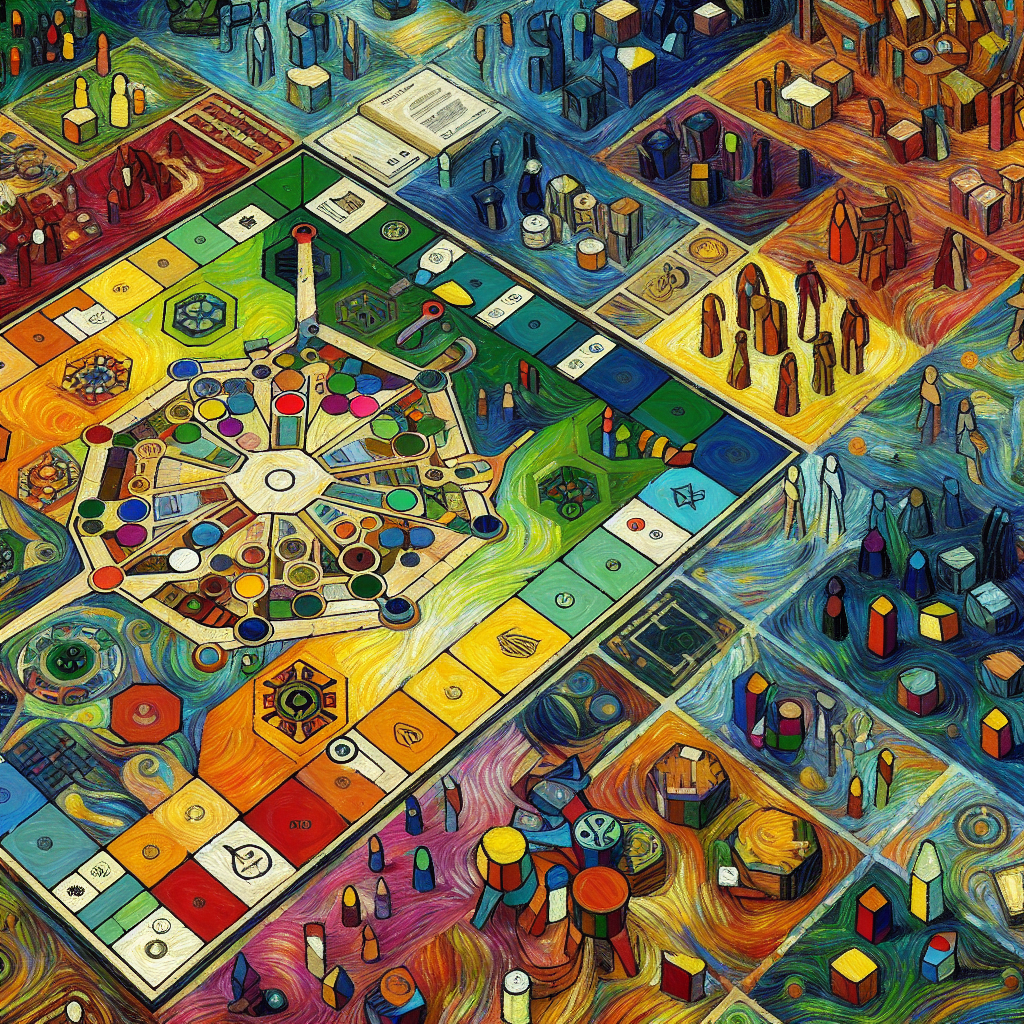
How Can Families Incorporate Playfulness Into Their Interactions?
What Are The Challenges Of Fostering Playfulness In Elderly Care?
When we think of playfulness, we often conjure up images of children laughing and running wild. But what about our elderly population? Infusing a sense of play into elderly care can be an energizing endeavor, but it doesn’t come without its hurdles. Let’s dive into the fray and explore some of the challenges that arise when attempting to foster a playful environment for older adults.
First and foremost, we often underestimate the role of mobility. Many elderly individuals may struggle with physical limitations, whether it’s arthritis, balance issues, or simply the wear and tear of years gone by. When the body doesn’t cooperate like it used to, engaging in traditional play can feel impossible. Imagine wanting to join in on a game but feeling sidelined by your own body—that’s a reality for many.
Then there’s the perception factor. Society tends to paternalize older adults, often overlooking their inherent desire for fun and engagement. There’s a prevailing notion that once we hit a certain age, the playing field shrinks, and serious matters take precedence over lighthearted pursuits. This mindset can create barriers, making it difficult to incorporate gamification elements into everyday activities. When caregivers shy away from playful interactions, they inadvertently squelch the very spirit they aim to boost.
Another significant challenge is cognitive decline. Memory loss can complicate the introduction of games or playful activities. It’s easy to forget rules or instructions, leaving the elderly feeling frustrated rather than entertained. Crafting age-appropriate, cognitively engaging games demands creativity and foresight—after all, you want to inspire laughter, not confusion.
Moreover, the social aspect cannot be ignored. Many elderly individuals face isolation, which can stifle their willingness to engage in play. Combining socialization with playfulness requires a careful touch. What if someone feels left out? Or how do you encourage interaction among a group that may not have known each other prior? These questions illustrate the complexities involved in fostering camaraderie through play.
And let’s not forget the resource allocation. Budgets can be tight in the realm of elderly care, making it difficult to invest in new, engaging activities. Sometimes, the simplest ideas—the ones that would foster joy and connection—are brushed aside in the name of practicality.
In closing, taming the wild spirit of playfulness in elderly care is no small feat. It requires sensitivity to individual needs and a willingness to push back against societal norms. But with creativity, patience, and a determined spirit, it’s possible to create an environment where the elderly feel free to play—and live—fully.

What Are The Challenges Of Fostering Playfulness In Elderly Care?
What Are The Challenges Of Fostering Playfulness In Elderly Care?
- Playfulness is often associated with children, but it’s essential to consider its role in elderly care.
- Mobility issues, such as arthritis and balance problems, significantly hinder physical engagement in traditional play for many elderly individuals.
- Societal perceptions tend to underestimate older adults’ desire for fun, creating barriers to incorporating playful activities into their care.
- Cognitive decline poses challenges in memory retention, complicating the introduction of games and playful activities.
- Social isolation among elderly individuals can limit their willingness to engage in play, making social interaction a crucial aspect to consider.
- Budget restrictions in elderly care can lead to sidelining simple, joyful activities that promote engagement and connection.
- Creating a playful environment for the elderly requires sensitivity, creativity, and a commitment to overcoming societal norms.

What Are The Challenges Of Fostering Playfulness In Elderly Care?
Conclusion
When it comes to the idea of play in seniors’ lives, let’s ditch the stereotype of old folks lounging in rockers with nary a grin. The truth is, every age deserves a sprinkle of playfulness, and it’s high time we recognize just how powerful fun can be in enhancing the golden years. We often associate aging with decline and rigidity, but playfulness can flip that narrative and uplift spirits.
First off, let’s talk about gamification—not just a fancy term for video games, but a fantastic way to add some pep to daily routines. Imagine turning taking medication on time into a point-scoring challenge or making a walk a scavenger hunt. This effortless integration of game-like elements transforms mundanity into adventure, sparking joy and motivation. The beauty of this approach lies in more than just enjoyment; it’s a bridge to mental sharpness and cognitive function. Engaging in playful activities—be it trivia games, puzzles, or friendly competitions—acts as a workout for the mind, supporting memory and problem-solving skills.
But it doesn’t end there; playfulness significantly boosts social interactions among seniors. Remember, laughter is contagious! Board games, card games, or even a spirited round of charades can forge connections that combat isolation. The shared joy of lighthearted activities nurtures friendships, helping to create vibrant communities rooted in camaraderie. And let’s be real: it’s hard to feel lonely when you’re uproariously laughing over a tiny error in a trivia game or fighting for the last piece of a jigsaw puzzle.
Now, the question arises: How do we nurture this spirit of play? Caregivers and families play a vital role. By setting the stage—a space filled with laughter, creativity, and opportunities—it becomes easy for seniors to engage and participate. From organizing group crafts to squeezing in spontaneous dance sessions, these seemingly simple gestures can create enriching environments that are alive with connection and fun.
All in all, it’s important to shift our mindset about aging. Embracing playfulness is not just about entertainment; it’s about enhancing life and well-being during the later years. So, let’s face it: fun should never be reserved for the young. By inviting laughter, creativity, and joy into the lives of seniors, we enrich their experiences and celebrate the fact that life is vibrant, no matter the age. Play isn’t just a pastime; it’s a lifeline. So break out the games, share some smiles, and let the good times roll—after all, it’s never too late to play!

Conclusion
Conclusion:
- Playfulness is essential for seniors, helping to shift the stereotype of aging towards a more vibrant narrative.
- Gamification can transform daily activities into fun challenges, enhancing engagement and enjoyment.
- Playful activities support mental sharpness and cognitive function, serving as exercises for memory and problem-solving skills.
- Social interactions among seniors are significantly boosted through games and lighthearted activities, helping combat isolation.
- Caregivers and families play a crucial role in fostering a playful environment filled with laughter and creativity.
- Shifting the mindset about aging to include play enhances the overall well-being of seniors.
- Fun is vital at any age, and embracing play in seniors’ lives enriches their experiences and nurtures connection.

Conclusion
Other Resources

Other Resources
Here is a list of other resources you can review online to learn more:
- Gamewright
- The Game
- Looney Labs
- Terra Mystica
- Greater Than Games
- Race for the Galaxy
- Amigo Spiele
- Ars Technica
- Clans of Caledonia
Use This Prompt To Get More Resources With Your Favorite Online AI Tool: Please provide me with a list of online articles with their URLs in a bulleted list that I can read regarding How Important Is It to Foster Playfulness In Lives Of Seniors?

Other Resources
Glossary Terms
How Important Is It to Foster Playfulness In Lives Of Seniors? – Glossary Of Terms
1. Playfulness: A light-hearted and spontaneous approach to activities, enabling enjoyment and creativity.
2. Cognitive Function: Mental processes that include thinking, perception, memory, and learning; play can help stimulate and maintain these functions.
3. Social Interaction: Engagement and communication with others; playful activities can enhance social bonds and reduce feelings of isolation.
4. Emotional Well-being: A state of happiness and contentment; playfulness can contribute to improved mood and reduced anxiety in seniors.
5. Physical Activity: Any movement that requires energy; playful activities often promote physical fitness, essential for maintaining mobility and health.
6. Intergenerational Engagement: Interaction between different age groups; playful activities can bridge generations and foster understanding.
7. Creativity: The ability to generate new ideas or concepts; playfulness encourages creative expression and problem-solving.
8. Mindfulness: The practice of being present and fully engaged; playful activities can promote mindfulness through enjoyable, immersive experiences.
9. Resilience: The capacity to recover quickly from difficulties; playfulness can build resilience by encouraging a positive outlook and flexibility.
10. Well-being: A holistic state of health encompassing physical, mental, and social aspects; playfulness contributes significantly to overall well-being.
11. Engagement: Participation and involvement in an activity; fostering playfulness can enhance engagement in daily life for seniors.
12. Mental Stimulation: Activities that challenge the brain; playful exercises can provide essential cognitive challenges, helping to ward off cognitive decline.
13. Stress Relief: The reduction of stress and anxiety; engaging in playful activities can serve as a meaningful escape and source of relaxation.
14. Social Skills: Abilities that facilitate interaction and communication; playfulness can enhance social skills through cooperative games and playful dialogue.
15. Adaptability: The ability to adjust to new conditions; playful interactions can foster adaptability in seniors as they navigate changes in life.
16. Laughter: A natural physiological response often catalyzed by play; laughter promotes happiness and can improve health.
17. Purposefulness: The sense of meaning and direction in life; incorporating play can restore a sense of purpose in daily routines for seniors.
18. Routine: A regular sequence of activities; incorporating playful elements can break the monotony of daily routines and enhance enjoyment.
19. Therapeutic Play: Play-based activities used to promote healing and emotional growth; it can be beneficial for seniors facing health challenges.
20. Community Connection: A sense of belonging and connection to others; playfulness can strengthen community ties through group activities and events.
21. Nostalgia: A sentimental longing for the past; playful activities that evoke memories can enhance emotional connections and joy.
22. Lifelong Learning: The ongoing pursuit of knowledge; playful methods can foster an interest in new skills and hobbies among seniors.
23. Self-expression: The process of conveying thoughts and feelings; playful activities allow seniors to express themselves creatively and emotionally.
24. Physical Coordination: The ability to use different parts of the body together smoothly; engaging in playful physical activities can improve coordination.
25. Mind-Body Connection: The link between mental and physical processes; playfulness can enhance awareness of this connection, leading to holistic health.
26. Inclusivity: The practice of ensuring all individuals are given equal access and opportunities; fostering playfulness can create inclusive environments for seniors.
27. Life Satisfaction: A measure of the contentment and happiness in life; engaging in playful activities can significantly boost life satisfaction among seniors.
28. Functional Mobility: The ability to move safely and effectively; playful routines can help maintain and improve functional mobility in older adults.
29. Barrier Reduction: Removing obstacles that prevent participation; playful environments can help minimize fears and promote engagement.
30. Quality of Life: The general well-being of individuals, encompassing various facets of living; fostering playfulness can substantially enhance seniors’ quality of life.
These terms and their descriptions highlight the multifaceted benefits of playfulness in enhancing the lives of seniors, supporting their cognitive, emotional, and social well-being.

Glossary Of Terms
Other Questions
How Important Is It to Foster Playfulness In Lives Of Seniors? – Other Questions
If you wish to explore and discover more, consider looking for answers to these questions:
- What specific benefits does playfulness provide for seniors’ mental health?
- Are there age-specific games or activities recommended for seniors?
- How can caregivers effectively assess the preferences of seniors for playful activities?
- What strategies can be employed to overcome mobility challenges in engaging seniors in play?
- How can family members be encouraged to participate in playful activities with seniors?
- What role does humor play in fostering a playful environment for seniors?
- How can technology be utilized to promote playfulness among seniors?
- What are some examples of successful programs that have incorporated playfulness into senior care?
- How can playfulness improve cognitive function in seniors beyond just memory games?
- What training or support can caregivers receive to better promote playfulness in their interactions with seniors?

Other Questions
Haiku
How Important Is It to Foster Playfulness In Lives Of Seniors? – A Haiku
Joyful hearts unite,
Play ignites connection’s spark,
Life blooms in laughter.
Haiku
Poem
How Important Is It to Foster Playfulness In Lives Of Seniors? – A Poem
In golden years, the tales unfold,
But joy lies not in stories told,
For laughter echoes, bright and clear,
In playful moments we hold dear.
A world beyond just rest and care,
Where gamified tasks are rare and fair,
From chores to games, let spirits soar,
In simple joys, we find much more.
Oh, laughter shared at a table wide,
In board games played, connections tied,
With every jest and playful tease,
Isolation melts, minds find ease.
Let puzzles spark the gentle mind,
For in their challenge, new paths we find,
Creativity blooms where colors blend,
In crafts and dances, our hearts ascend.
Yet challenges arise on this joyful quest,
With aging bodies, can we jest?
Some may falter, find it hard to play,
But with gentle hearts, we’ll find a way.
Building bridges with care and thought,
Breaking through walls that age has wrought.
For play isn’t born from age or grace—
It’s the spirit we carry, a timeless embrace.
So rally, dear families, and caregivers too,
Inspire that joy, let the laughter renew,
In playful interactions, let love come alive,
For in laughter and games, our spirits will thrive.
Let’s foster the zest, break the mold,
Celebrate life—wrinkled yet bold.
For every heartbeat adds to the glow,
A joyful rebellion, let playfulness flow!

Poem
Checklist
How Important Is It to Foster Playfulness In Lives Of Seniors? – A Checklist
Playfulness Promotion Checklist
General Mindset
_____ Challenge Age Stereotypes: Promote the idea that play is beneficial and possible at any age.
_____ Encourage Creativity: Cultivate an environment that supports imaginative play and problem-solving.
Gamification Strategies
_____ Integrate Gamification: Turn daily tasks into games with scoring systems (e. g. , points for completing chores).
_____ Use Friendly Competition: Foster a spirit of camaraderie through challenges (e. g. , trivia contests or scavenger hunts).
Social Activities
_____ Organize Game Nights: Plan weekly board or card game nights to encourage social interaction.
_____ Create Group Outings: Arrange social gatherings or outings that incorporate playful activities.
Cognitive Engagement
_____ Incorporate Puzzles and Trivia: Use challenging games to stimulate mental activity.
_____ Promote Learning through Play: Encourage learning new skills (art classes, cooking, or gardening) that are framed as fun activities.
Physical Activities
_____ Offer Movement Classes: Provide access to dance, yoga, or simple exercise classes that promote playful interactions.
_____ Encourage Outdoor Play: Organize group walks, picnics, or nature scavenger hunts.
Craft and Creative Outlets
_____ Facilitate Craft Sessions: Schedule regular crafting or art sessions that encourage expression and creativity.
_____ Host Themed Craft Days: Create events around specific themes to make crafting time more exciting.
Technology Integration
_____ Use Online Games: Introduce seniors to online platforms or apps designed for fun and interaction.
_____ Explore Virtual Reality: Offer VR experiences that allow seniors to explore and engage in new environments safely.
Cultivating Social Bonds
_____ Encourage Team Activities: Implement team-based games or group projects to foster cooperation and connection.
_____ Create a Safe Environment: Promote a culture of trust where seniors can express themselves freely through humor and play.
Overcoming Challenges
_____ Be Aware of Physical Limitations: Adapt activities to meet the mobility needs of seniors.
_____ Tailor Engagement to Cognitive Abilities: Simplify rules and instructions in games to accommodate cognitive decline.
_____ Combat Isolation: Identify and integrate activities that encourage interaction among seniors to combat loneliness.
Fostering Spontaneity
_____ Encourage Humor: Infuse conversations and activities with lighthearted jokes or spontaneous fun.
_____ Promote Flexibility in Activities: Allow room for unplanned, fun experiences that can bring joy unexpectedly.
Conclusion
By actively using this checklist, caregivers, families, and communities can create a rich environment that fosters joy, engagement, and connection, proving that it’s never too late to play and that the golden years can be filled with vibrant experiences.

Checklist
At HowDoYouGame, we help people who love board games by collating information and news about games.
Be sure to read our other related stories at HowDoYouGame to learn more about games.