From Trend To Tradition: How Gen Z Made Fortnite Their Own
By Tom Seest
At HowDoYouGame, we help people who love board games by collating information and news about games.
Be sure to read our other related stories at HowDoYouGame to learn more about games.
Millennials Made Fortnite Popular, But Gen Z Turned It Into Culture
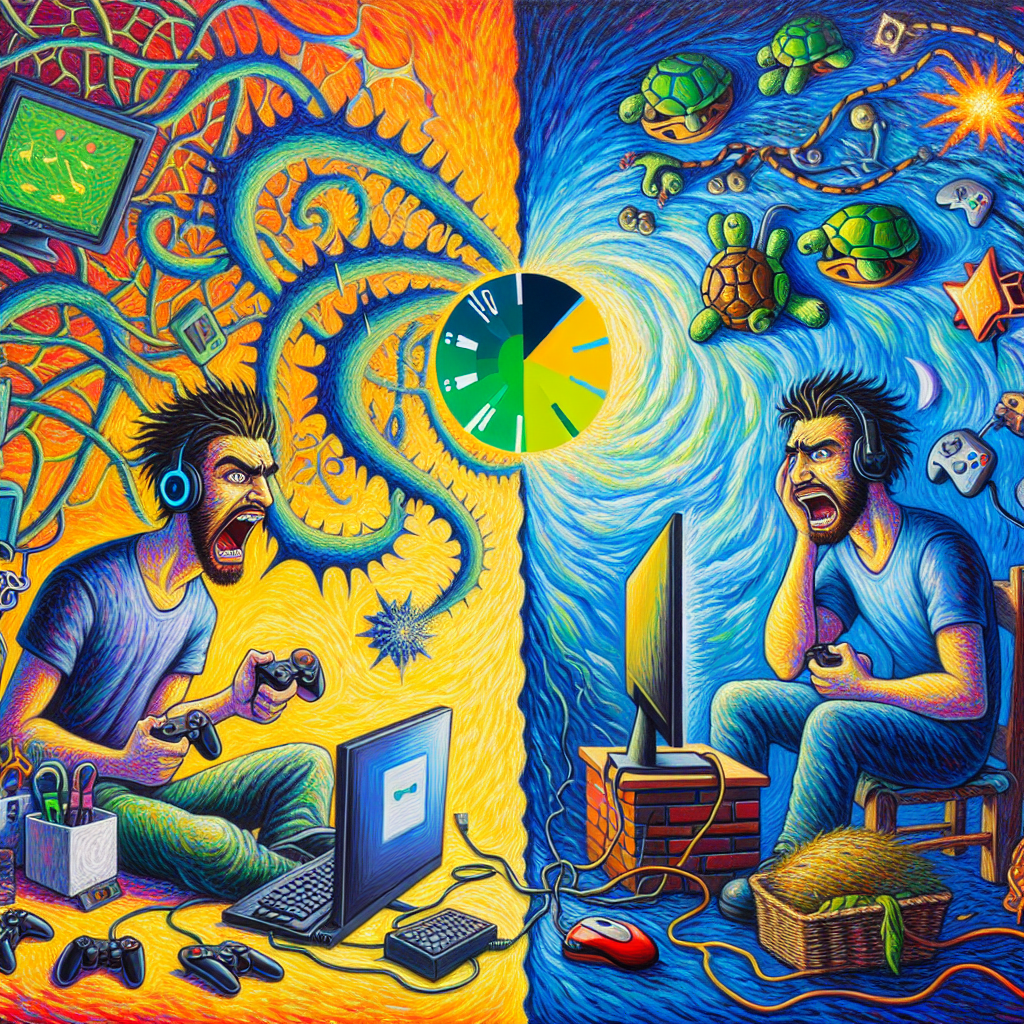
When you think about the cultural juggernaut that is Fortnite, it’s easy to get swept up in the nostalgia of its early days. Millennials flocked to the battle royale, reveling in its colorful chaos, shooting their way through digital landscapes, and gathering around screens for the ultimate group experience. It was a fun escape, a way to unwind after the grind of school or work. But like a wildfire in the woods, its flames caught the imagination of a younger generation—Gen Z—who took the game and forged an entirely new culture from it.
This isn’t just about gaming; it’s about connection. Gen Z didn’t merely play Fortnite; they infused it with their own stories, their struggles, and their joys. They built a community that transcended the game itself, encapsulating everything from fashion trends to social movements. Through TikTok dances and viral memes, players turned the familiar landscape of Loot Lake and Tilted Towers into a canvas for self-expression. What started as a pastime morphed into a dynamic platform for cultural commentary. They tapped into a language, a way to communicate with one another that felt more like revolution than recreation. These young players didn’t just play; they crafted their identities through the avatars they chose and the experiences they shared.
The emotional attachment to Fortnite stems from its capacity to foster relationships. Epic Games created a universe that invites players to not just compete against one another but to celebrate together. In doing so, they forged an ethical imperative: inclusivity. Everyone can find a place in this vibrant world. This egalitarian spirit echoes throughout communities, challenging the idea that gaming should be a solitary pursuit.
So why should we care? Because it’s not just about the graphics or the mechanics—it’s about the human experience. The kids who once jostled for victory royales are now using their platforms to highlight social justice issues. They’ve proven that a digital battlefield can ignite discussions about mental health, climate change, and equity.
This cultural evolution offers a window into who we are as a society. When Millennial gamers laid the groundwork, they set the stage for Gen Z to create something much more powerful. So, pick up that controller and understand: you’re not just stepping into a game; you’re part of an ongoing narrative that shapes our world. The real victory isn’t in the wins; it’s in the connections we forge along the way.

Millennials Made Fortnite Popular, But Gen Z Turned It Into Culture
Millennials Made Fortnite Popular, But Gen Z Turned It Into Culture
- Fortnite originally captivated Millennials with its colorful and chaotic battle royale experience, providing a fun escape from daily routines.
- Gen Z transformed Fortnite into a cultural phenomenon, infusing personal stories and social commentary into their gameplay.
- The game became a platform for self-expression, featuring TikTok dances and viral memes, turning iconic locations into canvases.
- Players crafted their identities through avatars and shared experiences, moving the game beyond mere recreation into cultural revolution.
- Fortnite fosters relationships and inclusivity, allowing a diverse community to celebrate together rather than compete in isolation.
- Players are now leveraging their experiences to highlight social justice issues, using their platforms for discussions on mental health and equity.
- This cultural evolution reflects societal insights, showing that gaming is part of a larger narrative about connection and collective identity.

Millennials Made Fortnite Popular, But Gen Z Turned It Into Culture
Table Of Contents
- Millennials Made Fortnite Popular, But Gen Z Turned It Into Culture
- What Emotions Does Fortnite Evoke In Your Most Nostalgic Memories?
- How Has Fortnite Shaped Your Friendships and Social Connections?
- What Rational Reasons Do You Have for Engaging with Fortnite Content?
- How Do You View the Ethical Implications Of Gaming Culture Today?
- What Authority Figures In Your Life Shaped Your Perspective on Gaming?
- How Do Stories Within Fortnite Resonate with You Personally?
- What Social Responsibility Do We Have Towards Younger Gamers?
- Conclusion
- Other Resources
- Glossary Of Terms
- Other Questions
- Haiku
- Poem
- Checklist
What Emotions Does Fortnite Evoke In Your Most Nostalgic Memories?
Fortnite is more than just a game; it’s a time capsule of emotions that flings us back to moments we cherish. Remember the first time you clasped that controller, your palms sweating with a mix of excitement and anxiety? The rush of building your first fort, the triumphant feeling of eliminating an opponent—it’s a cocktail of adrenaline and camaraderie that sticks with you. For many, Fortnite isn’t just a digital battleground; it’s a shared experience that evokes nostalgia, wrapping memories in a warm blanket of laughter and competition.
As we navigate the vibrant landscapes of this game, we also traverse the landscapes of our past. Those frantic moments spent strategizing with friends—a ragtag team of misfits and allies—turn into memories steeped in connection and belonging. When you hear that victory anthem blaring through your speakers, it’s not just about winning; it’s about shared victories that ushered in late-night banter, inside jokes, and bragging rights that linger years later. The bonds forged in these pixelated trenches often translate beyond the screen, creating friendships that last far longer than any victory in a Battle Royale.
Rationally, consider the life lessons nestled within these matches. Communication, quick thinking, and teamwork aren’t just necessary for the game; they are skills that shape our everyday lives. Each challenge we face translates to real-world encounters, teaching resilience and creativity. The victories and defeats in Fortnite are mere reflections of life’s battles, reminding us that growth often comes wrapped in challenges.
Ethically, the sense of community Fortnite fosters cannot be overlooked. Players from diverse backgrounds unite, building alliances regardless of age, race, or geography. In a world that can feel divided, these alliances remind us that we are all in it together—one more reason to cherish what this game represents.
Ultimately, every drop into the map is a reset—a chance to relive those moments that shaped us. So whether you’re perched on that throne, reminiscing with old friends over a virtual campfire, or pushing past the latest skin trends with your kids, Fortnite grounds us, connecting our present selves to our most nostalgic memories. It encourages us to pick up the controller, step into the arena, and remember: it’s not just about the game—it’s about the heart that beats behind it.

What Emotions Does Fortnite Evoke In Your Most Nostalgic Memories?
What Emotions Does Fortnite Evoke In Your Most Nostalgic Memories?
- Fortnite serves as a nostalgic time capsule, evoking cherished memories and emotions.
- The excitement of gaming, represented by sweating palms and thrilling victories, creates lasting experiences.
- Playing with friends fosters connections and belonging through shared victories and ongoing camaraderie.
- Life lessons like communication, quick thinking, and teamwork are integral to the game and applicable in real life.
- Fortnite builds a sense of community among diverse players, promoting unity despite differences.
- Each gaming session offers a chance to reset and reconnect with meaningful moments from the past.
- The game emphasizes that it’s not just about competition, but the emotional connections that enhance our lives.

What Emotions Does Fortnite Evoke In Your Most Nostalgic Memories?
How Has Fortnite Shaped Your Friendships and Social Connections?
In the swirling chaos of digital landscapes, Fortnite has become more than just a game; it’s a vibrant tapestry woven from the threads of friendship and connection. Picture it: a group of friends, scattered across the country, yet united in the same virtual battlefield. Perhaps you’ve felt it too—the exhilarating thrill of a shared victory or the poignant echo of defeat as you gather at your screens, strategizing under the flickering glow of your monitors. In these moments, the game transforms; it becomes a stage where relationships are forged and nurtured.
Consider the countless hours spent in those virtual arenas, where laughter punctuates the air with each misstep, and camaraderie blossoms with every success. The heady rush of building up defenses isn’t just about winning; it’s about the trust that grows from knowing your partner has your back. Each match is a microcosm of life itself, teaching us perseverance, teamwork, and the importance of showing up for one another—skills that translate beautifully off-screen.
But there’s a deeper resonance here. The ethical dimension of gaming unveils itself as well; within the Fortnite community lies a unique code of honor—mutual respect, encouragement, and a sense of belonging. These values extend beyond mere pixels and contribute to forming bonds that can become lifelong friendships. The guilt is given a real weight when you fail a friend—but it’s through those moments of vulnerability that true connections shine brightest.
As we share our victories and defeats, our triumphs become collective, offering support and solace. Each player adds their own flavor to the mix, creating stories and laughter that fit into shared moments like puzzle pieces. Whether you’re celebrating a hard-earned win or rallying through defeat, the experience becomes profoundly relatable—a reminder that we are all human, craving connection in an age often marked by isolation.
Here’s a call to action: Take a moment to reach out to that friend you’ve been gaming with, or invite someone new into your squad. Each connection you foster could lead to unexpected friendships, highlighting how games can bridge gaps and resonate deep within our hearts. Let those digital landscapes serve as pathways to genuine connection, reminding us that, in this often hectic world, we are all looking for a little companionship, even if it emerges from a digital fortress.
How Has Fortnite Shaped Your Friendships and Social Connections?
How Has Fortnite Shaped Your Friendships and Social Connections?
- Fortnite transcends gaming, serving as a vibrant tapestry of friendship and connection.
- Friends from different locations unite in a shared virtual battlefield, experiencing thrill in victories and losses.
- Gameplay fosters relationships, as trust builds through teamwork and support.
- Each match teaches valuable life skills like perseverance and the importance of being present for one another.
- The Fortnite community embodies a unique code of honor characterized by mutual respect and a sense of belonging.
- Collective experiences in-game create a blend of individual stories, emphasizing our shared human desire for connection.
- Encourage reaching out to friends or inviting newcomers, as connections made through gaming can lead to lasting friendships.

How Has Fortnite Shaped Your Friendships and Social Connections?
What Rational Reasons Do You Have for Engaging with Fortnite Content?
When you think about why you engage with Fortnite content, consider the multifaceted reasons that draw you in. It’s not merely about the bright colors or catchy sounds; it goes deeper and broader, inviting you into a vibrant community and a narrative landscape that resonates with both the heart and the head.
First, let’s talk about community. Games like Fortnite create a bridge— an escape and a gathering place. Whether you’re teaming up with friends or connecting with strangers who share your passion, there’s an undeniable warmth in that virtual camaraderie. It’s an experience that offers a sense of belonging. You might find solace in the fact that, around the world, countless others are diving into the same adventures, sharing wins and losses alike. That connection represents something bigger—an intricate tapestry of shared experiences that binds us together.
Then, consider the sheer creativity involved in Fortnite. The game offers a canvas for imagination, allowing fans to create unique content that reflects their personality or sense of humor. Many players dan’t just enjoy the game but pour their creativity into fan art, remixes, or strategy guides. This creative engagement nurtures a sense of ownership and pride. When players enact their creative expressions, they feel empowered, and that sense of agency builds confidence—an essential part of personal growth that transcends mere gameplay.
From an ethical standpoint, the dialogue surrounding Fortnite expands our understanding of competition, teamwork, and fair play. It encourages discussions about inclusivity and teamwork that can cultivate a sense of responsibility in the gaming community. Some might argue it fosters a generation that values collaboration and resilience, crucial skills not just in gaming but in real-world scenarios as well.
Consider the voices that emerge from the Fortnite community. Influencers, streamers, and other authorities within this world offer guidance, sharing insights that can help players improve their skills or simply enjoy the game differently. By connecting with these experts, you tap into a wealth of knowledge, creating an environment where learning is as engaging as it is entertaining.
Lastly, there’s a social aspect you can’t overlook. Engaging with Fortnite content often sparks conversations, whether in person or on social media. These discussions foster connections that transcend the screen, transforming solitary experiences into shared ones. So share your journey, strategize with others, and embrace the fun—after all, gaming is more than just a pastime; it’s a way of life that unites us all.

What Rational Reasons Do You Have for Engaging with Fortnite Content?
What Rational Reasons Do You Have for Engaging with Fortnite Content?
- Engagement with Fortnite content is driven by various factors beyond visuals and sounds.
- The Fortnite community serves as both an escape and a gathering place, fostering a sense of belonging.
- The game allows for creativity, enabling fans to express themselves through content creation.
- This creative engagement enhances players’ sense of ownership and boosts their confidence.
- The dialogue around Fortnite promotes values of competition, teamwork, and inclusivity within the gaming community.
- Influencers and streamers provide insights and guidance, creating an engaging learning environment.
- Engaging with Fortnite content encourages social interactions, transforming individual experiences into shared moments.

What Rational Reasons Do You Have for Engaging with Fortnite Content?
How Do You View the Ethical Implications Of Gaming Culture Today?
Gaming culture today stands at a fascinating crossroads, where passion and play intersect with profound ethical questions. As we log into virtual worlds, let’s pause to consider what these experiences reveal about ourselves. Games have become more than just entertainment; they are reflections of our values and communities. From cooperative play that fosters teamwork to competitive environments that can spark both inspiration and resentment, the need for reflection is pressing.
Imagine the countless hours spent immersed in epic quests, building friendships, and rallying against adversities—just pixels, right? Wrong. These experiences shape our identities and inform how we view real-world interactions. The gut coils at the thought of toxic behavior cloaked in anonymity, where the simple act of enjoying a game can spiral into verbal warfare. It’s important to ask: What values do we condone? The lines between virtual actions and real-world consequences blur even as we wield our controllers. As players, it’s crucial we hold ourselves accountable for the spaces we inhabit and the communities we nurture.
Engaging with these digital landscapes requires an ethical compass. The allure of microtransactions, loot boxes, and immersive storytelling brings not just excitement but a responsibility to advocate for fair practices. Should our love for gaming fuel exploitative models? Here lies a challenge for all who love this craft: to cultivate environments that are respectful and enriching rather than predatory. Reflect on the breathtaking highs of victory, the camaraderie of teamwork, and the thrill of discovery—these moments deserve to be safeguarded against greed in any form.
Moreover, gaming culture is a social tapestry, unique in its cross-generational appeal and diverse demographics. Each click and each character created embodies our shared humanity, welcoming everyone, irrespective of background, to find common ground. Shouldn’t our digital sanctuaries reflect the inclusivity we seek in the world?
As gamers, we wield not just controllers but the power to shape culture. By prioritizing integrity, empathy, and respect, we ignite a movement that resonates far beyond our screens. So let’s engage in this dialogue—challenging each other to grow, evolve, and embrace the responsibility that comes with our shared passion for gaming. Together, we can foster a culture that’s as compelling as the best stories we love to experience.

How Do You View the Ethical Implications Of Gaming Culture Today?
How Do You View the Ethical Implications Of Gaming Culture Today?
- Gaming culture today merges passion with ethical questions, prompting self-reflection.
- Games serve as reflections of our values and communities, influencing real-world interactions.
- Accountability in gaming is essential to combat toxic behavior that can arise from anonymity.
- Engagement in gaming requires an ethical compass to advocate for fair practices against exploitative models.
- The gaming community is diverse and cross-generational, exemplifying shared humanity and inclusivity.
- Gamers have the power to shape culture by prioritizing integrity, empathy, and respect.
- Fostering a respectful gaming culture can enhance the experiences and narratives we cherish.

How Do You View the Ethical Implications Of Gaming Culture Today?
What Authority Figures In Your Life Shaped Your Perspective on Gaming?
When I think about the authority figures who shaped my perspective on gaming, it’s less about flashing screens and more about the countless conversations and lessons learned over the years. Each chat wrapped around my heart like a comfy blanket, and it was those moments that illuminated the path I would walk in the world of games.
Consider the old man down the street, Mr. Thompson, who spent hours recounting tales of the game — not just the ones loaded onto consoles, but the ones stitched into the fabric of our childhoods. He understood that games are more than escapism; they are vital exchanges of thought and emotion, all contributed to by the community that thrives around them. He taught me that through gaming, whether board or digital, there lies a deeper connection to friends and loved ones. This narrative shaped my values, reminding me that every laugh shared during a gaming session builds bonds that withstand the test of time.
What about the stern but wise teacher who saw potential where others saw distraction? She took the time to draw the parallels between strategy videos and life’s challenges—planning, adapting, and overcoming adversity. Those lessons sharpened my gut instinct that games are a microcosm of reality, fashioned to teach resilience and creativity. My teacher’s belief in the educational aspect of gaming expanded my perception far beyond mere recreation.
Conversely, my parents instilled an ethical perspective that gaming can foster responsibility. “With great power comes great responsibility,” my father would say, invoking lessons from his generation. He urged me to play games that not only entertained but also enriched my understanding of empathy, history, and teamwork.
It’s clear that gaming is not a solitary journey; it’s a tapestry woven with guidance from our families, educators, and mentors. Each authority figure imparted wisdom not only about gaming but about life itself—the importance of embracing challenges and engaging with others. Not to mention the overwhelming social connection — the chat-filled lobbies and cooperative quests that amplify our collective experiences.
This shared bond, rooted in the lessons of those who came before us, invites us to open our arms to the gaming world with purpose. Let’s honor their teachings by playing responsibly and passionately, immersing ourselves in the experience while forging connections that resonate long after the controllers are put down.

What Authority Figures In Your Life Shaped Your Perspective on Gaming?
What Authority Figures In Your Life Shaped Your Perspective on Gaming?
- Authority figures shaped my gaming perspective through lessons rather than just gameplay.
- Mr. Thompson taught me that games are vital connections to friends and family, transcending mere escapism.
- A stern teacher illustrated how gaming parallels real-life challenges, promoting resilience and creativity.
- My parents emphasized responsibility in gaming, highlighting its potential for fostering empathy and teamwork.
- Gaming is a collective journey, influenced by families, educators, and mentors, showcasing the importance of community.
- Lessons learned from authority figures emphasize embracing challenges and connecting with others through gaming.
- We should honor these teachings by engaging purposefully in gaming, building lasting connections.

What Authority Figures In Your Life Shaped Your Perspective on Gaming?
How Do Stories Within Fortnite Resonate with You Personally?
When you dive into the vibrant world of Fortnite, you’re not just playing a game; you’re stepping into a universe that tells stories, some as grand as ancient myths and others as personal as a handwritten letter. Each character you encounter is crafted with distinct motivations, struggles, and triumphs that reflect our reality more than we might like to admit. Here, in this digital tapestry, leadership, friendship, and even failure intermingle, challenging how we perceive ourselves and our fellow players.
Let’s start with empathy—the heartbeat of any story. In Fortnite, you witness characters teaming up to overcome obstacles, mirroring real-life challenges in our communities. Those moments when you revive a teammate in the midst of a chaotic skirmish? It’s a vivid reminder of the bonds we forge through collaboration, just like how we stand by friends in life. This engenders not just camaraderie in the game, but a deeper connection to the relationships we nurture off-screen.
But it’s not all sunshine and rainbows. There are moments of loss and setbacks that resonate deeply. Think about that time you lost a match when victory felt so within reach. The frustration lingers, echoing the disappointments we often face outside of our gaming lives. It’s in these shared experiences that we recognize our own resilience. They teach us that it’s okay to stumble; what matters is how we pick ourselves up and keep going.
Looking at Fortnite from a more analytical perspective, consider the social dynamics at play. This game elegantly weaves together different backgrounds and perspectives, highlighting the value of diversity. You find yourself collaborating with players from all over the globe, and in that collaboration, you build bridges. Each time you strategize with someone new, you’re engaging in a dialogue that stretches beyond the battlefield. This unity fosters understanding—a vital commodity in today’s sometimes divisive world.
As you navigate this universe, you become part of a larger narrative, one that shapes your identity. Whether you’re hunting for victory royales or crafting fortresses, you learn valuable lessons about innovation and teamwork that are transferable to your everyday life. When you press that start button, you’re not just entering a game; you’re entering a classroom of experience, one that prepares you for the unpredictability of life. Ultimately, Fortnite becomes more than just a pastime; it becomes a mirror reflecting your own journey, your own growth, and your own humanity.

How Do Stories Within Fortnite Resonate with You Personally?
How Do Stories Within Fortnite Resonate with You Personally?
- Fortnite immerses players in a universe rich with stories, reflecting both grand myths and personal narratives.
- Characters in the game have unique motivations and struggles, mirroring real-life challenges.
- Empathy is central to the gameplay, as players witness teamwork and collaboration.
- Moments of loss and setbacks in the game resonate deeply, highlighting resilience and the importance of perseverance.
- The game promotes social dynamics and diversity, allowing players to collaborate globally.
- Fortnite teaches valuable lessons about innovation and teamwork that can be applied in everyday life.
- Ultimately, Fortnite serves as a mirror, reflecting personal growth and human experiences beyond gaming.

How Do Stories Within Fortnite Resonate with You Personally?
What Social Responsibility Do We Have Towards Younger Gamers?
As we immerse ourselves in the colorful world of video games, it’s easy to forget the profound impact they have on the younger generation. These younger gamers, often seen with controllers in hand, are not just the next wave of players; they are our future thinkers, creators, and leaders. We owe it to them to foster environments that allow for growth and positive experiences, and that responsibility begins with us.
Picture a young child, wide-eyed and full of curiosity, engaging with a game for the first time. It’s not just entertainment; it’s a gateway to creativity, problem-solving, and even socialization. The games they play can shape their values, influence their decisions, and inform their understanding of the world. Each game is a narrative woven with lessons, ethics, and realities that are often too complex for their budding minds to grasp fully. That’s where we come in—it’s our duty to guide them through these intricate landscapes.
We must ask ourselves, what kind of impact do we want to make? When designing or promoting games, we must consider the messages they send. Are they teaching resilience, teamwork, and respect? Or are they perpetuating stereotypes and violence? The balance between entertainment and education is delicate, and as stewards of this medium, we have an ethical obligation to ensure that the experiences we provide are enriching, not detrimental.
Moreover, let’s keep in mind the power of community. Gaming isn’t a solitary pursuit; it’s shared. Younger gamers look up to voices in the industry as role models. We must rise to that calling with integrity and kindness, cultivating discussions that emphasize respect and empathy. When we celebrate collaboration and achievement over competition, we inspire not just individual growth but a collective advancement within gaming culture.
So, let’s lace up our boots and step into this role with purpose. We have a chance to make a difference, to nurture not just gamers, but responsible citizens who can navigate the complexities of life with compassion and courage. By fostering positive gaming environments and championing games that reflect our best qualities, we leave a legacy—not just of fun, but of responsibility, connection, and inspiration. The future isn’t just in their hands; it’s in ours, too. Let’s make sure it’s a future worth playing for.

What Social Responsibility Do We Have Towards Younger Gamers?
What Social Responsibility Do We Have Towards Younger Gamers?
- Video games significantly impact the younger generation, shaping future thinkers, creators, and leaders.
- Young gamers, driven by curiosity, engage with games that serve as gateways to creativity, problem-solving, and socialization.
- Games convey narratives rich with lessons and ethics, often challenging for children to fully understand without guidance.
- Game creators have an ethical obligation to design experiences that promote resilience, teamwork, and respect, rather than stereotypes and violence.
- The community aspect of gaming is vital; younger gamers seek role models in the industry and benefit from discussions emphasizing respect and empathy.
- Celebrating collaboration and achievement over competition can inspire both individual and collective growth within gaming culture.
- By fostering positive environments and advocating for meaningful games, we can leave a legacy of responsibility, connection, and inspiration for the future.

What Social Responsibility Do We Have Towards Younger Gamers?
Conclusion
Fortnite stands as a monumental tapestry, intricately woven from the threads of Millennial roots and Gen Z innovation, creating something far more than a mere game. Initially embraced by Millennials as a thrilling escape from daily routines, Fortnite swiftly morphed into a cultural phenomenon with Gen Z at the helm, shaping their identity and community through shared experiences. This isn’t just about gaming; it’s about convening as a collective, infusing personal narratives into a universe where each match echoes the trials and triumphs of real life.
Gnarly dance moves and meme-rich moments turned pixelated landscapes into platforms of expression, where every drop into the arena is an opportunity to forge connections that linger long after the controllers are put down. Fortnite cultivates relationships, fostering bonds that transcend the virtual realm, entwining empathy with play. This isn’t just a game; it’s a communal landscape where friendships blossom in the glow of strategy sessions and late-night victories, echoing the foundational human need for connection and belonging.
Yet the impact stretches further, functioning as a crucible for essential life lessons. Fortnite teaches resilience, teamwork, and flexibility—core skills needed to navigate both digital and real-world challenges. The game’s inherent inclusivity reflects a profound ethical imperative, urging us to cultivate environments where everyone can belong. The struggles addressed within this virtual world resonate deeply, inviting players into dialogues about pressing social issues like mental health and equity, illustrating that a battleground can indeed be a platform for change.
But with such power comes responsibility. As we guide younger gamers through these colorful realms, our role as mentors becomes paramount. We must ensure that the games they engage with instill values of respect and collaboration, echoing the lessons we’ve learned. Underlying this mandate is the recognition that gaming communities can be sources of inspiration and empathy, pushing back against the toxic and divisive narratives that can permeate the digital airwaves.
Fortnite is a testament to the evolving landscape of connectivity and creativity in the gaming world. It invites us to engage not just as players, but as active participants in a narrative that extends beyond the game itself, knitting together a fabric of shared experiences that challenge us to be better—both online and off. So grab that controller and step into the universe, knowing you’re not merely clicking away; you’re part of something larger, something transformative. The true victory lies not in the wins recorded, but in the connections forged along the journey—proving that in this landscape, every drop matters.

Conclusion
Conclusion:
- Fortnite merges Millennial roots with Gen Z innovation, becoming a significant cultural phenomenon.
- Initially a thrilling escape for Millennials, it evolved into a shared experience and community for Gen Z.
- The game serves as a platform for expression, fostering relationships that extend beyond the virtual world.
- Fortnite cultivates empathy and encourages a sense of belonging through strategy sessions and late-night victories.
- It imparts essential life lessons, such as resilience, teamwork, and flexibility, essential for both digital and real-life challenges.
- The game promotes inclusivity and dialogues around social issues, emphasizing mental health and equity.
- As mentors, it’s crucial to guide younger gamers towards respect and collaboration, reinforcing positive values within gaming communities.

Conclusion
Other Resources

Other Resources
Here is a list of other resources you can review online to learn more:
- The Board Game Family
- Hans im Glück
- Great Western Trail
- Renegade Game Studios
- MailChimp
- CoolStuffInc
- Eclipse
- PC Gamer
- Google Business Profile
- Greater Than Games
- Champions of Midgard
- Eagle-Gryphon Games
- Cool Mini or Not (CMON)
- Amigo Spiele
- Mechs vs. Minions
- GeekDad
- Dominion (Second Edition)
- Blue Peg, Pink Peg
- Line
- Goliath Games
Use This Prompt To Get More Resources With Your Favorite Online AI Tool: Please provide me with a list of online articles with their URLs in a bulleted list that I can read regarding Millennials Made Fortnite Popular, But Gen Z Turned It Into Culture

Other Resources
Glossary Terms
Millennials Made Fortnite Popular, But Gen Z Turned It Into Culture – Glossary Of Terms
1. Millennials: Individuals born between 1981 and 1996, known for their familiarity with technology and the internet.
2. Generation Z (Gen Z): Individuals born from 1997 onwards, characterized by their digital fluency and social awareness.
3. Fortnite: A multiplayer online battle royale game developed by Epic Games, recognized for its vibrant graphics and mass appeal.
4. Cultural Phenomenon: A trend or event that gains widespread attention and influence within a society, often transcending entertainment.
5. Battle Royale: A genre of video game where players compete against each other until the last person or team remains.
6. Emotes: Dance moves or gestures that characters can perform within Fortnite, often mimicking popular culture trends.
7. Battle Pass: A monetization system in Fortnite that allows players to unlock various rewards by playing the game and completing challenges.
8. Streamers: Gamers who broadcast their gameplay live to an audience, often influencing popularity and culture surrounding games.
9. Influencer: A person with the ability to affect the purchasing decisions of others due to their authority, knowledge, or relationship with their audience.
10. Skins: Customizable appearances for characters in Fortnite, often used to signify player status or preferences.
11. Cross-Platform Play: The ability for players on different gaming platforms (e. g. , PC, consoles, mobile) to play together.
12. V-Bucks: The in-game currency used in Fortnite that players can purchase to buy skins, emotes, and other items.
13. Challenges: In-game tasks that players complete to earn rewards, helping to enhance player engagement.
14. Collaborations: Partnerships between Fortnite and other brands or franchises that bring exclusive content and events to the game.
15. Memes: Humorous images, videos, or texts that are spread rapidly online, often referencing Fortnite culture.
16. Nostalgia: A sentimental longing for the past, often influencing Millennials’ affinity for games they grew up with, like Fortnite.
17. E-sports: Competitive gaming at a professional level, where players or teams compete in organized tournaments.
18. Social Media: Online platforms where users create and share content, playing a crucial role in distributing Fortnite-related culture.
19. Viral Content: Media that becomes rapidly popular and spreads widely across the internet, often associated with memes and trends.
20. Pop Culture: The set of ideas, practices, and phenomena prevalent in mainstream culture, heavily influenced by game trends.
21. Gaming Community: A group of gamers who share interests, provide support, and discuss related topics, often fostering friendships and networks.
22. Digital Footprint: The trail of data individuals leave online, significant for influencers and streamers in building their brand.
23. Aesthetic: The visual style that characterizes Fortnite, appealing to younger audiences and showcasing creativity.
24. User-Generated Content: Original content created by players, including fan art, videos, and in-game events, contributing to community engagement.
25. Twitch: A live streaming platform primarily for gamers, pivotal in popularizing Fortnite and its community.
26. FOMO (Fear of Missing Out): The anxiety that arises from the belief that others might be having rewarding experiences that one is not part of, driving engagement in Fortnite.
27. Accessibility: The ease with which players can access and play Fortnite across various devices.
28. Microtransactions: Small online purchases made within games that provide players with additional content or enhancements.
29. Persona: The identity or character a player assumes while gaming, sometimes reflecting deeper cultural aspects.
30. Trendy: Describes something that is currently popular or fashionable, often linked to the evolving culture around Fortnite and its community.

Glossary Of Terms
Other Questions
Millennials Made Fortnite Popular, But Gen Z Turned It Into Culture – Other Questions
If you wish to explore and discover more, consider looking for answers to these questions:
- What are the differences in gaming culture between Millennials and Gen Z?
- How has Fortnite influenced social movements among Gen Z?
- What role does nostalgia play in gaming experiences for different generations?
- How can Fortnite foster empathy and emotional connections among players?
- What are some examples of social justice issues highlighted by Fortnite players?
- In what ways do player avatars and identities reflect personal expression in games?
- How does Fortnite facilitate friendships beyond the gaming community?
- What impact does gaming have on developing social skills in younger players?
- How can gaming communities promote inclusivity and diversity?
- What ethical responsibilities do game developers have towards their players?
- How do authority figures influence gamers’ perceptions and engagements with games?
- What are some personal stories that illustrate growth through gaming experiences?
- How do the narratives within games like Fortnite reflect real-life challenges?
- What positive behaviors should older gamers model for younger players?
- How can gaming be used as a tool for education and personal development?
- What are the long-term effects of gaming on mental health and well-being?

Other Questions
Haiku
Millennials Made Fortnite Popular, But Gen Z Turned It Into Culture – A Haiku
Fortnite’s vibrant realm,
Where players weave bonds and dreams,
Crafting culture’s heart.

Haiku
Poem
Millennials Made Fortnite Popular, But Gen Z Turned It Into Culture – A Poem
In the pixelated glow, a tale begins to unfold,
Where youth unite in battles, fearless and bold.
Millennials paved the way with laughter and joy,
Yet Gen Z stepped in, transforming the ploy.
From playful skirmishes, communities bloomed,
In vibrant landscapes, new cultures were groomed.
Dances and memes, a revolution in play,
Fortnite became more than a game—it’s our way.
Heartstrings tugged as friendships were forged,
Through triumphs and trials, connections enlarged.
Each victory echoing through laughter and tears,
A tapestry woven with hopes, dreams, and fears.
In this arena, lessons extend far and wide,
Communication, persistence—life’s truths made to guide.
An ethical chorus sings inclusivity loud,
As barriers crumble, a unified crowd.
But whether you win or you fall from the sky,
What matters is not just the goal but the why.
For every challenge faced, every friend you embrace,
Crafts a narrative, a shared human space.
So step to the forefront, raise your voice high,
In this digital haven, let compassion amplify.
With each click of the controller and heartbeat in sync,
Leave a legacy of kindness—make the world rethink.
Let’s nurture the young, shape the future anew,
Foster environments where respect can breakthrough.
In the heart of the game, a lesson rings clear:
It’s not just pixels on screens, but humanity here.

Poem
Checklist
Millennials Made Fortnite Popular, But Gen Z Turned It Into Culture – A Checklist
Checklist for Engaging with Gaming Culture Responsibly
Emotional Appeals
_____ Reflect on your nostalgic memories with gaming. What emotions do these memories evoke?
_____ Think about the friendships forged through gaming. Who are your gaming buddies, and how have they enriched your life?
Rational Appeals
_____ Consider the skills you’ve developed through gaming, such as teamwork and quick decision-making. How can these be applied to real-life scenarios?
_____ Analyze the creativity involved in creating and sharing gaming content. What forms of expression have you explored?
Ethical Appeals
_____ Assess games you play and their messages. Are they promoting inclusivity and fairness, or do they perpetuate negative stereotypes?
_____ Discuss the importance of respect and kindness within the gaming community. How can you model these values for younger gamers?
Authority Appeals
_____ Identify authority figures in your life who have influenced your gaming perspective. What lessons did they impart?
_____ Explore reputable sources (streamers, educators) that offer guidance on responsible gaming practices. Who do you trust in this space?
Narrative Appeals
_____ Share personal stories about how gaming has shaped your identity. What experiences have contributed to your evolution as a gamer?
_____ Engage others in discussions about shared gaming experiences. What common threads can you find in your stories?
Social Appeals
_____ Reach out to fellow gamers and nurture those connections. How can you strengthen your gaming community?
_____ Advocate for promoting healthy gaming environments, especially for younger players. What initiatives can you support or create?
Practical Steps
_____ Regularly evaluate the games you engage with for their overall messages and values.
_____ Organize gaming sessions that prioritize teamwork and inclusivity for a more positive experience.

Checklist
At HowDoYouGame, we help people who love board games by collating information and news about games.
Be sure to read our other related stories at HowDoYouGame to learn more about games.