
Navigating Microtransactions: A Compassionate, Smart, And Empowering Approach
By Tom Seest
At HowDoYouGame, we help people who love board games by collating information and news about games.
Be sure to read our other related stories at HowDoYouGame to learn more about games.
Microtransactions – the Gen X Guide to Not Getting Ripped Off
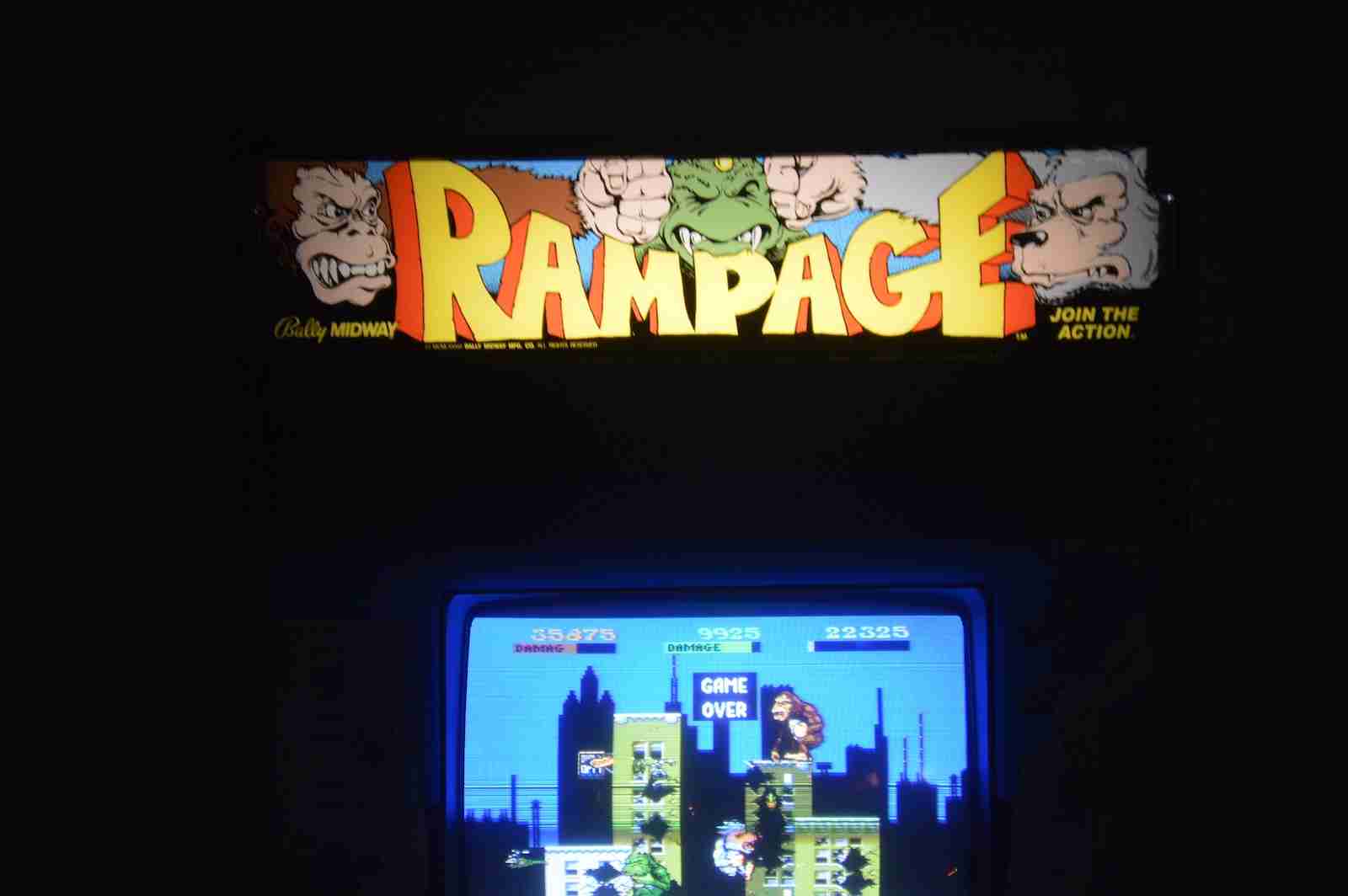
Microtransactions in the gaming world can sometimes feel like a kid getting handed a shiny quarter with the catch being that it costs a dollar to actually use it. For us Gen Xers, whose formative years were steeped in arcade cabinets and cartridge games, this new payment model can be baffling. Yet, here we are, caught in a landscape where every game is beckoning us to spend just a little more for that next level, that fancy outfit, or that elusive weapon.
Let’s hit the brakes for a moment—grab a soda, settle in, and let’s talk. Nostalgia might pull at us, whispering that spending a few bucks here and there is reminiscent of tossing coins into arcade machines, looking for that sweet moment of victory. But the gut feeling—that unease that comes from seeing how these microtransactions can stack up—serves as our inner alarm. Emotional connections to gaming shouldn’t be about anxiety over wallet size; they should be about joy, challenge, and camaraderie.
Take a moment to think critically about the ethics involved. Games are designed to keep you engaged, sometimes leading to temptations that prey on your sense of urgency. You might feel the urge to keep up with friends who just snagged that dazzling new upgrade. But here’s where you need to apply your head: not every shiny object is worth your hard-earned cash. Ask yourself, “Am I getting real value for my investment, or am I just another pawn in a grander scheme?”
Narrative plays a big role in how we engage with games. Remember the excitement of unlocking achievements through effort, not just through a quick credit card swipe? That’s where authentic satisfaction lies—in seeing your skills grow, your friends high-fiving you over a victory earned. Share your gaming stories with fellow players who appreciate the depth of the experience, not just the surface-level transactions.
Let’s cultivate a community that fosters wisdom about microtransactions. By banding together, we can share our experiences and insights, honestly advising on what’s worth our time and money. With trust among each other, and a gut feeling guiding our spending, we can navigate this brave new world of gaming without getting ripped off. Let’s reclaim the joy that gaming brought us, and wield our wallets like the mighty swords of our digital adventures!

Microtransactions – the Gen X Guide to Not Getting Ripped Off
Microtransactions – the Gen X Guide to Not Getting Ripped Off
- Microtransactions can feel like getting something shiny but at a high cost, reminiscent of arcade days.
- Nostalgia may tempt spending, but caution is needed as it can lead to anxiety over finances.
- Ethics in gaming are crucial; not all purchases provide real value.
- Consider whether you’re making wise investments or being manipulated by game design.
- True satisfaction comes from earning achievements through skill, rather than buying upgrades.
- Building a community to share experiences with microtransactions can help guide wiser spending choices.
- Reclaim the joy of gaming while being mindful of your budget and choices.

Microtransactions – the Gen X Guide to Not Getting Ripped Off
Table Of Contents
- Microtransactions – the Gen X Guide to Not Getting Ripped Off
- What Feelings Do You Experience When You See Unexpected Charges?
- Are You Aware Of How Microtransactions Affect Your Gaming Experience?
- What Strategies Can Help You Resist Impulse Buys In Gaming?
- Do You Trust Game Developers to Provide Fair Value for Your Money?
- How Do Microtransactions Impact the Overall Enjoyment Of a Game?
- What Ethical Considerations Arise From Exploiting Player Psychology?
- How Does Peer Pressure Influence Your Spending In Gaming Communities?
- Conclusion
- Other Resources
- Glossary Of Terms
- Other Questions
- Haiku
- Poem
- Checklist
What Feelings Do You Experience When You See Unexpected Charges?
When you glance at your bank statement and spot unexpected charges, a familiar wave of emotions crashes over you. It starts in the pit of your stomach—a knot tightening, spreading through your gut as disbelief morphs into frustration. How could this happen? Your mind races, navigating through a labyrinth of thoughts. Was it a mistake? Fraud? Or did you simply forget a subscription? It all hits hard, a reminder of how vulnerable we all are in this digital age.
Let’s face it: money isn’t just numbers; it’s our livelihoods, our security, even our dreams. When you see those mysterious line items, they don’t just challenge your budget—they challenge your peace of mind. The heart races, palms sweat, and suddenly you’re thrust into a defensive posture, ready to fight for your financial integrity. You’re not alone in this; it’s a shared experience that many have faced—with a range of heartache from anger to sheer panic.
Rationally, your head wants to sift through the evidence. You weigh the possibilities: a glitch in the system? A business overcharging? A signup you didn’t remember? As you delve deeper into the details, you realize that understanding these unexpected charges isn’t just about money; it’s about gaining control and confidence in a world that can often feel chaotic. You owe it to yourself to dig deeper and educate yourself about the fine print and hidden fees lurking in the contracts we often sign without a second thought.
Ethically, these situations can lead us to feel betrayed. It’s a gut-check moment when you consider how some companies prioritize profit over the trust of their customers. You may feel a sense of social responsibility to spread the word, to warn your friends and family, to band together so others don’t fall into the same trap. Sharing your story not only empowers others—it builds a community where awareness reigns supreme.
As you confront these unexpected charges, remember that you have the authority to challenge them. You are more than just a number on a spreadsheet. By taking action, whether it’s contacting customer service, reading reviews, or simply decluttering your subscriptions, you reclaim not only your finances but your peace of mind. You deserve clarity in your financial life, and every small step in addressing these charges can lead to a newfound sense of control and confidence. Stand your ground, and don’t let unexpected charges dictate your story.

What Feelings Do You Experience When You See Unexpected Charges?
What Feelings Do You Experience When You See Unexpected Charges?
- Unexpected bank charges evoke strong emotions, including disbelief and frustration.
- Money represents our livelihoods and security, making mysterious charges particularly troubling.
- Experiencing unexpected charges is a common struggle that can lead to feelings of anger or panic.
- Rational analysis is necessary to identify the cause of these charges, whether due to mistakes or hidden fees.
- Ethical concerns arise when companies prioritize profits over customer trust, leading to feelings of betrayal.
- Sharing experiences can empower others and create a community focused on financial awareness.
- You have the authority to challenge unexpected charges and reclaim control over your financial life.

What Feelings Do You Experience When You See Unexpected Charges?
Are You Aware Of How Microtransactions Affect Your Gaming Experience?
Microtransactions have crept into our beloved games like an unwanted guest at a family reunion. At first, they seemed harmless—a handful of cosmetic options or a shortcut to a particularly gnarly level. But before long, those tiny purchases grew like weeds, turning games once steeped in joy and discovery into a playground of dollars and cents. Let’s talk about how this impacts our gaming experience, not just in terms of cash but in the very fabric of what gaming is meant to be.
Imagine you’ve spent countless hours grinding through a game. The victories, hard-fought; the defeats, lessons learned. Yet here comes the stark reality: you can buy your way to the top, bypassing the reality of skill and perseverance. That sweet satisfaction of leveling up? It’s being bartered away in microtransactions. What does that say about our dedication to the craft? It tickles the mind but tugs at the heart, doesn’t it?
Let’s put on our thinking caps for a moment. Are we really okay with games that pivot from narrative-driven experiences to profit-driven enterprises? What kind of message does that send to the next generation of gamers? To be the best isn’t about working hard; it’s about opening your wallet. This is where our ethical compass should kick in. Gaming has always been about breaking boundaries, forging connections, and diving into stories that move us. By allowing microtransactions to dominate, we risk turning these riveting stories into transactional experiences devoid of authenticity.
But wait, there’s a deeper thread here intertwined in our relationships with one another. The multiplayer worlds we immerse ourselves in are meant to foster camaraderie, a vibrant community. Yet, with paywalls and exclusive content available only through purchases, we inadvertently create a divide—a social stratification that separates the haves from the have-nots, changing the way we interact.
It’s worth asking, where do we draw the line? How can we reclaim the spirit of gaming that we remember fondly? As we sink into our couches and pick up our controllers, let’s make a collective promise to demand better. Let’s engage developers, support those who respect the player’s journey, and advocate for a gaming landscape that values experience over profit. Together, we can ensure that games remain one of the last bastions of pure joy, connection, and creativity.

Are You Aware Of How Microtransactions Affect Your Gaming Experience?
Are You Aware Of How Microtransactions Affect Your Gaming Experience?
- Microtransactions have gradually invaded video games, turning enjoyable experiences into profit-driven ones.
- Players can buy their way to success, undermining the value of skill and perseverance.
- This shift raises ethical concerns about the gaming industry’s direction and impact on future generations.
- Gaming has traditionally focused on stories and connections, which are compromised by transactional experiences.
- Microtransactions create social divides within multiplayer communities, separating players based on their ability to pay.
- There is a need for players to advocate for better gaming practices and support developers who prioritize player experience.
- It’s important to preserve the joy, connection, and creativity that gaming brings to its players.

Are You Aware Of How Microtransactions Affect Your Gaming Experience?
What Strategies Can Help You Resist Impulse Buys In Gaming?
Let’s face it; the gaming world is a tempting place. Every day, our favorite platforms bathe us in an irresistible sea of flashy graphics and enticing sales. It’s easy to lose sight of your wallet’s depth when the allure of that new game is just a click away. But before you drop cash on impulse, let’s dive into a few strategies that can help you resist the siren call of spendthrift gaming.
First, take a moment to breathe. When faced with an impulsive urge to buy, pause. Reflect on what you truly want from your gaming experience. Is it the thrill of conquest, or perhaps the camaraderie of playing with friends? By aligning your purchase with your genuine gaming goals, you create a filter for those flashy titles that promise the world but often deliver disappointment. Consider the story behind the game—is it one you’d genuinely invest time in, or just another fleeting fancy?
Next, employ the power of the budget. Set aside a specific gaming fund each month. When that fund is tapped out, the impulse to buy must become the impulse to wait. This rational approach not only promotes fiscal responsibility but also cultivates patience, allowing you to relish the thrill of anticipation as you save for something meaningful. It’s like holding out for dessert after a well-balanced meal; the wait often makes the reward all the sweeter.
Ethically speaking, reflect on the practices of the industry. Many developers rely on microtransactions and inducements to lure gamers into draining their wallets. Equip yourself with the understanding of these marketing tactics, and you’ll soon see the sting of that “limited-time offer” for what it is—just another ploy to separate you from your hard-earned cash. Share this knowledge with fellow gamers; together, you can create a culture of mindful spending.
Finally, lean on your community. Engage with friends who share your love for gaming. Set rules among your group about impulse purchases, or create challenges to inspire thoughtful consideration before buying. Social accountability can be a powerful motivator, reminding us that we’re not in this alone—which only strengthens the bond among fellow gamers.
By blending emotional insight, rational budgeting, ethical considerations, and community support, you can forge a robust defense against impulse buys. The next time the urge strikes, remember: it’s not just a game, it’s an investment in a joy-filled experience. Choose wisely, and keep your gaming experience as rich and rewarding as it deserves to be.

What Strategies Can Help You Resist Impulse Buys In Gaming?
What Strategies Can Help You Resist Impulse Buys In Gaming?
- The gaming world offers enticing visuals and sales that can lead to impulsive spending.
- Pause and reflect on your gaming goals before making a purchase to align it with your true desires.
- Set a monthly budget for gaming expenses to encourage fiscal responsibility and patience.
- Recognize industry marketing tactics, like microtransactions, to avoid impulsive spending driven by limited-time offers.
- Engage with a gaming community for support and accountability on impulse purchases.
- Create group rules or challenges to encourage thoughtful consideration before buying new games.
- Combining emotional insight, rational budgeting, ethical awareness, and community support can strengthen your resistance to impulse buys.

What Strategies Can Help You Resist Impulse Buys In Gaming?
Do You Trust Game Developers to Provide Fair Value for Your Money?
When you plop down your hard-earned cash for a game, you’re not just buying a product; you’re investing in an experience that’s supposed to stir your imagination, foster connection, and offer some escape from the daily grind. But do you find yourself questioning the value of what you’re getting? That’s a gut punch that many of us know all too well.
Think about the thrill of unboxing a new game: the graphics, the sound, the promise of adventure. Yet, how often have we jumped into a title, only to find it riddled with bugs, poorly thought-out mechanics, or, worse, a paywall that stifles enjoyment? It’s frustrating, isn’t it? You’re not just tossing dollars into the void; you’re placing trust in those developers—the guardians of your gaming experience. This isn’t merely a transaction; it’s a relationship, one that should be built on transparency and respect.
When developers lead us to believe their game is worth every penny, yet fall short of delivering, it raises an ethical question: Are we simply a revenue stream, or do our experiences matter? The voices of passionate gamers like you have sparked change. Communities have banded together to hold developers accountable when they slip up, demanding not just fair prices but fair practices. You have power—the power to be heard, to push for the quality you deserve.
Research shows that games that respect their players economically tend to cultivate long-lasting loyalty. Think Factorio or Hades: these titles have redefined expectations by prioritizing gameplay over profit, showcasing the incredible results of putting players first. The best developers understand that happy gamers spread the word, turning entertainment into a shared, joyous experience.
So, as you stand at the checkout, contemplate not just whether the price tag seems fair but ponder the bigger picture: Do these games resonate with the values you hold dear? Are they pushing boundaries, offering something fresh for your investment? Take a moment to trust your instincts. You’re part of a community that wants to see games treated with the respect they deserve. Choose wisely, and let your voice be heard. Together, we can foster an environment where quality and integrity in game development reign supreme.

Do You Trust Game Developers to Provide Fair Value for Your Money?
Do You Trust Game Developers to Provide Fair Value for Your Money?
- Purchasing a game is an investment in an experience, sparking imagination and providing escape.
- Many gamers experience frustration with games that have bugs, poor mechanics, or paywalls.
- This relationship between players and developers requires transparency and respect, not just transactions.
- When developers fail to meet expectations, it raises ethical concerns about valuing player experiences.
- Gamers have the power to demand better practices, fostering accountability within the gaming community.
- Games that prioritize player respect often build lasting loyalty, exemplified by titles like Factorio and Hades.
- As consumers, it’s essential to consider if a game aligns with personal values and contributes positively to the gaming landscape.

Do You Trust Game Developers to Provide Fair Value for Your Money?
How Do Microtransactions Impact the Overall Enjoyment Of a Game?
When we pick up our controllers and dive into the vibrant worlds of games, it’s not just escapism; it’s an experience that brings us together, shapes memories, and sparks joy. However, lurking in the shadows of virtual realms are microtransactions—a double-edged sword that can slice through the fabric of enjoyment, leaving players grappling with the tension of fairness and frustration.
At their core, microtransactions can feel like a gatekeeper, swaying the balance between those who pay extra and those who strive to earn their rewards. Imagine gearing up for a big boss battle, your heart racing with adrenaline, only to be faced with the notion that a quick transaction could hand you an upper hand. It’s human nature to crave that thrill, but the gut reaction is one of disappointment; it raises questions of equity. Did my hours of gameplay just take a backseat to my wallet’s heft?
Rationally, it’s a complex dance. Game developers argue that microtransactions help fund ongoing content and support—keeping the experience fresh and engaging. Yet, each time a new cosmetic item or advantage pops up, there’s an ethical dilemma that gnaws at the edges of our enjoyment. Are we inadvertently valuing experience based on financial outlay rather than skill? A worthy game should cultivate community, but when access appears tied to the almighty dollar, that camaraderie risks fracturing.
Now, let’s tap into the narrative that ties us to our favorite titles. We’ve all read stories of friendships forged through cooperative play, using ingenuity and team spirit to topple the toughest of challenges. It’s those moments, the shared laughter, the unexpected triumphs, that make gaming magical. Yet, the pervasive presence of microtransactions can dim that light, creating a divide that disrupts collaboration.
Many players may opt to ignore in-game purchases, holding firm to the belief that victory should come from skill, sweat, and perseverance. This resolution builds a community built on shared experiences rather than economy-driven disparities. It’s a call to action to identify ourselves as a united front, valuing authenticity over financial leverage in the world of gaming.
As we engage with these digital landscapes, remembering that gaming is about connection—not just in our hands but also in our hearts—is essential. Let’s push for a balance that preserves the joy of the game, fostering connections that enrich our experiences for all.

How Do Microtransactions Impact the Overall Enjoyment Of a Game?
How Do Microtransactions Impact the Overall Enjoyment Of a Game?
- Gaming is not just escapism; it fosters community and creates lasting memories.
- Microtransactions act as a double-edged sword that can undermine enjoyment, raising issues of fairness and frustration.
- They create a divide between players who pay for advantages and those who earn rewards through gameplay.
- Developers argue that microtransactions fund ongoing content and keep the gaming experience fresh.
- Ethical dilemmas arise as players question whether experience is valued based on financial investment rather than skill.
- Shared gaming experiences and friendships can be threatened by the prevalence of microtransactions.
- Players are encouraged to prioritize authenticity and community over economic disparities in gaming.

How Do Microtransactions Impact the Overall Enjoyment Of a Game?
What Ethical Considerations Arise From Exploiting Player Psychology?
When we dive into the realm of games, we’re entering a world where the stakes can feel alarmingly high. Sure, we think of these as mere entertainment, a way to unwind after a long day. But in exploiting player psychology, we risk trading fun for manipulation, turning joyful escapism into a labyrinth of compulsive behaviors and ethical quandaries.
Imagine a child, wide-eyed and thrilled during their first gaming session. They’re not just playing; they’re experiencing curated moments that bring joy, challenge, and inspiration. However, the moment game designers begin to exploit psychological triggers—like a gambler’s rush when hitting a jackpot—those innocent escapades can morph into something darker. The thin line between engagement and addiction begins to blur. Here lies the heart of the issue; it’s not just a business model; it’s a matter of responsibility. Games can provide a sense of mastery and achievement, but when they manipulate the very core of human emotion and cognition, it raises serious questions.
From a rational perspective, consider the long-term implications of this exploitation. Players aren’t just data points. They are individuals with families, schools, and jobs that can be affected by their choices within these digital landscapes. When games strategically enhance dopamine responses, making losing feel like winning, it warps reality. Engaging consumers in this way can lead to unforeseen consequences, like financial strain or social withdrawal. Suddenly, a game isn’t just a game; it morphs into a potential mental health concern that society must grapple with.
Ethically speaking, we must question the authority of those designing these experiences. Are they guardians of creativity or profiteers of addiction? With great power comes great responsibility. Companies need to take on the mantle of moral leadership, understanding that their creations can shape minds and behaviors for better or worse.
So, where do we find common ground? It begins with open conversations, bringing players, designers, and ethical standards to the same table. By fostering a culture of transparency, we empower consumers to take charge of their gaming choices. After all, games should be a source of joy and connection, not a vehicle for exploitation. Let us strive to create an inclusive environment where players can embark on epic adventures without being ensnared by the very psychology that makes those adventures thrilling. It’s a call to elevate the industry—stronger, kinder, and more accountable for the games we all love.

What Ethical Considerations Arise From Exploiting Player Psychology?
What Ethical Considerations Arise From Exploiting Player Psychology?
- Gaming presents high stakes, often blurring the line between entertainment and manipulation.
- Childlike enthusiasm can be overshadowed by exploitation of psychological triggers, leading to potential addiction.
- Long-term impacts of gameplay can affect players’ real lives, including relationships and professions.
- Manipulating emotional responses can warp reality, resulting in financial strain and social withdrawal.
- The responsibility of game designers is questioned—are they fostering creativity or addiction?
- Open dialogue among players, designers, and ethical standards is essential for accountability.
- Striving for a transparent and inclusive gaming culture can enhance player experiences without exploitation.

What Ethical Considerations Arise From Exploiting Player Psychology?
How Does Peer Pressure Influence Your Spending In Gaming Communities?
In the vibrant landscape of gaming communities, peer pressure operates like an invisible force, driving players to make choices that resonate well beyond the screen. It’s a world where the allure of new releases, exclusive skins, and virtual currency can spark a frenzy among friends and fellow gamers. Picture this: you’re deeply invested in a game, and your squad starts raving about that shiny new cosmetic or, worse yet, discussing how they unlocked that next level by shelling out real cash. Suddenly, the thought of being left out looms large, a feeling that tugs at the heartstrings of camaraderie and belonging.
When that purchase notification dings on their screens, a ripple effect emerges—friends rallying, strategizing, and justifying the spend with everything from “We’re a team!” to “It’s just a few bucks!” This is the gut-level impulse that transcends pure desire; it’s about being accepted, about affirming one’s place in an ever-evolving narrative of friendship and achievement. But amidst the excitement lies a cautionary tale. The rational mind may recognize that these games are primarily designed to create dependency, and that what starts as a harmless spend can spiral into a fiscal black hole. How many times have you checked your bank statement only to see that your “just one purchase” turned into a staggering amount?
This isn’t just about money; it’s a question of worth. Spending money should align with your values and your personal goals. Did you buy that flashy new weapon to improve your skills, or just to impress your peers? Think about the ethical implications of how these practices can shape gaming culture. Are we fostering a community of support, or are we merely echoing voices of consumerism?
In a landscape where social connections flourish, it’s important to harness your power to influence and inspire others. Share your experiences; reveal the joy of gaming without the need for excessive spending. Speak with authenticity, and let your peers know it’s perfectly okay to pause and reflect before opening that wallet. Let’s foster a community where success is measured by teamwork and shared victories rather than transient purchases.
At the end of the day, your gaming journey is yours to define. In a world buzzing with external expectations, trust yourself to take the lead—make choices that resonate with the heart, engage the head, and feed the gut. Together, let’s redefine what it means to play, thrive, and connect in the digital age.

How Does Peer Pressure Influence Your Spending In Gaming Communities?
How Does Peer Pressure Influence Your Spending In Gaming Communities?
- Peer pressure in gaming drives players to make significant choices that extend beyond the game itself.
- Social dynamics, such as the allure of new releases and virtual currencies, create a sense of urgency to keep up with friends.
- When friends make purchases, it can lead to a ripple effect, prompting others to justify similar spends.
- The impulsive nature of these decisions may foster feelings of acceptance and belonging within gaming communities.
- There’s a warning about the potential for spending to spiral out of control, turning minor purchases into larger financial burdens.
- It’s crucial to align spending with personal values and goals while considering the ethical implications of consumerism in gaming.
- Encouraging a supportive community focused on teamwork and shared victories can help redefine gaming culture positively.

How Does Peer Pressure Influence Your Spending In Gaming Communities?
Conclusion
Microtransactions in gaming have evolved from a curious addition to a pervasive force that shapes the very essence of our play. As seasoned gamers, especially those of us from Generation X, we find ourselves grappling with the balance between nostalgia and modernity. We understand that gaming should spark laughter, triumphs, and enduring friendships—not anxiety over our bank balances. That knot of unease we feel in the pit of our stomachs when we see unexpected charges or realize we’ve been lured into impulse buys is not just a personal struggle; it’s emblematic of a larger concern.
Let’s be honest. The thrill of unboxing a new game can quickly turn sour when it’s riddled with hidden fees or microtransactions that undermine our time and effort. For the most part, we’re investing not merely in a product, but in a promise of adventure, growth, and a shared experience. When microtransactions dominate gameplay, they create a transactional atmosphere that can divide the community, turning fellowship into competition over who can spend more.
This facade of choice brings with it ethical dilemmas that beg reflection. Are we building a gaming culture that values integrity and skill, or are we surrendering to consumerism driven by flashy graphics and peer pressure? The immediate gratification of virtual purchases may distract us from the deeper, emotionally rewarding aspects of gaming: the shared victories, the strategic cooperation, and the joy of genuine achievement.
But there’s hope! By nurturing open conversations within our communities, we can begin to reclaim the spirit of gaming that we cherish. Awareness is power, and when we educate each other about the implications of microtransactions and supportive spending, we create an empowered collective. Let’s foster an ecosystem that values plays over paywalls, where we can connect and thrive without undue burden on our wallets.
Together, we can demand better from developers, too. By supporting those who respect our time and investment, we hold the industry accountable, ensuring that gaming remains a beloved escape rather than a financial pitfall. The call to action is clear: let’s pledge to navigate this new landscape thoughtfully, regaining control over our experiences and enriching the community we hold dear. After all, gaming should be about joy, connection, and the journey, not just the transaction. The power to redefine this experience lies in our hands—let’s wield it wisely.

Conclusion
Conclusion:
- Microtransactions have evolved from a novelty to a dominant force in gaming.
- Gamers, particularly from Generation X, struggle to reconcile nostalgia with modern monetization practices.
- Many gamers feel anxiety over unexpected charges and impulse buys related to microtransactions.
- Hidden fees and microtransactions can diminish the enjoyment and sense of accomplishment in gaming.
- This shift in focus creates a competitive atmosphere that can alienate community members.
- There are ethical concerns about whether gaming culture prioritizes integrity and skill over consumerism.
- Encouraging open discussions about microtransactions can help reclaim the essence of gaming, promoting community and joy over financial pressure.

Conclusion
Other Resources

Other Resources
Here is a list of other resources you can review online to learn more:
- Nemesis
- Robinson Crusoe: Adventures on the Cursed Island
- Sushi Go!
- Keyforge
- The Mind
- 7 Wonders Duel
- Clans of Caledonia
- Eagle-Gryphon Games
- Dominion
- The Dice Tower Podcast
- Board Game Atlas
- Line
- Betrayal at Baldur’s Gate
- Scoop.It
- Dominion: Seaside (Second Edition)
- Asmodee
- The Castles of Burgundy
- Serious Poulp
Use This Prompt To Get More Resources With Your Favorite Online AI Tool: Please provide me with a list of online articles with their URLs in a bulleted list that I can read regarding Microtransactions – the Gen X Guide to Not Getting Ripped Off

Other Resources
Glossary Terms
Microtransactions – the Gen X Guide to Not Getting Ripped Off – Glossary Of Terms
1. Microtransaction: A small financial transaction, typically for purchasing in-game content or enhancements.
2. In-Game Currency: Virtual money used within games to buy items, upgrades, or services.
3. Loot Box: A randomized container that players purchase or earn to receive random in-game items.
4. DLC (Downloadable Content): Additional content for a game that can be purchased to enhance the game experience.
5. Pay-to-Win: A game design where players can gain significant advantages by spending real money.
6. Freemium: A business model offering a basic game for free, with optional paid features or content.
7. Game Balance: The economics of a game that ensures fair competition and enjoyment among players.
8. Cosmetic Item: An in-game item that alters the appearance of characters or equipment without affecting gameplay.
9. Grind: The repetitive action of playing a game to earn resources or experience points.
10. Whale: A term for a player who spends significantly more money than the average player on microtransactions.
11. FOMO (Fear of Missing Out): The anxiety players feel about potentially missing exclusive items or events.
12. Skin: A cosmetic modification of an in-game character or weapon, often purchasable through microtransactions.
13. Subscription Model: A pricing system where players pay regularly for access to a game or its content.
14. Cash Grab: A game or feature designed primarily to generate revenue from players rather than provide engaging content.
15. Early Access: A game released before its full version is completed, often allowing players to purchase and provide feedback.
16. Content Update: New game content provided after launch, which might be free or paid.
17. E-commerce: Electronic commerce; buying and selling goods or services over the internet, including video game transactions.
18. Reward System: Gameplay mechanisms that reward players, often designed to encourage spending on microtransactions.
19. Player Retention: Strategies used by game developers to keep players engaged and returning to a game.
20. Freemium Trap: A situation where players feel compelled to spend money in a free-to-play game to remain competitive.
21. Virtual Goods: Items bought in a virtual environment, often with cash, enhancing player experiences.
22. Nudge: A tactic used in games to subtly encourage players to make microtransactions.
23. Bait-and-Switch: A deceptive marketing tactic where players are lured in with free content but pressured to pay for additional features.
24. Scams: Fraudulent practices aimed at tricking players into spending money on illegitimate or fake in-game items.
25. Endgame Content: Features in a game accessible after reaching maximum level, often monetized.
26. Limited-Time Offer: A promotional deal for in-game purchases that creates urgency for players to buy.
27. Adverse Selection: A situation where players who are most likely to benefit from microtransactions are the ones who will purchase them, leading to imbalanced gameplay.
28. Paywall: A barrier that requires players to pay to access certain game features or content.
29. Balance Patching: Adjustments made to game mechanics to ensure no pay-to-win elements dominate gameplay.
30. Transparency: The clarity provided by developers regarding in-game monetization, helping players make informed spending decisions.

Glossary Of Terms
Other Questions
Microtransactions – the Gen X Guide to Not Getting Ripped Off – Other Questions
If you wish to explore and discover more, consider looking for answers to these questions:
- What are the long-term impacts of microtransactions on gaming culture?
- How can players identify fair pricing in their gaming purchases?
- What steps can gamers take to educate themselves about microtransactions?
- How do microtransactions differ between various gaming platforms?
- What are some examples of games that successfully integrate microtransactions without negative impacts?
- How can gaming communities hold developers accountable for their pricing strategies?
- What role does nostalgia play in our willingness to spend on gaming?
- Are there regulations in place to protect consumers from exploitative microtransaction practices?
- How can players advocate for changes in the microtransaction models used by developers?
- What are some alternatives to microtransactions for game developers to consider?

Other Questions
Haiku
Microtransactions – the Gen X Guide to Not Getting Ripped Off – A Haiku
Coins in the arcade,
Old joy tangled with new traps—
Value found in skill.

Haiku
Poem
Microtransactions – the Gen X Guide to Not Getting Ripped Off – A Poem
In the glow of gaming screens, we find our cheer,
Yet lurking close, the cost—whispers we fear.
A quarter gleams, but the price climbs high,
Each shiny distraction pulls at our why.
Oh, Gen X, with memories of 8-bit delight,
In arcades we thrived, not bowing to spite.
Yet now we grapple with thoughts of the past,
As microtransactions threaten joy’s steady cast.
In the throes of impulse, we face the lure,
The gut aches and tightens—what’s spent will secure
An edge in the battle, a spark for our pride,
But at what cost, dear friends? Let’s not abide.
Look deeper, reflect—what’s truly at stake,
Is it pride in our journey, or just a quick break?
Discipline beckons; let’s forge a new pact,
A budget, a creed, to keep us intact.
Raise your voice high, for together we stand,
In unity’s strength, let’s reclaim this land.
Where games once ignited our tales rich and bold,
Let’s navigate wisely, resist being sold.
In laughter and triumph, let stories we weave,
For friendships in gaming, in purpose, believe.
With hearts full of courage, and visions aligned,
We’ll wrest back the joy, by our passions defined.
So pause before swiping, remember the thrill,
Our shared exploration is worth the deep fill.
Conscious and caring, we’ll find a new way,
In a world intertwined, let’s play fair, come what may.

Poem
Checklist
Microtransactions – the Gen X Guide to Not Getting Ripped Off – A Checklist
Checklist for Navigating Microtransactions Mindfully
Emotional Appeals
_____ Identify Your Feelings: Before making a purchase, acknowledge your emotions—excitement, fear of missing out, or anxiety over spending.
_____ Connect with Your Values: Reflect on what brings you joy in gaming. Is it the challenge, the story, or camaraderie with friends?
Rational Appeals
_____ Evaluate Real Value: Ask yourself if the purchase will genuinely enhance your gaming experience or if it’s just a flashy distraction.
_____ Set a Gaming Budget: Allocate a specific amount for gaming each month, and stick to it to control impulsive spending.
Ethical Appeals
_____ Consider Developer Practices: Research developers and their monetization strategies. Do they respect fair play or rely heavily on microtransactions?
_____ Promote Ethical Gaming: Share your thoughts with peers and encourage them to appreciate games that focus on skill and quality over spending power.
Authority Appeals
_____ Seek Expert Opinions: Follow reputable gaming critics and guides regarding fair practices and quality games.
_____ Engage in Community Discussions: Join forums or groups where you can learn from experienced gamers and share insights about microtransactions.
Narrative Appeals
_____ Reflect on Personal Stories: Recall the satisfaction felt from achievements earned through effort, not purchases. Share these stories with fellow gamers.
_____ Create Your Own Gaming Narrative: Focus on building experiences that emphasize skill over financial investment in your gaming journey.
Social Appeals
_____ Build a Supportive Community: Lean on friends who share your values, setting mutual agreements about spending and practices.
_____ Share Experiences: Communicate with fellow gamers about the impact of microtransactions and strategize together to resist impulse buying.
Gut Level Appeals
_____ Trust Your Instincts: If something feels off about a purchase or the pressure to buy, listen to that feeling.
_____ Reflect on Peer Pressure: Recognize when group dynamics influence your spending. Make choices that reflect your values rather than succumbing to pressure.
Use this checklist to guide your gaming experience, ensuring it’s rewarding, ethical, and financially mindful.

Checklist
At HowDoYouGame, we help people who love board games by collating information and news about games.
Be sure to read our other related stories at HowDoYouGame to learn more about games.