Unlocking The Power Of Gaming: Boosting Kids’ Resilience
By Tom Seest
At HowDoYouGame, we help people who love board games by collating information and news about games.
Be sure to read our other related stories at HowDoYouGame to learn more about games.
Are Gaming Kids Better At Overcoming Real Life Challenges?
In today’s world, where screens often dominate our attention, it’s easy to forget the potential benefits of gaming. But when you peel back the layers of those vibrant graphics and digital engagements, there’s a treasure trove of lessons waiting to be uncovered. This is where the concept of gamification comes into play—transforming everyday tasks into challenges, turning the mundane into something exhilarating. And guess what? Kids are leading the charge.
Picture the average adventure in the virtual realm: characters face obstacles, solve elaborate puzzles, and earn rewards. Those same dynamics can—believe it or not—translate to real-life skills. Take problem-solving, for instance. When children are thrust into a digital landscape fraught with challenges, they learn to strategize, adapt, and ultimately thrive. They tackle virtual dilemmas with the same tenacity they might show in a school project, honing skills that will serve them beyond their gaming consoles.
But it’s not just about dexterity or quick reflexes. The social aspects of gaming can’t be ignored. Multiplayer scenarios foster teamwork. Kids learn the importance of communication and collaboration, crafting friendships and alliances that reflect in their everyday dealings. Whether they’re arguing over a game plan or cheering each other on, they’re honing interpersonal skills that are increasingly vital in our interconnected world.
Now, before you dismiss all of this as mere digital distraction, consider the real-world parallels. Think about the last time you encountered a challenge—maybe it was a personal project or a societal issue. In some way, shape, or form, the problem-solving skills nurtured through gamification could lead to innovative solutions. Those gaming kids aren’t merely escaping reality; they’re preparing for it. They’re learning resilience, grit, and determination—qualities that will serve them well as they step into a world filled with its own set of quests.
So, if you’ve got a gaming kid at home, instead of seeing the controller as a mere diversion, view it as a potential training ground. Engage with them. Ask about their challenges and victories in-game. Explore those connections together—because you just might find that the lessons learned in pixelated worlds can pave the way for real-life triumphs. After all, embracing these experiences doesn’t just prepare the youth; it shapes a generation ready to face both trials and triumphs with confidence.

Are Gaming Kids Better At Overcoming Real Life Challenges?
Are Gaming Kids Better At Overcoming Real Life Challenges?
- Gaming offers numerous lessons beyond entertainment, including problem-solving and resilience.
- Gamification transforms mundane tasks into exciting challenges, particularly for kids.
- Children learn to strategize and adapt while facing virtual obstacles and puzzles.
- Multiplayer gaming promotes teamwork, communication, and collaboration among kids.
- Skills developed through gaming can lead to innovative solutions for real-world challenges.
- Gaming fosters qualities like grit and determination, essential for navigating life’s challenges.
- Engaging with children about their gaming experiences can reveal valuable life lessons.

Are Gaming Kids Better At Overcoming Real Life Challenges?
Table Of Contents
- Are Gaming Kids Better At Overcoming Real Life Challenges?
- Are Gaming Kids More Confident In Facing Real-Life Issues?
- Do Video Games Improve Problem-Solving Skills In Children?
- How Do Gaming Experiences Translate To Real-World Situations?
- Are There Specific Genres Of Games That Aid In Overcoming Challenges?
- Can Teamwork In Online Games Enhance Social Skills In Kids?
- What Role Does Gaming Play In Developing Resilience Among Children?
- Do Gaming Kids Have Better Coping Mechanisms For Stress?
- Conclusion
- Other Resources
- Glossary Of Terms
- Other Questions
- Haiku
- Poem
- Checklist
Are Gaming Kids More Confident In Facing Real-Life Issues?
Let’s take a stroll through the digital playground where kids wield their controllers not just as tools of entertainment, but as weapons of personal development. These gaming worlds are more than mere escapes; they are arenas where skills are honed, strategies are developed, and, intriguingly, confidence takes center stage. Enter the concept of gamification—a twist that turns mundane tasks into exciting quests. In many respects, gaming mirrors life, providing challenges to overcome and enemies to defeat.
When a child navigates through a complex video game, dodging obstacles and strategizing every move, they’re not just having fun; they’re learning to tackle challenges head-on. Just imagine them facing a particularly tough level—a task that feels insurmountable at first. Through attempts, failures, and more attempts, they build resilience. This process of trial and error fosters a mindset; one that encourages them to confront difficulties, whether they arise in a game or in the real world.
Kids who game often find themselves stretched in ways that foster creative problem-solving. They learn to adapt—not just to different gaming scenarios, but to real-life unpredictability. Forgotten homework? A challenging social situation? It’s all part of their quest, and those gaming skills can translate beautifully to real-life scenarios. They approach problems with a ‘level-up’ mentality, believing that with the right strategy and persistence, they can rise to the occasion.
Moreover, the camaraderie found in multiplayer gaming can be a powerful teacher, cultivating communication skills and teamwork. They learn valuable lessons about collaboration and the importance of supporting one another—skills that are paramount in any social or work environment. As they share strategies and celebrate victories, young gamers develop a sense of community, bolstering their confidence further.
So, how do we harness this eagerness to play? By recognizing that the sage wisdom gained through the digital realm can bolster our kids’ abilities to tackle real-life issues. Encouraging families to engage with their children’s gaming experiences could open doors to discussions and skill-building opportunities. The question isn’t whether gaming kids are more confident in the face of real-life issues; rather, it’s how we can support them in channeling that confidence into holistic growth. Because when it comes to navigating life’s challenges, those who’ve learned to take on dragons in virtual worlds are often the ones ready to face the giants in reality.

Are Gaming Kids More Confident In Facing Real-Life Issues?
Are Gaming Kids More Confident In Facing Real-Life Issues?
- Video games serve as tools for personal development, enhancing skills and confidence in children.
- Gamification transforms mundane tasks into exciting quests, mirroring real-life challenges.
- Children learn resilience through trial and error by navigating difficult gaming scenarios.
- Gaming fosters creative problem-solving and adaptability to unpredictable real-life situations.
- Multiplayer gaming cultivates communication skills and teamwork, essential for social settings.
- Engaging with children’s gaming experiences can lead to discussions and skill-building opportunities.
- Learning from virtual challenges prepares kids to tackle real-life difficulties with confidence.

Are Gaming Kids More Confident In Facing Real-Life Issues?
Do Video Games Improve Problem-Solving Skills In Children?
Do Video Games Improve Problem-Solving Skills in Children?
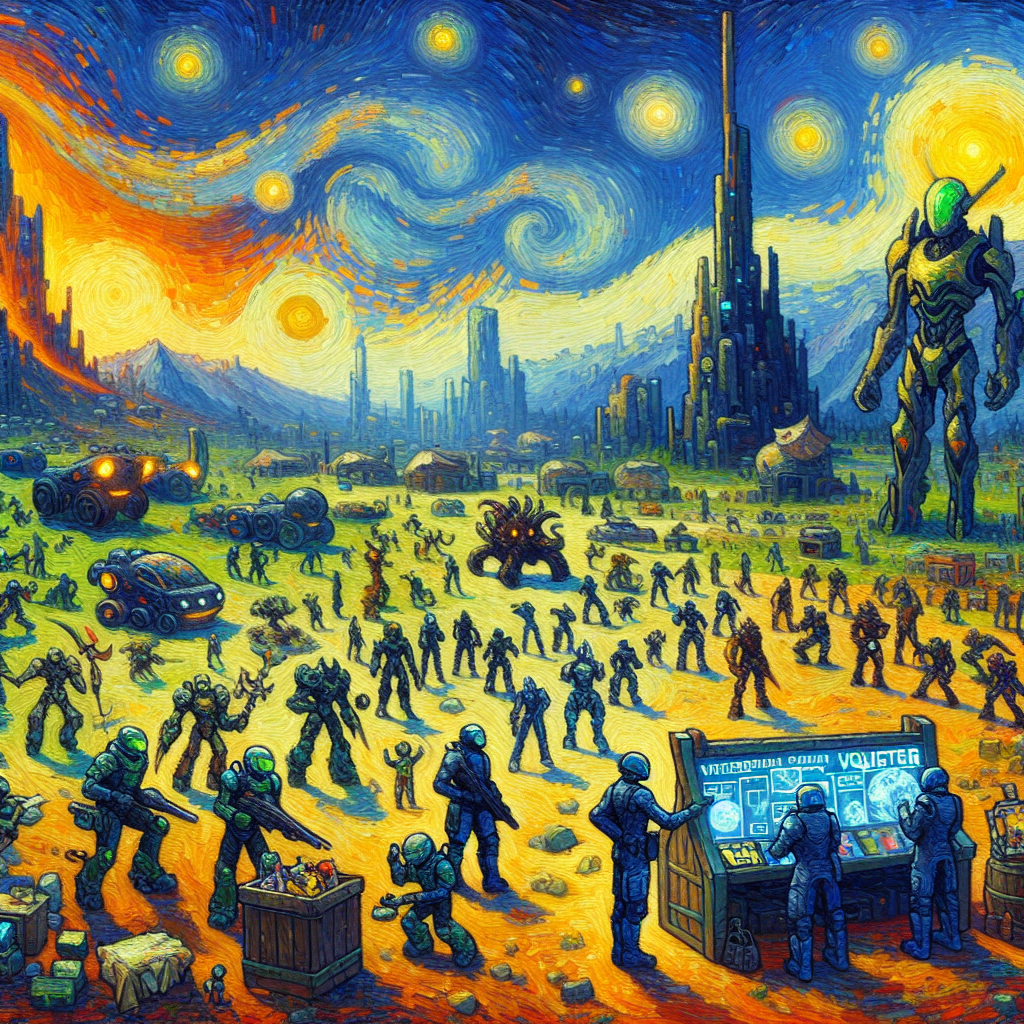
Picture this: a young child not just sitting passively in front of a screen but actively navigating vast imaginary worlds, unpicking riddles, and collaborating with friends to conquer challenges. It sounds like just another day in the life of a gamer, but beneath those playful graphics and game mechanics lies a complex tapestry of problem-solving skills taking shape. Yes, you heard that right. Video games, particularly when we talk about gamification, are not just about scoring points; they’re about teaching valuable life lessons.
Let’s face it: gone are the days when games were merely a distraction. Modern games are designed with the intention of engaging players minds, driving them to think critically and creatively. Gamification, a method where game design elements are used in non-game contexts, turns learning into an engaging experience. Think of it this way: when a child plays a game, they’re not just seeking entertainment; they’re figuring out strategies, identifying patterns, and learning to make decisions in real-time—all essential skills in today’s fast-paced world.
Have you ever watched a child face a particularly tricky level? You notice that furrow in their brow, the intensity in their focus. That’s problem-solving in action. Remarkably, studies suggest that these experiences can transfer to real-life scenarios. As children learn to set goals within the game’s framework, they become adept at devising strategic plans—skills that can translate well into academics and social interactions. These kids aren’t simply pressing buttons; they’re formulating hypotheses, testing theories, and navigating the outcomes of their choices.
But it’s not just about individual growth. Many games encourage teamwork and communication, showing children that collaboration often leads to success. Whether they’re solving puzzles with friends or joining forces to defeat a looming monster, they learn the importance of working together to achieve a common goal. Just think about it: how many of us could use a little reminder of the power of collaboration in our everyday lives?
So the next time your child is wrapped up in a game, resist the urge to disconnect them from the digital world. Instead, recognize that they might be honing crucial skills—ones that will eleavate their problem-solving abilities in ways you never imagined. Embrace this unique opportunity and watch as they flourish, both onscreen and off. After all, learning doesn’t always happen in a classroom. Sometimes, it’s just a matter of having the right tools, or rather, the right game controller in hand.
Do Video Games Improve Problem-Solving Skills In Children?
Do Video Games Improve Problem-Solving Skills In Children?
- Video games engage children’s problem-solving skills through active participation and exploration of imaginary worlds.
- Modern games are designed to enhance critical thinking and creativity, going beyond mere entertainment.
- Gamification turns learning into an engaging experience, incorporating game elements into non-game contexts.
- Playing video games helps children develop strategies, identify patterns, and make real-time decisions.
- Problem-solving skills learned in games can translate into academic and social scenarios.
- Many games promote teamwork and communication, teaching children the value of collaboration for success.
- Gaming can be a unique learning opportunity, enhancing problem-solving abilities both on-screen and off.

Do Video Games Improve Problem-Solving Skills In Children?
How Do Gaming Experiences Translate To Real-World Situations?
Let’s face it—spending hours deep in a digital world can sometimes feel like a guilty pleasure, but what if I told you that those gaming experiences might be more valuable than you think? If you’ve ever embarked on a quest to build an empire or solve intricate puzzles, you’ve already dipped your toes into the fascinating world of gamification. This isn’t just about high scores and unlocking achievements; it’s about translating those skills into tangible, real-world benefits.
Think about it: many games are designed around complex problem-solving, critical thinking, and teamwork. Whether you were leading a guild in an ambitious raid or strategizing your way to victory in a sports title, you were engaging in activities that require collaboration, communication, and quick decision-making. These very same skills are the backbone of successful businesses and communities outside the screen. When you find yourself rallying a group to conquer a virtual enemy, you’re practicing leadership—an essential skill that can translate directly into real life.
Consider the persistence required to level up in a tough game. Each setback is just another chance to learn, adapt, and refine your approach. This resilience is invaluable. In the real world, whether you’re climbing the corporate ladder or tackling a home project, it’s often that very grit that will propel you beyond challenges and onto success. So, the next time you’ve got your controller in hand, remember: you’re not just playing a game; you’re honing skills that can help you in many aspects of life.
Moreover, let’s not overlook the creative problem-solving that many games demand. From navigating complex environments to finding innovative solutions to tricky situations, gaming encourages us to think outside the box, a skill that can translate seamlessly into innovative practices in work or personal challenges.
So, embrace those gaming experiences! They not only provide joy and entertainment but serve as a training ground for life’s unexpected twists and turns. Dive into that virtual world with the confidence that every monster you defeat and every puzzle you solve is preparing you for the challenges that lie ahead in the real world. After all, life is just one big, exciting game, and we all have the potential to be champions.

How Do Gaming Experiences Translate To Real-World Situations?
How Do Gaming Experiences Translate To Real-World Situations?
- Spending time gaming can instill valuable skills beyond mere entertainment.
- Games often involve complex problem-solving, critical thinking, and teamwork.
- Activities in games such as collaboration and quick decision-making mirror essential business and community skills.
- Leading groups in gaming scenarios builds leadership skills applicable in real life.
- The persistence required in challenging games fosters resilience, helping tackle real-world challenges.
- Creative problem-solving in games encourages innovative thinking in both work and personal situations.
- Engaging in gaming prepares individuals for life’s challenges, reinforcing the idea that life is an exciting game.

How Do Gaming Experiences Translate To Real-World Situations?
Are There Specific Genres Of Games That Aid In Overcoming Challenges?
When we think about overcoming challenges, our minds often drift toward the daunting tasks ahead of us. Life can throw a curveball or two, whether in the form of a tough work project, a challenging relationship, or simply the weight of everyday stressors. What if I told you that some of the solutions might be found in the virtual realms of gaming? Yes, you heard that right.
Imagine yourself navigating a beautifully rendered forest, completing quests, or building your own empire—all from the comfort of your couch. These aren’t just mere distractions; these are powerful tools that can help us tackle real-life challenges. The secret lies in a phenomenon known as gamification. It’s not just about fun and games; it’s about applying game-like elements to our daily struggles and experiences. By engaging in certain genres of games, you can not only alleviate stress but also cultivate skills that translate into the outside world.
Take role-playing games, for example. These immersive experiences require you to strategize and make decisions under pressure. You might find yourself leading a ragtag group of adventurers through perilous quests, learning how to collaborate effectively and think critically—skills that are invaluable in navigating real-life projects or relationships. Similarly, puzzle and strategy games sharpen your problem-solving abilities. Each level you conquer pumps up your confidence and primes you for facing life’s next big puzzle.
But it doesn’t just end there. Simulation games transport you into alternative realities where you can ‘fail’ and ‘restart’ without real-life consequences. Think about it: managing a farm, running a city, or even flying an airplane offers invaluable lessons in resource management, time optimization, and even interpersonal relationships. You learn to adapt, pivot, and flourish, all while having a little fun on the side.
So the next time you’re grappling with a challenge, don’t overlook the potential of video games to help you refine your abilities. Whether it’s strategic thinking, emotional resilience, or teamwork, there’s a genre out there that can serve as your training ground. Embrace the world of gaming as a tool for personal growth and watch how even the toughest challenges become a little more manageable. After all, life’s game is the ultimate quest. And trust me, with the right strategies, you’ll be more than equipped to power through.

Are There Specific Genres Of Games That Aid In Overcoming Challenges?
Are There Specific Genres Of Games That Aid In Overcoming Challenges?
- Life presents various challenges, such as difficult work tasks and stressful relationships.
- Virtual gaming can provide valuable solutions to real-life problems.
- The concept of gamification involves applying game-like elements to daily challenges.
- Role-playing games enhance strategic thinking, collaboration, and critical decision-making skills.
- Puzzle and strategy games improve problem-solving abilities and boost confidence.
- Simulation games allow players to experiment and learn valuable lessons without real-life consequences.
- Engaging with video games can refine skills like strategic thinking, emotional resilience, and teamwork.

Are There Specific Genres Of Games That Aid In Overcoming Challenges?
Can Teamwork In Online Games Enhance Social Skills In Kids?
Imagine a group of kids, not necessarily huddled around a table with board games, but fully immersed in a vibrant digital world, fighting dragons or building empires. It might surprise you to learn that when these young adventurers join forces with their online comrades, they’re not just chasing high scores and loot— they’re engaging in a powerful form of teamwork that can foster critical social skills. Yes, you read that right! Through the lens of online gaming, what once might’ve seemed like mere entertainment is morphing into an innovative tool for social development.
The magic often lies in something called gamification. Think about it: the thrill of leveling up, completing quests, and earning rewards creates an enticing environment where kids can practice collaboration and communication. What better way to learn to work as a team than while strategizing for a common goal in a fast-paced gaming scenario? Each game requires players to not only understand their own strengths but also to appreciate and leverage the unique skills of their teammates. It’s a little like a digital version of a team sport, where the scoreboard reflects teamwork rather than just individual prowess.
Kids learn to negotiate, to express their ideas clearly, and even to empathize when things don’t go as planned. Those moments of triumph and failure together create bonds and teach valuable lessons in patience and resilience. In a world that often prizes individual achievements, these gaming experiences offer an essential counterbalance, reinforcing the idea that we’re stronger when we collaborate.
But, let’s not forget the vast social landscapes these games provide. As players interact with others from diverse backgrounds, they’re given opportunities to practice inclusivity and conflict resolution. The language of gaming transcends traditional barriers and brings kids together, often resulting in lifelong friendships forged in the heat of battle.
Parents might worry that too much screen time will isolate their kids, but when you consider the teamwork and social skills being honed in these vibrant virtual realms, it’s hard to discount the value nestled within those pixels. Now is the time to embrace this unique overlap between play and learning. Encourage your kids to dive in, and watch as they effortlessly develop skills that will serve them far beyond the game. Who knows? They might just emerge not only as champions in their digital worlds but as confident, socially savvy young adults ready to tackle whatever the real world throws their way.

Can Teamwork In Online Games Enhance Social Skills In Kids?
Can Teamwork In Online Games Enhance Social Skills In Kids?
- Kids engage in online gaming not just for entertainment, but as a means to develop teamwork and social skills.
- Gamification elements, such as leveling up and earning rewards, encourage collaboration and communication.
- Online gaming serves as a digital version of team sports, emphasizing teamwork over individual performance.
- Players learn negotiation, clear expression, empathy, patience, and resilience through shared experiences.
- Gaming fosters inclusivity and conflict resolution as kids interact with diverse players, often building lasting friendships.
- Parents should recognize the social benefits of gaming, rather than viewing it solely as screen time.
- Encouraging kids to play online can lead to the development of valuable skills useful in the real world.

Can Teamwork In Online Games Enhance Social Skills In Kids?
What Role Does Gaming Play In Developing Resilience Among Children?
Let’s be honest: when we think of kids glued to their screens, we might imagine a generation lost to imaginary worlds, battling pixelated monsters and endlessly chasing after virtual loot. But delve a little deeper, and you’ll discover that gaming—when done right—can be a powerful teacher, imparting invaluable life skills that can prepare children for the inevitable ups and downs of life.
Resilience, the ability to bounce back from challenges, is a trait we all want our children to possess. Gaming, particularly through thoughtful gamification, offers a unique platform for this development. Let’s break it down. Picture your child in a game where obstacles arise—be it a tricky puzzle, a formidable opponent, or a time-sensitive quest. Each challenge encourages perseverance, prompting them to try again, adapt their strategy, or seek help from fellow players. They’re not just playing for fun; they’re honing crucial problem-solving skills, learning that failure isn’t the end, but rather a stepping stone to something greater.
Take the world of multiplayer games, for instance. Here, teamwork isn’t just an option; it’s a necessity. Children must communicate, strategize, and sometimes compromise to achieve shared goals. That’s a miniature version of real-life collaboration right there. They learn to navigate relationships, handle conflicts, and celebrate successes as a team. These cooperative experiences build an emotional toolkit, equipping them to unite with peers in tougher situations, whether on the playground or in the classroom.
But resilience isn’t just about facing adversities; it’s also about celebrating victories—however small. Gaming often provides a structured way to earn rewards for accomplishments, reinforcing the notion that hard work pays off. These mini triumphs can boost a child’s confidence and motivation, instilling a sense of agency over their actions. With each level they conquer, they learn that effort leads to results, a lesson that transcends the screen.
So, as parents and guardians, consider this: while it’s easy to cast judgment on gaming as mere distraction, it’s important to recognize its potential as a constructive force in our children’s development. Encourage your young gamers to engage with games thoughtfully, and help them reflect on what they’ve learned along the way. In doing so, you’ll not only nurture their resilience but also foster skills that will serve them well beyond the virtual realm. Gaming can be a bridge between play and life, if we guide the journey wisely.

What Role Does Gaming Play In Developing Resilience Among Children?
What Role Does Gaming Play In Developing Resilience Among Children?
- Gaming can be a powerful teacher, imparting valuable life skills to children.
- Resilience is a crucial trait promoted through gaming, allowing kids to adapt and overcome challenges.
- Games often involve solving puzzles and overcoming obstacles, fostering problem-solving skills and perseverance.
- Multiplayer games cultivate teamwork, communication, and conflict resolution, mirroring real-life collaborative experiences.
- Celebrating small victories in gaming helps build confidence and reinforces the value of hard work.
- Parents should recognize gaming’s potential as a constructive force in children’s development.
- Encouraging thoughtful engagement with games can nurture resilience and essential life skills.

What Role Does Gaming Play In Developing Resilience Among Children?
Do Gaming Kids Have Better Coping Mechanisms For Stress?
When we think about kids and video games, it’s easy to jump to a few tired clichés. You know the ones—sitting in dark rooms, glued to glowing screens, lost in virtual worlds. But let’s pause for a moment and consider another angle. What if these gaming experiences are equipping kids with unique tools to handle stress, instead of just contributing to it?
Let’s take a closer look at this notion of gamification. It’s a term that’s gained traction recently, and it’s not just a buzzword tossed around by tech enthusiasts. Gamification takes the principles of game design—the challenges, rewards, and achievements—and applies them to different aspects of life. For kids, this means they’re often navigating complex scenarios in their favorite games that mirror real-world stressors: deadlines, conflict resolution, and resource management, to name just a few.
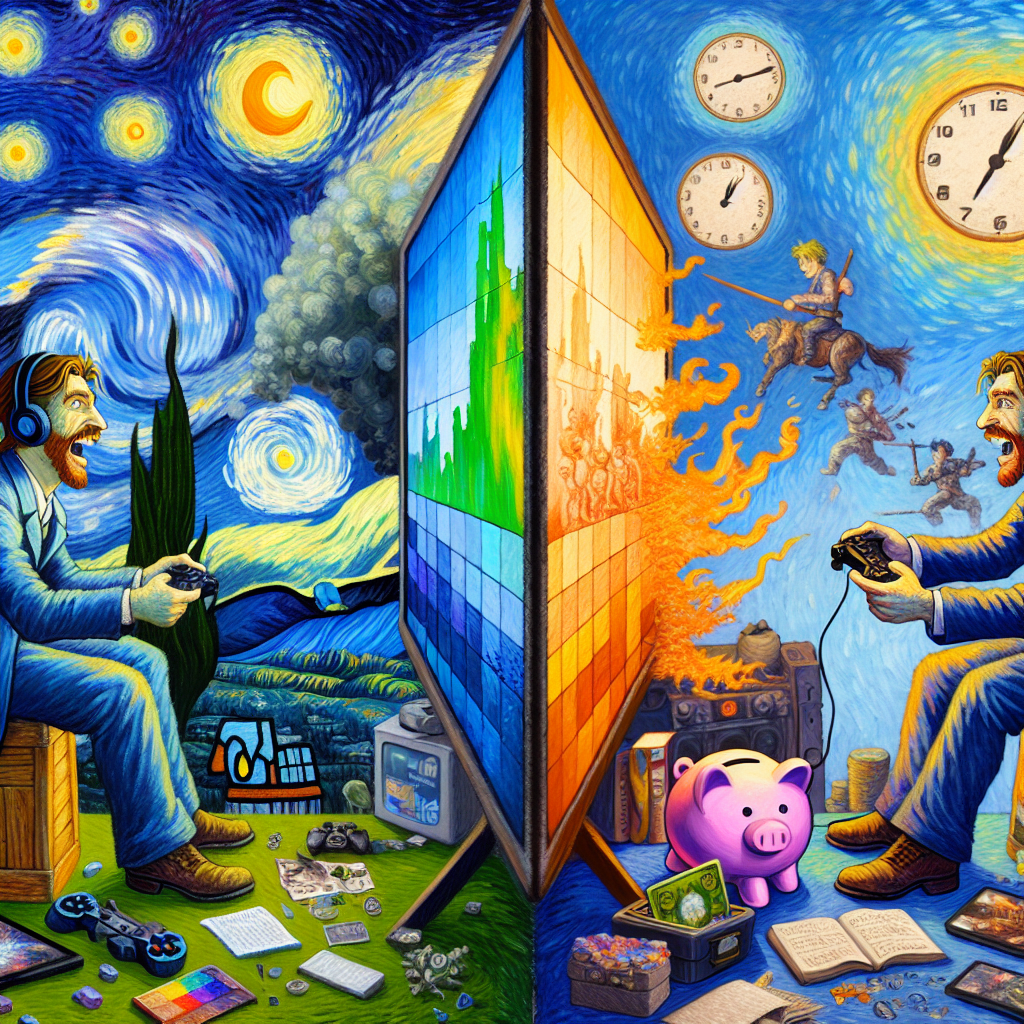
Imagine a young gamer, immersed in a fantastical quest where stakes are high and challenges arise with every turn. When they face a daunting boss battle, they don’t instinctively crumble. Instead, they analyze strategies, learn from mistakes, and adapt their approach. This problem-solving process trains their brain to tackle stress with a sense of persistence and creativity. After all, if they can defeat a dragon or outsmart an opponent, why not tackle a math test or a difficult social situation?
Moreover, multiplayer environments promote teamwork and communication. Kids often collaborate with peers, developing their ability to work within a team, articulate their thoughts, and manage differing opinions—skills that are invaluable when navigating the pressures outside the gaming world. In many ways, these interactions serve a dual purpose: they build friendships while reinforcing healthy coping mechanisms.
Now, before anyone gets the notion that gaming is some kind of magical stress remedy, it’s crucial to approach the topic with balance. Gaming in moderation, coupled with other healthy habits, can create a fortifying blend that impacts resilience positively. By encouraging kids to engage with video games mindfully, we unlock the potential for development that goes beyond mere entertainment.
The narrative shifts from the static world of stereotypes to a dynamic view of resourcefulness and adaptability. Those gaming kids aren’t just playing; they’re training—not just for their next adventure, but for life’s bumps along the road. So next time you hear a kid discussing their latest gaming exploits, remember: they’re not just playing. They might just be learning to cope.
Do Gaming Kids Have Better Coping Mechanisms For Stress?
Do Gaming Kids Have Better Coping Mechanisms For Stress?
- Common stereotypes depict kids as isolated gamers in dark rooms, but there’s a deeper narrative.
- Gamification applies game design principles to real-life situations, helping kids navigate challenges.
- Playing games hones problem-solving skills, allowing kids to analyze and adapt strategies under pressure.
- Successful gaming experiences teach persistence and creativity, useful for handling real-life stressors.
- Multiplayer games foster teamwork and communication, developing skills for collaboration and managing differing opinions.
- Moderation in gaming, combined with healthy habits, enhances resilience and coping mechanisms in children.
- Engaging with video games mindfully can lead to personal growth beyond mere entertainment.

Do Gaming Kids Have Better Coping Mechanisms For Stress?
Conclusion
In today’s tech-driven society, where screens dominate our lives, it’s easy to sideline gaming as just a pastime. But let’s pause and think about what’s really going on behind those brightly colored graphics and epic quests. Gaming, when harnessed correctly, can be a powerful crucible for developing resilience, confidence, and vital life skills in our children. This isn’t merely about thumb agility; it’s about strategic thinking, teamwork, and problem-solving, all wrapped up in a package kids find irresistible.
When kids dive into virtual worlds, they’re not just escaping reality—they’re preparing themselves for it. Consider a child confronted with a perplexing puzzle or a fierce opponent. Each attempt, each failure, translates into uncompromising grit. This persistence is what builds resilience, the very trait we admire in adulthood. Those failures in a game aren’t setbacks; they’re source materials for future success. Kids learn that every dragon they face may teach them something, preparing them to tackle even the most daunting real-world challenges with a new mindset.
But let’s not overlook the social skills being forged in multiplayer scenarios. Picture your child strategizing a winning plan with allies around the globe. They argue, negotiate, and collaborate to achieve a shared goal. Those interactions are akin to team sports—except now, they’re forming friendships in the digital creek, all while honing empathy, conflict resolution, and support. This camaraderie and collaboration are skills critical for any future workplace.
And while we can’t ignore the potential downsides of too much screen time, it’s equally important to recognize the upside when gaming is woven into a balanced lifestyle. Imagine guiding a child to reflect on their digital victories and setbacks, connecting those experiences to their daily lives. They’re not merely pressing buttons; they’re learning to cope, strategize, and grow alongside friends, gaining life lessons that extend beyond their living rooms.
So, as we wrap up this conversation on gaming and resilience, let’s reframe how we view those joysticks and controllers. Rather than merely seeing screens as distractions, let’s celebrate them as innovative tools for personal development. By engaging with our kids in their gaming adventures, we can better understand their worlds—and who knows, we might uncover a powerful way to help shape a generation ready to face the trials and triumphs that await them. After all, in the game of life, it’s the skills we build today that lay the groundwork for tomorrow’s champions.

Conclusion
Conclusion:
- Gaming can be a powerful tool for developing resilience, confidence, and vital life skills in children.
- Engagement in gaming helps children learn strategic thinking, teamwork, and problem-solving.
- Failures in games foster grit and resilience, preparing children to face real-world challenges.
- Multiplayer gaming encourages social skill development through strategizing, negotiation, and collaboration.
- Camaraderie in gaming forms critical workplace skills like empathy and conflict resolution.
- When balanced with other activities, gaming can provide valuable life lessons and coping strategies.
- Viewing gaming as a tool for personal development allows parents to engage with and understand their children’s experiences.

Conclusion
Other Resources
Other Resources
Here is a list of other resources you can review online to learn more:
- Champions of Midgard
- Root: The Riverfolk Expansion
- Rahdo Runs Through
- No Pun Included
- What’s Your Game?
- The Game Boy Geek
- Fields of Arle
- Google My Business
- Renegade Game Studios
Use This Prompt To Get More Resources With Your Favorite Online AI Tool: Please provide me with a list of online articles with their URLs in a bulleted list that I can read regarding Are Gaming Kids Better At Overcoming Real Life Challenges?

Other Resources
Glossary Terms
Are Gaming Kids Better At Overcoming Real Life Challenges? – Glossary Of Terms
1. Adaptability: The ability to adjust to new conditions or situations, often seen in gamers who switch strategies to overcome obstacles in games.
2. Cognition: The mental processes involved in gaining knowledge and understanding, including perception, reasoning, and judgment, which can be enhanced through gaming.
3. Critical Thinking: The analysis of facts to form a judgment; an important skill that can be developed through problem-solving in gaming scenarios.
4. Collaboration: Working together with others to achieve a common goal; many games encourage teamwork, fostering collaborative skills among players.
5. Resilience: The capacity to recover quickly from difficulties; often displayed in players who face challenges in games and learn to persevere.
6. Decision-Making: The process of making choices, particularly under pressure; gaming often requires quick and strategic decision-making.
7. Spatial Awareness: The understanding of objects and their relationship in space; improved through navigating complex virtual environments in games.
8. Emotional Intelligence: The ability to recognize and manage emotions in oneself and others; gaming can enhance social skills through interactions with other players.
9. Goal Setting: The practice of defining objectives; gaming typically involves setting and achieving goals, teaching kids to pursue long-term aims.
10. Multitasking: Managing multiple tasks at once; many games require players to juggle various elements simultaneously, fostering this skill.
11. Feedback: Information about performance or behavior used to improve further actions; gamers often receive real-time feedback, enhancing learning processes.
12. Strategic Planning: The process of defining a strategy to achieve specific goals; gaming often necessitates foresight and planning to navigate complex scenarios.
13. Communication Skills: The ability to convey ideas effectively; multiplayer games encourage verbal and non-verbal communication among players.
14. Problem-Solving: The process of finding solutions to difficult or complex issues; games often present challenges that require innovative solutions.
15. Motivation: The internal drive that prompts action; gaming can instill a sense of achievement that boosts motivation in real-life tasks.
16. Focus: The ability to concentrate on tasks without distractions; many games require sustained focus to progress and succeed.
17. Time Management: The skill of organizing and planning how to divide time between various activities; gaming can teach players to allocate their time wisely.
18. Socialization: The process of interacting and building relationships; online multiplayer games facilitate social connections among players.
19. Risk Assessment: Evaluating potential risks vs. rewards in decision-making; strategy games often involve weighing risks to achieve success.
20. Creativity: The ability to create new ideas or concepts; sandbox games, in particular, encourage creative thinking and experimentation.
21. Grit: Perseverance and passion for long-term goals; gamers often develop grit by facing challenges and setbacks in games.
22. Discipline: The ability to train oneself to follow rules and stay committed; progressing in games often requires dedication and self-control.
23. Leadership: The ability to guide and influence others; multiplayer games can help kids develop leadership qualities through teamwork.
24. Persistence: Continuing in spite of difficulty or opposition; gaming teaches players to keep trying after failures.
25. Empathy: The ability to understand and share the feelings of others; role-playing games often involve scenarios that enhance empathic skills.
26. Attention to Detail: The ability to notice and consider every small part of something; many games require players to be detail-oriented to succeed.
27. Resource Management: The efficient and effective deployment of resources; strategy games teach players to allocate resources wisely for success.
28. Game Theory: A field of mathematics and economics that studies strategic interactions; understanding game theory can improve critical thinking in competitive situations.
29. Simulation: The imitation of a real-world process; simulation games provide experiences that can translate to real-life situations.
30. Virtual Reality (VR): An immersive computer-generated environment; VR gaming can enhance real-life skills like spatial awareness and problem-solving in unique scenarios.

Glossary Of Terms
Other Questions
Are Gaming Kids Better At Overcoming Real Life Challenges? – Other Questions
If you wish to explore and discover more, consider looking for answers to these questions:
- What specific skills do gaming kids develop through their gaming experiences?
- Are there studies that support the idea that gaming improves resilience?
- How can parents facilitate discussions around their child’s gaming experiences?
- What types of video games are most beneficial for skill development?
- Are there negative effects of gaming on children’s social skills?
- How can parents balance gaming with other activities for holistic development?
- What role do educators play in harnessing the power of gaming for learning?
- How much gaming is considered healthy for a child’s development?
- Are girls and boys affected differently by gaming in terms of skill development?
- What are some examples of games that promote collaboration and teamwork?

Other Questions
Haiku
Are Gaming Kids Better At Overcoming Real Life Challenges? – A Haiku
Gaming realms prepare,
Kids build strength through every quest—
Life’s challenges faced.
Haiku
Poem
Are Gaming Kids Better At Overcoming Real Life Challenges? – A Poem
In the Realm of Pixels and Play
In a world where screens do shine,
Kids embark on quests divine,
Dancing through vibrant lands,
Learning to solve with steady hands.
From puzzles spun in webs of light,
To battles won in virtual fight,
Each challenge faced, each level climbed,
Shapes problem-solving, finely timed.
With camaraderie their guiding star,
They gather friends from near and far,
Communication blooms and grows,
Empathy in teamwork flows.
Gamification paints the gray,
Turning chores into games to play,
As they strategize and think anew,
Life’s trials seem less daunting too.
Resilience rises from each defeat,
With grit and grace, they find their feet,
For every setback, they learn and mend,
Those gaming kids, they rise and transcend.
They wield their controllers, not just for fun,
But as tools of growth, they’ve just begun,
Building skills for the world outside,
Confidence and courage as their guide.
So celebrate their digital forays,
For in every quest, there lie new ways,
To tackle life, robust and bold,
With every story and game retold.
In the realm of pixels, magic flows free,
Preparing young hearts for what’s yet to be,
For those who conquer dragons in the night,
Will face the giants of life—ready to fight.

Poem
Checklist
Are Gaming Kids Better At Overcoming Real Life Challenges? – A Checklist
Checklist: Unlocking the Power of Gaming for Kids’ Resilience and Skills
1. Recognize Game-Related Skills
_____ Identify cognitive skills your child is developing through gaming (e. g. , problem-solving, strategic thinking).
2. Encourage Reflection on Gaming Experiences
_____ Ask your child to share challenges they faced in games and how they overcame them.
3. Connect Gaming to Real-Life Situations
_____ Discuss parallels between obstacles faced in games and those in real life (e. g. , school projects, social interactions).
4. Promote Teamwork and Collaboration
_____ Encourage participation in multiplayer games to foster teamwork and communication skills.
5. Support Emotional Resilience
_____ Discuss how failures in games can lead to valuable lessons about perseverance and adaptation.
6. Explore Genre-Specific Benefits
_____ Try different genres (e. g. , role-playing, strategy, puzzle games) to see which ones leverage problem-solving skills best.
7. Establish Healthy Gaming Habits
_____ Set time limits for gaming, ensuring it remains a balanced part of your child’s life along with other activities.
8. Engage with Their Gaming
_____ Play games together or observe your child gaming to understand their experiences and challenges.
9. Foster Communication Skills
_____ Encourage your child to articulate strategies and discuss their team dynamics while gaming.
10. Celebrate Achievements
_____ Recognize and celebrate both in-game and real-life achievements to boost confidence.
11. Encourage Goal Setting
_____ Help your child set specific, achievable goals in both gaming and real-life tasks.
12. Discuss Stress Management
_____ Talk about how gaming can serve as a healthy outlet for stress and a means of developing coping strategies.
13. Utilize Gamification Beyond Gaming
_____ Apply gamification techniques to everyday tasks (e. g. , chores, homework) to make them more engaging.
14. Instill a Growth Mindset
_____ Teach your child that every challenge is an opportunity to learn and grow, both in games and life.
15. Build a Supportive Community
_____ Encourage friendships both in gaming and in real life, emphasizing the importance of social connections.
By following this checklist, you can help nurture your child’s resilience and skills through their gaming experiences, turning play into a powerful tool for personal growth.

Checklist
At HowDoYouGame, we help people who love board games by collating information and news about games.
Be sure to read our other related stories at HowDoYouGame to learn more about games.