


Leveling Up: How Gaming Is Shaping Kids’ Problem-Solving”
By Tom Seest
At HowDoYouGame, we help people who love board games by collating information and news about games.
Be sure to read our other related stories at HowDoYouGame to learn more about games.
Is Gaming Revolutionizing Life Problem Solving Skills for Kids?
Imagine a world where the mysteries of problem-solving aren’t met with groans and eye-rolls, but with the infectious excitement of a new high score. This is not a fantasy realm reserved for the masterful gamers and digital elites; it’s the reality being shaped right now by a curious blend of play and learning—commonly framed as gamification. This approach is transforming the way kids tackle challenges, both big and small.
Now, you might be thinking, “Can video games really teach my child anything useful?” Well, let’s take a closer look at how games have morphed from mere entertainment into powerful learning tools. Gone are the days when gaming was, quite frankly, just a way to kill time. Today’s games are intricately designed to engage players, rewarding them for strategic thinking, adaptability, and creative problem-solving. Unlike those dreaded math problems that seem to pop out of nowhere on a homework sheet, gaming offers kids a dynamic landscape where failure is merely a stepping stone to success.
Consider the scenarios wrapped in the fabric of these digital quests. A player might find themselves faced with an impossible boss battle. The stakes are high, the obstacles daunting, and yet, the path to victory is paved with persistence and ingenuity. In this interactive arena, kids learn that setbacks are just part of the game and that resilience is often the key to overcoming the odds.
What’s genuinely remarkable is watching kids take these lessons from the screen into their day-to-day lives. Suddenly, those complex social dynamics at school or the troubling math homework become puzzles they feel equipped to solve. The same strategic thinking required to conquer a virtual enemy spills over to real-world situations, guiding them as they negotiate friendships, manage time, or even approach an intimidating task.
So, let’s champion this convergence of play and education! By embracing gamification, we aren’t just allowing our children to play; we are gifting them the tools for future success. Encourage your kids to dive into games that challenge them—not out of obligation, but from the thrill of mastering a skill. Watch as they transform from players into problem solvers, equipped to take on whatever life throws their way with confidence and a dash of innovative thinking. Whether it’s navigating the digital world or tackling real-life challenges, gaming is indeed revolutionizing how young minds approach problem-solving, one level at a time.

Is Gaming Revolutionizing Life Problem Solving Skills for Kids?
Is Gaming Revolutionizing Life Problem Solving Skills for Kids?
- Gamification combines play and learning, reshaping problem-solving excitement for children.
- Video games have evolved into valuable learning tools, promoting strategic thinking and adaptability.
- Gaming engages kids in a dynamic environment where failure serves as a stepping stone to success.
- Players learn resilience by encountering challenges and setbacks during gaming experiences.
- Lessons learned in gaming translate into real-life skills, aiding in social dynamics and academic challenges.
- Encouraging children to engage with challenging games fosters problem-solving skills and confidence.
- Gaming is revolutionizing how children approach challenges, blending digital experiences with real-life applications.

Is Gaming Revolutionizing Life Problem Solving Skills for Kids?
Table Of Contents
- Is Gaming Revolutionizing Life Problem Solving Skills for Kids?
- Is Gaming Enhancing Critical Thinking In Children?
- How Do Games Improve Decision-Making Skills?
- Can Gaming Foster Teamwork Among Kids?
- Are Video Games Effective For Teaching Resilience?
- Do Puzzle Games Improve Cognitive Abilities In Children?
- How Can Role-Playing Games Boost Creativity In Kids?
- What Role Does Gaming Play In Academic Problem Solving?
- Conclusion
- Other Resources
- Glossary Of Terms
- Other Questions
- Haiku
- Poem
- Checklist
Is Gaming Enhancing Critical Thinking In Children?
Ah, the world of gaming. Once upon a time, it was easy to dismiss it as a mere pastime—for those dedicated to the pursuit of high scores and pixelated glory. But if you take a closer look, you might notice something remarkable happening behind those screens. Gaming, my friends, has evolved into a dynamic training ground for critical thinking.
Imagine a child nestled into their favorite gaming chair, lost in a realm where every decision counts. The stakes are high, but so are the rewards. In these virtual environments, kids become strategists, problem-solvers, and creative thinkers. They don’t just point and shoot; they navigate a world filled with challenges and consequences, making choices that can lead to triumph or disaster. This is where gamification shines, transforming learning and development into an engaging, interactive experience.
Let’s bridge the gap a bit here. Remember those moments in school when critical thinking was reduced to rote memorization and standardized tests? Well, gaming offers a refreshing alternative. Take a role-playing game where kids must collaborate to defeat a formidable foe. They need to gather resources, strategize, and communicate effectively with their peers. Each decision shapes the narrative, mirroring real-life situations where critical thinking is paramount.
It doesn’t stop at strategy, though. Many games introduce moral dilemmas and complex storylines that challenge players’ values and beliefs. When faced with a decision that impacts both their character and the virtual world, kids learn to weigh outcomes and consider perspectives they might not encounter in day-to-day life. It’s a bridge to empathy as well—a necessary skill in navigating today’s world.
Now, I’m not suggesting we throw out traditional education. Far from it. But wouldn’t it be something if classrooms infused this level of engagement and excitement? Just envision a world where kids tackle math problems as quests or science experiments as thrilling adventures. The key lies in harnessing the power of gaming’s interactive nature.
So, next time you see your child immersed in their gaming world, don’t just roll your eyes or shoo them outside. Instead, take a moment to appreciate the skills they’re developing—skills we desperately need as we face an increasingly complex world. After all, critical thinking isn’t just a skill for school; it’s a necessity for life. Let’s encourage our kids to play, explore, and think outside the box—because in their imaginative games lie the seeds of tomorrow’s innovators and leaders.

Is Gaming Enhancing Critical Thinking In Children?
Is Gaming Enhancing Critical Thinking In Children?
- Gaming has evolved from a simple pastime to a platform for developing critical thinking skills.
- Children engage deeply in games, making choices that affect outcomes and honing their strategic thinking.
- Games often require collaboration, resource gathering, and effective communication among players.
- Players face moral dilemmas and complex storylines that challenge their beliefs and values.
- Gaming promotes empathy as kids consider different perspectives during gameplay.
- Integrating gaming principles into education could enhance engagement in subjects like math and science.
- Encouraging children to play can cultivate essential skills for navigating a complex world.

Is Gaming Enhancing Critical Thinking In Children?
How Do Games Improve Decision-Making Skills?
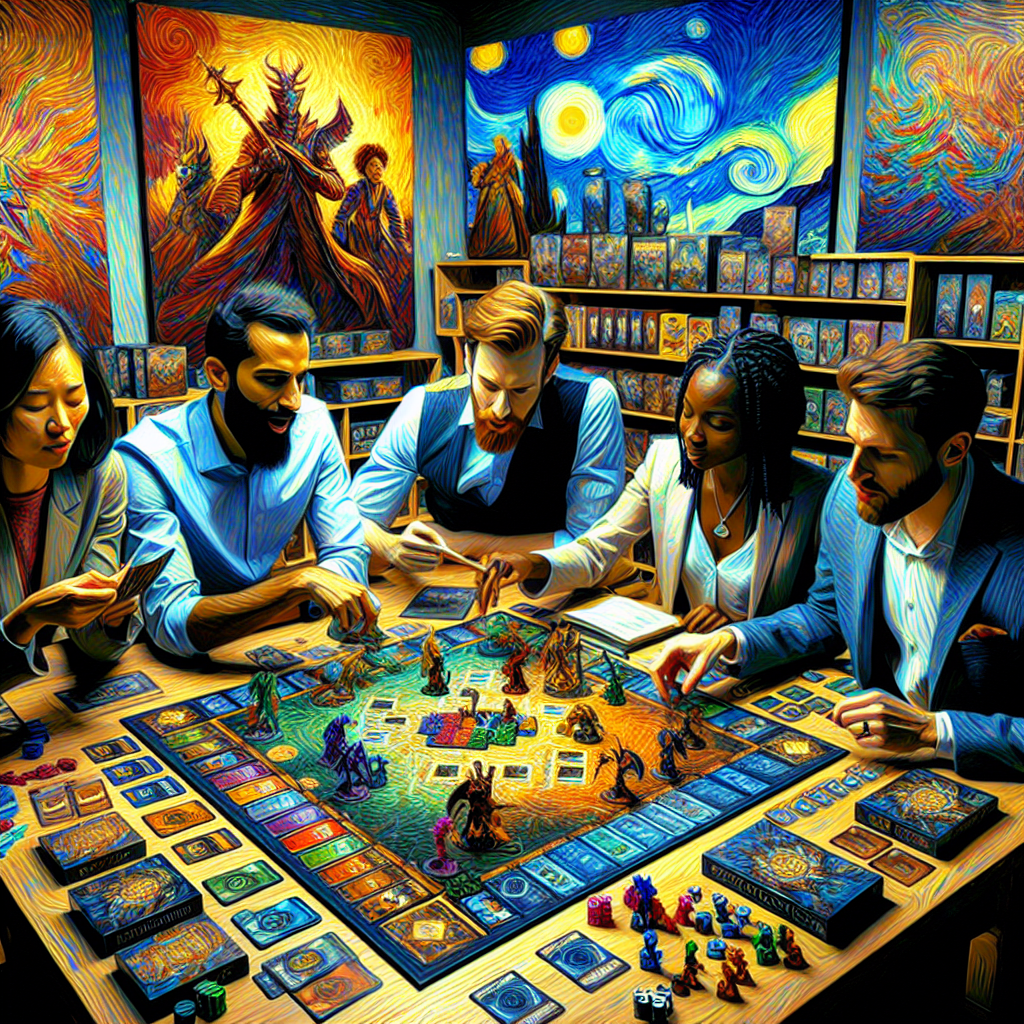
Let’s talk about something we all love—games. Whether it’s a quick round of chess with a friend, a treacherous journey in a fantasy realm, or a nail-biting match on the basketball court, the world of gaming isn’t just a playground for fun; it’s a training ground for our minds. The phenomenon known as gamification has seeped into our everyday lives, and it’s showing us that decision-making can be learned and improved.
Picture this: you’re faced with a critical decision. Maybe it’s a personal choice about your career direction, or perhaps it’s a tough call in a group project. How do you make that choice? In the realm of gaming, each decision—whether it’s picking your next move in a strategy game or deciding how to allocate resources—carries weight. These scenarios mirror real-life situations where a split-second choice can lead to victory or defeat. As you dive headfirst into a game, you’re not just tapping buttons; you’re training your brain to assess risks, analyze consequences, and anticipate reactions.
What makes this all the more exciting is the element of gamification. It infuses aspects of games into everyday activities, encouraging a mindset where learning becomes engaging. From educational apps that make math feel like a quest to corporate training programs that incorporate game-like challenges, we are learning to navigate decisions as if they were levels in a game. These experiences equip us with tools that we can apply outside the virtual battlefield.
Consider the intricate mechanics of role-playing games (RPGs). When you step into the shoes of a character, every choice counts. Do you rush into battle or think through your strategy? These are not just fanciful choices; they develop a critical thought process that can help you weigh your options when unexpected challenges arise in life. Over time, this kind of practice builds your confidence—suddenly, you’re no longer intimidated by decision-making; you’re prepared for it.
So, next time you find yourself in the throes of a gripping game, remember: you are more than just a player; you are a decision-maker in training. Embrace the lessons, revel in the risks, and, who knows? You might find that you’ve not only leveled up your gaming skills but also sharpened your decision-making prowess in the process. Give it a try—it’s fun and filled with potential!

How Do Games Improve Decision-Making Skills?
How Do Games Improve Decision-Making Skills?
- Games serve as a training ground for decision-making skills.
- Each choice in gaming mirrors real-life situations with weighty consequences.
- Gamification makes learning engaging by incorporating game elements into daily activities.
- Educational apps and training programs are examples of gamification in action.
- Role-playing games (RPGs) highlight the importance of critical thinking in decision-making.
- Practicing decision-making in games builds confidence for real-life challenges.
- Embrace gaming as a way to enhance both gaming skills and decision-making abilities.
How Do Games Improve Decision-Making Skills?
Can Gaming Foster Teamwork Among Kids?
Let’s face it: the world of gaming isn’t just pixels on a screen; it’s a vibrant universe where kids can connect, collaborate, and conquer challenges together. Now, if you think gaming is just about mindless button mashing, it’s time to reconsider. Beneath the surface of animated characters and virtual landscapes lies a powerful opportunity for teamwork, camaraderie, and yes, even learning.
When we talk about *gamification*, we’re not merely throwing around tech jargon. We’re acknowledging a fundamental truth: games motivate and engage. They boast a unique ability to transform mundane tasks into thrilling quests. Imagine your child navigating a treacherous dungeon alongside friends. They’re not just tapping away at buttons; they’re strategizing, communicating, and problem-solving in real time. Each challenge requires them to rely on one another’s strengths, fostering a camaraderie that translates into real life.
Picture this: a group of kids gathering online for an adventure, each armed with their unique skills. One might be an expert sniper, while another has an uncanny knack for building defenses. As they battle against opponents or work toward a common goal, they learn the invaluable lesson of collaboration. They find out that winning isn’t just an individual achievement; it thrives on teamwork. That’s a powerful life skill, and one that’s desperately needed in today’s world.
Let’s not sugarcoat it: gaming can cultivate a sense of belonging. For many kids, especially those who may feel a bit lost in traditional spaces, the gaming realm offers a welcoming community. It provides an avenue for mutual support and friendships, which are built on shared experiences. And in a world where social skills often play a crucial role in success, these experiences are anything but trivial.
Of course, this isn’t to say that supervision and balance are unnecessary. Like all good things, gaming should come with guidelines. Yet, when harnessed properly, it can be a minus the stigma clouding it—an opportunity for kids to learn about teamwork in an engaging, memorable way.
So, let’s not dismiss gaming outright. Instead, let’s embrace it as a stepping stone—a fun and dynamic way for our kids to build essential life skills, tackle challenges, and work together. In the midst of battles and quests, they are forging friendships and laying down the groundwork for future collaboration. And isn’t that what it’s all about?

Can Gaming Foster Teamwork Among Kids?
Can Gaming Foster Teamwork Among Kids?
- The gaming world offers opportunities for connection, collaboration, and overcoming challenges.
- Gaming goes beyond mindless play; it encourages teamwork, camaraderie, and learning.
- Gamification transforms mundane tasks into exciting quests, motivating engagement.
- Children develop valuable collaboration skills as they work together in online adventures.
- Gaming fosters a sense of belonging and community, especially for those feeling lost in traditional environments.
- While gaming requires supervision and balance, it provides a unique platform for learning cooperation.
- Embracing gaming can help kids build essential life skills and friendships in a fun, dynamic way.

Can Gaming Foster Teamwork Among Kids?
Are Video Games Effective For Teaching Resilience?
Let’s take a moment to step back and consider a familiar scene: your favorite gaming console whirring to life, the vibrant colors bursting onto the screen, and the unmistakable hum of challenge in the air. Picture it—your avatar is about to face obstacles that seem insurmountable, a veritable mountain of adversity that would give even the most seasoned heroes pause. Yet, here you are, remote in hand, ready to tackle whatever comes your way. This is where the magic of gamification kicks in.
Now, you might wonder how dodging digital fireballs or collecting magical coins could impart any life lessons, particularly the highly valuable trait of resilience. But hold that thought. Video games, particularly those designed with intention, immerse players in environments where failure is a mere stepping stone to success. Instead of being discouraged by setbacks, players learn to adapt, adjust their strategies, and, importantly, try again.
Consider this: Life is a lot like a challenging video game. It throws curveballs—unexpected hurdles that can either knock you down or teach you to rise up, dust yourself off, and get back in the game. It’s all about effort, grit, and a willingness to learn from your missteps. These digital experiences create an arena where resilience is not just an abstract concept but a skill that is honed through repeated trials. They help transform the fear of failure into a catalyst for growth.
So, when you see your younger cousin grinding through levels, losing to bosses, or meticulously strategizing their next move, you’re witnessing firsthand the education of resilience. Each reset, each retry, allows them to develop a tenacity that can translate seamlessly into real-world challenges. And let’s face it—whether it’s preparing for a tough exam, overcoming a personal setback, or navigating the complexities of adulthood, the lessons learned inside the gaming world can serve as potent tools for handling life’s unpredictability.
Engaging with video games isn’t just about the fun (though, let’s be honest, it’s a great perk!). It’s about embracing a mindset that encourages perseverance. When we approach challenges—both virtual and real—with an attitude shaped by these tailored experiences, we become not just players in a game but players in the game of life. So, take a moment to recognize the potential that lies within these pixelated adventures. The road gets tough, but if you’ve got resilience on your side, you’ll always be ready to respawn.

Are Video Games Effective For Teaching Resilience?
Are Video Games Effective For Teaching Resilience?
- Gaming consoles create immersive environments where players face challenging obstacles.
- Gamification teaches resilience by transforming failure into learning opportunities.
- Players adapt strategies and persist through setbacks to achieve success.
- Life parallels a challenging video game, presenting unexpected hurdles to overcome.
- Video games cultivate skills like effort, grit, and learning from mistakes.
- Engagement with games supports the development of tenacity applicable to real-world challenges.
- Resilience gained in gaming prepares individuals for life’s unpredictability.

Are Video Games Effective For Teaching Resilience?
Do Puzzle Games Improve Cognitive Abilities In Children?
When we think about our younger generation, we often envision them glued to screens, swiping away at games that leap off the page and into the virtual world. While some might raise their eyebrows and worry about the negative effects of screen time, it’s important to take a step back and consider the world of puzzle games—a realm where cognitive development can flourish, especially when we talk about gamification.
Puzzle games aren’t just a source of entertainment; they can be an engaging platform for learning. There’s something inherently satisfying about solving a conundrum, whether it’s finding the right shape to fit in a slot, completing a jigsaw puzzle, or solving a cryptic crossword. These games appeal to the innate curiosity that children possess, inviting them into a world where their problem-solving skills can shine. When kids face challenges in puzzle games, they’re not just killing time; they’re developing critical thinking skills, enhancing memory, and fostering creativity—all essential cognitive abilities that lay the foundation for future success.
Let’s be clear: when we talk about gamification, we’re not just discussing the incorporation of game elements into learning. We’re exploring the potent combination of motivation and engagement that makes kids want to sit down and wrestle with a brain teaser. Think of it like this: when kids tackle a jigsaw puzzle, the thrill of finding that elusive piece not only boosts their spirits; it sharpens their ability to process information, recognize patterns, and think strategically.
Moreover, unlike rote learning, puzzles encourage perseverance. They teach kids that working through something challenging can lead to rewarding outcomes. Every time they fit in a piece or crack a tricky riddle, they’re building a resilient mindset. This journey of trial and error, where failure is merely a stepping stone, is invaluable.
So, how can we tap into this potential? Parents and educators alike can lean into the world of puzzle games that incorporate gamification elements. Look for games that challenge kids while keeping them engaged. After all, combining fun with learning creates an environment where cognitive growth isn’t just possible—it’s likely. So, let’s foster a generation that tackles challenges head-on, one puzzle piece at a time.

Do Puzzle Games Improve Cognitive Abilities In Children?
Do Puzzle Games Improve Cognitive Abilities In Children?
- The younger generation is often seen engaged with screens, particularly through puzzle games.
- Puzzle games serve as a platform for cognitive development, promoting critical thinking and creativity.
- These games tap into children’s natural curiosity and enhance problem-solving skills.
- Gamification combines motivation and engagement, making learning through games enjoyable.
- Puzzle-solving fosters perseverance, teaching children that challenges can lead to rewarding outcomes.
- Parents and educators should seek puzzle games that balance challenge with engagement to facilitate learning.
- Encouraging puzzle engagement can cultivate a resilient mindset and cognitive growth in children.

Do Puzzle Games Improve Cognitive Abilities In Children?
How Can Role-Playing Games Boost Creativity In Kids?
When you think of kids honing their creativity, images of paint-splattered aprons and backyard adventures might come to mind. But there’s another arena that can spark a child’s imagination, and it often involves a table, a set of dice, and the kind of camaraderie that turns strangers into lifelong friends—role-playing games (RPGs). If you haven’t delved into this world yet, you might be surprised to learn just how much gamification can unleash the creative potential locked away in young minds.
Imagine a group of kids huddled around a table, their faces lit with the excitement of crafting a tale. Armed with nothing but imagination, they transform into heroes, wizards, or even whimsical creatures, embarking on grand quests that challenge their ingenuity. In this space, creativity isn’t just encouraged; it’s essential. Each decision they make can lead to unexpected twists and turns, teaching them to think on their feet and adapt like never before. And it isn’t about winning or losing; it’s about the journey, the storytelling, and the collaborative world-building.
By interacting in this imaginative playground, children learn to express their thoughts and feelings. They practice problem-solving in ways that formal education rarely allows, envisioning solutions to obstacles that would stump even the most seasoned adult. They learn to create narratives, mixing plot with character arcs, and feeling a palpable thrill when the story flows from their fingertips. It’s like writing a novel with friends, where every chapter is exclusive, and every plot twist is up for negotiation. This cooperative spirit fosters confidence, reduces the fear of failure, and encourages kids to take risks—key ingredients in the recipe for creative success.
Moreover, RPGs introduce a world where the mundane fades away, creating a canvas for pure imagination. Kids don’t just play; they inhabit characters, embody traits, and explore perspectives outside their own. This not only broadens their understanding of empathy but also strengthens their ability to visualize concepts and ideas they might not have considered otherwise.
In short, engaging with role-playing games isn’t merely child’s play; it’s a formidable tool for encouraging creativity. So, if you’re looking to light that creative spark in the young people in your life, grab some dice, gather around, and roll the adventure into action. Who knows? You might just find yourself inspired along the way.

How Can Role-Playing Games Boost Creativity In Kids?
How Can Role-Playing Games Boost Creativity In Kids?
- Role-playing games (RPGs) can significantly enhance children’s creativity beyond traditional activities.
- Kids immerse themselves in imaginative storytelling, assuming the roles of various characters that embark on quests.
- Creativity is essential in RPGs, teaching kids to think critically and adapt to evolving situations.
- RPGs promote collaborative world-building, focusing on the storytelling journey rather than winning or losing.
- Children learn problem-solving skills and narrative creation in a supportive environment that encourages risk-taking.
- Playing RPGs fosters empathy by allowing kids to explore different characters’ perspectives and emotions.
- Overall, RPGs serve as powerful tools to ignite creativity in children, inviting them to engage in imaginative adventures.

How Can Role-Playing Games Boost Creativity In Kids?
What Role Does Gaming Play In Academic Problem Solving?
Imagine sitting at a desk, staring blankly at a textbook filled with equations, while the clock ticks down relentlessly. Sound familiar? For many of us, traditional academic tools can feel more like a chore than a choice, leading to frustration rather than understanding. But what if I told you there’s a different path? A route less traveled that involves diving into the colorful worlds of gaming? Yes, that’s right—gamification, the integration of game-like elements into learning, is reshaping how we tackle academic problem solving.
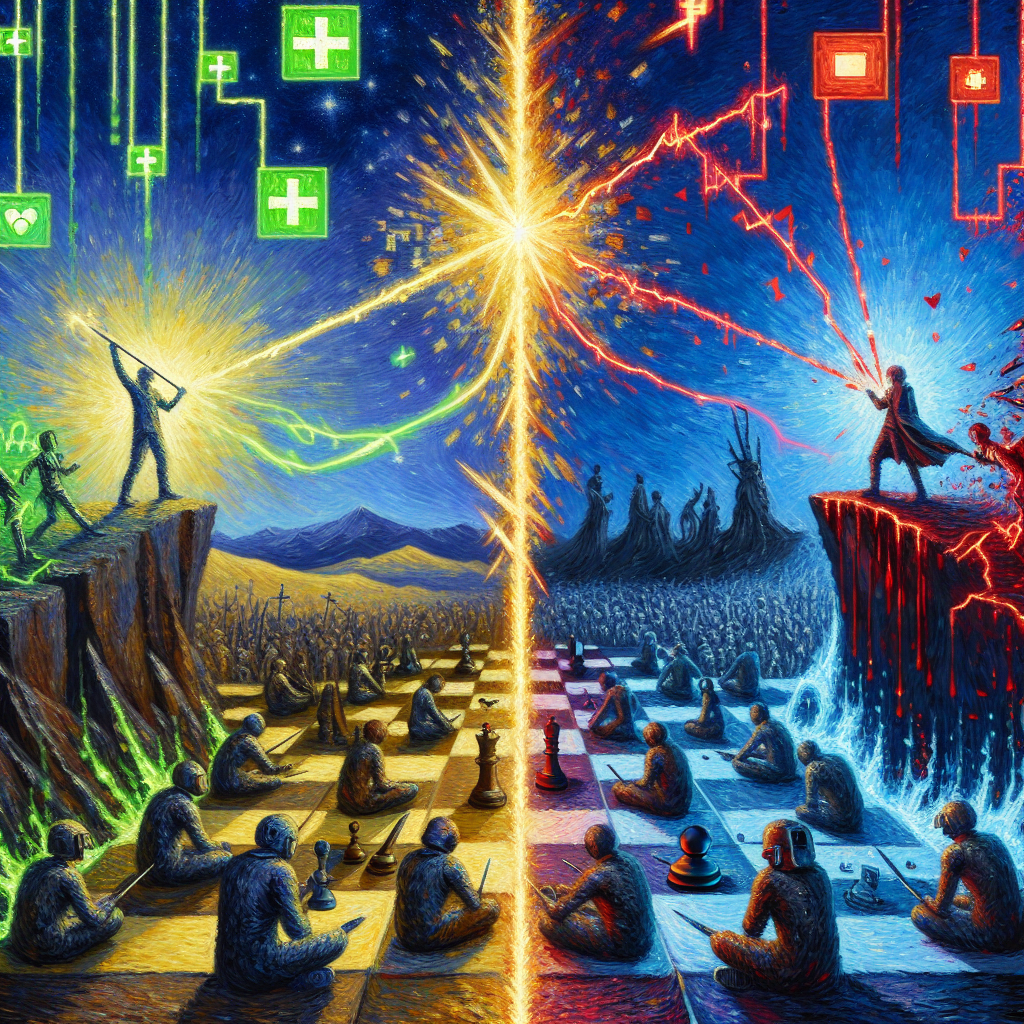
Let’s break it down. Picture this: you’re navigating a digital landscape, facing challenges that require strategic thinking and teamwork. Suddenly, those seemingly insurmountable math problems transform into engaging quests. You’re not just memorizing formulas; you’re applying them in real-time scenarios, immersed in an experience that feels less like studying and more like a high-stakes adventure. That’s the magic of gamification. It’s about taking the pressure off and making problem-solving feel like second nature, using mechanics that motivate and engage.
But it’s more than just making learning fun. When we gamify academic challenges, we foster an environment ripe for experimentation. Failure becomes less of a setback and more of a stepping stone. Each “game over” can offer insight, and every written equation isn’t just a line on a page—it’s a puzzle begging to be solved. This constructive mindset breeds resilience, encouraging students not to shy away from complex problems but to dive into them headfirst, equipped with the skills they’ve practiced in a virtual arena.
Let’s also talk about community. Multiplayer games allow learners to collaborate, communicate, and share strategies—a dynamic not often found in traditional classrooms. Suddenly, every puzzle becomes a shared mission rather than a solitary task. Working with peers fosters a sense of belonging, reinforcing that learning is about more than just grades; it’s about connection and camaraderie.
So, whether you’re a student, educator, or parent, consider embracing the gaming revolution in academic settings. Encourage exploration of educational games that promote critical thinking and problem-solving. It’s time to level up—because with gamification, the path to knowledge becomes a grand adventure, transforming the way we learn and grow. Ready to play?
What Role Does Gaming Play In Academic Problem Solving?
What Role Does Gaming Play In Academic Problem Solving?
- Traditional academic tools can often feel tedious, leading to frustration in learning.
- Gamification integrates game-like elements into education, reshaping academic problem-solving.
- Engaging quests turn math problems into strategic challenges, making studying more enjoyable.
- Gamification promotes a constructive mindset, viewing failure as a stepping stone to success.
- It encourages resilience, helping students tackle complex problems confidently.
- Multiplayer games foster collaboration and communication among learners, enhancing the sense of community.
- Embracing educational games can transform the learning experience into an adventurous journey.

What Role Does Gaming Play In Academic Problem Solving?
Conclusion
In the ever-evolving world of childhood development, gaming is no longer just a pastime; it’s a potent tool that’s dramatically reshaping the way kids tackle problem-solving. The exploration of how gaming enhances critical thinking, resilience, teamwork, and decision-making skills reveals an exciting new reality. Gone are the days of viewing video games as mere distractions. Instead, they are rapidly being recognized as dynamic platforms that cultivate vital life skills.
Let’s get real: when kids engage with complex video games, they’re not just grinding away for a new high score. They’re navigating intricate storylines, encountering challenging obstacles, and learning to make decisions with real consequences—all in a virtual environment that rewards creativity, persistence, and strategic thinking. Picture a kid facing a formidable boss battle. Instead of giving up after a defeat, they’re honing their skills, adapting their strategies, and learning the valuable art of resilience. This progressive mindset translates beautifully into their real-world interactions, where those same problem-solving techniques can help them tackle homework, navigate friendships, and even approach daunting life choices.
Yet there’s more. Insightful role-playing games can ignite kids’ creativity, allowing them to collaborate and weave their narratives, leading to artistic expression and confidence. Team-based gaming teaches kids the value of camaraderie and cooperation—essential skills in today’s interconnected world. These experiences prompt discussions about morality, empathy, and diverse perspectives, valuable lessons that extend beyond the screen.
The beauty of gamification rests in its ability to transform learning into an interactive adventure that doesn’t just engage kids; it genuinely motivates them. Educators and parents supportive of this shift can actively seek educational games that challenge young minds while keeping them entertained, paving the way for cognitive growth and critical thinking abilities.
So, rather than pushing the pause button on gaming, let’s shift our perspective. Embrace the evolution where technology and education converge through the power of play. We’re not just preparing kids for the next level in gaming; we’re equipping them with the tools and confidence to face life’s challenges head-on. As they level up their gaming skills, they’re also leveling up their problem-solving capabilities—an investment that respects not only their desires for enjoyment but also their futures as resourceful, engaged members of society. In the grand game of life, mastering these skills can make all the difference.

Conclusion
Conclusion:
- Gaming is becoming a powerful tool in childhood development, enhancing problem-solving skills.
- Video games are recognized for cultivating critical thinking, resilience, teamwork, and decision-making.
- Complex games encourage kids to navigate challenging storylines and make impactful decisions.
- Experiences in gaming help develop resilience as children learn to adapt and improve after failures.
- Role-playing games foster creativity, collaboration, and artistic expression among children.
- Team-based gaming promotes camaraderie and cooperation, teaching essential social skills.
- Gamification transforms learning into an engaging adventure, motivating cognitive growth through play.

Conclusion
Other Resources

Other Resources
Here is a list of other resources you can review online to learn more:
- Nemesis
- North Star Games
- GMT Games
- Kemet
- CoolStuffInc
- Mastodon
- Cranio Creations
- The Guardian
- Sushi Go!
- Viticulture Essential Edition
Use This Prompt To Get More Resources With Your Favorite Online AI Tool: Please provide me with a list of online articles with their URLs in a bulleted list that I can read regarding Is Gaming Revolutionizing Life Problem Solving Skills for Kids?

Other Resources
Glossary Terms
Is Gaming Revolutionizing Life Problem Solving Skills for Kids? – Glossary Of Terms
1. Adaptability: The ability to adjust to new conditions or challenges. In gaming, players often need to change strategies based on evolving scenarios.
2. Collaboration: Working together toward a common goal. Many games require players to cooperate and communicate to succeed.
3. Cognitive Skills: Mental capabilities such as perception, attention, memory, and reasoning, which are often enhanced through gaming.
4. Critical Thinking: The objective analysis of facts to form a judgment. Games often present dilemmas that require players to think critically.
5. Creativity: The ability to generate original ideas. Games that involve crafting or building can significantly boost creativity.
6. Failing Forward: The concept of viewing failure as a learning opportunity. Games often encourage players to experiment and learn from mistakes.
7. Game Mechanics: The rules and systems that govern gameplay. Understanding these can aid in problem-solving as players navigate challenges.
8. Immersion: The deep engagement and emotional involvement in a game. This can facilitate learning and retention by making experiences more memorable.
9. Logical Reasoning: The process of using a rational, systematic series of steps to arrive at a conclusion. Games often require players to use logic to solve puzzles.
10. Motivation: The inner drive that propels individuals to take action. Gaming can be a powerful motivator for learning and problem-solving.
11. Narrative Skills: The ability to understand and create stories. Many games incorporate narratives that enhance engagement and understanding.
12. Obstacle Navigation: The skill of overcoming challenges or barriers. Games frequently pose obstacles that require players to find solutions.
13. Observation: The act of watching and noting details. Games often involve observation skills to gather information and solve problems.
14. Online Collaboration: Working with others over the internet to achieve a shared goal, often seen in multiplayer games.
15. Persistence: The determination to keep trying despite difficulties. Gaming often teaches the value of persistence through challenging levels.
16. Problem Decomposition: Breaking down complex problems into smaller, manageable parts. This is often necessary in strategy and puzzle games.
17. Role Play: Acting out the character or role of someone else, which can foster empathy and social skills.
18. Simulation: An imitation of a real-world process or system. Simulation games can help kids practice real-life problem-solving in a safe environment.
19. Strategic Thinking: The ability to plan and approach problems thoughtfully. Many games require players to think several steps ahead.
20. Time Management: The ability to use one’s time effectively. Games often require players to prioritize tasks and make decisions quickly.
21. Visual-Spatial Skills: The ability to visualize and manipulate objects in space. Many games enhance these skills through map navigation and spatial puzzles.
22. Feedback Loop: The system of providing players with feedback based on their actions. This helps learners understand the consequences of their decisions.
23. Social Interaction: Engaging with others in a game environment, promoting teamwork and communication skills.
24. Trial and Error: A fundamental method of problem-solving that involves trying multiple solutions until finding one that works.
25. Virtual Reality (VR): An immersive gaming technology that can enhance experiential learning and problem-solving in a simulated environment.
26. Game-based Learning: The use of games to promote educational objectives, helping kids learn problem-solving in engaging ways.
27. Emotional Intelligence: The ability to understand and manage emotions. Gaming often helps develop empathy and social awareness.
28. Interactivity: The quality of being active and engaging, essential for effective learning through gaming.
29. Character Development: The growth and evolution of a character in a game, which can reflect personal growth and learning in players.
30. Transference: The ability to apply knowledge or skills learned in one context to new and different situations, particularly relevant in real-life problem-solving.
These terms collectively outline the ways in which gaming can influence and enhance life problem-solving skills for children.

Glossary Of Terms
Other Questions
Is Gaming Revolutionizing Life Problem Solving Skills for Kids? – Other Questions
If you wish to explore and discover more, consider looking for answers to these questions:
- What specific video games are recommended for improving problem-solving skills in children?
- How can parents effectively introduce gamification into their child’s learning process?
- What age groups benefit the most from gaming as a problem-solving tool?
- Are there any studies or data supporting the benefits of gaming on cognitive development?
- How do different types of games (e.g., puzzles vs. RPGs) vary in their benefits for kids?
- What are some potential downsides to gaming in terms of learning and social development?
- How can educators incorporate gaming concepts into traditional classroom settings?
- Are there guidelines or limits that should be set for children’s gaming time?
- What role do online communities play in developing teamwork among child gamers?
- How can gaming foster creativity in ways that traditional education cannot?
- What resources are available for parents to assess the educational value of games?
- How can gaming help with emotional intelligence and empathy in children?

Other Questions
Haiku
Is Gaming Revolutionizing Life Problem Solving Skills for Kids? – A Haiku
Gaming enhances minds,
Problem-solving as they play,
Skills for life take shape.

Haiku
Poem
Is Gaming Revolutionizing Life Problem Solving Skills for Kids? – A Poem
Leveling Up Minds: A Digital Quest
In a realm where challenges once met with sighs,
Games now ignite young minds, teaching how to rise.
No more mere distractions, they’ve evolved and expanded,
A playground of learning, where knowledge is demanded.
With every high score conquered, strategies unfold,
Kids learn to adapt, to be daring and bold.
In battles with bosses, persistence is key,
Setbacks are stepping stones, a path to victory.
Through virtual quests and engaging canyons,
They tackle life’s puzzles, from math to companions.
In groups they collaborate, building trust and teamwork,
In this vibrant universe, no one is a lone jerk.
Critical thinking fashioned, it grows with each play,
Decisions weighed carefully like pieces on display.
Moral dilemmas arise, empathy sprouting,
Through stories and choices, their world is rerouting.
A framework for resilience, each trial they face,
Transforms fear of failure into a learning embrace.
With every reset, they grasp what it means,
To rise with conviction, fulfill their own dreams.
So let them explore, don’t shoo them outside,
For in this gamified realm, creativity won’t hide.
With puzzle pieces fitting, their minds now ignite,
Teaching them skills for their future, taking flight.
Let’s embrace this convergence, where fun meets the school,
In a world of adventure, learning transforms, it’s a tool.
So, gather round, parents, let’s watch them ascend,
Through gaming, they’re leaping, on knowledge they’ll depend.

Poem
Checklist
Is Gaming Revolutionizing Life Problem Solving Skills for Kids? – A Checklist
Checklist: Harnessing the Power of Gaming for Kids’ Problem-Solving Skills
Understanding the Benefits of Gaming
_____ Recognize gaming as a tool for enhancing problem-solving skills.
_____ Acknowledge the importance of gamification in engaging children in learning.
_____ Understand how gaming fosters resilience and the right mindset toward failure.
Evaluating Games for Educational Value
_____ Look for games that promote strategic thinking and creative problem-solving.
_____ Choose games with collaborative elements to foster teamwork.
_____ Identify games that present moral dilemmas and challenge players’ values.
Encouraging Healthy Gaming Habits
_____ Set clear time limits for gaming sessions to ensure balance.
_____ Promote a variety of game types (puzzle games, RPGs, strategy games) to enhance cognitive skills.
_____ Engage with your child in their gaming experiences to create a shared learning environment.
Integrating Lessons from Gaming into Daily Life
_____ Encourage your child to apply gaming strategies to real-world situations (e. g. , school projects, friendships).
_____ Discuss notable setbacks in gaming and how they translate to resilience in life.
_____ Highlight the creative storytelling and role-playing aspects as means to improve communication skills.
Fostering Critical Thinking Through Gaming
_____ Engage kids in games that challenge cognitive abilities and improve decision-making skills.
_____ Discuss the importance of making choices in games and how it parallels real-life decision-making processes.
Promoting an Understanding of Teamwork
_____ Support games that allow for team-based play, emphasizing the value of collaboration.
_____ Help children recognize individual strengths in team scenarios and their importance in achieving goals.
Exploring Academic Applications of Gaming
_____ Investigate educational games that integrate curriculum with gameplay mechanics.
_____ Encourage kids to approach academic challenges as quests or puzzles.
Cultivating Creativity Through RPGs
_____ Introduce role-playing games that inspire imaginative storytelling and problem-solving.
_____ Provide opportunities for kids to create their own narratives through gameplay.
By utilizing this checklist, parents and educators can effectively harness the positive aspects of gaming to enhance children’s problem-solving skills, critical thinking, and overall cognitive development while ensuring a balanced approach to screen time.

Checklist
At HowDoYouGame, we help people who love board games by collating information and news about games.
Be sure to read our other related stories at HowDoYouGame to learn more about games.




