Unlocking Potential: The Role Of Gaming In Problem Solving
By Tom Seest
At HowDoYouGame, we help people who love board games by collating information and news about games.
Be sure to read our other related stories at HowDoYouGame to learn more about games.
Is Gaming Essential for Cultivating Problem Solving In Lives?
Is Gaming Essential for Cultivating Problem Solving in Our Lives?
Let’s face it, life has a way of throwing curveballs at us. Whether it’s the unexpected flat tire or a work project that’s hit a snag, we often find ourselves grappling with challenges that require creative problem-solving. Now, you might be wondering how gaming—those seemingly endless hours spent hunting virtual monsters or conquering kingdoms—fits into all of this. Believe it or not, the principles behind gaming, particularly the concept of gamification, can actually play a significant role in honing our problem-solving skills.
Gamification, at its core, is about taking the elements that make games enticing—like rewards, challenges, and progression—and applying them to real-life scenarios. Think about it: in a video game, every level presents a new challenge that demands innovative thinking. You encounter obstacles that force you to adapt your strategies, whether you’re figuring out how to sneak past a guard or tackle a complex puzzle. Those moments of triumph when you finally conquer a level? They build confidence and resilience, traits that are just as vital outside the screen.
Many people worry that gaming is a waste of time, but let’s consider another perspective: wouldn’t it be better to harness that time constructively? Engaging in thoughtful gameplay can sharpen your critical thinking skills and improve your ability to assess situations. Whether you’re leading a team in a multiplayer quest or navigating the intricacies of a single-player campaign, you’re constantly weighing options and making decisions that will lead to success or, ultimately, failure. That’s genuine, valuable experience right there!
What’s more, gamification is seeping into various sectors, from education to workplace training, proving its versatility. Companies are beginning to adopt these techniques to encourage employees to tackle challenges in a playful yet productive manner. Imagine walking into a meeting where brainstorming feels more like a fun game rather than a chore. It engages your mind, igniting creativity and collaboration among teammates.
So, the next time someone questions the value of gaming, consider sharing the benefits it can bring to real-life problem-solving. Embrace the idea that gaming isn’t just an escape from reality; it’s a training ground for a mind equipped to tackle everyday challenges. Let’s foster those skills, because life won’t pause while you level up—but having the right tools might just make the journey a whole lot smoother.

Is Gaming Essential for Cultivating Problem Solving In Lives?
Is Gaming Essential for Cultivating Problem Solving In Lives?
- Life presents challenges that require creative problem-solving skills.
- Gaming and the concept of gamification can significantly enhance problem-solving abilities.
- Gamification incorporates game elements like rewards and challenges into real-life situations.
- Video games require innovative thinking and adaptability to overcome obstacles.
- Engaging in thoughtful gameplay improves critical thinking and decision-making skills.
- Gamification is being integrated into various sectors, including education and workplace training.
- Gaming serves as a training ground to equip minds for tackling everyday challenges.

Is Gaming Essential for Cultivating Problem Solving In Lives?
Table Of Contents
- Is Gaming Essential for Cultivating Problem Solving In Lives?
- Is Gaming Essential For Developing Problem-Solving Skills?
- How Can Gaming Improve Critical Thinking Abilities?
- What Types Of Games Are Best For Enhancing Problem-Solving?
- Can Multiplayer Games Foster Teamwork And Collaborative Skills?
- How Do Puzzles In Gaming Contribute To Cognitive Development?
- Are There Specific Genres Of Games That Enhance Strategic Thinking?
- What Role Does Failure In Games Play In Learning Problem-Solving?
- Conclusion
- Other Resources
- Glossary Of Terms
- Other Questions
- Haiku
- Poem
- Checklist
Is Gaming Essential For Developing Problem-Solving Skills?
Let’s take a step back and think about what gaming really is. At its core, gaming is a form of gamification—a clever blend of entertainment and challenge designed to engage and incentivize players. Now, this isn’t just about wielding a controller or tapping on a screen to rack up points; it’s about diving headfirst into a world that encourages you to think critically, adapt quickly, and solve problems like your life depends on it.
Imagine this: You’re knee-deep in a fast-paced puzzle game, and there it is—a dilemma you never saw coming. The clock’s ticking, and you can feel the adrenaline pumping. The game throws obstacles at you like a rollercoaster, and each twist and turn requires creativity and quick decision-making. In that moment, you’re not just playing; you’re strategizing. You’re learning to assess your options, weigh consequences, and pivot when things don’t go as planned. It’s as if you’re training for a mental triathlon, and believe me, that kind of mental agility can be just as valuable in the real world.
Now, let’s talk about the bigger picture. Problem-solving isn’t a skill reserved for the classroom or the boardroom; it’s embedded in our everyday lives. Whether it’s navigating an unexpected hiccup at work, figuring out how to budget your finances, or even deciding the best route to take on a road trip, life is one long series of problems to solve. And guess what? Games are teaching us how to tackle them head-on.
Sure, there’s a debate out there about screen time and whether gaming is worthwhile. But here’s the thing: when done right, gaming can be a crucible for innovation. It fosters collaboration—think about multiplayer games where you have to devise strategies with your team. It nurtures resilience, too; after all, how many times have you had to restart after a defeat only to come back stronger?
So, the next time you find yourself picking up that controller or immersing in an intriguing puzzle on your phone, remember: you’re not just passing the time. You’re honing skills that are crucial for life. Embrace it. Dive in. After all, the best way to prepare for life’s challenges is to sharpen that problem-solving sword in the playful arena of gaming. You never know when you’re going to need to wield it.
Is Gaming Essential For Developing Problem-Solving Skills?
Is Gaming Essential For Developing Problem-Solving Skills?
- Gaming is a form of gamification that blends entertainment with challenge to engage players.
- It encourages critical thinking, quick adaptation, and problem-solving skills.
- Players experience adrenaline-pumping dilemmas that require creativity and decision-making.
- Problem-solving skills developed in gaming are applicable in real-life situations.
- Games promote collaboration, especially in multiplayer settings where strategy is key.
- Gaming fosters resilience, teaching players to persist through failures and come back stronger.
- Engaging in gaming hones crucial life skills and prepares players for real-world challenges.

Is Gaming Essential For Developing Problem-Solving Skills?
How Can Gaming Improve Critical Thinking Abilities?
When you think of gaming, images of late-night marathons or competitive tournaments might come to mind—racks of energy drinks, piles of pizza boxes, and friends gathered around a glowing screen. But hold on a second; there’s a lot more happening behind those screens than just virtual battles and high scores. The truth is, gaming can be a powerhouse for developing critical thinking abilities, and here’s why you might want to pick up that controller once again.
Let’s face it—gaming has become a vital part of modern culture, and like any tool, how we use it can make all the difference. Enter *gamification*, the process of applying game-like elements to non-game environments. Picture a racing game where you’re not just speeding toward the finish line, but actively problem-solving along the way. Every decision impacts the outcome, and the thrill of the chase keeps your brain in top gear. That makes your next move not just a choice, but a calculated risk—a classic exercise in critical thinking.
Take strategy games, for example. Whether it’s outsmarting opponents in a complex turn-based battle or building your own flourishing civilization, these games require you to analyze information, consider consequences, and adapt to changing scenarios. It’s like a mental workout! Every round introduces new variables, challenging you to think on your feet and make intelligent decisions with real consequences. The skills you pick up can translate directly into the real world, from sharp negotiation skills to creative problem-solving tactics.
And let’s not overlook the social side of gaming. Collaborating with friends or even strangers opens the door to diverse viewpoints and strategies. When you work together to overcome obstacles, you learn to evaluate different perspectives, weigh options, and respond dynamically to challenges. That’s not just gaming; that’s a crisis management seminar wrapped in a fun package.
So, before you dismiss that controller as just a source of distraction, consider this: it might be one of the best ways to exercise your mind, sharpen your decision-making skills, and connect with others. Dive back in, take on a challenge, and watch how your ability to think critically improves, both in-game and in life. After all, we’re all in this together—whether we’re side by side in the living room or battling it out across the globe. So, why not start your next adventure today? You never know what skills might come to the surface!

How Can Gaming Improve Critical Thinking Abilities?
How Can Gaming Improve Critical Thinking Abilities?
- Gaming has a significant role in modern culture, with impacts beyond just entertainment.
- Gamification applies game-like elements in non-game contexts, enhancing problem-solving and decision-making.
- Strategy games promote critical thinking by challenging players to analyze information and adapt to changing scenarios.
- Playing games can develop real-world skills such as negotiation and creative problem-solving.
- Social interactions in gaming encourage collaboration and the evaluation of diverse perspectives.
- Gaming can serve as a mental exercise, improving critical thinking abilities applicable in everyday life.
- Engaging with games offers the potential for personal growth and new skill development.

How Can Gaming Improve Critical Thinking Abilities?
What Types Of Games Are Best For Enhancing Problem-Solving?
What Types of Games Are Best for Enhancing Problem-Solving?
Alright, let’s roll up our sleeves and dive into the world of games that don’t just entertain—but also sharpen our problem-solving skills. You know, sit tight, because we’re about to uncover some gems that blend challenge with fun. Think of games as not just a way to pass the time, but as powerful tools for learning and growth—what some folks call gamification.
First up, let’s talk about puzzles. These unsigned contracts from life’s greatest minds have been around forever. From crosswords to Sudoku, the thrill of piecing together clues and overcoming challenges hones your critical thinking like nothing else. Why? Because each puzzle is a tiny world that requires you to observe, reason, and ultimately, solve. You’ll find yourself deciphering patterns, which is not just playing—it’s sharpening your mental toolkit. Grab a puzzle book, or better yet, hop online and challenge a friend. You’ll find yourself deep in strategy, and before you know it, you’re problem-solving in a way you never thought possible.
Next up, let’s consider role-playing games (RPGs). They’re more than just characters and dice; they’re scenarios that push you to think creatively about how to navigate a complex world. When you’re crafting solutions to quests or collaborating with teammates, you’re not just playing a game—you’re balancing resources, weighing risks, and negotiating outcomes. Those seemingly fantastical situations sharpen your decision-making skills that you can wield in everyday life, whether it’s navigating a tricky work project or planning a weekend getaway.
And don’t overlook strategy games! They’re like a mental gym where you’re bench-pressing your brain power. Games like chess or other strategy-based board games require foresight and planning. You want to win? You need to think two, three, or even four moves ahead. This kind of forward-thinking can translate into real-world problem-solving, which is something we can all appreciate in our busy lives.
Lastly, let’s not forget about innovation challenges or hackathons—where people come together to tackle real-world problems. These are modern-day gladiator arenas where your skills are pitted against tough challenges. And guess what? You’re not in it alone. Collaborating with others not only helps tackle problems but fosters a rich environment of collective problem-solving.
So whether you’re navigating a digital dungeon or strategizing over a chessboard, remember, these games are not just for amusement; they’re structured opportunities for growth. Embrace them! You just might find your next great solution waiting right around the corner, concealed within a challenging obstacle.

What Types Of Games Are Best For Enhancing Problem-Solving?
What Types Of Games Are Best For Enhancing Problem-Solving?
- Games can serve as powerful tools for learning and enhancing problem-solving skills.
- Puzzles like crosswords and Sudoku improve critical thinking by requiring observation and reasoning.
- Role-playing games (RPGs) encourage creative thinking and resource management through collaborative scenarios.
- Strategy games, such as chess, necessitate foresight and planning, which benefit real-life problem-solving.
- Participation in innovation challenges and hackathons fosters collective problem-solving and collaboration.
- Engaging with these types of games can provide structured opportunities for personal growth.
- These games offer a blend of fun and challenge, helping to uncover solutions in complex scenarios.

What Types Of Games Are Best For Enhancing Problem-Solving?
Can Multiplayer Games Foster Teamwork And Collaborative Skills?
Can Multiplayer Games Foster Teamwork and Collaborative Skills?
Gather ‘round, folks, because today we’re diving into a world that you might not expect to cultivate good old-fashioned teamwork—multiplayer games. Now, before you roll your eyes and dismiss it as mere child’s play, let’s peel back the layers and see what’s really going on. Multiplayer experiences are more than just colorful graphics and catchy soundtracks; they’re a quirky blend of competition and camaraderie—a recipe for fostering collaboration in ways that our traditional education and workplaces sometimes overlook.
Enter the world of gamification, where the joy of playing a game sleekly transforms into an opportunity for skill development. When you and your friends gear up for an epic raid or embark on a strategic quest, you aren’t merely rubbing elbows over virtual monsters; you’re building trust and sharpening your communication skills. You learn to listen, strategize, and adapt—all crucial ingredients in the recipe for teamwork. After all, there’s nothing like the thrill of rallying your crew to defeat an insurmountable boss, relying on each other’s strengths to conquer what seemed impossible moments ago.
Picture this: you log on, and suddenly you’re a part of a diverse team filled with people from different walks of life. Together, you coordinate a plan to outwit your opponents. It’s in these moments that you realize—hey, I might not be the star player, but my role is just as essential. The realization that each player contributes uniquely to a shared goal is a valuable lesson that stretches far beyond the screen.
These collaborative challenges invite you to reflect on your own strengths and weaknesses. You might find that you’re a natural leader or perhaps the calm strategist in a heated moment. Gamification allows for a microcosm of real-world experiences that have real-world implications. That ability to adapt, communicate, and motivate not only makes you a better gamer but also equips you for the workplace and life’s many challenges.
So, next time you fire up a multiplayer game, remember: it’s not just about scoring points or leveling up. You’re honing skills that make you a better team player in every aspect of life. Like a well-oiled machine, these lessons click into place, building bridges of understanding that connect us all. Engage with your teammates, nurture those connections, and watch how the skills of collaboration flourishes beyond the virtual realm—trust me, it’s worth the effort.
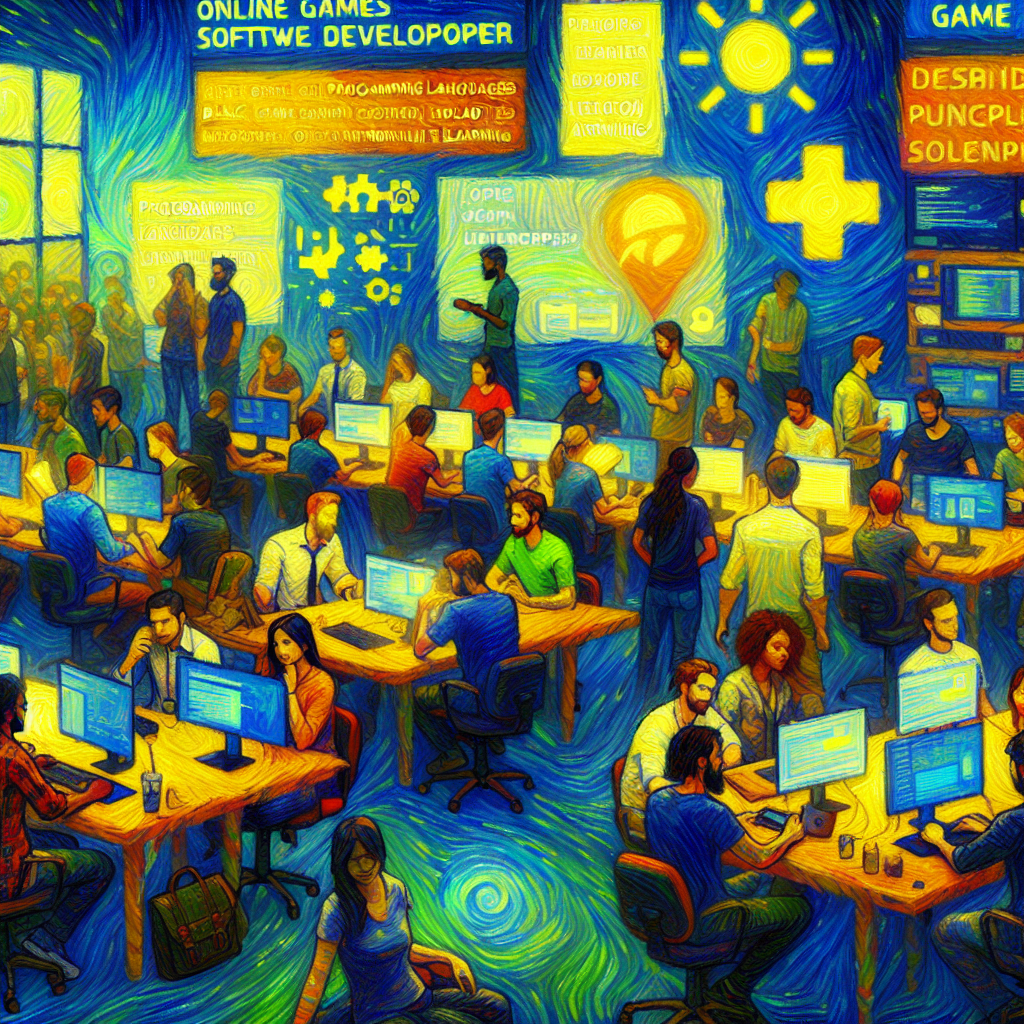
Can Multiplayer Games Foster Teamwork And Collaborative Skills?
Can Multiplayer Games Foster Teamwork And Collaborative Skills?
- Multiplayer games combine competition and camaraderie, fostering teamwork and collaborative skills.
- Gamification transforms gameplay into opportunities for skill development, building trust and communication.
- Players learn to listen, strategize, and adapt, essential ingredients for effective teamwork.
- Engaging in diverse teams highlights the importance of each member’s unique contributions toward a shared goal.
- Collaborative challenges encourage self-reflection on individual strengths and weaknesses.
- Skills gained in gaming, such as adaptability and motivation, apply to real-world situations and work environments.
- Multiplayer gaming helps players develop lasting connections and collaborative skills that extend beyond the game.

Can Multiplayer Games Foster Teamwork And Collaborative Skills?
How Do Puzzles In Gaming Contribute To Cognitive Development?
Imagine this: You’re hunched over your game controller, the screen flickering with vibrant colors and challenges. You face a complex puzzle—one that seems insurmountable at first. Yet, with each failed attempt, your mind sharpens, analyzing what went wrong, strategizing your next move. Puzzles in gaming do more than just engage; they catalyze cognitive development in profound ways.
Let’s dive into the mechanics of what’s happening here. When you engage with a puzzle, your brain is in full-on problem-solving mode. The challenge requires critical thinking, logic, and pattern recognition—all essential components of cognitive growth. This isn’t just about beating a level; it’s akin to a workout for your mind. Just as lifting weights builds muscle, tackling intricate challenges strengthens the mind’s various cognitive faculties.
With gamification, developers have crafted environments that tap into your innate desire to overcome obstacles. When we gamify learning, tasks become interactive and enjoyable, turning mundane activities into engaging quests. Once merely associated with passivity, puzzles in gaming have evolved into dynamic experiences that inspire learning and exploration. Think about how satisfying it is when you finally crack that tricky riddle; that moment is a mini-celebration of victory, and it’s fundamentally rewarding.
Moreover, puzzles can enhance our emotional intelligence. When you collaborate with friends to solve a complex problem, you’re not just sharing strategies; you’re also practicing communication and teamwork. This fosters social skills that translate into the real world, building trust and deepening relationships. The joy shared in victory, or even in defeat, nurtures a sense of camaraderie.
And here’s the kicker: engaging with puzzles doesn’t just sharpen your mind or develop social skills; it also cultivates resilience. Failing at a puzzle is an inevitable part of the process, but each setback teaches you perseverance. One more attempt, one more strategy, one more lesson learned. That tenacity spills over into your everyday life, equipping you to tackle challenges head-on, whether they’re in a game or at work.
So, whether you’re a weekend warrior or a seasoned gamer, know this: every time you immerse yourself in a puzzle, you’re not just playing; you’re evolving. Embrace the journey. Expand your mind. Dive headfirst into the challenging world of gaming puzzles, and watch as you grow in ways you never imagined possible.

How Do Puzzles In Gaming Contribute To Cognitive Development?
How Do Puzzles In Gaming Contribute To Cognitive Development?
- Puzzles in gaming catalyze cognitive development and enhance problem-solving abilities.
- Engaging with puzzles promotes critical thinking, logic, and pattern recognition.
- Games gamify learning, transforming mundane tasks into interactive, enjoyable experiences.
- Succeeding in puzzles provides a sense of accomplishment and rewards cognitive growth.
- Puzzles enhance emotional intelligence through collaboration, communication, and teamwork.
- Facing challenges in puzzles fosters resilience and perseverance in players.
- Immersion in gaming puzzles contributes to personal growth and cognitive evolution.

How Do Puzzles In Gaming Contribute To Cognitive Development?
Are There Specific Genres Of Games That Enhance Strategic Thinking?
When it comes to honing our strategic thinking skills, not all games are created equal. Some genres stand out from the rest, subtly nudging our brains into higher gears. Whether you’re a casual player or a seasoned strategist, there’s something out there for everyone, and it’s time to explore those hidden treasures.
Let’s begin with the ever-popular strategy games, which are practically the gold standard for stimulating the mind. Titles like “Civilization” or “StarCraft” ask players not just to survive, but to think several steps ahead while managing complex resources and relationships. These games take the essence of gamification—which is the process of applying game-like elements to non-game requirements—and elevate it to an art form. You’ll find yourself crafting intricate plans, weighing risks, and adjusting on the fly, which mimics the essential skills needed in real-life decision-making scenarios. As you formulate strategies to outsmart opponents or achieve victory, you’ll feel that thrill of accomplishment—a universal language of success.
Next up, consider puzzle and logic games. Ever sat down with a classic like sudoku or a modern twist like “Portal”? These gems may not showcase armies or civilizations, but they encourage critical thinking in a way that is just as powerful. By challenging your cognitive abilities, these games teach you how to approach intricate problems systematically. Every solved puzzle lends a sense of achievement—a small victory that boosts your confidence for tackling larger life challenges.
Let’s not overlook the world of role-playing games (RPGs). Whether you’re traversing a fantasy realm or crafting your own adventure, RPGs require players to consider not just the individual moment, but the broader narrative. Decisions made today can ripple into the future, affecting outcomes in ways you might not expect. As you engage in character development and world-building, you develop a knack for foresight and evaluate the potential consequences of your choices—skills that go far beyond the screen.
So, whether you’re strategizing in a virtual battlefield, solving intricate puzzles, or living out epic narratives, these genres provide fertile ground for improving your strategic thinking. Each gaming session is a chance to flex those mental muscles, cultivate resilience, and approach life’s challenges with newfound confidence. Take a leap forward; you never know what skills you’ll unlock along the way.

Are There Specific Genres Of Games That Enhance Strategic Thinking?
Are There Specific Genres Of Games That Enhance Strategic Thinking?
- Different game genres enhance strategic thinking skills in unique ways.
- Strategy games like “Civilization” and “StarCraft” are ideal for developing foresight, resource management, and complex planning.
- Gamification in strategy games elevates decision-making skills relevant to real-life scenarios.
- Puzzle and logic games, such as sudoku and “Portal,” promote critical thinking by requiring systematic problem-solving.
- Every puzzle solved provides a sense of achievement and boosts confidence for tackling larger challenges.
- Role-playing games (RPGs) involve decision-making with long-term consequences, enhancing foresight and narrative thinking.
- Overall, gaming sessions help improve strategic thinking, resilience, and confidence in approaching life’s challenges.

Are There Specific Genres Of Games That Enhance Strategic Thinking?
What Role Does Failure In Games Play In Learning Problem-Solving?
Ah, failure—an integral part of life, and quite frankly, something we often try our best to avoid. But in the realm of gaming, failure takes on a whole new meaning. It’s not just a stumbling block; it’s a stepping stone, a vital element of what we call gamification. Let’s take a moment to stroll through the thick woods of this topic and see how the occasional misstep can actually be a catalyst for sharp problem-solving skills.
When we think about games, we envision bright colors, thrilling adventures, and characters on epic quests. But what often lurks beneath the surface is that every great game is built on countless failures. Remember that moment when you fumbled the controls and lost a hard-fought battle? Frustrating, isn’t it? Yet, it’s in those moments of defeat that we get our best education. Failure in games encourages players to analyze what went wrong. Was it a poor decision? A missed opportunity? An overlooked strategy? Each miscalculation becomes a lesson, giving players the chance to adapt and grow.
Picture this: You’ve just piloted your virtual ship into an iceberg, sinking both your crew and your pride in a matter of seconds. What do you do next? You’re presented with two choices: sulk in your seat or take a hard look at what led to that icy calamity. If you discard the idea of giving up, real learning begins. You strategize, tinkering with different methods to navigate those treacherous waters. In learning through failure, creativity flourishes. Players often find themselves thinking outside the box, trying unique approaches when faced with challenges—skills that are invaluable not just in gaming but in everyday life as well.
Furthermore, gamification isn’t confined to a screen. Think of how we can apply this adventurous spirit of trial and error off-screen, be it in our careers, hobbies, or personal relationships. We’re all navigating through the game of life, filled with rallies of success interspersed with moments of failure. And just like in a solid game design, failure isn’t simply to be endured; it’s to be embraced. It fosters resilience, sparks innovation, and builds a sturdy foundation for effective problem-solving.
So the next time you find yourself staring down the barrel of defeat—whether on a game board, in a meeting, or even at home—remember that every fail is just a practice round for the real thing. Own it, learn from it, and who knows? You might just level up.

What Role Does Failure In Games Play In Learning Problem-Solving?
What Role Does Failure In Games Play In Learning Problem-Solving?
- Failure is an essential aspect of life, particularly in gaming, where it serves as a vital part of gamification.
- Games are often built on numerous failures, providing players with valuable educational moments after defeat.
- Players learn to analyze their mistakes, leading to improved decision-making and strategy development.
- Experiencing failure encourages creativity and innovative thinking in problem-solving.
- Gamification concepts apply beyond gaming, influencing careers, hobbies, and personal relationships.
- Embracing failure promotes resilience and fosters a mindset conducive to growth and learning.
- Viewing failure as a practice round can lead to personal development and advancement in various life situations.

What Role Does Failure In Games Play In Learning Problem-Solving?
Conclusion
As we wrap our heads around the fascinating intersection of gaming and problem-solving, let’s take a moment to reflect on what we’ve uncovered. Life, much like that favorite multi-level adventure game, throws challenges our way—some predictable, others not so much. The valuable lessons learned in the digital world can translate seamlessly into our day-to-day lives, equipping us with skills we often overlook. Those marathon gaming sessions, often frowned upon as mere distractions, can serve as rigorous training grounds for resilience, critical thinking, and teamwork.
At its heart, gaming is a masterclass in problem-solving. Well-designed games encourage players to think strategically, adapt quickly, and assess risks. Every failed attempt at a puzzle, every complex monster fought, focuses not just on the immediate goal but on the broader landscape of choices. You’re not just maneuvering through levels; you’re honing mental agility that could just as easily be applied to a complex work project or a challenging personal relationship. Gamification—the concept of applying game-like elements to non-game areas—turns the mundane into the exciting, proving that not all learning has to happen in a classroom.
What’s worth noting is that there’s more to gaming than just individual flair; the collaborative aspects of multiplayer games underscore the importance of communication and teamwork. As players rally together to tackle challenges, they cultivate a dynamic skill set that extends far beyond their screens. Each raid and quest fosters a rich environment of collaboration—a simulated preparation for the unpredictability of real-life interactions.
Now, let’s talk failure. It’s a universal truth that failing can feel like the end of a mission. But in gaming, failure transforms into a teacher. Each misstep, each botched strategy is an opportunity to analyze what went wrong, tweak your approach, and try again. This mindset cultivates resilience—a crucial skill for navigating life’s inevitable setbacks. Instead of fearing failure, we learn to embrace it, understanding that it’s merely part of the journey.
So, the next time someone raises an eyebrow at your gaming habits, remember to share the bigger picture. Gaming isn’t just an escape; it’s a training ground for life. Every challenge faced in the virtual realm can unlock potential in the real world. The next flat tire or work project hiccup will seem a little less daunting when you’ve already faced and conquered equally tough challenges in your favorite game. Let’s revel in this newfound perspective. After all, life, like gaming, isn’t just about leveling up. It’s about mastering the game and, along the way, cultivating the skills we need to thrive.

Conclusion
Conclusion:
- Gaming parallels real life, presenting challenges that can enhance problem-solving skills.
- Video games foster resilience, critical thinking, and teamwork during extended play sessions.
- Well-designed games promote strategic thinking, quick adaptation, and risk assessment.
- Gamification turns mundane tasks into exciting challenges, demonstrating that learning can occur outside of traditional settings.
- Multiplayer gaming emphasizes communication and teamwork, preparing players for real-life collaboration.
- Failure in gaming serves as a valuable learning tool, promoting resilience by encouraging players to adapt and improve.
- Gaming is not just an escape; it’s a foundation for developing skills applicable in everyday life challenges.

Conclusion
Other Resources

Other Resources
Here is a list of other resources you can review online to learn more:
- Beasts of War
- Z-Man Games
- Spades
- The Broken Meeple
- Hearts
- Poker
- Twilight Imperium (Fourth Edition)
- Cribbage
- The Game
Use This Prompt To Get More Resources With Your Favorite Online AI Tool: Please provide me with a list of online articles with their URLs in a bulleted list that I can read regarding Is Gaming Essential for Cultivating Problem Solving In Lives?

Other Resources
Glossary Terms
Is Gaming Essential for Cultivating Problem Solving In Lives? – Glossary Of Terms
1. Gaming: The act of playing electronic games, ranging from video games to mobile games, often involving challenges and objectives.
2. Problem Solving: The process of finding solutions to difficult or complex issues, often requiring critical thinking and analytical skills.
3. Critical Thinking: The ability to analyze information objectively and make a reasoned judgment, vital in both gaming and real-world scenarios.
4. Cognitive Skills: Mental capabilities that include thinking, reasoning, problem-solving, and decision-making, which can be developed through gaming.
5. Strategy: A plan of action designed to achieve a specific goal, commonly employed in video games and applicable in real-life challenges.
6. Simulation Games: A genre of games that mimic real-world processes or activities, often used to teach problem-solving skills in a controlled environment.
7. Puzzle Games: Games that require players to solve logical and spatial problems, fostering analytical thinking and strategic planning.
8. Multiplayer Gaming: Games that involve multiple players, encouraging teamwork and collaborative problem-solving skills.
9. Game Mechanics: The rules and systems that govern game play, influencing how players interact with the game and develop problem-solving strategies.
10. Decision-Making: The process of selecting a course of action from multiple alternatives, which can be practiced in various gaming contexts.
11. Adaptability: The ability to adjust strategies or approaches when faced with new challenges, a skill often honed through gameplay.
12. Feedback Loop: The mechanism by which players receive responses to their actions within a game, helping them to refine their problem-solving approaches.
13. Resource Management: The strategic allocation of limited resources in a game, mirroring real-life challenges in budgeting time and materials.
14. Psychomotor Skills: The coordinated physical and mental processes used in gaming, which support reflexes and hand-eye coordination relevant to problem-solving.
15. Immersive Experience: A gaming environment that fully engages players, allowing them to practice problem-solving in immersive scenarios.
16. Narrative Design: The storytelling aspect of games that can enhance players’ emotional and cognitive engagement, impacting problem identification and solution formulation.
17. Simulation Theory: The concept that players learn and practice real-world skills within a simulated environment, bridging the gap between gaming and practical applications.
18. Achievement Systems: In-game rewards for completing tasks, which can motivate players and reinforce problem-solving behavior.
19. Scaffolding: A method of providing support and guidance to players as they learn new skills or strategies in games, gradually decreasing aid as competence increases.
20. Social Interaction: The engagement with other players, which can enhance collaborative problem-solving and communication skills.
21. Extrinsic Motivation: The drive to engage in activities based on external rewards, like points or prizes, often seen in gaming contexts.
22. Intrinsic Motivation: The internal desire to engage in an activity for its own sake, which can enhance learning and problem-solving skills in gaming.
23. Gaming Ecosystem: The interconnected components of gaming, including technology, players, and content, highlighting the social and developmental aspects of gameplay.
24. Engagement: The degree to which players immerse themselves in a game, affecting their ability to think critically and solve problems.
25. Iterations: The repeated cycles of trying different tactics or strategies in games, fostering resilience and adaptability in problem-solving.
26. Skill Trees: A progression system in games that allows players to develop different abilities over time, showcasing the importance of long-term strategy and planning.
27. Narrative Problem Solving: Problem-solving within the context of a story or quest in games, enhancing narrative understanding and empathetic reasoning.
28. Virtual Reality (VR): An immersive gaming platform that allows players to operate in a simulated environment, presenting unique problem-solving opportunities.
29. Augmented Reality (AR): Technology that overlays digital content onto the real world, merging real-life problem solving with gaming elements.
30. Learning Curve: The rate at which a player acquires skills and knowledge over time, critical in understanding how gaming can influence problem-solving capabilities.

Glossary Of Terms
Other Questions
Is Gaming Essential for Cultivating Problem Solving In Lives? – Other Questions
If you wish to explore and discover more, consider looking for answers to these questions:
- What are the most effective games for developing problem-solving skills?
- How does gaming impact cognitive development in children compared to adults?
- Are there any studies that support the benefits of gaming on problem-solving abilities?
- What specific skills do different genres of games enhance?
- Can gaming be integrated into educational curricula to improve learning outcomes?
- How do social interactions in multiplayer games influence teamwork skills?
- What are the potential downsides of excessive gaming on problem-solving skills?
- How can parents encourage beneficial gaming habits in their children?
- Are there age-appropriate games that cultivate critical thinking for younger players?
- What role do competitive versus cooperative games play in skill development?

Other Questions
Haiku
Is Gaming Essential for Cultivating Problem Solving In Lives? – A Haiku
Gaming nurtures minds,
Puzzles sharpen problem skills,
Lessons through failures.

Haiku
Poem
Is Gaming Essential for Cultivating Problem Solving In Lives? – A Poem
In the Realm of Play: A Poetic Exploration
In a world where challenges toss and turn,
Life presents puzzles for us to discern.
Yet behold, in virtual lands we engage,
Where gaming forges skills on a vibrant stage.
Each quest we embark upon, levels to scale,
Unveils hidden wisdom beneath every trail.
Gamification’s spark ignites our minds,
Transforming obstacles into treasures we find.
With controllers in hand, we strategize smart,
Adapt and overcome—this is just the start.
Collaboration blooms in multiplayer fray,
As trust is the currency in our playful array.
Puzzles and riddles, logical feats,
In every challenge, the mind discreetly meets,
Critical thinking sharpens with each trial and misstep,
In failure, we learn; from setbacks, we prep.
Within realms of RPGs, futures unfold,
Decisions ripple out, as narratives told—
Every choice a thread in the fabric of fate,
Nurturing foresight, we learn to create.
Victory shimmers bright like gold,
Yet every defeat a lesson bold.
For within our games, we discover our might,
Embracing the journey toward insight.
So dance with the pixels, let creativity flow,
In games, we cultivate skills that grow.
For life’s grand tapestry, woven with care,
Prepares us for challenges—together, we dare.
In every controller, a tool to refine,
Problem-solving prowess, interlaced with design.
As we level up in life, remember this art:
Gaming is much more than mere fun—it’s the heart.

Poem
Checklist
Is Gaming Essential for Cultivating Problem Solving In Lives? – A Checklist
Checklist: Harnessing Gaming for Enhanced Problem-Solving Skills
This checklist will help you leverage gaming as a tool to improve your problem-solving abilities and critical thinking skills in various aspects of life.
Understanding the Value of Gaming
_____ Recognize that gaming can develop critical thinking, creativity, and resilience.
_____ Acknowledge gaming as a training ground for real-life challenges.
Gamification in Life
_____ Identify opportunities to apply gamified elements to daily tasks (challenges, rewards, and progression).
_____ Set small, gamified goals for work or personal projects to encourage engagement.
Game Selection for Skill Development
_____ Choose puzzle games (e. g. , Sudoku, crosswords) to enhance logical reasoning.
_____ Engage in strategy games (e. g. , Chess, Civilization) to improve strategic thinking and foresight.
_____ Play role-playing games (RPGs) for creative problem-solving and collaborative decision-making.
Multiplayer Games and Teamwork
_____ Participate in multiplayer games to enhance communication and collaboration skills.
_____ Reflect on individual roles within team dynamics during gaming sessions.
Learning from Failure
_____ Embrace failure in games as a learning opportunity; analyze what went wrong.
_____ Apply lessons learned from gaming failures to real-life situations.
Enhancing Cognitive Development
_____ Challenge yourself with increasingly difficult puzzles and strategic games.
_____ Practice thinking critically by evaluating potential outcomes during gameplay.
Building Collaborative Skills
_____ Participate in group challenges or gaming events to foster teamwork.
_____ Discuss strategies and approaches with teammates to explore diverse perspectives.
Continuous Improvement
_____ Dedicate regular time for gaming that focuses on developing specific skills.
_____ Track progress in problem-solving, creativity, and critical thinking abilities over time.
By applying this checklist, you can unlock the potential of gaming as a powerful tool for enhancing problem-solving skills and becoming more adept at navigating life’s challenges. Enjoy the journey of growth and learning through play!

Checklist
At HowDoYouGame, we help people who love board games by collating information and news about games.
Be sure to read our other related stories at HowDoYouGame to learn more about games.