Revolutionizing Senior Engagement With Gamification
By Tom Seest
At HowDoYouGame, we help people who love board games by collating information and news about games.
Be sure to read our other related stories at HowDoYouGame to learn more about games.
Is Gamification The Future Of Senior Engagement and Interaction?
Let’s talk about something that’s been buzzing around the periphery of senior engagement—gamification. Now, you might think of gaming as the domain of teenagers glued to their consoles, but it’s gaining traction in a very surprising area: the lives of our older generations. The simple truth is, just because someone’s hair has turned silver doesn’t mean they’ve lost their zest for life or their thirst for challenge.
Gamification is about infusing everyday activities with game-like elements. This means turning mundane tasks into fun and rewarding experiences. Imagine health check-ups that feel like a friendly competition or social interactions that resemble a cooperative board game. It’s not about replacing the core activities; it’s about adding layers of incentives that spark motivation and engagement.
Now, I know what some folks might be thinking: “Gamification is just a gimmick.” But let’s take a closer look. For seniors, maintaining cognitive functions and social connections is crucial. Gamification taps into that need. Activities designed with game mechanics can boost mental agility and provide social rewards—think points for completed tasks or badges for participation. These elements create a sense of achievement and belonging, both of which are vital in combating loneliness and isolation.
Health and wellness have also become battlegrounds for gamification. Picture a senior walking around their community and, with every step, accumulating points towards a tangible goal. These aren’t just numbers on a screen; they represent tangible rewards, such as discounts on community events or access to social gatherings. That’s not just walking — that’s a quest!
Moreover, introducing technology doesn’t mean we’re excluding those who are less tech-savvy. Games can be designed with simplicity in mind, ensuring that anyone, regardless of their technological prowess, can join in. The goal is engagement without frustration.
So, is gamification the future of senior engagement? It certainly has the potential to be. As we continue to explore innovative ways to engage our seniors, it’s important to embrace these ideas. By turning challenges into games, we can foster a more vibrant and interactive community for older adults. Rather than dismissing gamification as child’s play, let’s appreciate it for what it is: an inviting avenue for connection, motivation, and growth in an ever-changing world. After all, who wouldn’t want to play a hand in uplifting the spirits of our seniors?

Is Gamification The Future Of Senior Engagement and Interaction?
Is Gamification The Future Of Senior Engagement and Interaction?
- Gamification is gaining traction in senior engagement, challenging the stereotype that gaming is only for younger generations.
- The concept involves transforming everyday activities into game-like experiences to enhance enjoyment and motivation.
- It can help seniors maintain cognitive functions and social connections, combating loneliness and isolation.
- Activities with game elements can reward participation through points and badges, fostering a sense of achievement.
- Gamification can be applied to health and wellness, incentivizing physical activity with tangible rewards.
- Games can be designed simply to ensure accessibility for all seniors, regardless of their tech skills.
- Overall, gamification presents an innovative way to engage and uplift the spirits of older adults in a community setting.

Is Gamification The Future Of Senior Engagement and Interaction?
Table Of Contents
- Is Gamification The Future Of Senior Engagement and Interaction?
- Is Gamification Effective In Enhancing Senior Engagement?
- What Are The Benefits Of Gamification For Seniors?
- How Does Gamification Foster Social Interaction Among Seniors?
- Can Gamification Improve Cognitive Abilities In Older Adults?
- What Types Of Gamified Activities Are Best For Seniors?
- How Can Technology Facilitate Gamification For Seniors?
- Are There Any Risks Associated With Gamification For Elderly Users?
- Conclusion
- Other Resources
- Glossary Of Terms
- Other Questions
- Haiku
- Poem
- Checklist
Is Gamification Effective In Enhancing Senior Engagement?
In recent years, there’s been quite a buzz around a concept that’s both entertaining and strategic: gamification. While it might sound like something reserved for tech-savvy kids or slick marketing campaigns, this approach can actually hold the key to enhancing engagement, particularly among our senior population. But what does that really mean? And why should we care?
Let’s break it down. Gamification is the application of game design elements in non-gaming contexts. Imagine taking the joy of old-fashioned card games or bingo nights and fusing it with modern technology. It’s the idea of using points, badges, leaderboards, and challenges to encourage people to participate more actively. The challenge, though, is figuring out if these elements really resonate with seniors.
Research shows that when properly implemented, gamification can have significant effects on motivation and participation levels. It’s not about rewriting the rulebook but rather enhancing what already exists. For many seniors, a little friendly competition or the chance to achieve something, even if it’s a digital badge and not a physical trophy, can light a spark of interest. It’s about creating a sense of purpose and achievement that may have faded over time.
Take, for example, a community center hosting a weekly trivia night. By adding a few gamified elements such as team points or prizes for the top scorers, the event transforms from just another gathering to an engaging and lively competition. Seniors find themselves not only participating but actively investing time and energy because they have something to work towards. The game aspect tends to foster social interaction, encouraging them to connect with one another—and that’s where the real magic lies.
But let’s not kid ourselves; gamification isn’t a one-size-fits-all solution. Not every senior will be keen to jump into a digital scoring system or a mobile app designed for interactive play. It requires thoughtful consideration of the audience and their preferences. Striking the right balance is crucial. After all, the goal isn’t just to throw a game at them and call it a day; it’s about enriching their lives.
Gamification can be a powerful tool in enhancing senior engagement if approached with sensitivity and an understanding of their unique needs. When done right, it not only brings a sense of joy and excitement but also fosters a deeper sense of community among those who may often feel isolated. And if we can use a bit of fun to connect with our elders? Well, that’s a win-win in anyone’s book.

Is Gamification Effective In Enhancing Senior Engagement?
Is Gamification Effective In Enhancing Senior Engagement?
- Gamification involves applying game design elements in non-gaming contexts to enhance engagement.
- It harnesses elements like points, badges, leaderboards, and challenges to encourage participation.
- Proper implementation of gamification can significantly boost motivation and participation levels among seniors.
- A little competition and the opportunity to earn rewards can reignite seniors’ interests and sense of achievement.
- Gamified community events, such as trivia nights, can transform social gatherings into engaging competitions.
- Not all seniors may embrace gamification; understanding the audience and their preferences is essential.
- If approached thoughtfully, gamification can enrich seniors’ lives and foster a stronger sense of community.

Is Gamification Effective In Enhancing Senior Engagement?
What Are The Benefits Of Gamification For Seniors?
Now, if you’ve ever tried to convince a senior to embrace the latest technology, you know it can feel like pulling teeth. But enter gamification, a fresh twist on engagement that’s catching on faster than a family reunion potluck. Simply put, gamification takes the principles of gaming—like points, levels, and rewards—and applies them to non-gaming contexts. And it turns out, this approach can be a game-changer, particularly for our senior population.
First off, let’s talk about motivation. For many seniors, staying active—both mentally and physically—can feel like a chore. But gamification adds a layer of fun to the equation. It transforms mundane tasks into enjoyable challenges. Picture this: a group of seniors competing to complete daily exercises or cognitive puzzles, earning badges or points along the way. Suddenly, the idea of working out or doing a crossword puzzle morphs from a dull responsibility into an engaging competition. Motivation shoots through the roof when there’s a little friendly rivalry involved.
Another glorious perk of gamification is social interaction. Isolation is a significant issue for many seniors, especially after retirement or the loss of a spouse. Gamified activities, whether they involve team-based challenges or online leaderboards, encourage connections among peers. Participating in these activities not only fosters friendships but also aids in building a supportive community. After all, who doesn’t love teaming up with others to take on a quirky challenge?
The cognitive benefits of gamification can’t be overlooked, either. Engaging with games often requires problem-solving, strategizing, and critical thinking—all excellent exercises for the brain. As seniors tackle puzzles or navigate through interactive scenarios, they’re essentially giving their minds a workout. This stimulation can help sharpen mental acuity and even delay the onset of cognitive decline. Who knew having fun could be such excellent brain food?
Lastly, let’s not forget about the element of accomplishment. Earning a badge, leveling up, or achieving a personal best all provide a sense of achievement that is often hard to come by in daily life. For seniors, these small victories can significantly boost self-esteem and contribute to a greater sense of purpose and fulfillment.
So there you have it. Gamification isn’t just for kids in their parents’ basements anymore. It’s an innovative approach that offers tangible benefits for seniors, promoting motivation, social interaction, cognitive stimulation, and a sense of accomplishment. It’s time we turn those frowns into smiles and let the games begin!

What Are The Benefits Of Gamification For Seniors?
What Are The Benefits Of Gamification For Seniors?
- Gamification applies gaming principles like points and rewards to non-gaming contexts to enhance engagement for seniors.
- This approach transforms mundane tasks into enjoyable challenges, increasing motivation for mental and physical activities.
- Gamification promotes social interaction, helping seniors connect with peers through team-based challenges and leaderboards.
- Engaging in gamified activities aids in forming friendships and building a supportive community among seniors.
- Cognitive benefits include enhanced problem-solving and critical thinking skills, helping to sharpen mental acuity.
- Gamification can delay cognitive decline by providing stimulating exercises for the brain.
- Achievements through gamification boost self-esteem and contribute to seniors’ sense of purpose and fulfillment.

What Are The Benefits Of Gamification For Seniors?
How Does Gamification Foster Social Interaction Among Seniors?
When we think of gamification, we often picture children enthralled by the latest video game or young adults immersed in the world of competitive online play. But look a little closer—gamification is not just for the tech-savvy millennials. In fact, this clever strategy is becoming a vital tool for older adults, especially those looking to recapture the joy and camaraderie that can sometimes fade with age.
At its core, gamification is about turning everyday activities into fun and engaging challenges. It employs game-like elements such as points, rewards, and competition to motivate participation. For seniors, who may face social isolation or the consequences of dwindling social circles, this approach can be nothing short of transformative. By introducing these elements into activities like exercise classes, trivia games, or even nutrition workshops, seniors are invited to step beyond their own comfort zones and interact with others in fresh and exciting ways.
Consider a weekly bingo night, for instance. With traditional bingo, players sit quietly, focused on their cards. But now, imagine that same bingo night infused with gamification techniques. Players earn points not just for winning but also for engaging with others—sharing stories, asking questions, or celebrating each other’s victories. Suddenly, what was once a solitary endeavor transforms into a vibrant community gathering, where conversations flourish and friendships deepen.
The beauty of gamification lies in its ability to break down barriers. It eliminates the pressures that often come with more formal social interactions. With the focus on playful competition and mutual support, seniors are more likely to let their guards down, exchange laughter, and feel a genuine sense of belonging. The ice is broken naturally as they band together to tackle challenges, whether that’s completing a walking goal or achieving points in a lively game of trivia.
Moreover, through gamification, seniors are promoted to work towards both individual goals and collective achievements. This dual focus fosters teamwork and collaboration, critical aspects of social interaction that might otherwise be overlooked. As they aim for shared milestones, they build a sense of community, camaraderie, and, most importantly, connection.
In essence, gamification is a bridge for seniors—one that spans the gap of loneliness and creates a social landscape where everyone can thrive. By integrating play into their lives, older adults can rediscover the joy of connection, embrace new friendships, and engage in their communities with a renewed sense of purpose. Who knew having fun could be such a powerful catalyst for social interaction?

How Does Gamification Foster Social Interaction Among Seniors?
How Does Gamification Foster Social Interaction Among Seniors?
- Gamification is not just for younger generations; it is increasingly beneficial for older adults.
- This strategy transforms everyday activities into engaging challenges using game-like elements (points, rewards, competition).
- It can combat social isolation among seniors by encouraging interaction and participation in activities.
- Gamified activities, like bingo, promote engagement and connection through sharing stories and celebrating successes.
- It helps break down social barriers and allows seniors to feel more comfortable in social interactions.
- Seniors work towards both individual and collective goals, fostering teamwork and community bonds.
- Ultimately, gamification enhances connections, helps form friendships, and gives older adults a renewed sense of purpose.

How Does Gamification Foster Social Interaction Among Seniors?
Can Gamification Improve Cognitive Abilities In Older Adults?
When it comes to staying sharp in our golden years, the conversation often turns to puzzles, crosswords, and even Sudoku. But here’s an intriguing contender that has entered the ring—gamification. Now, before you roll your eyes and think this is just another trend, let’s unpack what this really means for our older adults.
Gamification isn’t just about adding a dash of fun to the mundane; it’s about tapping into the heart of what keeps our minds engaged. By turning mundane tasks into games—think point scoring, rewards, and challenges—we can harness a powerful tool to stimulate cognitive function in older folks. This is more than just playing games; it’s about creating a system that can help sharpen mental acuity, enhance memory retention, and maybe even bolster problem-solving skills. The beauty of gamification lies in its ability to motivate individuals to engage in mental exercise that is both enjoyable and purposeful.
Consider the wide array of digital and physical games designed specifically for seniors, incorporating everything from card games to interactive apps. These platforms often present puzzles or challenges that adjust in difficulty, encouraging older adults to tackle more complex problems as their skills improve. This gradual increase in challenge is crucial, as it combats the risk of cognitive decline and keeps the brain firing on all cylinders.
Not only does gamification address the need for cognitive exercise, but it also fosters social interaction. Many games can be played with family or friends, serving as a bridge for connection and communication. This social component can be vital for mental health, as isolation can be a silent enemy in older age.
While the evidence around the efficacy of gamification in enhancing cognitive abilities is still emerging, early studies have shown promising results. Engaging in these playful activities could potentially lead to better focus, improved memory, and a slower decline in cognitive faculties. For older adults looking to keep their brains as lively as their spirit, why not give it a whirl?
In a world that often dreads the inevitable entropic march of time, gamification might just be the flavorful ingredient that spices up the recipe for cognitive resilience. With a little bit of fun and engagement, we might find that age is just a number, and the mind can dance like it’s forever young.
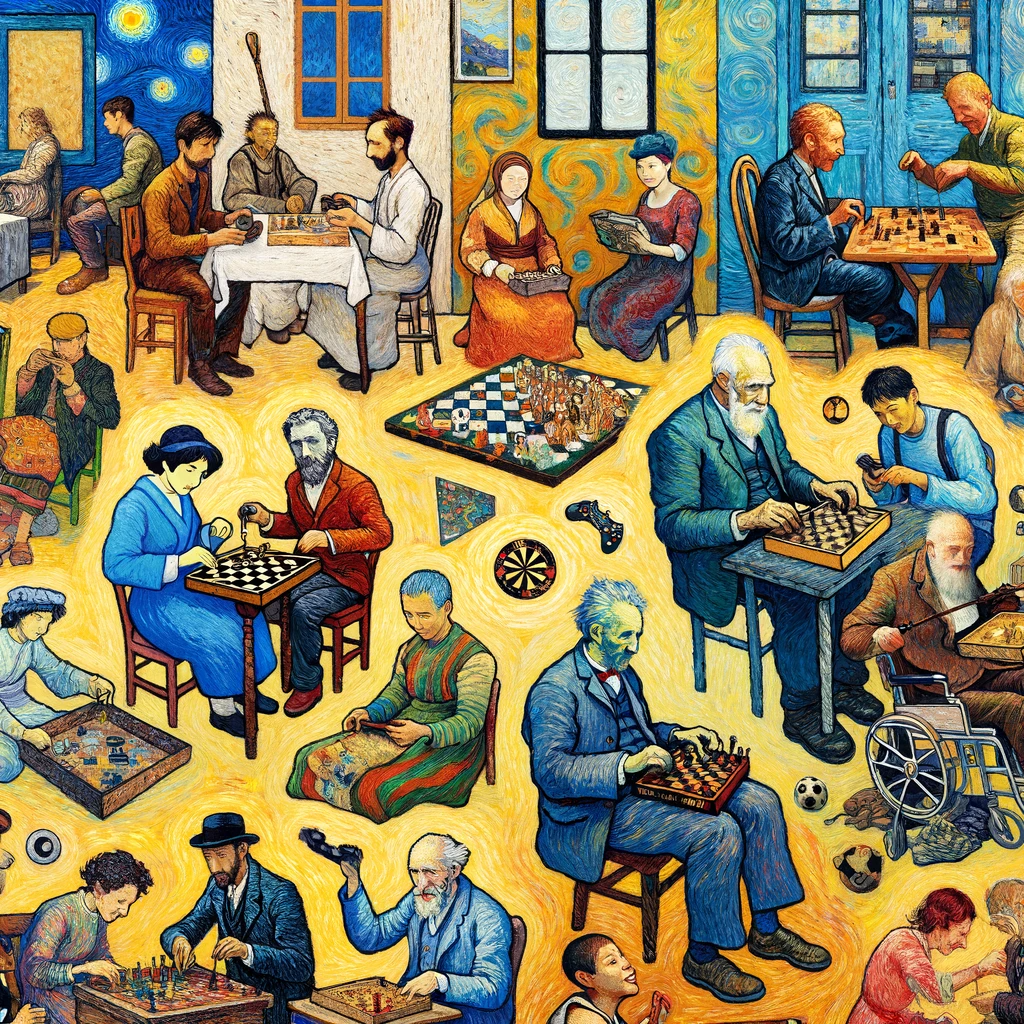
Can Gamification Improve Cognitive Abilities In Older Adults?
Can Gamification Improve Cognitive Abilities In Older Adults?
- Gamification introduces a novel approach to mental engagement for older adults, beyond traditional puzzles and crosswords.
- It involves turning mundane tasks into games with elements like point scoring, rewards, and challenges.
- This method helps sharpen mental acuity, enhance memory retention, and improve problem-solving skills.
- Digital and physical games tailored for seniors offer adjustable challenges to combat cognitive decline.
- Gamification also promotes social interaction, bridging connections through family and friends while playing.
- Early studies suggest that engaging in gamified activities can lead to better focus and improved memory.
- Embracing gamification may help older adults maintain cognitive resilience and feel youthful mentally.

Can Gamification Improve Cognitive Abilities In Older Adults?
What Types Of Gamified Activities Are Best For Seniors?
When we talk about gamification, we’re diving into the idea of taking ordinary tasks and adding a sprinkle of fun and competition to them. For seniors, this can transform everyday life into an engaging adventure. It’s not just about playing games; it’s about fostering social connections, enhancing cognitive abilities, and inviting a bit of joy into their lives. Here’s a look at some of the best gamified activities tailored for our golden-agers.
1. Brain Games: You can’t toss a penny without hitting a Wordle or a brain-teaser these days. However, for our seniors, crossword puzzles, Sudoku, and memory games can serve a dual purpose. They stimulate the mind and offer a fun way to bond with friends or family. Adding a competitive edge, like timed challenges or group play, turns these solo endeavors into a collaborative effort, showcasing that gamification isn’t restricted to multiplayer settings alone.
2. Physical Activity:
Remember, moving the body is just as important as moving the mind. Activities like dance classes, tai chi, or even backyard games like cornhole inject a sense of playfulness while promoting physical health. Incorporating a point system—for instance, awarding points for every class attended or game played—can encourage consistency. This can blend fitness with a healthy dose of fun, making exercise feel less like a chore and more like a social event.
3. Social Engagement:
Loneliness can creep in, especially in senior living situations, which is where gamified social activities come in. Think about game nights featuring old-fashioned board games or card games, where folks can gain points, share stories, and reminisce. Consider fun challenges like trivia games or themed contests—these foster interaction, laughter, and community.
4. Skill Development:
What’s wrong with picking up a new hobby? Gamifying the learning process can do wonders. Whether it’s gardening, painting, or even learning a new language, creating goals, prizes, and timelines helps keep the motivation high. Set a reward for completing a certain number of classes or tasks, making the learning curve feel less daunting and a lot more approachable.
Ultimately, the beauty of gamification lies in its versatility. From sharpening the mind to boosting the body and strengthening bonds, these activities don’t just fill time—they enrich life. With a little creativity, even the most routine tasks can feel like a quest worth embarking upon. So, let’s dust off those game pieces, gather the crew, and bring some playfulness back into the mix!

What Types Of Gamified Activities Are Best For Seniors?
What Types Of Gamified Activities Are Best For Seniors?
- Gamification Overview: Enhances ordinary tasks by adding fun and competition for seniors.
- Brain Games: Activities like crossword puzzles and memory games stimulate the mind while encouraging social bonding through competitive play.
- Physical Activity: Engaging in dance classes or games promotes physical health and fun through point systems and consistency.
- Social Engagement: Game nights and contests help combat loneliness by fostering interaction, laughter, and community among seniors.
- Skill Development: Gamifying hobbies like gardening or painting increases motivation through goals, prizes, and timelines.
- Versatility of Gamification: Enriches life by sharpening the mind, boosting physical health, and strengthening social bonds.
- Encouragement for Participation: Inspires seniors to embrace playful activities and enjoy everyday tasks as adventurous quests.

What Types Of Gamified Activities Are Best For Seniors?
How Can Technology Facilitate Gamification For Seniors?
Alright, folks, let’s dig into a concept that’s bubbling up in many corners of the community: gamification. Now, you might be wondering how this playful approach can make a real difference in the lives of our senior population. The answer lies in the smart use of technology that caters to their unique needs while bringing a little joy into everyday life.
So, what exactly is gamification? At its core, it’s about applying game-like elements—points, levels, challenges—to activities that might otherwise feel mundane or routine. Remember when Grandma would get a gleeful twinkle in her eye while playing a round of bingo? Imagine that spirit transformed and powered by technology. We’re talking about apps and online platforms that not only entertain but also promote engagement and social interaction.
Here’s how technology can step in. For starters, consider devices like tablets and smartphones, which are becoming increasingly user-friendly for seniors. These tools can host an array of games that keep the mind sharp and the fingers nimble. Think of brain-training apps that encourage cognitive skills through fun, competitive tasks. Whether it’s matching shapes or solving puzzles, these digital diversions don’t just fill time; they help maintain cognitive health.
Now, let’s focus on social connectivity. One of the great promises of technology is its ability to foster connections. Seniors often deal with isolation—enter gamification. Imagine a collaborative platform where friends can play trivia together, sharing laughs and memories while keeping their minds active. Teams can form, challenges can be set, and before you know it, they’ll be rallying for virtual high-fives.
Then there’s the health aspect. Many companies are creating wellness apps that reward physical activity through gamified experiences. Picture this: Grandma takes her daily walk, and her steps earn her points on a leaderboard. Competing against peers adds a layer of excitement that might just make her lace up those sneakers more willingly.
Lastly, let’s not forget about personalized experiences. Technology allows for customization that speaks directly to seniors’ interests and abilities. Through gamification, they can choose activities that resonate with them, whether it’s gardening-themed puzzles or history quizzes.
In short, technology isn’t just a passing trend; it’s a valuable ally in promoting gamification for seniors. By weaving elements of play into their daily lives, we stand to boost not only mental and physical health but also connection and camaraderie. And that’s something worth celebrating.

How Can Technology Facilitate Gamification For Seniors?
How Can Technology Facilitate Gamification For Seniors?
- Gamification can significantly enhance the lives of seniors through technology tailored to their needs.
- It involves applying game-like elements, such as points and challenges, to mundane activities.
- Devices like tablets and smartphones are increasingly user-friendly for seniors, offering various brain-training games.
- Gamification fosters social connectivity, helping reduce isolation among seniors by enabling collaborative gameplay.
- Wellness apps use gamification to motivate physical activity, with features like leaderboards and points for daily walks.
- Personalization in gamified experiences allows seniors to engage with activities that align with their interests.
- Overall, technology and gamification promote mental and physical health, as well as social connections for seniors.

How Can Technology Facilitate Gamification For Seniors?
Are There Any Risks Associated With Gamification For Elderly Users?
Gamification may sound like a buzzword thrown around at tech conferences, but when it comes to engaging the elderly, it’s not just a trendy term; it’s a whole frontier of possibilities. However, it’s crucial to pull the curtain back on this dazzling world and examine the potential risks that come along with the benefits. Buckle up, because this ride isn’t all sunshine and rainbows.
First off, you’ve got to consider the tech barrier. Many older adults grew up in a time when “technology” meant a rotary phone or possibly a VCR. Introducing gamification—an often complex system of points, badges, and leaderboards—might feel like handing a manual transmission to someone who’s never navigated beyond a Sunday drive. If their digital skills lag behind, they may become frustrated rather than engaged. Nobody wants to feel like they’re one click away from throwing their device out the window.
Then, there’s the risk of oversimplification. Some gamification strategies may seem like a one-size-fits-all solution. But let’s face it; every individual is unique, with distinct challenges and preferences. Applying a blanket approach could alienate users, making them feel trapped in a game that doesn’t resonate with their interests or abilities. And if the game lacks relevance, we might just be wasting everyone’s time.
Social dynamics are another ballpark altogether. While gamification can encourage participation and interaction, it can also inadvertently create a competitive environment among peers. For some seniors, especially those who may already feel isolated or marginalized, competition can amplify feelings of inadequacy. The last thing we want is for them to feel more disconnected because they can’t keep up with younger, tech-savvy rivals in a supposedly fun environment.
Let’s not forget the risks tied to screen time. While engaging with gamified content can produce mental benefits, balance is key. Prolonged periods of digital engagement can lead to physical strains, including eye fatigue or aches from prolonged sitting. The challenge is finding that sweet spot where interaction enhances quality of life without tipping into the realm of discomfort or health concerns.
In a nutshell, gamification for elderly users can be a double-edged sword. It has the potential to ignite engagement and spark joy, but it’s crucial to keep a watchful eye on the downsides. Understanding these risks is the first step towards creating environments that truly enrich the lives of seniors while keeping them safe and comfortable.

Are There Any Risks Associated With Gamification For Elderly Users?
Are There Any Risks Associated With Gamification For Elderly Users?
- Gamification offers innovative possibilities for engaging the elderly, rather than just being a trendy term.
- The technology barrier poses a challenge, as many older adults may struggle with complex gamification systems.
- Oversimplification can alienate individuals, as a one-size-fits-all approach may not address unique preferences and challenges.
- While encouraging social interaction, gamification may unintentionally foster competition, leading to feelings of inadequacy among seniors.
- Excessive screen time can result in physical health issues, highlighting the need for balance in digital engagement.
- Gamification has the potential for positive engagement but carries risks that must be understood and addressed.
- Creating enriching environments for seniors requires awareness of both the benefits and downsides of gamification.
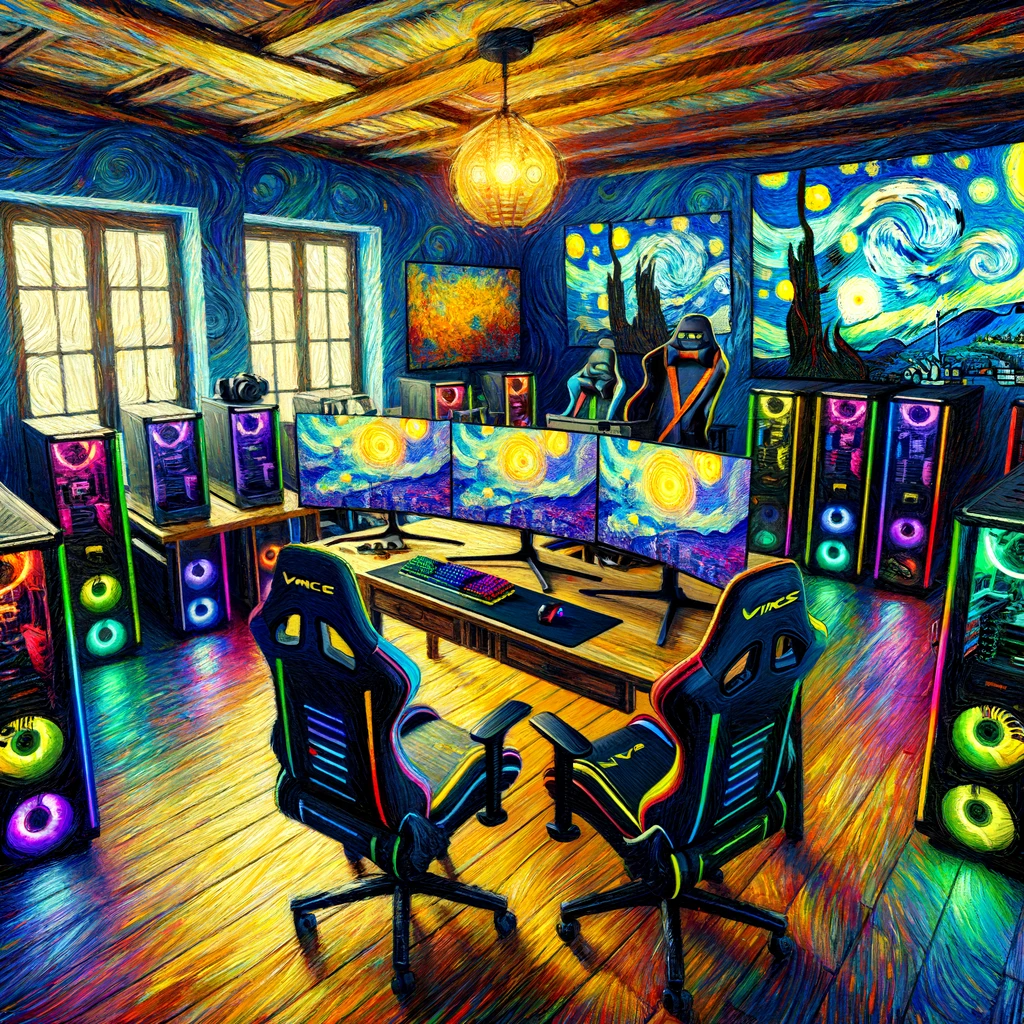
Are There Any Risks Associated With Gamification For Elderly Users?
Conclusion
As we dive into the dynamic realm of senior engagement through gamification, it’s essential to recognize that this isn’t just a passing trend—it’s a powerful tool with the potential to revolutionize how we connect with our older generations. Picture this: instead of viewing our seniors as mere participants in mundane activities, we embrace them as players in a vibrant game of life. The wisdom of age meets the joy of play, and suddenly, we see a community teeming with life, laughter, and, most importantly, connection.
Gamification takes the everyday tasks that can feel monotonous and infuses them with competition and rewards, turning what could be a tedious chore into an exciting challenge. From walking that extra block to solve puzzles in a friendly rivalry with friends, gamification appeals to the very essence of human motivation—the desire to achieve, to belong, and to keep moving forward. And it’s not just about scoring points; it’s about the camaraderie built along the way. This innovative approach can effectively combat loneliness—a serious issue many seniors face—by transforming individual activities into communal adventures.
Now, let’s remember that gamification is not a one-size-fits-all solution. Seniors come from various backgrounds, with differing levels of comfort with technology and game mechanics. The key here is thoughtful implementation—tailoring experiences that resonate with their unique interests and abilities. Imagine a social bingo night where players earn not only points for winning but also opportunities to engage with one another, share stories, and foster lasting relationships. This delicate balance can spark real joy and connection.
On top of that, gamification also offers cognitive benefits. Engaging seniors in challenging games can keep those minds sharp, boosting memory and problem-solving skills while unearthing a renewed sense of self-worth through the achievements they accumulate—be it a digital badge or a personal best.
But, as we embark on this journey, let’s remain mindful of the potential pitfalls. Introducing technology gently, avoiding overly competitive environments, and promoting moderation in screen time are all vital components in ensuring that the experience enriches rather than overwhelms.
In conclusion, the question isn’t whether gamification will be the future of senior engagement, but rather how we can harness its potential effectively. It’s about blending play and purpose to create an inclusive community where our seniors can thrive. So here’s to turning routine into adventure—let’s roll the dice and play a hand in uplifting the spirits of our elders, one fun challenge at a time!

Conclusion
Conclusion:
- Gamification revolutionizes senior engagement, transforming mundane activities into vibrant, fun experiences.
- It fosters a sense of community, promoting life, laughter, and connection among seniors.
- The approach turns monotonous tasks into exciting challenges by incorporating competition and rewards.
- Gamification combats loneliness, making individual activities communal adventures.
- Implementation must be thoughtful, catering to the diverse backgrounds and technological comfort levels of seniors.
- Engaging in games improves cognitive abilities, boosts memory, and enhances self-worth through achievements.
- Careful introduction of technology and moderation in competition are crucial to create a beneficial experience for seniors.

Conclusion
Other Resources

Other Resources
Here is a list of other resources you can review online to learn more:
- MailChimp
- Concordia
- GameSpot
- Lucky Duck Games
- PC Gamer
- Tigris & Euphrates
- 7 Wonders Duel
- War of the Ring (Second Edition)
- Pearl Games
- Love Letter
Use This Prompt To Get More Resources With Your Favorite Online AI Tool: Please provide me with a list of online articles with their URLs in a bulleted list that I can read regarding Is Gamification The Future Of Senior Engagement and Interaction?

Other Resources
Glossary Terms
Is Gamification The Future Of Senior Engagement and Interaction? – Glossary Of Terms
1. Gamification: The integration of game-like elements into non-game contexts to enhance user engagement and motivation.
2. Engagement: The emotional involvement or commitment of individuals in an activity, which can be increased by gamification.
3. Interaction: The reciprocal exchange between individuals or between individuals and systems, important for fostering relationships.
4. Senior Citizens: Adults, typically aged 65 and older, who often face unique challenges that gamification can help address.
5. Motivation: The internal drive that prompts individuals to engage in activities; gamification aims to boost motivation through rewards and challenges.
6. Rewards System: A structured approach providing incentives (points, badges, etc. ) to encourage specific behaviors or achievements in gamified experiences.
7. Serious Games: Games designed for purposes beyond pure entertainment, such as education, training, or health, which can be beneficial for seniors.
8. Social Interaction: Engagement between individuals that can improve emotional well-being; gamification can facilitate social activity among seniors.
9. User Experience (UX): The overall experience a person has when interacting with a system or product; crucial for designing effective gamified solutions.
10. Digital Literacy: The ability to effectively use digital tools and technologies; important for seniors to engage with gamification strategies.
11. Cognitive Engagement: Mental involvement in activities; gamification can stimulate cognitive functions and improve brain health in seniors.
12. Personalization: Tailoring experiences to individual preferences or needs, enhancing engagement and making gamified elements more relevant.
13. Feedback Loops: Mechanisms that provide users with responses based on their actions, which can reinforce learning and engagement.
14. Health Promotion: Strategies aimed at improving health behaviors; gamification can motivate seniors to engage in physical or mental health activities.
15. Accessibility: The design of products and environments that are usable by people with varying abilities; essential when implementing gamification for seniors.
16. Community Building: The process of creating connections among individuals; gamified platforms can foster a sense of belonging and community among seniors.
17. Scenario-Based Learning: An instructional method using real-life scenarios to enhance understanding and retention, often incorporated in gamification.
18. Digital Platforms: Online systems or applications where users can interact and engage; vital for implementing gamification for senior users.
19. Challenging Tasks: Activities designed to push individuals outside their comfort zones; essential for keeping seniors engaged in gamified experiences.
20. Behavioral Science: The study of human behavior; insights from this field can inform the design of effective gamification strategies for seniors.
21. Aging Population: The demographic group consisting of older adults, whose engagement needs are the focus of gamified interventions.
22. Playfulness: The quality of being fun and lighthearted, which can be encouraged through gamification to enhance senior interactions.
23. Progress Tracking: Mechanisms that allow users to monitor their advancement in tasks or activities; crucial in gamification for motivation.
24. Intergenerational Interaction: The exchange and collaboration between different age groups, which gamification can help facilitate among seniors and younger individuals.
25. Health Literacy: The ability to understand health information and make informed decisions; gamification can enhance this knowledge in seniors.
26. Virtual Reality (VR): Technology that creates immersive experiences; can be utilized in gamification to engage seniors in a unique way.
27. Life-Long Learning: The ongoing, voluntary, and self-motivated pursuit of knowledge; gamification can encourage continued education among seniors.
28. Incentive Structures: Frameworks that define how rewards are distributed in gamified contexts; important for maintaining senior motivation.
29. Social Isolation: The lack of interaction with others; gamification can help mitigate this issue by promoting social engagement among seniors.
30. Gamified Health Programs: Health-related initiatives that incorporate gamification to encourage seniors to participate in health-promoting activities.

Glossary Of Terms
Other Questions
Is Gamification The Future Of Senior Engagement and Interaction? – Other Questions
If you wish to explore and discover more, consider looking for answers to these questions:
- What specific examples of gamification have been successfully implemented for seniors?
- How do different demographic factors (e.g., age, gender, background) affect the acceptance of gamification among seniors?
- What challenges have been encountered in implementing gamification for older adults?
- How can caregivers and family members support seniors in engaging with gamified activities?
- Are there any studies or research supporting the effectiveness of gamification for senior engagement?
- What types of technology are most user-friendly for seniors in gamified applications?
- How can gamification be used to address specific issues like loneliness or cognitive decline in seniors?
- What feedback have seniors provided regarding their experiences with gamified activities?
- What role do social connections play in the effectiveness of gamification for seniors?
- Can gamification be integrated into existing senior programs and services, and if so, how?

Other Questions
Haiku
Is Gamification The Future Of Senior Engagement and Interaction? – A Haiku
Games give life zest,
Elder souls find delight here—
Joy in every step.

Haiku
Poem
Is Gamification The Future Of Senior Engagement and Interaction? – A Poem
In the twilight of life, where stories unfold,
A new spark ignites, rich memories retold.
Gamification whispers, “Come play once more,”
Turning tasks into quests, opening new doors.
No longer for youth, the digital stage,
Seniors rise up, with wisdom and age.
Health check-ups become a friendly affair,
Where points and rewards dance in the air.
With badges of honor, connections they seek,
Social bonds flourish, as laughter grows meek.
Loneliness retreats as they gather in cheer,
The joy of the game, it draws everyone near.
From trivia nights to bingo galore,
Each challenge they conquer unlocks even more.
With physical movement, the spirit takes flight,
A walk becomes treasure, shining so bright.
Yet caution reminds us: tech may confound,
For some it’s a puzzle where frustration is found.
The balance of competition needs careful thought,
As some feel the weight of the battles they fought.
But when guided gently, with love and with care,
Gamification blossoms, creating a fair share.
Cognitive sparks fly, as minds start to play,
In fun’s warm embrace, their worries give way.
So here’s to engagement, to laughter, to grace,
Transforming the mundane into a jubilant space.
In the heart of our elders, let the games reign supreme,
For every small victory fuels purpose and dream.
Poem
Checklist
Is Gamification The Future Of Senior Engagement and Interaction? – A Checklist
1. Understand the Audience
_____ Assess Technology Comfort Levels: Evaluate the technological skills of seniors to tailor gamification efforts effectively.
_____ Identify Interests: Gather information on activities or topics that resonate with seniors to ensure engagement.
2. Design Meaningful Gamified Activities
_____ Brain Games: Include crossword puzzles, Sudoku, and memory games with competitive elements.
_____ Physical Activities: Incorporate fun physical games like dance classes or tai chi, combined with a points system.
_____ Social Engagement: Plan game nights or trivia contests that encourage interaction and storytelling among seniors.
_____ Skill Development: Offer classes on gardening, painting, or language learning that include gamified elements.
3. Establish Clear Objectives
_____ Define Goals: Set clear, achievable objectives for each gamified activity (e. g. , improving fitness, cognitive skills, or social connections).
_____ Create a Reward System: Develop a points, badges, or accomplishment-based reward system to encourage participation.
4. Integrate Technology Thoughtfully
_____ Use Accessible Devices: Choose user-friendly tablets or smartphones with senior-friendly interfaces for gamified activities.
_____ Create Collaborative Platforms: Implement online platforms where seniors can engage in games and social activities with peers.
5. Monitor Engagement and Progress
_____ Track Participation: Keep records of engagement levels to determine the effectiveness of gamified activities.
_____ Gather Feedback: Regularly solicit feedback from participants regarding their experiences and any difficulties encountered.
6. Be Mindful of Risks
_____ Address Tech Barriers: Provide training or assistance to help seniors navigate new technologies confidently.
_____ Tailor Activities: Avoid one-size-fits-all solutions; customize experiences for varying interests and abilities.
_____ Encourage Healthy Competition: Foster a supportive environment and mitigate intense competition that may lead to feelings of inadequacy.
_____ Limit Screen Time: Set guidelines for balanced screen time to prevent health issues related to prolonged use.
7. Foster Community and Connection
_____ Create Team-Based Challenges: Encourage collaboration among seniors to foster friendships and a supportive community atmosphere.
_____ Celebrate Achievements: Acknowledge and celebrate participant achievements publicly to boost self-esteem and motivation.
8. Evaluate and Adapt
_____ Review Outcomes: Periodically evaluate the success and challenges of gamification strategies and make necessary adjustments.
_____ Adaptments for Engagement: Be flexible and willing to change activities based on participant interests and feedback.
Using this checklist will help ensure that gamification strategies for senior engagement are effective, enjoyable, and beneficial to their overall well-being.

Checklist
At HowDoYouGame, we help people who love board games by collating information and news about games.
Be sure to read our other related stories at HowDoYouGame to learn more about games.