Unlocking Senior Social Connection Through Fun And Games
By Tom Seest
At HowDoYouGame, we help people who love board games by collating information and news about games.
Be sure to read our other related stories at HowDoYouGame to learn more about games.
Are Fun and Games The Key to Reducing Loneliness Among Seniors?
Now, let’s take a moment to consider the wisdom of our elders. For decades, we’ve listened to their stories, learned from their experiences, and relied on their guidance. Yet, troublingly, many seniors face a silent battle against loneliness—a gradual erosion of connection that can be just as insidious as any physical ailment. Enter the idea of fun and games, a potential remedy that might just turn the tide against this creeping isolation.
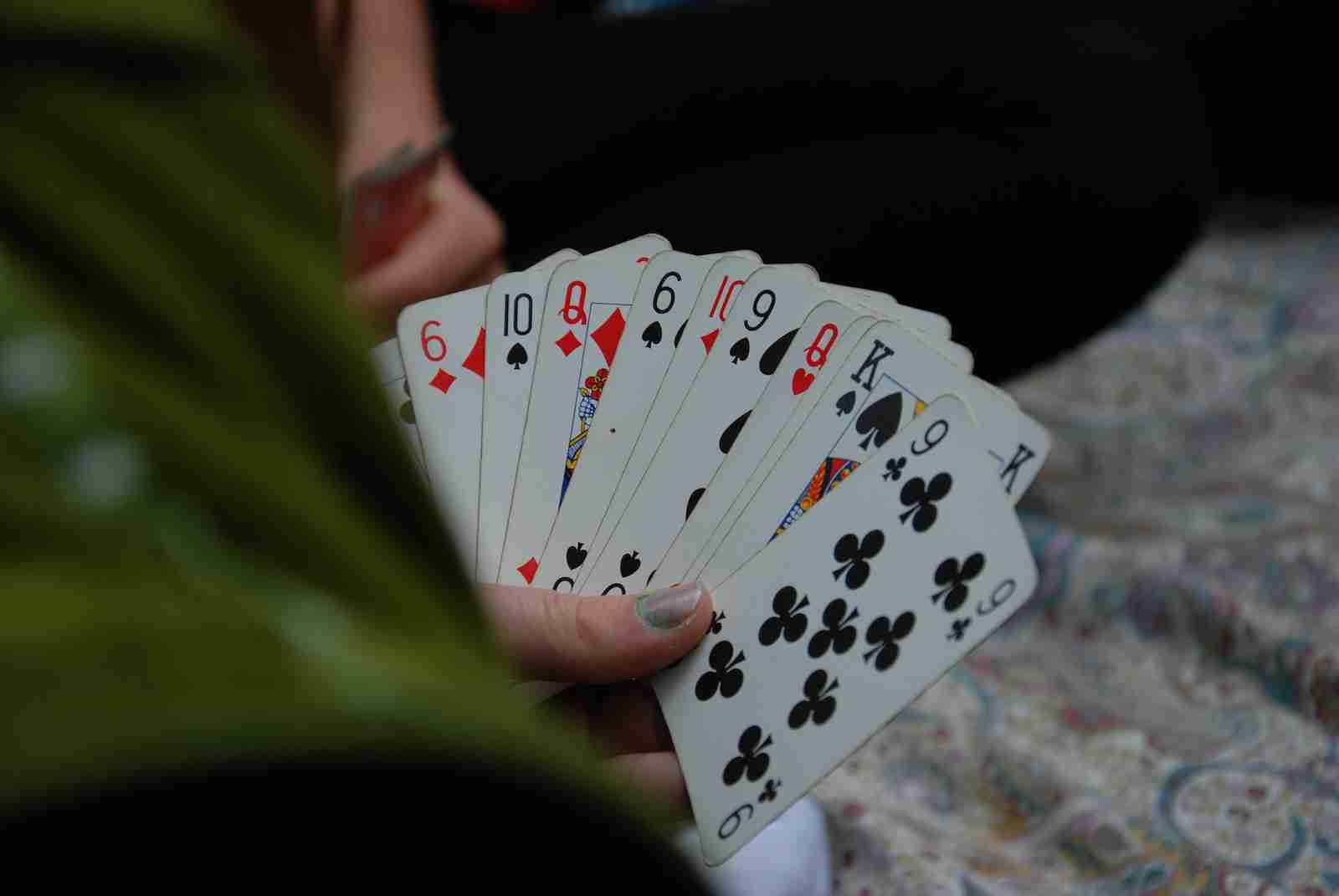
At first glance, it might seem trivial. After all, what could a game possibly achieve in the grand scheme of life? But when we scratch beneath the surface, the concept of gamification emerges as a beacon of hope. This isn’t just about shiny board games or competitive bingo nights. Gamification harnesses the natural human instinct for play and competition, infusing daily activities with a little joy. It’s about turning mundane tasks into challenges, making connections, and fostering a sense of accomplishment—even if it means engaging in a friendly game of cards with someone across the room.
Creating a gamified environment can spark engagement and encourage seniors to interact rather than retreat into solitude. Think about it: a monthly challenge that encourages members of a local senior community to balance physical activity with mental challenges. It creates motivation, yes, but it also builds camaraderie. Those relationships—those little victories shared—can dissolve the walls of isolation that might have seemed insurmountable.
Moreover, the technology of today opens up new doors for connection. Video games, social media platforms, and even mobile applications tailored for older adults offer a way to redefine how they socialize. Imagine a senior engaging in a virtual bowling tournament or participating in trivia games with family members across the country. With each click, they’re not just exercising their minds; they’re also weaving a web of connections that can last a lifetime.
The question isn’t whether fun and games can reduce loneliness among seniors, but rather, how we can implement them effectively. By incorporating elements of gamification, fostering community engagements, and keeping the spirit of play alive, we’re not just filling spaces in social calendars; we’re transforming lives. In the battle against loneliness, a little fun can go a long way—after all, laughter resonates just as deeply as a shared story.

Are Fun and Games The Key to Reducing Loneliness Among Seniors?
Are Fun and Games The Key to Reducing Loneliness Among Seniors?
- Wisdom of elders plays a crucial role in shaping our lives, providing stories and guidance.
- Seniors often experience loneliness, a silent struggle that affects their well-being.
- Gamification can serve as a remedy to combat isolation through fun and engaging activities.
- It transforms mundane tasks into enjoyable challenges, promoting interaction and accomplishment.
- Monthly challenges in senior communities can motivate physical and mental engagement while building camaraderie.
- Modern technology, like video games and social media, offers new ways for seniors to connect socially.
- Implementing fun and games in seniors’ lives can significantly reduce loneliness and enhance connections.

Are Fun and Games The Key to Reducing Loneliness Among Seniors?
Table Of Contents
- Are Fun and Games The Key to Reducing Loneliness Among Seniors?
- What Are The Effects Of Loneliness On Senior Health?
- How Can Games Promote Social Interaction Among Seniors?
- What Types Of Fun Activities Do Seniors Enjoy Most?
- How Can Caregivers Incorporate Games Into Daily Routines?
- Are There Specific Games That Are More Effective For Seniors?
- What Role Does Technology Play In Games For Seniors?
- How Can Families Support Seniors In Engaging In Fun Activities?
- Conclusion
- Other Resources
- Glossary Of Terms
- Other Questions
- Haiku
- Poem
- Checklist
What Are The Effects Of Loneliness On Senior Health?
When we delve into the world of senior health, one aspect that often gets overshadowed is loneliness. It’s more than just a passing feeling; it’s a pervasive force that can have serious implications for our older loved ones. Imagine the daily struggles of those who find themselves adrift in a sea of silence, where the echoes of companionship have faded. Let’s break it down.
Loneliness isn’t just an emotional state; it’s intertwined with physical health in ways we might not expect. Seniors who experience chronic loneliness have a higher risk of developing conditions like heart disease, depression, and even cognitive decline. The mind and body are connected, folks. When a senior feels isolated, it can trigger a cascade of physiological responses, ramping up stress hormones and lowering immune function. It’s a recipe for trouble.
Now, what can we do about this? Enter the concept of gamification. Yes, you heard that right. It’s not just for kids or fancy videos games; it can be a powerful tool to break down those loneliness barriers. Think about it—by incorporating game-like elements into social activities, we could encourage seniors to interact more. Whether it’s a friendly competition in a board game or a community challenge that involves reaching out to friends and family, these strategies can reignite a spark of social engagement.
Even something as simple as a bingo night at the local senior center can become an event where connections are forged, stories are shared, and laughter abounds. By making social interaction fun and rewarding, we can effectively tackle loneliness head-on. The key here is to create environments where seniors feel motivated to participate, breaking through the stigma of social isolation.
However, it’s not all fun and games; it’s essential to remember the empathetic approach. Many seniors may need a gentle nudge to join in these activities. It’s about recognizing their feelings and ensuring they’re comfortable while gently steering them toward opportunities that foster connection.
In summary, the effects of loneliness on senior health are profound and far-reaching. But with innovation, compassion, and a dash of creativity—like gamification—we can create supportive communities where our seniors thrive instead of just surviving. After all, healthy aging isn’t just about the absence of disease; it’s about fostering a life filled with connection, purpose, and joy.

What Are The Effects Of Loneliness On Senior Health?
What Are The Effects Of Loneliness On Senior Health?
- Loneliness is a significant issue affecting senior health, often overlooked.
- Chronic loneliness is linked to serious health risks, including heart disease, depression, and cognitive decline.
- The connection between emotional and physical health is vital; isolation can increase stress hormones and decrease immune function.
- Gamification can be an effective tool to reduce loneliness by incorporating game-like elements into social activities.
- Simple activities, like bingo nights at senior centers, can create opportunities for social interaction and connection.
- An empathetic approach is important; some seniors may need encouragement to engage in social events.
- Supporting seniors through innovative methods can lead to a thriving community focused on connection, purpose, and joy.

What Are The Effects Of Loneliness On Senior Health?
How Can Games Promote Social Interaction Among Seniors?
When it comes to seniors, the right game can be a gateway to connection, laughter, and even a sense of purpose. You see, games aren’t just for kids anymore. They’ve evolved into powerful tools that can foster social interaction—especially among older adults. Here’s where the magic of gamification comes into play.
Picture this: a group of seniors gathered around a table, the sound of dice rolling and cards shuffling filling the air. They’re not just playing; they’re interacting, sharing stories, and forming bonds. When you introduce gamification into the mix, it transforms mundane activities into engaging experiences. It creates a structured way to encourage participation, whether it’s through point systems, levels, or friendly competition. You’re not just playing a game; you’re embarking on an adventure that sparks conversation and camaraderie.
Take a classic game like bingo, for instance. Sure, it’s straightforward, but through gamification, it takes on new life. You can incorporate themes, prizes, and even team challenges. Now, seniors aren’t just marking off numbers; they’re strategizing, collaborating, and laughing. The shared experience fosters interaction, giving them a reason to engage, celebrate victories, and even commiserate over losses. It’s the kind of environment that fosters friendship, encourages dialogue, and creates lasting memories.
But it’s not just about traditional board games. The rise of technology has paved the way for digital games that can be played in person or online, further broadening the scope of social interaction. Whether it’s a smartphone game that allows players to compete with each other from the comfort of their own homes or online platforms that bring people together, these tools can break down barriers. From trivia nights to virtual puzzles, gamification introduces new layers of fun and connection.
Moreover, these games can also have therapeutic benefits. They promote cognitive skills, physical coordination, and emotional well-being. As seniors engage in these activities, they challenge their minds and bodies while simultaneously bonding with their peers. It’s a win-win situation that not only staves off loneliness but enhances the quality of life.
It doesn’t matter if it’s a card game or a virtual challenge—what matters is the joy and interaction it spurs. Gamification is more than a flashy term; it’s a means to enrich lives, build friendships, and remind everyone involved that connection is a timeless game worth playing.

How Can Games Promote Social Interaction Among Seniors?
How Can Games Promote Social Interaction Among Seniors?
- Games foster connection, laughter, and purpose for seniors, proving they’re not just for kids.
- Gamification enhances social interaction among older adults by turning mundane activities into engaging experiences.
- A group of seniors playing together can share stories and form bonds through games like bingo.
- Gamification introduces themes, prizes, and challenges, making games more interactive and enjoyable.
- Digital games expand opportunities for social interaction, allowing seniors to engage online or in person.
- Games offer therapeutic benefits, promoting cognitive skills, physical coordination, and emotional well-being.
- Ultimately, gamification enriches lives by building friendships and fostering a sense of timeless connection.

How Can Games Promote Social Interaction Among Seniors?
What Types Of Fun Activities Do Seniors Enjoy Most?
When it comes to the golden years, seniors are not simply looking for ways to pass the time; they’re eager to engage in activities that spark joy, foster connections, and ignite a sense of purpose. So what types of fun activities do seniors enjoy the most? Let’s dive in and explore.
First off, let’s not underestimate the power of physical activity. Whether it’s gentle yoga, water aerobics, or a brisk walk in the park, seniors relish the chance to stay active. These activities not only improve health but also provide an opportunity for social interaction. Imagine a group of seniors, mat-to-mat in a brightly lit community center, each pose punctuated with laughter and encouragement. This sense of camaraderie often transforms exercise into a far more delightful experience than any solitary sweat session could ever muster.
Now, let’s talk about hobbies. Crafting, gardening, and cooking can all be incredibly rewarding pursuits. Many seniors find solace in these creative outlets, where they can express themselves and produce something tangible. Whether it’s mastering the art of sourdough bread or cultivating a thriving vegetable garden, these hands-on experiences can invoke a real sense of accomplishment. Not to mention, the fruit of their labor can often be shared with family and friends, creating memories and traditions that enrich their lives.
Then there’s the allure of games. Board games, puzzles, and card games have long been staples in the senior community, offering both mental stimulation and social engagement. You see, the concept of gamification has trickled down into many facets of life for seniors. It’s not just for kids or young adults; it’s also a brilliant way to keep the mind sharp. Programs that incorporate elements of competition and teamwork can invigorate the spirit and draw seniors into more active participation. Think trivia nights or community games that turn everyday interactions into cherished memories.
Let’s not overlook the growing trend of technology adoption among seniors. Many are embracing digital platforms for socializing, gaming, and education. Online classes, virtual book clubs, and digital game apps are bridging gaps that geography once hindered. With user-friendly interfaces tailored to their needs, seniors are finding joy in connecting with others and learning new skills, all from the comfort of home.
It’s clear that seniors enjoy a diverse tapestry of fun activities. Whether it’s physical fitness, creative hobbies, gaming, or technological engagement, each activity contributes to their well-being and satisfies their thirst for connection and fulfillment in these golden years.

What Types Of Fun Activities Do Seniors Enjoy Most?
What Types Of Fun Activities Do Seniors Enjoy Most?
- Seniors seek activities that spark joy, foster connections, and ignite a sense of purpose.
- Physical activity, such as gentle yoga and water aerobics, is favored for health benefits and social interaction.
- Engaging in hobbies like crafting, gardening, and cooking provides creative outlets and a sense of accomplishment.
- Games, including board games and puzzles, offer mental stimulation and promote social engagement among seniors.
- Gamification elements help invigorate spirits and encourage active participation through friendly competition.
- Technology adoption is rising among seniors, with many using digital platforms for socializing and education.
- A diverse range of activities contributes to seniors’ well-being and satisfaction during their golden years.

What Types Of Fun Activities Do Seniors Enjoy Most?
How Can Caregivers Incorporate Games Into Daily Routines?
In the world of caregiving, the mission often revolves around enhancing the quality of life for those we care for. It can be an uphill battle, but there’s a powerful tool that caregivers can harness to make daily routines a bit more engaging: gamification. Now, don’t get distracted by the fancy term—it’s simply the process of turning mundane tasks into enjoyable challenges.
Think about it. A morning routine doesn’t have to feel like an obligation. By introducing some lighthearted games, caregivers can turn brushing teeth or getting dressed into something fun. For example, why not set a timer and challenge the person you’re caring for to beat their personal record for getting ready? Add a little friendly competition—who knows, they might just dive into their shoes and tie laces like they’re ready for a sprint!
Lunchtime can be another opportunity to add some playfulness. Instead of simply serving a meal, turn it into a culinary quiz. Present the food in a creative way, and ask trivia questions related to the ingredients. “Did you know these carrots have been around for over 5,000 years?” Not only does it feed the belly, but it also feeds the mind and encourages conversation, making everyone feel more involved.
Even simple tasks like walking can be gamified. Create a scavenger hunt in the backyard or around the neighborhood. It could be as simple as spotting different types of trees, birds, or even colors! Every discovery earns points, and together, you’ll both enjoy the exercise while also making lasting memories.
Let’s not forget about cognitive games, either. Memory matches, crossword puzzles, and word searches not only entertain but also stimulate the brain. You can even design personalized games tailored to the interests of the individual you care for. If they love history, create a quiz about historical events. It’s amazing how a little creativity can turn a mundane routine into an exciting exploration.
Incorporating games into daily routines isn’t just good for the spirit; it fosters a stronger bond between caregiver and care recipient. So, whether you’re racing to put on socks or embarking on a neighborhood adventure, remember: every day is an opportunity to infuse a little joy into the ordinary. After all, who said caring for someone has to be all about the serious stuff? A sprinkle of fun can go a long way in brightening the day.

How Can Caregivers Incorporate Games Into Daily Routines?
How Can Caregivers Incorporate Games Into Daily Routines?
- The mission of caregiving focuses on enhancing the quality of life for care recipients.
- Gamification can turn mundane tasks into enjoyable challenges.
- Morning routines can be made fun through lighthearted games, like timing how fast one can get ready.
- Lunchtime can become engaging by presenting meals creatively and incorporating trivia about the food.
- Walking can be gamified with scavenger hunts that encourage discovery and exercise.
- Cognitive games, tailored to individual interests, can stimulate the brain and entertain.
- Incorporating play fosters stronger bonds between caregivers and care recipients, making daily routines more enjoyable.
How Can Caregivers Incorporate Games Into Daily Routines?
Are There Specific Games That Are More Effective For Seniors?
As we dive into the world of gaming for seniors, we need to acknowledge that not all games are created equal. The best games for older adults tend to blend fun with functionality, capturing attention while providing cognitive and physical benefits. Enter the realm of gamification—a technique that transforms everyday tasks into engaging experiences. This is where the magic happens for seniors, as these elements can breathe new life into activities that might otherwise feel mundane.
But let’s get down to brass tacks. What kinds of games are truly effective for older adults? It starts with cognitive games, many of which feature simple rules and a gradual increase in complexity. Think crossword puzzles, Sudoku, or memory matching games. These stimulate the brain and keep those neurons firing, yet they’re designed in a way that doesn’t overwhelm players. Even classic card games like bridge offer both social interaction and strategic thinking, proving that age-old pastimes can still hold value.
Moving beyond the brain games, many seniors are finding joy in physical activity through interactive gaming that encourages movement. Titles like “Just Dance” or “Wii Sports” bring a dose of fun, prompting participants to engage in light exercise without turning it into a chore. The gamification of physical activity makes it feel less like a workout and more like a celebration. And let’s not overlook the growing trend of virtual reality games, which can transport seniors into new worlds—all from the comfort of their own living rooms.
Social connection is another critical factor in determining the effectiveness of games for seniors. Online multiplayer games offer the chance for friends and family members to join in, creating a shared experience that combats loneliness. Board games, especially ones that are team-based, foster camaraderie and communication, reminding players that bonding over competition is a time-honored tradition.
The bottom line is this: When considering games for older adults, the key ingredients are engagement, cognitive challenge, physical activity, and social interaction. By focusing on these elements, caregivers and family members can choose games that not only entertain but also enrich the lives of seniors. So, whether you’re diving into a brain-teasing puzzle or getting your groove on with some virtual dancing, remember—it’s about creating fun and meaningful experiences for everyone involved. Game on!

Are There Specific Games That Are More Effective For Seniors?
Are There Specific Games That Are More Effective For Seniors?
- Not all games are suitable for seniors; the best games blend fun with functionality.
- Cognitive games with simple rules and increasing complexity, like crossword puzzles and bridge, are effective.
- Interactive gaming promotes physical activity while making exercise enjoyable (e.g., “Just Dance” and “Wii Sports”).
- Virtual reality games offer immersive experiences from home, appealing to seniors’ sense of adventure.
- Social connection is key; online multiplayer and team-based board games reduce loneliness.
- Effective games for seniors should emphasize engagement, cognitive challenge, physical activity, and social interaction.
- Choosing the right games can enrich seniors’ lives, creating fun and meaningful experiences.

Are There Specific Games That Are More Effective For Seniors?
What Role Does Technology Play In Games For Seniors?
When we think about technology and seniors, the first image that might pop into our heads is of someone struggling with a smartphone or getting frustrated with an app. But let’s pause for a moment and shift our perspective. Technology has become a powerful ally in the world of games for seniors, transforming the way they engage, compete, and connect. The journey that seniors take in gaming is less about age and more about adaptation, learning, and a little bit of joy.
The advent of gamification has made a significant impact here. For the uninitiated, gamification refers to the application of game design elements in non-game contexts. It’s like adding a dash of fun to the mundane parts of life. For seniors, this means that their favorite activities can be enriched with leaderboards, achievements, and friendly competitions, all while promoting cognitive and social stimulation. Imagine a daily exercise routine where completing tasks earns them points, badges, or even virtual trophies. This isn’t just a whimsical idea; it’s a reality that keeps seniors engaged, motivated, and, most importantly, having fun.
Moreover, many technologies are designed specifically with seniors in mind. User-friendly interfaces, larger buttons, and simplified navigation help demystify the gadgetry that often leaves them dazed. Tablet-based games, for instance, offer everything from trivia challenges to memory puzzles that sharpen the mind. These aren’t just games; they are tools that encourage interaction and mental agility. In fact, research has shown that regular cognitive engagement through games can even stave off certain age-related cognitive declines. Talk about a win-win situation!
Let’s not forget about the social aspect of gaming, which can be particularly vital for seniors. Online platforms and virtual communities have bridged the gap that physical distance can create. Whether it’s a friendly game of bridge with old pals or connecting with family members across states through interactive video games, technology has made it easier than ever for seniors to stay connected. They can find camaraderie and support, all while keeping their minds active and engaged.
Technology is not just a helpful accessory—it’s evolving into an essential component of game play for seniors. Through gamification, user-friendly designs, and enhanced social opportunities, technology is helping older adults stay sharp, active, and connected. And in a world that often overlooks their potential, that’s a game changer worth celebrating.

What Role Does Technology Play In Games For Seniors?
What Role Does Technology Play In Games For Seniors?
- Technology has transformed gaming for seniors, enhancing engagement, competition, and connection.
- Gamification applies game design elements to everyday activities, making them more enjoyable for seniors.
- Daily tasks can be turned into games, promoting cognitive and social stimulation through rewards like points and badges.
- Many devices are specifically designed for seniors with user-friendly interfaces, larger buttons, and simplified navigation.
- Tablet-based games improve mental agility, offering trivia and memory challenges while preventing cognitive decline.
- Online gaming platforms foster social connections, allowing seniors to play with friends and family regardless of distance.
- Technology is essential in helping older adults stay sharp, active, and connected, showcasing their potential in today’s digital world.

What Role Does Technology Play In Games For Seniors?
How Can Families Support Seniors In Engaging In Fun Activities?
When it comes to keeping our beloved seniors active and engaged, families have a crucial role to play. It’s about more than just planning outings; it’s about creating opportunities for our older loved ones to rediscover joy in their everyday lives. One way to do that is through the art of gamification. Yes, you read that right—turning everyday tasks into fun challenges can breathe new life into the routine.
Let’s face it: the idea of exercise or even simple chores can feel like a slog for seniors. But when you introduce a bit of friendly competition—be it with a family member or even against themselves—it transforms the mundane into something exciting. Think bingo games with prizes for the winners or creating point systems for completing daily tasks. Before you know it, they’ll be looking forward to these activities instead of viewing them as chores.
But let’s not stop there. The key is to tap into their interests. Does Grandma love gardening? Why not set a “Gardening Olympics” where she earns points for every vegetable she plants or flower she nurtures? Not only does this get her moving, but it revives that spark of passion she once had. The same goes for hobbies—if Dad has a penchant for puzzles, why not organize a friendly family puzzle-off? Everyone can pitch in and compete for time and accuracy, making it a lively family event.
Additionally, families can leverage technology to their advantage. Think about virtual game nights with grandchildren, where seniors can engage in card or board games via video calls. Not only is this a wonderful way to maintain familial bonds, but it also gives them a chance to flex their mental muscles in a more engaging format. With a little patience and creativity, the technological barriers can be broken down, leading to laughter and shared memories, no matter the distance.
Lastly, don’t underestimate the power of nostalgia. Bring back games and activities from their youth; it’s like a time machine for the mind! Reminiscing while playing classic games can spark joy and foster a sense of connectedness.
So, roll up your sleeves and get involved! With a dash of creativity and a pinch of gamification, families can turn everyday moments into extraordinary experiences, leaving our seniors feeling valued, engaged, and most importantly, happy.

How Can Families Support Seniors In Engaging In Fun Activities?
How Can Families Support Seniors In Engaging In Fun Activities?
- Families play a crucial role in keeping seniors active and engaged beyond just outings.
- Gamification can turn mundane tasks into exciting challenges for seniors.
- Introducing friendly competition, like bingo games or point systems, can make activities enjoyable.
- Incorporating personal interests, like gardening or puzzles, revives passion and promotes physical activity.
- Technology can enhance engagement through virtual game nights with family members.
- Classic games from their youth can evoke nostalgia, joy, and connectedness.
- A creative approach to everyday moments can leave seniors feeling valued and happy.

How Can Families Support Seniors In Engaging In Fun Activities?
Conclusion
In the grand tapestry of life, our seniors hold threads of wisdom, resilience, and charm—far too often overlooked in our fast-paced, tech-savvy world. Yet, as we’ve seen in our exploration, many of these cherished individuals face an unyielding foe: loneliness. It’s a quiet affliction, one that seeps into the crevices of their lives like an unwelcome guest. Thankfully, the remedy may be simpler than we ever imagined. Fun and games—yes, you heard me right—might just hold the key to alleviating this isolation.
At first blush, it might sound frivolous, but the truth is, incorporating fun into the lives of our seniors could open the floodgates to connection and camaraderie. Gamification—applying game-like elements to everyday activities—can transform mundane tasks into exciting challenges. Picture a spirited game of cards or a community bingo night. Suddenly, these activities are no longer solitary endeavors; they become vibrant gatherings that spark dialogue and laughter, building friendships along the way.
Moreover, let’s not ignore the technological marvels at our fingertips. Advancements have brought about a new wave of social gaming, enabling seniors to engage in virtual competitions or connect with distant family members through online platforms. Whether they’re bowling from their living room or joining a trivia contest with grandkids hundreds of miles away, technology has the power to dissolve the barriers of distance and revitalize social connections.
Now, it’s essential to remember that the journey toward rekindling these relationships should be paved with empathy. Many seniors may need a gentle nudge to step into these interactive realms. As caregivers and loved ones, it’s our duty to foster a climate of comfort and excitement, recognizing that even a simple game can become a lifeline to those feeling adrift.
As we tie up this discussion, we must ask ourselves not if fun and games can help combat loneliness among seniors—but how we can implement them with creativity and warmth. By embracing the power of play, we’re not just embellishing social calendars; we’re enriching lives, igniting passions, and ultimately, sending a resounding message that connection, no matter the age, is a timeless pursuit worth diving into. After all, laughter might just be the best medicine, and a shared game can turn the tables on loneliness, transforming isolation into an engaging community of joy. So let’s rally around our seniors, toss the dice, and play on!

Conclusion
Conclusion:
- Seniors possess wisdom, resilience, and charm but often face loneliness in a fast-paced world.
- Incorporating fun and games into seniors’ lives can alleviate feelings of isolation.
- Gamification can transform mundane tasks into exciting social activities, fostering connection.
- Community activities like card games and bingo nights encourage dialogue and laughter among seniors.
- Technological advancements enable social gaming and virtual interactions, bridging distances with family and friends.
- Empathetic support from caregivers is crucial in helping seniors engage in interactive pursuits.
- By promoting play, we enrich lives, combat loneliness, and enhance the sense of community among seniors.

Conclusion
Other Resources

Other Resources
Here is a list of other resources you can review online to learn more:
- Gamelyn Games
- Beasts of War
- GameNight!
- Blood Rage
- Imperial Settlers
- Memoir ’44: Pacific Theater
- Clans of Caledonia
- Asyncron
- Roll Player
Use This Prompt To Get More Resources With Your Favorite Online AI Tool: Please provide me with a list of online articles with their URLs in a bulleted list that I can read regarding Are Fun and Games The Key to Reducing Loneliness Among Seniors?

Other Resources
Glossary Terms
Are Fun and Games The Key to Reducing Loneliness Among Seniors? – Glossary Of Terms
1. Aging: The process of becoming older, typically referring to the later stages of life and the physiological and psychological changes that accompany it.
2. Bingo: A popular game often played in groups where players mark off numbers on cards as they are called out, providing social interaction and engagement.
3. Community: A group of individuals who live in the same area or share common interests, often providing support and a sense of belonging.
4. Companionship: The feeling of companionship arises from forming meaningful relationships, which can significantly reduce feelings of loneliness.
5. Cognitive Games: Activities designed to stimulate thinking, memory, and problem-solving skills, often beneficial for mental health in seniors.
6. Connection: The feeling of being linked to others, which is critical in alleviating loneliness and promoting emotional well-being.
7. Exercise: Physical activity that can include games and social sports, which not only boost physical health but foster social interaction among seniors.
8. Family Engagement: Involvement of family members in activities and discussions, which can enhance feelings of support and reduce feelings of isolation.
9. Friendship: A close association between individuals that provides emotional support, companionship, and a buffer against loneliness.
10. Games for Seniors: Activities specifically designed or adapted for older adults, promoting fun, interaction, and mental engagement.
11. Health Benefits: The positive physical and mental effects resulting from social activities, including reduced stress and improved mood.
12. Isolation: A state in which a person feels alone or disconnected from others; often a significant factor in mental health issues among seniors.
13. Laughter Therapy: Using humor and laughter as a therapeutic approach to promote emotional well-being and improve social interactions.
14. Mental Stimulation: Activities that engage the mind, helping to keep cognitive functions sharp and maintain social skills.
15. Multigenerational Interaction: Interactions between different age groups, enhancing social bonds and understanding while currying support for seniors.
16. Outdoor Activities: Games and hobbies conducted outside, which encourage physical activity, social interaction, and exposure to nature.
17. Peer Support: Activities that foster friendships among seniors, creating a network of support to combat feelings of loneliness.
18. Recreation: Activities engaged in for enjoyment and relaxation, contributing to improved emotional health and social connections.
19. Isolation Prevention: Strategies and activities aimed at reducing feelings of separation and loneliness, fostering community and support.
20. Social Interaction: Engagement with others through conversation, games, and activities, vital for emotional and mental health.
21. Therapeutic Recreation: A form of therapy that utilizes leisure activities to improve social and emotional well-being.
22. Virtual Games: Online games that allow seniors to connect with others over the internet, providing a platform for socializing despite physical distance.
23. Wellness Programs: Organized activities aimed at promoting health, including mental and emotional wellness, often incorporating fun and social elements.
24. Engagement: The act of participating in activities or conversations, which fosters connections and reduces feelings of loneliness.
25. Volunteerism: Engaging in community service as a way to connect with others, improving social ties and a sense of purpose.
26. Support Groups: Regular meetings where individuals share experiences and provide emotional support, often contributing to reduced feelings of isolation.
27. Adaptive Games: Games modified to accommodate physical limitations, ensuring all seniors can participate and enjoy social activities.
28. Mindfulness: The practice of being present and fully engaged in the moment, which can improve emotional health and reduce loneliness.
29. Cultural Activities: Events that celebrate cultural diversity through music, art, and performance, promoting socialization and community ties.
30. Hobbies: Activities pursued for pleasure, which can provide a sense of achievement and an opportunity for social interactions.
Glossary Of Terms
Other Questions
Are Fun and Games The Key to Reducing Loneliness Among Seniors? – Other Questions
If you wish to explore and discover more, consider looking for answers to these questions:
- What specific types of games are most popular among seniors?
- How do different games vary in effectiveness based on seniors’ interests?
- What role can local senior centers play in facilitating fun activities?
- Are there evidence-based studies supporting the effectiveness of gamification on reducing loneliness?
- How can family members encourage reluctant seniors to participate in games?
- What are potential barriers or challenges in implementing games for seniors?
- How can technology be made more accessible for seniors who are not tech-savvy?
- What are some examples of successful gamification programs for seniors?
- Can incorporating games into caregiving lead to improved mental health for caregivers as well?
- How can communities better support social interaction through organized events?

Other Questions
Haiku
Are Fun and Games The Key to Reducing Loneliness Among Seniors? – A Haiku
Joyful games connect,
Elders laugh, share, and thrive,
Loneliness fades fast.

Haiku
Poem
Are Fun and Games The Key to Reducing Loneliness Among Seniors? – A Poem
In twilight years where shadows loom,
Elders face a quiet gloom,
Their stories rich, but hearts confined,
In loneliness, they are entwined.
But what if laughter reigned anew?
With games to bridge the gap, it’s true!
From bingo nights with smiles that beam,
To card games sparking joy supreme.
Gamification, a playful art,
Transforms the mundane, ignites the heart.
Competition laced with friendly cheer,
Fosters bonds as they persevere.
With every roll of dice, each thread spun,
Connections grow, the battle’s begun—
Against isolation’s silent foe,
In shared victories, relationships flow.
A virtual bowl, a trivia spree,
Technology breaking the chains of decree,
Each click a bond, each laugh a thread,
Weaving ties that lonely hearts dread.
And with nurturing hands, families engage,
Crafting challenges, writing a new page.
Gardens bloom with a playful dare,
Memories revive in the joy we share.
So let’s embrace the games we play,
For in every smile, in every sway—
We find togetherness, overcoming strife,
In fun and games, we transform life.
For every giggle, and each tender glance,
In laughter’s arms, we find the chance,
To banish solitude, and let love flow,
In playful moments, may our spirits grow.

Poem
Checklist
Are Fun and Games The Key to Reducing Loneliness Among Seniors? – A Checklist
1. Identify Interests:
_____ Ask seniors about their hobbies and interests (gardening, crafting, puzzles, etc. ).
_____ Create a list of activities they enjoy to tailor engagement efforts.
2. Incorporate Gamification:
_____ Transform mundane tasks into fun challenges (e. g. , timed dressing routines).
_____ Develop point systems or rewards for completing daily activities.
_____ Use themes for activities (e. g. , Gardening Olympics or Family Puzzle-Off).
3. Facilitate Social Interaction:
_____ Organize regular group activities (game nights, bingo, trivia contests).
_____ Promote friendly competition through team-based games.
_____ Encourage sharing of stories and experiences during games.
4. Embrace Technological Aids:
_____ Introduce user-friendly apps and games tailored for seniors.
_____ Facilitate virtual game nights or video calls with family members.
_____ Explore online platforms that connect seniors for multiplayer games.
5. Choose Activities Wisely:
_____ Focus on games that promote cognitive skills (crossword puzzles, memory games).
_____ Include physical activity in gaming (interactive games like Just Dance).
_____ Look for games that foster social bonds (team-based board games).
6. Encourage Participation:
_____ Provide gentle nudges for engagement—many may need encouragement to join.
_____ Create a safe and comfortable environment for participation.
_____ Be responsive to their feelings and preferences regarding activities.
7. Foster Community:
_____ Engage with local senior centers for organized events and activities.
_____ Create opportunities for seniors to meet new friends in a communal setting.
_____ Share successes and progress within the community to build motivation.
8. Address Loneliness:
_____ Monitor and recognize signs of loneliness in seniors.
_____ Encourage an open conversation about feelings and experiences with solitude.
_____ Provide resources or information on support groups or community connections.
9. Celebrate Achievements:
_____ Acknowledge milestones and victories in activities, no matter how small.
_____ Organize celebratory gatherings or recognitions for achievements in games.
_____ Share stories or testimonials highlighting the positive effects of participation.
10. Adapt and Evolve:
_____ Continuously assess what works and be open to trying new activities.
_____ Seek feedback from seniors on their experiences and preferences.
_____ Stay informed about new games and technologies that may benefit seniors.
By following this checklist, you can help create engaging and meaningful activities for seniors, ultimately reducing feelings of loneliness and fostering social connections.

Checklist
At HowDoYouGame, we help people who love board games by collating information and news about games.
Be sure to read our other related stories at HowDoYouGame to learn more about games.