Unleashing Infinite Imagination: Crafting Game Themes With AI
By Tom Seest
At HowDoYouGame, we help people who love board games by collating information and news about games.
Be sure to read our other related stories at HowDoYouGame to learn more about games.
How to Generate Game Themes Using AI
Gaming is more than just a way to pass the time; it’s a budding industry that engages our hearts, challenges our heads, and welcomes our guts. On any given day, a virtual world beckons players to delve into epic quests and narrative adventures. The good news? You don’t need to be a triple-A studio to create the next big game. With the power of AI, the door to Gamification swings wide open, inviting everyone to explore their thoughts and imaginations.
As you harness AI’s capabilities, think about the stories that resonate with you. The best games are reflections of our shared experiences—power struggles, emotional journeys, and the simple joys of friendship. It’s not just about crafting scenarios; it’s about creating connections. Imagine a game based on the age-old struggle of good versus evil but set against a modern-day backdrop. Where would you position your players? What moral dilemmas would they face? These questions anchor your narrative, weaving together gameplay and theme into a tapestry rich with meaning.
Of course, you want players to think. An engaging game doesn’t just entertain; it invites reflection. Will your game encourage them to see the world in a new light? Perhaps your AI-assisted brainstorm reveals a theme that touches on environmental stewardship or social change. This approach not only captivates players; it also creates a sense of purpose in their engagement. When they realize their in-game actions resonate in the real world, they’re more likely to share their experiences with others—a powerful social tool in the gaming space.
But let’s not skip the gut feeling. The emotional pulse of your game has to resonate, tugging at nerves and stirring passions. That’s what keeps players coming back. Use AI to test various emotional arcs and see which resonates best with your target audience. Whether it’s triumph, heartbreak, or sheer joy, the more authentic the experience, the deeper the player’s connection to your game will be.
Dive into the world of AI and allow it to elevate your creative process. You’re not just building a game; you’re crafting a journey—a shared experience that could ignite discussions around hacktivism or transcending fears. As you explore these themes, remember: every great adventure started with a single idea. Make yours count.
How to Generate Game Themes Using AI
How to Generate Game Themes Using AI
- Gaming is a growing industry that engages emotions, intellect, and creativity.
- AI technology allows anyone to create games, not just major studios.
- Great games reflect shared human experiences, such as power struggles and friendships.
- Meaningful narratives can be created by addressing moral dilemmas in modern settings.
- Engaging games invite players to reflect and discover new perspectives on real-world issues.
- Emotional resonance is crucial for keeping players connected and invested in the game.
- AI can enhance creativity, helping to craft immersive and thought-provoking gaming journeys.

How to Generate Game Themes Using AI
Table Of Contents
- How to Generate Game Themes Using AI
- How Can AI Help Us Create Immersive Game Narratives?
- What Ethical Concerns Arise From Using AI In Game Design?
- How Do Players Perceive AI-Generated Themes Compared To Human Ones?
- Can AI-Generated Stories Connect With Players On An Emotional Level?
- What Are The Benefits Of Using AI For Diverse Game Theme Generation?
- Are AI-Generated Themes More Appealing To Different Demographics?
- How Can Collaboration Between Humans And AI Enhance Game Storytelling?
- Conclusion
- Other Resources
- Glossary Of Terms
- Other Questions
- Haiku
- Poem
- Checklist
How Can AI Help Us Create Immersive Game Narratives?
Imagine stepping into a world where every choice you make feels real, each character is a reflection of your deepest fears or wildest dreams, and the narrative twists and turns as uniquely as your own story. That’s the promise of AI in game development. It’s not just about pixels and code; it’s about weaving an immersive narrative that grips you by the heart and won’t let go.
Consider the power of gamification. It transforms the mundane into the memorable, turning a standard story into an adventure tailored just for you. With AI’s analytical prowess, we can craft narratives that adapt to individual players. Every decision reverberates throughout the game, influencing not just outcomes but also the emotional fabric of the story. The choices you make become part of a larger tapestry, creating a sense of agency that resonates deeply.
Now, let’s think about the ethics of gaming. With great power comes great responsibility. It’s our duty as creators to use AI responsibly to foster narratives that respect diverse perspectives and encourage empathy. Imagine a game where the character you choose to empathize with opens your eyes to experiences outside your own, broadening your horizon. That depth of understanding is not just entertainment; it’s education and connection wrapped into one.
As we navigate this digital landscape together, we must remember the fundamentals of storytelling. It’s not just about high scores or unlocking achievements. It’s about human connection. AI can help create robust characters whose struggles you feel, whose triumphs you celebrate. The narrative becomes a shared experience, transcending mere gameplay to become a fabric of social interaction.
So, the next time you pick up a controller, think of the unseen hands at work. AI is not just an ally for developers; it’s a bridge guiding us through uncharted narratives. It’s an invitation to join a community grounded in storytelling traditions while sprinting ahead into the future.
Let’s step into this journey together, embracing the transformative potential of AI as a partner. Let’s craft stories that not only entertain but also inspire, educate, and connect. The future of gaming isn’t just in the graphics—it lies in the rich, immersive narratives waiting to unfold. Each game can become a new chapter in a larger story we’re all telling together, one that resonates with the heart, makes sense to the head, and stirs the gut.

How Can AI Help Us Create Immersive Game Narratives?
How Can AI Help Us Create Immersive Game Narratives?
- AI in game development creates immersive narratives tailored to individual player experiences.
- Gamification transforms mundane stories into memorable adventures, enhancing engagement.
- Player choices influence not only game outcomes but also emotional story arcs, fostering a sense of agency.
- Ethical considerations are crucial, encouraging creators to use AI to promote empathy and diverse perspectives.
- The relationship between players and characters emphasizes human connection through shared experiences.
- AI serves as a valuable tool for developers, bridging traditional storytelling with innovative narratives.
- The future of gaming lies in rich, immersive stories that entertain, educate, and create deeper connections.

How Can AI Help Us Create Immersive Game Narratives?
What Ethical Concerns Arise From Using AI In Game Design?
In a world increasingly driven by technology, the rise of artificial intelligence in game design rekindles a spectrum of ethical concerns that reach deep into our collective conscience. Beneath the bright, colorful graphics and intricate mechanics lies a complex landscape where the potential for manipulation is real. Gamification—the use of game elements in non-game contexts—pushes boundaries, and while it captivates players, it also raises questions about autonomy and agency.
Imagine a young gamer, engrossed in a world that feels alive, every decision weighted with consequence. The thrill is palpable, yet lurking in the shadows is the specter of algorithmic control. What happens when AI starts to determine not just what games players enjoy, but how it tailors experiences to addict them? The gut-wrenching thought is that entertainment becomes a tool for exploitation, feeding on vulnerabilities rather than fostering creativity.
Ethically, we must confront our responsibility to protect players from systems that can prey on their psychological triggers. It’s easy to dismiss these concerns as overreactions, but consider the power dynamics at play. Developers wield immense influence when they design worlds that can evoke emotional responses, and it’s critical that this power is used wisely. There’s a heavy burden of trust placed upon them, and each decision they make ripples through the gaming community.
From a rational standpoint, we must weigh the benefits of AI-driven design against the possible repercussions. Can we harness the creativity and complexity of AI to elevate the player experience without crossing the line into manipulation? Striking this balance requires a collaborative approach, where stakeholders, including developers, ethicists, and players, engage in dialogue. This social contract is essential in creating games that inspire rather than ensnare.
As we navigate this brave new world of game design, let’s hold ourselves accountable. Let’s advocate for transparency and ethical practices that prioritize player well-being alongside captivating gameplay. Each one of us has a role to play in shaping the future of gaming—a call to action to ensure that our experiences are grounded in respect and empathy.
We are at a crossroads, and the choices we make today will define the gaming landscape of tomorrow. Let’s choose wisely.

What Ethical Concerns Arise From Using AI In Game Design?
What Ethical Concerns Arise From Using AI In Game Design?
- The rise of artificial intelligence in game design brings forth significant ethical concerns.
- Gamification captivates players but raises questions about autonomy and manipulation.
- AI’s potential to tailor experiences may lead to addiction rather than creativity.
- Developers hold immense power and have a responsibility to protect players from exploitation.
- A collaborative dialogue among developers, ethicists, and players is essential for responsible game design.
- Advocating for transparency and ethical practices prioritizes player well-being in gaming.
- The choices made now will shape the future of the gaming landscape; we must choose wisely.

What Ethical Concerns Arise From Using AI In Game Design?
How Do Players Perceive AI-Generated Themes Compared To Human Ones?
When it comes to perceiving AI-generated themes versus human ones, players find themselves in a labyrinth of emotions, logic, and moral considerations. Gamification transforms the mundane into something magical, wrapping itself around our daily experiences like a comforting blanket. But what happens when an algorithm—which lacks a beating heart and lived experience—takes the reins of this transformation?
Picture this: you boot up a game, eager to dive into a world crafted by human hands. The weapons, the landscapes, the stories—they all resonate with the sweat and passion of someone who knows the human experience intimately. You treasure those subtle nuances, those choices that speak to your own insecurities and hopes. Time spent in these realms churns the gut, igniting both triumph and despair. Now, contrast that with an AI’s creation. Sleek and efficient, yes, but often brushing against the surface instead of digging deep.
Players engage with content for more than just point totals or achievements; they seek empathy and authenticity. Human-generated themes often feel alive, stirring the heart. An AI can mimic this, replicating style and form seamlessly, yet it rarely captures that essential spark of humanity—the essence that pulls players into an emotional embrace. This chase for connection speaks volumes about our nature: we long to relate. We cherish moments that reflect our struggles and dreams, and when a theme does this well, it feels like a trusted friend offering wisdom.
This isn’t just a matter of preference; it’s ethical. The potential of AI to craft narratives is inspiring, yet it raises questions about creativity, ownership, and the spirit of invention. Are we inadvertently sidelining voices that deserve to be heard? In a world where algorithms reign, we must advocate for balance, ensuring that we cherish human touch in the gamification of our experience.
Socially, players rally around this sentiment, often drawing lines in the sand. Gamers value community, celebrating works born from human collaboration and creativity, while grappling with the allure of AI’s speed and scalability. They take action, raising their voices in forums and gaming conventions, voicing support for creators who put their hearts into pixels.
Ultimately, whether it’s the warmth of a human-crafted story or the crisp efficiency of AI, the key is recognition. Each has its place, but we must strive to foster a world where authenticity reigns, reminding ourselves that even the finest technology is merely a tool—an aide to the human spirit’s enduring quest for connection.

How Do Players Perceive AI-Generated Themes Compared To Human Ones?
How Do Players Perceive AI-Generated Themes Compared To Human Ones?
- Players experience a mix of emotions, logic, and ethics when distinguishing between AI-generated and human-created themes.
- Gamification transforms everyday experiences into something extraordinary but raises questions about the authenticity of AI creation.
- Human-crafted games resonate deeply due to the emotional investment and lived experiences embedded in their design.
- Players seek empathy and authenticity in gaming; human-generated themes often evoke a stronger emotional response than AI outputs.
- The rise of AI in storytelling prompts ethical debates about creativity, ownership, and representation in gaming narratives.
- Gamers emphasize the importance of community and support for human creators, balancing the efficiency of AI with a desire for genuine connection.
- Recognition of both human creativity and AI capabilities is essential, ensuring that authenticity remains a priority in gaming narratives.

How Do Players Perceive AI-Generated Themes Compared To Human Ones?
Can AI-Generated Stories Connect With Players On An Emotional Level?
Imagine sitting down with a game that doesn’t just challenge your reflexes but engages your heart and mind in ways that feel profoundly human. You’ve conquered the latest levels, but it’s not just the thrill of victory that keeps you coming back; it’s the story that unfolds, one that whisper of real human experiences. As the art of gamification weaves itself into the fabric of storytelling, the bright lines that once separated generated content and genuine emotion become blurrier.
When you step into an AI-generated narrative, there’s a chance that the algorithms guiding your experience know something about you that you may not even fully understand. This isn’t mere serendipity—it’s a carefully crafted connection that draws from vast pools of human emotion, twisting the binary into empathy. The stories might be algorithmic, but the feelings? Those are unmistakably real.
Think about it: when you’re overcoming obstacles in the game, you’re also grappling with your personal struggles. It’s through AI that experiences can be tailored to us. The heart craves connection, and through the nuance of an AI’s storytelling, that connection can transform not just gameplay, but the player’s very essence. This blending of human experience and technology begins to forge narratives that resonate within us, lending weight to the idea that even something created by silicon and code can vibrate at the same frequency as our souls.
Ethically, this creates a responsibility on the creators’ part. Can we trust these AI systems to authentically reflect the human condition, or will they veer off into cold analysis? A trustworthy AI is one that balances data with the ethical commitment to portray genuine human experiences.
As we navigate this new landscape, we also lean on each other—the community of players. When stories resonate, we share them. We ponder them over coffee, discuss them in forums, and collaborate over strategies, nurturing a network built on shared experiences. These narratives, deepened by technology, become the tapestry of our collective consciousness.
The emotional engagement that AI-generated stories can offer is not just a novelty but an invitation—a call to embrace the stories that intertwine our fates, reflections of our joy, sorrow, and everything in between. So the question isn’t whether these stories can connect; it’s how deeply they can pull you in. And isn’t that what we all seek in this digital age?

Can AI-Generated Stories Connect With Players On An Emotional Level?
Can AI-Generated Stories Connect With Players On An Emotional Level?
- Games can engage both heart and mind, offering profound human experiences beyond just reflex challenges.
- The integration of gamification and storytelling blurs the lines between generated content and genuine emotion.
- AI-generated narratives may tap into personal emotions and experiences that players might not fully understand.
- Overcoming in-game obstacles often parallels players’ real-life struggles, enhancing emotional connection.
- Creators face ethical responsibilities to ensure AI authentically reflects the human condition without reducing it to cold analysis.
- The player community plays a vital role in sharing, discussing, and nurturing narratives that resonate deeply.
- AI-generated stories invite emotional engagement, fostering connections that reflect shared human experiences.

Can AI-Generated Stories Connect With Players On An Emotional Level?
What Are The Benefits Of Using AI For Diverse Game Theme Generation?
When we talk about game theme generation, we’re often stepping into a realm where creativity meets technology—a vibrant landscape where artificial intelligence transforms the mundane into the extraordinary. Imagine a world where an AI crafts narratives that resonate with a player’s journey, creating game themes that are not just exciting but also rich in depth. This is the promise of AI, and it’s not just about pressing a button; it’s about opening doors.
At its core, gamification isn’t merely about adding fun to tasks; it’s about enhancing engagement and fostering connection. When developers harness AI for theme generation, they initiate a dialogue with players that’s more than just pixels on a screen—it’s an experience that pulls at the heartstrings. Whether it’s a quest for redemption or a battle for survival, the themes generated can stir emotions, making players feel like they belong to the story.
From a rational standpoint, consider the efficiency of incorporating AI. Traditional theme creation is often a lengthy process, requiring endless brainstorming sessions and feedback loops. AI can analyze vast amounts of data in an instant, offering diverse themes that cater not only to what players want but also to what they never knew they needed. Think about it: AI can provide recommendations based on player behavior, ensuring that each game feels fresh while also deeply personal. It’s a way to ensure that players are not just participants but integral parts of the narrative.
Ethically, utilizing AI to foster diversity in game themes means embracing stories from varied cultures and perspectives. This inclusivity can bridge gaps, connecting players from different backgrounds through shared experiences. It encourages an environment where everyone can see themselves represented in the stories that unfold, promoting empathy and understanding in a digital world that can sometimes feel isolating.
The authority of AI in generating these themes also cannot be overstated. Developers who lean into this technology position themselves at the forefront of innovation. They are not just riding a trend—they are paving the way for the next generation of immersive and dynamic game experiences.
In a society that thrives on connection, leveraging AI for diverse game theme generation isn’t just a smart move; it’s a commitment to a more engaging and inclusive gaming world. So, as you consider the possibilities, remember: this isn’t just technology at work. It’s a rallying call for a more vibrant, connected narrative landscape for all.

What Are The Benefits Of Using AI For Diverse Game Theme Generation?
What Are The Benefits Of Using AI For Diverse Game Theme Generation?
- AI transforms game theme generation, merging creativity with technology to create rich narratives.
- Gamification enhances engagement and connection through emotionally resonant themes.
- AI offers efficient theme creation by analyzing player data and providing tailored recommendations.
- Use of AI promotes diversity in game themes, embracing varied cultural perspectives.
- Inclusivity in storytelling helps players feel represented and fosters empathy in gaming.
- Developers leveraging AI position themselves as innovators in immersive game experiences.
- This approach is a commitment to creating a vibrant and connected gaming narrative landscape.
What Are The Benefits Of Using AI For Diverse Game Theme Generation?
Are AI-Generated Themes More Appealing To Different Demographics?
In today’s world, where digital distractions compete for our attention, the question of whether AI-generated themes resonate with different demographics is more than just a data point—it’s a matter of connection. Picture a grandmother trying to navigate a social media app filled with flashy graphics and complex layouts. Meanwhile, a teenager effortlessly scrolls through similar content, captivated by engaging themes that speak their language. This disparity is where understanding the nuances of demographics becomes critical.
AI-generated themes have the potential to unify diverse audiences, creating a tapestry of experiences that cater to age, culture, and personal preference. When we introduce gamification into the mix, we’re not merely adding bells and whistles; we’re creating experiences that engage the heart, the head, and yes, even the gut. Gamification transforms ordinary interactions into a thrilling journey. Imagine a simple app that prompts users to collect rewards for learning something new—a digital treasure hunt that turns education into a game. For younger users, it’s enticing, competitive, and fun; for older generations, it becomes an opportunity for growth, igniting a sense of curiosity they thought was long gone.
This isn’t just about keeping younger audiences entertained; it’s about fostering a community where everyone, regardless of age or background, feels valued and connected. Think of the neighbor who might feel isolated, suddenly finding joy in a game shared with their grandkids. It taps into our collective human experience and reminds us that we all want to be heard, seen, and appreciated. That’s where empathy meets innovation.
Moreover, the ethical implications can’t be overlooked. The creators of these AI themes have a responsibility to ensure inclusivity. When every demographic feels represented, trust blossoms, and engagement soars. The authority to shape these narratives shouldn’t rest solely with a select few; it must include voices from all walks of life, crafting experiences that uphold values of connection and unity.
As we navigate the vast landscape of AI-generated content, let’s remember: every swipe, every click, and every interaction can build bridges or walls. When we prioritize themes that resonate with diverse demographics, we’re not just shaping products; we’re shaping the very fabric of our society. And in that fabric, everyone deserves a patch that’s uniquely theirs.

Are AI-Generated Themes More Appealing To Different Demographics?
Are AI-Generated Themes More Appealing To Different Demographics?
- Digital distractions challenge AI-generated themes to resonate with different demographics.
- Understanding demographic nuances is essential for effective connection through AI-generated content.
- AI themes can unify diverse audiences by catering to age, culture, and personal preferences.
- Gamification enhances user experience, turning learning interactions into engaging, competitive games.
- Creating inclusive experiences fosters community and connection across all age groups.
- Ensuring inclusivity in AI theme creation builds trust and enhances engagement among varied demographics.
- Prioritizing diverse themes shapes societal fabric, making it essential for all voices to be included.

Are AI-Generated Themes More Appealing To Different Demographics?
How Can Collaboration Between Humans And AI Enhance Game Storytelling?
In the heart of every game lies a story yearning to be unraveled. When humans and AI collaborate in crafting these narratives, something extraordinary happens. Picture this: a captivating world where the grit of human creativity merges seamlessly with the analytical prowess of AI. Together, they elevate storytelling to new heights, bringing characters and plots to life in ways we’ve only begun to fathom.
Imagine the profound emotional resonance when an AI analyzes player choices and tailors the narrative to reflect their unique journey. It’s not just about winning or losing; it’s about forging connections. You find yourself in a quest that understands your motivations, struggles, and triumphs, making each decision feel authentic and impactful. This is gamification at its finest, transforming gameplay into a tapestry of experiences that doesn’t just dazzle the eye but also stirs the heart.
On a rational level, consider the data-driven insights AI can provide. By tapping into vast amounts of player feedback and behavioral patterns, game developers can refine story arcs, character development, and world-building. This isn’t mere guesswork; it’s a strategic approach grounded in real-world engagement. Imagine the authority this collaboration generates—stories that not only entertain but also resonate with players on a deeper level, making them feel seen and understood.
Ethically, there’s a responsibility here—a commitment to using technology to foster genuine connections without compromising the narrative’s integrity. It’s about ensuring that the human touch is never lost in translation. The stories crafted through this partnership should reflect diverse voices and experiences, enriching the digital landscape for everyone involved.
At its core, the collaboration between humans and AI in gaming storytelling becomes a communal experience. It’s not just individuals tapping away at consoles; it’s a shared journey forged by millions of players and creators. The social appeal flows through every update, every expansion pack, as players discuss their adventures and share their unique paths. Together, they become a community that thrives on collective storytelling, breaking down barriers and fostering connections that endure long after the console goes silent.
In this evolving realm, embracing the synergy between human creativity and AI efficiency is not only exhilarating; it’s essential. Trust in this partnership, as it promises to refine and redefine the very narratives that move us. Join the adventure, where every story told is a testament to human ingenuity and technological advancement, creating an experience that resonates long after the game is over.

How Can Collaboration Between Humans And AI Enhance Game Storytelling?
How Can Collaboration Between Humans And AI Enhance Game Storytelling?
- Collaborative storytelling between humans and AI creates extraordinary narratives in games.
- AI analyzes player choices, tailoring stories to reflect unique journeys and emotions.
- Gaming becomes a tapestry of experiences, fostering authentic connections beyond mere wins or losses.
- Data-driven insights from AI help refine story arcs, character development, and world-building.
- The ethical use of technology is crucial to maintain narrative integrity and include diverse voices.
- Collaboration between players and creators fosters a communal storytelling experience and lasting connections.
- Embracing human-AI synergy is essential to evolve and enhance gaming narratives and experiences.

How Can Collaboration Between Humans And AI Enhance Game Storytelling?
Conclusion
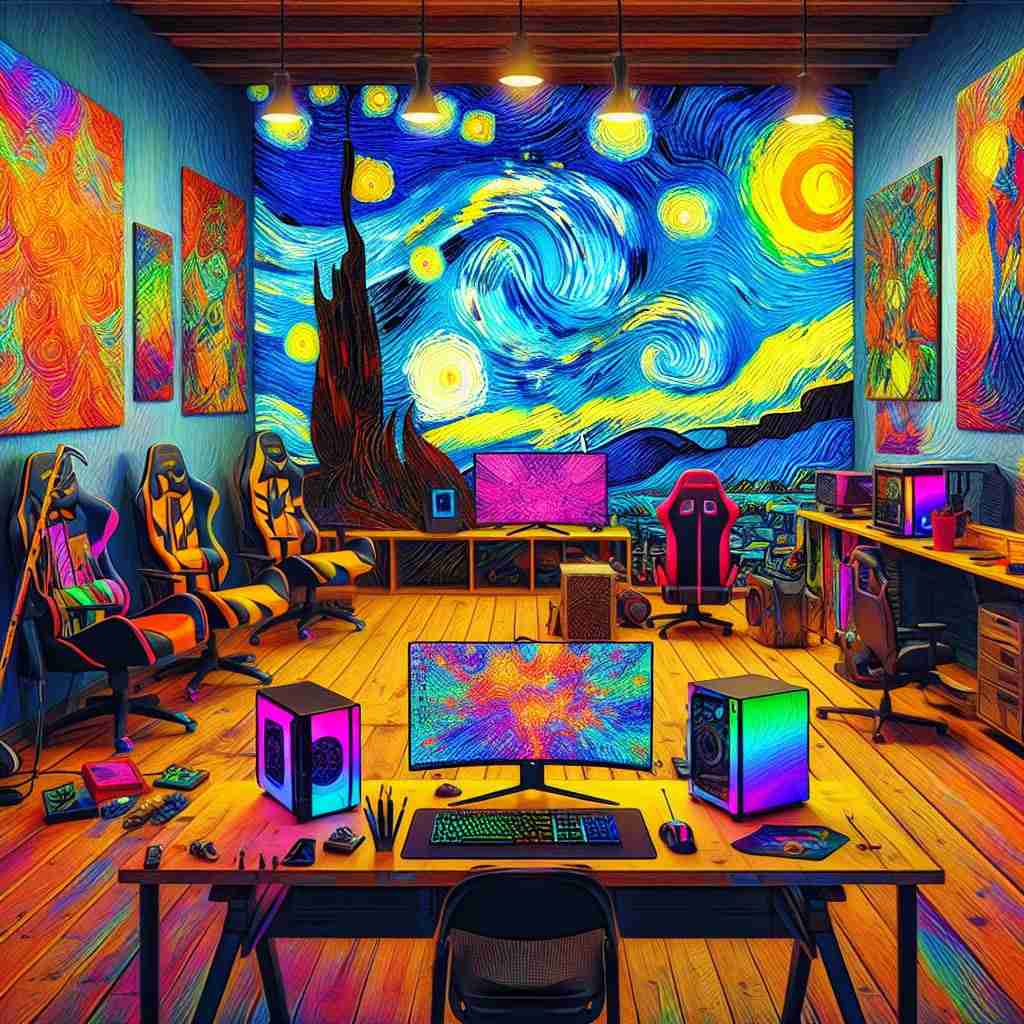
In the vibrant tapestry of gaming, where creativity meets technology, the advent of AI is forging new paths for storytelling, and it invites each of us to join the adventure. Gaming has always been more than just a pastime; it’s a reflection of our shared human experience—our struggles, triumphs, and connections. The powerful intersection between AI and game development allows us to craft themes that not only entertain but resonate with our deeply held values and emotions. Imagine stepping into a world where your choices matter, where narratives adapt to reflect your inner journey. With AI as our ally, we open the door to infinite possibilities, crafting stories tailored to the unique facets of each player’s life.
But amidst this technological marvel lies a responsibility. As creators, we must wield the power of AI ethically, ensuring our narratives honor the diverse experiences of all gamers. It’s crucial that we engage different demographics, fostering inclusivity and empathy within the digital realms we build. Whether we’re inviting the young gamer seeking excitement or the seasoned player reminiscing about simpler times, our themes must resonate on multiple levels, creating profound connections across generations.
Consider the emotional chords these narratives can strike. AI can analyze player preferences, crafting stories that evoke laughter, tears, and everything in between. This emotional resonance is what draws players back—not just the thrill of gameplay, but the authentic journeys they embark on within these crafted worlds. Each game can offer a reflection of personal struggles and shared dreams, creating a sense of belonging that extends beyond the screen.
When we collaboratively blend human creativity with AI’s analytical strengths, the possibilities become limitless. Together, we can create immersive experiences that engage hearts and minds while respecting the essence of human storytelling. This is where the true power of AI lies—not in replacing the human touch, but in amplifying it, ensuring that every player feels seen, heard, and valued.
As we navigate this new frontier in gaming, let’s step boldly forward. Together, we can harness AI to craft narratives that inspire, educate, and unite. In doing so, we create not just games, but communal experiences that deepen our connections and enrich our lives. Each theme we generate can contribute to a collective story, weaving us together in a powerful narrative tapestry—one that celebrates our shared human experience, amplifies our voices, and invites us all to play our part.

Conclusion
Conclusion:
- The integration of AI in gaming is transforming storytelling by inviting players into unique adventures.
- Gaming reflects our shared human experiences, including struggles, triumphs, and connections.
- AI allows for adaptive narratives that resonate with players’ values and emotions.
- Ethical use of AI in game development is crucial for honoring diverse player experiences and fostering inclusivity.
- Emotional connections in narratives drive player engagement, creating a sense of belonging beyond gameplay.
- The collaboration of human creativity with AI enhances storytelling, ensuring players feel valued and understood.
- Harnessing AI can create communal gaming experiences that deepen connections and contribute to a shared narrative tapestry.
Conclusion
Other Resources

Other Resources
Here is a list of other resources you can review online to learn more:
- The Secret Cabal Gaming Podcast
- Blue Orange Games
- Rising Sun
- Discord
- 7 Wonders Duel
- Cool Mini or Not (CMON)
- Google My Business
- Gaia Project
- The Castles of Burgundy
- Osprey Games
- Mombasa
- Terra Mystica
- Robinson Crusoe: Mystery Tales Expansion
- Nemesis
- Polygon
- GamesRadar+
- Horrible Guild
- Istanbul
- Fields of Arle
- Space Cowboys
Use This Prompt To Get More Resources With Your Favorite Online AI Tool: Please provide me with a list of online articles with their URLs in a bulleted list that I can read regarding How to Generate Game Themes Using AI

Other Resources
Glossary Terms
How to Generate Game Themes Using AI – Glossary Of Terms
1. AI (Artificial Intelligence): Technology that simulates human intelligence processes, enabling machines to learn, reason, and adapt.
2. Game Theme: The overarching concept, narrative, or setting of a video game that shapes its atmosphere and style.
3. Procedural Generation: A method in game development that uses algorithms to create game content dynamically, often resulting in unique experiences.
4. Neural Network: A computational model inspired by the human brain, used in machine learning to identify patterns and generate content.
5. Training Data: The dataset used to teach an AI model, which influences its ability to generate relevant and coherent outputs.
6. Natural Language Processing (NLP): A field of AI focused on the interaction between computers and human language, critical for theme generation through text.
7. Algorithm: A step-by-step procedure or formula for solving problems, used in AI to process data and generate themes.
8. Creativity Engine: An AI component designed to produce original and imaginative ideas or concepts for games.
9. Contextual Relevance: The degree to which generated game themes align with the desired narrative, genre, or player expectations.
10. User Input: Information provided by developers or players to guide the AI in generating tailored game themes.
11. Game Mechanics: The rules and systems that govern the gameplay experience, often influenced by the chosen theme.
12. Feedback Loop: A process in AI where outcomes are used to improve future predictions, enhancing theme generation quality.
13. Customizable Parameters: Adjustable settings in AI tools that allow users to influence how game themes are generated.
14. Simulation: The reproduction of processes or systems through computational models, often used to visualize themes in games.
15. Imagination Filter: An AI tool that refines creative outputs, ensuring that generated themes are practical and suitable for game design.
16. Storytelling: The art of crafting narratives within games, heavily influenced by the selected theme.
17. Visual Aesthetics: The artistic design and appearance of a game, which can be inspired by AI-generated themes.
18. Genre Blending: The combination of multiple game genres, which can be facilitated by AI to create unique thematic experiences.
19. Iterative Design: A development process where themes are continuously refined based on testing and feedback, aided by AI suggestions.
20. Concept Art: Illustrative visuals created during game development to explore ideas based on AI-generated themes.
21. Narrative Arc: The structured storyline of a game that outlines the progression and key events, informed by the theme.
22. Playtesting: The process of evaluating a game by having players test it, crucial for validating AI-generated themes.
23. Theme Iteration: The repetitive process of developing and refining game themes through variations and adjustments.
24. Cross-disciplinary Approach: Collaboration between different fields (e. g. , AI, design, storytelling) to enhance theme generation.
25. Data Mining: The practice of analyzing large amounts of information to uncover patterns that inform AI-driven content creation.
26. Thematic Consistency: The alignment of all aspects of a game (story, mechanics, visuals) with the chosen theme.
27. Interactive Experience: The engaging and immersive nature of a game, shaped significantly by its themes.
28. Persona Development: The creation of character profiles that align with the game’s theme, often influenced by AI insights.
29. Dynamic Adaptation: The ability of a game to change elements in real-time based on player choices and interactions related to themes.
30. Player Agency: The level of control a player has over their actions and decisions in a game, essential for integrating AI-generated themes effectively.

Glossary Of Terms
Other Questions
How to Generate Game Themes Using AI – Other Questions
If you wish to explore and discover more, consider looking for answers to these questions:
- What tools are available for using AI in game theme generation?
- How does AI analyze player data to influence game narratives?
- What are some examples of successful AI-generated game themes?
- How can developers ensure ethical use of AI in game design?
- What role does player feedback play in refining AI-generated game content?
- Can AI-generated themes address cultural sensitivities effectively?
- What challenges do developers face when integrating AI in storytelling?
- How do different demographics respond to AI-generated themes versus traditional ones?
- What are the potential pitfalls of relying too heavily on AI for game design?
- How can AI facilitate collaboration among game developers and writers?
- What is the impact of AI-generated themes on the gaming community and culture?

Other Questions
Haiku
How to Generate Game Themes Using AI – A Haiku
Imagination thrives,
AI weaves tales from the heart—
Connections take flight.

Haiku
Poem
How to Generate Game Themes Using AI – A Poem
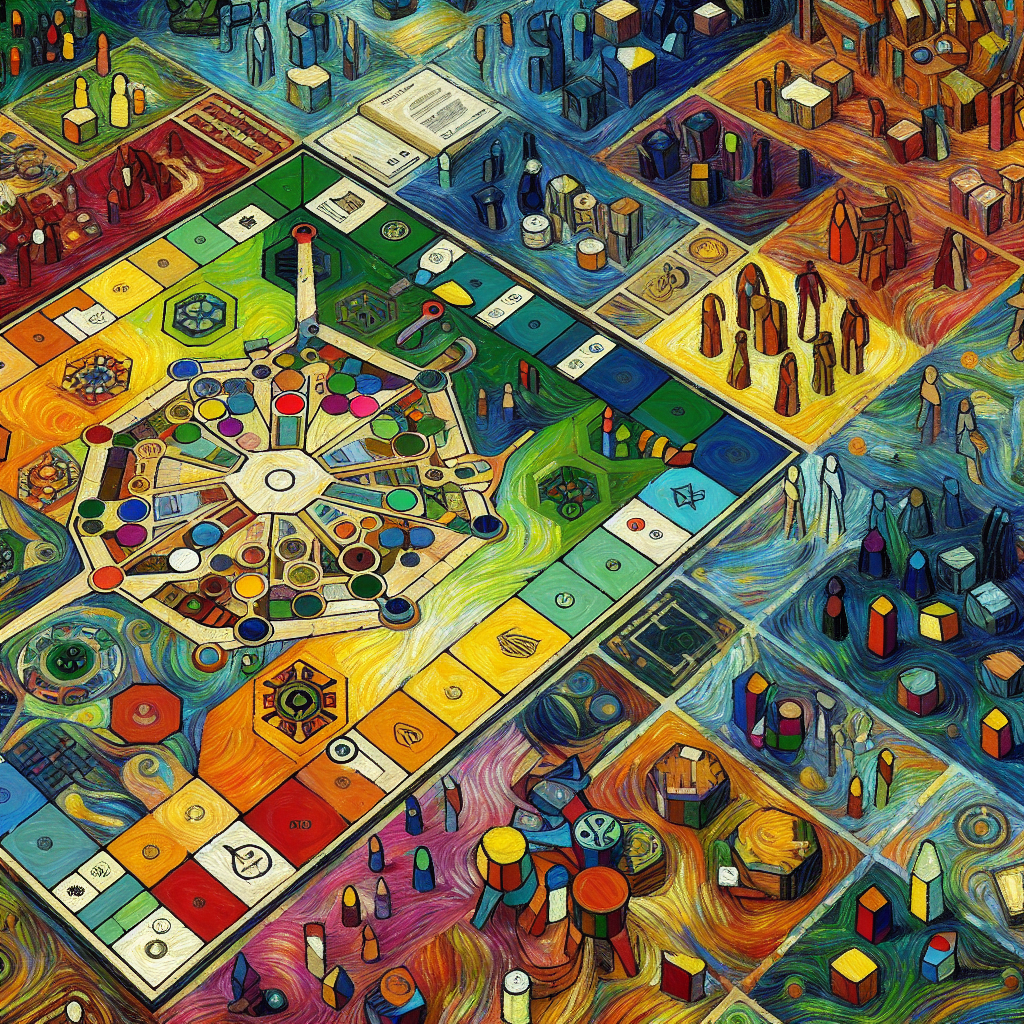
In a realm where dreams collide,
Gaming breathes, with heart and pride.
A canvas vast, where stories weave,
AI ignites, inviting all to believe.
With quests that echo our shared strife,
Through pixels bold, we glimpse our life.
Good versus evil, in battles we face,
Moral puzzles, in a digital space.
Each choice we make, a thread in the loom,
Crafting connections, letting hope bloom.
AI, the guide, through arcs we explore,
Transforming the mundane, unlocking new doors.
Yet, with such power comes heavy weight,
The ethics of crafting must seal our fate.
Do we exploit, or elevate the soul?
Let empathy reign; let compassion be the goal.
From generational ties to cultures entwined,
AI can unite, in a tapestry designed.
Youth and elders, all players enthralled,
In narratives rich, we find common ground called.
So gather ‘round, let’s tell our tales,
Where hearts, heads, and guts prevail.
With human touch and digital might,
We co-create worlds that dance in the light.
Together we journey, a shared refrain,
In this vibrant landscape, let passion reign.
For every story penned, every laugh and tear,
Is a testament of life, lived beautifully near.
Poem
Checklist
How to Generate Game Themes Using AI – A Checklist
Checklist for Crafting Engaging Game Themes Using AI
Emotional Appeal:
_____ Consider the emotional journey of your players: What feelings do you want to evoke?
_____ Identify themes that resonate on a personal level, like love, loss, or triumph.
_____ Experiment with different emotional arcs—test what resonates best with your audience.
Rational Appeal:
_____ Utilize AI to analyze player behavior and preferences for theme generation.
_____ Evaluate the efficiency of AI-driven theme creation versus traditional methods.
_____ Gather data on player engagement to refine and adapt narratives.
Ethical Considerations:
_____ Ensure diverse perspectives are represented in your game themes.
_____ Assess the potential for AI to manipulate player behaviors—prioritize player autonomy.
_____ Uphold transparency in AI-generated content—be clear about AI’s role in narrative development.
Authority and Innovation:
_____ Stay updated on AI advancements and their implications in game design.
_____ Position yourself as a thought leader by leveraging AI responsibly for innovative storytelling.
_____ Encourage collaboration between developers, ethicists, and players for balanced game design.
Narrative Crafting:
_____ Develop narratives that mirror real-life experiences and moral dilemmas.
_____ Create characters that are relatable and whose struggles resonate with players.
_____ Ensure that player choices influence the story, enhancing emotional investment.
Social Engagement:
_____ Foster community discussion around themes and narratives—encourage player sharing of experiences.
_____ Design themes that appeal to diverse demographics, promoting inclusivity.
_____ Utilize gamification to turn ordinary interactions into meaningful, shared experiences.
Connection and Reflection:
_____ Engage players in themes that encourage reflection on real-world issues, such as climate change or social justice.
_____ Craft stories that not only entertain but also educate and inspire social change.
_____ Remember that every game can be a platform for dialogue—explore meaningful themes that foster community connection.
Creativity and Collaboration:
_____ Embrace the synergy between human creativity and AI capabilities in narrative design.
_____ Encourage input from a variety of voices in theme development—collaboration enriches storytelling.
_____ Continuously evolve your themes based on feedback from players and AI analytics.
Use this checklist to guide the development of immersive game themes that resonate deeply with your audience while fostering ethical, inclusive, and engaging narratives.

Checklist
At HowDoYouGame, we help people who love board games by collating information and news about games.
Be sure to read our other related stories at HowDoYouGame to learn more about games.