Millennials’ Mission: Gaming For All
By Tom Seest
At HowDoYouGame, we help people who love board games by collating information and news about games.
Be sure to read our other related stories at HowDoYouGame to learn more about games.
How Millennials Made Inclusivity a Standard for Modern Games
In the world of moderngames, a significant transformation has taken root—one that aligns with the values of inclusivity and representation. Millennials, through their passion and persistence, have forged a new path that invites everyone to the table, creating a rich tapestry woven from countless voices and experiences. This shift isn’t merely a trend; it’s a movement that stems from an innate understanding that every player deserves to see themselves within the realms they explore.
Consider the days when gaming was often a solitary pursuit, where the narratives and heroes were primarily crafted from a limited worldview. Today, under the watchful eyes of a generation that has dared to challenge the status quo, the landscape has blossomed. The protagonists are now as diverse as the players themselves—different backgrounds, orientations, and life experiences—all melding into the digital narratives that so many dive into after a long day. The games we cherish reflect the humans who create them. They speak truths that resonate with countless individuals, fostering empathy and shared connection.
This dedication to inclusivity doesn’t just warm the heart; it has a profound impact on the industry itself. Games that embrace different narratives often see greater success. The numbers speak volumes: sales soar, communities grow, and conversations spark, illustrating that when we broaden our horizons, everyone benefits. Developers are increasingly obliged to respond, to acknowledge the diverse audience that taps into their worlds, to approach their craft with fresh eyes. It’s as if society has turned to the gaming industry, raising a righteous eyebrow, demanding not just more but better.
But this isn’t merely about economics or market dynamics. It cuts to the ethical core of what it means to create and connect. By including different voices, we model acceptance and understanding, challenging prejudices and paving the way for future generations to thrive in a world where respect reigns supreme. There’s a palpable excitement—an invitation—for gamers and creators alike to relax societal boundaries, revealing that gaming is not just a hobby; it’s a shared experience that shapes who we are.
So here’s the truth: while the pixels on the screen may enforce a new world, the real magic lies in our ability to build cultures of kindness and inclusion, one game at a time. It’s time to embrace this evolution, for every player has a story worth telling and a world worth exploring.

How Millennials Made Inclusivity a Standard for Modern Games
How Millennials Made Inclusivity a Standard for Modern Games
- A transformation in modern gaming reflects values of inclusivity and representation.
- Millennials drive a movement inviting diverse voices and experiences to gaming.
- The gaming landscape has evolved from a solitary pursuit to a more communal experience.
- Protagonists now mirror the diversity of players, enhancing empathy and connection.
- Games with diverse narratives often achieve greater commercial success.
- Including various voices challenges prejudices and promotes acceptance in society.
- Gaming is recognized as a shared experience that shapes identities and cultures.

How Millennials Made Inclusivity a Standard for Modern Games
Table Of Contents
- How Millennials Made Inclusivity a Standard for Modern Games
- What Personal Experiences Shaped Your Views on Gaming Inclusivity?
- How Can Inclusive Games Challenge Societal Norms and Stereotypes?
- How Do Diverse Character Representations Affect Player Engagement?
- What Role Does Community Feedback Play In Shaping Game Inclusivity?
- How Can We Measure the Impact Of Inclusivity on Game Success?
- Why Do You Think Millennials Demand More From Game Developers Today?
- How Do Shared Narratives In Games Foster Empathy Among Players?
- Conclusion
- Other Resources
- Glossary Of Terms
- Other Questions
- Haiku
- Poem
- Checklist
What Personal Experiences Shaped Your Views on Gaming Inclusivity?
When I think about what shaped my views on gaming inclusivity, I can’t help but reflect on those moments that seemed utterly ordinary at the time but turned out to be anything but. Walk with me through a memory; I’m at a local arcade, a cacophony of sound and color swirling around me. Kids of all backgrounds were vying for their turn at the joystick, laughter and cheers bouncing off the walls. But amidst the joyous noise, I noticed a young girl sitting off to the side, just watching. Her eyes sparkled with anticipation, but there was an invisible barrier that kept her from joining in.
Why was she sidelined? Here was a vibrant world of games, but for her, it felt like an exclusive club where membership was dictated by unwritten rules. That day stuck with me; it was a stark reminder that inclusivity in gaming isn’t just a nice-to-have—it’s essential. Each of us has a story that matters, and those well-crafted narratives and powerful mechanics can unite us in ways that transcend differences. When we open the floodgates for everyone, we enrich not only our virtual worlds but our real one.
As a community, we have the power to make a difference. Why should anyone feel they are too different or too shy to engage with something that brings us all together? With every player we invite and every barrier we dismantle, we add depth to this great tapestry of gaming. This isn’t just about kindness; it’s about ethical responsibility. We owe it to ourselves to ensure that everyone feels they can contribute to and enjoy the collective experiences that games provide.
A few years back, I saw a gaming tournament that made a conscious choice to feature participants from various backgrounds and abilities. The result? A beautiful spectacle of camaraderie, where the thrill of the game was matched only by the palpable sense of belonging in the air. If that doesn’t tug at your heartstrings, I don’t know what will.
So, let’s think beyond ourselves. Let’s foster an environment where every voice is amplified, where every player takes their place at the table. The more we embrace inclusivity, the richer our gaming experiences become. Together, we can create a world where everyone, and I mean everyone, can claim their victory in the games we love.

What Personal Experiences Shaped Your Views on Gaming Inclusivity?
What Personal Experiences Shaped Your Views on Gaming Inclusivity?
- The author reflects on their formative experiences regarding gaming inclusivity, highlighting moments that seemed ordinary but were impactful.
- A memory from a local arcade reveals a young girl observing instead of participating, emphasizing the invisibility of barriers to entry in gaming.
- Inclusivity in gaming is portrayed as essential, with the idea that everyone has a story that can unify and elevate the gaming experience.
- The author calls on the gaming community to dismantle barriers, advocating for the invitation of diverse players to enrich the gaming tapestry.
- Ethical responsibility is emphasized, stating that everyone should feel they can engage and enjoy gaming experiences.
- A gaming tournament example illustrates the positive impact of inclusivity, showcasing camaraderie among participants from various backgrounds.
- The author encourages a collective effort to amplify every voice and make gaming environments welcoming for all, promoting richer experiences.

What Personal Experiences Shaped Your Views on Gaming Inclusivity?
How Can Inclusive Games Challenge Societal Norms and Stereotypes?
Inclusive games are more than just a source of entertainment; they are a mirror reflecting the values of our society and have the potential to reshape them. Picture this: a young girl, her joy as vivid as her brightly colored controller, embarks on a digital quest where she’s not just a side character but the hero of her own story. This little moment envelops a world of possibilities, challenging the notion that action heroes are exclusively male, that strength isn’t just physical, or that bravery comes only from the “traditional” archetypes we’ve long held dear.
Through inclusive games, we can begin dismantling stereotypes that have clung to our culture like old wallpaper—familiar yet utterly outdated. Think about it: when games incorporate diverse characters, they provide players with a chance to step into shoes that don’t always fit their own. They allow everyone to experience life through another’s lens, fostering empathy that escapes the confines of our everyday lives. This emotional connection breaks down barriers, urging us to explore not just what makes us different, but what binds us as humans.
From a rational standpoint, it’s hard to ignore the burgeoning evidence that diverse storytelling captivates broader audiences. Inclusive games are not merely a nod to political correctness; they’re a savvy business move. As creators focus on representation, they tap into a vast market of players hungry for stories that resonate with their realities. It’s about expanding horizons—not only for the gamers but for the developers as well, who can refine their craft by venturing beyond their own perspectives.
Ethically, we stand at a crossroads. Accepting the challenge to include more voices in gaming means championing diversity, ensuring that every player feels seen and validated. This isn’t just a noble cause; it’s a moral obligation. The authority of representation has a ripple effect: when players see themselves reflected in the narratives they engage with, they develop a sense of belonging that transcends the screen.
Herein lies the call to action for creators, players, and society as a whole: let’s want more from our games. By fostering environments where stories are diverse and inclusive, we not only entertain but inspire. We challenge old norms and embrace a future where everyone, regardless of gender, race, or ability, can be the protagonist of their tale. Let’s not just play games; let’s change the game.

How Can Inclusive Games Challenge Societal Norms and Stereotypes?
How Can Inclusive Games Challenge Societal Norms and Stereotypes?
- Inclusive games reflect societal values and have the power to reshape them.
- They challenge stereotypes around gender, strength, and bravery by featuring diverse protagonists.
- Diverse character representation helps foster empathy and a deeper understanding among players.
- Incorporating diverse storytelling attracts broader audiences and is a strategic business decision.
- Championing diversity in gaming allows all players to feel seen and validated, enhancing their sense of belonging.
- Creators and players are called to demand more diversity and inclusivity in gaming narratives.
- Games should inspire and challenge old norms, allowing everyone to become the hero of their own story.

How Can Inclusive Games Challenge Societal Norms and Stereotypes?
How Do Diverse Character Representations Affect Player Engagement?
When we dive into the intricacies of character representation in games, we’re not just talking pixels and polygons. We’re exploring the rich tapestry of human experience that resonates across screens and speakers. Imagine a game where you take on the role of a character you can truly relate to—one who mirrors your struggles, triumphs, and aspirations. That connection does more than enhance your in-game performance; it pulls you in, igniting your heart, head, and gut.
Let’s think about it this way: diverse character representations provide a panorama of life experiences, each figure a reflection of the world we inhabit. When a gamer sees a character that reflects their identity—be it through race, gender, or ability—they feel seen, acknowledged. This connection fosters an emotional bond that can transform gameplay from mere entertainment into an engaging narrative experience. It’s not just about winning or losing; it’s about feeling like a part of something bigger.
Rationally, diversity enriches storytelling. Games thrive on plot and character development, and diverse figures bring fresh perspectives and unique narratives. This variety doesn’t just challenge stereotypes; it invites players to explore new ideas and question their own beliefs. When a game presents a range of characters, it can challenge social norms and provoke thoughtful reflection. Players evolve, not just as gamers, but as individuals navigating a complex world.
Ethically, there’s an imperative to represent the wider spectrum of human experience. Games wield a powerful influence, shaping perceptions and attitudes. When developers prioritize inclusivity, they’re not only making a statement—they’re setting a standard for the industry to follow. This raises the ethical bar for creators and players alike, encouraging an understanding that we’re all part of a shared narrative.
Moreover, as people connect through gaming, shared experiences become a platform for dialogue. This social aspect can foster communities built on trust, empathy, and collaboration. Players who might never cross paths in everyday life find common ground through diverse character representations. They bond over shared stories—celebrating victories and supporting one another through defeats, transforming the gaming space into a sanctuary of belonging.
Ultimately, embracing diverse character representations in games is more than a choice; it’s a call to action. It empowers players, enriches stories, and opens avenues for connection. It reminds us all that the stories we craft are only as vibrant as the characters we bring to life.

How Do Diverse Character Representations Affect Player Engagement?
How Do Diverse Character Representations Affect Player Engagement?
- Diverse character representations enhance emotional connections, making players feel seen and acknowledged.
- Characters mirroring players’ identities can transform gameplay into an engaging narrative experience.
- Diversity in character design enriches storytelling by providing fresh perspectives and unique narratives.
- Varied characters challenge stereotypes and invite players to explore new ideas and question their beliefs.
- Ethically, representing a wide spectrum of human experience raises standards for inclusivity in the gaming industry.
- Gaming fosters community by providing shared experiences and dialogue among players from diverse backgrounds.
- Embracing diversity in character representation empowers players and enriches stories, enhancing the overall gaming experience.
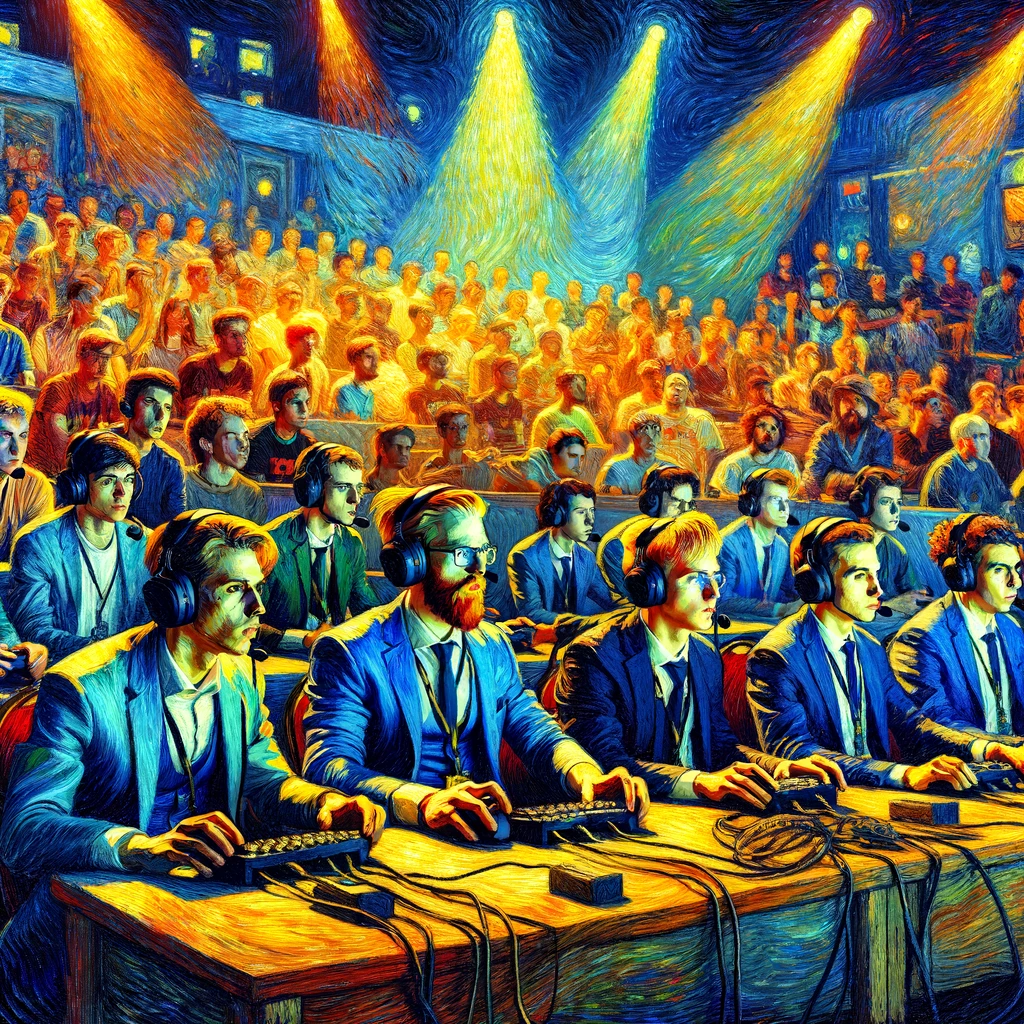
How Do Diverse Character Representations Affect Player Engagement?
What Role Does Community Feedback Play In Shaping Game Inclusivity?
When it comes to making games that truly resonate with players, community feedback isn’t just a suggestion—it’s a necessity. Imagine the thrill of launching a game and then recognizing that the voices of those who play it guide its evolution. Gamers are more than customers; they are stakeholders and collaborators in a shared journey that begins the moment they press ‘start’.
The digital landscape is vast, and within its pixelated expanse lies an incredible diversity of experiences, identities, and voices. Inclusivity in gaming means acknowledging these differences and amplifying them, not just for the sake of representation but as a way to enrich the entire gaming universe. When developers actively seek feedback from their gaming community, they are demonstrating respect and valuing the insights that come from varied perspectives. This is about recognizing the responsibility that comes with creating a platform that should be welcoming, engaging, and fun for everyone.
Consider the developers who embrace a culture of openness—those who take the time to listen, adapt, and innovate based on player experiences. When a person shares how a particular in-game character represents their own struggles or triumphs, that’s not just a testimonial; it’s an emotional connection. This is the very heartbeat of games. They’re not just commodities; they’re narratives that reflect who we are and how we relate to the world around us. When creators heed these narratives, they pave the way for a richer gameplay experience that resonates on both an emotional and intellectual level.
This kind of dialogue fosters trust. Players become invested not only in the characters and stories but in the very evolution of those stories. They want to contribute because they care; they envision a world in their games that mirrors their own realities and experiences. The ethical implications are clear: creating inclusive games isn’t merely about ticking boxes on a checklist—it’s about building a community that thrives on diversity.
Ultimately, those who engage with community feedback are not just game developers; they become stewards of a culture in which everyone has a voice. They champion the idea that games can bridge divides, spark connections, and cultivate empathy. As you immerse yourself in these experiences, remember: every piece of feedback is a thread in the rich tapestry of gaming, woven together to create a narrative more profound than any single voice. Together, we shape a future for games that celebrates us all.

What Role Does Community Feedback Play In Shaping Game Inclusivity?
What Role Does Community Feedback Play In Shaping Game Inclusivity?
- Community feedback is essential for creating games that resonate with players.
- Gamers are stakeholders and collaborators from the moment they start playing.
- Inclusivity in gaming enriches the experience by acknowledging diverse voices and identities.
- Developers who seek community insights demonstrate respect and value different perspectives.
- Embracing player narratives enhances emotional connections and gameplay experiences.
- Creating inclusive games builds trust and fosters a thriving community based on diversity.
- Engaging with community feedback allows developers to become stewards of a culture that values every voice.

What Role Does Community Feedback Play In Shaping Game Inclusivity?
How Can We Measure the Impact Of Inclusivity on Game Success?
When we talk about the impact of inclusivity on game success, we’re not just examining numbers or trends; we’re delving deep into the human experience that games offer. Games have a unique power—they can unite us or divide us, and therein lies the challenge. Inclusivity isn’t merely a checkbox; it’s a vital ingredient that transforms potential into success.
Think about the stories in your favorite games, the characters you root for, the worlds you escape to. Each one of these elements resonates with us because they reflect our diverse reality. When individuals see themselves in games—whether through character representation, accessible gameplay, or community engagement—they’re more likely to invest not just their time but their emotions. That’s not just good business; that’s tapping into our shared humanity. Research shows that diverse teams create richer, more compelling experiences. It’s no stretch to argue that games created by inclusive teams tend to resonate deeper and sell more widely.
However, let’s consider the rational side of this equation. The gaming industry is one of the fastest-growing sectors in the world. Ignoring inclusivity means ignoring vast swathes of potential players. When everyone feels welcome, everyone plays—which leads to larger audiences, higher profits, and ultimately, the longevity of franchises. By fostering an inclusive environment, companies aren’t just making a moral choice; they’re securing their future.
The ethical implications are equally profound. Games have the power to shape thoughts, break stereotypes, and elevate underrepresented voices. By prioritizing inclusivity, developers have an opportunity to influence society positively, offering narratives that build empathy and understanding. This is an ethical obligation, not just a marketing strategy.
We find ourselves at a precipice—where our passions and principles intersect with profit. Every successful game release becomes a testament to this truth: when players feel seen, heard, and valued, they become not just consumers but advocates, warriors for these virtual realms. Their stories intertwine with those of the games they play, creating a rich tapestry that elevates the medium.
So, let’s invite developers and players alike to open their hearts and minds. Embrace inclusivity not just as a trend but as a cornerstone of gaming’s future. Together we can redefine what success looks like in this vibrant space—one that truly reflects the world we live in.

How Can We Measure the Impact Of Inclusivity on Game Success?
How Can We Measure the Impact Of Inclusivity on Game Success?
- Inclusivity in gaming is essential for transforming potential into success, not just a mere checkbox.
- Games reflect diverse realities, allowing players to see themselves through character representation and engaging narratives.
- Diverse teams create richer experiences, often leading to better sales and deeper resonance with audiences.
- Ignoring inclusivity limits potential players; welcoming all leads to larger audiences and increased profits.
- Prioritizing inclusivity shapes thoughts, breaks stereotypes, and supports underrepresented voices in gaming narratives.
- Successful games create connections between players and developers, turning players into advocates for the medium.
- Embracing inclusivity is vital for the future of gaming, helping the industry reflect the diverse world we live in.

How Can We Measure the Impact Of Inclusivity on Game Success?
Why Do You Think Millennials Demand More From Game Developers Today?
Let’s talk about what’s changed in the world of gaming and why today’s Millennials expect so much more from game developers than previous generations did. At the heart of it, it’s really about connection. Games have become a universal language, a way to share experiences, puzzles, and stories. They offer a virtual escape into worlds that reflect our hopes and struggles. Millennials, growing up in an era defined by tech and social media, crave authenticity and depth in these digital escapes.
This generation wants games that resonate—ones that depict real-life issues, challenge societal norms, or even allow players to forge genuine friendships. It’s not just about winning; it’s about what the game represents. They desire narratives that hit close to home, not just canned quests in fantastical lands. They’re looking for a mirror to reflect their journey, serving up ethical dilemmas and moral quandaries that provoke thought and discussion. This reflects a deeper truth. There’s a visceral need to feel seen and understood, and a game that embraces that is elevated to something much greater.
From a rational perspective, the evolution of technology has transformed the gaming landscape. Players have access to a wealth of information, allowing them to dissect every aspect of a game before investing their time and money. They are discerning consumers, aware of what’s possible and demanding that developers push the envelope. This knowledge is power—it fosters a hunger for innovation and quality that few can ignore.
Socially, gaming has shifted from a solitary pastime to a community-driven experience. Multiplayer platforms allow connections across the globe, and players feel a collective responsibility to uplift one another. That camaraderie fosters an expectation that developers should not only understand their audience but actively engage with it. This role reversal—where developers are listeners, and players are the storytellers—reinforces the ethical obligation that creators have to their audience.
So it’s about trust. Millennials want to believe that their time and emotional investment can lead to experiences that matter. They’re no longer satisfied with just playing games; they’re driving the conversation. They demand respect from game developers because they’re prepared to invest hard-earned cash and emotional energy. In this relationship, the stakes are higher than ever, and the call for authenticity and connection is loud and clear. In an ever-evolving landscape, it’s not just about making games; it’s about making meaningful experiences that resonate in the real world.

Why Do You Think Millennials Demand More From Game Developers Today?
Why Do You Think Millennials Demand More From Game Developers Today?
- Millennials expect more from game developers, emphasizing the importance of connection in gaming.
- Games serve as a universal language, reflecting shared experiences, hopes, and struggles.
- This generation seeks authenticity and depth, desiring narratives that address real-life issues.
- Players are discerning consumers, empowered by technology to demand innovation and quality.
- Gaming has evolved into a community-driven experience, fostering global connections and mutual support.
- Developers are expected to engage meaningfully with players, shifting their roles from creators to listeners.
- Millennials want their emotional and financial investments respected, seeking meaningful experiences over mere entertainment.

Why Do You Think Millennials Demand More From Game Developers Today?
How Do Shared Narratives In Games Foster Empathy Among Players?
When we think about games, the first images that often pop into our heads are those of high scores, epic battles, or dazzling graphics. But peel back that shiny surface, and what do you find? At the heart of the best games lies something far more profound: shared narratives that bind players together like a sturdy rope. These stories invite us not just to play, but to immerse ourselves in worlds crafted from the experiences and emotions of those around us.
Consider a game where you step into the shoes of a character navigating the tribulations of loss or the trials of overcoming adversity. It’s not just a digital escapade; it’s an emotional journey. As players, we learn to inhabit perspectives other than our own, touching upon lives colored by struggle, triumph, and everything in between. This is where empathy finds its breeding ground. When you witness another’s story, you don’t just observe from afar; you live it, you feel it. That connection pulls at the gut, and suddenly, your victories and losses aren’t just numbers on a screen—they become part of a shared humanity.
Rationally speaking, the impact of these narrative-driven games can have lasting repercussions beyond the screen. Studies have shown that individuals who engage in empathetic storytelling through games often develop an increased capacity for compassion in real life. The emotional investment in characters and their journeys teaches us to recognize and appreciate the complexities that lie behind every face we encounter. It encourages a fundamental shift in how we see one another—a shift driven by understanding rather than judgment.
On a social level, gaming communities form around these shared narratives, creating spaces where empathy flourishes. Players gather not just to compete but to join together in collective storytelling. These shared struggles and celebrations foster connections that transcend geographical boundaries, initiating conversations that can spark change in our everyday lives.
Ethically, engaging in these stories challenges us. It makes us reflect on our principles, the world around us, and our place within it. It highlights our shared responsibilities toward one another as members of a complex society. Together, in these interactive narratives, players are kindling not just empathy, but a common mission: to understand, relate, and uplift.
The beauty of shared narratives in games is their power to inspire growth, foster connection, and ignite a spirit of compassion. So the next time you pick up that controller, remember: it’s more than just a game. It’s an opportunity to open your heart, engage your mind, and reach out to others in ways that are deeply meaningful.

How Do Shared Narratives In Games Foster Empathy Among Players?
How Do Shared Narratives In Games Foster Empathy Among Players?
- Games often evoke images of high scores, battles, and graphics, but they have deeper meanings.
- At their core, the best games feature shared narratives that connect players emotionally.
- Games can facilitate emotional journeys, allowing players to empathize with characters’ struggles and triumphs.
- Engaging with empathetic storytelling in games can enhance real-life compassion and understanding.
- Gaming communities thrive on shared narratives, fostering connections and initiating meaningful conversations.
- These interactive stories encourage reflection on principles and shared responsibilities within society.
- Ultimately, games provide opportunities for growth, connection, and compassion beyond just entertainment.

How Do Shared Narratives In Games Foster Empathy Among Players?
Conclusion
The gaming world has undergone an essential metamorphosis, and at the forefront of this transformation stand Millennials—players who are not just engaging in a pastime but reshaping the very essence of what gaming means. Gone are the days when gaming revolved around narrow narratives and limited perspectives. Today’s games embrace diversity and inclusivity, reflecting a spectrum of experiences and backgrounds that resonate with an ever-broadening audience. Through their passion and steadfast commitment, Millennials have made it clear: everyone deserves a seat at this digital table.
This cultural shift is about more than mere representation; it’s rooted in the belief that gaming has the potential to foster empathy and understanding. As players step into the shoes of diverse characters, they navigate stories that may differ vastly from their own experiences. This journey cultivates profound emotional connections, reminding us that at the core of every game lies a story waiting to be told—a story that can inspire, challenge, and unite us. The stakes are high in this new era; inclusivity is not only a moral imperative but also a strategic advantage for developers. When games reflect the rich tapestry of humanity, they attract larger audiences, thereby driving both sales and community growth.
But the responsibility to foster inclusivity doesn’t rest solely with game developers; it extends to every player as well. By actively participating in conversations surrounding representation and accessibility, gamers can help sculpt an environment that embraces every voice. This collaborative effort transforms gaming into a communal experience where relationships are forged and collective narratives are built. The power of community lies in its ability to amplify stories, encouraging developers to adapt and innovate based on the feedback of those who play.
Ultimately, the most compelling aspect of this moment in gaming history is the recognition that every player has a story that deserves to be told. In this landscape, games become much more than just a platform for entertainment; they morph into catalysts for change, empathy, and connection. With each character we embrace and each narrative we explore, we break down barriers, challenge societal norms, and pave the way for a more inclusive future. So here’s the call to action: let’s celebrate this evolution together. Let’s champion games that honor every journey, bridging divides and nurturing a culture where kindness reigns—not just in the digital world, but in the hearts of players everywhere. The future of gaming lies in our hands; let’s make it a space where everyone can thrive.

Conclusion
Conclusion:
- The gaming world is transforming, led by Millennials who reshape the meaning of gaming.
- Modern games emphasize diversity and inclusivity, reflecting a wide range of experiences.
- Gaming fosters empathy and understanding through diverse narratives and characters.
- Inclusivity is both a moral imperative and a strategic advantage for developers.
- Players share the responsibility for promoting inclusivity and representation in gaming.
- Community engagement amplifies diverse stories and encourages developers to innovate.
- Games are evolving into catalysts for change, empathy, and connection in society.

Conclusion
Other Resources

Other Resources
Here is a list of other resources you can review online to learn more:
- Fields of Arle
- Brass: Lancashire
- Blogger
- Splendor: Cities of Splendor Expansion
- Star Wars: Rebellion
- Castles of Mad King Ludwig
- Osprey Games
- Jumbo
- Twilight Imperium (Fourth Edition)
- A Feast for Odin
- The Secret Cabal Gaming Podcast
- Mage Knight Board Game
- Grail Games
- Space Cowboys
- Wizards of the Coast
- Agricola (Revised Edition)
- Roll for the Galaxy
- Twilight Struggle
- Tom Vasel’s The Dice Tower
Use This Prompt To Get More Resources With Your Favorite Online AI Tool: Please provide me with a list of online articles with their URLs in a bulleted list that I can read regarding How Millennials Made Inclusivity a Standard for Modern Games

Other Resources
Glossary Terms
How Millennials Made Inclusivity a Standard for Modern Games – Glossary Of Terms
1. Accessibility: The design of games to ensure players of all abilities can play, including features like customizable controls and visual aids.
2. Diversity: The inclusion of different characters, cultures, and perspectives in games to represent various groups and experiences.
3. Equity: Ensuring fairness in game representation and opportunities for marginalized groups, promoting equal access to gaming experiences.
4. Representation: The portrayal of characters and stories in games that reflect the diversity of real-world cultures, identities, and experiences.
5. LGBTQ+ Inclusion: The incorporation of LGBTQ+ characters and narratives in games, promoting acceptance and visibility.
6. Cultural Sensitivity: Awareness and respect for different cultural backgrounds in game design, avoiding stereotypes and misrepresentation.
7. Community Engagement: Involving players in the development process through feedback and collaboration, fostering a sense of belonging.
8. Tokenism: The superficial inclusion of diverse characters without meaningful representation or development, often criticized for lacking depth.
9. Microaggressions: Subtle, often unintentional comments or actions that can perpetuate stereotypes, negatively impacting players’ experiences.
10. Character Customization: Features that allow players to create and modify their avatars, promoting individuality and inclusion.
11. Cohort: A group of individuals with common characteristics, often used to understand different players’ perspectives and experiences.
12. Intersectionality: Understanding how various social identities (race, gender, sexuality, etc. ) overlap and impact individuals’ experiences in gaming.
13. Fan Culture: The community around games that influences trends, advocates for inclusivity, and engages in discussions about representation.
14. Inclusive Design: A design approach that seeks to accommodate a diverse range of players, prioritizing accessibility and representation.
15. Narrative Complexity: The use of intricate storytelling that explores diverse identities and social issues, adding depth to game experiences.
16. Social Justice: The movement aimed at creating fair institutions and equitable treatment in society, reflected in game narratives and design.
17. Gender Norms: Societal expectations regarding behavior and roles based on gender, often challenged and deconstructed in modern games.
18. Allyship: The practice of supporting marginalized groups within gaming communities, promoting positive changes and inclusivity.
19. Content Warning: Notifications about sensitive topics in a game, allowing players to prepare for or avoid potentially distressing material.
20. Virtual Reality (VR): A technology that immerses players in a digital environment, expanding the possibilities for inclusive experiences.
21. Co-op Gameplay: Multiplayer modes that encourage teamwork and collaboration, fostering a sense of community among diverse players.
22. Role-Playing Games (RPGs): A genre where players assume the roles of characters, often used to explore complex identities and storylines.
23. Esports: Competitive gaming that has incorporated diverse player bases, promoting inclusivity in a traditionally male-dominated environment.
24. Gamification: The integration of game-like elements in non-game contexts, used to enhance engagement and promote positive behaviors.
25. Crowdfunding: Raising funds through community support for game projects, often enabling more diverse voices and stories to be funded.
26. Transmedia Storytelling: A narrative approach that spans multiple platforms, allowing for broader representation and audience engagement.
27. Patch Notes: Updates released by developers outlining changes to games, often addressing player feedback on inclusivity and representation.
28. Inclusive Marketing: Advertising strategies that reflect a commitment to diversity, appealing to a broader, more diverse audience.
29. Empathy Building: Designing games that encourage players to understand different perspectives, fostering compassion and inclusivity.
30. Player Agency: The ability of players to make meaningful choices that shape their gaming experience, enhancing representation and engagement.

Glossary Of Terms
Other Questions
How Millennials Made Inclusivity a Standard for Modern Games – Other Questions
If you wish to explore and discover more, consider looking for answers to these questions:
- What are some examples of games that successfully embody inclusivity?
- How has the gaming industry changed in response to Millennial expectations?
- In what ways can game developers actively promote inclusivity during the development process?
- What specific benefits do inclusive games provide to players and developers alike?
- How can players advocate for more inclusive practices in the gaming community?
- What challenges do developers face when trying to create inclusive games?
- How does inclusivity in games impact the overall gaming culture?
- What role does intersectionality play in character representation within games?
- How can we ensure that the trend toward inclusivity in games continues beyond just Millennials?
- What methods can be used to gather and analyze community feedback effectively?

Other Questions
Haiku
How Millennials Made Inclusivity a Standard for Modern Games – A Haiku
Voices once silenced,
Now weave through quests, unite hearts—
Gaming, our shared light.

Haiku
Poem
How Millennials Made Inclusivity a Standard for Modern Games – A Poem
In the pixelated dance of light and sound,
A revolution stirs, its heartbeat profound.
Millennials rise, with passion ablaze,
Crafting a world where inclusivity stays.
From pixels to players, a tapestry spun,
Where every voice counts, and all can have fun.
No longer a realm for the few to explore,
Each gamer’s a hero, with stories to store.
Once solitary quests, now shared with a crowd,
Empathy blooms, where once heads were bowed.
Through myriad journeys, we venture and grow,
Unity flourishes, and kindness can flow.
In games that reflect the faces we wear,
A universe beckons, inviting us near.
Breaking down barriers, shaping new norms,
Our cultures enriched, like the calm after storms.
Developers listen; they heed every call,
For gaming’s a canvas, where we all stand tall.
It’s not just about profits, it’s more than mere play,
It’s a moral responsibility, lighting the way.
Let’s gather together, each player a thread,
Unraveling stories that need to be said.
As we reshape the future, with every bold choice,
Let’s celebrate every heart, each unique voice.
Through laughter and struggle, our bonds intertwine,
In this digital realm, where our spirits align.
For in games, we find not just escape or delight,
But a mirror reflecting our shared human plight.

Poem
Checklist
How Millennials Made Inclusivity a Standard for Modern Games – A Checklist
Inclusivity in Gaming Checklist
Emotional Appeals
_____ Reflect on a personal experience where gaming brought joy or connection to others.
_____ Identify a character in a game that resonates with your identity or experience.
_____ Consider how inclusivity in games makes you feel and how it connects you to a larger community.
Rational Appeals
_____ Research statistics showing the positive impact of diverse characters on game sales.
_____ Analyze how inclusive narratives can challenge and reshape societal stereotypes.
_____ Explore the economic benefits of engaging wider audiences through inclusive game design.
Ethical Appeals
_____ Contemplate the moral responsibility of developers to create inclusive games.
_____ Assess the impact of representation on player experiences and community well-being.
_____ Advocate for support of games that prioritize diversity and inclusivity in storytelling.
Authority Appeals
_____ Read articles or studies from industry experts on the importance of inclusivity in gaming.
_____ Follow thought leaders in the gaming community advocating for diverse representation.
_____ Engage with developer commentary that emphasizes the value of player feedback.
Narrative Appeals
_____ Share stories from games that have moved you or opened your eyes to different perspectives.
_____ Participate in discussions about the narratives you want to see more of in gaming.
_____ Foster conversations around personal anecdotes related to games that taught empathy.
Social Appeals
_____ Join or create communities focused on inclusive gaming practices.
_____ Host or participate in events that celebrate diversity in gaming.
_____ Invite friends or family from different backgrounds to share their gaming experiences and perspectives.
Use this checklist to reflect on your gaming experiences and advocate for broader inclusivity in the gaming industry!

Checklist
At HowDoYouGame, we help people who love board games by collating information and news about games.
Be sure to read our other related stories at HowDoYouGame to learn more about games.