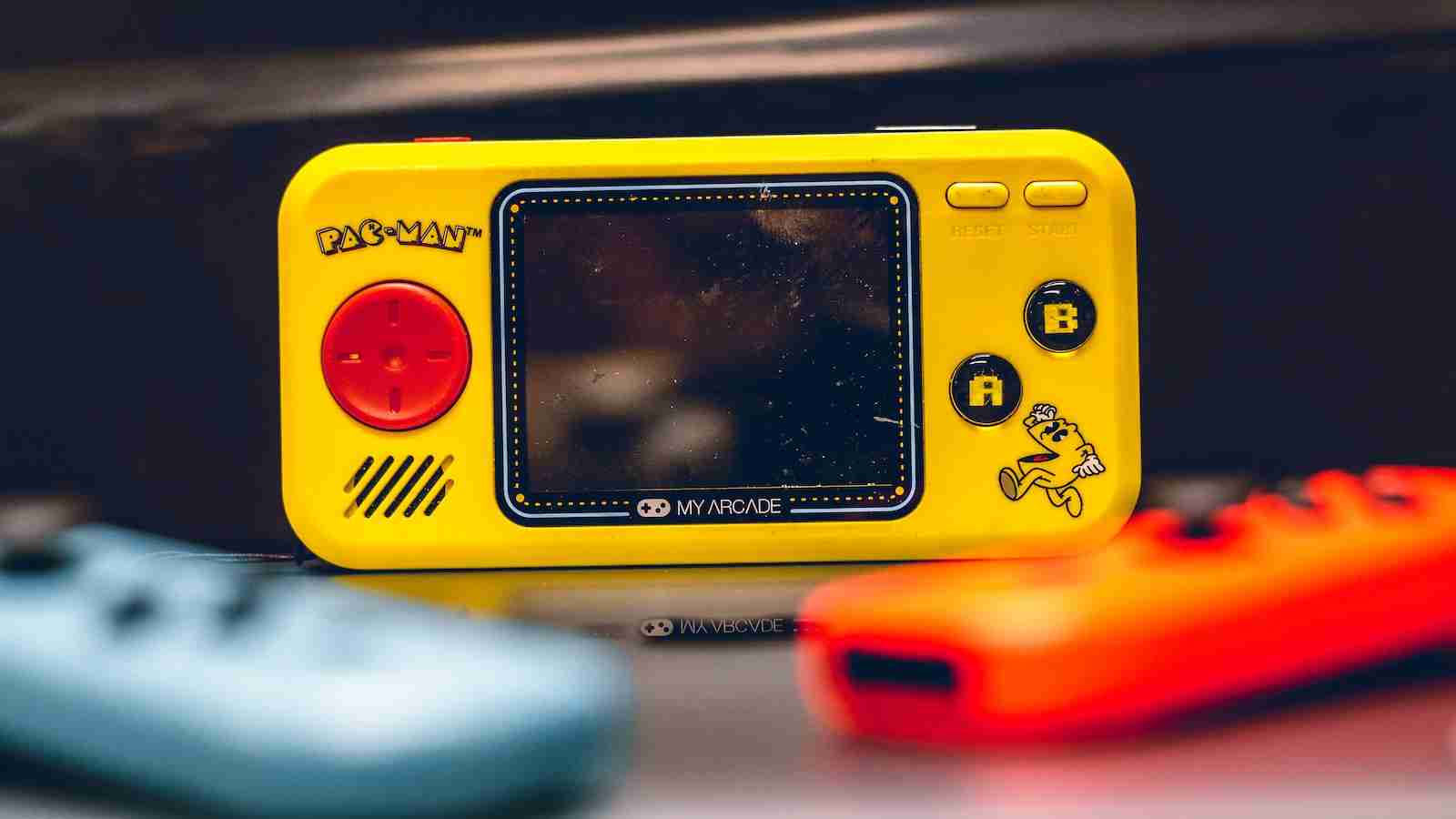
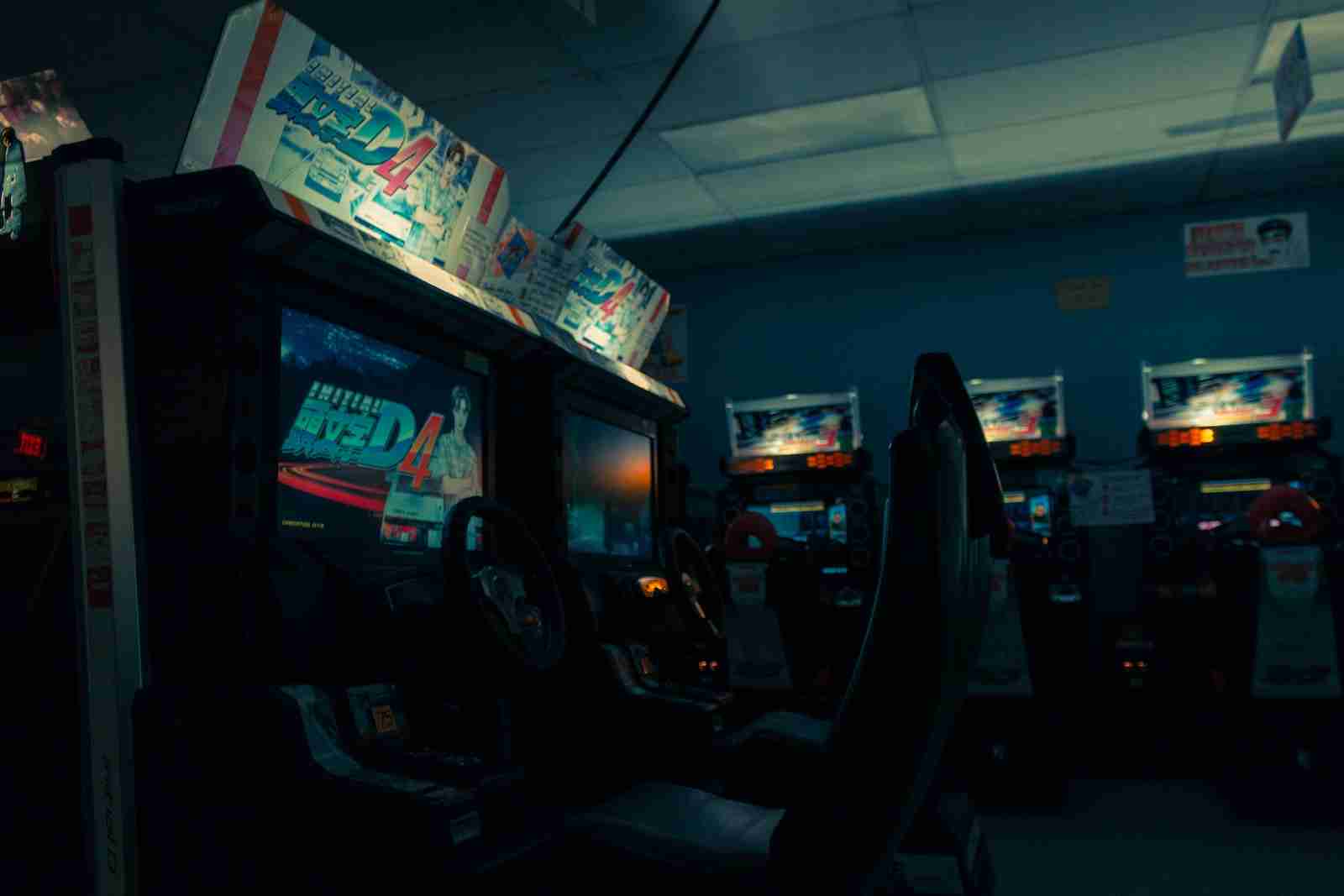
Rediscovering The Joy Of Gaming: Navigating Nostalgia And Modern Multiplayer
By Tom Seest
At HowDoYouGame, we help people who love board games by collating information and news about games.
Be sure to read our other related stories at HowDoYouGame to learn more about games.
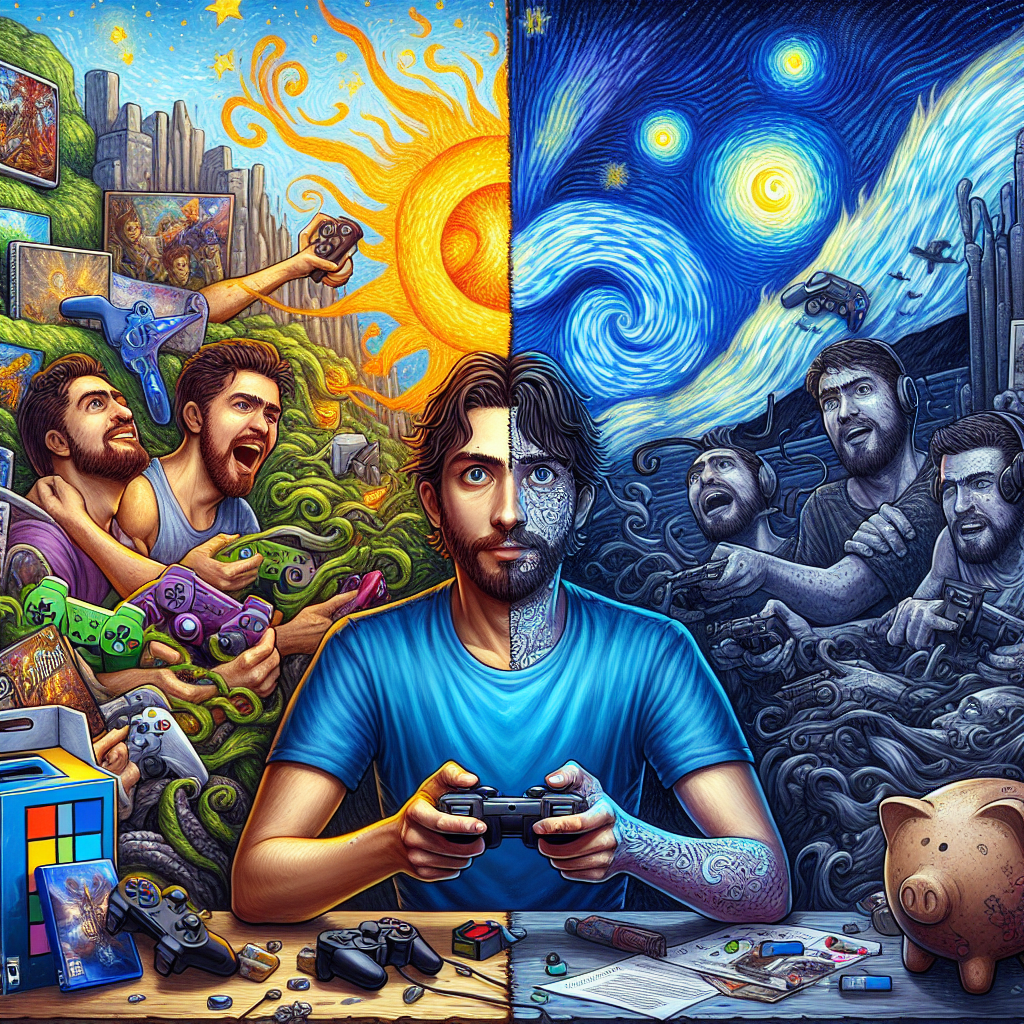
How Gen X Balances Nostalgia for Single-Player with Fortnite Nights
It’s an interesting time to be alive, especially as a member of Generation X. We grew up amid the explosion of video games; pixelated adventures on our chunky consoles, diving headfirst into story-driven experiences that made us feel like heroes in our own rights. Games like “The Legend of Zelda” and “Final Fantasy” ignited our imaginations and captured our hearts, leaving behind a rich tapestry of nostalgia. Those adventures were solitary, contemplative, a journey through emotional landscapes where we conquered dragons and saved princesses – often alone, but always enriched by the escapades lived through the screen.
Fast forward a few decades. Now, you’ll find us sharing a virtual battlefield on Fortnite, and it’s a whole new ballgame. Battle Royales are a far cry from the singular tales of yore, yet this shift doesn’t negate the emotional underpinnings we’ve cherished for so long. Instead, it’s an evolution — a merging of individual and collective experiences. Point your controller at a group of friends, and suddenly you’re not just reminiscing about that one player versus environment conflict; you’re solidifying bonds, strategizing together, and sharing in the thrill of victory or the sting of defeat.
Yet, amid these lively Fortnite nights—the laughter echoing between battles, the playful banter over headsets—there lies a longing for the narratives that once engaged us deeply. Maybe it’s a bit of wisdom we’ve gained with age, a deeper understanding of the world. Here we are, delicately balancing nostalgia for those solitary quests with the camaraderie that battle royale offers. It’s not just about what we played; it’s about who we are becoming.
In our digital escapism, we find connection. Maybe we’re teaching our children the art of strategy on Fortnite or reminiscing about Mario Kart tussles on old school consoles. These moments remind us that gaming transcends the medium itself. It’s a bridge between generations, a way to tap into a collective memory, building foundations of trust, empathy, and resilience.
So next time you pick up that controller, remember: the adventures may have changed, but we’re still in it together, united in both nostalgia and camaraderie. Let’s keep forging those connections, because whether it’s slaying monsters or dancing in the digital sun, every pixel tells a story worth sharing.

How Gen X Balances Nostalgia for Single-Player with Fortnite Nights
How Gen X Balances Nostalgia for Single-Player with Fortnite Nights
- Generation X experienced the rise of video games, creating a nostalgic connection to solo adventures.
- Classic games like “The Legend of Zelda” and “Final Fantasy” sparked creativity and emotional journeys.
- Modern gaming in titles like Fortnite transitions to shared, cooperative experiences on virtual battlefields.
- This evolution blends individual narratives with collective gameplay, enhancing relationships among players.
- Despite the excitement of multiplayer games, there is a nostalgia for deeper, story-driven narratives.
- Gaming serves as a bridge between generations, fostering connections, empathy, and resilience.
- Engaging in gaming today reinforces community, reminding us that every experience is a story worth sharing.

How Gen X Balances Nostalgia for Single-Player with Fortnite Nights
Table Of Contents
- How Gen X Balances Nostalgia for Single-Player with Fortnite Nights
- What Memories From Single-Player Games Tug At Your Heartstrings?
- How Does Nostalgia Influence Your Gaming Choices Today?
- What Lessons From Single-Player Games Shape Your Gaming Experience?
- Can Social Connections In Fortnite Enhance Your Gaming Enjoyment?
- How Do You Balance Gaming Nostalgia with Modern Multiplayer Trends?
- Are You Torn Between Cherished Memories and Current Gaming Habits?
- What Role Does Community Play In Your Gaming Identity Today?
- Conclusion
- Other Resources
- Glossary Of Terms
- Other Questions
- Haiku
- Poem
- Checklist
What Memories From Single-Player Games Tug At Your Heartstrings?
When we talk about the indelible memories left by single-player games, we’re not just discussing pixels and storylines; we’re delving into the heart of what makes us human. Think back to that first moment you set foot in a sprawling world, every detail ripe for exploration and filled with possibility. Whether it was the haunting melodies of a desolate land or the triumphant score accompanying your victories, these games have a unique ability to tug at your heartstrings in ways that resonate long after the console is switched off.
Consider the relationships we forge within these virtual realms. The bonds with companions, from the loyal fox beside you in “Spirit of the North” to the tragic friendships formed in “The Last of Us,” hold a mirror to our real-world interactions. We laugh, we cry, we feel. These characters—crafted from ones and zeros—become emotionally vivid, each a conduit for our own experiences and reflections. They teach us about trust, loss, and the complex tapestry of human emotion. In many ways, these games serve as a safe haven for introspection, challenging us to confront our own vulnerabilities while navigating shared struggles through their narratives.
Think about how these experiences sit in your gut. The thrill of the first big win or the heartache of a loved character’s demise can leave a physical imprint. It’s a gut-wrenching realization that we care deeply for these virtual lives, just as we do for those in our actual lives. This speaks to our innate desire for connection and empathy, which games manage to encapsulate masterfully.
And let’s not overlook the role of community. Sharing these stories with fellow gamers creates a sense of belonging. Whether it’s reminiscing about epic quests or heart-rending moments around a cozy fire or a digital forum, these shared tales foster bonds that transcend age and geography. This social appeal is a powerful reminder that while gaming is often seen as a solitary endeavor, it can unite us in unexpected ways.
In remembering these moments, we feel an ethical obligation to advocate for the artistic merit of single-player experiences. They are not merely games; they are stories waiting to connect, heal, and inspire us in our everyday lives. So, the next time you reflect on your own journey through these virtual landscapes, remember the potency of those memories—they aren’t just entertainments; they’re touchpoints that remind us of who we are and why we strive to connect.

What Memories From Single-Player Games Tug At Your Heartstrings?
What Memories From Single-Player Games Tug At Your Heartstrings?
- Single-player games create indelible memories that resonate with our humanity, often surpassing mere pixels and storylines.
- Players experience vast, explorable worlds filled with emotional melodies that enhance the gameplay experience.
- The relationships formed with in-game companions mirror real-world connections, teaching us about trust, loss, and emotion.
- These games serve as safe havens for introspection, challenging players to confront their vulnerabilities through shared narratives.
- Emotional experiences within games can leave lasting physical impressions, highlighting our deep connections to virtual lives.
- The community aspect of gaming fosters a sense of belonging as players share stories and experiences across age and geography.
- Single-player experiences hold artistic merit, serving as touchpoints that connect, heal, and inspire us in our everyday lives.

What Memories From Single-Player Games Tug At Your Heartstrings?
How Does Nostalgia Influence Your Gaming Choices Today?
Nostalgia isn’t just a dusty old photo album tucked away in the attic; it’s a living, breathing force that shapes our gaming choices today. Picture this: the smell of popcorn wafting through the house, family gathered around the flickering glow of an old TV set, battling it out in pixelated glory over classic couch co-op games. These memories linger like an endearing melody, reminding us of simpler times when the biggest dilemma was whether to choose Mario or Link.
Today, when we scroll through endless titles, it’s those nostalgic games that tug at our heartstrings, beckoning us back to our youth. It’s more than just a game; it’s a bridge connecting the past with the present. The thrill of hitting the start button isn’t just about diving into gameplay; it’s about revisiting a part of ourselves that can feel lost in the chaos of adult responsibilities. We find comfort in these familiar worlds, a place where we can escape for just a little while.
But it’s not only emotions at play; the statistics speak for themselves. Studies show that nostalgia can enhance our overall pleasure in gaming. People gravitate towards what feels familiar and safe—these games often deliver a sense of achievement and connection that newer titles struggle to replicate. The rational mind acknowledges this; why invest in something that doesn’t speak to who we are?
Ethically, it raises a question: should developers tap into this nostalgia? After all, the past shaped many of our passions, and honoring that connection can lead to artistic and financially successful games. It’s a delicate dance—catering to the nostalgic crowd while inviting new players to join the adventure. Socially, every time we share a story about that one epic boss battle or the thrill of a multiplayer showdown, we strengthen our bonds. The reminiscing fosters community, creating an inclusive atmosphere where young and old can relate over shared experiences.
In a world that often tries to move forward at breakneck speed, nostalgia is a gentle reminder to pause, reflect, and appreciate the games that shaped us. So, next time you’re deciding what to play, let that warmth from the past guide your hand. Dive back into those cherished games and rekindle the joy they bring. After all, every game is a story waiting to be revisited; your heart, head, and gut will thank you.

How Does Nostalgia Influence Your Gaming Choices Today?
How Does Nostalgia Influence Your Gaming Choices Today?
- Nostalgia influences modern gaming choices, reflecting fond memories of the past.
- Experiences like family gatherings around classic couch co-op games evoke feelings of simpler times.
- Revisiting nostalgic games can provide comfort and escape from adult responsibilities.
- Studies indicate that nostalgia enhances enjoyment in gaming, promoting familiarity and safety.
- Developers are ethically challenged to balance nostalgia with attracting new players.
- Sharing stories about nostalgic games fosters community and connection between generations.
- Nostalgia encourages appreciation for the games that shaped us, reminding us to reflect on our gaming journey.

How Does Nostalgia Influence Your Gaming Choices Today?
What Lessons From Single-Player Games Shape Your Gaming Experience?
What lessons from single-player games shape your gaming experience?
Ah, single-player games—the unsung heroes of the gaming world. These solitary adventures aren’t just a distraction; they’re a mirror, reflecting our innermost desires and fears. When we dive into these virtual realms, we’re not merely pressing buttons; we’re forging connections with characters whose struggles resonate deeply with our own. Think about it. Each quest, whether a noble endeavor or a treacherous journey, teaches us something about resilience and perseverance. These are not just games; they are narratives woven with threads of real-life challenges that help us navigate our own.
Consider the ethical dilemmas in many popular titles. Choices are laid out before us, and each one carries weight. In our quest for adventure, we often face situations that force us to examine our values—what kind of hero do we want to be? The same is true in life; every decision molds our character, building our moral compass. Embracing these tough choices within the game environment empowers us to face moral quandaries outside of it, nurturing our integrity and ethical backbone.
Then there’s the authority of the game to teach us profound truths through its storytelling. Every character crafted by an artist’s hand, every plot twist designed with purpose, strives to impart wisdom. The lore we uncover and the lessons we learn shape our understanding of the world, inviting us to think critically about our experiences and the paths we choose.
Narrative isn’t just an added layer in gaming; it’s the foundation upon which we can foster empathy. As we journey alongside our avatar, facing trials and tribulations, we learn to relate not just to characters, but to one another. They remind us that every struggle is part of a larger narrative—a shared human experience.
And let’s not forget the sense of community that envelops single-player gaming. While we might play alone, in spirit, we’re riding alongside countless others who’ve picked up the controller. Our vulnerability within these worlds enriches social connections, creating a tapestry of shared experiences that highlights our collective humanity.
Through the highs and lows of each gaming session, we learn. We grow. And ultimately, we find that the lessons from single-player games resonate far beyond their digital confines, shaping how we approach life’s greatest challenges.
What Lessons From Single-Player Games Shape Your Gaming Experience?
What Lessons From Single-Player Games Shape Your Gaming Experience?
- Single-player games serve as a reflection of our innermost desires and fears.
- Through quests, players learn about resilience and perseverance, mirroring real-life challenges.
- Ethical dilemmas in games prompt players to examine their values and moral character.
- Game narratives impart wisdom and encourage critical thinking about personal experiences and choices.
- Narrative fosters empathy by connecting players to characters and to shared human experiences.
- Even single-player games create a sense of community through shared vulnerabilities and experiences.
- Lessons learned in single-player games influence how players approach life’s challenges.

What Lessons From Single-Player Games Shape Your Gaming Experience?
Can Social Connections In Fortnite Enhance Your Gaming Enjoyment?
In the vibrant world of Fortnite, where players don their battle gear and navigate vast landscapes, it’s easy to get lost in the action. Yet, hidden beneath the glittering veneer of building and battling lies a powerful truth: it’s not just the games themselves that captivate us; it’s the connections we forge. The team of comrades you choose to fight alongside can transform a simple match into an unforgettable experience.
Imagine this: You’re plummeting from the Battle Bus, adrenaline spiking as you contemplate the challenge ahead. But what truly elevates that rush is the voice crackling through your headset—the excited chatter of a trusted friend urging you to make that daring play. There’s something raw and instinctual about sharing these high-stakes moments with others. You’re not just battling for victory; you’re cultivating bonds that can strengthen over shared victories and hard-fought defeats.
Social connections in Fortnite create more than just a support system; they enrich the very essence of gaming enjoyment. When you engage with friends or make new ones, each session becomes less about individual achievements and more about collective storytelling. The laughter after a poorly-executed strategy or the elation after a clutch win fosters a sense of belonging. Those moments tug at the heart, reminding us of life’s simplest joys—being part of something greater than ourselves.
Rationally speaking, our brains are wired for connection. Research shows that social interactions release dopamine, the same chemical that fuels our excitement in games. Thus, the joy we find in Fortnite multiplies exponentially when we share it with others. Furthermore, ethical engagement becomes paramount in creating an inclusive gaming culture. Supporting one another not only fosters confidence but shapes a community where kindness and respect prevail, enhancing not just individual experiences but the gaming landscape as a whole.
Now, consider this: Would you prefer to embark on a solo campaign or dive headfirst into a challenge with a trusted circle? The latter doesn’t just promise victory; it offers shared memories, camaraderie, and a sense of purpose. In a time when digital connections often outnumber physical ones, cultivating friendships within Fortnite elevates gaming beyond mere entertainment. It becomes a heartfelt celebration of togetherness, igniting a passion that resonates long after the game has ended.
So grab a controller, rally your squad, and let the power of social connections transform your Fortnite experience. Together, let’s forge battles worth remembering.

Can Social Connections In Fortnite Enhance Your Gaming Enjoyment?
Can Social Connections In Fortnite Enhance Your Gaming Enjoyment?
- Fortnite not only captivates players with its gameplay but also through the connections formed during the game.
- The team of comrades in the game can turn a simple match into an unforgettable experience.
- Shared high-stakes moments with trusted friends enhance the gaming adrenaline and emotional connection.
- Social interactions in Fortnite foster a sense of belonging and collective storytelling over individual achievements.
- Dopamine released during social interactions enriches the joy of gaming, making the experience more enjoyable when shared.
- Creating an inclusive gaming culture through ethical engagement promotes kindness and respect, benefiting the community.
- Rallying a squad for challenges in Fortnite transforms gaming from entertainment into a celebration of friendship and togetherness.

Can Social Connections In Fortnite Enhance Your Gaming Enjoyment?
How Do You Balance Gaming Nostalgia with Modern Multiplayer Trends?
In the realm of gaming, nostalgia often feels like a warm blanket on a cold winter night, wrapping us in fond memories of pixelated adventures and late-night sessions with friends. There’s something transcendental about the old joystick in your hand, the simple thrill of navigating through two-dimensional worlds. Yet, as we reach for the past, the present pushes back, diving headfirst into the chaos of modern multiplayer trends. How do you balance gaming nostalgia with this rapid transformation?
At first glance, it can seem daunting. The loud, fast-paced world of online matches and microtransactions can clash violently with the serene joy of a couch co-op marathon. But here’s the thing: both worlds can coexist if we approach them with intention and purpose. Simultaneously engaging your heart and gut in this endeavor requires an understanding that change doesn’t necessarily mean loss. Modern games such as “Overcooked” and “Cuphead” blend old-school mechanics with new-age collaboration, inviting players to share experiences that feel familiar yet exhilarating.
Let’s talk about community. When you fire up a game, you’re seldom alone. That shared laughter or frustration with friends adds a layer of camaraderie that echoes back to those joyful memories playing “Mario Kart” or “GoldenEye.” A sense of belonging is woven into the gaming experience, and it’s that common thread that binds generations of players. By embracing online platforms that allow for cross-generation play, you can bridge that nostalgic past with the evolving present, reminding yourself that whether it’s on a vintage console or a sleek PC, the joy of interaction remains powerful.
From an ethical standpoint, there’s something noble about nurturing cross-generational connections. Taking the time to introduce younger players to the classics fosters respect and appreciation for gaming’s roots. You’re not just sharing a piece of your past; you’re crafting a rich narrative that honors the culture that shaped today’s industry. It becomes a legacy, passing down not only skills but stories.
The balance between nostalgia and modern trends isn’t a battle; it’s a dance—a rhythmic harmony of heart, head, and gut. Embrace the duality: let your love for the classics coexist with the innovations of today. As you game and grow, remember that it’s about the experience, the laughter, and the memories forged in pixels, online or off. Dive deep, share wide, and enjoy every moment of this vibrant world we call gaming.

How Do You Balance Gaming Nostalgia with Modern Multiplayer Trends?
How Do You Balance Gaming Nostalgia with Modern Multiplayer Trends?
- Nostalgia in gaming evokes fond memories of classic adventures and late-night sessions with friends.
- Modern gaming trends, like multiplayer online matches, contrast with the joy of traditional couch co-op experiences.
- Balancing nostalgia with contemporary gaming requires intentional engagement and understanding of change.
- Games like “Overcooked” and “Cuphead” blend old-school mechanics with new collaborative elements.
- Community plays a significant role in gaming, enhancing the experience through shared laughter and frustration.
- Introducing younger players to classic games nurtures respect for gaming’s history and creates a meaningful legacy.
- Embrace the coexistence of nostalgia and modern trends as a harmonious experience focused on joy and connection.

How Do You Balance Gaming Nostalgia with Modern Multiplayer Trends?
Are You Torn Between Cherished Memories and Current Gaming Habits?
When you sit down to indulge in your favorite games, do you ever feel a pang of nostalgia? We’ve all been there—smooth pixelated landscapes and the joyful cha-ching of collected coins bring back cherished memories. But in this frenetic digital age, where new releases flood our screens daily, it’s easy to feel torn. This struggle between the comforting familiarity of classic titles and the exciting allure of modern gaming is more than just a simple choice; it’s a reflection of who we are.
At first glance, playing games seems like a casual pastime. But let’s dig deeper. What were your formative gaming experiences? Those moments when you sat beside friends, the thrill of adventure, and the lessons learned? They shaped you, much like life itself. There’s a reason we return to those familiar realms: they remind us of laughter, victory, and even the moments of defeat that taught resilience. As you navigate the bright new worlds offered by today’s cutting-edge graphics and immersive stories, don’t lose sight of the magic that first captivated you. The thrill of every new dungeon or race against time can be exhilarating, but those iconic levels where you first grasped control of your destiny can pull at your heartstrings.
The world watches, and it’s evolving. Honestly, it’s okay to embrace that evolution while honoring the past. Join communities where both seasoned players and newcomers unite, sharing experiences. Discuss the latest strategies while reminiscing about the joy of passing the controller in your childhood home. It’s about connection, not competition. Submerge yourself in meaningful conversations, and you’ll find others who understand those time-honored narratives.
Think about it this way: Each gaming choice you make shapes not just your evening, but your community and the legacy you’ll pass on to the next generation. By reviving classic elements while embracing innovation, you’re playing a pivotal role in this evolution. So, take a moment to reflect. When you land that critical hit in a new game today, acknowledge the roots that brought you here. Your cherished memories and current gaming habits don’t have to be enemies; they can coexist, creating a richer tapestry of experience. Embrace it. Play true to yourself, and let your gaming journey unfold.

Are You Torn Between Cherished Memories and Current Gaming Habits?
Are You Torn Between Cherished Memories and Current Gaming Habits?
- Gaming often evokes nostalgia with memories of classic titles and experiences.
- The clash between classic and modern games reflects personal identity and preferences.
- Formative gaming moments shape who we are, much like life experiences.
- Classic games remind us of joy, resilience, and community connections.
- Embrace both classic and modern gaming, appreciating the evolution of the medium.
- Foster community by sharing experiences and discussing strategies with others.
- Your gaming choices influence not only personal enjoyment but also community legacy.
Are You Torn Between Cherished Memories and Current Gaming Habits?
What Role Does Community Play In Your Gaming Identity Today?
In the evolving landscape of gaming, it’s easy to overlook a fundamental truth: our experiences in virtual worlds are deeply intertwined with the communities that inhabit them. Games are more than just pixels on a screen; they are a tapestry woven from the threads of human connection, collaboration, and shared ambition. The gamers we encounter—whether they’re comrades in battle or rivals in an epic showdown—serve not just as players but as integral components of our gaming identity.
Think about the bond formed over a co-op quest or the thrill of competition in a multiplayer arena. These interactions are not mere frills of gameplay; they are the heartbeats of our passion. When you team up with a friend to conquer an unprecedented level, or when you stand shoulder to shoulder with strangers in pursuit of a common goal, you are crafting stories that transcend the confines of the game. Each victory, each defeat, brings with it the shared experience that enriches our understanding of teamwork, strategy, and perseverance.
But what drives our choices, our alliances, in this expansive universe of digital interactions? The community serves as the compass guiding us through the often overwhelming world of gaming. It empowers us with resources—knowledge, strategies, and shared wisdom—built over countless hours logged in frantic gameplay. This collective intelligence makes navigating the twists and turns of our gaming journey not just achievable, but enjoyable. When you find yourself stumped by a boss battle, a quick shout-out in the community can lead to innovative tactics that breathe new life into your quest.
Ethically, we are challenged to foster inclusivity and support within these spaces. Every gamer, regardless of skill level, deserves a seat at the table. By engaging with others, we can dismantle barriers and create environments where voices are heard and ideas are shared. That’s where the true strength of community lies: in its ability to elevate everyone involved, to convert anonymity into familiar camaraderie.
Moreover, the sense of identity shaped by our gaming communities extends beyond the screen. Whether through social media, forums, or in-person meet-ups, these connections function as a safety net that validates our passions and affirms our choices. It’s a heartwarming reminder that no one plays alone, and in sharing our experiences with others, we all grow stronger. So, as we continue navigating our digital pathways, let’s recognize the power of community in shaping who we are—not just as gamers, but as engaged individuals ready to take the leap into the next adventure together.

What Role Does Community Play In Your Gaming Identity Today?
What Role Does Community Play In Your Gaming Identity Today?
- Gaming experiences are deeply intertwined with the communities that inhabit virtual worlds.
- Interactions with other gamers, whether friends or rivals, shape our gaming identity.
- Cooperative and competitive gameplay creates stories that transcend the confines of the game.
- The gaming community provides resources like knowledge and strategies, enhancing the gaming experience.
- Inclusivity and support within gaming communities encourage participation from all skill levels.
- Connections formed through gaming extend beyond the screen, validating our passions and choices.
- Recognizing the power of community helps us grow stronger as engaged individuals in the gaming landscape.

What Role Does Community Play In Your Gaming Identity Today?
Conclusion
Generation X stands at a fascinating intersection of gaming nostalgia and modern multiplayer dynamism. We grew up in a time when pixelated adventures became life lessons, traversing through epic landscapes while battling dragons and saving princesses. These solitary journeys were enriching, allowing us to explore our imaginations deeply. Fast forward to today, and we find ourselves immersed in the shared chaos of Fortnite, where the thrill of victory is a communal experience. While the shift from single-player narratives to multiplayer action may seem stark, it reflects an evolution rather than a loss. The laughter and strategizing among friends during a competitive match becomes a new tapestry of camaraderie, intertwining legacies of old with vibrant threads of the present.
Every session in Fortnite reawakens cherished memories, a reminder that gaming isn’t just about competition; it’s about connectivity through shared experiences. The relationships forged during these encounters speak to our deeper human desire for connection, offering a chance to merge past joys with present thrills. The joy radiates not only in winning but in the moments spent together, whether reliving tales from classic single-player titles or inventing new stories in the moment.
Nostalgia is not merely a trip down memory lane; it shapes our gaming preferences today. The familiar sounds and sights from our childhood resonate with us, offering comfort amid adult chaos. Each time we delve into a classic game, we’re touching a part of ourselves that’s easy to lose in modern life. Beyond emotions, there is a rational component to this choice: people are naturally drawn to what feels safe and rewarding. Choosing nostalgia often grows our sense of achievement and satisfaction, giving us that feel-good connection to our gaming roots.
Yet, we also carry an ethical responsibility to honor these roots. By sharing beloved games with the younger generation, we nurture appreciation for the vast spectrum of gaming experiences. It becomes our legacy—passing down not just skills, but stories that shape community and connection.
In a world that often pushes forward relentlessly, remembrance allows us to balance the thrills of new technology with the deeper connections fostered through shared narratives. So, as you pick up that controller, do so with the understanding that every pixel, every laugh, and every moment of nostalgia enriches our collective experience. Amid the chaos of today’s gaming landscape, let’s forge ahead—together.

Conclusion
Conclusion:
- Generation X embodies a blend of gaming nostalgia and modern multiplayer experiences.
- Early gaming adventures provided deep imaginative exploration through solitary journeys.
- Today’s multiplayer games like Fortnite highlight a communal thrill of victory and camaraderie.
- Gaming transcends competition, focusing on connectivity through shared experiences and relationships.
- Nostalgia influences current gaming preferences, providing comfort amid chaos and enhancing satisfaction.
- There’s an ethical duty to share beloved games with the younger generation to pass down the gaming legacy.
- Remembrance allows for a balance between new technology thrills and deeper connections through shared narratives.

Conclusion
Other Resources
Other Resources
Here is a list of other resources you can review online to learn more:
- Arkham Horror: The Card Game – The Dunwich Legacy Expansion
- Board Game Atlas
- Through the Ages: A New Story of Civilization
- Memoir ’44
- Keyflower: The Farmers Expansion
- Descent: Journeys in the Dark (Second Edition)
- The Guardian
- Carcassonne
- Ravensburger
- Tichu
- Bridge
- Odnoklassniki
- Tom Vasel’s The Dice Tower
- Google Business Profile
- Gaming Rules!
- Cosmic Encounter
- Santorini
Use This Prompt To Get More Resources With Your Favorite Online AI Tool: Please provide me with a list of online articles with their URLs in a bulleted list that I can read regarding How Gen X Balances Nostalgia for Single-Player with Fortnite Nights

Other Resources
Glossary Terms
How Gen X Balances Nostalgia for Single-Player with Fortnite Nights – Glossary Of Terms
1. Gen X: The demographic cohort born roughly between 1965 and 1980, characterized by a unique cultural identity shaped by the rise of technology and the internet.
2. Nostalgia: A sentimental longing for the past, often evoked by experiences, music, or media from one’s youth.
3. Single-Player Games: Video games designed for one player, focusing on storytelling, exploration, and individual experience, often providing immersive worlds.
4. Fortnite: A popular online multiplayer video game known for its battle royale mode, where players compete in a large arena to be the last one standing.
5. Balance: The act of managing and harmonizing different aspects of life or interests, in this case, the interplay between past gaming experiences and modern gaming trends.
6. Cohort: A group of individuals with shared characteristics, often studied in social science for trends and behaviors.
7. Cultural Identity: The sense of belonging and shared experience derived from a group’s social, historical, and cultural background.
8. Multiplayer Games: Video games that allow multiple players to play together, either cooperatively or in competition, often fostering social interaction.
9. Gaming Community: A broad network of gamers who share experiences, strategies, and knowledge through forums, social media, and in-game interactions.
10. Immersion: The sensation of being deeply engaged or absorbed in a game, often enhanced by storytelling and world-building.
11. Platform: The hardware or software environment in which a game is played, such as consoles, PCs, or mobile devices.
12. Retro Gaming: The practice of playing and collecting older video games, often reflecting a nostalgia for past gaming experiences.
13. Battle Royale: A popular genre within multiplayer games where players compete until only one player or team remains.
14. Social Gaming: Online gaming that emphasizes social interaction, often incorporating cooperative or competitive elements among players.
15. Cross-Platform Play: The ability to play a game across different gaming systems or devices, allowing for a more interconnected gaming experience.
16. Digital Divide: The gap between individuals who have access to modern information and communication technology and those who do not.
17. Streaming: The live online broadcasting of gameplay, often used as a way to share gaming experiences and engage with audiences.
18. Gaming Trends: The evolving patterns and preferences in gaming, influenced by technology, culture, and consumer behavior.
19. Customization: The ability to personalize a character, game environment, or experience, enhancing player engagement and satisfaction.
20. FOMO (Fear of Missing Out): The anxiety that one feels when they perceive that others are enjoying experiences without them, often related to gaming events.
21. Team Play: Cooperative gameplay where players work together to achieve common objectives, fostering camaraderie and strategy.
22. Game Mechanics: The rules and systems that govern gameplay, defining how players interact with the game world.
23. Narrative: The storyline or plot that drives the game, often pivotal in single-player experiences for engagement and immersion.
24. Franchise: A series of related products (games, media) built around a central theme or story, often popularized by earlier successful titles.
25. Virtual Reality (VR): Immersive technology that simulates a three-dimensional environment, enhancing the gaming experience through realism.
26. E-sports: Competitive gaming at a professional level, often featuring organized tournaments and large audiences, emphasizing skill and strategy.
27. Community Events: Organized activities within gaming platforms that allow players to engage with each other and create shared experiences.
28. Spectrum of Play: The range of gaming experiences from casual to hardcore, encompassing different styles and player commitments.
29. User Experience (UX): The overall experience a player has while interacting with a game, influenced by design, mechanics, and narrative.
30. Legacy Games: Classic titles that have had a lasting impact on the gaming industry and culture, often evoking nostalgia among older gamers.

Glossary Of Terms
Other Questions
How Gen X Balances Nostalgia for Single-Player with Fortnite Nights – Other Questions
If you wish to explore and discover more, consider looking for answers to these questions:
- How do different gaming communities influence the way individuals connect with each other?
- What are some of the most memorable single-player games for Generation X?
- How can parents share their gaming nostalgia with their children?
- What impact does gaming nostalgia have on mental health?
- How do modern multiplayer games compare to single-player experiences in terms of storytelling?
- What strategies can gamers use to balance nostalgia with new gaming trends?
- How does the gaming industry cater to both nostalgic players and younger audiences?
- What role does co-op gameplay play in enhancing gaming experiences?
- What lessons can younger gamers learn from classic single-player games?
- How do gaming conventions and meet-ups foster community among players?

Other Questions
Haiku
How Gen X Balances Nostalgia for Single-Player with Fortnite Nights – A Haiku
Pixels and memories,
Nostalgia meets today,
In games, we unite.

Haiku
Poem
How Gen X Balances Nostalgia for Single-Player with Fortnite Nights – A Poem
In Pixels We Trust
In the glow of screens where memories dwell,
Generation X remembers stories to tell,
From pixelated vastness, the hero’s old quest,
To modern multiplayer, where friendships are dressed.
Once solitary journeys through lands far and wide,
With heartbeats in rhythm, we savored the ride.
In dungeons we battled, reflecting our fears,
Through laughter and losses, we honored our tears.
Now Fortnite ignites the thrill of the fight,
Connecting across ages, fraying the night.
With comrades beside us, bond forged through game,
Every victory whispers our shared name.
Nostalgia guides choices, a compass in hand,
Each click unlocks tales—a joy so grand.
Yet beyond mere pixels, profound truths arise,
Where ethics and empathy converge, we are wise.
Lessons abound in the legends we chase,
Resilience in trials, integrity’s place.
Together we rally, embracing the blend,
Of past and present, each story a thread.
Community shapes us, both joy and strife,
A vibrant tapestry of digital life.
So let us not divide the old from the new,
But dance through our memories, each pixel in view.
For every adventure, every quest we pursue,
Is a heartbeat connecting the me to the you.
In this pixelated world, let’s gather, unite,
In friendship and laughter, let’s shine ever bright.

Poem
Checklist
How Gen X Balances Nostalgia for Single-Player with Fortnite Nights – A Checklist
Checklist: Balancing Nostalgia and Modern Multiplayer Gaming
Emotional Appeals:
_____ Reflect on a cherished moment from a single-player game.
_____ Identify a character or story from gaming that deeply resonates with you.
_____ Share a gaming memory with a friend or family member to foster connection.
Rational Appeals:
_____ Evaluate the benefits of nostalgia in your gaming choices today.
_____ Consider how familiar games can enhance your overall enjoyment.
_____ Assess how modern multiplayer games can incorporate elements of classic gaming experiences.
Ethical Appeals:
_____ Advocate for the artistic value of single-player games within conversations.
_____ Encourage inclusivity by sharing games that bridge generational gaps.
_____ Discuss the importance of nurturing a respectful gaming culture in multiplayer settings.
Authority Appeals:
_____ Follow gaming influencers or developers who prioritize storytelling and community.
_____ Cite studies that support the positive effects of nostalgia on gaming enjoyment.
_____ Explore resources or articles that analyze the evolution of gaming trends.
Narrative Appeals:
_____ Write a short narrative about a favorite gaming memory or lesson learned.
_____ Create a story that combines elements from both nostalgic single-player and modern multiplayer games.
_____ Share personal anecdotes with peers to enrich community discussions around gaming experiences.
Social Appeals:
_____ Join a gaming community that values both nostalgia and modern games.
_____ Organize a gaming session that includes both classic and contemporary titles.
_____ Engage in conversations with fellow gamers to explore how shared experiences shape identities.
This checklist encourages a multi-faceted reflection on gaming, urging exploration of emotional connections, rational assessments, ethical considerations, authoritative insights, narrative creativity, and fostering social bonds.

Checklist
At HowDoYouGame, we help people who love board games by collating information and news about games.
Be sure to read our other related stories at HowDoYouGame to learn more about games.