


The Digital Frontier: Gen Z’s Connection To Persona And Anime-Influenced Games
By Tom Seest
At HowDoYouGame, we help people who love board games by collating information and news about games.
Be sure to read our other related stories at HowDoYouGame to learn more about games.
Gen Z’s Obsession with Persona and Anime-Influenced Games
In the world of gaming, a fascinating phenomenon has emerged, particularly among Gen Z. This generation has cultivated a deep, almost fervent, relationship with persona and anime-influenced games. It’s not just a hobby; it’s an essential aspect of their identities. Whether they’re navigating the whimsical realms of a fantasy RPG or engaging in the vibrant worlds of anime-styled adventures, these games offer them a unique sanctuary.
These titles empower players to become heroes in their own stories, allowing them solace amidst the chaos of modern life. Imagine a young person, perhaps feeling overwhelmed by the weight of expectations—academic pressures, social media scrutiny, and the relentless pace of adulting. Here, in the pixelated landscapes and intricate avatars, they find a space where they can shed their everyday worries. It’s not merely escapism; it’s an opportunity for self-discovery, for expressing parts of themselves they might not share in the real world.
Rationally, this connection to persona and anime can be understood through the lens of storytelling and emotional narratives. Games today are sophisticated, rich with layers of character development, moral dilemmas, and relatable challenges. A player may invest hours in navigating complex relationships in-game, mirroring feelings and experiences that resonate with their own lives. The characters become friends, guiding them through heartache and triumph. This allows Gen Z to reflect, relate, and ultimately heal, finding comfort in both challenge and camaraderie.
Ethically, there’s a growing awareness of representation in these games. They showcase a diverse cast of characters, giving players the opportunity to see themselves reflected in ways their reality often falls short. This fosters an inclusive community, rallying together around shared experiences and mutual respect. It’s a social tapestry woven with threads of emotional connection, where players support each other through triumphs, losses, and everything in between.
As these games continue to evolve, they’ve cemented their role as a cultural touchstone for Gen Z. They serve not just to entertain but to empower—reminding young players everywhere that no matter how daunting the world may seem, there’s always an escape route, a character waiting to be discovered, or a battle ready to be fought. So, gear up, step into the arena, and let your story unfold. The adventure beckons.
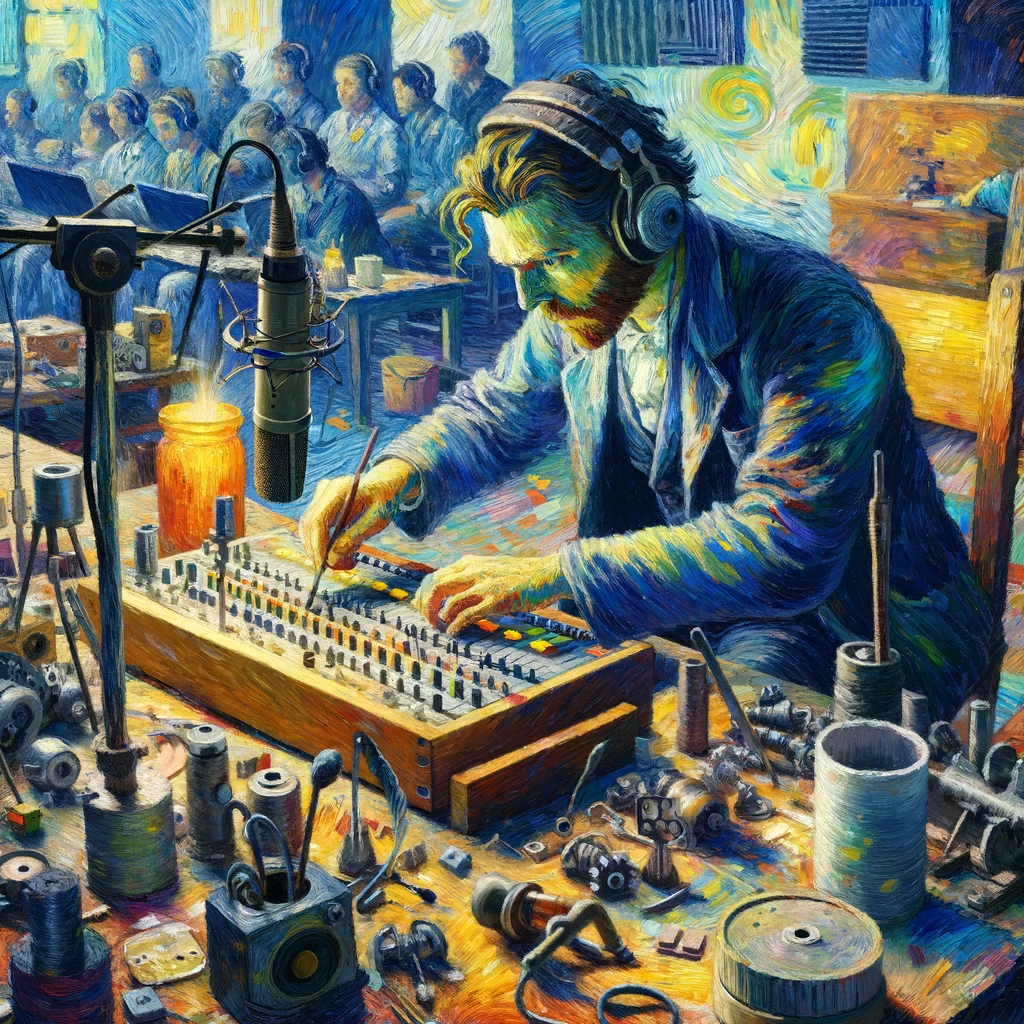
Gen Z’s Obsession with Persona and Anime-Influenced Games
Gen Z’s Obsession with Persona and Anime-Influenced Games
- Gen Z has developed a deep relationship with persona and anime-influenced games, integral to their identities.
- These games provide a sanctuary for players, offering solace amid societal pressures and expectations.
- Players engage in self-discovery and express aspects of their identities that may not be shared in the real world.
- Modern games feature rich storytelling, emotional narratives, and complex character development, enabling players to connect deeply with the content.
- The characters in these games often become relatable friends, aiding players in navigating their own life experiences.
- Increasingly diverse representation in games fosters inclusivity, allowing players to see themselves and creating a supportive community.
- As cultural touchstones, these games empower Gen Z by reminding them of resilience and the potential for adventure.

Gen Z’s Obsession with Persona and Anime-Influenced Games
Table Of Contents
- Gen Z’s Obsession with Persona and Anime-Influenced Games
- What Draws Gen Z to the Emotional Depth Of Persona Games?
- How Do Anime Aesthetics Influence Gaming Choices for Gen Z?
- How Does Anime Culture Shape the Values and Beliefs Of Young Gamers?
- Are the Narratives In These Games Fostering Empathy Among Players?
- How Do These Games Address Mental Health Issues for the Youth?
- Can Role-Playing Games Help Gen Z to Cope with Societal Pressures?
- How Are Gen Z Gamers Redefining Success Through Their Online Personas?
- Conclusion
- Other Resources
- Glossary Of Terms
- Other Questions
- Haiku
- Poem
- Checklist
What Draws Gen Z to the Emotional Depth Of Persona Games?
When talking about what draws Gen Z to the emotional depth of Persona games, you can’t ignore the profound connections forged in that vibrant, animated world. These aren’t just games; they’re portals to honesty and vulnerability, where players wrestle with their own lives while guiding characters through trials as real as their own. The Persona series offers an ethical framework where choices matter, reflecting our struggles in an age of overwhelming complexity.
Consider the narratives woven into each storyline, rich with themes of friendship, identity, and the pursuit of truth. Gen Z craves authenticity, and Persona delivers that in spades. Every character has a story—flaws, ambitions, and fears that resonate with players. Young adults today face a world rife with uncertainty, and these games become an escapade, a safe space where they are encouraged to confront their innermost thoughts. When players step into the shoes of these characters, they experience catharsis, a release that resonates deep within.
The emotional depth is a strong draw, but the intelligent gameplay appeals to the mind. The strategic elements push players to think critically about the choices they make, while also tapping into their emotions. This combination speaks to both the heart and head: as they navigate complex relationships and uncover hidden truths, they’re challenged to grow alongside their virtual companions.
Persona encourages a social connection; the shared experiences and emotions create bonds between players. Talking about these games becomes a cultural touchstone, one that fosters community and understanding. Young adults find validation in the struggles depicted within the game, and sharing these stories becomes a way to connect with others whose experiences mirror their own.
Moreover, the aesthetic allure of Persona is irresistible—the colorful art design, pulse-pounding soundtracks, and unforgettable characters pull players in, creating a vivid tapestry of escapism. But beyond those surfaces lies a deeper message. Trust in the emotional narrative inspires players to face their realities, equipping them with the confidence to navigate their own complexities.
Ultimately, it’s clear that what draws Gen Z to the emotional depth of Persona games is more than mere entertainment; it’s a celebration of the very human experience—flawed, messy, and beautifully intricate.

What Draws Gen Z to the Emotional Depth Of Persona Games?
What Draws Gen Z to the Emotional Depth Of Persona Games?
- Gen Z is drawn to the emotional depth and profound connections within the animated world of Persona games.
- The series serves as portals to honesty and vulnerability, allowing players to reflect on their own lives through the characters’ trials.
- Persona offers an ethical framework where players’ choices matter, mirroring the struggles of an increasingly complex world.
- The narratives explore themes of friendship, identity, and the pursuit of truth, resonating with Gen Z’s quest for authenticity.
- Players find catharsis in stepping into characters’ shoes, encouraging them to confront their innermost thoughts in a safe space.
- The intelligent gameplay combines emotional engagement with strategic challenges, promoting growth alongside virtual companions.
- The aesthetic appeal, vibrant art, and unforgettable soundtracks enhance the experience while delivering deeper messages that inspire players to face their realities.
What Draws Gen Z to the Emotional Depth Of Persona Games?
How Do Anime Aesthetics Influence Gaming Choices for Gen Z?
When you step into the vibrant world of anime, you’re not just dipping your toe into a colorful universe; you’re embracing a culture that resonates deeply with the youthful heartbeats of Gen Z. The deliberate strokes of an artist’s brush; the intricate, often emotionally charged narratives; and the relatable, occasionally flawed characters draw players into an immersive experience that transcends traditional gameplay. This isn’t just about pixels and polygons—it’s about connection. Games that carry these rich anime aesthetics invite players to explore worlds filled with aspiration, struggle, and unparalleled adventure.
Imagine the euphoria of defeating an epic villain alongside friends, bonded by shared triumphs and losses. These moments foster connections that extend beyond the screen, promoting social interactions that are authentic in their emotional weight. As Gen Z gamers dive headfirst into experiences that resemble their favorite anime, they find a relatable narrative that often mirrors their own lives. It’s not just escapism; it’s a deep-rooted understanding of personal growth and the challenges we all face. The blending of anime aesthetics with gaming choices is a powerful potion, fostering feelings of belonging and understanding.
From a rational standpoint, the striking visuals of anime-inspired games create an irresistible allure. Turmoil and triumph depicted in rich colors compel players to reach for that controller. The intricate character designs and fluid animations are a testament to artistry—artistry that resonates on an intellectual level. Gamers aren’t just playing—they’re engaged in storytelling, strategy, and community building, elevating their choices beyond mere entertainment.
Ethically, this influence is profound. As representation and diversity continue to make strides in both anime and gaming, players see themselves mirrored in stories that tackle complex social issues. The ethical consideration of inclusive narratives allows Gen Z to engage with content that not only entertains but also educates and inspires action.
As gaming becomes a shared language, the aesthetics borrowed from anime serve as a bridge, fostering trust and camaraderie among players. They create a space where everyone can explore their likes and dislikes while standing together in the face of adversity or excitement. This is more than a casual hobby; it’s a community, a calling, and a pathway to navigate a complex world—with the vibrant influences of anime lighting the way.

How Do Anime Aesthetics Influence Gaming Choices for Gen Z?
How Do Anime Aesthetics Influence Gaming Choices for Gen Z?
- Anime enriches gaming culture, resonating with the youthful hearts of Gen Z.
- Games with anime aesthetics create immersive experiences filled with aspirational narratives and flawed characters.
- Players bond through shared triumphs and losses, fostering authentic social interactions beyond the screen.
- Gen Z gamers find relatable narratives in games that mirror their own personal growth and challenges.
- Striking visuals and intricate designs of anime-inspired games enhance engagement and storytelling.
- Inclusive narratives in gaming promote representation and tackle complex social issues, educating and inspiring players.
- Anime aesthetics create a community, fostering trust and camaraderie as players navigate a complex world together.

How Do Anime Aesthetics Influence Gaming Choices for Gen Z?
How Does Anime Culture Shape the Values and Beliefs Of Young Gamers?
Anime culture has woven itself intricately into the fabric of contemporary gaming, shaping young players’ values and beliefs in ways that often transcend digital realms. To understand this influence, we must first look at the vibrant narratives that anime delivers. These stories are more than mere entertainment; they reflect deep, universal truths about resilience, friendship, and the battle between good and evil. For many young gamers, characters overcoming insurmountable odds resonate on a profound level, sparking a fire in their gut that propels them forward, both in gaming and in real life.
At the heart of anime lies a message that encourages growth and transformation. Players dive into worlds where they can explore different facets of themselves—heroes, antiheroes, and the complexities in between. This mirrors their own journey, as they navigate adolescence, grappling with their identities. Through the lens of anime, these gamers learn valuable lessons about empathy, courage, and the importance of standing up for what’s right. It’s a narrative thread that binds them, forming a community united by shared experiences, struggles, and triumphs.
From a rational standpoint, a substantial body of research suggests that engaging with these narratives fosters critical thinking and moral reasoning. As young gamers immerse themselves in anime-inspired games, they are often confronted with ethical dilemmas. They must make choices that not only affect their immediate gameplay but also bear weight on the outcome of their virtual communities. This level of engagement nurtures a sense of responsibility and accountability, essential traits for conscientious living in a complex world.
Moreover, anime culture elevates the social fabric of gaming. Fans often form tight-knit communities, sharing passions and lessons learned from their beloved shows. This interaction creates a supportive network, where young gamers can seek guidance, share aspirations, and celebrate victories—big or small. They discover that their journey is not solitary; they are part of something larger, a movement that highlights collective progress and understanding.
With this grounding in values, a young gamer influenced by anime culture is not simply a player; they are a thinker, a dreamer, and an agent of change. They emerge not only skilled in their games but also equipped with the emotional tools to face life’s challenges with confidence and integrity. The stories they absorb and the connections they forge prepare them to navigate the world beyond the screen, wielding the lessons learned in each adventure to craft a future filled with possibility.

How Does Anime Culture Shape the Values and Beliefs Of Young Gamers?
How Does Anime Culture Shape the Values and Beliefs Of Young Gamers?
- Anime culture significantly impacts contemporary gaming, shaping young players’ values and beliefs beyond digital environments.
- The vibrant narratives in anime convey universal truths about resilience, friendship, and moral battles.
- Characters overcoming challenges resonate deeply with young gamers, motivating them in both gaming and real life.
- Anime encourages players to explore personal growth and transformation, mirroring their own journey through adolescence.
- Engagement with anime narratives fosters critical thinking and moral reasoning, as gamers face ethical dilemmas in games.
- Anime culture fosters the creation of tight-knit gaming communities, where fans share guidance, aspirations, and victories.
- Young gamers influenced by anime emerge as thinkers and agents of change, equipped to navigate life’s challenges with confidence.

How Does Anime Culture Shape the Values and Beliefs Of Young Gamers?
Are the Narratives In These Games Fostering Empathy Among Players?
In a world where screens often separate us, video games are emerging as an unexpected bridge—connecting lives, stories, and emotions. When you pick up a controller, you’re not merely diving into an alternate universe; you’re engaging with narratives that challenge your perceptions and, yes, your very humanity. These games beckon us to step into the shoes of characters who are not so different from ourselves. Whether it’s a soldier grappling with loss, a young girl facing insurmountable odds, or a hero making morally complex choices, these digital stories resonate because they reflect the complexities of real life.
Imagine navigating a game where every decision has weight, where your actions echo in the hearts of others within the narrative. Each choice—a fork in the road—doesn’t just determine gameplay; it influences how we perceive our own lives and the lives around us. Here lies the heart of empathy: recognizing that behind every pixelated face is a story waiting to be understood. When you see a character endure hardship, their journey becomes a mirror. The question isn’t just what would you do; it’s who would you be?
From a rational standpoint, research shows that engaging with diverse stories can enhance our ability to empathize. We learn to relate, to listen, and to understand perspectives outside our own because these games invite us to grapple with ethical dilemmas. It’s a slow burn; the more we immerse ourselves, the more we extend our compassion toward others in our reality. Such emotional depth enriches our understanding of what it means to be human.
Moreover, the social appeal of these narratives fosters connection. When you share stories with fellow players, you’re building a community centered around shared experiences. Each conversation carries the potential to spark understanding and promote collective growth. Every player walked a different path to reach the same finish line, and those shared battles foster connections that reach far beyond the digital realm.
So the next time you dive into a game, consider what lies beneath the surface. Allow yourself the vulnerability of the narrative, embrace the emotional weight, and connect with your fellow gamers. These experiences aren’t just entertainment; they’re opportunities to foster empathy in a world that can sometimes feel disjointed. Choose to engage, to reflect, and to understand—because every character’s story is a chance to enrich your own.

Are the Narratives In These Games Fostering Empathy Among Players?
Are the Narratives In These Games Fostering Empathy Among Players?
- Video games serve as a bridge, connecting lives and emotions in a digital space.
- Players engage with narratives that challenge perceptions and explore human experiences.
- Character-driven stories resonate by depicting relatable struggles and moral complexities.
- Player decisions in games influence not only gameplay but also personal perceptions of life.
- Research indicates that engaging with diverse narratives enhances empathy and understanding.
- Shared gaming experiences foster community and promote collective growth among players.
- Playing games is more than entertainment; it’s an opportunity to develop empathy and connect with others.

Are the Narratives In These Games Fostering Empathy Among Players?
How Do These Games Address Mental Health Issues for the Youth?
In a world where the challenges of youth are often overshadowed by a multitude of distractions, games are stepping up as a surprising ally in addressing mental health issues. These aren’t just games; they’re intricate narratives that invite us into the very heart of human experiences. When young players immerse themselves in these virtual realms, they don’t just play—they reflect, process emotions, and often confront their own struggles in a safe space.
Think about it. Each level they conquer, each character they embody, becomes a conduit for understanding and empathy. Through engaging storylines, they encounter characters grappling with anxiety, depression, or the pressures of social acceptance, mirroring the struggles many young people face in today’s society. This isn’t just entertainment; it’s a carefully crafted exploration of the human condition that resonates deeply.
Rationally, these games offer tools that young players can utilize in real life. They learn coping mechanisms, strategies for communication, and the importance of seeking help—lessons that sometimes elude them in traditional educational settings. The ethical responsibility of game developers to create content that prioritizes mental health awareness is a growing conversation, one that is gaining traction in both the gaming community and the broader social landscape.
The narrative woven into these games is compelling. Imagine a child who feels isolated, grappling with thoughts they don’t fully understand. Through gameplay, they can connect with characters who articulate their feelings, guiding them toward a realization that they’re not alone. This connection fosters a sense of belonging and, more importantly, sparks conversations with peers and adults alike. The social appeal is undeniable; it transforms a solitary experience into a shared journey of discovery and healing.
Consider the authority figures in these young players’ lives—teachers, parents, and caregivers. When they recognize the positive impact these games can have, it empowers them to engage in meaningful discussions about mental health. By bridging the generational divide between traditional methods of communication and modern means, these games encourage families to tackle tough topics together.
Games have evolved into modern parables, teaching resilience, empathy, and the importance of seeking help. They are not just pixels on a screen; they are powerful narratives that can change lives, inspire action, and ultimately, reinforce the understanding that mental health isn’t just a solitary journey—it’s a shared human experience worthy of compassion and conversation. So next time you see a young person lost in a game, remember: they might just be finding themselves in a world that feels a little less overwhelming.

How Do These Games Address Mental Health Issues for the Youth?
How Do These Games Address Mental Health Issues for the Youth?
- Games serve as unexpected allies in addressing youth mental health amidst various distractions.
- They offer immersive narratives that encourage reflection, emotional processing, and confrontation of personal struggles.
- As players conquer levels and embody characters, they gain empathy and understanding for issues like anxiety and depression.
- These games provide practical tools for coping, communication, and seeking help, often missing in traditional education.
- They foster connections for isolated children, promoting feelings of belonging and opening conversations about mental health.
- Recognizing the positive impact of games can empower parents and educators to discuss mental health issues meaningfully.
- Modern games have become parables that teach resilience and the importance of community in mental health journeys.

How Do These Games Address Mental Health Issues for the Youth?
Can Role-Playing Games Help Gen Z to Cope with Societal Pressures?
Life can feel like an uphill battle for Gen Z. With societal expectations looming large—be it through social media filters, academic pressures, or the relentless pursuit of success—it’s no wonder that many are left feeling overwhelmed. But what if I told you that there exists a world where you can step away from these harsh realities and gain a fresh perspective? Welcome to the realm of role-playing Games.
Picture this: you gather around a table with friends, casting aside your daily worries. Together, you delve into imaginative landscapes, reclaiming agency in a world that often seems to strip it away. As you navigate the boundaries of fantasy, you’re not just playing a game; you’re building resilience. The choices you make in these vibrant narratives foster problem-solving skills and ignite creativity. These experiences empower you to tackle real-life challenges head-on, connecting the dots between fantasy and reality.
Moreover, the beauty of these Games lies in their innate ability to create community. In a time of social isolation, the shared laughter, victories, and even failures link you to others who face similar pressures. Imagine stepping into the shoes of a valiant hero or a cunning rogue, all while being surrounded by a supportive cast of characters—your friends. This camaraderie reinforces trust and inspires confidence, reminding you that you’re never alone in your struggles.
Ethically, role-playing provides an opportunity to explore complex themes like identity, morality, and choice. Engaging with diverse perspectives helps you cultivate empathy—an essential skill in today’s polarized world. As you navigate these narratives, you develop a deeper understanding of yourself and those around you, encouraging a more compassionate approach to real-world interactions.
And let’s not forget the sheer joy of storytelling! Every session is a new chapter, a chance to redefine what’s possible. Embracing this creativity can break the monotonous cycle of worry and provide a healthy outlet for emotions.
In a society that often values conformity over individuality, role-playing Games can be a sanctuary—a place to express yourself, work through anxieties, and ultimately, shape your narrative. So, gather your friends, roll the dice, and step boldly into a world where you hold the reins. The journey to finding your voice starts here, one adventure at a time.

Can Role-Playing Games Help Gen Z to Cope with Societal Pressures?
Can Role-Playing Games Help Gen Z to Cope with Societal Pressures?
- Gen Z faces societal pressures from social media, academics, and the pursuit of success, leading to feelings of overwhelm.
- Role-playing games offer a way to escape harsh realities and gain fresh perspectives by immersing in imaginative landscapes.
- These games help build resilience and develop problem-solving skills through the choices made in vibrant narratives.
- Role-playing fosters community, allowing players to share laughter and experiences with friends, reinforcing trust and confidence.
- Engaging with diverse perspectives in role-playing enhances empathy, helping individuals navigate complex themes like identity and morality.
- The joy of storytelling in role-playing provides a creative outlet, breaking the cycle of worry and allowing for emotional expression.
- Role-playing games serve as a sanctuary for individuality, enabling players to confront anxieties and shape their own narratives.

Can Role-Playing Games Help Gen Z to Cope with Societal Pressures?
How Are Gen Z Gamers Redefining Success Through Their Online Personas?
In an age where the screen often separates us, Gen Z gamers are flipping the script. Through their online personas, they are redefining success—not just in points scored or levels unlocked, but in the connections forged and stories told. Imagine a gamer, not just hunched over a console in isolation, but standing proud as a beacon of community. They create spaces where every voice is heard, where empathy is as critical as strategy, and where “games” become a platform for deeper conversations about identity, mental health, and societal issues.
The heart of Gen Z’s gaming culture beats to a different rhythm. It’s not merely about winning; it’s about belonging. These young gamers are keenly aware of the power of representation. They see themselves reflected in the characters they embody and the stories they play through. By sharing their authentic selves online, they invite others to do the same, fostering a sense of solidarity that transcends geography. This emotional engagement transforms gaming from a solitary endeavor into a shared journey, creating a tapestry of narratives that speak to cultures and experiences often overlooked.
On a rational level, this evolution in gaming culture makes sense. The digital world is a reflection of today’s society, a place where traditional measures of success—job titles, bank accounts, and societal accolades—are called into question. A viral stream or a popular TikTok can outshine a corporate ladder, demonstrating that influence and impact are as vital as any paycheck. These gamers understand the weight of their platforms, utilizing them to advocate for causes close to their hearts. This aligns with a broader ethical movement toward mindfulness and accountability, where success is measured not just by personal achievement, but by the positive influence one has on others.
The ethos of the Gen Z gamer isn’t simply about self-promotion; it’s about accountability and impact. Many are using their platforms to shine a light on social issues, whether it’s mental health awareness or advocating for environmental sustainability. By doing so, they blend the thrill of games with real-world consequences, showcasing a unique kind of authority where skill meets responsibility.
So, let’s embrace this shift. Instead of viewing success through a narrow lens, what if we celebrated those who foster connection, share stories, and lift others along the way? Their journey is not just a game; it’s a movement—an invitation for all of us to join in, redefine our own paths, and find community in the pixels. The future belongs to those courageous enough to play it differently.

How Are Gen Z Gamers Redefining Success Through Their Online Personas?
How Are Gen Z Gamers Redefining Success Through Their Online Personas?
- Gen Z gamers are redefining success beyond traditional metrics like points and levels.
- They forge connections and create inclusive spaces for empathy and deeper conversations.
- Belonging and representation are central to their gaming culture, reflecting their identities.
- Sharing authentic selves online fosters solidarity and transcends geographical boundaries.
- The digital world challenges conventional measures of success, highlighting influence over traditional accolades.
- Gen Z gamers advocate for social issues, blending gaming with real-world impact and accountability.
- This shift in perspective invites everyone to celebrate connection and redefine personal paths within the gaming community.
How Are Gen Z Gamers Redefining Success Through Their Online Personas?
Conclusion
Gen Z is crafting a new narrative in the realm of gaming, one that transcends mere entertainment and taps into the very essence of what it means to be human. This generation isn’t just playing games; they’re embarking on journeys of self-discovery, empowerment, and connection through the vibrant, immersive worlds of persona and anime-inspired titles. These interactive experiences serve as sanctuaries amid the chaos of modern life, allowing players to step away from societal pressures and explore their identities in a safe environment.
Every time a young gamer engages with these intricately designed landscapes, they’re not just escaping reality; they’re engaging in powerful storytelling that echoes their own struggles and triumphs. The narratives within these games, rich with moral dilemmas and emotional depth, reflect the complexity of contemporary youth experiences. Gamers see their own lives mirrored in the characters, fostering empathy and understanding that resonate far beyond the screen. They learn to navigate their feelings of anxiety and societal expectations through the trials faced by their avatars, turning virtual challenges into a source of personal growth and resilience.
The social fabric of Gen Z gaming is woven with threads of community and shared experiences. Players connect over the emotions stirred by the narratives, creating bonds that nurture solidarity and mutual support. This camaraderie transforms these games from solitary activities into collective journeys, reinforcing that they are part of a larger movement—one where authenticity is celebrated, and diverse voices are uplifted.
Moreover, the ethical dimension of this gaming phenomenon is vital. As representation becomes a driving force in character creation and storylines, players encounter a spectrum of identities that reflect their own realities. This not only fosters inclusivity but also empowers young gamers to be advocates for equality and social justice, using their platforms to initiate meaningful conversations.
Success, in this new landscape, is being redefined. It’s not merely about leveling up in a game but about fostering authentic connections and inspiring change within their communities. It’s a powerful statement that echoes in every choice made and every story told.
So as Gen Z charges forth into these expansive digital worlds, they carry with them a transformative message: through gamified narratives and communal storytelling, they’re learning resilience, empathy, and the significance of lifting one another up. In doing so, they’re paving the way for a future that celebrates connection over competition, and collective growth over individual accolades. The adventure is just beginning, and the call to engage with these powerful narratives has never been more compelling. The next quest awaits—are you ready to join?

Conclusion
Conclusion:
- Gen Z is reshaping the gaming narrative beyond entertainment, focusing on self-discovery and connection.
- Younger gamers find solace in immersive worlds, allowing exploration of identities outside societal pressures.
- Games feature rich storytelling that mirrors players’ struggles and triumphs, fostering empathy and emotional depth.
- Through gameplay, they engage in personal growth, navigating feelings of anxiety and societal expectations.
- The social dynamics of Gen Z gaming emphasize community, transforming solitary play into collective experiences.
- Increased representation in games empowers players to advocate for equality and social justice.
- Success is redefined as building authentic connections and inspiring community change rather than mere achievements.

Conclusion
Other Resources

Other Resources
Here is a list of other resources you can review online to learn more:
- EverythingBoardGames.com
- Cards Against Humanity
- Mage Knight Board Game
- Hanabi
- Santorini
- Paizo Publishing
- The Castles of Burgundy
- Terraforming Mars
- Descent: Journeys in the Dark (Second Edition)
- Board Game Quest
- The Crew: The Quest for Planet Nine
- Polygon
- WordPress
- Dominion: Intrigue (Second Edition)
- Cephalofair Games
- Fantasy Flight Games
- Czech Games Edition
- Castles of Burgundy: The Dice Game
- Gloomhaven: Jaws of the Lion
Use This Prompt To Get More Resources With Your Favorite Online AI Tool: Please provide me with a list of online articles with their URLs in a bulleted list that I can read regarding Gen Z’s Obsession with Persona and Anime-Influenced Games

Other Resources
Glossary Terms
Gen Z’s Obsession with Persona and Anime-Influenced Games – Glossary Of Terms
1. Anime: A style of animation originating from Japan, characterized by colorful artwork, fantastical themes, and vibrant characters.
2. Persona: A video game series that blends role-playing elements with social simulation, often incorporating themes of identity and psychological introspection.
3. Aesthetic: A set of principles guiding the nature and appreciation of beauty; in gaming, often refers to visual styles and themes that resonate with the player.
4. Character Design: The process of creating the appearance, personality, and traits of characters in games, often influenced by anime styles.
5. Customization: The ability for players to alter their characters’ appearances, abilities, or features to create a unique persona within the game.
6. Cosplay: The practice of dressing up as a character from anime, video games, or other media, often significant in fan culture.
7. Fandom: A community of fans who share a common interest in a particular media franchise, often engaging in discussions, fan art, and cosplay.
8. MMORPG: Massively Multiplayer Online Role-Playing Game; a genre where players create characters and engage in a shared online world.
9. Mood Boards: Collections of images, colors, and textures used to express a particular style or theme, widely used in game design and character creation.
10. Narrative Arc: The progression of a story in media, including games, involving exposition, rising action, climax, falling action, and resolution.
11. Skill Trees: A system in role-playing games that allows players to choose different paths for character development and abilities.
12. Role-Playing: Assuming the identity of a character in a game or narrative, often involving decision-making that affects the storyline.
13. Emotional Engagement: The investment of emotional energy by players in the story and characters of a game, often leading to a deeper experience.
14. Community Building: The formation of social connections among players, often through online forums, social media, and multiplayer experiences.
15. Immersion: The feeling of being deeply engaged and absorbed in a game’s world, facilitated by narrative, graphics, and gameplay.
16. Gacha Mechanics: A game system that uses chance to reward players with items or characters, often likened to capsule-toy vending machines.
17. Influencer Culture: The phenomenon where individuals with significant social media presence promote trends, games, and characters to their followers.
18. Streaming: Broadcasting gameplay live over platforms like Twitch or YouTube, notable for creating community interaction and engagement.
19. Pixel Art: A digital art form where images are created at the pixel level, often used in indie games and inspired by retro gaming.
20. Game Mechanics: The rules and systems that govern gameplay, including combat, character progression, and interaction within the game world.
21. Virtual Reality (VR): A simulated experience that can be similar or completely different from the real world, often enhancing the gaming experience.
22. Augmented Reality (AR): The integration of digital information with the user’s environment in real time, used in games for interactive experiences.
23. Narrative-Driven: Games that prioritize storytelling over other gameplay elements, often featuring rich character development and plot twists.
24. Fan Art: Artwork created by fans, representing characters or scenes from their favorite games or anime, contributing to community expression.
25. Voice Acting: The performance of voice actors who bring characters to life in games, adding emotional depth and personality.
26. Adventuring: Engaging in exploration quests, often a core element of gameplay in RPGs and influenced by anime themes.
27. Social Media Representation: The way games and characters are portrayed across social media platforms, influencing trends and player engagement.
28. Dystopian Themes: Elements of storytelling that explore oppressive societies or futures, often featured in anime and certain game narratives.
29. Indie Games: Games developed by individuals or small teams, often characterized by innovation and unique styles, including anime influences.
30. Transmedia Storytelling: The technique of telling a single story or story experience across multiple platforms and formats, enhancing community involvement.

Glossary Of Terms
Other Questions
Gen Z’s Obsession with Persona and Anime-Influenced Games – Other Questions
If you wish to explore and discover more, consider looking for answers to these questions:
- What are some specific examples of popular persona and anime-influenced games among Gen Z?
- How has the rise of social media impacted Gen Z’s engagement with gaming culture?
- Are there notable trends in the types of characters that resonate most with Gen Z players?
- What role do online communities play in Gen Z’s gaming experiences?
- How do developers respond to Gen Z’s demand for representation in games?
- What are the psychological benefits of playing persona and anime-influenced games for young people?
- How do these games compare with traditional forms of storytelling in literature or film?
- What challenges do game developers face when creating content for a socially conscious audience?
- How has the perception of gaming as a serious medium changed among adults due to Gen Z’s popularity of these games?
- Are there any academic studies or research that explore the link between video games and empathy?

Other Questions
Haiku
Gen Z’s Obsession with Persona and Anime-Influenced Games – A Haiku
Pixels weave stories,
Gen Z finds solace within—
Hearts, minds, bravely forge.

Haiku
Poem
Gen Z’s Obsession with Persona and Anime-Influenced Games – A Poem
In vibrant realms where pixels dance and play,
Gen Z finds their refuge, their own bright array.
Lost in the chaos of deadlines and screens,
They embrace anime’s colors—become all that it means.
Heroes they claim, in stories well spun,
Navigating trials and basking in fun.
With avatars crafted from hopes and desire,
They rewrite their narratives, hearts filled with fire.
Empathy whispers in dialogues rich,
With each choice a mirror, a heartfelt stitch.
Characters rise, reflect struggles anew,
In laughter and heartache, they find truths to pursue.
Communities blossom, social ties grow,
Through bonds forged in battles, their spirits in tow.
The art of representation weaves through the tale,
In this quest for belonging, they find justice’s scale.
Mental health themes embrace youth’s quiet plight,
In safe spaces built softly, they confront the night.
Lessons in courage, connection, and light,
From pixels to people, together they fight.
Redefined success transcends mere acclaim,
In networks of kindness, they reshape the game.
With a heart full of purpose, they forge their own way,
In worlds both familiar and wildly astray.
So, gather your stories, ignite the spark bright,
In the tapestry woven, let voices take flight.
For in games and in life, a powerful thread,
Binds us together—this journey we tread.

Poem
Checklist
Gen Z’s Obsession with Persona and Anime-Influenced Games – A Checklist
Checklist for Understanding Gen Z’s Connection to Persona and Anime-Inspired Games
Heart (Emotional Appeal)
_____ Reflect on your own gaming experiences: How did they help you cope with life’s challenges?
_____ Identify a character from a game that resonates with your personal struggles. What lessons did you learn from their journey?
_____ Share your favorite gaming moments with friends. How did those experiences strengthen your relationships?
Head (Rational Appeal)
_____ Analyze the narratives in your favorite games. How do they mirror real-life challenges?
_____ Consider how gameplay mechanics encourage critical thinking and decision-making. What strategies have you developed as a result?
_____ Explore the representation in anime and gaming. Do you see diverse characters that reflect various backgrounds and experiences?
Gut (Ethical Appeal)
_____ Contemplate the ethical implications of storytelling in gaming. Are developers responsible for creating narratives that address important social issues?
_____ Discuss with peers how games foster empathy and understanding. What stories have influenced your view of yourself and others?
_____ Advocate for mental health awareness in gaming communities. How can these narratives inspire conversations about seeking help?
Social Appeal
_____ Engage in discussions with fellow gamers about how gaming has shaped your identity. What insights have you shared?
_____ Attend or participate in gaming communities that focus on inclusivity and representation. How do these environments cultivate support?
_____ Reflect on how gaming experiences can promote social interaction and connection in your life outside the screen.
Authority Appeal
_____ Research the impact of gaming on mental health and personal growth. What studies support the therapeutic benefits of gaming?
_____ Follow key figures in the gaming industry who advocate for ethical game development. How are they influencing change?
_____ Support games that prioritize diverse voices and narratives. How do these choices affect the gaming landscape?
Narrative Appeal
_____ Write down a personal narrative about how a game or character has impacted your life. How did their story resonate with your experiences?
_____ Share stories of empowerment from gaming with friends or on social media. How do these narratives foster a sense of community?
_____ Create or participate in collaborative storytelling projects in gaming spaces. How does collective creativity enrich your gaming experience?
Use this checklist to explore the multifaceted connection between Gen Z and persona and anime-influenced games, fostering deeper understanding and meaningful engagement with these narratives.

Checklist
At HowDoYouGame, we help people who love board games by collating information and news about games.
Be sure to read our other related stories at HowDoYouGame to learn more about games.




