The Evolution Of Diy: Gen X’s Connection To User-Created Culture
By Tom Seest
At HowDoYouGame, we help people who love board games by collating information and news about games.
Be sure to read our other related stories at HowDoYouGame to learn more about games.
From Napster to Roblox – Why Gen X Understands User-Created Culture
In a world dominated by polished screens and corporate giants, it’s easy to overlook the roots of creativity that run deep within our culture. Generations have embraced the power of user-created content, from the peer-to-peer music sharing of Napster to the vibrant realms of Roblox, igniting passions and sparking connections that transcend generations. For Gen X, this evolution is not just nostalgic; it’s a testament to the belief that everyone has a voice worth hearing.
Picture this: a basement filled with mixtapes meticulously crafted from radio airplay, or late-night chats about the latest underground artist’s breakout album. This was our playground, where creativity collided with community and every note played or lyric penned resonated with countless others. The same spirit thrives today in games and platforms that invite us to build, share, and co-create. This isn’t mere nostalgia; it’s an innate understanding that art and culture thrive outside boardroom meetings and corporate strategies.
Gen Xers navigate the digital landscape with a unique perspective. We lived through the early days of the internet, when sharing was both a rebellious act and a bonding experience. The ethical implications of ownership, access, and creativity were woven into our daily lives. It wasn’t just about downloading more songs; it was about forging connections and building identity. This sense of community, where everyone’s contribution mattered, has evolved into the user-generated experiences we now see.
As we engage in games like Roblox, we’re not merely playing; we’re tapping into something fundamental—our desire for connection and creativity. The world we create together in these digital spaces fosters social bonds, encourages collaboration, and transforms individual voices into a harmonious chorus. It’s about knowing that you matter and that your creativity can inspire others.
So, let’s embrace this era of user-created culture, recognizing that every block built, every character designed, and every story told contributes to a larger narrative. We have the tools at our fingertips to shape our environment, pushing the boundaries of imagination beyond traditional limits. Together, we are not just users; we are pioneers—a generation that understands the power of collaboration, creativity, and above all, the simple joy of making something meaningful. Let’s celebrate this moment and inspire others to join the ride.

From Napster to Roblox – Why Gen X Understands User-Created Culture
From Napster to Roblox – Why Gen X Understands User-Created Culture
- User-created content has deep cultural roots, evolving from peer-to-peer music sharing to current gaming platforms like Roblox.
- For Gen X, this evolution signifies a belief in the importance of every individual’s voice in the creative landscape.
- The nostalgic memories of mixtapes and late-night chats highlight the intersection of creativity and community.
- Gen Xers bring a unique perspective to the digital age, having experienced the early internet’s role in sharing and community bonding.
- The sense of community in sharing music and art has transformed into today’s user-generated digital experiences.
- Engaging in platforms like Roblox fosters social bonds and collaboration, amplifying individual creativity into a collective experience.
- We should celebrate and encourage user-created culture as a means to push creative boundaries and inspire others to participate.
From Napster to Roblox – Why Gen X Understands User-Created Culture
Table Of Contents
- From Napster to Roblox – Why Gen X Understands User-Created Culture
- What Emotions Do You Associate with Sharing Music Online?
- How Has User-Created Content Changed Your Perspective on Creativity?
- Why Do You Think Gen X Connects Differently with Digital Culture?
- How Can We Foster a Sense Of Community In User-Created Platforms?
- What Ethical Responsibilities Come with Sharing and Creating Online?
- In What Ways Does User-Generated Content Empower Individuals?
- How Has Digital Music Sharing Influenced Your Relationships?
- Conclusion
- Other Resources
- Glossary Of Terms
- Other Questions
- Haiku
- Poem
- Checklist
What Emotions Do You Associate with Sharing Music Online?
When we think about sharing music online, what emotions rise to the surface? Perhaps it’s excitement, a rush of connection, or even nostalgia. In an age where few experiences unite us as strongly as our favorite songs, sharing music can feel like extending an invitation into our most intimate spaces. It’s the digital equivalent of pulling up a chair and saying, “Let’s explore this together.”
Let’s examine the heart of the matter. Consider how music can transform a mundane moment into something profound. Imagine sending a song to a friend going through a rough patch; the caring thought alone can bolster spirits. You’re not just sharing notes and lyrics; you’re prescriptive, imparting hope, empathy, and solidarity. That’s powerful, and it’s why so many of us are passionate about unearthing hidden gems through playlists or unexpected discoveries on social media.
On a different note, sharing music isn’t just an emotional act; it’s a rational one. You’re curating a soundtrack of life—an art form that reflects who you are and what you value. Whether it’s the latest indie sensation or a classic rock anthem, each song serves a purpose, reinforcing your identity and inviting others into your world. If someone resonates with your taste, it sparks dialogue, friendship, and builds a virtual community. Just think about it: how many connections have been made or deepened over a shared love of a band, an album, or a genre?
We can’t overlook the moral dimension, either. In an era where feelings of disconnection are rampant, sharing music becomes a bold assertion of our humanity. It speaks to an ethical commitment to foster understanding, kindness, and creative expression. Music is universal; it transcends borders, languages, and cultures. In sharing it, you’re not just exchanging files; you’re promoting a culture that appreciates diversity and emphasizes shared experiences.
Lastly, think about the social aspects. We’re social creatures, wired to seek validation and engagement. When we share a song, we’re not just broadcasting; we’re hoping for a response, a nod, or a discussion. Each like, comment, or share strengthens connections, letting us know we’re not alone. So, the next time you hit that “share” button, remember: it’s more than music—it’s a lifeline, an invitation, and a reminder that in this vast digital landscape, we are all part of a greater melody.

What Emotions Do You Associate with Sharing Music Online?
What Emotions Do You Associate with Sharing Music Online?
- Sharing music online evokes emotions like excitement, connection, and nostalgia.
- It serves as a means of inviting others into our intimate spaces and experiences.
- Sending a song can provide hope and empathy, uplifting someone in need.
- Music sharing curates a personal soundtrack that reflects identity and values.
- Resonating musical tastes can spark dialogue and build virtual communities.
- It promotes understanding and appreciation of diversity, transcending borders and cultures.
- Sharing music fosters social interactions, validating our connections in a digital world.

What Emotions Do You Associate with Sharing Music Online?
How Has User-Created Content Changed Your Perspective on Creativity?
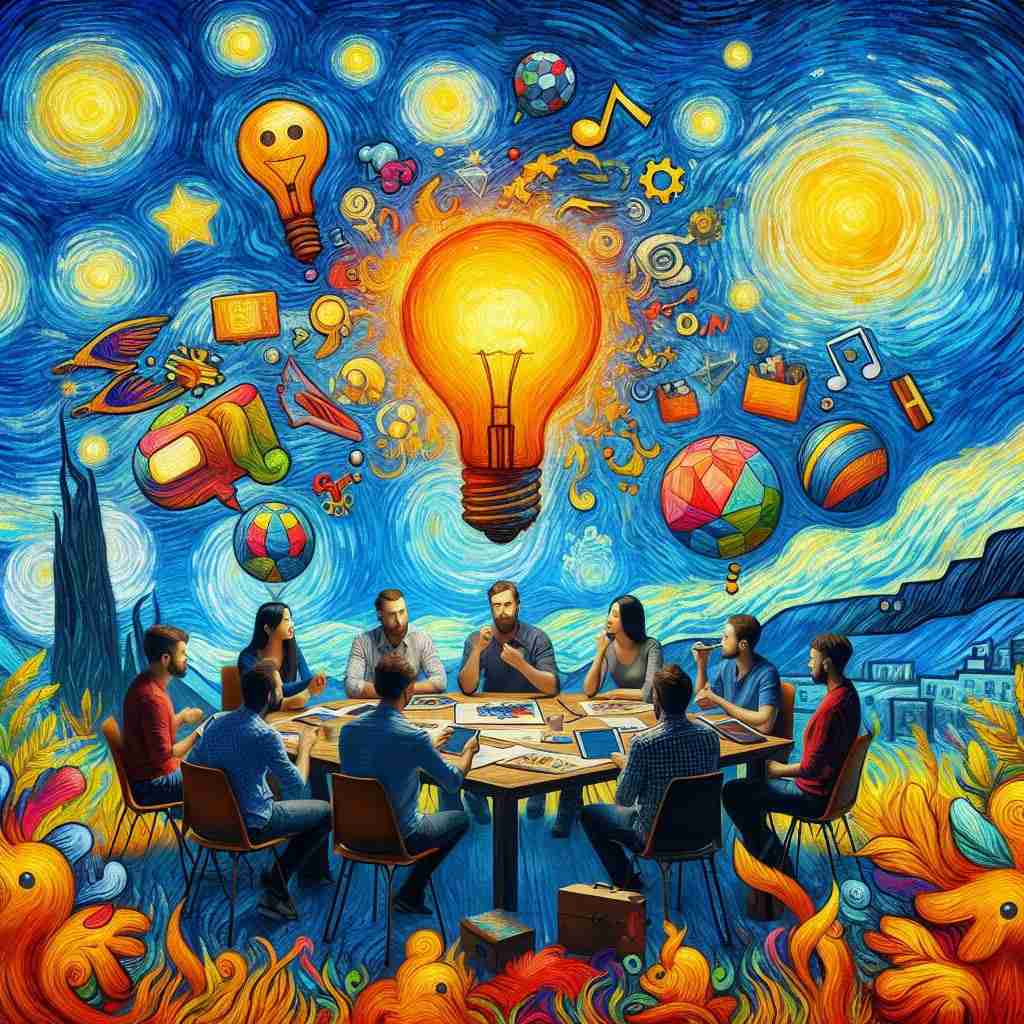
When we talk about creativity today, we find ourselves standing on the shoulders of giants—except, these giants might be your neighbors, your friends, or even that kid down the street. User-created content has turned the concept of creativity into a shared, communal experience. It’s heartening and humbling to realize that artistry isn’t reserved for the elite; it’s alive in the hands of everyday people.
Imagine scrolling through your feed and stumbling upon a game designed by a high schooler in their bedroom. It’s not just a simple pastime—it’s a manifestation of their imagination, their struggles, and their triumphs. They poured hours into crafting something that not only entertains but connects with others. The courage it takes to share a personal creation resonates deeply. It’s not just pixels on a screen; it’s a piece of their heart. When you encounter such passion, it suddenly feels attainable for you too. The line separating “artist” from “audience” begins to blur, and creativity becomes a shared endeavor.
From a rational standpoint, this evolution has democratized creativity. Anyone with access to the internet can share their story, their art, or their vision. This shift prompts us to ask tough questions: What defines creativity? Is it the medium or the message? Are we willing to listen and learn from those who might not have traditional credentials but are rich with life experiences?
Ethically, we should champion this shift. Creativity thrives on diversity, and by valuing contributions from varied backgrounds, we enrich our collective narrative. It fosters a sense of belonging, where everyone is invited to the table. While large corporations may dominate traditional media, user-created content levels the playing field, allowing unique voices to shine.
As we engage with this wave of creativity, we’re not just observers; we’re participants in a grand narrative. Socially, we gravitate toward those who encourage us to create and share. Feelings of isolation dissipate when we connect through a shared passion or project. It nurtures resilience—the kind found in every artist, coder, or content creator, who embodies the spirit of trying and failing, all for the sake of making something meaningful.
So, the next time you pick up a game or scroll past content created by someone just like you, remember that your perspective might just change. Embrace your own creativity—it’s waiting for you to tell your story.

How Has User-Created Content Changed Your Perspective on Creativity?
How Has User-Created Content Changed Your Perspective on Creativity?
- Creativity today is a communal experience, showcased through user-created content.
- Artistry is no longer exclusive to the elite; everyday individuals are crafting and sharing their creations.
- Personal creations reflect the imaginations, struggles, and triumphs of their creators.
- The line between “artist” and “audience” is blurring, making creativity accessible to everyone.
- This evolution democratizes creativity, allowing anyone with internet access to share their work.
- Valuing diverse contributions enriches the collective narrative and fosters a sense of belonging.
- Engaging with user-created content encourages resilience and the spirit of creation in all of us.
How Has User-Created Content Changed Your Perspective on Creativity?
Why Do You Think Gen X Connects Differently with Digital Culture?
When you take a step back and look at Generation X, you see a group of folks who grew up in a world defined by change. Those early years were spent playing outside, breathlessly racing on bikes, and, yes, immersing themselves in games that didn’t need a screen. This foundation created a sense of community and trust—values that permeate today’s digital interactions, even if they sometimes feel fleeting.
Gen Xers were the bridge between analog and digital. They remember the smell of a library book, the sound of a dial-up modem, and the first magical moments of online connection. This unique blend of experiences shapes how they now navigate the digital landscape. They’re not merely consumers of content; they approach digital culture like seasoned travelers. They sift through the noise, discerning what’s authentic and valuable from what’s temporary and gimmicky.
Emotionally, Gen X connects with digital culture with a nostalgia that evokes simpler times. They recall the warmth of face-to-face connection, the thrill of spontaneous adventures, and the satisfaction that comes from real human interaction. But as adults, they also grapple with a society that’s often more virtual than actual. It’s a delicate balancing act—seeking genuine connection in a world of superficial likes and shares. That’s why Generation X often seeks communities online that mirror the authenticity they cherished in their youth—places where they can engage in meaningful dialogue, share real stories, and build relationships grounded in trust.
Rationally, they understand the power of technology to bring people together, yet they remain acutely aware of its pitfalls. They are the ones who remind us that while digital platforms can connect us, true connection always requires effort and intention. Navigating through endless feeds and notifications isn’t just about keeping up; it’s about curating a digital presence that reflects their values—authenticity, responsibility, and resilience.
From a social perspective, Gen X often find themselves as the custodians of values that emphasize responsibility. They know that while technology changes, the core human experience remains the same. So, they lead by example, engaging in dialogue, challenging misinformation, and advocating for the ethics of digital interaction. This generation teaches us all that while we may play games online, the real game is about fostering connections that stick—beyond the screen and into our hearts.
Why Do You Think Gen X Connects Differently with Digital Culture?
Why Do You Think Gen X Connects Differently with Digital Culture?
- Generation X grew up in a rapidly changing world, characterized by outdoor play and non-screen games, fostering community and trust.
- They serve as a bridge between analog and digital, recalling experiences like library books and dial-up modems that influence their digital navigation.
- Gen X approaches digital culture as experienced travelers, discerning authentic content from fleeting trends.
- Nostalgia for simpler times motivates their search for genuine connections amid a virtual-heavy society.
- They actively seek online communities that reflect the authenticity and meaningful dialogue valued in their youth.
- Gen X acknowledges technology’s potential for connectivity while emphasizing the need for intentional and thoughtful engagement.
- They embody values of responsibility and ethics in digital interactions, teaching the importance of fostering lasting human connections beyond screens.

Why Do You Think Gen X Connects Differently with Digital Culture?
How Can We Foster a Sense Of Community In User-Created Platforms?
In a world where countless online spaces blossom and wither like wildflowers, fostering a genuine sense of community in user-created platforms isn’t just a lofty ambition—it’s a necessity. With every click, tap, and share, we’re building something far greater than individual experiences; we’re crafting the very fabric of connection that binds us together. The beauty of these platforms is that they often thrive around shared passions, whether they’re games, art, or initiatives that elevate voices often left unheard.
Imagine a user-created gaming platform where not just the gameplay, but also the players, become the heroes of the story. When we incentivize participation through storytelling that resonates, we transform simple interactions into lasting relationships. Each user has a voice, and every voice matters. By embracing the diverse narratives that emerge within our communities, we cultivate an environment where every member feels valued. This shared investment lays the groundwork for ethical engagement and breaking down barriers, encouraging contributions that go beyond mere participation.
One of the keys to unlocking a thriving community is trust. When platform creators prioritize transparency in their operations, users begin to feel a sense of ownership. A community built on trust challenges us to peel back the layers of anonymity. Sharing vulnerabilities and supporting one another fosters an atmosphere where individuals are inspired to contribute their unique talents and perspectives. We’re not just playing games; we’re participating in a collective journey, one that values every player’s input—because when you’re truly connected, the game becomes about more than just winning.
Every interaction, every shared laugh, and even every disagreement adds to the communal tapestry. Real connections are forged not in the absence of conflict but often in its resolution. Facilitate open discussions where diverse opinions can spark healthy debates, and suddenly, that platform evolves from a collection of users into a family—a tribe working together toward a common goal.
So, let’s roll up our sleeves and dig in. This isn’t just about creating a virtual playground; it’s about nurturing a space where the community can thrive. Open your hearts, engage your minds, and let’s build something enduring, something that not just whispers your name but proudly echoes it. When we stand together, we form an unbreakable bond—because in the end, it’s not just about the games we play, but the connections we create that truly matter.

How Can We Foster a Sense Of Community In User-Created Platforms?
How Can We Foster a Sense Of Community In User-Created Platforms?
- Fostering genuine community in user-created platforms is essential in a world of fleeting online spaces.
- These platforms thrive on shared passions like games, art, and initiatives that elevate unheard voices.
- User-created gaming platforms can turn players into heroes through meaningful storytelling and engagement.
- A community built on trust and transparency encourages users to share their unique talents and perspectives.
- Real connections are often forged through conflict resolution and open discussions that value diverse opinions.
- Building a thriving community requires commitment and engagement from all members.
- Ultimately, the value lies not in the games played, but in the lasting connections formed within the community.

How Can We Foster a Sense Of Community In User-Created Platforms?
What Ethical Responsibilities Come with Sharing and Creating Online?
In the vast expanse of the online world, where every click can send ripples through the lives of others, the weight of our choices becomes almost palpable. When we share, create, or even comment, we’re not merely playing a game; we’re impacting real people. Each post, picture, and thought has the potential to build someone up or tear them down. This is where our ethical responsibilities kick in.
Let’s talk about honesty. When you hit that “post” button, you’re weaving a narrative that others will latch onto. Is your story rooted in truth, or just a convenient twist? The digital landscape is littered with misinformation, and each of us has the power to be a beacon of credibility or a harbinger of doubt. It’s up to us to ensure that what we share is authentic, fortified by facts rather than fueled by fleeting emotions.
Now, consider how your words might affect others. Empathy is a powerful tool. The person on the other end of your post is not just an avatar; they have dreams, fears, and struggles that you may never see. Responding to someone’s vulnerability with kindness not only elevates their day but also promotes a culture of trust and connection. People remember how you made them feel, and that’s a legacy worth cultivating.
Then there’s accountability. If you create content that stirs strong emotions, you must stand by it. Think carefully before adding to the online noise. Each time we take a stand or express an opinion, we husband our authority. Are we prepared to engage in healthy debate, or will we retreat at the first sign of disagreement? This is where character is born—when we navigate conflict with grace and understanding.
It’s critical to engage with the community mindfully. Whether you’re sharing memes, art, or insights, remember that we’re all in this together. Strive to foster a welcoming environment where diverse perspectives are respected. Your online space can be a refuge, a hub for growth, and a launchpad for inspiring change.
So, as you create, share, and interact, carry these responsibilities with pride. Let your online presence be a reflection of who you are—a steward of integrity and a champion of empathy. In doing so, you invite others to do the same, creating a ripple effect that can change lives, one post at a time.

What Ethical Responsibilities Come with Sharing and Creating Online?
What Ethical Responsibilities Come with Sharing and Creating Online?
- The online world amplifies the impact of our choices on others.
- Honesty is crucial; always ensure your posts are rooted in truth.
- Misinformation is rampant; be a source of credibility and authenticity.
- Consider the emotional impact of your words; empathy fosters connection.
- Accountability is key; stand by your content and engage in healthy debate.
- Engage mindfully with the community; respect diverse perspectives.
- Let your online presence reflect integrity and empathy, creating positive change.

What Ethical Responsibilities Come with Sharing and Creating Online?
In What Ways Does User-Generated Content Empower Individuals?
In what ways does user-generated content empower individuals? Let’s take a moment to unpack that, because it’s quite a ride. Picture this: you’re sitting at your computer, scrolling through a sea of amateur photographs, heartfelt podcasts, and raw videos. With each click, an entire universe of people comes alive—each sharing their stories, opinions, and creativity. This isn’t just a digital playground; it’s a platform where voices that once went unheard can finally be amplified.
When individuals post their thoughts online, they’re not just tossing ideas into a void. They’re inviting us into their world, evoking emotions that resonate deep within us. Whether it’s a heartfelt blog about overcoming adversity or an impromptu song about love and loss, that connection can stir something profound. It reminds us that we’re all in this together, dealing with the same struggles even if our circumstances differ. It’s that emotional connection that makes user-generated content so powerful—it creates a sense of belonging.
Rationally, think about the sheer impact this content can have. A single tweet or video can spark movements, educate millions, and shift public opinion faster than a headline in the news. The ability to engage with relevant issues, to share innovative solutions like efficient DIY projects or groundbreaking community initiatives—this democratizes knowledge. You’re not just a passive consumer; you’re part of a conversation that shapes the very fabric of society.
Ethically speaking, user-generated content levels the playing field, taking power away from elite institutions and giving it back to the people. Where traditional media often sways narratives for profit, these platforms allow genuine expression. One lone creator can challenge powerful corporations or government entities, shedding light on truths that might otherwise remain buried. It’s about accountability in a world that sometimes feels devoid of it.
And let’s not forget the social component. When you create or share content, you position yourself within a community. You find kinship among those who share your passions, from gaming enthusiasts to budding chefs. This shared space fosters connections that stretch across the globe, uniting us in ways we never thought possible.
So, dive in! Share your thoughts, your art, your stories. You’ve got the tools, and more importantly, you’ve got a world waiting to listen. Your voice matters. It’s time to seize that power and make it resonate.

In What Ways Does User-Generated Content Empower Individuals?
In What Ways Does User-Generated Content Empower Individuals?
- User-generated content amplifies voices that were previously unheard.
- It fosters emotional connections, creating a sense of belonging among individuals.
- Such content can spark movements, educate others, and shift public opinion rapidly.
- Engaging with user-generated content democratizes knowledge, encouraging active participation.
- It levels the playing field by shifting power away from traditional media and elite institutions.
- User-generated content fosters global connections among people with shared interests.
- Everyone is encouraged to share their thoughts and creativity, reinforcing the importance of each voice.

In What Ways Does User-Generated Content Empower Individuals?
How Has Digital Music Sharing Influenced Your Relationships?
Music has always been a soundtrack to our lives, but in this digital age, its influence stretches far beyond mere notes and lyrics. Think about the last time you exchanged a favorite song with a friend. That moment isn’t just about sharing a tune; it’s a bridge built across the chasms of our individual lives. It’s a way to connect—to say, “This piece of art resonates with me, and I believe it will resonate with you too.”
In a world where we often struggle to find common ground, a shared playlist can become the glue in our relationships. Whether you’re hastily sending a track via text or spending an evening curating the ultimate mix, these small acts create a sense of intimacy. They transcend the digital medium and tap into something deeply human. Remember that garage band you would jam with, or the late-night drive while belting out lyrics? Songs shape memories and strengthen bonds.
From my own experiences, the emotional impact of music sharing can’t be overstated. I remember a time when a simple exchange of songs helped me mend a broken friendship. It was a chance to share vulnerability, and within that exchange, we discovered not just common interests but also our individual struggles. These moments reinforce the notion that we’re never truly alone in our journeys; someone out there understands our heartache and triumphs.
Let’s not forget the ethical implications. We’re navigating a landscape where music sharing and consumption are often debated. Yet, as we share our favorite tracks, we’re also raising awareness about the artists behind those songs. Supporting emerging talents fosters a cycle of creativity and expression, ultimately enriching our collective culture. When we share, we’re not just spreading our tastes; we’re building a community.
However, as we indulge in this digital convenience, let’s take a moment to engage our heads and guts. Music is not just background noise; it’s an invitation for dialogue, exploration, and connection. It prompts us to ask questions—”What does this song mean to you?” or “How does it shape your story?”—encouraging deeper conversations and forging connections that transcend generations.
So the next time you share a song, remember: it’s more than just music. It’s a powerful testament to our shared humanity—a melody of connection waiting to resonate.

How Has Digital Music Sharing Influenced Your Relationships?
How Has Digital Music Sharing Influenced Your Relationships?
- Music serves as a profound soundtrack to our lives, especially in the digital age.
- Sharing a favorite song is a way to connect and build intimacy across individual experiences.
- A shared playlist can strengthen relationships and create emotional bonds.
- Personal experiences highlight how music sharing can mend broken friendships and foster vulnerability.
- Sharing music raises awareness about artists and supports emerging talents in the creative community.
- Music invites dialogue and exploration, prompting deeper conversations across generations.
- Sharing a song is a testament to our shared humanity and the connections we create through it.

How Has Digital Music Sharing Influenced Your Relationships?
Conclusion
In the tapestry of our digital lives, user-created culture has woven threads of creativity, connection, and community that define who we are today. For Generation X, this journey isn’t just a nostalgic trip down memory lane; it’s a powerful reminder of how individuality can spark collective joy. It harks back to the days of mixtapes in basements, where every shared song was a lifeline thrown to a friend, echoing an ethos that reverberates in platforms like Roblox today. Each beat we share, each pixel we design—these are not just personal expressions but shared stories that amplify our essence.
Gen Xers have a unique vantage point. They’ve embraced the digital age while holding onto the values of face-to-face interactions, cultivating a yearning for authenticity in an era often clouded by superficiality. Their experiences straddling analog and digital worlds empower them to sift through noise, cultivating genuine connections despite the distractions. This perspective fosters a craving for deeper, more meaningful interactions, reminding us that behind every online avatar lies a real human being with dreams, struggles, and a desire for community.
Emotions play a pivotal role here too. Sharing a song or a piece of art can transform a solitary moment into a collective celebration. It’s an invitation into one another’s lives—an acknowledgment of shared experiences. In turbulent times, the act of sharing music or art becomes not just about expression, but an empathetic bridge that connects us to others. Each act of sharing is an assertion of our humanity, a reminder that we’re part of a larger narrative that stretches across differences.
Moreover, the ethical responsibilities of sharing and creating content weigh heavily in this community-focused landscape. They remind us that every voice, whether a seasoned creator or a first-time sharer, adds to the richness of our collective experience. We must foster environments of trust and transparency, where diverse narratives are heard and valued, allowing us to build bridges rather than walls.
So, let’s take that ethos to heart. In this age of user-created culture, we’re not merely participants; we are pioneers, crafting the world we want to envision. From the songs we share to the stories we create, let’s embrace our creativity and recognize the power of our contributions. Together, we can shape a vibrant community that thrives on connection, collaboration, and the simple, profound joy of making something meaningful as one.

Conclusion
Conclusion:
- User-created culture enhances creativity, connection, and community in our digital lives.
- Generation X embraces both nostalgic and contemporary expressions of individuality, from mixtapes to digital platforms like Roblox.
- Having lived through both analog and digital eras, Gen X prioritizes authentic, face-to-face interactions amid a sea of superficiality.
- Emotional sharing, such as music or art, serves as an empathetic bridge, transforming solitary moments into collective celebrations.
- Every act of sharing asserts our humanity, emphasizing our connections across diverse experiences and challenges.
- Sharing content carries ethical responsibilities, with a need for trust and transparency in valuing diverse narratives.
- We are encouraged to be pioneers in user-created culture, fostering a vibrant community through creativity and meaningful contributions.

Conclusion
Other Resources

Other Resources
Here is a list of other resources you can review online to learn more:
- Roxley Games
- Blogger
- The Gallerist
- Clank!: A Deck-Building Adventure
- Keyforge
- Root: The Riverfolk Expansion
- GAMA
- Gamelyn Games
- Board Game Atlas
- Arkham Horror: The Card Game – The Dunwich Legacy Expansion
- Repos Production
- Tigris & Euphrates
- Cryptozoic Entertainment
- Days of Wonder
- Tzolk’in: The Mayan Calendar
- Greater Than Games
- Rio Grande Games
- AEG (Alderac Entertainment Group)
- Meeple Mountain
- The Broken Meeple
Use This Prompt To Get More Resources With Your Favorite Online AI Tool: Please provide me with a list of online articles with their URLs in a bulleted list that I can read regarding From Napster to Roblox – Why Gen X Understands User-Created Culture

Other Resources
Glossary Terms
From Napster to Roblox – Why Gen X Understands User-Created Culture – Glossary Of Terms
1. User-Created Content: Digital media produced by end-users, emphasizing personal expression and creativity.
2. Napster: An early peer-to-peer file-sharing service that revolutionized music consumption and prompted discussions about copyright.
3. Generation X: The demographic cohort born roughly between 1965 and 1980, known for adapting to technological changes.
4. Digital Natives: Individuals born during the rise of digital technology, comfortable with tech from an early age.
5. Gaming Platforms: Online services that enable players to create, share, and engage with games, such as Roblox.
6. Social Sharing: The act of distributing content or information across various social media platforms.
7. Memes: Humorously altered images, text, or videos that spread rapidly online, often reflecting cultural or social commentary.
8. Crowdsourcing: The process of obtaining ideas or services from a large group of people, typically via the internet.
9. Open Source: Software that allows users to inspect, modify, and enhance its source code, promoting collaboration and innovation.
10. Viral Culture: Content that spreads rapidly and widely across social networks, often through shared user-generated contributions.
11. Modding: The practice of modifying existing video games to create new content or experiences.
12. Platform Economy: An economic model based on digital platforms that facilitate exchanges or create user-generated ecosystems.
13. Community Building: The process of fostering connections and relationships within groups with shared interests online.
14. Intellectual Property: Legal rights that protect creations of the mind, including inventions and artistic works, relevant in user-generated culture.
15. Streaming: The real-time delivery of content over the internet, changing how users access media.
16. Virtual Worlds: Online environments that simulate reality, allowing users to interact, create, and navigate through immersive experiences.
17. Collaborative Consumption: The sharing of resources or services among individuals, often enabled by technology, to reduce individual ownership.
18. Creator Economy: A segment of the economy characterized by individuals monetizing their creative content, supported by platforms.
19. Self-Publishing: The act of publishing content independently, bypassing traditional publishing channels.
20. Nostalgia: A sentimental longing for the past, often influencing Gen X’s engagement with retro content and technology.
21. Interactive Media: Digital media that allows user interaction, creating a participatory experience rather than passive consumption.
22. Fan Fiction: Stories created by fans that expand on existing fictional worlds, showcasing user creativity and engagement.
23. Digital Footprint: The trail of data one leaves online through interactions with websites and social media.
24. Algorithm: A set of rules used by platforms to curate and recommend content based on user behavior.
25. Content Creation Tools: Software or platforms designed to facilitate the creation of digital content, such as videos or graphics.
26. Artistic Expression: The use of creative skills to convey ideas, emotions, or concepts, often seen in user-generated culture.
27. Engagement Metrics: Data used to assess user interactions and engagement level with content across platforms.
28. Transmedia Storytelling: A narrative that unfolds across multiple media formats, enhancing user experience and participation.
29. Digital Literacy: The ability to navigate, understand, and create information using digital technologies.
30. Cultural Remix: The practice of reinterpreting or recontextualizing existing cultural works to create new meanings or experiences.

Glossary Of Terms
Other Questions
From Napster to Roblox – Why Gen X Understands User-Created Culture – Other Questions
If you wish to explore and discover more, consider looking for answers to these questions:
- What are some examples of user-created content that have made a significant impact on society?
- How did Napster pave the way for today’s digital content sharing platforms?
- What role does nostalgia play in Gen X’s connection to user-created culture?
- How does sharing music online differ across generations?
- What challenges do user-created platforms face in maintaining community and authenticity?
- How can we measure the impact of user-generated content on creativity and innovation?
- What ethical dilemmas arise from the proliferation of user-generated content?
- How can different generations learn from each other’s experiences in creating and sharing content?
- What tools and resources are available for individuals who want to create their own content?
- How do user-generated platforms promote diversity and inclusivity in creative expression?

Other Questions
Haiku
From Napster to Roblox – Why Gen X Understands User-Created Culture – A Haiku
In echoes of sound,
Voices rise, hearts intertwined;
Creation unites.

Haiku
Poem
From Napster to Roblox – Why Gen X Understands User-Created Culture – A Poem
In a world of polished screens and corporate glare,
Where voices flicker like fading stars in the air,
Gen X stands as a bridge, wise and strong,
From mixtapes of youth to the games we now throng.
In basements where dreams met the crackling tape,
They crafted their sound, giving freedom escape.
Napster to Roblox, a journey of flair,
Each note shared a connection, a bond laid bare.
Through the strains of the past, they learned to create,
A culture of sharing, a spirit innate.
Empathy thrived in each song they’d send,
A lifeline of hope, a message, a friend.
With every click and share, barriers fade,
In the dance of our stories, community’s made.
No longer just consumers of fleeting trends,
But pioneers crafting the heart that transcends.
Their nostalgia isn’t merely a glance in the rear,
It’s a call to embrace the voices we hear.
Each pixel, each player, is vital and true,
In the tapestry woven, it’s me, it’s you.
So foster connections where trust can be sown,
In spaces where creativity’s freely grown.
For it’s not about wins but the journey we share,
Building a culture that’s vibrant and rare.
Stand up, Gen X, with wisdom to spare,
Embrace the user-created, allow others to care.
For in this grand symphony of life, we find,
In shared creativity, our hearts are aligned.

Poem
Checklist
From Napster to Roblox – Why Gen X Understands User-Created Culture – A Checklist
Checklist for Embracing User-Created Culture: From Napster to Roblox
Heart-Based Appeals: Emotional Connections
_____ Reflect on a time when sharing music deepened a relationship. How did it make you feel?
_____ Identify a user-generated content (UGC) piece that resonated with you emotionally. What made it impactful?
_____ Explore ways to express vulnerability through sharing your creative work or musical preferences.
Head-Based Appeals: Rational Understandings
_____ Consider how user-generated content democratizes creativity. What does this mean for you personally?
_____ Analyze the positive impacts of sharing artistic expressions on community building and societal change.
_____ Take stock of how digital platforms can enhance your understanding of various cultures and perspectives.
Gut-Based Appeals: Instinctual Reactions
_____ Assess your instincts when engaging with user-generated content. Does it feel authentic or superficial?
_____ Pay attention to how you react emotionally when seeing others create and share their works.
_____ Trust your intuition on what constitutes genuine content. Ask yourself: Does this resonate with my values?
Ethical Considerations: Navigating Responsibilities
_____ Reflect on the importance of integrity when sharing content. Are you considering the accuracy and impact of what you post?
_____ Commit to fostering a respectful online environment. How can you encourage diversity of opinions while maintaining kindness?
_____ Challenge yourself to support artists and creators ethically by sharing their work responsibly and advocating for fair practices.
Authority and Social Appeal: Building Community
_____ Seek out communities that celebrate user-generated content. How can you actively participate in nurturing these spaces?
_____ Take inspiration from thought leaders in user-created culture. Who are the voices you can learn from or collaborate with?
_____ Share your insights with peers. How can you contribute to conversations about creativity and collaboration within your social circles?
Narrative and Storytelling: Connecting Through Shared Experiences
_____ Share a personal story that exemplifies your journey with user-created content. What lessons did you learn?
_____ Engage others by inviting them to tell their stories about their experiences with creativity and connection.
_____ Explore collaborative storytelling opportunities—how can you build a narrative that reflects diverse voices and experiences?
Use this checklist as a guide to explore your relationship with user-created culture, from emotional connections to ethical considerations, fostering a more vibrant and meaningful engagement in the digital landscape.

Checklist
At HowDoYouGame, we help people who love board games by collating information and news about games.
Be sure to read our other related stories at HowDoYouGame to learn more about games.