Unleashing The Power Of Play: The Evolution Of Social Gaming
By Tom Seest
At HowDoYouGame, we help people who love board games by collating information and news about games.
Be sure to read our other related stories at HowDoYouGame to learn more about games.
From Monopoly Nights to Fortnite Seasons – How Social Play Changed
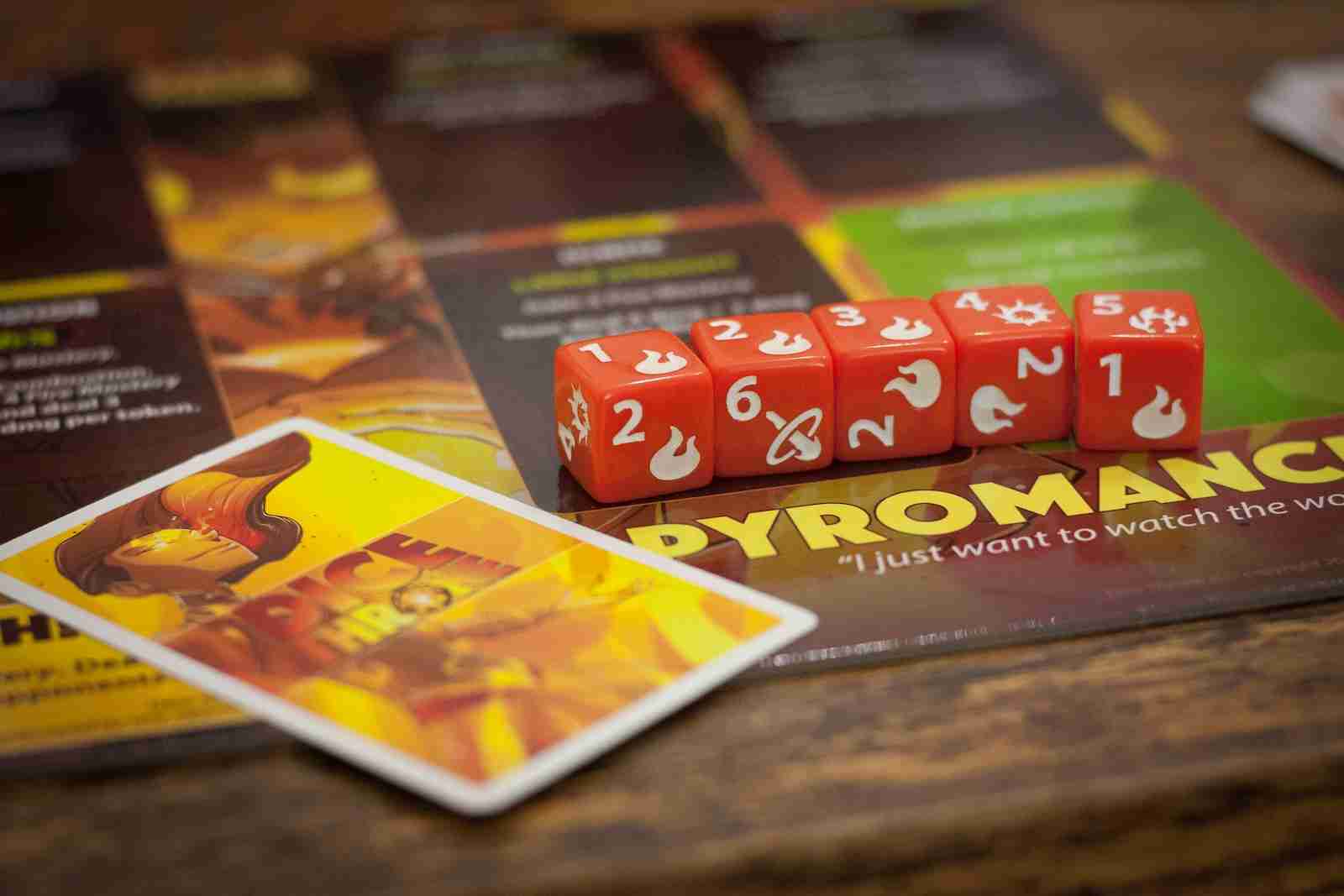
From the candlelit dining room to brightly lit screens, social play has been rewritten, evolving from family games like Monopoly to the digital realms of Fortnite. Yet beneath the surface veneer of modern games, the innate desire for connection remains unchanged. At its core, gaming has always been about gathering—an instinct as old as humanity itself.
Remember those evenings spent rolling dice and trading properties? That thrill of competition was never just about winning; it was about laughter, camaraderie, and the shared stories birthed at the table. Today, those gathering spots have shifted, yet the essence remains. Fortnite, with its colorful avatars and rapid-fire dancing, invites not just competition, but collaboration. It engenders friendships that span continents—a kid in Ohio teaming up with a gamer in Japan, their shared victories a testament to that age-old bond forged through play.
Engaging in games taps into our heads and hearts, reminding us that it’s not merely pixels on a screen but emotional connections that matter. According to studies, these interactions can boost well-being, emphasizing that play fosters community. When we drop into a battle royale or strategize our next move, we aren’t just competing; we’re building trust, learning teamwork, and navigating challenges together. In an age where loneliness is a silent epidemic, gaming communities serve as lifelines for young and old alike.
Yet, amidst the joy, we must also consider the ethical landscape. As guardians of our own play, we must navigate issues around access, inclusivity, and moderation; ensuring we foster an environment that shines a light on respect and kindness. This responsibility calls for wisdom, urging us to respect the diverse tapestry of players who enrich the gaming world.
The narrative is powerful; it reminds us that regardless of age or background, we come together through shared experiences. Every victory dance or coordinated heist builds a bridge between me and you. When played with intention, games are more than just entertainment; they are a modern-day campfire, encouraging storytelling, belonging, and the forging of lifelong bonds.
So, as we boot up our consoles and log into vibrant worlds, let’s remember: whether it’s Monopoly nights or Fortnite seasons, the heart of gaming spans generations, and at its core lies the universal truth—we are always better together.

From Monopoly Nights to Fortnite Seasons – How Social Play Changed
From Monopoly Nights to Fortnite Seasons – How Social Play Changed
- Social play has evolved from traditional family games like Monopoly to digital experiences in games like Fortnite.
- Despite changes, the core desire for connection in gaming remains unchanged and is an intrinsic human instinct.
- Gaming emphasizes camaraderie and shared experiences, transcending competition to foster friendships across the globe.
- Engagement in games taps into emotional connections, contributing positively to well-being and community building.
- Gaming serves as a vital social outlet, combating loneliness for players of all ages.
- Ethical considerations in gaming include promoting access, inclusivity, and moderation while fostering respect and kindness.
- Ultimately, games act as a modern-day campfire, encouraging storytelling, belonging, and the formation of lifelong bonds.

From Monopoly Nights to Fortnite Seasons – How Social Play Changed
Table Of Contents
- From Monopoly Nights to Fortnite Seasons – How Social Play Changed
- How Did Family Game Nights Shape Our Childhood Memories?
- What Role Did Social Connections Play In Enjoying Games?
- How Do Online Games Foster New Friendships and Communities?
- Why Is It Important to Balance Screen Time with Face-To-Face Play?
- How Can We Use Games to Build Empathy and Understanding Among Peers?
- How Do Shared Gaming Experiences Create Lasting Bonds Among Friends?
- What Makes Cooperative Gameplay More Rewarding Than Solo Play?
- Conclusion
- Other Resources
- Glossary Of Terms
- Other Questions
- Haiku
- Poem
- Checklist
How Did Family Game Nights Shape Our Childhood Memories?
As we gather around the kitchen table, the backdrop of our childhood reverberates with laughter, friendly competition, and the rustle of cherished game boxes. These evenings, infused with the spirit of togetherness, were more than mere entertainment; they were a foundation for valuable life lessons. The games we played—whether Monopoly, Scrabble, or Uno—stitched together moments that shaped who we are today.
Remember the thrill of rolling the dice or drawing that fateful card? The gut-wrenching anticipation, the strategic planning, and sometimes, the sweet taste of victory—or the sting of defeat. These games taught us resilience and perseverance. Repeated losses became stepping stones to mastery. We learned the importance of patience, of playing by the rules, and the invaluable lesson that sometimes winning isn’t everything. Each experience was a building block, shaping our character and preparing us for the challenges beyond that table.
Emotionally, these game nights reached deep into our hearts. They were a sacred space where we felt safe to express ourselves fully, a pocket of time where the world outside vanished, and nothing mattered—and isn’t that every child’s dream? The warmth of a parent’s laughter, the gleam in a sibling’s eye as they plotted mischievously—those moments created a tapestry that weaved us together. They fostered bonds that would weather the storms of adolescence and beyond.
Logically, the math and strategy involved in these games injected a dash of education into the mix, bolstering our problem-solving skills. Each calculated risk and critical decision honed our ability to navigate complexities, teaching us that choices have consequences—not just in games, but in life. These were our first steps into adulthood, with playful stakes setting the stage for serious outcomes.
Socially, the allure of game nights extended beyond our immediate family. They served as an invitation, beckoning relatives, friends, and occasionally, neighbors to join our lively gatherings. Through shared laughter and heated debates over an overturned board, we cultivated our social circles, cementing friendships that might last a lifetime.
In essence, family game nights were the unsung heroes of our childhood—a blend of joy, learning, and deep connection. The nostalgia they invoke serves as a powerful reminder that the simplest moments often leave the most profound impact. So, let’s dust off that old board game, gather the loved ones, and reignite those traditions. After all, it’s not just about the games we play; it’s about the memories we create.
How Did Family Game Nights Shape Our Childhood Memories?
How Did Family Game Nights Shape Our Childhood Memories?
- Family game nights fostered laughter, friendly competition, and cherished memories.
- Games like Monopoly, Scrabble, and Uno taught resilience, perseverance, and the importance of patience.
- Losses in games were stepping stones to mastery, highlighting that winning isn’t everything.
- Game nights created a safe emotional space, strengthening family bonds and allowing self-expression.
- Strategic elements of games enhanced problem-solving skills and taught the consequences of choices.
- These gatherings extended social circles, inviting friends and relatives to join in the fun.
- Family game nights were pivotal experiences, blending joy, learning, and connection, leaving lasting memories.

How Did Family Game Nights Shape Our Childhood Memories?
What Role Did Social Connections Play In Enjoying Games?
When we think about the joy of playing games, it’s easy to get lost in the thrill of victory or the agony of defeat. But at the heart of those experiences lies something even more profound: the connections we forge with one another. Games, whether they’re board variety, video showdowns, or backyard challenges, become a platform for building relationships. Picture this: friends gathered around a table, laughter mingling with the sound of dice rolling and cards being shuffled. It’s not just about winning or losing; it’s about the shared experiences that leave lasting memories.
These social connections serve as the thread that weaves us together. Engaging in games allows us to rise above the mundane hustle of life and step into a world of camaraderie. Here, we can let our guards down, reveal a bit of our true selves, and find common ground in our competitive spirits. The act of playing ignites a shared enthusiasm, where every cheer and groan resonates deeply within us. These connections are valuable for our emotional well-being, reminding us that even beyond the pixelated avatars or wooden game pieces, it’s our relationships that amplify the joys and mitigate the disappointments.
Rationally speaking, the cognitive benefits of playing games are well-documented. They challenge our minds, foster problem-solving skills, and keep our brains sharp. Yet, the true magic lies in how these experiences thrive in a social context. Team-based games teach us collaboration and trust; they show us how to lean on one another, highlighting the simple truth that we are stronger together. The joy of a group victory is palpable, a universal reward that feels infinitely greater than any personal triumph.
Ethically, games can also serve as important cultural touchstones and bonding experiences across generations. Families come together to play, sharing stories and traditions. In that space, we create a tapestry rich with history, laughter, and love. It’s these moments that encourage us to pass the baton, to invite newcomers into this circle of joy, extending our passion for games into ever-expanding networks of relationships.
So let’s gather, play, and connect. Let’s create spaces where fun flourishes and friendships deepen. Because in the end, it’s not just about the games we play; it’s about the connections we nurture along the way that make it all worthwhile.

What Role Did Social Connections Play In Enjoying Games?
What Role Did Social Connections Play In Enjoying Games?
- The joy of playing games is deeply tied to the connections forged with others.
- Games serve as a platform for building relationships, creating lasting memories through shared experiences.
- Engaging in games helps us rise above daily life and fosters camaraderie.
- The act of playing encourages enthusiasm, allowing us to express our true selves.
- Cognitive benefits like problem-solving and mental sharpness are important but thrive in social contexts.
- Team-based games promote collaboration and the idea that we are stronger together.
- Games act as cultural touchstones, creating rich traditions and bonding experiences across generations.

What Role Did Social Connections Play In Enjoying Games?
How Do Online Games Foster New Friendships and Communities?
When we think about online games, it’s easy to dismiss them as mere entertainment, a digital escape from reality. But peel back the layers, and you’ll find a rich tapestry of connection that can transform strangers into friends and players into a vibrant community. These games aren’t merely platforms for competition; they’re modern-day campfires, where people gather to share stories, forge alliances, and build bonds that might never have formed otherwise.
Imagine a young woman, far from home, isolated in a new city. She stumbles upon an online role-playing game, immersing herself in an expansive world filled with fantastical creatures and daring quests. As she teams up with players from different continents, they strategize together, face challenges, and celebrate victories. What began as a diversion quickly evolves into an emotional lifeline. The laughter shared during gameplay transcends the digital screen, reminding her that kindness knows no borders.
On a rational level, the attraction of online games lies in their ability to create shared experiences. They level the playing field, inviting people from various backgrounds to come together under a banner of common interest. Here, the thrill of discovery aligns with the drive for social interaction. In each victory, in each shared heartbeat during the game, players build not just skills but a sense of belonging — a feeling that they are part of something greater than themselves.
Ethically, these connections foster a sense of responsibility. Gamers often find themselves advocating for one another, offering support during tough times, and celebrating important milestones. Whether it’s sharing a heartfelt story or lending a virtual shoulder to cry on, the camaraderie nurtured in these digital realms cultivates a community built on trust and empathy.
Listening to the stories of these players reveals the powerful narratives that emerge in online gaming. Relationships blossom, and hearts connect through shared adventures, challenges, and triumphs. Friendships formed in these vibrant spaces often spill into real life, pushing players to support one another beyond the game itself. They travel to meet face-to-face, attend conventions, or simply offer a phone call in times of need.
Online games are much more than pixels and points. They are mirrors reflecting the best of humanity — unity, understanding, and community. So the next time you log in, remember: you’re not just playing a game; you’re joining a community, one friendship at a time.

How Do Online Games Foster New Friendships and Communities?
How Do Online Games Foster New Friendships and Communities?
- Online games are often seen as mere entertainment but serve as platforms for connection and community.
- Players can become friends, forming bonds that transcend geographical boundaries.
- A young woman discovers an online role-playing game, finding companionship and support while feeling isolated in a new city.
- Online games level the playing field, enabling diverse backgrounds to unite through shared experiences.
- These connections foster responsibility, with players advocating for and supporting one another.
- Powerful narratives emerge as friendships develop through shared challenges, leading to real-life connections.
- Online games reflect positive human qualities like unity and understanding, reminding players of the community they join.

How Do Online Games Foster New Friendships and Communities?
Why Is It Important to Balance Screen Time with Face-To-Face Play?
In a world that buzzes with the allure of screens, it’s easy to forget the grounded, vibrant magic of face-to-face play. Kids today are often glued to devices, engrossed in a virtual landscape that, while entertaining, can never replicate the genuine connection found in physical interactions. This isn’t just about limiting screen time; it’s about understanding the core of what it means to be human.
Imagine a child laughing uncontrollably at a game of tag, eyes shining with joy and feet pounding against the grass. Those moments create memories that nurture resilience and social skills far beyond what a digital game ever could. When kids engage in face-to-face play, they encounter the beautiful chaos of human interaction – the challenges, the negotiations, and yes, even the disagreements that teach them empathy. These experiences lay the foundation for strong interpersonal skills, vital for their future.
The rational mind tells us that balance is key. Too much screen time can lead to health issues, affecting everything from sleep patterns to social development. The American Academy of Pediatrics recommends that children ages 2 to 5 engage with screens for no more than one hour a day, emphasizing that this time should be spent with an adult – highlighting the importance of interaction. So, what happens when children replace play with screens? They miss out on critical life lessons that can only be learned through engagement with peers, navigating the ups and downs of shared experiences.
Ethically, we bear a responsibility to foster environments where kids can grow in the richness of direct interaction. By championing play in parks and backyards over predictable screen-time routines, we instill values that honor community, creativity, and cooperation. Feeling the grass underfoot, breathing in fresh air, and playing games with friends are not just activities; they are rites of passage into adulthood.
Narratively, we must tell our children stories of our own childhood—of bikes, of forts, of fired-up imaginations that came alive without a pixel in sight. These tales resonate, reminding them of the wonder that fuels human connection.
Finally, we find that when children are encouraged to unplug, the shared laughs, teamwork, and friendships forged in those moments create bonds that endure. It’s up to all of us to invite the next generation back to the art of play, to where smiles are real and laughter fills the air. So, let’s put down our devices, step outside, and show them a world full of possibilities—the kind that no screen can ever replicate.

Why Is It Important to Balance Screen Time with Face-To-Face Play?
Why Is It Important to Balance Screen Time with Face-To-Face Play?
- Face-to-face play fosters genuine human connections absent in virtual interactions.
- Physical activities like tag create lasting memories, resilience, and social skills.
- Challenges during play promote empathy and strong interpersonal skills for children.
- Excessive screen time can lead to health issues and hinder social development.
- The American Academy of Pediatrics recommends limited screen time for young children, emphasizing adult interaction.
- Encouraging outdoor play and community activities helps nurture cooperation and creativity.
- Sharing stories of unmediated childhood experiences reinforces the joy of human connection.

Why Is It Important to Balance Screen Time with Face-To-Face Play?
How Can We Use Games to Build Empathy and Understanding Among Peers?
When we engage in Games, we’re not merely flipping a switch from the everyday grind to play. We are inviting a deeper dialogue with each other—an opportunity to step into the shoes of another. Imagine a group of friends gathered around a table, dice clattering, laughter filling the air. Each roll of the dice or strategic move on the board presents a small but powerful choice. It’s in these seemingly simple moments that real connections are forged.
Games can act as a bridge, leading us into the heart of our peers’ experiences. Whether it’s navigating a fantasy landscape or solving puzzles in collaboration, each scene presents unique challenges that mimic life’s complexities. When we fail, we feel the sting—similar to the disappointments we encounter daily. When we succeed, our hearts swell with the joy of shared triumph, a celebration of not just individual effort but of unity. It’s here, in this emotional territory, that we learn compassion.
On a rational level, diverse situations presented in Games require us to think critically, to analyze, adapt, and most importantly—empathize. How do our choices affect our group? What happens when we prioritize our interests over others? We begin to understand the repercussions of our actions, not just in the game world but in the real one, forging a sense of responsibility that stretches beyond the confines of Play.
From an ethical standpoint, Games often present moral dilemmas that compel us to question our values. Should we ally with a rival for the greater good? Are we willing to sacrifice for others? Such scenarios help define what it means to be honorable and just. With every decision made, players reflect on their principles, building a foundation of values that enhances real-life interactions.
Socially, Games can inspire trust and confidence. Players quickly realize their vulnerability—no one is invincible, and everyone has strengths and weaknesses. This fosters an environment where sharing personal stories isn’t just permissible; it’s encouraged. Relationships solidified over a table adorned with Game pieces can blossom into partnerships that last a lifetime.
So, the next time you gather for a night of fun, remember it’s more than just a Game. It’s an opportunity to build understanding, embrace empathy, and strengthen bonds, one dice roll at a time.

How Can We Use Games to Build Empathy and Understanding Among Peers?
How Can We Use Games to Build Empathy and Understanding Among Peers?
- Games provide a deeper dialogue and connection between participants, allowing for empathy and understanding.
- Social interactions during games, such as laughter and collaboration, help forge real connections.
- Games act as a bridge to understand peers’ experiences through shared challenges that resemble real-life complexities.
- Players learn about compassion through both successes and failures in a gaming context.
- Critical thinking and analysis are nurtured as players navigate choices, understanding their impact on the group.
- Ethical dilemmas within games encourage reflection on personal values and decision-making principles.
- Games foster trust and encourage sharing, leading to strong, lasting relationships formed through shared experiences.

How Can We Use Games to Build Empathy and Understanding Among Peers?
How Do Shared Gaming Experiences Create Lasting Bonds Among Friends?
When you immerse yourself in the world of games, you’re not just logging hours on a screen; you’re creating shared experiences that weave the very fabric of friendship. Picture this: a group of friends huddled together, laughing at inside jokes born from late-night gaming marathons, strategizing their next move as digital avatars face off in epic quests. These moments solidify connections that go beyond casual acquaintances; they create lasting bonds. It’s not just about winning or losing; it’s about the journey, the camaraderie, and the stories that emerge along the way.
On a practical level, games offer a unique platform for interaction. Whether you’re battling mythical creatures in a fantasy realm or collaborating to build a thriving civilization, each challenge presents an opportunity to communicate, strategize, and support one another. The mental engagement required in games fosters teamwork and boosts problem-solving skills, reinforcing trust and reliance among players. These shared victories and defeats become the very milestones of your friendship—where each battle fought together adds another layer to your bond.
Ethically, shared gaming experiences resonate with the idea of perseverance and collaboration. Every time you and your friends band together for a cause in the gaming world, you’re reinforcing values like loyalty and resilience. These lessons translate seamlessly into real-life relationships, encouraging a culture where friends lift each other up during tough times. It’s this mutual support that turns virtual experiences into ethical touchstones, deepening the emotional connection you have with one another.
The authority of shared narratives also plays a significant role. Just like old friends gather around the fire to share tales of adventure, gaming creates its own collection of stories worth telling. Memories of critical missions, unforgettable character choices, and unexpected triumphs serve as the threads that knit your friendship tighter. Each shared experience transforms into a chapter in the book of your relationship, one that you’ll recount fondly in years to come.
Socially, gaming acts as a bridge, bringing people together who may not otherwise connect. It dismantles barriers of age, background, and personality, creating a level playing field where everyone is welcome to partake. When we gamely banter or cheer each other on, we cultivate a sense of belonging that lingers long after the console is turned off.
It’s about more than just games. It’s about building connections, sharing victories and losses, and crafting a community where every player feels valued. So gather your friends, embrace the gaming experience, and watch as those shared moments foster bonds that last a lifetime.

How Do Shared Gaming Experiences Create Lasting Bonds Among Friends?
How Do Shared Gaming Experiences Create Lasting Bonds Among Friends?
- Gaming creates shared experiences that strengthen friendships through laughter and teamwork.
- Challenges in games promote communication, strategizing, and support among players, enhancing bonds.
- Shared victories and defeats in games serve as milestones that deepen the connection between friends.
- Collaborative gaming fosters values like loyalty and resilience, reflecting in real-life relationships.
- Shared narratives and memorable gaming experiences knit friendships tighter, adding chapters to relationships.
- Gaming bridges social gaps, promoting connections across various backgrounds and personality types.
- Ultimately, gaming is about building a community where every participant feels valued and connected.

How Do Shared Gaming Experiences Create Lasting Bonds Among Friends?
What Makes Cooperative Gameplay More Rewarding Than Solo Play?
Cooperative gameplay has a unique magic that transforms the mundane into the extraordinary. When you gather your friends, family, or even strangers around a screen, you’re not just playing games; you’re weaving connections that ripple through your life long after the console is switched off. In these moments, we share not only strategies but also laughter, adrenaline, and a sense of belonging that solo play simply can’t offer.
Imagine navigating the treacherous landscapes of a fantasy realm, where every sword swing or spell cast is a collective effort. It requires trust—a bond forged through collaboration. As you and your teammates strategize over a common goal, you learn not just about the game, but about each other. Who takes the role of the fearless leader? Who possesses the quiet wisdom to offer guidance when the situation grows dire? These insights build relationships that run deeper than any scoreboard can measure.
Now, let’s think about the innate drive we all have for connection. Solo play, while fulfilling in its own right, often leaves us isolated, driving home that sensation of loneliness. But in a cooperative game, every victory feels like a shared triumph, a collective sigh of relief after dodging defeat. Each failure becomes a stepping stone—an experience shared and learned from, not just by one, but by all involved. The narrative of your quest becomes a story of camaraderie, rich and textured with the experiences of those who stood by your side.
Ethically speaking, cooperative gameplay promotes values that transcend the screen. It exemplifies teamwork and empathy; you must consider your teammates’ strengths and weaknesses as you navigate challenges together. In a world that often feels divided, these games remind us that collaboration breeds success—both in-game and in life.
Moreover, the thrill of seeing your friend pull off that game-changing maneuver, or the joy in cheering them on as they finally conquer a challenging level, taps into the emotional core of our humanity. You don’t just play together; you thrive together.
So next time you’re faced with choosing between a solo experience and a cooperative adventure, remember: in cooperation, the rewards echo far beyond the pixels on a screen. Engage with others, and you’ll find that the joy multiplies, creating a tapestry of shared memories that make every victory, big or small, profoundly rewarding.

What Makes Cooperative Gameplay More Rewarding Than Solo Play?
What Makes Cooperative Gameplay More Rewarding Than Solo Play?
- Cooperative gameplay transforms mundane experiences into extraordinary ones through shared connections.
- Playing with others fosters trust and collaboration, enhancing relationships beyond just the game.
- Each player’s unique strengths and roles contribute to a richer gaming experience and deeper bonds.
- Cooperative games combat loneliness, turning victories and failures into shared experiences.
- The narrative of the game becomes a collective story rich with camaraderie and teamwork.
- These games promote values like empathy and teamwork, showcasing the importance of collaboration.
- Engaging in cooperative gameplay creates lasting memories and multiplies the joy of shared achievements.

What Makes Cooperative Gameplay More Rewarding Than Solo Play?
Conclusion
From the days of Monopoly nights, where families gathered around a rickety table, to the pixelated landscapes of Fortnite, gaming has always been a powerful vehicle for connection. The essence of play, reminiscent of childhood laughter and spirited competition, continues to thrive even as it evolves technologically. It reminds us that whether we’re rolling dice or battling virtual foes, the drive for camaraderie remains unchanged.
Games serve as platforms for forging profound relationships. Picture yourself surrounded by friends, engaging in spirited debates over strategy, and sharing both triumphs and defeats. These moments aren’t just fleeting; they create shared narratives that bind us closer together. Each interaction fosters a sense of belonging, allowing us to explore our individual identities alongside those of our peers.
On a deeper level, gaming nurtures emotional resilience. As we build virtual fortresses and tackle challenges, we learn lessons that transcend the game. The failures we experience teach us patience and growth, while victories instill a joy that’s magnified in the company of others. Cooperative play elevates this experience, reminding us of the power of teamwork. Those moments of shared success redefine what it means to win, reinforcing the idea that we achieve more together than apart.
Yet, with advancements in technology and the rise of digital gaming, new conversations arise around ethics, inclusivity, and moderation. In a world where loneliness often reigns, findings suggest that incorporating gaming can foster community, prompting us to be mindful stewards of these experiences. Ensuring access to and respect within gaming spaces is a collective responsibility, inviting everyone to the table of play.
The strongest narrative stitches through gameplay are those of empathy. They prompt us to step into others’ shoes and understand diverse perspectives. Games encourage us to confront moral dilemmas, teaching valuable life lessons that prepare us for real-world interactions, all while building trust and understanding among friends.
Ultimately, as we log in and engage with our gaming worlds, let’s not forget that the heart of it all—whether through old board games or modern video games—reminds us of a universal truth: connection enriches the human experience. So, let’s embrace the call to play, remembering that it is through these shared experiences that we craft bonds that stand the test of time. Together, we raise the stakes and elevate the joy, proving we are indeed better, together.

Conclusion
Conclusion:
- Gaming connects people, evolving from traditional board games to digital landscapes.
- Games create shared narratives that strengthen relationships and foster a sense of belonging.
- Emotional resilience is nurtured through gaming, teaching patience and joy in cooperation.
- Teamwork in cooperative play highlights the importance of achieving success together.
- Advancements in gaming technology raise discussions on ethics, inclusivity, and moderation.
- Games promote empathy, encouraging players to understand diverse perspectives and confront moral dilemmas.
- Ultimately, gaming enriches human connections, reminding us of the value of shared experiences.

Conclusion
Other Resources

Other Resources
Here is a list of other resources you can review online to learn more:
- Nemesis
- Space Cowboys
- Amigo Spiele
- Spirit Island
- Beasts of War
- Portal Games
- AEG
- Castles of Burgundy: The Dice Game
- The Secret Cabal Gaming Podcast
- Board Game Atlas
- Watch It Played
- AEG (Alderac Entertainment Group)
- Tasty Minstrel Games
- Brass: Lancashire
- Victory Point Games
- Eagle-Gryphon Games
- Tumblr
- Android: Netrunner
Use This Prompt To Get More Resources With Your Favorite Online AI Tool: Please provide me with a list of online articles with their URLs in a bulleted list that I can read regarding From Monopoly Nights to Fortnite Seasons – How Social Play Changed

Other Resources
Glossary Terms
From Monopoly Nights to Fortnite Seasons – How Social Play Changed – Glossary Of Terms
1. Social Play: Interactive gaming experiences where players engage with others, either cooperatively or competitively.
2. Monopoly: A classic board game focused on property trading, strategy, and financial management, often played in social settings.
3. Fortnite: A popular online video game known for its battle royale mode, emphasizing collaboration and competitive play among players.
4. Multiplayer: A gaming mode that allows multiple players to play simultaneously, either locally or online.
5. Co-op Mode: A gameplay style where players work together towards common objectives, fostering teamwork.
6. Battle Royale: A gaming genre where multiple players compete until only one player or team remains, popularized by games like Fortnite.
7. Esports: Competitive, organized gaming events often watched live or via streaming platforms, featuring professional teams and players.
8. Gamification: The application of game-design elements in non-game contexts to enhance engagement and motivation.
9. Lobbies: Virtual rooms where players gather before starting a game, allowing for team formation and strategy discussion.
10. Social Media Integration: The connection of games to social networking platforms, enabling players to share experiences and updates.
11. Streaming: Broadcasting gameplay live over the internet, allowing viewers to watch and interact with players in real time.
12. Player Communities: Groups formed by players that share common interests in specific games, often interacting through forums or social platforms.
13. Cross-Platform Play: The capability for players on different gaming systems (like consoles and PCs) to play together.
14. Virtual Reality (VR): An immersive gaming experience using headsets to simulate environments and enhance social interactions within games.
15. Augmented Reality (AR): Technology that overlays digital content onto the real world, creating interactive social experiences, often used in mobile games.
16. Game Modes: Different ways to play a game, each with unique rules and objectives, enhancing social play variety.
17. Player-Driven Economy: An in-game economic system where players influence the value of items and currency through trading.
18. Narrative Driven: Games with rich storytelling elements that encourage players to connect emotionally, fostering social discussions.
19. User-Generated Content: Custom content created by players, such as maps or game modes, enhancing community engagement.
20. Microtransactions: Small purchases made within games, often for cosmetic items, which can influence social status among players.
21. Clans/Guilds: Groups of gamers who band together for cooperative play, competitions, and social interaction.
22. Matchmaking: The process of pairing players for a game based on skill level or preferences to ensure balanced competition.
23. Achievements: Rewards for completing specific tasks in games, often shared socially to showcase player accomplishments.
24. Crossover Events: Special game events featuring characters, items, or themes from multiple games, promoting social interaction among different fan bases.
25. Digital Avatars: Customized characters representing players in online games, often reflecting personal style or identity.
26. Social Dynamics: The interactions and relationships formed between players during gameplay, influencing teamwork and competition.
27. Game Commentary: Real-time feedback or analysis provided during gameplay, usually broadcasted for entertainment and education.
28. Seasonal Content: Regular updates in games that introduce new challenges or themes based on real-world seasons, encouraging ongoing community engagement.
29. Skill-Based Matchmaking: A system that pairs players of similar skill levels to enhance the competitiveness and enjoyment of games.
30. Community Events: Organized gatherings or tournaments within a game, fostering player interaction and enhancing community spirit.
Glossary Of Terms
Other Questions
From Monopoly Nights to Fortnite Seasons – How Social Play Changed – Other Questions
If you wish to explore and discover more, consider looking for answers to these questions:
- How has the evolution of gaming impacted social interactions among different age groups?
- What are some examples of games that have successfully bridged cultural gaps?
- How can parents encourage a healthy balance between online and offline gameplay for their children?
- What strategies can gamers use to create inclusive gaming environments?
- How does the social aspect of gaming contribute to emotional resilience?
- Are there specific genres of games that foster better teamwork skills?
- What role do gaming tournaments and conventions play in building community?
- How can game developers enhance social connectivity through their designs?
- What negative impacts can arise from excessive gaming on social relationships?

Other Questions
Haiku
From Monopoly Nights to Fortnite Seasons – How Social Play Changed – A Haiku
Playtime has transformed,
From family laughs and games,
To bonds across screens.

Haiku
Poem
From Monopoly Nights to Fortnite Seasons – How Social Play Changed – A Poem
In candlelit rooms, laughter would ring,
Where families gathered, joy taking wing.
From Monopoly’s spins to Fortnite’s embrace,
The heart of gaming—a gathering place.
Pixels may dance on brightly lit screens,
But beneath the veneer, it’s love that convenes.
A child in Ohio, a gamer in Japan,
Forge bonds through play, a universal plan.
In victory’s thrill or defeat’s aching sting,
True connections bloom, and trust takes to wing.
Across distant lands, empathy grows,
In every shared battle, our humanity shows.
Yet as screens call us forth, a warning we sound,
Let balance prevail, let real play abound.
For in grassy fields where laughter is found,
Life’s deepest lessons in play can resound.
Games teach us patience, resilience, and grace,
The art of connection in every shared space.
From cooperative quests to solo pursuits,
Each move and each choice plants life’s roots.
So gather your companions, both near and far,
Embrace every challenge, shine like a star.
For when we unite, our spirits take flight,
In the endless dance of joy, we find light.
Whether rolling the dice or strategizing dreams,
In the stories we weave, our true selves it seems,
We are woven together, a tapestry bright,
In the power of play, we find our true might.

Poem
Checklist
From Monopoly Nights to Fortnite Seasons – How Social Play Changed – A Checklist
Checklist: Unleashing the Power of Social Gaming
Emotional Appeals
_____ Cherish Connections: Reflect on a memorable game night and share that nostalgia with others.
_____ Cultivate Empathy: Consider how games allow you to step into others’ shoes. Share a game that changed your perspective on teamwork or empathy.
_____ Celebrate Laughter: Make time for laughter with friends or family during game sessions.
Rational Appeals
_____ Evaluate Screen Time: Monitor your gaming time versus face-to-face interactions to ensure balance.
_____ Consider Benefits: List cognitive skills you’ve gained from games (e. g. , problem-solving, strategic thinking).
_____ Reflect on Learning: Identify life lessons learned from losses in games, transforming them into personal growth opportunities.
Ethical Considerations
_____ Promote Inclusivity: Encourage others to join gaming groups and respect diverse backgrounds within gaming communities.
_____ Foster Kindness: Prioritize empathy and support in gaming narratives, modeling respectful behavior.
_____ Engage Responsibly: Aim for moderation in gameplay, considering the impact of excessive screen time on mental health and community relationships.
Authority Narratives
_____ Utilize Resources: Refer to studies or expert opinions on the benefits of social gaming for mental well-being and community building.
_____ Share Success Stories: Discuss personal accounts of friendships formed through gaming, emphasizing their long-lasting impact.
_____ Mentor Others: Guide newcomers in games, sharing knowledge and encouraging skill development.
Social Appeals
_____ Create Community Events: Organize game nights or tournaments to foster connection and build relationships.
_____ Connect Online and Offline: Strengthen bonds formed during online gaming by meeting in person or engaging in group activities.
_____ Support Peer Interactions: Advocate for the combined benefits of online and face-to-face gaming experiences in your social circles.
Practical Steps
_____ Plan Game Nights: Schedule regular game nights to maintain social connections and create lasting memories.
_____ Explore New Games: Experiment with different types of games to spark interest and bring diverse groups together.
_____ Reflect on Experiences: After gaming sessions, discuss shared experiences to reinforce bonds and build community narrative.
Utilize this checklist to deepen your connections through gaming while fostering a responsible and inclusive environment.

Checklist
At HowDoYouGame, we help people who love board games by collating information and news about games.
Be sure to read our other related stories at HowDoYouGame to learn more about games.