Level Up: The Impact Of Video Games On Spatial Skills
By Tom Seest
At HowDoYouGame, we help people who love board games by collating information and news about games.
Be sure to read our other related stories at HowDoYouGame to learn more about games.
Can Video Games Improve Spatial Awareness and Coordination?
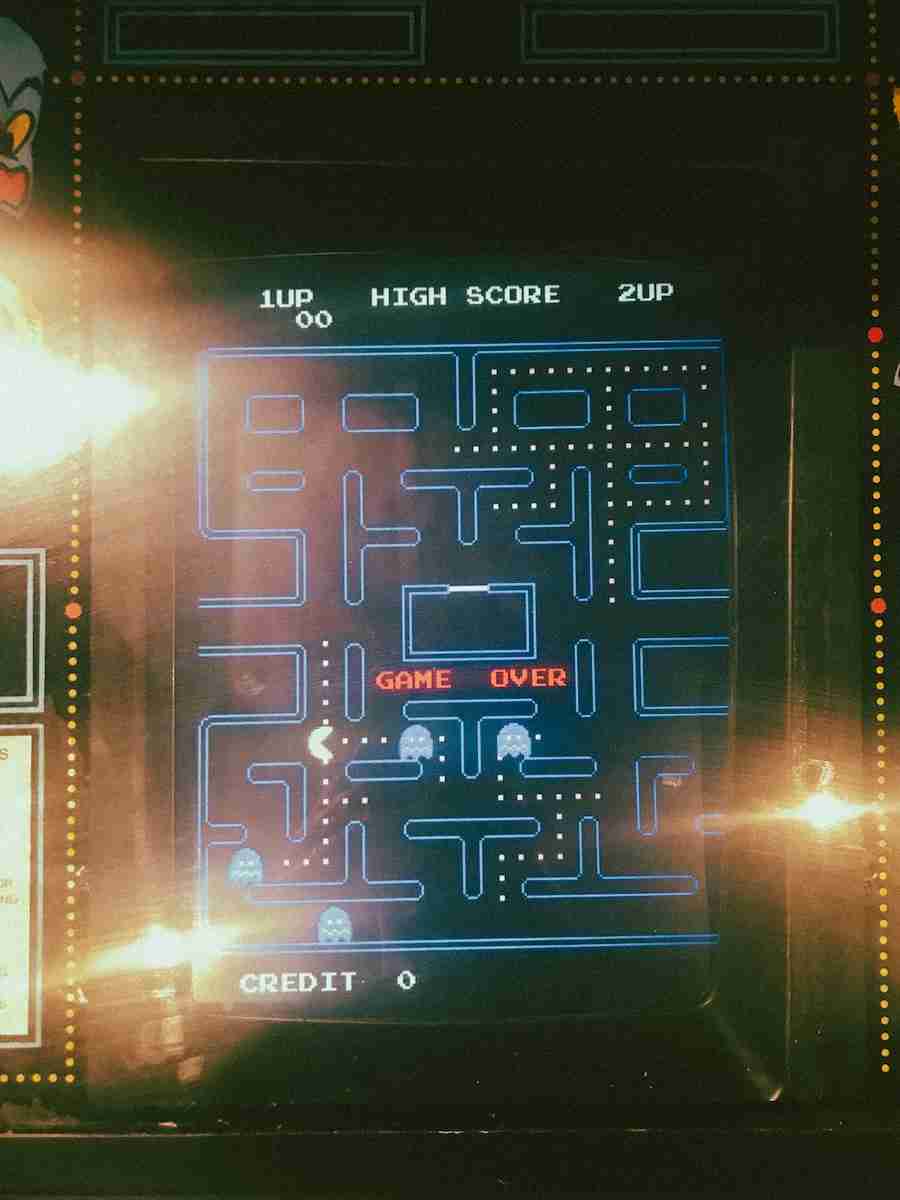
Picture this: you settle down after a long day, the world around you fading away as you immerse yourself in a virtual realm. This isn’t just an escape; it’s a gateway into honing skills you might never have expected. Video games—those colorful, interactive landscapes filled with quests and challenges—have become an unexpected playground for mental and physical development.
You might be raising an eyebrow, wondering how pressing buttons and dodging pixelated obstacles can lead to sharper spatial awareness and better coordination. But here’s the kicker: gamification—the process of applying game-design elements in non-game contexts—has spread its wings far beyond entertainment. It’s being used in everything from education to rehabilitation, turning an enjoyable pastime into a powerful tool for growth.
Let’s talk spatial awareness. It’s that nifty ability to understand where you are in relation to other objects, and it’s crucial in everything from driving to navigating a crowded room. Many studies suggest that playing action-oriented video games equips players with enhanced spatial skills. When you’re guiding a virtual character through a labyrinth or keeping track of multiple moving targets, your brain is getting a full workout. Each jump, every turn, is like a mini training session for your mind.
Now, what about coordination? Think back to those moments spent carefully timing your jumps or dodging flying projectiles on-screen. The skills you sharpen here translate into real life. Researchers have found that gamers often exhibit improved hand-eye coordination because these games require precise movements and quick reactions. Ever tried juggling while trying to dodge a rolling ball? It’s a real-life test of those video game reflexes, and your confidence will soar when you realize you can nail it.
So, as you casually pick up the controller, remember that you’re not just leveling up in a game. You’re expanding your capabilities in ways you might not have anticipated. They say practice makes perfect, and each time you venture into that digital world, you’re not just trying to save the day—you’re also training your brain and body. Embrace this journey, and let the lessons learned in pixelated arenas flow into your everyday life. Who knows? The next time you navigate a crowded street or you sway in a dance party, you just might find the moves flow a little more fluidly.

Can Video Games Improve Spatial Awareness and Coordination?
Can Video Games Improve Spatial Awareness and Coordination?
- Video games serve as a unique environment for both mental and physical development.
- Gamification extends beyond entertainment, impacting areas like education and rehabilitation.
- Playing action-oriented video games can enhance spatial awareness, crucial for navigation and driving.
- Research shows gamers often improve their hand-eye coordination through precise movements required in games.
- Video gaming can bolster confidence by developing reflexes applicable to real-life scenarios.
- Each gaming session contributes to honing skills that can transfer to everyday activities.
- Engaging in video games allows players to train their brains and bodies in unexpected ways.

Can Video Games Improve Spatial Awareness and Coordination?
Table Of Contents
- Can Video Games Improve Spatial Awareness and Coordination?
- Can Video Games Enhance Spatial Awareness Skills?
- What Types Of Games Are Best For Improving Coordination?
- How Do Different Genres Of Video Games Affect Spatial Skills?
- Are There Specific Age Groups That Benefit Most From Gaming?
- Can Playing Video Games Lead To Better Real-Life Navigation Skills?
- How Much Gaming Is Needed To See Improvements In Coordination?
- Are There Negative Effects Of Gaming On Physical Coordination?
- Conclusion
- Other Resources
- Glossary Of Terms
- Other Questions
- Haiku
- Poem
- Checklist
Can Video Games Enhance Spatial Awareness Skills?
Imagine this: You’re navigating a dense jungle, a virtual compass guiding you through tangled vines and towering trees. Each step you take requires a keen sense of direction, a spatial awareness that is honed with every pixel you traverse. This isn’t just a whimsical escape from reality; it’s a chance to sharpen skills that translate far beyond the screen—skills that are vital in everyday life.
Gamification, the practice of applying game-design elements in non-game contexts, has taken the educational world by storm. It turns out that the very mechanics that draw us into a gripping game can effectively lead us into enhanced spatial awareness. Studies have shown that players of action-oriented video games often excel in tasks requiring spatial judgment. Think about it: whether it’s solving a complex puzzle, maneuvering through a three-dimensional map, or piloting a spacecraft through an asteroid field, gamers are constantly engaging their brains in ways that demand acute visual-spatial skills.
But here’s the kicker: it’s not just about playing any game; it’s about understanding how these experiences influence cognitive development. Navigating virtual worlds forces us to think critically about where we are and where we need to go. A first-person shooter, for instance, isn’t just about pulling the trigger; it’s a dynamic exercise in orientation, decision-making, and quick thinking. With each session, players train their minds like an athlete gains muscle strength—making choices swiftly and learning from mistakes.
Still, I hear the skeptics. “Are video games really beneficial?” they ask, eyebrows raised. Well, consider how many of us struggle with spatial tasks in the real world—parallel parking, threading a needle, or even just reading a map. If a carefully crafted game can help boost those abilities, isn’t it something worth exploring?
In this fast-paced digital age, there’s value in recognizing that video games can be more than just escapism. They can be tools for growth, sharpening our minds while we have fun. So, the next time you find yourself engrossed in a game, consider what it’s teaching you about space, direction, and perception. Embrace the benefits, because when it comes to enhancing our spatial awareness, every little victory counts, both on-screen and off. Let’s not shy away from the screens that challenge us; let’s lean in and see how far they can take us!

Can Video Games Enhance Spatial Awareness Skills?
Can Video Games Enhance Spatial Awareness Skills?
- Navigating virtual environments enhances spatial awareness and direction skills.
- Gamification applies game-design elements in educational settings to improve learning.
- Players of action-oriented video games often excel in spatial judgment tasks.
- Engaging in virtual worlds promotes critical thinking about navigation and decision-making.
- Video games train cognitive skills similarly to how athletes train muscles.
- Games can help improve real-world spatial skills, like parking or map reading.
- Video games offer opportunities for cognitive growth while providing entertainment.

Can Video Games Enhance Spatial Awareness Skills?
What Types Of Games Are Best For Improving Coordination?
When it comes to enhancing coordination, the right games can be a game changer—not just for the kids but for anyone willing to dive in and give it a shot. Coordination isn’t just for athletes or professional dancers; it’s a skill that benefits us all, from the office worker navigating a tricky coffee machine to the parent trying to juggle multiple tasks at once. So, let’s take a stroll down the game aisle and see what can help improve those all-important hand-eye skills.
First off, let’s chat about video games. The world of gamification has transformed the traditional notion of play into immersive, multifaceted experiences. Games designed for coordination often involve intricate hand movements that mirror real-world actions. Think about those rhythm games where you tap or swipe in time with music while coordinating foot pedals or other controls. Sure, it might look like a dance party to outsiders, but under the surface, it’s a masterclass in improving fine motor skills and reflexes.
If you’re more into the physical side of things, consider sports-based games like table tennis or badminton. These activities require split-second decisions and rapid responses, making them ideal for honing coordination. Grab a friend, head outside, and before you know it, you’ll be not only improving your hand-eye coordination but also building camaraderie. Plus, it’s a social affair—you’ll share laughs, maybe a few friendly jibes, and get a workout while you’re at it.
For those who prefer a little bit of creativity with their coordination practice, try crafts like juggling or even simple DIY projects. Juggling involves precise timing and concentration, making it an incredibly effective way to build your eye-hand coordination. And let’s face it: there’s a sense of triumph that comes from catching that third ball—it’s hard not to smile when you achieve that!
Lastly, let’s not forget about cooperative games—think classic board games that require everyone to work together. While they may not seem like the traditional physical activities, group games often involve managing multiple tasks at once, requiring you to keep your eyes on several pieces. Who knew that battling it out over a game of charades could also enhance your coordination skills?
So, whether you’re a video game aficionado, a sports lover, or someone who thrives in crafty pursuits, there’s a game out there waiting for you. Embrace the challenge, gather some friends, and step into the wonderful world of play where coordination isn’t just improved—it’s celebrated!
What Types Of Games Are Best For Improving Coordination?
What Types Of Games Are Best For Improving Coordination?
- Games can significantly enhance coordination skills for people of all ages, not just athletes or dancers.
- Video games offer immersive experiences that improve fine motor skills through intricate hand movements and real-world actions.
- Sports-based games like table tennis and badminton sharpen coordination with split-second decisions and rapid responses.
- Physical activities not only build hand-eye coordination but also foster social interactions and camaraderie.
- Creative pursuits, such as juggling and DIY projects, develop eye-hand coordination through precise timing and concentration.
- Cooperative games and classic board games enhance coordination by requiring players to manage multiple tasks and keep track of several pieces.
- There’s a game for everyone—embracing these activities celebrates the improvement of coordination in a fun, engaging way.

What Types Of Games Are Best For Improving Coordination?
How Do Different Genres Of Video Games Affect Spatial Skills?
How Do Different Genres of Video Games Affect Spatial Skills?
Let’s get real for a second: video games aren’t just a way to pass the time; they are a unique portal into the mind’s eye, and each genre showcases its own twist on spatial skills. Imagine, for a moment, stepping into a first-person shooter. Those quick movements, urgent reactions, and calculated positioning can mirror real-world navigation skills. You’re not just blasting away virtual enemies; you’re honing your ability to gauge distances and orientations—skills that are essential whether you’re dodging traffic or finding your way in a new city.
Now, let’s switch gears to puzzle games. Picture a scenario where you’re manipulating pieces, twisting and turning them to fit just right. This isn’t just play; it’s what experts call gamification—a method of instilling real-life skills through engaging play. As you rotate blocks in “Tetris” or solve mazes in “The Legend of Zelda,” your brain is firing on all cylinders, reworking the very blueprint of how you perceive space and tackle challenges. It’s like a gym for your spatial reasoning, flexing those cerebral muscles until they’re nice and toned.
And then we have strategy games, the cerebral workout of the gaming world. Think about those sprawling maps and intricate setups. Here, you’re not just reacting in the moment; you’re planning several moves ahead. You are visualizing the battlefield or city layout, drawing invisible lines that connect your units and resources. This genre cultivates a unique form of spatial awareness that translates well beyond the screen, providing you with the ability to think about situations from multiple angles—be it in a boardroom meeting or a family gathering.
Now, you might be thinking, “So what’s in it for me?” Well, tapping into these different gaming genres can help you unlock potential in your daily life. Whether you want to navigate your environment better or even tackle those pesky IKEA furniture assembly instructions with ease, the lessons learned in gaming can resonate in relatable, real-world ways.
So the next time you pick up a controller, remember: it’s not just about high scores or leveling up. It’s a chance to broaden your horizons, sharpen your mind, and maybe even discover skills you didn’t know you had. And hey, isn’t that a worthwhile adventure in itself?

How Do Different Genres Of Video Games Affect Spatial Skills?
How Do Different Genres Of Video Games Affect Spatial Skills?
- Video games serve as a portal into the mind’s eye, each genre enhancing spatial skills in unique ways.
- First-person shooters improve real-world navigation abilities through quick movements and tactical positioning.
- Puzzle games like “Tetris” and “The Legend of Zelda” boost spatial reasoning through gamified problem-solving.
- Strategy games require planning and visualization of complex environments, enhancing spatial awareness.
- Skills developed in gaming can translate to real-life tasks, such as navigating environments or assembling furniture.
- Engaging with various game genres can broaden horizons and uncover latent abilities.
- Playing video games is about more than just scoring; it’s an opportunity for cognitive development and skill discovery.

How Do Different Genres Of Video Games Affect Spatial Skills?
Are There Specific Age Groups That Benefit Most From Gaming?
When it comes to gaming, it’s easy to think of it as just a pastime for kids or teenagers, but let’s put that notion aside for a moment. In reality, the benefits of gaming stretch across virtually every age group, each finding something unique that resonates with their life stage, from toddlers to retirees.
For the little ones—those cute bundles of energy—games can serve as a fun gateway to learning. Picture a bright-eyed child engaged with an educational app that turns math practice into an exciting quest. This is where gamification comes into play, transforming traditional learning into something that feels less like a chore and more like an adventure. Those first steps towards literacy and numeracy can be significantly enhanced when accompanied by bright colors, engaging characters, and interactive challenges. Children are not just absorbing knowledge; they are developing critical thinking skills and creativity that will benefit them for years to come.
Moving up to the teenagers, gaming offers a unique social fabric. Take a moment to imagine a group of teens collaborating on a quest to defeat a virtual dragon. They’re not just hunting for treasure; they’re learning teamwork, problem-solving, and even leadership skills. The lessons learned during these virtual adventures can translate directly to real-life scenarios, from school projects to future workplaces. Plus, with an advent of online platforms, friendships created in the digital world can be just as meaningful as those found in the halls of high school. In a time when connection can often feel fleeting, gaming provides a space where everyone can come together—no matter where they are in the world.
Now, let’s not forget our adults, lest we assume gaming is purely juvenile. More and more, we see adults diving into games for stress relief and relaxation. After a long workday, there’s something refreshing about kicking back with a remote or a mobile device and getting lost in a challenging game. It’s a great way to unwind, and the mental stimulation that comes with it? Well, that’s just the cherry on top. Whether it’s strategy games that boost cognitive function or casual gaming that serves as a much-needed escape, the joy of gaming transcends age boundaries.
And let’s not overlook our seniors! Many older adults are picking up controllers to keep their minds sharp and stay socially connected. Gaming promotes cognitive health and can even improve physical coordination. Plus, let’s face it, the sense of accomplishment from a well-fought battle or a solved puzzle is universal and timeless.
In short, gaming truly has no age limit. Whether you’re in your single digits, juggled between the responsibilities of adulthood, or gracefully navigating the golden years, there’s something for everyone in the world of gaming. So why not embrace it? Step into a new adventure, make some friends along the way, and experience those oh-so-sweet victories—one game at a time.

Are There Specific Age Groups That Benefit Most From Gaming?
Are There Specific Age Groups That Benefit Most From Gaming?
- Gaming benefits people across all age groups, from toddlers to retirees.
- For young children, games provide a fun way to enhance literacy and numeracy through gamification.
- Teenagers use gaming to develop teamwork, problem-solving, and leadership skills while fostering meaningful friendships.
- Adults engage in gaming for stress relief and mental stimulation after long workdays.
- Seniors find cognitive health benefits and improved physical coordination through gaming.
- The joys of gaming transcend age, offering unique experiences for everyone.
- Embracing gaming opens doors to new adventures and connections at any life stage.

Are There Specific Age Groups That Benefit Most From Gaming?
Can Playing Video Games Lead To Better Real-Life Navigation Skills?
Now, let’s talk about something that’s been buzzing around the gaming community like a pack of wild beavers: the idea that playing video games could actually sharpen our navigation skills in the real world. While some might roll their eyes and say, “You can’t take a joystick into the wilderness,” the truth is a little more nuanced—and exciting.
Imagine this: you’re flying through a digital landscape, with towering mountains and sprawling cities at your fingertips, all while figuring out the fastest route to your target. That’s the magic of gamification at play—turning complex problems into engaging challenges that can hone your spatial reasoning and memory. Picture yourself as a mariner navigating through fog, each piece of information—road signs, landmarks, your intuition—coalescing into a mental map. That’s the brain working on overdrive, folks.
Research has shown that gamers often develop a sharper sense of direction compared to non-gamers. Why? Because those hours spent exploring fantastical realms aren’t just mindless chasing and button-mashing; they’re powerful training sessions for our brains. Every virtual victory encourages strategic thinking, helps us build mental maps, and even enhances our ability to piece together environmental cues.
Think about it: when you leap into an open-world adventure, you’re not just aimlessly wandering. You’re absorbing information, understanding terrain, recognizing patterns, and often, solving problems on-the-fly. This dynamic skillset can transfer to real life, especially when you’re navigating your way through the maze of urban streets or recalling the fastest route from a store to your home.
Let’s connect the dots. Just like how a plumber has to understand the layout of pipes, a gamer learns the intricate web of a virtual landscape. So, when you grab your phone for directions, remember those hours spent in a digital universe where you’ve already conquered your map. Embrace that confidence! When you blend gaming experiences with real-world adventures, who knows what you might discover about yourself?
So, go ahead. Dust off that controller, dive into a new game, and not only are you having a blast, but you’re also prepping your brain for the next time life throws you into the navigational deep end. The skills are there, waiting to be unleashed. Let’s get navigating!

Can Playing Video Games Lead To Better Real-Life Navigation Skills?
Can Playing Video Games Lead To Better Real-Life Navigation Skills?
- The gaming community is exploring the idea that video games can enhance real-world navigation skills.
- Gamification transforms complex problems into engaging challenges, improving spatial reasoning and memory.
- Research indicates gamers often have a better sense of direction compared to non-gamers.
- Playing video games involves strategic thinking and building mental maps through exploration.
- Gamers absorb information and solve problems, skills that can translate to real-life navigation.
- Gaming experiences can boost confidence in navigating real-world environments.
- Engaging in video games not only offers fun but also prepares the brain for practical challenges.

Can Playing Video Games Lead To Better Real-Life Navigation Skills?
How Much Gaming Is Needed To See Improvements In Coordination?
Let’s face it, we live in a world where the lines between work, play, and personal development are often blurred. Enter the concept of gaming. Now, before you roll your eyes and imagine a weekend lounging on the couch, controller in hand, let me paint a different picture for you—one that’s vibrant with possibilities. We’re not just talking about mindless hours spent slaughtering pixelated monsters. No, my friends, we’re talking about an engaging, interactive world where gamification is the name of the game!
So, how much time do you really need to invest to see tangible improvements in your hand-eye coordination? It’s a fair question and one that might just surprise you. Many studies suggest that as little as 20 to 30 minutes of focused gaming a few times a week can lead to noticeable improvement in coordination skills. That sounds reasonable, right? Think of it like a workout for your brain and body. You wouldn’t expect to run a marathon after one training session, and it’s no different here. Consistency is key.
And don’t fret if you’re not a hardcore gamer. You don’t need to dive headfirst into the latest first-person shooter or intricate strategy game. The beauty of gamification is that it spans a spectrum of options. From simple mobile puzzle games to complex simulations, the important factor is engagement. Choose a game that hooks you and makes you want to play it regularly—that’s where the magic unfolds.
You see, your brain is a muscle, just like your biceps. It needs a little warm-up, a challenge, and maybe a few unexpected twists to grow stronger. When you’re maneuvering through a game, your brain is processing information faster than a coffee-fueled squirrel on a mission. And with hand-eye coordination, that’s exactly the kind of mental gymnastics you want to engage in.
So, what’s stopping you? Grab a controller, a joystick, or even your smartphone. Make it a part of your routine, just like heading to the gym or taking a walk. Who knows? You might hone skills you didn’t even know you had while having a lot of fun. That’s right—playing a game today might just level you up in real life tomorrow. What are you waiting for? Dive in and start your journey towards better coordination, one game at a time!

How Much Gaming Is Needed To See Improvements In Coordination?
How Much Gaming Is Needed To See Improvements In Coordination?
- The lines between work, play, and personal development are often blurred in today’s world.
- Gaming goes beyond mindless activities; it offers an engaging, interactive experience through gamification.
- Investing 20 to 30 minutes of focused gaming a few times a week can improve hand-eye coordination.
- Consistency is key, much like training for a marathon; improvements won’t happen overnight.
- Gamification encompasses a wide range of options, from simple puzzle games to complex simulations.
- Your brain, like a muscle, needs challenges and engagement to grow stronger.
- Incorporating gaming into your routine can enhance your skills while providing fun and entertainment.

How Much Gaming Is Needed To See Improvements In Coordination?
Are There Negative Effects Of Gaming On Physical Coordination?
Let’s dive into the world of gaming, shall we? For many, the allure of colorful interfaces and captivating storylines draws us in, often prompting long hours spent conquering virtual landscapes. But amid the joy of digital adventures lies a nagging question: could these indulgences be taking a toll on our physical coordination?
Now, before we dive deeper, let’s take a moment to acknowledge something remarkable: gaming, at its core, can enhance specific skills. It can sharpen our reaction times, boost hand-eye coordination, and improve strategic thinking, thanks to its inherent gamification. Those bright, flashing cues that guide us through a hostile environment? They can teach us to react quickly and think on our toes. But hold on just a second! The metal underbelly of this shiny world might have some unexpected repercussions.
Picture this: hours spent hunched over a screen, transfixed by the latest epic quest, while your body remains largely unmovable. Over time, that cozy gaming chair can develop into a throne of inactivity. Limited movement doesn’t just stifle your physical coordination; it can diminish overall health. Who hasn’t felt the dull ache of a stiff neck or the weariness of tired limbs after a classic gaming marathon? It’s a scenario that’s all too common, yet it’s often brushed aside in the thrill of victory.
Let’s not forget the impact on balance and fine motor skills, too. While your thumbs are busy executing intricate combos, the rest of your body might be left behind, in a state of neglect. When was the last time you got up to stretch between levels? When was the last time you participated in real-world activities that boost your coordination—things like throwing a ball, dancing, or even just going for a brisk walk? These experiences don’t just break up the gaming routine; they can enhance the very skills you may want to improve.
It’s about striking a balance. We live in a world where gaming can intersect with a physically active lifestyle. So, next time you’re about to embark on a marathon session, pause and consider: can you squeeze in some movement? A stretch, a quick jog, or even a dance break can do wonders. Enhanced coordination doesn’t merely happen in front of a screen; it flourishes through a life lived fully. So, roll up your sleeves, get moving, and let both your thumbs and your body flourish together!
Are There Negative Effects Of Gaming On Physical Coordination?
Are There Negative Effects Of Gaming On Physical Coordination?
- Gaming offers colorful interfaces and compelling storylines, leading to long hours of virtual exploration.
- It can enhance skills such as reaction time, hand-eye coordination, and strategic thinking through gamification.
- However, prolonged gaming leads to inactivity, negatively affecting physical coordination and overall health.
- Common physical issues from excessive gaming include stiff necks and tired limbs.
- Lack of movement can hinder balance and fine motor skills while gaming.
- Incorporating real-world activities can enhance coordination and breaks the gaming routine.
- Striking a balance between gaming and physical activity is essential for overall well-being.

Are There Negative Effects Of Gaming On Physical Coordination?
Conclusion
So, let’s guide ourselves to the conclusion of our exploration into the fascinating world of video games and the skills they can foster—specifically, spatial awareness and coordination. Picture this: you’re not simply a couch potato when you pick up that controller. Far from it! You’re engaging in a dynamic workout for your brain that has tangible, real-world benefits. Each time you navigate through that vast, pixelated landscape or dodge an incoming projectile, your brain is firing on all cylinders, building mental muscles you never knew you had.
The beauty of gamification lies in its ability to take ordinary concepts and weave them into extraordinary experiences. Whether you’re meticulously aligning blocks in a puzzle game or planning your next move in a fast-paced shooter, each action hones your spatial awareness. It’s akin to a workout for your mind. Research suggests that players often demonstrate improved spatial skills, transforming the very act of gaming into a potent tool for learning and growth.
And what about coordination? That’s where the magic really unfolds. Gaming offers a veritable treasure trove for developing hand-eye coordination, as the rapid movements and timing required mimic real-life scenarios. Imagine trying to juggle while dodging a rolling ball; that’s the sweet spot where digital reflexes meet real-world application. Just as practice makes perfect in any physical sport, a little gaming each week can bolster those coordination skills right when you need them.
Now, before we go on thinking that gaming is solely for the young and restless, let’s clear the air. Video games are for everyone—from kids learning math through engaging apps to retirees sharpening their cognitive function. It’s a vast playground where age is merely a number. So next time you power up your console or pull out that mobile game, remember: you’re not just playing; you’re evolving.
In a world that often underestimates the potential of gaming, it’s time to embrace the challenge. Let’s celebrate the victories that both happen on-screen and off. So, pick up that controller, dive into new adventures, and who knows—maybe the next time you find yourself threading the needle of urban navigation or mastering a dance floor, you’ll recognize that all those gaming hours have prepared you for real life, one press of a button at a time. After all, life—or at least, our journey through it—doesn’t have to be a game, but it sure can benefit from a touch of that gamified enthusiasm!
Conclusion
Conclusion:
- Video games foster skills like spatial awareness and coordination, acting as a workout for the brain.
- Engaging in gaming leads to improved mental agility through navigation and quick reflexes.
- Gamification transforms ordinary tasks into extraordinary learning experiences, enhancing spatial skills.
- Gaming enhances hand-eye coordination by simulating real-life movements and challenges.
- Video games are beneficial for all ages, from children to retirees, and can aid learning and cognitive function.
- Every gaming session contributes to personal growth, bridging virtual experiences with real-world applications.
- Embrace the potential of gaming to enrich life, blending fun with cognitive development.

Conclusion
Other Resources

Other Resources
Here is a list of other resources you can review online to learn more:
- Cardboard Republic
- Space Cowboys
- GamesRadar+
- Wizards of the Coast
- AEG (Alderac Entertainment Group)
- Thunderworks Games
- Leder Games
- Tzolk’in: The Mayan Calendar
- Dominion (Second Edition)
Use This Prompt To Get More Resources With Your Favorite Online AI Tool: Please provide me with a list of online articles with their URLs in a bulleted list that I can read regarding Can Video Games Improve Spatial Awareness and Coordination?

Other Resources
Glossary Terms
Can Video Games Improve Spatial Awareness and Coordination? – Glossary Of Terms

Glossary Of Terms
Other Questions
Can Video Games Improve Spatial Awareness and Coordination? – Other Questions
If you wish to explore and discover more, consider looking for answers to these questions:
- What are some specific video games known to improve spatial awareness?
- Are there particular age groups that benefit more from playing video games?
- How do video games compare to other activities in improving coordination and spatial skills?
- Can different types of video games affect learning in children differently?
- What is the optimal amount of gaming time needed for the best results in spatial awareness and coordination?
- Are there any games specifically designed to enhance spatial skills for older adults?
- How do virtual reality (VR) games impact coordination compared to traditional video games?
- What potential negative effects can excessive gaming have on physical coordination?
- Can video games assist in rehabilitation for individuals recovering from physical injuries?
- Is there ongoing research about video games and their impact on cognitive development in various contexts?

Other Questions
Haiku
Can Video Games Improve Spatial Awareness and Coordination? – A Haiku
Games draw us in fast,
Skills sharpen in digital—
Boosts in real world’s maze.

Haiku
Poem
Can Video Games Improve Spatial Awareness and Coordination? – A Poem
Level Up Your Mind
In worlds of color, pixels gleam,
Where heroes quest and dare to dream,
Beneath the glow of screens so bright,
Skills awaken, taking flight.
Through jungles dense and mazes wide,
You learn to navigate with pride,
A labyrinth of quests and foes,
With every jump, your prowess grows.
Gamification’s gentle hand
Turns play to growth—a learning strand.
Each shoot and puzzle teaches more
Than simple scores; it opens doors.
With quickened hands and focused eyes,
You sharpen skills, and confidence flies.
From rhythm games to sports’ embrace,
Coordination finds its place.
But heed the call of balance, friend;
For in inaction, gains can end.
A time to play, a time to move,
To keep both mind and body grooved.
So grab that controller, dive in deep,
Learn about space, your secrets keep.
For every level won with cheer,
Connects your gaming world to here.
Embrace the journey, play your part,
And let video games enrich your heart.
With practice sure, you’ll see it too—
The skills you build will carry through.

Poem
Checklist
Can Video Games Improve Spatial Awareness and Coordination? – A Checklist
Checklist: Enhancing Spatial Awareness and Coordination Through Gaming
1. Understand the Benefits of Gaming
_____ Recognize that gaming can improve spatial awareness and hand-eye coordination.
_____ Acknowledge the role of gamification in enhancing cognitive skills.
2. Choose the Right Types of Games
_____ Explore action-oriented video games that demand quick reflexes and spatial navigation.
_____ Try puzzle games that involve solving spatial challenges (e. g. , Tetris, mazes).
_____ Engage with strategy games that require planning and foresight (e. g. , StarCraft, Age of Empires).
_____ Consider rhythm games to develop timing and motor skills (e. g. , Dance Dance Revolution, Beat Saber).
_____ Opt for sports-based games to enhance coordination through physical movements.
3. Set a Gaming Routine
_____ Commit to gaming sessions of 20-30 minutes several times a week to see improvements.
_____ Choose games that keep you engaged, ensuring consistency in play.
4. Integrate Real-Life Activities
_____ Participate in physical activities that mimic gaming actions (e. g. , juggling, sports).
_____ Balance gaming with exercises that enhance coordination (e. g. , yoga, dance).
5. Monitor Time Spent Gaming
_____ Set limits on gaming time to prevent inactivity and ensure breaks.
_____ Incorporate stretching or short physical activities during gaming breaks.
6. Reflect on Progress
_____ Keep a journal of improvements in real-life navigation and coordination tasks.
_____ Celebrate milestones achieved through gaming, both in and out of the digital world.
7. Stay Mindful of Potential Drawbacks
_____ Be aware of physical strain from prolonged gaming sessions.
_____ Ensure that gaming does not replace essential physical activity and social interaction.
8. Embrace the Journey
_____ Enjoy the process of skill-building through games.
_____ Share experiences and improvements with friends or gaming communities.
This checklist serves as a practical guide to maximize the benefits of video gaming while promoting engaging and healthy gameplay habits.

Checklist
At HowDoYouGame, we help people who love board games by collating information and news about games.
Be sure to read our other related stories at HowDoYouGame to learn more about games.